More

    Can Money Change the World?

    Redirecting financial flows toward social and environmental priorities is more urgent than ever. Every dollar invested with an SDG focus can reduce poverty, boost innovation, and protect ecosystems.

    By Alfonso Fernández de Castro

    While headlines often focus on crises, inequality, or instability, they rarely highlight one of the most powerful tools for transformation: development finance. Can money change the world? Yes—if mobilized with strategic vision, sustainability, and equity.

    According to the United Nations Conference on Trade and Development (UNCTAD), the investment gap to achieve the Sustainable Development Goals (SDGs) by 2030 exceeds USD 4 trillion annually. Yet, global financial assets total USD 486 trillion, according to the Financial Stability Board.

    What prevents even a small fraction of these funds from flowing toward sustainability? This gap represents not only a financial challenge but also an opportunity to rethink how the economic system works and reorient it towards more equitable and resilient growth.

    While several barriers can limit capital flows—such as underdeveloped regulatory frameworks, lack of appropriate incentives, subsidies that fail to promote sustainable practices, unclear standards, and perceived risks—tackling them with an ecosystem perspective can unlock the full potential of finance for development.

    Redirecting financial flows toward social and environmental priorities is more urgent than ever. Every dollar invested with an SDG focus can reduce poverty, boost innovation, and protect ecosystems.

    The goal is clear: to build an effective, inclusive, and accountable financial system, capable of responding to major global challenges. To achieve this, many countries are implementing financing frameworks that align domestic and international resources with social and environmental goals. 

    These strategies mobilize investments that generate real impact in people’s lives and in planetary health: enabling energy transitions, reducing poverty, and fostering innovation in key sectors.

    At the global level, maximizing the impact of Official Development Assistance (ODA) remains essential. In 2024, for every dollar spent on basic financing, the United Nations Development Programme (UNDP) helped mobilize over USD 500 in public and private investment for the SDGs. Since 2022, this has amounted to over USD 870 billion in climate-resilient financing.

    The upcoming Financing for Development Conference (FfD4), in Seville, is a key opportunity to strengthen a global financial architecture that supports SDG-aligned investments, helps alleviate the debt burden on the most vulnerable countries, and promotes domestic resource mobilization through collaborative networks of governments, investors, and philanthropic organizations.

    Efforts also focus on building sustainable investment ecosystems through SDG-aligned pipelines, de-risking mechanisms, financial innovation, and systems that steer investments toward sustainable activities with strong disclosure and impact-tracking frameworks.

    Uruguay: Financial Innovation with Impact

    In Uruguay, the push for a sustainable finance market aims to accelerate SDG progress and position the country as a regional hub. This agenda is coordinated through the Sustainable Finance Roundtable, an inter-institutional platform led by the Ministry of Economy and Finance (MEF) and the Central Bank of Uruguay (BCU), with the strong commitment and support of UNDP, along with banking and financial sector partners, to tackle the challenges of development finance.

    A major milestone was the issuance of the Sovereign Sustainability Linked-Bond (SSLB) in 2022. Its Reference Framework was developed by five ministries with technical support from the Inter-American Development Bank (IDB) and UNDP. The bond linked financing costs to environmental targets, with external verification by UNDP. 

    Its first issuance, which drew USD 1.5 billion in demand, set a regional precedent for sustainable finance and marked a significant contribution to global public goods.

    In 2024, Uruguay also launched its first Social Impact Bond (SIB) focused on dual education—an instrument that links financial returns to measurable outcomes in inclusion and employability. Developed with the participation of civil society organizations, public institutions, and investors, it aims to finance educational projects that promote youth workforce integration.

    The Risk of Greenwashing: More Transparency, Fewer Empty Promises

    The growth of sustainable finance brings certain risks. One of the most prominent is greenwashing—that is, projecting a false environmental or social commitment without verifiable action or outcomes. To prevent it, it is essential to manage impact objectively, with clear transparency standards and independent verification mechanisms.

    Uruguay, with its strong financial framework and performance-linked bonds, exemplifies how a transparent, results-based approach can effectively counter greenwashing and ensure every invested dollar yields real impact.

    Financing the future means measuring the real impact of every decision. Only then can the 2030 Agenda become reality.

    Money has no intrinsic purpose; its impact depends on our choices. We can use it to fuel inequality—or as a driver to build a more just, resilient, and sustainable world.

    This opinion piece has been sourced from Inter Press Service.

    Alfonso Fernández de Castro is Resident Representative of the United Nations Development Programme (UNDP) in Uruguay

    China and Sri Lanka Move Closer to Free Trade Agreement Amid Global Trade Uncertainty

    With economic recovery efforts underway following Sri Lanka’s recent financial crisis, Chinese investment is seen as a lifeline that could help reboot key sectors, from logistics and manufacturing to digital technology.

    In a significant development that could reshape bilateral trade ties between China and Sri Lanka, China’s Commerce Minister, Wang Wentao expressed hope for the conclusion of a comprehensive Free Trade Agreement (FTA) with the island nation, during his visit to Colombo last week. The remarks came as Minister Wang co-chaired the latest meeting of the China-Sri Lanka Joint Committee on Economic and Trade Co-operation, reaffirming China’s long-standing commitment to deepening economic collaboration with the South Asian island nation.

    Speaking at a business forum attended by around 100 Chinese companies eager to explore investment and trade opportunities in Sri Lanka, Minister Wang called for accelerating negotiations on the FTA. “It is hoped that the two sides continue to work toward the conclusion of a comprehensive free trade agreement in one package, in line with the principles of equality and mutual benefit,” he said.

    The renewed push toward an FTA follows the visit of Sri Lankan President Anura Dissanayake to China in January, during which he met with Chinese President Xi Jinping. Minister Wang noted that an “important consensus in the trade and economic context” had been reached during that high-level visit, though he did not elaborate on the details. He assured that the Chinese Ministry of Commerce stands ready to implement the consensus and support Sri Lanka’s development goals.

    Strategic Investments and Economic Cooperation

    Among the key issues discussed during the committee meeting was the fast-tracking of a major oil refinery project by Sinopec, one of China’s leading state-owned petroleum giants. The multi-billion-dollar project, seen as a critical part of Sri Lanka’s efforts to boost energy security and attract foreign direct investment, is awaiting approvals for tax concessions, as well as access to land and water resources.

    Minister Wang emphasized that the Joint Committee should be a functional mechanism not only for dialogue but also for delivering tangible economic outcomes. “We need to use the Joint Committee to enhance exchanges at all levels and in all areas, tap into cooperation potential, and enrich the essence of our cooperation,” he said.

    In a move aimed at addressing Sri Lanka’s chronic trade imbalance with China, both sides agreed to launch a joint research initiative focused on boosting Sri Lankan exports to the Chinese market. This study will examine barriers, potential product lines, and logistical solutions to enhance Sri Lanka’s market access.

    Minister Wang also extended an open invitation to Chinese enterprises. “China will continue to support and encourage capable and willing Chinese companies, including those with us today, to increase investment in Sri Lanka,” he said. He added that such investments should support local industries, and advance green, low-carbon, and digital economic development.

    China’s Global Trade Vision Amid Protectionist Pressures

    With economic recovery efforts underway following Sri Lanka’s recent financial crisis, Chinese investment is seen as a lifeline that could help reboot key sectors, from logistics and manufacturing to digital technology.

    Minister Wang’s visit comes at a time when the global trading system faces serious turbulence. Addressing the forum in Colombo, he took aim at what he described as “unilateralist and protectionist actions” by unnamed countries, which have disrupted global trade flows and caused instability. Though he did not mention the United States by name, his comments alluded to the effects of US President Donald Trump’s tariff policies, which continue to have lingering effects on global trade norms.

    “As we speak, changes unseen in a century are evolving at a faster pace, and the world is confronted with great challenges,” he said. “Some individual country, with its unilateralist and protectionist actions, has undermined the international trade system, disrupted the global economic order, and damaged the development interests of all countries.”

    In this context, Wang called for renewed commitment to multilateralism. “China stands ready to work with Sri Lanka to step up coordination, jointly support free trade and the multilateral trading system, uphold international fairness and justice, and inject greatest stability and certainty into the world and the regional economy.”

    Positioning Sri Lanka as a Regional Investment Hub

    China has long been a major investor in Sri Lanka, funding infrastructure such as the Hambantota Port and the Colombo Port City. With economic recovery efforts underway following Sri Lanka’s recent financial crisis, Chinese investment is seen as a lifeline that could help reboot key sectors, from logistics and manufacturing to digital technology.

    The Colombo forum, held under the theme of “Shared Development and Rejuvenation,” saw active participation from Chinese firms in renewable energy, logistics, construction, and digital services. Many of these companies are reportedly exploring long-term partnerships and joint ventures with local enterprises.

    Minister Wang underscored the need for strong and resilient supply chains between China and Sri Lanka. “This will improve local supporting industries, empower the green, low-carbon and digital economy, and build smooth, stable, and resilient industrial and supply chains,” he said.

    As negotiations for the FTA continue, observers say the outcome will have wide-ranging implications not only for China-Sri Lanka ties but also for South Asia’s broader economic architecture. For Sri Lanka, a successful trade deal with the world’s second-largest economy could bring a much-needed boost to exports and investment. For China, it would strengthen its presence in a strategically located country along the Indian Ocean, further anchoring its Belt and Road Initiative.

    Whether the agreement can be finalised in the near term remains to be seen, but. Observers say, Friday’s developments signal clear political will on both sides to move the process forward.

    Sri Lanka’s Elephant Corridor Plan ‘Unscientific’

    Sri Lanka’s human-elephant conflict is costing lives and the Sri Lankan government plans to adopt ‘elephant corridors’ to avert the crisis. But experts say approach is unscientific.

    By Malaka Rodrigo

    Wildlife experts question the wisdom of adopting “elephant corridors” in Sri Lanka to end the country’s deadly human-elephant conflict, calling instead for a more science-based approach.

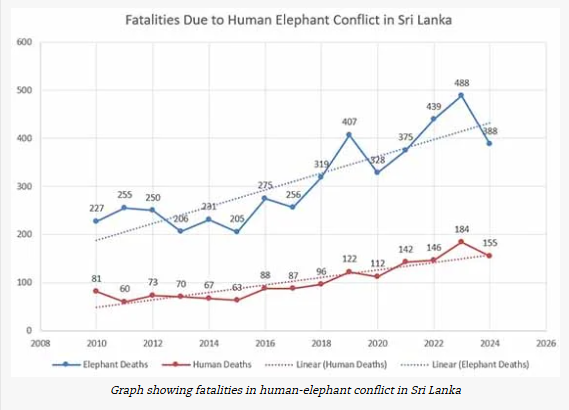
    Nearly 5,000 elephants and 1,600 people have been killed in the last 15 years in clashes between elephants and humans in Sri Lanka, home to one of the largest remaining populations of Asian elephants, according to official figures seen by SciDev.Net.

    Gunshots, electrocution and homemade explosives hidden in food, called hakka patas or jaw bombs, are the leading causes of elephant deaths.

    Human deaths occur mostly when elephants raid crops and homes in search of food and water. But they are sometimes also caused by irresponsible behaviour such as approaching wild elephants, especially under the influence of alcohol, and harassing or chasing them.

    To try to end the conflict, the Sri Lankan government plans to introduce elephant corridors, based on long-distance migration models used in other countries.

    According to Sri Lanka’s deputy minister of environment, Anton Jayakody, four major elephant corridors have been selected as first step. Sources close to the ministry say these will be designated as protected areas to mark World Environment Day on 5 June.

    However, Prithiviraj Fernando, chief scientist and top official at Sri Lanka’s Centre for Conservation and Research, thinks the strategy ignores the basic behaviour of the country’s elephants.

    ‘Wishful thinking’

    “Sri Lanka’s elephants are non-migratory, so corridors don’t work when elephants don’t move between parks,” Fernando tells SciDev.Net.

    Fernando, who used GPS tracking to study elephant movements for decades, says that 70 per cent of Sri Lanka’s less than 6,000 remaining elephants live outside protected areas, and many stay outside these areas even when roaming for food.

    “The idea of confining elephants to parks is based on wishful thinking, not science,” he says.

    Last year, Sri Lanka’s Department of Wildlife Conservation recorded 157 human deaths and over 200 injuries linked to elephant encounters. Property and crop damage claims exceeded 3,700 cases, costing the government Rs385 million (US$1.3 million) in compensation.

    “Most of the victims are poor farmers in rural Sri Lanka,” says E.G. Wickramasinghe, divisional secretary of the town of Galgamuwa in the North Western Province — one of the hardest-hit areas.

    Government compensation stands at one million Sri Lankan rupees (around US$3,330) per human fatality. But for many families, this does little to replace the loss of a breadwinner, says Wickremasinghe.

    Failed attempts

    In the first four months of this year, 150 elephants and 50 humans had already died, leading authorities to resume traditional tactics such as elephant drives. In one such effort, rangers attempted to drive the elephants into Wilpattu National Park in northwestern Sri Lanka. But the operation resulted in elephants congregating in a village, intensifying conflict in that area.

    A controversial elephant holding ground, established in 2013 to detain rogue elephants, ended in failure, with most animals unaccounted for after relocation.

    “There is no record of a successful elephant drive in Sri Lanka as elephants return and they’re more aggressive because they associate humans with trauma,” says Sumith Pilapitiya, elephant biologist and former head of the Department of Wildlife Conservation.

    In Sri Lanka, electric fences designed to deter elephants often fail due to poor maintenance, misplacement and limited community involvement. Elephants are also intelligent enough to learn techniques to breach the fences, making them less effective.

    Despite mounting evidence, successive governments have ignored scientific advice looking for instant results, according to Fernando.

    “The science is clear. Protected areas are at carrying capacity, [meaning the area can’t support any more of the species] so the elephant conflict mitigation must adapt,” he says.

    Science-based plan

    One attempt to shift towards evidence-based solutions was Sri Lanka’s National Action Plan for the Mitigation of human-elephant conflict, developed by a presidential committee chaired by Fernando in 2020. The plan proposes community-managed electric fences, mobile fencing around seasonal farmland, and managed elephant ranges to allow elephants to roam freely in specific landscapes.

    These interventions proved successful when piloted last year and both elephant and human fatalities declined. However, since a change in government in late 2024, the action plan has been set aside.

    Conservationists warn that abandoning science-based policy could reverse recent gains.

    “The National Action Plan is a scientifically grounded, peer-reviewed framework and Sri Lanka’s best chance to reduce conflict gradually and sustainably,” Pilapitiya tells SciDev.Net.

    “The human-elephant conflict doesn’t have instant solutions, so it is of utmost importance to carry out science-based solutions to get results.”

    Emerging from its worst economic crisis, Sri Lanka has cut conservation budgets, impacting wildlife efforts. But the real obstacle to implementing evidence-based solutions is weak political will and poor understanding, says Pilapitiya.

    Hemantha Withanage, executive director and senior environmental scientist at the Centre for Environmental Justice, says that unplanned development — particularly agricultural encroachment — is a major driver of the conflict.

    Withanage also stresses the need to use science and technology to improve yields from existing farmlands, to lessen the need for new areas to be cleared. He urges authorities to declare any remaining forest patches that are important elephant habitats as protected areas.

    “Unless land use is regulated and wilderness preserved, the problem will only escalate,” he adds.

    This story has been sourced from SciDev.Net.

    Photo courtesy of Hippopx.

    New Projections Show Extreme Glacier Loss Already at 2°C

    Even the Hindu Kush Himalaya, where glaciers feed river basins supporting 2 billion people, show only 25 per cent of 2020 ice remaining at 2°C. Urgent transition from fossil fuels is needed to avoid glacier tipping points, says ICIMOD.

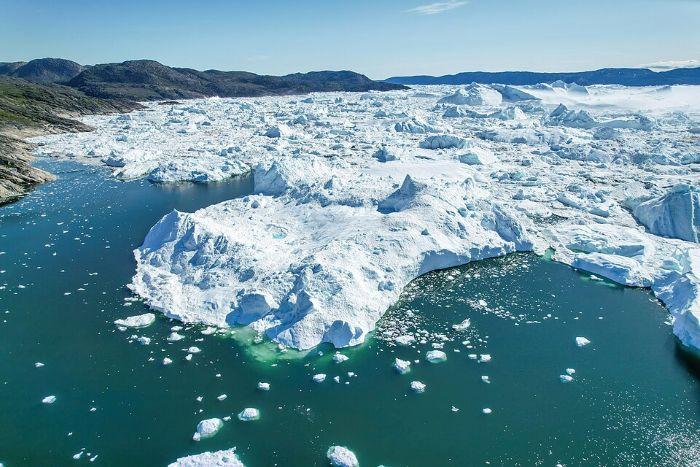
    An international study published in Science finds that glaciers are even more sensitive to global warming than previously estimated; with only 24 per cent of present-day glacier mass remaining if the world warms to 2.7°C, the trajectory set by current climate policies.

    In contrast, limiting warming to 1.5°C would preserve 54 per cent of glacier mass.

    These figures however are global, skewed mostly by the very large glaciers around Antarctica and Greenland.  The glacier regions most important to human communities are even more sensitive, with several losing nearly all glacier ice already at 2°C.

    This includes the glaciers of the European Alps, the Rockies of the Western U.S. and Canada, and Iceland, with only 10-15 per cent of their 2020 ice levels remaining at 2°C sustained warming.  Most hard-hit would be Scandinavia, with no glacier ice remaining at 2°C at all.

    All four of these regions are committed to losing at least half their ice already at or below 1°C; starkly mirroring a paper released last week setting the safe margin for Antarctic and Greenland ice sheets at or below that same 1°C level.

    Even the Hindu Kush Himalaya, where glaciers feed river basins supporting 2 billion people, show only 25 per cent of 2020 ice remaining at 2°C.

    Need Rapid Decarbonization

    Staying close to 1.5°C on the other hand preserves at least some glacier ice in all regions, even Scandinavia, with 20-30 per cent remaining in the four most sensitive regions; and 40-45 per cent in the Himalayas and Caucuses; stressing the growing urgency of the 1.5°C temperature goal and rapid decarbonization to achieve it.

    These results come amidst rising concern about impacts of glacier and snowpack loss by world leaders as the first global UN conference focused on glaciers opens in Dushanbe, Tajikistan on Friday.  Officials from over 50 countries are in attendance, including 30 at ministerial level or higher. 

    Glaciers in Tajikistan and the rest of Central Asia, serving as water towers across the ancient Silk Road civilizations stretching from Pakistan to China, maintain twice as much ice at 1.5°C (60 per cent of 2020 levels) as they do at 2°C (30 per cent).

    Speaking in Dushanbe, Asian Development Bank Vice-President Yingming Yang said, “Melting glaciers threaten lives on an unprecedented scale, including the livelihoods of more than 2 billion people in Asia. Switching to clean energy to cut the release of planet-warming emissions remains the most effective way of slowing glacial melt.  At the same time,” he added, “it is essential to mobilize financing to help the most vulnerable adapt to a future of more floods, droughts, and rising sea levels across Asia and the Pacific.”

    To get these results, a team of 21 scientists from ten countries used eight glacier models to calculate the potential ice loss of the more than 200,000 glaciers worldwide, under a wide range of global temperature scenarios. For each scenario, they assumed that temperatures would remain constant for thousands of years.

    Sagarmatha Dialogues

    In all scenarios, the glaciers lose mass rapidly over decades and then continue to melt at a slower pace for centuries, even without further warming. This means they will feel the impact of today’s heat for a long time before settling into a new balance as they retreat to higher altitudes.

    “Our study makes it painfully clear that every fraction of a degree matters,” says co-lead author Dr. Harry Zekollari from the Vrije Universiteit Brussel. “The choices we make today will resonate for centuries, determining how much of our glaciers can be preserved.”

    “Glaciers are good indicators of climate change because their retreat allows us to see with our own eyes how climate is changing…[but t]he situation for glaciers is actually far worse than visible in the mountains today,” says co-lead author Dr. Lilian Schuster from the University of Innsbruck.

    A sadly striking feature of the study is that glaciers in the Tropics — the central Andes of Peru, Ecuador and Colombia, as well as East Africa and Indonesia — appear to maintain higher levels of ice, but this is only because they have lost so much already.  What remains today is at very high altitudes where ice essentially “evaporates,” rather than melts.

    Venezuela’s final glacier, Humboldt lost glacier status in 2024; Indonesia’s ironically named “Infinity Glacier” is likely to follow within the next two years.  Germany lost one of its last five remaining glaciers during a heat wave in 2022, and Slovenia’s likely lost its last real glacier a few decades ago.

    At another high-level conference on mountains and glaciers earlier this month, named the Sagarmatha Dialogues in honour of Mt. Everest (Sagarmatha), Nepal’s Prime Minister Oli underscored their global importance: “Mountains may seem far away. But their breath keeps half the world alive. From the Arctic to the Andes, from the Alps to the Himalayas – they are the Earth’s water towers….and they are in danger.”

    Image: Wikimedia

    Government Extends Interest Relief for Farmers, Reinforces KCC and MISS as Pillars of Agricultural Credit

    By maintaining momentum on agri-credit reforms and strengthening institutional support, the government signals its continued commitment to farmer welfare, rural prosperity, and sustainable agricultural growth.

    In a major step to reinforce credit access for millions of Indian farmers, the Union Cabinet on Wednesday approved the continuation of the Modified Interest Subvention Scheme (MISS) for the financial year 2025–26. This move reaffirms the government’s commitment to affordable agricultural financing, with the Kisan Credit Card (KCC) platform continuing to serve as the main conduit for short-term crop loans.

    Under the scheme, a 1.5 per cent interest subvention will be provided to banks on crop loans up to ₹3 lakh. With the inclusion of a 3 per cent Prompt Repayment Incentive (PRI) for timely repayment, farmers will be able to avail themselves of short-term agricultural credit at an effective interest rate of just 4 per cent – one of the lowest globally.

    Affordable, Accessible Credit for All Farmers

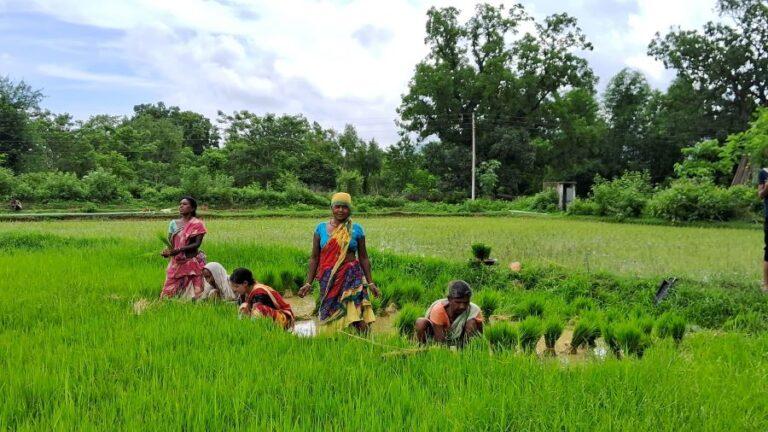
    The extension of the scheme brings continued relief to the farming community, particularly small and marginal farmers who comprise the majority of India’s agricultural sector. Currently, 76 per cent of all agricultural credit accounts are held by smallholder farmers, underscoring the scheme’s inclusive reach.

    Through the KCC framework, farmers benefit from revolving credit facilities for up to five years. This flexible structure allows them to draw and repay funds as per their seasonal requirements without having to reapply for loans each season.

    In the event of natural calamities, the scheme also offers interest relief for up to one year. For cases involving more severe disasters, interest subvention can be extended for up to five years, providing crucial support during times of distress.

    Additionally, loans of up to ₹2 lakh under KCC can be availed without any collateral, reducing financial barriers and empowering more farmers to access credit.

    Credit Growth Mirrors Scheme’s Impact

    Since its revamp, the KCC and MISS frameworks have played a transformative role in India’s agricultural credit landscape. Credit flow through KCCs has more than doubled over the past decade, increasing from ₹4.26 lakh crore in 2014 to ₹9.81 lakh crore in 2024. Simultaneously, overall agricultural credit flow surged from ₹7.3 lakh crore to ₹25.49 lakh crore, indicating the growing institutional footprint in rural finance.

    A significant indicator of success is the rise in institutional credit, which now accounts for over 75 per cent of total farm credit — a shift that has significantly reduced farmers’ reliance on informal moneylenders who often charge exorbitant interest rates.

    Moreover, improvements in credit performance are visible. Non-Performing Assets (NPAs) in the agricultural sector dropped from 8.9 per cent in 2019 to 7.2 per cent in 2023. Specifically, NPAs under the KCC scheme declined from 12.66 per cent in 2021–22 to 11.5 per cent in 2023–24, reflecting better repayment behavior and more robust loan recovery mechanisms.

    Technology for Transparency: The Kisan Rin Portal

    To further streamline the scheme, the government has operationalized the Kisan Rin Portal (KRP), a digital platform designed to monitor and manage interest subvention claims. By digitizing the process, KRP ensures faster disbursement of claims, increased transparency, and greater accountability for both banks and farmers.

    This digital push is part of the government’s broader strategy to modernize agricultural financing systems and make credit delivery more efficient.

    While Wednesday’s Cabinet decision ensures the uninterrupted continuation of the interest subvention scheme, discussions are underway to enhance the KCC loan ceiling to ₹5 lakh — a proposal that was outlined in the Union Budget 2025. Once implemented, this enhancement is expected to further empower farmers and expand access to working capital, particularly for those scaling up operations or diversifying crops.

    Legal Battle Brews Over Rampant Illegal Sand Mining in Meghna River

    The massive profits coupled with a weak legal framework have drawn influential individuals with political connections into the sand mining business, making it dangerous for environmental activists and journalists to speak out.

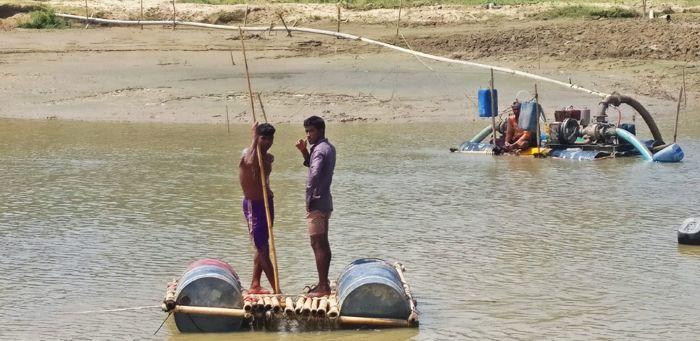
    A legal notice has been served on five government offices in Bangladesh, demanding immediate action against rampant illegal sand extraction along a 20-kilometer stretch of the Meghna River in Sarail upazila, Brahmanbaria on Wednesday. The notice, sent by Supreme Court lawyer Iftekhar Ahmed on behalf of two local residents, highlights the severe environmental threats and socio-economic risks posed by these unchecked activities.

    The affected stretch of the Meghna, a vital waterway, has become a hotspot for grabbers who have long been extracting sand without proper authorization. This illegal mining is not only accelerating riverbank erosion but also jeopardizing the livelihoods of an estimated 100,000 people across 16 villages, including Rajapur, Pakshimul, Chunta, Panishwar, and Dubajaile. Homes, agricultural lands, schools, bridges, and embankments are all under threat from the shifting landscape caused by excessive sand removal.

    Barrister Iftekhar Ahmed confirmed to The Daily Star that the notice was dispatched to the Ministry of Water Resources, the Ministry of Environment, Forest and Climate Change, the deputy commissioner of Brahmanbaria, the upazila nirbahi officer (UNO) of Sarail, and the chairman of Aruail Union Parishad. “We have urged the authorities to take immediate action against the illegal sand extraction under the Balumahal and Soil Management Act,” said Ahmed. “If no steps are taken, legal action will be pursued.”

    The issue of illegal sand mining is a widespread problem across Bangladesh, fueled by the booming construction industry’s insatiable demand for sand. Activists estimate that a staggering 60-70% of the sand mined in the country is extracted illegally, with little to no consideration for environmental or hydrological impacts. This unregulated mining is severely degrading river ecosystems, destroying biodiversity, and escalating the risk of devastating river erosion.

    Md Mosharraf Hossain, the Sarail UNO, acknowledged the problem, stating that inadequate river dredging leads to silt accumulation, forming shoals and ultimately causing erosion. He noted that while sand extractors have a lease for an 11-acre area at Dubajaile village, they are allegedly expanding their operations into adjacent, unleased areas. “We are going to the scene to witness the matter,” he stated, adding that dredging through the Bangladesh Inland Water Transport Authority has been initiated in the area following a survey. He also hinted at disputes between the involved parties and a rival group as a reason for the current objections.

    Brahmanbaria Deputy Commissioner Md Didarul Alam assured that an investigation would be launched to ascertain any irregularities in the sand extraction process.

    A Flawed Law and Lax Enforcement

    Despite a 2010 law, the Quarry and Soil Management Act, designed to regulate sand mining, critics contend that it has, ironically, enabled the illegal industry to flourish. This is attributed to weak punishment, lax enforcement, and the significant involvement of politically connected individuals in the business.

    Bangladesh’s economic growth over the past three decades has spurred urban and rural development, leading to a huge demand for construction materials. The country’s 57 transboundary rivers, carrying an estimated 2.4 billion metric tons of sediment annually, provide a readily available source of sand. A significant portion of this extracted sand is used for landfill to reclaim new land, often by filling in canals and drains, which in turn obstructs monsoon runoff and exacerbates flooding.

    Maminul Haque Sarker, senior adviser on river, delta and coastal morphology at the Center for Environmental and Geographic Information Services (CEGIS), emphasizes the critical link between unplanned sand mining and river erosion. “Extreme mining of sand causes the degradation of rivers and their channels. The mining process creates holes in the bed, which leads to riverbank erosion,” he explained. CEGIS data for 2019 and 2020 illustrates the alarming rate of land loss due to erosion by major rivers like the Brahmaputra and Ganges (Padma), with thousands of hectares of arable land, roads, and infrastructure being swallowed.

    Environmental activists and lawyers, including Syeda Rizwana Hasan, chief executive of the Bangladesh Environmental Lawyers Association (BELA), point to significant loopholes in the Quarry and Soil Management Act. The law permits local governments to declare “sand quarries” without clear criteria and, unlike in neighboring India, does not mandate an environmental impact assessment (EIA) before extraction. “We have a very weak legal framework and even this weak legal framework is not implemented,” Rizwana stated, highlighting the influence of politically connected players who exploit these weaknesses. BELA has filed over 300 lawsuits against illegal mining, but convictions often result in minor fines, offering little deterrence.

    Out of Control: The Dark Side of Sand Mining

    The massive profits coupled with a weak legal framework have drawn influential individuals with political connections into the sand mining business, making it dangerous for environmental activists and journalists to speak out. Reports of physical assaults on local government officials and journalists investigating illegal mining are not uncommon. A fabricated lawsuit even led to the detention of three individuals in 2012, according to the Asian Human Rights Commission.

    Further underscoring the severity of the crisis, a gang of influential men from Mirzachar area of Raipura upazila in Narsingdi has allegedly been illegally extracting and selling vast quantities of sand from the Meghna River for the past 25 days. Locals anonymously reported that this unlicensed operation extracts an estimated 600,000 cubic feet of sand daily, valued at Tk 1.5 million, with allegations of local administration collusion. This unchecked dredging is causing significant erosion in nearby villages like Charlapang, Sahebnagar, Nasirabad, Mirzachar, and Shantipur.

    Noore Alam, Chairman of Nabinagar West Union Parishad, expressed grave concern over the erosion impacting agricultural land and homes in Charlapang, noting that despite reporting to the Upazila Assistant Commissioner (Land), he found him “reluctant about the matter.”

    Meanwhile, Munshi Enterprises, a legitimate company with a lease for sand mining in Dhoravanga Natul char and Balimohol of Jaftabar, is also being impacted by the illegal operations. Nabir Hossain of Munshi Enterprises stated that the illegal gang from Raipura is diverting their customers, threatening their ability to recover their lease investment.

    Nabinagar Upazila Assistant Commissioner (Land) Md Abu Musa declined to comment on the matter. However, Brahmanbaria Additional Deputy Commissioner (Revenue) Jasmine Sultana affirmed that no one has the right to extract sand outside their leased area. She assured that mobile courts are regularly conducted to prevent illegal extraction, seize dredgers, and impose fines, with plans for larger-scale operations in the near future.

    An official of the environment ministry said, “The ongoing legal notice and the public outcry underscore the urgent need for a more robust and enforced regulatory framework to protect Bangladesh’s vital river systems and the communities dependent on them.”

    Yunus Warns of ‘War-Like Situation’ Amid Political Crisis and Rising Tensions

    Islamic parties also placed their demands on the table. Islami Andolon Bangladesh Ameer Rezaul Karim cautioned that failure to implement necessary reforms would jeopardise hopes for a fair election.

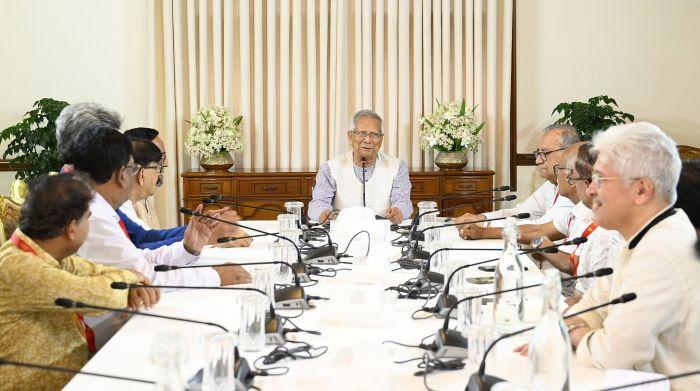
    The Chief Adviser to the interim government of Bangladesh, Prof Muhammad Yunus, has described the country as being in a “war-like situation” following the government’s ban on the Awami League, warning of destabilisation efforts both domestically and abroad that threaten to derail the country’s progress.

    Addressing political leaders at state guest house Jamuna on Monday, Yunus spoke of a nation under siege since the May 12 prohibition on Awami League activities. “A war-like situation emerged both inside and outside the country, preventing us from moving forward, causing everything to collapse, and pushing us back into subservience,” Yunus was quoted as saying by his Press Secretary Shafiqul Alam.

    The high-stakes meeting brought together 20 leaders from various political parties and organisations in two separate sessions, as Yunus sought to shore up support amid reports of internal tensions within his interim government and growing external pressure.

    The talks followed speculation last week that Yunus had considered stepping down, reportedly expressing frustration over recent developments. Over the weekend, leaders from the BNP, Jamaat-e-Islami, and National Citizen Party met with Yunus separately to discuss the political impasse.

    Yunus reiterated that the nationwide uprising in July 2024, which saw the collapse of the former government, had opened a “historic opportunity” to reset Bangladesh’s political future. However, he warned that persistent conspiracies could unravel those gains.

    “Since the Awami League’s activities were banned, there have been relentless efforts to destabilise the situation,” he said. “We must protect ourselves from this.”

    Mounting Challenges

    Despite the mounting challenges, Yunus assured political stakeholders that he remained committed to steering the nation toward elections and reform. “If I fail to hold a fair election, I will feel guilty,” he said, asking the assembled leaders to trust that he would not act against the national interest.

    According to Shafiqul, political leaders reaffirmed their support for the interim government’s core priorities: constitutional reform, prosecution of those involved in the July killings, and a credible national election. Yunus confirmed that elections would be held before June 30 next year, a timeline that reportedly satisfied most of the attending parties.

    However, the demand for a detailed roadmap to reforms and justice remains a sticking point.

    Mujahidul Islam Selim, former president of the Communist Party of Bangladesh, called for popular participation in the reform process, cautioning that the interim government’s limited tenure might constrain its ability to implement substantive change. “The election can take place after making the necessary reforms… unnecessary delays can worsen the already unstable situation,” he warned.

    Nationalist voices also raised concerns about foreign interference. Nagarik Oikya President Mahmudur Rahman Manna said Yunus directly blamed Indian hegemony for Bangladesh’s “major crisis” and urged unity against external domination. “The nation doesn’t want Yunus to resign,” Manna said. “We must remain united, setting aside our differences.”

    Humanitarian Corridor

    Leaders also questioned the government’s recent decisions on sensitive foreign policy issues. Saiful Haque, secretary of the Biplobi Workers Party, objected to the proposed humanitarian corridor to Rakhine State and the transfer of Chattogram Port operations to a foreign entity without broad political consultation. “These decisions should not be made unilaterally,” he insisted, noting Yunus had not offered a definitive stance on the issues.

    Other leaders echoed calls for a transparent path forward. Mojibur Rahman Monju, chairman of Amar Bangladesh Party, underscored the importance of unity among groups that led the July uprising, while Hasnat Quaiyum, chief coordinator of Rashtro Songskar Andolon, said trials, reforms, and elections must be pursued in parallel, not sequentially.

    “Delaying elections in the name of reform will only fuel further instability,” said Hasnat, advocating for strict adherence to the announced electoral timeline.

    Zonayed Saki, chief coordinator of Ganosamhati Andolon, addressed the growing controversy surrounding two advisers affiliated with the Students Against Discrimination movement. “If they have political plans for the future, their impartiality is compromised. Resignation may be necessary,” he said, urging the interim government to clear the air and release a specific election roadmap to allow parties to prepare accordingly.

    Islamic parties also placed their demands on the table. Islami Andolon Bangladesh Ameer Rezaul Karim cautioned that failure to implement necessary reforms would jeopardise hopes for a fair election. Bangladesh Khelafat Majlis Ameer Mamunul Haque called for inclusive political dialogue on international issues, while Hefazat-e-Islam Secretary General Sajidur Rahman insisted that no law should contradict the Quran and Sunnah.

    As the country braces for the uncertain months ahead, Yunus’ ability to unify disparate political forces while weathering internal dissent and geopolitical pressure may determine whether Bangladesh can emerge from this period of crisis with its democratic transition intact.

    Vice President Calls for Direct Subsidies and Agri-Entrepreneurship at Madhya Pradesh Conclave

    From calling for direct benefit transfers to farmers, to encouraging agro-based industries to support rural transformation, to asserting India’s new global stature, Dhankhar articulated a sweeping agenda for national renewal.

    In a powerful address at the inauguration of the ‘Agri-Industry Conclave’ in Narsinghpur, Vice President Jagdeep Dhankhar called for a paradigm shift in the way agricultural subsidies are delivered to farmers, urging that all financial aid — including fertilizer subsidies — be deposited directly into their bank accounts. The Vice President’s address wove together economic, security, and agricultural themes, making a strong case for an integrated approach to national development.

    “There will be real uplift in farmers’ income when every form of assistance reaches them directly,” Dhankhar declared to a packed gathering of farmers, agribusiness leaders, and state officials. “In countries like the United States, farm families earn more than average households. This is largely due to direct government support. In India, we still provide major subsidies indirectly — especially on fertilizers. If all subsidies are given directly, each farmer could receive at least ₹35,000 annually.”

    He called on the Indian Council of Agricultural Research (ICAR) to conduct a comprehensive study and publish a roadmap on direct subsidy delivery to ensure that the benefits of government schemes reach farmers in full. “We are already doing this with PM-KISAN. Let’s extend it to all subsidies,” he said, referring to the flagship scheme under which ₹6,000 is transferred annually to eligible farmers.

    Agriculture’s Economic and Industrial Role

    The Vice President emphasised that agriculture should not be viewed in isolation. “It is not just an economic sector,” he said. “It has deep ties with industry. Half of our population depends on agriculture, and integrating it with industrial growth is essential.”

    Praising Chief Minister Mohan Yadav’s initiatives in livestock, dairy, and horticulture, Dhankhar said the future of Indian agriculture lies not just in traditional farming, but in turning farmers into entrepreneurs — or “agripreneurs.”

    “We must create millions of agripreneurs who will lead in value addition, marketing, and diversification,” he said. “Whether it’s dairy, fruits, vegetables, or even ice cream and sweets like rasgullas — the farmer must be at the center of this transformation.”

    He urged agro-based industries, NGOs, MPs, and MLAs to adopt villages and help build agri-entrepreneurial ecosystems. “Your prosperity depends on the farmer’s prosperity,” he said. “Industries that run on agricultural inputs must support the communities that sustain them.”

    In a broader national context, Vice President Dhankhar celebrated India’s rapid economic growth over the past decade, positioning it as a leading global player.

    “Today, India has become the fourth-largest economy in the world,” he said. “We have overtaken France, the UK, and Japan. And we’re closing in on Germany. Soon, we will be the third-largest economy.”

    He credited this progress to robust infrastructure expansion, consistent reforms, and decisive leadership. “Ten years ago, we were struggling. Today, we are a force to reckon with globally. This is the result of hard work and clear resolve.”

    National Pride and the Road to 2047

    The Vice President closed his speech with a call to unite agriculture, industry, and national pride to achieve the goal of making India a developed nation by 2047 — the centenary of independence.

    “India’s farmers are patriotic. They persevere despite droughts, floods, and delayed rains. With support and innovation, they will not only feed the nation but fuel its economic rise,” he said.

    He predicted a future where Indian villages become hubs of innovation and entrepreneurship. “Let us aim to lead the world in dairy, horticulture, and food processing. The day is not far when our farmers will go beyond producing milk to producing premium dairy products for the world.”

    The Vice President’s speech in Narsinghpur was more than just a ceremonial address – it was a vision statement. From calling for direct benefit transfers to farmers, to encouraging agro-based industries to support rural transformation, to asserting India’s new global stature, Dhankhar articulated a sweeping agenda for national renewal.

    In the backdrop of a rapidly changing India — economically vibrant, militarily assertive, and agriculturally resilient — his words resonated with both urgency and hope.

    As the conclave ended, a palpable energy lingered in the air — one where the future of India’s farmers is not only secure but empowered, where subsidies don’t leak, and where the nation rises together, shoulder to shoulder with those who till its soil.

    Sri Lanka and New Zealand Eye Stronger Economic and Educational Ties

    Beyond trade, both nations expressed keen interest in enhancing vocational training collaboration, with a specific focus on developing industry-aligned skills for Sri Lankan youth. Educational linkages were also a key theme.

    Sri Lanka and New Zealand are poised to significantly deepen their bilateral relationship, with discussions in Colombo focusing on expanded cooperation in tourism, processed food trade, and education, alongside tackling legal migration. The positive outlook emerged following high-level talks between New Zealand’s Deputy Prime Minister and Foreign Minister Winston Peters and Sri Lanka’s Foreign Minister Vijitha Herath.

    Minister Peters highlighted the increasing engagement of New Zealand companies with Sri Lanka, citing growing investments and collaborations. “Many of these collaborations will deliver benefits for Sri Lanka in the tourism, agriculture, and healthcare sectors,” he stated, underscoring the diverse potential for mutual gain. He also emphasized the critical role of government-to-government cooperation between food safety and border agencies. Such collaboration aims to elevate food safety standards, streamline border procedures, and ultimately boost Sri Lanka’s market access capabilities.

    A significant point of discussion was Sri Lanka’s application to accede to the Regional Comprehensive Economic Partnership (RCEP) Agreement, which Minister Peters affirmed was “very welcome” by New Zealand. This endorsement signals New Zealand’s support for Sri Lanka’s integration into broader regional trade frameworks. New Zealand’s dairy giant Fonterra already holds a substantial presence in Sri Lanka’s dairy market, and New Zealand has also extended assistance to the local farming sector, demonstrating a foundational partnership in agriculture.

    Trade and Economic Dialogue

    Foreign Minister Herath, for his part, revealed discussions about establishing a dedicated Trade and Economic Dialogue with New Zealand. He elaborated on exploring expanded trade links, particularly in high-potential sectors such as dairy, processed food, and fresh produce, and improving market access for Sri Lankan products.

    Beyond trade, both nations expressed keen interest in enhancing vocational training collaboration, with a specific focus on developing industry-aligned skills for Sri Lankan youth. Educational linkages were also a key theme, with Minister Herath noting that over 1,200 Sri Lankan students are currently studying in New Zealand. He reiterated Sri Lanka’s interest in building stronger educational ties and fostering academic and institutional partnerships.

    Minister Peters also confirmed that discussions extended to the crucial topics of legal migration and security in the Indo-Pacific region, underscoring the breadth of the evolving bilateral agenda. The increasing diplomatic presence of both nations further solidifies their commitment to a closer relationship. New Zealand established its embassy in Colombo in 2021, and Sri Lanka reciprocated by opening its embassy in New Zealand this year, marking a new chapter in their diplomatic relations.

    Pakistan: Spike in Low Birth Weight Alarms Khyber Pakhtunkhwa Health Experts

    A low birth weight baby, defined by the World Health Organisation as weighing less than 2,500 grams (5.5 pounds) at birth, faces an increased risk of neonatal mortality, stunted growth, cognitive delays, and chronic health conditions in later life.

    By Salman Yousafzai

    A disturbing rise in the number of underweight newborns across Pakistan’s Khyber Pakhtunkhwa province has put health officials on high alert, particularly in the province’s remote and underserved districts. The latest data released by the Khyber Pakhtunkhwa Health Department reveals that districts like Upper Kohistan, Kolai Palas, and Upper Chitral are recording disproportionately high rates of low birth weight (LBW) infants, raising red flags about maternal health, nutrition, and access to care.

    In Upper Kohistan, 98 out of 718 babies – roughly 13.65 per cent – were born underweight, making it the most affected district in the province. Kolai Palas followed with a 9.04 per cent rate (34 out of 376), while Upper Chitral recorded 76 such cases out of 1,212 births, translating to 6.27 per cent.

    By contrast, better-resourced districts such as Mardan, Swat, Peshawar, and Haripur reported significantly lower figures. Mardan had just 0.13 per cent of newborns with low birth weight – only 27 out of more than 20,000 births – while Swat reported 0.55 per cent, Peshawar 0.85 per cent, and Haripur 2.79 per cent. Across all districts surveyed, 820 of 76,972 babies were born underweight, reflecting an overall LBW prevalence of 1.06 per cent in these areas.

    A Provincial Crisis Rooted in Inequality

    Health experts warn that this spike is not just a medical anomaly but a symptom of deeper systemic issues. “Low birth weight isn’t simply a neonatal issue; it’s a direct mirror of the mother’s health, the household’s socioeconomic status, and the health infrastructure in the area,” said Dr. Amina Khan, a senior gynaecologist based in Peshawar.

    She attributes the alarming rates to several converging factors: “Malnutrition, lack of antenatal check-ups, early-age pregnancies, anaemia, and even maternal stress all play a role. And in many cases, it’s a combination of all of these.”

    A low birth weight baby, defined by the World Health Organization as weighing less than 2,500 grams (5.5 pounds) at birth, faces an increased risk of neonatal mortality, stunted growth, cognitive delays, and chronic health conditions in later life. Globally, the LBW prevalence stands at 16 per cent, climbing to 19 per cent in developing countries and soaring to 32 per cent in rural areas – similar to Khyber Pakhtunkhwa’s most affected zones.

    Maternal Nutrition: The Missing Link

    In the impoverished and mountainous regions of Upper Kohistan and Kolai Palas, where health infrastructure is sparse and basic amenities are lacking, maternal malnutrition is rampant. According to studies published in the LNH Journals, anaemic mothers are significantly more likely to deliver low birth weight infants.

    “In these districts, many women survive on little more than bread and tea during pregnancy,” said Dr. Shahid Rehman, a maternal health specialist working in the Hazara region. “The nutritional deficiencies are severe, and iron or folic acid supplements are either unavailable or not administered due to lack of awareness.”

    Micronutrient deficiencies, particularly iron, calcium, and vitamin A, contribute to complications like preeclampsia and intrauterine growth restriction, both of which are associated with LBW.

    Antenatal Care Gaps, Early Marriages, Tobacco

    Beyond nutrition, a critical gap in antenatal care also drives the problem. Many women in remote areas do not see a doctor or trained health worker throughout their pregnancy. Even when medical facilities exist, cultural taboos, distance, and lack of female staff discourage women from seeking care.

    “The culture of early marriages adds another layer of complexity,” explained Dr. Rehman. “Teenage girls who become pregnant are still growing themselves. Their bodies are not physically prepared to support the healthy development of a foetus.”

    Medical professionals are now calling for legislation that enforces the legal age of marriage, alongside awareness campaigns to delay childbearing until the mother is physically and emotionally mature.

    Research has also drawn a link between maternal tobacco use and low birth weight. Studies on ResearchGate note that women who smoke or use chewing tobacco during pregnancy are more likely to give birth to underweight babies. In certain tribal areas of Khyber Pakhtunkhwa, the use of snuff or naswar among women remains a concerning trend that has not been effectively addressed by public health campaigns.

    Provincial Response: Will It Be Enough?

    In response to the data, public health experts are urging swift and targeted interventions. Among their key recommendations:

    Nutritional Support Programs: Introducing and scaling up food supplementation initiatives for pregnant women, especially in high-risk districts.

    Mandatory Antenatal Care: Making early and regular prenatal check-ups a provincial mandate, with penalties or incentives to encourage compliance.

    Healthcare Access in Rural Areas: Expanding the Lady Health Worker program and establishing mobile clinics in hard-to-reach areas.

    Combating Early Marriages: Enforcing existing laws and conducting grassroots education to highlight the health risks of underage pregnancy.

    Awareness Campaigns: Promoting the dangers of maternal tobacco use and the benefits of a balanced diet and medical care during pregnancy.

    Dr. Amina Khan emphasized the importance of a long-term vision: “Reducing low birth weight is not just about preventing neonatal deaths. It’s about ensuring a healthy population, capable of learning, working, and contributing to society. It starts with the health of mothers.”

    The Khyber Pakhtunkhwa Health Department is reportedly under pressure to act. Sources within the department suggest that a maternal and child health task force is being assembled to draft an emergency action plan, although no official statement has been released.

    Still, scepticism remains among frontline health workers. “We’ve seen many plans come and go,” said one nurse in Swat on condition of anonymity. “Unless there’s political will and adequate funding, it’s hard to bring real change.”

    The disparity between districts like Mardan and Upper Kohistan illustrates that solutions do exist – but only where governance, resources, and public health education converge. Without addressing the deep-seated inequities, experts fear that the crisis may worsen, leaving another generation born into a cycle of poor health and lost potential.

    As Khyber Pakhtunkhwa grapples with this emerging maternal health crisis, the province stands at a crossroads. The choices made today will determine not only the survival of newborns but the strength of communities for decades to come.