More

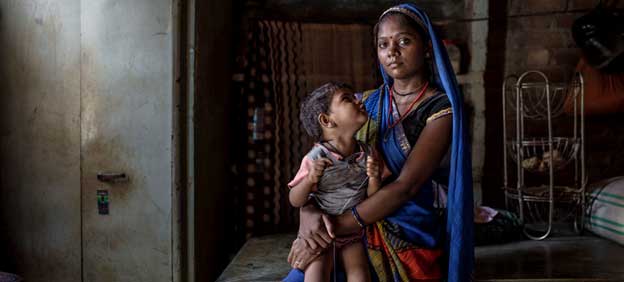
    A man in a Myanmar village advocates against men battering their wives

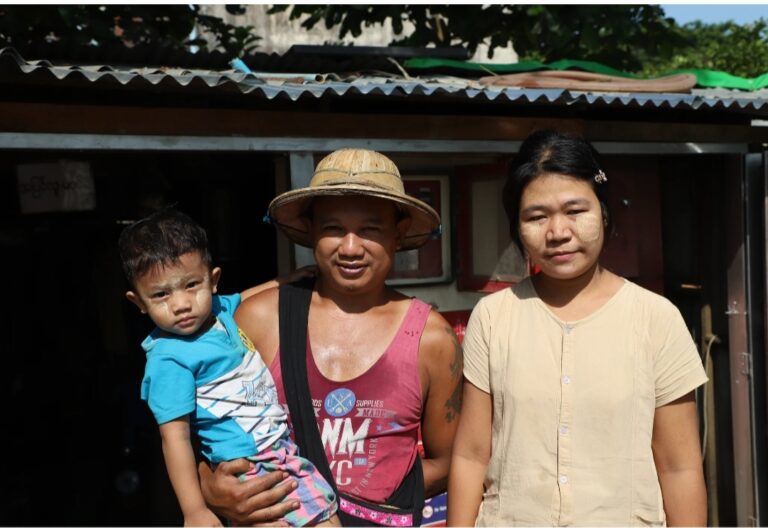
    Ko Aung Lin, a father of three boys, knows exactly what violence against women is because he has committed it himself. Now, he has set out to persuade other men about just how wrong it is.

    Ko Aung Lin, a father of three boys, knows exactly what violence against women is because he has committed it himself. “I once hit my wife when we quarreled, and I never thought it was wrong,” he said.

    Now Ko Aung Lin has volunteered to try to persuade other men that it is indeed wrong, that the domineering-male tradition and culture that they grew up in needs to be changed.

    Ko Aung Lin, a 36-year-old famer and a member of the Mro ethnic group, lives in Ah Htet Myat Lay village, Ponnagyun Township, in Sittwe of Rakhine state in Myanmar’s far west. He is the only man among the 10 volunteers chosen in Rakhine for a joint project by UN Women and United Nations Population Fund to prevent violence against women and girls and help survivors during the COVID-19 pandemic.

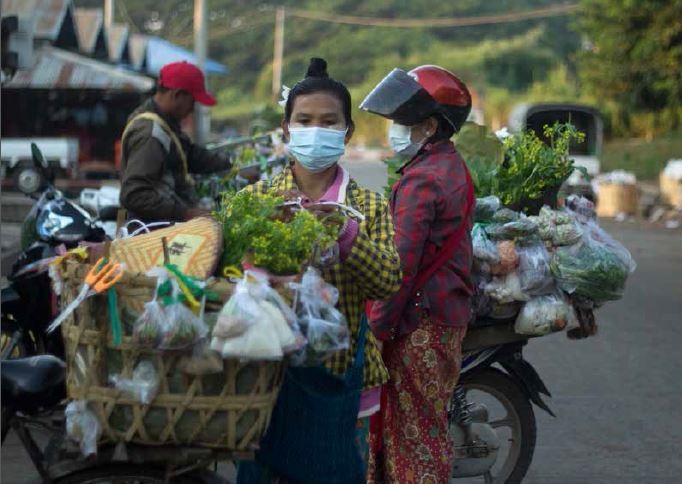
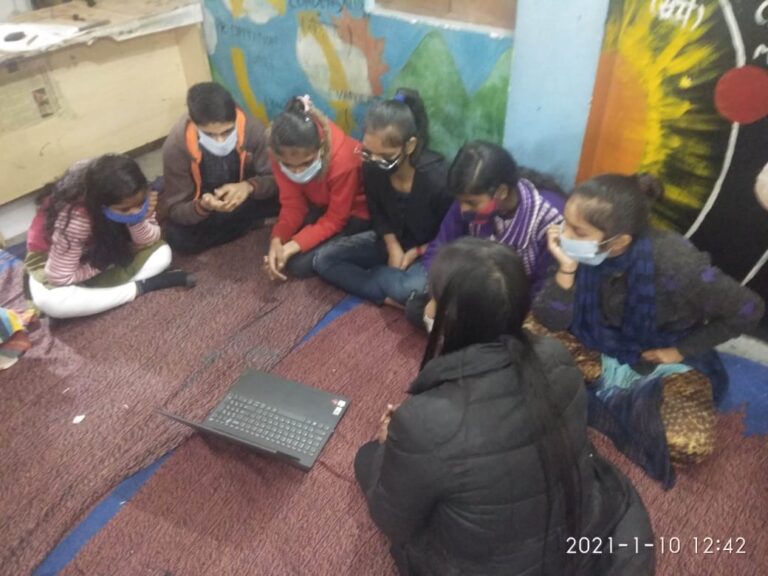
    Following a training he received, Ko Aung Lin and the nine women volunteers set out to speak to some 400 people in 20 villages in Ponnagyun township about respecting their partners and to abhor violence.

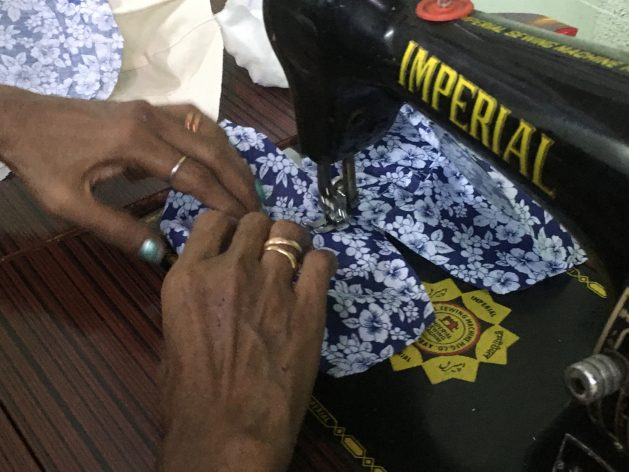
    The project also involves helping 740 survivors of violence get work and earn incomes and giving cash transfers to another 420 survivors and women at risk of violence so they can be better protected. In addition, the project will refer survivors to legal counsel and psycho-social support services.

    Violence against women deeply entrenched in men’s minds

    Violence against women appears to be an all-too-common problem in Myanmar. At least 21 per cent of ever-married women have experienced physical, sexual or emotional violence from their spouses, according to the Myanmar Demographic and Health survey of 2015-2016. The survey said only 7.8 per cent of survivors 15-19 years old had sought help.

    Ko Aung Lin said the volunteers’ training made him think more about on his own actions and attitudes. He said that he will focus on men and boys when he does the outreach sessions in his village..

    “Being a man myself, I think it will be easier to organize and facilitate this session, and they can also relate to me,” he said.

    “Men think that once you marry a woman, you own her, and that if she doesn’t listen to you, you can blame her and hit her,” he said. “This thinking needs to change. It will be challenging, but to advocate to men and boys to change their perception needs a consistent long-term approach.”

    Customs and cultures

    Ko Aung Lin said his culture sees a woman’s role as being a wife who bears and cares for the children. He said that violence between married couples is common in his village but “men do not think that gender-based violence issues need to be brought up for discussion.”

    He described instances in which husbands could not control their tempers or drank too much, broke the doors when they came home, and beat their wives. In one case, a man beat his wife unconscious.

    And conflicts over gender-based violence are still resolved through customary means, Ko Aung Lin said.

    “Rather than reporting the cases, people pay money or offer livestock to the survivors to solve the issues,” he said. “These practices need to change because the survivors do not get justice through this traditional solution.”

    “My sons are very young, but I will teach them to respect women and girls,” Ko Aung Lin said. “As their father, I have to make myself a good example for them and show respect to my wife and to them, and not use violent means.”

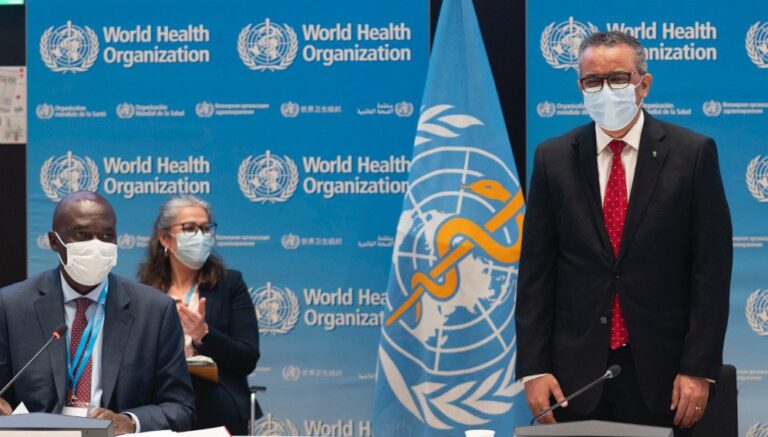
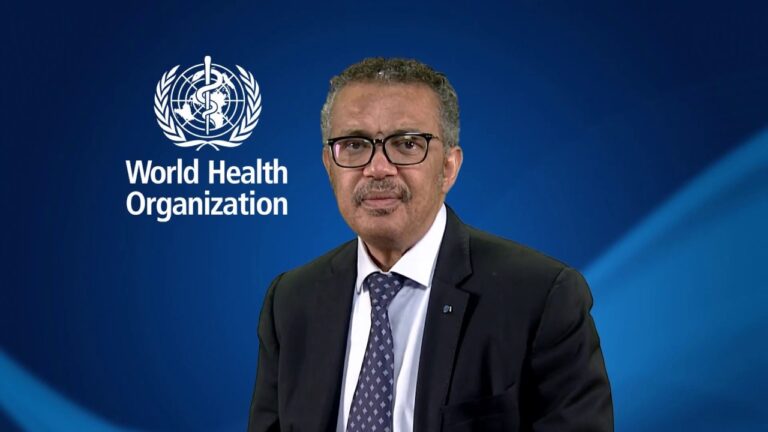
    WHO funding model ‘left world ill-prepared’ for COVID

    Two letters, both signed by global health leaders and non-profits have called on the WHO leadership to review its funding strategy. The signatories have urged member states to pay higher contributions to safeguard global health and have asked for a consensus on this to be reached before the world health assembly in May.

    By Ruth Douglas / SciDev.Net

    A key meeting of the WHO’s executive board has spawned an upswell of calls to overhaul the UN agency’s funding, with leaders saying failure to invest in global health left the world ill-prepared for the COVID-19 “tsunami of suffering”.

    A letter signed by a host of leaders including Helen Clark and Ellen Johnson Sirleaf, co-chairs of the Independent Panel for Pandemic Preparedness and Response, and Gordon Brown, WHO Ambassador for Global Health Financing, decried the world’s “ailing approach to investing in global public health, and universal health coverage”, laid bare by the COVID-19 pandemic.

    They said repeated warnings to strengthen defences against pandemics had been ignored, “leaving the world dreadfully ill-prepared almost two years ago for the tsunami of suffering to come”.

    “The funding problems of the WHO are not new, but rather have been playing out over decades,” they wrote in the widely published letter. “They are symptomatic of an overall failure to invest sufficiently in global public health. This must stop now.”

    Advocates for change say the health body is currently both underfunded and financially constrained. Only 16 per cent of the WHO’s finances currently derive from governments’ membership dues, with “no strings attached”, the letter explains.

    “The overwhelming remainder is provided as voluntary contributions, often with tight and sometimes restrictive conditions.”

    Limited, unpredictable financing

    The issue of financing was being discussed at the 150th meeting of the executive board running from 24-29 January.

    A separate letter, sent to board members on 22 January and undersigned by more than 50 non-profit organisations, said: “Every major international review panel that has assessed the COVID-19 pandemic has identified WHO’s limited and unpredictable financing as a needed area for reform.

    “The world needs a strong, sustainably financed WHO that is not subject to the political influence of its donors or the whims of funding flows.”

    However, the WHO’s biggest funder, the United States, has been cautious of calls to increase the “no strings attached” funding, instead preferring to continue most of its funding through voluntary contributions, allowing it to check the money was used for the purposes it was given.

    After panic, comes neglect

    It comes against a backdrop of longstanding US wariness over the WHO, which culminated in President Donald Trump announcing his intention to withdraw from the WHO in 2020 due to concerns over Chinese influence during the pandemic, a move reversed by his successor Joe Biden.

    However, Kate Dodson, vice president for global health strategy at the UN Foundation, who delivered this letter on behalf of signatories, told SciDev.Net that the “vast majority” of WHO member states were keen to progress improvements to the way the WHO is financed.

    “But member states need to act on full consensus on this,” she added. “Majority won’t alone prevail. If they don’t act by May 2022’s World Health Assembly, this agenda may succumb to the common maxim: after panic, comes neglect. We may miss this window.”

    The executive board meeting saw WHO director-general Tedros Adhanom Ghebreyesus nominated uncontested for a second term in a procedural vote on Tuesday. He will almost certainly be re-elected at the World Health Assembly in May.

    Need a formula that will sustain WHO capacities

    Congratulating him on Twitter, WHO chief scientist Soumya Swaminathan said the WHO, as the only global health agency, needed sustainable finance “to deliver on its huge mandate”.

    Lawrence Gostin, director of the WHO Collaborating Center on National and Global Health Law at Georgetown University, in the US, told SciDev.Net that the WHO’s budget was “wholly incommensurate with its global responsibilities”.

    “Its budget is less than the size of many US teaching hospitals and one-fourth the funding that CDC (Centers for Disease Control and Prevention) gets,” he explained.

    “The funding WHO needs isn’t a lot for rich countries like the US and European countries,” he added. “We currently have the WHO we deserve because we give it so little funding. We need a formula that will sustain WHO capacities to fight this pandemic and for future health emergencies.”

    Lawrence Gostin, director of the WHO Collaborating Center on National and Global Health Law at Georgetown University, in the US, told SciDev.Net that the WHO’s budget was “wholly incommensurate with its global responsibilities”.

    “Its budget is less than the size of many US teaching hospitals and one-fourth the funding that CDC [Centers for Disease Control and Prevention] gets,” he explained.

    “The funding WHO needs isn’t a lot for rich countries like the US and European countries,” he added. “We currently have the WHO we deserve because we give it so little funding. We need a formula that will sustain WHO capacities to fight this pandemic and for future health emergencies.”

    Donations appeal

    WHO Member States leading on the sustainable finance agenda came up with a set of recommendations in November. These include stepwise increases in assessed contributions from Member States to 50 per cent of the base budget by 2029 – roughly doubling most members’ contributions.

    Voluntary contributions should also have a higher degree of flexibility, the draft report of the Working Group on Sustainable Financing suggested.

    Additionally, improvements in transparency around budget setting and prioritisation by the WHO Secretariat is needed, believes Dodson, as well as a close look at budget efficiencies.

    “The blueprint is there,” she said. “And … the vast majority of Member States support it. But there are some fence-sitters and some detractors … who need to continue to be persuaded this is the path toward a stronger, higher performing World Health Organization.”


    This piece has been sourced from SciDev.Net


    Image: WHO

    When will countries ever learn how well to do fuel subsidy reforms?

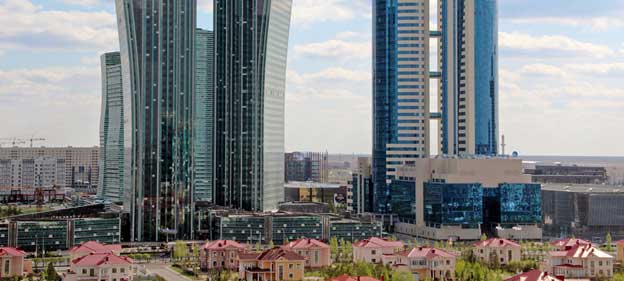
    For resource rich countries like Kazakhstan, Ecuador, Bolivia and Nigeria, subsidized energy, especially from fossil fuels, is one of the few tangible ways by which citizens can feel that they have a claim to a national resource.

    By Anit Mukherjee and Alan Gelb / IPS

    Consider the situation. Faced with growing fiscal stress, the government of an energy exporting country decides to cut generous subsidies, doubling the fuel price overnight.

    Protesters are out on the streets, clashing violently with security forces called in to maintain law and order. They vent their frustration not only with rising fuel prices but also with living costs, lack of social services, crumbling infrastructure, corruption and political repression.

    Faced with the prospect of a popular uprising, the government backtracks on reforms and re-institutes subsidies, postponing the hard decisions for a later date.

    This is Kazakhstan in 2022. It is also Ecuador in 2019, Nigeria in 2012, Bolivia in 2010, Indonesia in 2005 and several other energy exporters which have tried to end, or at least reduce, fuel subsidies over the last two decades.

    The list will grow significantly if we include importers who are more exposed to the vagaries of international energy prices. What is interesting is that the story plays out in almost exactly the same way, and the consequences of both action – and inaction – are very similar as well.

    For resource rich countries like Kazakhstan, Ecuador, Bolivia and Nigeria, subsidized energy, especially from fossil fuels, is one of the few tangible ways by which citizens can feel that they have a claim to a national resource.

    While the level of subsidies varies, at some $228 dollars per head or 2.6% of GDP in 2020, those of Kazakhstan are high but not the highest among exporters. In a situation where the government is generally perceived to be repressive, incompetent and corrupt, food and fuel subsidies keep a lid on deeper grievances. It is economically damaging but politically expedient, a delicate equilibrium that many countries have sought to manage over the last several decades – with little success.

    Arbitrage between subsidized and market prices

    Our research has shown that there is a better way to do energy subsidy reform. Providing direct cash transfers to compensate for the rise in energy prices can be a “win-win” solution. To put it simply, energy compensatory transfers (ECT) enable households, especially the poor and the vulnerable, to absorb the shock and reallocate resources as per their needs.

    By removing the arbitrage between subsidized and market prices, ECTs can also reduce corruption, improve distribution and incentivize efficient use of energy. Countries like Iran, India, Jordan and the Dominican Republic have been relatively successful in this type of reform, and their experience holds lessons for other countries that choose to embark on this path.

    Digital technology can help significantly to identify beneficiaries, provide them necessary guidance and information, and transfer payments directly to individuals and households. Three key enablers of ECTs are an identification system with universal coverage of the population, strong communications and wide access to financial accounts.

    Multiple databases can be cross-checked to verify eligibility norms and grievance redressal systems can help reduce exclusion of genuine beneficiaries. As shown, for example, by India’s LPG subsidy reform, countries can progressively tighten the eligibility criteria over time to target the poorest sections of the population.

    Finally, ECTs can provide the impetus for a more transparent and accountable system of subsidy management, helping improve public confidence and support to the government’s reform agenda over the long run.

    Direct compensation are more transparent

    So, why don’t more countries follow this approach? For one, most energy subsidy reforms are pushed forward in times of economic crisis. ECTs require political commitment, openness to engage in public dialogue, building consensus among stakeholders and powerful vested interests, setting up implementation systems and working across different government ministries, departments and agencies.

    Direct compensation is also more transparent than the frequently opaque systems of price subsidization that favor the rich, with their higher energy consumption, even if justified by the need to protect the poor.

    ECTs are not simple solutions and often require time to be put in place. On the surface, it may seem simpler to just raise energy prices overnight through an administrative order. But the payoffs are significant in terms of sustainability, economic outcomes, social cohesion and political stability.

    The sooner countries can take a longer term approach, the better will they be able to manage the transition to a more sustainable system that supports those who need it most.

    Kazakhstan is the first country in 2022 to see popular unrest due to fuel price hike. It almost certainly would not be the last.

    Anit Mukherjee is a policy fellow at the Center for Global Development. Alan Gelb is a senior fellow at the Center for Global Development.


    This piece has been sourced from Inter Press Service

    Image: World Bank/Shynar Jetpissova

    Budget 2022: Renewable energy sector seeks duty cuts, expanded PLI scheme

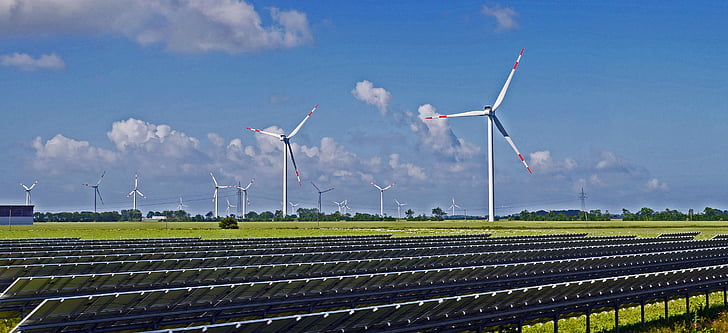
    Apart from supporting India’s nascent renewable energy sector, Budget 2022 will seek to create a fiscal roadmap for achieving the country’s net zero commitment and emission targets.

    By Shashwat Kumar and Amitanshu Saxena

    At the 21st Conference of Parties (COP21) held in Paris, India had committed to achieve 40 per cent of its installed electricity capacity from non-fossil energy sources by 2030. This was also one of India’s nationally determined contributions (NDCs) under the Paris Agreement. India successfully achieved this renewable energy target in December 2021, which is an impressive nine years ahead of the deadline.

    Keeping in line with its plan to become a global leader in energy transition drive, India made five major commitments at the recently held COP26 in Glasgow which include an undertaking to achieve net-zero emissions by 2070 and to increase its non-fossil energy capacity to 500 GW by 2030.

    Keeping these targets and NDCs in sight, the Budget 2022 can set up a fiscal framework for achieving these targets. The Budget has to address certain issues that are necessary for the growth of the renewable energy sector. For example, this year’s budget is critical as clarifications are needed on the imposition of the basic customs duty on imports of solar cells and modules, as there appears to be a lot of apprehension around the same since the announcement made in the last budget.

    Customs burden on renewable energy sector

    On March 9 2021, the ministry of new and renewable energy stated that its proposal of 40 per cent customs duty on solar modules and 25 per cent on solar cells has been accepted by the Union government. It is now expected that the customs rates may be finalised and introduced in Budget 2022.

    While this may be of some support to the domestic solar module and cell manufacturers after the withdrawal of safeguard duty on solar cells and modules, this new duty will result in the rise of project costs and consequently, increase in tariffs. The only positive is that with firmed up customs duty rates, renewable energy developers and procurers can plan accordingly.

    In addition to the above, a clarification on the imposition of customs duty on procurement of cells/modules from manufacturers located in special economic zones (SEZs) will be helpful for solar project developers. A substantial chunk of manufacturing units in India (63 per cent of solar cell and 43 per cent of solar panel) are located in SEZs. If the duty is imposed, it will undermine its very purpose as the price advantage offered to the domestic manufacturers will not be available to units located in SEZs.

    Production linked incentives

    It will also be interesting to see what steps the government will take in the Budget to ensure a balanced approach. One possible way can be by expanding the production linked incentives (PLI) scheme for high-efficiency solar module manufacturing to encourage an increase in production capacities of the domestic industry and thereby reducing dependence on imports.

    In November 2021, the ministry had proposed an additional allocation of Rs 19,500 crore under the PLI scheme to the already approved amount of Rs 4,500 crore. As per the initial outlay of Rs 4,500 crore, the selected companies will establish around 12 GW of manufacturing capacity in the country. In the PLI scheme, the incentive amount is awarded post commissioning of the manufacturing facility for a period of five years.

    The PLI incentive amount is based on several factors including the actual sales of solar modules, the maximum capacity awarded to the bidder (limited to the lesser of the two) and efficiency of the solar modules produced. Moreover, if the bidder sources its raw materials from the domestic market it will be eligible for a further increase in the incentive amount for the increased local value addition.

    The PLI scheme has been a huge success in the electronics manufacturing industry and if the proposal to expand the scheme is accepted in Budget 2022, it will strengthen India’s efforts to support the domestic industry in line with government’s Atmanirbhar Bharat initiative.

    In other important and upcoming sub-sectors related to energy, the Union government must consider (a) introduction of incentives that will promote domestic manufacturers of solar raw materials to build a strong and self-dependent domestic ecosystem; (b) a substantial allocation for research and development to help the national hydrogen mission; and (c) a significant decision on electric vehicles as the industry is in a nascent stage and has potential for exponential growth.


    Shashwat Kumar is Partner and Amitanshu Saxena Associate at Shardul Amarchand Mangaldas & Co.

    This piece has been sourced from Policy Circle — policycircle.org

    Image: Hippopx. Licensed under Creative Commons Zero – CC0

    Transforming a ghost village with hill-centric livelihood and tourism opportunities

    An Uttarakhand government scheme to create employment opportunities for returning migrants during the pandemic did not benefit many. Climate-resilient livelihood options are needed for the sustainable development and to stop distress migration.

    By Archana Singh

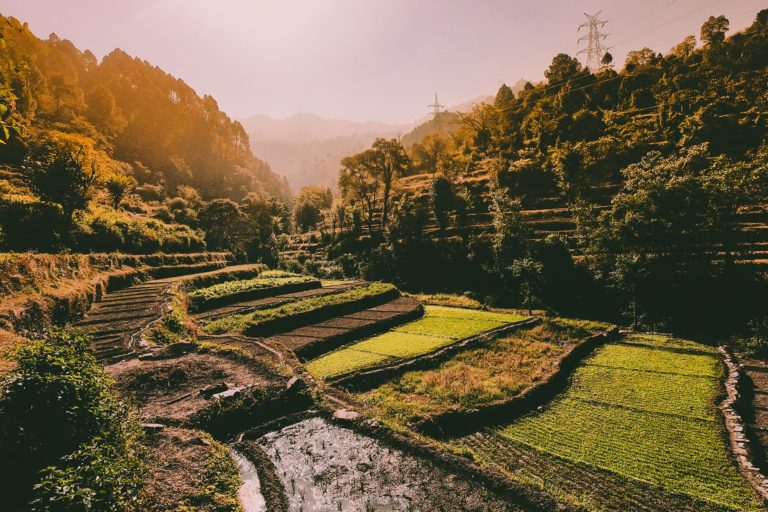
    India’s northern state of Uttarakhand, known as the Land of Gods, is facing the dual challenge of climate change and migration. The incidence of glacier bursts, flash floods, unseasonal torrential rains, forest fires, and landslides have swelled in the state. The dwindling population is another crisis that is making life harder for the residents.

    Climate change is driving temperatures up dramatically, especially in the higher elevations. As per a recent study conducted by the Germany-based Potsdam Institute for Climate Research (PIK) and The Energy and Resources Institute (TERI), Uttarakhand’s annual average maximum temperature may increase by 1.6-1.9 degrees Celsius between 2021 and 2050. The residents of Uttarakhand are already experiencing the effects of climate change such as changing seasons, less snowfall during winters, disappearing glaciers, upward-moving snowlines, and unpredictable rainfall, as mentioned in the state government’s action plan on climate change.

    A combination of these factors has increased the intensity of landslides, avalanches, rockfall and has amplified water shortage, changed the crop cycles, shifted cultivation zones for specific crops and decreased the crop yields. A state where most of the population is agrarian and depends solely on rainfed agriculture, Uttarakhand finds it difficult to control distress migration.

    According to India’s census from 2011, more than four million people – about 40 per cent of the population of Uttarakhand – have migrated from the hilly state, due to which an increasing number of villages in Uttarakhand have become uninhabited, and some districts such as Pauri, Garhwal and Almora are witnessing negative population growth. According to a 2018 survey by the Uttarakhand Migration Commission, 734 villages in the state have become uninhabited since 2011, and are often referred to as ghost villages. This dual crisis of climate change and distress migration is likely to worsen for Uttarakhand over the next 30 years.

    Over a lakh returnd to cities

    The COVID-19 pandemic brought a temporary respite from distress migration by catalysing the reverse migration trend. According to the data released by Uttarakhand Migration Commission in September 2020, around 327,000 migrants returned to the state in 2020. The Uttarakhand State Government launched Mukhyamantri Swarojgar Yojana in May 2020 to create employment opportunities for returning migrants. The scheme aimed to provide 15-25 per cent investment subsidies to returning migrants who wanted to start new services, businesses, and micro industries for self-employment. However, despite the state government’s initiative, more than one lakh (100,000) migrants returned to cities after the pandemic situation improved.

    Mongabay-India interacted with some migrants who returned to their villages in the recent past. Dheeraj Rawat, a resident of Pauri says, “I returned to Pauri last year in October, after 15 years, to set up my own business. But after trying for months, I gave up the idea. Getting a loan sanctioned under the Mukhyamantri Swarojgar Yojana, was very tough, involved too much paperwork, never-ending bureaucracy and the banks required collateral to disburse a loan. It seemed easier to find a job in metros than to go through all the hassle.”

    Rakesh Rawat, a returning migrant of Satyakhal village in Pauri who set up his own poultry business availing the scheme however, could not reap any benefits. He shares his experience, “The scheme is short-sighted and good on paper, as it provides only subsidised loans, that too, to a select few – mostly the economically well-off. The government doesn’t provide any on-ground support, and small businesses like us cannot survive against established players. I learnt it the hard way.” Nonetheless, not all Uttarakhandi people left the state. Some have restarted their life without the help of the government.

    Reviving an abandoned village

    Four years back, Major Gorki Chandola left his city life to settle down permanently in his ancestorial village – Rawat gaon in Pauri Garhwal. Ironically, Pauri is both the most educated and the most abandoned district in Uttarakhand.

    Sharing his reason for return, Major Chandola narrates, “Having grown up in a village, I knew that my kids would miss clean air, healthy organic food and an active lifestyle, if we lived in the city. So, we decided to move to Rawat gaon, where there were hardly 10-15 people but huge acres of land available for their holistic growth.” His 12-year-old daughter is enrolled in the same school where he studied, and his six-year-old son treks for hours without complaining. The family has adopted the village’s self-sustenance model, where they grow what they eat and eat what they produce. While they have all city comforts in their house, including a Wi-Fi connection and a Netflix subscription, they prefer to spend more time outdoors, than indoors.

    Thanks to Major Chandola’s efforts, the locality that once looked like a ghost town, now looks lively. The road that leads to the village has been properly laid, and the crumbling houses have been restored. Abandoned farms are being used for farming, and outgrown tree branches have been pruned. A rainwater harvesting plant has been installed and new water channels are being created for irrigation. Employment and recreation centres have been set up for youth and migrants of neighbouring villages.

    But this transformation didn’t come easy. The biggest challenge for Major Chandola was to attract the migrants back to the village. “I know migration is a big issue and I can’t solve it, but I can play a part by creating hill-centric and climate-resilient livelihood options. It’s straightforward – if you provide people opportunities to work, they will not not migrate. So, I started looking at traditional practices in agriculture, construction, and tourism,” explains Major Chandola.

    Hill-centric livelihood options – construction, agriculture and tourism

    Chandola started by restoring his own house made of stone and mud which was centuries-old and reviving his abandoned fields. A former army officer doubled overnight as a farmer, a plumber, a mason, and anything that came with the job. Four years of disciplined efforts resulted in a bumper crop of over thirty varieties of fruit and vegetable – onions, garlic, lemongrass, pulses, peas, beans, ladyfinger, guavas, mangoes and more. Using scientific methods, he started growing fruit and vegetables, like lychee, tangerine, apples, and plum, that had almost vanished from the area due to rising temperatures in the last 10-15 years. Using traditional farming practices and scientific solutions, he has set up many poly houses to grow vegetables and medicinal herbs in the pollution-free environment. He doesn’t use any fertilisers and adds only cow dung manure.

    Major Chandola plans to experiment more with the crops and provide employment to the local community, with the business Pathaal Agro in the coming years through which he plans to grow and sell 100% organic food products. He has also set up ‘Pathaal Homestay’ to give city dwellers a taste of the village life in an entirely offbeat area where tourism is almost non-existent. The materials used in the construction of the homestay are completely sustainable with the rooms made of stone, mud, and wood. His wife, Deepti Chandola, an interior designer, painter, and gardener, has helped him and together, they have restored over four ancestorial houses and revived the lost practices in construction.

    “When we arrived here four years back, we realised that the old construction practice of building stone-mud-wood houses that sustain even earthquakes was being forfeited for modern cement-and-brick houses. We couldn’t find masons who still used old techniques. So, we had to train them to employ traditional practices that are no longer in use; such as using urad daal (split black lentils) for binding instead of cement. Urad dal is a natural binding agent and keeps the house warm during winters and cold during summers. All the paintings that we’ve hung on the walls of the homestay are painted by me using traditional dyes and designs,” expounds Deepti Chandola.

    Omprakash Chandola, 56, a native of Rawatgaon, voices the collective opinion of all villagers saying, “We have seen a lot of villagers return to the village for a few days and talk about settling here permanently, but they never do so. They visit for a few days in a year and return to their life in the city. So, when Gorki started showing interest, we felt the same, but what he has done is commendable, and within four to five years, he has become the most important member of the village. He is the first one to help whenever anyone is sick or in need of any help.”

    Dinesh Kathait, 56, hailing from Thailisain village in the Pauri Garhwal district, who has supported Major Chandola for the last five years, credits the latter’s efforts to reverse migration and for inspiring many people to return to Pauri for good.

    However, it is vital to note that while Major Gorki Chandola had the will and means to turn his dream into a reality, not everyone has the access and capacity. The Uttarakhand Government must invest in the capacity building of people and create climate-resilient livelihood options for the sustainable development of villages, to stop distress migration.


    This article was first published on Mongabay-India 

    Child asthma cases linked to cities’ dirty air

    A study published in this month’s issue of The Lancet Planertary Health says that nitrogen dioxide pollution is the cause of 1.85 million child asthma cases a year and is increasing in Sub-Saharan Africa and South Asia. Researchers say that air pollution reduction must be integrated into child health policies.

    By Sanjeet Bagcchi / SciDev.Net

    Reducing air pollution should be a crucial part of health strategies for children, as nitrogen dioxide (NO2) — a harmful pollutant emitted from burning fossil fuels — may lead to nearly 2 million new child asthma cases a year, research suggests.

    The study, published this month in The Lancet Planetary Health, highlights rising NO2 pollution levels in urban areas in South Asia and Sub-Saharan Africa, where it suggests child asthma is a serious health concern.

    Researchers from George Washington University in the US say it is the first study to estimate the global burden of asthma cases in children resulting from NO2 emissions in more than 13,000 cities.

    “Our study found that nitrogen dioxide puts children at risk of developing asthma and the problem is especially acute in urban areas,” said Susan Anenberg, study co-author and a professor of environmental and occupational health at the university, in Washington DC.

    Asthma affects around 262 million people worldwide, according to the 2019 Global Burden of Disease study, and is the most common chronic disease among children, causing inflammation of the lung’s airways.

    However, reliable data is still lacking on the condition. Most asthma-related deaths occur in low- and middle-income countries where it is often under-diagnosed and under-treated, according to the World Health Organization.

    SouthAsia, Sub-Saharan Africa and Middle East

    NO2 is formed by the burning of fossil fuels such as oil and gas and is mainly emitted by vehicles, industry, agricultural machinery, and power plants.

    By analysing ground concentration of NO2 and new cases of asthma in children from 2000 to 2019, researchers observed that, in 2019, an estimated 1.85 million new cases of childhood asthma were attributable to NO2 worldwide, and two thirds of these cases (1.22 million) were in urban areas.

    NO2 pollution has been increasing in South Asia, Sub-Saharan Africa, and the Middle East, the researchers found, while air quality has shown improvements in Europe and the US.

    Explaining the connection between NO2 and childhood asthma, the researchers said: “NO2 itself has been associated with adverse health outcomes including asthma exacerbation. Epidemiological studies have also found associations between transportation-related air pollutants [such as NO2] and new onset asthma in children.”

    According to the researchers, some studies indicated that pollutants such as NO2 cause inflammation and changes in airways due to oxidative stress, sometimes resulting in asthma.

    “The findings suggest that clean air must be a critical part of strategies aimed at keeping children healthy,” said Anenberg.

    Reinforcing role of pollution on paediatric asthma

    A review published in 2019 in the journal Environment International highlights possible measures to combat NO2 pollution, such as “a ventilation strategy with suitable filters…ventilating windows or intakes; traffic planning (location and density); and reducing the use of NO2-releasing indoor sources.”

    Stanley Szefler, director of the Pediatric Asthma Research Program at the Breathing Institute of Children’s Hospital Colorado, US, who was not involved in the Washington DC study, told SciDev.Net: “The report by Anenberg and colleagues reinforces the role of air pollution on paediatric asthma incidence and supports the role of public health and environmental control stakeholders…to speak for clean air measures.

    “Furthermore, the report suggests that monitoring environmental levels of nitric dioxide could serve as a surrogate marker [an indicator of a disease state] for regions of high risk for increased childhood asthma incidence as well as an indicator of the efficacy of mitigation measures for air pollution.”

    Szefler was the lead author of a study published in 2020 in the journal Pediatric Pulmonology. It advocated for “a worldwide charter” on child asthma that would act as a roadmap for “better education and training”.

    “The charter indicated that asthma guidelines alone are insufficient and need supplementing by government support, changes in policy, access to diagnosis and effective therapy for all children, with research to improve implementation,” Szefler added.

    Sushmita Roychowdhury, director of pulmonology at Fortis Hospital, in Kolkata, India, says that paediatric asthma is becoming more common in highly populated cities.

    “Children living in high-rises close to the main busy arterial roads are found to have more symptoms early on,” she said. “Most children in urban India waiting for school buses in the morning or those taking public transport are exposed to high concentrations of pollutants.”


    This piece has been sourced from SciDev.Net

    Image: Wikimedia 16 May 2011 by Tradimus

    DCGI approval for Bharat Biotech’s nasal booster dose trials

    The producer of India’s indigenous vaccine, Covaxin, will now be able to conduct trials of its nasal vaccine as a booster dose at nine locations in the country.

    The Drug Controller General of India today gave its approval to Indian biotechnology-pharma company, Bharat Biotech, to conduct Phase-III clinical trials of a nasal vaccine it has developed. The trials of the intranasal booster dose will be conducted on people who have received both doses of Bharat Biotech’s Covaxin.

    Covaxin producer will now be able to conduct trials of its nasal vaccine as a booster dose at nine locations in the country.

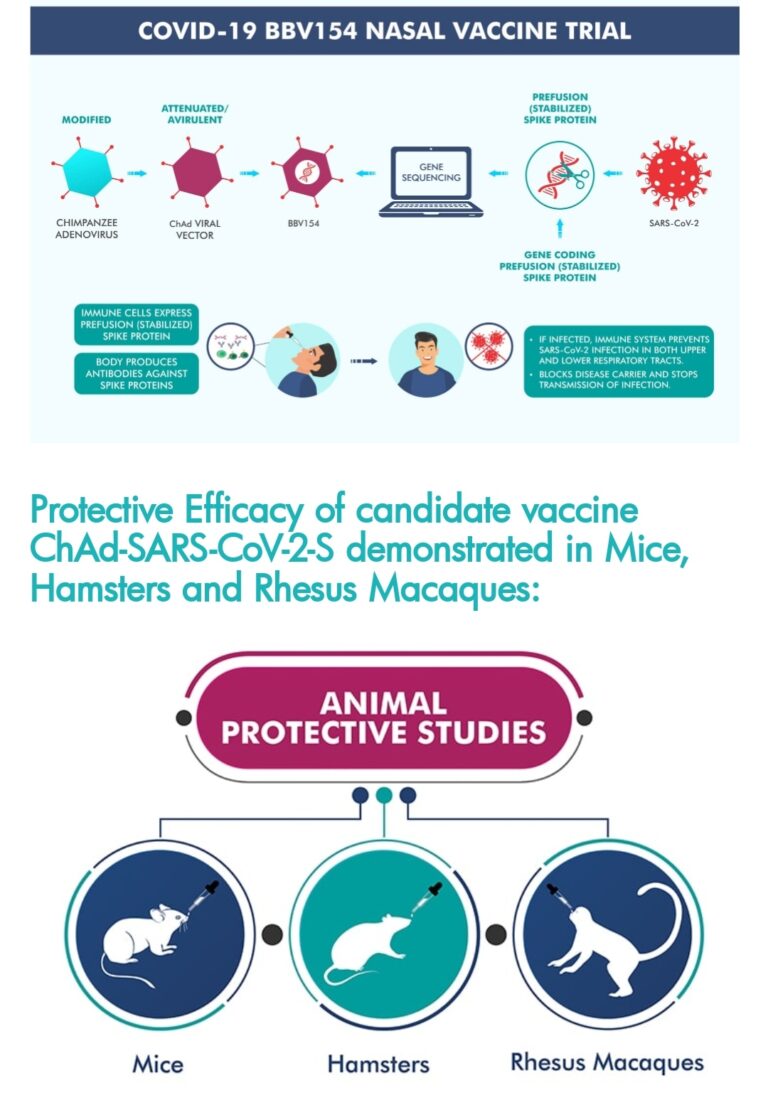
    An intranasal vaccine has logistical advantages and will be easier to administer in mass vaccination drives. The company claims that the BBV154 vaccine stimulates a broad immune response, especially at the site of infection (in the nasal mucosa that lines the nasal cavity) – essential for blocking both infection and transmission of COVID-19.

    Besides ease of administration – as it does not require trained health care workers, the nasal vaccine also eliminates risks of injuries and infections that might be associated with a needle administered jab. It can elicit a high degree of compliance, especially as it suits children and adults.

    The non-invasive and needle-free nasal route has excellent potential for vaccination due to the organised immune systems of the nasal mucosa.

    Biotechnology feat

    The biotechnology company has applied to the Drug Controller General of India for approval for phase-III trials of the BBV154 vaccine in December 2021.

    If given the green signal following the trials, Bharat Biotech claims it will be able to undertake large-scale to meet global demands.

    The attenuated avirulant vaccine comes from a modified chimpanzee adenovirus. (This is a harmless, weakened adenovirus that usually causes the common cold in chimpanzees.) In this respect, the operative biologicals of this vaccine are somewhat like the AstraZeneca vaccine that also uses a chimpanzee adenovirus vaccine vector that has been genetically changed to stop it from adversely affecting humans.

    According to the company, mice, hamsters and macaques immunized with a single dose of the vaccine “conferred superior protection against SARS-CoV-2 challenge”.

    It claims that intranasal immunization “can create an immune response in the nose, which is the point of entry for the virus—thereby protecting against disease, infection, and transmission.”

    Multilateralism as India’s climate mantra

    The current pace and scale of climate finance and technology support from developed countries are not matching the global aspiration to combat climate change, Bhupender Yadav said at a meeting of the major economies forum.

    Reiterating India’s commitments to the ambitious targets at the Glasgow COP 26 summit last November, Bhupender Yadav, India’s minister for environment, forest and climate change, today reiterated that India has embarked on one of the most ambitious energy transition programmes in the world.

    At Glasgow, Prime Minister Modi had envisioned India’s contribution to the global efforts to combat climate change hinge on installing a 500 GW non fossil energy capacity by 2030, reduction in emissions intensity of GDP by 45 per cent over 2005 levels, 50 per cent electric installed capacity coming from non-fossil sources by 2030, 1 billion tonnes reduction in carbon emissions till 2030 and India to become net-zero by 2070.

    The environment minister was addressing a virtual ministerial meeting of major economies forum hosted by the US Special Envoy for Climate Change Mr John Kerry on Thursday. He expressed India’s appreciation for the collective efforts of the parties to the UNFCCC for the outcomes of COP26, especially on the outstanding matters related to the Paris agreement rule book. Simultaneously, he called for a continued commitment to keep the momentum of climate action in 2022, including in COP 27, and work together to further pursue the efforts building on the COP26 outcomes.

    Honour multilateralism and its rules-based order

    The environment minister called for action and implementation of commitments, but also stressed that current pace and scale of climate finance and technology support from developed countries are not matching the global aspiration to combat climate change and there is a need for upscaling the delivery and targets of implementation support including finance and technologies.

    He emphasised and reiterated India’s call to the world community to embrace the mantra of lifestyle for environment. He said that a mass movement on sustainable lifestyles for combating climate change will help the global community accelerate climate actions and bridge the gaps in global climate resilient transition.

    “Further, multilateralism and its rules-based order should be honoured by all without resorting to unilateral measures which would harm other countries”, Yadav said, emphasizing that the principles and provisions of UNFCCC including equity and common but differentiated responsibilities and respective capabilities should continue to be the guiding pillars of global efforts to combat climate change.

    How the COVID-19 pandemic impacted Asia’s indigenous women

    Lockdown measures and restrictive policies in the wake of COVID-19 have led to shrinkage of livelihood options for indigenous women and severely affected household food security. Restrictions have prevented Indigenous women in Asia from gathering traditional medicines and foods.

    By Pragyaa Rai, Richa Pradhan and Pradeep Baisakh

    There are approximately 410 million indigenous people in the world. They, together account for about 5 per cent of the global population. There are 260 million indigenous people in Asia, with 2,000 distinct civilizations and languages. The majority of indigenous peoples in Asia have experienced historical suppression, marginalization, socio-economic and political discrimination.

    In some cases, the indigenous people lack legal or constitutional recognition. Indigenous people are generally poor and constitute majority section of the informal work force. Existing policies limits their access to social protection benefits and deny them full and effective participation in society. Their rights as indigenous peoples are repeatedly violated and there is hardly any respect to their collectivism, self-governance, identities and culture. Incursions into their lands in most Asian nations in the name of ‘development’ have expelled them from their ancestral lands and territories and deprived them of their resources.

    COVID-19 exacerbates vulnerabilities

    The onset of COVID-19 has reinforced the existing inequalities and marginalisation of indigenous peoples, with most negative impacts felt by indigenous women and girls, persons with disabilities and older people.

    The vulnerability of indigenous communities to COVID-19 has been exacerbated by their limited access to health services and information regarding the virus and relief packages. It has been further aggravated by restrictions on mobility, lack of transportation and testing services and failure to provide information in their native languages. Indigenous women migrant workers have fared worst of all, losing their jobs. They also experienced violence and torture. Indigenous women and children in some Asian countries could not access social protection assistance and relief packages because they did not have the required legal documentation.

    Despite the spread of the virus, development projects and military operations have continued in the Philippines, Myanmar, India and Bangladesh, with severe negative consequences for indigenous communities including women.

    Land grabbing of indigenous territories by development projects continued during lockdown. Human rights of indigenous leaders and women were violated through vilification, illegal arrest, detention, killings and sexual assaults. Attacks by State forces on indigenous human right defenders, among whom there are many indigenous women, were reported during the lockdowns.

    Northeast Indian women in particular have experienced ethnicity-based discrimination and stigmatisation during COVID-19 because they have central Asian features. Indigenous women with disabilities also faced the additional risk of abuse and violence from their own family members and care takers during the lockdowns and shutdowns.

    Need to amend continued exclusion

    Official COVID-19 containment and humanitarian packages across Asia excluded indigenous people in general and had a particularly harsh impact on indigenous persons with disabilities.

    Lockdown measures and restrictive policies led to shrinkage of the livelihood options and severely affected food security of indigenous people and communities. Restrictions have prevented Indigenous women in Asia from gathering traditional medicines and foods. The deployment of military personnel in the indigenous territories has prevented them from harvesting food crops and, even when they have had something to sell, they have had to throw it away because there are no buyers for their produce.

    The governments and development partners need to focus on addressing these gaps by adopting inclusive recovery policies and programmes that prioritise the needs of the indigenous communities, including the women and person with disabilities.

    To begin with, gathering disaggregated data should be initiated and made publicly available to permit monitoring of access to basic health services and recovery packages. Indigenous women’s knowledge of herbal remedies and traditional foodstuffs should be valued and encouraged to create their livelihood opportunities. Special priority attention should be given to the health and needs of women and persons with disabilities, especially in conflict zones and militarised regions.


    The piece has been sourced from GCAP’s “Global Report on Leave No Woman Behind” published in 2021.

    Pragyaa Rai and Richa Pradhan work with Asia Indigenous People’s Pact (AIPP) and Network of Indigenous Women in Asia (NIWA) and Pradeep Baisakh is associated with Global Call to Action Against Poverty (GCAP). (Email id: [email protected] )


    Image: Living Farms, Rayagada, Odisha

    India, Central Asia to form working group on Afghanistan

    The first India-Central Asia Summit coincided with the 30th anniversary of establishment of diplomatic relations between India and Central Asian countries.

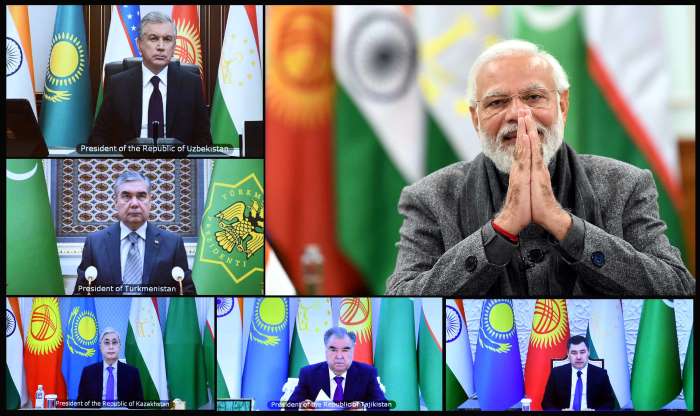
    A virtual summit organised by India hosting Central Asian leaders discussed the evolving situation in Afghanistan with the Central Asian leaders. The leaders reiterated their strong support for a peaceful, secure and stable Afghanistan with a truly representative and inclusive government. Prime Minister conveyed India’s continued commitment to provide humanitarian assistance to the Afghan people.

    A comprehensive Joint Declaration was adopted by the leaders that enumerates their common vision for an enduring and comprehensive India-Central Asia partnership. During the Summit, Prime Minister Modi and the Central Asian Leaders discussed the next steps in taking India-Central Asia relations to new heights. They decided to hold such a summit every two years and also agreed on regular meetings between ministers of the two countries.

    Besides India’s Prime Minister Narendra Modi, the summit was also attended by Kazakhstan’s President Kassym-Jomart Tokayev, Uzbekistan’s President Shavkat Mirziyoyev, Tajikistan’s President Emomali Rahmon, Turkmenistan’s President Gurbanguly Berdimuhamedow and Kyrgyzstan’s President Sadyr Japarov.

    India sees this summit as a reflection of India’s growing engagement with the Central Asian countries, which are a part of India’s “Extended Neighborhood.” The participating countries have decided to establish a joint working group on Afghanistan, an official statement released on Thursday said.

    Delhi Declaration

    A Delhi Declaration issued soon after the virtual summit said spoke of a broad “regional consensus” on the issues related to Afghanistan. The declaration alluded to the need for the formation of a truly representative and inclusive government, combating terrorism and drug trafficking, the central role of the UN, providing immediate humanitarian assistance for the people of Afghanistan and preserving the rights of women, children and other national ethnic groups and minorities.

    The leaders also discussed the current situation in Afghanistan and its impact on the security and stability of the region. They reiterated their strong support for a peaceful, secure and stable Afghanistan while also referring to the current humanitarian situation and decided to continue to provide immediate humanitarian assistance to the people of Afghanistan.

    The leaders discussed far-reaching proposals to further cooperation in areas of trade and connectivity, development cooperation, defence and security and, in particular, on cultural and people to people contacts. These included a round-table on energy and connectivity; joint working groups at senior official level on Afghanistan and use of the Chabahar Port. There was also agreement on India showcasing Buddhist exhibitions in Central Asian countries and commissioning of an India-Central Asia dictionary of common words, joint counter-terrorism exercises, visit of 100-member youth delegation annually from Central Asian countries to India and special courses for Central Asian diplomats.

    The leaders decided to hold such a summit every two years. An “India – Central Asia Centre” will be established in New Delhi to act as the secretariat for future India-Central Asia summits.

    NACO has discontinued producing its annual reports since 2016

    NACO has not published an annual report since 2016. Annual reports since 2016-17 appear as part of the annual reports of the ministry of health and family welfare.

    Khushi Malhotra

    The National AIDS Control Organisation (NACO), India’s nodal organisation for implementation of programmes for prevention and control of HIV/AIDS in India has discontinued publication of its independent annual report since 2016.

    The last NACO annual report published in 2016 provided a comprehensive account of NACO’s annual proceedings.

    A consultant OWSA spoke to on the matter said that NACO’s affairs were covered in the annual report of the ministry of health and family welfare.

    However, reports from NACO were covered as part of the annual reports of the ministry of health and family welfare earlier as well.

    But while the annual reports of the ministry of health and family welfare since 2016 have devoted more pages to the affairs of NACO, there is hardly any mention of NACO’s accounts (the organisation’s funding for NACP-IV alone is to the tune of Rs. 13,415.05 crores). Moreover, there is a passing mention of the accounts and there are no audit reports.

    Interestingly, the finance section of the NACO website has a mention of the annual releases until the budget year 2016-2017. (The financial releases to the state AIDS prevention and control societies are not downloadable.)

    The NACO website also has statutory audit reports from states and union territories until the year 2018-19. But there is no comprehensive audit report that also accounts for the work of NACO’s headquarters.

    Civil society groups working on HIV/AIDS are concerned and they say that they have hardly any information on why the organisation has discontinued publishing it annual report.

    A representative of UNAIDS did not wish to speak on the matter. She said that the annual report was the government’s responsibility and not the responsibility of the UN agency.

    Five years’ accounts in five rows and three columns

    The chapter on NACO in the health ministry’s annual report for 2019-20 has only provided a table with three columns and five rows with expenditures over the past five years. The organisation’s incomes and the expenditures do not find any further mention in the ministry’s annual report.

    According to information provided on the organisation’s website, funds and expenditures earmarked to the organisation sum up to Rs. 2064.65 crores (it is not clearly mentioned if this is the latest budget earmarked for the organisation). Besides government funds, this money also includes funds received by NACO from the world bank, USAID, CIDA, UNDP, AusAID, DFID and the global fund to fight AIDS, tuberculosis and malaria (GFATM).

    Dr Rajesh Rana of PLAN India that has partnered with the health ministry on the GFATM projects agreed that the data on the NACO site was old data.

    Previous annual reports provided detailed accounts of the organisation’s finances. For instance, the annual report for the year 2015-16 devoted over three pages to its financial matters. The report had detailed the work of NACO’s financial division, including budgeting, accounting, auditing and internal financial advisory functions. It also dwelled on donor coordination. Besides, it also provided a year-wise tabulation of expenditures during for the years between 2013 and 2016 under the fourth phase of the National AIDS Control Programme.

    Though the 2015-16 annual report did not have an auditor’s statement on the accounts and expenditures incurred by the organisation, it did provide details of the budgetary support of Rs. 13,415.05 crores.

    The 2015-16 annual report also mentioned how financial systems were established to release sanctioned amount of money and how cash flow to peripheral units in states were being closely monitored to save the last users from facing a shortage of resources.

    In the absence of an annual report for 2016-17 or the year 2017-18, there is no clarity of how the fourth phase of the NACP fared (NACP-IV was phase out in 2017).

    Omicron dominates, says health ministry

    0

    Data indicates that India is now seeing a plateau in the number of COVID-19 cases. But there is concern that over three-fourths of the cases come from 10 states.

    Omicron is now the dominant variant of the COVID-19 virus in India, the health ministry has said. The statement is based on data that indicates that the country is now seeing a plateau in the number of COVID-19 cases, according to the health ministry.

    10 states alone contribute to over three-fourths of the total active cases in the country presently, according to the health ministry.

    It is the transmissibility of the virus that makes it a concern and has led to the Omicron variant dominating all COVID-19 cases.

    The transmissibility of a virus is measured in terms of doubling time. Omicron takes up to three days to double its numbers – this, according to community health specialists, makes Omicron highly transmissible.

    This has public health implications as it can overwhelm healthcare capacities. Apart from exposing those staffing the healthcare system, this can also strain the healthcare system by diverting resource and attention away from non-COVID functions.

    The transmissibility also shows that the Omicron variant of COVID-19 is more transmissible than Delta.

    Earlier in the day, today, the Delhi Disaster Management Authority decided to remove weekend curfew and odd-even rule for shops in the national capital while still keeping night curfews and closure of schools.

    This government announcements follow from the Indian SARS-CoV-2 Genomics Consortium (INSACOG) declaring on Sunday that Omicron has reached community transmission levels in the country.

    While most Omicron cases so far have been asymptomatic or mild, INSACOG said that global data shows that the majority of severe cases and deaths have been in unvaccinated people.


    Image: WIkipedia commons

    Pfizer, BioNTech initiate study to evaluate Omicron vaccine in adults

    0

    First participants enrolled in clinical trial received Omicron-based vaccine candidate as a two-dose primary series and as a booster dose.

    Drugs and pharma giants Pfizer and BioNTech have announced initiation of a clinical study to evaluate the safety, tolerability and immunogenicity of an Omicron-based vaccine candidate in healthy adults aged between 18 and 55 years.

    The study will compare the original shot of the vaccine with a version tweaked to recognize the highly contagious Omicron strain.

    Participants of the study will come from the companies’ Phase 3 COVID-19 booster study. This study is part of the two companies’ ongoing efforts to address Omicron and determine the potential need for variant-based vaccines.

    “While current research and real-world data show that boosters continue to provide a high level of protection against severe disease and hospitalization with Omicron, we recognize the need to be prepared in the event this protection wanes over time and to potentially help address Omicron and new variants in the future,” said Kathrin U. Jansen, Pfizer’s senior vice president and head of vaccine research and development.

    “Vaccines continue to offer strong protection against severe disease caused by Omicron. Yet, emerging data indicate vaccine-induced protection against infection and mild to moderate disease wanes more rapidly than was observed with prior strains,” said Prof. Ugur Sahin, CEO and Co-founder of BioNTech.

    The study will evaluate up to 1,420 participants across the three cohorts and the trial will involve 1,420 people in the 18 to 55 year age group across the United States and South Africa. First participants enrolled in clinical trial received Omicron-based vaccine candidate as a two-dose primary series and as a booster dose.

    Spreading fast

    Vaccine manufacturers said new versions of their vaccines to target the highly infectious Omicron variant could be ready within 100 days, in the immediate days after the new strain of COVID-19 was detected. But there were doubts.

    Omicron has spread at neck-break speed. Andrew Pollard, who led the development of the Oxford-AZ vaccine said that it was “quite difficult to make and deploy an updated vaccine quickly enough” to make a difference.

    Clinical and real-world data continue to find people who are vaccinated, particularly those that have received a booster, maintain a high level of protection against Omicron, particularly against severe disease and hospitalization.


    Image: Hippox — licenses to use under Creative Commons Zero – CC0

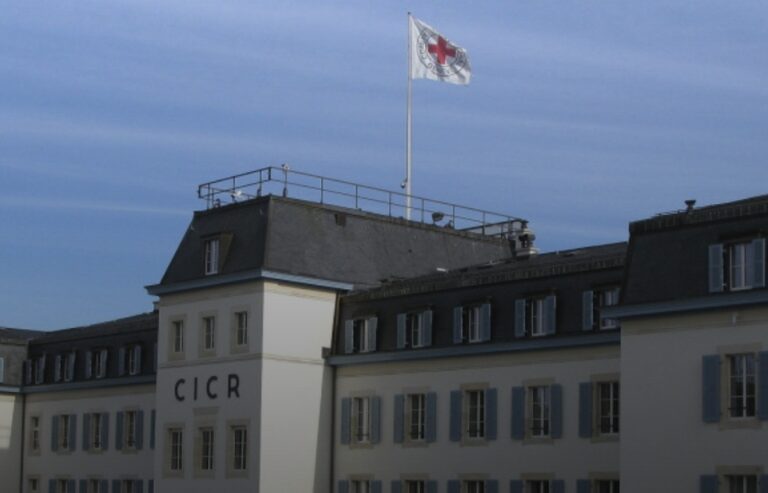
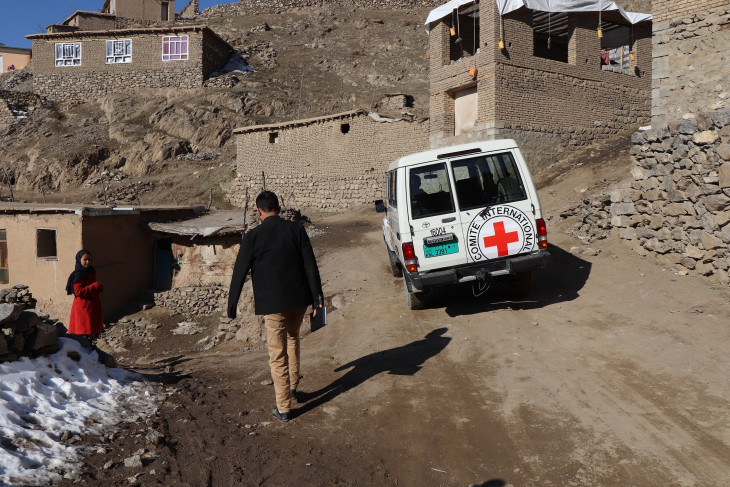
    ICRC still clueless on data breach

    ICRC’s “deep data drive” into the hacking of its servers does not seem to have yielded much, except the knowledge that hackers had been inside these systems and had access to the data on them.

    The International Committee of Red Cross is still searching for answers, 10 days since it determined that servers hosting personal information of more than 500,000 people receiving Red Cross services were compromised in a cyber-security attack.

    An ICRC cyber partner detected an anomaly on the servers that contained information relating to the Red Cross’ restoring family links (RFL) services. RFL provides a unique service, reconnecting people separated by war, violence, migration and other causes. Every day, Red Cross societies all over the world, with help from ICRC, reunite 12 people with their families, ICRC claims.

    But ICRC’s “deep data drive” does not seem to have yielded much, except the knowledge that hackers had been inside these systems and had access to the data on them. For a start, there is no clarity on when the data breach first happened for how long it had been going on. Reports say that the breach was “determined” on 18 January.

    The breach included personal data such as names, locations, and contact information of more than 515,000 people from across the world. But so far, the ICRC only presumes that the data sets were copied and exported.

    “We must presume so. We know that the hackers were inside our systems and therefore had the capacity to copy and export it,” The organisation has said in a statement.

    No dark web clues; no ransom demands, yet

    As a global network, ICRC has access to various levels of hierarchies within entities that even the most powerful governments often fail to establish. Yet, its statement, now 10 days on since the attack happened, says, “We do not know who is behind this attack.”

    It says that the ICRC hasn’t so far had any contact with the hackers and that no ransom has been asked for. “In line with our standing practice to engage with any actor who can facilitate or impede our humanitarian work, we are willing to communicate directly and confidentially with whoever may be responsible for this operation to impress upon them the need to respect our humanitarian action,” the statement reads.

    On reports that the information had been put up for sale on the dark web, the statement says that the organisation has “a dedicated team who are following any reports we receive of data being available on the dark web.”

    ICRC says that it does not wish to speculate on any possible misuse of this data. ICRC says, “If misused or in the wrong hands, it could potentially be used by States, non-state groups, or individuals to contact or find people to cause harm.”

    Yet, going by the statement put out by the organisation’s headquarters in Geneva, the world’s largest humanitarian organisation could see this coming.

    As it says in its statement, “We have been long aware of the danger that our data could one day be the target of an attack.” It says that the organisation has “invested substantially in cyber security and work with trusted partners to maintain high standards of data protection and systems.”

    Strong brand

    People connected with the Red Cross in SouthAsia doubt that this event will have long-term impacts on ICRC’s work, especially because RFL is not ICRC’s most resource intensive work.

    “ICRC is a preferred organisation for humanitarian funding in situations of wars and conflicts by many governments,” says a senior official who has closely observed the working of the highly privileged Swiss private organisation. “It is a brand and this latest happening will not disturb its reputation very much,” he said.

    Micro-estimates of wealth data ‘can help tackle poverty’

    Around 97 million people were pushed into extreme poverty in 2021. Now, researchers at the University of California and the Data for Good programme say new wealth data set can help policymakers tackle poverty.

    By Neena Bhandari / SciDev.Net

    A data project charting poverty levels in detail across the global South could help policymakers better target social assistance and humanitarian aid, researchers say.

    The COVID-19 pandemic has deepened poverty globally, with an estimated 97 million more people, most of them in low and middle-income countries (LMICs), pushed into extreme poverty in 2021, according to the World Bank.

    But a dearth of reliable and up-to-date poverty data in low- and middle-income countries (LMICs) poses a major challenge for governments and civil society.

    To bridge this data gap, researchers at the University of California and the Data for Good programme, which collates data from Meta platforms such as Facebook and Instagram, have developed a public data set of Relative Wealth Index (RWI), which provides micro-estimates of wealth of all populated areas in the 135 LMICs. The study was published in PNAS on 18 January.

    Joshua Blumenstock, chancellor’s associate professor at the University of California School of Information and one of the lead authors of the study, said: “The estimates of absolute and relative wealth are very fine-grained, with one for every 2.4-kilometre square grid cell, which is small enough to satisfy the needs of most policymakers, but also large enough to respect the privacy of individual households.”

    “In essence, this makes it feasible for policymakers to determine the relative wealth of small villages and neighbourhoods. For example, Nigeria has used these micro-estimates to identify the poorest urban wards (a neighbourhood) in the country and then prioritise those wards to receive social assistance from the government,” he adds.

    Constructing estimates by combining data

    The estimates are constructed by combining data from nearly 1.5 million in-person Demographic and Health S with massive quantities of “big data” from satellites, mobile phone networks, and other sources, including aggregated and de-identified connectivity data — with personal information removed to protect privacy — from Facebook.

    “In rough terms, the algorithms use the big data to interpolate wealth estimates into areas where surveys have not been conducted,” said Blumenstock, who is also director of the Data-Intensive Development Lab, and co-director of the Center for Effective Global Action.

    To check the accuracy of these micro-estimates, the researchers worked with data gathered by several different independent organisations to compare estimates from their algorithm with objective estimates from third party .

    “For instance, we compared what our algorithm-generated estimates say about the wealth of people in village X to what an independent survey firm says about the wealth of people in village X. We found that — across four independent data sources from 18 different countries — our new micro-estimates provide remarkably accurate measurements of relative wealth and poverty in LMICs,” Blumenstock told SciDev.Net.

    Need more qualitative local data

    Hoa Thi Minh Nguyen, senior lecturer at the Australian National University’s Crawford School of Public Policy, who was not involved in the study, said its breadth across the global South made it a helpful resource for policymakers.

    “However, further information is needed in validating the accuracy of the estimates,” she told SciDev.Net. “The research uses the information on income and expenditure from about 4,000 microregions in total to validate their prediction for 19.1 million (presumably highly heterogeneous) microregions in the world. […] more qualitative local data is needed in targeting the poor, especially when resources are constrained.”

    This public data set of the RWI is available via the Humanitarian Data Exchange and can be explored using an interactive interface. Researchers are hopeful that it will facilitate targeted policy responses to the pandemic and help countries in achieving the UN Sustainable Development Goals.

    Deborah Hardoon, is poverty and inequality lead for Development Initiatives, an organisation which aims to use data to tackle poverty, told SciDev.Net: “The data used in these studies can make an important contribution to our understanding of poverty and inequality. However, it is important that these studies do not distract from, or purport to override, the more fundamental need to get the foundational data right in complex country settings, in a way that is locally owned and enables disaggregation (e.g. by gender or ethnicity) and an understanding of local context.”


    This piece has been sourced from SciDev.Net

    Image: Hippopx licensed to use under Creative Commons Zero – CC0

    Traditional Chinese medicine stirs a concoction in Asia, Africa and the Americas

    Animal rights groups are voicing concern as the China’s traditional medicine business is leading to the harvesting of animals, besides plants, thus threatening biodiversity.

    On 18 January, a Canada-based Chinese herbal medicine company pleaded guilty to charges of being in possession of 20,000 fins from a protected shark species. Hand Hing Medicine Ltd. was fined $75,000 by the Vancouver provincial court.

    On 20 January, officials of Assam’s Kaziranga national park reported finding an adult female rhinoceros’ carcass. Its horn was missing and park officials suspected this to be the work of poachers. Rhino horn occupies a place of pride in traditional Chinese medicine (TMC).

    A global Chinese medicine boom has sparked fears for endangered species from Asia, Africa and even the Americas. Rising exports of traditional Chinese medicine products, rising on the crest of the Belt and Road initiative, is accelerating the harvest of rare and endangered plant produce and animal body parts.

    Animal rights groups are alarmed and accuse Chinese medicine companies of plundering bio-diversity for short-term pecuniary interests.

    Recent years have seen the rise of chains of traditional Chinese medicine suppliers and clinics across Africa, according to a report from the Environmental Investigation Agency (EIA).

    “The aggressive expansion of traditional Chinese medicine in many African countries is posing a direct threat to the future of some endangered species,” the group said in a statement.

    While the majority of Chinese medicinal treatments are plant-based, there is also a distinct animal and wildlife component to the Chinese pharma practices. The profit motive has led many pharmaceutical companies to source ingredients from threatened animals, aggravating the pressure on the survival of these species, EIA explains.

    “Any utilization of threatened species in traditional Chinese medicine could potentially stimulate further demand, incentivise wildlife crime and ultimately lead to over-exploitation,” EIA campaigner Ceres Kam warned.

    Missing Indian donkeys

    On 21 December 2021, a senior official of the department of animal husbandry in New Delhi, wrote to the home ministry, voicing concern over the sharp drop in India’s population of donkeys following the last animal census. The donkeys and donkey hides, he said in his communication, were being smuggled to Nepal.

    The official based his letter on a research by Brooke India, a NGO working on equines that points to donkeys and donkey hide smuggled through the porous Indo-Nepal border to supply ejiao, a gelatinous compound obtained from donkey hide for Chinese medicinal use for virility and longevity.

    Brooke India communication officer Amit Kumar says that the insatiable Chinese demand for ejiao is an important factor in the ugly race leading donkeys in the region to extinction. He cites the example of neighbouring Pakistan where, he says, donkeys are on the verge of extinction.

    In November 2019, UK-based Donkey Sanctuary reported that 4.8 million donkey hides were required to satisfy the global demand for ejiao, resulting in steep declines of donkey populations around the world.

    “The ejiao industry has experienced significant growth over the past six years,” Amit Kumar says. “In the three years between 2013 and 2016, the annual production of ejiao increased from 3,200 to 5,600 tonnes, a growth of over 20 per cent.”

    EIA’s Kam is concerned that the dependence on animals will have the knock-on effect of drastically increasing demand for treatments containing wildlife and, in turn, cause more species to become threatened or extinct.

    She says, “Ultimately, the unfettered growth of traditional Chinese medicine poses a serious threat to the biodiversity found in many African countries, all in the name of short-term profit.

    “Any utilisation of threatened species could potentially stimulate further demand, incentivise wildlife crime and ultimately lead to over-exploitation.”


    Image: Hippopx Creative Commons Zero – CC0

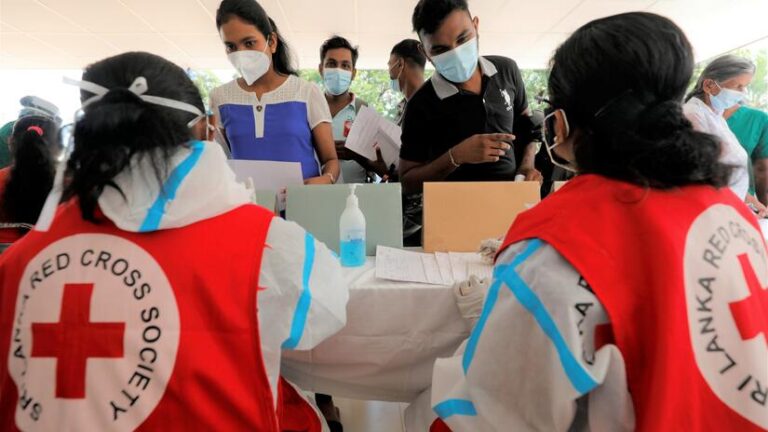
    No takers for COVID-19 booster vials in Sri Lanka

    There is a rise in COVID-19 hospitalisations in Sri Lanka. Yet, people are reluctant to take the vaccine booster.

    Over 5000 cases of COVID-19 were reported from across Sri Lanka last week. 82 people had died. Almost 65 per cent of the people in the island nation have been fully vaccinated.

    But Sri Lanka has another, and a very different problem on its hands.

    There are no takers for the millions of unused booster doses of the COVID-19 vaccine in the country. Health authorities say they would hate to see the vaccines expire.

    State minister of pharmaceutical production Channa Jayasumana said the booster dose stock in store will expire by July 2022. The stock is around nine million.

    “We purchased around 14 million booster doses of the Pfizer-BioNTech vaccine and only close to five million have been distributed so far,” he said. “If the public refuses to take the booster dose now, it will expire by July 2022.”

    From urging people to contemplating legal action

    Health officials have been urging people to get the initial vaccines and if eligible to take the booster dose without delay.

    “Please take it, because data indicates that the number of patients are increasing,” said Deputy Director of the Colombo National Hospital Dr Chandana Gajanayaka.

    The lack of enthusiasm flies in the face of the island nation’s strong record of a highly functional immunisation programme.

    “Legal action against those responsible for the spread of communicable diseases can be taken under the Penal Code”, said Senal Fernando, secretary of the government medical officers association.

    Fernando said that “provisions of the quarantine ordinance can be used against persons who do not comply with directions given by the proper authorities under the quarantine ordinance.”

    Health officials on Monday started to administer the second dose for children between 16-19 years of age.

    Spate of hospitalisations and sick staff

    COVID-19 admissions to the hospital in the country have increased over the past week and public health inspectors union chairman Upul Rohana said, adding that the number of symptomatic cases and hospitalisations have increased throughout the country.

    He spoke of hospital staff too falling sick and said that there has been an increase in the number of COVID-19 patients requiring oxygen.

    Rohana’s warning was clear: the numbers will continue to rise and likely lead to a situation similar to the second wave of the pandemic.


    Image courtesy: Sri Lanka Red Cross Society

    21 million COVID-19 cases globally reported last week is highest ever

    21 million cases reported from across the world represent the highest number of weekly cases recorded by the World Health Organisation since the beginning of the pandemic.

    In its weekly report on the COVID-19 pandemic, the World Health Organisation has said that 21 million cases were reported from across the organisation’s six regions across the globe during the last week ending Saturday 23 January 2022. Nearly 50,000 new deaths were reported.

    This represents a five per cent increase during the week, while the number of deaths remained similar to that reported during the previous week.

    This is the highest number of weekly cases recorded by the world body since the beginning of the pandemic two years ago.

    “Across the six WHO regions, over 21 million new cases were reported this week, representing the highest number of weekly cases recorded since the beginning of the pandemic,” the WHO said in its weekly update.

    As of 23 January 2022, over 346 million confirmed cases and over 5.5 million deaths have been reported worldwide.

    A slower increase in case incidence was observed at the global level, with only half of the regions reporting an increase in the number of new weekly cases, as compared to five out of six regions in the previous week.

    The Eastern Mediterranean Region reported the largest increase in the number of new cases (39 per cent), followed by the South-East Asia Region (36 per cent) and the European Region (13 per cent).

    WHO’s South-East Asia region includes SouthAsian countries, but not Pakistan and Afghanistan.

    The number of new weekly deaths increased in the South-East Asia Region (44 per cent), the Eastern Mediterranean Region (15 per cent) and the Region of the Americas (seven per cent), while the other Regions all reported declines in new weekly deaths.

    Community transmission levels in India

    In the meantime, the Indian SARS-CoV-2 Consortium on Genomics (INSACOG) declared that Omicron has reached community transmission levels in the country.

    According to INSACOG’s statement released on Sunday, “Omicron is now in community transmission stage in India and has become dominant in multiple metros, where new cases have been rising exponentially.”

    While most Omicron cases so far have been asymptomatic or mild, INSACOG said that global data shows that the majority of severe cases and deaths have been in unvaccinated people.

    The INSACOG reports includes its study from genomic surveillance across the country.

    Nepal faces trade deficit as COVID-19 rules

    High cost of petroleum imports, lower exports and crashing in-home remittances together with a collapse of the tourism sector due to the COVID-19 pandemic has led to a widening of the country’s trade deficit in the first six months of the current financial year.

    Nepal’s trade deficit has increased by 46.64 per cent and currently stands at Nepali Rs. 880.49 billion in the first six months of the current financial year. Nepal’s financial year begins on 15 July and this report covers the six months ending mid-January 2022.

    According to the foreign trade statistics division of Nepal’s Department of Customs, the export trade has increased by 95.48 per cent to Rs. 118.85 billion during the first six months (mid-July 2021 to mid-January 2022) of the current financial year. Nepal’s exports were worth Nepali Rs. 60.79 billion in over the same period during the last financial year.

    But this huge leap in exports was not enough because the country’s import trade too increased by 51.13 per cent to Rs. 999.34 billion during these six months. That led to high trade deficits.

    COVID-19 impact on the economy

    Petroleum products account for Nepal’s single largest chunk of import expenses. But COVID-19 did not stop the landlocked country from importing petroleum products worth Nepali Rs. 96.71 billion (including diesel, petrol and aviation fuel). Besides, the country also spent Nepali Rs. 29.2343 billion on importing liquefied petroleum gas (LPG) over the past six months.

    Nepal’s export earnings come mainly from exports of agricultural commodities – palm oil, cardamom, tea and coffee.

    The other major source of income is remittances from migrant Nepali nationals working overseas. That has come crashing in the aftermath of the COVID-19 pandemic. In recent days, Nepal has worked overtime with foreign diplomatic missions to promote its labour exports. Newspapers gave space to pictures of out-going workers queuing up to leave the country and the government announced that it would monitor the seat allocations for subsidised travel on the country’s loss-incurring national carrier.

    But the pandemic hurt most when tourists to the Himalayan country stopped arriving. Again, that was due to COVID-19.

    Not unexpected

    The swollen state of current trade deficits was not unforeseen. In November, the Nepal Rastra Bank (the country’s central bank) stepped in to reverse a foreseeable trend by discouraging the import of what it felt were non-essential goods.

    Then, the central bank’s quarterly review of the of the monetary policy had mandated importers to deposit a cash margin to be able to open and operate a letter of credit for goods it categorised as non-essential goods. This was a departure from the previous practices of the lending banks deciding on the cash margins, depending on their assessment of the creditworthiness of the borrowers.

    The swelling forex reserves were also anticipated after a review of the first quarter of the financial year that showed that the country’s gross foreign exchange reserves decreased by 6.5 per cent. This, the Nepal Rastriya Bank had said, was due to for three consecutive months to surging imports and a constant fall in the inflow of remittances.

    With India at 85 among 180 nations, Transparency International says Asia a case of ‘grand corruption’

    The 2021 Corruption Perceptions Index (CPI) released today Transparency International by shows that corruption levels remain at a standstill worldwide – with 86 per cent of countries making little to no progress in the last 10 years. With the exception of Bhutan, the index gives reason for worry in SouthAsia.

    India’s ranks 85th (up from rank 86 in 2020) among 180 countries in corruption perception index (CPI) in 2021 released by Transparency International today.

    The index ranks 180 countries and territories by their perceived levels of public sector corruption according to experts and business people. It uses a scale of 0 to 100, where 0 is highly corrupt and 100 is very clean.

    India’s score on the index this year, however remains unchanged at 40.

    The 2021 corruption perceptions index (CPI) shows that corruption levels remain at a standstill worldwide, with 86 per cent of countries making little to no progress in the last 10 years.

    Transparency International found countries that violate civil liberties consistently score lower on the CPI. Complacency in fighting corruption exacerbates human rights abuses and undermines democracy, setting off a vicious spiral, the global watchdog organisation says. As these rights and freedoms erode and democracy declines, authoritarianism takes its place, contributing to even higher levels of corruption.

    While countries in Asia Pacific have made great strides in controlling bribery for public services, an average score of 45 out of 100 on the 2021 Corruption Perceptions Index (CPI) shows much more needs to be done to solve the region’s corruption problems.

    Even some higher-scoring countries are experiencing a decline as governments fail to address grand corruption, uphold rights and consult citizens.

    “Among those with weak scores are some of the world’s most populous countries, such as China (45) and India (40), and other large economies such as Indonesia (38), Pakistan (28) and Bangladesh (26),” Transparency International says. “A concerning trend across some of these nations is a weakening of anti-corruption institutions or, in some cases, absence of an agency to coordinate action against corruption.”

    Erosion of rights in Asia

    Asia has witnessed 10 years of mass movements calling for action against corruption, but sadly little has changed, Transparency International notes. Public outrage has instead been co-opted by strongmen – in the form of populist leaders in democratic countries and authoritarians elsewhere.

    “From India to the Philippines (33) to China, such leaders have been able to portray themselves as more effective than state institutions and win mandates to gain and stay in power,” the organisation says. “Furthermore, in most countries, corruption is spreading through severe restrictions on the very civil liberties – like freedom of association and speech – which allowed people to take to the streets and call for action.”

    The watchdog organisation says that the case of India is particularly worrying. While the country’s score has remained stagnant over the past decade, some of the mechanisms that could help reign in corruption are weakening, it says.

    “There are concerns over the country’s democratic status, as fundamental freedoms and institutional checks and balances decay. Journalists and activists are particularly at risk and have been victims of attacks by the police, political militants, criminal gangs and corrupt local officials,” the reports says.

    “Civil society organisations that speak up against the government have been targeted with security, defamation, sedition, hate speech and contempt-of-court charges, and with regulations on foreign funding.”

    Furthermore, the lowest scorers in the region, Afghanistan (16) and North Korea (16), have dropped even further (from 19 and 18, respectively) since last year. These two fragile states do not have the basic institutional infrastructure – such as mechanisms for administration and rule of law – to form an integrity system. They also repress citizens who speak out against corruption.

    Petty corruption down, but grand corruption persists

    An encouraging development is the relatively low occurrence of petty corruption in many Asian countries. Tackling bribe-seeking for basic services lightens the economic burden on the poor, improving their standard of living.

    Those countries stuck in the middle of the index, like Malaysia (48), Indonesia (38) and the Maldives (40) face a more complex challenge: grand corruption. This is the abuse of high-level power that benefits the few at the expense of the many, and which can destroy whole sectors, create recessions and end democracies. In such cases mere technical interventions, useful in addressing petty corruption, are not enough.

    Addressing grand corruption requires the systematic dismantling of rent-seeking structures and dishonest cultures that public officials use to pocket public funds. This needs to be driven by political leaders who hold power to account, for the common good.

    COVID-19 opening a door to corruption and repression

    Alongside a massive public health mobilisation, Asian governments responded to the pandemic by rolling out some of the world’s biggest economic recovery plans. But such large-scale responses, conducted without adequate checks and balances, inevitably lead to corruption.

    Wrongdoing in emergency procurement has led to price inflating, the theft of medical supplies and sales of counterfeit medicines and materials. This left many citizens more vulnerable to COVID-19 – and almost certainly cost lives.

    Despite the fact that whistle-blowers, journalists and a vigilant public can help safeguard funds from corruption, COVID-19 has also been used as an excuse to suppress criticism. Bangladesh, Pakistan, Cambodia and Singapore are just a few countries that have increased digital surveillance to silence those trying to hold governments accountable during the pandemic.

    The report highlights another facet of public discourse that direct impacts corruption. It says, “as authoritarian regimes refine their cyber-surveillance technologies, vicious online harassment by government-backed trolls is further restricting freedom of speech.”

    Study points at US role in illegal tiger trade

    Data from the US Fish and Wildlife Service, obtained through a Freedom of Information Act request, revealed 292 seizures of tiger parts illegally entering the United States between 2003 and 2012.

    By Sarah Fecht

    A new study hints at a major role of the United States in the trafficking of tiger parts. The research points to San Francisco, Dallas, and Atlanta as the main entry hotspots for these illegal products and says that the role of the US has for long been has underestimated. The research.

    Previously, studies on tiger trafficking patterns primarily focused on 13 Asian countries where tigers still roam free, with very little research on the United States. The new study, published in Conservation Science and Practice, investigated the extent and attributes of tiger parts entering the United States from 2003 to 2012.

    Data from the US Fish and Wildlife Service, obtained through a Freedom of Information Act request, revealed 292 seizures of tiger parts illegally entering the United States during those years, indicating that the scale of trade may have been underestimated. A 2019 study, for example, covering the more recent period of 2000 to 2018, documented 624 seizures of illegal tiger products, but estimated that only 6 happened in the U.S., based on media reports.

    “People in the U.S. have this false notion that the illegal trade in tiger parts is half a world away. In reality, we in the US are involved in and driving a large portion of the illegal trade,” said lead author Sarika Khanwilkar, a PhD candidate at Columbia University and the founder of the non-profit Wild Tiger. “This research is a step to better understand the role of the U.S. in the global tiger trade, which will improve policy and enforcement and direct future research efforts.”

    Tigers are endangered, with less than 5,000 individuals estimated to remain in the wild. Illegal trade in tiger parts, mostly for medicinal purposes, contributes to the species’ decline.

    Trade over digital platforms

    Tigers are endangered, with less than 5,000 individuals estimated to remain in the wild. Illegal trade in tiger parts, mostly for medicinal purposes, contributes to the species’ decline.

    China has been and remains the main destination and largest consumer of tiger parts, but the new data shows that U.S. import seizures represent almost half (46.8%) of global seizures.

    Khanwilkar and her coauthors caution that their study may also underestimate the scale of tiger trafficking in the United States, because the use of digital platforms to trade and pay for illegal wildlife products has increased, and economic prosperity has expanded demand. The data also doesn’t reflect the most recent trends; after the team’s original FOIA request in 2013, regulations around FOIA requests to the Fish and Wildlife Service limited the quality of data that was available.

    DNA analysis to help trace origins

    The researchers found that, of the 65.8 per cent of seized parts with a known origin, 99.5 per cent came from wild tigers. The majority of seized products were imported from China and Vietnam (34.2 per cent and 29.5 per cent, respectively). However, a lack of data about the country of origin (which can be different to the country of export) made it difficult to determine trafficking routes or understand where wild tigers were poached to supply the trade.

    The authors propose several ways to better monitor the source and trafficking routes to improve policy, enforcement, and ultimately contribute to conserving wild tigers.

    For example, they suggest enhancing detection efforts in San Francisco, Dallas, and Atlanta, which were the main hot-spots for illegal tiger imports.

    They also recommend using forensic DNA analysis to determine the origin and source (wild versus captive) of the illegally traded tiger parts. Finding out where these tiger parts came from would provide guidance as to where to focus conservation and enforcement efforts.


    Image: Hippox Creative Commons Zero – CC0 license 

    US, French gas majors withdraw from Myanmar. Cite human rights abuse as reason

    Gas production deals were untouched, although the US, EU, UK and Canada imposed a number of sanctions on sources of income for the Burmese military for almost a year since the 1 February military coup in Myanmar.

    TotalÉnergies of France and the US’ Chevron Oil have announced their withdrawal from Myanmar. The two companies hold major stakes in the petroleum-rich Yadana gas fields of Myanmar.

    The two companies have come for criticism for doing business with Myanmar’s ruling junta that has been accused by rights group for brutalities against its own citizens. Rights groups feel that the oil and gas companies have been complicit in propping up the violent regime.

    Total and Chevron have become the latest Western corporations to exit the country after the February 2021 coup by the military.

    Citing the steady erosion of human rights and “more generally the rule of law,”

    Total released a statement saying that financial considerations were not crucial in this matter. It said that its Myanmar operations generated less than one per cent of its annual revenues.

    Chevron too said that it had “reviewed” its interest in the Yadana natural gas project.

    Rohingya groups had questioned US and France

    The announcements have come with resounding political notes. Last week, the Burmese Rohingya Organisation UK (BROUK) had said that the continuance of the two companies work in the military-ruled country was putting a question mark on the policy to protect the profits of American and French companies. BROUK, an umbrella group of Rohingya rights organizations, had pleaded for this to change urgently. They had urged on the Presidents Joe Biden and Emmanuel Macron to impose sanctions on gas revenue in Myanmar, arguing that the money earned from the trade of Myanmar’s natural resources helped pay for the Myanmar military’s crimes.

    BROUK said that gas production deals were untouched, although the US, EU, UK and Canada imposed a number of sanctions on sources of income for the Burmese military for almost a year since the 1 February military coup in Myanmar. Gas production, the Mynmar-refugee group sai, is one of the military’s biggest revenue sources.

    For instance, Total and the military-controlled Myanmar Oil and Gas Enterprise (MOGE) hold stakes in Moattama Gas Transportation Company (MGTC) which carries gas from the Yadana gas field, 60 kilometres off Myanmar’s south-western coast in the Andaman Sea to the country’s border along Thailand.

    Crimes against humanity

    Western rights groups are less than impressed by Total and Chevron’s exits. Environmental law non-profit EarthRights International said in a release, “Since the beginning of the coup, Total and Chevron have facilitated the transfer of around half a billion US dollars in revenue payments to the military junta.”

    These payments are the military’s largest source of foreign funds and fuel its human rights atrocities.”

    EarthRights said that these actions follow “many months after international observers highlighted that crimes against humanity were taking place.

    Total and Chevron will remain complicit for as long as they make or facilitate payments to accounts controlled by the junta.”

    TotalÉnergies holds the biggest stake (31.24%) in Yadana.


    Wikimedia Image: Student Union and teachers protest against military coup in front of state government office on 9 February 2021

    Picture by: Ninjastrikers

    Antimicrobial resistance killing more than HIV and malaria

    Antibiotic-resistant infections led to more than 1.2 million deaths in 2019. The true picture could be much worse, with added impact of COVID-19, researchers warn and urge for urgent policy measures in developing countries.

    By Sanjeet Bagcchi / SciDev.Net

    Antibiotic-resistant bacterial infections resulted in more than 1.2 million deaths worldwide in 2019, exceeding the number caused by HIV/AIDS and malaria, says a study spanning 204 countries and territories.

    One in five of the deaths occurred in children under the age of five, with low- and middle-income countries bearing the highest burden, according to the analysis published in The Lancet, titled Global burden of bacterial antimicrobial resistance in 2019: a systematic analysis.

    The researchers say gaps in data in lower-income countries mean the full picture could be even worse, while other experts say the pandemic is also likely to have exacerbated the problem due to COVID-19 patients receiving antibiotics for secondary bacterial infections.

    Antimicrobial resistance (AMR) is the development of resistance by various bacteria and other microbes against antimicrobial agents or antibiotics, including those used against common infections like lower respiratory tract and bloodstream infections.

    The analysis in The Lancet points to an immediate need to scale up action on AMR and recommends urgent measures for policymakers, such as optimising existing antibiotic use, and improving infection monitoring and control.

    “This is the most comprehensive study on the global burden of bacterial drug-resistant infections ever conducted,” said Christiane Dolecek, a co-author of the study and a professor who leads on global AMR research at Oxford University’s Centre for Tropical Medicine and Global Health and the Mahidol Oxford Tropical Medicine Research Unit.

    “We hope that this report makes clear the impact now and future threat of this 21st century pandemic, and that it energises political leaders and the global community to implement the necessary measures to keep communities and patients safe and reduce this preventable burden,” she told Scidev.Net.

    AMR’s global footprint

    According to the study, AMR played a part in an estimated 4.95 million deaths and was directly responsible for an estimated 1.27 million deaths in 2019. This compares to 860,000 and 640,000 deaths respectively from HIV/AIDS and malaria in the same year.

    Sub-Saharan Africa faced the highest burden, with 24 deaths per 100,000 people resulting directly from AMR, while the figure was 22 per 100,000 in South Asia. The number of AMR-linked deaths in those regions numbered 99 and 77 per 100,000, respectively.

    The analysis also showed that of the 23 pathogens studied in the research, six bacteria – including Escherichia coli, Staphylococcus aureus and Klebsiella pneumoniae – directly caused the deaths of 929,000 people and were associated with 3.57 million deaths.

    In Sub-Saharan Africa, deaths attributable to AMR mainly resulted from Streptococcus pneumoniae (16 per cent) or Klebsiella pneumoniae (20 per cent), while in high-income countries nearly 50 per cent of the deaths attributable to AMR were due to Escherichia coli (23 per cent) or Staphylococcus aureus (26 per cent).

    Amesh Adalja, a senior scholar at the Johns Hopkins Center for Health Security in the US, told Scidev.Net that antimicrobial resistance was one of the major public health threats of our time. “It threatens to pull us back to the pre-penicillin era,” he said.

    To fight the scourge, says Dolecek, good vaccination coverage, especially of pneumococcal conjugate and flu vaccines, is needed, along with improved water and sanitation and better access to health services. “We need high quality, affordable and accessible simple rapid tests to reliably distinguish bacterial from viral infections on the spot in clinics,” she added.

    Dolecek also recommended antibiotic stewardship initiatives to assess and improve how clinicians prescribe antibiotics and patients use them, and to curb inappropriate use.

    According to the US Centers for Disease Control and Prevention (CDC), “improving antibiotic prescribing and use is critical to effectively treat infections, protect patients from harms caused by unnecessary antibiotic use, and combat antibiotic resistance.”

    COVID-19 impact ‘not captured’

    Madhukar Pai, Canada research chair in epidemiology and global health, and a professor at McGill University in Montreal, Canada, told SciDev.Net: “This is an important study that underscores the importance of antimicrobial resistance. But the impact of the COVID-19 pandemic is not captured.

    “I hope it will be addressed in future updates of this study, because antimicrobial abuse has dramatically increased during the pandemic, with very high use of antimicrobial drugs such as azithromycin, doxycycline, ivermectin and hydroxychloroquine.”

    COVID-19 patients admitted to hospital are often administered antibiotics to treat secondary infections, despite only a minority of cases having bacterial co-infections, according to a report in the BMJ.

    “While these drugs are not effective for COVID-19, their widespread abuse makes me worried about antimicrobial resistance in the coming years,” added Pai.

    The study says investment in the development pipeline for new antibiotics and access to second-line antibiotics where required are “essential” measures to counter this threat.

    Diptendra Sarkar, a public health analyst and professor at the Institute of Post Graduate Medical Education and Research, in Kolkata, India, believes that irrational, non-evidence-based antibiotic use is responsible for the AMR crisis in developing countries.

    “Immediate global action is necessary,” he told SciDev.Net. “All stakeholders, which include government regulatory authorities, medical professional bodies and the pharmaceutical industry, must initiate dialogues and draft a national, evidence-based, antibiotic policy.
    Regulatory bodies in developing countries must prepare a roadmap for community and hospital infection audits, he said, adding: “Educating health care providers and strong surveillance is the way forward.”


    This piece has been sourced from SciDev.Net

    Image: Hippox Creative Commons Zero – CC0 license

    Convicts freed, hound victims. Victims in prison

    A research by Amnesty International points to survivors of gender-based violence being abandoned following Taliban takeover of Afghanistan and their husbands are on the prowl.

    Sina (name changed) would be battered by her husband almost daily. There was no way she could protest or seek comfort – her own family supported her violent husband. The only place open to her was a shelter managed and run with government funds. But, when the Taliban arrived, she and the other woman inmates and their children had to flee the shelter.

    Now in hiding, Sina says, “We left with nothing by the clothes we had on our persons. We have no food. My husband is looking for me and he knows that the shelter has closed.

    All essential services for women and girl survivors of domestic violence have come to a stand-still in Afghanistan since the Taliban took over the country, says the human rights NGO, Amnesty International.

    Amnesty’s researchers conducted 26 interviews with survivors and service providers who spoke of the risks of violence and death they face. The Taliban has closed shelters. Worse, many of the men jailed for beating their wives were released by the Taliban and they are looking for their spouses against whom they hold a grudge.

    A legal professional who specializes in gender-based violence said told Amnesty that she had been involved in the conviction of more than 3,000 perpetrators of gender-based violence in the year preceding the Taliban’s takeover.

    She said: “Wherever [the Taliban] went, they freed the prisoners… Can you imagine? More than 3,000 released, in all the provinces of Afghanistan, in one month.”

    Amnesty International says that survivors have also been transferred by the Taliban into the detention system, including to the Pul-e-Charkhi prison, near Kabul.

    Women abandoned

    Even people staffing shelters for women escaping violent homes, prosecutors and judges who worked to deliver justice and others providing protective services are now at risk.

    Afghanistan has abandoned women like Sina.

    Agnès Callamard, Amnesty International Secretary General recognises this when she says, “Women and girl survivors of gender-based violence have essentially been abandoned in Afghanistan. Their network of support has been dismantled, and their places of refuge have all but disappeared.”

    “To protect women and girls from further violence, the Taliban must allow and support the reopening of shelters and the restoration of other protective services for survivors, reinstate the Ministry of Women’s Affairs, and ensure that service providers can work freely and without fear of retaliation.”

    Instead, the Taliban has reinstated the ministry of vice and virtue, only ensuring that its name is furthermore commensurate with their beliefs – it is now called the ministry for the propagation of virtue and the prevention of vice.

    The new government or its ministry charged with the propagation of virtue is not bothered about releasing wife-battering men from prisons. At best, this ministry remained a spectator to the Taliban’s rampaging foot soldiers throwing open prison doors, unmindful of the risks that convicted perpetrators pose to the women and girls they victimized. At worst, they were accomplices.

    Protective services are as important as evacuating survivors and those who served them from the imminently dangerous situation they find themselves in. There are only two ways. Either donors stick to long-term funding; or evacuate the women out of Afghanistan.

    Collapse of the system

    Amnesty International interviewed survivors and protective service providers in the provinces of Badghis, Bamiyan, Daikundi, Herat, Kabul, Kunduz, Nangarhar, Paktika, Sar-e Pul, and Takhar. The interviews led to one conclusion: The system had collapsed.

    Women and girls spoke of how, before the Taliban’s takeover, many of them accessed a nationwide network of shelters and services, including pro-bono legal representation, medical treatment, and psycho-social support.

    Thousands of women would be referred by the ministry of women’s and the national human rights commission. Many would even be referred by managements of the shelters they took refuge in or from hospitals where they were undergoing treatment, and in some case, by the police.

    Thousands is no exaggeration, knowing that Afghanistan has one of the highest rates of violence against women globally. Nine of every 10 Afghan women have experienced at least one form of intimate partner violence in their lifetime, according to the United Nations Assistance Mission in Afghanistan (UNAMA).

    Amnesty researchers quote a service provider from the eastern province of Nangargar who said, “[The cases] were very extreme. We had a case where a man took the nails off his wife’s fingers… [One] man took a crowbar and peeled off his wife’s skin… There was one woman who faced a lot of abuse from her family. She couldn’t even use the bathroom anymore.”

    With protective services collapsing and people staffing these services left to fend for themselves, and women like Sina in hiding for and her children’s own safety, it is not surprising that the people involved are desperate.

    As a shelter director, currently in hiding with some survivors said, “We don’t have a proper place. We can’t go out. We are so scared… Please bring us out of here. If not, then you can wait for us to be killed.”


    Image: UNMA

    The UN’s Vital Role in Afghanistan

    The UN can help to place Afghanistan on a new development and political path with the backing of major global and regional powers and the cooperation of both Taliban and non-Taliban factions alike.

    By Sultan Barakat and Richard Ponzio

    On December 22, 2021, the UN Security Council voted unanimously to allow for more humanitarian assistance to reach vulnerable Afghans, while preventing the abuse of these funds by their Taliban rulers.

    With more than half of Afghanistan’s 39 million citizens — afflicted by drought, disease, and decades of war — depending upon critical life-saving aid to survive the harsh winter months, the decision to carve out an exception in UN sanctions against the ruling regime is timely.

    All the more so as Afghanistan quickly becomes ground zero for United Nations humanitarian operations worldwide.

    At the same time, addressing the underlying political, cultural, and socioeconomic challenges that continue to fuel widespread deprivation, violence, and corruption in Afghanistan requires a strategy and targeted investments in development and peace-building too.

    Fortunately, these are also areas where the UN maintains a decades-long track record in Afghanistan (including from 1996-2001, the last period of Taliban rule) and elsewhere.

    Moreover, the Security Council’s recent request to Secretary-General António Guterres to provide “strategic and operational recommendations” on the future of the UN Assistance Mission in Afghanistan (UNAMA), by January 31, 2022, offers an opportunity to adapt the world body to the country’s fast-changing political, security, social, and economic context.

    Need diverse mechanisms

    First, the United Nations should aid in negotiating some conditionalities put forward by Western powers. Whilst a step-by-step roadmap for cooperation is needed, vital life-saving humanitarian aid should never be made conditional on the Taliban taking certain actions.

    Given the acute differences between the Taliban and the international community, diverse mechanisms are needed for addressing distinct humanitarian and non-humanitarian issues alike. Both sides have made opposing demands that essentially negate one another, while the needs of millions of innocent, vulnerable Afghans continue to grow.

    In direct immediate support of malnutrition, urgent health services, and other kinds of emergency, life-saving support detailed in a new Humanitarian Response Plan, donor countries should take careful heed of the UN’s largest-ever humanitarian appeal for a single country, announced on 11 January 2022, requesting more than USD $5 billion this year for Afghanistan.

    Humanitarian, developmental and peace challenges

    Second, there is a need to remain focused on the intersections of humanitarian, developmental, and peace challenges, rather than roll-out humanitarian-only models of response in Afghanistan. To advance more integrated approaches that break down the traditional silos of the international aid system in responding to the Afghan crisis, the humanitarian-development-peace nexus offers a powerful framework.

    The United Nations and other actors have implemented Triple Nexus programming in Afghanistan in recent years, including refugee return and reintegration, asset creation, and social safety net programming.

    The world body can play a vital role as a convening power and knowledge broker, facilitating local-international and whole-of-society dialogue on how to adapt nexus programming concepts and approaches in the uncharted territories of Afghanistan’s fast evolving and highly challenging operating environment.

    As bilateral aid likely recedes among most major donors, the UN could also serve as a chief oversight body and conduit of international assistance through multiple emergency trust funds. In doing so, it will provide de facto international development coordination assistance, with an eye to maintaining for all Afghan citizens the delivery of basic public services in such critical areas as healthcare, education, and power generation.

    Get beyond the blame game

    Third, durable peace in Afghanistan can only be reached through high-level political will that is best expressed through an empowered mandate and sufficient resources for UNAMA (ideally led by a Muslim diplomat with the gravitas and skills demonstrated by the UN trouble-shooter Lakhdar Brahimi).

    For the UN to be truly catalytic, it is vital that it is entrusted with a comprehensive mandate to perform its full suite of well-known and field-tested functions, including in the areas of reconciliation, development coordination, and humanitarian action.

    To get beyond the blame game and build trust between the Taliban and other Afghan parties, the world body must be allowed to provide its good offices and other peaceful settlement of dispute tools to resuscitate an intra-Afghan dialogue toward reconciliation and political reform.

    At the same time, the Afghan Future Thought Forum, chaired by Fatima Gailani, continues to be the only independent platform that brings together influential and diverse Afghan stakeholders (men and women), including Taliban and former government officials, to produce practical solutions for long-term peace and recovery in Afghanistan.

    Need a multi-faceted strategy

    Finally, the greatest obstacle to functioning relations between the Taliban and international community is the non-recognition of the new ruling regime in Kabul, which requires a medium to long-term vision to resolve. Although the Taliban are publicly seeking international recognition, these efforts are unlikely to bear fruit immediately.

    To avoid Afghanistan becoming once again an operating base for international terrorist groups or an even greater source of refugees — both vital interests of the international community, including the Western powers — a multi-faceted strategy that also deploys targeted resources beyond solely humanitarian aid is needed urgently.

    With thousands of staff dedicated to alleviating human suffering across Afghanistan, coupled with the West’s almost non-existent political leverage with the Taliban regime, the United Nations must resume its central development and peace-building roles, in addition to delivering and coordinating immediate life-saving humanitarian aid.

    With the backing of major global and regional powers and the cooperation of both Taliban and non-Taliban factions alike, the UN can help to place Afghanistan on a new development and political path toward a more stable country that, over time, improves the prospects for all Afghan citizens.


    Sultan Barakat is Director of the Centre for Conflict and Humanitarian Studies in Doha, Qatar and Honorary Professor of Politics at the University of York.

    Richard Ponzio is Senior Fellow and Director of the Global Governance, Justice & Security Program at the Stimson Center in Washington, D.C.


    This piece has been sourced from Inter Press Service

    Image: UNICEF

    WHO chief says COVID pandemic disrupted WHO’s five-year work

    0

    The poor progress on the triple billion health targets will weigh heavily as WHO’s current chief readies for a second term.

    In his opening remarks at the 150th session of the executive board of the World Health Organisation today, director general Dr Tedros Adhanom Ghebreyesus, stressed on the need “to urgently strengthen the systems and tools for epidemic and pandemic preparedness and response at all levels.”

    Over two years, almost 350 million cases of COVID-19 have been reported together with over 5.5 million deaths.

    On the cusp of the third year since the spread of COVID-19 was declared a public health emergency of international concern – the highest level of alarm under international law, he said that while the world will be living with COVID for the foreseeable future, “learning to live with COVID cannot mean that we give this virus a free ride. It cannot mean that we accept almost 50,000 deaths a week, from a preventable and treatable disease.”

    He reiterated the set of strategies proposed by the world organisation and said that “If countries use all of these strategies and tools in a comprehensive way, we can end the acute phase of the pandemic this year.”

    The strategies rest mainly on achieving 70 per cent vaccinations in all countries, boosting testing and sequencing rates globally to track the virus and monitor the emergence of new variants and restoring and sustaining essential health services.

    WHO achievements

    But besides COVID-19, there have been achievements on the communicable diseases front, especially with the world’s first malaria vaccine ready for use. Eight countries achieved the 90–90–90 targets for testing, treatment access, and viral suppression of HIV by the end of 2020 and 15 countries have eliminated mother-to-child transmission of HIV.

    “Despite the disruptions of the pandemic, 86 countries globally achieved the end-TB strategy milestone for 2020 of reducing TB incidence,” he said.

    But he also said that the COVID-19 pandemic has disrupted work to advance towards the “triple billion” targets of WHO’s thirteenth general programme of work (GPW defines WHO’s five-year strategy).

    Crucial plans off target

    The WHO director general proposed a two-year extension of the GPW to 2025, to be able to achieve the organisation’s triple billion targets – ensuring a billion people each benefit from universal health coverage; are better protected from health emergencies; and enjoy better health and well-being.

    He admitted that “the world was off track for the “triple billion” targets,” even before the pandemic. “Now, we’re even further behind,” he said.

    Today, the WHO also got new members countries on its board. These include Colombia, Guinea Bissau, India, Madagascar, Malaysia, Peru, India, Tonga and Tunisia.

    In the run up to the agency’s annual assembly meeting, 28 countries have already written letter of nominations for a second five-year term for Tedros Adhanom. This is to come up at the current session of WHO’s executive board. He will stand uncontested for the position.

    However, The United States, United Kingdom and China haven’t expressed support, though they haven’t nominated anyone else either.

    “This could be a modest vote of confidence in Tedros, an acknowledgement that a competitor would not prevail, or a matter of pandemic practicality,” wrote the science journal Nature.


    Image courtesy: YMCA.int

    Budget 2022: Government faces Hamletian dilemma on subsidies

    The government would like to cut subsidies in Budget 2022, but the question is whether it can afford to do it just ahead of the crucial assembly elections in five states.

    Prachi Gupta

    The economy continues to reel under the impact of the COVID-19 pandemic. The last two years have been especially tough for the government as it had to leave the path of fiscal prudence in the face of an unprecedented economic crisis triggered by the pandemic. The subsidy bill for the current fiscal year ending March 31 could be around Rs 5.35-5.45 lakh crore.

    Newspaper reports say the government plans to peg food and fertiliser subsidies at Rs 2.6 lakh crore and Rs 90,000 crore respectively in the upcoming Budget 2022. The question is if it can afford to cut subsidies in a situation where people are highly dependent on agriculture jobs and the public distribution system. Cutting food and fertiliser subsidies may affect growth and aggravate poverty.

    India is an agriculture dominated economy with more than half of the population depending on farming directly or indirectly for their livelihood. Farm subsidies form an important part of the government’s budget. While in developed countries, the agricultural or farm subsidies compose nearly 40 per cent of the total budgetary outlay, it is much lower in India which offers direct and indirect subsidies.

    Subsidies necessary despite flaws

    These subsidies have always been a target of criticism. Firstly, the indirect subsidy has been blamed for benefiting big farmers more than small and medium farmers as the bulk of the subsidised fertilisers is picked up by rich farmers. The small and marginal farmers own just 37 per cent of the farm land.

    Secondly, indirect subsidy has also been a disincentive to improvements in production processes since manufacturers have no compulsion to raise efficiency. Cash subsidies are considered more beneficial to farmers as they will free up the distribution system and allow people who receive the subsidy to choose where they buy their goods from.

    The complexity lies in the identification of beneficiaries as opposed to the transfer of funds. Looking at the success of direct cash transfer in various countries across the globe, the Indian government started a pan-India scheme to disburse all forms of subsidies directly, through the Direct Benefit Transfer (DBT) in 2015–16.

    The food subsidy also provides cover to the marginalised and poor sections of society apart from farmers. To sum up, food subsidies not only ensure remunerative prices to farmers, encouraging them to increase production and improve access to food for economically vulnerable people, but also stabilises food grain prices and availability in the country.

    The PDS assures beneficiaries that they will receive food grains, and insulates them against price volatility. The government also provides food grains via fair price shops in villages which are easy to access. The system is not without its demerits as huge leakages have been observed in it, both during transportation and distribution. These include pilferage and errors of inclusion and exclusion from the beneficiary list. At times, beneficiaries have also reported receiving poor quality food grains.

    Budget 2022 may see financial jugglery

    The government also spends a large amount on fertiliser subsidy, compensating manufacturers for selling their product below cost. The subsidy bill for the current year is likely to be in the vicinity of 1.3 lakh crore.

    Fertiliser is a critical and expensive input in improving agricultural output. Since the Green Revolution in the mid-1960s, there has been a sharp increase in the use of fertilisers in the country. Today, fertiliser subsidies stand at around 10% of the total agricultural GDP as the government looks to incentivise its usage.

    Earlier, the government had to substantially increase the fertiliser subsidy amid farmer protests. In the budget unveiled in February 2021, this was pegged at nearly Rs 80,000 crore. Additional funds were provided twice due to increase in prices of fertiliser and supply side disruptions. Newspaper reports have quoted finance ministry officials saying that the allocation towards the fertiliser subsidy for FY23 could be lower than the revised estimates.

    The Union Budget 2022 will be presented by finance minister Nirmala Sitharaman on February 1. Despite the assembly elections in Goa, Manipur, Punjab, Uttar Pradesh and Uttarakhand, the government is expected to maintain the momentum of agriculture reforms. The budgetary allocation of the agriculture ministry has shot up substantially after the Narendra Modi government came to power in 2014.

    Elections to the state assemblies could influence the final subsidy figures of Budget 2022 as the BJP looks to woo farmers after the massive protests from the agrarian community against the three farm laws that forced the government to withdraw them.


    This piece has been sourced from Policy Circle – policycircle.org

    Image: Hippox – under CC0 license 

    Farms stretched, water sources stressed and polluted, and forests shrinking, says FAO report

    As climate stresses the world and water sources get depleted and polluted, scientists around feel the need to shift to sustainable agricultural practices to feed an additional two billion mouths by 2050.

    Today, the world is home to eight billion people. This number will have swelled to 10 billion in less than 30 years from now – or simply, a child born today will very likely become a parent in 2050.

    How will all of tomorrow’s parents feed their children?

    A possible answer to this question is that today’s governments, policy makers and farmers work to reverse water degradation, smartly plan for sustainable farming practices and harness new innovative technologies.

    Because, existing agricultural practices will not be able to feed 10 billion people populating planet earth by 2050, warns a new report from the Food and Agriculture Organisation (FAO). Today, one in every 10 persons on planet earth is undernourished. Three of eight people lack healthy diets.

    The State of the World’s Land and Water Resources for Food and Agriculture report 2021 builds upon the concepts and conclusions given in the 2011 report.

    But it also recognises that much has happened since then. It alludes to the recent assessments, projections and scenarios to paint an alarming picture of the planet’s natural resources – highlighting depletion of land and water resources, loss of biodiversity, associated degradation and pollution and scarcity of primary natural resources.

    Climate change

    But the FAO report’s warning is too dire for solutions to hinge on just that prescription. Far reaching changes will be necessary to avoid widespread hunger and other catastrophes, it says.

    It says that climate change “may bring opportunities for multiple rainfed cropping, particularly in the tropics and subtropics.”

    For instance, farmers might need to grow crops they never did before. For example, farmers in Canada and northern Eurasia might need to farm more cereals in the coming couple of decades than they do today.

    For areas “where the climate becomes marginal for current staple and niche crops, there are alternative annual and perennial tree crops, livestock, and soil and water management options available.”

    It says there will be a need to shift to sustainable agricultural practices to feed an additional two billion mouths by 2050 as climate stresses the world and water sources get depleted and polluted.

    Scientists might be able to work on new varieties of crops with seed and germplasm exchanged globally and among regions to create breeds that can withstand changes in temperature, salinity, wind, and evaporation. This of course, will require investments from governments.

    Need sustainable agriculture practices as never before

    So, why have things come to such a pass?

    Complicated as the question might be, part of the answer is the limited land on earth to grow food. Forests cannot be thrashed any further and food has been hugely linked to fuel, fertilisers and pesticides.

    None of these are sustainable. As the report points out, “Human-induced degradation affects 34 per cent of agricultural land.”

    “The treatment of soils with inorganic fertilizers to increase or sustain yields has had significant adverse effects on soil health, and has contributed to freshwater pollution induced by run-off and drainage,” it says.

    Extensive degradation due to irrigation of farmlands has harsh consequences as irrigation causes a runoff of fertilizers and pesticides that eventually contaminate soil and groundwater.

    The FAO report notes that agricultural irrigation needs are depleting groundwater aquifers in many regions.

    Similarly, it notes that the quality of 13 per cent of global soil, including 34 per cent of agricultural land, is now degraded by the use of fertilisers, overgrazing by cattle and livestock, erosion, deforestation and decreasing water availability.

    The report emphaises that climate change is further stressing agricultural systems and amplifying global food production challenges as it discusses the changing climate: erratic rainfall patterns, the unsuitability of land for certain crops, increasing spread of insects and pests and shorter growing seasons in parts of the globe due to intense droughts.

    Drought-like conditions

    As it exacerbates agricultural challenges, climate change is also exaggerating water demands and resulting in drought-like conditions. Extreme heat conditions stress crops. While agricultural productivity might increase in relatively colder regions, productivity will decrease in places that are already heating and drying up.

    Climate adaptation can be painful and costly, it says, offering the example of farmers in California tearing up their lucrative almond orchards.

    However, there is one spot in the report that holds hope. It says that deforestation trends have been partly arrested. The rate of decline of global forested areas over the past decade has halved from where it was in the 1990’s.


    Image: Hippox – under CC0 license

    Cops might not like this gaming app

    Rights Arcade, an Amnesty International gaming app will make human rights learning accessible, and possibly, interesting.

    Amnesty International has launched Rights Arcade, a free human rights game app which aims to educate the next generation of human rights defenders about rights such as freedom of expression and freedom of peaceful assembly. The launch coincides with the international day of education.

    Amnesty International has developed the app to make human rights learning accessible.  The Amnesty gaming app is designed to strengthen the human rights movement through action-oriented education. The games will boost players’ knowledge about human rights and encourage people to take action on human rights issues.

    One of Rights Arcade’s key features is a self-paced approach that allows players to learn, reflect and take action at their own pace while navigating through the game’s stories.

    “This game has been designed to empower and encourage people everywhere, but especially younger audiences, to learn about human rights in an engaging manner,” said Agnès Callamard, Amnesty International’s secretary general.

    Real life characters

    “Young people are pivotal in setting the human rights agenda, today and for the future. Reaching them in the spaces they inhabit, or with which they engage regularly, is key to enabling new generations of activists and empowering them to fight for, and protect, human rights – now and in the future.”

    Players can take a human rights journey through the experiences of three real-life people: Ahmed Kabir Kishor, a cartoonist unjustly charged under the Digital Security Act in Bangladesh; Zhang Zhan, a citizen journalist sentenced to four years in prison for reporting about COVID-19 in China; and Panusaya Sithijirawattanakul, a student activist facing more than 25 charges for protesting in Thailand.

    The game’s stories, which are fictionalized experiences inspired by real world events, are driven by a player’s choices.

    The player gets to play the role and navigate the experiences of the three central characters, making decisions based on their own understanding of human rights and unpacking how human rights concepts apply in daily life.

    People around the world will be able to access a collection of three games currently available in four languages: English, Simplified Chinese, Thai and Korean. Rights Arcade can be downloaded on iOS and Android devices, ensuring its accessibility in regions with poor internet connectivity.

    Rights Arcade will be regularly updated to accommodate learning in more languages, and with new game offerings in the months and years to come.

    Education and gaming in the times of COVID-19

    Gaming and education have become unique partners. This abstract partnership has blossomed through the past two years of the COVID-19 pandemic.

    Statistical evidence suggests a significant increase in the use of video-games during the first wave of the COVID-19 pandemic. Researchers are gathering evidences on the pedagogical effectiveness of edu-games as mediators to enhance cognitive skills of students.

    Omicron has a growth advantage over Delta: WHO

    Omicron has a substantial growth advantage over the Delta strain of COVID-19 and is rapidly replacing Delta globally, particularly because it is able to evade the human immune system, says WHO’s technical briefing paper for member states.

    COVID-19, and particularly its Omicron strain, continues to spread, says a technical brief produced by the World Health Organisation. It says that available evidence suggest that the overall risk related to Omicron remains very high.

    As of 20 January 2022, the Omicron variant had been identified in 171 countries across all six WHO regions. The briefing paper says that there has been a four per cent increase in the number of new deaths globally in the week between 10 and 16 January 2022 compared to the previous week. The highest increases of 12 per cent has been reported from WHO’s South-East Asia Region that includes India. The Americas region has reported a seven per cent increase.

    “The large increase in the South-East Asia Region is mainly driven by the increase in the number of cases in India which reported 1,594,160 million new cases compared to 638 872 cases the previous week (a 150% increase),” the paper says.

    The paper says that Omicron has a substantial growth advantage over Delta, and it is rapidly replacing Delta globally, particularly because it is able to evade the human immune system. “There is now significant evidence that immune evasion contributes to the rapid spread of Omicron,” the WHO paper says.

    Higher levels of incidence

    Experts point out the Omicron has a significant growth advantage over Delta and is leading to rapid spread in the community with higher levels of incidence than previously seen in this pandemic.

    “Despite a lower risk of severe disease and death following infection than previous SARS-CoV-2 variants, the very high levels of transmission nevertheless have resulted in significant increases in hospitalization, continue to pose overwhelming demands on health care systems in most countries, and may lead to significant morbidity, particularly in vulnerable populations” says the WHO.

    On the question of the effectiveness of vaccines, the paper reiterates that “there is a growing body of evidence on vaccine effectiveness for Omicron, with data available from 15 observational studies from five countries.”

    In addition, increased risk of reinfection has been reported by South Africa, the United Kingdom, Denmark, and Israel.

    Priority actions suggested by the group for member states (governments) include surveillance and testing, vaccination (with particular focus among populations designated as high priority and prioritising those yet to be vaccinated or incompletely vaccinated), infection prevention and control, public health and social measures, contact tracing and quarantine and risk communication and community engagement.

    The WHO group of experts has also recommended travel-related measures that will adjust international travel measures in a timely manner. Simultaneously, it has cautioned against blanket travel bans, saying that this “can adversely impact global health efforts during a pandemic by disincentivizing countries to report and share epidemiological and sequencing data.”

    How COVID-19 has shattered a family’s dreams

    A Bangladeshi family’s dreams of a good future life for their two young children is proving to be elusive as incomes come to a halt due to the COVID-19 pandemic and they find it difficult to pay for their schooling.

    Struck by the COVID-19 pandemic, Bangladesh families are struggling to pay for their children’s education.

    Rafiq Islam (name changed), a handloom trader living in Tangail would earn about 45,000 Bangladeshi Takas a month. His family would somehow see the month through. That is not the case any longer. Rafiq says that the economic crisis means that he and his wife Shabnam (name changed) have to stop dreaming.

    “The looms are silent and there are no buyers these days,” he says. “My income has dropped to a trickle and I realise how lucky I am to have my own ancestral house. But even buying rations is difficult these days.”

    Earlier, the family managed to save some money. That is no longer the case.

    The young couple had dreams for their two young sons aged eight and ten years. They wanted to give them good education. For this, they sent them to the best school they could pay for.

    The best school in Bangladesh, as elsewhere in SouthAsia, is often a private school – and not necessarily the best. Teachers are untrained and children return home with loads of homework. Students in these best schools are under pressure to cope with the best in the class. This gap in education is served by private tutors.

    Parents insist that the quality of education in government schools is poor. This is not without reason. A USAID report, for instance, says that 44 per cent of students completing their first grade education in a government-funded school struggle to read a word and the rate of dropouts is high.

    Expensive private schools are an option for the aspiring parent. But this needs to be complemented with private tutions that cost parents like Rafiq and Shabnam a fortune. 67 per cent of the urban households, most often like theirs, pay for their children’s private tutions, up from 48 per cent in 2000, according to UNESCO’s global education monitoring report.

    Bangladesh’s low investment on public education

    There is little influence that the government has in this regard. “Government schools are no good,” Shabnam says. “The teachers don’t come to school and they don’t teach if they come.”

    But the family can no longer pay for the private tution fees for their two young children.

    The UNESCO report that was released in December 2021 has been the subject of an intense discussion in the Bangladeshi media and parents like Rafiq and Shabnam are aware of its import.

    They say how they identify with what the report has to say – that seven per cent of Bangladeshi families have to borrow to pay for their children’s schooling. They say, in hushed, hesitation-filled tones, that they too have to borrow money for educating their children. “It is tough to pay the school fees and the tution fees,” says Rafiq. “But both must be paid.”

    The share of urban households in Bangladesh paying a private tution fee increased from 48 per cent in 2000 to 67 per cent in 2010.

    Overall, the average expenditure increased by 80 per cent in real terms, according to the report.

    Private schools have also been charging during the pandemic and thousands of families like Rafiq and Shabnam’s feel the strain. Rafiq complains that there is no income and what he is paying is not justified. But the schools have their own reasons and so do the private tutors.

    The government introduced classrooms over televisions, mobile phones, the good old radio and over internet – but the reach has been limited because internet penetration in communities like Tangail is poor and has taken a further hit during the pandemic.

    According to a World Bank study, pre-pandemic estimates showed 58 per cent of Bangladeshi children did not achieve minimum reading proficiency by grade 5. It is estimated this figure will increase to 76 per cent during school closures.

    The COVID-19 pandemic is likely to translate into a substantial long-term economic cost, the World Bank study says. Researchers have estimated that the average Bangladeshi student will face a reduction around US$ 335 in yearly earnings, or almost 6.8 per cent of their annual income by the time they grow up.

    Such is the story of Rafiq and Shabnam’s shattered dreams.


    Image: UNICEF

    Human rights violations and culture of impunity in SouthAsia

    South Asian countries are grappling with the erosion of democratic norms, growing authoritarianism, the crackdown on freedom of press, speech and dissent, a report by Human Rights Watch says.

    By Sania Farooqui / Inter Press Service

    As countries across South Asia continue to battle the deadly COVID-19 pandemic, causing serious public health and economic crisis, this region, which is home to almost two billion people, is also grappling with the erosion of democratic norms, growing authoritarianism, the crackdown on freedom of press, speech and dissent.

    Despite the committed efforts of human rights defenders across South Asia, achieving human rights objectives remains a challenging task. Almost all countries in the region – Afghanistan, Bangladesh, India, Nepal, Pakistan and Sri Lanka – face a common trend of human rights violations and a culture of impunity.

    Afghanistan

    In Afghanistan, the Taliban rule has had a devastating impact on the lives of Afghan women, girls, journalists and human rights defenders. “The crisis for women and girls in Afghanistan is escalating with no end in sight. Taliban policies have rapidly turned many women and girls into virtual prisoners in their homes, depriving the country of one of its most precious resources, the skills and talents of the female half of the populations,” said Heather Barr, associate women’s rights director at Human Rights Watch in this report.

    This report states, “the Taliban’s return to power has made members of some ethnic and religious minorities feel more vulnerable to threats even from those not affiliated with the Taliban. Taliban authorities have also used intimidation to extract money, food, and services. Fighting has mostly ended in the country, but people expressed fear of violence and arbitrary arrests by the Taliban and lack of the rule of law and reported increased crime in some areas.”

    A group of three dozen Human Rights Council appointed experts in this report said, “waves of measures such as barring women from returning to their jobs, requiring a male relative to accompany them in public spaces, prohibiting women from using public transport on their own, as well as imposing a strict dress code on women and girls. Taken together, these policies constitute a collective punishment of women and girls, grounded in gender-based bias and harmful practices.”

    The UN high commissioner for human rights, Michelle Bachelet, has urged the UN security council to hold all perpetrators of human rights violations accountable, “I ask the security council to ensure that the perpetrators of these violations are accountable, I ask all states to use their influence with the Taliban to encourage respect for fundamental human rights.”

    Bangladesh

    While Bangladesh, despite making economic progress and getting upgraded by the United Nations from the category of least developed country to developing country last November, the country continues to be in the news for enforced disappearances, abductions, torture and extrajudicial killings by its security forces with impunity.

    In this letter written by 12 organizations to Under-Secretary-General Jean-Pierre Lacroix, urging the United Nations Department of Peace Operations to ban Bangladesh’s notoriously abusive paramilitary Rapid Action Battalion (RAB) from UN deployment.

    As many as 600 people, including opposition leaders, activists, journalists, business people, and others, have been subjected to enforced disappearance since 2009. In this report, Dhaka–based rights organization Odhikar said that “some of the disappeared persons resurfaced in government’s custody after being arrested under the draconian Digital Security Act 2018.”

    “Human rights defenders, journalists, and others critical of the government continue to be targeted with surveillance, politically motivated charges and arbitrary detention,” says this report. Earlier in November 2021, the United States slapped sanctions on elite Bangladeshi paramilitary force, Rapid Action Battalion (RAB), stating it threatens US national security interests by undermining the rule of law and respect for human rights and fundamental freedoms, and the economic prosperity of the people of Bangladesh. Bangladesh is the only South Asian country other than Afghanistan to receive US sanctions since 1998.

    India

    In 2021, Prime Minister Narendra Modi’s government in India was downgraded from a free democracy to a “partially free democracy” by global political rights and liberties US-based nonprofit Freedom House. Following this, a Sweden based V-Dem institute said, India had become an “electoral autocracy”. The country has slid from No. 35 in 2006 to No. 53 today on The Economist’s list.

    The United States Commission on International Religious Freedom (USCIRF) recommended India be designated as a “country of particular concern, or CPC, for engaging in and tolerating systematic, ongoing and egregious religious freedom violations, as defined by the International Religious Freedom Act in its report.

    In its World Report 2022, Human Rights Watch said, “Indian authorities intensified their crackdown on activists, journalists, and other critics of the government using politically motivated prosecutions in 2021. “Attacks against religious minorities were carried out with impunity under the Bharatiya Janata Party (BJP)-led Hindu nationalist government.”

    Indian authorities have continued to press charges against students, activities, journalists, including counter-terrorism and sedition laws.

    The ongoing harassment of journalists, including particularly those reporting from and in Kashmir, including the recent crackdown on Kashmir’s independent press club being shut down, arbitrary detention of journalists, alleged custodial killings, and a broader pattern of systematic infringement of fundamental rights used against the local population,” the report said.

    According to this report, calls for genocide have become more common than ever, “where Hindu extremists organized 12 events over 24 months in four states, calling for genocide of Muslims, attacks on Christian minority and insurrection against the government.

    Nepal

    In Nepal, lack of effective government leadership, inadequate and unequal access to health care, and a ‘pervasive culture of impunity’ continue to undermine the country’s fundamental human rights. “A lack of effective government leadership in Nepal means that little is done to uphold citizens’ rights, leaving millions to fend for themselves without adequate services such as for health or education, said Meenakshi Ganguly, South Asia director, Human Rights Watch.

    “Systemic impunity for human rights abuses extends to ongoing violations, undermining the principles of accountability and the rule of law in post-conflict Nepal. The report states that the authorities routinely fail to investigate or prosecute killings or torture allegedly carried by security forces,” the report states.

    In October 2020, the National Human Rights Commission (NHRC) published 20 years of data, naming 286 people, mostly police officials, military personnel, and former Maoist insurgents, “as suspects in serious crimes, including torture, enforced disappearance and extrajudicial killings”.

    Along with this, the situation of women’s and girls’ human rights continues to be alarming in the country. According to this report, Nepal has the highest rate of child marriages in Asia, with 33 percent of girls marrying before 18 years and 8 percent by 15. Reports also indicate there has been an increase in cases of rape in 2021, with widespread impunity for sexual violence.

    Pakistan

    The Pakistan government, on the other hand, “harassed and at times persecuted human rights defenders, lawyers, and journalists for criticizing government officials and policies,” said this report by Human Rights Watch. Significant human rights issues include freedom of expression, attacks on civil society groups, freedom of religion and belief, forced disappearances by governments and their agents, unlawful or arbitrary killings, extrajudicial killings, torture, arbitrary detentions, terrorism, counter-terrorism and law enforcement abuses.

    “Pakistan failed to enact a law criminalizing torture despite Pakistan’s obligation to do so under the Convention against Torture,” the report said. The country’s regressive blasphemy law provides a pretext for violence against religious minorities, leaving them vulnerable to arbitrary arrests and prosecution.

    According to this report by Human Rights Without Frontiers, 1,865 people have been charged with blasphemy laws, with a significant spike in 2020, when 200 cases were registered.

    This piece highlights the plight of thousands of Pakistan’s Baloch who security forces have abducted. A bill about enforced disappearances, which the National Assembly passed, mysteriously went missing after it was sent to the Senate.

    The continued attack on journalists and activists for violations of the Electronic Crimes Act, the use of the National Accountability Bureau (NAB), an anti-corruption agency to target critics, attacks and well-coordinated campaigns and attacks on women journalists on social media, and reported intimidation of nongovernmental organizations, including harassment and surveillance are all crackdowns which are only getting worse.

    Sri Lanka

    In Sri Lanka, the government continued to ‘suppress minority communities and harassed activists, and undermined democratic institutions.’ According to Human Rights Watch’s World Report 2022, “President Gotabaya Rajapaksha seems determined to reverse past rights improvements and protect those implicated in serious abuses. While promising reforms and justice to deflate international criticism, his administration has stepped up suppression of minority communities,” Meenakshi Ganguly, South Asia director at Human Rights Watch, said.

    The report highlights the harassment of security forces towards human rights defenders, journalists, lawyers and the families of victims of past abuses and suppression of peaceful protests. As COVID-19 cases surged in the country, military-controlled response to the pandemic “led to serious right violations”.

    A major concern from the minority Muslim and Christian communities in Sri Lanka was the government’s order not to allow the bodies of COVID-19 victims to be buried. According to this report, “several bodies were forcibly cremated, despite experts saying that bodies could be buried with proper safety measures.” This order, which rights activists said was intended to target minorities and did not respect religions, after much criticism was reversed.

    A leading British religious freedom advocacy group, CSW, in its report titled, “A Nation Divided: The state of freedom of religious or belief in Sri Lanka,” said the Muslim community experiences “severe” religious freedom violations. A key factor in the violations is the perception by Sinhalese-Buddhist nationalists that Muslims are a threat to both Buddhism and the Sinhalese. The report also noted attempts to “reduce the visibility of Islam through the destruction of mosques and restrictive stances on religious clothing.


    This piece has been sourced from Inter Press Service

    Image: Paula Bronstein for Human Rights Watch 2017

    Inequality doesn’t kill. Destitution kills.

    From the perspectives of developmental economics, economic equality is not the greatest of virtues; neither is economic inequality the worst of vices.

    By Anuj Kumar Vaksha

    On 17 January 2022, Oxfam International published a briefing paper titled Inequality Kills, and called for unparalleled action to combat unprecedented inequality in the wake of COVID-19. It also published, on the same day, an India-specific report on the same subject titled, Inequality kills: India Supplement 2022. The report, particularly, the India supplement received wide coverage in print and social media. Most of the media coverage were captioned with alarmist headlines relating to the rise of economic inequality in India.

    There is no denying the fact that economic inequality is bad – greater the economic inequality, the worse it is for the poor. This undeniable fact, however, is not the complete truth. From the perspectives of developmental economics, economic equality is not the greatest of virtues; neither is economic inequality the worst of vices. The general economic impoverishment and destitution arising out of the failing economic processes are far greater vices than the economic inequality of some degree persisting with sound economic processes.

    It is now almost a settled proposition that an open, free and competitive economy brings general prosperity in society, though with inequality which follows the former as a byproduct.  Most modern economies thus, on the one hand seek to build an open, free and competitive economy, while on the other hand, the seek to control inequality. India has embraced economic reforms since 1991 as a resolute decision to shake off socialist biases from the Indian economy and structure it to evolve as a free, open and competitive economy.

    Complex nuances

    By 2022, India has moved far ahead on the path of economic reforms with almost irreversible political gusto. In the new India, economic inequality is not an unpardonable sin. It is an undesirable feature of a rapidly developing economy that needs to be appropriately managed. In a socialist or a communist polity, the most stringent and even repressive measures are used to remove inequality. In a democratic polity like India, the control of economic inequality involves complex economic, policy and political nuances.

    Irrespective of the fact that India has moved far ahead, almost irreversibly, on the path of economic reforms, the socialist and communist brigades have repeatedly attempted to mud-sling the economic reform processes through rhetorical, propagandist and emotive reports on one or other aspect of the Indian economy. The recent Inequality Kills report from Oxfam on India is one such attempt to put in grisly state the issue of economic inequality, particularly in the context of untold human sufferings of the poor during the COVID-19 pandemic.

    Billionaires bitterly targeted

    The report particularly targets the government of the day and the billionaires who are the key participants in the economic growth of the country. The billionaires have been targeted so bitterly that, one with soft heart would possibly get sick, if he or she hears the sins attributed to them.

    The report ignores the fact the wealth of the richest people in an open, competitive and free economy are not kept in their safe vaults in hard currencies. The substantive part of their wealth is invested in running enterprises. Thus, except for the numerical value of the notional wealth, the wealth that makes them billionaire does not live with them.

    The Oxfam report completely ignores the herculean measures undertaken by government to address the economic depravity of the poor from time to time and particularly during the COVID-19 pandemic. In this sense, the Oxfam report is biased, misleading and motivated by left philosophical distortions.

    The report does make some good, practical solutions to address the sufferings of the poor during COVID-19 pandemic. To this limited extent, it is appreciated. But it also advocates for radical changes based on the left ideological constructs, against which the people need to be guarded.


    Anuj Kumar Vaksha is a Professor with the Guru Gobind Singh Indraprastha University, Delhi.

    As a platform, OneWorld SouthAsia is obliged to carry all shades of opinions. We respect diversity of views and encourage contributions from readers.

    Image: Wikimedia Commons / Indrajit Das


    New tea law brews dissent

    Trade unions are up in arms against the draft Tea (Development and Promotion) Bill, 2022 mooted by the ministry of commerce and industry to replace the 1953 Tea Act. The unions say that this will impact the livelihoods of over a million tea workers and small tea growers.

    Manan Kumar

    A government move to replace the Tea Act of 1953 is stirring a hornet’s nest in India’s tea growing regions. Lakhs of tea workers and others associated with the tea business fear that their future is threatened by the new law.

    The government is in a hurry to throw open its tea party. The ministry of commerce and industry that handles all matters related to the morning brew came up with a brief 11-day window to record public response to the draft Tea (Development and Promotion) Bill, 2022 that is intended to replace the 1953 Tea Act.

    Oddly, the government did not invite representatives of tea workers and the trade unions to give their suggestions in the draft bill. The last date for recording public response to the draft was 21 January.

    Ten trade unions – AITUC, INTUC, HMS, CITU, AIUTUC, TUCC, SEWA, AICCTU, LPF and UTUC – managed to rush a missive to the ministry on the last day citing grave concerns on certain provisions of the draft bill that can have huge ramifications on the tea industry, its workers, tea estates and gardens and the tea board that currently controls the industry. The BMS (linked to the ruling BJP government) is not part of the body of trade unions representing to the ministry.

    These trade unions have asked the ministry “not to take any unilateral move without appropriately addressing the concerns” of key stakeholders. For this, they have demanded that the government extend the date to record public response and, also to discuss provisions of the bill across the table with stakeholders.

    The new law is replete with disturbing elements, much like the farm laws withdrawn by the government recently, a trade union leader told OWSA. The farm laws had provoked a farmers’ agitation.

    The trade unions see a red herring in the provision of the draft bill that put an end to the regulatory role of the tea board, ostensibly due to the emergence of competitive and open international market and growth of the small tea grower.

    The unions denounce the move as totally unjust and unacceptable. They argue that “India being a major producer of tea in global market, the Tea Board has got a definite and regulatory role to play in national interests and, also in the interests of this highly labour-intensive as well as land-intensive industry, fetching huge foreign exchange earnings for the country.”

    Tea workers’ rights

    The trade union also point out the exclusion of Chapter 3 (Control over the extension of tea cultivation) and Chapter 4 (Control over the export of tea and tea seed) of the Tea Act, 1953 in the draft Bill. This, the unions say, is a ploy to make over 4.2 lakh hectares of land available for unrestricted commercial use. Such a move will adversely impact the livelihood of 1.2 million tea workers and their families besides damaging the fragile ecology comprising of forest cover and water bodies.

    Specifically mentioning the complete exclusion of Chapter 3A, the trade unions point out that this is “tantamount to complete abdication of responsibility by the Government for protecting the interest of the industry, the huge land resources deployed in it and its huge workforce, much to the detriment of national interests.”

    In their letter to the ministry, the trade unions have said that “while the exclusion of Chapter 3A opens, potentially, 4.2 lakh hectares of land under tea plantation for competitive commercial avenues, the Tea Bill, 2022 is completely silent on the rights of workers and worker communities dependent exclusively on these plantations. We find this unacceptable and apprehend that it creates a situation for gross labour rights and human rights violations.”

    The fall guys of Afghanistan’s Sharia legal system

    Former prosecutors are unemployed have to hide to save their families and themselves from the very criminals against whom they fought in the courts since the Taliban took over.

    Within days of the Taliban takeover, people running the cogs and wheels of the country’s judicial system lost their jobs. There is no place for them in the Sharia legal system.

    Many of them, now unemployed, are struggling to provide for their families.

    “We have been living in misery for several months,” Moshtari Danesh told Radio Azadi, a radio being run by Afghan journalists in exile. Moshtari has been unable to pay the rent for her home.

    Moshtari Danesh is disabled and a woman. She grew up in deeply conservative Afghanistan and overcame great odds to become a prosecutor.

    Afghanistan’s former prosecutors like Danesh who worked with the judicial system are reeling from a devastating economic crisis triggered by the Taliban takeover.

    Not just that, they have to hide to save their families and themselves from the very criminals against whom they fought in the courts. The murderers and drug dealers were freed from prisons by the Taliban as soon as they unseated the elected government and took office.

    Another such person was Humayun (who only goes by his first name). For years before the collapse of the Afghan government, Humayun was tasked with investigating serious crimes in the southern province of Helmand. Working in a region where most of the world’s opium is grown and processed into heroin, his job often focused on those in Afghanistan’s illegal narcotics trade.

    But now, Humayun says he is receiving threats from the criminals he helped to convict. He says they are demanding that he reimburse them for fines they’d paid and property that was confiscated from them as part of their sentencing.

    Humayun recently received a call from a former convict from Helmand’s Nad-e Ali district who held him responsible for the dismantling of his drug business. “He told me (that) I am responsible for the confiscation of his car and that I should return it now,” Humayun told Radio Azadi.

    Humayun is not the lone one facing such demands

    Humanyun is not the only one facing such demands from criminals set free by the Taliban.

    “Many former inmates are now threatening me and my colleagues to demand that we return their money,” he said. “A responsible court imposed penalties or ordered their properties confiscated. Yet they are insisting that we are personally responsible for what happened to them.”

    Several prosecutors, judges, and lawyers have been killed in recent months. Others have been attacked or threatened.

    Western nations have evacuated and granted asylum to hundreds of judicial workers from Afghanistan. But for the thousands who remain trapped in Afghanistan, particularly women, the future is bleak.

    “He shot at me”

    Fatana Mohammadi, a lawyer, was attacked by an unidentified man in broad daylight in her home in Kabul last month.

    “He shot at me once, but I was able to dodge the bullet by throwing a blanket over him,” Mohammadi told Radio Azadi. “After that, his gun jammed,” she said, adding that the attacker then beat her.

    “My cries for help attracted the attention of my neighbors,” who took hold of the attacker and handed him over to the Taliban, she said.

    “I still do not know who he was or why he wanted to kill me,” added Mohammadi.

    Inamullah Samagani, a Taliban spokesman, told journalists in November that the militant group was not targeting former prosecutors. “There is no arbitrary or prejudiced treatment of (former) prosecutors,” he said.

    Taliban tightens grip on justice system

    Afghanistan’s judiciary has undergone a swift and complete overhaul since the Taliban seized power. There is no place for lawyers trained through the pedagogical tools of modern law education under the Sharia legal system that the Taliban have brought with them. The modern way of dispensing justice does not appeal to the Taliban, who feel it is too slow and ineffective.

    In November, the Taliban’s justice minister, Mullah Abdul Hakim, declared that only Taliban-approved lawyers can work in their Islamic courts, effectively revoking the licenses of some 2,500 lawyers and banning women from working in law.

    Dozens of Taliban gunmen also stormed the offices of Afghanistan’s Independent Bar Association (AIBA) in Kabul that month and ordered its employees to stop their work. The Taliban has put the AIBA under the control of its Justice Ministry, stripping the organization of its independence.

    The moves have raised deep concerns about the impartiality and fairness of criminal trials under the Taliban that will be dominated by insurgents and clerics.

    During its earlier rule over Afghanistan between 1996 and 2001, the Taliban courts used their tribal interpretations of Shari’a law to prescribe extreme public punishments, including executions, floggings, and amputations.

    Since returning to power, the Taliban has signalled a return to some of its past methods.

    “There’s no indication that the Taliban are thinking about incorporating the institutional setup of the previous government’s judicial and legal system,” Haroun Rahimi, a self-exiled assistant law professor for the Kabul-based American University of Afghanistan told Radio Azadi.

    “They view that system with disdain,” he added. “They’d like to continue what they perceive as a more Islamic – authentically Islamic – simple version of the adjudication that they were doing with their shadow courts.”


    Image: Jan Chipchase, Oxfam


    Rohingya rights group urge Biden, Macron to announce sanctions on Myanmar gas revenue

    The Burmese Rohingya Organisation UK has said that the policy to protect the profits of American and French companies needs to change urgently.

    An umbrella group of Rohingya rights organizations today urged on the United States and France to impose sanctions on gas revenue in Myanmar. They said that the money earned from the trade of Myanmar’s natural resources helped pay for the Myanmar military’s crimes.

    “We… urge President Biden of the United States of America and President Macron of France to urgently introduce sanctions on gas revenue in Burma (Myanmar),” the group said in a statement released by the London-based Burmese Rohingya Organisation UK (BROUK). The statement further said, “Gas extraction projects which involve American Chevron and French Total provide hundreds of millions of dollars in revenue to the Burmese military annually.”

    BROUK is an umbrella organisation of 21 rights groups worldwide.

    It said gas extraction projects, involving American firm Chevron and French Total, provide hundreds of millions of dollars in revenue to the Myanmar military annually.

    February 1 will mark a year since the military coup in Myanmar. The US, EU, UK and Canada have imposed a number of sanctions on sources of income for the Burmese military, include on timber and gems. “But gas production, which is one of the military’s biggest revenue sources, has so far gone untouched,” the statement read.

    Funding Myanmar army

    Both, President Joe Biden and President Emmanuel Macron have blocked sanctions on the gas industry, the BROUK affiliates said in their statement. In doing so, they are “protecting the profits of American and French companies ahead of the lives of Burmese people,” they said. “This urgently needs to change.”

    Arguing that the two leaders were tacitly funding the war the Myanmar army was waging against its own people, the statement released by the Rohingya organisations said that “sanctions on gas revenue would stop the military getting their hands on hundreds of millions of dollars which currently help fund their crimes against the Burmese people.”

    According to a report by the Ontario International Development Agency, more than 24,000 Rohingya Muslims have been killed since 25 August 2017 and over 34,000 have been thrown into fires, says the Ontario International Development Agency. Over 114,000 Rohingya Muslims have been beaten and up to 18,000 Rohingya women and girls have been raped, the organisation says.
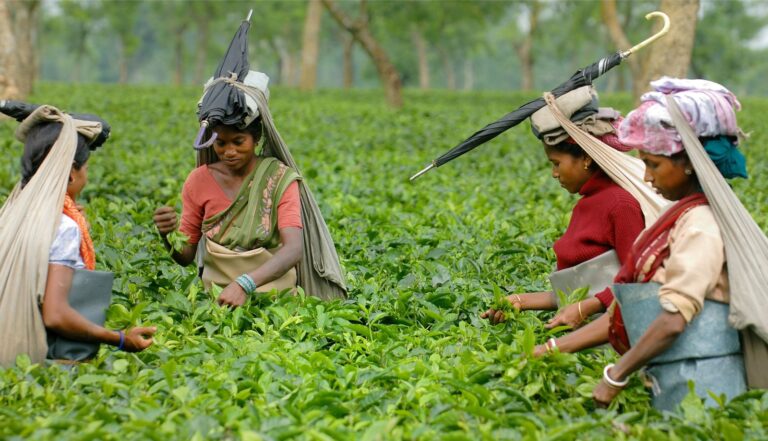
    Nearly a million Rohingya Muslims are currently living as refugees in Bangladesh’s southern district of Cox’s Bazar after fleeing the August 2017 military crackdown in Myanmar’s Rakhine state.

    The statement added that the Myanmar military are now “attacking people all over Burma, killing children, burning villages and torturing with impunity.”

    Researchers stumble upon a beautiful, large and rare coral reef

    An UNESCO supported research mission has discovered one of the largest coral reefs in the world off the coast of Tahiti. The pristine condition of the corals, together with the extensive area these cover makes these rose-shaped corals a highly valuable discovery.

    A team of oceanography researchers have stumbled upon one of the largest coral reefs in the world on the seabed off the coast of Tahiti, the South Pacific archipelago in French Polynesia.

    The rose-shaped coral reefs are in pristine condition, as if untouched by the ravages of time. Each one of the giant rose-shaped corals are up to 2 metres in diameter.

    The highly unusual discovery is invaluable. And it is not news for the mainstream media.

    The reef is located at depths of between 30 and 65 metres. It is approximately 3 kilometres in length and between 30 metres and 60 to 65 metres wide. The dimensions the scientists have provided makes this yet-to-be-named coral reefs one of the most extensive, healthy coral reefs on record.

    “It was magical to witness giant, beautiful rose corals which stretch for as far as the eye can see. It was like a work of art,” says French photographer Alexis Rosenfeld who leads the campaign for the decade of ocean science for sustainable development.

    Ocean mapping is coordinated by UNESCO’s 150-country membership intergovernmental oceanographic commission that claims to be the guardian of unique ocean places, including 232 marine biosphere reserves and 50 marine world heritage sites of outstanding universal value.

    A step forward for science

    This is highly unusual because, up to now, the vast majority of the world’s known coral reefs sit at depths of up to 25 metres. This discovery suggests that there are many more large reefs out there, at depths of more than 30 metres, in what is known as the ocean’s ‘twilight zone’. The world is only now begining to learn about these.

    “To date, we know the surface of the moon better than the deep ocean. Only 20 per cent of the entire seabed has been mapped. This remarkable discovery in Tahiti demonstrates the incredible work of scientists who further the extent of our knowledge about what lies beneath,” says Audrey Azoulay, UNESCO Director-General.

    This expedition is part of UNESCO’s global approach to mapping the ocean. Coral reefs are an important food source for other organisms so locating them can aid research around biodiversity. The organisms that live on reefs can be important for medicinal research and reefs can also provide protection from coastal erosion and even tsunamis.

    “French Polynesia suffered a significant bleaching event back in 2019 — however this reef does not appear to have been significantly affected,” says Dr. Laetitia Hedouin, France’s National Centre of Scientific Research (CNRS).

    “The discovery of this reef in such a pristine condition is good news and can inspire future conservation,” she says. “We think that deeper reefs may be better protected from global warming.”

    Very few scientists have so far been able to locate, investigate and study coral reefs at depths of more than 30 metres. However, technology now means longer dives at these depths are possible. In total the team carried out dives totalling around 200 hours to study the reef and were able to witness the coral spawning. Further dives are planned in the coming months to continue investigations around the reef.

    Does Sinovac help fend off Omicron?

    Relying solely on the Chinese-manufactured Sinovac inactive vaccine is not enough to reduce transmission rates of COVID-19. Millions of people in 48 countries around the globe have been vaccinated by the mRNA vaccine.

    Results from a new study by researchers at Yale and the Dominican Republic published in the journal Nature Medicine say that vaccinations with the Chinese-manufactured Sinovac inactive vaccine alone are of no help against the widely circulating Omicron variant.

    The research is based on an analysis of blood serum from 101 individuals from the Dominican Republic. The analysis showed that Omicron infection produced no neutralizing antibodies among those who received the standard two-shot regimen of the Sinovac vaccine.

    However, antibody levels against Omicron rose among individuals who had also received a booster shot of the mRNA vaccine made by Pfizer-BioNTech.

    Yet, when scientists compared these samples with blood serum samples stored at Yale, they discovered that even samples from individuals who had received two shots of Sinovac and a booster had antibody levels that were only about the same as those who had received just the two shots of the mRNA vaccines, sans any booster shot.

    Also, the researchers found that individuals who had been infected by earlier strains of the SARS-Cov-2 virus saw little immune protection against Omicron.

    Complicating global efforts

    These findings can complicate global efforts to combat the Omicron strain, which, though less dangerous than the Delta strain, is highly transmissible and is the dominant COVID-19 strain circulating in much of the world.

    An additional booster shot — and possibly two — will be needed in areas where the Sinovac shot has been the chief source of vaccination, said the paper’s senior author, Akiko Iwasaki.

    “Booster shots are clearly needed in this population because we know that even two doses of mRNA vaccines do not offer sufficient protection against infection with Omicron,” she said.

    Omicron has proven particularly problematic to combat because it possesses 36 mutations on the spike proteins on its surface. The virus uses these surface spike proteins to enter cells. The mRNA vaccines available today have been designed to trigger antibody response when the body recognises the spike proteins.

    Iwasaki stressed, however, that the human immune system still has other weapons it can use against COVID-19, such as T cells that can attack and kill infected cells and prevent severe disease.

    “But we need antibodies to prevent infection and slow transmission of the virus,” she said.

    The Chinese-manufactured Sinovac inactive vaccine is used in 48 countries to help reduce transmission rates of COVID-19.


    Image Credit: Pixabay/Creative Commons CC0 Public Domain

    A wee bit of seed money ushers in big time change

    From tending to a kitchen garden or rearing a cow, to making handicraft items or running a small village shop, some 800-plus women, all homemakers, made it big with a fistful of aid and loads of motivation.

    By Sajid Hasan

    The past year has been a roller coaster ride of discovery for Rashida Begum.

    It was a special year; Rashida, 60, set up a plant nursery in her village in Nilphamari, in northern Bangladesh, bordering India. In this past year, Rashida is proud to be earning an income to meet the needs of her family.

    “My family and I faced a lot of poverty in the past years. We could not manage enough food for ourselves and my children also struggled a lot to continue their education. Now we are well off,” says she with a smile.

    More than 840 women like Rashida have turned their lives around in the rural areas of Bangladesh.

    For the first time in their lives, the women have been in a position to start their own business and earn a reliable income, with support from Bangladesh Red Crescent and the International Federation of Red Cross.

    A longer-term programme, economic empowerment of rural women, is offering women access to cash assistance and skills training so that they can develop sustainable livelihoods and independence.

    The women say it’s reducing inequality in their villages and helping to prevent sexual and gender-based violence.

    The village’s only woman shopkeeper

    A few years ago, Monnuja Begum, faced big financial difficulties for her family after her husband passed away. Monnuja started a small grocery shop, but it was not enough to support her son and daughter.

    Monnuja, 40, agreed to her daughter marrying, typical in rural Bangladesh, to reduce the daily cost of an impoverished family. Yet she still needed to find ways to boost her income to provide enough for her family, including her son’s education.

    Mannuja received 10,000 Bangladeshi Taka (120 US dollars) from Bangladesh Red Crescent and the IFRC to start a bigger grocery shop.

    “I now earn around 5,000 Bangladeshi Taka (60 US dollars) per month from the shop which helps me lead my life smoothly and support my son’s education,” says Monnuja.

    In rural parts of Bangladesh, 60 US dollars a month is just enough to run her small family.

    For a widow like Monnuja, this income is a lifesaver, she explains, as women are not typically able to find a job or another way to support their family. Women are asked to stay inside the house and men do jobs outside.

    “I am, as a matter of fact, the only female shopkeeper in this village,” Mannuja adds, indicating a positive change in her community.

    Vegetable garden pays for schooling

    It seem like months ago when this land was full of weeds. Sudha Rani Roy, smiles with joy as she explains that now, she has transformed this patch of paradise into a big vegetable garden near her house.

    Sudha says this has been one of the best years of her life. She loves growing organic vegetables, as she shows off her bountiful brinjal, gourd and spinach.

    The garden is laden with colourful fruits, papaya bursting from beneath big green leaves, surrounded by spices, ginger and turmeric and leafy greens.

    During recent months, Sudha has earnt 6,000 Bangladeshi Taka (70 US dollars) a month, by selling her winter vegetables, which are in high demand.

    “I hope to earn more during the rest of the winter as there is a huge demand for vegetables in this area,” says Sudha Rani. This has all been made possible with special financial support and training in recent months.

    She has two daughters, one of them goes to school; and she is extremely happy to be able to spend her earning to support her family and her daughter’s education with her vegetable garden.

    A training on handicrafts and cash assistance enabled Momota Banu, 35, to earn more than 9,000 Bangladeshi Taka (105 US dollars) per month that helped her become financially independent and support her family.

    “Now I have the capacity to make customized dresses by pasting batik and I sell those in my own community and in the local market.

    “I invest the earnings in household matters such as for repairing my home, latrine and tube-well and for my daughter’s education,” says Momota.

    Her daughter Jui, 12, is a school student and happily helps her mother in her work.

    Milking a cow and other opportunities

    Parmina Begum, 45, has a large family that used to depend entirely on the income of her husband coming from agricultural work and crop production.

    If the production is hampered any year due to adverse weather, the family used to go through a lot of hardship as they could barely save money for such times.

    Parmina received 17,000 Bangladeshi Taka (200 US dollars) which she spent to buy a cow.

    She also received training on cow rearing and now she can think of supporting her family.

    “As my cow has given birth to a calf, I will have some extra money now by selling milk. I am cheerful and have no worries for the coming days,” she says.

    Women and climate change mitigation

    The impact of climate change is severe in northern Bangladesh resulting in the destruction of rivers, changing the agricultural patterns and affecting typical livelihoods.

    Women are particularly vulnerable in these areas due to the compounding effects of climate change and other socio-economic causes such as early marriage, dowry system, and gender-based violence.

    The women targetted under this programme, including widows and female-headed households, have been supported to strengthen economic capabilities which have ultimately increased their adaptation capacity in facing the impacts of disasters caused by climate change as well as reduced gender inequality in the community.

    Modi’s PMCARES and Gotabaya’s COVID–19 fund: Two similar kitties?

    Beginning with a lack of accountability, there are a number of interesting similarities between the Sri Lankan president’s COVID–19 Healthcare and Social Security Fund and the PM-CARES fund of India.

    The COVID–19 Healthcare and Social Security Fund established by Sri Lanka’s President, Gotabaya Rajapaksa, to strengthen the mitigation activities aimed at controlling the spread of COVID-19 virus in the country and related social welfare programme, have been vested with a set of wide responsibilities.

    The fund has many similarities with the PMCARES fund mooted by Indian Prime Minister Narendra Modi, with a prominent sole departure. While the PMCARES fund will be audited by a certified auditor, the Sri Lankan president’s Healthcare and Social Security Fund will be audited by the country’s auditor general. “Fund activities and accounts are subjected to audit by the Auditor General,” a summary statement on the functioning of the stated.

    Only financial contributions

    Like in India’s PM-CARES, the Healthcare and Social Security Fund too welcomes  contributions from local as well as foreign donors. The only provision in both case is to make the donation a “financial contributions” to the COVID–19 Healthcare and Social Security Fund. There is no scope to make donations in kind or services.

    In yet another similarity, the donations will be exempted from tax and foreign exchange regulations. Deposits could be made through cheques or telegraphic transfers.

    Furthermore, the Sri Lankan President’s fund will be managed by a 17-member committee headed by the central bank Governor. The Secretary to the Committee is the Chief Financial Officer at Presidential Secretariat. Among the office bearers are also Secretary to the Treasury, Defense Secretary, Director General Health Services, Acting IGP, Director General Sri Lanka Customs and Lanka Sathosa Chairman.

    The Fund has been set up to provide immediate funding requirement of director general of the island nation’s health services to meet all expenditure connected with COVID-19 related healthcare facilities including drugs, testing equipment and capacity expenses.

    The notification says the the fund will help meet expenses connected to healthcare and safety of health sector employees and all logistic providers working to provide essential public delivery services and to provide basic essentials to children, women, low income, elderly, differently abled and vulnerable people.

    Not accountable to Parliament

    The fund will be managed by a committee tasked to “invest this fund in and securing the necessary purchasing in medicines and testing kits as well as increasing the healthcare capacities; ensuring the health and safety of those in the health sector and in the essential services; financial needs of children, women, low income earners, elders, physically challenged and other vulnerable sectors; integrating public health systems, rural and remote dispensaries, testing and treatment centers and health care systems to reduce the risk of infectious diseases.”

    The government will mobilize the required funding to strengthen public healthcare systems, including village and remote area dispensaries, testing and treatment centers, family healthcare system, to further consolidate Sri Lanka’s public healthcare system to reduce country risks to communicable diseases.

    It will also assist indigenous medicine, sanitary product manufacturing and distribution, promote research to use resources, knowledge and skills to innovate new health and sanitation products based on local raw materials.

    More similarities

    Like in PMCARES, the Sri Lankan fund too is aimed at promoting research and innovation using Sri Lanka’s medical and scientific knowledge and experience to develop protective dresses and sanitation products to global market.

    In keeping with the present Sri Lankan dispensation’s prioritising organic farming, this fund will also be used “to promote healthy living with organic food consumption, valuing traditional, yet rich living styles, through media and educational programmes.”

    It will also coordinate fund raising with WHO, UNICEF, UNDP, World Bank, ADB and Sri Lanka’s major development partner community and agencies based on best guidelines for resource allocations, harmonized national procurement system and governance practices.

    Fund expenditures remain low

    So far, the fund has collected Sri Lankan Rupees 1,827,314,924.65. Of this amount, LKR 100 crore each have been allocated to the PCR testing and advocacy programming. So far, only a sum of 42,605,812 has been spent by the ministry of helath and the university grants commission. On the other had, the advocacy programme has used a mere 24,364,800 from the LKR 100 crore allocated to the ministry of health for this.

    The ministry of health and the ministry of defence together could only spend LKR 38,031,065 on quarantine facilities.

    There has been no confirmation of the expenditures as yet against a fund of LKR 112,140,000. The chart says, “Confirmation is anticipated”. Similarly, “Confirmation is anticipated” also for the meagre amount of 3,522,000 set aside end-October for procuring rapid test kits.

    Afghanistan’s prime minister calls for international recognition for his government

    A massive job crisis that threatens to grow further, lack of food and medicines and frozen overseas assets prompted today’s press conference.

    Afghanistan’s acting prime minister, Mullah Mohammad Hassan Akhund, today pleaded the international community to recognize his administration. He was speaking at a press conference called to convey his message to governments across the world for recognizing the Taliban government.

    A financial crisis, together with soaring inflation, unemployment, and cash shortages is impacting access to food, water, shelter, and health care.

    The acting prime minister said that the country is presently passing through a humanitarian crisis. Millions of people have been pushed into poverty and there is a shortage of food while people have no means to keep themselves warm in the middle of the freezing Afghan winter.

    “I ask all governments, especially Islamic countries, that they should start recognition,” Radio Azadi, a radio run by Afghan journalists in exile quoted him as saying. He assured that the Taliban government he heads has restored peace and security.

    Poverty has been aggravated by joblessness. The International Labour Organisation (ILO) predicts that 900,000 people might lose their livelihoods by mid-2022.

    “Economic recovery and a return to stability in the labor market is largely contingent upon the continued support of the international community, which at this point remains unclear, as well as policy decisions of the new administration,” the ILO report said.

    Already, over half a million people in the country are jobless. International humanitarian organisations have spoken of how 22 million people are resorting to negative coping mechanisms this winter by burning their clothes and furniture in order to keep themselves warm.

    Mullah Mohammad Hassan Akhund also called for the unfreezing of Afghanistan’s assets held overseas. He was referring to the United States and other western nations freezing billions of dollars worth of Afghan banking assets, besides cutting off development funding to the war-torn nation.

    The prime minister’s pleas for official recognition are significant, since the present Taliban rulers have been accused of serious violations of human rights, particularly of women and the country’s ethnic minorities.

    So far, no country has recognized the country’s new rulers, though Russia, China, Iran and Pakistan are sizing up the situation after they seized power in 2021.

    Even during their earlier stint in power between 1996 and 2001, only three widely recognized countries – Pakistan, Saudi Arabia, and the United Arab Emirates (UAE) declared the Islamic Emirate to be Afghanistan’s rightful government.

    According to Mansoor Ahmed, Pakistan’s ambassador to Afghanistan, the banking system in Afghanistan is not operating and this is adding to the problems of the new Afghan government.

    Earlier this month, Pakistan had called a meeting of foreign ministers of the Organisation of Islamic Countries to discuss Afghan issues and to engage the world community to support the Afghan government.


    Image: Children use the heat from a firewood stove to keep themselves warm in the hard Afghan winter.
    Credit: Sayed Bidel / UNICEF

    Sophisticated cyber-attack targets Red Cross data on 500,000 people

    A cyber-attack targetted an external company in Switzerland that the ICRC contracts to store data. It has compromised personal data and confidential information on more than 515,000 highly vulnerable people.

    A sophisticated cyber security attack against computer servers hosting information held by the International Committee of the Red Cross (ICRC) was detected this week.

    The attack compromised personal data and confidential information on more than 515,000 highly vulnerable people, including those separated from their families due to conflict, migration and disaster, missing persons and their families, and people in detention. The data originated from at least 60 countries around the world.

    The ICRC’s most pressing concern following this attack, the organisation said, is the potential risks that come with this breach – including confidential information being shared publicly – for people that the Red Cross and Red Crescent network seeks to protect and assist, as well as their families. “When people go missing, the anguish and uncertainty for their families and friends is intense.”

    “An attack on the data of people who are missing makes the anguish and suffering for families even more difficult to endure. We are all appalled and perplexed that this humanitarian information would be targeted and compromised,” said Robert Mardini, ICRC’s director-general. “This cyber-attack puts vulnerable people, those already in need of humanitarian services, at further risk.”

    The ICRC has no immediate indications as to who carried out this cyber-attack, which targeted an external company in Switzerland the ICRC contracts to store data. There is not yet any indication that the compromised information has been leaked or shared publicly.

    “While we don’t know who is responsible for this attack, or why they carried it out, we do have this appeal to make to them,” said Mr Mardini.

    “Your actions could potentially cause yet more harm and pain to those who have already endured untold suffering. The real people, the real families behind the information you now have are among the world’s least powerful. Please do the right thing. Do not share, sell, leak or otherwise use this data.”

    The ICRC along with the wider Red Cross and Red Crescent network jointly runs a program called Restoring Family Links that seeks to reunite family members separated by conflict, disaster or migration.

    “Because of the attack, we have been obliged to shut down the systems underpinning our Restoring Family Links work, affecting the Red Cross and Red Crescent Movement’s ability to reunite separated family members,” the ICRC said in a press release. “We are working as quickly as possible to identify workarounds to continue this vital work.”

    “Every day, the Red Cross Red Crescent Movement helps reunite on average 12 missing people with their families. That’s a dozen joyful family re-unifications every day. Cyber-attacks like this jeopardise that essential work,” Mr Mardini said. “We are taking this breach extremely seriously.

    We are working closely with our humanitarian partners worldwide to understand the scope of the attack and take the appropriate measures to safeguard our data in the future.”


    Image: Wikipedia

    Students, faculties from centres of excellence raises voice; attempt breaking silence of the past

    Protests against the communal hatred and misogyny in both, online and offline spaces are now coming from unexpected quarters.

    The Haridwar dharam sansad (religious parliament) and the floating of apps purporting to auction Indian Muslim women have elicited demands for action against those voicing hate from some of India’s premier institutions of higher education.

    Earlier this month, students and faculty from the Indian Institute of Management (IIM) Ahmedabad and Bangalore wrote to the Prime Minister, saying that his silence was emboldening voices of hate.

    Next came a letter from a number of alumni of the Indian Institutes of Technology (IITs), demanding action against the “deep communal hatred and misogyny” expressed by people with “close ties” to the ruling BJP.

    Worried by the Prime Minister’s silence, the IIT alumni wrote, “As the country valiantly battles the challenges from the never ending COVID-19, the sharply rising unemployment and masses of people being pushed into poverty, we are now faced with the grave danger from rising calls for genocide of one community.”

    The letter from the IIT alumni also makes mention of reports of the Tek Fog app saying, “Reports suggest that this is a Psychological Ops military grade weapon and in the hands of mal-intentioned actors, it can have serious security implications. Your condemnation of this alleged weapon is still awaited.”

    This is worrying for the government and the ruling BJP. Both, the IIMs and the IITs are respected for the education they provide and the value they have added to business and industry, especially for the aspirational sections of the country.

    Not the fringe any more

    One IIM faculty member said the group took the initiative after realising that silence was not an option any more. “For far too long, the mainstream discourse has dismissed the voices of hate as the fringe. That’s how we are here,” the Indian Express newspaper quoted him as saying.

    Now, the two leading institutions of learning have been joined by alumni from the Institute of Rural Management Anand, and other institutions of learning, including New Delhi’s Lady Shri Ram College and Miranda House, the National Institute of Design and the Xavier’s School of Management (XLRI).

    The letter emphasises on the unsafe environment for women in the country with the threat of physical harm, sexual violence and outright violation of dignity and rights becoming commonplace.

    “They are manifestations of the culture that target women, for daring to have a voice of their own,” the alumni of these institutions have said in their open letter addressed to the President, the Prime Minister and Members of Parliament.

    Urging leaders to break their silence, the letter says, “In this atmosphere of silence not only do the perpetrators of such crimes often go scot-free, they are getting emboldened by the increasing atmosphere of hate and divisiveness in the country and barely show any remorse for hate filled misogynistic crimes.”

    For China, charity begins in SouthAsia

    China has undertaken more projects in SouthAsian countries than anywhere else in the world. Even India figures prominently in terms of the number of projects China has aided between 2000-2017.

    Rahul Karan

    China’s development aid and assistance in SouthAsia between 2000-2017 has been a multifaceted story. It is distributed across multiple sectors of the domestic economies across SouthAsian countries.

    SouthAsia is an important region for China’s diplomatic activity, given especially the gradual expansion of Beijing’s footprint in the region since 2000.

    These engagements are the substance of Beijing’s relationship with countries in SouthAsia, allowing China to cultivate goodwill and enhance its image as a viable development partner. The scale of Chinese development finance in SouthAsia highlights the economic potential of the region and its strategic importance to China. Beijing’s ‘development-diplomacy’ reveals a pattern of close engagement between institutions and elites in China and the recipient countries.

    As study of data from the Aid Data project reveals, SouthAsia occupies a significant place in China’s development engagements between 2000 and 2017. During this period, China’s diplomacy in SouthAsia took the form of loans, aid and development projects extended to recipient governments.

    The dataset reveals that China initiated over 600 development finance projects in Bangladesh, Nepal, Sri Lanka, Pakistan, Afghanistan, Maldives and India. These came in the form of loans, grants, export/supplier credits, technical assistance programs.

    Interestingly, while China’s outreach to South Asia mainly involved infrastructure investments, humanitarian assistance and budgetary support, debt forgiveness initiatives were an important feature of the Chinese projects.

    The datasets show that Chinese projects in five key areas of China’s engagement with SouthAsia. The tale accompanying the following graphs is an evidence that the Beijing’s interest in the region predates its belt and road initiative.

    South Asia is the preferred destination for China’s development finance

    Five out of the six largest recipients of loans and aid from China between 2000 to 2017 were SouthAsian countries – Pakistan, Sri Lanka, Afghanistan, Nepal and Bangladesh. As is evident from the chart above, China has undertaken more projects in SouthAsian countries than anywhere else in the world, indicating the importance of the region for Beijing’s diplomatic priorities. Even India and Maldives figure prominently in terms of the number of projects between 2000-2017. 
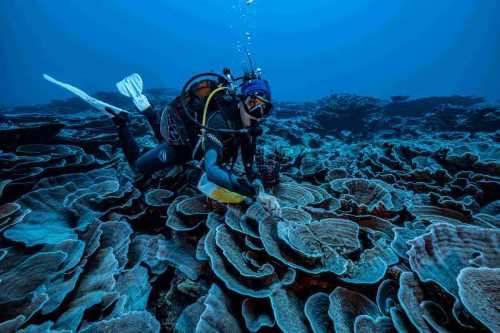
    Pakistan is the largest recipient of Chinese development finance. India the smallest

    China’s outreach to SouthAsia between 2000-2017 mainly targeted Pakistan, followed by Sri Lanka, Afghanistan, Nepal and Bangladesh. Given China’s close relationship with Pakistan and its economic interests like the China-Pakistan Economic Corridor (CPEC) corridor, Pakistan leads all SouthAsian countries receiving China’s development financing. India on the other hand, receives the least amount of loans and aid from China. 

     

    China’s outreach to South Asia is on the rise

    Besides being the largest recipients of Chinese development finance and assistance, SouthAsian countries have also witnessed an increase in Chinese financial aid and investments since 2000. The number of projects undertaken per year in 2017 is slightly higher than the number of projects in 2000 for most countries in South Asia with the exception of India. 
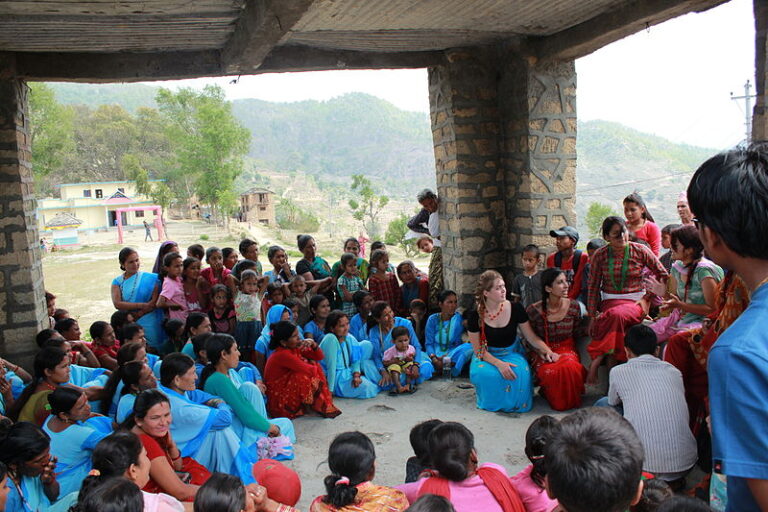
    Chinese development financing focused on infrastructure investments and humanitarian assistance

    China financial diplomacy between 2000 to 2017 was mainly channeled into infrastructure investments and humanitarian assistance. Infrastructure investments include a broad range of donations, loans and grants: from donating supplies worth 10 million RMB for Nepal’s general elections in 2013 to an 80 million RMB grant to Afghanistan for post-war reconstruction in 2006.
    China has also provided humanitarian assistance to countries in SouthAsia on numerous occasions between 2000 and 2017. As the graph below shows, Chinese contribution towards emergency response in the region was one single largest chunk of money, as compared to other areas like transport and storage, energy, education and health. Indeed, Chinese contributions also went to civil society, possibly meaning civil society organisations. Here, China also provided financial aid and loans for the social sector including those engaged in education, health and social infrastructure.  

    China financed capacity building projects and provided emergency relief


    China’s financial assistance was focused mainly on emergency and disaster assistance programs, supplying material goods and supplies to recipient governments during a crisis. China also invested in building capacity: transport and storage facilities like ports and energy projects like coal plants.

    To reiterate, the importance of SouthAsia is not new to the thinking of Chinese policymakers engaged in crafting Beijing’s ‘development-diplomacy’. The multifaceted story of Chinese assistance to the region has allowed China to cultivate goodwill while enhancing its image in the region.


    Image: Wikimedia

    Hunger strike by New York prison inmates

    Inmates complain of human rights abuse and indifference by prison officials regarding the risk of COVID-19, inadequate heating during winter, lack of proper hygiene and rising violence in the prison.

    As many as 200 prisoners held at the Rikers Island correctional institution (jail) went on a hunger strike on 8 January 2022, decrying their inhuman living conditions. They said they were hungry and cited cold temperatures, vermin infestations, filthy living spaces, rising violence inside the prison and lack of medical attention during the COVID-19 outbreak as the reasons for their protest. The virus sickened more than 370 inmates and has taken 15 lives thus far.

    Detainees have refused food to protest the deteriorating living conditions inside the prison complex.

    The inmates say they have been subject to deplorable living conditions and are demanding fulfilment of basic human rights – including access to medical care, clean living spaces, mental health support and working toilets.

    An overwhelming majority of the detainees are being held in pre-trial detention, which is also common for most of the city’s prison systems. Data published by the Vera Institute for Justice from the New York City Open Data Website, 81.8 per cent of jailed people in the city happened to be pre-trial detained (as of October 8, 2021).

    The island houses some of the key prison complexes of New York City, with a combined capacity of holding anywhere between 10,000 to 15,000 detainees a day. But as the crises spiralled since the outbreak of the pandemic, the numbers have come down to about 5,400 prisoners.

    An array of abolitionists, legal activists and human rights organisations, including T’ruah, a Rabbinic Human Rights organisation and The Fortune Society have joined the cause of the prisoners. While some of the organisations are demanding improved living conditions, others believe the correctional facility should be shut down.

    Not the first protest

    According to creative commons platform, Peoples Dispatch, the prison complex has for long been ridden with issues such as staffing shortages, high levels of violence, and harsh living conditions. The pandemic only exacerbated the situation. “Despite early release of hundreds of inmates in 2020 and 2021 under consideration of the pandemic, thousands of unvaccinated and at-risk people continue to be admitted and detained in the island,” Peoples Dispatch said.

    NYC’s recently elected mayor Eric Adams is silent on the matter. The city administration’s department of corrections released a statement last week arguing that there was no hunger strike. It said that the detainees were only refusing food from services run by the department.

    This is not the first battle against inhumane living conditions in the Rikers Islands prison. Back in the 1980s, a dozen inmates voiced solidarity against the abominable treatment of people living with HIV/AIDS at the facility. While the country was focused on providing life-extending healthcare outside, the subhuman treatment inside Rikers Island was taking one life every two weeks. Akin to today, the correctional facility had failed to provide appropriate diet, prescribed medicines or even clean beds for the sick.


    Edited by Khushi Malhotra

    Image: Rikers Islands of Queens New York from Wikimedia
    Author Sfoskett

    Study says Taliban deprive women of livelihoods, identity

    A study by Human Rights Watch and and San Jose State University reveals that Afghan women and girls are severely restricted, harassed and frightened and have become “virtual prisoners” in their own homes since the Taliban came to power.

    A new research finds that Taliban rule has had a devastating impact on Afghan women and girls. The study conducted jointly by Human Rights Watch and the San Jose State University (SJSU) says that since taking control of the city of Ghazni on 12 August 2021, days before entering Kabul, the Taliban imposed rights-violating policies that have created huge barriers to women’s and girls’ health and education.

    The researchers shared their findings Tuesday, detailing how the current rulers have curtailed freedom of movement, expression, and association, and deprived many of earned income. The interviews for the study of the interviews using secure communications with women.

    Ghazni province, in southeastern Afghanistan, has a population of about 1.3 million people, predominantly ethnic Pashtun and Hazara. The provincial capital, Ghazni, is on the road from Kabul to Kandahar, and was often attacked during the fighting of the past 20 years.

    Afghanistan’s rapidly escalating humanitarian crisis exacerbates these abuses, the researchers say. Following the Taliban takeover, millions of dollars in lost income, spiking prices, aid cut-offs, a liquidity crisis, and cash shortages triggered by former donor countries, especially the United States, have deprived much of the population of access to food, water, shelter, and health care.

    “Afghan women and girls are facing both the collapse of their rights and dreams and risks to their basic survival,” said SJSU’s scholar on Afghanistan, Halima Kazem-Stojanovic. “They are caught between Taliban abuses and actions by the international community that are pushing Afghans further into desperation every day.”

    Dark future

    The women interviewed included those who had worked in education, health care, social services, and business, and former students.

    They described spiraling prices for food staples, transportation, and schoolbooks, coupled with an abrupt and often total income loss. Many had been the sole or primary wage earner for their family, but most lost their employment due to Taliban policies restricting women’s access to work.

    “The future looks dark,” said one woman who had worked in the government. “I had many dreams, wanted to continue studying and working. I was thinking of doing my master’s. At the moment, they (the Taliban) don’t even allow girls to finish high school.”

    The women said they had acute feelings of insecurity because the Taliban have dismantled the formal police force and the Women’s Affairs Ministry, are extorting money and food from communities, and are targeting for intimidation women they see as enemies, such as those who worked for foreign organizations and the previous Afghan government.

    “The crisis for women and girls in Afghanistan is escalating with no end in sight,” said Heather Barr, associate women’s rights director at Human Rights Watch. “Taliban policies have rapidly turned many women and girls into virtual prisoners in their homes, depriving the country of one of its most precious resources, the skills and talents of the female half of the population.”


    Image: From Wikipedia.

    Caption: A member of the Taliban’s religious police beating an Afghan woman in Kabul in  2001.

    COVID-19, food shortage and inflation could bankrupt Sri Lanka

    Food shortage and inflation are causing distress and the government has barely any foreign exchange reserves to import food – especially as agricultural productivity has fallen.

    Sri Lankan writer Basil Fernando today shared two poignant tales. The first from Anuradhapura is about a man asking the owner of a small shop for two raw papayas from the shop owner’s garden to feed his starving children.

    In another instance, a family used up their last savings to purchase 200 grams of flour. The family’s breadwinner is bedridden they have no money to buy medicines.

    The Sri Lankan media is not telling any of these stories.

    On Monday, thousands, led by the country’s main opposition political party, the United People’s Force demonstrated in Colombo, blaming President Gotabaya Rajapaksa’s government for the economic crisis.

    “Reports of how people, particularly those from the lowest income groups, are coping with the present situation are not brought to the surface,” Fernando says.

    Sri Lanka is staring at bankruptcy and a widespread food crisis is engulfing the country together with a steady rise in inflation. Consumer prices reached 12.1 per cent year-on-year in December of 2021. This has been the highest inflation rate the country has witnessed since 2008 due to a record 22.1 per cent rise in price of food products in the space of one month.

    Food price inflation in December touched 22.1 per cent, up from 17.5 per cent in November.

    Foreign exchange reserves too have been dwindling. With just $1.5 billion in foreign reserves, the country will only be able to pay for a month’s imports. Sri Lanka is negotiating with China, its largest international lender for help. Simultaneously, a US$ 787 million of special drawing rights (SDR) from the IMF and a currency swap arrangement to the tune of US$ 150 million from Bangladesh’s Central Bank has not helped ease the price of food essentials, either.

    Sri Lanka finance minister Basil Rajapaksa has also held discussion with S Jaishankar, India’s foreign minister over a virtual meeting on Saturday.

    Crisis precipitated by COVID-19

    According to the US-based Trading Economics, “The cash-strapped economy is struggling to finance urgent imports to tackle an acute shortage of essentials in the country leading to rationing of food by supermarkets for quite a few months now.”

    End-August 2021, Sri Lanka had declared a food emergency as banks reported that their foreign funds had depleted.

    The crisis is the result of a cocktail of mishaps, primarily COVID-19 that hit its tourism economy. The economy diminished, shrinking by 3.6 per cent in 2020. This was the worst in 73 years.

    As agricultural input prices went through the roof, the government mandated an overnight shift to organic agriculture without consulting farmer groups. This has led to a bad harvest, resulting in run-away inflation. The country’s agricultural sector too has been experiencing the effects of changing climate and natural disasters.

    Besides, the garment manufactures too have been hit hard by COVID-19 and there are hardly any export orders.

    In 2020, IMF predicted a negative growth of 0.5 per cent for Sri Lanka and the government faced the challenges of reducing the fiscal deficit even as there were domestic and foreign debts to be serviced.

    In the meanwhile, 30-something Fathima Aroos tells her two young children that this is the month of Ramadan and that they are supposed to fast.

    She can’t feed the children three meals a day due to galloping food price.

    “This way, we can manage with a plain porridge after we break our fast and rice soaked in water and onion for suhoor (the early morning meal),” she says. “It keeps the children quiet.”

    Scientists explain why the sun has been quieter over the past decade

    A team of Indian astrophysicists are finding out the reason why the sun has been weakening decade over decade. This impacts daily life on earth because it can disturb Global Positioning Signals (GPS), long-distance radio communications, and power grids.


    Scientists have been tracing the intensity of solar activity during the last 100 years. Now, a team of Indian astrophysicists say that the sun has been much quieter between 2008 and 2019 than it was between 1996 and 2007. This quietness over the past 10 years is an area of interest for scientists, astrophysicists in particular.

    While there is agreement that the sun is hushing up itself with its solar storms getting smaller, there is a curiosity among scientists to know why exactly this is happening.

    Now, a joint team of Indian researchers is studying this phenomenon through the lens of the sun’s coronal mass ejections or CMEs. The scientists come from the Indian Institute of Astrophysics, the M P Birla Institute of Fundamental Research and the Udaipur Solar Observatory.

    What are coronal mass ejections?

    The sun has a magnetic field of its own. All planets and stars in our solar system have their own magnetic fields. (The magnetic fields of Venus and Mars is too small to measure though. At least one star out there has a magnetic field larger than the sun’s – the Tiny Red Dwarf Star.)

    The sun is active with sunspots, solar flares and CMEs. The sun’s magnetic field causes instabilities on its surface. Coronal mass ejections, or CMEs, are giant expanding bubbles of magnetized plasma erupting from the surface of the sun out into the space from time to time due to instabilities in the its magnetic field.

    CMEs can launch a billions of tons of super-heated gas into space, most of which drifts harmlessly across the solar system. Occasionally one of these is directed at the earth.

    The intensity of such solar activity is known to vary in decade-plus periodic cycles. Understanding the propagation of CMEs is important since these disturb earth’s magnetosphere.

    Are the CMSs getting smaller?

    The answer to the question is an emphatic yes! And finding out why is the astonishing discovery of the Indian scientists.

    The team has concluded that the size of CMEs between 2008 and 2019 is only two-thirds their size in the previous decade. They are startled by this decrease in the mass, size and the internal pressure of the explosive gurgling bubbles.

    The scientists did not expect this decrease in the size of the CMEs. On the contrary, astrophysicists had surmised that the decrease in the pressure in the (CMEs’) outer world would increase in radial size of CMEs. As one scientist explained: “Just imagine you have a bubble of gas in a vacuum that will not stop it from growing larger. That is the type of space the effervescent CMEs live in – but they have defied this logic.”

    Explaining how and why this logic has been defied, Dr. Wageesh Mishra suggests: “The reduced pressure in the interplanetary space (or the CMEs outside world) is compensated by a reduced magnetic content inside CMEs. This did not allow the CMEs to expand enough”. Mishra is from the Indian Institute of Astrophysics.

    The team also established that the gas pressure in the interplanetary space in the last decade they were studying was only 40 per cent of the pressure in the previous decade. Solar activities are measured by the number of sun spots. One would expect that the ejections would also reduce. In terms of CMEs, the rate at which the Sun has been losing its mass through these episodic ejections had also reduced by 15 per cent.

    Why is the study of CMEs so vital?

    The sun is known to be very active with sunspots, solar flares, and CMEs. Mishra says that understanding this is important because this solar activity effects life on earth.

    CMEs dictate a host of taken-for-granted modern day necessities because they disturb the near-earth space environment, in turn disturbing the orbit of satellites in low-earth orbits. This further disturbs global positioning signals (GPS), long-distance radio communications, and power grids are dependent on the CMEs, Dr Mishra says.

    The intensity of such solar activity is known to vary in decade-plus periodic cycles. It had earlier been traced that the last cycle (cycle 24 between 2008 and 2019) was weaker than the previous one (cycle 23 between 1996 and 2007), and the sun was weakest in 2019 during the last 100 years.

    All hands on the deck as Omicron stalks Nepal

    As the Omicron virus spreads across the country, the government of Nepal isn’t taking chances. The government today took a series of decisions from banning worship in temples to procuring COVID-19 testing kits to importing vaccines.

    Nepal is staring at a likely third wave of COVID-19 and the government has brought forth a slew of measures. Since the detection of the first Omicron infection in the country in December 2021, the virus is now at its infectious worst, infecting health personnel, media persons, bankers, sportspersons, employees, professionals, shopkeepers or homemakers.

    8,730 new cases of COVID-19 were confirmed on Tuesday. These include 35 employees of the Supreme Court of Nepal tested positive for COVID-19.

    117 doctors and health workers of different hospitals in Chitwan district have tested positive for coronavirus. 30 doctors from the Nuwakot district are also infected.

    Nuwakot district’s medical superintendent, Dipendra Pande said nurses, paramedics and lab technicians too have been found positive for coronavirus.” Gynaecology and obstetrics services too have been halted and the hospital has issued a notice and informing people of the closure of services, he said.

    According to reports, the infection rate per 15,000 tests has touched over 4,000 on Sunday. Active cases have crossed 25,500 on the WHO COVID-19 dashboard and seven people have been reported to have died.

    Lockdowns, vaccines and testing kits

    The sharp increase in disease today compelled the government to further impose lockdowns.

    All the three district administration in the Kathmandu valley have banned all worship till the middle of February. It is now mandatory for people entering premises of government offices to display their vaccination cards.

    The government began work today to procure 900,000 COVID-19 testing kits.
    Addressing the ninth meeting of the National Disaster Risk Reduction and Management Council on Monday, Prime Minister Deuba expressed his worry about Omicron’s rapid spread through the country.

    Sources say that the government is wary of any repeat of the flack it faced for its handling of the pandemic’s second wave in April 2021. Hospitals and medical personnel were then overwhelmed as people died for want of oxygen.

    Deuba directed the Ministry of Health and Population to immediately import enough COVID-19 vaccines to inoculate all Nepali citizens.

    So far, only 39 per cent have received both doses of the vaccine, according to the WHO COVID-19 dashboard.

    Earthquake kills dozens; tears down homes in distant Afghanistan province

    The Badghis province has been hit by an earthquake that has killed at least 26 people and damaged over 700 houses. Badghis is impoverished and particularly vulnerable to earthquakes as it sits in the Hindu Kush mountain range.

    How vulnerable is Afghanistan to even a shallow earthquake? Very much so, say aid workers in the country, pointing to an earthquake measuring a mere 5.3 on the Richter scale that killed at least 26 people and brought down homes in the Qadis district of Badghis province bordering Turkmenistan. north-east of Kabul on Monday.

    Provincial spokesman Baz Mohammad Sarwary said that several people were injured while more than 700 homes were damaged. He warned that the number of casualties could increase. Rescuers are working to remove debris even as it is raining heavily, he said.

    “Buildings and homes that have had very little maintenance over decades just crumbled,” an aid worker attached to the Afghan Red Crescent Society told OWSA over a phone call. “Many homes are just poorly constructed,” he said. The aid worker did not want to be identified and said that he was not authorised to give out numbers of casualties.

    The Hindu Kush mountain range encompassing Afghanistan has seen many earthquakes and Badghis is in a particularly seismic region.

    The Red Crescent aid worker said that Badghis is a distant, neglected place. The mountainous province is about 900 kilometres from Kabul and is poorly connected. The province has reported drought since 2018. Together with the conflict in the country, the drought has impoverished people in the province.

    “Nobody cares because it is so far away. The UN’s Food and Agriculture Organisation (FAO) provided 7,800 families with some seeds and fertilisers and hardly anybody came returned to see what happened to the people,” he said.

    “Farmers asked for onion seeds during the drought as that is what generations of farmers here have been producing. Onion can be stored after harvest, especially because the roads are so bad.”


    Image: For representational purposes only.

    Why is the National Health Authority so focused on the for-profit medical sector?

    India’s health system needs transformative reforms. An institutional arrangement like the NHA legitimises the role of the “for-profit” private sector in government. Commercial or market-based health services are contradictory to the idea of health as a public good and a right.

    By Sulakshana Nandi

    Constituted as an autonomous entity through a decision of the union cabinet, the National Health Authority (NHA) was set up to implement Ayushman Bharat-Pradhan Mantri Jan ArogyaYojana (PMJAY) the publicly funded health insurance scheme. NHA is currently also the implementing agency for the Ayushman Bharat Digital Health Mission.

    Serious questions have emerged regarding the legitimacy and extent of public oversight of the NHA. NHA’s legality remains questionable since it was not passed by an Act of Parliament but through a cabinet decision. This institutional arrangement has enabled direct participation and influence of the healthcare industry and for-profit private players in various roles.

    All major health schemes and programmes in our country are implemented by the Ministry of Health and Family Welfare. Strangely, however, the NHA was set up as an implementer and regulatory arrangement for PMJAY bypassing the Health Ministry. It answers to a board which includes private (corporate) sector players.

    The involvement of for-profit private players such as hospitals, insurance companies, third party administrators or TPAs, software and IT companies etc. has increased manifold under the NHA. The NHA even outsources its own functions such as monitoring (medical audits), grievance redressal (Aarogya Mitra) and research and technical support to private agencies, multinational consultancies and the World Bank. Private players, therefore, have a vested interest in the continuation of the NHA.

    Public funds diverted to the private sector

    A defining feature of NHA is the lack of transparency and public accountability. Though PMJAY runs on public money, the data generated is treated as NHA’s private property and there is hardly any public disclosure of information. Despite a significant emphasis on and showcasing of IT systems, the public data on PMJAY available on the NHA website is extremely limited and difficult to access. However this data has been made available to select institutions like the World Bank to write policy briefs on behalf of the NHA.

    The involvement of the for-profit private players in the scheme (PMJAY) itself has led to negative consequences for people and the government health system. PMJAY is considered the government’s largest ever public private partnerships (PPP) in healthcare. Studies and reports show that PMJAY has not been able to ensure cashless health services in the private sector to all those who are eligible. A large proportion of eligible patients accessing private sector hospitals empaneled with PMJAY are forced to pay additional money out of pocket, incurring catastrophic health expenditure.

    Through PMJAY, public funds that should have gone into strengthening government hospitals are instead being diverted to the private sector. On the other hand, critical health programmes under the health ministry remain under-funded. The public sector and government hospitals cater to the more vulnerable groups, such as the poor, rural communities, tribal communities, women and other marginalized groups. The private sector on the other hand is concentrated in the urban areas and there have been several reports of unethical practices. Therefore, under-funding and neglect of the government health system has serious consequences for people’s health and their access to health services.

    Profiteering in times of COVID-19

    PMJAY and private players failed to provide the much needed support even during the COVID-19 pandemic. Government hospitals provided the major portion of free healthcare and free testing for COVID-19.Very few for-profit private players came forward to provide free services for COVID-19 patients needing hospitalisation, though it was widely publicised that testing and treatment would be free even in the private sector for those eligible under PMJAY.

    Hospitals that came forward also forced patients to pay additional money. Excessive billing, extortion and flouting of price ceilings by the private players increased the misery of people being treated for COVID-19 and pushed many families into poverty. During the vaccination drive too, the private sector flouted price regulations and also failed to deliver the number of vaccinations expected of them.

    The Digital Health Mission similarly opens the possibility for enhancing corporate profits from government coffers as its main beneficiaries would be IT companies, digital healthcare companies, insurance companies and other private players. In the absence of adequate data protection and consent procedures, private players can greatly benefit from data mining and commercialization of personal and aggregate health data, while the lack of public accountability and oversight continues. Moreover, mandating a digital health identity for being eligible to receive health services will lead to exclusion of the most vulnerable groups who need public healthcare the most.

    Need regulate private sector

    There is a clear need for transformative reforms in India’s health system. An institutional arrangement such as the NHA legitimises the role of the “for-profit” private sector in government, from decision-making to implementation to monitoring. This creates a possibility for conflict of interest and raises concerns whether public interest or interests of the healthcare industry will be the primary guiding force.

    The NITI Aayog that is responsible for conceptualising and operationalising the NHA has also been promoting a plethora of initiatives for healthcare privatization. Commercial or market-based health services are contradictory to the idea of health as a public good and a right.

    Therefore instead of diverting public funds to private players through NHA and PMJAY, the public sector must be strengthened to provide primary, secondary and tertiary level health services. The government must recruit adequate health workforce, expand public health infrastructure, and improve availability of medicines and diagnostics in the public sector. Regulation of the private sector in healthcare needs to be strengthened. Transparency of data, public accountability and public scrutiny of all health programmes must be improved. Experiences of states like Kerala and Tamil Nadu that have improved government health system and public hospitals must be replicated.


    Sulakshana Nandi is a public health researcher and National Joint-Convener of Jan Swasthya Abhiyan

    “Let us now praise brave women and men”: The Nobel Peace Prize 2021

    Communication technology connects people, allows sharing ideas and spreading awareness about human rights abuses. However, the web also spreads a virus of lies that incites people against one-another and sets the stage for the rise of authoritarians and dictators all over the world.

    By Jan Lundius 

    In several countries around the globe, telling the truth is according to its rulers and other influential, generally wealthy, persons a serious crime that might be punished by muzzling the truth-tellers, slandering and humiliating them, and threatening their families and friends. If that does not make them shut up and repent they might be tortured, imprisoned and even killed.

    Novaya Gazeta was founded in 1993 with the self-imposed task of acting as “an honest, independent, and rich source of information benefiting Russian citizens.” However, to provide a critical and investigative coverage of Russian political and social affairs is a precarious venture and Novaya Gazeta’s 60 journalists, divided between ten major Russian cities, are all living dangerously.

    Series of deaths. Or assassinations?

    In 2000, Igor Domnikov, who in Novaya Gazeta wrote witty essays about business corruption, had his skull crushed by a hammer blow by the door to his apartment . In 2001,Victor Popkov died after being wounded in a gunfight while on Novaya Gazeta’s behalf reporting about the Chechnyan war.

    In 2006, Anna Politkovskaya, human rights activist and Novaya Gazeta reporter, was in the elevator of her block of flats shot twice at point-blank range, in the chest and the head. In 2009, a human rights lawyer, Stanislav Markelov, was shot to death while leaving a news conference in Moscow, less than 800 metres from the Kremlin, while Anastasia Baburova, a journalist from Novaya Gazeta who tried to come to his assistance was shot and killed as well.

    The same year, the Novaya Gazeta reporter Natalia Estemitrova had been seen screaming while she was forced into a car just outside her house in the Chechnyan capital Grozny. Two hours later she was found dead from one shot to the head and one to the chest.

    Shchekochikin, a member of the Parliament, was in Novaya Gazeta writing articles about criminal activities and corruption among officers of FSB RF, Federal Security Service of the Russian Federation, the main successor agency to KGB. Shchekochikin died suddenly on 3 July 2003 from a mysterious illness, a few days before his scheduled departure to the U.S., where he was going to meet with FBI agents investigating U.S. contacts with Russian oligarchs and FSB agents. Shchekochikin’s medical records were lost, though physicians who had treated him explained that their patient’s symptoms indicated poisoning from “radioactive materials”.

    True journalism

    It was not the first time KGB/FSB used radioactive substances to poison defectors and detractors. The first recorded incident was in 1957 when Nikolai Khoklov was poisoned by radioactive Thallium-201, suffering symptoms similar to those of Roman Tsepov, a corrupt businessman who in 2004 after drinking a cup of tea at a local FSB office experienced a sudden drop of white blood cells and died after two weeks. In 2006, Alexander Litvinenkov, a defector and former FSB agent died in London after being poisoned with polonium-210. In 2018, another defector and former military intelligence officer, Sergei Skripal, was in Salisbury with his daughter poisoned by a Novichok Nerve Agent and in 2020, anti-corruption activist Alexei Navalny was poisoned by a similar substance.

    When Novaya Gazeta’s editor-in-chief, Dmitry Muratov, in Oslo was awarded the 2021 Nobel Peace Prize he lamented Russian limitations to free speech, adding that he was not the rightful receiver of the prestigious prize. Worthier men and women had lost their lives while defending the truth: “It’s just that the Nobel Peace Prize isn’t awarded posthumously, it’s awarded to living people.” Accordingly, in his Nobel speech Muratov stated that:

    “…this award is for all true journalism. This award is to my colleagues from Novaya Gazeta, who have lost their lives – Igor Domnikov, Yuri Shchekotschikhin, Anna Politkovskaya, Anastasija Baburova, Stas Markelov and Natasha Estemirova. This award is also to the colleagues who are alive, to the professional community who perform their professional duty.”

    Free Media in the Philippines

    The Philippine journalist Maria Angelita Ressa shared the Nobel Peace Prize with Dmitry Muratov. The prize was awarded for “their efforts to safeguard freedom of expression, which is a precondition for democracy and lasting peace.”

    In her speech, Maria Ressa mentioned that “in the Philippines, more lawyers have been killed – at least 63 compared to the 22 journalists murdered after President Rodrigo Duterte took office in 2016.” Just the day before she was giving her Nobel speech, Maria Ressa’s colleague, Jesus “Jess” Malabanan, was killed in a street in Manila.

    Rodrigo Duterte remains popular among the majority of the Philippine population. After his election victory in 2016 something called DuterteNomics was introduced, including tax reforms, infrastructure development, social protection programs, a shift to a federal system of Government and strengthened relations with China and Russia. The infrastructure initiative was promoted through the slogan: “Build! Build! Build!” In 2021, 214 airport projects, 451 commercial social and tourism port projects, 29,264 kilometres of roads, 5,950 bridges, 11,340 flood control projects, 11,340 evacuation centres, and 150,149 classrooms were completed under the infrastructure program.

    In spite of this progress Duterte has from some quarters been severely criticized for his obvious authoritarianism, self-glorification, and rampant populism, expressed through callous and vulgar rhetoric, for example his trivialization of rape and the murderous activities of vigilante groups. Duterte has repeatedly confirmed to personally having killed suspected criminals during his term as mayor of Davao and he is the only Philippine president who has refused to declare his assets and liabilities. Furthermore, he has by human rights groups, such as Amnesty International and Human Rights Watch, been directly linked to extrajudicial killings of over 1,400 alleged criminals and street children, while the International Criminal Court in The Hague currently is investigating his administration’s crackdown on narcotics, said to have left as many as 30,000 dead, while the administration listed the toll at around 8,000.

    Watchdog versus troll army

    Duterte’s image of being a strong-willed, controversial but highly efficient leader has been actively supported by a docile propaganda machinery which, among other means, allegedly is supported by a pro-Duterte online “troll army” that is pushing out fake news stories and manipulating the narrative around his presidency. Such misuse of the web was lamented by both Markelov and Ressa, who emphasized that one of the main tasks of journalism is to distinguish between facts and fiction, meaning that a reporter must patiently and objectively investigate as many angles as possible of an issue at large. Markelov quoted the famous war photographer Robert Capa: “If your picture isn’t good enough, you aren’t close enough.”

    Both Markelov and Ressa declared that the immense power of a constantly and increasingly advanced communication technology is both beneficiary and harmful for upholding the truth. It connects people from all over the world, allows for sharing ideas and the spreading of awareness about human rights abuses. However, the web also spreads a virus of lies that incites us against each other, brings out our fears, anger and hate, and sets the stage for the rise of authoritarians and dictators all over the world. Journalists have to contradict that kind of hate and violence, which by Ressa is defined as:

    “the toxic sludge that’s coursing through our information ecosystem, prioritized by American internet companies that make more money by spreading that hate and triggering the worst in us. […] What happens on social media doesn’t stay on social media. Online violence is real world violence. Social media is a deadly game for power and money. […] Our personal experiences are sucked into a database, organized by Artificial Intelligence, then sold to the highest bidder. Highly profitable micro-targeting operations are engineered to structurally undermine human will – a behavior modification system in which we are Pavlov’s dogs, experimented on in real time with disastrous consequences in countries like mine….”

    Markelov stated that much of the unfounded and manipulated information that spreads its poison through the web have dimmed our conscience and even worse, making people believe that:

    “… politicians who avoid bloodshed are weak. While threatening the world with violence and war is the duty of true patriots. Aggressive marketing of war affects people and they start thinking that war is acceptable.”

    In such a poisoned environment truth-telling journalists are suffering. In may countries they live under a real threat of being slandered and tortured, of spending the rest of their lives in jail, or being brutally murdered. They have no idea what the future holds for them. Nevertheless, these heroes of the free word assume that their sacrifices are worth the risks they are taking. They believe in their mission to bring the truth to people and thus support empathy, peace and critical thinking. In the words of Markelov:

    “Yes, we growl and bite. Yes, we have sharp teeth and strong grip. But we are the prerequisite for progress. We are the antidote against tyranny. […] I want journalists to die old.”

    Source: https://www.nobelprize.org/prizes/peace/2021/ceremony-speech/ 

    This piece has been sourced from Inter Press Service

    Image: Hippopx

    Sourced from hippox.com and licensed under Creative Commons Zero – CC0

    Richest 98 Indians own the same wealth as the bottom 55.2 crore people: Oxfam

    The richest 98 Indians own the same wealth as the bottom 552 million people, the India supplement of Oxfam’s Inequality Kills report of 2022 says. India added 40 billionaires last year, but the number of its poor doubled.

    The India supplement of Oxfam’s Inequality Kills report reveals that the number of Indian billionaires grew from 102 to 142, while 84 per cent of households in the country suffered a decline in their income in the past year. India now has more billionaires than France, Sweden and Switzerland combined.

    The supplement centered on the impact of the pandemic on India’s poor also states that just a one per cent wealth tax on 98 richest billionaire families in India can finance Ayushman Bharat, the national public health insurance fund of the Government of India for more than seven years.

    The briefing was published Sunday, ahead of the of the World Economic Forum’s Davos Agenda. The briefing indicates that the collective wealth of India’s 100 richest people hit a record high of INR 57.3 lakh crore (USD 775 billion) in 2021. It discusses India’s governance structures that promote the accumulation of wealth by a few, while failing to provide safety nets to the rest of the population.

    While the report hinges on the tremendous loss of life and livelihoods during 2021, it cites the recent Pandora Papers investigation highlighting the loopholes that India’s rich exploit to conceal their assets and evade taxes.

    Stark inequalities

    According to the report, the wealth of Indian billionaires increased from INR 23.14 lakh crore (USD 313 billion) to INR 53.16 lakh crore (USD 719 billion) during the pandemic (since March 2020, through to 30 November 2021).

    In the meanwhile, more than 4.6 crore Indians have been estimated to have fallen into extreme poverty in 2020 (nearly half of the global new poor according to the United Nations).

    India added 40 billionaires during the last year but the number of poor doubled. The level of this inequality is so stark that the wealth of India’s 10 richest is enough to fund the school, higher education of every child for 25 years, say the authors of the report.

    Interestingly, a fifth of the increase in the wealth of India’s richest 100 families was accounted for by the surge in the fortunes of a single individual and business house – Adani. Gautam Adani’s net worth multiplied eight times in the space of one year, the Oxfam report says.

    Offering solutions

    The wealth inequality in India is a result of an economic system rigged in favour of the super-rich over the poor and marginalised, the report says, arguing that the richest 98 Indians own the same wealth as the bottom 552 million people, the report says.

    In this context, the report alludes to the abolition of ‘wealth tax’ in 2016. This abolition accompanied with steep cuts in corporate taxes and an increase in indirect taxation has removed the rich from being the primary source of tax revenue.

    The briefing advocates a one percent surcharge on the richest 10 percent of the Indian population to fund inequality combating measures such as higher investments in school education, universal healthcare, and social security benefits like maternity leaves, paid leaves and pension for all Indians.

    A 2021 OECD report for G-20 countries highlighted an inherent need to move beyond just improving individual taxes and looking at reformulating ‘tax systems’ to promote inclusive, sustainable, and equitable growth. “Unfortunately, not only has the taxation policy of the Indian government been pro-rich, it has also deprived India’s states of important fiscal resources—both particularly damaging in the context of the COVID-19 crisis,” the Oxfam report says.

    Sri Lankan fishermen restless

    Inflation has added to the woes of fishing communities, already anguished by a series of environmental and business developments.

    Rising fuel prices have Sri Lanka’s fishermen up in arms. They say that this will cripple the fishing sector along with the damage done over the past years to the marine ecosystem.

    “We consider the continuous price revisions of fuel and even other essential commodities as a move to destablise the fisheries sector,” says Aruna Roshantha Fernando, president of the All-Ceylon Fisher-Folks Trade Union. “This will enable global companies to expand their territories making use of the port city to exploit the marine resources of the country,” he said.

    Sri Lanka’s runaway inflation has led to a huge hike in the price of essential foods. The fishermen say that families will not be able to purchase fish, an essential for Sri Lankan households, if they factor in the price of the fuel costs. “Selling a catch without considering the hike in fuel prices is not viable,” said a fisher trade union leader, emphasising that the present situation was exceptionally difficult.

    An alliance of Sri Lankan fishermen trade unions is scheduled to meet this week to map out plans.

    “We have been battered for nearly two years with a meagre income due to the (COVID-19) pandemic which has shattered the hopes of the community for a better living,” local media quoted Fernando as saying.

    The rise in the cost of fuel that they need to run their fishing boat engines deep into the waters of the Indian ocean is the latest in a series of setbacks that the fishing communities of the island nation have faced in the past five years.

    2021 oil spill

    Oil spilling from a sinking ship off the coast in June 2021 impacted their living together with the COVID-19 pandemic at that time. The had to venture out in the deep sea to get a catch, spending more fuel and yet, unable to find buyers for their catch. “People were then scared to buy the fish because they thought it was contaminated.”

    The oil has had its share of environmental damages.

    An UN Environment Programme (UNEP) official described the event as “the biggest environmental catastrophe to hit Sri Lanka since the 2004 Indian Ocean Tsunami.”

    According to the UNEP, the ship’s cargo included 25 tonnes of nitric acid, 348 tonnes of oil and up to 75 billion small plastic pellets. “The crisis could plague Sri Lanka for years,’ UNEP has said.

    The Sri Lankan government had then granted Sri Lankan Rs. 5,000 as a compensation to fisher families to tide over the crisis. That was at the height of the pandemic. Fernando feels that the offering was a pittance and an insult to the sector which is a vital cog of the country’s economy.

    Foreign fishing companies

    Fisher society representatives say that they have never been consulted on government plans to make new harbours. On the other hand, they allege, larger fishing companies from outside the country have had a say in the planning process for the new harbours that will need draft up to 40 feet, which they say, is an evidence of the government accommodating larger fishing vessels.

    They fear that this will pave the way for foreign entities to grab land along the coastal belt and establish their businesses in Sri Lanka.

    Fernando feels that such plans will turn the fishermen into cheap labourers of the owners of larger fishing vessels belonging to foreign companies to in the businesses.
    The fisher community has been calling on lawmakers to formulate a national policy for the fisheries sector which has been a major need to develop the sector.

    “We have been clamouring for a national policy to streamline and upgrade the sector which has enormous potential to promote and expand nautical tourism which is a dynamic and lucrative industry globally,” Fernando says.

    “The need to use new technology for precision and risk mitigation has been a long-felt need for the fisheries sector,” Fernando opines. “Law makers talk high about the country being surrounded by the seas and marine resources but have done pretty little to support the sector especially during tough times.”


    Image: Hippopx

    Sourced from hippox.com and licensed under Creative Commons Zero – CC0 

    One in two families in drought-affected Iraq need food assistance

    Families in rural parts of the war-torn country say their only source of living is vanishing in front of their eyes as their lands are drying up and there is nothing they can do about it. This is all rooted in a water shortage crisis, says a research report from the Norwegian Refugee Council.

    The scale of suffering inflicted by drought on Iraq’s populations in the past year has been laid bare in new research by the Norwegian Refugee Council (NRC).

    The study shows that one in two families in drought-affected regions require food assistance because of drought, while one in five do not have sufficient food for everyone in the family.

    Communities across Iraq have faced damaging losses to their crops, livestock, and income. Children are eating less, and farmers and displaced populations are hit hardest.

    Key findings

    According to NRC’s research, which surveyed 2,800 households in drought-affected areas across the country. The study found that 37 per cent of wheat farmers and 30 per cent of barley farmers have suffered crop failure. Another 37 per cent of households have lost cattle, sheep or goats in the last six months, mainly due to insufficient water, inadequate feed or disease.

    The researchers have documented that harvests were at least 90 per cent below expectations and the average monthly income in six out of seven governorates surveyed has dropped lower than the monthly survival threshold.

    Samira (name changed), 46, has returned from displacement to Mosul to farm her land with two of her five children, but has already seen reductions in produce. “Our production has decreased due to water shortage recently, which also led to a decrease in our income… I can’t afford the necessary food for my family so I borrow money from my relatives or buy food on credit,” she said.

    Over the past few years, drought conditions, rising temperatures and decreasing rainfall have reflected the growing threat of climate change in the country. Water flow from upstream countries has also receded.

    “Our harvest has dropped due to drought. Our land was thriving but now it is losing its value day after day and no one seems to care about what farmers are facing. Our land used to produce 20 tonnes each season, now it’s no more than 10 or 11 tonnes,” said Osama, a 27-year-old farmer from Hawija.

    Water shortages

    Such extreme circumstances have forced people to leave their home, compounding the displacement crisis in Iraq. Of those surveyed, one in 15 households told NRC researchers that a family member had migrated in the last 30 days in search of work and income. Many of those had been in displacement at least once before, or had just returned home.

    Young people are particularly vulnerable. The research shows that 45 per cent of people aged 15-24 had left their farming communities to find a job in towns and cities, while 38 per cent have lost a job.

    The outlook for 2022 is worrying, with continued water shortages and drought conditions likely to devastate the coming farming season. This may increase families’ reliance on purchased water as well as poor hygiene practices, which could lead to disease outbreaks. There are signs of waves of displacement already taking place amid water scarcity, income losses, and rising food prices within farming communities.

    “Families are telling us they have to borrow money to eat amid soaring prices and dwindling savings. They say their only source of living is vanishing in front of their eyes. Their lands are drying up and there is nothing they can do about it. This is all rooted in a water shortage crisis,” said Maithree Abeyrathna, NRC’s Head of Programmes in Iraq.

    “We want to see solid water management plans to support communities badly hit and prevent future shocks, and these plans must be informed by farmers themselves.”

    The refugee aid organisation is also calling for international assistance to support livestock farmers and provide irrigation rehabilitation and drought tolerant seeds to reduce crop failure and crop losses. The Governments of Iraq and Kurdish Regional Government are encouraged to incorporate climate-mitigation strategies within national job creation efforts and advocate for water-sharing agreements to be upheld by upstream countries to prepare for the future effects of climate change in Iraq and continued drought conditions.

    ‘Nepal must scrap ageing diesel buses and trucks’

    0

    Kathmandu ranks among the world’s most polluted cities, with the main source of pollution being its diesel-powered vehicles such as trucks and buses. Experts suggest Nepal must upgrade the diesel vehicles and put into place stricter laws to curb pollution in the country’s capital city.

    By Ranjit Devraj / SciDev.Net

    The rapidly deteriorating air quality in Nepal demands an overhaul of its over a quarter million diesel-powered buses and trucks as well as a drastic revision of the country’s vehicles mass emission standards, says a new study.

    On the morning of 5 January, the capital, Kathmandu, registered 438 on the Air Quality Index (AQI) — 12 times more than the WHO’s suggested maximum limit of 35. The composite measurement takes into account particulate matter, carbon monoxide, sulphur, nitrogen dioxide and ozone.

    “Using experiment-based emission factors measured on the roadside, we were able to build a comprehensive diesel vehicle emission inventory for the country (Nepal) covering the period from 1989 to 2018,” said Bhupendra Das, main study author and researcher at the Institute for Advanced Sustainability Studies, in Potsdam, Germany, and at Tribhuvan University, Kathmandu.

    During that period, Nepal’s diesel consumption in the transport sector went up 13 times to 892,770 kilolitres annually, according to the study published online last month in Science of the Total Environment.

    In building an emissions inventory for Kathmandu, Das and his team encountered large uncertainties due to differing emission factors based on vehicle category, fuel quality and maintenance. “We took into account factors like total distance travelled, fuel consumed, mileage, driving conditions, climatic factors, load and the age of the diesel-powered vehicles that were studied,” he said.

    Scrapping old diesel vehicles is the way

    The team focused on four major pollutants — carbon monoxide, carbon dioxide, black carbon and PM2.5 (particulate matter smaller than 2.5 microns). The researchers found most diesel-powered buses and other public transport vehicles deployed in Kathmandu are old and poorly maintained. Low vehicle speeds, below 20 kilometres per hour, old vehicles with high mileage, the narrow and hilly roads of the Kathmandu Valley, and poor fuel quality were significant contributors to carbon monoxide and other pollutants.

    Fuel quality tests showed that 80 per cent of the diesel sampled exceeded the sulphur limits of 350 milligrams per litre as laid down by the public sector Nepal Oil Corporation.
    Alok Sagar Gautam, assistant professor at the physics department of the HNB Garhwal University in Uttarakhand state, India, said that while landlocked Nepal imports diesel and other petroleum products from India, “the origins of sulphur and other contaminants in retail fuel are totally different in India and Nepal”.

    India has ordered the scrapping of all diesel vehicles older than 10 years from the start of the year. Such a drastic move may be difficult for Nepal to follow. But Das suggests a lowering of the present upper limit of 20 years to 15 with emphasis on strict monitoring of older vehicles for emissions.

    “Because this study covers both the historical emission factors as well as recent ones, it is valuable for the development of an emission inventory for India and other countries in the SouthAsia region,” Gautam said. “What is needed is a scaled-up project covering the whole region.”

    Previous research

    Previous studies, such as one published in 2020 in Aerosol and Atmospheric Chemistry, had also shown that poor quality fuel, high traffic congestion, old and poorly maintained diesel vehicles were responsible for a large increase in transport-related emissions in recent years.

    The 2020 study found that timely servicing and maintenance of diesel vehicles could lower black carbon emission by 1.4 times and PM 2.5 by almost three times. It recommended a policy of mandatory, routine maintenance of the diesel fleet to systematically reduce emissions in the Kathmandu Valley.

    Das suggests a different approach, however. “The present scenario in Kathmandu and in the rest of Nepal, a least-developed country, demands practical, cost-effective solutions to quickly cut emissions. These could start with repair and maintenance of roads, improvement of fuel quality and switching the ageing diesel fleet to at least Euro IV standards,” he said.

    Nepal’s nationally determined contribution submitted to the UN Framework Convention on Climate Change envisages promotion of advanced, electric, hybrid, hydrogen-powered, and other types of vehicles running on clean fuels. By 2025 at least 25 per cent of all private passenger vehicles sales and 20 per cent of all public transport vehicles will be electric-powered, the commitments say.

    “The concept of climate-resilient economic growth through an improved transport sector is being taken seriously,” said Das. “It is now inescapable that highly polluting and obsolete transport vehicles burning diesel be phased out through scrappage policies that involve compensations or other schemes with incentives for vehicle owners.”


    This piece has been sourced from SciDev.Net


    Representative image from Wikimedia: Black smoke emissions from a vehicle’s exhaust are a key contributing factor to air pollution and climate change.

    Photograph by: Emmanuel Kwizera

    Ecological concerns emerge as Nepal’s bird census gets underway

    Emerging global problems like climate change, urbanization and pollution are causing changes to bird migratory patterns and their arrival in Nepal.

    The endangered woolly neck stork, called Lovipapi Garud in Nepali, has been spotted in the Mini Kositappu wetland area in Bhaktapur, Kathmandu.

    A team led by wildlife photographer and bird watcher Sanjay Tha Shrestha sighted the bird during the mid-winter water bird-count and searched it across the area from the Shalinadi River area in Kathmandu to Bhaktapur.

    A total of 25 Steppe Eagles, known as Gomayu Mahachil in Nepali, were also sighted during the census. This is another endangered bird species.

    The team counted the native birds found in the area, prominent among which is the winter waterfowl arriving to Nepal’s wetlands from Siberia.

    The team led by Tha Shrestha included bird watchers and wildlife photographers counted the birds in collaboration with the Nepal Ornithologists Association, Wetland International, Himalayan Nature, Zoological Society of London, Bird Conservation Association, Pokhara Bird Society and various other organisations.

    Water-birds arrive in Nepal on their annual flight every year from Mongolia, Siberia, Tibet and Europe to avoid freezing winter in their native land and in search for food.

    Climate change, pollution, urbanisation and hunting

    Climate change, which has emerged as a global problem, has also affected bird migration.

    According to Shrestha, the birds have been counted to document the recent migration of birds to various wetland and coastal areas of Nepal.

    Shrestha noticed that some bird species observed in previous years have not been seen this year while some new species of birds have also been spotted during the census.

    “Bird habitats are becoming endangered. In such a situation, the birds seen this year may not be seen in the next year,” Tha Shrestha said.

    Sugam Tamrakar, another wildlife photographer involved in the census exercise spoke of urbanization and pollution causing changes in bird migration, besides climate change.

    Hunting birds for game, though prohibited, is rampant in the country and so is the damage to their habitats due to urbanisation. Local government bodies have yet to come up with conservation policy, though Nepal receives respectable funding for wildlife conservation.

    “Due to the rapid urbanization around the river and the pollution it has caused, there has been a shortage of fish, frogs and other aquatic animals that the birds feed on,” Tha Shrestha said. “These are the reasons for the reduction in the number of migrating birds,”

    The pace of urbanisation has not been matched with regulation, he said, citing how the illegal exploitation of riverine products, including sand was leading to a decline in the declining number of water-birds.

    According to Tha Shrestha, the habitat of waterfowl is also at risk due to dumping of garbage in the riverside, water pollution and destruction of bird habitat in the Manohara River.

    Bird watchers’ delight

    Altogether, 106 different species of birds were also found in the area, Tha Shrestha said.
    Nepal lies at the confluence of four eco-biological domains, and its vast altitude difference invites a large variety of birds from over the world. The country is a bird-watcher’s delight.

    Ornithologists and bird watchers across the globe have documented upwards of 9,000 different species of bird species. But there are varying claims on the numbers of bird species found in the country.

    More than 150 bird species have gone extinct over the last five centuries across the globe and over 1,400 bird species are threatened with extinction. 43 bird species have been classified as threatened, though Nepal alone has put 168 bird species on the list of nationally threatened bird species.

    While some put the number at 880, there is also another estimation based on sightings over the years that puts the total numbers at 915 bird species – which is far more that in the United States. This is largely attributed to Nepal’s diverse terrain that soars from 70 metres to nearly 8,850 metres above sea level within a distance of barely 100 km as the bird flies!

    Surviving on a diet of rice, oil and beans – and hunger, insecurities and COVID-19

    Squatters on the outskirts of Myanmar’s capital city, Yangon, juggle their need for food with the fear of eviction. Their existence get yet further complex as they manage their lives under strict curfew-conditions in these times of COVID-19.

    By Swe Zin Myo Win

    Aung Ko Ko and his wife Ni Ni Lin have faced hard times since COVID-19 struck Myanmar last year. The couple live as squatters in the township of Shwepyithar on the outskirts of Myanmar’s capital, Yangon. Aung Ko Ko runs a small shop selling petrol and other fuel.

    “Because of COVID, business is not going so well these days. Before COVID we could make around 20,000 Kyats (USD$12) profit per day,” said the 42-year-old man. “Now we barely make 7,000 or 8,000 Kyats. It is still not enough to feed ourselves, and we are in a debt.”

    “For someone my age, it is very hard to find a job during these difficult times. I could probably only find work as a security guard,” Aung Ko Ko says.

    To make matters worse the couple heard that the houses of squatters were being demolished in Shwepyithar. This has fuelled fears that they could lose their home.

    Over one million people live in the township, many of them families like Aung Ko Ko’s who came to Yangon from other states around Myanmar, looking for opportunities to earn a living in the city.

    Shwepyithar was one of six townships in the Yangon region placed under martial law since March 2021, which includes a night-time curfew imposed from 8 PM until 4 AM.

    A struggle for a living

    At the beginning of the pandemic it was difficult for Aung Ko Ko to go out because of lockdowns and movement restrictions. Some of his family members fell sick making it even more difficult. He and Ni Ni Lin have been supporting their parents financially.

    “Our business is struggling terribly and the price of edible oil, rice and almost every commodity has skyrocketed. Everyone in the family and community are in deep financial trouble,” says Ni Ni Lin.

    There is little variety in the family’s daily diet these days. It now comprises of white rice with oil and beans.

    “It costs around 200,000 Kyats (US $110) monthly to support our family. This includes food and other costs such as medical expenses,” says Aung Ko Ko. The money Aung Ko Ko speaks of is much below the current internationally accepted poverty line of US $1.90 a day for one person.

    As critical humanitarian needs rise in many parts of Myanmar, the Myanmar Red Cross Society has stepped in to support families facing great hardships.

    In partnership with the United Nations World Food Programme (WFP), Red Cross has been targeting specific townships in areas on the outskirts of Yangon and Mandalay, where the city meets the more rural areas, providing 50 kilogram sacks of rice, which serve as the main monthly food ration for most households.

    Between July and September 2021, families received food for just over one million people. In Yangon, more relief was distributed in Dagon Seikkan and Shwepyithar townships in November, providing food for around 740,000 people within the month.

    Aye Myint Kyi moved to Yangon after a fire razed her country home

    56-year-old Aye Myint Kyi moved to Yangon five years ago having lost all her possessions in a fire which destroyed her home in Pwint Phyu Township in Magway region, central Myanmar.

    “We lost our livelihood and home in the fire and so I decided to move to Yangon to support my children’s education and future.”

    “Working in the village, we could only make 2000 Kyats (US $1.5) per day which isn’t enough to live on. Here in Yangon, we could earn enough to feed ourselves, but we also have debts. We are just able to make ends meet,” says Aye Myint Kyi.

    Aye Myint Kyi’s husband and son remained in their village in Magway. She is financially dependent on her 19-year-old daughter who works in a local garment factory. They live together in a 3-metre square single room.

    “We eat and sleep in this one room. The bathroom and toilets are downstairs which we share with other tenants in the building. We mainly eat rice for breakfast, lunch and dinner. We cannot afford any other types food.”

    “The rice provided by the Red Cross means so much to us. Between two of us we can make it last for a couple of months,” says Aye Myint Kyi, who is struggling to cover her monthly rent and living expenses.

    Many impoverished families living in urban areas of Myanmar are struggling to put food on the table for their families. A large proportion of people work in the informal labour market with no regular income.

    Volunteering in the middle of a crisis

    COVID-19 has dealt a bitter blow to the livelihoods of millions of people in Myanmar and the state of emergency imposed by the military authorities since February, has caused further hardship.

    As the day’s distribution of rice bags gets underway in Shwepyithar, 17 Red Cross volunteers are shepherding the waiting crowd into an orderly queue.

    Mindful of COVID-19 restrictions, the volunteers stagger the number of people at the distribution point, ensuring that everyone is physically distanced. Priority is given to the elderly and disabled people.

    The volunteers also help to carry the heavy rice sacks and organise carriers for those who need help to get their rice home.

    Min Thu, one of the volunteers says, “Some people have to go to work, so they send someone to collect their rice ration on their behalf. We have to manage such situations carefully in case they mistakenly take other people’s rice.”

    “Even though the work is tiring, we are just happy that we can be of help to people in dire need”.

    Slowdown due to COVID-19 expected to carry on into next year says UN report

    A UN report alludes to the 240,000 lives stolen by the COVID-19 delta wave in India and warns that the global economic recovery is losing steam in the face of new waves of COVID-19 infections. 

    A key report on the global economy released by the UN Department of Economic and Social Affairs (DESA) today says that galloping spread of COVID-19 has put the brakes on a rapid recovery, counteracting signs of solid growth till the end of last year.

    The slowdown is expected to carry on into next year. After an encouraging expansion of 5.5 per cent in 2021 — driven by strong consumer spending and some uptake in investment, with trade in goods surpassing pre-pandemic levels — global output is projected to grow by only 4.0 per cent in 2022 and 3.5 per cent in 2023.

    Besides COVID-19, DEAS’s 2022 World Economic Situation and Prospects (WESP) report cites a cocktail of problems slowing the economy accruing from the COVID-19 pandemic.

    “Global economic recovery hinges on a delicate balance amid new waves of COVID-19 infections, persistent labour market challenges, lingering supply-chain constraints and rising inflationary pressures,” the report says.

    But, it has devoted space to the toll on India during during the COVID-19 Delta variant pandemic.

    “In India a deadly wave of infection with the Delta variant stole 240,000 lives between April and June and disrupted economic recovery”

    “Similar episodes could take place in the near term,” the report has cautioned.

    Inequality gap

    The DESA top boss, Liu Zhenmin drew attention to the importance of a coordinated, sustained global approach to containing COVID-19 that includes universal access to vaccines. In the spirit of goal 10 of the sustainable development goals (SDG), he warned that, without it, “the pandemic will continue to pose the greatest risk to an inclusive and sustainable recovery of the world economy”.

    The number of people living in extreme poverty is projected to remain well-above pre-pandemic levels, with poverty projected to increase further in the most vulnerable economies.

    Optimistic about SouthAsia and East Asia

    Output losses relative to pre-pandemic projections will remain substantial in most developing countries, the report says with half of the world’s economies expected to exceed pre-pandemic levels of output by at least seven per cent in 2023.

    “In East Asia and South Asia, average gross domestic product (GDP) in 2023 is projected to be 18.4 per cent above its 2019 level, compared to only 3.4 per cent in Latin America and the Caribbean.”

    But there is a word of caution too, as the report’s authors warn that this rise in GDP does not necessarily mean that countries will fully regain their output relative to trend output growth before the pandemic.

    “Despite a robust recovery, East Asia and South Asia’s GDP in 2023 is projected to remain 1.7 per cent below the levels forecast prior to the pandemic,” they say in the report.

    But SDGs will be impacted

    Global poverty is projected to remain at record highs, the report says, impacting the poorest the most and hindering nations’ progress towards achieving SDG Goal 1. “Adverse impacts of the pandemic on growth and employment have significantly undermined progress on global poverty reduction, dashing hopes of achieving the Sustainable Development Goal of ending extreme poverty.”

    “The number of people living in extreme poverty globally is projected to decrease slightly to 876 million in 2022 but is expected to remain well above pre-pandemic levels. Fast-developing economies in East Asia and South Asia and developed economies are expected to experience some poverty reduction.”

    Once again, there is optimism around South Asia. The region’s recovery continues to gather momentum even as COVID-19 stays put thick in the air. But DESA researchers see more constrained policy space and downside risks lying ahead.

    The recovery continues to gain momentum in South Asia even amid contained COVID-19 infections and higher mobility, robust remittance inflows and broadly supportive macroeconomic policy stances. the report says.

    After an estimated expansion of 7.4 per cent in 2021, SouthAsia’s GDP is projected to grow at a more moderate pace of 5.9 per cent in 2022, according to the report. “The recovery, however, is still fragile, uneven and subject to pandemic-related uncertainties and downside risks. Labour market recovery is lagging, indicating severe socioeconomic challenges for large segments of the population.”

    The prescription? “Policymakers will need to maintain critical support for recovery and job creation such as by prioritizing public infrastructure and green investments that crowd-in private finance.”

    UN chief: ‘Babies being sold to feed their siblings’ in Afghanistan

    Describing a “nightmare unfolding in Afghanistan”, the UN Chief has warned of “a race against time to help the Afghan people.”

    United Nations’ Secretary-General António Guterres on Thursday warned that the economic situation in Afghanistan will worsen and urged a rapid injection of liquidity into its economy. He spoke of the need to act immediately to prevent an economic and social collapse in the war-ravaged country.

    Speaking to journalists in New York, the UN chief said the scale of the appeal “reflects the scale of the despair.”

    Currently, over half of Afghanistan’s population depends on life-saving assistance. On Tuesday, the UN launched its largest-ever humanitarian appeal for a single country, requiring more than $5 billion this year.

    “Babies being sold to feed their siblings. Freezing health facilities overflowing with malnourished children. People burning their possessions to keep warm. Livelihoods across the country have been lost.”

    Currently, more than half the population of Afghanistan depends on life-saving assistance.

    Without a more concerted effort from the international community, Mr. Guterres argued, “virtually every man, woman and child in Afghanistan could face acute poverty.”

    Amazing results

    According to Guterres, when properly funded, the aid operation has the capacity to achieve “amazing results.”

    Last year, the UN and its humanitarian partners reached 18 million people across the country, over 60 per cent more than the year before.

    These workers now have access to areas and communities that have been off-limits for years, but humanitarian operations need more money and more flexibility.

    “Freezing temperatures and frozen assets are a lethal combination for the people of Afghanistan”, António Guterres said.

    The UN chief also pointed to rules and conditions that prevent money from being used to save lives and the economy, arguing that they should be suspended.

    “International funding should be allowed to pay the salaries of public-sector workers, and to help Afghan institutions deliver healthcare, education and other vital services,” he said.

    Creative arrangements

    The UN secretary general also welcomed the security council’s decision in December to adopt a humanitarian exception to the sanctions regime for Afghanistan.

    He believes the decision provides financial institutions and commercial actors with legal assurances to engage with humanitarian operators, without fear of breaching sanctions.

    To avoid economic collapse, he said the function of Afghanistan’s central bank must be preserved together with identifying a path for conditional release of foreign currency reserves.

    According to him, the UN is taking steps to inject cash into the economy “through creative authorized arrangements”, but it is “a drop in the bucket.”

    He highlighted one positive example, the Afghanistan Reconstruction Trust Fund (ARTF), created by the World Bank. Just last month, the institution transferred $280 million from that fund to finance the UN Children’s Fund (UNICEF) and World Food Programme (WFP) operations.

    “I hope the remaining resources, more than $1.2 billion, will become available to help Afghanistan’s people survive the winter”, he said.

    Appeal

    As he appealed to the international community, the Secretary-General made an “equally urgent plea” to the Taliban leadership, asking them to recognize and protect the fundamental human rights of women and girls.

    “Across Afghanistan, women and girls are missing from offices and classrooms. A generation of girls is seeing its hopes and dreams shattered. Women scientists, lawyers and teachers are locked out, wasting skills and talents that will benefit the entire country and, indeed, the world.”

    “No country can thrive while denying the rights of half its population,” he concluded.


    Image: Children use the heat from a firewood stove to keep themselves warm in the hard Afghan winter.
    Credit: Sayed Bidel / UNICEF

    Disabled, jobless and vulnerable: The story of a woman Afghan prosecutor

    The former Afghan prosecutor is today jobless and is living in fear and in penury. That she is a woman and is disabled only add to her woes.

    Moshtari Danesh’s continues to struggle to live the life she has dreamt of – to live with her head held high. She is having to pay a huge price for that.

    The Afghan war has punctuated every turn of her life. As municipalities crumbled for lack of maintenance in the Afghanistan she grew up in, and as water supplies became unreliable, the country saw the arrival of the deadly polio virus that hurt the youngest of its people. As a child, Moshtari would be counted one of these young Afghans children. Her legs could no longer help her play like other children her age did. The disability hurt.

    As years rolled by, Moshtari Danesh got herself an education, difficult in the circumstances for a growing girl in Afghanistan those days. She worked hard to write and pass an examination that would make her part of the attorney general’s office or get her a position with the country’s election commission or else, a career in academics.

    She went on to become a public prosecutor in 2015 in the office of the attorney general in the country’s capital, Kabul. A woman public prosecutor in a deeply conservative and patriarchal country, for effect.

    For a brief window of her life, Moshtari Danesh held her head high. She believed there was no need to fear for what her work entailed. She thought that the Taliban that she had heard of and seen in her growing years was history. In a new Afghanistan, the clock would move, even if slowly, to herald another dawn.

    A prosthetic leg she got with aid from the International Committee of the Red Cross, together with her crutches and a degree in law was all she needed to move on.

    It was a struggle against all odds. For many a young girl, Moshtari Danesh was the star of the Parwan province.

    Then came the Taliban

    In 2021, days before the Taliban took over the country, Moshtari was promoted to oversee cases involving violence against women. She fought for women and she fought hard for something she strongly felt for.

    But no sooner than the Taliban toppled the elected government and seized power in August, Danesh’s dream turned into a nightmare.

    She has seen before her very eyes how the hard fought rights women had acquired have been thrown out of the window in the past few months.

    The job she so cherished was lost and today, the life she struggled for is on the line.

    Moshtari is now unemployed and her life has been overtaken by penury.

    “We have been living in misery for several months,” Moshtari Danesh told Radio Azadi, a radio service run by Afghan journalists in exile. The family has no money to even pay the rent for the house they live in and winter is proving to be tough.

    Like many Afghans, Moshtari is reeling from a devastating economic crisis triggered by the Taliban takeover and the sudden halt in international assistance. “We are suffering from poverty.”

    Within days after the Taliban took over, the gates of the Kabul jail were thrown open to hardened criminals to walk out of. Those men are now looking for the people who sent them to prison.

    So deepening poverty is not her only worry. Prosecutors who made the wheels of the country’s legal system are now being threatened by the criminals who hold them accountable for interrupting their criminal way of life.

    “Prosecutors have had to change residences so that the convicts the Taliban freed could not find us,” said Moshtari. “We are now permanently living in hiding, and even our families cannot move freely.”

    Life has now become a game of hide and seek as the thugs and criminals she had helped convict are now baying for her blood.

    More than fighting off poverty and her disability, Moshtari is fighting to hold her head high. Because that has always been her dream.


    Image: Radio Azadi

    Authorities in Pakistan harassed, detained those critical of government, says Human Rights Watch’s World Report 2022

    Authorities expanded their use of draconian sedition and counter terrorism laws to stifle dissent, control media, and strictly regulated civil society groups critical of government actions or policies.

    In 2021, the Pakistan government intensified its efforts to control the media and curtail dissent. Authorities harassed, and at times detained, journalists and other members of civil society for criticizing government officials and policies. Violent attacks on members of the media also continued.

    The authorities expanded their use of draconian sedition and counter terrorism laws to stifle dissent, and strictly regulated civil society groups critical of government actions or policies. Authorities also cracked down on members and supporters of opposition political parties.

    Women, religious minorities, and transgender people continue to face violence, discrimination, and persecution, with authorities failing to provide adequate protection or hold perpetrators to account. The government continues to do little to hold law enforcement agencies accountable for torture and other serious abuses.

    Freedom of expression and attacks on civil society groups

    A climate of fear impedes media coverage of abuses by both government security forces and militant groups. Journalists who face threats and attacks have increasingly resorted to self-censorship. Media outlets have come under pressure from authorities not to criticize government institutions or the judiciary. In several cases in 2021, government regulatory agencies blocked cable operators and television channels that had aired critical programs.

    Several journalists suffered violent attacks in 2021. On April 20, an unidentified assailant shot and wounded Absar Alam, a television journalist, outside his house in Islamabad. Alam has been a prominent critic of the government. On May 25, Asad Ali Toor, a journalist, was assaulted by three unidentified men who forcibly entered his apartment in Islamabad, bound and gagged him and severely beat him. A few days later, on May 29, the Geo news channel “suspended” its talk show host Hamid Mir after he spoke at a protest in solidarity with Toor.

    Nongovernmental organizations (NGOs) reported intimidation, harassment, and surveillance of various by government authorities. The government used the “Regulation of INGOs in Pakistan” policy to impede the registration and functioning of international humanitarian and human rights groups.

    Freedom of religion and belief

    Members of the Ahmadiyya religious community continue to be a major target for prosecutions under blasphemy laws as well as specific anti-Ahmadi laws. Militant groups and the Islamist political party Tehreek-e-Labbaik (TLP) accuse Ahmadis of “posing as Muslims” that the Pakistan penal code also treats as a criminal offense.

    According to a Pakistani human rights organization, the Centre for Social Justice, at least 1,855 people were charged under Pakistan’s blasphemy laws between 1987 and February 2021.

    On May 17, dozens of people attacked a police station in Islamabad to lynch two brothers charged with blasphemy, breaking into the facility and battling with police officers before the station was brought under control. No one was prosecuted.

    On June 4, the Lahore High Court acquitted a Christian couple, Shafqat Emmanuel and Shagufta Kausar, of blasphemy after spending seven years on death row. The couple was convicted in 2014 of sending “blasphemous” texts to a mosque cleric.

    In August, an 8-year-old Hindu boy in Rahim Yar Khan, Punjab, became the youngest person to ever be charged with blasphemy in Pakistan after he was accused of defiling a carpet at a religious seminary. Following his release on bail, a mob attacked a Hindu temple, causing damage. All charges against the child were subsequently dropped.

    Police and Security Forces Abuses

    Pakistan law enforcement agencies were responsible for numerous human rights violations, including detention without charge and extrajudicial killings.

    Pakistan has still not enacted a law criminalizing torture despite Pakistan’s obligation to do so under the UN Convention against Torture. In July, the Pakistan Senate unanimously approved a critically important bill outlawing police torture and otherwise seeking to prevent deaths in police custody.

    Pakistan has more than 4,600 prisoners on death row, one of the world’s largest populations facing execution. Those on death row are often from the most marginalized sections of society.

    WHO recommends two new drugs to treat patients with COVID-19

    A guideline development group of international experts have made the recommendation based on new evidence from seven trials involving over 4,000 patients with non-severe, severe, and critical COVID-19 infection.

    The World Health Organisation has strongly recommended the use of the drug baricitinib (a drug used to treat rheumatoid arthritis) for patients with severe or critical COVID-19 in combination with corticosteroids. This recommendation by a WHO Guideline Development Group of international experts in has been reported in The BMJ today.

    Their strong recommendation is based on moderate certainty evidence that it improves survival and reduces the need for ventilation, with no observed increase in adverse effects.

    The WHO experts note that baricitinib has similar effects to other arthritis drugs called interleukin-6 (IL-6) inhibitors so, when both are available, they suggest choosing one based on cost, availability, and clinician experience. It is not recommended to use both drugs at the same time.

    However, the experts advise against the use of two other JAK inhibitors (ruxolitinib and tofacitinib) for patients with severe or critical COVID-19 because low certainty evidence from small trials failed to show benefit and suggests a possible increase in serious side effects with tofacitinib.

    In the same guideline update, WHO also makes a conditional recommendation for the use of the monoclonal antibody sotrovimab in patients with non-severe COVID-19, but only in those at highest risk of hospitalisation, reflecting trivial benefits in those at lower risk.

    A similar recommendation has been made by WHO for another monoclonal antibody drug (casirivimab-imdevimab). The experts also note that there were insufficient data to recommend one monoclonal antibody treatment over another – and they acknowledge that their effectiveness against new variants like omicron is still uncertain.

    As such, they say guidelines for monoclonal antibodies will be updated when additional data become available.

    Living guidelines

    Today’s recommendations are based on new evidence from seven trials involving over 4,000 patients with non-severe, severe, and critical COVID-19 infection.

    They are part of a living guideline, developed by the World Health Organization with the methodological support of MAGIC Evidence Ecosystem Foundation, to provide trustworthy guidance on the management of COVID-19 and help doctors make better decisions with their patients.

    Living guidelines are useful in fast moving research areas like COVID-19 because they allow researchers to update previously vetted and peer reviewed evidence summaries as new information becomes available.

    To make their recommendations, the panel considered a combination of evidence assessing relative benefits and harms, values and preferences, and feasibility issues.

    Today’s guidance adds to previous recommendations for the use of interleukin-6 receptor blockers and systemic corticosteroids for patients with severe or critical COVID-19; conditional recommendations for the use of casirivimab-imdevimab (another monoclonal antibody treatment) in selected patients; and against the use of convalescent plasma, ivermectin and hydroxychloroquine in patients with covid-19 regardless of disease severity.


    Image: Illustration of the Novel Coronavirus, created at the Centers for Disease Control and Prevention (CDC).

    Omicron threatens to overwhelm health systems in SouthAsia

    The Omicron variant is fueling a rapid surge of COVID-19 across South Asia that threatens to overwhelm health systems still reeling from a deadly wave of the Delta variant last year.

    Countries across South Asia from India to Nepal and Bangladesh are reporting alarming increases in COVID-19 infections, with India alone reporting a 2,013 per cent increase in COVID-19 infections in the past month, with cases now nearing 180,000 in a day.

    In India, over 30 million youngsters in the 15 to 18 years age bracket have received the first dose of their COVID-19 vaccination, according to a statement by country’s health minister, Mansukh Mandaviya.

    In the state of Maharashtra and the country’s business capital, Mumbai, the state health minister Rajesh Tope said that the COVID-19 curve is not flattening and that there will be no relaxation in the restriction on movement at least until the middle of February. The Indian cricket control board, BCCI too is said to be considering to move the crowd-gathering IPL cricket matches in 2022 to either South Africa or Sri Lanka amidst rising COVID-19 cases in the country.

    Nepal has also put restrictions on movements in place. Entry have been banned to the Singha Durbar, the palace of the erstwhile royals which is a gathering place for people, especially on weekends. The country’s interior ministry has revoked the temporary and permanent passes and temporary identity cards of all except the sanitation workers entering Singha Durbar, citing the increasing number of COVID-19 cases.

    Today, Bangladesh imposed an set of restrictions on overall activities and movements in the country for an indefinate period. The use of masks has been made mandatory in shops, shopping malls, bazaars, hotels and restaurants and all public gatherings, the government has said.

    Imams across the country have been asked to make people aware of the health safety guidelines and the use of masks during their Jummah prayers sermons tomorrow.

    The new wave is causing further misery for hundreds of millions of people across South Asia, already living in difficult conditions, exacerbated by COVID-19 over the past two years.

    Last year, health systems were boosted with support from international governments and donors with increased supplies of oxygen equipment across SouthAsia, helping health authorities to be prepared for this latest COVID-19 surge.

    In SouthAsia, a majority of countries have vaccinated less than 50 per cent of their population, putting people at greater risk of developing severe illness and requiring hospitalisation. Over 61 per cent of India’s population have received both doses of COVID-19, Indian Prime Minister said end-December. In the meanwhile, Pakistan has 32.8 per cent and Bangladesh 33 per cent who have received two jabs, according to Oxford University’s Our World in Data.

    WHO and Red Cross react

    Fueled by Omicron, more than 15 million new cases of COVID-19 were reported around the world last week, by far the most cases reported in a single seven day period, the World Health Organization (WHO) informed on Wednesday.

    But despite the huge number of cases, the weekly reported deaths have “remained stable” since October last year at an average of 48,000, said WHO director general Adhanom Ghebreyesus Tedros. The number of patients being hospitalized is also increasing in most countries, but it is not at the level seen in previous waves.

    Abhishek Rimal, the Asia Pacific Emergency Health Coordinator with the International Federation of Red Cross said, “The Omicron variant appears to have milder symptoms than the Delta variant, but it is more infectious, so high case numbers are still leading to thousands of people being hospitalised.

    “To avoid endless waves of this deadly virus, we need vaccines to be available to everyone, in every country, especially for people who have not yet had their first dose and those most at risk, including older people and healthcare workers.”


    Image: Sri Lanka Red Cross health workers attend to a throng of people queueing outside a local hospital, waiting for treatment or vaccinations.

    The straw that broke Kazakhstan’s back

    The three-day reign of terror in Zhanaozen, Kazakhstan, is one of the darkest pages in the country’s three decades since independence. Afraid of even uttering the word, most people referred to the killing of oil workers as ‘the events’.

    By Paolo Sorbello / Inter Press Service

    The most violent protests of the past 30 years have erupted across Kazakhstan — exposing decades of inequality, injustice, and corruption. The protests of an unprecedented scale have rocked cities across Kazakhstan for days, as the population grew increasingly dissatisfied with the country’s leadership.

    The government initially tried a carrot-and-stick approach to the unrest, but later was pushed to call a state of emergency and ultimately to request military help from former Soviet allies.

    On 6 January, foreign troops landed in Almaty, Kazakhstan’s largest city, with a mandate from the Collective Security Treaty Organisation (CSTO), a NATO-like military alliance that includes Armenia, Belarus, Kazakhstan, Kyrgyzstan, Russia, and Tajikistan. This marked the first official deployment of CSTO forces in the organisation’s so-far unassertive existence.

    Kazakhstan’s President Kassym-Jomart Tokayev called for CSTO countries to send in military help and aid the country’s army and special forces in restoring public order. Although temporary and limited in its remit, the CSTO operation could be a cautionary tale regarding the capacity of the Kazakhstani leadership to maintain law and order in the country.

    So far, official sources say there are hundreds of casualties, both among law enforcement agents and protesters, thousands were injured in clashes resulting in up to 164 deaths (the number of deaths is currently disputed by the authorities), that lasted multiple days in several cities. More than 6,044 were arrested during the violent confrontation.

    The explosive mix of inflation and poverty

    The spark that generated such a massive wave of protest originated in the sharp increase of the price of liquified petroleum gas (LPG), a type of fuel that is commonly used in the western regions of the vast Central Asian country.

    Initially justified by the government as the unintended consequence of a decision to enhance competition in the fuel market, the price inflation was met with street protests in Aktau and Zhanaozen, major cities in the Mangistau region, on 2 and 3 January.
    Importantly, Mangistau is also one of the main hydrocarbon-producing regions in the country and oil workers often take to the streets when they feel wronged by the companies or the government.

    In 2011, for example, an eight-month strike in Zhanaozen was dispersed violently by special forces and police. Unarmed oil workers were shot and the government declared a state of emergency. In the aftermath, the regime did not allow an independent investigation of the matter and jailed three-dozen civilians, calling them guilty for the clashes that officially resulted in 16 deaths.

    Up until the first days of January, ‘Zhanaozen’ was synonymous with ‘tragedy’ in Kazakhstan. And it is one of the darkest pages in the country’s three decades since independence. Afraid of even uttering the word, most people referred to the killing of oil workers as ‘the events’.

    This time, however, the protests quickly spread to other urban centres across the country, reaching a peak on 4 January in Almaty, where thousands gathered near a sports arena before moving to the main square. Unsurprisingly, the protesters were met by a mass of special police forces that used tear gas, stun grenades, and rubber bullets to disperse the crowd.

    The protest continued the next morning with a more belligerent crowd, which set ablaze the city government building and the presidential residence. Fires were reported in other cities as well.

    Blind eye towards long-lasting discontent

    Drivers in Almaty or the capital Nur-Sultan, however, do not use LPG to fuel their cars, which begs the question: Why did they protest? The answer is political dissatisfaction, which can be summarised in three words: inequality, injustice, and corruption.

    After two years of hardship also caused by the COVID-19 pandemic, Kazakhstan’s socio-economic texture was damaged beyond repair. Inflation and a weak currency accompanied by worsening employment statistics is a recipe for disaster.

    Four million people lost their jobs during the pandemic, a weaker oil price negatively influenced the Kazakh tenge/US dollar exchange rate, which saw the tenge weaken by 16 per cent in two years.

    While the poor were getting poorer, the rich were getting richer. The Forbes list of billionaires grew from four to seven in 2021. And this does not include the riches accumulated by Tokayev’s predecessor, Nursultan Nazarbayev, who ruled the country from its independence until his resignation in 2019.

    Under Nazarbayev and Tokayev, political reforms lagged behind the people’s demands. Rule of law was an arbitrary concept and was considered a systemic cost by trans-national companies who were willing to invest.

    A weak set of rules opened a significant space for corruption. The Kazakhstani elite is known for having used offshore vehicles to launder money, for having taking bribes, and for curbing competition in certain market sectors. The LPG market in the west of the country, for example, was rigged, and this was well known.

    In 2019 and 2020, the promise of reform that came with the new leader was disattended, and the population reacted with a wave of protests that were once again brutally repressed. Already in 2021, an incessant wave of labour protests demonstrated how the government was unable to keep most sectors of the population satisfied.

    The geopolitical angle

    On 5 January, as tensions grew into urban violence in Almaty, to the south, and Aktobe, in the north of the country, Tokayev sacked and arrested long-time Nazarbayev loyalist Karim Massimov from his post as the chief of the KNB, the successor of the KGB. Tokayev also took charge of the position of head of the National Security Council, a post previously held by Nazarbayev.

    In the meantime, the world had turned its eyes to Central Asia. When Tokayev asked for a deployment of CSTO troops, his legitimacy within the domestic power apparatus fell. It became clear that he needed both the material help and the approval of his neighbours and allies to stay in power.

    This scenario seemed to be reasonable for Russia, which sent the first military contingent and equipment to the south of the border. After taking control of strategic logistics assets, such as the Almaty airport, which had been previously seized by protesters, the CSTO soldiers moved into the city and took part in the local army’s ‘special operation’ to quell the protests.

    While the official explanation rests on the infiltration of ‘foreign-trained terrorists’, it is more likely that Russia decided to nudge the CSTO towards an intervention given the weakness of the Tokayev regime.

    Speculations of a confrontation between great powers, with Russia and China as the neighbouring interested parties, and the West as the herald of democracy and business interests, seem to be premature.

    It is yet unclear if and how Tokayev would retain power, what kind of concession will he or his successor be willing to make for the people – who still feel dissatisfied, marginalised, and betrayed – and what long-term reforms would be planned to make sure that the violence of January 2022 does not repeat.


    This piece has been sourced from Inter Press Service


    Image: View of downtown Nur-Sultan, the capital of Kazakhstan.
    Credit: World Bank/Shynar Jetpissova

    New union-employer agreement in Sri Lanka addresses key worker rights

    In a historic victory for the workers and their unions, the MoU establishes a bipartite dispute resolution mechanism by the unions and the forum of apparel manufacturers. An additional agreement also covers workers entitlements in case they are affected by COVID-19.

    Sri Lanka’s apparel sector and key industry trade unions have signed a historic agreement to ensure that business owners and employees work together to maintain continued vigilance on pandemic prevention, discuss issues of mutual interest and stay open to participation in addressing grievances.

    Besides providing safeguard to employees during the COVID-19 pandemic, the memorandum of understanding (MoU) signed between the Joint Apparel Association Forum Sri Lanka (JAAF) and the Union Collective will help the apparel industry to elevate its human resource practices.

    JAAF is the apex body of Sri Lanka’s apparel industry. The Union Collective, on the other hand, comprises of three of the prominent trade unions of the apparel sector in the country – the Free Trade Zones and General Services Employees Union, Sri Lanka Nidahas Sewaka Sangamaya and the National Union of Seafarers.

    A joint statement of the unions said: “This is the first time an industrial sector is represented in a bi-partite agreement with worker representatives (in Sri Lanka). This is also the first time both employer and employee representatives have agreed on workplace health management through bi-partite health committees.”

    Bipartite mechanisms

    According to the MoU, trade unions will be represented in the bipartite health committees established in each apparel factory. These committees ensure that guidelines issued by Sri Lanka’s ministry of health are strictly adhered to at each production plant.

    In addition, the Mou assures that JAAF and the unions will establish a bipartite dispute resolution mechanism to collaboratively address worker grievances in a transparent manner. Any grievance raised by the unions will be forwarded to the executive committee of JAAF and the trade union collective for review. JAAF and the respective union will discuss every valid complaint and resolve the issue in a period of one month, unless it is mutually agreed to extend that timeline.

    Importantly, the MoU also recognises employees’ freedom of association and their rights to collective bargaining.

    Beyond being an important development for the apparel unions, this agreement has the potential to provide a fresh lease of life to the apparel industry in the island nation as it can lend a credible label of worker participation to global brands.

    Ineke Zeldenrust, International Coordinator at Clean Clothes Campaign, said: “This agreement goes some way towards redressing the power imbalance between workers and employers. It gives joint support for the bipartite health committees, and a bipartite dispute resolution mechanism, all of which have been key asks of the Sri Lankan trade unions to factory owners during the pandemic.”

    Agreement on managing impact of COVID-19 pandemic

    In another landmark move, JAAF and the Union Collective signed a second agreement, which lays out how employers and the unions will collaborate to assess and coordinate their efforts to manage the negative impact of the COVID-19 pandemic on all stakeholders, co-operating as partners to address identified issues and challenges the pandemic may create.

    “Collaborations between the employers and trade unions have been critical in elevating Sri Lanka’s human resource practices above many of its peers in the sector and in ensuring business continuity following the pandemic,” JAAF Secretary General Tuli Cooray said.

    The partnership compliments the ‘better work’ programme of the International Labour Organisation (ILO) and the International Finance Corporation (IFC). Through this partnership, the two entities representing employers and the trade unions contribute to addressing issues related to the improvement of economic performance and competitiveness of enterprises.

    “The protection of employees and their wellbeing is a foremost priority of both the industry and the trade unions. Our interests are strongly aligned,” Cooray said. “These agreements will formalise our cooperation and lay the foundation for further collaboration to the benefit of our employees.”

    The unions and JAAF have signed a second agreement ensuring that workers will receive 50 per cent of their monthly wage or Sri Lankan Rs. 14,500 (US$71), whichever is higher, if having to take time off for Covid-19.

    “The organisations which form the Union Collective have demonstrated their strong and enduring commitment to health, wellbeing and upholding the rights of apparel sector employees,” said General Secretary of the Sri Lanka Nidahas Sewaka Sangamaya Leslie Devendra.

    The MoU also covers gender dynamics, workplace cooperation with a lens on occupational safety and health and advances common interests, especially the emerging challenges stemming from the COVID-19 pandemic.

    As Devendra said, “We welcome this agreement, which paves the way for employees to be represented in the decision-making process in matters of vital importance to them and increases transparency in the handling of grievances.”


    Image: IndusriAll Global Union

    American Red Cross declares a first-ever blood crisis amid Omicron surge

    Dire blood shortage has forced doctors to delay critical blood transfusions for people in need. The Red Cross and the National Football League have teamed up to offer those who come to give a chance to win a trip to super bowl.

    There is a blood shortage in the United States of America as the Omicron virus lays siege across homes and hospitals throughout the country.

    The American Red Cross Society has urgently called for people to donate blood, calling all donors to donate blood in a ‘Blood Crisis’ on its home page. Alongside the call is a droplet, less than a quarter of which is in red, to illustrate the shortage.

    The blood appeal cries aloud ‘national blood crisis’ on the home page of the American Red Cross. It says, “the Red Cross is experiencing the worst blood shortage in over a decade. The dangerously low blood supply levels have forced some hospitals to defer patients from major surgery, including organ transplants. Your donation is desperately needed.”

    “Doctors have been forced to make difficult decisions about who receives blood transfusions and who will need to wait,” the American Red Cross has said.

    Red Cross blood banks rely on voluntary blood donations. To incentivise and encourage people to come forward, the Red Cross has teamed up with the National Football League to offer donors a chance to win a trip to the NFL super bowl.

    According to American Red Cross, there has been a 10 per cent decline in overall blood donation since March 2020. A principal driver of this decline is a 62 per cent drop in college and high school blood drives due to the pandemic. Student donors, who have accounted for about a fourth of all donors in 2019, accounted for just around 10 per cent during the pandemic.

    January blood donations are usually low – but is lower this year.

    Ongoing blood drive have also faced cancellations due to illness, weather-related closures and staffing limitations, the Red Cross has said.

    Additional factors like a surge of COVID-19 cases and an active flu season may have compounded the already bad situation.

    American Red Cross, which supplies 40 per cent of the nation’s blood supply, has had to limit blood product distributions to hospitals as a result of the shortage. In fact, some hospitals may not receive one in four blood products they need.

    Blood shortages in January are not unusual. Blood donation dips because people are vacationing and this is also when potential donors have a bout of common flu. People also tend to remain indoors during the winter months. But this year’s shortage is critical.

    January is also observed as the national blood donation month throughout the US.


    Image: Screen from American Red Cross home page

    The last seven years have been the warmest since records were maintained. The slugfest between farm and fossil-fuel guzzling industry goes on.

    With its report on the heightening of temperatures over the past seven years, the European Union’s Copernicus Climate Change Service report tends to put more emphasis on combating methane than carbon-di-oxide.

    2021 was the fifth warmest year in recorded history, globally, and the past seven years have been the hottest, despite the cooling effect of the natural La Nina, the ocean-atmospheric weather phenomenon. This was revealed by the European Union’s Copernicus Climate Change Service (C3S).

    The upwards shooting of the mercury has been ascribed to carbon and methane emissions.

    Annual average temperatures were up to 1.2 degrees Celsius higher than what was recorded in the pre-industrial era, measured between 1850 onwards, C3S said. Accurate temperature measurements go back to 1850.

    Methane is the conundrum for business and scientists. Politicians have been reluctant to take action. Farming communities have had little, if any, say.

    C3S said that a number of causes accounted for the increase in the increase in methane and carbon-di-oxide in recent years. But the experts have engaged in pointing more fingers towards the heightening of methane concentration in the atmosphere and say that it is about two-and-a-half times more than it should be.

    Indeed, the C3S report tends to put more emphasis on combating methane than carbon-di-oxide.

    Methane, agriculture and livestock farming take the brunt

    Methane, has a shorter life that carbon-di-oxide, scientists say. But, they also say that it has a far more detrimental than carbon-di-oxide.

    Natural sources include wetlands. But there is a long list of human-induced sources – from natural gas and oil production to coal mining and landfills and agriculture and livestock farming.

    Indeed, the rural economy has often been the fall guy – the blame for methane emissions is often put on farmers, especially dairymen, in the North.

    In the meanwhile, the discourse on high levels of carbon emissions, mainly in the form of fossil fuel extractions, have resulted in extending the calendar term to meet targets.

    Scientists argue that reducing the amount of methane leaking into the atmosphere will have a faster impact on steadying rising temperatures. They say this is an easier way to arrive at the Paris Agreement target of a 1.5 Celsius cap on warming.

    The petrochemicals industry, especially the core oil and gas industry, can make the single largest and fastest reductions by controlling leaks. But few global leaders seem to be willing to speak about this. Former American president Donald Trump in fact walked away from climate negotiations, often defending the oil and gas industry.


    Representative image: Bandipur fires 2019 – Wikimedia Commons

    Another US$308 million towards UN’s Afghan emergency humanitarian aid appeal from US

    The UN appeal for US$5 billion in aid for Afghanistan to avert a humanitarian catastrophe has got US$308 million from the US.

    The US on Tuesday earmarked US$308 million in humanitarian aid to Afghanistan. The US said that this was an additional contribution with which, the US’ total contribution to Afghanistan reaches about US$782. This tranche of aid also makes the US the first country to pledge assistance to the latest UN appeal for Afghanistan.

    United Nations and its partner organisations launched an appeal on Tuesday, asking for more than $5 billion in aid for Afghanistan in the hope of shoring up collapsing basic services in the country wrecked by years of war. The UN has warned that a humanitarian catastrophe will befall Afghanistan if the world community does come to its aid.

    UN Emergency Relief Coordinator Martin Griffiths said, “A full-blown humanitarian catastrophe looms. My message is urgent: Don’t shut the door on the people of Afghanistan.”

    Griffiths said that $4.4 billion was needed for the Afghanistan humanitarian response plan alone. It would go directly into the pockets of “nurses and health officials in the field” so that these services can continue, not as support for State structures (meaning the present-day de facto authorities).

    Largest ever UN appeal for aid

    This is the largest-ever single-country appeal in the history of the UN.

    US$4.4 billion of the money appealed for by the UN will go towards meeting needs within Afghanistan. A further US$623 million will be used to provide support the millions of Afghans sheltering beyond the war-torn country’s borders.

    The US money will be routed through the United States Agency for International Development (USAID). The money is meant to provide shelter, health care, winterization assistance, emergency food aid, water, sanitation, and hygiene services. White House conveyed that the money will reach Afghan people through independent humanitarian organizations.

    Afghanistan’s economy is in a bad shape since the Taliban seized power in August as US-led forces were withdrawing from the country following their 20-year occupation.

    USAID funding reaches people with a ‘From the American people’ tagline.

    This aid is independent of another COVID-19 intervention in the form of 4.3 million COVID-19 vaccine doses to Afghanistan.

    The UN appeal document says that up to 23 million people, or 55 percent of the country’s population – are facing extreme levels of hunger. Nearly 9 million of them are at risk of famine as winter takes hold.

    According to Griffiths, “This is a stop-gap, an absolutely essential stop-gap measure that we are putting in front of the international community today. Without this being funded, there won’t be a future, we need this to be done, otherwise there will be outflow, there will be suffering.”


    Image: UNHCR/Andrew McConnell

    Bangladesh government mulls introducing green tax to meet its environment goals

    The carrot and stick policy to impose of green taxes on the one hand and incentivise green service providers on the other hand is meant to increase investments in the environment-friendly technology sector.

    The government of Bangladesh is considering investment tax exemption for environment-friendly equipment and resources, and income tax exemption for green service providers with a view to checking environmental pollution. This was stated by the country’s Minister for Environment, Forests and Climate Change, Md Shahab Uddin on Tuesday at an award ceremony for green inclusive business champions.

    “At the same time, the imposition of green tax to discourage pollution is also under consideration,” the minister said.

    The carrot and stick policy to impose of green taxes on the one hand and incentivise green service providers on the other hand is meant to increase investments in the environment-friendly technology sector by encouraging business and industry to mobilise green technology resources. The government hopes this will help discourage polluting activities,” the minister said.

    The minister said that the government’s is adopting specific policies for environmental protection and pollution control to achieve the sustainable development goals by 2030.

    Earlier, the Bangladesh government had set up a fund of Taka 200 crore through the country’s central bank for the use of clean technologies.

    The government’s drive to fine polluting industrial establishments or projects for environmental and environmental damage as so far yielded about Taka 190 crores since 2010.

    Refinancing has helped investments in over 50 green products and a special fund has been set up by the government for the development and dissemination of environment-friendly green technologies and conducting research.

    The minister claimed that the department of environment has brought polluting industrial establishments under compliance through strict enforcement of the environmental laws.

    Environmental stress

    The global environment performance index brought out by the Yale University’s center for environmental law and policy ranks Bangladesh at 162 among 180 countries. The environmental performance index is a data-driven summary of the state of sustainability around the world. It uses 32 performance indicators across 11 issue categories.

    The environment is under stress in one of the most densely populated countries in the world. Writing a lament in the country’s leading newspaper, The Daily Star on the state of Bangladesh’s environment, businessman Abu Afsarul Haider spoke of the country’s urban centres growing in an unsustainable manner, with open spaces and water bodies gradually disappearing.

    “Pollution and encroachment are the major culprits,” he wrote, stressing that Dhaka has consistently been ranked among the world’s most polluted cities.

    Bangladesh Water Development Board (BWDB) says that 175 of the country’s 310 rivers are in a miserable state. 65 are almost dead. 80 per cent of Bangladesh’s rivers lack proper depth.


    Image: UNICEF

    WHO says it will consider a change in vaccine composition

    The team of experts say that there is a need to develop COVID-19 vaccines that have high impact on prevention of infection and transmission.

    The technical advisory group on COVID-19 vaccine composition (TAG-CO-VAC) of the World Health Organisation (WHO) has said that the composition of current COVID-19 vaccines may need to be updated.

    The group said this in an interim statement on COVID-19 vaccines in the context of the circulation of the Omicron SARS-CoV-2 variant.

    The WHO team of experts says that this is needed “to ensure that COVID-19 vaccines continue to provide WHO-recommended levels of protection against infection and disease by variants of concern, including Omicron and future variants.”

    The technical advisory group also considers that there is a need to develop COVID-19 vaccines that have high impact on prevention of infection and transmission, in addition to the prevention of severe disease and death.

    The TAG-CO-VAC said that it will consider a change in vaccine composition to ensure that vaccines continue to meet the criteria established in WHO’s Target Product Profile for COVID-19 vaccines, including protection against severe disease and, to improve vaccine-induced protection.

    WHO has established TAG-CO-VAC to review and assess the public health implications of emerging SARS-CoV-2 variants of concern on the performance of COVID-19 vaccines and to provide recommendations to WHO on COVID-19 vaccine composition.
    Repeated booster doses of the original vaccine unlikely to be appropriate

    In the context of the circulation of the Omicron variant, currently sweeping across the world, the TAG-CO-VAC has urged for a broader access of the existing COVID-19 vaccines for primary and booster doses across the globe. This, it hopes, will help mitigate the emergence and impact of new variants of concern.

    TAG-CO-VAC was established by the WHO in September 2021 as a multidisciplinary group of 18 experts to review and assess the public health implications of emerging variants of concern on the performance of COVID-19 vaccines and provide recommendations on COVID-19 vaccine composition.

    Since its emergence, the SARS-CoV-2 virus has continued to evolve and WHO has designated five variants as SARS-CoV-2 variants of concern to date – namely Alpha, Beta, Gamma, Delta and Omicron – due to their impact on transmission, disease severity, or capacity for immune escape.

    “While the Omicron variant is spreading rapidly across the world, the evolution of SARS-CoV-2 is expected to continue and Omicron is unlikely to be the last variant of concern,” says the interim statement of the WHO group of experts.

    On the oft-iterated issues of vaccine equity, the experts have argued that “a vaccination strategy based on repeated booster doses of the original vaccine composition is unlikely to be appropriate or sustainable.”

    It argues that equity in vaccine distribution is necessary to achieve global public health goals. It says that steps towards distributing the vaccine to developing nations is also necessary bearing in mind the evolution of the virus.

    In the interim, the TAG-CO-VAC encourages COVID-19 vaccine manufacturers to generate and provide data on performance of current and Omicron-specific COVID-19 vaccines.

    “These data will be considered in the context of the framework mentioned above to inform the TAG-CO-VAC decisions when changes to vaccine composition may be required,” the technical advisory group says in its statement.


    Image: WHO – who.int 

    Canada becomes fifth country to ban conversion therapy

    Canada outlaws attempts to use any form of therapy to convert lesbians, gays, bisexuals and transgenders.

    Canada last week became the fifth country after Brazil, Ecuador, Germany and Malta to ban the practice of conversion therapy — supposed treatment that claims to be able to change an individual’s sexual orientation.

    The new law provides for punishing anyone engaged in conversion therapy with up to five years in prison. Additionally, anyone found to be promoting, advertising, or profiting from providing such conversion therapy can face up to two years in prison.

    The ban became official on Friday, weeks after Canadian lawmakers passed a law in the country’s parliament to this effect.

    Canada’s Prime Minister, Justin Trudeau announced the law on Twitter Saturday, saying that the Canadian bill makes the provision, promotion and the advertisement of conversion therapy a criminal offence.

    “As of today, it’s official: Conversion therapy is banned in Canada. Our government’s legislation has come into force — which means it is now illegal to promote, advertise, benefit from, or subject someone to this hateful and harmful practice. LGBTQ2 rights are human rights,” Trudeau’s tweet read.

    The US, Australia and Spain have provencial or state laws that make conversion therapy an offence. Argentina, Uruguay, Samoa, Fiji and Naura have indirect bans.

    What is conversion therapy?

    Conversion therapy is a set of supposed treatments claiming to influence or change the sexual orientation of an individual. It has been documented to include cruel practices, including torture.

    International LGBTQ organisation ILGA World describes it as a pseudo-scientific practice that has a “destructive effect on people’s lives from a very early age”.

    The practice is also discredited by the World Health Organization (WHO) and dozens of health professional associations from over 20 countries.

    Religion and conversion therapy

    The conversion therapies are often performed by religious leaders and even by licensed clinicians.

    People who have endured conversion therapy recount that besides torture, the conversion therapy also includes being talked to, being embarrassed and also being subjected to medical or drug-induced treatments. Many practitioners also prescribe aversion therapy.

    Religion plays a big part in the prevalence of conversion therapy, says Lucas Ramón Mendos of ILGA World.

    “Our research shows that today, the main driving forces behind these harmful practices are religious leaders and prejudice. Many have ended up seeking ‘conversion therapy’ for themselves as they perceived their sexual orientation and gender identity in conflict with their religion,” Mendos says.


    Wikimedia Image: Dublin LGBTQ Pride Parade 2019 [Photograaphed at City Quay] by William Murphy from Dublin, Ireland
    Licensing:Creative Commons Attribution-Share Alike2.0 Generic


    Time for Public Conversation, Justice after ‘Blasphemy’ killing in Pakistan, say Rights Activists

    People from all walks of life have been shocked and condemned the lynching of Priyantha Kumara Diyawadana, a Sri Lankan factor manager working in Sialkot, Pakistan.

    By Zofeen Ebrahim / IPS

    Mukhtiar’s heart sank when he saw the grisly incident of lynching of a man in the industrial city of Sialkot, in Punjab province.

    The videos, taken on cell phones and put online, showed 49-year-old Priyantha Kumara Diyawadanage, a Sri Lankan national and manager of a garment factory, showing him being punched, kicked, hit with stones and iron rods, and killed. Not content, they then dragged his dead body out of the factory and set it on fire.

    It was the same city which 11 years ago, had witnessed mob lynching two brothers, 22-year-old Hafiz Muhammad Mughees Sajjad and Mohammad Muneeb Sajjad, 16, in 2010, with support of the local police, on charges of theft. Later their bodies were hung upside down in the city square.

    “There must have been no less than 2,000, men, mostly young, charged and in a frenzy, chanting ‘Labbaik Ya Rasool Allah’ (Here I am at your service, O Messenger of Allah), a slogan used by a far-right Islamic extremist political party, Tehreek-e-Labbaik Pakistan (TLP),” said Sakhawat Mughal, a reporter working for Hum News, a private television channel, recalling what he saw.

    “Many men had batons in hand. The police looked on and waited for backup,” he said, adding: “Had the handful of the law enforcers reacted, many more lives would have been lost.”

    Middle class disenchanted with mainstream political parties

    People from all walks of life have been shocked and condemned the incident.

    “The Sialkot incident is a horrible example of the growth of extremism and violent mob lawlessness,” said the National Commission for Human Rights chairperson, Rabiya Javeri Agha. “The government should ensure speedy and equitable justice, and perpetrators must face the full force of law.”

    According to rights activist Usama Khilji, director of Bolo Bhi, a civil society organisation geared towards advocacy, policy, and research in civic responsibility and digital rights, the TLP has managed to infiltrate the middle class disenchanted with mainstream political parties. The party stirred up ordinary people’s sentiments using tools of “religious passion and hatred towards any perceived act of anti-Islam” to drum support for itself and respond with violence when called upon to cause mischief.

    What was even more disturbing was that not only did the people join in throngs to watch the horrendous incident, but they also filmed it and even took selfies showing Diyawadanage body burning in the background.

    “Today, sections of the middle-class youth feel proud of lynching on a genocidal level, believing killing alleged blasphemers is an act of valour,” lamented Khilji.

    Criminal act

    Sitting 130 kilometres away in Lahore, the capital city of the Punjab province, and belonging to the Christian community, the breaking news from Punjab, for Mukhtiar, who goes by one name, was even more disturbing.

    Along with the footage of the mob and burning of Diyawadanage body, the various television channels also showed archival photos of his late daughter Shama, and her husband, Shahzad. They were lynched by a mob in 2014 and pushed into a burning brick kiln where the husband worked, in Kot Radha Krishan’s village of Chak 59, near the city of Kasur, also in Punjab. They were punished for allegedly burning pages of the Holy Quran.

    “Her three kids who are living with me were disturbed and cried a lot on seeing their parents’ faces plastered on the screen, as the older two remember the incident quite clearly,” said the grandfather.

    “The incident was a criminal act, as was my daughter’s and son-in-law’s lynching,” he said, adding: “Do you think any civilised person would want to carry out a sacrilegious act against any faith?”

    “Nothing that happened on the part of Diyawadanage constitutes the offence of blasphemy as is the case in nearly all cases prosecuted under these laws,” pointed out Peter Jacob, executive director of Centre for Social Justice. Initial investigations by police suggest the manager had removed posters of a religious moot, as the factory would be whitewashed.

    Mukhtiar further pointed out the consequences of committing blasphemy against Islam in Pakistan were “far too grave” for anyone to dare.

    Numbers tell another story

    Statistics also point that one does not have to belong to a religious minority to be accused of blasphemy and face vigilante violence. The majority of the accused are Muslims.

    At least 1,890 persons have been accused of committing blasphemy, under various clauses of the blasphemy law, from 1987 to 2021, said Jacob, who has been collecting data for the last 30 years, adding: “The year 2020 saw the highest number of accused.”

    Of the 75 per cent Muslims accused this year, 70 per cent belonged to the Shia sect, he said, and 20 per cent belonged to the Ahmadi community, 5 per cent were Sunni, 3.5 per cent were Christians and 1 per cent Hindus. Religions of 0.5 per cent could not be ascertained, Jacob told IPS over the phone from Lahore.

    From 1992 till December 4, 2021, there have been 81 extrajudicial killings on suspicion of blasphemy and apostasy, 45 were Muslims, 23 Christians, nine Ahmadis, two Hindus and two persons whose religious identity could not be ascertained, Jacob noted.

    In 2017, Mashal Khan, a Muslim student studying at Abdul Wali Khan University, in Mardan, in Khyber Pakhtunkhwa, was killed by his peers for allegedly posting blasphemous content online. The accusation was later proved to be fabricated.

    Even in Shama and Shahzad’s murder, rights activists later found the attack was instigated by the brick kiln owner who had an altercation with Shahzad over a money dispute.

    Horrific vigilante attack

    The Prime Minister terming the incident a “horrific vigilante attack” promised that all those responsible would be punished with “full severity of the law”. News reports say police have arrested over a hundred, including 19 who played a “central role” in the brutal killing.

    For Mukhtiar, these promises ring hollow.

    “There will be a lot of promises for a few weeks, and then when the public’s attention is diverted, the perpetrators will be released, you wait and see,” he said.

    “Of the five men charged with murder and sentenced to death, two have been released,” he said. After seven years, he was tired of doing the court rounds or seeking justice. “I’m old and a heart patient, and I have the responsibility of these three kids too!”

    Government must provide an enabling environment for a conversation

    Khilji also remained sceptical whether justice will be “dispensed to the mob” given Pakistan’s “dismal track record” in such cases.

    “Entire police stations have been burnt down for perceived inaction towards blasphemy-accused people by the TLP,” he said, giving the example of the state caving into this group that exudes “massive street power”.

    And this “capitulation” to those demanding, inciting, encouraging, and perpetuating violence, pointed out Saroop Ijaz, senior counsel with Human Rights Watch’s Asia division, has reinforced the “legitimacy of violence” in the public consciousness.

    A December 5 editorial in Dawn said: “… on the last day of his life, Mr Diyawadanage came face-to-face with the consequences of the Pakistani state’s decades-long policy of appeasing religious extremists.”

    “The Sialkot incidence is yet another reminder that violence and impunity are now embedded in society on the issue of blasphemy,” Ijaz told IPS, emphasising the urgent need for holding a “national conversation on violence” and, in particular, on how religion is often used to incite violence.

    But, he was not sure if the government was “ready and willing to provide an enabling environment for such a conversation” to be had.


    This story has been sourced from Inter Press Service.

    Greenland’s ice sheet lost some 166 billion tonnes in 12-months

    It is now raining in a place that saw only snowfall. Though this is happening in another far corner of the earth, the shrinking of the ice sheets is an evidence of global warming and climate change and is a matter of concern.

    The latest report on the Polar Portal portrays a grim situation. The cyber observatory run by Danish research institutions engaged in monitoring Greenland’s ice sheet and the sea ice in the Arctic say that the past quarter century has been particularly dreary.

    “2021 is the twenty-fifth year in a row in which Greenland’s ice sheet lost more mass during the course of the melting season than it gained during the winter,” the latest report from the portal says.

    The report explains that while the early part of the summer was cold and wet with unusually heavy and late snowfall in June, delaying the onset of the melting season, the month of July saw a heatwave that “led to a considerable loss of ice.”

    In a 12-month period ending August 2021, the Greenland Ice Sheet lost about 166 billion tonnes of ice, says the report compiled by the scientists. That has been close to the annual average since the mid-1980s. Overall, in the 25 years between September 1986 and August 2021, Greenland has lost about 5,500 billion tonnes of its ice sheet. This has in turn, contributed to 1.5 cm to the average global rise in sea levels of about 12 cm.

    The report explains unusual weather during the 2021 Arctic summer, extreme melting periods despite average temperatures, and sea ice dropping to its second-lowest level last July.

    Notably, the report says, “precipitation at Summit Station, which is located at the ‘top’ of the ice sheet at an altitude of 3,200 meters above sea level, was registered in the form of rain.”

    When the rain was recorded in August, the US National Snow and Ice Data Center noted that “there is no previous report of rainfall at this location (72.58°N 38.46°W), which reaches 3,216 meters (10,551 feet) in elevation.”

    Reiterating previous research

    This paper comes on the heels after another research from the Potsdam Institute for Climate Impact Research that “found evidence that the central-western part of the Greenland ice sheet has been destabilizing and is now close to a critical transition.”

    “We’re at the brink, and every year with CO2 emissions continuing as usual exponentially increases the probability of crossing the tipping point,” the researchers warned. “Our results suggest there will be substantially enhanced melting in the near future, which is worrying,” the scientists concluded.

    Another previous observation on Arctic rainfall reported in November by scientists says, “The fact that we’re getting rainfall on the summit of Greenland right now, and that we’re maybe going to get more rainfall into the future—it kind of staggers me,” she said.

    Researchers say that “the transition from a snow- to rain-dominated Arctic in the summer and autumn is projected to occur decades earlier and at a lower level of global warming, potentially under 1.5°C, with profound climatic, ecosystem, and socioeconomic impacts.”

    This report follows on an earlier piece on OWSA on the World Meteorological Organisation recognising the record increase of temperature in the Arctic.


    Image obtained from the Nordic Co-operation website (norden.org); http://www.norden.org/en/news-and-events/images/places/greenland/groenland-1/view
    Licensed under Creative Commons Attribution 2.5 Denmark.

    Banners in Kabul order women to cover themselves

    Posters have come up all over Kabul city conveying the Taliban’s message to women instructing them to wear the all-encompassing burqa and the black chador.

    Taliban’s religious police have erected banners and pasted posters on walls in Kabul mandating that women must wear the Islamic hijab. This follows orders from ministry for the promotion of virtue and prevention of vice.

    The posters, that came up overnight, bear images of covered women. One image shows a woman clad in an all-encompassing burqa and a second one on the same poster shows a woman wearing the black chador. The text on the poster proclaims: “according to Shari’a law, a Muslim woman must observe the hijab.”

    The Taliban-led government’s ministry for the promotion of virtue and prevention of vice says the posters were installed in Kabul to advise and encourage women to cover themselves in public.

    Akef Mohajer, a spokesman for the ministry, attempted to clarify that this was not being thrust upon people unwilling to cover themselves. He said that the warnings on the posters notwithstanding, the rule will not be enforced.

    He explained the banners as “just an incentive for our sisters to be encouraged to wear the hijab.”

    Mohajer added that the posters depict the burqa and the black veil because they are commonly seen in Afghanistan.

    Afghan women react

    The posters have provoked an angry reaction from women. They say the black veil is not the culture of Afghanistan and the black chador is commonly worn by in Iran.

    Radio Azadi, a radio station run by a Afghan journalists in exile quoted a woman from the Nangarhar Province as saying that Afghan women only cover their faces. “We do not wear chadors and hijabs. This is not our custom.”

    Amina Mayar of Wardak Province, another woman quoted on the radio, also argued that the hijab and chador are not part of the culture of Afghan women and girls.

    Lina, a resident of Kabul who spoke to Radio Azadi, said she was horrified when she saw the new posters from Taliban ministry.

    “The Taliban want to instill fear in the hearts of the people,” Lina said. “They can rule by force and impose a foreign culture on the people. I am scared to thing of the day when the Taliban will whip women.”

    Old story repeating itself

    During its earlier rule over Afghanistan from September 1996 to October 2001, The Taliban regime had made it mandatory for women to wear an Islamic headscarf. Those who violated the rule were often whipped in public.

    Turpiki, an activist and deputy head of the Afghanistan Women’s Peace and Freedom Organization, says that the new Taliban regime in Afghanistan “should not think that their previous actions can be repeated now.”

    “Chador and hijab are not the custom of our women,” Turpiki told boradcasters. “The Taliban should not think that they can once again impose what they want on Afghan women. They will stand up against such actions.”

    Earlier, the Taliban-led government had ordered bus drivers and taxi drivers not to seat women unless they are wearing an Islamic veil. Drivers were also not allowed to transport unmarried women in their vehicles for a distance exceeding 70 km.

    Ageing dams are ‘ticking time bombs’

    China, the US and India top the list of countries with a significant number of large dams. China alone hosts 40 per cent of the of the world’s large dams (numbering 23,841), their average age being 45 years. According to official records, India has 209 dams that are over 100 years old.

    By Ranjit Devraj / SciDev.Net

    Perched high up in the Western Ghats, adjacent to Kerala’s famed Periyar wildlife sanctuary, is a 126-year-old dam that has dangerously outlived the 50 years of life intended for it by colonial British engineers.

    N.K. Premachandran, a member of parliament from Kerala, describes the 53.6 metre-high Mullaperiyar dam on the Periyar river as “a ticking timebomb waiting to explode, not only because of its antiquity but also because it is located on an acknowledged seismic zone”.

    “As Kerala’s water resources minister (from 2006 to 2011), I commissioned studies on the safety of the dam by the Indian Institute of Technology (IIT) at Roorkee, which specialises in dams and irrigation, and IIT-Delhi. Both institutes had deemed Mullaperiyar fit to be decommissioned but the issue got bogged down in political wrangling and litigation in the Supreme Court,” Premachandran tells SciDev.Net.

    Premachandran is happy to see Mullaperiyar listed among the world’s big dams that need to be decommissioned in a report released 22 January by the UN University – Institute for Water, Environment and Health (UNU-INWEH). “Let’s hope the UN study will encourage authorities, including the Supreme Court, to decide early to decommission this dam that threatens the lives of millions,” he adds.

    Duminda Perera, an author of the study and an expert on water resources and water-related disasters, says: “We selected Mullaperiyar dam as a good example of an aged but still functioning dam in a seismically active area amidst structural flaws, political stresses, and environmental issues —as recorded in published literature.”

    Opposition to decommissioning

    Decommissioning Mullaperiyar is strongly opposed by Tamil Nadu state, which inherited a lease agreement between the former princely state of Travancore (now Kerala) and the British government. The lease allows Tamil Nadu to operate the dam and divert 640 million cubic metres of water annually for irrigation and power generation through a tunnel bored into the Western Ghat mountains that form a wall between the two states.

    But Mullaperiyar ticks all the boxes that the UNU-INWEH study identifies for decommissioning — public safety, growing maintenance costs, reservoir sedimentation and environmental restoration. Large dams, even if structurally sound, are regarded as ‘high hazard’ infrastructure because of the potential for massive loss of human lives, livelihoods and destruction in the event of failure, the study said.

    “Our study discusses the dam ageing issue globally, bringing the topic to the surface and hoping to get the national level policymakers’ attention,” Perera tells SciDev.Net. “The decommissioning decision should be taken after a careful and in-depth analysis of a dam and its links with the economy and society.”

    “There are many strong advocates for increasing safety-related investment in dams. For example, the World Bank, in just the last few years, has invested over US$1 billion in a dam rehabilitation improvement programme in India,” says Perera.

    Ageing dams globally

    China, the US and India top the list of countries with a significant number of large dams. China alone hosts 40 per cent of the of the world’s large dams (numbering 23,841), their average age being 45 years. According to official records, India has 209 dams that are over 100 years old, built when design practices and safety were far below current norms.

    Africa has far fewer large dams than other continents, though there are notable structures like the Akosombo Dam in Ghana, Kariba Dam in Zambia and Zimbabwe, and Egypt’s Aswan Dam. While Africa increasingly relies on hydropower, the average age of Africa’s dams is less than 50 years, the study said.

    Latin America’s large dams are also yet to face the widespread ageing seen in other regions, although the average age in some functional categories is close to 50 years. More than half of all large dams in South America are found in Brazil, with a handful over 50 years.

    The study lists well-documented cases of failure of dams aged between 50 and 100 years. These include the Panjshir Valley Dam (Afghanistan, 2018), Ivanovo Dam (Bulgaria, 2012), Situ Gintung Dam (Indonesia, 2009) and Kantale Dam (Sri Lanka, 1986).

    Whether from excessive seepage, cracking, overtopping, or structural flaws, dam failures are frequently the result of poor design or construction, lack of maintenance, or operational mismanagement, the study said.

    Experts in India cite the catastrophic 1979 failure of the Machchu II Dam in Gujarat state, 20 years after it was commissioned, as an example of mismanagement. Following heavy rains, the dam, which had filled up four times its capacity, collapsed, resulting in the deaths of more than 15,000 people and destruction of the low-lying industrial town of Morbi, five kilometres downstream.

    The Machchu II Dam collapse figures among the world’s worst dam disasters and is second only to China’s 1975 Banqiao dam failure which is estimated to have taken the lives of 240,000 residents of Henan province. China never released official figures of casualties or damage.

    Unrealised risks

    C.P. Rajendran, a top geologist at India’s National Institute of Advanced Studies and member of an expert committee appointed by the Kerala government to study the stability of the Mullaperiyar dam, says that the “lower bound of life-expectancy being 50 years combined with siltation problems means that most of India’s dams are reaching the end of functional life”.

    Additionally, says Rajendran, India and China have fast-forwarded their dam-building activities, ignoring the ecological and seismological vulnerability of the Himalayan regions, especially in the backdrop of climate change that accentuates glacier melting and the flood situations. “Dams as a means of water security are passé, as pointed out by the UN-sponsored study.”

    The dangers of building dams in ecologically sensitive areas were highlighted on Sunday (7 February) when a Himalayan glacier fell into the Dhauli Ganga river in the Uttarakhand region. It triggered huge floods, swept away a small dam and damaged a bigger one downstream leaving a trail of destruction. More than 100 people are missing and feared dead after being caught in the torrent, including more than 50 workers of the smaller dam.

    For the Mullaperiyar, IIT- Roorkee estimated in its report to Premachandran that it would fail if an earthquake of 6.5 magnitude occurs in a radius of 16 kilometres when the water level in the dam is at 41 meters. According to the UN study, such an event would endanger the lives of 3.5 million people in Kerala.

    “By 2050, most people on Earth will live downstream of tens of thousands of large dams built in the 20th century, many of them already operating at or beyond their design life,” the study said.

    This piece has been sourced from SciDev.Net

    Rohingya refugee camps in Bangladesh’s Cox’s Bazaar hit by second fire in 10 days

    2022’s second big fire incident in a Rohingya refugee camp has destroyed almost 600 temporary shelters.

    A massive fire broke out in housing camp 16, home to about 800 Rohingya refugee families in Bangladesh’s Cox’s Bazar at about 5 PM local time on Sunday. The fire swept through the refugee camp. No casualties have been reported. Though the flames were contained, the damage was extensive.

    Local authorities say that over 3,600 Rohingya refugees have lost their homes. Almost 600 shelters have been burnt to the ground. Among the homes destroyed are 30 homes of the host Bangladeshi community. All 34 camps put together hold nearly 1 million people.

    Initial reports point to the accident starting off from a wood-fired household kitchen. Some of the aid workers at the camp dispute this because all families have been provided a cooking gas connection. “This was a conscious decision of the government of Bangladesh,” an aid worker said. “Refugees, the world over, tend to cut down wood from nearby areas to cook their food. This is why the government decided to provide the refugees with a cooking gas connection.”

    Second fire in 10 days

    “This is the second fire in the camps in 2022 and we are only in the second week of January. Our fear is not only about what happened this time, but that future fires will cause even greater destruction and cost lives,” says Roberto Vila-Sexto, the Norwegian Refugee Council’s (NRC) Country Director in Bangladesh.

    The Bangladesh government and the camp managements only allow temporary shelters in the camps. These are often made of highly inflammable material, predominantly bamboo and tarpaulin.

    In overcrowded settlements fenced in by barbed wire, the risk of the next disaster is always high, said a NRC representative. Refugees told aid workers that they had to cut through the wire fencing to escape from the fire.

    NRC has been lobbying and advocating for the removal of the barbed wire fences, saying that these were both, dangerous and undignified for the refugees.

    “We need to provide safe, dignified shelter for refugees using fire-retardant material, and the dangerous barbed wire fencing should be removed that divides the camps and slows the escape of people fleeing the flames,” said NRC’s Roberto Vila-Sexto.

    An earlier blaze occurred last Sunday at the site of a COVID-19 treatment centre managed by the International Organisation for Migration (IOM) in the Cox’s Bazar refugees camp area.

    In urgent need of aid

    Asma, a single refugee mother of three living in the camps, barely escaped with her children, and had to spend the night under the open winter sky. “Everything is gone, we barely escaped with only the clothes on our back,” she said.

    As camp lead, an assessment of the damage and the response to the fire is being led by the IOM.

    BRAC Bangladesh’s leading NGO, together with Bangladesh Red Crescent are leading the work on fixing tented camps for people to spend their nights in. Volunteers had pitched 40 tents till the evening.

    The World Food Programme has distributed fortified biscuits to affected families in the immediate aftermath. WFP will also be providing the affected families with hot meals until they are a position to receive regular food supplies, said WFP spokesperson Antoine Vallas.


    Image courtesy : Norwegian Refugee Council

    India gets a step closer to allow GM foods

    Anti GM food campaigners say that FSSAI is trying to allow genetically modified foods through the backdoor by putting out a set of weak draft regulations. Activists object to FSSAI soliciting industry views even before asking citizens to provide their feedback on the draft rules.

    India’s country’s apex food safety regulator, Food Safety and Standards Authority of India (FSSAI), has introduced a set of draft regulations called the Food Safety and Standards (Genetically Modified or Engineered Foods) Regulations 2021 for objections and suggestions.

    The regulations proposed by FSSAI will be applicable to genetically modified organisms (GMOs) or genetically engineered organisms (GEOs) or living modified organisms (LMOs) intended for direct use as food or for processing. FSSAI also proposes to set standards for food or processed foods containing other genetically modified ingredients.

    Food safety campaigners opposing genetic food say that FSSAI is trying to allow genetically modified foods through the backdoor by putting out a set of weak draft regulations.

    For example, they say, FSSAI has not specified any testing regime that will allow the regulator to know whether some food is safe or not. Neither, they say, has FSSAI specified how it will keep out industry interests and other conflict of interest elements from creeping into decision-making.

    Are GM foods safe?

    “There is still no conclusive study establishing the safety of GM foods,” say Ananthoo, Rajesh Krishnan and Usha Soolapani, a trio describing themselves as sustainable agriculture and safe food enthusiasts. On the other hand, there are a number of studies on the adverse impacts on health and food safety.

    Some studies have found GM foods caused health problems like allergies, immune system impairment, stunted growth and development, organ damage, reproductive health impacts and even pre-cancerous growths etc.

    Once introduced, the standards will make India among a small handful of countries to have accepted GM food.
    Have GM organisms entered the food chain in India?

    So far, the only genetically modified crop allowed in India is Bt cotton, a GM pest resistant plant cotton variety that seed marketing companies claim combats the bollworm pest. Interestingly, cotton-seed oil obtained after ginning GM cotton is available in the market for human consumption, even though this is not allowed by law. Similarly, oilcake obtained as a by-product from the process of cottonseed oil production, is fed to milk-producing dairy cattle.

    There has been resistance to cultivation of GM food crops in the country even though transnational seed marketing companies (and their Indian partners) have been knocking on the government’s doors for introducing Bt Brinjal and GM mustard for over a decade.

    “This is about our health and the health of our children,” say Ananthoo, Rajesh and Usha who have also put up a petition on the subject on change.org.

    In a separate letter to the FSSAI, the activists have objected to industry being asked to give its views even before citizens were asked to provide their feedback on the draft rules. All GM foods are unauthorised as of now, they say, citing FSSAI’s position in the Supreme Court.


    Image for representative purposes only from Wikimedia.
    By Feeuwai Nalmchonri Lami

    A fast-spreading pandemic has reduced an additional 100 million people into poverty

    Achieving the Sustainable Development Goals will be a challenge as the COVID-19 pandemic has been singled out as the primary reason for a rise in global poverty.  

    By Thalif Deen / Inter Press Service

    The UN’s highly-ambitious goal of eradicating extreme poverty by 2030 has been severely undermined by a rash of problems worldwide, including an escalating coronavirus pandemic, continued widespread military conflicts and the devastating impact of climate change.

    According to published estimates, more than 700 million people have been living in poverty around the world, surviving on less than $1.90 a day.

    But the fast-spreading pandemic, whose origins go back to December 2019, has been singled out as the primary reason for a rise in global poverty – for the first time in 20 years.

    A World Bank report, which was updated last October, says about 100 million additional people are now living in poverty as a direct result of the pandemic.

    For almost 25 years, extreme poverty — the first of the UN’s 17 Sustainable Development Goals (SDGs) — was steadily declining. Now, for the first time in a generation, the quest to end poverty has suffered a setback, says the report.

    Sir Richard Jolly, Institute of Development Studies, Sussex, UK, told IPS the World Bank is emphasizing that world poverty has been rising — after many years where in countries with positive economic per capita growth, it suggested that poverty had fallen, or soon would.

    Admitting he was “a fan” of the UNDP’s annual Human Development Report (HDR), he said: “So, for me, multi- dimensional poverty is a more realistic and relevant indicator”.

    “I want to know what’s been happening to life expectancy, access to education and incomes of the poorer sections of society, those below a poverty measure or median income”

    For instance, the numbers and percentages of the population below $10,000 in many countries, lower for some, especially in Africa. Even if by income measures poverty is rising, a multi-dimensional measure is much better, he said.

    “What are those in UNDP’s HDR office saying about recent poverty trends?” asked Sir Richard, who was a former Trustee of Oxfam and chairman of the UN Association of the UK.

    Deepening poverty and worsening inequality

    UN Secretary-General Antonio Guterres says the pandemic has “laid bare” challenges –such as structural inequalities, inadequate healthcare, and the lack of universal social protection – and the heavy price societies are paying as a result.

    Ending poverty sits at the heart of the UN’s 2030 Agenda for Sustainable Development, and is the first of the Sustainable Development Goals (SDGs). Despite this, poverty and hunger, Guterres said, are on the rise, following decades of progress.

    In his New Year message last week, he said the world welcomes 2022 “with our hopes for the future being tested”: by deepening poverty and worsening inequality, by an unequal distribution of COVID vaccines, by climate commitments that fall short of their goals and by ongoing conflicts, divisions, and misinformation.

    “These are not just policy tests. These are moral and real-life tests. And they are tests humanity can pass — if we commit to making 2022 a year of recovery for everyone,” he declared.

    Need major policy changes to reduce poverty by 2030

    In an interview with IPS, Roberto Bissio, Coordinator of Social Watch, an international network of citizen organizations that monitor how governments meet internationally-agreed commitments, pointed out that the World Bank once again underestimates poverty by measuring it with the extremely low benchmark of $1.90 a day.

    Further, by assuming that the tide lifts all boats equally it claims that the COVID-induced poverty “tsunami” of 2020 is being turned around by economic growth in 2021.

    “This ignores the conclusion of the World Inequality Report 2022, showing that inequalities have been exacerbated, particularly in the South, where states don’t have deep pockets to fund emergency social protection”.

    The Bank is right that SDG1 on reducing poverty won’t be achieved by 2030 without major policy changes, but neither will SDG10 on reducing inequalities, said Bissio, who was also a former member of the Civil Society Advisory Committee to the Administrator of the UN Development Programme, and has covered development issues as a journalist since 1973.

    “And it shamefully ignores that World Bank promoted policies of privatization and deregulation make the inequalities worse,” he argued.

    “Instead, the policies recommended by the infamous and now discontinued “Doing Business” report of the World Bank, are still part of the conditions imposed on countries to receive emergency from the Bank”.

    The institution that claims to have poverty reduction as its main mandate is part of the problem, not of the solution, said Bissio, who is also international representative of the Uruguay-based Third World Institute.
    The past is part of our present that shapes our future

    Vicente Paolo Yu, Senior Legal Adviser at the Third World Network, told IPS the setback in 2020 to the fight against global poverty due to the Covid pandemic exacerbates the impact of other crises such as climate change, biodiversity loss, and the development gap on the global poor, particularly those in developing countries.

    “Global poverty and inequality among and in all countries, climate change, biodiversity loss, and unequal pandemic responses are among the present-day results of historical injustices on the Global South committed in the name of Western civilization and globalization,” he said.

    “The past is part of our present that shapes our future. These crises are linked and cannot be fought effectively through piecemeal efforts or in silos.”

    Global poverty and inequality exist not because people are not hard working in their own homes and communities but because the way that the global economic, financial, and trade system is set up makes it difficult for poor peoples and countries to get out of poverty, he argued.

    Developing countries that have recently managed to succeed in cutting poverty have been those that have implemented diverse development policies, said Yu, who is a former Deputy Executive Director of the South Centre in Geneva.

    Hence, poverty and inequality are not natural phenomena but are borne out of the actions and decisions taken by human societies. They can also be reversed by human decisions, he noted.

    “Failing to act together as a common human community on all fronts on poverty and inequality and their various manifestations in the root causes and impacts of climate change, biodiversity loss, and pandemic responses leads to the denial of human choices and opportunities, violations of human rights, and increased human insecurity, powerlessness, and exclusion for peoples, their communities, and their countries,” declared Yu.

    Fighting these must be through a broad and systemic effort across the world founded on a deep sense of urgency and understanding of equity and justice as public goods in undertaking interlinked actions in the economic, social, and environmental fields. It is about choosing to create the conditions for human dignity and a decent life for all rather hoping for charity from the wealthy, he added.

    “The continued existence of deep poverty and inequality for many peoples across the globe, compounded by the climate, biodiversity and pandemic crises, is injustice writ large — particularly when seen against the technological and industrial advances and capital accumulation of a relative few”.

    “It is against the tenets of all faiths and human goodwill to refuse to act against the injustice of poverty. We should not simply look away and call for charity. We need to act with courage and conviction to correct injustice, redress wrongs, and achieve liberation from poverty and inequality.”

    The year 2022, he predicted, should be the year when all peoples come together to set each other free from the shackles of global poverty and inequality.


    This piece has been sourced from Inter Press Service

    Image: In India, five out of six people in multidimensional poverty were from lower castes.
    Credit: UNDP India/Dhiraj Singh

    Taliban feel a bath in a hammam is not a good idea. Ban women from using public bathhouses

    Afghanistan’s Taliban, known for their strict observance of Islamic codes, have banned women and men from using hammams, or public bathhouses, in the Balkh province.

    Authorities in the Balkh province, north of Afghanistan, have banned women from using public bathhouses.

    “Women can only bathe in their private settings with a hijab on,” said Sardar Mohammad Haidari, the provincial head of the ministry of propagation of virtue and prevention of vice in Balkh.

    Attempting not to be perceived as being discriminatory towards women, the Taliban leader added that men baths too would be controlled.

    What are the public bathhouses?

    The public bathhouses or hammams as they are called by local people, are used by the poor for cleaning. Each hammam accommodates up to 100 people. The people use the public bathhouses because the parts of the city they come from lacks running water – and because they need to have a bath.

    Municipalities in the war-torn country have been unable to provide water. Bathers do not necessarily like the hammams, but they use these private infrastructures to bathe in the absence of any alternative.

    Even big cities like Kabul were not spared of the broken down water system for lack of funds. While much of that is restored over the years, areas in the fringe of the cities still are not supplied with water.

    Much of the pipeline was restored over the years. But there are still parts of Afghanistan where the water pipe network is deficient.

    Three in every five people in the cities do not have access to running water, a humanitarian worker working with a global relief organisation told OWSA. “While most of it was damaged in the decades of fighting, much has also been lost to the lack of maintenance over time,” he said. “And we mustn’t forget that the recurring droughts are also contributing to the water pipes drying up.”

    The public bathhouses are also a necessity in Afghanistan’s winter because people living on the cities’ outer rims often do not have the resources to spend on fuel to heat water for a bath. On a large scale, a hammam is affordable. It costs up to 25 Afghani to have a bath. Some bathers follow up the bath with a vigorous massage for another 25 Afghani.

    Taliban’s discomfort with hammams

    A bath in a hammam is not a very private thing. Men and women – in separate sections – wash themselves in the hammams’ large marble-floored steam rooms.

    The Taliban has its own strict interpretation of Islam and Talibs consider the custom decadent. Even earlier in 1996, the vice and virtue police had clamped down on the hammams. Women were banned from exposing their bodies, even in the exclusive company of women, as it is in the case of the hammams.

    The commune bathhouses were also banned by the Taliban during their earlier stint in power. At that time, hammams had become essential also because the municipal water supply system had broken down.

    But one aid worker with years of experience in Afghanistan says that there is more to the closure of the hammams. “The hammams in Balkh will open up once they negotiate a deal,” he told OWSA. The deal would, in all likelihood, be in the shape of a monetary benefit for local Taliban leaders, he said.

    Taliban officials appeared to disagree over the closures of the bathhouses. Mohammad Sadiq Akif, a spokesman for the ministry of propagation of virtue and prevention of vice, denied that any order had been issued to the effect from Kabul.

    Public outcry

    Radio Azadi, run by Afghans in exile, quoted a woman who called herself as Rabia as saying that the Taliban was directing its resources into controlling the lives of citizens rather than addressing the myriad of problems facing the country. The Taliban “needs to pay attention to many more important issues we are grappling with,” she said.

    Criticising the Taliban’s closure of public bathhouses, Tamana Siddiqi, a women’s rights activist from Mazar-e Sharif told Radio Azadi, “People are dealing with growing economic pains, which means that not everyone can afford a hot bath inside their house.”


    Representative image (Royal bath or hammam shahi qila Burhanpur);
    Source: Wikimedia; Author Md iet

    Activism will be key to overcoming the COVID-19 crisis

    As the Omicron surge overwhelms the world, it is clear to people everywhere that the actions which leaders so far have taken in response to the COVID-19 crisis have not been sufficient to overcome it.

    By Ben Phillips

    We are not beating COVID-19. It looks rather like COVID-19 is beating us. What is to be done?

    Crucially, they are two key dimensions to what is needed now which, though related, are distinct. The first dimension is what policies are required to get us out of the crisis. The second dimension is how to get those policies put into place.

    In other words, the first key question is “what do leaders need to do?”, and the second key question is “how do we make them do it?”

    On the first question, the world is fortunate that we are not short of excellent public health expertise. Whilst there are no quick fixes, the contours of the policies required are not a mystery, and have been set out, to leaders and to media, repeatedly, by the World Health Organisation, by leading academics, and by health practitioners.

    They come down essentially to this: in a pandemic emergency, leaders need to deploy the whole range of tools that have been shown to help. The key here is the whole range.

    Importantly, in terms of how these approaches can be realized, this requires that they are realized for the whole world. Until they do, none of us will get out of the crisis. When Desmond Tutu said that “I am because you are, I am because we are”, that was not only true ethically, but, it turns out, true epidemiologically too.

    The approaches required include vaccines, treatments, and also, as the WHO’s Peter Singer has noted, “public health measures that encourage spending time outdoors, physical distancing, wearing masks, rapid testing, limiting gatherings and staying home when sick”.

    None of these alone is enough. Any approach that only does one of these, however well, would fail – all of them are needed, together.

    It requires the application of the whole range of policy tools. For example, rich countries, and Foundations based in rich countries, have emphasized the importance of sharing doses as a solution (even whilst they have comprehensively failed to deliver on their promises to do so).

    India and South Africa proposal for TRIPS waiver at the WTO

    In contrast, developing countries, the World Health Organisation and civil society have all highlighted that sharing doses alone cannot ensure enough for everyone, and that it is essential also to share the technology so that multiple producers across the world can simultaneously manufacture enough to vaccinate the world.

    This requires rapid agreement and implementation of the TRIPS Waiver proposed by South Africa and India at the WTO, and it also requires that rich country governments use their huge leverage (as procurers, investors and regulators) over the companies they host to make them share knowledge, know-how and material. Furthermore, this requirement to share COVID-19 technologies needs to apply to vaccines, medicines and diagnostics.

    As public health professors Madhukar Pai of McGill and Manu Prakash of Stanford have noted, “Science has delivered many tools that work against COVID-19. But equitable distribution of these tools is where we are failing.

    If we can find a way to share effective tools equitably and increase their production across the world, then we have a real shot at ending this pandemic.

    If we hoard these tools, block TRIPS waiver, and think we can boost our way out of this pandemic in the global North, we will begin 2023 by playing whack-a-mole with the rho, sigma, tau or Omega variants.”

    Not a new lesson

    The challenge then, is not that we don’t know what leaders need to do. The challenge is that they are not doing it. We like to believe that our leaders are led by the evidence. But evidence alone is not enough.

    The brilliant and essential reports of scientists will not be enough to shift the much harsher world of political interests. Getting leaders to do what is needed to overcome the COVID-19 crisis – in particular getting leaders to force the big pharmaceutical companies to share the rights and recipes for the vaccines, therapeutics and diagnostics so the world can produce the billions needed – will depend on pressure from ordinary people.

    This is not a new lesson. We saw it in the late 1990s and early 2000s with antiretrovirals for HIV. Then, as now, a monopoly hold on production was preventing people in developing countries from accessing life-saving help.

    Then, as now, the big pharmaceutical companies worked aggressively to block other producers from manufacturing what would save millions of lives. Then, as now, rich country governments sided with the big pharmaceutical companies. Twelve million people died. Finally, massive global public pressure, together with assertive action by developing countries, ensured that production was opened up and lives could be saved.

    It was not a coincidence that when the Covid-19 crisis erupted the first groups to call for the sharing of medical technologies, and to start to organise for it, were groups of people living with HIV. They are the heart of the movement for a People’s Vaccine because, from painful experience, they know what it takes. Health, like justice, is never given; it is only ever won.

    Some people are inspired by activism. Others, understandably, just want to get on with their lives. Activism feels like another burden. They’re ready to do their part by wearing a mask when available and getting vaccinated when offered. But they want to leave the leadership to our leaders.

    The thing is, that’s not enough. Our leaders are not leading. They are not doing all they can to end the crisis. They are not forcing the big pharmaceutical companies to share technologies so that enough can be produced. They are not ensuring access to health care as right. They are not protecting the vulnerable from the shock of the crisis.

    The past two years can best be summed up like this: the science is working, but the politics is failing.

    It is only through bold action by political leaders that the Covid-19 crisis will be ended. It is only through people’s organising that we’ll make leaders take that bold action. As the great novelist Alice Walker once put it so powerfully, “activism is the rent we pay for living on the planet”.


    Ben Phillips is the author of ‘How to Fight Inequality’ and an advisor to the United Nations, governments and civil society organisations.

    This piece has been sourced from Inter Press Service

    Image: People’s Vaccine Alliance

    Syrians turn war missiles into heaters as winter grips

    Blacksmiths in Syria are converting missiles into heaters that the people of Syria can afford. The low-cost heaters can use any fuel, but the often toxic fumes and combustion by-products lead to serious health problems.

    By Sonia el-Ali / SciDev.Net

    Amid a shortage of humanitarian aid and increased fuel prices, Syrians have discovered a cheap way to get warm in the harsh winter — by recycling missiles.

    Humanitarian aid covers only 45 per cent of the population’s needs and poverty rates have reached an unprecedented 90 per cent in northwest Syria, according to the Syrian Response Coordination Group, leaving many people to resort to makeshift heaters, run on toxic fuels.

    As’ad al-Obaid, sitting around one of the repurposed weapons with his children in their home city of Jisr al-Shughur, in Idlib province, tells SciDev.Net: “I couldn’t afford a heater, so got a missile I found nearby, gave it to the blacksmith and got this heater”.

    During the country’s decade-long conflict, getting warm has become a luxury that al-Obaid’s family and others like them in the northwest Syrian city cannot afford. The alternative here is to rely on whatever is available, including cheap fuel — regardless of the health risks.

    This fledgling recycling industry sees blacksmiths hurry out to gather missiles with a radius of between 28 and 32 cm, and take them to their workshops. Or sometimes they even buy the missiles at a low price.

    Ahmed Hussein al-Othman is a blacksmith in Idlib who has ventured into this line of business. He says: “The big increase in iron prices made it difficult for many residents to purchase expensive heaters, so people turned to this new option.”

    Describing the manufacturing process, he says: “The first stage is using the fragments of missiles found, or taking the un-exploded ones and breaking them down into pieces. (You need to) get experts to take out (any remaining) explosives and eventually sell these to quarries to be used in blowing out rocks.”

    Then, the missile is carried to the workshop where the upper part is removed and a side crack is made to release fumes, al-Othman explains.

    He says that the strong metal used in manufacturing the missiles makes them more resilient to sustained high temperatures. They are also cost-effective, he says, at only US$ 15, compared to around US$ 100 for a new heater.

    Heaters flexible with fuel

    The missile-turned-heater can work with coal, wood, pyrene or nylon, al-Othman adds.

    Al-Obaid obtains pyrene from olive oil press machines in northern Syria, as a by-product that is then compressed, dried and sold in the form of cylinders.

    He believes that, despite its bad smell and health risks, pyrene is still a good option as it includes oils that make it combust more easily than wood. Being cheap, coal is also seen as a perfect fit.

    Jalal al-Shardoub, a resident of Kelli refugee camp, north of Idlib and a father-of-five, says he uses coal to fuel his heater, despite its bad smell and negative effect on his children. The coal used is a by-product of primitive oil refining procedures, with a kilo of coal costing about US$ 1.5.

    Toxic fumes can cause respiratory problems

    Other residents cannot even afford these rudimentary and dangerous heat sources. Instead, they head to landfill sites to sift through piles of waste until they find something to burn to generate heat.

    Fatima Al-Terzi lives with her six children in an unfinished house with no doors or windows on the outskirts of Idlib, after losing her husband in a shelling by forces loyal to President Bashar al-Assad. She tells SciDev.Net, about her daily ritual of going with her children to landfill sites and collecting plastic bags and cardboard to burn. Despite their bad smell, she says this is her only choice.

    Abdelkhaliq al-Sheikh, a petrochemical engineer and director of water quality and standards for Idlib, explains the damage caused by these alternative heat sources: “When using diesel oil or domestic gas to generate heat, combustion is complete and carbon dioxide is generated, which is less damaging due to the release of water vapour.”

    However, if combustion is incomplete — as with burning wood, coal and pyrene — a mixture of gases are emitted, he says. The main one of these is carbon monoxide, which is highly toxic, causes respiratory diseases, and can even lead to asphyxia.

    If nylon is burned, sulphur dioxide or hydrogen sulphide is released, says Al-Sheikh, which are both highly toxic gases that can get into the lungs and absorb water from them.

    Mohammed al-Khaled, director of primary health care in the town of Selqin, in northern Idlib, says: “Garbage and shabby clothes and shoes became a normal way of generating warmth for many residents and displaced people in Idlib, as they are handy and low-cost when compared to traditional ones like wood or fuel.”

    He stresses that these methods are very dangerous and might even lead to death when used in enclosed spaces.

    Al-Khaled tells SciDev.Net that 50 per cent of the children who visit his health care centre have respiratory diseases, due to these unhealthy ways of generating heat. Diseases such as bronchial asthma, chronic bronchitis, respiratory failure and hypoxia, which affect children’s growth and development, could accompany them for the rest of their lives.

    This piece has been sourced from SciDev.Net

    Image: A father and his children sitting around a repurposed missile in their home city of Jisr al-Shughur, in Idlib province of Syria. Copyright: Sonia el-Ali / SciDev.Net.

    As millions remain affected, experts warn a health crisis awaits cyclone-hit Philippine

    The cyclone that hit Philippines has affected millions and could give rise to a medical emergency. Now, people are having to depend on a local river to do their daily chores since the cyclone has disrupted essential services. 

    After counting the dead and the injured and the loss of housing, Philippines is now realising the long-term impact of Super Typhoon Rai.

    7.3 million people have been affected by the cyclone and of these, the international aid organisation Oxfam says that over 3 million people had been affected directly affected by the cyclone. 208 people died in the disaster, according to the Philippine National Police.

    Locally named Odette, the cyclone hit the Philippines on 16 December 2021, ravaging islands and coastal communities in the east and flooding towns and cities across the country.

    “It is our first time to experience such strong winds brought by the typhoon and it devastated almost all of the households,” said Maas in City Mayor Nacional Mercado.

    Pictures of the community posted by Oxfam showed residents have resorted to bathing and doing laundry in the river because electricity and water supply have been severely disrupted.

    Mayor Mercado said their city only had one casualty since most residents evacuated before the typhoon made landfall but 1,677 houses were totally destroyed and 2,182 were partially damaged.

    Oxfam and its partner humanitarian groups distributed Philippine Peso 4 million to 2,650 families in the province of Eastern Samar as a pre-disaster financial aid before the cylone struck. This was meant to help families prepare food, water, medicine and transportation to evacuation centres.

    International donors have rushed in, but the resources available is just a fraction of what is actually required.

    A health crisis in the making 

    Another organisation, the Red Cross, is ramping up urgently required emergency healthcare and also working to provide clean water to prevent severe illness and death from diseases like gastroenteritis and diarrhoea.

    The International Federation of Red Cross and Red Crescent Societies (IFRC) has warned of a mounting health crisis in the eastern Philippines after Super Typhoon Rai destroyed hospitals.

    Oxfam and the Red Cross and various other organisations warn that waterborne diseases like gastroenteritis and acute watery diarrhoea can follow the cyclone if water and sanitation facilities are not restored immediately.

    There have been more than 400 cases of diarrhoea and gastroenteritis in typhoon-affected areas, with 141 health facilities damaged by the storm, according to Philippine Government agencies.

    But the needs are huge, given the scale of the disaster. Richard Gordon, chairman of the Philippine Red Cross told OWSA, “We are urgently sending more health teams, hygiene kits and resources, including safe water supplies and water filtration systems to Siargao island, Cebu, Palawan and Bohol, to prevent the further spread of disease.”

    Is a food crisis unfolding

    Leah Payud, Oxfam Pilipinas’ Resilience Portfolio Manager, likened the impact of Super Typhoon Rai to that of Super Typhoon Haiyan (also called  Yolanda locally) in 2013. That cyclone had caused especially widespread damage agriculture, in turn affected the lives, livelihood and the food security of the people.

    Payud spoke of her memory racing back to 2013 when many areas were unable to receive adequate resources.

    “Many areas here in Leyte and Southern Leyte are badly hit by the typhoon and need immediate attention. People are struggling to find food, water, and other necessities. People who had cash had to line up for more than three hours to withdraw,” Payud said.

    COVID-19: The world can end vaccine inequity firstly by effectively sharing the doses, says WHO chief

    The week gone past saw the highest number of COVID-19 cases reported from across the globe, the head of the World Health Organization told journalists over an online press briefing on Thursday. The numbers are expected to increase in the coming week.

    World Health Organization Director General Tedros Ghebreyesus reiterated his longstanding call for vaccine equity and solidarity to defeat the COVID-19 crisis, now reaching into its third year.

    “The dawn of a new year offers an opportunity to renew our collective response to a shared threat,” he said.

    “I hope global leaders who have shown such resolve in protecting their own populations will extend that resolve, to make sure that the whole world is safe and protected.”

    WHO’s latest weekly epidemiological report shows that COVID-19 case numbers increased at a global level by 71 per cent over the past seven days as some 9.5 million cases were reported.

    “We know that that is an underestimate,” Dr. Maria Van Kerkhove, the agency’s technical lead on COVID-19 said, adding that “next week will be higher, because in the last 24 hours, more than 2.2 million cases were reported.”

    Inequity kills

    Tedros described vaccine inequity as “a killer of people and jobs”, which is also undermining global economic recovery. Low vaccination rates have also created the perfect conditions for virus variants to emerge.

    He said the “tsunami” of cases has been overwhelming health systems across the world.

    “While Omicron does appear to be less severe compared to Delta, especially in those vaccinated, it does not mean it should be categorized as ‘mild’,” he cautioned.

    Although first-generation vaccines may not stop all COVID-19 infections and transmission, Tedros stressed that they remain highly effective in reducing hospitalizations and deaths.

    Falling short

    WHO has been advocating for countries to vaccinate 70 per cent of their populations by the middle of 2022. Tedros warned that at the current pace, some 109 countries could miss this target.

    “The essence of the disparity is that some countries are moving toward vaccinating citizens a fourth time, while others haven’t even had enough regular supply to vaccinate their health workers and those at most risk,” he said.

    “Booster after booster in a small number of countries will not end a pandemic while billions remain completely unprotected.”

    Share and invest

    The world can end vaccine inequity firstly by effectively sharing the doses that are being produced, he said.

    “Second, let’s take a ‘never again’ approach to pandemic preparedness and vaccine manufacturing so that as soon as the next generation of COVID-19 vaccines become available, they are produced equitably and countries don’t have to beg for scarce resources,” he advised.

    For its part, he assured that WHO will continue to invest in vaccine manufacturing hubs and work with any and all manufacturers willing to share know-how, technology and licenses.


    Image: COVID vaccines are being administered at a village clinic in Kohima, India.
    Photo by Tiatemjen Jamir, UNICEF

    No infrastructure planning can match civil society led collective action

    Policy makers and planners must acknowledge people’s action and take these into account in their planning efforts. People’s action can do wonders. The case of rivers being rejuvenated is an example.

    By Manoj Rai

    Acknowledgement is sweet. It is sweeter when it comes from none less than the Prime Minister of India.

    Recently Prime Minister Narendra Modi praised the collective efforts of people in rejuvenating the Noon river in Uttar Pradesh’s Jalaun district.

    “Noon river was on the verge of extinction. The river had virtually turned into a drain causing an irrigation crisis in the area. It was then that people made the resolution to restore it,” said the Prime Minister said.

    Alluding to his oft-repeated theme of sabka-prayas (collective effort), he added, “Noon river has been rejuvenated in very little time and at little cost with people’s effort. It is a brilliant example of how people’s will can do wonders. When we protect nature, it also protects us.”

    Like most man-made problems, water scarcities trouble the poor the most. As a result, many civil-society organisations began working towards revival of rivers and wells. In doing this, they reached help to the poor and marginalized by giving them access to water, so essential for a dignified life, and also to aid in their livelihoods (mostly agriculture).

    Communities are central to action

    Almost fifty years ago, Rajendra Singh established the Tarun Bharat Sangh to work to bring water to people in arid Rajasthan. People called him the waterman of India for the example he set. River rejuvenation became a popular subject of discourse in civil society and government circles. Planners had to look at it as the default way of avoiding massive irrigation canal infrastructure.

    What started as simple and small experiment by a handful of NGOs has become an important development sector in the country. Now, the government even has a separate ministry to facilitate the management of water issues in the country.

    Rivers are nature’s own infrastructure projects. A river benefits people as a lifeline. Life on planet earth would not be possible without water and rivers bring us water in many seen and unseen ways.

    Many individuals, groups and organizations are working tirelessly in different parts of the country for revivals of local rivers. Two factors are common to all such efforts for river revival. First, it is important to engage people and communities with the variety of actions required for river revival. People must contribute their bits in reviving their rivers. They must ‘own’ the process. Revival of river is also revival of relationship of mutual care that people have and can give to the river – and vice versa.

    A second important factor is the existence of ‘somebody’. One who can act as a catalyst cum facilitator for promoting, channelising, and sustaining people’s engagement. The person could be an individual, a leader, or a group of individuals or an organization.

    Government can replicate and scale up what civil society innovates

    This example also shows that government agencies need to further strengthen their capacities to facilitate people’s engagements. Most often. local NGOs play the role of the facilitator. NGOs know how to encourage and engage people. They also know how to maximize the results of minimum resources available at their disposal. That means, NGOs work with people to create a model of resource engagements, including engagements of the people. These models are ready to be replicated by government and other agencies.

    The government can play a very important role in scaling up such initiatives. It can provide appropriate resources and institutional supports. Governmental supports provide bigger platforms and institutional legitimacy to the projects.

    Rivers are lifeline of the people and people are protectors of the rivers. Engagement of people and communities are crucial for strengthening and sustenance of initiatives for river rejuvenation. Civil society sensitizes and makes people aware about means and methods for revival of the river. Thus, civil society collaboration with people with active support from the government are an effective way to revive the rivers to make available safe and needed water to every water.

    Several national and international organisations have been working in the area of water conservation and water management since the early 80’s, highlighting the importance of river revival or river rejuvenation. What started as a simple, small experiment and innovations by a few NGOs has today become an important development sector in the country. The government even has separate ministry to facilitate the management of water issues in the country.

    River revival, once a fancy topic is a reality today. Beyond civil society organisations, these terms are popular even among government and market organizations.


    Manoj Rai is a specialist in participatory research and has extensively worked with Union and State Governments and Civil Society Organizations for strengthening of the local government led local development initiatives in India. He has helped Central Asian governments address their sustainable development goals.


    Image: Picture of River Teesta taken from Teesta Bridge used for representative purposes. Photographed at Siliguri, West Bengal, India on 9 March 2019 by Joydeep
    Joydeep / Wikimedia Commons / CC BY-SA 4.0

    Lebanon crises increases suffering of migrant domestic workers

    Around 250,000 women migrant domestic workers in Lebanon from Bangladesh, Sri Lanka, Ethiopia and the Philippines earn as low as US$ 150 a month and work under slave-like conditions.

    The civil war in Syria and other political tensions in the Middle East hurt Lebanon’s economy. A World Bank report released in June 2021 warned that the country was facing an economic crisis, calling for reform of its “bankrupt economic system”.

    The Lebanon crises has increased the suffering of around 250,000 migrant domestic workers from Bangladesh, Sri Lanka, Philippines and Ethiopia. They carry work permits and earn as low as US$ 150 a month. The salary largely depends on the workers’ nationality, their experience and their language proficiency.

    These women migrant domestic workers (or WMDW) have been among the worst impacted by the recent economic crisis in Lebanon. Many have been left without a job. But those who remain in work are subject to Lebanon’s infamous “kafala” or sponsorship system. The system has been likened to modern slavery because it puts the women at the mercy of their employers.

    “The recruitment agencies and employers treat us as if we are human commodities!”, one worker in Beirut says. “Sometimes I am beaten and denied food. But I cannot choose to work somewhere else, or go back home because of my contract. My employer said ‘I bought you. Pay me US$ 2,000 and then you can leave wherever you want.’”

    Kafala system

    The kafala (or sponsorship) system emerged in the 1950’s to regulate the relationship between employers and migrant workers in many countries in West Asia. But it has turned into institutionalised exploitation.

    Migrant workers brought to the country to work under the kafla system cannot terminate their work contract without the consent of their employer. The system gives employers almost complete control over workers’ lives, and makes them vulnerable to all forms of exploitation and abuse. Their stay in the country becomes illegal if and when they escape.

    Once they enter the system, the workers’ most basic human rights – such as the right to work specific hours; the right to keep personal documents such as a passport or residence card; and the right to rest, move freely, communicate with friends and family, and enjoy other personal freedoms – are thrown to winds, not respected, according to human rights sources.

    The kafala system makes workers increasingly vulnerable to abuse. Workers sign a standard employment contract available only in Arabic language. Their owner, or kafeel is entitled, by a customary system, to cancel WMDW’s residency and deport them without prior notice. The kafeel is also entitled to change employment conditions, leaving the worker with no choice but to surrender to unfair terms of employment. This entitlement of the kafeel is also used to justify lowering of their wages and deficient living conditions.

    The kafeel covers travel costs, medical insurance and residence permits, and is the legal guardian of the worker. The country’s labour law do not contain adequate provisions to guarantee the basic human rights of WMDWs. On the contrary, the government practically generates, facilitates and foments the abuse of kafala workers.

    Where do WMDW come from?

    Lebanon is a middle-income country and one of the top nations relying on WMDW with over 250,000 WMDW working in private households. The largest proportion of WMDW comes from Bangladesh, the Philippines, Ethiopia and Sri Lanka, with the great majority being recruited through recruitment agencies.

    The recruitment of Bangladeshi workers has the lowest cost, as the travel costs are often deducted from their salaries. The recruitment of Filipino workers has the highest cost, as they are smuggled through Gulf countries after the ban that the Philippines had established against domestic work in Lebanon, a 2017 research study notes.
    Researchers have documented instances of injuries and psychological trauma among Sri Lankan WMDW returning home and documented widespread complaints concerning confiscation of travel documents and restriction of movement.

    Edited by Khushi Malhotra

    Image: IOM/Muse Mohammed.

    COVID-19 And Military Coup Result in Poverty; Impact Food Consumption In Myanmar

    An United Nations study estimates that in a worst-case scenario, almost half the population of Myanmar could slide below the poverty line by 2022. This is the twin impact of COVID-19 and the coup by the country’s military junta.

    The impact of COVID-19 on the people of Myanmar has been compounded by the February 1 coup d’état of 2021, says a recently released survey report by the United Nations. The report holds ominous warnings of poverty knocking on the doors of half of the country.

    Existing vulnerabilities have intensified, “impacting Myanmar’s people at the family level and even individual level,” according to the report. Nearly three fourths of households surveyed reported a drop in income. Galloping poverty has hit urban homes particularly hard.

    “The last ten months showed a rising trend of households eating less food,” says the report. While the reduced consumption of food was more prevalent in urban areas, over a tenth of rural households surveyed reported that they had consumed the food they had kept aside for the lean season.

    Coming on the heels of the COVID-19 pandemic, the report says, “households living in proximity to conflict have experienced the largest reduction in income.” It adds that “over three-quarters of them have reduced non-food consumption as a coping strategy.”

    Distress Selling of Assets Amid Poverty

    “People are also increasingly selling assets to cover living expenses, mainly gold or jewelry, livestock and motorbikes,” the study says. It adds that “There is anecdotal evidence that since the military takeover a number of informal credit businesses had arisen.”

    Two-fifths (38.7 per cent) of respondents who had relied on savings since 1 February said that they have no more savings left. “People are increasingly selling assets to cover living expenses,” the report reads.

    The shortage of cash has served to enhance credit businesses. This business revolved around pawning of assets or a borrower signing a bank transfer instrument. Indeed, 3.4 per cent households even reported earning interest lending money.

    Other households receive informal support from family, friends and religious institutions while two in 100 receive cash or in-kind support from humanitarian organisations.

    Myanmar’s Situation Not Entirely Unpredictable

    This report by the United Nations agency builds on previous World Bank High Frequency Surveys and joint Household Vulnerability Survey conducted by the country’s Central Statistical Organisation together with the United Nations Development Programme. The findings are not entirely unpredictable.

    Previously, the World Bank’s Myanmar Economic Monitor released earlier in July had estimated the economy to contract around 18 per cent in Myanmar’s Fiscal Year (October 2020 to September 2021).

    An earlier report released in June 2021 had estimated that total investment in Myanmar could fall over 40 per cent during the year. “The once-positive outlook for Myanmar in 2021 and the medium term has soured,” it had said.

    Impending Poverty Can Impact Half Of Myanmar’s People

    The United Nations study estimates that in a worst-case scenario, almost half the population of Myanmar’s 55 million population – some 25 million people – could slide below the national poverty line by 2022. The numbers of urban poor itself could triple, it says. This will effectively erase 15 years of pre-pandemic economic growth.

    “The rising levels of poverty is not just about the lack of incomes to survive but we are also seeing a significant risk to nutrition, health and education, which will negatively impact on the human capital of the next generation,” said the survey report.

    The report highlights the twin impact of the military coup d’état and the COVID-19 pandemic.

    The overthrow of the democratically elected government of Aung San Suu Kyi saw retaliatory mass protests and yet further action by the military junta to clamp down on the protesters. This, together with the COVID-19 pandemic, worsened the condition of people living around the sites of the protests.

    Once tossed and abused, human trafficking survivor finds solace

    Survivors of human trafficking need help to deal with post-rescue trauma, and the experience they go through during identification interviews and legal proceedings is painful. Some face re-victimisation and are punished for crimes traffickers force them to commit. Others are stigmatised and don’t have a support system.

    By Mehru Jaffer / IPS

    For over two decades, Nina tossed around like a leaf in a storm. While a teenager growing up in Goa, India, she was lured into the sex trade, and pimps kept a huge chunk of the money that she earned as a sex slave. Nina was often bruised. Once, she refused sex with a man who did not want to use a condom. He beat her so severely that she had found it difficult to breathe.

    One day the police raided the premises where Nina and other girls were kept as prisoners and arrested the pimps. The girls were taken to a protective home run by the local government. She like many other trafficked women abused alcohol and smoked to drown her sorrows.

    Nina is now in her thirties and cured of her addictions. Her life is comfortable compared with her twenties when she was forced to live in the company of traffickers and pimps.

    Lisa Pires of the Presentation Sisters Order told IPS that she had first met Nina in 2019. However, Pires declined to share Nina’s name and whereabouts. Today both government officials and social activists jealously guard the identity of all trafficking survivors who struggle to lead normal lives.

    The survivors need help to deal with post-rescue trauma, and the experience they go through during identification interviews and legal proceedings is painful. Some face re-victimisation and are punished for crimes traffickers force them to commit. Others are stigmatised and don’t have a support system.

    “We are happy to share stories of victims without revealing their exact identity as society needs to listen and to learn from those who have survived trafficking,” adds Amala Kulandaisamy, 40, social activist and administrative head at the Nagoa centre.

    The Presentation Sisters have been working in Goa since 1967.

    The Nagoa Centre opened in 2001 in the ancestral home of Pires. Her parents gifted the 110-year-old house to the Order of the Presentation Sisters.

    Pires joined the order in 1958 and shares her concerns about what is happening to young women today.

    Nina’s story is similar to that of countless Indian women from poverty-stricken parts of eastern Uttar Pradesh (UP) trafficked to Goa for commercial sexual exploitation, Pires says.

    Surrounded by half a dozen starving siblings, a mother with mental health issues and an alcoholic father, Nina had fled her village when she was barely 15 years old. Soon after, a gang of boys picked up the vulnerable Nina. They promised her a job in Goa.

    Goa is considered a significant destination in India for human trafficking and related commercial sexual work. Girls and women are trafficked to Goa from most states in India, including the countryside near Goa. They are also trafficked from Nepal, Bangladesh, Uzbekistan, Kyrgyzstan, Turkmenistan, Turkey, Russia, and Thailand. While fewer women are trafficked from Nepal, the number of those sold and bought from Bangladesh increased.

    The sex work is primarily concentrated in the coastal belt of North Goa, with maximum rescue operations by the police taking place around the stunningly beautiful beaches of Calangute and Arjuna. Now commercial sex work is said to be spreading from the tourist areas of the coastal belt of North Goa to the mainland and away from tourist hubs.

    Throughout last year, Pires worked to reduce trafficking. The theme for 2021 was Victims’ Voices Lead the Way, with social activists spending time with human trafficking survivors counselling them. The survivors are seen as key in the fight against human trafficking. The theme focused on preventing the crime, identifying, and rescuing survivors, and supporting them on the road to rehabilitation.

    Local people are encouraged to check the background of those wanting to rent accommodation and ensure that tenants are not part of any human trafficking activity.

    The Presentation Sisters are diligent in their work against the trafficking of women and children and sensitive to their sexual exploitation. They provide alternative employment opportunities to survivors and constantly raise awareness against this organised crime.

    A vital exercise today is to document the experience of survivors without revealing their identities.

    The idea is to turn the suggestions of survivors into concrete action – a more survivor-centred approach to combat human trafficking and encourage lawmakers to pass legislation that will better protect citizens vulnerable to sexual exploitation and ensure they receive justice.

    They say that there is a need for stricter regulation of massage parlours and dance bars where sexual exploitation of the vulnerable is high.

    Nina is fortunate. She survived the exploitation and has recently visited Potta, a well-known temple town in Kerala. Here she experienced spiritual calm and has returned to Goa to find a regular job as a caretaker in a private home.


    Image: Mehru Jaffer / IPS

    This piece has been sourced from Inter Press Service

    Nepal’s population experts caution on COVID-19

    New data shows that the COVID-19 pandemic has taken a toll on sexual and reproductive health programmes in Nepal. Experts worry that they won’t be able to do much unless there are resources.

    The Nepal government’s department of health services has figured out that the use of contraceptives dropped to 39.37 per cent during the COVID-19 pandemic in between 24 March and 21 July 21 of 2020. This has come as a surprise for a country that boasted the highest use of contraceptives, especially condoms, in SouthAsia.

    Data analysed by the government body also showed that 134 new mothers and pregnant women lost their lives during the infection in the four months in the same period, when a countrywide lockdown was imposed. However, experts take the official figures of maternal deaths with a pinch of salt as many remote communities remain unreached by health facilities even in the best of times.

    The number of women who availed of safe abortion service during the same period was less than 15,000, according to the department. Lack of transportation and qualified health workers, excessive bleeding, abortion and labour complication as well as delivery at home were among the factors that led to their death.

    Abortions during the lockdown

    COVID-19 locked women in urgent need of antenatal and postnatal services indoors. Health department officials have scanned their records to put the number of women availing safe abortion service during the same period at less than 15,000. The lack of taken-for-granted services like transportation often led to excessive bleeding, abortion and labour complications. Often, even complicated cases of labour had to be attended by midwifes.

    “Unwanted pregnancy and unsafe abortion have increased during the pandemic due to lack of access to and unavailability of contraceptives and the lack of safe abortion service in time,” Dr Mahesh Puri, co-director of the Centre for Research on Environment, Health and Population Activities (CREHPA) told local radio. “As a result, sexual and reproductive health service indicators have been affected,” he said.

    Even in the best of times, just two out of every five abortions in the Himalayan nation.

    A discourse Nepal needs to have

    The number of children who died for lack of government services during the COVID-19 lockdown is still unclear. Clarity is also lacking on number of teenage pregnancies during the same time.

    There is a consensus among health experts in the government as well as among advocacy groups and the government’s bilateral partners that the COVID-19 pandemic has thrown a huge challenge to the government’s maternal and child health programmes.

    But senior bureaucrats think differently. Dr Roshan Pokhrel, secretary of health and population told Radio Nepal that “Sexual and reproductive health service indicators did not get impacted negatively amid the infection.”

    He says that health services resumed after a gap of time, even though the health department was overwhelmed with COVID-19.

    Health advocacy groups claim to be able to see through the argument. They say that it suits the government to avoid the discussion, because any discussion of the problem will need to be followed up with an allocation of resources. That is a challenge when the country’s economy has taken a beating like all other countries in SouthAsia, they say.

    It is a discourse that the government and policy makers need to have with civil society groups, they say.


    Image: Wikimedia Commons — Mass-community health teaching in Achham, Nepal

    Imran Khan Plans A Glitzy City On Mangrove Islands Off Karachi, Pakistan

    Pakistan Prime Minister Imran Khan is determined to implement a $50-billion real-estate urbanisation project on the Bundal and Buddo mangrove islands in the Arabian Sea. Environmentalists are sounding the alarm bell. But the government argues that this will ease pressure on Karachi.
    bundal village Karachi
    source: Flickr

    Pakistan’s environmentalists are unhappy about the government’s plan to build $50-billion modern cities on the Arabian Sea mangrove islands of Bundal and Buddo. Prime minister Imran Khan wants to be remembered as the builder of the two cities that will vie with the razzmatazz of Dubai – a dream destination for many a Pakistani.

    But environmentalists warn that this has grave ecological consequences. The islands have dozens of species of sea snakes, migratory birds and plants, mainly mangroves. The islands’ shores are also nesting sites for rare green turtles.

    Bundal and Buddo islands have been created from silt that the Indus river deposited in the sea over the decades. The two are among some 300 islands along Pakistan’s coastline. Bundal is spread over an area of 120 square km (about a fifth the size of Mumbai). Buddo is half its size.

    The islands account for over 90 per cent of Pakistan’s mangrove cover, according to geographer Syed Jamil Hassan Kazmi. He argues that building a city over these will damage the islands’ natural environment and ecological systems.

    Karachi-based film-maker Mahera Omar says that the once pristine mangrove forests are now in terrible shape with mud crabs clinging to tree stumps.

    Ramsar Convention

    Activists have petitioned against the development of cities on the islands. They say that the mangrove forests should be protected under the Ramsar Convention that stresses on “conservation and wise use of all wetlands through local and national actions”.

    As Mahera Omar says, “new cities should not be an ecological nightmare for locals.”

    Mangroves are an exclusive flora of a saline coastal ecology. These help minimise the risk of natural disasters such as urban flooding. Additionally, they also work as natural barriers against cyclones and tsunamis.

    Threatening the livelihoods of fishing communities

    Activists also point to the economic and cultural rights of the people who, for centuries, have earned their living on these two islands. They argue that the project is likely to exacerbate, rather than solve, the country’s ecological problems.

    “It is an attack on the livelihood of fisher-folk,” Mohammad Ali Shah, chairman of the Pakistan Fisherfolk Forum, told the Dawn newspaper.

    “These forests are fish and shrimp nurseries while these creeks from Karachi to Thatta serve as fishing grounds for the fishermen.”. He adds that the creeks leading to the sea around these islands have served as routes for fishing boats.

    The Pakistan government, on the other hand, says that building modern cities on the islands will create around 150,000 jobs. Prime minister Imran Khan is determined to implement the enormous real-estate project estimated to be worth $50-billion, ostensibly to ease pressure on Karachi, an expanding megacity of 20 million people.

    Edited by Pulkita Sharma

    Human rights defenders worked in precarious conditions as COVID-19 swept through 2020, says Forum Asia report

    A recently released study conducted by Forum Asia says that rights defenders in 11 Asian countries (including Bangladesh, India, Myanmar, Nepal, Pakistan and Sri Lanka) were unable to perform their mandates effectively as their independence was compromised due to repressive laws.

    Civic spaces continued to shrink and human rights defenders persisted to work in precarious conditions with minimal protection, says a report released by the Asian NGO Network on National Human Rights Institutions (ANNI). The report led by local civil society organisations covers 11 Asian countries, including the SouthAsian countries of Bangladesh, India, Myanmar, Nepal, Pakistan and Sri Lanka.

    The Forum Asia study, ‘Report 2020 on the Performance of National Human Rights Institutions’, gauges the conditions under which Asia’s human rights defenders worked in 2020. It critically assesses the performance of these institutions against the Paris Principles in 2020.

    The report says that the human rights situation in 11 Asian countries continued to deteriorate as “draconian laws and enactment of repressive legislations increased across several Asian countries, under the pretext of COVID-19.”

    National Human Rights Institutions (NHRIs) in Asia faced immense challenges as their independence has been weakened under increasingly authoritarian governments, financial and human resources have been restricted, and work has been impeded by political instability, resulting in failure to comply with the Paris Principles, the report says.

    The Paris Principles are the minimum international standards for ensuring independent, effective, and credible NHRIs for the promotion and protection of human rights.

    The ANNI report reveals that in 2020, most NHRIs were unable to perform their mandates effectively. Their independence has been compromised due to repressive laws, and governments have often excluded NHRIs when developing COVID-19 responses.

    Trying times in SouthAsia

    The gives the example of how Sri Lanka’s 20th constitutional amendment grossly undermined the credibility of the country’s NHRI, raising questions on its compliance to international standards.

    In Pakistan, the report says, the NHRI has remained non-functional since May 2019 due to the lack of political willingness of the government to appoint new commissioners.

    Additionally, the report finds that the Myanmar National Human Rights Commission has become complicit in towering human rights violations, especially those committed by the State.

    Similarly, in India, systemic violations of freedom of expression and association through repressive laws, namely the Unlawful Activities (Prevention) Act (UAPA) and the National Security Act. Students were arrested and detained as ‘terrorists’ and ‘insurgents,’ while hate speech and violence targeted against the protesters were overlooked by the authorities, the authors of the report say.

    Most NHRIs from the 11 Asian countries also found it challenging to adjust to an unprecedented situation caused and exacerbated by the COVID-19 pandemic.

    “If fully compliant with the Paris Principles, NHRIs can drive systemic change, given their unique position as institutions and their mandate to promote and protect human rights in the country,” said Shamini Darshni Kaliemuthu, Executive Director of the Asian Forum for Human Rights and Development.


    Image : A riot affected area in North-East Delhi sourced from Wikimedia Commons

    Pakistan government runs into political storm as it works to obtain IMF loan

    Laws proposed by the government for Pakistan’s eligibility for the sixth tranche of lending have run into resistance from various quarters across the country. A hike in the price of petrol and high speed high-speed diesel has fueled public anger.

    The government on Sunday said it expected the International Monetary Fund (IMF) board to approve the next tranche of lending for Pakistan as soon as all the required actions were completed.

    “As soon as the prior actions are completed by Pakistan, which the government is pushing hard, the IMF board will consider it for approval,” a statement issued by the finance ministry said adding “IMF board can move whenever our actions are completed”.

    Principal to the ‘actions’ that the finance ministry statement alluded to was the introduction of the Finance (Supplementary) Bill 2021 and the State Bank of Pakistan (Amendment) Bill 2021. Both were due to be tabled in the parliament for approval end-December.

    These would ensure clearance of the sixth review of IMF’s $6 billion Extended Fund Facility (EFF). This tranche is expected to be to the tune of US$ 1 billion. The IMF’s executive board is scheduled to meet for the purpose on January 12.

    Radio Pakistan said that “the government is pushing hard for completion of the required actions and has introduced the supplementary finance bill 2021 and State Bank of Pakistan bill 2021 in the National Assembly.

    But the proposed laws have run into resistance from various quarters across the country. There were loud protests, no sooner than Imran Khan’s Adviser on Finance hinted at ‘rationalisation of taxes’ to bridge the revenue gap in excess of Pakistani Rs. 450 billion. Nobody was prepared to an increase in revenues and electricity tariffs, reduction in circular debt, rationalisation of gas rates and complete autonomy to the State Bank of Pakistan.

    Loud protests

    “Obviously they ask how we are going to bridge the gap when we do not collect petroleum levy after targeting it at Rs. 600 billion in the budget,” the prime minister Imran Khan’s finance adviser, Shakat Tarin had said, following his meeting with IMF officials in December.

    The government began with increasing the base electricity tariff by an average Rs 1.39 per unit across the country, opening the floodgate for protests from across the political spectrum.

    The loudest protests came from the far-right political party, Tehreek-e-Labbaik Pakistan. The party organised a huge protest march after the finance adviser directed an increase in petroleum levy by Rs 4 per litre on petrol and high-speed diesel.

    Prime minister Khan’s opponents say that the deal with the IMF has lacked transparency all through.


    Image: Wikipedia

    Revellers cross international borders to welcome 2022; throw caution to the wind

    Tens of thousands of people intermingled among complete strangers to usher in the New Year on Nepal’s Kosi river barrage. The revellers arrived from neighbouring districts of India and Nepal. They were unmindful of Omicron. 

    The fear of COVID-19 has not been a deterrence for those wanting to usher in 2022 in style. Tens of thousands of revellers at the Kosi river barrage in Nepal for a good time, away from stress in the times of Omicron.

    The Kosi river barrage lies in between the Saptari and the Sunsari districts of Nepal. It is a picnic spot of sorts. However, 1 January 2022 saw all cautions thrown to the wind. Tens of thousands of people from the districts of Saptari, Sunsari and Morang in Nepal mingled with people from across the country’s international border with India.

    The revellers from India came from the districts of Saharsa, Supaul, Madhepura and Purnea districts of Bihar state in India. The huge gatherings did not seem to care for the COVID-19 or its Omicron variant.

    Many people came on foot and policemen were overwhelmend with managing crowds and traffic with thousands of vehicles, parked chock-a-block. Over a hundred shops had come up to fuel the celebrations with snacks and drinks. M Singh, who took pictures for OWSA says that seven out of 10 people gathered to celebrate the New Year were from Bihar.

    “Not one person was wearing masks,” Singh says.

    FCRA registration certificate validity extended

    There is some good news on the last day of 2021. The validity of FCRA registration certificate has been extended today.

    There is some good news for NGOs receiving foreign funds — the validity of their FCRA registration certificate has been extended today.

    Validity of FCRA registration certificates (mandated under the Foreign contribution regulation Act 1976) of NGOs has been extended up to 31 March 2022, according to a document accessed from India’s Ministry of Home Affairs. This decision applies to organisations that have applied for the renewal of their FCRA certificate on the FCRA portal between 29 September 2020 and 31 March 2022 or till the date of disposal of the renewal application.

    The government order has been issued to aid NGOs whose FCRA registration certificates are due to expire by 31 March 2022, provided that these organisations have applied for renewal on FCRA portal before the expiry of the certificate of registration.

    Organisations with an expired FCRA certificate “shall not be eligible either to receive the foreign contribution or utilise the foreign contribution received” by them, the communication says.

    The notice informs that in case of refusal of the application for renewal of certificate of registration, the validity of the certificate “shall be deemed to have expired on the date of refusal”.

    While the government’s communication keeps FCRA registered organisations on the wrong side of the government on their heels, because their applications for renewal can be disposed at the will of the government.


    Image: Aaradhana Kohli 

    Release of tenth installment of PM-KISAN to be key feature of Prime Minister’s new year day itinerary

    A function to mark the release of the tenth installment of PM-KISAN funds will be a key feature of Prime Minister’s new year day itinerary

    Prime Minister Narendra Modi will address farmers on 1 January and announce the relases of the tenth installment of funds for farmers under the PM-KISAN scheme. He will also release funds to Farmer Producer Organisations.

    Prime Minister Narendra Modi will release the tenth installment of financial benefit under Pradhan Mantri Kisan Samman Nidhi (PM-KISAN) scheme on Saturday 1 January 2022 via video conferencing.

    The Prime Minister will also address the nation while announcing the transfer of an amount of over Rs. 20,000 crore to more than 10 crore beneficiaries.

    PM Kisan is a Central Sector scheme entirely funded by the central government. It provides an anual financial grant (or Samman Rashi) of Rs. 6000 to eligible beneficiaries, payable in three equal installments of Rs.2000. The fund is disburssed directly to the bank accounts of the beneficiaries. The scheme has so far transferred a sum of Rs. 1.6 lakh crore to farmers so far since it came into effect three years ago.

    Simultaneously, the Prime Minister will also interact with members of Farmer Producer Organisations (FPOs) during the event. An equity grant of over Rs. 14 crore will be released to about 351 FPOs encompassing more than 1.24 lakh farmers.

    Union Agriculture Minister will also be present on the occasion. (The PIB press release did not mention Union Agriculture Minister, Narendra Singh Tomar by name.)

    Business welcomes PM-KISAN installment

    Interestingly, business chambers have applauded the government for its decision to transfer the PM-KISAN installment. The PHD Chamber of Commerce and Industry tweeted:

    #PHDCCI applauds the #Government for its decision to transfer Rs. 20,000 Crores to the bank accounts of more than 10 crore farmers under the flagship Kisan Samman Nidhi #Scheme on January 1.

    The past year has been a tumultuous one as far as government-farmer relationships go. It was especially marked by the bitter stand-off between the government and farmers protesting the farm laws. Farmer organisations said that the farm laws were against their interests and meant to serve big business. The farm laws were eventually withdrawn with the prime minister regretting an inability to explain and convince the farmers of the benefits of the farm laws.

    Countries with regulations against industrially produced trans fats tripled over the past year

    2021 saw India and Bangladesh tighten the norms for oils, fats and trans-fatty acids in food products. Rules to put a cap on trans-fatty acids in food products were long-awaited. However, neighbouring Pakistan along with Nepal and Bhutan still have to regulate the consumption of the greasy cholesterol.

    In early 2021, India’s Food Safety and Standards Authority of India (FSSAI) put rules into place to eliminate trans-fatty acids, or simply trans fat. Towards the end of the year, the Bangladesh Food Safety Authority too adopted the best-practice policy declared by the World Health Organization (WHO) to regulate the toxic trans-fatty acid in foodstuffs.

    The number of countries with a best-practice in place to pursue a policy to eliminate trans fats now stands at 40.

    With such provisions in place, these countries are protecting 1.4 billion people from the deadly food compound, according to a report released by WHO.

    Around 940 million people living in high-income countries are protected by these policies, but no one living in low-income countries has the same regulatory protection, so far.

    What is trans fat and why is it bad

    Trans fat is an artificial compound that can be found in cakes, cookies, biscuits, packaged foods, cooking oils and spreads. WHO estimates that consumption of these fats cause around 500,000 deaths per year due to coronary heart disease.

    According to the agency, eliminating this product from the global food supply could save lives and reduces the burden on healthcare by preventing heart attacks. The world body has set a global goal for the 194 members states to eliminate trans fats by 2023.

    Progress

    The report notes that, this year alone, best practice policies came into effect in Brazil, Peru, Singapore, Turkey, United Kingdom and the European Union.

    Since May 2020, Bangladesh, India, Paraguay, the Philippines and Ukraine have also upped their protective legislation.

    The countries with the most trans fat in their food supply, however, have yet to give these critical policies a green light.

    Currently, Egypt, Iran, Mexico, Azerbaijan, Ecuador, Pakistan, Republic of Korea, Bhutan, Nepal and Australia are among countries yet to make rules to protect their citizens from trans fats.

    Until 2020, well before India and Bangladesh put their rules for trans fats in place, the five SouthAsian neighbours were among a set of 15 countries accounting for two-thirds of the deaths linked to the substance, the WHO September had said.

    Milestone ‘within reach’

    Launching the report, WHO Director General, Dr. Tedros Ghebreyesus, warned that “the clock is ticking” to accomplish the global goal of eliminating trans fats in the next two years.

    “The first-ever global elimination of a risk factor for noncommunicable diseases is within our reach. All countries must act now to protect their people from this harmful and unnecessary compound”, he argued.

    The report, the third to report progress on this area, highlights encouraging progress in low and lower-middle-income countries.

    Bangladesh, India, the Philippines and Ukraine became the first lower middle-income countries to pass best-practice policies. India’s policy alone covers more than 1 billion people.

    Trans fats and ovarian cancer

    Two years ago, in 2020, scientists at the UN-affiliated International Agency for Research on Cancer (IARC) had announced the identification of a likely link between ovarian cancer and processed and fried foods containing so-called “transfats”.

    The announcement came at the conclusion of a study covering 1,500 patients suffering from the disease, which is the eighth most common cause of cancer death in women.

    Previous, smaller studies have suggested a link between these industrially manufactured fatty foods and ovarian cancer, but the evidence has been “inconclusive” until now, said IARC’s nutritional epidemiologist, Dr Inge Huybrechts.


    Image: Wikimedia 

    Afghanistan receives a consignment of 1800 metric tonnes wheat from Pakistan

    A first consignment of wheat crossed the Afghanistan-Pakistan border at Torkham today.

    An initial consignment of 1,800 metric tonnes of wheat crossed the Afghanistan-Pakistan border-point at Torkham today. It was handed over to Afghan Taliban authorities by Muhammed Shehzad Arbab, a former civil servant who advises prime minister Imran Khan on affairs concerning Afghan-Pakistan border matters.

    The consignment is part of a larger, in kind humanitarian assistance package for the people of Afghanistan. The package, most of which is in the pipeline, includes 50,000 metric tonnes of wheat, winter shelters and medical supplies worth a total of 500 crore Pakistani Rupees.

    Bitter winter and food shortage

    This provision of wheat follows UN reports of some 23 million Afghans facing acute food shortage and hunger are arriving of estimates of the UN Afghanistan. Aid workers fear the winter and food shortages can spiral into an unprecedented food-insecure situation.

    Coincidentally, India today provided Pakistan with a list of logistical contractors and drivers who would transport Indian wheat to Afghanistan. This comes after almost three months of intense negotiations with the Pakistan government because the wheat had to cross the Wagah border and pass through Pakistan on its way to Afghanistan.

    India had announced in October its intent to provide 50,000 metric tones of wheat to the Afghan people to see through a grim, bitter winter following the collapse of the elected Afghanistan government.


    Image: Wikimedia   l   Denis Bastianelli, CIRAD

    Tabled marriage bill in India may add to population decline

    A bill before India’s lawmakers proposes to raise marriageable age for women to 21 years. Already India’s fertility rate has dropped below replacement level. Experts aver that jobs and educational opportunities are needed for young, unmarried women.

    By Ranjit Devraj / SciDev.Net

    India’s new bill to raise the marriageable age for women to 21 years may squeeze the country’s fertility rate, just as a national survey reveals the number of births has already dropped below replacement levels.

    The objective of the bill is to bring about gender parity, rather than reduce India’s population, now standing at 1.4 billion. However, it follows the country’s Fifth National Family Health Survey, released on 24 November, which shows that India’s fertility rate – the average number of children that would be born to a woman over her lifetime – has declined to 2.0 this year.

    It means that, for the first time, fertility in the country is below the replacement rate of 2.1— the level at which a couple is replaced by their offspring, taking into account the risk of death, according to the UN.

    “I would like to present that women’s equality in our country needs to be seen in the age of marriage,” said Smriti Irani, India’s minister for Women and Children Development, introducing the bill in Parliament on 21 December.

    “This amendment gives equality to men and women by allowing both to marry at 21.”

    Raising women’s marrying age would help lower maternal and infant mortality rates, improve the number of female births for every 1,000 male births, and reduce the incidence of teenage pregnancies, stillbirths and miscarriages, the bill says.

    However, it does not mention the potential effect that the legislation may have on fertility and reducing India’s population, the second biggest in the world after China.

    Mira Shiva, a founder member of the People’s Health Movement, a global health network, said: “Several studies have shown that deferment of marriage and childbearing is a sure way to reduce the fertility rate and bring down population numbers, though that may not be the intention of the present bill.”

    Shahabuddin Yaqoob Quraishi, a former Indian civil servant and author of The Population Myth, a book dealing with politically motivated ideas of religion and population growth, said: “The decline in fertility rate to below replacement rate is certainly an achievement, though the original target year was 2010.”

    Forced sterilisation

    India has been trying to curb population growth for decades, and state governments have been given free rein to set up their own fertility reduction programmes, including contraception and focusing on birth spacing, the time between each birth, with the central government providing the bulk of the funding for actual implementation.

    Several major Indian states have passed laws aimed at restricting family size to two children. In July this year, India’s largest state of Uttar Pradesh, with 241 million people, tabled a bill in the assembly to make those with more than two children ineligible for government employment, following the example of Rajasthan, Maharashtra and Madhya Pradesh. Some states also ban those who violate the two-child norm from contesting local elections.

    Fertility reduction, through contraception, has been a policy objective since the 1950s. However, forced sterilisations were resorted to during the 1975—1977 national emergency, a period of political unrest.

    In 2000, a National Population Policy set a goal of reducing the total fertility rate to replacement level by 2010 and achieving a stable population by 2045 “at a level consistent with the requirements of sustainable economic growth, social development, and environmental protection”.

    Quraishi said it was commendable that the sex ratio at birth had risen to 1,020 girls for every 1,000 boys — given the widespread practice of sex selection and female foeticides in India. “It is almost unbelievable that this ratio has been achieved and I do hope that they got the figures right,” he said.

    Quraishi, however, said raising the legal age to 21 for women to marry will likely “end up criminalising many more young people”.

    Underground marriages

    A statement released by the Population Foundation of India, a non-profit, said: “Increasing the legal age at marriage would perhaps accomplish little more than pushing more marriages underground as has been the practice in the past.”

    According to Shiva the bill ignores the fact that for most women in India marriages and childbirth occur in the 18—21 age bracket. She points to the Fourth National Family Healthy Survey which showed that 27 per cent of Indian women in the 20—24 age group were married before the legal age of 18.

    Shiva said the government would need to provide incentives to encourage girls to complete their education and find jobs if the stated objectives of the bill are to be realised.

    “As things stand, the prospects for girls extending their education and finding decent employment are dim — most working women in India are employed in the informal sector, where conditions are exploitative,” she said.

    According to projections in the UN’s World Population Prospects – 2019, India’s population may surpass China’s by 2027 due to ‘population momentum’, a phenomenon caused by a high proportion of people in a population being in the reproductive age group.

    In May, China announced it will allow couples to have three children, after census data showed a steep decline in birth rates and an ageing population.

    With India’s total fertility rates steadily declining, as seen in the Fourth and Fifth National Family Health Surveys, the UN projections may need to be revised, says Shiva.

    This piece has been sourced from SciDev.Net


    Picture Copyright: Russell Watkins/Department for International Development, (CC BY 2.0). This image has been cropped.

    Private Players Enter India’s Ayushman Bharat Jan Arogya Yojna Health Insurance Scheme

    Two private players been enrolled to conduct desk medical audits as part of the Jan Arogya Yojana, India’s prestigious public health insurance project. The scheme has so far covered about 17.4 crore beneficiaries against a target of 50 crore beneficiaries.


    Two private players have entered India’s Ayushman Bharat Pradhan Mantri Jan Arogya scheme (PM-JAY). The agencies have been enrolled by the National Health Authority (NHA) to conduct desk medical audits.

    The two private agencies, Inches healthcare and IQVIA Consulting and Information Services India Pvt Ltd., have been empanelled for an initial period of two years. The agencies are not allowed to sub-contract their work. (The wording of the document uses a mix of the terms empanelment/empanelled and contract.)

    Inches Healthcare Private Limited is a private unlisted company incorporated in 1995. The other company, IQVIA Consulting and Information Services India claims to specialise in providing advanced analytics, technology solutions, and clinical research services to the life sciences industry.

    More private players in the pipeline

    Investigations by OWSA reveal that another six private players have been empanelled for conducting investigation and verification under the PM Jan Arogya Yojana for a period of two years.

    NHA is the apex body responsible for implementing the ambitious flagship public health insurance assurance scheme.

    21 (mostly private) insurance companies were shortlisted earlier in July this year for participation in Insurance Pilots covering ‘Missing middle/non-poor population’. The public sector insurance companies among these included National Insurance Co. Ltd., The New India Assurance Co. Ltd. and The Oriental Insurance Co. Ltd.

    Low enrollment a concern

    Officials in the Ministry of Health and Family Welfare are concerned that the NHA has issued less than 17.4 crore beneficiaries with Ayushman Cards to beneficiaries since the scheme was launched to include 50 crore beneficiaries as part of the National Health Policy in 2017. This number includes 5.85 crore beneficiaries enrolled by the state governments.

    8.3 lakh COVID-19 patients hospitalised under Ayushman Bharat 

    Earlier in December, the government informed Parliament that over 8.3 lakh people infected with COVID-19 were admitted to hospitals across the country under the Ayushman Bharat Pradhan Mantri Jan Arogya Yojana (AB-PMJAY).

    Much is tucked away in the jargon of the Ayushman Bharat Pradhan Mantri Jan Arogya scheme. For example, an Ayushman Bharat health infrastructure mission has been designed to financially augment and strengthen the critical healthcare network for some 50 crore beneficiaries. These include the creation of elaborate diagnostics and treatment facilities, monitoring of diseases and the expansion of existing research institutions that study pandemics.

    Uneven partnerships could stifle attainment of SDGs

    The 2030 agenda for sustainable development puts emphasis on equal partnerships. But lower-middle-income and low-income countries have fewer partnerships compared to rich nations, a new study finds. The authors of the study recommend that the United Nations must track how existing and new partnerships guarantee equity.

    By Eldon Opiyo / SciDev.Net

    The partnerships of organisations charged with implementing the United Nations Sustainable Development Goals (SDGs) may perpetuate the imbalance in resources between high- and low-income countries, a new study says.

    The 2030 agenda for sustainable development puts equal emphasis on developed and developing countries and demands coherent collaboration across all countries.

    But a study published in the journal ‘Scientific Reports’, found that 60 per cent of the 195 countries involved in SDG partnerships were high- or upper-middle-income countries, with 24 per cent in lower-middle-income and low-income countries having a paltry 16 per cent.

    “Partners from low-income countries participated in fewer partnerships, as compared to partners in all other income categories,” says Malgorzata Blicharska, the study’s lead co-author and an associate professor at Uppsala University in Sweden.

    “This does not reflect the idea, promoted by Agenda 2030, of global partnerships addressing global challenges. It also suggests that low-income countries may not have resources and capacity to get involved in partnerships and, thus, to implement SDGs,” Blicharska explains.

    North-South divide

    Researchers analysed data on 2,876 partnerships gathered by 18th August 2019 involving organisations from 195 countries worldwide including all the countries of Sub-Sahara Africa that report the implementation of the SDGs on the UN’s SDG Partnerships Platform.

    Partners from low-income countries focused more on SDGs 1, 2, 3, 5 and 7 (on poverty, hunger, health, gender equality and energy respectively) than those involving partners from higher income countries, Blicharska says.

    The research, she explains, was motivated by the existence of a North-South divide in access to data and scientific capabilities, with particularly low-income countries having less investment in research and development.

    “This has consequences for how policies of global importance are being set and implemented. We wanted to explore if partnerships to implement the SDGs have been helpful in bridging the North-South divide,” Blicharska adds.

    She emphasises that low-income countries often have no capacity to drive relevant research and to implement action on the ground, leading to situations where northern countries design and drive implementation of policies that may not be best adjusted to southern countries’ needs.

    “For example, in relation to climate change, northern countries that are responsible for 80 per cent of global emissions insist on all countries contributing to emissions reductions and motivate southern countries through directing funding predominantly to mitigation, while what southern countries need most is to focus on adapting to the changing climate,” she explains.

    Asking for a balanced implementation

    Nurudeen Alhassan, research and policy analyst with African Institute for Development Policy in Kenya, says that even though most North-South partnerships on the SDGs have a capacity strengthening component for southern partners, this is not enough as the ideas driving such capacity strengthening programmes are driven and influenced largely by northern partners.

    “The needs and ideas of southern partners with respect to capacity strengthening is not well represented even though they are supposed to be the beneficiaries,” Alhassan explains.

    Alhassan tells SciDev.Net that a balanced implementation of the SDGs between high- and low-income countries is required to achieve true sustainable development. Without a balanced implementation, the SDGs risk missing the opportunity to bridge the existing inequality between high and low-income countries.

    “What is required is a balancing of the interest of high-income countries with the capacity needs of low-income countries. Also, without a balance in partnerships, the resources and capacity required to achieve the targets in SDG 1,2,3,4,5 and 7 which disproportionately affect low-income countries may not be adequate,” he says.

    He adds that the study provides evidence for governments and institutions in Africa, Asia and Latin America to advocate for equitable partnerships in the implementation of SDGs.
    The way forward is for the United Nations to establish a mechanism to track partnerships and ensure that existing partnerships and new partnerships are designed in such a way as to guarantee equity, he adds.

    This piece has been sourced from SciDev.Net

    World Meteorological Organisation recognizes new Arctic temperature record of 38⁰C

    A temperature of 38°C (100.4°F) in the Russian town of Verkhoyansk on 20 June 2020 has been recognized as a new Arctic temperature record by the World Meteorological Organization (WMO). The temperature befits the Mediterranean more than the Arctic.

    A temperature of 38°C (100.4°F) in the Russian town of Verkhoyansk on 20 June 2020 has been recognized as a new Arctic temperature record by the World Meteorological Organization (WMO).

    The temperature, more befitting the Mediterranean than the Arctic, was measured at a meteorological observing station during an exceptional and prolonged Siberian heatwave last year. Average temperatures over Arctic Siberia reached as high as 10 °C above normal for much of last summer, fueling devastating fires, driving massive sea ice loss and playing a major role in 2020 being one of the three warmest years on record.

    “This new Arctic record is one of a series of observations reported to the WMO Archive of Weather and Climate Extremes that sound the alarm bells about our changing climate. In 2020, there was also a new temperature record (18.3°C) for the Antarctic continent,” said WMO Secretary-General Prof. Petteri Taalas.

    “WMO investigators are currently seeking to verify temperature readings of 54.4°C recorded in both 2020 and 2021 in the world’s hottest place, Death Valley in California, and to validate a new reported European temperature record of 48.8°C in the Italian island of Sicily this summer. The WMO Archive of Weather and Climate Extremes has never had so many ongoing simultaneous investigations,” said Prof. Taalas.

    Both Polar regions are now represented

    The Arctic is among the fastest warming regions in the world and is heating more than twice the global average. The extreme temperature and ongoing climate change prompted a WMO panel of experts to add a new climate category “highest recorded temperature at or north of 66.5⁰, the Arctic Circle” to its international Archive of Weather and Climate Extremes.

    The Archive of Weather and Climate Extremes includes the world’s highest and lowest temperatures, rainfall, heaviest hailstone, longest dry period, maximum gust of wind, longest lightning flash and weather-related mortalities.

    The creation of the new category means that both Polar regions are now represented. Since 2007, the WMO has listed temperature extremes for the Antarctic region (polar regions at or south of 60⁰S, corresponding to the land and ice shelf areas included in the Antarctic Treaty.

    Verkhoyansk is about 115 kilometres north of the Arctic Circle and the meteorological station has been observing temperatures since 1885. It is located in the northern part of Republic of Sakha (Yakutia), is in a region of Eastern Siberia which has an extreme very harsh dry continental climate (very cold winter and hot summer).

    “Fundamentally, this investigation highlights the increasing temperatures occurring for a climatically important region of the world. Through continued monitoring and assessment of temperature extremes, we can remain knowledgeable about the changes occurring in this critical region of the world, the polar Arctic,” said Professor Randall Cerveny, Rapporteur of Climate and Weather Extremes for WMO.

    Climate Snapshots

    As with all WMO evaluations of extremes (e.g., temperature, pressure, wind, etc.), the extremes presented before the WMO for adjudication are ‘snapshots’ of our current climate. It is possible, indeed likely, that greater extremes will occur in the Arctic region in the future. When such observations are made, new WMO evaluation committees will be formed to verify the status of such observations as extremes.

    “The record is clearly indicative of warming across Siberia,” said the noted UK climatologist and committee member Dr Phil Jones.

    “Verifying records of this type is important in having a reliable base of evidence as to how our climate’s most extreme extremes are changing,” said Dr Blair Trewin from Australia’s Bureau of Meteorology and another member of the evaluation committee.

    Detailed verification

    The committee of experts conducted an in-depth analysis of available data and metadata, including the European Centre for Medium-Range Weather Forecasts interim (ERA5) reanalysis.

    They determined that observations taken at Verkhoyansk were consistent with surrounding stations and that the equipment, siting and logistics were certified by the Yakutia Department of Roshydromet. Weather conditions – with a very strong upper-level ridge sitting over the region – were also consistent with the record temperature.

    Since this was a new climate category for the WMO Archive, the committee requested that climate data be checked for other possible past Arctic extremes of comparable value.
    Historical research established from the national records of Arctic countries that there were no known temperatures of 38 °C or above at any Arctic locations. Specifically, after rigorous analysis the committee concluded that no past observations within Canada exceeded that value.

    Pakistan’s ghost villages limp back to peace and life

    About 38 villages in the Kurram district of Pakistan’s Khyber Pakhtunkhwa were razed to the ground during the sectarian violence in 2007. Now, a few villagers are daring to return to their homes, more than a decade after the villagers fled fearing for their lives.

    Wasim Sajjad

    People on Kurram’s streets say that the city’s weather is as unpredictable as the mind of a trigger-happy gunman. The fear of a renewed vortex of sectarian killings is a reality in the small city in the Khyber Pakhtunkhwa region of Pakistan, bordering Afghanistan.

    On 6 April 2007, a gunman opened fire on a gathering in Parachinar town of Upper Kurram using an automatic weapon, leaving more than 40 people dead and more than 150 people wounded. Military strategists called the sectarian feud the Kurram Agency War.

    The humanitarian impact of that sectarian strife numbed the world. 38 villages were razed. First it was Bilyamin. Munda was the next. And then Muzaffar Kot, followed by Makhizai, Sharqi Makhizai, Upper Mandori, Haji Abid Ullah, Makai, Khewas, Selozan Tangai, Mandori….. 38 villages in all. All village people fled. These were called Kurram’s ghost villages.

    Story of vengeance in Pakistan’s Khyber Pakhtunkhwa

    It was a story of vengeance. The Shias lived in fear where the Sunnis dominated. It was the other way around in other places, where the Shias outnumbered the Sunnis. Nobody wanted to return to the villages. They feared that anything could spark off a new spiral of violence.

    Amid the war, around 100,000 people fled Kurram. The figures dished out by community leaders reflects the turmoil the strife has left behind. Shia elders peg the count of their kinmen killed at around 4,500. They don’t count the “others”. The Sunnis put the number at 2000 deaths and 3000 injuries on their side.

    Courageous first steps towards peace in Kurram’s ghost villages

    Today, these uninhabited hamlets, till recently known as Kurram’s 38 ghost villages, are slowly beginning to buzz with life as a handful of their residents have summoned the courage to return to their villages.

    Yet, the overwhelming ghost of the past persists. Those who have returned to the villages have taken strong measures to guard their villages from the rival groups. Everyone is armed. Pashkas (fortifications in the local language) made of stone boulders cemented with clay have come up. In some places, there are walls of concrete. People take turns to watch over the walls and guard against strangers.

    “The biggest loss of this war is the hate among the friends and locals who have lived together for ages,” says local journalist Nabi Jan. “Friends who lived, studied and played together in a multi-ethnic society have become enemies. In the best case, they feel concerned.”

    Nabi says there trust deficit. “People fear the other and try to avoid approaching rival villages. Small scale skirmishes happen and people don’t hesitate pulling out their guns.

    Daunting road to peace

    The road to peace in Kurram’s once ghost villages is a daunting one. Haji Abid Ullah, one of the few who dared to return to his village says it is a life of hurdles and fear. He says he didn’t have another option as his displaced family stared at poverty. He still has the option to return to Peshawar in the event of violence flaring up once again.

    Haji Abid Ullah says that when he returned to nothing. “There was nothing left of the village — even the trees were gone,” he says. There were only 15 ramshackle structures he saw upon his return.

    Those who have returned to have had sleepless nights, fearing a fresh war would disturb their lives again. Haji wants to see his children playing, fighting, dancing and going to school with the children of the rival community as he did in his childhood. But he thinks that is impossible.

    Wasim Sajjad is a journalist based in Peshawar, Pakistan.

    Are cops ready for Jharkhand’s new anti-mob lynching law?

    Four years since the court’s judgement, Jharkhand is only the fourth state (after Manipur, Rajasthan and West Bengal) to have passed a legislation to combat mob-lynching and violence.

    On 21 December, lawmakers in Jharkhand passed The Jharkhand (Prevention of Mob Violence and Mob Lynching) Bill, 2021 into a law. The opposition BJP opposed the law. The credit for the legislation in the state, of course, goes to Chief Minister Hemant Soren.

    The law follows on an important judgement of the Supreme Court of India in the Tehseen S. Poonawalla v. Union of India. To reproduce parts of the judgement, the court observed, “Lynching is an affront to the rule of law and to the exalted values of the Constitution itself. We may say without any fear of contradiction that lynching by unruly mobs and barbaric violence arising out of incitement and instigation cannot be allowed to become the order of the day.”

    The apex court directed the home ministry to initiate work in co-ordination with state governments for sensitising law enforcement agencies and by involving all stakeholders to identify the measures for prevention of mob violence and lynching.

    Hate crimes as a product of intolerance

    The court also recommended legislatures to make a special law to deal with the offence of lynching and provide adequate punishment for the same.

    Lawmakers, it seems, have turned a deaf ear to what the supreme court said. Almost four years since the court’s judgement, Jharkhand is only the fourth state (after Manipur, Rajasthan and West Bengal) to have passed a legislation to combat mob-lynching and violence.

    The apex court had propounded guidelines for the State to deal with mob-lynching and vigilante violence. It emphasised on the preventative part of dealing with mob-lynchings when it said, “Hate crimes as a product of intolerance, ideological dominance and prejudice ought not to be tolerated; lest it results in a reign of terror. Extra judicial elements and non-State actors cannot be allowed to take the place of law or the law enforcing agency. A fabricated identity with bigoted approach sans acceptance of plurality and diversity results in provocative sentiments and display of reactionary retributive attitude transforming itself into dehumanisation of human beings.”

    A diligent state police hold the key

    State governments have been directed to designate a senior police officer as a nodal officer to prevent mob violence and lynching by procuring intelligence reports about people who are likely to commit such crimes or are involved in spreading hate speeches, making provocative statements and spreading fake news.

    The Jharkhand law, does justice to the guidelines issued by the Supreme Court. The Act incriminates any act of violence on grounds of religion, race, sex, place of birth, language, eating habits, sexual orientation and political affiliation. It further makes it a statutory duty of the Police to prevent lynchings (Section 6 of the Act).

    The Act provides for heavy punishment to offenders – including rigorous imprisonment for life with a fine of up to Rs. 20 lakhs for causing death by an act of lynching. Even causing hurt by an act of lynching can be punishable for up to three years (and a fine in excess of Rs. One lakh).

    The law also makes it the duty of all hospitals to provide free first aid and medical treatment and provides for compensation by the state government to all victims of mob lynching and violence.

    In toto, the legislation provides for preventive, remedial and punitive measures as directed by the apex court. What remains to be seen now is the effective enforcement and implementation of the law, and the diligence of the state police to fulfil their duties as laid down in the Legislation.

    UN Special Envoy calls for New Year’s ceasefire in Myanmar

    The UN Special Envoy on Myanmar has appealed for a New Year’s ceasefire following weeks of escalating violence in the country.

    United Nations Special Envoy on Myanmar, Noeleen Heyzer has said in a statement that said she is deeply concerned by increased violence in Kayin state and other areas, which has displaced thousands of civilians, many of whom have fled the country for protection and assistance.

    Demonstrations have been taking place in Myanmar ever since the military seized power in February, and security forces have responded with bloody crackdowns.

    Silence the guns

    Some opponents of the junta have taken up arms, some of whom have linked up with ethnic minority groups fighting for self-determination, according to media reports.

    “The people of Myanmar have already suffered tremendously and the socio-economic and humanitarian situation has been compounded by the COVID-19 pandemic,” said Ms. Heyzer.

    “Those inflicting suffering on its own people need to silence their guns and protect people in time of great need.  The future of Myanmar’s children counts on this”.

    Seek a peaceful solution

    The Special Envoy echoed the UN Security Council’s call for all parties to exercise utmost restraint and seek a peaceful solution in the interests of the people.

    The Association of Southeast Asian States (ASEAN) has also appealed for an immediate cessation of the violence, she recalled.

    Ms. Heyzer urged all parties to act in the greater interest of the nation and to fully respect their obligations under international law to protect civilians, ensure free movement towards safety, and allow humanitarian access to those in need.

    “To this end, she appeals for a New Year’s ceasefire throughout Myanmar,” the statement said.

    UN Secretary-General António Guterres appointed Ms. Heyzer as his Special Envoy on Myanmar back in October. She succeeded Christine Shraner Burgener, who had served since April 2018.

    Consult all stakeholders

    Since beginning her assignment earlier this month, Ms. Heyzer said she has been actively consulting all stakeholders with a view to supporting a Myanmar-led process.

    “The Special Envoy, supported by her Office, will engage directly with and listen carefully to all those affected by the ongoing crisis that has become multi-faced with serious regional implications”, the statement said.

    “In this respect, the Special Envoy will continue to focus on mobilizing coherent international support grounded on regional unity”.

    UN humanitarian chief calls for probe into ‘grievous’ attack on civilians
    Meanwhile, authorities in Myanmar must investigate a deadly attack against civilians in Kayah state, the UN humanitarian affairs chief Martin Griffiths said in a statement on Sunday.

    Mr. Griffiths said he was “horrified” by reports that at least 35 people, including at least one child, were killed in the attack, which occurred on Friday. They reportedly were forced from their vehicles, killed and burned.

    Two humanitarian workers from the aid organization Save the Children remain missing, he added, having been caught up in the violence. Their private vehicle was attacked and burned.

    “I condemn this grievous incident and all attacks against civilians throughout the country, which are prohibited under international humanitarian law,” said Mr. Griffiths.

    He urged the government to immediately launch “a thorough and transparent investigation into the incident so that perpetrators can be swiftly brought to justice.”

    Protect civilians from harm

    Mr. Griffiths also called on the Myanmar army, as well as armed groups, to take all measures to protect civilians from harm.

    “Millions of people in Myanmar remain in dire need of humanitarian support,” he said, adding that the UN and its humanitarian partners remain committed to providing help throughout the country.

    The UN continues to monitor developments in Myanmar in the wake of the military coup in February.

    Earlier this month, the UN human rights office, OHCHR, said it was appalled by the alarming escalation of grave human rights abuses.

    Spokesperson Rupert Colville said serious violations are “reported daily of the rights to life, liberty and security of person, the prohibition against torture, the right to a fair trial, and freedom of expression.”

    SouthAsia leads with the highest burden of tuberculosis

    WHO’s 2021 Global TB Report reveals that years of efforts made to prevent and control TB have been reversed in the wake of tackling COVID-19 as tuberculosis deaths rise for the first time in more than a decade. SouthAsian countries have fared badly.

    A study on the quality of tuberculosis care in urban India, led by the World Bank between 2014 and 2017, suggested that about two-thirds of India’s 2.75 million new tuberculosis patients were treated at private health facilities every year. The grim pointer to the dearth of public-funded medical care accompanied yet another revealing number: only 35 per cent of these patients were provided the correct treatment.

    Nothing has improved in the three years gone past.

    A majority of TB patients continue to receive wrong treatment. People are not being diagnosed timely; patients are prescribed the wrong drugs; many are dying; and new strains of drug resistant tuberculosis bacteria are playing havoc. The public health system, in disarray, or worse, in a shambles, remains the record-keeper of the dead: illustrating clearly how, with all attention diverted to COVID-19 in the past year, TB is taking a heavier toll than ever before.

    But the government continues to celebrate the private sector. Former Union Health Minister, Dr Harsh Vardhan, actually put in a word of appreciation in his foreword message accompanying the India TB Report 2021. “The private sector is a critical partner in the fight against TB and has worked tremendously in provision of high-quality people-centred care,” his message reads.

    In fact, the India TB Report 2021 admits that the National Tuberculosis Elimination Programme is challenged by discrepancies in human resource staffing. District level vacancies in some states are as high as 30 per cent. “The situation is worse where vacancies among different cadre of staff range from 12 per cent to 75 per cent,” it says.

    Double whammy

    COVID-19 dealt the next whammy. The diagnosis and treatment of life-threatening diseases like Tuberculosis, HIV AIDS, and Malaria took a backseat as global healthcare resources and intelligentsia were engaged in generating a COVID-19 response, according to the World Health Organisation’s 2021 Global TB Report.

    Globally, tuberculosis deaths have risen for the first time in more than a decade. Experts have conveniently blamed this rise on the COVID-19 pandemic. WHO report does not criticise governments, particularly the government of India, for neglecting its public health care. It does not say that governments, like India’s, or Indonesia’s, or the Philippines or China’s could have done more, especially since the annual report has consistently pointed to the need to do more.

    WHO’s report this year puts the onus of the record number of tuberculosis deaths of fewer people getting diagnosed or receiving TB prevention services. The number of newly diagnosed TB patients and those reported to national governments fell from 7.1 million in 2019 to 5.8 million in 2020. The maximum number of new TB cases reported in 2020 occurred in the WHO South-East Asian Region, with over 43 per cent of the new cases.

    SouthAsia home to most people living with TB

    India led all countries with a 41 per cent drop in TB notification between 2019 and 2020, way ahead of Indonesia (14 per cent), the Philippines (12 per cent), and China (8 per cent).

    As per the 2021 list, the highest disease burden lay mainly in 30 countries that accounted for over 86 per cent cases. South-Asian countries like India, Bangladesh, Pakistan and Nepal are among the top 20 in terms of the absolute number of incidents. With an average decline of 23 per cent in TB case finding and enrollment in treatment, Nepal has also entered the list of the worst-hit countries.

    Besides a dip in diagnostics, hindrance in access to facilities due to lockdowns and reallocation of financial and human resources to cope with the aftermath of COVID-19 and vaccinations, are also responsible for the burgeoning cases.

    It could get worse

    WHO’s Global TB Programme has monitored the impact of the pandemic on TB services and provided guidance and support since the declaration of COVID-19 as a public health emergency of international concern.

    Projections by the global health organisation suggest the count of people developing tuberculosis and dying from the disease could be much higher in 2021 and 2022. The bleak prognosis raises the curtains on what can get worse.

    “This report confirms our fears that the disruption of essential health services due to the pandemic could start to unravel years of progress against tuberculosis,” WHO Director-General, Dr Tedros Adhanom Ghebreyesus said in a press statement put out by the organisation.

    Be prepared for outbreak of new pandemics, UN chief urges global community

    As the Omicorn strain of COVID-19 spreads across the globe, the UN chief António Guterres has urged the global community to be prepared for the outbreak of new pandemics.

    The COVID-19 pandemic will not be the last for humankind and the global community needs to be prepared for new challenges, UN Secretary-General António Guterres has stated.

    “COVID-19 will not be the last pandemic humanity will face,” the UN chief said on his Twitter account. “As we respond to this health crisis, we need to prepare for the next one.”

    “On this International Day of Epidemic Preparedness, let’s give this issue the focus, attention, and investment it deserves,” he added.

    COVID-19 continues to demonstrate how quickly “an infectious disease can sweep across the world”, pushing health systems to the brink and upending daily life for all of humanity, Guterres said.

    “It also revealed our failure to learn the lessons of recent health emergencies like SARS, avian influenza, Zika, Ebola and others”, he said.

    “And it reminded us that the world remains woefully unprepared to stop localized outbreaks from spilling across borders, and spiraling into a global pandemic”.

    Building global solidarity

    Noting that infectious diseases remain “a clear and present danger to every country”, Guterres maintained COVID-19 would not be the last pandemic for humanity.
    Even as the world responds to this health crisis, he spelled out the need to prepare for the next one.

    “This means scaling-up investments in better monitoring, early detection and rapid response plans in every country — especially the most vulnerable”, he said.

    “It means strengthening primary health care at the local level to prevent collapse… ensuring equitable access to lifesaving interventions, like vaccines for all people and…achieving Universal Health Coverage”,

    The Secretary-General upheld that by building global solidarity, every country would have a fighting chance “to stop infectious diseases in their tracks”.

    Cause for hope

    Earlier in the month, the head of the World Health Organization (WHO), Tedros Adhanom Ghebreyesus, welcomed the decision of a special session of the World Health Assembly (WHA) – the UN agency’s top decision-making body – to develop a new global accord on pandemic prevention and response.

    While acknowledging a long road ahead, he described the decision as “cause for celebration, and cause for hope”.

    “There are still differences of opinion about what a new accord could or should contain”, he said, but the consensus has proven that “differences can be overcome, and common ground can be found”, the WHO chief said.

    Meanwhile, as cases of the new Omicron variant continue to spread like wildfire, 70 per cent of COVID-19 vaccines have been distributed to the world’s ten largest economies, and the poorest countries have received just 0.8 per cent, according to the UN, calling it “not only unjust” but also a threat to the entire planet.

    To end this cycle, the Organization underscored that at least 70 per cent of the population in every country must be inoculated, which the UN vaccine strategy aims to achieve by mid-2022.

    Although this will require at least 11 billion vaccine doses, it is doable so long as sufficient resources are put into distribution.

    “An outbreak anywhere is a potential pandemic everywhere”, the Secretary-General added.

    Spreading like wildfire

    Meanwhile, as cases of the new Omicron variant continue to spread like wildfire, 70 per cent of COVID-19 vaccines have been distributed to the world’s ten largest economies, and the poorest countries have received just 0.8 per cent, according to the UN, calling it “not only unjust” but also a threat to the entire planet.

    To end this cycle, the Organization underscored that at least 70 per cent of the population in every country must be inoculated, which the UN vaccine strategy aims to achieve by mid-2022.

    Although this will require at least 11 billion vaccine doses, it is doable so long as sufficient resources are put into distribution.

    “An outbreak anywhere is a potential pandemic everywhere”, said the Secretary-General.

    Chinese grotto temples to forge closer links with counterparts in Pakistan

    In what is evidently part and parcel of China’s Belt-and-Road initiative, China’s National Cultural Heritage Administration has sought closer links between Chinese grotto temples and their overseas counterparts along the ancient Silk Road.

    China’s National Cultural Heritage Administration said that closer links would be forged between Chinese grotto temples and their overseas counterparts along the ancient Silk Road.

    Earlier this year, the national administration signed cooperation agreements with its counterparts in Pakistan, Afghanistan and Iran to improve cross-border exchanges on the conservation of grotto temples. (China’s Belt-and-Road Initiative pivots largely on these countries in Asia.)

    “This would improve people-to-people connectivity,” Director of China National Administration Li Qun projected while addressing a conference, China Daily reported.

    A total of 635 grotto temples have been newly found across China in the first nationwide investigation on the status of these ancient sites.

    According to the study launched in September 2020, there are 5,986 grotto temple sites in the country.

    In the list, 288 sites have been registered as national-level key heritage sites, and 417 were under provincial-level protection. The investigation was conducted by over 2,400 researchers in 28 provincial-level regions.

    Silk road connection

    Grotto temples, which are religious sites carved into mountains or rock, were introduced to China along the ancient Silk Road in the 3rd century, and gradually became a key form of Chinese Buddhist art in the following millennium.

    In 2019 and 2020 on various occasions, Chinese President Xi Jinping emphasized the importance of the study and preservation of such sites to demonstrate their philosophy and values, as well as the history of Sino-foreign cultural communication.

    In October last year, China’s State Council released the country’s first national-level guidance for the protection of grotto temples. A blueprint to protect and study grotto temples in China during the 14th Five-Year Plan (2021-25) was released by the National Cultural Heritage Administration earlier this month.

    According to Li Qun, 14 provincial-level administrative regions had also drafted their own detailed plans for the protection of grotto temples since 2020. A group of new institutions and academies overseeing the sites had been newly established in provinces such as Sichuan and Shaanxi.

    The wide geographic distribution of the sites, many of which are in remote areas, and their age make the efforts to protect them all the more challenging.

    For example, in Sichuan, over one-third of the province’s grotto temples face the potential hazard of unstable rocky foundations.

    Lack of care

    A lack of facilities and personnel taking care of and studying these sites is another problem. In Sichuan, research academies have been established to deal with just five sites, and only 112 grotto temples across the country have dedicated security facilities.

    In most provinces, no more than 10 percent of their grotto temples are regularly supervised by teams of professionals.

    As many as 3,361 grotto temples, over the half of the total, have not been registered as any level of key protected units.

    Li vowed that the protection and conservation of the medium- and small-scale grottoes will be a focus during the 14th Five-Year Plan period. A national-level database to oversee the registered sites is also due to go online.

    In addition, protection of these sites can also be part of the broader effort to revitalize rural areas through tourism.

    Bangladesh’s Indigenous Forest Dwellers Fear Losing Ancestral Land as Officials Grapple with Land Grabs

    Many indigenous families were evicted from the Madhupur Forest during the 2007 to 2008 period when a caretaker government was in office.

    By Rafiqul Islam / IPS

    When the Bangladesh Forest Department felled Basanti Rema’s banana orchard, Rema, a Garo indigenous forest-dweller of Madhupur Forest, felt she was living a nightmare.

    Rema, from Pegmari village in Madhupur, Tangail district, had cultivated the banana plants on half an acre in the Madhupur Forest. But the Forest Department claimed that the land on which the bananas were cultivated belonged to the department.

    Rema’s story is not an unusual one as in the past the Garo and other indigenous minorities have been evicted from their ancestral land because of a lack of land rights.

    “Land dispute is the main problem as the government declared 9,145 acres of land of Madhupur Forest as ‘absolute reserved forest’, putting our living in our ancestral land at risk,” Jonajetra, a member of the Garo community living inside the forest, told IPS.

    He said the Forest Department often filed false cases against the indigenous people for allegedly felling trees. Even children as young as seven and eight years old were being sued

    In a gazette notification from Feb.15, 2016, the Ministry of Environment and Forests declared the land of Madhupur Forest as a forest reserve under Section 20 of the Forest Act-1927.

    “The Garo people have been facing various problems in the forest. The Forest Department frequently files false cases against us,” Eugin Nokrek, president of Joyenshahi Adivasi Unnayan Parishad, an indigenous peoples’ organisation, told IPS.

    “If we want to build a new house and dismantle our old one, the department obstructs our works. If we want to plant banana or pineapple orchards on our fallow land, we get objections from the Forest Department,” Nokrek said.

    Fear of eviction

    Despite living in the Madhupur Forest for generations, the indigenous Garo and other minorities have no right to the forest land. And drives by the Forest Department to recover land that has been lost to agriculture and land grabbing, has instilled a fear among indigenous community of losing their ancestral land.

    “We are on the verge of eviction from our ancestral land as the government has declared the Madhupur Forest as an ‘absolute reserved one’. We can be evicted from the forest anytime,” said Nokrek, who is also a member of the indigenous Garo minority.

    Decades ago, Madhupur Garh, in Tangail district, used to have 122,876 acres of traditional shal forest. It was broken down as follows:

    45,565 acres in Madhupur,
    47,220 acres in Sakhipur,
    21,855 acres in Ghatail,
    7,576 acres in Mirzapur and,
    669 acres in Kalihati upazila.
    Of these, 55,476 acres were reserved forests.

    According to officials at the Tangail Forest Department, about 80,000 acres of the forest have already disappeared because of indiscriminate tree felling and forest grabbing. The process of land grabbing continues, officials said.

    Tangail Divisional Forest Officer Dr. Mohammad Jahirul Haque said the department would continue its drives to recover forest land from grabbers. However, he assured IPS that there was no plan to evict the indigenous people from the forest and they would remain on their ancestral land.

    According to Sanjeeb Drong, General Secretary of the Bangladesh Indigenous Peoples’ Forum, legally the Madhupur Forest is under the jurisdiction of the Forest Department but the indigenous people claim it as their ancestral land and had evidence to this effect.

    Drong said the Madhupur Forest was home to the Garo, Barman and Koch ethnic minorities and they had been living there for generations.

    Keeping a promise

    While the country’s current government is considered friendly to the rights of the indigenous population — the 2008 election manifesto of ruling Awami League announced that once elected it would form an independent commission to resolve the land disputes of indigenous minorities — a fear of the actions of past governments still haunt the indigenous community here.

    Nokrek said many indigenous families were evicted from the Madhupur Forest during the 2007 to 2008 period when a caretaker government was in office. Nokrek was concerned if there was a change in power, a new, controversial government could evict them.

    “We are the forest dwellers and we demand legal rights to our land where we have been living for generations. We want legal recognition of our ancestral land so that nobody can evict us,” Nokrek said.

    “If we have legal recognition, we will get compensation once the government want to acquire our ancestral land for greater interest,” he added.

    Land owners are compensated when their land is acquired for government projects. But, the Garo and other indigenous minorities cannot receive compensation as they have no legal proof of ownership of the land.

    “The long-dispute over the land right of ethnic minorities is yet to be resolved… the government has not formed the commission yet. The policymakers should take decisions on how to give the ethnic people’s rights to their ancestral land,” Drong said.

    In 1956, the then Pakistan government declared the forest a national park and evicted indigenous people to acquire the forest land. And, upon Bangladesh’s independence in 1971, the Madhupur Forest was declared a national forest or reserved forest.

    “Although Garo people had long been living in the forest, the land lords did not give land rights to them after the East Bengal State Acquisition and Tenancy Act was passed in 1950. That is why they lost their rights to their ancestral land,” Drong told IPS.

    Shrinking Shal Forest thanks to Land Grabs

    “The majority portion of the Madhupur Forest has already been grabbed by influential people and local encroachers,” Drong pointed out.

    Nokrek said the Forest Department was planting Acacia saplings, instead of traditional shal trees, under the social afforestation programme. “If any such project is implemented, the Forest Department, politicians and influential people find business there,” he said.

    Noting that due to the pressure of an increasing population, the forest area was dwindling day by day, the indigenous leader said in recent years, factories and industries were established on forest land through the falsification of documents.

    Divisional Forest Officer Haque said there was a total of 122,000 acres of traditional shal forest in Madhupur Garh, of which a vast area was occupied by local grabbers and influential people.

    The Forest Department has so far recovered about 19,000 acres of grabbed forest land, he said.

    As the forest is shrinking fast in Madhupur Garh, the forest official said, the government has taken a bigger initiative to restore the traditional shal forest and the fallow forest land will be brought under green coverage with the planting of new shal saplings.


    This piece has been sourced from Inter Press Service

    Public health emergencies are our past, our present, and we will face them again

    Never before has the need for a localised approach to crises been so evident.

    Jagan Chapagain

    As we end this year, I would like to pay tribute to the brave and invaluable contributions of frontline responders. For the past two years, they have helped to detect and slow the spread of COVID-19, to treat and support those most affected, and dispel myths and rumours about the virus, vaccines and the wider response. They continue to support our communities worldwide. While some literally gave their lives to keep others safe, governments struggled, and are still struggling, to pull together a global coordinated and inclusive response.

    Never before has the need for a localized approach to crises been so evident, but it cannot fall on the shoulders of local responders alone. The international community can, and must, do better by them. Unique opportunities to put communities at the centre of the response are laid before us in 2022, from the upcoming White House COVID-19 summit and the launch of Global Vax to the reconvening of Member States to agree on an international instrument to strengthen preparedness and response to pandemics. We urge decision-makers to strengthen recognition of, and support to, community engagement and feedback mechanisms, community health systems and community surveillance and preparedness programs.

    Public health emergencies are our past, our present, and we will face them again. Based on the IFRC’s years of experience in responding to health crises around the world, and on our network’s mandate to assist Governments with legal preparedness for disasters and public health emergencies, we stand ready to continue to support communities and respond to their needs.

    Jagan Chapagain is the Secretary General of the International Federation of Red Cross

    Pharmaceutical waste contaminates India’s main rivers

    By Papiya Bhattacharya

    Major Indian rivers, including the Ganga, the Yamuna and the Cauvery are contaminated with various pharmaceutical products and researchers blame poor monitoring by regulatory bodies.

    India’s major rivers are thick with heavy metals, dyes, toxic chemicals and pharmaceutical products, a study shows.

    The study, published December in the journal Science of the Total Environment, found high concentrations of pharmaceutical waste as well as toxic metals such as arsenic, zinc, chromium, lead and nickel in the Cauvery, a major river in southern India.

    Ligy Philip, an author of the study and member of the research team from the Indian Institute of Technology (IIT) Madras, Chennai, says: “Our observations are alarming. The team’s environmental risk assessment has shown that pharmaceutical contaminants pose medium to high risk to selected aquatic lifeforms of the riverine system.”

    Pharmaceutical products found in the river included anti-inflammatories like ibuprofen and diclofenac, anti-hypertensives such as atenolol and isoprenaline, enzyme inhibitors like perindopril, stimulants like caffeine, antidepressants such as carbamazepine, and antibiotics such as ciprofloxacin.

    Inadequate monitoring

    India is among the world’s biggest producers of pharmaceutical drugs. Although there are regulations governing effluents from manufacturing units, there is very little real monitoring by regulators such as the state pollution control boards. For instance, the Karnataka State Pollution Control Board takes samples only once in every three months and only during the day whereas illegal dumping of effluents is often done at night.

    The IIT Madras study showed up the consequences of inadequate monitoring of tributaries into which effluents are discharged and eventually reach the Cauvery river.

    “Clearly there is a need to ensure that wastewater treatment systems are working optimally to reduce the level of contaminants reaching the rivers,” the researchers said. “Our study was intended to encourage further research to assess long-term impacts on human health and the environment.”

    “We collected samples from 22 locations points along the Cauvery and set up 11 monitoring stations near discharge points and another 11 near intake points of water supply systems,” Philip said. The monitoring process took two years to cover seasonal variations in contaminant levels, especially pharmaceutical compounds.”

    Philip’s team found there was an increased level of contaminants including pharmaceutical contaminants during the post-monsoon period because of reduced water flows.

    Lack of will

    The Cauvery is not the only major river in India to be polluted with effluents from pharmaceutical and other industries. Early November, the river Yamuna that flows past the national capital, was found covered with thick white foam as a result of reactions among the high levels of industrial effluents and sewage being pumped in.

    The Ganges river, considered among the most sacred water bodies in the world, has since 2014 been the subject of a multi-billion dollar clean-up programme which has had limited success.

    Priyanka Jamwal, fellow at the Centre for Environment and Development of the Ashoka Trust for Research in Ecology and the Environment says that the projects to clean up the Ganga can work only with decentralised treatment plants supported with incentives. “Treating industrial wastewater and sewage water before release into the Ganga river can be expensive.”

    Jamwal and her group monitored a drain near the Peenya industrial area of Bangalore to find heavy concentrations of metals. The colour of the water changed constantly because of dyes being clandestinely released into the drain by various industries. In another study near Kanakapura in Bangalore, Priyanka and her group found heavy metals in irrigation water.

    “There’s a lack of will by pollution control agencies to implement strict guidelines as well as lack of citizen awareness or commitment,” says Nagesh Kumar, professor in the department of civil engineering at the Indian Institute of Science, Bangalore.

    This piece has been sourced from SciDev.Net

    Measles progress in reverse as 22 million miss vaccines

    The World Health Organisation says that the fight against measles has been ‘set back a decade’ as vaccinations and disease surveillance have been heavily disrupted by COVID-19. Experts urge for reinstating the measles vaccine campaigns.

    By Dann Okoth / SciDev.Net

    Progress in the fight against measles has been set back more than a decade after 22 million babies missed their measles vaccinations last year, leading health bodies have warned.

    Measles is one of the world’s most contagious human viruses, killing more than 60,000 people in 2020, but is almost entirely preventable.

    Although cases of the disease fell more than in previous years, the risk of outbreaks is mounting as COVID-19 disrupts global healthcare, says a report by the WHO and US Centers for Disease Control and Prevention (CDC).

    Missed vaccinations, combined with declines in measles surveillance and reporting, have created “dangerous conditions for outbreaks to occur”, the health institutions said in a joint report.

    Natasha Crowcroft, WHO senior technical advisor for measles and rubella, who co-authored the report, said: “The world has now been set back at least a decade in progress towards measles elimination.

    “We are very worried by what 2022 may bring with increasing malnutrition and increasing risk of measles creating a perfect storm for large outbreaks with severe and tragic consequences for children.”

    She warned that countries must “act now” to strengthen disease surveillance systems and close immunity gaps, before travel and trade return to pre-pandemic levels.

    Disruptions due to COVID-19

    In the last 20 years, the measles vaccine is estimated to have averted more than 30 million deaths globally.

    Estimated deaths from measles dropped from over a million in 2000 to 60,700 in 2020.

    The COVID-19 pandemic caused significant disruptions to immunisation services and changes in health-seeking behaviours in many parts of the world, even though measures to mitigate the pandemic, like hand washing, mask-wearing and social distancing, also reduced the spread of measles virus, according to the report.

    More than 22 million infants worldwide missed their first dose of measles vaccine in 2020 — 3 million more than in 2019 — making it the largest increase in two decades, the report said. Only 70 per cent of children received their second dose, well below the 95 per cent coverage needed to prevent the virus from spreading, it added.

    While there was a decrease in reported measles cases of more than 80 per cent, it was likely linked to a deterioration in surveillance, with the lowest number of specimens sent to laboratories in over a decade, the report suggests.

    “There is no point in creating a problem to solve another,” Crowcroft said in reference to prioritising COVID-19 over other disease emergencies.

    “We have to maintain a focus on measles at the same time as COVID-19. For measles, there is no standing still. Either you’re moving forward or you’re falling backwards. Any pause and it will resurge.”

    Find and vaccinate children

    Major measles outbreaks occurred in 26 countries last year with low- and middle-income countries continuing to bear the biggest burden. Sub-Saharan Africa accounted for 18 of the 26 most affected countries, according to the report.

    At the same time, measles vaccination campaigns in 23 countries, originally planned for 2020, were postponed because of the COVID-19 pandemic, it found.

    Kevin Cain, CDC’s global immunisation director, said the combination of vaccine gaps, measles outbreaks, and declines in detection and diagnostics, increases the likelihood of measles-related deaths and serious complications in children.

    “Countries and global health partners must prioritise finding and vaccinating children against measles to reduce the risk of explosive outbreaks and preventable deaths from this disease,” he urged.

    Peter Ofware, Kenya country director at health and human rights organisation HealthRight International, said countries in Sub-Saharan Africa which are disproportionately affected by the disease must adopt a multi-sectoral approach to get vaccination campaigns back on track.

    “Countries may have to get into partnerships with development partners and even review their budgets to re-direct resources towards vaccination campaigns,” Ofware said.

    Kate O’Brien, director of the WHO’s department of immunisation, vaccines and biologicals, acknowledged it was critical for countries to vaccinate as quickly as possible against COVID-19. “But this requires new resources so that it does not come at the cost of essential immunisation programmes,” she added.

    “Routine immunisation must be protected and strengthened, otherwise we risk trading one deadly disease for another.”

    This piece has been sourced from SciDev.Net

    An infuriating, man-made catastrophe points toward massive suffering for Afghan families

    Children are in need of emergency aid. They are hungry. The anguish on the parents’ faces cannot hide their desperation. Such is the situation in Afghanistan. Children suffering from acute malnutrition, pneumonia and dehydration. 

    Dominik Stillhart

    I am livid. Pictures viewed from afar of bone-thin children rightly elicit gasps of horror. When you’re standing in the pediatric ward in Kandahar’s largest hospital, looking into the empty eyes of hungry children and the anguished faces of desperate parents, the situation is absolutely infuriating.

    It’s so infuriating because this suffering is man-made. Economic sanctions meant to punish those in power in Kabul are instead freezing millions of people across Afghanistan out of the basics they need to survive. The international community is turning its back as the country teeters on the precipice of man-made catastrophe.

    Sanctions on banking services are sending the economy into free-fall and holding up bilateral aid. Municipal workers, teachers, and health staff haven’t been paid in five months. They walk up to two hours to work instead of taking public transportation. They have no money to buy food; their children go hungry, get dangerously thin, and then die.

    At the paediatric intensive care unit the International Committee of the Red Cross (ICRC) supports at Mirwais Regional Hospital in Kandahar, the number of children suffering from malnutrition, pneumonia and dehydration more than doubled from mid-August to September.

    More broadly, severe and moderate global acute malnutrition is up 31% around Kandahar compared to the same period in 2020. Region by region the severity of child malnutrition can be up to three times the emergency rating. This is a serious food crisis even before the worst of winter sets in.

    New support for hospitals

    Amid a sea of heartache is one small silver lining: The ICRC on Monday began supporting 18 regional and provincial hospitals and the 5,100 staff who work in them to help prevent total collapse of the public health system in Afghanistan.

    This support, slated to last six months, includes funding for running costs and medical supplies, and will ensure the continuity of nearly half a million medical consultations per month.

    But it’s not enough.

    Drought, failed harvests, and the economic collapse are all driving the increase in malnutrition. Rising food costs are pushing proteins and other staples out of reach. As the harsh winter sets with temperatures below freezing, the suffering will be immense as people lack the cash to heat their homes.

    What can be done?

    First, states must engage with Afghanistan. This is the only way to prevent a total collapse of essential services like health care and education. Political considerations should not interfere with humanitarian action. A political solution must be found to avoid irreparable humanitarian consequences.

    And this is technical but important. Foreign assistance to Afghanistan is currently put in question as donors ask themselves how they can comply with their legal obligations stemming from relevant U.N. Security Council resolutions. Simply put, some donors feel they can either comply with the resolutions and their own law — thereby denying life-saving assistance — or provide such assistance through organizations such as the ICRC and others.

    Suppliers and banking services will have similar impediments. The ICRC is calling for a clear carve-out for impartial humanitarian organizations engaged in exclusively humanitarian activities, and for its translation into domestic legislation. It is in everyone’s interest to see humanitarian activities operating smoothly in Afghanistan.

    Amid what we know will be a tragic winter, the ICRC will step up its response to the most urgent humanitarian needs, but humanitarian assistance is only part of the solution. The existing and projected needs are beyond any humanitarian organization’s capacity to deal with or solve.

    More than 22 million Afghans will face crisis or emergency levels of acute hunger between November and March 2022, according to the latest IPC report. The desperation can be seen in the huge crowds lining up in front of banks at 5 a.m. in the hope that they can withdraw a little bit of cash.

    The empty eyes of hungry children are not something one soon forgets. It makes my plea to the international community even more urgent: that it rapidly finds creative solutions to save millions of Afghans from deprivation and despair. Ultimately, this is in everybody’s interest as it will help prevent Afghanistan from slipping back into conflict and violence, and help give Afghans more means to remain in their country.


    Dominik Stillhart is the director of operations for the International Committee of the Red Cross.

    Six dead, dozens missing in Myanmar jade mining disaster

    Rescue personnel have called off operations after locating the bodies of six persons from among the dead and the dozens who have gone missing following a massive landslide in Myanmar’s northern state of Kachin on December 22.

    At least six persons have died and dozens have gone missing following a massive landslide struck the Hpakant township in Myanmar’s northern state of Kachin on December 22, according to reports trickling into the country’s capital city Naypyidaw. Fire service officials have called off operations.

    Information is scarce since the ruling junta’s State Administration Council (SAC) imposed an internet blackout on the township since August 2021.

    The miners were mining for jade.

    A government official visiting Hpakant described the mine as an old, abandoned mine, an aid worker said. The official described the dead and missing people as independent miners, the aid worker who wishes to remain unidentified told OWSA. He said that this is the second such disaster in a week.

    Vested interests

    A licensing suspension had been imposed by the ousted National League for Democracy (NLD) government that was toppled following the Myanmar military’s coup of February this year. The suspension of the license has been extended by the State Administration Council (SAC). The law makes all jade mining in the region illegal.

    But independent sources say that there are vested interests and that military battalions, militias and ethnic armed groups, including the Kachin Independence Organisation, continue to oversee mining activities.

    The licensing suspension followed a disaster in the same township on 2 July 2020. The Myanmar fire services department had then reported that 174 had died in the disaster that also left 54 injured. The landslide was caused by heavy rain, according to the fire service. The rain set off a fatal wave of mud and torrents of water onto the mine where dozens of informal jade ore miners were working in the mine pit, burying many of them under the thick layer of mud. Many miners were daily-waged migrants from different parts of the country.

    A law was passed by the government in 2018 to regulate and ensure safer and sustainable gemstone mining. But this has not been effectively implemented because the government lacks the machinery required to implement the law. Only a handful number of inspectors were authorised to stop illegal mining.

    Myanmar’s annual jade trade is said to be worth over UDS 30 billion, and campaigners accuse the military, insurgent groups and business interests connected to the military rulers of not allowing for the law’s implementation.

    Junta leaders profiting from mining

    “Today’s disaster is a haunting reminder that lives too often come second to profit in the jade mines of Hpakant, where a toxic combination of lawlessness, conflict and corruption has set the stage for yet another preventable tragedy,” says Hanna Hindstrom, Senior Campaigner at UK-based non-profit, Global Witness.

    The organisation accuses the military – including the family of junta leader Min Aung Hlaing – of profiting from the sector. Last week, the organisation says, Min Aung Hlaing made an appearance in Nay Pyi Taw at a five-day jade emporium, staged in an apparent bid to secure international currency for his regime.

    Hindstrom warns, “The military must not be allowed to use the deadly jade sector as a financial artery for its unlawful regime. People in Kachin and across the country will pay with their lives.”

    India’s Landmark Nutrition Survey Maps Shifting Anaemia Burden Across Generations

    Venous blood testing across 183 Indian districts reveals lower overall anaemia prevalence and rare severe cases, yet highlights persistent gender gaps and non-nutritional drivers requiring targeted public health interventions.

    A sweeping nationwide health investigation conducted by the Indian Council of Medical Research (ICMR) has found that the overall prevalence of anaemia across India is lower than earlier national estimates, with severe forms of the blood disorder accounting for less than two per cent of cases across most age demographics.

    Released on Monday, the Survey for Assessment of Markers of Population Health, Activity, Diet and Anthropometry (SAMPADA) 2023–2025 represents one of the most extensive nutritional and biomarker studies ever undertaken globally. Field teams collected data from more than 200,000 individuals across 81,000 households spanning 183 districts in 35 States and Union Territories, analysing over 170,000 blood samples to construct a granular, life-course portrait of haemoglobin levels and micronutrient deficiencies.

    For global health researchers and policymakers tracking South Asia’s nutrition trajectory, the findings mark a pivotal methodological shift. Yet public health experts caution that beneath the encouraging headline figures lies a complex reality: more than half of Indian women of reproductive age remain anaemic, and iron deficiency accounts for only half of the total caseload, signalling that supplement-heavy policies alone cannot resolve the crisis.

    Gold-Standard Testing Redefines the Baseline

    A defining feature of the SAMPADA survey is its reliance on venous blood sampling paired with automated laboratory analysers – widely recognised by international hematologists as the clinical gold standard for haemoglobin estimation. Previous rounds of India’s flagship National Family Health Survey (NFHS) depended on capillary blood drawn via finger-pricks, a field method that public health researchers have long warned can artificially inflate anaemia readings due to tissue fluid dilution and environmental variables.

    During the 2019–2021 NFHS-5 round, capillary testing indicated anaemia prevalence at 67.1 per cent among children aged 6–59 months, 59.1 per cent among adolescent girls, and 57 per cent among women aged 15–49. When the government subsequently withdrew anaemia measurement from the sixth NFHS cycle to redesign its surveillance architecture, the decision drew scrutiny from demographers. SAMPADA was conceived to fill that void with reproducible, laboratory-grade precision.

    Under the new venous protocol, anaemia prevalence stands at 41.8 per cent among young children aged 12–59 months and 31 per cent among children aged 5–9 years. Among adolescent girls aged 10–19, the figure is 46 per cent, compared with 23 per cent for adolescent boys. Adult men aged 20–59 recorded a prevalence of 22 per cent. Notably, SAMPADA also generated India’s first nationally representative dataset on older adults, revealing that anaemia affects 56 per cent of women and 45 per cent of men aged 60 and above.

    Mild Cases Dominate, Reducing Acute Clinical Risk

    Beyond lower headline numbers, the clinical severity profile documented by ICMR carries significant implications for primary healthcare delivery. Across virtually every demographic cohort, severe anaemia – a life-threatening condition that heightens maternal mortality risks and impairs cognitive and physical development – was detected in fewer than two per cent of participants.

    Mild anaemia accounts for the overwhelming majority of diagnoses. Roughly half of all anaemic children, adolescent girls, and women – including 44 per cent of pregnant women and 58 per cent of lactating mothers – fall into the mild category. Among affected adolescent boys, adult men, and older men, nearly three-quarters exhibit only mild reductions in haemoglobin.

    Health officials emphasize that a predominantly mild caseload creates a critical window for early community-level intervention before conditions deteriorate. However, gender and development advocates point out that for women of reproductive age (15–49 years), overall prevalence shifted only marginally from 57 per cent in NFHS-5 to 56 per cent in SAMPADA. Independent policy analysts note that because venous and capillary datasets are not directly comparable, the apparent statistical decline among children and adolescents must be interpreted carefully rather than celebrated prematurely as a sweeping policy triumph.

    Beyond Iron: Uncovering Non-Nutritional Drivers

    Perhaps the most consequential finding for international nutrition science is SAMPADA’s biochemical breakdown of what actually causes anaemia in India. For decades, public health campaigns have operated largely on the assumption that dietary iron shortage is the primary culprit. SAMPADA’s micronutrient profiling confirms that iron deficiency is indeed the leading nutritional driver among young children, adolescent girls, and women of reproductive age – yet it explains only around half of the overall anaemia burden.

    The remaining half is linked to non-nutritional factors, including acute and chronic infections, systemic inflammation, and inherited haemoglobinopathies. Across rural and tribal belts, persistent exposure to vector-borne illnesses creates a compounding cycle where malnutrition and malaria collide, accelerating red blood cell destruction and blunting the body’s ability to absorb dietary nutrients. Furthermore, genetic blood disorders such as thalassemia and sickle cell disease remain widespread in specific regions, prompting parallel national screening initiatives alongside the National Sickle Cell Anaemia Elimination Mission.

    Interestingly, SAMPADA found that vitamin B12 and folate deficiencies occurred at comparable rates among both anaemic and non-anaemic individuals, suggesting that these micronutrients play a far smaller role in driving population-level anaemia than previously assumed. Conversely, among individuals diagnosed with moderate or severe anaemia, iron deficiency was heavily concentrated, underscoring the need for differentiated clinical pathways rather than blanket supplementation.

    Policy Debates Over Fortification and Dietary Diversity

    The nuanced etiology revealed by ICMR arrives amid vigorous domestic and international debate over how best to deliver micronutrients to low-income populations. In recent years, New Delhi has scaled up staple food fortification across public welfare schemes, distributing iron-enriched kernels through school meals and subsidised grain networks. 

    However, civil society coalitions and nutritionists have repeatedly questioned government claims on fortified rice, warning that universal iron fortification without prior community screening could pose clinical risks for individuals carrying undiagnosed genetic blood disorders.

    Public health advocates have also urged authorities to halt fortified rice distribution in vulnerable tribal districts until robust diagnostic safeguards are established, advocating instead for decentralised food sovereignty, kitchen gardens, and protein-rich traditional diets. SAMPADA’s finding that half of India’s anaemia is non-iron-related lends fresh empirical weight to calls for diversified, context-specific nutrition strategies that pair dietary quality with clean water, sanitation, and infection control.

    Recalibrating Anaemia Mukt Bharat 2.0

    Senior officials at the Ministry of Health and Family Welfare view the SAMPADA dataset as the analytical backbone for the next phase of Anaemia Mukt Bharat (Anaemia-Free India), the government’s flagship intervention strategy. Dr Rajiv Bahl, Secretary of the Department of Health Research and Director General of ICMR, noted that the life-course data provides an essential benchmark to sharpen programme delivery across vulnerable cohorts.

    Dr Bharati Kulkarni, Director of the ICMR-National Institute of Nutrition (NIN), emphasised that the survey validates a transition toward population-specific, life-stage management. Under the revamped Anaemia Mukt Bharat 2.0 framework, health authorities are integrating a digital “Test, Treat, Talk, Track” protocol designed to identify moderate and severe cases early, tailor iron therapy where clinically warranted, and investigate underlying inflammatory or infectious causes when patients fail to respond to standard supplementation.

    A Global Benchmark for Precision Public Health

    As low- and middle-income countries strive toward the United Nations Sustainable Development Goals for maternal and child nutrition, India’s SAMPADA exercise offers a vital methodological lesson. Relying on imprecise field diagnostics can obscure the true scale and biological roots of micronutrient deficiencies, leading governments to misallocate scarce healthcare resources.

    By investing in venous biomarker surveillance across more than 170,000 participants, Indian researchers have demonstrated that tackling persistent anaemia requires moving beyond one-size-fits-all iron tablets. Bridging the stubborn gap affecting over half of the nation’s women will demand an integrated public health response – one that unites precision diagnostics, infectious disease control, improved sanitation, and equitable access to nutrient-dense foods.

    India: District Ombudspersons to Safeguard Rural Workers Under New Job Guarantee Law

    New guidelines from the Rural Development Ministry mandate district-level ombudspersons, digital tracking, and monthly social audits to resolve rural employment complaints under the revamped VB-G RAM G welfare framework.

    India has unveiled comprehensive operational guidelines establishing dedicated district-level ombudspersons and appellate authorities to adjudicate complaints from rural manual labourers, marking a major institutional step in overhauling the world’s largest public employment safety net.

    Issued on November 18, 2026, by the Union Ministry of Rural Development, the framework operationalises independent oversight under the Viksit Bharat-Guarantee for Rozgar and Ajeevika Mission (Gramin) Act, 2025 or VB-G RAM G. The legislation took effect on July 1, 2026, replacing the two-decade-old Mahatma Gandhi National Rural Employment Guarantee Act (MGNREGA) and expanding guaranteed annual manual employment from 100 to 125 days per rural household.

    India’s rural public works architecture serves as a critical benchmark for large-scale social protection in the Global South. By pairing an expanded statutory work guarantee with formal quasi-judicial oversight at the district level, New Delhi aims to curb persistent administrative bottlenecks, wage payment delays, and local gatekeeping that have historically undermined rural welfare delivery.

    Expanding the Scope of Worker Protections

    Under the newly released guidelines, each district-level ombudsperson will serve as an accessible, independent forum to resolve disputes affecting daily-wage workers. The mandate covers core operational entitlements, including the issuance of employment job cards, timely allocation of work, accurate recording of attendance on muster rolls, full disbursement of wages, financial compensation for delayed payments, and the provision of basic worksite amenities such as drinking water, shade, and childcare.

    Crucially, the framework extends beyond purely administrative and financial grievances to address workplace dignity and social inclusion. Ombudspersons are explicitly empowered to investigate complaints involving discrimination, workplace harassment, and violations of statutory rights – with a specific focus on safeguarding women and historically marginalised communities, who constitute a substantial share of India’s rural public works workforce.

    Broadening Expertise and Strengthening Institutional Independence

    To ensure that district ombudsperson offices are adequately staffed and insulated from local political or bureaucratic pressure, the Ministry of Rural Development has widened the eligibility criteria for appointments. Rather than drawing exclusively from retired civil servants, state authorities can now recruit professionals with demonstrated experience across rural development, public administration, law, academia, social work, and management.

    The guidelines also revise provisions governing tenure and remuneration. Policy analysts have long noted that unfilled vacancies, short tenures, and inadequate administrative support weakened grievance redressal under the predecessor MGNREGA regime. By standardising compensation and offering clearer terms of office, the government seeks to attract qualified practitioners and ensure operational continuity across India’s more than 700 administrative districts.

    Digital Tracking and Geo-Tagged Verification

    A central pillar of the new oversight architecture is end-to-end digitisation. The ministry has mandated a dedicated digital platform through which workers, civil society groups, or village councils can register grievances online and monitor case progress in real time. The portal will serve as a permanent repository for recording formal proceedings, uploading quasi-judicial awards, and tracking compliance by local implementing agencies.

    To bridge the gap between digital records and physical reality on remote construction and land-restoration sites, the guidelines introduce strict evidentiary standards for field inspections. Ombudspersons are required to document site visits using geo-tagged and time-stamped photographs. Officials state that tying physical verification to immutable digital metadata will enhance traceability, deter falsified muster rolls, and establish an objective evidentiary trail during appellate reviews.

    Integrating Ombudspersons with Community Social Audits

    While digital tools aim to modernise oversight, the guidelines also anchor grievance redressal in grassroots participatory democracy. Ombudspersons are now required to attend at least three Social Audit public hearings or Gram Sabhas (village assemblies) every month.

    In India’s rural governance model, social audits allow villagers to publicly scrutinise official expenditure records and verify whether infrastructure assets – such as irrigation canals, rural roads, and water-harvesting structures – actually exist on the ground. By mandating the physical presence of the ombudsperson at these community forums, the policy seeks to connect bottom-up collective scrutiny with formal enforcement power. Findings from social audits and direct testimonies from villagers can be converted directly into actionable inquiries without forcing low-income workers to navigate distant district headquarters.

    Building on Time-Bound Redressal Rules

    The ombudsperson guidelines arrive two weeks after the union government notified broader grievance redressal rules under the VB-G RAM G Act, which mandated a strict 15-day deadline to resolve rural job scheme complaints. Under those rules, local authorities cannot reject a worker’s complaint on technical grounds such as formatting errors or language barriers, and any grievance left unresolved after 15 days automatically escalates through an electronic monitoring system.

    Together, the time-bound administrative rules and the independent district ombudsperson guidelines form a multi-tiered accountability structure. While block and district programme coordinators handle immediate operational fixes, the ombudsperson and designated Appellate Authorities provide an external check capable of issuing binding awards, ordering compensation, and recommending disciplinary action against errant officials.

    Implementation Challenges Ahead

    Despite the comprehensive design of the guidelines, governance specialists emphasise that their real-world impact will depend on execution by state governments, which bear primary responsibility for recruiting ombudspersons and operating district-level support secretariats.

    In remote regions with low digital literacy and patchy internet connectivity, ensuring that marginalised workers can effectively use online complaint portals – or access offline facilitation centres that feed into the digital grid – remains a critical test. Similarly, civil society advocates point out that the deterrent value of ombudsperson awards will hinge on whether state administrations enforce penalties promptly when local officials fail to comply.

    As India transitions its rural workforce into the expanded VB-G RAM G framework – which links public employment more tightly to climate-resilient agriculture and durable rural infrastructure – the effectiveness of these district-level watchdogs will play a decisive role in determining whether statutory rights translate into tangible economic security for tens of millions of rural households.

    India and Nepal Reset Ties with $1.5 Billion Aid Package and Landmark Connectivity Projects

    India unveils a $1.5 billion aid package, expanded seaport access, and major energy and rail links during Nepali Prime Minister Balendra Shah’s landmark New Delhi visit, though air-route disputes persist.

    India and Nepal have moved to place their historically close yet occasionally strained bilateral relationship on a more pragmatic, development-driven footing, unveiling a sweeping package of financial aid, energy infrastructure, maritime transit access, and cross-border rail connectivity during Nepali Prime Minister Balendra Shah’s first formal state visit to New Delhi.

    Shah, widely known as Balen, arrived in the Indian capital on Sunday, November 22, 2026, for a two-day visit at the invitation of Indian Prime Minister Narendra Modi. Having assumed office in March 2026 following a generational political upheaval sparked by Nepal’s September 2025 youth-led “Gen Z” protests, Shah’s trip served as the first major foreign policy test for Kathmandu’s new leadership. Following a ceremonial guard of honour at Rashtrapati Bhavan, a meeting with Indian President Droupadi Murmu, and a tribute to Mahatma Gandhi at Rajghat on Monday, the two prime ministers held roughly 100 minutes of restricted and delegation-level talks at Hyderabad House.

    The optics were deliberately warm. Addressing a joint press conference, Indian Prime Minister Narendra Modi declared that he saw “Nepal’s future” in one of the world’s youngest prime ministers, praising Shah’s “clear vision and commitment” to elevating bilateral ties. Shah, accompanied by Nepal’s Finance Minister Swarnim Wagle and Foreign Minister Shisir Khanal, called for advancing centuries-old civilisational links into a “transformative development partnership,” describing the bond between the two South Asian neighbours as “as unwavering as the Himalayas and as vast as the ocean.”

    A $1.5 Billion Lifeline for Reconstruction and Growth

    The centrepiece of Monday’s talks was India’s announcement of a 240 billion Nepali rupee (approximately US$1.5 billion) development assistance package aimed at post-disaster reconstruction and long-term infrastructure building. The funding responds to Kathmandu’s urgent need to rebuild roads, bridges, and hydropower facilities devastated by severe floods in Nepal’s Bhotekoshi region in August 2026.

    Modi said the assistance would help normalise the lives of affected families, generate new economic opportunities, and strengthen Nepal’s capacity to withstand future disasters. The pledge aligns with New Delhi’s broader “Neighbourhood First” approach to regional disaster recovery, echoing India’s recent reconstruction aid to Sri Lanka following Cyclone Ditwah.

    While Nepal had initially requested around US$2 billion, observers note that the true value of the package will hinge less on the headline figure than on its financial architecture – specifically the balance between outright grants and concessional loans, repayment terms, and project execution. If channelled efficiently into productive infrastructure, the funds could accelerate stalled development; if poorly managed, concessional borrowing risks adding pressure to Nepal’s public finances.

    Pipelines, Hydropower and Energy Security

    Energy cooperation formed a second pillar of the summit, as the two prime ministers remotely inaugurated and laid foundation stones for five cross-border infrastructure projects. Chief among them is the NPR 11.14 billion Siliguri-Jhapa petroleum pipeline and regional storage terminal, funded entirely through an Indian grant.

    Spanning roughly 50 kilometres – 36 kilometres in India and 14 kilometres in eastern Nepal – the eight-inch pipeline will connect Siliguri to Charali in Jhapa, paired with an automated 18,900-kilolitre storage facility for petrol and diesel. Although the formal completion window is 54 months, Indian Oil Corporation aims to finish construction within three years. Once operational, the pipeline will secure fuel supplies for Nepal’s Koshi province and parts of Madhesh, cut road transport costs, curb fuel smuggling, and ease customs congestion. Simultaneously, the leaders inaugurated the second phase of the Motihari-Amlekhgunj pipeline, commencing direct pipeline deliveries of petrol and kerosene to Nepal.

    In clean energy, the two prime ministers laid the foundation stone for the 669-megawatt Lower Arun hydropower project and reaffirmed their commitment to completing the Arun-III project on schedule. Modi underscored that India’s vast electricity market can act as a catalyst for Nepal’s economic prosperity by absorbing surplus Himalayan hydropower.

    New Maritime Gateways for a Landlocked Economy

    As a landlocked Himalayan nation sandwiched between India and China, Nepal relies heavily on Indian seaports for third-country trade, traditionally routing cargo through Kolkata, Haldia, and Visakhapatnam. On Monday, India agreed to grant Nepal access to two additional major ports: Kandla in the western state of Gujarat and Paradip in the eastern state of Odisha.

    Although Kathmandu had previously lobbied for access to Gujarat’s Mundra port, securing dual-coast alternatives marked a meaningful step towards supply-chain diversification, reducing vulnerability to congestion or disruptions at any single hub. Alongside the maritime agreement, both sides moved to streamline overland commerce by advancing a motorable bridge across the Mahakali river linking Dharchula in India’s Uttarakhand with Darchula in Nepal, laying the foundation stone for an Integrated Check Post (ICP) at Banbasa, and pledging to expedite the ICP at Dodhara Chandani. These physical upgrades complement broader cross-border governance frameworks, including the Mutual Legal Assistance Treaty signed by Nepal and India earlier this year to strengthen rule of law across their open frontier.

    Linking Sacred Cities by Rail

    Blending cultural diplomacy with tourism economics, Shah and Modi jointly flagged off the weekly Janakpurdham-Ayodhya Cantt Express-also referred to as the Saryu-Kamala Express. Covering approximately 604 kilometres in 19 hours, the direct train links Ayodhya in India’s Uttar Pradesh, revered as the birthplace of Lord Ram, with Janakpurdham in southern Nepal, revered as the birthplace of Sita.

    Entering Nepal via Jayanagar in Bihar, the service is expected to boost religious tourism, hospitality, handicrafts, and small-scale commerce, particularly during major Hindu festivals. Both leaders also pledged to improve connectivity across sacred Buddhist and Shiva-Shakti pilgrimage circuits, including Lumbini and Bodhgaya.

    Youth, Education and Shared Himalayan Climate Risks

    Acknowledging the demographic force that propelled Shah to power, Modi announced plans to establish an off-campus facility of the prestigious Indian Institutes of Technology (IITs) in Nepal, alongside an enterprise promotion centre and an innovation centre. Shah welcomed Indian investors and urged that bilateral agreements deliver tangible outcomes – higher farm incomes, youth employment, and expanded markets for entrepreneurs.

    Shah also spotlighted the shared ecological threat of climate change, noting that rivers originating in the Himalayas and flowing into the Ganges bind the destinies of millions across both nations. His call for joint climate action builds on recent India–Nepal environmental cooperation in forests, wildlife, and climate resilience, an increasingly urgent priority as warming temperatures intensify Himalayan glacial hazards and monsoon flooding.

    Unresolved Friction Behind the Diplomatic Warmth

    Despite the ambitious announcements and a forthcoming joint vision document, longstanding irritants in India–Nepal relations were not fully resolved in New Delhi. Nepal’s persistent request for additional cross-border air entry routes – vital for the commercial viability of its newer international airports – remained without a concrete breakthrough, even as Shah emphasised the need for expanded direct air connectivity between Nepali and Indian cities.

    Legacy boundary disputes and a history of slow project implementation also linger in the background. For both capitals, the true test of Shah’s maiden visit will begin after the ceremonial applause fades – measured not by the scale of pledges announced at Hyderabad House, but by the speed at which pipelines, bridges, ports, and reconstruction funds deliver measurable gains on the ground.

    Image: PIB

    Bhutan Launches Dedicated Skills Training for Retirees to Counter Rapid Demographic Shift

    Thimphu unveils a targeted reskilling programme to keep retiring civil servants economically active as falling birth rates, rising life expectancy, and youth emigration reshape the Himalayan kingdom’s workforce.

    Facing a demographic transition that will officially classify the Himalayan kingdom as an ageing society next year, Bhutan is moving to harness the institutional memory and technical expertise of its older citizens through a dedicated post-retirement skills training initiative.

    Announced by Prime Minister Tshering Tobgay during a question-and-answer session in the National Council on 20 November 2026, the programme aims to equip retiring public servants with practical capabilities in entrepreneurship, consultancy, mentoring, and community service. Rather than viewing retirement as an abrupt exit from economic life, the government intends to integrate senior professionals into the broader National Human Capital Development Plan, aligning their experience with emerging labour demands across eight priority sectors.

    For decades, Bhutan has been celebrated globally for its Gross National Happiness development philosophy, which prioritises holistic well-being alongside economic growth. Yet beneath its serene mountain landscape, the nation of fewer than 800,000 people is experiencing a structural population shift that mirrors the demographic headwinds confronting much larger Asian economies – only at a significantly faster pace.

    A Demographic Turning Point

    According to government projections presented to parliament, Bhutan will cross the international threshold into an “ageing society” in 2027, when 7.2 per cent of its population reaches the age of 65 and above. By 2047, that cohort is projected to climb to 13.4 per cent, bringing the country to the brink of the 14 per cent benchmark that defines an “aged society.”

    A recent World Bank report, Demographic Change in South Asia: From Tailwinds to Headwinds for Development, underscores the urgency of this transition. The report estimates that Bhutan’s working-age population – those aged 15 to 64 – will peak in 2031 before beginning a steady decline. Unlike high-income nations that grew wealthy before growing old, Bhutan must navigate this shift while still building its industrial base and social safety nets, a challenge echoed across South Asia’s rapidly ageing nations.

    Three converging trends are driving this rapid transformation. First, sustained investments in free healthcare, nutrition, clean water, and education have raised life expectancy from 66 years in 2005 to 74 years today. Second, the total fertility rate has plunged from 5.6 children per woman in 1994 to 1.7 in 2017 – well below the replacement level of 2.1 – with annual registered births falling by roughly 26 per cent over the past decade, from 11,001 in 2015 to 8,153 in 2025.

    Third, a steady wave of outward migration has hollowed out the younger workforce. As of May 2026, 71,327 Bhutanese – nearly a tenth of the resident population – were living across 140 countries, predominantly young adults in their prime working and childbearing years seeking higher wages and educational opportunities abroad.

    Bridging the Retirement Gap

    While longer lives reflect developmental success, they have exposed acute vulnerabilities in old-age financial security. Addressing lawmakers, Prime Minister Tobgay revealed that only around 11 per cent of older Bhutanese currently receive a regular pension, provident fund, or formal retirement income, while nearly 80 per cent of senior citizens report having no personal savings.

    In April 2023, the Royal Civil Service Commission (RCSC) raised mandatory retirement ages across civil service tiers – lifting the threshold for executives and specialists from 60 to 63, and for professional and management staff from 58 to 60. While the RCSC already conducts pre-retirement workshops covering financial literacy and psychological adjustment, the Prime Minister acknowledged that these sessions stop short of imparting marketable, hands-on skills for post-retirement careers.

    “Those who have earned their rest will have it, and those who wish to keep contributing will be supported to do so with dignity, on fair and flexible terms,” Tobgay told the National Council, stressing that post-retirement employment will remain strictly voluntary.

    The new training curriculum will bridge that gap by preparing retirees to launch small enterprises, serve as independent consultants, mentor younger recruits, and lead civic initiatives. The government also plans to encourage state-owned corporations and private enterprises to adopt parallel re-engagement frameworks, helping retain institutional knowledge at a time when public agencies face high attrition and skills shortages.

    Modernising Rural Livelihoods for Ageing Farmers

    Because agriculture remains the backbone of rural livelihoods – and farmers operate without a formal retirement age – the government is tailoring a separate track for older agricultural workers. With younger family members increasingly migrating to urban centres like Thimphu or overseas, elderly residents are often left managing family farms alone.

    Under programmes led by the Ministry of Agriculture and Livestock, training for rural seniors focuses on reducing physical drudgery while boosting yields and farm incomes. Courses cover greenhouse cultivation, integrated pest and disease management, soil fertility, seed potato certification, and the installation of drip and sprinkler irrigation systems alongside mechanized farm equipment.

    To encourage transition toward higher-value, less labour-intensive agribusiness, officials are promoting specialty crops such as ganoderma and nameko mushrooms, coffee, kiwi, quinoa, macadamia nuts, and almonds, alongside poultry, piggery, agro-processing, and cooperative management. Crucially, the state has also installed 1,874 kilometres of chain-link fencing across 40,112 acres of farmland – benefiting more than 16,300 households – to protect crops from wildlife depredation, a persistent burden for ageing farmers guarding fields overnight.

    Aligning Senior Talent with Economic Priorities

    The retiree reskilling initiative forms a core pillar of Bhutan’s broader economic diversification strategy under the 21st Century Economic Roadmap, which targets growth across eight key sectors: agriculture, hydropower, tourism, mining, manufacturing, the digital economy, renewable energy, and services.

    By mapping specific skill gaps within these industries, the National Human Capital Development Plan seeks to match experienced retirees with advisory and operational roles – complementing the National Reintegration Programme, which focuses on recognising the skills of Bhutanese returning from overseas.

    Simultaneously, the Ministry of Finance, backed by technical assistance from the World Bank, is conducting a comprehensive review of the national pension system alongside the National Social Protection Strategy. Reforms aim to expand pension coverage beyond the formal public sector, strengthen governance, and ensure long-term fiscal sustainability as the ratio of workers to retirees narrows.

    Strengthening Healthcare and Social Support

    Recognising that economic participation depends on physical well-being, Thimphu is pairing its skills agenda with expanded geriatric healthcare and social safety nets under the National Policy for Senior Citizens 2023 and its accompanying 2025–2030 Policy Action Plan.

    Plans are underway to establish dedicated geriatric departments across Bhutan’s three referral hospitals and to scale up community-based long-term care staffed by trained, certified caregivers. These efforts build on existing programmes, including elderly health screenings aligned with World Health Organisation guidelines, palliative care services in five districts, and a home-based care pilot in Paro.

    Royal and monastic institutions continue to play a vital role in safeguarding vulnerable seniors. Initiatives established under King Jigme Khesar Namgyel Wangchuck – including the 900-member Royal Society for Senior Citizens, the Goensho Tshamkhang elderly care centre in Thimphu, and the Kidu Mobile Medical Unit, which has treated over 88,700 patients in remote areas since 2018 – provide critical medical, legal, and residential support. Meanwhile, the central monastic body has instituted an old-age home in Punakha and a dedicated pension scheme for monks and nuns.

    A Long-Term Blueprint for Demographic Resilience

    To ground future policy in updated demographic data, Bhutan will conduct its next Population and Housing Census in June 2027. That same year, the government will roll out the National Sustainable Population Development Strategy (2027–2047), a twenty-year blueprint addressing ageing, migration, and fertility through six coordinated policy pillars.

    Alongside promoting healthy and productive ageing, Thimphu is attempting to stabilise birth rates through incentives such as the Third Child Plus Programme, launched in June 2026, which has already disbursed Nu 298 million (approximately $3.5 million) to support families with three or more children.

    Bhutan’s multifaceted response offers an instructive case study in proactive demographic governance. By treating its senior citizens not merely as welfare recipients but as vital reservoirs of human capital, the kingdom is testing whether thoughtful reskilling and inclusive social policy can turn an impending demographic challenge into a sustainable development asset.

    Focus Keyphrase: Bhutan retiree skills training ageing population

    Tags: Bhutan, Ageing Population, Skills Training, Tshering Tobgay, Retirement Policy, Human Capital, South Asia Development, Pension Reform,

    Pakistan Halts Gold Mining in Khyber Pakhtunkhwa Amid Terror-Financing and Corruption Probe

    Authorities in north-western Pakistan have suspended all gold mining leases after deadly clashes exposed an alleged multi-billion-rupee illicit extraction network linking political elites, officials and cross-border militant groups.

    Authorities in Pakistan’s restive north-western province of Khyber Pakhtunkhwa (KP) have ordered an immediate halt to all gold mining activities and cancelled existing extraction leases following revelations of a sprawling, illegal placer mining operation allegedly tied to senior political figures, state officials and militant financing.

    The sweeping crackdown – announced in mid-November 2026 by KP Governor Faisal Karim Kundi and detailed by his Adviser on Information and Public Relations, Samar Haroon Bilour – comes in the wake of a deadly ambush near the Kohat district that claimed the lives of 10 police officers on 11 November. Provincial authorities allege that an industrial-scale illegal gold extraction network has been siphoning billions of rupees from the national treasury while channeling protection money to armed groups operating across the porous border with Afghanistan.

    A Multi-Billion-Rupee Shadow Economy

    According to official statements from the Governor’s House in Peshawar, the scale of the illicit operation far exceeded the parameters of legitimate state-sanctioned mining. In October 2024, provincial authorities awarded placer gold mining contracts – covering blocks in districts including Kohat, Tarbela and Attock – valued at roughly 4 billion to 4.92 billion Pakistani rupees (approximately $14.5 million to $17.8 million) over a 10-year period.

    However, Bilour alleged in a televised interview that these contracts were deliberately issued at below-market rates with “malicious intent.” Even after the contracts were formally suspended in 2025 following an inquiry by Pakistan’s anti-graft watchdog, the National Accountability Bureau (NAB), extraction reportedly accelerated rather than stopped.

    Governor Kundi stated that syndicates were illegally extracting roughly 90 kilograms of gold every month from Kohat alone – a haul valued at between 4.2 billion and 4.92 billion rupees monthly, meaning the illicit network was generating nearly as much revenue in a single month as the entire decade-long lease was worth on paper. Satellite imagery and leaked videos circulating on social media revealed thousands of excavators, heavy dumpers and tractors operating along riverbeds, employing an estimated 8,000 to 10,000 daily-wage labourers alongside hired engineers and specialised satellite communication systems to coordinate operations in remote terrain.

    Deadly Ambush Exposes the Nexus

    The illicit gold rush collided violently with state security forces during a recent crackdown at Darabo Kach in the Kohat district. As a police contingent returned from dismantling illegal mining sites, they were ambushed by heavily armed militants. Ten police personnel, including Deputy Superintendent of Police (DSP) Haider Zaman, were killed in the attack, while security forces reported killing 18 militants in the ensuing gunbattle.

    The Tehreek-e-Taliban Pakistan (TTP) – referred to by Pakistani authorities as Fitna-al-Khawarij – claimed responsibility for the ambush. Bilour revealed that among the militants killed was an Afghan national who served as the chief security guard to a senior TTP commander, noting that investigators had recovered photographs and videos placing him at multiple operational fronts.

    Provincial leaders contend that the attack was not merely a routine insurgent strike, but a direct retaliation to protect a lucrative revenue stream. Both Kundi and Bilour alleged that illegal mining syndicates were paying regular extortion and protection fees to militant outfits in exchange for operational security. Governor Kundi further claimed that roughly 80 per cent of the proceeds from the illicit gold trade were being smuggled into neighbouring Afghanistan, where the funds were allegedly used to finance cross-border militancy against Pakistan. The broader escalation of insurgency in the region has already resulted in a sharp rise in violence across Pakistan, straining security forces and destabilising local governance.

    Political Heavyweights Named in Allegations

    Beyond the security implications, the scandal has ignited a fierce political storm in Khyber Pakhtunkhwa, which is governed by the opposition Pakistan Tehreek-e-Insaf (PTI) party, while Governor Kundi represents the federal coalition’s Pakistan Peoples Party (PPP).

    During media briefings, Bilour and Kundi named several prominent political figures, legislators and their relatives as alleged beneficiaries or protectors of the illegal mining network. Among those cited were Naveed Afridi – the brother of KP Chief Minister Sohail Afridi – alongside former provincial minister Aftab Alam, MNA Shehryar Afridi, Senator Khurram Zeeshan, and an individual identified as Hadi alias Patang, along with alleged frontmen and associates. Bilour added that the names of certain figures linked to the Jamiat Ulema-e-Islam (JUI) and the PPP, as well as officials from the local administration, police and provincial bureaucracy, had also surfaced during preliminary assessments.

    Governor Kundi acknowledged that formal police cases had not yet been registered against the named politicians, stressing that criminal charges would follow documentary verification. Bilour firmly rejected suggestions that the crackdown was motivated by political vendetta, maintaining that the State could no longer ignore the looting of public resources or the suspected diversion of mineral wealth toward groups responsible for killing law enforcement personnel.

    Provincial Crackdown and Judicial Inquiry

    In response to the crisis, Governor Kundi announced a series of administrative and enforcement measures aimed at dismantling the network and reclaiming state control over the province’s mineral sector:

    • Total Suspension: All gold mining activities across Khyber Pakhtunkhwa have been suspended with immediate effect, and existing mining leases have been cancelled. Leaseholders and contractors have been given a seven-day ultimatum to remove all heavy machinery from riverbanks and mining zones.
    • High-Level Investigation: A Joint Investigation Team (JIT) and a judicial commission, headed by a retired High Court judge and comprising legal and financial experts, have been constituted to trace the money trail, identify political and bureaucratic facilitators, and recommend criminal prosecutions.
    • Dedicated Enforcement Unit: Authorities approved the creation of a specialised anti-illegal mining task force, named in honour of slain police officer DSP Haider Zaman, tasked with policing remote riverbeds and registering cases against unauthorised operators.
    • Policy Overhaul: The provincial administration pledged to introduce a revised, transparent gold mining policy within three weeks to curb corruption and attract legitimate domestic and international investment.

    Investigators are also expanding their probe beyond Kohat, examining fresh reports of unauthorised placer mining in the Nowshera district and other mineral-rich belts across Pakistan.

    Resource Governance and Regional Parallels

    The crisis in Khyber Pakhtunkhwa underscores a broader governance challenge across developing economies, where weak regulatory oversight in resource-rich borderlands frequently enables illicit extraction to merge with armed conflict. Similar dynamics have been documented elsewhere in Asia, such as how conflict mining poisons borders and fuels armed groups in Myanmar’s eastern borderlands, where informal licensing and weak state control allow militias to tax mineral extraction while inflicting severe ecological damage on river systems.

    In KP, placer gold – which is washed down from northern mountain ranges and deposited in the sands and gravels of the Indus and Kabul river basins – is particularly vulnerable to unregulated extraction. Unlike deep-shaft hard-rock mining, alluvial gold can be harvested rapidly using excavators and sluice boxes, making it attractive to syndicates seeking quick, untraceable returns. Without stringent monitoring, satellite tracking, and transparent anti-corruption and governance frameworks, natural resource wealth risks entrenching patronage networks rather than funding public development.

    The Road Ahead for Accountability

    As the seven-day deadline for removing heavy machinery expires, the credibility of the provincial and federal authorities will hinge on whether the newly formed judicial commission can translate explosive public allegations into verifiable evidence and courtroom convictions.

    The KP gold mining scandal highlights how deeply illicit economies can undermine state security. Establishing whether billions of rupees in stolen mineral wealth genuinely funded cross-border militancy – and holding powerful political and bureaucratic enablers accountable – will be a critical test for the rule of law in Pakistan.

    Focus Keyphrase: Khyber Pakhtunkhwa illegal gold mining network

    Tags: Khyber Pakhtunkhwa, Illegal Gold Mining, Pakistan, Terror Financing, Faisal Karim Kundi, Samar Haroon Bilour, Tehreek-e-Taliban Pakistan, Kohat, Corruption, Mineral Governance,

    South Asian Youth Urged to Become Climate Influencers as Video Contest Deadline Nears

    Young changemakers aged 13 to 30 across eight South Asian nations have just twelve days left to submit impactful three-minute videos on cross-border climate collaboration and disaster risk reduction before November 30, 2026.

    With only twelve days remaining until the final submission deadline on November 30, 2026, young content creators, environmental enthusiasts, and aspiring social media influencers across SouthAsia are being called upon to turn their smartphones into instruments of regional change. 

    The Doyens of Peace of Southasia Secretariat, hosted by the COVA Peace Network in Hyderabad, India, is inviting youth aged 13 to 30 from across eight South Asian countries to participate in a regional video-making initiative focused on climate crises and disaster management.

    The campaign challenges participants to produce original, compelling videos of three minutes or less addressing a critical question facing the subcontinent: How can countries and communities collaborate to address climate crises and reduce damage from disasters? Beyond offering young voices a platform to make a tangible mark across borders, the initiative rewards standout entries with official awards and certificates, empowering a new generation of regional climate influencers.

    South Asia remains one of the world’s most climate-vulnerable regions, bound together by shared river basins, monsoon patterns, and fragile ecosystems. Because extreme weather events – such as floods, cyclones, droughts, and heatwaves – do not respect political boundaries, organisers emphasise that isolated national responses are no longer enough. By mobilising youth across all eight South Asian nations, the initiative seeks to foster grassroots dialogue, cross-border solidarity, and community-driven resilience before the next crisis strikes.

    Inspiring Youth Voices and Regional Collaboration

    To help prospective participants visualize what a strong entry looks like, the Doyens of Peace of SouthAsia Secretariat has highlighted an inspiring sample submission titled “BEYOND BORDERS” on its official YouTube channel. The three-minute video underscores how environmental shifts in a single watershed can cascade across neighboring communities, threatening food security, clean drinking water, public health, and education.

    In the featured presentation, the creator outlines practical avenues for regional cooperation that youth can explore in their own entries, including sharing real-time meteorological and river data, strengthening cross-border early warning systems so vulnerable populations receive timely alerts, and exchanging scientific expertise among disaster management agencies. The video also emphasises the vital role young people play in combating misinformation, promoting scientific literacy, and encouraging sustainable daily habits across borders. By showcasing peer-led storytelling, organisers hope to demonstrate that a clear message delivered with conviction can resonate powerfully across the entire region.

    Toolkit and Resources for Aspiring Video Creators

    Recognising that many passionate young people may hesitate to participate due to a lack of formal filmmaking experience, the Doyens of Peace of Southasia Secretariat has published a dedicated digital resource guide titled 20 Innovative Ideas to Create Your Videos. Available directly through the organisation’s portal, the comprehensive document is designed to help entrants conceptualise, script, and produce polished videos using nothing more than a standard mobile phone.

    According to the campaign announcement, the resource guide equips participants with twenty creative concepts tailored to environmental advocacy and disaster preparedness. Furthermore, it demystifies modern digital production by walking creators through the effective use of engaging graphics, and supplementary video clips. It also highlights accessible, user-friendly editing applications alongside step-by-step instructions for structuring crisp, visually engaging narratives that hold viewers’ attention within the strict three-minute limit.

    Organisers stress that technical perfection is far less important than authenticity, clarity, and innovative thinking. Whether through visual storytelling, data-driven explainers, community interviews, or AI-assisted animations, young creators are encouraged to pick up their mobile phones and share actionable solutions that unite communities across SouthAsia.

    Interested participants between the ages of 13 and 30 must submit their final videos on or before November 30, 2026. Complete guidelines, submission instructions, and additional program updates can be accessed on the official website at www.peacedoyens.org . For direct inquiries or submission assistance, applicants can also reach out to the Doyens of Peace of Southasia Secretariat at the COVA Peace Network in Hyderabad via email at [email protected] or through WhatsApp at +91 9701909370.

    Sri Lanka’s Wild Elephants Carry Kilos of Metal Fragments Amid Escalating Conflict

    Wild elephants across Sri Lanka are carrying kilograms of embedded bullets and shrapnel from homemade firearms, exposing deep enforcement failures as human-wildlife conflict and habitat loss threaten their survival.

    Across the dry-zone forests and agricultural fringes of Sri Lanka, a silent medical crisis is unfolding beneath the thick, weathered skin of the island’s most revered animals. Wild Asian elephants, long celebrated as living symbols of Sri Lanka’s cultural and ecological heritage, are surviving for years with kilograms of lead pellets, iron balls, and scrap metal lodged deep inside their bodies.

    The revelations, highlighted by wildlife conservationists and veterinary experts, have intensified scrutiny of Sri Lanka’s wildlife protection framework following a string of high-profile shootings of iconic tuskers. While official mortality figures already place the Indian Ocean nation among the deadliest places in the world for Asian elephants, conservationists warn that the statistics fail to capture the prolonged agony endured by the survivors.

    Living Repositories of Shrapnel

    According to environmental activist Nayanaka Ranwella, Chairman of the Wildlife Conservation Forum, some of Sri Lanka’s best-known wild tuskers have become walking repositories of ammunition fired by poachers and farmers defending their crops.

    Ranwella cited the case of Agbo, a prominent wild tusker frequently sighted in the Thirappane area of Anuradhapura, stating that the animal carries at least 75 kilograms of lead and metal fragments inside its body. A close inspection of Agbo’s hide reveals the sheer scale of the attacks: at least 75 distinct gunshot wounds can be counted within a single square-foot area. While some lesions have scarred over, trapping iron fragments beneath the skin, other wounds remain open and festering.

    Agbo is far from an isolated case. The famous blind Galgamuwa tusker, another well-known bull elephant, was found to have carried more than 25 kilograms of metal following repeated gunshot injuries.

    The weapons behind these injuries are rarely standard commercial rifles. Instead, poachers and villagers frequently rely on locally manufactured muzzle-loading firearms known as Gal Katas and trap guns (Badina Thuwakku). Packed with improvised ammunition – ranging from iron ball bearings and nails to pieces of bucket hooks and scrap metal – these weapons spray jagged shrapnel across a wide radius upon detonation, inflicting dozens of penetrating wounds in a single blast.

    A Lifetime of Chronic Pain

    For veterinarians tasked with treating injured pachyderms in the field, removing the embedded metal is often an impossible undertaking. A senior veterinary association official explained that projectiles frequently lodge deep within muscle tissue or perilously close to vital organs and major blood vessels, where surgical extraction would pose a greater risk to the elephant’s life than leaving the fragments in place.

    As a result, surviving elephants face years of chronic inflammation, recurring bacterial infections, painful abscesses, and severe mobility issues. The physical toll weakens their immune systems and impairs their ability to forage, often leading to a slow, agonising decline years after the initial shooting.

    Public grief and outrage boiled over in late October 2026 following the death of Kavantissa, a towering 11-foot bull considered Sri Lanka’s tallest living tusker. Kavantissa succumbed to a gunshot wound to his right front leg after lingering in agony near the Kala Wewa reservoir, sparking nationwide mourning and protests demanding accountability. Days before Kavantissa’s death, Agbo was reportedly targeted in another shooting, underscoring the vulnerability of even the country’s most closely watched animals.

    Grim Mortality Statistics and Deadly Tactics

    Data from Sri Lanka’s Department of Wildlife Conservation (DWC) illustrates the relentless scale of spiralling elephant deaths across Sri Lanka. Between January 1 and October 23, 2026 alone, authorities recorded 289 elephant fatalities. Gunshot injuries directly accounted for 42 of those deaths, while electrocution from unauthorised agricultural fences and improvised explosive devices known as hakka patas claimed 34 lives each.

    Hakka patas – literally translating to “jaw-breakers” – are small, pressure-sensitive explosives concealed inside pumpkins, melons, or balls of food. When bitten, the device detonates inside the elephant’s mouth, shattering its jaw and preventing it from eating or drinking, condemning the animal to a slow death from starvation and sepsis. Another 11 elephants died from infected wounds in the first ten months of 2026, while 23 carcasses were discovered too decomposed to determine a cause, and 95 deaths remained officially unclassified.

    Geographically, the crisis is concentrated in the island’s agricultural heartland, with the Eastern Wildlife Region recording 60 deaths, followed by Anuradhapura (57) and Polonnaruwa (42). Over a broader timeframe, between 2010 and October 23, 2026, Sri Lanka lost 5,397 elephants  – peaking at 488 fatalities in 2023 and 455 in 2025.

    Shrinking Corridors and Human-Elephant Conflict

    Conservationists emphasise that the violence against elephants cannot be separated from rapid habitat fragmentation and escalating human-elephant conflict. While wild elephants range across roughly 62 per cent of Sri Lanka’s landmass, only 18 per cent is designated as strictly protected wildlife habitat, bringing herds into constant contact with rural farming communities.

    Ranwella has warned that poorly planned infrastructure and commercial land allocations continue to sever vital migration routes. He pointed to a proposed rice mill project in the eastern district of Ampara, warning that the facility threatens to obstruct an elephant corridor connecting the Ampara Sanctuary with Buddhangala – a vital passage utilised by an estimated 200 to 300 elephants.

    According to Ranwella, radio-collar tracking data from two elephants, Udani and Sugala, previously mapped the exact site as a critical migratory pathway. Although the findings were presented to former President Mahinda Rajapaksa, who voiced concern over construction in the zone, the land was subsequently allocated for the mill. Blocking hundreds of elephants from their traditional route, Ranwella cautioned, risks pushing desperate herds directly into Ampara town, threatening both human lives and agricultural livelihoods.

    Allegations of Official Inaction

    Despite decades of policy pledges – including recent moves to modernise Sri Lanka’s colonial-era animal welfare laws – activists accuse successive governments and wildlife authorities of failing to enforce existing protections. Ranwella noted that he has campaigned against elephant poaching across four administrations without seeing meaningful deterrence.

    He questioned why individuals allegedly manufacturing explosive baits, stockpiling illegal firearms, and setting traps operate with apparent impunity despite intelligence being shared with officials. In Yala National Park, one of Sri Lanka’s premier wildlife reserves, Ranwella said 14 distinct poaching routes have already been mapped, yet basic surveillance tools such as drones and hidden camera traps remain undeployed. He also cited the killing of an elephant named Neela in the Kala Oya area, noting that no arrests had been made six months after details of the suspected perpetrator were handed over to authorities.

    Military Deployment and Operation ‘Hasthi Sena’

    From the colonial era – when British officers such as Major Thomas William Rogers shot an estimated 1,400 to 2,000 elephants for sport and plantation clearance – to the 1950 slaughter of the famous Panamure Tusker during Sri Lanka’s last elephant kraal, the island’s giants have long weathered human exploitation.

    Amid mounting domestic and international pressure following Kavantissa’s death, the government launched Operation Hasthi Sena (Elephant Force) in early November 2026. Jointly executed by the Ministry of Environment, the Department of Wildlife Conservation, and the Sri Lankan Armed Forces, the islandwide initiative initially targets the protection of 17 high-risk tuskers, including Agbo.

    By mid-November, joint Army and wildlife patrols in Thirappane had already begun conducting targeted raids, seizing caches of illicit firearms, gunpowder, trap guns, and hakka patas. Yet conservationists maintain that military patrols alone will not end the bloodshed. 

    Ranwella says that unless Sri Lanka dismantles illegal weapon networks, halts the encroachment of migratory corridors, and supports rural farmers with non-lethal crop protection, the island’s surviving elephants will continue to bear the heavy, metallic scars of a broken coexistence.

    Medical Bills Push 10.8 Million Bangladeshis into Poverty as Out-of-Pocket Costs Soar

    A government study reveals that rising direct healthcare payments drove more than 10.8 million people below the poverty line in 2022, even as overall poverty rates fell, highlighting deepening inequalities in Bangladesh’s health system.

    Out-of-pocket healthcare spending in Bangladesh has emerged as a major driver of impoverishment, according to a recent government study that paints a stark picture of financial vulnerability in one of South Asia’s most most densely populated nations. The Health Economics Unit (HEU) of the Ministry of Health and Family Welfare, with support from the World Health Organization (WHO) and the Swedish Embassy, found that direct payments for medical care pushed more than 10.8 million Bangladeshis – equivalent to 6.4 per cent of the population – below the poverty line in 2022. This figure nearly doubled from 5.6 million people, or 3.9 per cent of the population, in 2005.

    The findings, detailed in the report “Financial Risk Associated with Out-of-Pocket Healthcare Payments and Benefit Incidence in Bangladesh,” were presented in Dhaka in late October 2026. They come at a time when Bangladesh has made notable strides in reducing overall poverty, which fell from 40 per cent in 2005 to 18.7 per cent in 2022. Yet the share of the population facing financial hardship due to healthcare costs climbed from 28.2 per cent to 41.7 per cent over the same period – well above the global average of 26 per cent.

    These numbers underscore a broader challenge across developing economies: progress in economic growth and poverty reduction can be undermined when essential services like healthcare remain heavily dependent on household spending rather than public financing or insurance mechanisms.

    Rising Burden on Households

    The study analysed four rounds of the Household Income and Expenditure Survey conducted by the Bangladesh Bureau of Statistics in 2005, 2010, 2016 and 2022. It defines financial hardship as out-of-pocket payments exceeding 40 per cent of a household’s remaining resources after basic needs, while impoverishing payments are those that push a household below the poverty line. Catastrophic health expenditure, measured as payments exceeding 10 per cent of total household consumption, rose sharply from 12.5 per cent in 2005 to 32.1 per cent in 2022.

    Average monthly household out-of-pocket payments, adjusted for inflation, increased from Tk 1,241 in 2005 to Tk 3,238 in 2022. The proportion of households reporting any such payment jumped from 52.5 per cent to 92.7 per cent. Medicines, diagnostic tests, hospitalisation and consultation fees emerged as the main cost drivers. Reliance on pharmacies for outpatient care grew markedly, from 32.5 per cent in 2016 to 55.4 per cent in 2022.

    World Bank data reinforces the scale of the problem. In 2023, out-of-pocket expenditure accounted for 79.31 per cent of current health expenditure in Bangladesh – one of the highest rates globally and the highest in South Asia. By comparison, countries such as Thailand keep this share around 10 per cent, closer to the WHO-recommended threshold of 20 per cent or less for adequate financial protection.

    Poorest Hit Hardest, Rural Areas Suffer More

    The burden falls disproportionately on the most vulnerable. In 2022, 90.8 per cent of people in the poorest consumption quintile faced financial hardship from healthcare spending, compared with just 13.6 per cent in the richest quintile. Rural residents were particularly affected, with 47.9 per cent experiencing hardship versus 28.2 per cent in urban areas.

    Regional disparities have shifted dramatically. Barisal division, which had the lowest rate of financial hardship at 22.5 per cent in 2005, recorded the highest at 59.1 per cent in 2022. Public facilities remain the primary providers of inpatient care, but their share declined from 61.3 per cent in 2016 to 56 per cent in 2022, while private providers expanded from 36.9 per cent to 42.5 per cent. Private care costs significantly more: outpatient and inpatient treatment in private facilities was 128 per cent and 139 per cent higher, respectively, than comparable public services.

    The study also raised concerns about the equity of public healthcare benefits. Unlike earlier periods, public health spending no longer clearly favoured poorer households despite their greater needs. “Compared with 2016, the findings suggest a loss of the previously observed pro-poor distribution of inpatient public health benefits,” the report noted, “raising concerns about whether public resources are adequately reaching populations with the greatest health and financial needs.”

    Structural Drivers and Systemic Gaps

    Several factors explain the worsening trend. Healthcare costs have risen faster than household incomes in recent years. Between 2016 and 2022, household income grew by 38 per cent while healthcare expenditure rose by 43 per cent. The proportion of patients requiring hospital admission increased from 8.1 per cent to 12.4 per cent. At the same time, the share of patients using government hospitals for treatment fell from 15.1 per cent to 10.9 per cent. Chronic diseases have become more prevalent, affecting 72.4 per cent of patients in 2022 compared with 44.7 per cent in 2005, driving sustained spending on medicines and long-term care.

    Bangladesh’s overall health spending remains low at about 2.17 per cent of GDP in 2023, according to World Bank figures, limiting the government’s capacity to expand free or subsidised services. Non-communicable diseases such as diabetes, cancer and heart disease now account for roughly 71 per cent of deaths, further straining household budgets for continuous treatment.

    State Minister for Health MA Muhit described the findings as reflecting serious challenges in the health sector and reaffirmed the government’s commitment to addressing irregularities and improving services. Experts at the presentation, including WHO representatives, emphasised the need for stronger financial protection mechanisms.

    Pathways Toward Universal Health Coverage

    The HEU study recommends increasing public financing for health, improving the efficiency and equity of spending, restoring the pro-poor orientation of public benefits, ensuring free and reliable access to essential medicines and diagnostics, and providing continuous, affordable care for chronic conditions. These steps align with global efforts toward Universal Health Coverage under the Sustainable Development Goals.

    Bangladesh’s experience offers lessons for other lower-middle-income countries navigating similar transitions. Rapid economic growth and poverty reduction do not automatically translate into better health security when financing systems remain heavily skewed toward out-of-pocket payments. Strengthening public provision, expanding prepayment schemes such as social health insurance, and regulating private sector costs are critical to preventing medical bills from reversing hard-won development gains.

    Focus keyphrase: out-of-pocket medical bills Bangladesh poverty

    Tags: Bangladesh, healthcare, poverty, out-of-pocket expenditure, universal health coverage, financial hardship, rural health, WHO, Health Economics Unit, South Asia development,

    Pakistani Farmers Take German Industrial Giants to Court Over 2022 Climate Calamity

    Thirty-nine flood-hit Pakistani farmers have initiated groundbreaking legal proceedings against corporate giants in Germany, demanding financial reparations for catastrophic agricultural losses driven by industrial greenhouse emissions.

    In the sweltering rural plains of southern Pakistan’s Sindh province, 43-year-old Abdul Hafeez Khoso vividly recalls the day he walked through the sprawling industrial heartlands of Germany. Looking at smokestacks that stretched across areas larger than his ancestral village, he recognized a clear disconnect in the global climate architecture.

    “They are spreading pollution: up in the sky there are no borders, it can affect anywhere,” said Khoso, a smallholder farmer from Jacobabad district. “This is a problem for the whole world – that is why it should be resolved at the global level.”

    Khoso is among 39 farmers from Sindh who have mounted an unprecedented transnational legal action in Heidelberg, Germany. Their lawsuit targets two corporate heavyweights – energy titan RWE and cement producer Heidelberg Materials – seeking damages for the ruinous devastation unleashed by Pakistan’s unprecedented 2022 super-floods.

    The lawsuit does not accuse the firms of local transgressions on Pakistani soil. Instead, it holds them civilly liable under German law for their cumulative historical carbon footprint, which plaintiffs argue actively altered the climate system and supercharged the relentless monsoon deluges that inundated one-third of Pakistan.

    The Anatomy of an Unprecedented Catastrophe

    The summer of 2022 marked one of the darkest environmental chapters in modern South Asian history. Extreme heatwaves in early spring accelerated glacial melting in the north, followed by torrential, multi-week monsoon rains that overwhelmed river networks across the country.

    By the time floodwaters crested, over 1,700 people had lost their lives, 30 million individuals were displaced or directly affected, and agricultural fields lay submerged beneath brackish water for months. Whole villages, roads, irrigation canals, and vital infrastructure were washed away.

    Across Sindh’s Jacobabad and Dadu districts, the devastation was total. Fields ready for harvest were transformed into inland seas, drowning standing rice, cotton, and upcoming winter wheat plantations. For farming families operating on wafer-thin margins, the collapse of their agrarian cycle pushed them into spiraling debt.

    The lawsuit asserts that the corporate defendants played a quantifiable role in this ruin. Plaintiffs estimate that RWE and Heidelberg Materials contributed approximately 0.68 per cent and 0.12 per cent to historical global industrial emissions, respectively. The claimants are demanding compensation proportionate to these contributions, seeking a collective payout of around €1 million to mitigate their losses.

    A Transnational Battle for Corporate Accountability

    For decades, international climate diplomacy has centered on multilateral pledges and bilateral loss-and-damage funds. Yet vulnerable communities across the Global South have watched promised relief arrive slowly or fail to materialise entirely.

    Faced with structural delays, grassroots organizations and affected citizens are increasingly asserting that frontline victims must seek corporate redress directly. As Global South communities demand fossil fuel giants pay for climate damage, strategic litigation has emerged as a vital tool to compel commercial polluters to face the real-world costs of their business models.

    The Pakistani farmers’ case is backed by Pakistani and European non-governmental organisations, including the HANDS Welfare Foundation.

    “We always blame natural disasters, and sometimes we blame God, but science tells us that climate change is increasing the risks and intensity of extreme weather events,” said Mir Keerio, a development specialist at HANDS. “Those who have contributed significantly to this crisis must be held accountable. We realised we must take our fight for climate justice to the major polluters.”

    Human Lives Trapped in Endless Cycles of Debt

    Behind the complex legal terminology and meteorological models are rural households struggling for daily survival. In the village of Baid Sharif in Dadu district, 55-year-old Abdul Khalique Laghari walks past eroded walls and crumbling mudbrick foundations that once formed his home.

    Laghari estimates he suffered $14,000 in immediate losses, spanning his family dwelling, livestock, and 40 acres (16 hectares) of prime agricultural land. Over four years after the deluge, the financial aftershocks remain acute.

    “To this day, we are unable to repay our debt,” Laghari said. “When we wake in the morning, we start getting calls from the people we owe money to. This has caused us serious mental harm.”

    The burden weighs just as heavily across gender lines. Munawar Khatoon, a 43-year-old mother from Usman Samtio village and a rare female landowner in a deeply conservative agrarian society, saw her family’s seed stock and wheat fields destroyed.

    “We worry about how the next generation will manage to live if this continues,” Khatoon reflected. “Now when the rainy season comes, we feel fear. This case is for justice. We hold these companies responsible for our destruction.”

    The Legal Precedents Shaping European Courtrooms

    While climate litigation against sovereign governments has grown steadily, suing private multinational corporations in foreign jurisdictions remains rare. Only a handful of industrial emitters, such as fossil fuel conglomerates and global cement producers, have confronted tort lawsuits demanding direct compensation for extreme weather disasters.

    However, legal doctrines in Europe have been shifting. A pivotal reference point is the case brought by Peruvian farmer Saúl Luciano Lliuya against RWE in Germany. Although Lliuya’s individual monetary claim encountered procedural obstacles, the German judiciary acknowledged a groundbreaking principle: major greenhouse gas emitters can, under specific legal conditions, be held civilly liable for climate risks linked to their emissions.

    Roda Verheyen, a seasoned German environmental attorney representing the Pakistani farmers – who also led Lliuya’s legal team – emphasised that this new case builds directly upon established judicial groundwork while raising charges of corporate negligence.

    “Large companies knew about the general impacts of climate change since the 1960s,” Verheyen explained. “They should have exercised due diligence and actually at least tried to reduce emissions, which they didn’t do enough.”

    The Corporate Defense: Compliance and Retroactive Liability

    The corporate defendants have rejected the allegations, characterising the lawsuit’s claims as legally unfounded.

    Heidelberg Materials stated that its operations have strictly complied with applicable German and European environmental regulations, arguing that enterprises cannot be retroactively penalized under novel civil standards for historic, state-sanctioned manufacturing activities.

    RWE echoed this position, calling the case an attempt to improperly move climate policy into civil courtrooms. In a public statement, the energy company asserted: “It would be a contradiction in terms if the state allowed CO2 emissions, regulated them by law and even demanded them in some cases, but at the same time allowed retroactive civil liability for them.”

    These corporate arguments highlight the deep systemic friction between statutory compliance and transboundary tort law, posing a critical dilemma for European judges tasked with evaluating corporate duty of care.

    The Global Stakes for Climate Justice

    The structural inequality framing this litigation is stark. Pakistan produces less than one per cent of global annual greenhouse gas emissions, yet it consistently ranks among the world’s most climate-vulnerable countries. When atmospheric tipping points trigger disasters in developing nations, domestic safety nets are quickly exhausted.

    Legal observers acknowledge that the farmers’ suit faces an arduous, years-long journey through Germany’s civil appeals process. Proving the exact link between specific corporate emissions, localised meteorological extremes, and individual asset losses will present formidable scientific and evidentiary challenges.

    Yet regardless of the final ruling, the filing itself marks an important paradigm shift. By bringing rural Pakistani smallholders directly into European courtrooms, the lawsuit challenges the geographic insulation historically enjoyed by major industrial polluters, demonstrating that the fight for climate liability now crosses borders and continents.

    Sri Lanka Faces Mounting Healthcare Crisis as Rapidly Ageing Population Outpaces Support Systems

    As Sri Lanka becomes South Asia’s fastest-ageing nation, expanding gaps between longevity and healthy life expectancy place acute pressure on public health, family networks, and vulnerable older people, mainly women.

    Sri Lanka is confronting a demographic transformation that is testing the limits of its social and healthcare infrastructure. Long celebrated in global development indices for achieving high zliteracy and life expectancy on a modest national income, the island nation has become the fastest-ageing society in South Asia.

    Recent official data reveals that older adults accounted for 18 per cent of the national population in the 2024 Census of Population and Housing, up sharply from 12.4 per cent in 2012. Projections from the United Nations Economic and Social Commission for Asia and the Pacific indicate that by 2030, one in five Sri Lankans will be aged 60 or above, climbing past 27 per cent – more than one in four citizens – by 2050.

    While extended longevity reflects decades of sustained investment in universal healthcare and free education, health experts warn that the nation is falling into a dangerous demographic trap: its population is growing old before its economy and public systems have grown wealthy enough to support widespread age-related infirmity, cognitive decline, and chronic care needs.

    The Paradox of Added Years: Longevity Versus Healthy Life Expectancy

    The primary challenge facing geriatricians and policymakers is not merely keeping people alive longer, but maintaining their functional independence, memory, and dignity. Healthy life expectancy measures how many years a person can expect to live without debilitating illness or disability. In Sri Lanka, the chasm between absolute lifespan and healthy life is widening rapidly.

    According to United Nations data, a 60-year-old Sri Lankan in 2019 had an average life expectancy of another 20 years. However, roughly five of those remaining years were projected to be spent in ill health or living with disability. This morbidity gap expanded from 3.1 years in 2000 to five years by 2019.

    “The challenge is not simply to extend life, but to preserve strength, memory, mobility, and independence,” notes Prof. Warsha Dilhani De Zoysa, Consultant Physician at Galle National Hospital and Professor in Medicine at Ruhuna University’s Medical Faculty. Prof. De Zoysa stresses that healthy ageing must be measured by how well citizens live, avoiding preventable decline that transforms retirement into years of confinement and pain.

    Feminisation of Ageing Creates Severe Gender-Specific Vulnerabilities

    Demographic data highlights an acute gender dimension to this transition, known as the “feminisation of ageing.” Sri Lankan women enjoy higher survival rates than men across every cohort. Between 1990 and 2021, female life expectancy at birth climbed from 74.1 years to 79.7 years, compared to an increase from 65.8 to 73.4 years among men. Forecasts suggest female life expectancy will reach 84.3 years by 2050.

    Consequently, women make up approximately 57 per cent of Sri Lankans aged 60 and older, and nearly 65 per cent – almost two out of three – of citizens aged 80 and above.

    Yet longer life does not equal better health. In 2019, a 60-year-old Sri Lankan woman could expect to live 23 more years, but faced an average of 6.2 years spent in poor health, compared with a 3.7-year gap among men. Women face elevated rates of osteoporosis, frailty, cognitive impairment, and physical disability.

    Crucially, this physiological vulnerability intersects with deep socio-economic inequalities. Older women are significantly more likely than men to live alone, experience widowhood, lack personal pensions or independent incomes, and suffer from chronic loneliness. As traditional joint family systems erode amid economic strains and outbound labor migration, elderly women frequently find themselves without domestic caregivers or financial safety nets, demanding urgent structural intervention and gender-sensitive human rights and social protection policies.

    Rethinking Chronic Illness: Moving Past Siloed Disease Management

    The health profile of elderly Sri Lankans is dominated by non-communicable diseases (NCDs), including hypertension, diabetes mellitus, cardiovascular disease, stroke, chronic respiratory conditions, and cancers. As patients age, “multimorbidity” – the presence of two or more coexisting chronic conditions – becomes standard rather than exceptional.

    Traditional healthcare models, configured to treat single acute diseases or manage individual numerical metrics, often backfire in elderly populations. When clinicians treat each chronic diagnosis in isolation, patients frequently receive extensive combinations of prescription pharmaceuticals. This polypharmacy drastically heightens the risk of adverse drug reactions, renal stress, and dangerous falls.

    Aggressive blood sugar or blood pressure lowering targets that might benefit middle-aged adults can cause orthostatic dizziness, hypoglycaemia, and debilitating fractures in frail seniors. Specialist physicians point out that chronic care management in later life must prioritise cognitive capacity, day-to-day functional performance, and individual patient comfort over rigid clinical laboratory numbers.

    Detecting Frailty and Cognitive Decline Before Reversible Conditions Peak

    A central clinical priority highlighted by geriatricians is recognising physical and cognitive frailty early. Frailty is an identifiable clinical syndrome marked by diminished physiological reserve, muscle depletion, slow walking speed, unintentional weight loss, and reduced resilience to external stressors.

    In a frail individual, an otherwise mild urinary or viral respiratory infection will not necessarily present with a high fever or classic cough. Instead, it frequently manifests as sudden confusion, acute disorientation, a fall, loss of appetite, or rapid immobility. Unrecognized frailty frequently results in unnecessary institutional admissions, prolonged hospital stays, and irreversible loss of independence.

    Yet frailty is neither natural nor irreversible. Simple targeted interventions – such as resistance and balance training, adequate dietary protein intake, correction of vitamin deficiencies, and medication rationalisation – can reverse early physical vulnerability. Health advocates emphasise that routine outpatient primary clinics must screen for functional mobility, balance, and cognitive function alongside basic vitals.

    Addressing Blind Spots in Adult Immunisation and Mental Wellbeing

    The island’s demographic transition has also exposed major structural deficits in preventive health and mental healthcare delivery. While Sri Lanka possesses a globally acclaimed national immunisation programme for maternal and child health, its public adult vaccination framework remains minimal.

    Age-associated immune senescence leaves older adults acutely susceptible to complications from influenza, pneumococcal disease, and COVID-19. While high-income countries provide free routine seasonal influenza and pneumococcal vaccines to elderly citizens, these life-saving vaccines remain largely outside Sri Lanka’s subsidized public schedule, leaving economically vulnerable seniors unprotected. Clinicians and geriatric societies are actively lobbying to integrate adult immunisations into routine state healthcare delivery to curb preventable hospitalisations.

    Parallel to infectious risks is a silent epidemic of depression, anxiety, and social isolation. The loss of spouses, physical confinement, and economic anxiety frequently trigger emotional distress that goes undetected because symptoms like apathy, fatigue, or weight loss are dismissed as ordinary aging. Strengthening accessible mental health and primary healthcare services in rural and suburban administrative divisions remains pivotal to closing these care gaps.

    Integrating Comprehensive Geriatric Care Island-Wide

    Meeting this unprecedented transition requires moving geriatric medicine from isolated academic hospitals directly into routine community care. The Sri Lanka Association of Geriatric Medicine has spearheaded professional awareness, clinical protocols, and specialist curricula, but comprehensive multi-disciplinary care remains scarce outside major tertiary centers.

    Addressing the crisis calls for a multi-sectoral strategy:

    • Primary Care Integration: Equipping primary health units and district dispensaries with trained multidisciplinary teams, including physical therapists, occupational therapists, dietitians, and community nurses.
    • Universal Adult Vaccination: Incorporating pneumococcal and seasonal influenza immunizations into the state-sponsored free healthcare schedule for older demographics.
    • Age-Friendly Urban Spaces: Redesigning public transport, civic buildings, and walkways to accommodate persons with reduced mobility and sensory limitations.
    • Social Safety Nets: Enhancing state pensions, caregiver allowances, and community-level social clubs to counter isolation and extreme poverty among elderly women living alone.