More

    A Lifeline for Rural India: How MGNREGA Transformed Handpada Village

    At a time when questions are being raised about the relevance and sustainability of welfare schemes, Handpada stands as a shining example of how state intervention, when thoughtfully designed and earnestly implemented, can uplift rural communities.

    By Harsh Sasane

    In a country like India, where rural poverty and seasonal unemployment have long shackled millions, the Mahatma Gandhi National Rural Employment Guarantee Act (MGNREGA) has emerged as a powerful tool for socio-economic transformation. One place where this is abundantly apparent is the village of Handpada in Maharashtra’s Nashik District, where the programme has not just provided employment but also helped redefine the dignity of labour, gender roles, and community resilience.

    Handpada’s experience is a microcosm of what MGNREGA can achieve when implemented with earnestness. It shows us that rural development schemes, when participatory, transparent, and sustained over time, can radically alter the socio-economic dynamics of even the most marginalised regions.

    To understand the transformative impact of MGNREGA on Handpada, one must begin with its core function, i.e. guaranteeing employment. The scheme has consistently provided villagers with paid work, a safety net that has helped insulate them against agricultural uncertainties, climate-induced disruptions, and seasonal migration. For many, MGNREGA wages have become a reliable supplement to farming incomes, particularly in the lean agricultural months when opportunities are scarce.

    But beyond its economic utility, the scheme has played a significant social role — especially in empowering women. In Handpada, a substantial number of MGNREGA workers are women, many of whom have traditionally been confined to domestic roles. By participating in wage labour under the scheme, women have not only contributed to household incomes but also gained mobility, decision-making power, and a renewed sense of self-worth. MGNREGA, in this sense, has quietly challenged entrenched patriarchal norms, giving rise to a new narrative of female agency in the rural economy.

    Participation of Villagers

    It is worth noting that the villagers of Handpada have begun to view MGNREGA not as mere relief work but as an instrument of long-term development. Many projects carried out under the scheme — such as farm ponds, deepening of wells, land levelling, and tree plantations — have had enduring benefits for agricultural productivity and ecological balance. Villagers have acknowledged that the assets created are durable and directly beneficial to their livelihoods. These are not ephemeral make-work projects but meaningful investments in the village’s infrastructure and environmental sustainability.

    Crucially, the participation of villagers in the planning and execution of projects has fostered a sense of ownership and accountability. The scheme has promoted the ideals of transparency and participatory democracy, with Gram Sabhas playing an active role in selecting projects and monitoring their progress. As a result, local governance has become more responsive and inclusive, bridging the gap between the state and the citizen.

    Yet, challenges remain. There have been occasional delays in wage payments, a persistent issue that can undermine the scheme’s credibility. There is also a pressing need for better coordination between implementing agencies and local bodies to ensure timely planning, implementation, and audit of projects. Technological interventions, while welcome, must be accompanied by adequate training and support for the digitally marginalised. Moreover, while the scheme has created durable assets in many cases, there is scope for greater emphasis on convergence with other development programmes to amplify its impact.

    Handpada’s story also underscores the importance of local leadership and community initiative. The effective functioning of MGNREGA in the village owes much to active participation by villagers, regular monitoring by officials, and the availability of information in the public domain. These elements have helped reduce corruption and improve the quality of work undertaken.

    Environmental Sustainability

    The potential of MGNREGA to address rural distress is immense, but it requires continued political will and administrative commitment. The lessons from Handpada make it abundantly clear that when the scheme is implemented in its true spirit – with transparency, community involvement, and a focus on durable assets – it can serve as a powerful vehicle for poverty alleviation, rural employment, and grassroots development.

    One of the most profound impacts of MGNREGA in Handpada has been its role in mitigating distress migration. Earlier, the village witnessed regular migration of able-bodied men to urban centres in search of work, leaving behind women, children, and the elderly to fend for themselves. This disrupted family life, education, and social cohesion. With the advent of MGNREGA, many families now prefer to stay back in the village during the off-season, as they are assured of some employment locally. This has had a stabilising effect on the community, improving not only economic outcomes but also social wellbeing.

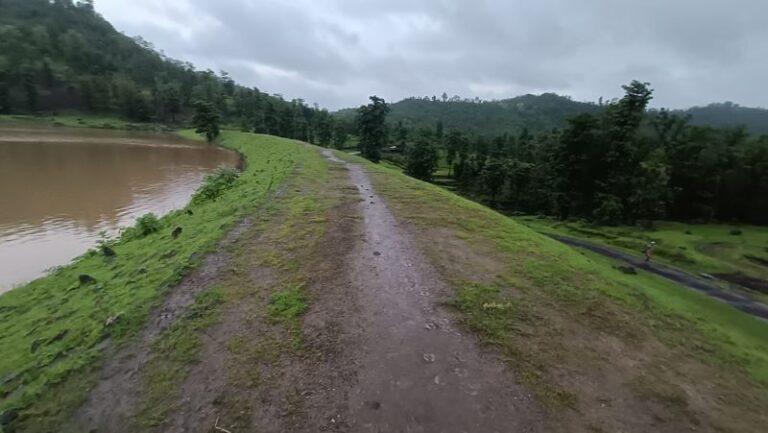
    Environmental sustainability is another area where the scheme has left a positive imprint. In Handpada, many works under MGNREGA have focused on water conservation and land development, which are critical for a semi-arid region like Nashik. Structures such as check dams and contour trenches have helped recharge groundwater, improve soil moisture, and boost crop yields. This ecological regeneration is perhaps the most underappreciated aspect of MGNREGA’s design, yet it holds the key to long-term rural resilience in the face of climate change.

    Risk of Complacency

    Moreover, the transparency mechanisms built into MGNREGA – such as social audits, worksite inspections, and public information boards – have empowered citizens to hold the system accountable. In Handpada, this has created a culture of vigilance and participatory governance, where beneficiaries are not passive recipients but active stakeholders. This aligns well with the democratic ethos of the programme and strengthens the fabric of local self-governance.

    At a time when questions are being raised about the relevance and sustainability of welfare schemes, Handpada stands as a shining example of how state intervention, when thoughtfully designed and earnestly implemented, can uplift rural communities. MGNREGA is not a charity; it is a right – one that affirms the dignity of labour and the entitlement of every Indian to meaningful work.

    There is, however, a risk that complacency may set in. Policymakers must resist the temptation to dilute or defund the programme in the name of fiscal prudence. Rather, efforts must be made to improve efficiency, strengthen monitoring, and integrate MGNREGA with broader rural development strategies. Handpada has shown us what is possible; it is now up to the system to replicate this success on a wider scale.

    It will be fair to say that MGNREGA has changed the development landscape of Handpada village. It has helped the rural poor earn a livelihood, boosted women’s empowerment, and facilitated the creation of durable public assets. Its effective implementation in the village has enhanced the dignity of labour, improved community participation, and instilled faith in democratic processes.

    As India grapples with growing inequality, rural distress, and climate vulnerability, schemes like MGNREGA are not relics of the past but blueprints for a just and inclusive future. Handpada’s experience is a reminder that real development begins at the grassroots – one village, one worker, and one day of work at a time.

    Harsh Sasane is a student of the Post Graduate Diploma in Management-Rural Management at the National Institute of Rural Development and Panchayati Raj, Hyderabad. This piece has been extracted from the internship report submitted by the author as part of the Abhijit Sen Rural Internship programme of National Foundation for India (NFI).

    Trump Moves to Slash US Drug Prices, Shaking Global Pharma Industry

    The executive order marks a significant shift in how global pharmaceutical trade has traditionally operated. By rejecting the decades-old model of differential pricing, Trump’s policy could force a global recalibration of how medicines are priced and distributed.

    In a bold new initiative set to shake up the global pharmaceutical landscape, U.S. President Donald Trump announced on Sunday that he will sign an executive order aimed at slashing domestic prescription drug prices by up to 80 per cent. The move, which he labelled as “the most consequential Executive Order in our Country’s history,” seeks to stop what he calls the exploitation of American consumers by international price disparities.

    The announcement, made on Trump’s social media platform Truth Social, comes amid renewed scrutiny of the high cost of healthcare in the U.S., where drug prices are often five to ten times higher than in other countries for identical medications.

    “For many years the world has wondered why prescription drugs in the United States were so much higher in price than they were in any other nation, sometimes being five to ten times more expensive than the same drug, manufactured in the exact same laboratory or plant,” Trump posted. “It was always difficult to explain and very embarrassing because, in fact, there was no correct or rightful answer.”

    Trump’s executive order will implement a Most Favoured Nation (MFN) pricing policy, which will cap U.S. drug prices at the lowest price paid by any other country in the world. “Our country will finally be treated fairly, and our citizens’ healthcare costs will be reduced by numbers never even thought of before,” he declared.

    The MFN policy seeks to eliminate what Trump describes as pharmaceutical companies’ practice of “dumping”—selling medicines cheaply in developing nations while charging exorbitant prices in the U.S. Under the current system, known in economics as price discrimination, companies recoup research and development costs primarily from high-income countries and offer drugs at lower, marginal costs in poorer nations.

    Trump condemned this system as fundamentally unfair to American taxpayers and consumers, stating, “All of these costs were, and would be, for no reason whatsoever, borne by the ‘suckers’ of America, ALONE.”

    Impact on Developing Nations and India

    Trump’s crackdown on international drug pricing is poised to have far-reaching consequences for developing nations, where access to affordable medicines has historically relied on such price disparities.

    The president’s move is particularly alarming for India, a global pharmaceutical powerhouse and the largest supplier of generic medicines to the U.S. India’s $7 billion pharmaceutical exports to the U.S. could face serious disruption as American companies come under pressure to reduce domestic prices.

    Ajay Srivastava, founder of the Global Trade Research Initiative (GTRI), a leading trade policy think tank, told media that the MFN policy may prompt global drugmakers to compensate for revenue losses in the US by raising prices in traditionally low-cost markets. “Trump’s MFN pricing policy should be a wake-up call. As pharmaceutical companies face tighter price controls in the West, they will redouble their efforts to raise prices in markets like India. The battleground is no longer just legal—it has moved to trade negotiations,” Srivastava said.

    Indian pharma companies may soon face intensified pressure to accept stricter intellectual property protections in ongoing and future Free Trade Agreements (FTAs). These could include controversial measures like data exclusivity, patent term extensions, and evergreening clauses—policies that India has historically resisted to safeguard access to affordable generics.

    The financial markets have already responded. On Monday, Indian pharmaceutical stocks fell sharply following Trump’s announcement. Shares of Sun Pharma dropped nearly 3 per cent, while most other major drugmakers posted losses of over 1 per cent.

    Economic and Political Contradictions

    Trump’s proposed policy also introduces contradictions in his broader trade agenda. While the president has long criticized foreign tariffs and pushed for increased U.S. exports, his latest move may unintentionally drive foreign buyers toward even cheaper generic alternatives, especially in countries where governments already encourage generic usage due to cost constraints.

    Analysts suggest this could lead to a further erosion of market share for branded American pharmaceuticals in the developing world.

    “In effect, Trump is doing the opposite of what he wants for American manufacturing exports,” noted one international trade analyst. “Instead of promoting American drugs abroad, this could drive developing nations to rely even more heavily on generics, including untested or poorly regulated alternatives.”

    Furthermore, while Trump is now advocating a global pricing benchmark for drugs through the MFN policy, he notably did not apply the same principle in his earlier tariff wars, where he imposed steep import duties on foreign goods to protect U.S. industries.

    Although Trump claims the policy will lead to near-immediate price drops of 30 per cent to 80 per cent for American consumers, experts caution that implementation will not be straightforward. Pharmaceutical companies are expected to resist aggressively, and legal challenges are likely to emerge. Moreover, supply chains, regulatory compliance, and existing trade commitments could complicate enforcement.

    There is also skepticism about whether the policy will bring lasting benefits to U.S. consumers without triggering shortages, supply disruptions, or retaliatory pricing in other regions.

    Yet Trump remains unwavering. “They will rise throughout the World in order to equalize and, for the first time in many years, bring FAIRNESS TO AMERICA!” he proclaimed on Truth Social.

    Global Repercussions

    The executive order marks a significant shift in how global pharmaceutical trade has traditionally operated. By rejecting the decades-old model of differential pricing, Trump’s policy could force a global recalibration of how medicines are priced and distributed.

    As countries and companies grapple with the fallout, the larger question remains: will Trump’s move truly bring fairness to Americans, or will it simply reshape the global drug market in ways that few are prepared for?

    Either way, the pharmaceutical world is now on high alert. As the U.S. moves to upend the status quo, developing nations, drug manufacturers, and international regulators alike are preparing for what could be a seismic shift in the economics of healthcare.

    Image: Hippopx

    Bangladesh: Tk 1.3 Trillion in Defaulted Loans Pushes Shariah-Based Banks Toward Crisis

    Among the troubled financial institutions are major banks and non-bank financial entities linked to the S. Alam Group. These banks have seen explosive growth in the last 15 years, often under opaque circumstances and with questionable lending practices.

    A cluster of weak banks are dragging Bangladesh’s banking sector into a deepening crisis, as non-performing loans (NPLs) within Shariah-based financial institutions reach an alarming Tk 1.3 trillion. Many of these banks are linked to industrial conglomerate S. Alam Group.

    Despite regulatory interventions and leadership reshuffles, the situation remains grim, raising serious concerns about the stability and future of Islamic banking in the country.

    According to the latest data from Bangladesh Bank, the 10 Shariah-compliant banks now account for over 23 per cent of the total defaulted loans within the country’s financial system. This default burden, equal to Tk 1.3 lakh crore, has been compounded by years of unchecked irregularities, misappropriation of funds, and poor oversight, the Anti Corruption Commission (ACC) of Bangladesh says.

    “This crisis did not emerge overnight. It is the result of over a decade of systemic abuse, weak governance, and the exploitation of Islamic banking structures,” said a senior central bank official who requested anonymity due to the sensitivity of the issue.

    Among the troubled financial institutions are major banks and non-bank financial entities linked to the S. Alam Group, including Islami Bank Bangladesh Limited, First Security Islami Bank, Union Bank, and Global Islami Bank. These banks have seen explosive growth in the last 15 years, often under opaque circumstances and with questionable lending practices.

    A recent court order to freeze deposits worth over Tk 8,133 crore belonging to S. Alam Group chairman Mohammed Saiful Alam and his family has further intensified scrutiny. Investigations by the Anti-Corruption Commission (ACC) suggest that S. Alam acquired control over several banks and financial institutions through front companies, allegedly siphoning off thousands of crores in loans.

    Formation of Task Force

    Despite these revelations, efforts by Bangladesh Bank to reverse the damage – including the dissolution of bank boards and capital injections – have met with limited success. Depositor confidence has remained low, and structural reforms have yet to take hold.

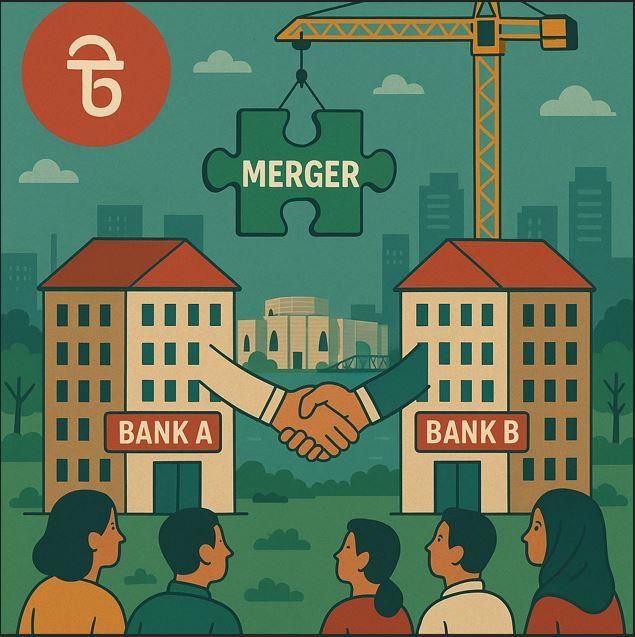
    In a bid to break the impasse, central bank governor Dr Ahsan H Mansur has proposed a bold step: merging several of the weaker Islamic banks into two large, consolidated entities. The idea, although still in its formative stage, is aimed at stabilizing operations and regaining public trust.

    The proposal has been met with a mix of cautious optimism and outright scepticism.

    “I am in favour of mergers, but not of forcing them,” said Dr Shah Md. Ahsan Habib, a professor at the Bangladesh Institute of Bank Management (BIBM), writing for the Daily Star Newspaper. “Forcing these mergers is not advisable. The balance sheet of one bank would be merged with another, and their operations integrated. I hope they succeed, but I have my doubts.”

    Mohammad Nurul Amin, chairman of Global Islami Bank, echoed similar concerns. “No forensic audits, damage assessments, or valuations have been conducted yet. There is no issue with forming two large banks. But combining two major negative narratives could result in a significantly adverse impact.”

    Bangladesh Bank has confirmed the formation of a task force to evaluate the situation. It is also drafting a new “Bank Resolution Act” that will provide a legal and procedural framework for the proposed mergers and acquisitions.

    “Some banks may be merged, while others could be acquired,” said Arif Hossain Khan, executive director and spokesperson of Bangladesh Bank. “The actual outcomes and the procedures involved will be detailed in the Bank Resolution Act. Once the policy framework is finalized, subsequent steps should be more straightforward.”

    Not All Are Convinced

    However, concerns persist about whether these measures are too little, too late. Many of the affected banks have already lost their competitive edge and face difficulties in regaining customer trust.

    As a potential solution, some experts have suggested turning the merged banks into sector-specific institutions. “A bank for the textile sector or SMEs could be considered,” said Amin. “Assigning specific responsibilities, like Krishi Bank, could be effective.”

    But not all are convinced.

    “Our experience with specialised banking isn’t encouraging,” said Prof. Ahsan. “A narrow focus doesn’t guarantee success. BRAC Bank started as an SME-focused institution, but it took more than just a mandate to make it work.”

    Sceptics also point to the entrenched political and corporate influence over some of the failing banks, particularly those linked to S. Alam. With allegations of cronyism and political protection swirling, restoring transparency and accountability remains an uphill battle.

    Founded in 1985, S. Alam Group has expanded rapidly across sectors such as steel, cement, food, and finance, employing over 20,000 people. However, the group’s financial empire now stands at the center of what could be one of Bangladesh’s most significant banking crises in recent history.

    As the country waits for the central bank’s task force to deliver its recommendations, the future of Islamic banking, and public trust in the financial system, hangs in the balance.

    Image: Chatgpt

    War, huh, Yeah, What is it Good For?

    War is most often not the answer. When it is, it is always the very last resort after all other means to resolve adverse situations have been well and truly exhausted.

    Premangshu Ray

    A school classmate said that he was all for blowing the terrorists and their supporters “to kingdom come” and advocated that we should “make them remember their grandmothers”. This was part of an ongoing chat in a WhatsApp group and this comment came just two minutes before 6 pm on May 6, before the Indian armed forces carried out strikes on terror establishments in Pakistan-occupied Kashmir (PoK) and Pakistan in response to the attack at the Baisaran Valley in Pahalgam. The point to be noted is that this was tempered with the statement that it is pertinent to remember Pakistan is a nuclear state and thus the situation should be handled strategically. This, my friend said, is more so as nuclear warheads falling into the hands of non-state actors would be “the ultimate disaster”.

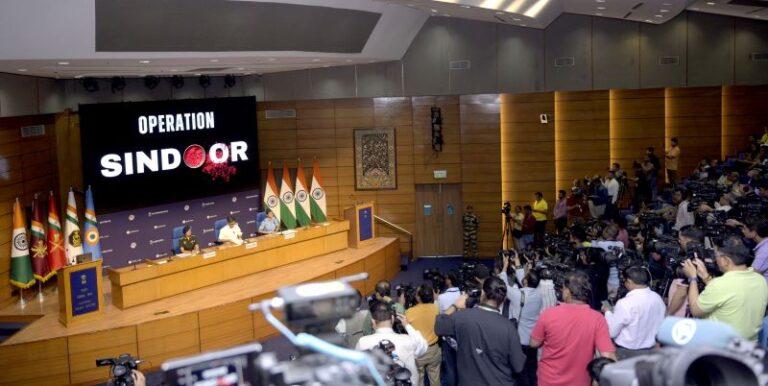
    The strike by the Indian armed forces on the nine terror establishments – five in PoK and four in Pakistan – is something we all should support and be proud of. There is no gainsaying that. There can be no case to condone any action by any foreign entity, whether governmental or non-state, that harms India’s interests. Such actions should never be tolerated. The nation must stand as one and support any action taken by the government in response to such attacks and to bring the perpetrators to book. Politics and other differences must be put aside with regard to such action by the government. That is a given.

    Very Last Resort

    One should, nevertheless, keep in mind that war is horrific. It is most often not the answer. When it is, it is always the very last resort after all other means to resolve adverse situations have been well and truly exhausted. “One of the most horrible features of war is that all the war propaganda, all the screaming and lies and hatred, comes invariably from people who are not fighting,” George Orwell wrote. If that does not hit home, a World War II survivor wrote: “If leaders and civilians could see arms and feet blown apart, headless bodies and smell the stench of rotting human flesh – there will be no wars.” Those who call for war or those who give the order for military action leading to war will not suffer the effects of such action. It is the soldiers and the civilians who face the bullets who will bear the cost of war by paying for it with their lives.

    Take the case of the Pahalgam attack and the counter strike by India. India did absolutely nothing wrong in carrying out the precision strikes on the five terror hubs in PoK and four in Pakistan. India should not, will not and cannot be expected to sit quietly while it is being attacked. It is also not contested, except by Pakistan, that terrorist activities that take place in Kashmir are linked to our western neighbour.

    Several Indirect Costs

    However, it should be remembered that Pakistan will use all the means at its disposal to retaliate to any action taken against it by India. Our neighbour has indulged in heavy shelling from across the Line of Control in Poonch, following the precision strikes carried out by India. This has led to about 15 Indians being killed and at least 50 being injured. If war had been declared, the response would likely have been far more intense. The capability of the Indian military to tackle any misadventure by Pakistan is not in doubt, but a significant number of casualties can be expected in the event war does break out.

    There are also several indirect costs. People flee their homes when a war breaks out and this results in a humanitarian crisis with long-term social and economic consequences. A war causes intense trauma for people, resulting in mental health issues and long-term psychological distress. There is also widespread destruction. A substantial amount of financial resources is required to rebuild the infrastructure that is destroyed during a war. Such conflicts also lead to disruption in essential services, which in turn result in further loss of life. Enormous financial resources are required for military personnel, equipment, and operations. The disruption in economic activity caused by war also leads to a decline in production and trade. Besides, during war most production is geared to helping the war effort and thus production of goods that may be necessary for others takes a backseat.

    The words of the 1970 song by Edwin Starr come to mind:

    War, huh, yeah

    What is it good for?

    Absolutely nothing…

    War, I despise

    ‘Cause it means destruction of innocent lives

    War means tears to thousands of mother’s eyes

    When their sons go off to fight

    And lose their lives

    Peace out.

    The writer is a senior journalist who writes on issues affecting the common man.

    World Bank Unveils $1 Billion Package to Spur Jobs and Private Sector Growth in Sri Lanka

    The agriculture sector will receive $100 million to modernise farming practices, enhance market access, and attract investment. The program will benefit over 380,000 people, including 8,000 agri-food producers, and is projected to draw an additional $17 million in private capital.

    In a significant boost to Sri Lanka’s ongoing economic recovery, the World Bank Group has announced a $1 billion support package aimed at creating jobs and stimulating private sector growth over the next three years. The initiative, revealed during the first visit by a World Bank President to the island in two decades, underscores a renewed international commitment to the country’s development path following its recent economic crisis.

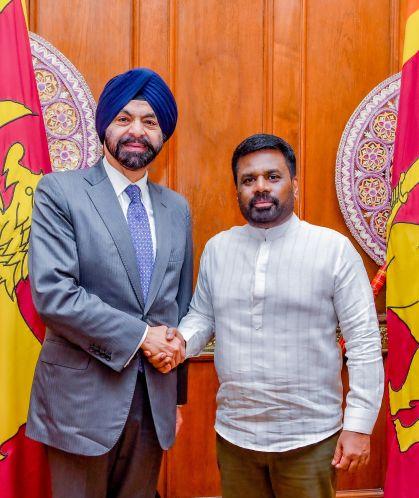
    The package targets four key sectors – energy, agriculture, tourism, and regional development – that are expected to generate substantial employment opportunities and attract private investment. World Bank Group President Ajay Banga, who met with Sri Lankan President Anura Kumara Dissanayake in Colombo, emphasized that this is a “moment of opportunity” for the country as it emerges from crisis and begins rebuilding.

    “With progress underway to stabilize the economy and restart growth, core elements for job creation are in place,” said Banga. “Now is the time to accelerate reforms and create the conditions for private enterprise to thrive, particularly in sectors that can create jobs at scale.”

    President Dissanayake welcomed the initiative as a crucial investment in the people of Sri Lanka. “It will help create jobs, support small businesses, and open up new opportunities across the country. We are committed to ensuring this partnership delivers real change for our communities,” he said.

    “This is a moment of opportunity for Sri Lanka,” World Bank Group chief Ajay Banga said in a statement after meeting Sri Lanka President Anura Kumara Disssanayake in Colombo.

    “With progress underway to stabilize the economy and restart growth, core elements for job creation are in place.

    “Now is the time to accelerate reforms and create the conditions for private enterprise to thrive – particularly in sectors that can create jobs at scale.”

    Focus on Job Creation

    According to World Bank estimates, nearly one million young people will enter the Sri Lankan workforce over the next decade. However, projections suggest only about 300,000 jobs will be created during that period, leaving a significant employment gap. The new financing package is designed to close this gap by mobilizing both public and private investment to create more – and better – jobs.

    The integrated approach combines the World Bank’s financing, technical expertise, and private sector tools, aiming to strengthen local industry and expand economic opportunity.

    “This support from the World Bank Group is an investment in the people of Sri Lanka,” the statement quoted President Dissanayake as saying.

    “It will help create jobs, support small businesses, and open up new opportunities across the country. We are committed to ensuring this partnership delivers real change for our communities.”

    Sector-Specific Investments

    A significant portion of the funding will be channelled into energy infrastructure, with $185 million allocated to support the development of solar and wind power projects totalling 1 gigawatt of capacity. This move is expected to reduce electricity costs for households and businesses, while also unlocking over $800 million in private sector financing, supported by $40 million in guarantees.

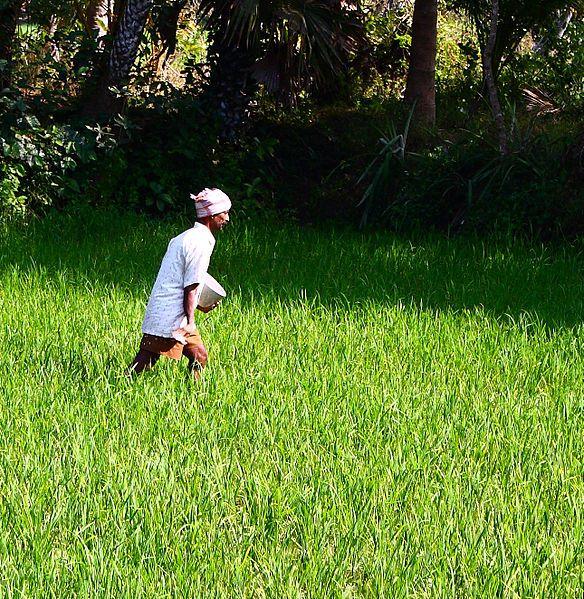
    The agriculture sector will receive $100 million to modernise farming practices, enhance market access, and attract investment. The program will benefit over 380,000 people, including 8,000 agri-food producers, and is projected to draw an additional $17 million in private capital.

    A 100 million dollars will go to help farmers and agribusinesses adopt new technologies, access markets, and attract private capital.

    Tourism, one of Sri Lanka’s key economic drivers, is set to receive $200 million. These funds will be used to protect and enhance natural and cultural heritage sites, create employment opportunities, and ensure local communities benefit directly from tourism revenues.

    Another $200 million will be invested in regional development, targeting historically underserved areas such as the Northern and Eastern Provinces. These funds will go toward infrastructure projects and local industry support aimed at fostering inclusive growth and job creation.

    Long-Standing Partnership

    The World Bank Group has been a development partner to Sri Lanka for over 70 years, with current investments in the country exceeding $2.2 billion. The newly announced package builds on that relationship and marks a shift towards more targeted support that leverages private capital and knowledge-sharing to achieve sustainable outcomes.

    This initiative comes as Sri Lanka continues its recovery from a devastating currency crisis that led to a sovereign default. The crisis exposed deep structural vulnerabilities in the country’s economy, and the government has since been working to implement reforms and stabilise macroeconomic conditions.

    The visit by World Bank President Banga and the announcement of such a substantial package signal international confidence in Sri Lanka’s recovery trajectory. Analysts see the move as a positive step not only for job creation but also for restoring investor confidence and fostering broader economic resilience.

    “This package is not just about money – it’s about momentum,” said a senior World Bank official familiar with the program. “It’s about building a pathway to prosperity through investment, innovation, and inclusion.”

    UN Secretary-General Urges Military restraint from India, Pakistan

    “Targeting civilians is unacceptable – and those responsible must be brought to justice through credible and lawful means,” Guterres said.

    The UN chief has expressed deep concern over Indian military operations across the Line of Control and the international border with Pakistan.

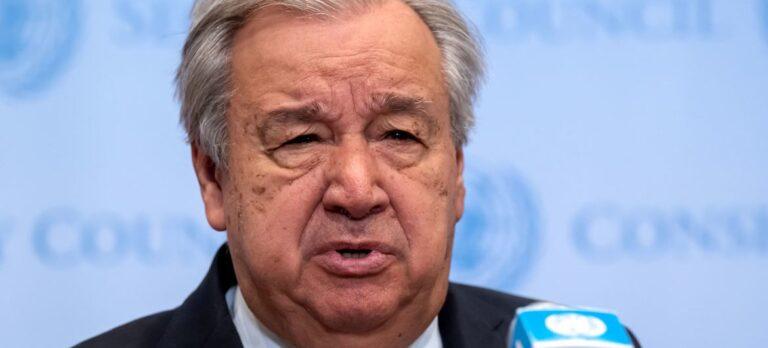
    In a note to correspondents issued by his spokesperson on Tuesday, Secretary-General António Guterres called for military restraint from both countries.

    “The world cannot afford a military confrontation between India and Pakistan,” the note said.

    On Monday, the Secretary-General had warned that the tensions between the two South Asian neighbours had reached “their highest in years.”

    He offered his good offices to both governments to help defuse tensions and promote diplomacy, stressing that “a military solution is no solution.”

    Speaking to the media on Monday, Mr. Guterres condemned the 22 April terror attack in the Pahalgam area of Jammu and Kashmir, which left at least 26 civilians dead and many more injured.

    “Targeting civilians is unacceptable – and those responsible must be brought to justice through credible and lawful means,” he said.

    India Showcases SVAMITVA at World Bank Land Conference

    The sessions on “Good Practices and Challenges in Land Tenure” and “Securing Land Rights for a Billion People” aimed at fostering a dialogue on inclusive land governance.

    By Aditi Agrawal

    India, took centre stage at the World Bank Land Conference 2025, held in Washington D.C., reaffirming its global leadership in inclusive land governance and grassroots empowerment. Participating as a Country Champion in the Plenary Session on 6th May 2025, Vivek Bharadwaj, Secretary, Ministry of Panchayati Raj, delivered an address during the High-Level Plenary on “Good Practices and Challenges in Land Tenure and Governance Reform”, articulating India’s leadership in land rights, tenure reforms, and technology-driven spatial planning.

    Bharadawaj said that under the leadership of Prime Minister Narendra Modi, India’s pioneering SVAMITVA Scheme (Survey of Villages and Mapping with Improvised Technology in Village Areas) has emerged as a transformational initiative in rural land governance. Bharadwaj shared deep insights into the scheme’s journey – beginning with onboarding states, amending state-specific laws and survey rules, and establishing critical technological infrastructure like Continuously Operating Reference Stations (CORS) to enable accurate drone-based mapping. He explained how India’s federal structure requires strategic cooperation, coordination, and community involvement to drive reforms on a national scale.

    In his address, Bharadwaj mentioned the Peruvian economist Hernando de Soto’s observation about the untapped economic potential locked in informal land holdings. He emphasised that India has surveyed 68,000 square kilometers of rural land under SVAMITVA, unlocking $1.16 trillion worth of assets, thereby offering millions of rural families legal title, dignity, and access to credit and opportunity. Through anecdotes of individuals like a dairy farmer in Madhya Pradesh who expanded his business, or a mother in Rajasthan who funded her daughter’s overseas education, he highlighted how land ownership is being converted into real empowerment.

    Land Rights for a Billion

    The special event, titled “Securing Land Rights for a Billion People,” is set to further amplify India’s model of inclusive and technology-driven land governance. Led by the Ministry of Panchayati Raj, the session will open with welcome and opening remarks by Dr. Klaus W. Deininger, Lead Economist, World Bank, followed by an introduction by Mr. Somik V. Lall, Senior Advisor, DECVP, World Bank. The event will spotlight the design, impact, and scalability of the SVAMITVA Scheme, with presentation by Vivek Bharadwaj.

    The side event will be attended by all delegates of the World Bank Land Conference 2025, including advisors and senior advisors to seven Executive Directors representing regions across Africa, Latin America and the Caribbean (LAC), Central Asia, South Asia, and South East Asia, offering a valuable opportunity for cross-regional dialogue and exchange. The side event will provide a focused platform to discuss the implementation methodology and transformative benefits of the SVAMITVA Scheme with countries that share similar land administration systems. Bharadwaj said that the objective is to explore avenues for collaboration, enabling the ministry of panchayati raj to support and partner with these nations in adopting and adapting similar models in their respective contexts.

    SDG Target 1.4.2

    Another area of focus is the Gram Manchitra, India’s advanced GIS-based spatial planning platform. Alok Prem Nagar, Joint Secretary, Ministry of Panchayati Raj, will present how the platform is facilitating spatially informed decision-making at the Panchayat level, showcasing the integration of cutting-edge technology with grassroots governance to foster sustainable, resilient, and self-reliant villages.

    India’s interventions across these sessions aim to serve not only as a model for participatory and technology-enabled land governance, but also as a call to action for other nations striving to achieve SDG Target 1.4.2 which aims to ensure legal ownership and control over land for all, especially vulnerable communities.

    Through its presence at the World Bank Land Conference 2025, India has been positioned as a global thought leader in land tenure reforms, rural development, and inclusive governance demonstrating that a data-driven, people-centric approach can effectively bridge centuries-old land insecurity and usher in a new era of legal recognition, dignity, and prosperity for rural citizens.

    Image: Wikimedia

    WHO Warns of Deepening Health Crisis in Afghanistan as Aid Dwindles

    Signs of strain are visible. In March, the WHO warned that 80 per cent of the health centres it currently supports would be forced to close by June due to a lack of funding.

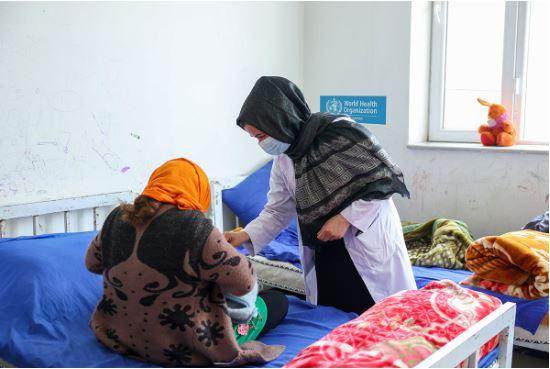
    The World Health Organization (WHO) has raised alarms over Afghanistan’s deteriorating healthcare system, warning that a critical lack of funding and international support could bring the country’s fragile medical infrastructure to the brink of collapse.

    In a recent appeal, Edwin Ceniza Salvador, WHO Representative in Afghanistan, stressed that the country is facing a deepening health crisis as aid dries up and the burden of healthcare expenses increasingly falls on the Afghan people themselves.

    “About 80 per cent of healthcare costs are now paid out-of-pocket by individuals. Only 19 per cent is supported by the international community, and a mere one per cent comes from the de facto government,” Salvador said, describing the funding structure as unsustainable and unjust for a country grappling with economic and political instability.

    The decline in support follows the suspension of US assistance, which previously accounted for nearly half of the international funding directed toward Afghanistan’s healthcare. Salvador highlighted ongoing efforts to court alternative donors, including the European Union and Gulf states, in a bid to bridge the funding gap.

    “We are working to increase partnerships with goodwill donors like the European Union, and we’re encouraging Gulf states and other governments that haven’t traditionally supported Afghanistan to step up,” he said. “This isn’t just about money – it is a matter of life and death.”

    The consequences of dwindling aid are already being felt across the country. Doctors and medical professionals are reporting severe shortages of resources, staff, and support, especially in remote and rural areas.

    “In far-flung provinces, people are facing extreme poverty and worsening health conditions,” said Dr. Abdulwahid Safa. “There is an urgent need for aid in child and maternal nutrition and basic healthcare services.”

    Strain Visible

    Healthcare workers say the international community’s support is not only vital for maintaining services but also for ensuring salaries, clinic maintenance, and medicine supply chains. Dr. Mujtaba Sufi warned that politicising or interrupting this aid could devastate community health efforts. “People rely heavily on this assistance,” he said. “We must not halt these services, but we should also consider building toward self-sufficiency.”

    Yet, signs of strain are visible. In March, the WHO warned that 80 per cent of the health centres it currently supports would be forced to close by June due to a lack of funding. This sparked concern from both national and international health officials.

    Abdul Latif Nazari, Afghanistan’s Deputy Minister of Economy, echoed those concerns, saying: “Our appeal to the global community and humanitarian organizations is to support WHO, so it can continue its essential work for the Afghan people.”

    Despite such appeals, the Ministry of Public Health announced on April 29 that efforts toward self-reliance are underway. A spokesperson claimed that while several health centres backed by international organizations have closed, the national healthcare system remains stable. However, medical professionals remain sceptical.

    Dr. Madad Khan Danishwar warned that the shutdown of WHO-supported health centres would significantly disrupt access to care. “If this continues, patients in remote provinces will be forced to travel to urban centres, facing delays and added financial hardship,” he said.

    The effects will not be limited to patients. With funding cuts, many doctors and healthcare workers could soon find themselves out of jobs, according to Dr. Sufi. “Unemployment among health workers will rise, and without sufficient disease monitoring, outbreaks of preventable illnesses will increase,” he added.

    Humanitarian Emergency

    WHO officials and Afghan doctors alike say the consequences of inaction could undo decades of progress in rebuilding the country’s health sector since the early 2000s.

    “This is not just a funding shortfall,” Salvador warned in a March statement. “It is a humanitarian emergency. Every day without support means more suffering, more preventable deaths, and irreparable damage to Afghanistan’s already fragile health infrastructure.”

    The dire situation comes amid broader concerns over the humanitarian situation in Afghanistan, where over two-thirds of the population currently require some form of assistance. With ongoing economic challenges and limited domestic health investment, international aid remains a critical lifeline.

    Observers say the solution lies not just in emergency relief but also in fostering longer-term commitments from a broader base of international donors. “We need to shift the narrative from short-term crisis response to long-term sustainability,” Salvador urged.

    As the mid-year deadline for the potential closure of WHO-supported health centres approaches, the urgency to act grows louder. Health officials, humanitarian agencies, and civil society continue to call for immediate, coordinated action to prevent what could become one of the most severe collapses of a national health system in recent history.

    For now, Afghanistan waits – its health system hanging in the balance, and its people paying the price.

    Clean Ganga Mission Approves Key Projects for Ganga Rejuvenation via Ecosystem Testoration

    The meeting focussed on sustainability in river rejuvenation. The Namami Gange program has been recognised as one of the top ten among the World Restoration Flagship initiatives by the UNEP and FAO.

    By Dhanya Sanal K

    In a significant push towards holistic river and environmental rejuvenation, the sixty-second Executive Committee (EC) Meeting of the National Mission for Clean Ganga (NMCG), chaired by Rajeev Kumar Mital, Director-General, NMCG, focused on sustainability in river rejuvenation.

    Conservation of critical wetlands and promoting the reuse of treated wastewater through city specific reuse plans and were deliberated in the meeting. The executive committee approved projects that align with the mission’s objectives of ecosystem restoration across the Ganga basin.

    The Namami Gange programme has been recognised as one of the top ten World Restoration Flagship initiatives by UN Decade (UNEP and FAO).

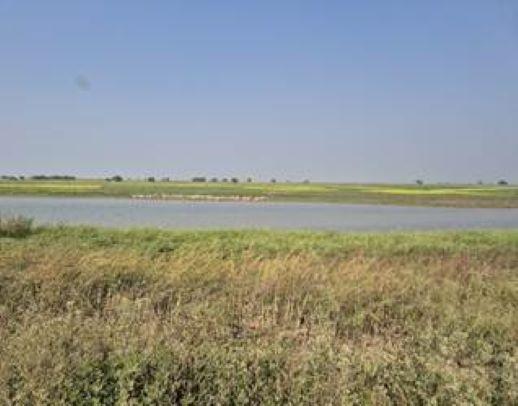
    In another important development, the executive committee gave the green light to the project on “Conserving and Sustainably Managing Nathmalpur Bhagad (Wetland) in Bihar’s Bhojpur District. The project’s is estimated to cost ₹3.51 crore.

    This is the fifth wetland project being undertaken under the Namami Gange programme. It aims to establish an effective management arrangement for Nathmalpur Bhagad. So far, the conservation of four wetlands have been already sanctioned under the Namami Gange programme. These are:

    1. KalewadaJheel, Muzaffarnagar, UP
    2. Namiya Dah Jheel, Prayagraj, UP
    3. Reoti Dah Wetland, Ballia, UP
    4. Udhwa Lake (Ramsar Site) Sahibganj, Jharkhand

    The conservation of these wetlands focus on integrating biodiversity and ecosystem service values into river basin conservation and developmental planning. The project proposes a dual approach with interventions at the sub-basin (Ghaghara, Gomti and Sone confluence) and site levels (Nathmalpur Bhagad), including activities such as wetland delineation, hydrological regime enhancement, species and habitat conservation, ecological assessment, risk evaluation, capacity building, communication and outreach, and monitoring mechanisms to ensure the long-term health and sustainability of the wetland ecosystem.

    Capacity Building Initiatives

    The Executive Committee also approved funding of ₹34.50 lakh for the “Capacity Building Initiatives for making water-sensitive cities in the Ganga Basin” project for the preparation of city plans and training on the reuse of treated wastewater for Agra and Prayagraj Districts in Uttar Pradesh. The project aims at preparation of city level reuse plan aligned to the National Framework for Safe Reuse of Treated Water (SRTW) developed by NMCG.

    “These project approvals reaffirm NMCG’s commitment to integrated water management and environmental restoration,” said a senior official associated with NMCG. “As the Mission continues to evolve, such strategic decisions will play a pivotal role in achieving the vision of a cleaner, healthier and more sustainable river ecosystem for future generations,” he said.

    The meeting was attended by Mahabir Prasad, Joint Secretary and Financial Advisor of Ministry of Power, (additional charge) River Development and Ganga Rejuvenation, Ministry of Jal Shakti; Nalin Srivastava, Deputy Director General of NMCG; Anoop Kumar Srivastava, Executive Director (Technical); Brijendra Swaroop, Executive Director (Projects) S.P. Vashistha, Executive Director (Administration); Bhaskar Dasgupta, Executive Director (Finance); Prabhash Kumar, Additional Project Director of Uttar Pradesh SMCG and S. Chandrasekhar, IFS, Chief Conservator of Forest -cum- State Nodal Officer, Environment and Climate Change, Bihar.

    Health Inequities are Shortening Lives by Decades

    Beyond unequal access to pharmaceuticals, social and economic inequities hindered the effectiveness of public health and social measures at reducing the spread and impact of the COVID-19 pandemic. The pandemic’s impact in accelerating inequity has persisted beyond the initial crisis.

    A global report published by the World Health Organization (WHO) highlights that the underlying causes of ill health often stem from factors beyond the health sector, such as lack of quality housing, education and job opportunities.

    The new World report on social determinants of health equity shows that such determinants can be responsible for a dramatic reduction of healthy life expectancy – sometimes by decades – in high- and low-income countries alike. For example, people in the country with the lowest life expectancy will, on average, live 33 years shorter than those born in the country with the highest life expectancy. The social determinants of health equity can influence people’s health outcomes more than genetic influences or access to health care.

    “Our world is an unequal one. Where we are born, grow, live, work and age significantly influences our health and well-being,” said WHO Director-General Dr Tedros Adhanom Ghebreyesus. “But change for the better is possible. This world report illustrates the importance of addressing the interlinked social determinants and provides evidence-based strategies and policy recommendations to help countries improve health outcomes for all.”

    The report underscores that inequities in health are closely linked to degrees of social disadvantage and levels of discrimination. Health follows a social gradient whereby the more deprived the area in which people live, the lower their incomes are and they have fewer years of education, poorer health, with less number of healthy years to live. These inequities are exacerbated in populations that face discrimination and marginalization. One of the vivid examples is the fact that Indigenous Peoples have lower life expectancy than non-Indigenous Peoples in high- or low-income countries alike.

    Social Injustice Driving Inequities

    The World report on social determinants of health equity is the first of its kind published since 2008 when the WHO Commission on Social Determinants of Health released its final report laying out targets for 2040 for reducing gaps between and within countries in life expectancy, childhood and maternal mortality. The 2025 world report, shows that these targets are likely to be missed.

    Although data is scarce, there is sufficient evidence to show that health inequities within countries are often widening. WHO data cites that children born in poorer countries are 13 times more likely to die before the age of 5 than in wealthier countries. Modelling shows that the lives of 1.8 million children annually could be saved by closing the gap and enhancing equity between the poorest and wealthiest sectors of the population within low- and-middle-income countries.

    The report shows that while there was a 40 per cent decline in maternal mortality globally between 2000 and 2023, low- and lower-middle-income countries still account for 94% of maternal deaths.

    Women from disadvantaged groups are more likely to die from pregnancy-related causes. In many high-income countries, racial and ethnic inequities in maternal death rates persist, for example, in some areas Indigenous women were up to three times more likely to die during childbirth. There are also strong associations between higher levels of gender inequality, including child marriage, and higher maternal mortality rates.

    Breaking the Cycle

    WHO emphasizes that measures to address income inequality, structural discrimination, conflict and climate disruptions are key to overcoming deep-seated health inequities. Climate change, for example, is estimated to push an additional 68–135 million people into extreme poverty over the next 5 years.

    Currently, 3.8 billion people worldwide are deprived of adequate social protection coverage, such as child/paid sick leave benefits, with direct and lasting impact on their health outcomes. High debt burdens have been crippling the capacity of governments to invest in these services, with the total value of interest payments made by the world’s 75 poorest countries increasing fourfold over the past decade.

    WHO calls for collective action from national and local governments and leaders within health, academia, research, civil society, alongside the private sector to:

    1. address economic inequality and invest in social infrastructure and universal public services;
    2. overcome structural discrimination and the determinants and impacts of conflicts, emergencies and forced migration;
    3. manage the challenges and opportunities of climate action and the digital transformation to promote health equity co-benefits; and
    4. promote governance arrangements that prioritize action on the social determinants of health equity, including maintaining cross-government policy platforms and strategies, allocating money, power and resources to the most local level where it can have greatest impact, and empowering community engagement and civil society.

    In resolution WHA74.16 (2021), the Seventy-fourth World Health Assembly requested the WHO Director-General to prepare an updated report on the social determinants of health, their impact on health and health equity, progress made so far in addressing them, and recommendations for further action. The World report on social determinants of health equity provides an update to the conclusion of the WHO Commission on the Social Determinants of Health in 2008 which stated that “social injustice kills on a grand scale”.

    Inequitable Impacts of COVID-19

    The report says that the COVID-19 pandemic is a profound global example of the inequitable health outcomes driven by upstream social determinants. From its outset, socio-economic inequality was a predictor of higher mortality. Between countries, inequity in COVID-19 outcomes was exacerbated by inequitable access to diagnostics, vaccines and other countermeasures.

    At subnational level, higher COVID-19 incidence and mortality were associated with higher social and economic inequality, including alarming inequities due to race and ethnicity status in many countries. Beyond unequal access to pharmaceuticals, social and economic inequities hindered the effectiveness of public health and social measures at reducing the spread and impact of the pandemic. The pandemic’s impact in accelerating inequity has persisted beyond the initial crisis.

    As the authors of the report say, “many low- and middle-income countries emerged with large amounts of sovereign debt, reducing the fiscal space for investment in necessary social and physical infrastructure to improve health, and resulting in large backlogs in health services.”

    They say, “Global progress towards the Sustainable Development Goals (SDGs) was already faltering before the additional shock of the pandemic; now it is severely off-track. COVID-19 will not be the last pandemic with severe health and health equity impacts unless enhanced efforts are taken to address social and economic inequities as part of pandemic prevention, preparedness and response.”