More

    Kailash Satyarthi Advocates Compassionate Governance in EPFO’s RGDE Series

    The Re-imagining Governance: Discourse for Excellence (RGDE) initiative was launched on Good Governance Day, December 25, 2023, and has since evolved into a vital platform for dialogue aimed at strengthening trust and excellence in public service.

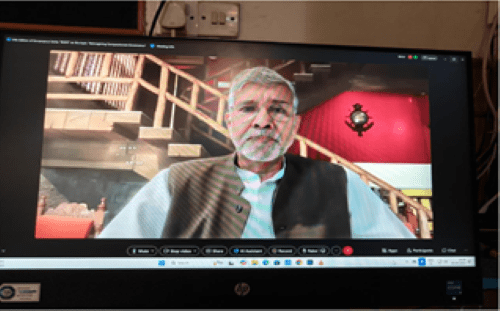
    Nobel Peace Laureate Kailash Satyarthi delivered a stirring keynote address on compassionate governance during the seventeenth edition of the Re-imagining Governance: Discourse for Excellence (RGDE) series, organised by PDUNASS, the premier training academy of the Employees’ Provident Fund Organisation (EPFO) on Thursday.

    The virtual session, attended by EPFO officers and officials from across the country, underscored the need to infuse governance with empathy, moral accountability, and human connection. Speaking from Bal Ashram in Jaipur, Satyarthi warned of a growing moral vacuum in modern society and called for a revival of gratitude and compassion in public administration.

    “Governance rooted in empathy, deep listening, and moral accountability is crucial for building responsible and effective institutions,” said Satyarthi. “We must recover our moral compass and restore humanity to our systems of governance.”

    The RGDE initiative was launched on Good Governance Day, December 25, 2023, and has since evolved into a vital platform for dialogue aimed at strengthening trust and excellence in public service. With this session marking the seventeenth consecutive edition, the series continues to build a culture of thoughtful leadership within EPFO.

    Cornerstone of Value-based Administrative Reform

    At the Jaipur venue, Satyarthi was felicitated by Ajeet Kumar, Additional Central PF Commissioner (Rajasthan). The program was chaired by Ramesh Krishnamoorthy, Central PF Commissioner, and presided over by PDUNASS Director Kumar Rohit. The session was moderated by Uttam Prakash, RPFC-I.

    In his closing remarks, Krishnamoorthy urged EPFO officials to take concrete steps in their daily work inspired by the values discussed. “Let us each implement at least one decision rooted in compassion,” he said. “This is how we bring the spirit of today’s session to life — not just in words, but in action.”

    The RGDE series has become a cornerstone of value-based administrative reform within the EPFO, focusing on fostering insight, integrity, and institutional excellence. With a steady stream of thought leaders and policy influencers participating, the initiative continues to cultivate an ethos of empathetic and responsible governance across the organisation.

    As the EPFO advances its mandate of social security and financial empowerment for millions of Indian workers, the emphasis on compassion and moral leadership — as articulated by Satyarthi — adds a transformative dimension to its evolving governance framework. By integrating such values into everyday decision-making, the EPFO hopes to not only enhance public trust but also become a benchmark for human-centric administration across the public sector.

    IMF Urges Faster Progress in Sri Lanka’s State-Owned Enterprise Reforms amid Policy Reversals

    Papageorgiou said Sri Lanka must remain committed to the core goals of its $3 billion IMF Extended Fund Facility, which include enhancing transparency, resolving legacy debt, and ensuring cost recovery in pricing to maintain the financial viability of state enterprises.

    The International Monetary Fund’s (IMF) newly appointed Mission Chief for Sri Lanka, Evan Papageorgiou, has called for accelerated reforms of the country’s debt-ridden state-owned enterprises (SOEs), expressing concern over delays and policy reversals under the new government.

    At a virtual press briefing held Tuesday, Papageorgiou emphasized that while Sri Lanka has made some progress, the pace of reform needs to increase, particularly in addressing the longstanding financial troubles of major SOEs like SriLankan Airlines, Ceylon Petroleum Corporation (CPC), and the Ceylon Electricity Board (CEB).

    “The current budget has earmarked 20 billion rupees to pay off some of the airline’s debt, and a financial advisor has been hired to restructure international bonds,” Papageorgiou said. “These are steps in the right direction, but they need to pick up a bit more pace.”

    His comments come in the wake of political shifts that have disrupted previous reform strategies. The new administration under President Anura Kumara Dissanayake has halted privatization efforts initiated by the previous government, led by Ranil Wickremesinghe, which had aimed to reduce the state’s stake in loss-making enterprises.

    Dissanayake’s party, known for its anti-privatization stance, reversed plans to divest key SOEs, including SriLankan Airlines, promising instead to introduce alternative reform strategies. The government has since formed a committee to review a new “State Commercial Enterprises Management Draft Bill,” aimed at depoliticizing SOE governance and ensuring appointments of qualified professionals to leadership roles.

    Remain Committed to Core Goals

    Despite these moves, Papageorgiou said Sri Lanka must remain committed to the core goals of its $3 billion IMF Extended Fund Facility (EFF), which include enhancing transparency, resolving legacy debt, and ensuring cost recovery in pricing to maintain the financial viability of state enterprises.

    “Sri Lankan authorities have shown commitment to strengthening governance in SOEs,” he said. “But progress is uneven, and we want to see more done, particularly in implementing cost-reflective pricing and addressing fiscal risks.”

    The IMF has consistently highlighted the financial burden Sri Lanka’s over 400 SOEs place on public finances. Many of these entities operate at a loss and depend on government bailouts and subsidies, a major factor behind the 2022 sovereign debt default that triggered an unprecedented economic crisis.

    Reforming these institutions is central to Sri Lanka’s economic recovery and its broader agreement with the IMF. One key concern, Papageorgiou noted, is the issuance of government guarantees for SOEs, which continue to pose fiscal risks.

    “Under the EFF program, we’ve set indicative targets, including ceilings on total and foreign currency treasury guarantees for SOEs,” he said. “We’re also asking that non-financial SOEs with limited foreign exchange revenues refrain from new foreign currency borrowing.”

    Such measures aim to reduce what he described as “wrong-way risk” – the accumulation of debt in foreign currency by institutions with no reliable means to repay it, Papageorgiou said.

    Transparency has also become a cornerstone of the IMF’s push for reform. The organization has mandated the timely publication of audited financial statements for the 52 largest SOEs as a way to ensure public accountability and oversight.

    “This helps bring more light and greater scrutiny to how these entities operate,” Papageorgiou said. “Consumers deserve value for the price they pay, whether it’s electricity, fuel, or airline services. And SOEs, just like private companies, must run efficiently, commercially, and free of corruption.”

    Honouring Public Resistance

    The IMF’s warning highlights the balancing act the Dissanayake government faces as it tries to honour public resistance to privatization while also meeting the stringent reform criteria tied to the EFF program.

    Analysts suggest that stalling reforms could jeopardize future tranches of IMF funding and potentially delay Sri Lanka’s return to financial stability. The fourth review under the IMF program is seen as a key milestone in assessing whether Sri Lanka can sustain its fiscal consolidation and restructuring agenda.

    The government, for its part, has reiterated its commitment to reform but has insisted on a “home-grown” approach that preserves national assets and avoids outright privatization. Officials say the new draft bill on SOE management reflects that intent, aiming to eliminate political interference while steering loss-making institutions toward viability through professional governance.

    While this shift in approach has slowed momentum, Papageorgiou remained cautiously optimistic.

    “There is a way forward,” he said. “We just want to see more tangible progress.”

    A business editor with a Sri Lankan daily newspaper said, “As Sri Lanka continues to navigate its economic recovery path, all eyes will be on how the government manages to implement meaningful changes in SOEs without triggering political backlash or derailing its international commitments.”

    Bank of Maldives Offers Unsecured Financing to Fishermen in Support of Livelihoods

    The financing carries an interest rate of 15 per cent, with applications open via internet and mobile banking platforms. Eligibility will be determined based on the applicant’s average monthly income, the bank said earlier.

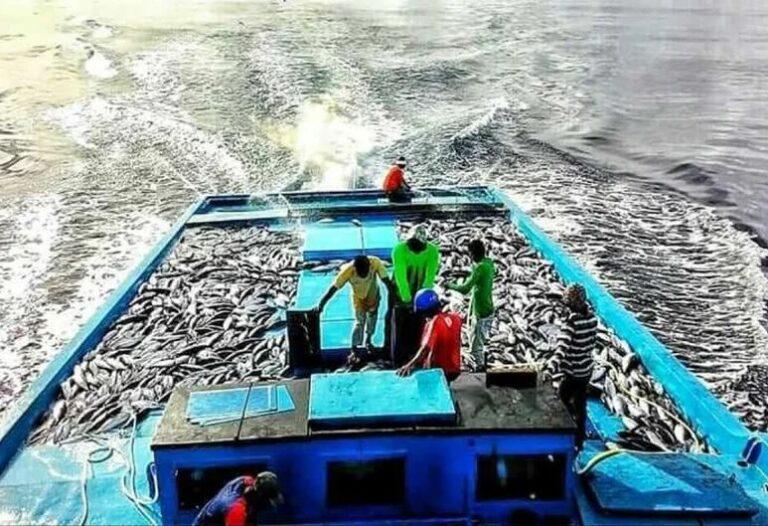
    Beginning May 1, the Bank of Maldives (BML) will commence the issuance of unsecured personal financing up to MVR 300,000 to registered fishermen, the Ministry of Fisheries announced on Wednesday. This initiative aligns with the strategic goals of both BML and the ministry to bolster social business within the crucial fisheries sector.

    May 1 is international labour day.

    The financing, accessible through BML’s existing personal financing scheme, is specifically targeted towards individuals listed in the National Register of Fishermen. Loan facilities will range from MVR 10,000 to MVR 300,000 and will not require any form of collateral or equity from the applicants.

    The financing carries an interest rate of 15 per cent, with applications conveniently available through BML’s online internet and mobile banking platforms. According to the bank, eligibility for the financing will be determined based on the applicant’s average monthly income.

    Fisheries Minister Ahmed Shiyam highlighted that a significant 95 percent of active fishermen are already registered and encouraged those not yet listed to complete their registration to benefit from this support. He emphasized that this initiative is a key component of the government’s broader efforts to retain individuals within the fishing sector.

    More BML financial products

    Minister Shiyam further stated that President Dr Mohamed Muizzu’s administration is committed to ensuring that fishing remains a sustainable and viable livelihood for Maldivians. Schemes such as this unsecured financing are deemed essential for the continued prosperity of the industry, which accounts for the single largest employment sector in the Maldives.

    Upon approval of the financing, fishermen will also become eligible for other BML financial products, including home finance, study loans for family members, and credit cards. While annual repayment obligations will remain consistent, BML has indicated that allowances may be considered to accommodate periods of low fishing season, providing a degree of flexibility for borrowers. This measure acknowledges the inherent variability of income within the fishing industry.

    This move by Bank of Maldives and the Ministry of Fisheries is expected to provide significant financial support to fishermen, enabling them to invest in their businesses, maintain their equipment, and improve their livelihoods, thereby contributing to the overall sustainability of the Maldivian fishing industry.

    Eroding Credibility of the Higher Judiciary

    In several cases recently, the SC rulings have favoured the government. There are a number of such examples.

    By Pradeep Baisakh

    Be you ever so high, the law is above you! This is an established judicial principle across the world, which has also been upheld by the Indian judiciary. The credibility of Indian judiciary has generally been quite high. If a common person faces wrath of the executive, s/he always has the trust in the judiciary, which would safeguard her/his fundamental rights. However, in recent years if one analyses the rulings or silence of the Supreme Court and High Courts in politically sensitive cases, one could well sense an erosion of their credibility.  

    Two recent cases relating to the High Court judges have shaken the conscience of the country. One is the case where burnt cash was found in the official residence of Justice Yashwant Varma of Delhi High Court (HC) on March 14, 2025 and the other is the alleged use of derogatory remark against a minority community by Justice Shekhar Kumar Yadav of Allahabad High Court on December 8, 2024. While it would be unfair to make any conclusion in the case of Justice Varma till the inquiry by the Chief Justice of India (CJI) appointed in-house committee is over and findings are out, the case of Justice Yadav is rather a clear case of breach of judicial integrity. CJI Sanjiv Khanna has also initiated an in-house inquiry into the allegations on Justice Yadav, but no one know what is happening to it, as it is not in the public domain. He is still on the bench though his role has been limited to hearing only first appeals from orders of a civil court which were filed up to 2010.

    Since the days of former CJI Deepak Mishra, there has been increasing criticism of the highest court. In an unprecedented move, four senior-most Supreme Court (SC) judges after the CJI held a press conference in January 2018 alleging that CJI Deepak Mishra, being the master of the roster, was assigning cases having far-reaching consequences to the nation to his preferred benches headed by junior judges bypassing the senior judges. This, for the first time in recent years, exposed that something is grossly wrong in the functioning of the highest court. In several cases recently, the SC rulings have favoured the government. For example, the top court dismissed the petitions seeking investigation to the controversial Rafael deal in 2018. In the Pegasus snooping case, the SC’s technical committee did not find any conclusive evidence on the presence of Pegasus spyware (2022) on mobile phones of certain individuals and then the matter was put into cold storage till recently when the Court agreed to hear the case on April 22, 2025 only after a US court ruling (December 2024) that found an Israeli company had secretly installed Pegasus spyware on mobile phones. The then CJI N V Ramana-led bench observed that the government did not cooperate with the technical committee, but it was helpless to do anything on it!  One can go on counting such cases!

    Verdicts on Maharashtra government and survey of Gyanvapi mosque

    In June 2022 the Uddhav Thackeray government fell in Maharashtra due to the defection of some Shiv Sena MLAs led by Eknath Shinde, who eventually became the Chief Minister in a coalition government with BJP. In a rather half-baked judgement in May 2023, the bench led by D Y Chandrachud ruled the appointment of Shinde as the legislative party leader was illegal, but did not restore the Thackeray government and left the decision on disqualification of the rebel MLAs to the Speaker, who ultimately ruled in favour of Shinde, for obvious reasons. The top court chose not to take up the case challenging the Speaker’s decision and thus allowed an illegal government to continue till the next Assembly election in November 2024 – almost for two years and three months!  

    In the judgement on Ram Janmabhoomi-Babri Masjid in Ayodhya case (July 2020), while ruling in favour of Hindus, the five-member SC bench headed by then CJI Ranjan Gogoi, where D Y Chandrachud was also a member, also ruled that this judgement cannot be taken as a precedent for raking up similar disputes afterwards and reiterated the importance of the Places of Worship Act that prohibits the conversion of a place of worship of a particular religion to another religion or one sect to another sect in same religion. It also underlined the legal bar on any attempt to alter its religious character as it existed on August 15, 1947. It essentially meant that the status quo of religious structures as they stood on August 15, 1947, would be maintained, irrespective of any temple-mosque dispute or similar inter-religious dispute over places of worship as may have arisen due to historical reasons. This part of the judgement was expected to put any further temple-mosque dispute to rest. Unfortunately, it did not happen!

    Hearing an appeal in August 2023 against the Allahabad High Court order to conduct a survey of the Gyanvapi mosque in Varanasi by the ASI to find if it was built over a temple, the bench led by D Y Chandrachud allowed the survey to take place instead of stopping it. The bench, dwelling on a very narrow technical interpretation, actually ruled contrary to the spirit of the SC’s Ayodhya judgement. This order literally opened the Pandora’s box leading to a wave of petitions filed by different individuals and groups in the lower courts across the country demanding similar surveys to find out if a mosque was built over a temple. This led to heightened communal tension across the country. Violence also took place in Sambhal during the survey of a mosque in November 2024.

    Secularism is a basic feature of the Constitution which must be guarded by the courts.

    It was only in December 2024 when the SC bench headed by current CJI Sanjiv Khanna directed to halt any such survey of religious structures until the SC bench decides on the Places of Worship Act, that the country heaved a sigh of relief!

    No urgency shown in election related cases

    Evidences of discrepancies have been found between votes polled and votes counted by credible independent agency like the Association for Democratic Reforms (ADR) in as many as 538 Lok Sabha constituencies in 2024 general elections. And there are several media reports on alleged voter list manipulation and manipulation of the EVMs in subsequent Assembly elections in Haryana (October 2024), Maharashtra (November 2024) and Delhi (February 2025). Several election related petitions have been filed in the High Courts relating to the Lok Sabha election and the state elections. Leave aside the researchers and opposition parties, even common people publicly expressed doubt over some election results in Maharashtra! This is a huge matter of concern relating to the very survival of democracy, but the courts have not lived up to expectations. 

    However, in an election-related case, the Punjab and Haryana High Court on December 9, 2024 ordered the Election Commission of India to provide all the documents, including videography and CCTV footage of the Haryana Assembly election to the petitioner. A central government amendment to the Conduct of Election Rules immediately followed on December 21, 2024, after a recommendation by the Election Commission, restricting public access to the CCTV footage and videography of the elections. This was understandably done to make the HC ruling ineffective!

    In another case, a petition seeking re-election in 20 Haryana Assembly election seats, alleging EVM manipulation was dismissed by the then CJI D Y Chandrachud in October 2025 with a warning to the petitioner!

    On February 11, 2025 the Supreme Court has directed the Election Commission not to erase any data while hearing a petition by the Association for Democratic Reforms in an EVM-related case.

    These are a few rulings of the courts – both encouraging and discouraging. Overall, except for some knee-jerk responses, a sense of urgency by the courts in addressing doubts about the election process is clearly missing. This is more so when the impartiality of the Election Commission of India is under severe doubt. When common people have doubts over the election process and results, the courts should have swiftly acted on such cases to restore their trust.

    Bulldozer justice continues violating SC order

    Of late, the SC woke up to end the ‘Bulldozer justice’ enforced by the government authorities in Uttar Pradesh and in some other BJP-ruled states understandably targeting a particular community, by laying down detailed guidelines in November 2024 to be followed by the authorities before razing anyone’s house. However, in Nagpur in March 2025, flouting the top court’s order, bulldozers razed a person’s house till the Bombay HC order restrained it! This gives a sense on how the governments are taking the top court order for granted!

    Signs of hope

    It is pertinent to mention two recent Supreme Court decisions/judgements that have a far-reaching positive impact.    

    The recent decision by the SC judges to declare their assets is quite a welcome step to strengthen judicial transparency.

    In a landmark judgement delivered by the Supreme Court on April 8, 2025, it slammed the Tamil Nadu Governor R N Ravi for not acting bona fide and set aside the Governor’s reservation of 10 bills passed by the Tamil Nadu Assembly to the President. The judgment also sets a timeline for the Governor to act upon a bill passed by the Assembly. It also set a timeline of 3 months for the President of India to act on the state bills referred to her/him by a Governor and recommended that the President should seek the advice of the Supreme Court under Article 143 on a state bill on the grounds of perceived unconstitutionality. Such a strong judgment on key federal questions is likely to restore people’s faith in the judiciary! 

    Pradeep Baisakh is a senior journalist. Email: [email protected]

    A Coast at Risk: Mineral Sands Mining Threatens Sri Lanka’s Eastern Shores

    In the face of these threats, resistance is growing. In Mullaitivu, Tamil communities have led demonstrations, filed legal complaints, and formed alliances with environmental NGOs and human rights organizations.

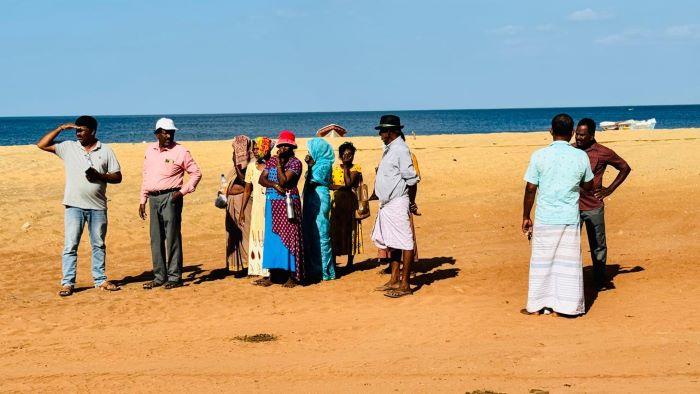
    On the sun-drenched beaches of eastern Sri Lanka, where golden sands stretch toward the horizon and fishing boats bob gently on turquoise waves, a quiet struggle is unfolding. This coastline –renowned for its untouched beauty and ecological richness – is now at the centre of a growing conflict over mineral sands mining, pitting promises of economic development against warnings of irreversible environmental and social damage.

    In recent years, a series of proposed mineral extraction projects along this fragile stretch, particularly near Alampil Beach in Mullaitivu district, has triggered alarm among environmentalists, local residents, and civil society. While developers eye the coast’s ilmenite and rutile-rich sands as a lucrative source of titanium and other industrial minerals, many fear the true cost of mining will be borne by communities and ecosystems ill-equipped to withstand the upheaval.

    “If they take away the sand, they take away our future,” says a fisherman from Alampil, reflecting a fear shared by thousands who depend on the sea.

    A Natural Treasure Under Siege

    Sri Lanka’s eastern shoreline is more than just a postcard-perfect destination. It is a living, breathing ecosystem – home to biodiverse flora and fauna, a lifeline for coastal fisheries, and a cultural cornerstone for Tamil communities who have lived there for generations. Its beaches, dunes, and estuaries form natural defences against climate extremes, while its mineral-rich sands have now become both a blessing and a curse.

    The extraction of heavy mineral sands is a process that leaves deep scars. It involves large-scale excavation and heavy machinery, often with limited regard for ecological thresholds. The impacts are multifaceted:

    • Habitat Loss: Coastal ecosystems – home to birds, reptiles, and marine life – face destruction as dunes are flattened and vegetation cleared.
    • Accelerated Erosion: The removal of sand destabilises natural barriers, leading to shoreline retreat and exposing inland areas to storm surges and flooding.
    • Saltwater Intrusion: Disruption of groundwater tables from excavation can allow seawater to seep into freshwater sources and farmland, damaging crops and contaminating drinking supplies.
    • Climate Vulnerability: With natural coastal defences stripped away, communities become increasingly susceptible to sea-level rise and cyclonic activity.

    Environmentalists argue that such degradation could trigger a chain reaction of ecological decline, affecting not only the physical landscape but also the human lives intricately connected to it.

    Livelihoods on the Line

    For coastal residents, particularly fishing communities, the sea is more than a source of income. It is a way of life. Fishing is central to local culture and community cohesion, supporting generations through small-scale, often sustainable practices. But these livelihoods now hang in the balance.

    Disruption from mining threatens fish habitats, particularly spawning and nursery grounds in shallow coastal waters. Dredging and sediment discharge can reduce water quality and marine biodiversity. Infrastructure vital to fishing – boats, nets, storage huts – faces increasing risk from coastal erosion.

    Even more troubling is the spectre of displacement. As land becomes uninhabitable through erosion or saltwater intrusion, entire communities may be forced to abandon ancestral homes and cultural landmarks.

    “Our lives are tied to the sea,” the fisherman continues. “Mining will not just destroy the environment, it will break our communities.”

    Communities Push Back

    In the face of these threats, resistance is growing. In Mullaitivu, Tamil communities have led demonstrations, filed legal complaints, and formed alliances with environmental NGOs and human rights organizations. They say they were never properly consulted on the development plans, and that decision-makers in Colombo have failed to consider their voices.

    “We are not against development,” says a community leader from Mullaitivu. “But it must be inclusive. It must protect our heritage, not erase it.”

    The protest movements reflect a rising tide of local activism. Organisers demand transparency, stronger environmental oversight, and a halt to extraction projects until proper studies and consultations are carried out.

    Their calls echo broader concerns about post-war development in Sri Lanka’s north and east, areas that remain economically marginalised and socially fragile more than a decade after the end of the civil conflict.

    Development at What Cost?

    Proponents of mineral sands mining argue the projects offer economic salvation. They promise job creation, increased exports, and foreign investment in historically neglected regions. For Sri Lanka’s cash-strapped government, grappling with debt and inflation, the project will open the path to resource-driven growth.

    But critics describe it as a Faustian bargain – trading long-term sustainability for short-term revenue.

    “It’s a classic case of short-term gain for long-term pain,” says an environmental scientist based in Colombo. “The damage to the coastline could be permanent. What happens when the minerals run out?”

    Moreover, economic projections often ignore the value of ecosystem services, such as fisheries, tourism potential, and natural storm protection that healthy coastlines provide. Once degraded, these services are difficult and expensive to restore, if they can be recovered at all.

    The Need for a New Development Model

    The mineral sands controversy underscores a larger question confronting Sri Lanka: How can the country balance its development needs with environmental preservation and community rights?

    Sustainable solutions exist, but they require political will and inclusive planning. Experts and activists propose a multi-pronged approach:

    • Transparent Decision-Making: Government agencies must ensure that communities are properly informed and involved in decisions about land use and resource extraction.
    • Environmental Impact Assessments (EIAs): Independent and rigorous Environment Impact Assessments (EIA) should be mandatory before approval of any project, with public disclosure of findings.
    • Sustainable Mining Practices: If extraction proceeds, it must be done with minimal ecological footprint and proper rehabilitation plans in place.
    • Alternative Livelihoods: Greater investment in eco-tourism, sustainable fisheries, and regenerative agriculture can provide economic growth without undermining natural systems.

    Sri Lanka has the opportunity to redefine what development means – not as a race for quick profits, but as a pathway to equitable and enduring prosperity.

    A Coastline at a Crossroads

    As the sun sets over the waters of Alampil, casting a golden hue over the waves and sand, the stakes for Sri Lanka’s eastern coast have never been clearer. Decisions made in boardrooms and ministries today will ripple far into the future, shaping not just the land, but the lives of those who call it home.

    The coastline stands at a crossroads. Will it remain a bastion of natural beauty, cultural richness, and sustainable life? Or will it become another cautionary tale of environmental neglect?

    For now, the people of Mullaitivu are refusing to let their coast be sacrificed in silence.

    Image: Tamil Guardian

    New AI Framework Set to Revolutionise Smart Farming with Enhanced Efficiency and Data Security, says Study

    As smart farming technologies continue to mature, frameworks like this will be key to ensuring that agriculture not only meets the demands of a growing global population but does so in a way that is sustainable, efficient, and secure.

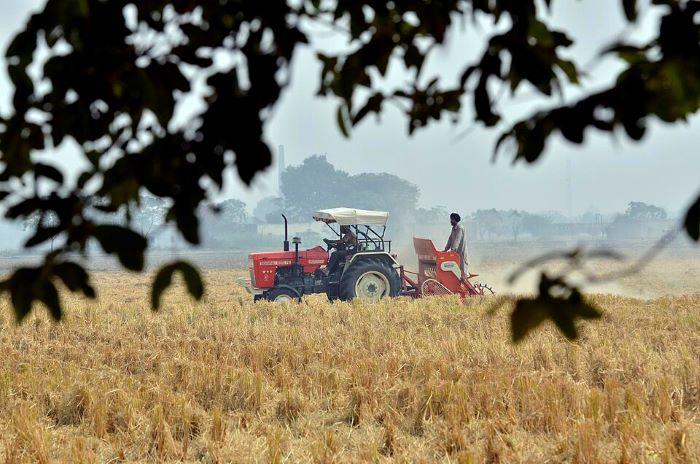
    Researchers from the Computer Science Department, Southern Illinois University, have developed a novel artificial intelligence (AI) model that could dramatically enhance agricultural efficiency, crop management, and data security. Detailed in the journal Agriculture on April 25, 2025, the study introduces a self-regulating, heterogeneous federated learning (FL) architecture, purpose-built for intelligent agricultural systems, particularly focusing on combine tractors equipped with advanced nutrient and crop health sensors.

    The study, titled “Towards Secure and Efficient Farming Using Self-Regulating Heterogeneous Federated Learning in Dynamic Network Conditions”, says that the demand for more intelligent, resource-efficient, and environmentally sustainable systems is growing rapidly as global agricultural practices continue to evolve with the help of technology. This latest development addresses key operational challenges in modern farming – offering a framework that not only optimises farming operations but also ensures sensitive farm data remains protected.

    This pioneering work on heterogeneous federated learning could mark a turning point in agricultural AI deployment, the researchers, Sai Puppala and Koushik Sinha say. By focusing on real-world challenges like unreliable connectivity, energy limitations, and data security, the researchers have offered a practical and scalable solution.

    The researchers say their study “details the architecture, operational procedures, and evaluation methodologies, demonstrating how our approach has the potential to transform agricultural practices through data-driven decision-making and promote sustainable farming practices tailored to the unique challenges of the agricultural sector.”

    Tackling Persistent Challenges in Smart Agriculture

    Smart farming systems, especially those used in large-scale agricultural operations, rely heavily on the integration of IoT devices, autonomous machinery, and remote sensors. However, traditional federated learning models often face critical barriers in these settings. Rural environments typically suffer from unstable network connectivity, limited bandwidth, and the high cost of constant communication between devices and central servers. Moreover, concerns around the privacy and ownership of farm data have slowed down the adoption of such technologies.

    The newly proposed FL framework directly confronts these issues. By decentralising the learning process, the architecture ensures that raw data never leaves the farm. Instead, localised edge devices – such as combine tractors – process the data on-site and collaborate with other devices only through shared model updates. This significantly reduces the need for frequent, heavy communication with a global server, conserving bandwidth and maintaining operational continuity even in low-connectivity areas.

    Critically, this approach also addresses farmers’ growing concerns over data privacy, a vital consideration as farms generate increasingly sensitive information about soil conditions, crop health, and resource utilisation.

    Introducing Dynamic Clustering and Intelligent Communication

    What sets this new system apart is its use of adaptive dynamic clustering. Devices are grouped based on operational capabilities – such as processing power, battery life, and network strength – as well as geographic proximity. Each cluster operates semi-independently, communicating with the global server at optimised intervals rather than continuously.

    This intelligent clustering mechanism significantly enhances communication efficiency and system resilience. In the event of a network drop or device failure, the remaining devices within a cluster can continue learning and adapting without needing immediate server support. This is particularly valuable in agricultural settings where operations cannot afford to halt because of sporadic network issues.

    Moreover, the system incorporates a checkpointing mechanism and dynamic data transmission strategy, ensuring that model updates are transmitted only when necessary and under the best possible conditions. This conserves energy and computational resources, which are often at a premium in edge environments.

    Enhancing Agricultural Productivity and Sustainability

    By enabling efficient data-driven decision-making at the farm level, the new FL architecture promises to significantly boost agricultural productivity. Farmers can receive real-time insights into soil nutrient levels, crop health, and pest risks without needing to send raw data offsite. This allows for quicker interventions, more precise resource application, and better overall crop management.

    The environmental benefits could also be substantial. Better use of fertilisers, reduced pesticide application, and optimised irrigation schedules all contribute to more sustainable farming practices. In turn, this could help mitigate agriculture’s impact on climate change—an urgent global priority.

    Importantly, by keeping data processing local, the system reduces the carbon footprint associated with massive data transmission and centralised cloud computing, aligning well with sustainability goals.

    Applications Beyond Combine Tractors

    While the current study focuses on combine tractors outfitted with specialised sensors, the researchers believe the framework has broader applications across the agricultural sector.

    Possible expansions include:

    • Irrigation systems that can autonomously adjust water distribution based on real-time soil moisture readings.
    • Drone fleets for precision pesticide and fertiliser delivery.
    • Livestock management systems that monitor animal health and movement patterns in real time.
    • Smart greenhouses that optimise internal climate and resource use automatically.

    The flexibility of the system makes it adaptable to virtually any farming equipment or scenario where reliable, decentralised intelligence is advantageous.

    Toward a Smarter, More Resilient Agriculture Sector

    The release of this new federated learning architecture comes at a critical time for the agricultural industry. Farmers worldwide are grappling with the impacts of climate change, shifting market demands, labour shortages, and increasing scrutiny over environmental practices. Technological solutions that simultaneously enhance productivity, protect data privacy, and reduce environmental impact are urgently needed.

    According to the study’s authors, implementing heterogeneous, secure Federated Learning systems could serve as a foundation for broader smart farming networks that are more autonomous, sustainable, and resilient to external shocks. By minimising reliance on centralised infrastructure, farms could become more self-sufficient and agile in responding to both operational challenges and environmental uncertainties.

    The researchers also stress that public-private partnerships and supportive policy frameworks will be crucial to scale the adoption of such technologies. Investments in rural digital infrastructure, training for farmers, and clear regulatory standards on data ownership and use will be vital to realise the full potential of this innovation.

    As smart farming technologies continue to mature, frameworks like this will be key to ensuring that agriculture not only meets the demands of a growing global population but does so in a way that is sustainable, efficient, and secure.

    “Our framework effectively manages extreme and persistent network outages common in rural areas. Edge devices, such as tractors, can operate autonomously by locally storing sensor data and model updates, ensuring vital information is preserved for model training, even without connectivity,” the authors say.

    “This allows farmers to make informed decisions based on real-time data. Upon reconnection, a differential data transmission strategy is employed, sending only changes from the last known state, thus minimizing data transmission risks and optimizing bandwidth.”

    Image: Wikimedia

    The UN Needs to do Much as Artificial Intelligence Expands

    Despite covering more than 190 member states and having the world’s leading states, politically and economically, at its helm, the UN has still not released any formal regulation or agreement on artificial intelligence yet.

    By Nandini Parashar

    Artificial Intelligence (AI), a technology that collects, classifies, and identifies patterns in data to perform tasks that are usually done by humans, could well be the most prominent buzzwords of the twenty-first century. With constant technological innovations such as ChatGPT, DeepSeek AI, etc., AI has found top priority among all important actors in world politics. A prime example is the recent AI Roadmap released by India and France that set the tone for harnessing AI’s potential through innovation and trade.

    Across the world, countries and supranational organisations like the EU have also started gearing for AI regulations through laws, ethics documents and strategy plans. However, among all these developments, one corner from where a surprising silence emerges is the United Nations. Despite covering more than 190 member states and having the world’s leading states, politically and economically, at its helm, the UN has still not released any formal regulation or agreement on artificial intelligence yet.

    It might not, pertinently, be accurate to say that the UN has not picked up on such ongoing technological developments at all – at the institutional level, the UN has created the Inter – Agency Working Group on AI and the Office for Digital and Emerging Technologies.

    AI Governance and Adoption

    However, the UN’s approach to AI can be classified under two headings – firstly, the adoption of AI by UN Systems for their internal functioning; and secondly, the adoption of AI by member –  states and other institutions. Out of the two, the UN has been actively pursuing the former and has recognised the need to adopt AI within its own structures and bodies to increase efficiency and enhance productivity.

    One of the first few guiding documents for the same is a UN System-wide strategic approach and roadmap for supporting capacity development for AI. It highlights the key goals and themes for the UN Systems in their work towards AI governance and adoption, like, data, infrastructure, human and social capabilities, human rights and international law, etc. Further, at the Joint Session of the High-Level Committee on Programmes (HLCP) and the High-Level Committee on Management (HLCM) in 2023, a Task Force was also set up to develop system-wide guidelines and model policies on the ethical use and adoption of AI within UN Systems.

    Through such and other publications like the Report on the Operational Use of AI in the UN System (2024), The UN Sec-Gen’s Roadmap for Digital Corporation (2018), UN 2.0 Quintet for Change; UN Sec. Gen’s Data Strategy for Action by Everyone, Everywhere with Insights, Impact, and Integrity: 2020 – 2022, the UN has identified several values and action plans that further the idea of Do No Harm, such as decentralised workings, creating ethical use guidelines for AI and data sharing, risk identification and assessment and so on. The issue of Ethical Impact Assessment tools, within UN Systems and beyond, has subsequently been taken up by UNESCO.

    Summit for the Future

    On the other hand, despite consistent AI governance around the world, the UN’s work on regulating AI adoption among member-states remains anticipatory in nature.

    In September 2024, the UN organised a Summit for the Future in New York. As a part of the summit, the Pact for Future document was published, which touched upon digital inclusivity development and the Digital Compact, among other issues. It connected the development of digital resources and their optimum use with the Sustainable Development Goals. Yet, however, while the document was a welcome step, it lacked direct actionable points for the member state to work upon. Another similar document which also connects SDGs with Just AI is the UN 2.0 Policy Brief, that goes a step further to recognises the use of data for behavioural science in developmental aid works. Other UN publications such as International Data Governance : Pathways to Progress (2023) and The Governing AI for Humanity: Final Report recognise important values such as data accountability and responsibility, but fail to provide much beyond that.

    While such documents are indeed a positive step towards framing the narrative of AI regulation, the need of the hour is an implementable perspective on the issue. The existing AI frameworks are limited to their national (or, at best, regional) jurisdictions. However, given the high portability of data and impact of biases in AI and its data sets, it is necessary that the world joins hands to ensure privacy and human rights in the face of rising AI penetration around us. This is especially true for developmental and humanitarian aid, as the decisions that technology could shape in distributing aid and resources could mean grave consequences for millions in deprivation around the world.

    The UN has in the past produced legally binding agreements that have been ratified by member countries and are followed upon.  The imperative for a similar initiative vis-à-vis AI stands strong and must be pursued actively. In 2024, the UN launched consultations to inform AI governance. With technology advancing by the hour, what remains to be seen is how effective, and how soon, such consultations lead to a technologically inclusive future for all.   

    Nandini Parashar is a Research Intern at the Digital Empowerment Foundation

    $4 Trillion Funding Gap Threatens SDGs; Health Gains at Risk

    “In a trade war, everybody loses – especially the most vulnerable countries and people, who are hit the hardest,” Guterres asserted, painting a grim picture of the potential consequences for the world’s poorest populations.

    Top United Nations officials have issued a stark warning about a burgeoning $4 trillion annual shortfall in development financing, compounded by escalating trade tensions, which together threaten to derail the Sustainable Development Goals (SDGs) and even reverse hard-won progress in global health. Speaking at the UN Headquarters in New York during the Economic and Social Council (ECOSOC) annual forum on financing for development, Secretary-General António Guterres, General Assembly President Philémon Yang, and ECOSOC President Bob Rae underscored the urgent need for increased resources and a fundamental overhaul of the global financial architecture.

    Their dire pronouncements follow closely on the heels of last week’s World Bank and International Monetary Fund (IMF) Spring Meetings, where concerns about faltering global growth, intensifying trade disputes, and the ballooning debt burden in developing nations took centre stage. Without decisive action, the UN leaders cautioned, the world stands precariously close to falling further behind in its commitments to eradicate poverty, combat climate change, and foster sustainable economic development.

    Secretary-General Guterres minced no words, telling delegates that the ECOSOC Forum arrives at a “pivotal time,” with global cooperation itself facing significant threats. He highlighted the escalating trade friction as a major destabilising factor. While acknowledging that fair trade exemplifies the benefits of international collaboration, he stressed that the alarming surge in trade barriers presents a “clear and present danger” to the global economy. This assessment aligns with recent downward revisions to global growth forecasts issued by the IMF, the World Trade Organisation (WTO), and UN economists.

    “In a trade war, everybody loses – especially the most vulnerable countries and people, who are hit the hardest,” Guterres asserted, painting a grim picture of the potential consequences for the world’s poorest populations.

    SDGs “Dramatically off Track”

    Adding to the crisis, Guterres pointed out the concerning trend of many donor nations scaling back their aid commitments at a time when soaring borrowing costs are severely constraining public investments. This confluence of factors is pushing the SDGs “dramatically off track.” With a mere five years remaining to achieve the ambitious 2030 agenda, he implored countries to “shift into overdrive” and deliver tangible outcomes at the upcoming Fourth International Conference on Financing for Development in Seville, Spain. “Against this turbulent background,” he urged, “we cannot let our financing for development ambitions get swept away.”

    ECOSOC President Bob Rae echoed these grave concerns, emphasising the staggering reality that over three billion people reside in countries where governments are forced to allocate more funds to servicing debt interest than to crucial sectors like health and education. “We desperately need a more affordable debt architecture – it’s that simple,” Rae stated emphatically, calling for immediate reforms that would provide developing nations with a fair opportunity to repay their obligations while simultaneously investing in their future prosperity.

    Rae also raised the alarm regarding the increasing prevalence of trade barriers, citing recent protectionist measures implemented by major economies, including the United States. “Trade is not a four-letter word,” he declared, “it is a positive way for countries to exchange goods and services and emerge from poverty.” He implored nations to abandon the notion of trade as a zero-sum game with clear winners and losers, and instead embrace fair, open trading systems as a pathway to shared global prosperity.

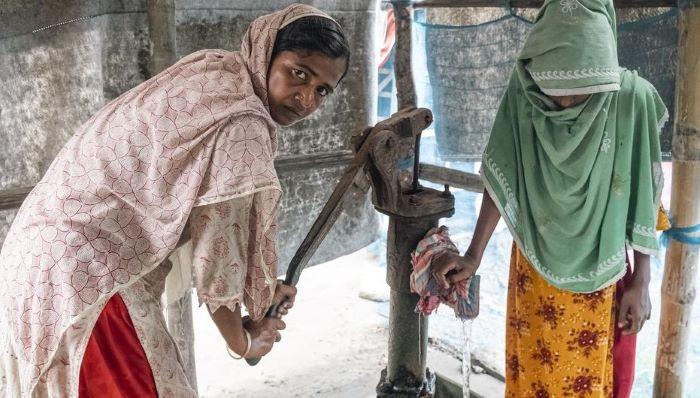
    For instance, none of the targets under SDG 6 on water and sanitation are on track to be met. Globally, over two billion people lack access to safe drinking water, and more than three billion lack access to safe sanitation.

    Transcend Mere Declarations

    General Assembly President Philémon Yang further highlighted the detrimental consequences of mounting debt burdens and shrinking fiscal space. He pointed out that in over 50 developing countries, governments now spend more than 10 per cent of their revenues on debt servicing, with this figure exceeding 20 per cent in 17 of those nations – a stark warning sign of potential defaults, according to UN economists. “Our inability to reform the international financial architecture is severely restricting capital access,” Yang cautioned, stressing that bridging the estimated $4 trillion annual financing gap is absolutely critical to achieving the SDGs. “Time is of the essence. Let us use this ECOSOC Forum to bridge divides, build trust, and lay the foundation for success.”

    Looking ahead to the crucial negotiations in Seville, Secretary-General Guterres outlined three priority areas for action: tackling unsustainable debt, strengthening multilateral development banks, and unlocking new avenues for sustainable finance. He called for intensified efforts in mobilising domestic resources, exploring innovative financing solutions, implementing stronger controls on illicit financial flows, and forging more robust partnerships with the private sector.

    ECOSOC President Rae added that the discussions must transcend mere declarations and translate into concrete, measurable action. “We need innovation, creativity and partnerships that deliver lasting and transformative impact,” he asserted. The Fourth International Conference on Financing for Development, scheduled to take place in Seville from June 30 to July 3, stands as a pivotal opportunity to reshape the global financial system and unlock the urgently needed investments to realise the SDGs.

    According to UN agencies, the 17 Sustainable Development Goals are all interconnected, for instance progress on SDG 2 to end hunger is closely tied to advances in health and education.

    Resurgence of Diseases

    The repercussions of these funding shortfalls are already being felt acutely in critical sectors like global health, threatening to reverse decades of progress in combating infectious diseases. The World Health Organisation (WHO) issued a stark warning on Thursday that cuts to global health funding are contributing to a resurgence of diseases that had been largely eradicated through vaccination efforts.

    Tedros Adhanom Ghebreyesus, Director-General of the WHO, emphasised that “funding cuts to global health have put these hard-won gains in jeopardy.” He highlighted the success story of Africa’s “meningitis belt,” where vaccination campaigns had effectively eliminated meningitis A. Similarly, enhanced routine immunisation programs and emergency vaccine stockpiles had dramatically reduced cases and deaths from yellow fever. However, this progress is now under serious threat due to dwindling financial support.

    The impact of these budget cuts is already evident in rising disease outbreaks. In 2023, measles cases were estimated at over 10.3 million globally, marking a significant 20 per cent increase compared to the previous year. The WHO, alongside the UN Children’s Fund (UNICEF) and their partners, issued a joint statement at the start of World Immunisation Week, warning that this alarming upward trend is expected to persist into 2025.

    Yellow fever is also making a concerning comeback. After years of declining cases in Africa, attributed to improved vaccine access, 2025 has already witnessed a surge in outbreaks across the continent, with confirmed cases also reported in the Americas.

    Prioritise, Support Immunisation Programmes

    The challenges facing vaccination efforts are multifaceted, encompassing misinformation, population growth, humanitarian crises, and, critically, funding cuts. A recent WHO review across 108 countries revealed that nearly half are experiencing moderate to severe disruptions to vaccination campaigns, routine immunisations, and supply chains as a direct consequence of declining donor support.

    Catherine Russell, Executive Director of UNICEF, painted a stark picture of the human cost, stating, “The global funding crisis is severely limiting our ability to vaccinate over 15 million vulnerable children in fragile and conflict-affected countries against measles.”

    Health experts underscore the remarkable cost-effectiveness of immunisation, emphasising that every $1 invested in vaccines yields an estimated return of $54 through improved health outcomes and enhanced economic productivity. Vaccines currently save approximately 4.2 million lives annually, providing protection against 14 different diseases, with nearly half of these lives saved in Africa. Despite these compelling statistics, the current decline in investment risks the resurgence of diseases once thought to be under control, jeopardising the health and well-being of millions, particularly the most vulnerable populations.

    UNICEF, WHO, and their partners are urgently appealing to parents, the public, and political leaders to prioritise and support immunisation programmes, ensuring sustained long-term investment in vaccines and robust public health systems.

    They say that the unfolding crisis in development financing underscores the interconnectedness of global challenges. Cuts in development aid not only hinder progress towards the SDGs but also directly undermine critical health initiatives, “threatening to reverse decades of hard-won gains and expose millions to preventable diseases,” as Ghebreyesus says. “The urgent call for a global financial overhaul and renewed commitment to international cooperation has never been more critical.”

    Image: UNICEF

    Top Chinese Minister to Visit Sri Lanka in June; FTA Talks Likely

    Negotiations on the Free Trade Agreement had reached six rounds before stalling in 2018, primarily over concerns that the agreement disproportionately favoured China. Sri Lanka objected to three key clauses in the proposed deal.

    Chinese Commerce Minister Wang Wentao is expected to visit Sri Lanka in June, an official said, as the island nation looks to expand its export markets globally following US President Donald Trump’s announcement of reciprocal tariffs.

    The United States has imposed a 44 per cent tariff under Trump’s latest policy, although its implementation has been delayed by three months. In the meantime, Sri Lanka faces a 10 per cent universal baseline tariff.

    “Topics are still under discussion and have not been finalised,” an official familiar with the visit told the Sri Lankan news platform, EconomyNext on Monday.

    Government sources, however, said trade and export expansion – including talks on the stalled Free Trade Agreement (FTA) between Sri Lanka and China – is likely to be high on the agenda.

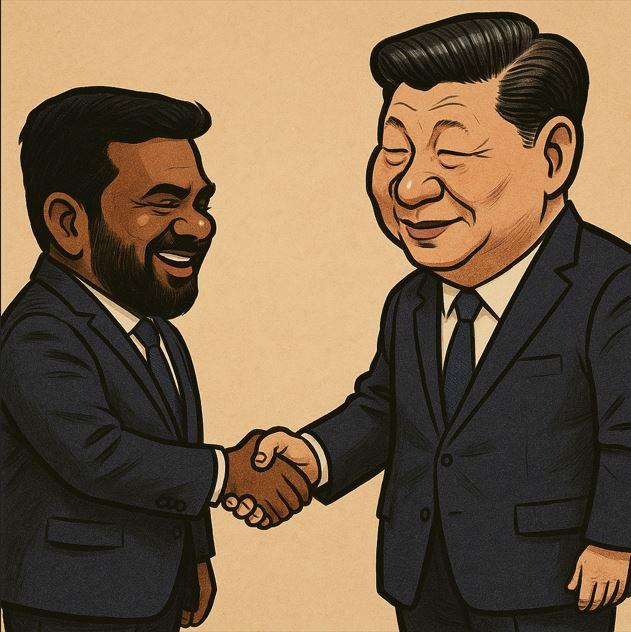
    Sri Lanka and China had agreed to work toward an early conclusion of a comprehensive FTA, according to a joint statement issued during President Anura Kumara Dissanayake’s visit to Beijing in January this year.

    Negotiations on the FTA had reached six rounds before stalling in 2018, primarily over concerns that the agreement disproportionately favoured China. Sri Lanka objected to three key clauses in the proposed deal.

    In January, Sri Lanka expressed appreciation for China’s efforts to boost imports from the island nation through various initiatives.

    Caught in a Geopolitical Crossfire

    Analysts say Sri Lanka is caught in a geopolitical proxy cold war between China and India, backed by the United States. This precarious balancing act has made Sri Lanka cautious in its dealings with both Asian giants, even at the cost of missing some investment opportunities.

    However, the 2022 economic crisis and subsequent sovereign debt default have forced Sri Lanka to explore all available avenues to attract foreign inflows and move away from prolonged instability.

    Analysts warn that Trump’s new tariff policy could push Sri Lanka closer to China, especially as the US measures could impact around $1 billion – or about 8 per cent – of the island’s total exports.

    FTA Stalemate and Renewed Prospects

    The proposed Free Trade Agreement had run into trouble when Sri Lanka objected to three major issues: the timeline for tariff reductions, the percentage of tariff lines to be liberalised, and the review period for the agreement.

    Sri Lanka wanted about 500 tariff lines reduced to zero from the first day the agreement takes effect, but negotiators said there was no reciprocal offer from the Chinese side.

    China had proposed liberalizing 90 per cent of tariff lines and trade value, while Sri Lanka advocated a more conservative 85 per cent liberalisation based on tariff lines alone.

    Additionally, Sri Lanka proposed a review of the agreement after 10 years, whereas China preferred a 20-year review period.

    Following these disagreements, sources said China has recently shown flexibility on the three key issues, raising hopes that FTA talks could soon resume.

    Indigenous Peoples Sidelined in Global Climate Fight, UN Warns

    From green energy projects imposed without consent to policy decisions made in rooms where Indigenous voices are absent, these communities are too often excluded from climate solutions, displaced by them, and denied the resources to lead the way.

    By Laura Quinones

    As the planet heats up and the push to decarbonise gathers pace, Indigenous Peoples – long among the world’s most effective environmental stewards – are once again being left behind, a new UN report reveals.

    Launched on Thursday, The State of the World’s Indigenous Peoples exposes a stark imbalance: while Indigenous Peoples make up just six per cent of the global population, they safeguard 80 per cent of the planet’s remaining biodiversity – yet receive less than one per cent of international climate funding.

    The report offers a sobering assessment of climate action that is not only lacking in urgency, but in fairness. From green energy projects imposed without consent to policy decisions made in rooms where Indigenous voices are absent, these communities are too often excluded from climate solutions, displaced by them, and denied the resources to lead the way.

    “Although we are disproportionately affected by the climate crisis, Indigenous Peoples are not victims,” writes Hindou Oumarou Ibrahim, Chair of the UN Permanent Forum on Indigenous Issues, in the report’s foreword.

    “We are custodians of the natural world who are committed to maintaining the natural equilibrium of the planet for the generations to come.”

    The publication, overseen by the UN, brings together contributions from Indigenous leaders, researchers and the World Health Organization (WHO), combining case studies, data and lived experience from seven distinct regions of the world.

    Modern problems, ancient solutions

    The report calls for a seismic shift in how Indigenous knowledge is understood and respected – reframing it not as “traditional” or folkloric, but as scientific and technical knowledge.

    Indigenous knowledge systems, authors argue, are “time-tested, method-driven” and built on direct relationships with ecosystems that have sustained life for millennia.

    For example, in Peru, a Quechua community in Ayacucho has revived water sowing and harvesting practices to adapt to shrinking glaciers and drought. These methods, part of ancestral stewardship of hydrological cycles, are now being shared across borders with Costa Rican farmers as a model of South-South climate cooperation.

    In Somalia, oral traditions serve as ecological law. The report cites cultural norms such as prohibitions on cutting certain trees (gurmo go’an) as evidence of environmental governance embedded in generational wisdom – passed through proverbs, stories, and taboos rather than policy papers.

    Meanwhile, the Comcaac people of Mexico encode ecological and maritime knowledge in their language. Names like Moosni Oofia (where green turtles gather) and Tosni Iti Ihiiquet (where pelicans hatch) act as living data points – “vital  to their survival,” the report emphasises.

    Green solutions without consultation

    The report also looks at how even as the world embraces a renewable energy future, many Indigenous Peoples are finding themselves on the frontlines not as climate partners, but as collateral damage from some of the solutions.

    “So-called green solutions often pose as much of a threat to Indigenous Peoples as the climate crisis itself,” writes Ms. Ibrahim. From biofuel expansion, carbon offsetting schemes, and mineral extraction for clean energy technologies, the new economy is often being built on old injustices.

    For example, in Africa, the report draws attention to how demand for minerals linked to the green energy transition — including lithium and cobalt — has led to extractive activities that proceed without free, prior and informed consent. These projects often result in environmental degradation and displacement, echoing colonial patterns of land exploitation.

    In several countries across the Americas, carbon offset projects tied to forest conservation have also been implemented without consultation – often on Indigenous lands – resulting in environmental degradation and exclusion from financial benefits.

    Throughout, the report warns that if climate actions continue to be designed and implemented without Indigenous Peoples at the centre, they risk replicating the extractive and exclusionary systems that fuelled the crisis in the first place. 

    Climate change is a health crisis

    The report also includes a chapter commissioned by WHO that details how climate-related health impacts intersect with the social, cultural, and spiritual lives of Indigenous communities.

    In the Arctic, changes in temperature, wildlife migration, and weather patterns are disrupting traditional practices like hunting and harvesting. These disruptions are causing stress and threatening food security.

    Indigenous women are particularly affected by the intersection of climate change and health. In East Africa, for example, women are more vulnerable to neglected tropical diseases such as schistosomiasis, leishmaniasis, and soil-transmitted helminthiases.

    In the Amazon, climate-induced biodiversity loss has reduced access to traditional foods and medicinal plants, contributing to nutritional deficiencies among pregnant and nursing women, as well as broader community health vulnerabilities.

    Despite these challenges, the report emphasises resilience. Communities are implementing locally rooted adaptation strategies, often led by women and elders. These include restoring traditional diets, strengthening intergenerational knowledge sharing, and adapting harvesting calendars to new ecological rhythms.

    Excluded from the table and the funds

    Although Indigenous Peoples are increasingly acknowledged in global environmental frameworks, the report reveals that their role in shaping and implementing climate policy remains severely limited — both in terms of funding and governance.

    Indigenous communities continue to face structural barriers that prevent them from accessing international climate finance. While significant resources flow through climate initiatives worldwide, less than 1 per cent reaches Indigenous Peoples directly.

    The report calls for a fundamental shift: not just to increase funding, but to change who controls it.

    Among its key recommendations are the creation of Indigenous-led financial mechanisms, formal recognition of Indigenous governance systems, and the protection of data sovereignty – ensuring communities control how knowledge about their lands and livelihoods is collected and used.

    Unless these systems are transformed, the report warns, climate action risks reproducing the same patterns of exclusion and dispossession that have long undermined both Indigenous rights and global environmental goals.

    Image:  FAO/Mauricio Mireles – Indigenous Peoples should be at the forefront of climate action, drawing on generations of environmental stewardship and deep connection to the land.