More

    Military Confrontation ‘Almost Inevitable’ Without Iran Nuclear Deal, Say Experts, Officials

    A US House Foreign Affairs Committee hearing revealed rare bipartisan agreement: stopping Iran from acquiring a nuclear weapon is a top national security goal. But lawmakers remain divided on how to achieve it.

    By Bijoy Patro

    Tensions between Iran and the West have surged to their highest point in years, with senior Iranian officials hinting at a nuclear pivot if attacked, while Western leaders warn that failure to reach a new agreement on Tehran’s nuclear program could trigger an all-out military confrontation. As diplomatic channels fray and economic pressure mounts, voices on both sides are sounding increasingly resigned to the possibility of conflict.

    The US administration has been obsessed with a possible nuclear-weaponised Iran and the deadlock over the nuclear talks have raised the stakes.

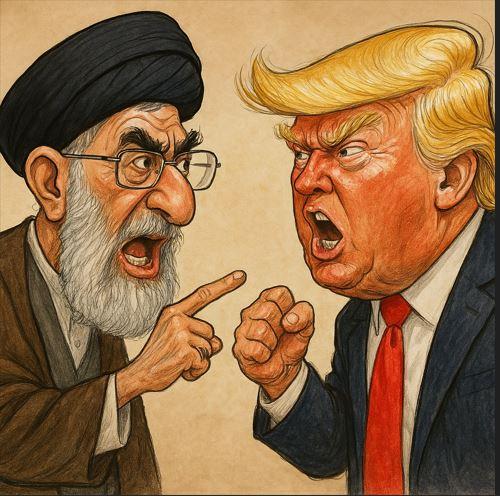
    Ali Larijani, a senior adviser to Iran’s Supreme Leader Ayatollah Ali Khamenei, made international headlines on April 1 when he stated publicly that any military attack on Iran would push Tehran to build a nuclear bomb – a stark departure from official Iranian denials about pursuing nuclear weapons. “If America or Israel attacks Iran under the pretense of nuclear issues, Iran might move toward making an atomic bomb,” Larijani warned during a televised interview.

    His remarks coincide with French Foreign Minister Jean-Noel Barrot’s dire forecast. In a statement to the French parliament, Barrot declared that “a military confrontation would appear to be almost inevitable” if a new agreement is not reached by October – when key provisions of the 2015 Joint Comprehensive Plan of Action (JCPOA), known as the Iran nuclear deal, expire.

    France has made it a diplomatic priority to constrain Iran’s nuclear ambitions in a verifiable and lasting manner. Yet the path forward is increasingly unclear. The United States under President Donald Trump has reimposed the “maximum pressure” campaign, while offering to negotiate a new deal. Iran, in response, has refused direct talks unless sanctions are lifted first.

    Mixed Messages From Tehran and Washington

    Conflicting signals have emerged from both capitals. While Trump has threatened to bomb Iran if no agreement is reached, he claimed on April 3 that Tehran may be reconsidering its position. But Tehran remains firm: it will not engage in direct negotiations while the pressure campaign continues.

    Meanwhile, the US Special Envoy to the Middle East, Steve Witkoff, has taken a harder line, calling for the “full dismantlement” of Iran’s nuclear program. Experts argue that such demands, paired with growing military posturing, could force Iran’s hand.

    Fabian Hinz, a researcher at the International Institute for Strategic Studies, told RFE/RL’s Radio Farda that Iran appears to be preparing for the worst. “Recent drills and the unveiling of missile bases indicate that Tehran sees military threats as credible,” Hinz said. However, he also cautioned that even a successful military strike would only “buy time,” since “knowledge can’t be bombed.”

    Growing Domestic Strains and Cyber Tensions

    Inside Iran, mounting economic and political tensions are adding to the volatility. The rial has plunged to a record low – now trading at more than 1 million to the US dollar – a staggering drop from its 2015 exchange rate of 32,000 to the dollar. The collapse comes as markets reopened after Nowruz, the Persian New Year, with shops scrambling to adjust to inflation.

    The economic misery has fueled frustration, particularly after last week’s alleged cyberattack on Iran’s Sepah Bank by the hacker group Codebreakers. The group claims to have exposed data from 42 million customer accounts, including members of the powerful Islamic Revolutionary Guards Corps (IRGC). While Sepah Bank denies any breach, insisting its systems are “unhackable,” the alleged leak has stirred outrage online over cyber vulnerabilities and elite privilege.

    “This is a slap in the face of the Iranian people who are struggling daily to put bread on the table, while the powerful live untouched,” one Tehran-based tech analyst said anonymously for fear of reprisal.

    Dissident Voices and Public Backlash

    Public discontent is not only economic. Iranian sociologist Mostafa Mehraeen has attracted attention for his bold criticism of Supreme Leader Khamenei. In two open letters, Mehraeen called on Khamenei to acknowledge past mistakes, apologise, and resign – a rare and dangerous public act in Iran’s tightly controlled political landscape.

    Mehraeen has since faced legal action and a court summons. Still, he stands by his words, telling Radio Farda in an interview that the resilience of Iranian society inspired his courage. “The strength of our people is the only thing that keeps hope alive,” he said.

    The political climate is growing more brittle for Iran’s reformist President Masud Pezeshkian, who was elected in 2024 with hopes of repairing relations with the West. But as the economy falters under sanctions and nuclear tensions rise, even moderate voices risk being drowned out.

    “An angry and hungry society can take to the streets at any moment,” warned Saeed Peyvandi, a sociology professor at Paris 13 University. “This economic deterioration closes the window for peaceful change.”

    Allies Weigh In – And Choose Sides

    On the diplomatic front, alliances are hardening. Israeli Prime Minister Benjamin Netanyahu is visiting Washington this weekend to meet with Trump and discuss Iran, trade tariffs, and the International Criminal Court. The visit underscores the alignment between the two leaders on taking a hard line against Tehran.

    Netanyahu’s office said the trip, his second since Trump began his second term in January, will focus heavily on “the Iranian threat.” Trump’s reinstatement of “maximum pressure” on February 4, including curbs on oil exports, has played well with Israeli hawks.

    Back in Washington, a US House Foreign Affairs Committee hearing revealed rare bipartisan agreement: stopping Iran from acquiring a nuclear weapon is a top national security goal. But lawmakers remain divided on how to achieve it.

    Republicans back Trump’s hardline approach. “The maximum pressure campaign devastated Iran’s economy and denied it critical resources. A nuclear Iran is not an option,” said Republican Representative Mike Lawler.

    Democrats, while acknowledging the threat, continue to advocate for diplomacy. Norman Roule, a senior advisor at the Centre for Strategic and International Studies, warned during the hearing that Iran could be months away from a nuclear weapon. “Military strikes could delay the program but not end it,” he said, advocating a combined strategy of diplomacy, readiness, and sanctions.

    Choosing Between Friend and Foe

    In his remarks, Larijani put the ball in Washington’s court. “The United States can either approach Iran as an economic partner or treat it as an enemy,” he said. “If they choose war, the consequences will not be limited to our borders.”

    Inside Iran, there’s little consensus. Reformist analyst Ahmad Zeidabadi criticised Tehran’s bombastic rhetoric, saying it only strengthens the case for US or Israeli intervention. Culture Minister Abbas Salehi insisted that Khamenei’s fatwa against nuclear weapons is “religiously rooted” and non-negotiable.

    Yet with the expiration of the 2015 nuclear deal looming and no alternative in sight, the risk of escalation is growing by the day. Trump’s threats, Israeli pressure, and Iran’s internal struggles are converging into a combustible mix — one that could erupt with a single miscalculation.

    As Roule noted, “We are closer than ever to a nuclear Iran. And perhaps closer than ever to war.”

    Image: By ChatGPT
    In Rajya Sabha: Leprosy Cases in India Nearly Double in 2023; Govt Reaffirms 2027 Elimination Goal

    Despite the recent spike, officials attribute the rise not to a worsening epidemic but to enhanced outreach and early detection initiatives under the National Leprosy Eradication Programme.

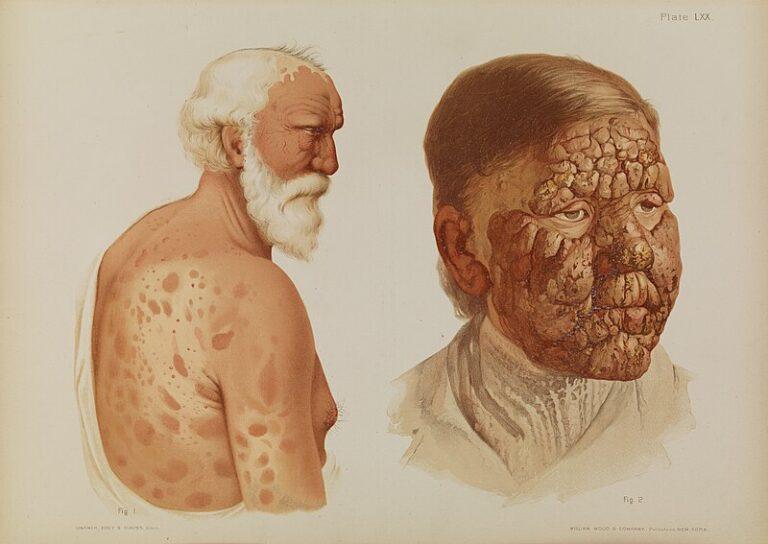
    The number of leprosy cases detected in India during the 2023 Leprosy Case Detection Campaign (LCDC) has nearly doubled compared to the previous year, according to Union Minister of State for Health and Family Welfare Anupriya Patel. In a written reply to the Rajya Sabha on Friday, the minister revealed that 31,088 new cases were detected in 2023, a sharp rise from 18,067 cases reported in 2022.

    The surge underscores the need for intensified surveillance and early detection, which are at the core of India’s ongoing efforts to eliminate leprosy by 2027 – three years ahead of the global target set by the Sustainable Development Goals.

    Despite the recent spike, officials attribute the rise not to a worsening epidemic but to enhanced outreach and early detection initiatives under the National Leprosy Eradication Programme (NLEP). The number of cases identified in 2022 was itself about 20 times higher than in 2020, when only 908 cases were found, largely due to COVID-19-related disruptions in field operations.

    “Improved case detection through active surveillance in both rural and urban areas has contributed significantly to identifying previously undiagnosed cases,” said Patel.

    The NLEP, a centrally sponsored scheme under the National Health Mission (NHM), aims to maintain elimination status and push toward zero transmission by 2027. India officially achieved elimination at the national level in 2005, defined as a prevalence rate of less than 1 per 10,000 population. However, isolated hotspots and undiagnosed cases continue to pose challenges.

    To accelerate progress, the government launched the National Strategic Plan (NSP) and Roadmap 2023–2027 on January 30, 2023. The comprehensive plan includes initiatives such as:

    • Active Case Detection through campaigns like LCDC, and continuous surveillance by ASHAs and frontline health workers.
    • Integration with other health programs, such as Rashtriya Bal Swasthya Karyakram (RBSK) and Rashtriya Kishore Swasthya Karyakram (RKSK), to screen children up to 18 years old.
    • Screening under Ayushman Bharat Yojana, targeting individuals over 30 years of age.
    • Post-Exposure Prophylaxis (PEP) for contacts of newly diagnosed patients, aimed at breaking the chain of transmission.
    • Disability Prevention and Medical Rehabilitation (DPMR) services, including self-care kits, MCR footwear, aids and appliances, and reaction management.
    • Reconstructive Surgeries (RCS) at designated health facilities, with a welfare allowance of ₹12,000 for each patient undergoing the procedure.

    Consistent Political Will

    Data from the Central Leprosy Division reveals that the LCDC has consistently played a pivotal role in identifying hidden cases since its inception in 2016. The initial campaigns detected over 30,000 new cases annually across more than 20 states. Although the 2020 campaign saw a drastic drop – covering only one state amid the pandemic – the effort rebounded strongly in the subsequent years.

    The 2023 campaign was conducted across 17 states and detected 31,088 cases, marking a significant improvement in both coverage and efficiency.

    Health experts have welcomed the intensified efforts. “Early detection is crucial not only for timely treatment but also for preventing disabilities and reducing stigma,” said a senior official in the Health Ministry.

    All diagnostic and treatment services under NLEP, including Multi-Drug Therapy (MDT), are provided free of cost through government health facilities. This accessibility, combined with strategic outreach, is expected to further reduce the disease burden and move the country closer to its zero transmission target.

    An official of the minister of health and family welfare said that with consistent political will, community-level engagement, and robust surveillance mechanisms, India is positioning itself to become a global leader in leprosy elimination.

    India Writes Off $100 Million in Sri Lankan Debt as Modi Resets Bilateral Ties

    Modi’s visit has deepened support to Sri Lanka with debt relief and interest rate cuts. Besides this, in a landmark gesture, India has turned its $100 million loan into a grant. The agreement stands out in the international landscape, where creditors often offer only maturity extensions and modest rate reductions.

    In a powerful symbol of regional solidarity and renewed diplomacy, Indian Prime Minister Narendra Modi announced a significant debt restructuring deal with Sri Lanka during his two-day state visit to the island nation. The landmark agreement includes sharply reduced interest rates and the outright conversion of $100 million in loans into grants – offering a much-needed lifeline to Sri Lanka as it recovers from an unprecedented economic collapse.

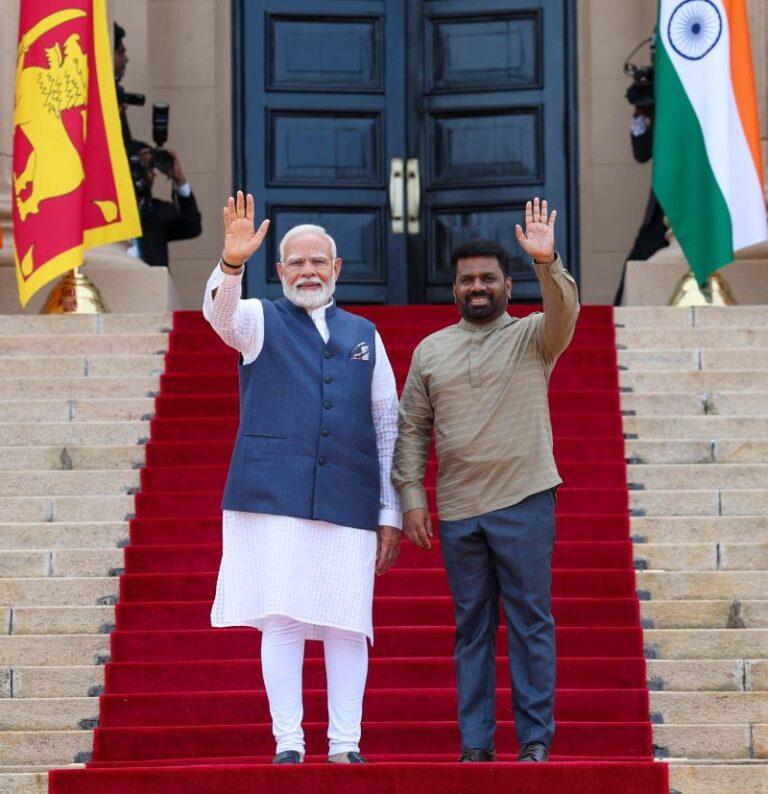
    Standing alongside Sri Lankan President Anura Dissanayake at the Presidential Secretariat in Colombo, Modi highlighted the depth of India’s commitment to its closest maritime neighbour. “Our bilateral ‘Debt Restructuring Agreement’ will provide immediate assistance and relief to the people of Sri Lanka,” he said.

    The Indian High Commission confirmed that “bilateral amendatory agreements on debt restructuring” had been finalised during the visit. This restructuring includes around $1.366 billion in loans from India’s Export-Import Bank and the State Bank of India – excluding additional interest arrears – according to Sri Lanka’s September 2024 debt bulletin.

    Importantly, India played a key role as a co-chair in Sri Lanka’s overall debt restructuring discussions, making it a critical diplomatic player in the island nation’s path to financial recovery. The agreement stands out in the international landscape, where creditors often offer only maturity extensions and modest rate reductions.

    “Today we have also decided to reduce interest rates,” Modi stated, calling the gesture a symbol of India’s continued support. “Even today, India stands with the people of Sri Lanka.”

    Turning Debt into Development: $100 Million in Grants

    One of the most remarkable aspects of the announcement was Modi’s revelation that India has written off over $100 million in loans in the last six months alone, converting them into grants. This act of financial generosity – relatively rare in sovereign-to-sovereign relations – comes at a critical juncture in Sri Lanka’s economic recovery.

    “In the last six months alone, we have converted loans worth more than $100 million into grants,” Modi noted. “This is more than just financial assistance – it is a message of trust, partnership, and regional solidarity.”

    This move goes beyond the standard playbook of debt restructuring, which typically involves extended repayment schedules and lower interest payments. Instead, India’s decision to outright convert loans into grants underscores its evolving strategic posture in South Asia – one that combines hard-nosed geopolitical calculation with soft power diplomacy.

    India had previously extended large volumes of credit to help Sri Lanka import essential goods such as fuel, food, and medicine during the peak of its economic crisis. The rupee, due to excessive money printing and monetary mismanagement by Sri Lanka’s central bank, lost its credibility as a medium of exchange, resulting in what economists termed a “sudden stop” event – a total freeze of foreign exchange inflows.

    While much of India’s financial support was made through credit lines and emergency forex injections, the decision to restructure official debt and write off loans now formalises that assistance and strengthens long-term bilateral ties.

    Provincial Council Polls and Reconciliation in the Spotlight

    Beyond economics, Prime Minister Modi’s visit has rekindled dialogue on another longstanding issue: political reconciliation and the status of Sri Lanka’s Tamil population.

    “We also talked about reconstruction and reconciliation in Sri Lanka,” Modi said, reaffirming India’s position that Sri Lanka must implement meaningful political devolution. “President Dissanayake appraised me of his inclusive approach. We hope the Sri Lankan Government will meet the aspirations of the Tamil people and fulfil its commitment towards fully implementing the Constitution, and conducting Provincial Council Elections.”

    These councils were established under the 13th Amendment to the Sri Lankan Constitution, a result of the 1987 Indo-Lanka Accord. The amendment was designed to address the grievances of the Tamil minority by granting a degree of political autonomy to provinces, especially the Tamil-majority North and East. However, elections have not been held for years, and successive governments have either postponed or defanged the powers of these councils.

    Interestingly, the Janatha Vimukthi Peramuna (JVP), the Marxist party that forms the backbone of President Dissanayake’s National People’s Power (NPP) alliance, had strongly opposed the Indo-Lanka Accord at the time. The party’s opposition to Indian involvement in Sri Lanka’s internal affairs even led to a violent insurrection in the late 1980s, where thousands of civilians, including politicians and officials, lost their lives. The rebellion was ultimately crushed by the military.

    Now, with the JVP in power and Modi calling for elections that stem from a deal they once opposed, the dynamics are complex. Still, Modi’s words may nudge Colombo closer to fulfilling promises made decades ago.

    Strategic Calculations Behind Modi’s Colombo Diplomacy

    Modi’s visit to Colombo is not just a humanitarian gesture – it is also a carefully timed diplomatic initiative with wide-ranging geopolitical implications. It comes as Sri Lanka navigates a fragile economic recovery following its 2022 default on foreign debt and amid rising concerns about China’s growing footprint in the Indian Ocean.

    New Delhi has long viewed Beijing’s strategic inroads – especially the 99-year lease of the Hambantota port and Chinese-funded infrastructure projects – as a challenge to regional balance. Modi’s visit aims to reassert India’s historical influence and present it as a more transparent and accountable development partner.

    India’s assistance to Sri Lanka during the crisis – estimated at nearly $4 billion – was unmatched by any other single nation, reinforcing its image as the first responder in regional crises. Discussions during Modi’s visit are also expected to include forward-looking projects in energy cooperation, such as the development of a regional energy hub in Trincomalee and the export of liquefied natural gas (LNG) from India to Sri Lanka.

    India and Sri Lanka are also discussing enhanced defence ties, particularly naval cooperation. As maritime security becomes a bigger concern in the Indian Ocean, India’s offer of cooperation in surveillance, training, and joint exercises is seen as a stabilising factor.

    UNCTAD: The Poor, Vulnerable Risk Being Overlooked in Escalating Trade Tensions

    While the need for trade reform is clear, UNCTAD stresses that the solution must come through dialogue and negotiation. Trade imbalances, concentrated gains and outdated rules must be addressed without sacrificing those least responsible.

    As major economies are set to impose sweeping new tariffs, UN Conference on Trade and Development (UNCTAD) alerts that the global trade system is entering a critical phase – threatening growth, investment, and development progress, particularly for the most vulnerable economies.

    “This hurts the vulnerable and the poor,” said UNCTAD Secretary-General Rebeca Grynspan. “Trade must not become another source of instability. It should serve development and global growth.”

    For businesses and policymakers alike, unpredictability and uncertainty in trade and investment is becoming a serious obstacle to growth and planning.

    Reports coming in from the US say that customs began enforcing President Trump’s 10 per cent tariff on many imports Saturday, with higher rates on goods from 57 major partners starting next week, signaling a shift from post-WWII trade norms.

    Industrial goods include non-agricultural products like machinery, vehicles, IT equipment, metals, chemicals, textiles, and fish. Tariffs on these goods are either percentage-based or specific. About 94 per cent of US imports are industrial, with a 2 per cent average tariff rate. Half of these imports have, so far, entered duty-free into the United States.

    Vulnerable countries most impacted

    Just 10 of the nearly 200 US trade partners account for almost 90 per cent of its trade deficit. Yet, for example, least developed countries and small island developing states – responsible for just 1.6 per cent and 0.4 per cent of the deficit, respectively – are being affected. They will neither help balance the trade deficit nor generate significant revenue.

    Many low-income economies now face a “perfect storm” of worsening external conditions, unsustainable debt levels, and slowing domestic growth.

    Time for dialogue, not escalation

    While the need for trade reform is clear, UNCTAD stresses that the solution must come through dialogue and negotiation. Trade imbalances, concentrated gains, and outdated rules must be addressed – without sacrificing those least responsible.

    “This is a time for cooperation – not escalation,” Grynspan said. “Global trade rules must evolve to reflect today’s challenges, but they must do so with predictability and development at their core, protecting the most vulnerable.”

    UNCTAD calls on decision makers to urgently reconsider the tariffs imposed on the vulnerable countries, as these measures could inflict great pain on millions of people.

    What UNCTAD says:

    • Global economic growth could decline further: In a low-growth, high-debt global economy, higher tariffs risk weakening investment and trade flows – adding uncertainty to an already fragile context. This could erode confidence, slow investment, and threaten development gains, particularly in the most vulnerable economies.
    • The most vulnerable will bear the highest cost: Economies with minimal responsibility for global trade imbalances are facing severe penalties – despite being the least equipped to absorb new shocks.
    • Dialogue – not escalation – is the only path forward: The need for trade reform is clear. Trade imbalances, concentrated gains, and outdated rules must be addressed – without affecting those least responsible.

    In the meanwhile, American TV personality and market commentator Jim Cramer warned that Monday could witness the worst single-day drop since 1987’s “Black Monday,” when markets worldwide crashed, led by the US Dow Jones Industrial Average, which plunged 22.6 per cent.

    Jim Cramer warned that markets might face a bloodbath similar to 1987 – when the Dow Jones suffered its biggest single-day crash to date. He claimed that if the US President didn’t ‘reach out’ to nations which have not imposed retaliatory tariffs and reward them for their compliance, the situation could worsen.

    Nobody Wins in Trade War, says UN Chief

    Simultaneously, the UN Secretary-General Antonio Guterres voiced concern over President Donald Trump’s far-reaching new tariffs on nearly all US trading partners, asserting that in a trade war, nobody wins.

    “Our concern right now is with the most vulnerable countries who are the least equipped to deal with the current situation,” his Spokesperson Stephane Dujarric told reporters at the regular noon briefing in New York in response to a question.

    Asked how would the tariffs impact the anti-poverty Sustainable Development Goals (SDGs), Dujarric said, “Negatively.”

    On Thursday, Trump announced new tariff hikes that shocked governments and investors around the world, swiftly spurring both threats of retaliation and calls for negotiation as industries scrambled and global stocks tumbled. As a result, US stocks slid down further on Friday while China reacted to the trade tariffs with a 34 percent charge on all American imports into the country.

    In Rajya Sabha: Multi-Model Ensemble for Monsoon Forecast and Climate Resilience

    These data and products are proven to be useful for disaster preparedness, Dr Singh informed the Rajya Sabha. However, there are still gaps in detecting small-scale weather events, such as cloudbursts, thunderstorms, localised heavy rainfall, squalls and hail storms.

    The India Meteorological Department (IMD) has adopted a new strategy for issuing monthly and seasonal operational forecasts for the southwest monsoon rainfall over the country based on both the statistical forecasting system and the newly developed Multi-Model Ensemble (MME) based forecasting system. The MME approach uses the coupled global climate models (CGCMs) from different global climate prediction and research centres, including IMD’s Monsoon Mission Climate Forecasting System (MMCFS) model.

    This information was given by Dr. Jitendra Singh, Union Minister of State (Independent Charge) for Science and Technology and Earth Sciences in a written reply in the Rajya Sabha today.

    The MMCFS and MME forecasts are updated every month to satisfy the demands from different users and government authorities for the forecasts of the spatial distribution of monthly and seasonal rainfall along with the regionally averaged rainfall forecasts for better regional planning of activities.

    Since introducing the Statistical Ensemble Forecasting System (SEFS) in 2007 and implementing the MME approach in 2021 for seasonal forecasting, IMD operational forecast for the monsoon rainfall has shown noticeable improvement. For example, the average absolute forecast error in the forecasting of all India’s seasonal rainfall has reduced by about 21 per cent during the recent 18 years (2007-2024) compared to the same number of  previous years (1989-2006), which indicates a highly successful forecast in recent years compared to previous years. 

    The anomaly correlation between the observed and forecast ISMR during 2007-2023 was 0.55 compared to -0.21 during 1989-2006. The minister said that IMD was able to correctly forecast the twin deficient monsoon years of 2014-2015, as well as the below-normal rainfall in 2023 and above-normal rainfall in 2024. He said that these clearly indicate improvement made in the operational forecast system in the recent 18 years period compared to the earlier 18 years period.

    Mission Mausam

    For 2025, the MME approach will continue to be used as this method introduced in 2021 has shown good skill in forecasting both the area-averaged rainfall at various geographical regions and spatial distribution of rainfall across the country at monthly as well as seasonal scales.

    Dr. Jitendra Singh said that to strengthen weather and climate services for the agriculture sector, the MoES has launched the Mission Mausam, which is envisaged to be a multi-faceted and transformative initiative to boost India’s weather and climate-related science, research, and services. The Mission is launched to make Bharat a weather-ready and climate-smart nation with the aim that no weather will go undetected and early warning for all. It will help monsoon-dependent agricultural regions, citizens, and last-mile users to tackle extreme weather events and the impacts of climate change in a better way.

    Further, he said, the mission’s focus includes improving the observations by augmenting various observational networks throughout the country to provide highly accurate and timely weather and climate information across temporal and spatial scales, capacity building, and awareness generation.

    Apart from physics-based numerical models, Dr Singh said that his ministry is developing new methods based on artificial intelligence (AI) and machine learning (ML) technologies for weather, climate, and ocean forecasting systems. And the formulation of collaborative research projects with academic institutions to share knowledge and develop innovative solutions for weather forecasting and climate modelling capabilities.

    Weather Monitoring and Forecasting

    Local user communities such as farmers and agricultural authorities, aviation authorities, power generation and distribution agencies, industries, health agencies, etc., are constantly involved and engaged, and periodic familiarisation is imparted through user and stakeholder meets and awareness programs. Singh said that the feedback is taken from the communities for the improvement of all-weather and climate services.

    Extensive use of local languages in forecast dissemination and regularly organising workshops and awareness programs for community outreach is being undertaken.

    By strengthening the observational network will also help to observe the changes in long-term weather patterns compared to past years to assess the changes in the climate and take measures towards climate resilience.

    The India Meteorological Department (IMD) has been using satellite technology extensively for weather monitoring and forecasting. This started with the use of photographs from Television Infrared Observation Satellites (TIROS-1) launched by the United States of America (USA) in April 1960. These photographs provided new information on cloud systems, including spiral formations associated with large storms, immediately proving their value to operational meteorologists, Singh said in the Rajya Sabha.

    Over the years, the IMD has embraced new developments in satellites and their applications, boosted through global coordination and support, such as geostationary satellites in 1974 and polar-orbiting satellites. With the advent of Indian National Satellites (INSAT) developed by the Space Research Organisation (ISRO) satellites in 1982, IMD has augmented satellite applications utilising image and data products in collaboration with the ISRO.

    Assimilation of Satellite Data

    The minister said that currently, the IMD is utilising available international satellites, including European Organisation for the Exploitation of Meteorological Satellites (EUMETSAT) and INSAT-3DR/3DS, as well as polar-orbiting satellites, including Oceansat-3 and Metop-B/C. The utilization of satellite data and products has improved now-casting and severe weather along with timely detection of large-scale systems like monsoon circulation, cyclones, western disturbances, thunderstorms, etc.

    Above 90 per cent of the data in the numerical models run by the ministry of earth sciences (MoES) is satellite-based, Dr. Jitendra Singh said. The assimilation of satellite data in the models has improved the accuracy in short to medium range forecasting by about 20 per cent to 30 per cent. Algorithms/tools developed by IMD/ISRO and other international institutes, such as EUMETSAT, like nowcast tools, RAPID, Dvorak technique, etc., have improved decision-making and forecasting, he said.

    These data and products are proven to be useful for disaster preparedness, Dr Singh informed the Rajya Sabha. However, there are still gaps in detecting small-scale weather events, such as cloudbursts, thunderstorms, localised heavy rainfall, squalls and hail storms due to a lack of high-resolution data, products, and satellite-based tools. Considering this, IMD and ISRO are working together for the development of the INSAT-4 series with better sensors and resolution.

    Image: Wikimedia

    Why has Balochi Insurgency become big news?

    Balochistan’s unrest is not merely a security issue. It has a deep historical context and is a political and economic crisis that requires long-term commitment and genuine reform for which, the Pakistani government must prioritise dialogue, fair governance, and equitable resource distribution.

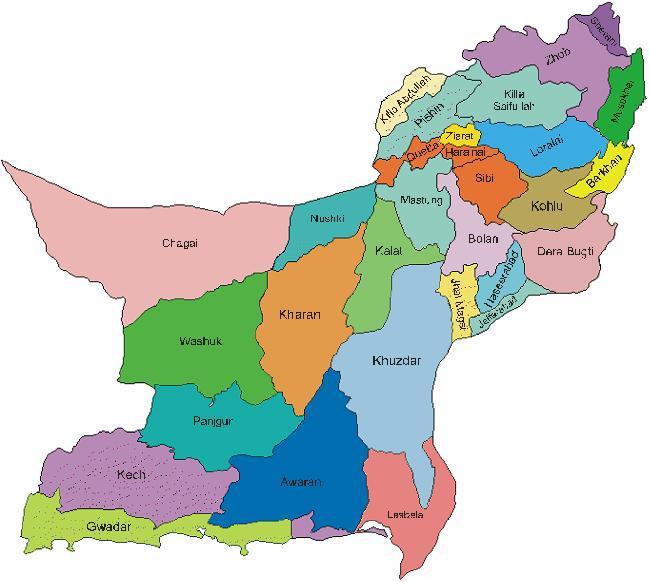
    Balochistan, Pakistan’s largest and most resource-rich province, has been the centre of a long-running insurgency by Baloch separatist groups. The region has witnessed a sharp escalation in violence, with the recent train hijacking by the Balochistan Liberation Army (BLA) and other high-profile attacks underlining the deteriorating security situation.

    What are the historical roots of the conflict? Who are the key actors involved? What are the broader geopolitical and economic factors fuelling the insurgency?

    Rich in natural resources, Balochistan is the largest, least populated and least developed province in Pakistan. Armed groups demand greater control of the province’s natural resources and political autonomy. Baloch separatists have attacked civilians from other ethnicities throughout the province.

    Balochistan’s discontent with Pakistan dates back to the country’s formation in 1947. At the time of independence, the province comprised four princely states: Kharan, Makran, Las Bela, and Kalat. While the first three states acceded to Pakistan, Kalat sought independence. However, in 1948, Pakistan forcibly annexed Kalat, sparking the first armed rebellion.

    Over the decades, Balochistan has experienced multiple waves of insurgency:

    1. 1954–1955: Triggered by the One-Unit policy, which merged Balochistan with West Pakistan, leading to widespread resentment.
    2. 1958: The Khan of Kalat, Nawab Nauroz Khan, led an unsuccessful rebellion against Pakistani rule.
    3. 1963–1969: Another uprising demanded greater autonomy and withdrawal of Pakistani troops.
    4. 1973–1977: Inspired by Bangladesh’s independence, Baloch leaders resisted Islamabad’s control, leading to a major military crackdown.
    5. 2000s–Present: The current wave of insurgency, fueled by economic exploitation and military repression, has been the most prolonged and intense.

    Recent Escalation in Violence

    1.     Train Hijacking in Bolan Pass

    One of the most dramatic incidents in recent years was the hijacking of a passenger train in Balochistan’s historic Bolan Pass. The BLA claimed responsibility, asserting that this was aimed at securing the release of imprisoned fighters. The Pakistani Army conducted a rescue operation, reporting dozens of militant casualties, while the BLA claimed to have inflicted heavy losses on security forces.

    2.     Suicide Attack in Noshki

    On March 16, the BLA carried out a suicide bombing targeting security forces in Noshki, reportedly killing several soldiers. The BLA exaggerated its claims of casualties, but the attack demonstrated the group’s enhanced operational capacity.

    3.     Expansion of BLA’s Military Capabilities

    Experts note that the BLA has evolved into a highly sophisticated militant organization with well-trained suicide squads, guerrilla forces, and intelligence units. The group’s Majeed Brigade has been behind several high-profile attacks, including operations targeting Pakistani and Chinese workers involved in infrastructure projects.

    Drivers of the Insurgency

    Economic Exploitation and Marginalisation

    Despite being rich in natural resources such as natural gas, coal, gold, and copper, Balochistan remains one of the poorest regions in Pakistan. The benefits of resource extraction projects largely bypass the local population, fuelling resentment. Many Baloch see their province’s wealth being siphoned off to benefit Punjab and Sindh, leaving their own communities in abject poverty.

    Infrastructure projects such as the China-Pakistan Economic Corridor (CPEC), particularly the Gwadar Port, have further inflamed tensions. While Islamabad touts these projects as development milestones, local communities fear demographic changes and an influx of outsiders that could make them a minority in their own land.

    Ensuring that Balochistan benefits from its natural resources, along with investments in education and infrastructure, could reduce local support for insurgent groups. Transparent revenue-sharing agreements and job quotas for locals in major projects could help rebuild trust.

    Military Suppression and Human Rights Abuses

    Pakistan’s counterinsurgency tactics, including enforced disappearances, extrajudicial killings, and military crackdowns, have further alienated the Baloch population. Amnesty International reports that over 10,000 Baloch have gone missing since 2011, with many allegedly abducted by security forces.

    Families of missing persons have repeatedly held protests, seeking justice for their loved ones. The Pakistani state’s failure to respond meaningfully has deepened distrust, making it easier for insurgents to recruit disillusioned youth.

    Ending enforced disappearances and extrajudicial killings would be a critical step toward rebuilding trust between the Baloch people and the Pakistani state. Establishing independent commissions to investigate these cases could help bring accountability.

    Political Marginalisation

    Baloch nationalist parties have long accused Islamabad of sidelining their voices. The controversial 2024 elections saw pro-military politicians win at the expense of nationalist leaders, exacerbating the sense of political disenfranchisement.

    Unlike other provinces, where mainstream political parties compete for votes, Balochistan has seen a persistent strategy of using handpicked leaders loyal to Islamabad. This has rendered provincial governments ineffective and deepened the perception that Balochistan is ruled by outside forces rather than its own people.

    A genuine political reconciliation process that includes Baloch nationalist leaders could help address grievances and reduce violence. Past attempts at dialogue have largely failed due to Islamabad’s reliance on military solutions.

    Regional and Geopolitical Factors

    Pakistan has accused Afghanistan and India of supporting Baloch separatists, a claim both nations deny. Additionally, the Taliban’s return to power in Afghanistan has emboldened militant groups like the BLA and Tehrik-e-Taliban Pakistan (TTP), contributing to regional instability.

    Tensions between Iran and Pakistan have also influenced the conflict. The porous border has facilitated arms smuggling and militant movement, with both nations occasionally exchanging blame over attacks on security forces.

    Pakistan’s approach to counterinsurgency needs a strategic shift. Relying solely on military force has proven ineffective. Strengthening intelligence-sharing mechanisms and implementing community policing strategies could be more successful in reducing violence.

    The recent wave of violence in Balochistan underscores the deep-rooted grievances and complex geopolitical dynamics at play. Without a comprehensive strategy that includes political reconciliation, economic development, and respect for human rights, the insurgency is likely to persist, posing a long-term threat to Pakistan’s stability.

    Balochistan’s unrest is not merely a security issue; it is a political and economic crisis that requires long-term commitment and genuine reform. The Pakistani government must prioritize dialogue, fair governance, and equitable resource distribution if it hopes to achieve lasting peace in the region.

    China’s Role and the Impact on the China-Pakistan Economic Corridor

    China’s multi-billion-dollar China-Pakistan Economic Corridor (CPEC) project runs through Balochistan, making the province a critical battleground. The BLA has frequently targeted Chinese nationals and infrastructure projects, viewing them as symbols of economic exploitation. These attacks have raised security concerns for Beijing, potentially jeopardizing future investments.

    Gwadar Port, a key component of CPEC, has become a flashpoint. While it promises economic opportunities, local fishermen and small business owners see it as a project designed to benefit foreign companies and elites rather than the people of Balochistan. Frequent protests against CPEC highlight the deep dissatisfaction among locals.

    Sri Lanka to Amend IMF-Backed Electricity Act Amid Policy Shift

    The International Monetary Fund-supported reform framework was designed to stabilise Sri Lanka’s economy, ensure debt sustainability, and modernise the energy sector. A key component of these reforms was the gradual privatisation of the state-run Ceylon Electricity Board.

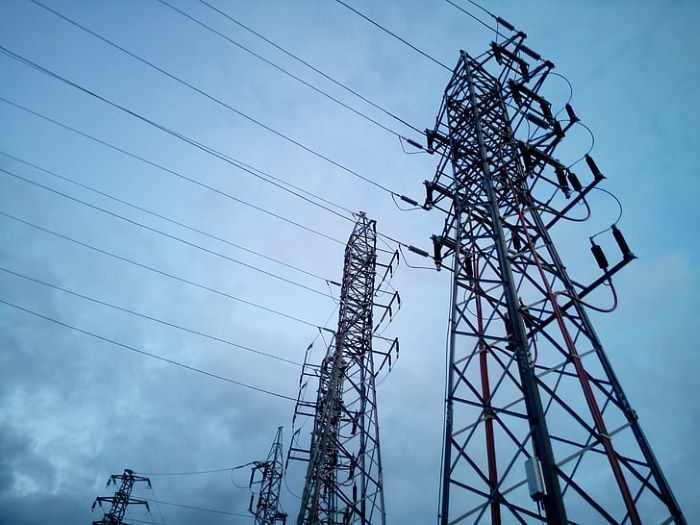
    The Sri Lankan government is moving to amend the Electricity Act, which was passed in 2024 under the previous administration’s IMF-backed economic reforms. This marks a significant shift in policy under the leadership of incumbent President Anura Kumara Dissanayake, who has been critical of the restructuring measures tied to the country’s debt recovery programme.

    The International Monetary Fund (IMF)-supported reform framework was designed to stabilise Sri Lanka’s economy, ensure debt sustainability, and modernise the energy sector. A key component of these reforms was the gradual privatisation of the state-run Ceylon Electricity Board (CEB) to enhance efficiency and financial viability. However, the new administration has expressed reservations about these plans, leading to a reassessment of the legal framework governing the electricity sector.

    Revising the Electricity Act

    In response to these concerns, the Ministry of Power has established a high powered committee, subject to Cabinet approval, to review the existing Electricity Act and recommend amendments. The committee has sought input from a broad spectrum of stakeholders, including industry experts, power sector representatives, and development agencies funding energy projects.

    According to official documents, a total of 59 stakeholders have submitted written proposals, with additional consultations being conducted through knowledge-sharing sessions. The committee has now presented its final report, outlining proposed legislative changes. Subsequently, the Cabinet of Ministers has approved a resolution to draft a bill incorporating these recommendations.

    The anticipated amendments will likely influence the restructuring of the CEB, affecting its role in power generation, transmission, and distribution. While the previous government’s reforms aimed at increasing transparency, efficiency, and private sector involvement, the Dissanayake administration appears to be prioritising a different approach, potentially curbing or modifying privatisation efforts.

    Concept Paper on Proposed Amendments

    Earlier this year, on January 20, a committee of experts developed a concept paper detailing proposed amendments to the Electricity Act (No. 36 of 2024). The paper underscores the critical challenges facing Sri Lanka’s electricity sector, including high costs, over-reliance on imported fossil fuels, delays in new power generation projects, governance inefficiencies, and the lack of a strategic vision for a sustainable energy transition.

    The concept paper castigates that the 2024 Electricity Act mooted by the IMF, saying that it was approved by the country’s Parliament last June “after a narrow stakeholder consultation,” to become an Act of Parliament on 27 June 2024.

    It further says, “Sri Lanka’s electricity sector is at a critical juncture, facing multifaceted challenges such as high electricity cost, over-reliance on imported fossil fuels, delays in adding new electricity generation plants to the grid, inefficiencies in governance, and lack of strategic vision for a sustainable energy transition. Reforms and proper restructuring of the institutions in the electricity sector are mandatory to overcome these challenges.”

    It further outlines the original objectives of the Electricity Act, which include improving industry performance, promoting competition, enhancing efficiency, ensuring safety standards, identifying tariff principles, and facilitating the de-carbonisation of the electricity industry.

    Concerns and Rationale for Amendments

    While the Electricity Act introduced in 2024 included key provisions for reforming the energy sector, the concept paper points out several non-optimal or potentially detrimental provisions. It notes that some of the newly established institutions and trade arrangements may not serve the stated objectives of the Act and could impose additional burdens on both the electricity industry and consumers.

    Additionally, the paper highlights concerns that certain provisions could complicate efforts to maintain an affordable and secure supply of electricity, making the transition process excessively complex.

    Recognising these challenges and the public mandate for a more people-centric energy transition, the Cabinet of Ministers authorised the Secretary to the Ministry of Energy to appoint the specialist committee on January 7, 2025. The committee was tasked with studying the issues, consulting stakeholders, and providing recommendations for amending the Electricity Act.

    A Critical Juncture for Sri Lanka’s Energy Future

    The proposed changes to the Electricity Act could significantly impact Sri Lanka’s approach to energy sector management. Under the previous administration, the Act aimed to unbundle the CEB’s services, restructure its operations, and open up opportunities for private sector participation. However, the new government’s reluctance to fully embrace privatisation may lead to revisions that reinforce state control while still addressing inefficiencies within the sector.

    While Sri Lanka remains committed to broader state enterprise reforms under its IMF agreement, the extent to which the revised Electricity Act will align with these commitments remains uncertain. The amendments may attempt to balance the IMF’s economic stabilisation goals with the government’s emphasis on a more state-led energy transition.

    As Sri Lanka navigates its economic recovery, the direction of its energy policies will be closely watched by both domestic and international stakeholders. The amendments to the Electricity Act represent a crucial test of how the Dissanayake administration intends to balance economic restructuring with its commitment to public welfare and national energy security.

    A senior official conversant with the developments said, “With mounting pressures to reduce electricity costs, transition towards renewable energy, and ensure financial sustainability in the power sector, the forthcoming legislative changes will play a pivotal role in shaping the future of Sri Lanka’s electricity industry.”

    Image: Hippopx

    In Lok Sabha: Kisan Rail Facilitates Swift Transport of Perishables from Surplus Regions to Markets

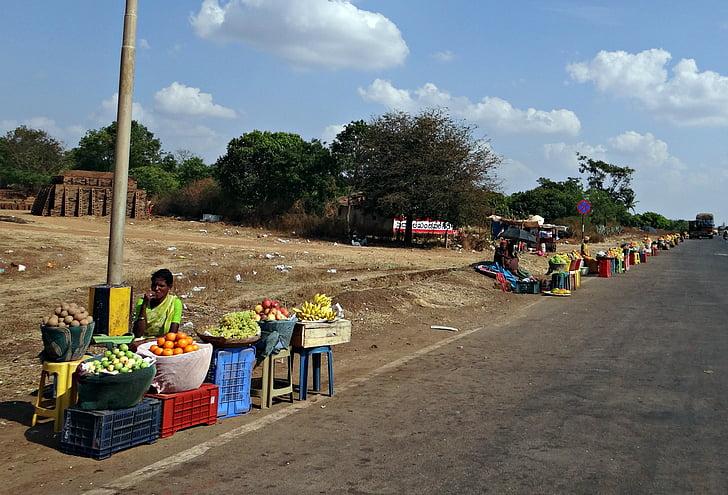
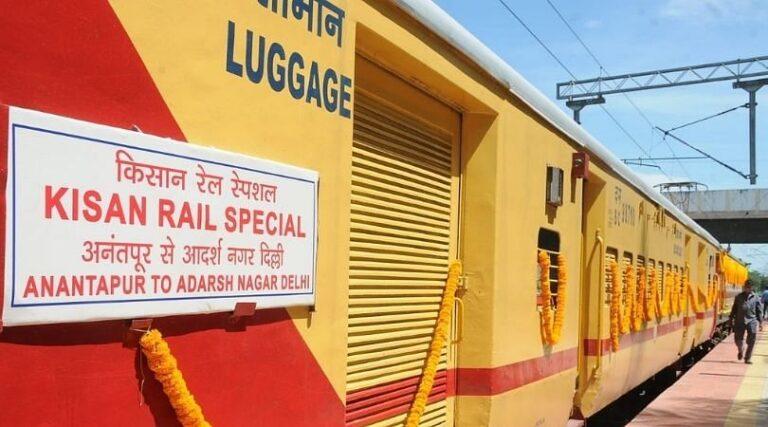
    Launched on August 7, 2020, Kisan Rail is a dedicated railway service aimed at facilitating the transportation of perishable agricultural produce. By connecting farmers with distant markets, the service helps in reducing post-harvest losses and enhancing farmers’ incomes.

    In a significant boost to the agricultural supply chain, Indian Railways has successfully operated 2,364 Kisan Rail services since the launch of Kisan Rail in August 2020, facilitating the swift transport of approximately 7.9 lakh tonnes of perishable food items from surplus regions to markets across the country. Union Railway Minister Ashwini Vaishnaw provided these details in a written reply in the Lok Sabha, underscoring the government’s commitment to supporting farmers and minimising post-harvest losses.

    Of the total Kisan Rail services, 65 have originated from Gujarat, transporting nearly 18,250 tonnes of fruits and vegetables to various destinations across India. These services have played a critical role in ensuring that fresh produce reaches consumers in a timely and cost-effective manner, reducing spoilage and providing farmers with better market access.

    To optimize the movement of perishable goods, Indian Railways, in collaboration with the Ministry of Agriculture and Farmers Welfare, State Governments, local bodies, and agricultural agencies, has identified key circuits for the efficient transportation of fruits, vegetables, and other perishable commodities. This initiative is part of a broader effort to strengthen the logistics infrastructure and boost the agricultural economy.

    Understanding Kisan Rail

    Launched on August 7, 2020, Kisan Rail is a dedicated railway service aimed at facilitating the transportation of perishable agricultural produce. By connecting farmers with distant markets, the service helps in reducing post-harvest losses and enhancing farmers’ incomes.

    Key Features of Kisan Rail

    • Purpose: Kisan Rail provides a cost-effective and efficient logistics solution for farmers, ensuring the seamless transportation of perishable goods such as fruits, vegetables, dairy, and meat.
    • Operations: Routes for Kisan Rail services are determined based on demand from farmers and stakeholders, taking into account operational feasibility.
    • Historical Milestones:
      • The first Kisan Rail service was flagged off on August 7, 2020, from Devlali (Maharashtra) to Danapur (Bihar).
      • The 100th trip under the Kisan Rail scheme was between Sangola (Maharashtra) and Shalimar (West Bengal), inaugurated by Prime Minister Narendra Modi on December 28, 2020.

    Benefits of Kisan Rail

    • Reduces post-harvest losses by ensuring quick and efficient transportation.
    • Increases farmers’ incomes by providing access to larger markets.
    • Facilitates the movement of agricultural produce from remote villages to urban centers.
    • Encourages farmers to explore bigger markets and expand their trade.

    Government Subsidy and Support

    Under the “Operation Greens – TOP to Total” scheme by the Ministry of Food Processing Industries, a 50% subsidy is granted on the transportation of fruits and vegetables via Kisan Rail. This subsidy is provided upfront at the time of booking, benefiting consignors and farmers directly.

    Additionally, the Krishi Udan Scheme, launched in August 2020, complements Kisan Rail by facilitating the air transportation of agricultural produce from the North East, hilly, and tribal regions, further strengthening India’s agri-logistics network.

    India’s Western Railway Shifts Chikoo Transport from Road to Rail

    In a recent success story, the Business Development Unit (BDU) of Western Railway’s Mumbai Central Division has transitioned the transportation of chikoos from roadways to railways. This shift is expected to provide significant cost benefits to farmers while ensuring faster and fresher deliveries to distant markets.

    A special train service from Bilimora to Adarsh Nagar in Delhi has been introduced as part of this initiative, following extensive discussions between railway officials and cooperative societies in Gujarat’s Valsad and Navsari regions. As a result, the V.V.K.S. Khedut Mandali in Amalsad transported approximately 35,000 boxes of chikoos via railway.

    Advantages of Rail Transport Over Road

    • Reduced Transit Time: The railway journey from Bilimora to Delhi takes just 24 hours, compared to 35 hours by road.
    • Enhanced Freshness: The shorter transit time helps maintain the freshness of the fruit, ensuring premium pricing for farmers.
    • Cost-Effectiveness: Rail transport reduces logistical costs and provides a more stable pricing model for agricultural produce.

    Encouraged by this success, Western Railways has planned 14 additional rakes for perishable goods transport, generating an estimated revenue of Rs. 1.25 crore. This initiative aligns with Indian Railways’ broader strategy of leveraging rail networks to support the agricultural sector.

    A senior Western Railway official highlighted that, buoyed by the positive response from chikoo farmers, the Business Development Unit is now engaging with Mango Cooperative Societies to facilitate similar railway transportation solutions for the upcoming mango season.

    Kisan Rail’s Role During the Pandemic

    The COVID-19 pandemic underscored the importance of efficient logistics in ensuring food security. During this period, Indian Railways operated over 150 rakes of perishable cargo under the Kisan Rail scheme, enabling farmers to transport their produce without disruptions and reducing losses due to delayed transportation.

    By shifting perishable transportation from road to rail, Indian Railways is not only improving supply chain efficiency but also contributing to environmental sustainability by reducing carbon emissions. The continued expansion of Kisan Rail and other related initiatives is expected to further bolster India’s agricultural economy, providing farmers with better opportunities and consumers with fresher produce.

    In Rajya Sabha: Women’s Safety Measures Under Umbrella Scheme being Strengthened, says Bandi Sanjay Kumar

    The Emergency Response Support System (ERSS) is now operational across all 36 States/UTs. The recently upgraded ERSS 2.0 enhances emergency services through improved data centres, wider district coverage, increased call capacity, vehicle tracking, and disaster recovery mechanisms.

    The Ministry of Home Affairs (MHA) is actively implementing six key projects under the Umbrella Scheme for the “Safety of Women,” aiming to bolster response mechanisms, improve investigation procedures, and enhance crime prevention strategies concerning crimes against women. This was stated by Minister of State in the Ministry of Home Affairs, Bandi Sanjay Kumar, in a written reply in the Rajya Sabha.

    The six projects under this initiative include:

    1. 112 Emergency Response Support System (ERSS)
    2. Upgradation of Central Forensic Sciences Laboratories, including the establishment of a National Forensic Data Centre
    3. Strengthening of DNA Analysis and Cyber Forensic capacities in State Forensic Science Laboratories (FSLs)
    4. Cyber Crime Prevention against Women and Children
    5. Capacity building and training of investigators and prosecutors in handling sexual assault cases against women and children
    6. Women Help Desk & Anti-Human Trafficking Units

    Bandi Sanjay Kumar said that to facilitate easier access to police services for women, the MHA has funded the establishment of 14,658 Women Help Desks (WHDs) across all States and Union Territories (UTs), with 13,743 of these being led by women officers. Additionally, 827 Anti-Human Trafficking Units (AHTUs) have been set up nationwide to combat human trafficking more effectively.

    The minister said that under the Cyber Crime Prevention against Women and Children project, forensic training laboratories have been established in 33 States/UTs, and over 24,624 officials—including police officers, judges, and prosecutors—have been trained in handling cyber crimes against women and children. A dedicated portal for reporting such crimes is also operational.

    Emergency Response System Strengthened

    Projects worth ₹245.29 crore have been approved under the Nirbhaya Fund to improve DNA and Cyber Forensic capabilities across 30 States/UTs. A state-of-the-art DNA Analysis Facility has been established in Chandigarh. Six National Cyber Forensic Labs, along with a National Forensic Data Centre, have also been approved to strengthen forensic investigation infrastructure. Over 34,626 officials have received specialised training on DNA evidence management and the use of Sexual Assault Evidence Collection Kits, with 18,020 kits distributed across states and union territories.

    The Emergency Response Support System (ERSS) is now operational across all 36 States/UTs. The recently upgraded ERSS 2.0 enhances emergency services through improved data centres, wider district coverage, increased call capacity, vehicle tracking, and disaster recovery mechanisms. Disaster recovery facilities have been established at C-DAC centres in Noida and Thiruvananthapuram.

    ERSS is now seamlessly integrated with other emergency helplines, including the Railway Helpline, Women Helpline, Child Helpline, and Disaster Response services, providing a more comprehensive and efficient response system for those in distress.

    These proactive measures underscore the government’s commitment to ensuring the safety and security of women across the nation, the minister said, adding that the ministry of home affairs continues to work closely with states and union territories to enhance law enforcement responses and strengthen justice delivery mechanisms for victims of crime.

    The United Nations defines ‘violence against women’ as “any act of gender-based violence that results in, or is likely to result in, physical, sexual or mental harm or suffering to women, including threats of such acts, coercion or arbitrary deprivation of liberty, whether occurring in public or in private life”.

    The role of health professionals in providing care for the survivors can be better understood and addressed from the perspective of the WHO definition of ‘health’, which defines it as ‘an individual’s state of physical, mental and social well-being’.

    In Rajya Sabha: Pilot Project Launched for World’s Largest Grain Storage Plan in Cooperative Sector

    According to the National Cooperative Database, 3,667 new PACS have been registered across India as of 27 January 2025. The highest number of newly registered PACS is in Odisha (1,535), followed by Rajasthan (760) and Gujarat (291).

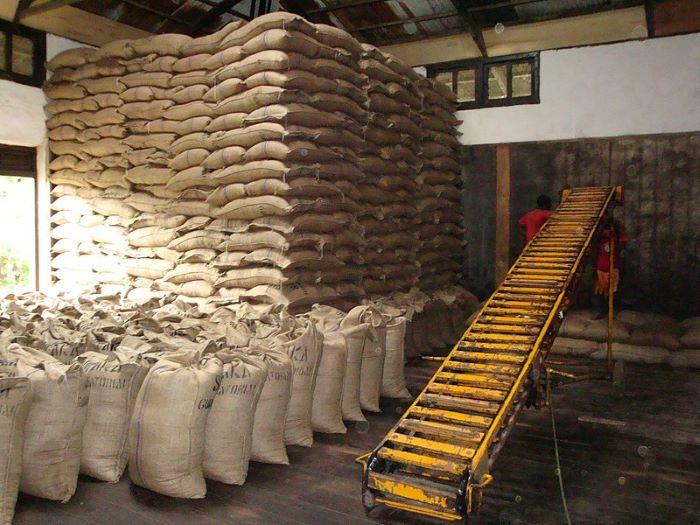
    In a significant move to enhance food grain storage capacity and streamline the agricultural supply chain, the Government of India has launched a pilot project under the World’s Largest Grain Storage Plan in the Cooperative Sector. Union Minister for Cooperation, Amit Shah, provided details of the initiative in a written reply in the Rajya Sabha.

    The plan, approved on May 31, 2023, aims to create decentralised food grain storage at the Primary Agricultural Credit Society (PACS) level, reducing transportation costs and ensuring better price realisation for farmers. The initiative also integrates various agri-infrastructure components, including godowns, processing units, sorting and grading facilities, pack-houses, and cold storage units. This infrastructure development is being implemented through the convergence of several government schemes, such as the Agriculture Infrastructure Fund (AIF), Agricultural Marketing Infrastructure Scheme (AMI), and Pradhan Mantri Formalization of Micro Food Processing Enterprises Scheme (PMFME).

    India faces a significant challenge in foodgrain storage, with a substantial gap between production and storage capacity, leading to potential losses and impacting food security. To address this, the government is implementing a large-scale grain storage plan, focusing on decentralized storage at the Primary Agricultural Cooperative Societies (PACS) level. 

    India produces a large amount of foodgrains (around 311 million tonnes), but its storage capacity is significantly lower (145 million tonnes), leading to a shortfall of 166 million tonnes. Some states have adequate storage capacity, while others, particularly in the north, have capacities below 50 per cent. Lack of sufficient storage facilities can lead to food grain wastage, damage, and distress sales by farmers. 

    Pilot Project Underway

    As part of the pilot phase, 11 godowns have been constructed across 11 PACS nationwide, adding a total storage capacity of 9,750 metric tonnes (MT). This step is expected to address the critical issue of food grain wastage due to inadequate storage while minimising farmers’ reliance on intermediaries by enabling direct storage at local PACS facilities.

    The initiative is particularly significant for rural India, where storage shortages often result in post-harvest losses. By allowing farmers to store their produce closer to their villages, the plan is expected to curb spoilage, improve efficiency, and bolster the country’s food security.

    Strengthening the Cooperative Movement

    In addition to boosting storage capacity, the government has also approved a broader plan to strengthen the cooperative movement, ensuring its reach extends to the grassroots level. The plan includes the establishment of 2 lakh new multipurpose PACS (M-PACS), as well as dairy and fishery cooperative societies, in all panchayats and villages across India over the next five years. This will be executed in collaboration with various government agencies, including the National Bank for Agriculture and Rural Development (NABARD), the National Dairy Development Board (NDDB), and the National Fisheries Development Board (NFDB).

    According to the National Cooperative Database, 3,667 new PACS have been registered across India as of 27 January 2025. The highest number of newly registered PACS is in Odisha (1,535), followed by Rajasthan (760) and Gujarat (291). Maharashtra has also recorded significant progress with 148 new PACS established.

    Digital Transformation in PACS

    Recognising the need for digital transformation in the cooperative sector, the government has also approved a nationwide PACS computerisation project with a total financial outlay of ₹2,516 crore. The project aims to integrate PACS into a common ERP-based software platform, linking them with NABARD through State Cooperative Banks (StCBs) and District Central Cooperative Banks (DCCBs).

    To date, 50,455 PACS have been onboarded onto the ERP system. Additionally, proposals for computerization of 67,930 PACS across 30 states and union territories have been sanctioned, with ₹741.34 crores released to support the initiative. Hardware has already been delivered to 60,382 PACS, marking a significant step towards modernizing cooperative banking and storage operations.

    A Boon for Farmers and Rural Employment

    The comprehensive grain storage plan is expected to provide multiple benefits, including reducing logistical costs, preventing post-harvest losses, and ensuring better price realisation for farmers. Furthermore, the initiative is anticipated to generate employment opportunities in rural areas by strengthening the cooperative network and expanding agricultural infrastructure.

    By decentralising storage and integrating PACS with procurement and marketing systems, the initiative aims to create a more resilient and self-sufficient agricultural economy. The government’s commitment to expanding cooperative networks and enhancing food security through storage and digital transformation marks a new era in India’s agricultural sector.

    As the pilot phase progresses, its impact on farmers and rural communities will be closely monitored, paving the way for full-scale implementation of the world’s largest grain storage scheme in the cooperative sector.

    The minister was alluding to the plan launched by the government to create decentralised storage capacity at the PACS level, aiming to address the storage infrastructure gap and enhance food security. The plan involves establishing storage facilities at PACS, which will act as both procurement centers and Fair Price Shops (FPS), reducing transportation costs and promoting local food grain management. The plan aims to increase India’s foodgrain storage capacity by 700 lakh tonnes through the establishment of godowns at PACS level.

    The government has transferred technology for a Smart Food Grain Storage System (SAFEETY) to industry for manufacturing and supply, including features like RFID for traceability and online weight and moisture measurement.