More

    Maharashtra Farmers to Receive Rs 15,000 Annually as State Government Boosts Aid

    These projects, along with the increased financial aid and focus on sustainable energy and water management, represent a multi-pronged approach to strengthening the agricultural sector in Maharashtra and empowering its farmers.

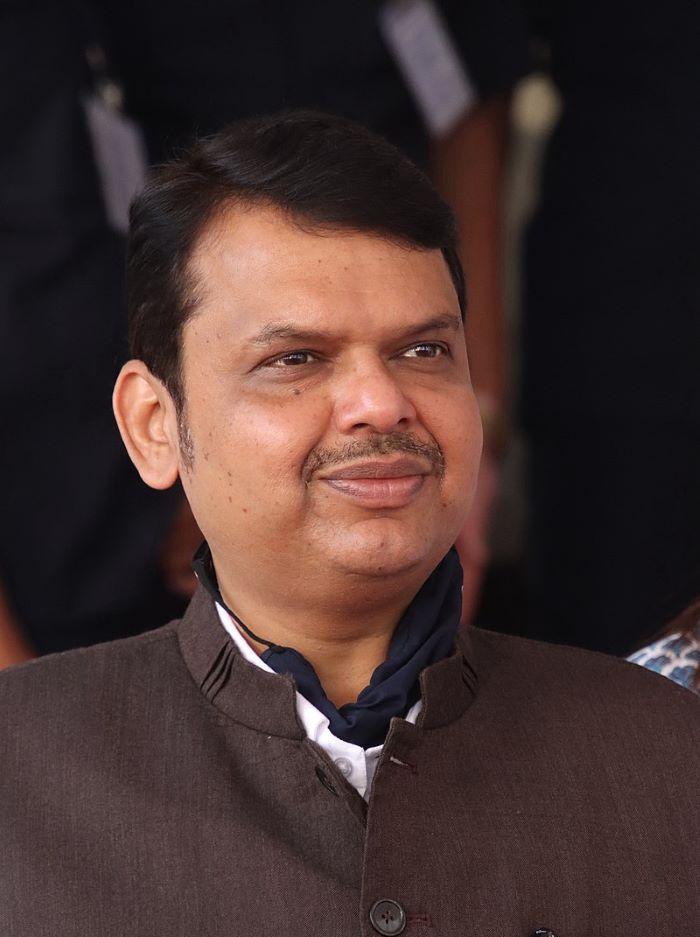
    In a significant move aimed at bolstering the agricultural sector, the Maharashtra government has announced a substantial increase in financial assistance under the NaMo Shetkari Mahasanman Nidhi Yojna (NSMNY). Chief Minister Devendra Fadnavis revealed the hike from Rs 6,000 to Rs 9,000 per year during an event in Nagpur on Monday, coinciding with Prime Minister Narendra Modi’s release of the 19th instalment of the PM-Kisan Yojna from Bhagalpur, Bihar on Monday.

    This increase, combined with the Rs 6,000 provided by the central government under the PM-Kisan Yojna, will bring the total annual assistance for farmers in Maharashtra to Rs 15,000. “The state government currently provides Rs 6,000 under NSMNY, matching the Centre’s assistance. Now, this amount will be increased to Rs 9,000, ensuring greater financial stability for farmers,” Fadnavis said. This boost to the NSMNY was a key promise made by the BJP during the election campaign. Sources told OWSA that this scheme will be formally incorporated into the 2025-26 state budget.

    Maharashtra minister of state for agriculture Ashish Jaiswal, who also attended the Nagpur event, emphasised the critical role of these assured funds in providing relief to farmers facing persistent financial challenges. The increased financial aid is expected to significantly improve the livelihoods of farmers across the state.

    Focus on Water Conservation and Solar Energy

    Beyond the increased financial aid, Chief Minister Fadnavis highlighted the state government’s commitment to water conservation through the Jalyukta Shivar Yojna. This initiative aims to enhance irrigation capabilities and mitigate the impact of droughts. According to Fadnavis, 89 irrigation projects have been successfully completed in the Vidarbha region, with nearly 150 more currently underway. These projects are crucial for ensuring a stable water supply for agriculture, especially in drought-prone areas.

    Looking towards a sustainable future for agriculture, Fadnavis also announced ambitious plans to transition the entire farm power grid to solar energy within the next five years. “In the past year alone, one lakh farmers have been provided with solar power,” he said, underscoring the government’s commitment to this initiative. The shift to solar power will not only reduce the environmental impact of agriculture but also provide farmers with a more reliable and cost-effective energy source.

    Government’s Commitment to Agricultural Development

    The government is set to publicise these initiatives – the increased financial aid, the focus on water conservation, and the push for solar energy – as demonstration of the Maharashtra government’s comprehensive approach to agricultural sustainability and rural empowerment. The government, an official of the ministry of agriculture said, aims to not only provide immediate financial relief to farmers but also create long-term solutions for the challenges facing the agricultural sector.

    The Chief Minister reiterated the government’s dedication to supporting the agricultural sector, which plays a vital role in the livelihoods of a large portion of the state’s population. He acknowledged past criticism regarding the NSMNY, but emphasised that farmers now recognise the benefits of the financial assistance in procuring essential inputs for agricultural production.

    Earlier Initiatives and Continued Support

    In October 2023, Prime Minister Modi released approximately Rs 2,000 crore to Maharashtra farmers as the fifth instalment of the NSMNY. To date, Maharashtra has received around Rs 32,000 crores under the scheme, distributed to approximately 1.20 crore farmers in 17 instalments, the second highest among all Indian states. In the 18th instalment, over Rs 1,900 crore was disbursed to approximately 91.51 lakh farmers.

    The government also continues to support agricultural infrastructure through the Agriculture Infrastructure Fund (AIF), the official of the agriculture ministry said. Since its launch in 2020, the AIF has facilitated the sanctioning of numerous projects aimed at enhancing post-harvest management infrastructure and community farming assets. These projects, along with the increased financial aid and focus on sustainable energy and water management, represent a multi-pronged approach to strengthening the agricultural sector in Maharashtra and empowering its farmers.

    Image: Wikimedia
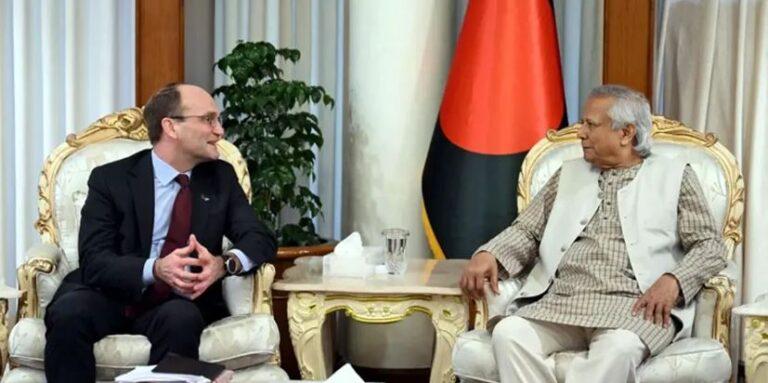
    Bangladesh: Yunus Talks of Social Business; Seeks Swedish ‘Collaboration’ for Hydropower from Nepal

    SIDA’s current cooperation strategy with Bangladesh covers 2021-2025. In 2024, SIDA has disbursed nearly one billion SEK across various programs, including 127.7 million SEK in humanitarian aid, primarily for displaced Myanmar nationals (Rohingya) in Cox’s Bazar and the host community.

    Muhammad Yunus, chief adviser of Bangladesh’s interim government, has urged Sweden to shift its development assistance strategy from grants to investments in social businesses. Yunus made the appeal during a meeting Sunday with Jakob Granit, director general of the Swedish International Development Cooperation Agency (SIDA), in Dhaka.  

    Yunus emphasised the potential of social business, particularly in sectors like healthcare, as a more sustainable and impactful approach to development compared to traditional grant aid. “What I have been promoting is social business as grant money is a charity,” Yunus stated, highlighting the distinction between philanthropic donations and investments that generate both social good and financial returns.  

    Beyond social business, Yunus also sought Sweden’s support in addressing Bangladesh’s energy crisis. He proposed importing hydroelectricity from ‘neighbouring’ Nepal, which possesses significant untapped resources. “We are an energy-starved country,” Yunus explained. “Nepal has a huge resource for producing hydropower, and we are willing to bring it. SIDA can collaborate with both of us to make that happen.”

    Changed Geopolitical Situation

    Granit acknowledged the “changed geopolitical situation” and the “critically important period” for Bangladesh, stating that SIDA is actively seeking ways to maximise the effectiveness of its assistance. “Also, we are looking for ways on how we can support the Bangladesh government and make sure that we have the right type of support,” Granit said. He also inquired about the interim government’s reform initiatives.  

    SIDA’s current cooperation strategy with Bangladesh covers 2021-2025. In 2024, SIDA has disbursed nearly one billion SEK across various programs, including 127.7 million SEK in humanitarian aid, primarily for displaced Myanmar nationals (Rohingya) in Cox’s Bazar and the host community.  

    Yunus welcomed Sweden’s commitment to supporting Bangladesh’s transformation. “As an interim government, we don’t have much time left, but we want to lay down the foundation,” he said. He described the challenges faced by the interim government in rebuilding the country after the previous regime, stating that “everything collapsed in Bangladesh during the past regime,” and the current administration is working to rebuild those “piece by piece.”

    Nicolas Weeks, Sweden’s Ambassador to Bangladesh, acknowledged the urgent need to address the Rohingya situation and reaffirmed Sweden’s continued assistance. The discussions highlighted the evolving nature of international development cooperation and the growing emphasis on sustainable, market-based solutions like social business.

    Record 6.82 Lakh Olive Ridley Turtles Visit Odisha’s Rushikulya River Mouth for Mass Nesting

    Favourable climatic conditions are one of the reasons for a record number of Olive Ridley turtles visiting the beach for mass nesting, experts said.

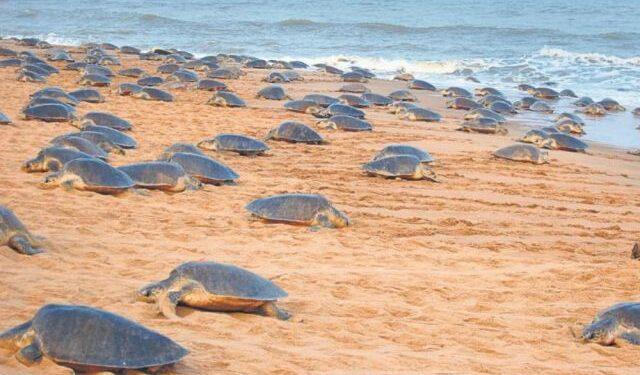
    Rushikulya river mouth in Odisha’s Ganjam district has emerged as a major rookery for the endangered olive ridley turtles with over 6.82 lakh such marine species assembling for mass nesting, officials said on Sunday.

    The mass nesting of the turtles in the Rushikulya river mouth commenced on February 16.

    “Over 6.82 lakh Olive Ridley turtles have laid eggs on the beach so far, surpassing the previous record of the arrival of 6.37 lakh marine species in 2023,” Berhampur divisional forest officer (DFO) Sunny Khokkar was quoted by news agency PTI as saying.

    A total of 6,37,008 turtles had laid eggs in eight days of mass nesting from February 23 to March 2, in 2023. In comparison, 5.50 lakh turtles laid eggs in 2022, sources said.

    As the mass nesting of the Olive Ridley is yet to be completed, the number might increase, the DFO said.

    Favourable climatic conditions are one of the reasons for a record number of Olive Ridley turtles visiting the beach for mass nesting, experts said.

    “The better climatic condition this year has helped more turtles lay eggs in the Rushikulya river mouth, which is emerging as a major rookery for the turtles,” Wildlife Institute of India (WII) Dehradun senior scientist Bivas Pandav said.

    Zoological Survey of India (ZSI) senior scientist Basudev Tripathy predicts a good number of hatchlings likely to emerge as the mass nesting has taken place in time in the rookery.

    ZSI scientists have recaptured over 330 Olive Ridley turtles so far as these turtles were GPS–tagged in the 2021-23 period, said Anil Mohapatra, another senior scientist of the surveyor.

    Dibya Shankar Behera, range officer, Khallikote said the government has put fencing in the new areas as the turtles nested from New Podampeta to Prayagi-around 9-km stretch this time. The fencing is made to protect the eggs from predators.

    This piece has been sourced from Odishabytes.com

    Unbiased Coverage Thrown Out of the Window

    No publishing house or news channel or journalist should have such vastly different standards with regard to putting out news. Everyone is entitled to his or her opinion, but this must be kept out of the news pages or news sections of TV channels.

    By Premangshu Ray

    It is high time that the media, which is known as the Fourth Estate or fourth power, gets back on track and restarts doing its job with integrity.

    This is essential not only for the sake of the society as a whole but also to ensure that the media regains its reputation as the conscience keeper of society and continues to be looked upon for impartial dissemination of information. This is more so as the media has traditionally been known to wield influence in politics, an attribute that is said to have led to the coinage of the term Fourth Estate.

    Even a cursory review of what is published in the newspapers or aired on news channels would show that this needs reiteration as unbiased coverage of news has been thrown out of the window.

    Wow, $21m!

    A case in point is the USAID controversy. The Telegraph was one of the very few English language papers that gave prominence to the statement by US President Donald Trump that USAID gave $21 million to Prime Minister Narendra Modi “for voter turnout”. This, the paper pointed out in the next sentence, came a day after Trump called the funding a “kickback scheme”. The paper did not mince words or dilute the issue. USAID boot on other foot, it said in the headline.

    The Free Press Journal also carried the copy prominently. However, the twist that it gave of the Congress latching on to Trump’s statement in this regard diluted the seriousness of the assertion by the US President of “USD21 million going to my friend Prime Minister Modi in India for voter turnout.”

    The Times of India carried the report on Page 1 but not as the lead copy. It further sought to dilute the import of the statement with the headline ‘Trump spares neither oppn nor govt with USAID claims’. It watered it down much further with phrases such as “he of torrential verbiage”, “purportedly allocated by USAID to increase voter turnout in India”, and “an off-the-cuff remark”.

    Deccan Herald, a major English paper in South India, carried the news in much the same manner on Page 8, its second Nation page. Just as TOI did with its report on Page 1, DH diluted the significance of the news with the headline ‘Congress corners BJP over Trump’s $21mn claim’, thus shifting the focus from the claim itself to the attack by the Congress. It went on to shift focus much more by the words “In indications that it would not go soft on its I.N.D.I.A-partner AAP, the Congress put Arvind Kejriwal in the line of fire.”

    In contrast, when Trump had said on Wednesday in Miami that USAID had spent $21 million in India, most papers not only latched on to the news but also displayed it well on Page 1: “Why do we need to spend $21m for voter turnout in India? Wow, $21m! I guess they were trying to get somebody else elected,” Trump had said.

    Playing Up BJP’s Allegation

    The papers had also played up the Bharatiya Janata Party allegation that the Congress had used external influence in the country’s electoral process. DH led the February 21 edition with the headline screaming ‘They were trying to get ‘somebody else elected’: Trump’. The copy clarified that “they” meant the Joe Biden administration.

    TOI also carried Trump’s remark on Page 1 with the headline ‘Bid to get someone else elected: Trump on USAID’s $21m’. The paper spiced this up with the strapline ‘Hints Biden Was Backing Cong, Allies In LS Polls’, though the US President did not mention either the Congress or any other opposition party in his remarks.

    What is far more worrisome is that the paper on February 23, carried alongside the watered down report about the “$21 going to my friend, Prime Minister Modi in India for voter turnout” one paragraph of an article where India’s foreign minister makes a feeble attempt to deflect blame. The complete article, which has been carried on Page 12, does not have any evidence of the reporter trying in any manner to question the minister’s claim despite the remark being made at a public event.

    The Last Word

    No publishing house or news channel or journalist should have such vastly different standards with regard to putting out news. Everyone is entitled to his or her opinion, but this must be kept out of the news pages or news sections of TV channels. These pages must carry news and not opinion or even analyses, which are best left to pages clearly earmarked as such. All of us are entitled to and most of us will have our views about politics, religion, culture, sport and most things under the sun. However, it is essential that we keep our biases out of our work. Only when we do that can we even start on the path of regaining the trust of the people and also our reputation as people who can be looked upon to tell others the truth.

    The author is a senior journalist who writes on sociopolitical and socioeconomic issues.

    PM Modi Releases 19th PM-KISAN Instalment in Bhagalpur; Lauds FPOs

    The release of the PM-KISAN instalment and the celebration of the 10,000th FPO mark significant milestones in the government’s ongoing efforts to empower farmers and boost the agricultural sector.

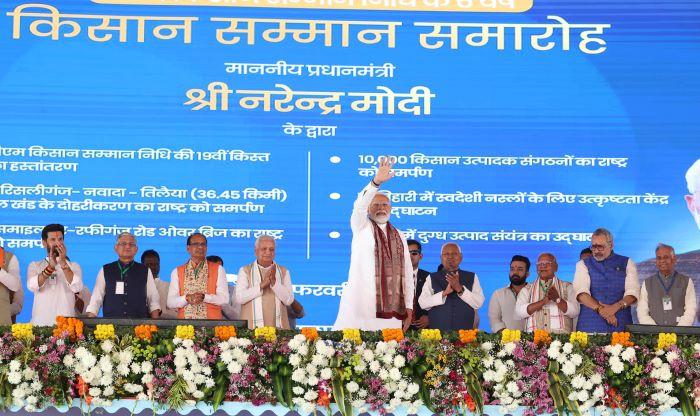
    Prime Minister Narendra Modi today released the 19th instalment of the Pradhan Mantri Kisan Samman Nidhi (PM-KISAN) scheme from Bhagalpur, Bihar, directly benefiting over 9.8 crore farmers across the country. The event, held in the spiritually significant land of Mandarachal during the Maha Kumbh period, also saw the Prime Minister launch several development projects and celebrate a milestone achievement in farmer empowerment: the formation of the 10,000th Farmer Producer Organisation (FPO).

    Addressing a large gathering, PM Modi expressed satisfaction that the PM-KISAN scheme, which has now disbursed nearly ₹22,000 crore in this instalment alone, has proven invaluable to small farmers nationwide. He highlighted the direct transfer of funds, totalling approximately ₹3.7 lakh crore since the scheme’s inception, into the accounts of farmers, emphasising the government’s commitment to eliminating intermediaries and ensuring that every penny reaches the intended beneficiaries. He specifically mentioned the approximately 75 lakh farmer families in Bihar who are beneficiaries of the scheme, receiving around ₹1,600 crore in this instalment.

    The Prime Minister reiterated his government’s dedication to the four pillars of a developed India: the poor, farmers, youth, and women. He asserted that farmer welfare remains a top priority for both the central and state governments. He outlined the government’s efforts to address the multifaceted challenges faced by farmers, from providing high-quality seeds and sufficient fertilisers to ensuring irrigation facilities, livestock protection, and disaster relief. He criticised previous governments for neglecting these crucial needs, highlighting the current government’s proactive approach.

    10,000th FPO

    PM Modi emphasised the government’s success in ensuring adequate fertiliser supply, even during the pandemic, and contrasted the affordable prices of urea in India with the exorbitant prices in other countries. He stated that the central government has borne the cost of urea and DAP, saving farmers approximately ₹12 lakh crore over the past decade. He also underscored the importance of the PM Fasal Bima Yojana, which has provided ₹1.75 lakh crore in claim payouts to farmers affected by natural disasters.

    A key highlight of the event was the Prime Minister’s celebration of the formation of the 10,000th FPO. He lauded this achievement as a significant step towards empowering small farmers. “Today, the land of Bihar has witnessed the formation of the 10,000th FPO,” he announced, congratulating all FPO members across the country. He emphasised that FPOs are not just organisations but a powerful force for increasing farmers’ income by providing them with collective bargaining power and direct access to markets. He noted that approximately 30 lakh farmers, including a significant number of women, are connected to FPOs, which are now conducting business worth thousands of crores in the agricultural sector. The FPO registered in Khagaria district, Bihar, focusing on maize, banana, and paddy, was specifically mentioned as the 10,000th FPO.

    PM Modi also spoke about the government’s focus on promoting animal husbandry to supplement the income of landless and small farmers. He noted the increase in milk production and the role of cooperative milk unions in Bihar. He also highlighted the government’s efforts to support the fisheries sector, which has led to Bihar becoming one of the top five fish-producing states in India.

    Bihar’s special products

    The Prime Minister stressed the importance of boosting agricultural exports and highlighted the government’s initiatives to promote Bihar’s special products, such as Makhana and Bhagalpuri silk, in global markets. He announced the formation of a Makhana Vikas Board to support farmers engaged in its cultivation, processing, value addition, and marketing. He also mentioned the establishment of a National Institute of Food Technology and Entrepreneurship in Bihar and the creation of Centers of Excellence in agriculture, including one in Bhagalpur for Jardalu mangoes.

    PM Modi reiterated his government’s commitment to infrastructure development in Bihar, mentioning the construction of bridges over rivers, the widening of highways, and the development of rail connectivity. He also discussed the government’s efforts to mitigate flood damage and bring more land under irrigation. He reaffirmed the government’s dedication to preserving India’s cultural heritage, mentioning the establishment of a central university at Vikramshila.

    The event was attended by Bihar Governor Arif Mohammed Khan, Chief Minister Nitish Kumar, and several Union Ministers, underscoring the collaborative efforts towards farmer welfare and the development of Bihar. The release of the PM-KISAN instalment and the celebration of the 10,000th FPO mark significant milestones in the government’s ongoing efforts to empower farmers and boost the agricultural sector.

    Sixfold increase in agriculture budget

    On the occasion, union minister Dr. Jitendra Singh also lauded the strides made in India’s agricultural sector, highlighting a sixfold increase in the union agriculture budget, from ₹21,933.50 crore in 2013-14 to ₹1,27,290 crore in 2025-26.

    The union minister proudly announced that the government would be disbursing ₹22,000 crore to 9.8 crore farmers as part of this instalment. With ₹3.46 lakh crore already distributed in 18 instalments, the PM KISAN program continues to play a pivotal role in supporting farmers’ livelihoods. In a bid to further strengthen the program, Dr. Singh revealed that 30 lakh more farmers have been added as beneficiaries under the PM KISAN scheme.

    The Union Minister also highlighted the increase in the Kisan Credit Card (KCC) limit from ₹3 lakh to ₹5 lakh, which will significantly improve access to credit for farmers, enabling them to invest in modern agricultural practices and equipment.

    Dr. Jitendra Singh also unveiled the PM Dhan Dhanya Krishi Yojana, a new initiative aimed at identifying 100 districts for agricultural advancement, thereby ensuring that targeted resources and technologies are provided to boost productivity in these areas.

    He emphasised the transformation in India’s agricultural ecosystem over the last decade, calling Prime Minister Narendra Modi the champion of farmers’ welfare. He recalled the Prime Minister’s vision of doubling farmers’ incomes and enhancing agricultural technologies to supplement their efforts.

    “Over the past decade, we have witnessed a significant transformation in agriculture, with the government ensuring fixed support to farmers. Initiatives like soil health cards, Kisan Credit Cards, financial inclusion, and advanced technologies, such as drone usage for spraying pesticides and fertilisers, micro-irrigation in high-altitude areas, and the expansion of irrigation facilities, have played a crucial role,” said Dr. Singh.

    He emphasised that these efforts not only benefit agriculture but also contribute significantly to the Indian economy, with agriculture being the prime mover of India’s growth.

    IMF Delegation Arrives in Pakistan for Climate Funding Talks

    Pakistan had earlier requested $1 billion in climate resilience funding to address the growing impact of climate change. The requested funds aim to bolster climate adaptation projects, including infrastructure improvements to mitigate extreme weather events such as floods and droughts.

    A technical delegation from the International Monetary Fund (IMF) has arrived in Islamabad to engage in discussions regarding climate financing and policy measures with Pakistani officials. According to reports, the four-member IMF team will collaborate with federal and provincial authorities to assess Pakistan’s progress on climate adaptation, green budgeting, and financial tracking mechanisms. The discussions, which will continue until February 28, are expected to shape the country’s climate funding strategies.

    Pakistan finance minister Muhammad Aurangzeb had earlier stated that Pakistan anticipates receiving $1-1.5 billion in climate funding from the IMF as part of its broader climate resilience initiatives. One of the critical agenda items in the discussions is the introduction of a carbon levy in the federal budget for the fiscal year 2025-26. The IMF team is expected to provide recommendations on the levy’s implementation framework.

    The delegation will also focus on issues such as climate-related subsidies, electric vehicle policies, and expanding green budgeting efforts. Pakistani officials will brief the IMF representatives on the government’s existing climate initiatives and future policy direction. The visit is seen as part of ongoing efforts to align Pakistan’s financial policies with international climate commitments, ensuring sustainable economic reforms in the face of mounting environmental challenges.

    Additionally, the IMF has confirmed that its review mission will visit Pakistan in early March to negotiate the next tranche of the country’s $7 billion Extended Fund Facility (EFF). These discussions will also incorporate aspects of climate financing, as Pakistan has formally requested additional funds under the Resilience and Sustainability Facility (RSF) arrangement. IMF’s resident representative in Pakistan, Mahir Binici, confirmed that the technical delegation will remain engaged for at least three weeks, addressing both fiscal policy and climate-related financial planning.

    Climate Resilience Loan Request

    The IMF team will interact with key Pakistani ministries, including finance, planning, climate change, petroleum, and water resources, alongside agencies such as the Federal Board of Revenue (FBR) and disaster management authorities. The discussions aim to assess Pakistan’s compliance with global climate funding benchmarks and identify policy gaps that need to be addressed for securing long-term financing.

    Pakistan had earlier requested $1 billion in climate resilience funding to address the growing impact of climate change. The requested funds aim to bolster climate adaptation projects, including infrastructure improvements to mitigate extreme weather events such as floods and droughts. In line with the IMF and World Bank’s policy advice, Pakistani authorities have already prepared documentation for the Climate-Related Public Investment Management Assessment (C-PIMA) to integrate climate considerations into national budgeting.

    While Pakistan has met most structural benchmarks under the 39-month EFF program, it has fallen short on certain indicative targets due to fluctuating macroeconomic conditions. One outstanding benchmark involves the amendment of the Sovereign Wealth Fund (SWF), initially due by December 2024, though other governance and financial safeguard conditions have been met.

    The IMF’s RSF program offers long-term financing with favourable terms, including a 30-year repayment period with a 10-year grace period. The funding is designed for nations implementing high-quality reforms to build resilience against climate-related disasters. In October 2023, Pakistan formally requested an additional $1.2 billion under the RSF, underscoring the urgent need to address its climate vulnerability.

    According to the IMF, Pakistan’s climate crisis is accelerating at a rate significantly higher than the global average. The country faces increasing climate variability, reduced water availability, intensified droughts, and accelerated glacial melt. These environmental challenges are compounded by weak urban planning, inadequate infrastructure, and inefficient water resource management.

    Climate Challenges and Economic Impact

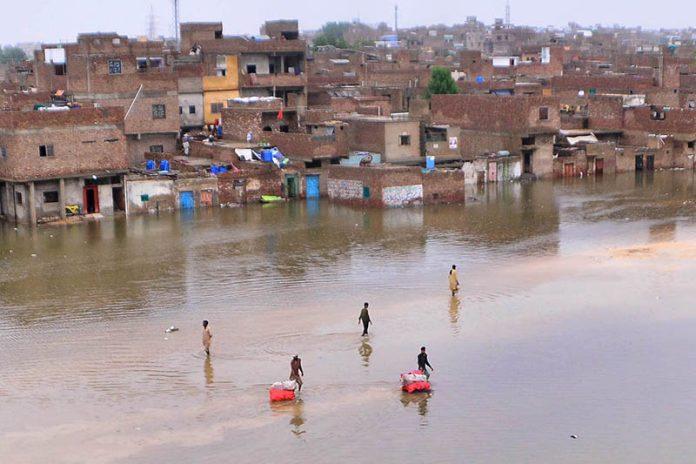
    Over the past three decades, Pakistan has incurred economic losses amounting to $29.3 billion due to climate-related disasters, equivalent to 11.1 per cent of its 2020 GDP. The catastrophic 2022 floods, which claimed 1,700 lives and displaced eight million people, resulted in an economic loss equivalent to 4.8 per cent of GDP. Reconstruction costs were estimated at 1.6 times the national development budget for the fiscal year 2023.

    To mitigate such future disasters, the IMF has recommended that Pakistan invest at least 1 per cent of its GDP annually — approximately Rs 1.24 trillion — into climate resilience and adaptation measures. Research indicates that investing in climate-adaptive infrastructure could significantly reduce economic disruptions from natural disasters, allowing for a quicker and more stable recovery.

    However, Pakistan’s ability to mobilize funds for climate adaptation is hindered by broader economic challenges. The country’s fiscal constraints, coupled with a declining share of human capital investments, have weakened overall growth potential. IMF experts have highlighted Pakistan’s lagging performance in education, healthcare, and social development, which continues to hinder its economic resilience.

    As the technical discussions between the IMF and Pakistani authorities unfold, the outcomes will play a crucial role in shaping the country’s future climate policies and financial strategies. The negotiations are expected to determine the extent of climate financing support Pakistan can secure, as well as the structural reforms required to meet global sustainability commitments.

    With the first policy review of the EFF scheduled for early March, Pakistan’s economic and environmental future hangs in the balance. The success of these negotiations will not only impact Pakistan’s ability to withstand climate shocks but also define its long-term path towards sustainable development.

    Sri Lanka: Human Rights Commission Says Complaints Against Police Increasing

    The Acting IGP assured the commission that Sri Lanka Police has initiated legal proceedings under the Torture Act of 1994 and reaffirmed their commitment to reducing rights violations within the next year.

    The Human Rights Commission of Sri Lanka (HRCSL) has reported a significant increase in complaints against police officers, raising serious concerns over allegations of torture, arbitrary arrests and detentions, harassment, and police inaction regarding public grievances.

    A high-level meeting was held on February 18, 2025, between HRCSL officials and senior Sri Lanka Police representatives to address these critical human rights concerns. Among the attendees were the Chairman and Commissioners of the HRCSL, the Acting Inspector General of Police (IGP), the Deputy Inspector General of Police – Legal, the Director of the Human Rights Division of Sri Lanka Police, and the Director – Legal, Sri Lanka Police.

    During the meeting, HRCSL emphasized the growing number of complaints against law enforcement officers, particularly in relation to human rights violations. The commission underscored the importance of addressing these issues through institutional reforms, capacity-building initiatives, and the adoption of modern policing techniques to uphold human rights standards.

    Torture, Arbitrary Arrests

    One of the primary concerns raised during the meeting was the role of the Special Investigations Unit of Sri Lanka Police, which is responsible for investigating law enforcement officers accused of torture and enforced disappearances. HRCSL expressed dissatisfaction with the low levels of prosecution and convictions in these cases, calling for stricter enforcement and accountability.

    The Acting IGP assured the commission that Sri Lanka Police has initiated legal proceedings under the Torture Act of 1994 and reaffirmed their commitment to reducing rights violations within the next year. Furthermore, Sri Lanka Police agreed to implement new measures to ensure a more transparent and accountable approach to law enforcement.

    Diversity and Representation

    Another major issue discussed was the lack of Tamil-speaking officers deployed in Tamil-majority areas, which has led to communication barriers and ineffective policing in these regions. HRCSL stressed the need for linguistic diversity within the police force to better serve Sri Lanka’s multi-ethnic population. In response, Sri Lanka Police assured that upcoming recruitment drives would prioritize addressing this issue.

    Additionally, the representation of women in the police force was highlighted as an area requiring urgent attention. The commission called for a greater number of female officers in law enforcement to ensure a more gender-sensitive approach in handling cases related to women and children.

    Improving Police Training

    HRCSL recommended specialized training for officers working with women and children, particularly those assigned to Women and Children’s Desks at police stations. The Commission emphasized the importance of:

    1. Ensuring privacy for victims during police interactions.
    2. Training officers to handle cases of online gender-based violence more effectively and sensitively.
    3. Sensitizing officers at the ground level, particularly those who frequently interact with members of the LGBTQI community.

    The Acting IGP acknowledged these recommendations and expressed Sri Lanka Police’s willingness to enhance training programs to ensure a more rights-based approach in policing.

    Guidelines and Advisory Notes

    To further improve police accountability and adherence to human rights principles, HRCSL recommended the implementation of the following key guidelines:

    1. General Guidelines and Recommendations, No. 1 of 2024 on the Protection of Human Rights Defenders – to safeguard activists advocating for human rights.
    2. Draft General Guidelines and Recommendations on Preventing Custodial and Encounter Deaths – aimed at reducing deaths in police custody and extrajudicial killings.
    3. Guideline for Police Officers to Ensure the Protection of Transgender Persons – ensuring the rights and safety of transgender individuals during interactions with law enforcement.

    The Acting IGP pledged to issue three formal advisory notes to all police officers based on these guidelines. Additionally, an advisory note will be circulated to raise awareness about Section 26 of the HRCSL Act, which protects HRCSL officers from legal action when performing their duties.

    Commitment to Strengthening Human Rights

    The dialogue between HRCSL and Sri Lanka Police concluded with a reaffirmation of both parties’ commitment to strengthening human rights protections within law enforcement. The discussion underscored the urgent need for institutional reforms, increased accountability, and improved training for police officers to foster a more rights-based and transparent policing system in Sri Lanka.

    HRCSL continues to monitor developments in law enforcement and urges Sri Lanka Police to take swift and decisive action to address the concerns raised. The Commission remains dedicated to advocating for the protection of human rights and ensuring that law enforcement agencies operate within the framework of justice and fairness.

    This dialogue marks a significant step towards enhancing police accountability and building public trust in Sri Lanka’s law enforcement system, said Nihal Chandrasiri, the spokesperson for HRCSL.

    UN in Ukraine Prepares for the Worst, Hopes for the Best

    Whether through rebuilding destroyed communities, addressing the mental health crisis, or ensuring humanitarian access, the UN remains committed to standing with the people of Ukraine — through war, through peace, and beyond.

    As Ukraine enters the third year of the full-scale Russian invasion, the spectre of a potential ceasefire looms large over the war-torn country. Diplomatic efforts have intensified, raising hopes for an end to hostilities, yet the reality on the ground remains dire. For millions of Ukrainians, daily air strikes and attacks on civilian infrastructure have become the new normal, displacing families and leaving communities in devastation. Amidst this uncertainty, the United Nations (UN) continues its unwavering support, providing emergency aid, medical assistance, and infrastructure recovery while preparing for the country’s post-war future.

    The Human Cost of War

    The toll of the conflict has been staggering. Since the full-scale invasion began in February 2022, over 12,600 civilians have lost their lives, with more than 29,000 injured. Ukrainian towns and cities have been ravaged, with thousands of attacks targeting hospitals, schools, and energy facilities. As a result, more than 10 million people have been uprooted from their homes, marking Europe’s largest displacement crisis since World War II.

    For children in Ukraine, war is the only reality they have ever known. As Matthias Schmale, the UN Resident and Humanitarian Coordinator for Ukraine, pointed out, “All children up to the age of 11 have never experienced their country at peace.” The psychological scars run deep, as families endure ongoing displacement, destruction, and uncertainty about their futures.

    Despite the overwhelming challenges, the UN has remained a constant presence, working tirelessly to support those affected by the war. The World Health Organization (WHO) has reopened and rebuilt primary healthcare centers along the frontline, ensuring that medical services reach those in need. The UN Development Programme (UNDP) has played a critical role in restoring energy facilities, preventing even more hardship during Ukraine’s harsh winters.

    The UN has also established more than 80 “safe spaces” for vulnerable individuals, including survivors of gender-based violence and displaced children. These spaces offer psychological support and a sense of community for those grappling with the mental and emotional burdens of war.

    Anticipating Post-War Challenges

    As the likelihood of a ceasefire increases, the UN is preparing for the complex challenges that will arise in its aftermath. One pressing concern is the reintegration of war veterans. “Around a million people are involved in the fighting,” Schmale noted. “Hundreds of thousands will return traumatized from the frontline after two to three years away from their families.” These psychological wounds could manifest in increased social tensions and a rise in domestic violence.

    In response, the UN has developed a digital app specifically for veterans, offering them access to critical services. Additionally, the UN High Commissioner for Refugees (UNHCR) has collaborated with the Ukrainian government to launch an online platform providing returning refugees with essential information on housing and employment opportunities.

    The Ever-Present Nuclear Threat

    One of the most unpredictable aspects of the ceasefire negotiations is the fate of Ukrainians living in the occupied regions of the east and south. Approximately one million people reside in these areas, and their future remains uncertain. Key questions linger: Will these territories be demilitarized? Will international peacekeeping forces be deployed to maintain stability? And most importantly, will humanitarian aid be allowed to reach these vulnerable populations?

    While hopes for peace persist, so do fears of escalation. Ukraine’s nuclear power plants remain a critical concern. On February 15, the UN’s International Atomic Energy Agency (IAEA) reported that a drone strike had breached a containment structure designed to prevent radioactive leakage from the Chernobyl reactor. Though radiation levels remained unchanged, the incident underscored the persistent danger of nuclear catastrophe.

    Women on the Frontlines of Survival

    While much attention is given to soldiers on the battlefield, women across Ukraine are shouldering the burden of survival in extraordinary ways. According to UN Women Geneva Director Sofia Calltorp, “Beyond the battlefield, another story is unfolding—one of women and girls bearing the brunt of this war.” Women comprise the majority of displaced persons, with 6.7 million in need of life-saving humanitarian assistance. Many have become the sole providers for their families, navigating war-ravaged landscapes while ensuring their children’s survival.

    Despite the UN’s critical work in Ukraine, financial constraints threaten its ability to deliver aid. The U.S. funding freeze has raised concerns about the availability of resources. “Last year, U.S. funding made up 30 per cent of what we spent on the humanitarian side and 10 per cent on the development side,” Schmale explained. With no certainty about when or if funds will resume flowing, aid organizations are grappling with the potential impact on their operations.

    The Psychological Toll of War

    The mental health crisis in Ukraine is profound. The constant presence of air raid sirens, drone strikes, and missile attacks has left millions in a state of chronic fear and anxiety. WHO officials have described the plight of Ukrainian civilians, particularly mothers, who must navigate daily life under the shadow of war. “Imagine a young mother in the Kharkiv region,” a WHO representative stated. “Her days are interrupted by air raid sirens, and her nights are haunted by drones. Each day is a struggle to balance her children’s safety with their growing anxiety.”

    A Call for Sustainable Peace

    The UN Human Rights Monitoring Mission (HRMMU) has documented over 12,654 civilian deaths and nearly 30,000 injuries since the full-scale invasion. Shockingly, 84 per cent of these casualties have occurred in Ukrainian government-controlled territory, underscoring the disproportionate impact of Russia’s ongoing attacks. Schools, hospitals, and critical infrastructure have been devastated, leaving Ukraine’s civilian population in an unending state of crisis.

    As the third year of war unfolds, the humanitarian crisis in Ukraine remains one of the most pressing global emergencies. The need for sustainable peace cannot be overstated. Danielle Bell, Chief of HRMMU, emphasised that “As the civilian toll grows heavier, the human rights of all those affected must remain at the forefront of any negotiations for sustainable peace.”

    For now, the UN continues to prepare for multiple scenarios, recognizing that while peace is on the horizon, the road to recovery will be long and fraught with challenges. Whether through rebuilding destroyed communities, addressing the mental health crisis, or ensuring humanitarian access, the UN remains committed to standing with the people of Ukraine — through war, through peace, and beyond.

    Pakistan: Authorities Seal Pattan Development Organisation’s Properties Following Election Rigging Report

    Among the key points, The War on Voters? report traces the history of electoral rigging in Pakistan from 1970 to 2024, documenting the shift from passive interference to overtly coercive tactics.

    In a move that has sparked outrage among civil society organizations and human rights advocates, authorities have sealed the house of Pattan Development Organisation’s chief and its office in Multan. This action, reportedly ordered by the Ministry of Interior, follows Pattan’s recent publication of a report exposing alleged rigging in the 2024 general elections.

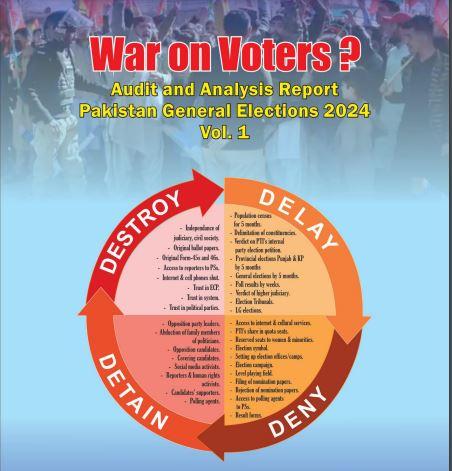
    Earlier this month, Pattan released a detailed report titled War on Voters? Audit and Analysis Report Pakistan General Elections 2024, authored by Sarwar Bari and Abdul Qadir. The report provided an in-depth critique of the electoral process, alleging “vote-rigging, fraud, and manipulation,” and described the elections as “unprecedentedly rigged.” It called for urgent electoral reforms to ensure transparency and democratic integrity.

    In what Pattan claims to be retaliatory action, around two dozen police officials, accompanied by a magistrate, entered the residence of Pattan’s national coordinator, Sarwar Bari, in Islamabad’s Sector F-10 on a recent Friday night and sealed the property. The organization clarified that it does not maintain a formal office in Islamabad; instead, its staff members work remotely, and Bari’s residence serves as the official correspondence address.

    HRCP’s strong condemnation

    The crackdown extended to Multan, where authorities sealed Pattan’s office and placed a notice from the Registrar Joint Stock Companies, Multan. The notice cited a letter from the Ministry of Interior dated February 18, which stated that Pattan was dissolved in November 2019 and had not contested the dissolution in court. Pattan’s spokesperson refuted this claim, stating that the organization was never notified of its dissolution and continued its operations lawfully, with its election observers accredited by the Election Commission of Pakistan. Additionally, the NGO maintained functional bank accounts and fulfilled tax obligations to the Federal Board of Revenue.

    The Human Rights Commission of Pakistan (HRCP) strongly condemned the actions against Pattan, calling them a violation of Article 14(1) of the Constitution, which guarantees the dignity and privacy of individuals. The HRCP’s statement emphasized that such actions set a dangerous precedent for governmental suppression of dissent and the role of civil society in ensuring democratic accountability.

    Key Findings of the Pattan Report

    The War on Voters? report presents a detailed analysis of Pakistan’s electoral process, highlighting systemic flaws and irregularities. Among the key points, the report traces the history of electoral rigging in Pakistan from 1970 to 2024, documenting the shift from passive interference to overtly coercive tactics.

    It identifies various strategic gaps in the election process, such as discrepancies between voter turnout and party popularity, the exclusion of women and minorities, delays in electoral dispute adjudication, and postponed provincial elections. The report also scrutinizes the manipulation of constituency boundaries and irregularities in voter registration, which Pattan argues were tools used to gerrymander election results.

    A crucial part of the report includes an audit of electoral result forms. It examines Form 47, which consolidates election results, and finds numerous discrepancies. Additionally, it highlights malpractices such as ballot stuffing, intentional spoiling of ballots, and the use of counterfeit result forms to manipulate outcomes.

    The report also provides insights into global reactions to Pakistan’s elections, compiling responses from international media, the United Nations, and foreign governments, all of which expressed concerns over the credibility of the elections.

    A case study on Rawalpindi Commissioner Liaqat Ali further underscores administrative challenges that allegedly contributed to the flawed electoral process.

    Growing Crackdown on Civil Society?

    The sealing of Pattan’s properties has ignited a broader debate on the state’s treatment of organizations that critique governmental processes and advocate for democratic reforms. The move is widely viewed as an attack on freedom of expression and the right to dissent, which are fundamental pillars of a democratic society.

    Observers fear that this incident signals a tightening grip on civil society organizations in Pakistan. The HRCP and other human rights groups have urged authorities to reverse their actions against Pattan and called for an independent investigation into the alleged electoral misconduct.

    As the situation unfolds, there is growing pressure on the government to uphold democratic values and ensure that civil society organizations can operate without fear of reprisal. Transparency, accountability, and the ability of watchdog organizations to function freely remain crucial to preserving the integrity of Pakistan’s democracy.

    For now, the fate of Pattan Development Organisation hangs in the balance, but the controversy surrounding the 2024 elections is far from over.

    Trump Cancels USAID Grants for Nepal, Suspends MCC Project

    The decision to suspend the MCC project and cut US assistance to Nepal comes amid broader efforts by the Trump administration to reduce overseas spending. In the United States, the Trump administration has shut down multiple USAID programs, citing financial constraints and inefficiency.

    US President Donald Trump has labelled USAID’s aid for Nepal as fraudulent, leading to the cancellation of two major grants allocated for the South Asian nation. During a White House press conference, Trump criticised the US funding for Nepal’s federalism initiative, calling it a misuse of American taxpayers’ money.

    “$20 million for ‘fiscal federalism’ in Nepal. Listen to these numbers. This is all fraud,” Trump declared. He further questioned the necessity of a $19 million grant for biodiversity conservation in Nepal. Following this statement, the Trump administration officially revoked both grants on February 16.

    The decision to terminate these grants reportedly came after a suggestion from Trump’s close aide, billionaire entrepreneur Elon Musk. Musk advised the administration to cut down on what he described as unnecessary foreign aid spending. As a result, the Trump administration not only halted these specific grants but also extended its broader suspension of foreign aid, a policy that had been in place since Trump assumed office.

    This decision has put numerous US-funded projects in Nepal on hold, including the high-profile Millennium Challenge Corporation (MCC) agreement, which has been a source of political contention in Nepal for years. The Nepalese Ministry of Finance confirmed on Tuesday that the MCC project has been suspended for 90 days due to the Trump administration’s aid cuts.

    MCC Project in Limbo

    The MCC, a $500 million US-funded initiative, was designed to enhance Nepal’s infrastructure, particularly in the energy and transportation sectors. The agreement, signed on September 15, 2017, aimed to construct 300 kilometers of electricity transmission lines and upgrade 77 kilometers of roads. Nepal was expected to contribute an additional $197 million to the project, making it the largest grant Nepal has ever received from any country.

    Despite its potential benefits, the MCC has faced significant resistance within Nepal’s political landscape. Leftist parties, along with pro-Chinese factions, have long opposed the agreement, arguing that it aligns Nepal too closely with the United States’ Indo-Pacific strategy. The issue led to intense debates in Nepal’s parliament, eventually culminating in the agreement’s ratification on February 27, 2022, under the leadership of Prime Minister Sher Bahadur Deuba. The ratification was accompanied by a 12-point explanatory declaration aimed at addressing national concerns.

    China has openly criticised the MCC, accusing the United States of coercing Nepal into accepting the deal. Chinese officials referred to the grant as a “Pandora’s box,” rather than a “gift,” and have warned that it could compromise Nepal’s sovereignty. The New York Times reported that US diplomat Donald Lu had earlier cautioned Nepal that failure to ratify the agreement would be perceived as Chinese interference, which could lead to a re-evaluation of US-Nepal relations.

    Geopolitical Ramifications

    Trump’s decision to suspend the MCC project and cut foreign aid to Nepal comes amid broader efforts by his administration to reduce overseas spending. In the United States, the Trump administration has shut down multiple USAID programs, citing financial constraints and inefficiency. The move has had a direct impact on Nepal, a country that has historically depended on American aid for development projects, including post-earthquake reconstruction efforts following the 2015 disaster.

    Nepal’s reliance on foreign aid has made the MCC saga a highly contentious issue, not only domestically but also geopolitically. China’s influence in Nepal has grown significantly in recent years, with the Communist Party of China (CPC) taking a keen interest in Nepal’s political decisions regarding US grants. Chinese officials reportedly lobbied Nepal’s Communist Party leaders to reject the MCC, underscoring Beijing’s broader regional strategy to counter US influence in South Asia.

    While the suspension of the MCC project is currently limited to 90 days, there is growing uncertainty about its future. Analysts believe that Trump’s foreign aid policies could have long-term consequences for Nepal’s development agenda, potentially delaying crucial infrastructure projects and straining Nepal-US relations.

    For now, Nepal finds itself caught between two global powers, with the fate of US-backed initiatives hanging in the balance.