More

    District Magistrates Discuss Empowering Tribal Communities

    The conference aimed to identify gaps and address challenges in ensuring comprehensive facilities for PVTG communities, fostering progress through collaborative learning and the exchange of best practices.

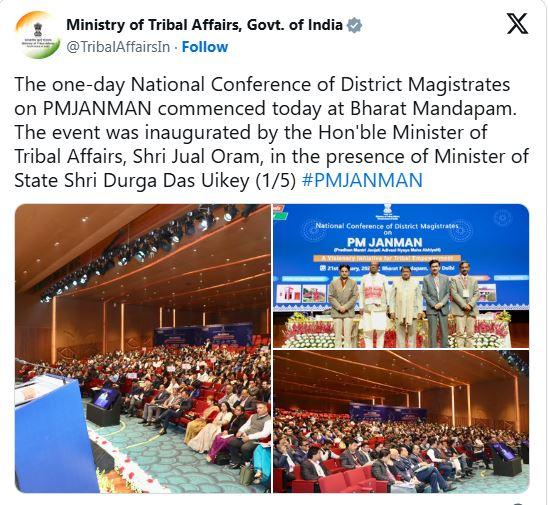
    The ministry of tribal affairs hosted a district magistrates’ conference on the Pradhan Mantri Janjati Adivasi Nyaya Maha Abhiyan (PM JANMAN) on Wednesday. The conference spotlighted on six core areas of the Abhiyan: rural development (housing and roads), school hostels, access to drinking water under the Jal Jeevan Mission, operationalization of anganwadis, and establishment of multi-purpose centres (MPCs).

    A spokesperson of the ministry said that the PM JANMAN scheme delivers essential amenities, including safe housing, clean drinking water, sanitation, healthcare, education, road and telecom connectivity, and sustainable livelihoods. It seeks to bridge development gaps in remote tribal areas through initiatives such as constructing pucca houses, deploying mobile medical units, establishing health and wellness centres, and setting up Van Dhan Vikas Kendras alongside skill development programs.

    With a budget of ₹24,000 crore allocated for three years (2023-24 to 2025-26), the program is executed through collaboration among nine line Ministries/Departments. PM JANMAN is designed to address the unique challenges faced by PVTGs while promoting their integration into the nation’s socio-economic framework.

    The ministry of tribal affairs, as the nodal body, has been working closely with line ministries and state tribal welfare departments (TWDs) to identify and resolve implementation bottlenecks promptly. As the program enters its final year, efforts are concentrated on maximising benefits for beneficiaries, accelerating progress, and achieving saturation of benefits in PVTG villages and habitations.

    To support this objective, the ministry hosted a district magistrates’ conference on PM JANMAN on Wednesday. The conference put the spotlight on six core areas of the abhiyan: rural development (housing and roads), school hostels, access to drinking water under the jal jeevan mission, operationalisation of Anganwadis, and establishment of multi-purpose centres (MPCs).

    Role of District Magistrates

    Minister of tribal affairs, Jual Oram, in his inaugural speech, emphasised the pivotal role of district magistrates, as nodal officers, in ensuring effective and comprehensive implementation of the PM JANMAN scheme. The minister of state for tribal affairs, Durgadas Uikey, urged district collectors and state authorities to prioritise the efficient execution of Ministry of Tribal Affairs (MoTA) schemes, ensuring active participation of tribal communities in realising the Prime Minister Narendra Modi’s vision of a Viksit Bharat.

    In his contextual address, Vibhu Nayar, secretary of the ministry of tribal affairs, commended the efforts of officials in advancing the schemes and emphasised the importance of achieving on-ground physical completion of identified gaps. He stressed the need to ensure that all essential facilities reach PVTG communities, aligning with the Prime Minister’s vision.

    The conference aimed to identify gaps and address challenges in ensuring comprehensive facilities for PVTG communities, fostering progress through collaborative learning and the exchange of best practices. It was specifically designed to highlight success stories and drive improvements in districts with significant potential for growth.

    Best Practices

    Key thematic areas discussed during the conference included:

    • Aawas: Progress in the sanctioning and construction of houses.
    • Roads: Updates on road connectivity projects.
    • Drinking Water: Efforts to saturate villages and habitations with reliable drinking water supply.
    • Anganwadis: Construction and operationalisation of Anganwadi Centres (AWCs) in PVTG habitations.
    • School Hostels: Sanctioning and construction progress of hostels.
    • MPCs: Development and operationalisation of Multi-Purpose Centres (MPCs).
    • VDVKs: Operationalisation of Van Dhan Vikas Kendras, including training programs, business plan development, and toolkit distribution.

    The conference saw active participation from state tribal welfare departments (TWDs), district magistrates, and their teams, including project officers of the integrated tribal development agencies (PO ITDA) and district/state welfare officers (DSWO/DWO) overseeing tribal welfare, with three members representing each district.

    A total of 88 districts from 18 states participated in the conference, engaging in discussions and sharing insights to develop a comprehensive action plan for the implementation of PM JANMAN. Districts recognised as high performers in the core focus areas presented their best practices, offering valuable learning opportunities for other districts.

    At the conclusion of the breakout sessions, the participating Ministries and Departments presented consolidated action plans and deliberated on the way forward to ensure effective and impactful implementation.

    The conference emphasised last-mile delivery to achieve targets, enhance access to essential services, improve the socio-economic conditions of PVTG communities, and preserve their cultural heritage. With the event’s conclusion, it is anticipated that the policy-to-grassroots gap will be effectively bridged, accelerating the implementation of PM JANMAN with a focus on reaching the most remote and underserved communities.
    National Health Mission: Union Cabinet Gives Five Years Extension

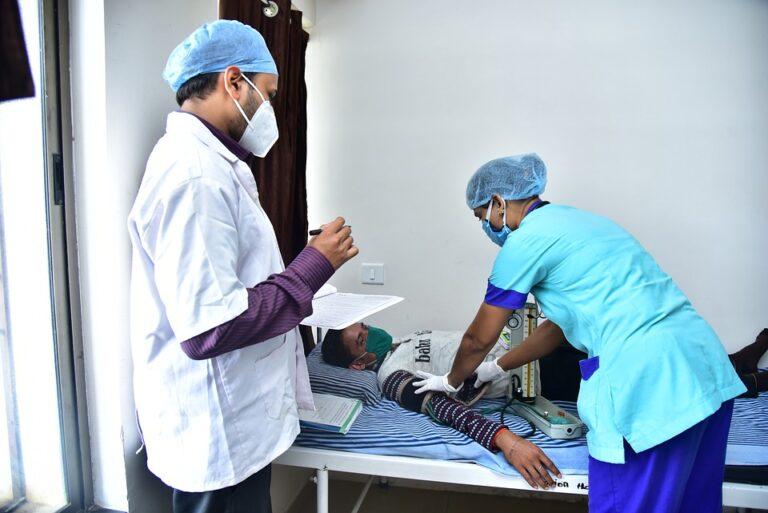
    The National Health Mission has played an instrumental role in transforming India’s healthcare landscape over the past three years. Through its targeted programs, expanded workforce, and strengthened infrastructure, NHM continues to improve healthcare accessibility and quality across the nation.

    The National Health Mission (NHM) has been given a give year extension by the union cabinet. Union minister Piyush Goyal said the decision to continue the NHM was taken as it has been able to meet historic targets in the last 10 years.

    NHM, the ministry of health says, has made remarkable strides in improving India’s public health landscape between FY 2021-24.

    The union cabinet has considered how the NHM has, through its targeted interventions, the mission has driven substantial progress in maternal and child health, disease elimination, and healthcare infrastructure, contributing to significant enhancements in health outcomes across the country.

    The National Health Policy, 2017 envisages- “the attainment of the highest possible level of health and wellbeing for all at all ages, through a preventive and promotive health care orientation in all developmental policies, and universal access to good quality health care services without anyone having to face financial hardship as a consequence”.

    The aim of NHM is to ensure progress towards the goals and targets set out in the National Health Policy, 2017 for ensuring “universal access to equitable, affordable and quality health care services, accountable and responsive to people’s needs”.

    This will also enable the country to advance towards meeting Sustainable Development Goal3, i.e. “Ensure healthy lives and promote well-being for all at all ages”, including Universal Health Coverage.

    Strengthening Healthcare Workforce

    One of NHM’s most significant achievements has been the expansion of the healthcare workforce. Over the three-year period, NHM engaged more than 12 lakh additional healthcare workers. In FY 2021-22 alone, 2.69 lakh personnel, including General Duty Medical Officers (GDMOs), specialists, staff nurses, ANMs, AYUSH doctors, and public health managers, were inducted. The subsequent year saw the addition of 4.21 lakh healthcare professionals, followed by 5.23 lakh workers in FY 2023-24, including a growing number of Community Health Officers (CHOs). This expansion has strengthened healthcare delivery, particularly at the grassroots level.

    NHM played a pivotal role in India’s response to the COVID-19 pandemic. Between January 2021 and March 2024, NHM facilitated the administration of over 220 crore COVID-19 vaccine doses nationwide. The India COVID-19 Emergency Response and Health Systems Preparedness Package (ECRP), implemented in two phases under NHM, further fortified the healthcare infrastructure to combat the pandemic effectively.

    Maternal and Child Health Improvements

    Significant progress has been made in maternal and child health indicators under NHM. The Maternal Mortality Ratio (MMR) has declined by 83 per cent since 1990, surpassing the global decline of 45 per cent. Similarly, the Under-5 Mortality Rate (U5MR) saw a 75 per cent reduction compared to the global reduction of 60 per cent. These improvements indicate India’s steady progress towards achieving Sustainable Development Goals (SDGs) ahead of the 2030 deadline.

    NHM has made remarkable progress in controlling and eliminating various communicable diseases:

    • Tuberculosis (TB): The incidence rate reduced from 237 per 1,00,000 population in 2015 to 195 in 2023, with the TB mortality rate dropping from 28 to 22 during the same period. Under the Pradhan Mantri TB Mukt Bharat Abhiyan, 1.56 lakh Ni-kshay Mitra volunteers are supporting over 9.4 lakh TB patients.
    • Malaria: Malaria cases and deaths have declined significantly, with sustained efforts leading to improved surveillance and control measures.
    • Kala Azar: NHM successfully met elimination targets, achieving less than one case per 10,000 population in all endemic blocks by the end of 2023.
    • Measles-Rubella: A 97.98 per cent coverage was achieved under the Intensified Mission Indradhanush (IMI) 5.0, with 34.77 crore children vaccinated.

    NHM has also expanded critical healthcare services and infrastructure:

    • Ayushman Arogya Mandir (AAM) Centers: The number of operational centers reached 1.72 lakh by FY 2023-24, with 1.34 lakh centers offering 12 key healthcare services.
    • Pradhan Mantri National Dialysis Programme: Over 4.53 lakh dialysis patients benefited from more than 62.35 lakh hemodialysis sessions in FY 2023-24.
    • National Sickle Cell Anemia Elimination Mission: Since its launch in 2023, over 2.61 crore individuals, primarily in tribal areas, have been screened.
    • U-WIN Digital Platform: Launched in January 2023, the platform has expanded to 65 districts across 36 States/UTs, enhancing vaccination tracking and coverage.

    Addressing Public Health Challenges

    Efforts to enhance healthcare infrastructure have been significant. As of March 2024:

    • Public Health Facility Certification: 7,998 public health facilities have been certified under the National Quality Assurance Standards (NQAS), with over 4,200 receiving national certification.
    • Emergency Services: 12,348 Primary Health Centres (PHCs) were converted to 24×7 facilities, and 3,133 First Referral Units (FRUs) were operational.
    • Mobile Medical Units (MMUs): A fleet of 1,424 MMUs now provide healthcare services in remote and underserved areas.

    NHM has also tackled pressing public health concerns such as tobacco use and snakebite envenoming. A 17.3 per cent reduction in tobacco use was achieved through sustained awareness campaigns and enforcement of tobacco control laws. Additionally, the National Action Plan for Snakebite Envenoming (NAPSE), launched in FY 2022-23, has focused on prevention, education, and management strategies.

    The National Health Mission has played an instrumental role in transforming India’s healthcare landscape over the past three years. Through its targeted programs, expanded workforce, and strengthened infrastructure, NHM continues to improve healthcare accessibility and quality across the nation. With sustained efforts, India remains on track to achieve its health-related SDGs well before the 2030 deadline.

    UN Regrets US Exit from Global Cooperation on Health, Climate Change Agreement

    In the wake of the recent devastating and deadly massive wildfires that ripped through Los Angeles, the WMO spokesperson also noted that the US had suffered the bulk of global economic losses from weather, climate and water-related hazards.

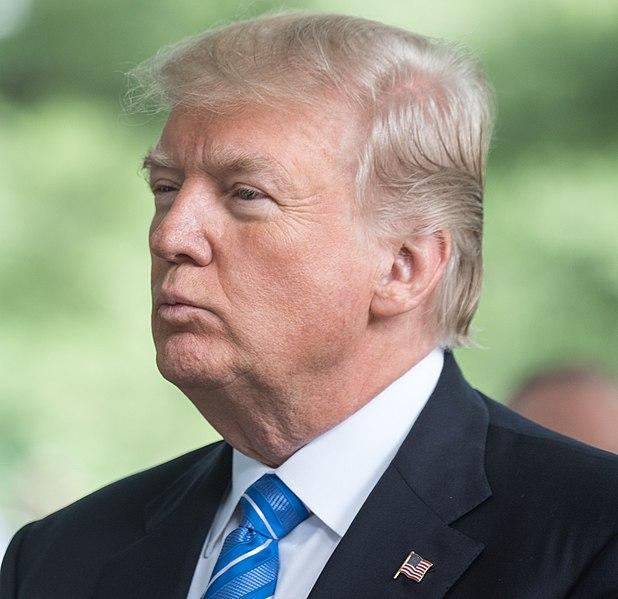
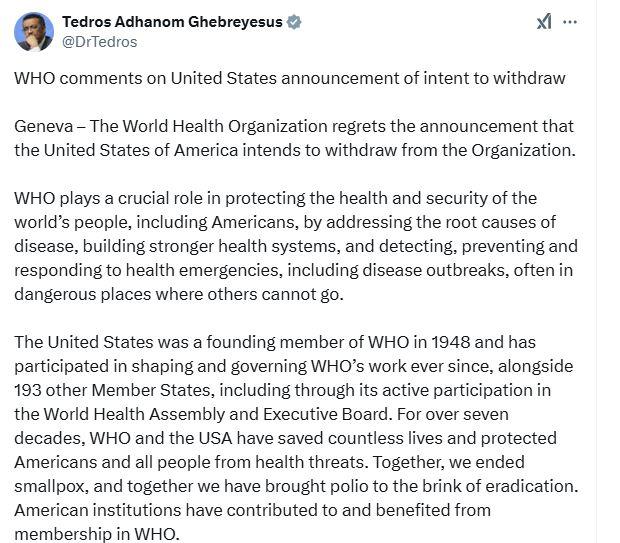
    UN agencies responded on Tuesday to President Trump’s executive orders ending US membership of the World Health Organization (WHO) and its adherence to the Paris Climate Agreement, highlighting the massive potential negative impact on public health and efforts to curb global warming.

    “The WHO regrets the announcement that the United States of America intends to withdraw from the Organization…We hope the United States will reconsider,” said WHO spokesperson Tarik Jasarevic, hours after the new President signed an executive order at the White House, bringing US involvement in the UN agency to an end in 12 months.

    The US joined WHO in 1948 after a joint resolution was passed by both chambers of Congress. The resolution requires the country to provide one year’s notice to leave the organization.

    President Trump took steps to withdraw from the WHO in 2020 during his first term – but the move was reversed by the Biden administration.

    Crucial Role

    Responding to journalists’ questions in Geneva, Jasarevic insisted that WHO “plays a crucial role in protecting the health and security of the world’s people, including Americans, by addressing the root causes of disease, building stronger health systems, and detecting, preventing and responding to health emergencies, including disease outbreaks, often in dangerous places where others cannot go.”

    Asked about the impact of the US withdrawal, Jasarevic pointed out that he saw the executive order “this morning like everyone else” and that further analysis will be needed. He confirmed that the US was WHO’s largest single donor, accounting for 18 per cent of the agency’s budget in 2023.

    Also in Geneva, UN humanitarian affairs office (OCHA) spokesperson Jens Laerke highlighted the UN health agency’s importance, saying that “the world lives longer, healthier, perhaps a little bit happier because of WHO”.

    “WHO is in places where others cannot go,” Mr. Laerke said, including Gaza, Yemen, Afghanistan and Sudan. “It is an indispensable part of the international humanitarian system,” he insisted.

    Climate Shock

    From the UN World Meteorological Organization (WMO), spokesperson Clare Nullis reacted to President Trump’s vow to quit the universally adopted 2015 Paris Agreement – marking an immediate return to the policies of his first presidential term, which ended in January 2021.

    The need for all countries to respect the accord was “pretty obvious”, she said, given that 2024 “was the hottest year on record”, at about 1.55°C above the pre-industrial era. “It is the defining challenge of our time,” she insisted.

    In the wake of the recent devastating and deadly massive wildfires that ripped through Los Angeles, the WMO spokesperson also noted that the US had suffered the bulk of global economic losses from weather, climate and water-related hazards.

    “It has sustained 403 weather and climate spokesperson disasters since 1980 where overall damages/costs reached or exceeded $1 billion. The total cost of these 403 events exceeds $2.915 trillion, according to US figures,” Nullis said.

    Her comments echoed those of the UN Spokesperson’s Office late on Monday which responded to journalists’ questions insisting that “the transformation envisaged in the Paris Agreement is already underway”, with a renewable “energy revolution” offering opportunities for jobs and prosperity.

    “The Secretary-General remains confident that cities, states and businesses within the United States – along with other countries – will continue to demonstrate vision and leadership by working for the low-carbon, resilient economic growth that will create quality jobs and markets for 21st century prosperity.

    “It is crucial that the United States remains a leader on environmental issues,” the statement continued. 

    Sri Lanka: Breakaway Marxists FLSP Warn Government Against Geopolitical Entanglement

    The JVP, when in opposition, had previously criticized successive Sri Lankan governments for leasing the strategically significant Hambantota Port to China on a 99-year lease and for allowing Beijing to construct the Colombo Port City adjacent to the island’s main commercial harbour.

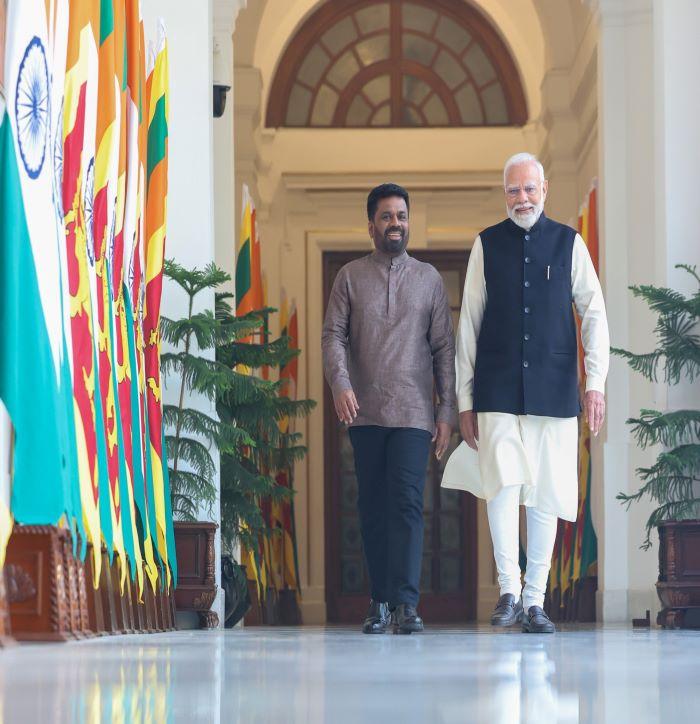
    The FrontLine Socialist Party (FLSP), a breakaway faction from the ruling Marxist Janatha Vimukthi Peramuna (JVP), has issued a stern warning to the Sri Lankan government against becoming embroiled in the escalating geopolitical tensions between regional powers India and China. This caution follows President Anura Kumara Dissanayake’s recent visits to both nations.

    President Dissanayake recently concluded a visit to China, which came just a month after his inaugural foreign trip to India. During his stay in Beijing, the Sri Lankan leader committed to implementing eight strategic steps outlined by Chinese President Xi Jinping to enhance high-quality Belt and Road cooperation. Among the agreed-upon projects are the continuation of major initiatives such as the joint development of the Colombo Port City and the Hambantota Port.

    The FLSP’s central committee, in a statement, described the Belt and Road Initiative (BRI) as more than an economic development program, branding it instead as a strategic geopolitical maneuver by China in the South China Sea and the Indian Ocean. The party emphasized the increasing risks posed by the Indo-Pacific Strategy led by the United States, which aims to counter China’s regional influence.

    “The United States is pursuing what it calls the ‘Indo-Pacific Strategy’ against China, and it is no secret that this power struggle has been creating acute tensions in the Asian region, including the Indian Ocean,” the FLSP statement read. “It could escalate from an economic, trade war and political, diplomatic confrontation to an open military conflict.”

    Chinese Influence

    The JVP, when in opposition, had previously criticized successive Sri Lankan governments for leasing the strategically significant Hambantota Port to China on a 99-year lease and for allowing Beijing to construct the Colombo Port City adjacent to the island’s main commercial harbour.

    The FLSP has expressed concerns over Sri Lanka’s increasing entanglement in the geopolitical struggle between India and China, pointing to the joint statements issued after President Dissanayake’s visits to both countries. The party highlighted that Sri Lanka’s recent agreements suggest a division of influence, with India exerting control over the Northern and Eastern provinces while China expands its presence in the Southern region, including Hambantota.

    A key point of contention is Sri Lanka’s agreement with China’s state-run Sinopec to construct the country’s largest refinery with a $3.7 billion investment near the Hambantota port. FLSP claims that this project raises significant concerns regarding the country’s energy sovereignty and financial transparency. Simultaneously, the party warned that a proposed oil pipeline project with India could severely impact Sri Lanka’s revenue from fuel bunkering operations.

    “This is not only a matter of losing revenue, but also a risk that Sri Lanka will lose its energy sovereignty, and the provision of military facilities at these ports poses a threat to national security,” the statement added.

    The FLSP underscored the growing strategic rivalry in the region, stating, “All these agreements indicate that the North and East are under Indian domination, while the Southern province, including Hambantota, is under Chinese authority. The fact that these regional powers are preparing for a strong intervention in Colombo makes this danger even more serious.”

    Call for Public Action

    Amid rising concerns over the government’s strategic choices, the FLSP has called on the public to be vigilant about the potential loss of both economic and political independence. They urged Sri Lankans to take an active role in addressing the challenges posed by the emerging geopolitical landscape.

    “We believe that the positions taken by the government in the face of the geopolitical conflict that have emerged in connection with the President’s visits to India and China are extremely serious,” the FLSP statement said. “We appeal to the working people, including the able masses, for an organized intervention to create alternatives to the economic, political, geopolitical, and military challenges faced by Sri Lanka and to make them a reality.”

    The FLSP played a key role in Sri Lanka’s 2022 mass protests that led to the ousting of former President Gotabaya Rajapaksa. However, political analysts note that despite their influence in mobilizing protests, the party has struggled to translate that momentum into electoral success in comparison to the JVP.

    As Sri Lanka navigates these complex international relationships, concerns persist about the nation’s sovereignty and its ability to maintain a balanced foreign policy amidst mounting external pressures.

    Land Mines Continue to Devastate Afghan Lives Amid Funding Shortages

    Since 1989, about 45,300 Afghan civilians have been recorded to have been killed or injured by landmines and explosive remnants of war. The average monthly civilian casualties from explosive devices in Afghanistan currently stand at around 50 individuals.

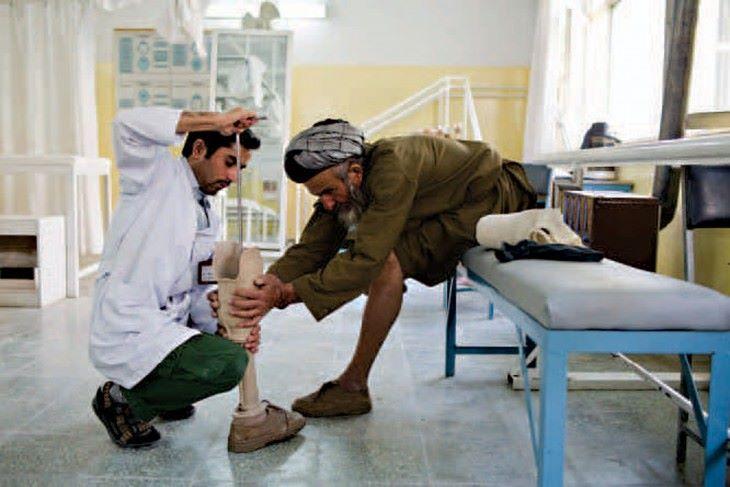
    Shah Agha is one of more than 100,000 Afghans living with injuries caused by land mines. He lost his leg to a mine during the anti-Soviet war in the 1980s in his native Kunduz Province in northern Afghanistan. In 2015, another unexploded weapon injured him again.

    “My life is miserable,” the Pashtu language Radio Azadi quoted Agha as saying. “I am always in need of help.”

    Noor, who goes by only one name, lost both his legs to a mine blast. The Kabul resident says disabled Afghans struggle to access education, jobs, or even move freely.

    “Both our society and the government do little to give us our rights,” he said.

    Agha and Noor are among the hundreds of Afghans killed and maimed every year by land mines left behind during more than four decades of war. Despite ongoing demining efforts, mine-clearing agencies now fear an even larger number of Afghans will soon become victims of these hidden killers.

    Demining Efforts Threatened

    Mine-clearing organizations warn that efforts to remove deadly munitions scattered across Afghanistan could soon come to a halt due to calls to end foreign aid to the Taliban-ruled country.

    Ahead of his inauguration, U.S. President Donald Trump and his allies have repeatedly criticised Washington’s financial assistance to Afghanistan. The United States has been the leading donor for humanitarian operations in Afghanistan since the Taliban regained power following the final U.S. military withdrawal in August 2021.

    “Deaths and injuries, especially among children and women, will increase,” Shahabuddin Hakimi, head of the Mine Detection Center (MDC), an Afghan demining NGO, told Radio Azadi.

    Since 1989, over 45,000 Afghans have been killed by land mines, according to the United Nations Mine Action Service (UNMAS). Despite the clearance of over 3,000 square kilometers of contaminated land, vast areas remain heavily mined.

    Casualties on the Rise

    Afghanistan is among the most heavily landmine-contaminated countries in the world, with millions of people at risk from landmines and explosive remnants of war (ERW).

    Decades of conflict have left Afghanistan with a dangerous legacy of landmines. Improvised mines and ERW from ongoing armed clashes remain the primary causes of civilian casualties. Landmines are the second leading cause of civilian casualties in Afghanistan, with children being the most affected victims. Contaminated areas are often located near schools and water sources, further endangering local communities.

    UNMAS estimates that land mines continue to pose a threat to more than 1,700 communities across Afghanistan, with over 1,200 square kilometers still awaiting clearance. A significant decline in funding has forced the MDC to cut nearly 80 percent of its operations over the past year.

    Hakimi noted that the lack of demining operations has already led to an increase in mine-related casualties to 60 per month, compared to an average of 50 in previous years.

    “These casualties are set to increase this year as refugees return from Iran and Pakistan and internally displaced populations move back to their homes,” Hakimi said.

    An estimated 2 million Afghans have been forced to return from neighboring Pakistan and Iran, which have hosted millions of Afghan refugees since the Soviet invasion in 1979. The end of fighting following the Taliban’s return to power has prompted even more displaced Afghans to return home, increasing their exposure to explosive hazards.

    In 2023, 455 Afghan civilians were killed or injured by 234 land mine blasts, according to the International Committee of the Red Cross. Children accounted for nearly 80 percent of these victims.

    Underfunded and Overwhelmed

    “Currently, mine action is among the most underfunded sectors in Afghanistan,” said a spokesperson for the HALO Trust, a British charity and one of the leading demining groups in the country. “[Afghanistan] no longer has the resources needed to stem the problem.”

    Funding for mine action has halved over the past two years, leading to a significant reduction in the workforce. Today, only 3,000 of the 15,000 Afghan de-miners employed before the Taliban takeover are still working, with more than 40 percent losing their jobs.

    “The country is facing a paradox of reduced donor support, increasing humanitarian need, and rising poverty,” the HALO Trust spokesperson added.

    A Worsening Humanitarian Crisis

    Humanitarian mine action partners in Afghanistan have cleared more than 14 million items of ERW, some 759,752 anti-personnel mines, some 35,052 anti-vehicle mines, and some 12,938 Abandoned Improvised Mines since 1989. A total of 35,642 hazardous areas have been cleared or otherwise canceled since 1989. This represents over 3,800 square kilometers of land released for productive use to 3,300 gazetteer communities.

    Since 1989, about 45,300 Afghan civilians have been recorded to have been killed or injured by landmines and explosive remnants of war. The average monthly civilian casualties from explosive devices in Afghanistan currently stand at around 50 individuals. ERW from armed clashes caused nearly 86 percent of the casualties recorded during January 2023 to August 2024. In the same period, more than 89 per cent of the ERW casualties were children. 

    Following the Taliban’s return to power, Afghanistan lost all development assistance, which previously funded most of the government’s expenses. The country now risks losing even more humanitarian aid.

    On January 7, Trump accused President Joe Biden of sending “billions of dollars to essentially the Taliban in Afghanistan.” Additionally, Republican Congressman Tim Burchett urged Biden to stop cash aid to Afghanistan, alleging that some of the funds were reaching the Taliban.

    As international attention shifts and funding diminishes, Afghans like Shah Agha and Noor remain trapped in a cycle of suffering, with little hope for a safer future. Without immediate intervention and sustained financial support, the toll of land mines in Afghanistan is set to rise, leaving thousands more injured or dead.

    Image: International Committee of the Red Cross

    Pakistan Braces for Tough Times as Trump Returns to Power

    According to Pakistani media reports, foreign affairs experts in Islamabad believe that the Trump administration will continue to perceive Pakistan primarily through the “China-India lens,” with Washington’s strategic focus remaining on countering Beijing’s influence in the region.

    By Bijoy Patro

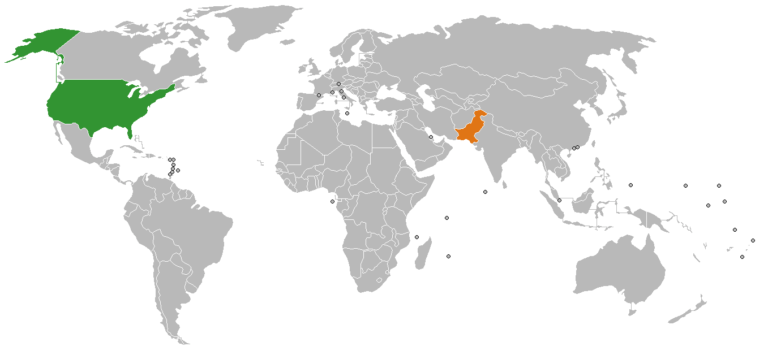
    As Donald Trump assumes the presidency of the United States for a second term, Pakistan is bracing for what officials and analysts predict will be a challenging period in bilateral relations. Internal assessments from Islamabad point to several potential roadblocks in diplomatic ties, with concerns mounting over Trump’s foreign policy priorities and key cabinet appointments, none of which really view Pakistan favourably.

    According to sources familiar with Pakistan’s diplomatic strategy, the new Trump administration is expected to prioritise its strategic competition with China and strengthen ties with India, leaving little room for Islamabad to manoeuvre. Of particular concern is the appointment of Richard Grenell, a Trump loyalist known for his public criticism of Pakistan. Pakistani officials believe that Grenell, along with other key figures in the administration, will adopt a tougher stance on Pakistan, further straining the already tenuous ties.

    Diminishing Influence in Washington

    Pakistan’s diplomatic mission in Washington has faced increasing challenges in recent years. Despite efforts to project a positive image during President Joe Biden’s tenure, Islamabad has struggled to secure high-level engagements. Notably, Pakistan is alive to the realisation that throughout his term as President, Joe Biden never held a direct conversation with any Pakistani prime minister. Nor, for that matter, did key officials like Secretary of State Antony Blinken visit Pakistan, despite multiple visits to India.

    The strained ties were further exacerbated by a senior Biden administration official’s recent comments labelling Pakistan’s long-range missile programme as a potential threat to the US. Of course, Islamabad had rejected these assertions, explaining that its missile program is India-centric. Analysts in Islamabad believe that these concerns may persist or even escalate under the Trump administration.

    Pakistan can see the writing on the wall and knows that it must refrain from using the heyday of the alliance during the early years of the Cold War as the baseline because that world no longer exists. More importantly, Pakistan is no longer the same.

    Marco Rubio as Secretary of State

    Adding to Pakistan’s concerns is the confirmation of Marco Rubio as Secretary of State in the Trump 2.0 administration. Rubio, known for his strong advocacy of India-US relations and his tough stance on China, has previously called for sanctions on Pakistan over alleged support for terrorism against India. His confirmation was met with unanimous Senate support, signalling broad bipartisan backing for his policy positions.

    Rubio’s past legislative efforts had sought to block US security assistance to Pakistan and enhance India’s status as a key strategic partner. Given this background, Pakistani diplomats anticipate a more challenging environment in Washington, with limited opportunities to advance their interests.

    The ‘China-India Lens’

    Foreign affairs experts in Islamabad believe that the Trump administration will continue to perceive Pakistan primarily through the “China-India lens,” with Washington’s strategic focus remaining on countering Beijing’s influence in the Asia Pacific region. This approach could marginalise Pakistan’s efforts to strengthen bilateral ties beyond the security domain.

    Dr. Zafar Nawaz Jaspal, a professor at Quaid-e-Azam University, highlighted the challenge of convincing the Trump administration that Pakistan can contribute positively to US interests without compromising its relationship with China. “We should position ourselves as a valuable partner in addressing non-traditional security threats and regional stability, especially concerning Afghanistan,” Jaspal noted.

    Additionally, Pakistani officials worry that the US could use internal political issues to exert pressure on Islamabad. For instance, Trump’s special envoy nominee Richard Grenell has called for the release of former Pakistani Prime Minister Imran Khan, adding a political dimension to the already complex relationship.

    Economic Concerns

    A complete break with the US is unthinkable for Pakistan which is struggling with a debt-ridden economy. The country needs outside help, not just from China and the Gulf countries, but also from international financial institutions. Here is the catch – Washington continues to influence international lenders.

    Indeed, one of the key areas of concern for Pakistan is the potential impact on economic cooperation. Under the Biden administration, Islamabad secured crucial bailout packages from the International Monetary Fund (IMF), partly due to US backing. Pakistani officials fear that the Trump administration may adopt a more transactional approach, potentially making future IMF financial assistance contingent on stricter political and strategic conditions.

    To navigate this uncertainty, Pakistani experts suggest leveraging the country’s close ties with Saudi Arabia, a key Trump ally. Pakistani media believes that the Saudi Crown Prince, Mohammed bin Salman, could play a crucial role in mediating favourable terms for Pakistan in Washington.

    Diplomatic Strategy Moving Forward

    During his campaign, Trump reiterated his intention to reinstate and expand the controversial travel ban that previously targeted several Muslim-majority countries. Reports also indicate that Pakistan could be among the nations included in an expanded list, raising alarms within the government and the Pakistani diaspora in the US.

    If implemented, such measures would further strain economic and people-to-people ties, affecting trade, remittances, and educational exchanges. Analysts urge Pakistan to engage proactively with US policymakers to prevent such restrictions from materialising.

    Despite the challenges, Pakistani diplomats and foreign policy experts advocate for a pragmatic approach. According to Pakistani media reports, Sherry Rehman, a former Pakistani ambassador to the US, has emphasised the need for Islamabad to chart a clear agenda focusing on economic and commercial ties. “Pakistan must assert its strategic interests while actively working to rebuild trust,” Rehman says.

    Masood Khan, another former ambassador, stressed the importance of injecting “new energy” into economic cooperation and exploring opportunities beyond traditional security concerns. Masood Khan believes that while Trump’s policies may not be a mere repetition of his previous tenure, Pakistan should remain cautious yet optimistic in finding areas of mutual interest.

    As Pakistan braces for Trump’s second term, the road ahead appears fraught with diplomatic and economic challenges. The anticipated policies of the new administration, combined with a tougher stance on China (and a friendly stance on India), present significant hurdles for Islamabad. However, analysts feel that strategic engagement, regional partnerships, and a proactive diplomatic approach could help Pakistan navigate the evolving geopolitical landscape.

    As former Pakistani ambassador Touqir Hsain said in his article published in the Dawn newspaper, “Any hopes our leadership may have of recapturing the relationship of the past are unlikely to materialise.”

    Husain ended his column saying, “We can only hope for the best while preparing for the worst.”

    Just Transition for Coal Miners – A Researchers’ Perspective

    The path forward requires deliberate, well-planned interventions. Comprehensive assessments of socio-economic realities, inclusive community engagement, and tailored transition plans are essential. Policymakers must prioritise raising awareness about the impending changes and involving local communities in shaping solutions.

    By Maitri Singh

    Stepping into the depths of a coal mine, one cannot ignore the stories of labour, and transformation that writ large on its black walls – the veins of these walls carry stories of those who toiled in its darkness. Echoes from Smita Sahay’s poem ‘Light, Again’ come to life: Coal dust preserves within my cells / an agony that would otherwise be homeless. / These mines are my inheritance, / as they were for my ancestors. / My spine shivers as I step in./ Above the horizon still bleeds. / Why do the living exhume pitch black ghosts?/ Whose tribe was this now fossilized into coal? / What do we live for? What does one die for?

    For centuries, coal has been the backbone of industrial progress that has powered economies and fuelled livelihoods. But in the backdrop of present-day’s environmental concerns and the push for sustainability redefine global priorities, the coal ecosystem stands at a critical crossroads. The once-indispensable industry now faces scrutiny as subjects like climate change, health, and Just Transition comes to the forefront.

    Last November, I visited some of Jharkhand’s oldest underground and over-pit coal mines mines in Bokaro. My visit was part of a research project understanding “Coal Dependency” and “Economic Diversification” in coal-dependent regions like Bokaro and Ramgarh for Jharkhand’s Just Transition. These terms are at the heart of today’s discussions on navigating the shift from fossil fuels to cleaner energy sources without leaving communities behind.

    Just Transition

    Just Transition, a concept born in the 1970s labour movement, focuses on ensuring that workers affected by this shift are supported with new opportunities, education, and protections. Originally proposed by activist Tony Mazzocchi as a “Superfund for Workers,” the idea evolved to encompass the broader societal changes needed to transition to a low-carbon economy while addressing social equity. It’s a vision also included in the 2015 Paris Agreement and accepted by  policymakers worldwide.

    The International Labour Organization (ILO) defines ‘Just Transition’ as greening the economy in a way that is fair and inclusive, creating decent work opportunities while ensuring no one is left behind. In coal-reliant regions like Bokaro and Ramgarh, this means understanding and addressing the web of dependencies tied to coal, as the coal ecosystem not only fuels electricity but also sustains livelihoods, education, and local economies. But what happens when the very foundation of this ecosystem begins to crumble under the weight of today’s environmental imperatives and economic realities?

    In India, the paradox is striking. While the government has committed to ambitious renewable energy targets – 50 per cent power generation from renewables by 2030 and net-zero emissions by 2070 – coal remains indispensable in the short term. Plans to nearly double coal production by 2030 reflect the urgency to meet rising energy demands. However, this reliance on coal raises pressing questions about the future of coal-dependent communities: Will they be equipped to transition to new economic models? Can they see a future beyond coal?

    Coal Dependency

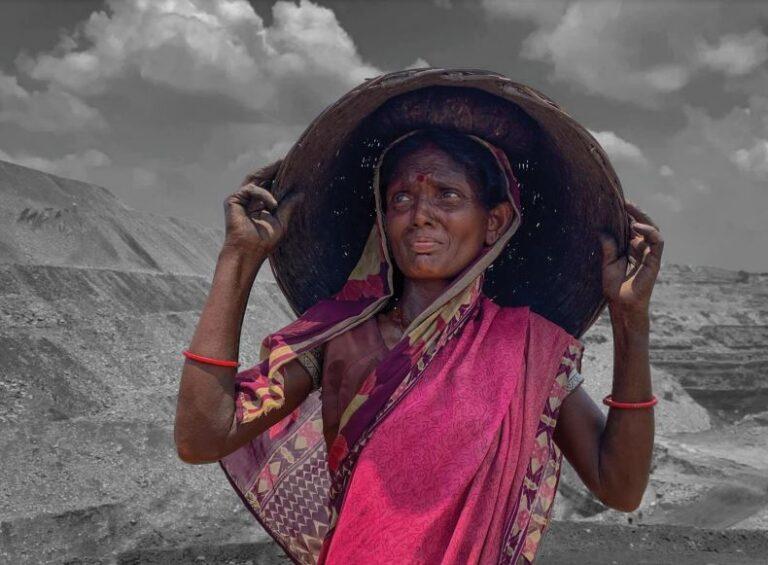
    Over a nine months stay in Bokaro, I encountered the realities of coal dependency. Towering piles of coal, roads coated with black dust, and the sight of coal scavengers struggling under the weight of their loads painted a decent picture of the industry’s dominance. As I stood there inhaling the coal-laden air, many questions struck me including how can a region so inherently dependent on coal ever move away from it?

    Our study aimed to understand the socio-economic dependencies on coal at the district level. This meant asking critical questions: How do mine closures affect communities? What sectors could drive economic diversification? And, how aware are local residents and enterprises of the impending transition?

    The findings revealed that while many households depended on coal for cooking fuel, electricity, and employment, yet most were unaware of the looming coal phase-down. For those near coal mines, awareness was higher, but the prospects of mine closures elicited fear and uncertainty. Migration, job losses, and declining local economies were also common concerns.

    The informal coal economy often overlooked in policy discussions, also emerged as a critical area of our focus. The informal coal workers that scavenge coal from mines for resale, rely on this precarious livelihood. A potential coal phase-down would devastate these workers, which could possibly lead to unemployment and increased crime in the region.

    Coal encompasses everything in these regions. As a trade union member aptly put it, “Coal is the sole power here, be it in politics, industry, or livelihood.”

    Induced Economy

    Interviews with local stakeholders revealed a complex set of perspectives. While Trade union members and activists had long been engaged in discussions about Just Transition, even organising grassroots initiatives like the “Conference of Panchayats” to raise awareness about climate change and the need for economic diversification. Others, however, were less informed, considering coal as irreplaceable.

    Additionally, the “1:20 ratio” – the idea that every coal job supports 20 other people – showed the far-reaching impact of coal on local economies. For instance, the closure of Kargali Washery led to widespread unemployment, with shopkeepers and small businesses bearing the brunt. This is a result of induced economy, in which workers’ spending sustains local businesses like markets and services. During my visit to a market near a closed mine in Ramgarh, vendors expressed their disappointment over the economic downturn caused by the closure. “The market’s vibrancy disappears,” one shop owner explained. Yet, amidst these challenges, there was also optimism. Many local residents expressed a desire to expand their businesses or explore new business ventures.

    During the study, infrastructure development, skill mapping, and targeted training programs emerged as critical components of a successful transition. However, barriers such as bureaucratic delays, credit access issues, and inadequate infrastructure – particularly frequent power outages – were a common concern.

    The environmental toll of coal dependency is another pressing concern of the locals. Pollution from coal mines affects air quality, water resources, and public health. One local stakeholder emphasised the need for environmentally sustainable alternatives: “The government can start anything that benefits us, but it should not pollute our environment further.”

    Critical Juncture

    Reflecting on my fieldwork, I grappled with the enormity of the challenge: Could Jharkhand realistically transition away from coal? What would happen to informal workers and their families? Why hasn’t the state developed comprehensive plans to address these issues?

    The slow pace of action and the persistent demand for coal signals the troubling question- How will this transition unfold, and who will bear the brunt of it?

    For some, coal represents progress and hope, that powers the nation and fills the energy gap until renewable alternatives take hold. For others, it is a reminder of the environmental crises we seek to escape. This paradox of progress and peril holds the complexity of transitioning away from coal. It’s not just about replacing one energy source with another; it is about reimagining livelihoods, economies, and futures.

    The path forward requires deliberate, well-planned interventions. Comprehensive assessments of socio-economic realities, inclusive community engagement, and regionally tailored transition plans are essential. Policymakers must prioritise raising awareness about the impending changes and involving local communities in shaping solutions. Only then can we ensure that no one is left behind in the shift to a cleaner, more sustainable future.

    The transition from coal is not just a technical challenge but a human one as well. It is a test of our ability to balance progress with equity, to honour the past while creating reimagined sustainable paths forward. The dust of the mines may settle, but the questions they raise will shape our collective future.

    Maitri Singh is a researcher at the Digital Empowerment Foundation, specialising in access, inclusion, and internet governance, and has co-led research on Just Transition and Economic Diversification over the past year.

    Senior Taliban Official Urges Reversal of Education Ban on Afghan Girls

    Previously, Stanikzai has voiced support for women’s education but refrained from directly challenging the leadership’s stance. His latest statement, however, publicly questions the legitimacy of the existing policy.

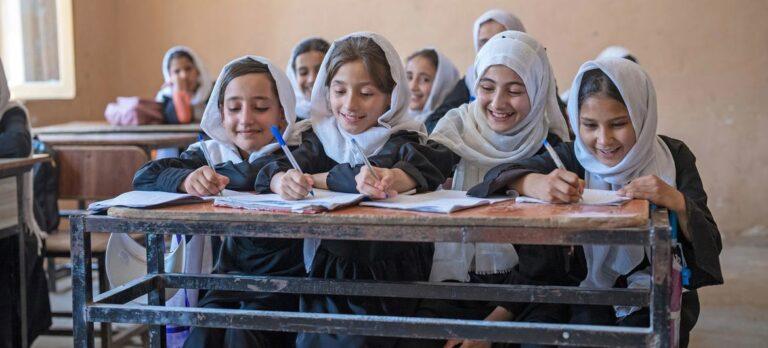
    In a rare public appeal, a senior Taliban official has called for the reversal of the group’s controversial ban on education for Afghan women and girls, describing the policy as unjust, un-Islamic, and lacking any religious justification.

    Sher Abbas Stanikzai, a senior political deputy at Afghanistan’s Foreign Ministry, made the remarks on Saturday during a religious school ceremony in Khost, a southeastern province of Afghanistan. Addressing the audience, Stanikzai stated that there was no valid reason to continue restricting education for women and girls, emphasising that the ongoing ban was not rooted in Islamic law.

    “We are committing an injustice against 20 million people out of a population of 40 million, depriving them of all their rights,” Stanikzai said in a video posted on social media. “This is not in Islamic law, but our personal choice or nature.”

    The Taliban, which seized control of Afghanistan in August 2021, implemented a ban on girls’ education beyond the sixth grade shortly after taking power. Over subsequent months, the restrictions were expanded to prevent women from accessing higher education, including universities such as Kabul University.

    Stanikzai’s remarks represent a significant call for policy change, as they mark his first direct appeal to the Taliban’s supreme leader, Hibatullah Akhundzada. Previously, Stanikzai has voiced support for women’s education but refrained from directly challenging the leadership’s stance. His latest statement, however, publicly questions the legitimacy of the existing policy.

    “The leadership should again open the doors of education for girls. We have no excuse to deny them their right,” he added, underscoring the growing internal debate within the Taliban regarding the controversial ban.

    Bolstering Taliban’s Credibility

    Despite Stanikzai’s appeal, critics remain sceptical about the likelihood of any real change. Zubaida Akbar, an activist with the women’s rights group Femena, believes the remarks might be a strategic effort to improve the Taliban’s international reputation.

    “This statement seems like a move to rebrand themselves as progressive,” Akbar said in an interview. “It’s about bolstering credibility for the Taliban on the global stage, but it doesn’t change the reality on the ground.”

    International pressure continues to mount on the Taliban to restore basic rights for women and girls in Afghanistan. The United Nations has consistently condemned the ban on female education, while human rights groups highlight the broader repression faced by Afghan women, including severe restrictions on their mobility and employment opportunities.

    Malala Yousafzai, the Nobel Peace Prize laureate and prominent advocate for girls’ education, has called on Muslim leaders to challenge the Taliban’s policies. Speaking at a conference in Islamabad earlier this month, Yousafzai urged the international community to take a firmer stance against the Taliban’s treatment of women and girls, describing it as a form of “gender apartheid.”

    Despite increasing condemnation from international bodies and activists, the Taliban leadership has shown little willingness to compromise. The regime continues to defend its policies, asserting that they align with their interpretation of Islamic law. However, the restrictions have further isolated Afghanistan on the global stage, with no country yet recognising the Taliban government.

    As the debate over women’s rights in Afghanistan intensifies, Stanikzai’s remarks have ignited hope among some advocates who believe that internal dissent could eventually lead to policy shifts. However, for millions of Afghan girls and women deprived of education and opportunities, tangible change remains elusive.

    Child Labour, Early Marriage

    According to the UN education agency, UNESCO, at least 1.4 million girls have been deliberately denied access to secondary education since 2021. This represents an increase of 300,000 since the previous count carried out by UNESCO in April 2023 – with more girls reaching the age limit of 12 every year. 

    “If we add the girls who were already out of school before the bans were introduced, there are now almost 2.5 million girls in the country deprived of their right to education, representing 80 per cent of Afghan school-age girls,” UNESCO says, adding that “in just three years, the de facto authorities have almost wiped out two decades of steady progress for education in Afghanistan, and the future of an entire generation is now in jeopardy.”

    Although girls’ education is still permitted under the age of 12, the number of pupils enrolled in primary education has also fallen drastically since 2021. According to UNESCO data, Afghanistan had only 5.7 million girls and boys in primary school in 2022, compared with 6.8 million in 2019. 

    According to UNESCO, “This drop in primary school enrolment is the result of the de facto authorities’ decision to prohibit female teachers from teaching boys, exacerbating the teacher shortage. It can also be explained by parents’ lack of incentive to send their children to school, in an increasingly difficult socio-economic context.” UNESCO also expressed its alarm by the harmful consequences of this increasingly massive drop-out rate, which could lead to a rise in child labour and early marriage.

    Americans Back Trump Policies; But Remain Divided Over His Leadership, Survey Finds

    The country remains polarised, with opinions about Trump’s presidency almost evenly split. The survey found that roughly the same number of respondents expressed optimism about the next four years as those who felt pessimistic.

    A significant number of Americans support President-elect Donald Trump’s proposed policies on immigration and tariffs, yet they remain sceptical of him as an individual, according to a new survey conducted by The New York Times/Ipsos and released on Saturday.

    The poll revealed that 87 per cent of respondents support deporting illegal immigrants in the US who have a criminal record, a key promise Trump made during his 2024 campaign to enforce stricter immigration measures. Additionally, 55 per cent of those surveyed support deporting all immigrants living in the US illegally, while 42 per cent opposed such a move.

    According to the latest government estimates, the undocumented population stood at 11 million in 2022. However, demographers believe the current number has risen to between 13 million and 14 million.

    When it comes to ending birthright citizenship for children born to immigrants residing in the US illegally, support was less pronounced. Only 41 per cent of respondents favoured the initiative, while a majority of 55 per cent opposed it.

    Views on immigration’s overall impact on the country remain split. The poll found that 41 per cent of Americans consider immigrants a “burden,” while 56 per cent believe they “strengthen our country.”

    Economic Concerns and Tariffs

    Economic inequality emerged as a major concern among respondents, with 68 per cent agreeing that the US economic system “unfairly favours the wealthy.” In contrast, only 30 per cent believe the system is “generally fair” to most Americans.

    One of Trump’s major campaign promises was to impose tariffs on key trading partners, including Canada, Mexico, and China, to pressure them into strengthening their border security and combating fentanyl trafficking. Trump has proposed a 25 per cent tariff on imports from Mexico and Canada and a 10 per cent tariff on Chinese goods.

    However, opinions on tariffs remain divided. Around 45 per cent of those surveyed said they “strongly” or “somewhat” support increasing tariffs on imports from Mexico and China, while 50 per cent expressed opposition. Despite the mixed views, a significant majority – 81 per cent – believe Trump will follow through on his tariff promises.

    Concerns About Trump’s Leadership

    Despite his policy proposals garnering support, Americans remain divided on Trump’s leadership. According to the survey, 27 per cent of respondents cited concerns about his character, behaviour, and criminal convictions as major worries for his second term. Concerns about favouritism, abuse of power, and corruption ranked second at 13 per cent.

    The country remains polarised, with opinions about Trump’s presidency almost evenly split. The survey found that roughly the same number of respondents expressed optimism about the next four years as those who felt pessimistic. Trump’s favourability rating, based on an average of polls from FiveThirtyEight.com, has hovered just below 50 per cent – mirroring his share of the popular vote in the 2024 election.

    The findings of The New York Times/Ipsos survey underscore the ongoing divisions within the country over Trump’s leadership. While many Americans support his policy initiatives on immigration and trade, concerns about his character and governance style persist. The poll, conducted from January 2-10 with 2,128 respondents, carries a margin of error of 2.6 percentage points.

    UK’s Richest 10 Per Cent Extracted Half of India’s Wealth During Colonial Rule, Says Oxfam Report

    As the world grapples with crises of economy, climate, and conflict, the widening gap between the rich and poor threatens global stability. The Oxfam report serves as a stark reminder that economic inequality is not an accident but a consequence of deliberate policies and historical injustices.

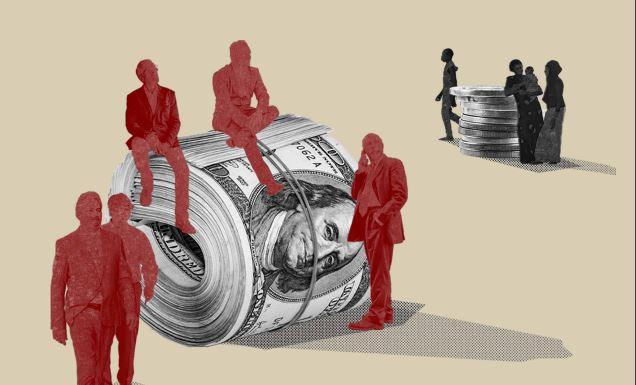
    A report by Oxfam International, titled ‘Takers Not Makers – The Unjust Poverty and Unearned Wealth of Colonialism’, reveals that the richest 10 per cent in the UK extracted a staggering US$33.8 trillion from India during over a century of colonial rule between 1765 and 1900. The report was released to coincide with the first day of the World Economic Forum Annual Meeting at Davos.

    Basing its arguments on a number of previous studies and research papers, the Oxfam researchers have calculated that between 1765 and 1900, the richest 10 per cent in the UK extracted wealth from India alone worth USD 33.8 trillion in today’s money. This amount, adjusted for modern value, could carpet the entire city of London in £50 notes almost four times over. The report sheds light on the deep economic inequality created by colonial domination and its lasting impacts on the Global South.

    The report underscores how colonialism primarily benefited the UK’s wealthiest elite, with the bulk of the plundered wealth funnelled to a privileged few. Beyond the richest, the newly emergent middle class in Britain also saw significant financial gains from the exploitation of India’s vast resources and labour.

    “Colonialism was not just about resource extraction, it was a systematic process that enriched the wealthy few in the UK while impoverishing millions in India,” Oxfam stated. “These patterns of wealth extraction and inequality are still reflected in today’s global economy.”

    Unearned Wealth

    The findings of ‘Takers Not Makers – The Unjust Poverty and Unearned Wealth of Colonialism’ come at a time when billionaire wealth is growing at unprecedented speeds. According to the report, billionaire fortunes increased three times faster in 2024 compared to 2023. On average, each billionaire saw their wealth grow by US$2 million per day, while the richest 10 billionaires amassed US$100 million daily.

    If current trends continue, Oxfam predicts that five trillionaires will emerge within the next decade. In stark contrast, the number of people living in poverty has remained nearly unchanged since 1990. Today, an estimated 3.6 billion people still live below the World Bank’s poverty line of $6.85 per day.

    The report highlights that most billionaire wealth is taken, not earned. A staggering 60 per cent of billionaire wealth originates from inheritance, cronyism, corruption, and monopoly power rather than innovation or entrepreneurial effort. In fact, for the first time in 2023, more billionaires were created through inheritance than through business acumen.

    “We live in a world where extreme wealth is transferred across generations, largely untaxed, perpetuating the same cycle of inequality that began during colonial rule,” the report states. “The super-rich continue to benefit at the expense of the poorest, racialised, and marginalised communities.”

    Colonialism in Modern Disguise

    The ‘Takers Not Makers – The Unjust Poverty and Unearned Wealth of Colonialism’ report argues that the world remains colonial in many ways, with wealth still being extracted from the Global South to the Global North. Oxfam calculates that today, an estimated US$30 million is transferred every hour from developing countries to the richest 1 per cent in rich nations through an exploitative global financial system.

    The report points to structural inequalities within institutions such as the World Bank, where the average Belgian has 180 times more voting power than the average Ethiopian. These disparities reinforce a cycle of economic dependence and subjugation that originated in the colonial era.

    The report says, “This system still extracts wealth from the Global South to the superrich 1% in the Global North at a rate of US$30million an hour.” This must be reversed. Reparations must be made to those who were brutally enslaved and colonised. Our modern-day colonial economic system must be made radically more equal to end poverty. The cost should be borne by the richest people who benefit the most.

    The devastating human cost of this inequality is felt most acutely by women and marginalised communities in the Global South. Women contribute an estimated 12.5 billion hours of unpaid care work daily, which adds at least US$10.8 trillion in value to the global economy. Despite their enormous contributions, they continue to face systemic economic exclusion and discrimination.

    Oxfam warns that without urgent action, the world will remain locked in a cycle of poverty and exploitation, where resources are siphoned from the poorest to enrich the wealthiest.

    Calls for Reparations

    The report makes an urgent call for reparations to those who were brutally enslaved and colonised, arguing that meaningful change must involve financial restitution and systemic restructuring of global financial institutions.

    “….This must be reversed,” the report says, adding, “Reparations must be made to those who were brutally enslaved and colonised. Our modern-day colonial economic system must be made radically more equal to end poverty. The cost should be borne by the richest people who benefit the most.”

    “The global economic system must be radically transformed to ensure equity and justice,” Oxfam asserts. “The richest people who have benefited the most from centuries of exploitation must bear the cost of reversing these inequalities.”

    Proposals include a wealth tax on billionaires, debt cancellation for developing countries, and the implementation of policies that prioritise human well-being over corporate profit.

    As the world grapples with crises of economy, climate, and conflict, the widening gap between the rich and poor threatens global stability. The Oxfam report serves as a stark reminder that economic inequality is not an accident but a consequence of deliberate policies and historical injustices.

    “We cannot move forward without addressing the past,” the report concludes. “True progress requires recognising the systemic exploitation that has occurred and making amends to create a fairer world for all.”

    The report raises several question illustrating that the cycles of exploitation and inequality persist for generations to come unless the global community takes decisive action.