More

    Bangladesh: Anti Corruption Body Proposes Comprehensive Overhaul

    The report has generated cautious optimism among anti-corruption advocates. The inclusion of diverse voices, a clear timeline, and a focus on institutional integrity are seen as strengths of the proposed framework. Nonetheless, sceptics question whether entrenched political and bureaucratic interests will allow these reforms to take root.

    The Anti-Corruption Commission (ACC) Reform Commission today submitted a landmark report to Chief Adviser Professor Muhammad Yunus, outlining 47 recommendations aimed at transforming the ACC into a robust, independent, and effective entity. A key proposal calls for elevating the ACC from a statutory body to a constitutional institution, granting it greater autonomy and accountability.

    Iftekharuzzaman, head of the ACC Reform Commission, presented the report during a ceremony at the Chief Adviser’s office at 11:30 AM. “The ACC, as it stands, lacks the structural and operational independence required to tackle corruption effectively,” he remarked. “By recognizing the ACC as a constitutional entity, we can ensure its independence while maintaining necessary checks and balances.”

    Recommendations for Comprehensive Reform

    The report categorizes the 47 recommendations into short-term, medium-term, and long-term measures. These include:

    1. Expansion of the Commission: Increasing the number of members from three to five, with a mandatory inclusion of female representatives and professionals with judicial and financial expertise.
    2. Amendments to Article 20 of the Constitution: Introducing provisions that explicitly prevent the abuse of power and enforce a constitutional oath against corruption.
    3. National Anti-Corruption Strategy: Formulating a comprehensive policy to establish clear responsibilities and capacities across state and non-state sectors for combating corruption.
    4. Establishment of an Ombudsman Office: In accordance with Article 77 of the Constitution, the office would monitor and evaluate the implementation of anti-corruption strategies.
    5. Abolishment of Black Money Whitening Practices: Ending the practice of legalizing illicit earnings, which has long undermined public trust in governance.

    “These reforms aim to create an enabling environment where the state and society work together to combat corruption,” Iftekharuzzaman stated.

    The commission’s recommendations stem from extensive research and public engagement initiatives. Stakeholder consultations, surveys, and public forums were conducted to ensure the report reflects societal expectations. “We made every effort to align our recommendations with the aspirations of the people,” Iftekharuzzaman said.

    The ACC Reform Commission was one of several bodies established in October last year to propose reforms across critical state institutions, including the electoral system, police, judiciary, and public administration.

    Challenges Facing the ACC

    The ACC’s journey since its formation in 2004 has been fraught with challenges. Initially hailed as a significant step towards curbing corruption, its effectiveness waned due to governmental control and bureaucratic hurdles. The 2013 amendment to the Anti-Corruption Commission Act, requiring government approval to investigate politicians or bureaucrats, has been particularly criticized for stifling the ACC’s independence.

    Instances of perceived inefficacy have further tarnished the ACC’s reputation. For example, during the Padma Bridge corruption scandal, despite international pressure from the World Bank, the ACC failed to hold any individuals accountable. More recently, cases such as the bribery scandal involving Deputy Inspector General Mizanur Rahman highlighted systemic weaknesses within the institution.

    The report outlines a phased implementation plan:

    • Short-term measures (6 months): Initiatives like drafting the national anti-corruption strategy and establishing an ombudsman office.
    • Medium-term measures (18 months): Structural changes, including the expansion of commission members and constitutional amendments.
    • Long-term measures (48 months): Institutionalizing reforms to embed anti-corruption mechanisms within governance frameworks.

    Iftekharuzzaman emphasized the importance of political will and societal support in realizing these reforms. “An institution like the ACC cannot single-handedly eradicate corruption,” he said. “The state, civil society, and citizens must collectively uphold anti-corruption principles.”

    Global Commitments and Future Prospects

    The ACC’s restructuring aligns with Bangladesh’s commitment to international anti-corruption norms. Since its accession to the United Nations Convention Against Corruption in 2007, the country has pledged to strengthen its anti-corruption infrastructure. However, delivering on these promises remains a challenge.

    Observers view the reform commission’s recommendations as a pivotal opportunity to rebuild public trust and address longstanding grievances. Political analyst Dr. Anika Rahman remarked, “If implemented effectively, these reforms could redefine governance in Bangladesh. However, overcoming entrenched political interests will be key.”

    The report has generated cautious optimism among anti-corruption advocates. The inclusion of diverse voices, a clear timeline, and a focus on institutional integrity are seen as strengths of the proposed framework. Nonetheless, sceptics question whether entrenched political and bureaucratic interests will allow these reforms to take root.

    Chief Adviser Muhammad Yunus lauded the commission’s efforts, stating, “This report is a testament to our collective resolve to address corruption. Its recommendations provide a clear pathway to making the ACC a cornerstone of integrity in Bangladesh.”

    As the government deliberates on the report, the nation awaits concrete actions that will determine whether this ambitious reform agenda will transform the ACC into a beacon of accountability or remain an unrealized aspiration.

    Image: Hippopx
    India Meteorological Department Celebrates 150 Years of Excellence

    The India Meteorological Department’s innovations have empowered farmers and communities by providing localized weather information in multiple languages through platforms like the Meghdoot app. As a result, over 50 per cent of farmers now use weather-based advisories compared to just 10 per cent a decade ago.

    The India Meteorological Department (IMD), under the Ministry of Earth Sciences, proudly commemorates 150 years of dedicated service to the nation. Established in 1875, IMD has played a pivotal role in advancing meteorology, seismology, and related sciences, contributing significantly to disaster management, agriculture, aviation, and public safety. This milestone marks a testament to IMD’s enduring legacy in safeguarding lives, fostering economic development, and driving scientific progress.

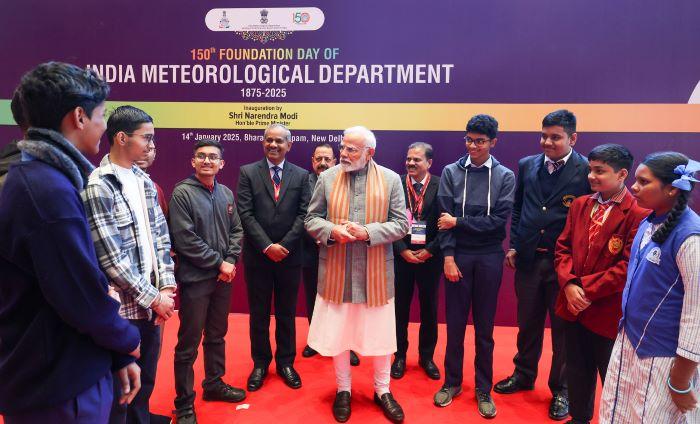
    The 150th Foundation Day of IMD was celebrated with grandeur on January 14, 2025, at Bharat Mandapam, New Delhi. Prime Minister Narendra Modi graced the occasion, highlighting IMD’s remarkable journey and contributions over the years. During the event, the Prime Minister launched ‘Mission Mausam,’ a transformative initiative to make India a ‘Weather-ready and Climate-smart’ nation through state-of-the-art weather surveillance technologies, next-generation radars, satellites, and advanced computing systems.

    The celebration also witnessed the unveiling of a commemorative postage stamp and coin to honor IMD’s legacy. Additionally, the IMD Vision-2047 document was released, outlining the roadmap for enhancing weather resilience and climate adaptation as India approaches its 100th year of independence. Workshops and activities showcased IMD’s contributions to making India climate-resilient, emphasizing its role in providing critical weather and climate services.

    The establishment of IMD in 1875 was a response to a series of catastrophic events, including the 1864 Calcutta cyclone and monsoon failures in 1866 and 1871. These disasters underscored the need for centralized meteorological services in the Indian subcontinent.

    Since its inception, IMD has unified meteorological efforts, advancing the field as a modern physical science. Over the decades, the department has adopted cutting-edge technologies to enhance weather forecasting, climate monitoring, and disaster preparedness. Today, IMD is a cornerstone of India’s socio-economic development and a beacon of resilience and sustainability.

    Pioneering Observations

    IMD has consistently embraced innovation, replacing all mercury barometers with digital ones by 2023 in line with the UNEP Minamata Convention. The department has enhanced agro-meteorological services with 200 Automated Weather Stations (AWS) and sustained 25 GPS-based PB stations. These advancements ensure more precise weather data and support sectors like agriculture and disaster management.

    IMD launched a crowdsourcing web interface in January 2021 and the “Public Observation” mobile app on January 14, 2022. These platforms enable users to report real-time weather feedback and associated impacts, fostering community engagement in weather observation. Public participation has significantly enriched IMD’s data repository.

    IMD has achieved a 40 per cent improvement in overall forecast accuracy since 2014. Its Doppler Weather Radar (DWR) network expanded from 15 in 2014 to 39 in 2023, covering 35 per cent more land area. Accurate cyclone predictions, such as for Phailin (2013), Hudhud (2014), Fani (2019), Amphan (2020), and Biparjoy (2023), have reduced fatalities and economic losses. Notably, cyclone-related deaths have plummeted to zero from 2020 to 2024.

    IMD’s adoption of the High-Resolution Rapid Refresh (HRRR) model and Electric Weather Research and Forecasting (EWRF) model has revolutionized rainfall and lightning forecasts. The “Mausamgram” interactive meteogram, launched in 2024, provides location-specific weather forecasts, enhancing public access to critical data.

    IMD has been a trailblazer in developing indigenous technologies, collaborating with ISRO since 1983 for satellite products and launching Doppler Weather Radars since 2010. Initiatives like the Common Alerting Protocol (2019) and Dynamic Composite Risk Atlas (2022) underscore IMD’s commitment to “Make in India.”

    Empowering Communities

    In his speech at the Foundation Day event, Prime Minister Modi emphasized IMD’s role in shaping India’s scientific and technological progress. He commended the department’s success in minimizing the impact of natural disasters through timely warnings and forecasts. The Prime Minister also highlighted the ‘Mission Mausam’ initiative, which aligns with India’s commitment to sustainability and climate resilience.

    IMD’s innovations have empowered farmers and communities by providing localized weather information in multiple languages through platforms like the Meghdoot app. As a result, over 50 per cent of farmers now use weather-based advisories compared to just 10 per cent a decade ago. Enhanced early warning systems have also safeguarded coastal communities, particularly fishermen, from adverse weather conditions.

    IMD’s Flash Flood Guidance system serves neighboring countries like Nepal, Bhutan, Bangladesh, and Sri Lanka, exemplifying India’s commitment to regional cooperation. The department’s advancements in meteorology and disaster management have bolstered India’s global image as a reliable and compassionate partner.

    As IMD celebrates its sesquicentennial anniversary, its journey symbolises India’s scientific prowess and resilience. From pioneering meteorological research to adopting advanced technologies, IMD continues to adapt and innovate to address modern challenges. With a vision for a ‘climate-smart’ nation, IMD stands poised to lead India toward a sustainable and weather-resilient future.

    Pakistan: Senate Committee Reviews Progress on Implementation of Anti-Rape Act

    Key recommendations included extending the scope of the National Sex Offender’s Register to include offenders convicted abroad, enhancing monitoring and restrictions on released offenders, and implementing risk assessment tools to prevent recidivism.

    Pakistan’s Senate-appointed Anti-Rape Special Committee held a critical review of the implementation of the Anti-Rape (Investigation and Trial) Act, 2021, during a session at the Ministry of Law and Justice. The meeting, chaired by Senator Ayesha Raza Farooq, brought together members of the Special Committee, along with representatives from PEMRA, NADRA, the National Police Bureau (NPB), provincial Home Departments, and other key stakeholders.

    The session focused on three core areas: the establishment of the National Sex Offender’s Register (SOR), the performance of specialized support structures for survivors of sexual violence, and policy measures to enhance the Act’s implementation.

    The National Police Bureau provided an update on the SOR, marking the installation of necessary hardware at the Gender Crime Cell at NPB as a major milestone. The Bureau revealed that data for 94 per cent of eligible cases recorded between January 1 and November 30, 2024, had been collected but awaited integration into the SOR due to pending software updates. NADRA committed to expediting technical support to ensure timely completion.

    The Ministry of Law and Justice presented notable progress in the establishment and utilization of Anti-Rape Crisis Cells (ARCCs). Punjab and Islamabad showed significant improvement, with increased referrals of sexual violence cases to ARCCs, resulting in enhanced survivor support services. Provincial Home Departments pledged to address existing gaps and strengthen coordination between law enforcement and ARCCs to improve service delivery.

    Much Work Remains

    Policy recommendations were also discussed, with Ms. Zainab Mustafa, Community Protection Advisor at UPSCALE and committee member, presenting data-driven proposals for bolstering Pakistan’s legal framework to combat sexual violence. Key recommendations included extending the scope of the SOR to include offenders convicted abroad, enhancing monitoring and restrictions on released offenders, and implementing risk assessment tools to prevent recidivism.

    Participants expressed appreciation for these evidence-based proposals, agreeing to review them further in the next consultation session.

    Chairperson Senator Ayesha Raza Farooq concluded the meeting by commending the progress made and urging sustained efforts to address remaining challenges. “While we acknowledge the advancements, much work remains to ensure a robust response to sexual violence. The protection of vulnerable members of our society must remain our collective priority,” she stated.

    The session underscored the commitment of all stakeholders to strengthening Pakistan’s response to sexual violence through improved legislation, better survivor support systems, and robust offender management mechanisms. The ongoing implementation of the Anti-Rape Act, 2021, remains a crucial step toward creating a safer and more just society.

    Image: Hippopx

    A Jack of All Fruits

    With FAO’s support to maximise the jackfruit’s potential, local farmers and entrepreneurs are proving that it can open doors to better livelihoods. Local markets are now brimming with a variety of jackfruit products, from snacks to desserts.

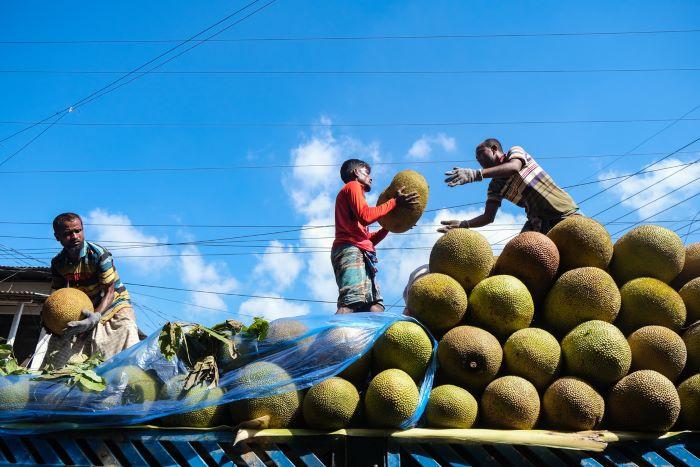
    Khadiga Khanom never used to give much thought to jackfruit. In her home district of Gazipur, about 50 kilometres north of the Bangladeshi capital Dhaka, Khadiga had certainly seen plenty of jackfruit trees in her life. They are hard to miss, as oblong, spiky green fruits, which can easily each weigh several kilos.

    She had even cooked jackfruit in her curries along with an array of other ingredients. But she never imagined that one day it would become one of the main sources of her family’s livelihood.

    It all came about after the 37-year-old homemaker took part in a series of workshops and trainings where she learned how to process a whole range of products that can be made from the jackfruit.

    With this training provided by the Food and Agriculture Organization of the United Nations (FAO), she soon decided to take a leap of faith and start her own business. Today, she produces an array of jackfruit-based goods, including pickles, jam, burgers, cakes, pizzas and even plant-based leather.

    Processing about 100 kilograms of jackfruit daily, with five employees in a specially equipped room in her home, she’s able to earn an income of about USD 400 a month. She proudly shares that the money is “helping me support my family, and I’m even saving up to expand the business. I never thought jackfruit would change my life like this.”

    The learnings were part of the FAO One Country One Priority Product (OCOP) initiative which helps countries identify the products that have the most market potential and provides support in maximising it.

    The Best Quality

    For Bangladesh, the world’s second-largest producer of jackfruit, this was a natural choice. Jackfruit is also the country’s national fruit and symbolizes abundance. Yet much of the potential of this fruit remained untapped.

    Outdated subsistence farming methods and post-harvest losses due to poor storage have led to many jackfruit rotting before reaching markets.

    For Ramij Uddin, a farmer in Sreepur Upazila in central Bangladesh, jackfruit has always been part of his life. But like many Bangladeshi farmers, who relied on traditional farming techniques, his yields were often inconsistent and low-quality.

    It was in 2023 that Ramij participated in FAO’s training session and learned modern production techniques, including the proper use of manure, fertilizers and pest control. Thereafter, his results were impressive. By the next harvest season, his jackfruit trees produced 30 percent more fruit. The size, shape and colour of the jackfruits had also improved significantly, allowing him to sell them at more than double the previous year’s price.

    “I never imagined I could earn this much from jackfruit,” he says. “Now, I feel proud when I take my produce to the market because I know it’s the best quality. This training has completely changed how I farm.”

    Opening Doors to Better Livelihoods

    With modern production techniques, post-harvest handling and processing methods, Ramij and other farmers are seeing the results of the OCOP initiative. It’s not just about growing more jackfruit — it’s about growing better-quality jackfruit, which in turn means higher incomes and improved livelihoods.

    Since Bangladesh joined the OCOP initiative in 2022, the FAO trainings have benefited not just farmers but all those involved in the process of jackfruit production. The focus has been on the “green” development of the jackfruit value chain, integrating climate smart and environmentally friendly practices, emphasizing innovation in production, storage, processing and marketing.

    There’s still some way to go. For Bangladeshi jackfruit to enjoy increased market access, its production will require more modernisation, like vacuum packaging, and adherence to international standards.

    But already, with FAO’s support to maximise the jackfruit’s potential, local farmers and entrepreneurs are proving that it can open doors to better livelihoods. Local markets are now brimming with a variety of jackfruit products, from snacks to desserts, which not only cater to local tastes but also attract interest from broader international markets.

    Image: FAO

    The Challenges Facing the World’s Fifth Largest Economy

    Over the past 50 years, India’s population has nearly tripled, raising serious concerns about the future. With 18 per cent of the world’s population concentrated on just 2.4 per cent of the land area, accommodating further growth is an urgent and unmistakable challenge.

    By Shibu Thomas

    India has surged forward as the world’s fifth-largest economy and has now surpassed China to claim the title of the most populous nation. However, this rapid ascent is not without its challenges; rising unemployment and inflation loom large, threatening demographic dividend and its ambitious goal of sustaining a 7 to 8 per cent GDP growth.

    Projections indicate a staggering population of 1.7 billion by 2050, intensifying issues like employment elasticity, soaring poverty rates, urban congestion, environmental pollution, and the depletion of natural resources. These escalating challenges risk irreversible ecological damage, threaten the delicate balance of species and habitats and post serious ramifications for public health and sustainability.

    Confronting sustainable development in this context, especially amidst the aspirations of a vibrant youth bulge, is an urgent and formidable task. A powerful and cost-effective solution lies in consciously reducing our human footprint. India must urgently integrate population planning into climate change initiatives and sustainable development goals to forge long-term policies that protect our planet.

    This calls for incorporating population discussions into broader environmental strategies, empowering women through education and access to reproductive health services, and launching targeted initiatives in high-fertility districts by building collaborative networks among governments, NGOs, and local communities.

    The demographic landscape of India is currently at a critical juncture, presenting significant challenges in managing its rapidly growing population. Over the past 50 years, India’s population has nearly tripled, raising serious concerns about the future. With 18 per cent of the world’s population concentrated on just 2.4 per cent of the land area, accommodating further growth is an urgent and unmistakable challenge.

    This issue has sparked contrasting viewpoints within the country, with some unequivocally regarding the expanding working-age population as a demographic dividend, while others firmly perceive it as a potential crisis that demands immediate attention.

    Wealth Disparity

    The current demographic trends in India paint a picture of urgency, demanding immediate action to address job creation. The unemployment rate is 8.5 per cent, and 14.9 per cent (MPI) are impoverished. There is a significant wealth disparity, with the top 10 per cent holding more than 60 per cent of total wealth, while the bottom 50 per cent has experienced a decline in wealth.

    The education system is under strain, with over 1.2 million children out of school in 2022-23, struggling to accommodate the expanding population. Urbanization is further burdening infrastructure and essential services. Public healthcare expenditure remains low at 2.1 per cent of the GDP, highlighting the need for universal health coverage. The growing population places immense pressure on arable land, exacerbating land degradation and impacting the resource base.

    Furthermore, the expanding population and increased affluence have led to a rapid surge in energy production and consumption, contributing to air pollution and global warming. These environmental challenges are significantly impacting public health and hindering sustainable development.

    Despite advancements in agricultural productivity with the Green Revolution, a significant proportion of the population still grapples with inadequate access to proper nutrition, highlighting the urgent need to address food sustainability. The increasing population will continue to strain damaged ecosystems, reducing their resilience and elevating the risk of epidemics, soil desertification, and biodiversity loss.

    India’s current demographic landscape is marked by a burgeoning working-age population 500 million, offering significant development potential in contrast to China’s diminishing population. However, India’s population growth may present challenges due to its relatively smaller land area and lower GDP than China.

    While China’s one-child policy facilitated rapid economic growth, there are varying perspectives on India’s fertility rate, which has reportedly dropped below the replacement level of 2.1. Some advocate for population policies, while others question the necessity of such measures, citing historical resistance to India’s coercive population policies in the 1980s.

    Political Violence

    Despite a 7.2 per cent growth rate in 2022-23, resulting in six million jobs, the working population increased by 10 million, leading to “jobless growth.” Although the fertility rate is declining, scientific models project that India’s population may not necessarily decrease due to “population momentum.”

    Historical efforts in the 1970s and 80s aimed at promoting family planning through diverse media and public outreach initially showed promise. However, the efficacy of these initiatives has waned over time, leaving the challenge of unchecked population growth as a critical issue that remains to be effectively addressed.

    The reluctance to address this matter is deeply rooted in political, religious, and cultural concerns. Rapid economic growth and advancements in science and technology have intensified human activity, making it challenging to control. Regulating human population growth is crucial for sustainable development, and historical evidence from the 1960s indicates that uncontrolled population growth leads to resource scarcity.

    Failure to manage human populations may undermine afforestation and infrastructure development efforts. Additionally, unchecked unemployment, particularly among well-educated young men facing limited opportunities, has been linked to increased political violence.

    India has established an ambitious objective to attain net-zero greenhouse gas emissions by 2070, notwithstanding projections indicating a population surge of 2 billion. A 2024 UNDP survey reveals that 77 per cent of Indian citizens advocate for more robust governmental climate action.

    The I=PAT framework emphasises that environmental impact (I) is influenced by population size (P), level of affluence (A), and technology (T). India’s middle class currently accounts for 31 per cent of the population and is expected to grow to 38 per cent by 2031 and 60 per cent by 2047, increasing per capita consumption. It is important to note that the only variable that can be directly managed is human footprints (P).

    Access to Education

    Given the complex nature of the issue and the underlying social frameworks, concentrating solely on persuading individuals to adopt less environmentally detrimental behaviours is ineffective and potentially counterproductive. It is imperative to destigmatise and integrate population growth discussions into environmental dialogues.

    Government, communities, and individuals advocating proactive measures should collectively shoulder this responsibility. Our focus should pivot towards modifying systems and structures to incentivize communities to voluntarily refrain from procreation for a year, thereby driving significant behavioural shifts on a large scale.

    The government should prioritize high-fertility districts in overpopulated states, particularly in northern India, and urgently improve access to contraceptives and family planning services in these areas.

    The state of Kerala exemplifies that birth rates are lower where women have access to education, healthcare, and the ability to control the number of children. Better-educated women tend to have fewer children, which also signals increased gender equality. Empowering women and their active participation in decision-making can significantly reduce population growth, offering hope for a more sustainable future.

    In conclusion, the interplay between India’s population growth, environmental sustainability, and public health presents a complex challenge that requires immediate and strategic action. To address this issue effectively:

    1. Integrate population discussions: Establish forums and partnerships that unite policymakers, environmentalists, and community leaders to incorporate population growth into broader environmental strategies.
    2. Empower women: Invest in educational programs and enhance access to reproductive health services, particularly in high fertility districts, to enable women to make informed choices about their families.
    3. Implement targeted initiatives: Develop and support government initiatives focused on reducing birth rates in overpopulated areas while promoting sustainable practices at the community level.
    4. Foster collaboration: Encourage partnerships among governments, NGOs, and local communities to promote conscientious living and embrace eco-friendly practices.

    The time is now to act with purpose. Collective decisions made today will determine the quality of life for generations to come. By adopting these recommendations, the nation can forge a legacy that ensures not just prosperity but also the well-being of every citizen.

    Dr. Shibu Thomas; M.D.S, M.S. is an Independent Global Health and International Security Analyst based in New Jersey, U.S.A; an Alumnus of the School of Diplomacy and International Relations at Seton Hall University and Former Assistant Professor at Ajman University, U.A.E.

    This piece has been sourced from Inter Press Service

    Malala: ‘Honest Conversations on Girls’ Education Start by Exposing the Worst Violations’

    With 26 million out-of-school children in Pakistan, 53 per cent of whom are girls, the summit seemed to be in line with Prime Minister Shehbaz Sharif’s declaration of an education emergency in Pakistan last year, vowing to “bring them [unschooled children] back to school.”

    By Zofeen Ebrahim

    “She was at her brilliant best, speaking fearlessly and boldly about the treatment of women by the Afghan Taliban, robbing an entire generation of girls their future, and how they want to erase them from society,” said educationist and one of the speakers, Baela Raza Jamil, referring to the speech by Nobel Laureate and education activist Malala Yousafzai.

    Jamil heads Idara-e-Taleem-o-Aagahi, an organization promoting progressive education.

    Malala addressed the second day of a two-day international conference organized by the Pakistan Ministry of Federal Education and Professional Training (MoFE&PT) on January 11 and 12, to discuss the challenges and opportunities for girls’ education in Muslim communities.

    “They are violators of human rights, and no cultural or religious excuse can justify them,” said Malala. “Let’s not legitimize them.”

    Pop singer and education activist Shehzad Roy was equally impressed.

    Roy said, “When she speaks, she speaks from the heart.”

    It has been a little over three years since the Taliban banned secondary education for girls in Afghanistan on September 17, shortly after their return to power in August 2021. In 2022, the Taliban put a ban on women studying in colleges, and then in December 2024, this was extended to include women studying nursing, midwifery and dentistry.

    In October 2012, at 15, Malala survived a Taliban assassination attempt for advocating girls’ education in Mingora, Pakistan. She was flown to England for treatment and has since settled there with her family while facing continued Taliban threats.

    Colonial Laws

    Dr. Pervez Hoodbhoy, a university professor and columnist, acknowledged that the treatment of girls and women in Afghanistan was essentially “primitive and barbaric,” but emphasized that “before the Pakistani government takes on the mantle of being their [Afghan women’s] liberator, there are laws relating to women (in Pakistan) that need to be changed and anti-women practices that need to be dismantled.”

    Dismantling many of the colonial laws and legal systems that perpetuate gender inequality at both personal and societal levels was also pointed out by Jamil, who spoke about the important role women can play in peacebuilding. But that was only possible, she said, when society can promote education and lifelong learning without discrimination.

    “In Malala, we have a living example of a contemporary young student’s lived experience of responding to deadly violence by becoming a unique peacebuilder,” said Jamil in her speech to the conference.

    This high-profile conference deliberately kept low-key till the last minute for “security reasons gathered 150 delegates, including ministers, ambassadors, scholars, and representatives from 44 Muslim and allied countries, as well as international organizations like UNESCO, UNICEF, the World Bank, and the Saudi-funded Muslim World League.

    Hoodbhoy, however, said the summit was “solely purposed to break Pakistan’s isolation with the rest of the world and shore up a wobbly government desperate for legitimacy.”

    While some Indian organizations were represented, Afghanistan, despite being invited, was conspicuously absent.

    26 Million Out of School

    This did not go unnoticed.

    “The silence of the Taliban, the world’s worst offender when it comes to girls’ education, was deafening,” pointed out Michael Kugelman, director of the Washington D.C.-based Wilson Center’s South Asia Institute. Given the strained relationship between Pakistan and Afghanistan, he said the former may have wanted this conference to bring attention to the Taliban’s horrific record on girls’ education.

    “And it has succeeded, to a degree, especially with an iconic figure like Malala using the conference as a platform to condemn gender apartheid in Afghanistan under the Taliban.”

    Yusafzai was glad that the conference was taking place in Pakistan. “Because there is still a tremendous amount of work that is ahead of us, so that every Pakistani girl can have access to her education,” she said, referring to the 12 million out-of-school girls.

    Kugelman credited Pakistan as the host for not trying “to hide its own failures” on the education front. “It was important that Prime Minister Sharif acknowledged the abysmal state of girls’ education in Pakistan in his conference speech,” he said.

    With 26 million out-of-school children in Pakistan, 53 per cent of whom are girls, the summit seemed to be in line with Prime Minister Shehbaz Sharif’s declaration of an education emergency in Pakistan last year, vowing to “bring them [unschooled children] back to school.”

    “The PM is rightly worried about out-of-school kids, but I’m more worried about those who complete ten years of education and fail to develop critical thinking,” said Roy, commenting on the summit. The pop singer has been a very vocal education activist for over two decades.

    Entrenched Societal Norms

    Hoodbhoy had similar thoughts. “Had there been serious intent to educate girl children, the more effective and far cheaper strategies would be to make coeducation compulsory at the primary and early secondary levels to increase school availability and design curriculum to educate and inform girls (and boys) rather than simply brainwash,” he said.

    Roy stated that Yousafzai has consistently emphasized the importance of quality education. With just 150 government training institutions in Pakistan, he said there was an urgent need for reform through public-private partnerships. He also noted that many private schools hire unqualified teachers and advocated for a teaching license, like medical licenses.

    Since forming the Zindagi Trust in 2003, Roy has been advocating for better quality education in public schools. He has also adopted two government girl’s schools in Karachi and turned them around, providing meals to nursery children and teaching chess and musical instruments, both unheard of in public schools, especially for girls.

    The Prime Minister acknowledged that enrolling 26 million students in school was a challenging task, with “inadequate infrastructure, safety concerns, as well as deeply entrenched societal norms” acting as barriers, and stated that the real challenge was the “will” to do it.

    Colonial Education System

    For 34 years, Jamil has raised questions about the design and process of education in Pakistan through annual reports. She believes that bringing 26 million children back to school is less challenging than ensuring “foundational learning” for those already enrolled. “Forty-five percent of children aged 5-16 fail in reading, comprehension, and arithmetic,” she told IPS. Along with improved funding and well-equipped school infrastructure, Jamil was also concerned about what she termed a runaway population.

    Lamenting on a “lack of imagination to solve the education crisis” within the government, she said there was potential to achieve so much more. Jamil’s own organisation’s 2018 Syani Saheliyan project helped nearly 50,000 adolescent girls (ages 9-19) in South Punjab who had dropped out of school. It provided academics, life skills, vocational training, and technology-driven support to reintegrate them into education. The project was recognized by HundrEd Innovation in 2023.

    Even Dr. Fozia Parveen, assistant professor at Aga Khan University’s Institute for Educational Development, would like the government to think outside the box and find a “middle ground” by including local wisdom in modern education.

    “Instead of western-led education in an already colonial education system, perhaps a more grassroots approach using local methods of education can be looked into,” she suggested, adding: “There is so much local wisdom and knowledge that we will lose if we continue to be inspired by and adopt foreign systems. An education that is localized with all modern forms and technologies is necessary for keeping up with the world,” she said.

    Further, Parveen, who looks at environmental and climate education, said “more skill-based learning would be needed in the times to come, which would require updated curriculum and teachers that are capacitated to foster those skills.”

    Qualitative Transformation

    The two-day International Conference on Girls’ Education in Muslim Communities ended with the signing of the Islamabad Declaration, recognizing education as a fundamental right protected by divine laws, Islamic teachings, international charters, and national constitutions. Muslim leaders pledged to ensure girls’ right to education, “without limitations” and “free from restrictive conditions,” in line with Sharia. The declaration highlighted girls’ education as a religious and societal necessity, key to empowerment, stable families, and global peace, while addressing extremism and violence.

    It condemned extremist ideologies, fatwas, and cultural norms hindering girls’ education and perpetuating societal biases. Leaders committed to offering scholarships for girls affected by poverty and conflict and developing programs for those with special needs to ensure inclusivity.

    The declaration concluded by affirming “it will not be a temporary appeal, an empty declaration, or simply a symbolic stance. Rather, it will represent a qualitative transformation in advocating for girls’ education—bringing prosperity to every deprived girl and to every community in dire need of the contributions of both its sons and daughters equally”.

    A permanent committee was urged to oversee the implementation of these outcomes.

    This piece has been sourced from the Inter Press Service.

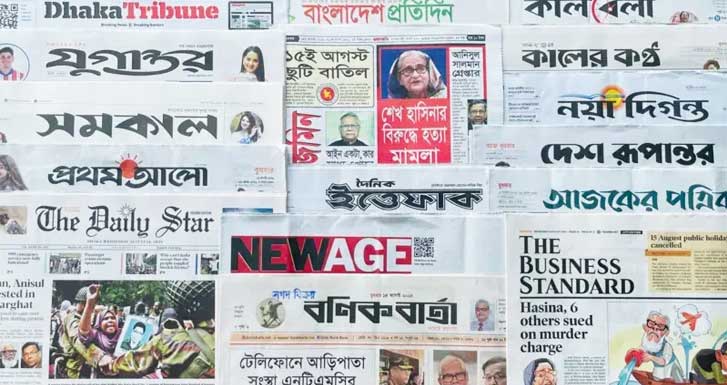
    Press Freedom: Bangladesh Journalists Navigate a Reporting Minefield

    While some journalists now avoid critical reporting altogether, others have been replaced by those perceived as aligned with the interim government or the influential Students’ Movement against Discrimination, which spearheaded the protests.

    Five months after the fall of the repressive Awami League government in Bangladesh, journalists are navigating a challenging landscape marked by fear and self-censorship, says a report by BenarNews. Despite an interim administration led by Nobel laureate Muhammad Yunus promising freedom of the press, the reality remains far from ideal for many reporters, some of whom face reprisals for their past coverage of the Awami League, the report says.

    In the aftermath of Prime Minister Sheikh Hasina’s government collapse on August 5, 2024, during massive student-led protests, some journalists have embraced the newfound freedom to report critically. Others, however, tread carefully, worried about facing accusations, false murder charges, job loss, or social media harassment.

    “False murder cases were filed against a huge number of journalists after the downfall of the government,” said Z.E. Mamun, a former chief executive of the private TV station ATN Bangla, in an interview with BenarNews. Mamun himself is named in a murder case linked to a killing in Dhaka on the day Hasina fled to India.

    The case was filed at the International Crimes Tribunal, which was originally established by the Awami League to try individuals accused of war crimes during the 1971 war of independence. Mamun believes the allegations are baseless but reflect the atmosphere of fear under the interim government.

    Mamun alleges that journalists associated with the Awami League are being systematically silenced. “At least 140 journalists identified as being supporters of Hasina’s Awami League government face murder complaints filed by citizens,” he said. Adding to their woes, many have had their accreditation cards revoked, bank accounts frozen, and finances scrutinized.

    Prevailing Climate of Fear

    According to Sohel Haider Chowdhury, president of the Dhaka Union of Journalists, the fear is palpable across the media landscape. “Almost all media outlets have terminated or sidelined journalists branded as ‘enablers of fascist Hasina,’” Chowdhury told BenarNews.

    While some journalists now avoid critical reporting altogether, others have been replaced by those perceived as aligned with the interim government or the influential Students’ Movement against Discrimination, which spearheaded the protests.

    “There is no direct intervention from the government, but an atmosphere of fear has been created. Journalists are working under constant fear,” said Chowdhury, who himself faces four murder complaints related to anti-Hasina protests.

    Chowdhury added that journalism trade offices, including his own, had been locked by the government, further curtailing journalists’ ability to work.

    A Troubled Transition

    The challenges of practicing independent journalism in Bangladesh predate the interim government. Observers note that restrictions on press freedom and government interference in media have been systemic problems.

    “There was no atmosphere for good journalism during Hasina’s regime, and this has carried over under the interim government,” said Nazrul Islam Mithu, president of the Overseas Correspondents Association Bangladesh.

    Mithu explained that the risks for journalists go beyond professional setbacks. “Anyone criticizing the government faces physical assault and harassment in public places. Their houses are attacked. But no action from the government to prevent such recurrence is visible,” he told BenarNews.

    Shafiqul Alam, press secretary for the Yunus-led administration, rejected allegations of repression, maintaining that the government has taken steps to promote press freedom.

    “The interim government has not slapped any repressive laws or passed administrative orders to muzzle the press as practiced by the Hasina government,” Alam told BenarNews. “Rather, we have decided to scrap the repressive Cyber Security Act and withdraw all cases related to freedom of the press filed under it.”

    Alam emphasized that murder complaints against journalists were filed by individuals seeking justice for loved ones lost during the July and August protests. “The government cannot stop individuals from filing cases,” he said.

    He also dismissed claims of government-led job losses for journalists. “No journalists have lost their jobs because of directives from the government,” he stated, adding that the administration has encouraged critical reporting.

    “What else can we at the government do if journalists practice self-censorship?” Alam asked.

    Theoretical Freedom, Practical Constraints

    Not everyone agrees on the extent of press freedom under the current administration. M. Abdullah, a former president of the pro-Bangladesh Nationalist Party (BNP) and Jamaat-e-Islami faction of the Bangladesh Federal Union of Journalists, dismissed allegations of government interference, attributing self-censorship to personal and professional vulnerabilities of some journalists.

    “For instance, the financial statements of some journalists show unusual transactions of crores (millions) of Taka,” Abdullah told BenarNews, implying financial misconduct among certain reporters.

    Meanwhile, Robaet Ferdous, a journalism professor at Dhaka University, argued that systemic issues persist. “People thought the situation would change after August 5. But the situation has not changed. Now, the students have replaced the government agencies in deciding who appears on TV talk shows,” Ferdous said.

    He criticized the ongoing politicization of the media. “Political parties aspiring to get power have already started placing their favored journalists in key positions in media,” he noted.

    While the interim government claims to champion press freedom, the reality for many Bangladeshi journalists is a precarious balancing act between self-preservation and professional duty. “Theoretically, an atmosphere of free journalism exists, but not in practice,” Ferdous observed.

    The enduring climate of fear reflects a broader struggle for press freedom in a country where the media has long been a battleground for political power. For now, Bangladeshi journalists face a minefield of challenges as they navigate this turbulent transition.

    Rakhine Rebels Seize Police Station in Myanmar Heartland

    The Arakan Army’s move into Ayeyarwaddy region reflects its growing confidence and strategic ambition, says Radio Free Asia, adding that since early January, the group has targeted military bases in bordering regions, including Ayeyarwaddy, Bago, and Magway.

    The ethnic Rakhine rebel group, Arakan Army (AA), has seized a police station in the Ayeyarwaddy region, marking the first time it has captured territory in Myanmar’s central heartland since the military coup of 2021. This development signifies the group’s expanding operations beyond its traditional stronghold in Rakhine state, where it already controls nearly all townships.

    According to Radio Free Asia (RFA), the AA, supported by anti-junta People’s Defense Forces (PDF), captured the police station in Shwethaungyan sub-township, Pathein, on Thursday. The takeover occurred despite junta forces launching several airstrikes to defend the position. Residents reported that the military’s attempts to hold the station failed, leading to their retreat and leaving Ma Gyi Zin village and its surrounding areas under AA control.

    The Radio Free Asia report sheds light on the growing reach of the Arakan Army and the junta’s struggles to maintain control, signalling a turning point in Myanmar’s ongoing civil war.

    Junta Airstrikes and Civilian Impact

    The junta retaliated with airstrikes targeting Ma Gyi Zin and nearby villages, including Pauk Taw Kwin and Ma Gyi Zin Pyar, resulting in significant destruction. A local resident, speaking anonymously for security reasons, described the situation as dire. He said, “Ma Gyi Zin, on the far side of Shwethaungyan, has fallen. The village is already on fire, and this is what’s happening in the Ayeyarwaddy region.”

    The airstrikes have also reportedly destroyed schools, monasteries, and homes in Pone Nyat Maw and Ku Lar Chaung villages. While casualty numbers remain unclear, reports indicate civilian deaths and injuries, with many residents fleeing to safer areas in Chaungthar, Shwethaungyan, and Thabaung sub-townships.

    Military reinforcements have been deployed near Baw Mi village in an attempt to stabilise the region, with “hundreds” of additional troops arriving from Thabaung sub-township, residents said. However, local authorities, including Ayeyarwaddy regional spokesperson and social affairs minister Khin Maung Kyi, have yet to acknowledge the ongoing conflict publicly.

    Escalation Beyond Rakhine State

    The AA’s move into Ayeyarwaddy region reflects its growing confidence and strategic ambition, says the Radio Free Asia report, adding that since early January, the group has targeted military bases in bordering regions, including Ayeyarwaddy, Bago, and Magway.

    In late December, the AA captured Gwa, a coastal town in Rakhine state, signaling a critical step toward their goal of securing full control over Rakhine. Following the capture, the AA expressed willingness to engage in talks with the junta. However, the military responded with intensified airstrikes in AA-controlled townships, including Ponnagyun, Ann, Gwa, and Myebon. These attacks have killed 10 civilians and injured over a dozen, according to local sources.

    The AA’s offensive in the Ayeyarwaddy region underscores the junta’s waning control over the country as the civil war enters its fourth year. Initially focused on defending Rakhine, the AA is now leveraging its gains to challenge the military in new territories.

    Humanitarian Crisis Unfolds

    The escalating violence is exacerbating the humanitarian crisis across Myanmar. The displacement of civilians from Ma Gyi Zin and surrounding villages adds to the millions already affected by the ongoing conflict since the coup. Local communities face shortages of food, shelter, and medical care amid widespread destruction, the report says.

    The junta’s airstrikes on civilian areas, including schools and monasteries, have drawn international condemnation. Rights groups have repeatedly called for accountability for the military’s actions, which they say amount to war crimes.

    The Arakan Army’s latest actions signal a shift in Myanmar’s civil war, with ethnic armed groups like the AA pushing beyond their traditional territories. While the group’s success in Ayeyarwaddy highlights the military’s vulnerability, the junta’s response – marked by airstrikes and troop reinforcements – suggests that further clashes are imminent.

    As the conflict deepens, prospects for peace remain uncertain. The AA’s willingness to negotiate is countered by the junta’s heavy-handed tactics, leaving civilians caught in the crossfire. Observers who the Radio Free Asia reporter spoke to, warned that without meaningful dialogue, Myanmar risks descending further into chaos.

    Image: Logo of the Arakan Army; courtesy Wikimedia

    Taliban’s Ban on Organ Transplants Deprives Afghans of Lifesaving Treatment

    While the Taliban’s ban on organ transplants ostensibly aims to address the illegal trade, it also eliminates the possibility of medically necessary transplants. Islamic scholar Abdul Saboor Abbasi argued that the Taliban’s interpretation of Shari’a law is overly restrictive, the Radio Azadi report said.

    The Taliban’s recent decision to ban organ transplants in Afghanistan has sparked widespread concern among medical professionals, patients, and human rights advocates. The extremist group has declared the transplantation of organs such as the heart, kidneys, and lungs to be “un-Islamic,” a move that could leave thousands of Afghans without access to potentially lifesaving treatments.

    The ban, announced by the Taliban’s Ministry for the Promotion of Virtue and the Prevention of Vice on December 10, also aims to combat the booming illegal organ trade in the country. However, critics argue that it unfairly targets patients in dire need of legitimate medical care.

    “I’m in deep trouble,” said Wahid, a resident of Parwan Province who is suffering from severe kidney and gallbladder issues. “The doctors say a kidney transplant is the only way to cure me. What will I do now?” Wahid asked Firuza Azizi, a journalist from Radio Azadi.

    Radio Azadi also spoke to Rashid, a resident of Herat Province, who shared a similar plight. His cousin, who desperately needs a kidney transplant, has been waiting in a hospital despite their village raising donations for the procedure. “He is still waiting in the hospital,” Rashid lamented.

    Afghan surgeon Bismallah Shewamal, based in Germany, emphasised the critical importance of organ transplants in modern medicine. “Organ transplants are an important means to save lives,” he said, noting that such procedures are widely accepted across the world, including in many Islamic countries.

    Organ transplants often rely on voluntary donations, either during the donor’s lifetime or after death. In many countries, including Islamic ones, family members or close relatives can donate organs to save the lives of loved ones. However, Afghanistan lacks robust legal frameworks regulating organ transplants, which has allowed the illegal trade of organs to flourish.

    Herat’s One Kidney Village

    Afghanistan’s widespread poverty has fuelled an underground market for human organs, particularly kidneys, as individuals struggle to make ends meet. In Herat Province, an area became infamously known as “one kidney village,” where desperate residents sold their kidneys for around $1,500 each.

    The situation worsened following the Taliban’s seizure of power in 2021, which plunged Afghanistan into an economic crisis. The humanitarian disaster intensified, forcing many to resort to selling organs to survive.

    While the Taliban’s ban ostensibly aims to address this illegal trade, it also eliminates the possibility of medically necessary transplants. Islamic scholar Abdul Saboor Abbasi argued that the Taliban’s interpretation of Shari’a law is overly restrictive. “Several contemporary rulings by leading Muslim jurists allow voluntary organ donations for transplants,” Abbasi said. “The donor must be an adult and of sound mind, and the recipient must benefit from the transplant.”

    A Necessity, Not a Luxury

    Globally, organ transplantation is recognized as a critical medical treatment. Islamic countries like Saudi Arabia and Iran have robust organ donation systems guided by Islamic principles. Most organs are donated voluntarily, with systems in place to ensure ethical practices.

    Doctors and patients in Afghanistan fear that the Taliban’s blanket ban will have devastating consequences. “This decision will cost lives,” said a Kabul-based doctor who wished to remain anonymous. “We already lack resources, and now, even the chance of saving lives through transplants has been taken away.”

    Patients like Wahid and Rashid’s cousin represent just a fraction of those who will suffer under the ban. For them, organ transplants are not a luxury but a necessity—one that has been stripped away by the Taliban’s hardline policies.

    As Afghanistan grapples with an economic and humanitarian crisis, the ban on organ transplants adds another layer of suffering for its people. Many now hope for international intervention or advocacy to reverse the decision and provide Afghans with access to lifesaving medical care.

    Is Bangladesh’s Currency Reprint Pressing Delete on Bangabandhu’s Legacy?

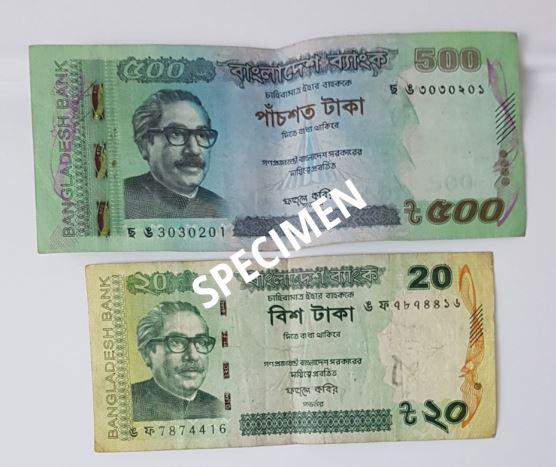
    The new notes will no longer carry the customary picture of Bangabandhu as Sheikh Mujibur Rahman, as the former leader who led the country to independence is known. In common parlance, Bangabandhu means Friend of Bangla people.

    By Kumkum Chadha

    History seems to be chasing Bangladesh even while the interim government is grappling with real issues of administering a country thrown into chaos.

    In July 2024, this South Asian country faced an upheaval when a students’ movement drove out Prime Minister Sheikh Hasina from office.

    Protestors took to the streets over a quota system for government jobs. Their angst — disproportionate benefits to descendants of freedom fighters.

    Once political parties and fundamentalists jumped in, the focus shifted, with protestors demanding Hasina’s resignation.

    Hasina was forced to leave the country she had ruled for 15 years. She landed in India for what was then flagged as a temporary refuge: “For the moment only,” as India’s Foreign Minister S Jaishankar had then told the Indian Parliament.

    Back home in Bangladesh, an interim government headed by Nobel Laureate Muhammad Yunus took charge of governing a country clearly at a crossroads — in other words, a toss-up between Sheikh Mujibur Rahman’s legacy or charting a new course without the baggage of history.

    It is against this backdrop that one must examine the new narrative of the interim government to reprint Bangladesh’s currency notes.

    Initiated by the Central Bank of Bangladesh, the new notes will no longer carry the customary picture of Bangabandhu as Sheikh Mujibur Rahman, as the former leader who led the country to independence is known. In common parlance, Bangabandhu means Friend of Bangla people.

    “Phasing out” is how officials from Bangladesh Bank explained the move, while 70-year-old Alamgir, a witness to the War of Liberation, called it “an altered history,” in other words, pressing a delete button on Bangabandhu’s legacy.

    To say that the sins of a daughter have adversely impacted her father’s legacy may be a bit of a stretch because even on his own, Sheikh Mujibur Rahman was a controversial figure.

    An Overkill

    A folk hero turned dictator, he failed to address the real issues of Bangladesh. Instead, he became authoritarian and suspended rights. As Prime Minister, his daughter Hasina followed in her father’s footsteps.

    Hence the anger of the people that spilled to the streets last year took a toll both on Sheikh Hasina and the legacy.

    For starters, the current generation, many in the forefront of the students’ protest in Bangladesh, resent the undue space accorded to Sheikh Mujibur Rahman through the years, particularly when Hasina ruled. Not only do they want to erase his imprint, but they also intend to rewrite and, if possible, clean up the bloody chapters of history.

    In this context, is the currency note redesign the first substantive step taken by the interim government headed by Yunus?

    Fazal Kamal, former editor of The Independent and Bangladesh Times, does not think so.
    “It is not the government that has taken the initiative. It is an intense reaction from among the people of Bangladesh to Hasina’s insistence on ensuring Mujib’s seal on everything. It is this overkill that Bangladeshis want to end. The interim government is only going along,” he told IPS.

    Given the hullabaloo, it must be pointed out that this is not the first time that Mujibur Rahman’s mugshot, if one may be allowed to use the term, has been taken off currency notes.

    A Second Independence

    In 1976, a year after Bangabandhu and some of his family members were assassinated, the series of notes that were introduced did not have his image. It was only in 1998 that he made a comeback on the taka and has remained since. A taka is a basic monetary unit in Bangladesh.

    Therefore, when Farid Hossain, who has served as Minister at the Bangladesh High Commission in New Delhi, calls the currency issue “much ado about nothing,” he is not off the mark.

    “On ground, people want governance — they want law and order and currency, which can buy more rather than which image it carries,” Hossain said, adding that the move is indicative of the interim government “giving in to pressure” from the radicals.

    To many, Hasina’s ouster is nothing short of a “second independence.” Yet there is a large segment that is against what Hossain has termed “wholesale erosion” of history and legacy: “Today Bangladesh faces an ideological divide and the narrative that was buried years ago seems to have resurfaced.”

    In other words, today’s generation in Bangladesh wants to resurrect the real face of Mujibur Rahman and strip him of the legacy draped in grandeur. And in this, the interim government has been an active player.

    “The intention of the interim administration is to take the country away from its historical legacy. The current regime has pandered to its unruly student followers who have been crushing every symbol of history,” says political analyst Syed Badrul Ahsan.

    As for succumbing to pressure, the interim government is in the eye of a storm on another issue — the tricky and sensitive issue of Hasina’s extradition.

    Political Vendetta

    Bangladesh has sent a note verbale to the Indian government saying that it wants Hasina back for a judicial process. A note verbale is a diplomatic communication from one government to another.

    There has been a persistent demand, as Kamal points out, for leaders of the previous regime to be brought back and tried. Call it vendetta politics if you will but the popular sentiment seems to be that Hasina should be sent to the gallows.

    Though India and Bangladesh have an extradition treaty in place, it exempts political vendetta.

    Article 6 of the treaty states that extradition may be denied if the alleged offence is of a political nature. That Hasina is being tried for her political offences is a given: “A note verbale is not enough. The interim government does not have a mandate. It is there to administer and steer reforms and not indulge in politicking. But it seems to be taking up the side issue of radicals and seems to be giving in,” Pinak Ranjan Chakravarty, former Indian High Commissioner to Bangladesh, told IPS.

    Dismissing the extradition request as “mere rhetoric resulting from domestic pulls and pressures,” the former ambassador says India is unlikely to accommodate its neighbour on this issue.

    He also did not rule out Yunus using this as a “pressure tactic” to tell India to restrain Sheikh Hasina from making political statements from Indian soil.

    For record, in a virtual address last month, Hasina stated that Yunus was running a “fascist regime” that encouraged terrorists and fundamentalists. Interestingly, the extradition request had followed soon after.

    Both issues seem to be hanging in the air — the new currency notes are yet to be printed and on Hasina’s extradition, the Indian government is silent.

    As for Mujib’s legacy, his statue can be vandalized, his images defaced and his daughter’s sins denigrate his legacy, but Bangabandhu’s footprint from history, however controversial, cannot be erased.

    This piece has been sourced from Inter Press Service.