More

    Sri Lanka Urges End to Indefinite UN Human Rights Mandates at Geneva Council

    Colombo presses for sunset clauses and periodic reviews as UNHRC debates country-specific scrutiny amid reform push and competing global crises.

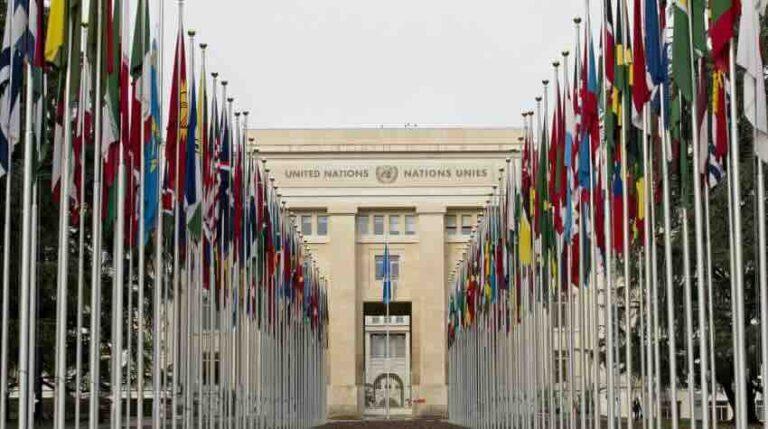
    Sri Lanka has called on the United Nations Human Rights Council to abandon the practice of indefinite country-specific mandates, insisting that such mechanisms must be periodically reviewed, equipped with clear exit pathways, and terminated when measurable national progress is demonstrated. The appeal was delivered by Ambassador Sumith Dassanayake, Sri Lanka’s Permanent Representative to the UN in Geneva, during the General Debate under Agenda Item 2 at the 63rd session of the Council on 8 September 2026.

    Speaking directly to High Commissioner for Human Rights Volker Türk, who was present as a written update on the human rights situation in Sri Lanka was presented, Dassanayake framed the demand within the broader context of UN system-wide reforms known as the UN80 process. He argued that limited Council resources must be directed toward the most urgent global crises rather than prolonged institutional scrutiny of individual states that show good-faith progress.

    Mandate Review and Efficiency Imperative

    “The Human Rights Council has a wide and demanding global mandate,” Dassanayake told the session. “At a time when the international community faces grave and urgent human rights situations, including armed conflicts, humanitarian crises, displacement and global challenges, the Council should ensure that its work and resources are channelled towards pressing situations.”

    He linked the call to ongoing efforts to improve efficiency and prioritisation across the United Nations. “The UN80 reform process allows reflection on efficiency, prioritisation and the effective use of resources across the United Nations system. In this context, no Council mandate should be regarded as indefinite.”

    All mandates, particularly those focused on specific countries, should undergo periodic review against defined objectives and measurable outcomes, he said. Where overlaps exist, the Council should actively pursue consolidation or rationalisation. Sunset clauses and phase-out provisions should be explicitly written into country-specific resolutions where appropriate.

    Pathway to Conclusion When Progress Is Shown

    Central to Sri Lanka’s position was the principle that demonstrated national progress must open a credible route to ending external mandates. “Where a country demonstrates progress through national processes, dialogue, cooperation and technical assistance, there should be a credible pathway to concluding the mandate,” Dassanayake stated.

    He was emphatic that continuation should rest on evidence rather than bureaucratic inertia: “The continuation of mandates should be justified by demonstrable need and results, not institutional perpetuation.” Sri Lanka therefore encouraged a focused, objective and mandate-based approach to country-specific reporting, he said.

    Several like-minded countries speaking in the same debate publicly commended Sri Lanka’s steps to protect and promote the human rights of all its citizens, reinforcing Colombo’s appeal for a more balanced and constructive engagement.

    Context of the Written Update and Domestic Reforms

    The intervention came as the Office of the High Commissioner presented its written update on Sri Lanka, covering the period from late 2025 into mid-2026. The report acknowledged certain positive developments under the National People’s Power government that assumed office in late 2024, including anti-corruption measures, progress on some emblematic investigations, and ratification of ILO Convention 190 on violence and harassment in the world of work. It also noted engagement on the Convention on the Rights of Persons with Disabilities.

    However, the OHCHR assessment cautioned that momentum for deeper legal and institutional reform risked stalling. It highlighted continuing concerns over accountability for past violations, the use of the Prevention of Terrorism Act, reports of surveillance and intimidation of civil society actors, unresolved enforced disappearances, and prison conditions. The High Commissioner’s office has repeatedly urged robust domestic processes that meet international standards while maintaining its own evidence-gathering capacity under successive Council resolutions.

    Sri Lanka has consistently rejected external evidence-gathering mechanisms, including the OHCHR Sri Lanka Accountability Project, arguing that they create divisions and undermine nationally owned reconciliation efforts. In parallel statements at the same session, the Sri Lankan delegation reiterated its commitment to domestic institutions and processes for truth, justice and reconciliation, while outlining legislative steps toward replacing the PTA and strengthening judicial capacity.

    Core Group Response and Broader Council Dynamics

    The Sri Lanka Core Group – comprising the United Kingdom, Canada, Malawi, Montenegro and North Macedonia – welcomed the High Commissioner’s assessment and noted positive steps such as the ILO ratification. Yet it stressed that further concrete action remains necessary to build confidence in accountability and reconciliation. The group pointed to unresolved mass graves, incomplete progress on emblematic cases, and reports of restrictions affecting civil society and victims’ groups, particularly in the North and East of the country.

    Around the same period, the Council adopted without a vote a resolution extending the OHCHR mandate on promoting reconciliation, accountability and human rights in Sri Lanka for a further two years. The resolution, sponsored by the Core Group states and co-sponsored by additional countries mainly from Europe, continues oversight while acknowledging some governmental efforts. Colombo has indicated it does not support the external elements of the mandate.

    Resource Pressures and Competing Priorities

    Dassanayake’s emphasis on efficiency resonates with wider debates about the Human Rights Council’s capacity. Member states and observers have increasingly highlighted resource constraints facing the OHCHR and special procedures, especially as multiple conflicts and humanitarian emergencies demand attention. Sri Lanka’s argument is that indefinite country mandates, once established, tend to perpetuate themselves regardless of changing domestic realities, thereby diverting attention and funds from more acute situations.

    The ambassador maintained that Sri Lanka’s own national processes have produced tangible progress in protecting and promoting human rights and that this progress deserves recognition rather than indefinite external supervision. He positioned the call not as a rejection of international engagement but as a plea for a more results-oriented, time-bound and objective methodology consistent with the founding principles of the Council and the spirit of UN reform.

    The Principle is Clear

    As the 63rd session continues, Sri Lanka’s intervention places the question of mandate design and duration firmly on the table. Whether the Council will systematically introduce sunset clauses, measurable benchmarks and formal phase-out pathways into future country resolutions remains to be seen. For Colombo, the principle is clear: when a state demonstrates sustained commitment through domestic institutions, dialogue and cooperation, the international community should provide a credible route toward concluding external scrutiny rather than allowing institutional arrangements to become permanent features of the human rights landscape.

    The discussion reflects deeper tensions between the imperative of accountability for past violations and the sovereign claim of states to lead their own reconciliation processes. It also underscores the practical challenge of matching the Council’s expanding agenda with finite resources at a moment of multiple overlapping global crises. Sri Lanka’s call for an end to indefinite mandates is therefore both a specific defence of its national trajectory and a contribution to the larger conversation about the future effectiveness of the UN human rights system.

    China Sets Ambitious 725 Million Tonne Grain Target by 2030 to Fortify Food Security

    Beijing prioritises technology, soil protection and seed innovation in its 15th Five-Year Plan to raise domestic production capacity amid limited farmland and import reliance.

    China has placed food security at the centre of its national strategy, setting a binding target to raise annual grain production capacity to 725 million metric tonnes by 2030. The goal, embedded in the 15th Five-Year Plan for 2026–2030, reflects a determined push to strengthen self-reliance for a population of 1.4 billion while navigating scarce arable land, water constraints and geopolitical uncertainties in global supply chains.

    The target builds on recent record harvests. Grain output surpassed 700 million tonnes for the first time in 2024 and reached approximately 715 million tonnes in 2025. Authorities now aim to lift capacity further by roughly 10 million tonnes through productivity gains rather than expanding cultivated area. Grain production remains one of only eight binding targets in the plan, underscoring its political priority under President Xi Jinping, who has repeatedly described food security as the foundation of national security.

    Technology and Yield Gains Take Centre Stage

    With limited scope to expand farmland or irrigation, policymakers are focusing on raising per-unit yields of grain and oil crops. Official reports emphasise large-scale yield-improvement programmes on existing fields, stable production of rice and wheat, and expanded capacity for corn and soybeans. Investment is directed toward advanced agricultural machinery, digital and intelligent farming systems, drones, robotics and artificial intelligence integration.

    Minister of Agriculture and Rural Affairs Han Jun has noted that technology and equipment improved markedly during the previous five-year period, accelerating the intelligent and digital transformation of agriculture. High-standard farmland construction is being prioritised, particularly in the Northeast, plains, irrigated zones and high-potential regions.

    Seeds, Soil and the Quest for Breakthrough Varieties

    Seed innovation forms a cornerstone of the strategy. Authorities are pursuing breakthrough crop varieties, including higher-yielding and more resilient strains, alongside efforts to commercialise biotech traits. China has moved cautiously but deliberately on genetically modified crops, with earlier pilot programmes for staple crops and subsequent approvals for certain corn traits that have already helped reduce import dependence in that sector.

    Soil protection receives equal emphasis. Northeast China’s fertile black soil, long under pressure from erosion, is a particular focus, with targets to protect millions of hectares. Efforts are also underway to rehabilitate saline-alkali land and improve overall soil quality following a comprehensive four-year soil survey completed in 2025. The dual approach of “storing grain in the land” and “storing grain in technology” remains official doctrine.

    Managing Import Dependence and Diversifying Supply

    Despite strong domestic grain performance, China remains the world’s largest agricultural importer, with food imports exceeding $200 billion annually in recent years. Soybeans constitute the most significant vulnerability: China accounts for roughly 60 per cent of global soybean trade. The United States remains a major supplier alongside Brazil, creating strategic exposure amid trade and geopolitical tensions.

    The new plan calls for “stable and controllable overseas supply channels,” greater diversification of import sources, and promotion of synthetic biology and alternative protein sources to reduce reliance. Earlier measures include a target to lower soymeal content in animal feed to 10 per cent by 2030. China also maintains substantial strategic reserves, holding an estimated large share of global wheat, rice and corn stocks.

    Analysts project that overall grain demand may peak around 2030, with self-sufficiency rates potentially rising toward the mid-80s per cent by the mid-2030s, though substantial soybean imports are expected to persist. Projections from models such as the China Agricultural Sector Model highlight the continuing gap even as productivity improves.

    Funding, Rural Modernisation and Institutional Support

    In September 2026, Beijing announced expanded funding tools to support food security and rural modernisation through 2030. The package prioritises fiscal allocations for agriculture, compensation for major grain-producing regions, greater use of special and general bonds for rural infrastructure, increased bank lending to grain and seed counties, expanded agricultural insurance (including full-cost and income coverage for staples), and channels for private capital via revitalisation funds, bonds and REITs.

    A revised Agriculture Law, approved in August 2026 and effective from January 2027, reinforces these priorities. It aims to raise overall production capacity, quality and efficiency, protect farmers’ rights, promote technology-driven and green agriculture, and advance integrated urban-rural development.

    Broader Context and Global Implications

    China’s drive occurs against a backdrop of climate pressures, soil degradation risks that could cut production capacity by up to 18 per cent by 2050 according to some scientific estimates, a declining agricultural labour force, and shifting dietary patterns toward more meat, dairy and processed foods. The “Greater Food Approach” seeks to draw supplies from farms, oceans, grasslands and forests while developing alternative proteins.

    Internationally, the strategy has mixed implications. Greater Chinese self-sufficiency could ease pressure on global markets and support climate and nutrition goals if achieved efficiently, yet aggressive stockpiling, diversification away from traditional suppliers and potential export competitiveness in certain crops could reshape trade flows for producers in the Americas, Southeast Asia and beyond. China has also elevated food security in its APEC chairmanship and bilateral agricultural cooperation, particularly with ASEAN.

    Challenges remain formidable. Water scarcity, urbanisation, extreme weather and the sheer scale of demand mean absolute self-sufficiency is unrealistic. Official strategy therefore balances domestic production with moderate imports and technological support, while insisting on absolute security for rice and wheat and high self-sufficiency for overall grains.

    As the 15th Five-Year Plan unfolds, success will be measured not only by the 725-million-tonne capacity figure but by whether productivity gains, soil health, seed advances and diversified supply chains can keep Chinese bowls full in an increasingly uncertain world. The coming years will test whether technology and policy can overcome the hard limits of land and water that have long constrained China’s agricultural ambitions.

    Rivers Swallow Land Five Times the Size of Dhaka in Five Decades

    Bangladesh’s major rivers have erased vast tracts of farmland and villages, repeatedly displacing families who eventually abandon rural life for urban slums, with fresh risks forecast for 2026.

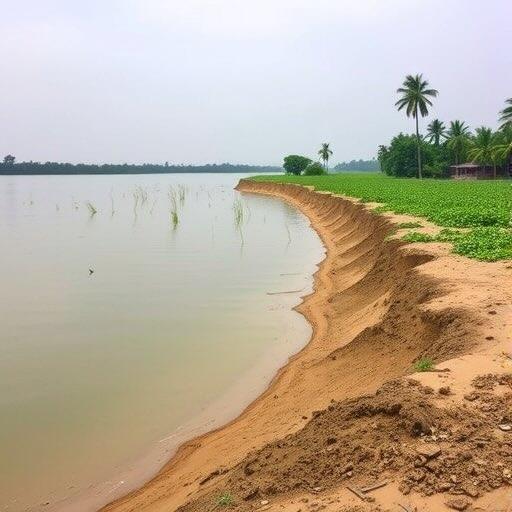
    Over the past five decades, the Jamuna, Ganges and Padma rivers have together eroded 158,353 hectares of land – roughly 1,585 square kilometres, nearly five times the combined area of Dhaka’s two city corporations. Newly formed chars have returned about 433 square kilometres, yet the net loss stands at approximately 1,153 square kilometres, still close to four times the capital’s size. The Jamuna (or Brahmapurta river) alone accounts for about 60 per cent of the total, having taken 94,220 hectares while regaining only 14,955. The Ganges and Padma contributed 30,290 and 33,843 hectares of erosion respectively. These figures, drawn from satellite analysis by the Centre for Environmental and Geographic Information Services (CEGIS), underscore a slow-motion disaster that has uprooted millions and continues to reshape lives and landscapes across the delta.

    Each year the rivers claim more ground. CEGIS estimates a further 915 hectares will erode in 2026 across eleven vulnerable reaches in Gaibandha, Jamalpur, Kurigram, Pabna, Kushtia and Faridpur. The forecast flags 73 established sites at risk, including four schools, three mosques and one health clinic. In 2025 the Ganges led the damage with 593 hectares, followed by the Jamuna at 348 and the Padma at 93. Although overall erosion rates have declined – from roughly 9,500 hectares in 1995 to 1,034 hectares in 2025 – the human toll remains severe. Researchers estimate that about 1,000 people are displaced for every square kilometre lost. A Change Initiative projection warns that by 2050 one in seven Bangladeshis could be displaced by climate change, with erosion responsible for roughly 26.6 per cent of that total.

    From Fertile Banks to Temporary Chars

    The process rarely ends with a single loss. Families lose homesteads and farmland, resettle on newly risen sandbars known as chars, then watch those too vanish as the rivers shift course again. Many move multiple times before abandoning rural life entirely. Government tallies remain incomplete; the Department of Disaster Management’s most recent figures, from 2019, recorded 24,328 families affected across nine districts with damage estimated at Tk 366 crore. Independent researchers place the annual land loss closer to 100 square kilometres or about 10,000 hectares. In northern districts such as Kurigram and Gaibandha, repeated displacement has become routine. Some residents report losing homes 30 or more times in a lifetime.

    In Kathuria village of Shariatpur’s Zajira upazila, between 100 and 150 families still cling to the Padma’s edge. Mansura Begum watched the river advance from half a kilometre away a few years ago to within her yard earlier this season. She and her husband dismantled their house with neighbours’ help and now live in a makeshift tin shelter. Nearby Majherkandi has relocated three times in living memory: first eroded decades ago, then resettled on a mid-river char that itself disappeared seven years later, forcing survivors onto land belonging to the Bangladesh Bridge Authority that periodically issues eviction notices.

    The Long Road to Dhaka’s Informal Settlements

    For many, the final destination is the capital’s overcrowded low-lying slums. Bholar Basti in Pallabi, Dhaka, now houses more than 30,000 people, most displaced by erosion and flooding in Bhola district. Similar clusters form in Mirpur-12, Molla Bosti and Duaripara. 

    Ibrahim Mia once farmed more than three acres of sugarcane, peanuts and rice on the Jamuna bank in Chargilabari, Jamalpur. After the river took his land and house, he moved his family to a relative’s home in Gaibandha, then travelled alone to Karwan Bazar in 2009. He has worked as a day labourer in the wholesale vegetable market ever since, earning about Tk 1,000 a day, most of which goes on food, bathing and a place to sleep. “I am working here and waiting for my land to emerge in the Jamuna,” he said. “Once my land emerges through accretion, I’ll go back to Jamalpur.”

    The pattern is consistent. With limited education or marketable skills, former farmers become rickshaw-pullers, domestic workers or casual labourers. They settle in flood-prone informal settlements already populated by earlier waves of erosion migrants, concentrating poverty in specific urban corridors. Studies across Gaibandha, Sirajganj and coastal districts confirm the same trajectory: land loss, livelihood collapse, repeated internal moves and, for many, eventual permanent migration to cities.

    Protection Measures and their Limits

    The Bangladesh Water Development Board responds mainly by dumping sand-filled geobags along threatened banks, often after homes and roads are already under pressure. Embankments built for flood control sometimes double as erosion barriers, yet the Jamuna still claimed 348 hectares in 2025 despite the Brahmaputra flood embankment. In places such as Raumari in Kurigram, Gaibandha and Sadarpur in Faridpur, forecasts show hundreds of hectares of land and settlement at risk this year. Temporary bamboo piling and emergency geo-bags provide short-term relief but rarely stop the long-term advance. Locals in multiple districts report that sand extraction and unplanned activity can accelerate bank collapse.

    CEGIS has issued annual forecasts since 2004 using pre-monsoon satellite imagery. Average annual erosion across the three rivers has run near 30 square kilometres over five decades, but the trend within that average is downward. Jamuna erosion has fallen from around 5,000 hectares a year in the 1980s to roughly 1,500 hectares recently; Padma rates have similarly declined. The shift in balance – Ganges now the leading eroder in absolute terms – illustrates the rivers’ continuing dynamism even as overall rates ease.

    Human Cost Beyond the Statistics

    Beyond lost hectares lie disrupted education, fractured social networks and psychological strain. Children drop out of school after repeated moves. Women often shoulder the heaviest burden of rebuilding shelters and managing household survival in waist-deep water during concurrent floods. Mental-health studies in erosion-prone districts have recorded high rates of anxiety, depression and stress among those recently displaced. Entire villages vanish from maps; the next generation inherits only a name without an address. In Sirajganj, Gaibandha and along the Padma, residents describe a cycle of hope on new chars followed by renewed loss.

    Independent assessments and local reporting from Kurigram, Jamalpur, Faridpur and Barishal paint the same picture: fertile agricultural land disappears overnight, livestock and standing crops are swept away, and families dismantle houses under pressure of the advancing current. In some areas more than half of surveyed households have been forced to migrate at least once. The economic fallout includes reduced income, increased debt and a shift from farming to precarious urban labour.

    Looking Ahead to 2026 and Beyond

    CEGIS’s 2026 forecast identifies specific stretches: seven along the Jamuna across Kurigram, Jamalpur, Gaibandha and Sirajganj threatening roughly 460 hectares of land and 64 hectares of settlement; three along the Ganges in Pabna and Kushtia; and one on the Padma at Sadarpur, Faridpur, expected to take more land than the entire river lost in 2025. Gaibandha faces the largest land loss among the Jamuna sites, while Kurigram risks the greatest settlement area. Two government primary schools, three mosques and Jamalpur’s only community clinic appear on the list of threatened infrastructure.

    Experts editorials call for a more comprehensive national strategy that combines continuous satellite monitoring, preventive bank protection rather than reactive geo-bagging, and planned resettlement for the most vulnerable communities. Without such measures, the slow erasure of land will continue to funnel rural families into urban poverty, concentrating climate-driven displacement in already strained city neighbourhoods, experts say.

    Focus keyphrase: river erosion Bangladesh land loss displacement

    Tags: river erosion, Bangladesh, Jamuna, Padma, Ganges, CEGIS, displacement, climate migration, Dhaka slums, 2026 forecast, chars, bank protection, Brahmapurta,

    Sri Lanka Seeks India’s Backing in War on Indian Ocean Drug Trafficking

    Sri Lanka President, Anura Kumara Dissanayake, presses Indian Defence Minister, Rajnath Singh, for support against narcotics networks during landmark Colombo visit, as three defence pacts are signed and regional security assurances exchanged.

    Sri Lankan President, Anura Kumara Dissanayake, has called on India to throw its full weight behind the island nation’s intensified campaign against drug trafficking, describing the Indian Ocean as a major hub for the illicit trade. The appeal came during a high-level meeting with visiting Indian Defence Minister, Rajnath Singh on 9 September 2026, the first such visit by an Indian defence minister in 38 years.

    According to a statement from the President’s Media Division, Dissanayake briefed Singh on Sri Lanka’s recently launched national programme to combat narcotics and expressed confidence that India would support efforts to extradite Sri Lankan drug traffickers currently serving sentences in Indian prisons. He simultaneously reaffirmed Colombo’s commitment to a peaceful Indian Ocean and assured that Sri Lankan territory would never be used for activities harmful to India’s security interests.

    The discussions formed part of a broader three-day official visit that also produced three new defence agreements, underscoring the deepening security partnership between the two neighbours.

    Landmark Visit After Nearly Four Decades

    Singh’s arrival in Colombo marked a significant milestone in bilateral defence ties. The last Indian defence minister to visit Sri Lanka was nearly four decades earlier. During the meeting at the Presidential Secretariat, the two leaders reviewed the full spectrum of India-Sri Lanka relations, covering defence, maritime security, economic cooperation and regional stability.

    Singh conveyed greetings from Prime Minister Narendra Modi and congratulated Dissanayake on the completion of two years in office. Both sides described the talks as warm and highly productive, emphasising their shared identity as “civilisational twins,” close neighbours and maritime partners committed to the safety, security, peace and prosperity of the region.

    Three New Defence Agreements Signed

    The visit yielded concrete outcomes in the form of three Memoranda of Understanding. One covers the upgradation of six L70 air-defence guns for the Sri Lanka Air Force, a project to be funded through an Indian government grant. Another establishes formal cooperation between the National Cadet Corps of both countries, while the third fosters academic and institutional links between the National Defence Colleges of India and Sri Lanka.

    In addition, the leaders virtually inaugurated three Bailey bridges constructed by Indian Army engineers in cooperation with Sri Lankan authorities. These bridges form part of reconstruction efforts following damage caused by Cyclone Ditwah. Singh later addressed a gathering aboard the Indian Navy warship INS Udaygiri in Colombo harbour, reiterating India’s commitment to stand by Sri Lanka “through thick and thin” and highlighting ongoing cooperation in search and rescue, counter-narcotics and anti-piracy operations.

    Sri Lanka’s Intensified National Drive Against Drugs

    Dissanayake’s request for Indian support comes against the backdrop of a determined domestic crackdown on narcotics launched under the “Nation United – National Drive” (also referred to as “Ratama Ekata”) programme on 30 October 2025. The initiative aims to dismantle supply networks, expand interdiction, accelerate rehabilitation and break the political protection that has long shielded drug syndicates in the island nation.

    Official figures released by the government illustrate the scale of the effort. Between the programme’s launch and mid-2026, authorities reported seizing nearly 2,000 kilograms of heroin, over 2,000 kilograms of crystal methamphetamine (“ice”), hundreds of kilograms of cocaine, and large quantities of cannabis and narcotic pills. Arrests have run into the tens and even hundreds of thousands, including thousands of young people under the age of 21. Law enforcement has also recovered dozens of automatic firearms linked to criminal networks.

    The President has repeatedly stated that political patronage for the drug trade has been broken for the first time, declaring that no one involved will receive protection. He has ordered legal reforms, including amendments to rehabilitation laws, and directed the swift destruction of seized narcotics to prevent them from re-entering the market. Officials have noted an 80 per cent increase in raids since the campaign began.

    Indian Ocean as a Trafficking Corridor

    Sri Lanka’s geographic position along major shipping routes has long made it vulnerable to transnational narcotics networks. Smuggling routes often originate from the Makran coast and transit through South Asia, with mid-sea transfers involving dhows and trawlers near the International Maritime Boundary Line. Drugs enter via containers, fishing boats, airports and, increasingly, local manufacturing setups.

    India and Sri Lanka already maintain a structured, intelligence-driven maritime security partnership. Coordinated naval and coast guard patrols, direct information sharing between the Indian Navy, Indian Coast Guard and Sri Lanka Navy, and cooperation between India’s Narcotics Control Bureau and Sri Lanka’s National Dangerous Drugs Control Board have produced regular high-value interdictions. Capacity-building programmes further strengthen Sri Lanka’s ability to interdict vessels and track illicit cargo.

    Recent joint operations, including those involving international partners, have underscored the transnational nature of the threat. A September 2026 seizure of 463 kilograms of crystal methamphetamine valued at approximately $21 million, linked to a Pakistan-based network, highlighted the continued pressure on these routes.

    Reassurance on Regional Security

    Alongside the anti-drug appeal, Dissanayake offered clear assurances on broader strategic concerns. He stressed that Sri Lanka makes decisions with both national and regional interests in mind and, as a sovereign State, engages with countries worldwide while remaining mindful of regional security. He explicitly stated that Colombo would never allow its territory, waters or ports to be used for activities inimical to India’s security interests.

    This reassurance addresses longstanding Indian concerns about external military presence and infrastructure projects in the island nation. Successive Sri Lankan governments have balanced commercial partnerships with major powers while repeatedly affirming an “India First” approach to regional security. Mechanisms such as the Colombo Security Conclave and restrictions on foreign research vessels have been used to operationalise these commitments.

    Shared Interest in a Stable Maritime Neighbourhood

    Both countries recognise that a secure Indian Ocean free from disruptive influences is essential for their prosperity. Singh emphasised capacity building as a core pillar of defence cooperation and noted that India continues to respond to the requirements and priorities of the Sri Lankan armed forces. Joint exercises, training exchanges and operational coordination have steadily expanded over recent years.

    The meeting also touched on India’s assistance during recent crises, including humanitarian support after Cyclone Ditwah and earlier economic and health emergencies. Dissanayake expressed appreciation for this consistent support.

    As the Indian Ocean remains a critical theatre for both legitimate trade and illicit activity, the renewed emphasis on counter-narcotics cooperation adds a practical dimension to the strategic partnership, sources in the president’s office said. Sri Lanka’s domestic crackdown, combined with enhanced bilateral intelligence sharing and maritime domain awareness, aims to close routes that have long fuelled addiction, organised crime and social disruption on the island.

    The outcomes of Singh’s visit signal that defence and security cooperation between India and Sri Lanka is moving beyond symbolism into concrete operational and institutional collaboration.

    Panama Canal Slashes Daily Ship Transits as El Niño Drought Tightens Grip

    Drought-driven water shortages have forced the Panama Canal Authority to cut vessel passages from 36 to 34 since September 3. This will further drop to 32 by mid-month, threatening global supply chains and raising shipping costs.

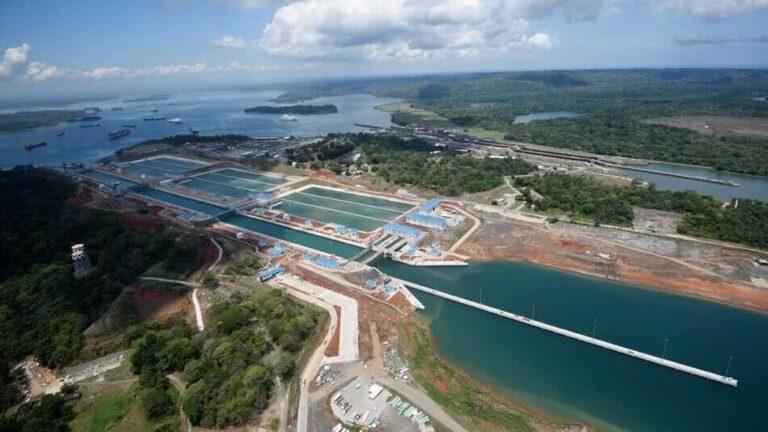
    The Panama Canal, one of the world’s most vital maritime shortcuts, is once again confronting the harsh realities of climate variability. On August 20, 2026, the Panama Canal Authority announced temporary reductions in daily transit capacity in response to significantly below-average rainfall and dwindling water levels in the artificial lakes that power its lock system. The move marks a cautious but firm response to an intensifying El Niño event that has already left the canal’s watershed short of water.

    From September 3, the number of vessels allowed through each day was brought down from the recent average of around 36 to 34. A further cut to 32 ships takes effect on September 15. Capacity at the larger Neopanamax locks will be limited to nine daily slots, while the older Panamax locks will drop from 25 to 23 slots in the second phase. These restrictions come on top of already reduced maximum drafts for the biggest ships, measures designed to conserve the freshwater that both lifts vessels through the locks and supplies drinking water to roughly half of Panama’s 4.2 million people.

    The canal handles about 5 per cent of global maritime trade and roughly 40 per cent of US container traffic. Its main users include the United States, China, Japan, Chile and South Korea. Any prolonged bottleneck therefore ripples far beyond Central America, affecting everything from liquefied natural gas shipments to consumer goods and agricultural commodities.

    Rainfall Deficits and the Return of El Niño

    Rainfall across the canal watershed from May through August 2026 ran 34 per cent below the historical average. Water inflows into the system were even more severely reduced, down 44 per cent from normal levels for the period. El Niño, the periodic warming of surface waters in the central and eastern equatorial Pacific, typically brings drier conditions to Central America. Forecasters have warned that the current event could prove unusually strong and may persist into 2027.

    The Panama Canal Authority had earlier hoped to avoid transit caps in 2026 after maintaining high lake levels through proactive water-saving measures introduced in late 2025. Those steps included simultaneous lockages for smaller vessels, greater use of water-saving basins at the Neopanamax locks, interior gates to reduce the volume needed to fill chambers, and temporary suspension of hydroelectric generation at Gatún Lake to prioritise storage. Despite these efforts, officials concluded that further action was required to protect the long-term sustainability of operations.

    Gatún Lake, the primary freshwater reservoir feeding the locks, has hovered near or slightly below recent averages in recent weeks. Every full transit of a large ship can consume tens of millions of gallons of water that is ultimately discharged into the oceans. With the rainy season underperforming and the dry season approaching, the authority has chosen to reduce the number of lockages rather than risk more severe shortages later.

    Draft Limits and Auction Changes Compound the Squeeze

    In parallel with the transit caps, the authority has adjusted maximum authorised drafts. The Neopanamax limit fell to 48 feet (14.63 metres) on September 2, with a further reduction to 47.5 feet (14.48 metres) postponed until October 1. Lower draft means ships must carry less cargo to sit higher in the water, reducing effective carrying capacity even for vessels that secure a transit slot.

    The authority is also reshaping its daily auction system for scarce slots. From early September, auction capacity was divided into four cargo categories – gas carriers, dry bulk vessels, container ships and car carriers, and tankers – in an effort to allocate capacity more evenly across market segments. Vessels without advance reservations already face multi-day waits, and auction prices for priority slots have climbed as demand remains firm.

    These measures recall the more severe restrictions imposed during the 2023–2024 drought, when daily transits were progressively cut to as low as 22 ships and queues stretched for weeks. That episode forced many operators to divert around Cape Horn or the Cape of Good Hope, adding 10 to 15 days to voyages between the US Gulf Coast and Asia and driving up freight rates and surcharges.

    Global Trade and Energy Markets Feel the Strain

    Analysts note that the current restrictions arrive at a moment when energy markets are already under pressure from other disruptions. LNG, LPG and refined-product tankers are among the most exposed, because the canal provides a relatively direct route from US Gulf export terminals to Pacific buyers. When draft limits bite, carriers either sail partially loaded, compete fiercely for slots, or take the longer southern routes.

    Container lines have begun announcing transit surcharges ranging from hundreds to more than a thousand dollars per forty-foot equivalent unit for sailings in the coming weeks. Dry-bulk carriers moving grain and other commodities face similar cost pressures and schedule uncertainty. Some shippers are already exploring alternative itineraries or consolidating cargoes to maximise the value of each limited transit.

    For Panama itself the stakes are dual. The lakes that feed the canal also supply potable water to Panama City and surrounding areas. Balancing commercial operations with domestic water security has long been a sensitive issue, and prolonged drought only heightens the tension.

    Lessons from Previous Drought Cycles

    The 2023–2024 crisis taught the authority valuable operational lessons. Water-saving protocols were activated earlier this cycle, lake levels were deliberately kept high through the wet season, and communication with shipping customers has been more proactive. Administrator Ricaurte Vásquez has emphasised that the canal is applying the discipline gained from recent experience rather than improvising.

    Still, officials have not ruled out additional restrictions if rainfall remains scarce in the weeks ahead. Hydrological projections are updated weekly, and the authority retains the ability to adjust or even suspend parts of the reservation system if conditions deteriorate further.

    Shipping executives and logistics firms are watching November closely. If the lakes fail to recover sufficiently before the next dry season, more aggressive cuts could follow in 2027. Climate scientists note that while El Niño is a natural phenomenon, warmer global temperatures may amplify the intensity and duration of such dry spells in the region.

    Adaptation and Uncertainty

    The Panama Canal remains an engineering marvel more than a century after its opening, yet its dependence on rainfall makes it uniquely vulnerable to climate swings. The latest restrictions illustrate both the limits of current water-management technology and the growing importance of long-term adaptation. Projects such as additional water-storage infrastructure, improved forecasting tools and more efficient lock operations are under discussion, but none offer an immediate solution.

    For global trade, the message is clear: the shortest route between the Atlantic and Pacific is no longer a reliable constant. Carriers, cargo owners and governments will need to factor greater weather-related risk into supply-chain planning. Consumers may ultimately see the effects in higher prices for goods that move through the isthmus.

    As the first transit reductions take effect this week, the Panama Canal Authority continues to monitor every drop of water. The coming months will test whether the measured steps announced in August prove sufficient – or whether the drought will force yet tighter constraints on one of the arteries of world commerce.

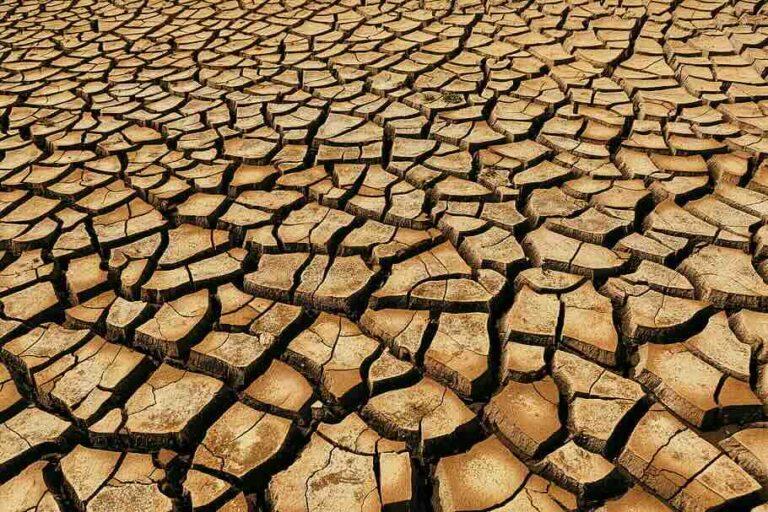
    Sri Lanka Braces for Record El Niño Threat to Food, Power and Forex Stability

    A powerful El Niño, forecast as the strongest in living memory and likely to make 2027 the hottest year on record, risks drought, floods, crop failures and heavy foreign-exchange outflows for Sri Lanka’s recovering economy.

    Sri Lanka is confronting a multi-layered climate emergency as a rapidly intensifying El Niño event in the Pacific Ocean threatens to disrupt monsoon patterns, strain water resources, undermine agriculture and power generation, and place fresh pressure on the country’s still-limited foreign exchange reserves. 

    The British Meteorological Office has issued one of its starkest warnings in years, describing the developing event as unprecedented in modern forecasting records, with equatorial Pacific sea-surface temperatures projected to rise by more than 3°C above average – well beyond the 1–2°C range of typical strong El Niños – and a high probability that 2027 will become the hottest year on record globally.

    The World Meteorological Organization has reinforced the outlook, stating that El Niño is firmly established and carries a near-100 per cent likelihood of persisting through February 2027, with further intensification expected before peaking later this year. Impacts are already visible in Sri Lanka: dry-zone reservoir levels have declined sharply, emergency water deliveries have reached nearly 72,000 people across multiple districts, and officials report heightened heat and evaporation rates compounding the seasonal dry spell.

    For a nation still emerging from the 2022 economic crisis and sovereign debt restructuring, the timing is especially precarious. Hydropower supplies roughly one-third of electricity, agriculture remains a cornerstone of both food security and export earnings, and official reserves hover around US$6.5-6.6 billion – well below the levels many analysts believe necessary for a comfortable buffer against shocks.

    Climate Whiplash Across Monsoon Seasons

    The core risk for Sri Lanka is not uniform drought but a sharp regional and seasonal “climate whiplash.” In the western and central zones, a weakened southwest monsoon is expected to reduce rainfall, threatening the ongoing Yala cultivation season and lowering inflows into major hydro and irrigation reservoirs. In the northern and eastern dry zone, the northeast monsoon and inter-monsoon periods carry a heightened risk of intense, localised rainfall and flash floods that can damage Maha crops and infrastructure.

    This dual pattern mirrors experiences during previous strong El Niño episodes, notably 2015–16 and 2016–17, when prolonged dry conditions in some regions coincided with devastating floods and landslides in others. Meteorologists note that the interaction with the Indian Ocean Dipole (IOD) will be decisive. A positive IOD phase, which models currently favour, can partially offset rainfall deficits in parts of the country but may also amplify convective activity and flood risk in specific windows, particularly October–November.

    Current ground conditions already reflect stress. By late August, storage across Sri Lanka’s 74 major reservoirs had fallen to around 36 per cent of capacity in aggregate assessments, with some dry-zone tanks below 30 per cent and hundreds of smaller village tanks reported near 10 per cent. Authorities have prioritised drinking water while restricting irrigation releases in the most affected districts. Higher temperatures are accelerating evaporation, further eroding available supplies even before any additional rainfall shortfall materialises.

    Hydropower Vulnerability and the Thermal Switch

    Sri Lanka’s electricity system remains heavily dependent on large hydro complexes in the Mahaweli, Laxapana and Samanala networks. When reservoir inflows decline, the Ceylon Electricity Board must increase thermal generation, almost entirely fuelled by imported diesel, coal or other petroleum products. This creates an immediate and unbudgeted demand for foreign currency at a time when reserves are still being rebuilt.

    Officials have estimated potential generation shortfalls in the range of tens to over 100 gigawatt-hours in coming months if dry conditions intensify, prompting early contingency planning for alternative supply. The trade-off is stark: releasing more water for power generation reduces availability for irrigation and drinking supplies, while prioritising agriculture and domestic use raises the cost of electricity and the import bill. Thermal power is significantly more expensive, and any subsequent tariff adjustments feed into higher production costs across the economy.

    Foreign Exchange Pressures at a Critical Juncture

    The macroeconomic implications are severe. Sri Lanka does not produce significant quantities of fossil fuels; every additional tonne of oil or coal for emergency generation must be paid for in US dollars. Simultaneously, domestic crop shortfalls would force higher imports of rice, milk powder, lentils and other staples. Agricultural export earnings – particularly from tea and rubber – are themselves vulnerable to heat stress, drought and pest outbreaks, reducing the foreign-currency inflows that normally help offset import costs.

    Post-restructuring, principal and interest payments on external debt are scheduled to resume more fully after temporary grace periods. Gross official reserves stood at approximately US$6.5-6.6 billion in mid-2026, supported by Central Bank purchases and remittances, yet still short of longer-term targets and vulnerable to any large unplanned outflows. Analysts and policymakers have repeatedly emphasised the need to build buffers toward or beyond US$8-15 billion ranges to provide genuine resilience. An El Niño-driven surge in fuel and food imports could erode hard-won reserve gains and complicate the path of economic recovery.

    Compounding the risk is the global nature of the event. Major food-exporting nations including India, Vietnam, Thailand and Australia are also expected to face drought or heat stress, raising the prospect of tighter international supplies, higher prices and possible export restrictions. Sri Lanka has historically relied on regional imports during domestic shortfalls; that safety valve may narrow precisely when it is most needed.

    Government Preparations and Adaptive Measures

    Authorities have not been idle. President Anura Kumara Dissanayake has chaired high-level meetings involving the Department of Meteorology, Irrigation Department, Mahaweli Authority, Disaster Management Centre, electricity utilities and agricultural agencies. The 2026 Yala season was advanced by several weeks in an effort to reduce exposure to potential late-season shortfalls. Cabinet-level discussions and a Food Policy and Security Committee have focused on contingency planning for water storage, cultivation and power.

    Practical steps already under way include urging farmers to adopt short-duration paddy varieties (2.5- to 3.5-month maturity), promoting drought-tolerant crops such as finger millet (kurakkan), sorghum, green gram, cowpea, sesame, cassava and sweet potato, and intensifying water-conservation campaigns. The Tea Research Institute has issued guidance on soil moisture management, foliar treatments and pest vigilance for plantation estates. Emergency water distribution, funded at several billion rupees, is ongoing in the worst-hit areas.

    Experts stress that longer-term resilience requires more than short-term coping. A multi-sectoral national task force with clear authority over water allocation, agricultural extension and energy planning has been advocated. Proposals include water-credit or quota systems for large industrial and commercial users, accelerated rainwater harvesting, improved efficiency in irrigation canals, and gradual shifts in dietary patterns that reduce national dependence on water-intensive rice.

    Lessons from History

    Past El Niño events demonstrate both the dangers and the value of preparation. The 2015-16 episode brought early shortages followed by catastrophic May 2016 floods and landslides, then a prolonged drought that affected millions. Timely reservoir management, early planting decisions and diversification of crops can materially reduce losses. Conversely, delayed responses or rigid adherence to traditional calendars amplify damage.

    Sri Lanka enters this period with certain advantages: relatively better reservoir starting levels in some systems compared with the mid-2010s, improved forecasting capacity, and institutional experience from recent climate and economic crises. Yet vulnerabilities remain acute – high agricultural dependence, hydro-centric power, limited fiscal space and still-modest external buffers.

    The coming months will test coordination across ministries, the willingness of farmers and households to adapt practices, and the ability of policymakers to prioritise scarce water and foreign exchange. El Niño itself cannot be prevented. The scale of its impact on Sri Lanka, however, will be determined by the quality and speed of the national response. Proactive water management, crop diversification, realistic power planning and disciplined reserve stewardship offer the best prospect of navigating the period without a secondary economic crisis.

    Nepal Seeks Grants for $4-5 Billion Flood Recovery as Soft Loans Loom Large

    Officials prioritise grants and climate funds after the catastrophic August Bhotekoshi floods, but experts warn reconstruction costs will force reliance on concessional borrowing.

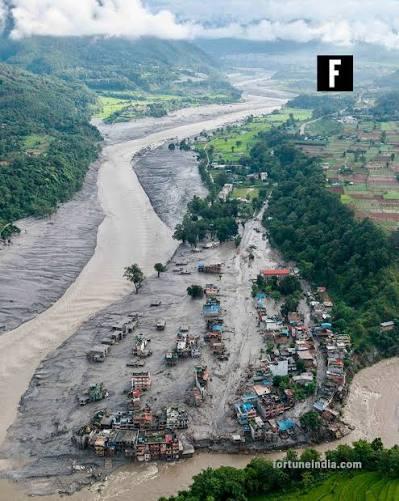
    The government of Nepal is scrambling to finance reconstruction after the devastating August 26 Bhotekoshi floods, which killed more than 1,300 people and left thousands missing. Officials prefer grants and climate-related compensation over loans, yet experts say soft loans will almost certainly be required to close a multi-billion-dollar funding gap.

    The National Planning Commission has launched a Post-Disaster Needs Assessment (PDNA) expected within five weeks. That report will guide a planned donor conference and form the basis for recovery planning. An earlier Rapid Damage and Needs Assessment put losses to private and public property at more than Rs 400 billion. Officials now expect the final PDNA figure to run at least 30 per cent higher, pushing the overall reconstruction bill to $4-5 billion.

    At least 1,377 people have been confirmed dead, 5,326 remain missing and 6,827 were injured when a massive glacier collapse on the northern slopes of Mt Langtang Lirung unleashed floods that tore through Rasuwa, Nuwakot, Dhading and neighbouring districts. Some 7,570 houses were destroyed or damaged, affecting more than 32,900 people according to initial counts. Hydropower projects along the Bhotekoshi and Trishuli rivers suffered heavy damage, with losses at a dozen plants in Rasuwa and Nuwakot alone estimated at Rs 25-30 billion.

    Preference for Grants Over Debt

    Foreign Minister Shisir Khanal has made clear that Kathmandu’s preference is grants and aid rather than loans. “Though it has not been officially decided and is not a declared policy, we prefer grants and aid over loans for reconstruction and rebuilding,” he told The Kathmandu Post. He instructed senior ministry officials to mobilise Nepal’s diplomatic network to seek grant support from foreign governments and organisations, stressing that the country’s loan burden relative to GDP is already rising.

    Finance Minister Swarnim Wagle echoed the preference for grants while acknowledging practical limits. Grants, he indicated, cannot meet all of Nepal’s needs. The government is therefore casting a wider net, approaching traditional development partners, philanthropic organisations and wealthy individuals for contributions.

    Govinda Raj Pokharel, who led the National Planning Commission during the post-2015 earthquake PDNA, argued that sufficient pure grants are unrealistic under current global financial conditions. “In the current global financial and economic architecture, it is almost impossible to receive sufficient grants and aid,” he said. Soft loans, he added, will have to form part of the package alongside outreach to charitable sources.

    Climate Finance and the Loss and Damage Fund

    Nepal plans to frame the disaster as climate-driven and seek support from the global Loss and Damage Fund. Officials argue that climate change intensified the severity of the floods. A senior government source described any funding secured from the fund as potentially symbolic yet useful for opening further avenues of compensation and justice claims. At the same time, authorities concede that international climate finance alone will fall far short of the total required.

    The PDNA is expected to recommend structural changes – altered settlement patterns, improved river-basin planning and relocation of communities from high-risk zones – all of which will demand substantial additional resources. Strengthening early-warning systems, disaster preparedness and community response mechanisms is also on the agenda.

    International Aid Already Flowing

    While long-term reconstruction financing remains uncertain, immediate assistance has begun to arrive. The European Union has provided further humanitarian support bringing its total emergency funding to more than NPR 445 million (EUR 2.5 million), channelled largely through the Nepal Red Cross Society to assist up to 20,000 people with shelter, cash, water, sanitation and healthcare.

    The United States has contributed a $5 million grant plus technical assistance. China has provided $2 million in grants and continues coordination for further help. The World Bank has released $8.5 million under its Catastrophe Deferred Drawdown Option (Cat-DDO), with a further $150 million available on standby. The Asian Development Bank has also extended emergency grant support.

    The United Nations and partners launched a $49.6 million flash appeal to reach more than 84,000 affected people with cash, food, shelter and health services before winter. Domestic contributions have been substantial: the Prime Minister’s Disaster Relief Fund and related accounts have collected well over Rs 11 billion, with the government already releasing funds for immediate relief.

    Domestic Relief and Business Revival Measures

    Alongside external appeals, the government has rolled out domestic packages. A business revival scheme offers tax and customs relief, loan restructuring, cheaper credit and faster insurance payouts for flood-hit enterprises. Preferential interest rates will apply for one year, and additional loans are available to help firms restart operations and protect jobs.

    A scholarship programme worth around Rs 1 billion has been announced for students whose education was disrupted. Nineteen schools in the worst-affected districts were damaged; the scheme aims to provide free education, materials and residential support from early childhood through Grade 12.

    Local governments in Rasuwa, Nuwakot, Dhading, Gorkha and Tanahun have received grants from the National Disaster Risk Reduction and Management Authority to support immediate relief.

    Balancing Debt Concerns with Reconstruction Imperatives

    Nepal’s public debt has risen significantly since the 2015 earthquake. Officials are therefore determined to minimise further borrowing. Yet the sheer scale of the damage – homes, roads, bridges, hydropower capacity, schools and health facilities – leaves limited room for manoeuvre. Finance Minister Wagle has indicated that building back stronger and more resilient could push costs toward $6 billion in some scenarios.

    Experts note that reconstruction after the 2015 earthquake took years and relied on a mix of grants, concessional loans and domestic resources. A similar hybrid approach appears inevitable this time. Soft loans from multilateral institutions, bilateral partners and climate funds will likely fill the gap that pure grants cannot cover.

    The coming weeks will be critical. Once the PDNA is complete, the government intends to convene donors and present a clear financing strategy. Success will depend on how effectively Nepal can combine grant appeals, climate-justice arguments and carefully calibrated concessional borrowing while protecting fiscal sustainability.

    For the tens of thousands of survivors still living in temporary shelters or searching for missing relatives, the priority is clear: durable homes, restored livelihoods and infrastructure that can withstand the next extreme event. How Kathmandu finances that recovery will shape both the country’s debt trajectory and its resilience for years to come.

    Image: Facebook

    Kerala Gifts 1,200 Saplings to Boost Maldives’ Five Million Tree Drive

    Kerala’s donation of 600 teak and 600 mango saplings strengthens India-Maldives environmental partnership and supports President Muizzu’s ambitious national reforestation pledge amid climate challenges.

    Kerala has handed over 1,200 carefully selected saplings to the Maldives as a tangible contribution to the island nation’s flagship Five Million Tree Project. The gift, comprising 600 teak plants and 600 grafted mango plants, was formally presented by Kerala’s Minister for Forests, Wildlife Protection and Skills Development, Shibu Baby John, to Maldives Consul General Aminath Shifana in Thiruvananthapuram. The saplings have been specially packed and are ready for transport, marking a practical step in bilateral cooperation on climate resilience and green cover.

    The donation comes under the broader commitment made by Prime Minister Narendra Modi during his July 2025 visit to the Maldives, when he assured support for the Five Million Tree Planting initiative. At the time, Modi and President Dr Mohamed Muizzu jointly planted saplings in Malé, linking India’s “Ek Ped Maa Ke Naam” campaign with the Maldives’ national pledge.

    Sourced from Kerala’s Best Nurseries

    The mango saplings were raised at the College of Agriculture in Vellayani, known for producing high-quality grafted varieties suited to tropical conditions. The teak plants came from the Central Nursery at Kulathupuzha, a facility with a long track record of supplying hardy timber species. Both batches were prepared and packed at the district permanent nursery in Poojappura to ensure they survive the journey and establish well in the Maldives’ coral-island environment. Officials noted that the selection prioritises species that can contribute to both ecological restoration and practical benefits such as shade, soil stabilisation and, in the case of mango, eventual fruit production.

    Kerala Minister Shibu Baby John expressed pride that the state could participate in an effort that deepens friendly ties between the two countries. Consul General Aminath Shifana described the gift as one of affection and said she was delighted to receive it on behalf of the Maldives.

    Shibu Baby John said the partnership between Kerala and the Maldives offers a quiet example of how bilateral ties can translate into living, growing assets for climate resilience.

    Maldives Accelerates Nursery Network

    On the same day the Kerala donation made headlines, the Maldives government advanced another key pillar of the Five Million Tree Project. Environment Minister Ali Shareef oversaw the signing of agreements granting MVR 500,000 each to ten additional islands for the construction of local nurseries. The islands are HDh. Nolhivaran, K. Himmafushi, ADh. Dhidhdhoo, F. Dharanboodhoo, Dh. Meedhoo, L. Fonadhoo, L. Hithadhoo, GDh. Vaadhoo, Gn. Fuvahmulah and Addu Meedhoo.

    This brings the total number of islands receiving nursery grants to 20. The first batch of 10 islands had already signed similar agreements. Each nursery is expected to produce around 50,000 trees annually and will serve as a regional hub supplying neighbouring islands. Construction must be completed within seven months of signing. The Maldives’ Ministry of Climate Change, Environment and Energy has emphasised that these facilities will form the backbone of sustained planting efforts and will be supported by training programmes for nursery staff.

    A National Project Gaining Momentum

    President Dr Mohamed Muizzu launched the Five Million Tree Project on World Environment Day, 5 June 2024, as a central pledge of his administration. The goal is to plant five million trees within five years, focusing on native species, coastal protection and community participation. Official figures show steady progress: by mid-2026 more than 1.6 million trees had already been planted, while public and private pledges had exceeded the original target, reaching nearly 5.9 million. Major contributors include state-owned enterprises and private companies that have committed hundreds of thousands of trees each.

    The project prioritises species that strengthen coastal ecosystems against erosion and rising seas – threats that the low-lying Maldives faces acutely. Earlier phases included the distribution of teak saplings (some donated by Sri Lanka) to resorts, airports and inhabited islands, with the aim of establishing teak as a visible green landmark. Training, monitoring and the creation of local nurseries are designed to avoid the pitfalls of earlier, less sustained planting drives.

    India-Maldives Green Partnership Deepens

    Environmental cooperation has become a visible strand of the renewed India-Maldives relationship. Beyond the symbolic joint planting in 2025 and Kerala’s latest donation, India has previously supported the Maldives with coconut palms from Kerala to address shortages caused by disease. The current sapling gift continues that practical assistance while reinforcing political goodwill. For Kerala, the donation also showcases the state’s expertise in tropical forestry and horticulture and aligns with its own domestic green initiatives.

    The Maldives, for its part, has welcomed external support while building domestic capacity. The new network of island nurseries will reduce dependence on external supplies over time and allow for the cultivation of species best suited to local soil and climate conditions. Officials stress that the project is not merely about numbers but about restoring native vegetation, engaging citizens and state-owned enterprises, and creating lasting green infrastructure.

    Roots for Resilience

    Once the Kerala saplings arrive, they will join thousands of others already in the ground or in local nurseries. Teak is valued for its durability and potential as a landmark species; mango offers both shade and the prospect of fruit in a nation that values agricultural self-reliance. Together with the expanding nursery network, the donation represents a small but concrete contribution to a much larger national effort.

    Climate change remains an existential concern for the Maldives. Rising sea levels, coastal erosion and the need for greater green cover make large-scale tree planting both a practical and a symbolic necessity. Kerala’s 1,200 saplings, modest in the context of five million, carry the weight of friendship and shared environmental purpose.

    Sri Lanka Braces for Wetter-Than-Average Conditions from October Amid Strengthening El Niño

    FAO report flags elevated flood and food security risks as the second inter-monsoon and northeast monsoon seasons coincide with potentially exceptional Pacific warming.

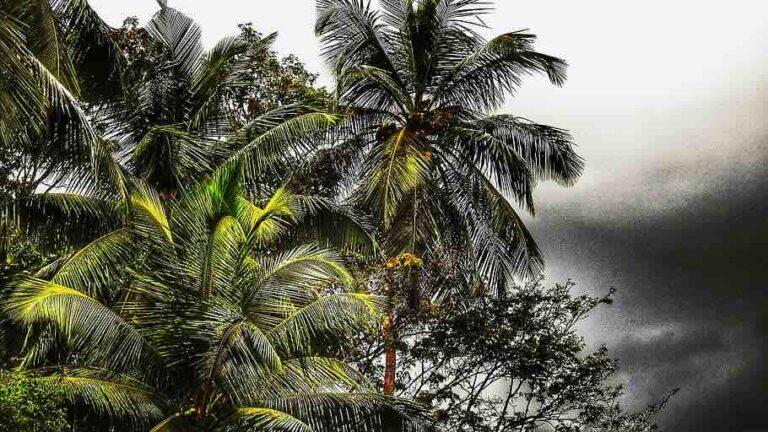
    Sri Lanka is set to experience wetter-than-average conditions beginning in October 2026, driven primarily by a strengthening El Niño event that climate agencies warn could rank among the strongest on record and persist into 2027. A recent Food and Agriculture Organization (FAO) assessment on Asia and the Pacific has placed the island among countries of elevated concern, highlighting the potential for intense and widespread rainfall during the second inter-monsoon and the subsequent northeast monsoon.

    The timing is critical. October and November typically deliver around 30 per cent of Sri Lanka’s annual rainfall, with precipitation often widespread and locally intense. This period feeds into the northeast monsoon from December to February, which supplies a substantial share of the country’s yearly water. The FAO report notes that the wetter signal becomes particularly important from October onward, coinciding with these key seasons.

    Local meteorological authorities have echoed the warning. Director General of the Department of Meteorology Ajith Wijemanna has indicated that rainfall during October and November could exceed seasonal averages, raising the prospect of rapid rises in reservoir levels and localised flooding in low-lying and flood-prone areas. While flooding is not guaranteed, authorities have urged preparedness.

    A Potentially Exceptional El Niño Event

    Forecasts from the United States Climate Prediction Center (CPC) and other global centres point to a very strong, possibly exceptional, El Niño. Multi-model ensembles suggest sea-surface temperature anomalies could exceed levels seen in the powerful 1997 and 2015 events. There is now more than a 90 per cent probability that current conditions will intensify into a very strong event by the end of 2026, with a substantial chance it will rank among the strongest since at least 1950. The phenomenon is expected to persist well into early 2027.

    El Niño arises from unusually warm sea-surface temperatures in the central and eastern equatorial Pacific. These temperature shifts alter atmospheric circulation patterns globally, influencing rainfall and temperature far beyond the Pacific basin. For Sri Lanka, historical analysis by the Department of Meteorology shows that impacts vary by season and by the concurrent state of the Indian Ocean Dipole (IOD).

    Role of the Indian Ocean Dipole

    The evolution of the IOD will be decisive. A positive IOD phase, if it strengthens, tends to enhance moisture transport over the Indian Ocean and can offset some of the drying influence that strong El Niño events often exert on South Asian rainfall. The FAO report notes that, as with Pakistan, a positive IOD would favour wetter conditions over Sri Lanka. Climate models have indicated a reasonable probability of a positive IOD developing later in 2026, which could help sustain rainfall during the Second Inter-Monsoon.

    Without a sufficiently strong or timely positive IOD, however, the Northeast Monsoon period could still present challenges, consistent with Sri Lanka’s experience during previous strong El Niño years. Meteorologists stress that outcomes will depend on the interplay of El Niño, the IOD, the Madden-Julian Oscillation and other regional drivers rather than on any single factor.

    Implications for Agriculture and Water Resources

    The Second Inter-Monsoon and Northeast Monsoon are central to Sri Lanka’s agricultural calendar, particularly the Maha cultivation season. Above-average rainfall could replenish reservoirs that have been under pressure following drier conditions earlier in the year. Yet excessive or poorly timed rain risks waterlogging, delayed planting, damage to young crops and localized flooding.

    The FAO assessment places Sri Lanka among countries of elevated climate and food-system risk. Across monitored countries in Asia and the Pacific, the combined effects of the evolving El Niño and concurrent economic pressures could push an additional 8.2 million people into acute food insecurity, with the true figure likely higher. The “three Fs” – food, fuel and fertiliser – continue to exert cascading pressure. Urea prices more than doubled at their peak, while fuel and food prices remain elevated, raising the risk that any climate-related production losses translate into higher food insecurity in late 2026 and 2027.

    Sri Lanka remains exposed to imported fertiliser and international commodity price swings. Diesel and petrol prices have stayed significantly above pre-crisis levels, adding to production costs for farmers already navigating uncertain weather.

    Preparedness Window Remains Open

    The FAO emphasises that while risks are emerging, widespread impacts have not yet materialised. This creates a narrowing but still critical window for anticipatory action. Humanitarian and development partners have been urged to work closely with the government to strengthen monitoring, early-warning systems, preparedness and response before losses become entrenched. The most serious agricultural and food-security consequences may not fully appear until late 2026 and into 2027.

    The Department of Meteorology has already advised authorities and the public to remain vigilant. Reservoir management, drainage maintenance in flood-prone districts, and contingency planning for the Maha season will be essential. Communities in low-lying areas and those dependent on rain-fed agriculture face particular exposure.

    Broader Regional Context

    The same FAO report and World Meteorological Organisation updates describe a classic strong El Niño footprint across the globe: wetter conditions in some regions, heightened drought risk in others, and widespread above-normal temperatures. For South Asia the picture is mixed and highly dependent on Indian Ocean conditions. Sri Lanka’s island geography and central highlands provide some buffering against extreme moisture depletion, yet the country remains sensitive to shifts in monsoon timing and intensity.

    Earlier in 2026, drier and hotter conditions associated with the developing El Niño affected parts of the dry zone and contributed to reduced reservoir inflows. The shift toward a wetter outlook from October therefore represents a significant change in the seasonal risk profile – from water scarcity concerns to flood and excess-moisture risks.

    Seasonal Guidance

    As September progresses, closer monitoring of both Pacific sea-surface temperatures and the state of the Indian Ocean Dipole will refine the outlook. The Department of Meteorology continues to issue seasonal guidance, and international agencies are tracking the event closely. For Sri Lanka, the coming months will test the resilience of agricultural systems, water infrastructure and disaster-preparedness mechanisms at a time when the economy is still recovering from recent shocks.

    Authorities stress that while a wetter-than-average season offers opportunities for reservoir recovery, the intensity and distribution of rainfall will determine whether the outcome is beneficial or disruptive. Proactive measures now – from improved early-warning communication to targeted support for vulnerable farming communities – can substantially reduce the eventual human and economic cost, the FAO report says.

    Pakistan: Afghan Medical Students Ordered to Return Home Amid Strained Ties

    Pakistan’s medical regulator has directed universities to facilitate departure of enrolled Afghan nationals and has banned new admissions, transfers or facilities in medical and dental colleges during the current session.

    The Pakistan Medical and Dental Council (PMDC) has issued firm directives requiring Afghan nationals enrolled in medical and dental programmes across Pakistan to return to Afghanistan, while strictly prohibiting any new admissions, placements, transfers, migrations or other facilities for Afghan citizens during the current academic session. 

    The move, outlined in an official letter, comes against a backdrop of deteriorating bilateral relations and intensified repatriation efforts targeting Afghan nationals in Pakistan.

    Directive Reiterates Earlier Instructions

    In a letter issued by the Head of the Council Department, the PMDC instructed all universities and their affiliated public and private medical and dental institutions to strictly comply with instructions first issued on July 31, 2026. The September communication reinforces that Afghan nationals already enrolled must be sent back in line with existing policy. Institutions have been told to complete necessary administrative procedures, issue the required No Objection Certificates (NOCs), and facilitate their departure without delay.

    The Council clarified that, until further orders, no Afghan national may receive admission, placement, transfer, migration or any other form of educational facility in medical or dental education. Institutions that have not yet submitted compliance reports must provide the PMDC with complete details of Afghan students within three days. Failure to comply, delays, concealment of information or unauthorised facilitation will be treated seriously, with possible regulatory action under the PMDC Act, 2022.

    A PMDC official confirmed the authenticity of the September 1 letter, which stresses that the matter is of the highest priority and relates to national policy directives. The regulator did not publicly disclose the total number of Afghan medical and dental students currently enrolled nationwide.

    The order follows an earlier order on 31 August 2025, in which Pakistan’s government ordered all Afghan nationals to leave the country or face arrest and deportation. 

    Immediate Action at King Edward Medical University

    The impact is already visible at major institutions. King Edward Medical University (KEMU) in Lahore has begun implementing the order. A letter from the university’s Registrar’s Office directed relevant authorities to complete all necessary procedures concerning Afghan students through the office of the Assistant Registrar, MBBS, within 24 hours.

    According to a list issued by KEMU, 22 Afghan nationals are associated with the MBBS programme. One student is in the first year, six in the second year, four in the third year, one in the fourth year and eight in the final year. Two individuals are listed as having recently completed graduation. This means a significant proportion of the affected students at the university have already reached advanced stages of their medical training, raising questions about the disruption to near-complete degrees.

    Broader Context of Repatriation and Tensions

    The PMDC order represents an extension of restrictions that have increasingly affected Afghans in Pakistan. It applies not only to undocumented migrants or those without valid visas but also to students who were legally admitted and have spent years in the country’s professional education system. The directive arrives as Islamabad intensifies the repatriation and deportation of Afghans following a sharp deterioration in ties with Kabul, driven by concerns over militant violence and months of deadly cross-border hostilities.

    According to the International Organization for Migration, more than 2.6 million Afghans returned to Afghanistan from Pakistan between September 2023 and July 2026. Pakistan maintains that these measures are necessary for national security and immigration enforcement. Rights groups and the United Nations have raised concerns about forced returns, particularly affecting vulnerable groups.

    Earlier episodes illustrate the evolving pressures on Afghan students. In February 2026, for instance, Bahawalpur police detained 12 Afghan medical students enrolled at Quaid-e-Azam Medical College over expired visas and Proof of Registration cards. Authorities later allowed them temporary relief to continue their education pending further orders, after intervention by the Punjab government. Such cases highlight how visa and documentation issues have repeatedly intersected with academic pursuits.

    Challenges for Students Midway Through Degrees

    For students already deep into their programmes, the order poses acute difficulties. Those in final or penultimate years face the prospect of interrupted clinical training and incomplete qualifications. Returning to Afghanistan may involve additional hurdles related to credential recognition, financial costs of relocation, and the practical challenges of resuming studies under different institutional and regulatory systems.

    Female Afghan students face particular uncertainty. Afghanistan’s restrictions on women’s higher education under Taliban rule have long made Pakistan an alternative destination for many seeking medical and related professional training. The sudden requirement to return raises concerns about whether these students will be able to continue or complete their education at home.

    Legal and education observers have noted potential consequences including disruption of studies, expenses associated with departure, and difficulties in establishing equivalence of partially completed programmes. Institutions have been directed to prioritise administrative formalities so that departures can proceed in an orderly manner.

    Related Regulatory Measures on Afghan Qualifications

    The current directive on enrolled students occurs alongside separate PMDC measures affecting recognition of medical qualifications obtained in Afghanistan. In a public notice dated July 31, 2026, the Council reiterated that Pakistani nationals graduating from Afghan medical and dental institutions would not be eligible to sit the National Registration Examination (NRE) or seek registration to practise in Pakistan. This is because Afghan institutions are not currently included on the list recognised by the Educational Commission for Foreign Medical Graduates (ECFMG). The notice advised students and prospective applicants to make informed decisions accordingly, stating that no exemptions would be granted.

    While that policy targets Pakistani citizens studying in Afghanistan, the new order directly addresses Afghan citizens studying in Pakistan. Together they reflect a tightening regulatory environment linking education access to broader national and security considerations.

    Compliance Deadlines and Institutional Responsibilities

    Universities and colleges have been placed under clear timelines. Those yet to report must submit full details of Afghan students within three days of the latest communication. KEMU’s internal instruction of a 24-hour window for completing formalities underscores the urgency conveyed to individual institutions. The PMDC has emphasised that both public and private medical and dental colleges fall under the same obligations.

    Officials have not indicated any blanket exemptions for students close to graduation. The letter requires recording and confirmation of graduation and departure status where studies have already been completed. Institutions remain responsible for ensuring that administrative processes, including issuance of NOCs, are handled promptly to facilitate return.

    Implications for Medical Education Landscape

    The decision is expected to reduce the presence of Afghan nationals in Pakistan’s medical and dental colleges for the foreseeable future, at least until further orders. It also signals that professional education pathways previously open to Afghan citizens are now subject to the same policy framework governing broader Afghan presence in the country.

    As institutions move to implement the directives, attention will focus on how smoothly the administrative processes unfold, whether any hardship cases receive individual consideration, and how returning students navigate the next steps in their education and careers. The PMDC has framed the measures as compliance with national policy, leaving limited room for institutional discretion.