More

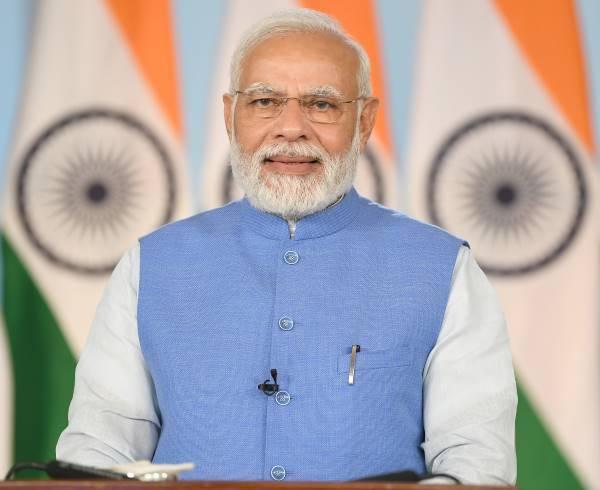
    Artificial Intelligence Can Make Transformational Changes: PM Modi

    The Prime Minister appreciated the iGOT platform and said that more than 40 lakh government employees have registered on this platform. More than 1,400 courses are available and officers have received more than 1.5 crore certificates in various courses.

    Prime Minister Narendra Modi on Saturday stressed the importance of balance between Artificial Intelligence (AI) and aspirational India. He said that if we successfully use Artificial Intelligence to advance the progress of aspirational India, it can lead to transformational changes. He said that the world is looking at AI as an opportunity, while for India it presents both a challenge and an opportunity.

    Addressing the ‘Karmayogi Saptah’ program at Dr. Ambedkar International Centre in New Delhi last Saturday, the Prime Minister said that through Mission Karmayogi, our goal is to prepare such human resources that become the driving force of our country’s development. Expressing satisfaction over the progress made so far, the Prime Minister said that if we continue to work with the same enthusiasm, then no one can stop the country from moving forward. He emphasized that the new learnings and experiences gained during the National Learning Week will give us the ability and help to improve work systems, which will help us achieve our goal of a developed India by 2047.

    The Prime Minister discussed the steps taken by the government in the last 10 years to change the mindset, the impact of which is being felt by the people today. He said that this has been possible due to the efforts of the people working in the government and the impact of steps like Mission Karmayogi.

    iGOT Platform

    The Prime Minister said that due to the digital revolution and the influence of social media, information equality has become a norm. With AI, information creation is also becoming equally easy, making citizens informed and empowering them to keep track of all government activities. Therefore, civil servants need to keep themselves updated with the latest technological developments to meet the improving standards, in which Mission Karmayogi can prove to be helpful. He emphasized the need to adopt new thinking and a citizen-centric approach. He mentioned taking help from startups, research agencies and youth to get new ideas. He urged departments to arrange for a feedback mechanism.

    The Prime Minister appreciated the iGOT platform and said that more than 40 lakh government employees have registered on this platform. More than 1,400 courses are available and officers have received more than 1.5 crore certificates in various courses.

    The Prime Minister said that civil service training institutes have been forced to work in isolation. He said that we have tried to increase partnership and cooperation among them. He urged the training institutes to establish proper channels of communication, learn from each other, discuss and adopt global best practices and adopt a whole-of-government approach.

    It is noteworthy that Mission Karmayogi was launched in September 2020 with the aim of creating a future-ready civil service based on Indian ethos with a global outlook.

    Trachoma elimination in sight after South Asia success

    WHO certifies India, Pakistan free of trachoma. 1.9 million people globally are blinded fully or partially by trachoma and thirty-nine countries have still to eliminate the disease.

    By Ranjit Devraj

    The world moved closer to eliminating trachoma this month after the World Health Organization (WHO) confirmed India and Pakistan as being free of the disease, a leading cause of blindness.

    Trachoma is a bacterial infection affecting poor communities where clean water and sanitation are lacking. If left untreated it can cause excruciating pain and eventual loss of sight.

    India is the world’s most populated country with 1.45 billion people living there, while Pakistan ranks as the fifth most populous country, with around 250 million inhabitants. They are the 20th and 19th countries respectively to be declared free of trachoma.

    Munazza Gillani, Pakistan and Middle East director for Sightsavers, a UK-based charity that works to treat and prevent avoidable blindness, says Pakistan’s achievement is down to the “resilience and dedication of countless individuals and organisations who have come together in this fight”.

    However, she warned: “We must not become complacent.

    “Trachoma can still return unless we sustain efforts to maintain awareness of the disease among communities and health staff.”

    Under the WHO’s 2021-2030 road map for neglected tropical diseases, the target date for global elimination of trachoma as a public health problem is 2030. The road map calls for a holistic approach based on universal health coverage rather than a disease-specific strategy to end the disease.

    An estimated 1.9 million people have partly or fully lost their sight to trachoma, according to the WHO.

    Caused by the bacterium Chlamydia trachomatis, the disease spreads through contact with eye, nose, or throat secretions, typically in areas with limited water and sanitation facilities. Flies that breed on animal dung, human faeces and food scraps also help spread it.

    SAFE strategy

    The WHO’s elimination strategy – dubbed SAFE, for surgery, antibiotics, facial cleanliness and environmental change – includes safe waste disposal and improved access to clean water and basic sanitation, as well as antibiotics to treat the infection.

    Roderico H. Ofrin, the WHO’s representative in India, attributes the country’s success to the implementation of this strategy, including surgeries and drug administration conducted by the Ministry of Health and Family Welfare and the government’s intensive water and sanitation programmes.

    “India’s success is an inspiration for other nations striving to eliminate trachoma and improve public health,” said Ofrin.

    China, Nepal, Iraq and Iran are among 20 countries that have eliminated the ancient scourge which causes the eyelashes to turn inwards and scrape against the eye, causing intense pain. Repeated infections in childhood, if left untreated, can lead to visual impairment and irreversible blindness.

    Trachoma, eliminated in Europe and North America in the 1950s, thanks to improved hygiene conditions, continues to plague communities in poorer countries, where crowding is common and access to clean water and sanitation remain inadequate.

    However, the dramatic reduction in trachoma incidence is considered a major public health success story of the 21st century, with multiple agencies acting together to bring the number of people at risk down from 1.5 billion in 2002 to 103 million people in 2024.

    Mass drug administration

    In 2023, according to WHO, 13,746 people received surgical treatment for advanced trachoma – known as trachomatous trichiasis – and 32.9 people were treated with antibiotics.

    Community-wide distribution of the antibiotic azithromycin is an important component of the SAFE strategy to limit the spread of the disease.

    Azithromycin is donated to trachoma-endemic countries for free mass administration to both infected and non-infected individuals through the International Trachoma Initiative.

    India has developed a surveillance plan for sustained elimination, including provision of surgery to correct trichiasis. The plan also covers community awareness and promotion of water, sanitation and hygiene.

    According to Gillani, India’s success was driven by concerted efforts by the government and organisations such as Sightsavers, The Fred Hollows Foundation, and the Christian Blind Mission as well efforts of health workers, communities, volunteers, donors, and pharmaceuticals.

    Thirty-nine countries

    However, trachoma remains the world’s leading infectious cause of blindness, affecting people in 39 countries.

    Caleb Mpyet, trachoma specialist and technical adviser to Sightsavers, says international cooperation is needed to see an end to the disease. “Infectious diseases do not respect borders,” he says.

    Mpyet cites the examples of Kenya, Uganda and Tanzania synchronising their trachoma campaigns. “The new coordinated, international strategy paves the way for the sustainable elimination of trachoma in these countries,” says Mpyet in a blog for the British Medical Journal (BMJ).

    Trachoma is extremely common in many of the poor, rural areas of Africa, Central and South America, Asia, Australia and the Middle East. Overall, Africa remains the most affected continent and the one with the most intensive control efforts, according to the WHO.

    The other countries that have eliminated trachoma include Benin, Cambodia, Gambia, Laos, Ghana, Malawi, Mali, Mexico, Morocco, Myanmar, Oman, Saudi Arabia, Togo and Vanuatu.

    This piece has been sourced from SciDev.Net.

    Image: WHO.

    World Told Act Now or Face 136 Years of Hunger, Report Warns

    Sub-Saharan Africa and South Asia are the regions most affected by hunger. According to the GHI, about 22 countries in Africa are facing serious hunger levels.  Of the top ten countries cited for having serious to alarming hunger levels, five are in Africa.

    By Busani Bafana

    High levels of hunger will continue for another 136 years in many developing countries, according to a new report assessing global hunger.

    The report, the 2024 Global Hunger Index (GHI), paints a grim picture, predicting that global hunger levels will remain high for another century. If more progress is not made to end hunger, it will continue to reverse many development gains. The report blames the combined crises of conflict, climate change, high food prices and mounting debt, all of which are denying billions of people the right to adequate food. 

    Hunger Here To Stay

    Published by Concern Worldwide and Welthungerhilfe, on October 10, 2024, the GHI reveals that at least 64 countries are unlikely to reach low hunger levels until 2160 if the current pace of change continues.

    Hunger is at serious or alarming levels in 42 countries, with conflicts exacerbating food crises in places like Gaza and Sudan, where famine is already present in North Darfur, the report found.

    Now in its 19th year, the GHI ranks countries based on recorded levels of undernourishment, child stunting, child wasting and child mortality. Of the 136 countries examined, 36 face serious hunger levels, while six at the bottom of the index—Somalia, Yemen, Chad, Madagascar, Burundi, and South Sudan—have alarming hunger levels. In 2023 alone, 281.6 million people in 59 countries and territories faced crisis-level or acute food insecurity, including Gaza, Sudan, Haiti and Burkina Faso.

    The report warns that the chances of meeting the UN’s goal of zero hunger by 2030 are grim.

    Concern Worldwide’s Chief Executive, David Regan, described the situation as disappointing that the 2030 goal was now out of reach.

    “Our response should be to redouble our efforts to regain momentum,” Regan told IPS. “We need global action to tackle hunger.”

    Sub-Saharan Africa and South Asia are the regions most affected by hunger. According to the GHI, about 22 countries in Africa are facing serious hunger levels.  Of the top ten countries cited for having serious to alarming hunger levels, five are in Africa.

    Conflict, Climate Change and High Debt Fuel Hunger

    Large-scale armed conflicts, climate change, high food prices, market disruptions, economic downturns, and debt crises in many low- and middle-income countries have combined to complicate efforts to reduce hunger, the report found.

    “Conflict can only be resolved where the external stakeholders that are typically fueling the conflict, step away from using conflict to acquire the resources or to increase the instability of the most fragile states,” Regan told IPS. “Climate change will not stop until those responsible for the largest emissions reduce them. It is not possible to say that the human right to food is being respected globally when powerful nations are clearly not playing their role in addressing its causes.”

    Regan criticized wealthy nations for not playing their part in addressing global hunger, stating that while they have not turned their backs on the issue, political  interest in solving hunger has waned in recent years.

    The report further notes that more than 115 million people globally are internally displaced—some have been forced to migrate as a result of persecution, conflict violence and many more displaced by weather-related disasters.

    The wars in Gaza and Sudan have led to exceptional food crises, the report stated, flagging rising inequality between and within countries.  Although extreme poverty in middle-income countries has decreased, income inequality remains persistently high, and poverty in the poorest countries is worse than before the COVID-19 pandemic.

    Gender Equality, Key to Food Security

    The report also draws attention to the link between gender inequality, food insecurity, and climate change, noting that these factors combined have put communities and countries under extreme stress.

    “Governments must invest in and promote gender equality and climate change and recognize and deliver on the right to food so that all people are assured the right to food,” Regan said.

    Ahead of World Food Day, the United Nations Food and Agriculture Organization (FAO) has echoed the call for swift action to eliminate hunger and ensure everyone has access to safe, nutritious food.

    The World Food Day is being marked under the theme Right to food for a better life and a better future, which underscores the urgency to provide varied and healthy food to all.

    FAO Director General Qu Dongyu noted that 730 million people are facing hunger due to the global challenges caused by man-made and natural disasters. Besides, more than 2.8 billion people in the world cannot afford a healthy diet.

    “There is no time to lose, we must take immediate action, we must act together,” Dongyu urged, reiterating that the right to food is a basic human right.

    This piece has been sourced from Inter Press Service.

    UNICEF Seeks $165 Million for Therapeutic Food to Combat ‘Silent Killer’

    The ‘No Time to Waste’ was launched in 2022 to respond to the global food and nutrition crisis. Since then, UNICEF has raised over $900 million to scale up programmes, services and supplies for the early prevention, detection and treatment of child wasting.

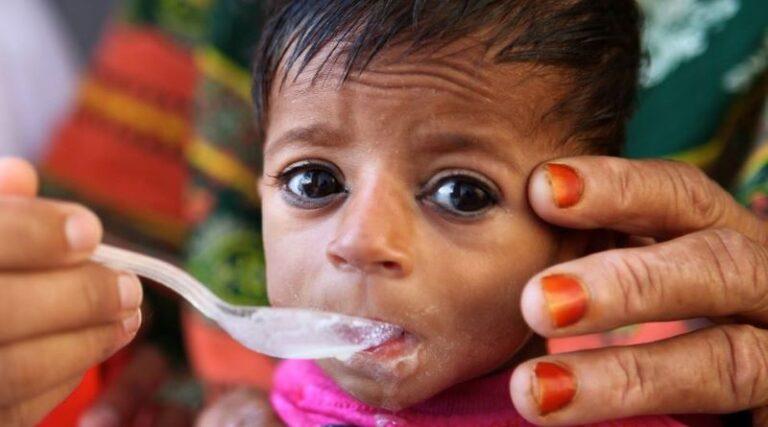
    Nearly two million children suffering from severe wasting are at risk of death due to funding shortages for life-saving Ready-to-use-Therapeutic-Food (RUTF) to treat the condition, which is the most dangerous form of malnutrition. 

    The warning comes from UN children’s agency UNICEF which said levels of severe wasting in children under five remain gravely high in several countries due to conflict, economic shocks and climate crises.

    Severe wasting – also known as severe acute malnutrition – is caused by a lack of nutritious and safe foods and repeated bouts of disease, such as diarrhoea, measles and malaria.

    Children become dangerously thin, and their weak immune systems make them vulnerable to growth failure, poor development, and death.

    RUTF is an energy dense, micronutrient paste made from powdered milk, peanuts, butter, vegetable oil, sugar, and a mix of vitamins and minerals. 

    It has helped bring millions of children back from the brink of death from severe malnutrition.

    “In the past two years an unprecedented global response has allowed the scale-up of nutrition programmes to contain child wasting and its associated mortality in countries severely affected by conflict, climate and economic shocks, and the resulting maternal and child nutrition crisis,” said Victor Aguayo, UNICEF Director of Child Nutrition and Development Victor Aguayo. 

    “But urgent action is needed now to save the lives of nearly two million children who are fighting this silent killer.”  

    Stocks running out

    UNICEF said shortages of RUTF are already leaving children at risk of not receiving treatment in the 12-hardest hit countries.

    Mali, Nigeria, Niger and Chad are either already experiencing or imminently facing stockouts, while Cameroon, Pakistan, Sudan, Madagascar, South Sudan, Kenya, the Democratic Republic of Congo and Uganda could run out of stock by mid-2025.

    The situation in Africa’s Sahel region is exacerbated by prolonged droughts, floods, and erratic rainfall. This is leading to food shortages and high food prices and, subsequently, higher levels of severe wasting. 

    For example, over 300,000 under-fives in Mali are expected to suffer from severe wasting this year, yet nutrition programmes started running out of RUTF supplies at the end of July.

    Meanwhile, the Government in Chad declared a food and nutrition emergency in February, and over 500,000 children under five are projected to suffer from severe wasting this year. Provinces with large refugee populations are particularly affected. 

    Roughly 315,000 children in the country were treated between January and August. Although needs remain urgent, stocks of RUTF could run out by the end of this month. 

    ‘No Time to Waste’

    UNICEF is seeking $165 million to fund therapeutic feeding, treatment and care for the two million children who are at-risk of death, in an update to its No Time to Waste plan.

    The initiative was launched in 2022 to respond to the global food and nutrition crisis. Since then, UNICEF has raised over $900 million to scale up programmes, services and supplies for the early prevention, detection and treatment of child wasting.

    As a result, 21.5 million children and women received essential services, while 46 million children were reached with early detection services and 5.6 million accessed life-saving treatment.

    No Time to Waste 2024 outlines the urgent funding shortfalls that are putting young lives in danger. The appeal also emphasizes the need for continuity of local manufacturing of essential nutrition supplies which is vital for sustaining interventions and improving community resilience against malnutrition.

    Child Nutrition Fund

    To address severe child malnutrition in the long term, UNICEF launched the Child Nutrition Fund (CNF) last year, with the support of the United Kingdom Foreign Commonwealth and Development Office, the Bill and Melinda Gates Foundation, and the Children’s Investment Fund Foundation.   
     
    The CNF goals include supporting local and regional production of fortified foods, food supplements and RUTF for young children in areas experiencing high levels of child malnutrition in efforts to circumvent global supply chain disruptions, reduce environmental impacts of shipment, and boost job opportunities and economic growth within communities. 

    Once fully implemented, the CNF will help insulate countries from the funding shortages and fluctuations in demand currently driving part of the growing RUTF shortages.  

    Global Family Farming Forum Highlights Farmers’ Role in Combating Hunger

    The Global Family Farming Forum not only serves as a call to action but also as a reminder of the critical role that family farmers play in the global effort to combat hunger and foster sustainable agricultural development.

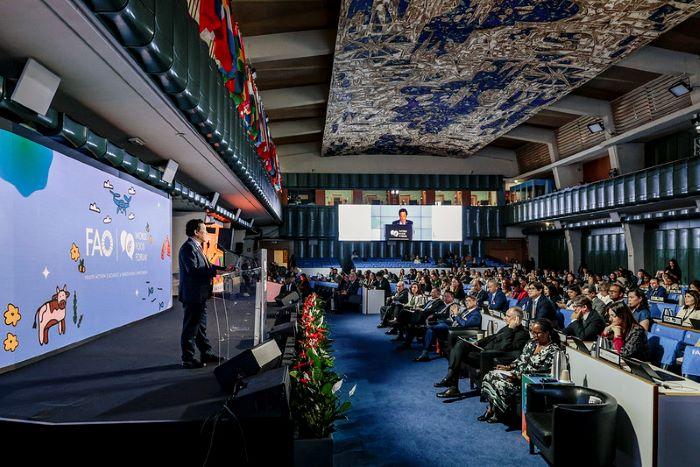
    In a world grappling with food insecurity and climate change, the Global Family Farming Forum convened in Rome, emphasizing the crucial role of family farmers in tackling hunger and promoting sustainable agricultural practices. The event, hosted by the Food and Agriculture Organization (FAO), brought together stakeholders from various sectors, including farmers, policymakers, and academics, to share insights and strategies aimed at enhancing food systems globally.

    The forum spotlighted family farmers as vital players in ensuring food security. With over 500 million family farms worldwide, these small-scale producers contribute significantly to global food production. FAO Director-General Qu Dongyu noted that family farming not only enhances food availability but also strengthens local economies and communities. “Family farmers are essential for transforming our food systems, especially in the face of challenges posed by climate change,” Qu stated.

    Participants at the forum underscored the need for supportive policies and investments to empower family farmers. Many highlighted that sustainable farming practices can increase productivity and resilience, allowing farmers to better adapt to shifting climate conditions. As part of this discussion, the role of indigenous knowledge and practices in agriculture was emphasized, showcasing how traditional methods can be integrated with modern techniques to boost yields while preserving biodiversity.

    Hand-in-Hand Initiative

    Additionally, the Global Family Farming Forum coincided with the expanding interest in the FAO’s Hand-in-Hand Initiative. This innovative approach to investment aims to eradicate hunger by fostering partnerships between countries and stakeholders to leverage resources effectively. With more nations joining the initiative, there is a growing recognition of the importance of tailored investment strategies that align with the specific needs of different regions.

    Countries participating in the Hand-in-Hand Initiative have been encouraged to develop targeted strategies that address local agricultural challenges and opportunities. The FAO is working to create tailored investment plans that can help improve food security and resilience to climate change, ensuring that the benefits reach the most vulnerable communities.

    The forum also highlighted successful case studies from various countries, illustrating how targeted investments in family farming can lead to significant improvements in food production and nutrition. For instance, participants shared experiences from regions where integrated farming systems have been introduced, combining crops and livestock to enhance productivity and sustainability. These models not only provide food but also improve livelihoods by diversifying income sources for farming families.

    Renewed Sense of Urgency

    As discussions progressed, the importance of technological innovation was emphasized as a means to support family farmers. Participants acknowledged that access to technology can help smallholder farmers increase their efficiency and access to markets. The FAO is advocating for policies that promote digital agriculture, enabling farmers to utilize data and technology to optimize their farming practices.

    Moreover, the forum served as a platform for reinforcing the need for gender equality in agriculture. Many family farms are run by women, who often face barriers to access resources and support. Discussions focused on empowering women farmers through education and access to financial services, recognizing that gender-inclusive policies are crucial for improving agricultural productivity and food security.

    In addressing the urgent challenges of food insecurity and climate change, the Global Family Farming Forum positioned family farmers at the forefront of the conversation. The commitment from various stakeholders to support these farmers through policy reform, investment, and technology is seen as a pivotal step toward achieving the United Nations’ Sustainable Development Goals, particularly Goal 2, which aims to end hunger and ensure food security for all. As the forum concluded, participants expressed a renewed sense of urgency and commitment to action.

    The integration of family farming into broader food security strategies is seen as essential for building resilient food systems that can withstand future challenges. “The world needs family farmers now more than ever,” said FAO Deputy Director-General Maria Helena Semedo. “By investing in their potential, we invest in the future of our food systems.”

    Supreme Court Orders Action Against Stubble Burning as Delhi Air Quality Deteriorates

    The Supreme Court’s summons serves as a wake-up call for Punjab and Haryana to address the issue of stubble burning, and it reinforces the necessity of collaborative efforts between the state and central governments to tackle the pressing environmental challenges facing the region.

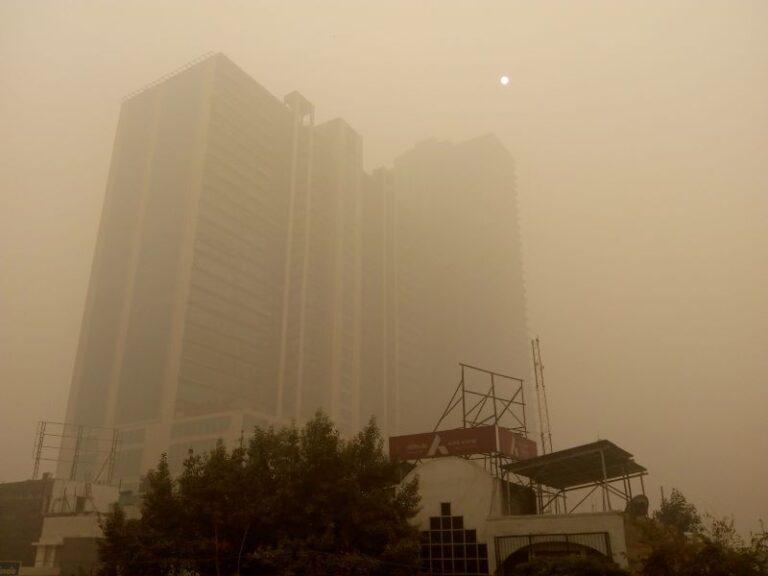
    The Supreme Court of India on Wednesday summoned top officials from Punjab and Haryana, expressing serious concerns over their inadequate response to the alarming levels of air pollution affecting Delhi. The Court’s reprimand comes in light of the persistent practice of stubble burning in the region, which significantly contributes to the deteriorating air quality in the national capital.

    The hearing highlighted the urgent need for the two states to implement effective measures to curb stubble burning. Justices A.M. Khanwilkar and Sanjiv Khanna emphasized that the current situation demands immediate action, particularly given the approaching winter months when pollution levels typically spike due to various factors, including crop residue burning.

    The Supreme Court’s summons serves as a wake-up call for Punjab and Haryana to address the issue of stubble burning, and it reinforces the necessity of collaborative efforts between the state and central governments to tackle the pressing environmental challenges facing the region. The next week will be pivotal in determining the course of action that will be taken to improve air quality and safeguard public health in Delhi.

    Justice Khanwilkar did not mince words, stating, “We cannot wait indefinitely for you to take action. This is a matter of public health.” The Court has given the officials a one-week deadline to report back on the steps they intend to take to address the issue, underscoring the gravity of the situation as the air quality index (AQI) continues to worsen.

    Lack of proactive measures

    Delhi, often engulfed in a thick blanket of smog during the winter season, has been grappling with severe air quality issues exacerbated by stubble burning practices in neighboring states. The Court’s intervention comes amid increasing public outcry over the health hazards posed by the toxic air, with respiratory illnesses spiking among residents, especially children and the elderly.

    During the proceedings, the Court expressed dissatisfaction with the responses received from the Punjab and Haryana governments. Both states were criticized for their lack of proactive measures to combat stubble burning, which is often employed by farmers as a cost-effective method for clearing fields post-harvest. The judges remarked that despite several initiatives and advisories issued by the government, the situation remains dire, leading to a cycle of blame among stakeholders.

    The Supreme Court also pointed out the failure of the states to utilize available technologies and alternatives to stubble burning, such as bio-decomposers and other environmentally friendly methods. The Justices underscored that the governments must take responsibility and enforce stricter regulations to prevent the burning of crop residue.

    In response to the Court’s inquiries, Punjab’s Chief Secretary and Haryana’s Chief Secretary provided updates on the measures taken so far. However, the Court found these efforts lacking, particularly as the annual cycle of stubble burning approaches. The Justices called for immediate collaborative efforts between the states and central authorities to address the crisis comprehensively.

    Moreover, the Court noted that the current pollution crisis is not just a seasonal problem but a year-round issue that requires long-term strategies. The Justices highlighted the importance of raising awareness among farmers about the detrimental effects of stubble burning and promoting sustainable agricultural practices.

    Sustainable Agricultural Practices

    The Supreme Court’s intervention is seen as a crucial step in holding state governments accountable for environmental degradation and public health concerns. The justices have urged the officials to take inspiration from successful models in other states that have effectively minimized stubble burning through innovative solutions and community engagement.

    The Supreme Court awaits a response from Punjab and Haryana. On the other hand, citizens of Delhi remain hopeful that the persistent threat of hazardous air pollution will be addressed. There is a growing demand for sustainable agricultural practices that prioritize both environmental health and the livelihoods of farmers.

    As the deadline approaches, pressure mounts on Punjab and Haryana to devise a concrete plan to mitigate stubble burning, with the aim of improving Delhi’s air quality before the onset of winter. The Court has indicated it will closely monitor the progress made by the states and is prepared to take further action if necessary.

    This ruling reflects a broader concern regarding environmental issues and public health in India, as cities like Delhi grapple with some of the worst air quality in the world. The Supreme Court’s proactive stance underscores the critical intersection of environmental policy, public health, and the need for immediate governmental action to protect citizens.

    Pashtun Tahafuz Movement Holds Jirga Amid Government Crackdown in Pakistan

    The outcome of the PTM’s efforts remains uncertain, but one thing is clear: the voices of the Pashtun community are rising, demanding recognition and justice in a landscape often overshadowed by violence and oppression.

    In a significant show of unity and resolve, the Pashtun Tahafuz Movement (PTM) gathered hundreds of supporters for a jirga, or tribal council, in Khyber Pakhtunkhwa province over the weekend, according to a report carried by Radio Liberty.

    This assembly marks a crucial moment for the PTM as it continues to face increasing pressure from the Pakistani government, which has intensified its crackdown on the movement in recent months.

    The PTM, founded in 2018, advocates for the rights of the Pashtun community, addressing issues such as enforced disappearances, extrajudicial killings, and the demand for greater political representation. The recent jirga brought together PTM leaders, activists, and community members who expressed their frustration with ongoing state repression and the lack of accountability for human rights violations in the region.

    Manzoor Pashteen, a prominent leader of the PTM, delivered a passionate address to the attendees, calling for solidarity among Pashtuns and urging them to continue their peaceful struggle for rights and justice. “Our struggle is for our identity, our dignity, and our future,” Radio Liberty quoted Pashteen as saying, highlighting the importance of nonviolent protests and dialogue to address the community’s grievances.

    The event, however, took place under the shadow of a government crackdown that has seen numerous arrests and increased surveillance of PTM activities. Authorities have accused the movement of fomenting unrest and have taken measures to curb its growing influence among the Pashtun population, particularly in the tribal areas that have historically faced military operations and violence.

    Missing, Extrajudicial Killings

    Despite these challenges, the PTM’s leadership remains steadfast. The jirga provided a platform for community members to voice their concerns and discuss strategies for addressing issues such as unemployment, education, and healthcare, which have been exacerbated by years of conflict and military operations in the region.

    Participants shared personal stories of loss and suffering due to the violence and instability that have plagued the Pashtun areas. Many spoke about family members who have gone missing or have been victims of extrajudicial killings, calling for accountability and justice. “We cannot forget our loved ones who have suffered,” said one participant. “We will continue to demand justice until every single one of them is accounted for.”

    The PTM’s emergence has been seen as a response to the historical marginalization of the Pashtun community, particularly following the U.S.-led invasion of Afghanistan and subsequent military operations in Pakistan. The movement has garnered significant support among young Pashtuns, who are increasingly vocal about their rights and are utilizing social media platforms to amplify their message.

    However, the government’s response has been increasingly hostile. In recent months, authorities have cracked down on PTM rallies, using tactics such as arrests and intimidation to deter activists. The situation has raised alarm among human rights organizations, which warn that such measures threaten freedom of expression and assembly in Pakistan.

    Human Rights Watch and Amnesty International have both issued statements condemning the government’s actions against PTM members, calling for an end to the repression and for the protection of civil rights. “The state has a responsibility to listen to the voices of its citizens, not to silence them,” said a representative from Human Rights Watch.

    Need For International Support

    The recent jirga comes at a time of heightened political tension in Pakistan, with various groups facing crackdowns under the pretext of maintaining order and security. Critics argue that the government is using these tactics to stifle dissent and prevent any challenge to its authority.

    As the PTM continues to face adversity, its leaders have emphasized the need for international support. They argue that increased awareness of their plight could pressure the Pakistani government to address their demands and engage in meaningful dialogue. “We want the world to know about our struggle and to stand with us,” Pashteen declared during the jirga.

    The movement’s efforts have not gone unnoticed on the global stage. International media outlets and human rights organizations are beginning to highlight the PTM’s plight, bringing attention to the issues faced by the Pashtun community. Activists hope that this increased visibility will lead to greater pressure on the Pakistani government to uphold human rights and engage with the PTM in a constructive manner.

    Coming Months Pivotal

    In the face of repression, the PTM has remained committed to its core principles of nonviolence and peaceful protest. The jirga served as a reminder of the community’s resilience and determination to continue the struggle for justice. As the movement presses on, it is clear that the road ahead will be fraught with challenges, but the PTM’s supporters are undeterred.

    The outcome of the PTM’s efforts remains uncertain, but one thing is clear: the voices of the Pashtun community are rising, demanding recognition and justice in a landscape often overshadowed by violence and oppression. With the government increasingly wary of the movement’s influence, the coming months will be pivotal in determining the future of the PTM and its fight for the rights of the Pashtun people.

    As this situation evolves, the world will be watching closely to see how the government responds to the PTM’s calls for justice and whether the movement can sustain its momentum in the face of ongoing repression. The jirga highlighted not just the challenges faced by the Pashtun community but also their unwavering resolve to fight for their rights and identity in a country where such struggles often come at a high price.

    Maldives Announces Comprehensive Ban on Vaping Products

    As countries continue to grapple with the implications of vaping, the Maldives’ ban signifies a growing movement toward stricter regulations on electronic smoking devices, aiming to safeguard public health, particularly among the youth population.

    The Maldives has taken a decisive step in public health policy by announcing a comprehensive ban on vaping and related products. In an official statement released on Tuesday, President Mohamed Muizzu instructed his administration to implement measures that will prohibit the importation and usage of vaporizer devices across the archipelago.

    Starting November 15, 2024, the importation of vaporizer devices, accessories, and parts will be banned. Following that, beginning December 15, the new regulations will expand to prohibit the possession, use, manufacturing, sale, promotion, and free distribution of these devices throughout the country.

    In support of the president’s directive, Attorney General Ahmed Usham indicated that amendments to existing laws will be presented to parliament within the week. “The necessary amendments to the laws to implement the president’s decision will be sent to parliament this week,” Usham stated on X, using the local language. The proposed changes will involve updates to the Tobacco Control Act and the Export Import Act.

    This bold move comes in response to growing concerns voiced by parents and health service providers regarding the health risks associated with electronic smoking devices. Local media have reported increasing pressure on the government to address the rising prevalence of vaping among youth and its potential health impacts.

    Understanding Vaping

    Vaping refers to the act of inhaling vapour produced by electronic cigarettes or similar devices, which heat a liquid (often called e-liquid or vape juice) that typically contains nicotine, flavourings, and other chemicals. Unlike traditional cigarettes, which burn tobacco, vaping devices use battery-powered heating elements to vaporize the liquid, allowing users to inhale the vapour. While some users believe vaping to be a safer alternative to smoking, concerns remain about the potential health risks, especially among young people.

    As countries continue to grapple with the implications of vaping, the Maldives’ ban signifies a growing movement toward stricter regulations on electronic smoking devices, aiming to safeguard public health, particularly among the youth population.

    Afghanistan: Policewomen Report Past Abuse, Taliban Threats

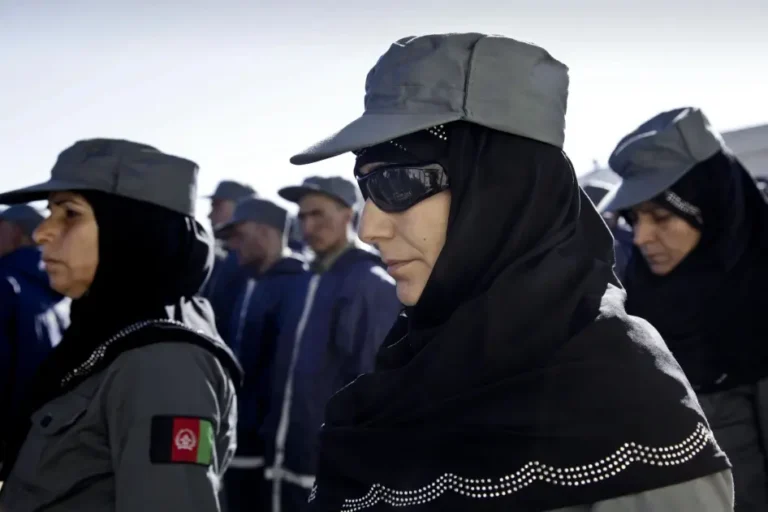
    Afghan policewomen have been doubly betrayed, first by the former government, whose officials were responsible for widespread sexual abuse, and then by countries that ignored the abuse when it happened and have not granted asylum. Taliban authorities have threatened Afghan women who had served in the police under the previous government, adding to the risks they face from their families who opposed their work.

    Taliban authorities have threatened Afghan women who had served in the police under the previous government, putting them at risk, Human Rights Watch said in a report released today. 

    The 26-page report, “Double Betrayal: Abuses against Afghan Policewomen Past and Present,” documents threats from Taliban authorities since August 2021 that have forced many former policewomen to go into hiding out of fear of being identified. 

    While employed by the former government, hundreds of policewomen also experienced sexual harassment and assault, including rape, from male colleagues and supervisors who were never held accountable. Former and current policewomen in Afghanistan and countries where they are in hiding or seeking asylum described ongoing psychological distress and trauma related to this past abuse and their fear of retaliation from their families and the Taliban. 

    “Afghan policewomen have been doubly betrayed, first by the former Afghan government, which allowed serious sexual abuse against them to continue unchecked, and then by countries that ignored that abuse and have been unwilling to resettle or grant asylum to women seeking protection,” said Fereshta Abbasi, Afghanistan researcher at Human Rights Watch. “Since the Taliban takeover, former policewomen have had to flee after threats from the authorities and increased violence from families who opposed their working as police.” 

    The report is based primarily on 24 interviews with women who were police during the previous government, including 10 in-person and 9 remote interviews with women in five provinces in Afghanistan, and 5 remote interviews in the United States, Sweden, Italy, Iran, and Pakistan. We also interviewed former and current United Nations officials and civil society activists familiar with the issues. 

    Struggle for an Alternative Income

    Former policewomen described receiving intimidating phone calls from Taliban officials telling them to report for questioning and warning of unspecified consequences related to their former work. Several former policewomen and female corrections officials have been killed, apparently by relatives who believe their work “shamed” the family. The Taliban have not conducted credible investigations into these murders. Women described abusive searches of their homes by Taliban forces who sometimes assaulted their relatives and damaged personal property.

    The women interviewed said that under the previous government they were subjected to frequent sexual harassment and assault, including rape and other forms of sexual violence as well as demands from superiors for sex in exchange for promotion or to avoid dismissal. The widespread nature of these abuses was well-known since at least 2013, including among countries supporting the previous government, but police officers responsible for abuse were not held accountable.

    Women employed under the former government as civil servants, including those in the police, lost their jobs when the Taliban took power. While the Taliban ordered some policewomen to return to work in selected areas, including searching women at checkpoints and guarding female prisoners, the majority have struggled to find alternative income. Afghanistan’s economic collapse has hit the former policewomen particularly hard.

    End All Harassment

    Many have fled to neighbouring Iran or Pakistan or have tried to get to other countries to obtain asylum. Most of those interviewed reported long-term psychological distress and trauma from the abuse they have experienced but were unable to find or afford tailored psychosocial support. 

    The Taliban should end all harassment and threats against former policewomen and others who worked for the former government and credibly investigate incidents of violence. Countries that had previously supported programs to train and hire women in the Afghan police, including the US, should now support those seeking asylum and prioritize these women for refugee resettlement. 

    The US should ensure that female police remaining in Afghanistan or temporarily in third countries seeking US protection should be eligible for resettlement at least on the same level as other vulnerable categories. The United Kingdom, European Union and its member states, Canada, and Japan should increase refugee resettlement places for Afghan refugees, prioritizing women at risk. 

    “The Taliban’s oppression of women and girls hits former policewomen doubly hard,” Abbasi said. “Governments that funded and trained women in the Afghan police force should also press the Taliban to end all abuses against women and girls.”

    India Must Invest in a Credible Growth Strategy

    Embracing foreign demand, capital and technology should be the pillar of a new growth strategy that can improve India’s economic competitiveness and help it to achieve its ambition for economic growth.

    EAF Editors   l   The Australian National University

    In the 77 years since gaining independence, India has faced many challenges — but a shortage of ambition has never been one of them. Prime Minister Narendra Modi wants his nation to become a developed economy by 2047, the centenary of self-rule, and aims for India to increase its GDP and GDP per capita seven-fold to US$30 trillion and US$18,000 respectively. While the exact targets are new, the underlying belief that India’s cultural legacy, massive population and geostrategic location ought to yield greater economic clout and global influence has been shared by all its leaders.

    What’s been missing so far is a coherent plan to achieve this vision, one that properly utilises India’s tremendous potential while remaining cognisant of the significant constraints under which it labours. Any growth strategy needs to be aligned with India’s demographic realities. The country has a vast young population that is still growing, with 1 million Indians turning 18 every month. To contribute to growth, and to maintain social harmony, these young people will need jobs. But impressive economic growth rates have not been matched by productive generation of employment, with 45 per cent of the population still stuck in low value agricultural work.

    Harnessing its abundant but on average low-skilled labour endowment must be the cornerstone of India’s growth strategy. The government has sought to promote domestic manufacturing but has invested in high-skilled capital-intensive sectors like semiconductors and electronics, which have failed to create jobs.

    Political Problem

    As Shruti Rajagopalan and Shreyas Narla write in the first of our two lead articles this week, published in the latest edition of East Asia Forum Quarterly, the government ‘has embraced a more inward-looking stance … through new production subsidies, tariff increases and a reluctance to join multilateral trade agreements’. Aside from a few episodes of flirting with liberalisation, New Delhi has tended to be sceptical of openness to global markets. Together with post-colonial ideological underpinnings, the economic rationale has been that its domestic market is large enough to look inward. But market size is about consumption, not just population. Less than 5 per cent of Indians earn US$10,000 a year or more, and 800 million economically insecure people receive free grain rations from the government. Focusing on the domestic market is putting the cart before the horse — growth must come first. Given domestic constraints, a credible strategy must tap into foreign demand, capital and technologies. 

    There is a clear route into global value chains, with RCEP members keeping the door open for India’s entry into the world’s largest trade agreement. This would be a significant step towards reaping the benefits of the China+1 shift, which so far has seen investments flow mostly to Vietnam, Mexico and Malaysia. The political problem is that policymakers have conflated the success of FTAs with their impact on trade deficits, assessing an agreement to be a failure if it results in India importing more than it exports. Such analysis ignores the benefits of imports in giving consumers access to goods that are not being supplied at competitive prices by domestic producers; and indeed, helping domestic producers become more globally competitive by using cheap high-quality inputs manufactured abroad.

    Resilient Supply Chains

    India’s trade deficits are a symptom of its lack of competitiveness, and a product of its domestic savings and investment imbalance. It has all the endowments necessary to become a manufacturing powerhouse but its model of ‘subsidies and protectionism without the disciplining of global competition’, as Rajagopalan and Narla argue, enables not development but ‘a form of cronyism that, in turn, demands greater protectionism’. There is no doubt that acceding to RCEP would invite stiff opposition from domestic lobbies, but this is a consequence of the status quo which is hamstringing the economy and requires major reform.

    Some argue that India has missed the value-chain boat and should instead focus on joining ‘resilient’ supply chains which exclude China. Yet even if global trade slows down, India makes up such a small fraction of world merchandise exports (2.2 per cent compared to China’s 17.6 per cent) that taking over others’ market share provides an important engine for growth. It is also not clear that joining ‘resilient’ supply chains would be conducive to trade-driven growth. Trading at the exclusion of China would likely involve paying hefty premiums, given that China is often the global cheapest producer of what India needs to become a successful manufacturing nation. As External Affairs Minister Jaishankar was quick to point out in defending India’s purchase of discounted oil from Russia, India’s income level is an important constraint in its foreign policy. Second, China is so integrated into global trade that it may not even be possible to fully exclude it — for example, EVs made domestically by Indian firms such as Mahindra use battery cells made by Chinese company BYD.

    Nationalistic Sentiments

    A big hurdle to an externally oriented Indian development strategy is the sensitivity around the China relationship. As Harsh Pant and Kalpit Mankikar write in our second lead article this week, the ‘June 2020 clash between Indian and Chinese soldiers in Galwan marked an important inflection point in their relationship’. The border had been an area of contention for decades but the conflict resulted in fatalities for the first time since 1975. India interpreted this as China’s commitment to more aggressive enforcement of its territorial claims and retaliated by restricting Chinese apps, investments and tourists, leading to the current impasse in China-India relations: China wants to repair the wider relationship before resolving the border, while India is determined to resolve the border issue before repairing the wider relationship.

    But completely shutting out China is a non-starter, given it supplies 15 per cent of India’s imports — twice as high as the next largest source. Continuing to block engagement will also see no progress being made. Pant and Mankikar argue that ‘Indian attitudes toward Chinese investment stem primarily from a surge in nationalistic sentiment’ after the conflict. 

    New Delhi must now resolve this conflict between economic and domestic political imperatives.

    Chinese Investment

    The economic goal of making firms more competitive and integrated into global value chains requires foreign investment, and lots of it. But as Pant and Mankikar point out, FDI inflows have ‘dropped to US$26.5 billion (2023-24) from US$42 billion (2022-23)’. Though the Commerce Minister poured cold water on proposals coming from Ministry of Finance bureaucrats to encourage Chinese investment, ‘there seems to have been a recalibration of India’s stance on economic engagement with China’ with some investments granted conditional approval.

    With international sources of investment seemingly drying up, India is recognising that it may need to rethink its economic relationship with China. For a more credible development pathway, a rethink of its growth strategy is in order too.