More

    Sri Lanka: Parliament Speaker Visits China: Discusses Deepening Sri Lanka-China Cooperation

    Recent diplomatic discussions between the two countries saw a temporary halt in Chinese research vessels visiting Sri Lanka for research purposes, following objections from India citing security concerns.

    During his ongoing visit to China, the speaker of Sri Lanka’s Parliament, Mahinda Yapa Abeywardana has highlighted efforts to strengthen cooperation between Sri Lanka and China.

    According to a statement from Parliament, discussions centered on enhancing collaboration within the framework of the Belt and Road Initiative (BRI), particularly focusing on advancing key projects like the Colombo Port City and the Hambanthota Port.

    Sri Lanka plays a crucial role in China’s ambitious Belt and Road Initiative, which, according to China, is aimed at global infrastructure development through connectivity corridors and maritime routes.

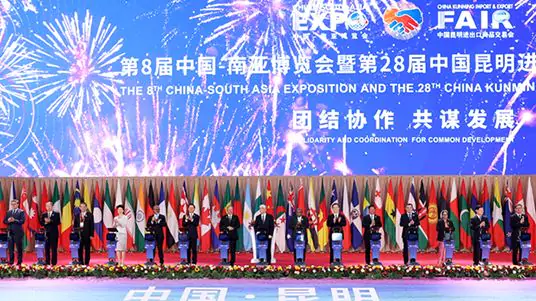
    Abeywardana’s visit included participation in the eighth China-South Asia Exposition in Kunming, Yunnan Province, where he underscored the event’s role in promoting economic and trade exchanges since its inception in 2013. He noted that the exposition has significantly strengthened ties between China and Sri Lanka, notably benefiting Sri Lanka.

    During the visit, Abeywardana addressed the fifth China-South Asia Cooperation Forum on the theme “Build Consensus for Regional Development.” He emphasized the importance of collective solutions to global development challenges and stressed the need for mutual cooperation to address these issues effectively.

    In addition to these engagements, Abeywardana and his delegation met with key Chinese officials, including Secretary of the CPC Yunnan Provincial Committee and Chairman of the Standing Committee of Yunnan People’s Congress Wang Ning, and Vice Chairman of the Standing Committee of the fourteenth National People’s Congress Ding Zhongli.

    The relationship between Sri Lanka and China spans sixty-seven years of diplomatic ties, encompassing various sectors such as trade, investment, cultural exchanges, and significant infrastructure development projects.

    There was a hiccup in diplomatic relations between both countries after Sri Lanka banned Chinese research vessels calling at the island nation for research purposes for one year, after strong protest by India, which had cited security threats.

    Bangladesh: Prime Minister Sheikh Hasina Calls for Unity Against Saboteurs Amid Metro Rail Vandalism

    Addressing the grievances of the quota protesters, Hasina pointed out that their demands had been largely met and questioned the rationale behind continued protests. She criticized the sporadic nature of their demands, which, she argued, only fuelled further destruction.

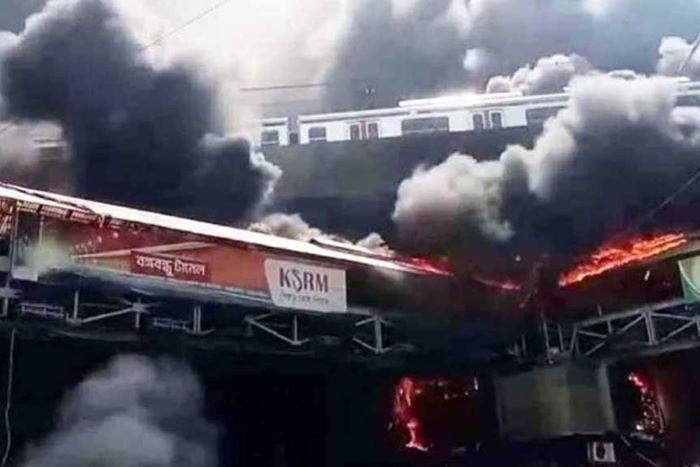
    During a visit to the Mirpur-10 metro rail station in Dhaka on Thursday morning, Prime Minister Sheikh Hasina urged citizens to unite against those responsible for the recent vandalism and destruction of public property during quota reform protests.

    She expressed her dismay over the attack on infrastructure vital to easing Dhaka’s traffic congestion, emphasizing the importance of protecting developments that enhance citizens’ lives. “The people of the country have to stand against the saboteurs who destroyed the development implemented by the government,” she stated, as reported by bdnews24.com.

    Prime Minister Hasina reiterated her commitment to providing hassle-free transport for commuters and highlighted her government’s dedication to building economic prosperity. She underscored the sacrifices made for Bangladesh’s independence, stressing that such sacrifices should not be undermined by acts of destruction.

    “The metro rail brought relief to residents of Dhaka exhausted by traffic. I am unable to accept the damage to this transport service built using modern technologies,” she lamented.

    Addressing the grievances of the quota protesters, Hasina pointed out that their demands had been largely met and questioned the rationale behind continued protests. She criticized the sporadic nature of their demands, which, she argued, only fuelled further destruction.

    Reflecting on Bangladesh’s progress over the past 16 years, the Prime Minister highlighted the tangible benefits enjoyed by the people, questioning the anger directed towards initiatives aimed at national development. She cautioned against the adverse impact of destroying state resources, stressing that such actions ultimately hurt ordinary citizens.

    As the country faces challenges in maintaining public infrastructure amidst protests, Prime Minister Hasina urged for collective responsibility in safeguarding national assets and ensuring continued progress for all citizens.

    Thousands of Sri Lankans Await Aswesuma Benefits Amid Banking Hurdles

    The Aswesuma program, launched by President Ranil Wickremesinghe amidst economic turmoil last year, aims to aid vulnerable populations. Funded in part by the World Bank, it targets 2.4 million individuals categorized as extreme poor, poor, vulnerable, and transitional.

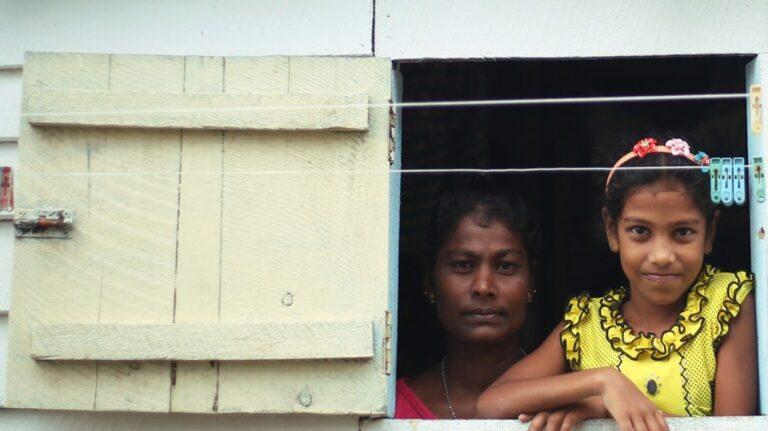
    A significant number of Sri Lankans enrolled in the Aswesuma poverty alleviation program are unable to receive their monthly stipends due to complications with bank accounts, a senior government official revealed.

    Despite the government approving 1.8 million households for Aswesuma benefits last year, approximately 200,000 beneficiaries have yet to receive any assistance, citing various challenges, according to Jayantha Wijerathne, Chairman of the Welfare Benefits Board.

    “Out of these 200,000 individuals, around 135,000 have not opened bank accounts, thereby preventing us from depositing their entitled funds,” Wijerathne disclosed in an interview with a media group on Monday.

    He explained that reasons for this range from individuals defaulting on loans affecting their credit scores (CRIB), to others being unaware of the necessity to open a bank account for the program’s funds. Additionally, elderly and disabled individuals face difficulties in account opening, prompting appeals to government officials for assistance.

    “Once these issues are resolved and accounts are opened, beneficiaries will receive all pending payments dating back to July last year,” Wijerathne assured.

    The Aswesuma programme, launched by President Ranil Wickremesinghe amidst economic turmoil last year, aims to aid vulnerable populations. Funded in part by the World Bank, it targets 2.4 million individuals categorized as extreme poor, poor, vulnerable, and transitional.

    Government data reveals allocations under the program include 15,000 rupees monthly for 370,000 categorized as extremely poor, 8,500 rupees for 755,000 classified as poor, and 5,000 rupees each for 387,000 deemed vulnerable. An additional 339,000 individuals in transitional circumstances also receive 5,000 rupees monthly.

    Furthermore, the government extends monthly payments of 7,500 rupees to disabled individuals, as well as to those above 70 years of age, while providing a similar allowance to individuals afflicted with unidentified kidney diseases.

    Amid ongoing efforts to address logistical challenges, the government is currently processing applications for a second round of beneficiaries, having received over 455,000 new applications.

    As Sri Lanka navigates through these efforts to support its most vulnerable, the resolution of banking issues remains crucial to ensure timely and effective delivery of much-needed assistance to those in need.

    Bangladesh: Nationwide Protests Paralyze Development Projects and Economic Activities

    As Bangladesh navigates through these turbulent times, stakeholders remain hopeful for a swift resolution to restore normalcy and resume vital development initiatives crucial for the country’s future growth.

    In a troubling turn of events, Bangladesh is grappling with widespread disruptions to its development projects and economic activities due to ongoing protests over job quotas and enforced curfews. Sources close to the matter revealed on Tuesday that the situation has severely hampered movement of materials, personnel, and approvals crucial for the country’s infrastructure projects.

    The protests, primarily led by students demanding reforms in government job quotas, have plunged normal life and business operations into chaos over the past week. This unrest has had a crippling effect on nearly 1,400 development projects underway across Bangladesh, predominantly infrastructure initiatives vital for the nation’s growth.

    Insiders, speaking on condition of anonymity, disclosed that construction materials and manpower critical for projects are stranded due to the curfew imposed to restore order. A project official lamented, “Mobilization of construction materials for bridges has been completely halted, exacerbating delays in project timelines.”

    Furthermore, disruptions in communication networks have compounded the issue, hindering approvals and coordination with international development partners. “Approval processes for crucial documents and tenders have been stalled for weeks, jeopardizing project continuity,” expressed an official from the Shipping Ministry.

    Authorities have also cited setbacks in administrative procedures, with several high-level meetings postponed indefinitely amidst the ongoing deadlock. The Project Evaluation Committee, responsible for reviewing Development Project Proposals, has been unable to convene due to the prevailing unrest.

    According to a Project Director of Bangladesh Railways, construction materials for building bridges and rails were a crying need this week.

    “However, we cannot mobilise those on our project site, which has already affected our development works,” this official said.

    The impacts are widespread and profound, affecting various sectors including transportation, education, and healthcare. A senior official from a Japanese-funded project highlighted the broader implications, stating, “Our consultant teams are immobilized, significantly impeding progress on essential infrastructure upgrades.”

    As Bangladesh navigates through these turbulent times, stakeholders remain hopeful for a swift resolution to restore normalcy and resume vital development initiatives crucial for the country’s future growth.

    Sri Lanka Set to Announce Successful Completion of Debt Restructuring Programme

    With the global economic landscape evolving rapidly, the island nation’s ability to manage its debt and implement effective economic policies will be closely watched by international observers and investors alike.

    In a significant development for Sri Lanka, President Ranil Wickremesinghe has announced that the island nation is on the verge of successfully concluding its debt restructuring program, aimed at stabilizing the country’s fragile economy. Speaking at a political rally in Gampaha on Sunday, July 21, Wickremesinghe revealed that the official announcement would be made in the coming days.

    “Our country was devastated by political turmoil, but Sri Lanka has the potential to thrive with pride. We must progress. We were on the brink of bankruptcy, but by making tough decisions, we advanced the economy,” Wickremesinghe asserted passionately to the gathered crowd.

    The debt restructuring efforts have been a critical component of Sri Lanka’s economic strategy following the declaration of an external default in 2022. The nation has been working towards restructuring approximately $12.5 billion of sovereign bonds and addressing $1.7 billion in past due interest obligations. Wickremesinghe highlighted the complexities involved, noting that negotiations included innovative approaches such as macro-linked bonds, a novel concept in sovereign debt restructuring.

    Acknowledging the challenges faced during the process, Wickremesinghe outlined the progress made, particularly citing the successful completion of bilateral debt restructuring agreements with the Paris Club, India, and China earlier this year. He also emphasized ongoing discussions with commercial creditors, including International Sovereign Bond holders, as part of the next phase of the restructuring program.

    Turbulent economic period

    The President’s address follows Sri Lanka’s efforts to navigate through a turbulent economic period exacerbated by fiscal imbalances and external shocks. Official data shows that despite borrowing $1.57 billion to finance the budget deficit in 2023, the central government’s net foreign debt decreased from $37.5 billion in 2022 to $36.3 billion in 2023.

    Throughout the years, Sri Lanka’s economic policy has been marked by fluctuations in debt levels, influenced by domestic and international economic conditions. Since gaining independence, the nation has encountered various economic crises, including currency devaluations and borrowing challenges. However, the current administration has sought to implement stabilization policies, albeit amidst criticisms and social unrest triggered by austerity measures.

    Analysts have underscored the importance of achieving monetary stability and fiscal discipline to mitigate the risk of recurrent economic crises. Sri Lanka’s experience underscores the complexities faced by developing nations in managing external debt and balancing economic growth with financial stability.

    Looking forward, Sri Lanka aims to sustain its economic recovery through prudent fiscal management and continued engagement with international financial institutions. The success of the debt restructuring program is seen as pivotal in restoring investor confidence and paving the way for sustainable economic growth.

    As Sri Lanka prepares to make the official announcement regarding the completion of its debt restructuring program, stakeholders remain cautiously optimistic about the nation’s economic prospects. The outcome of these efforts is expected to have far-reaching implications for the country’s economic trajectory in the coming years.

    President Wickremesinghe’s announcement signals a crucial milestone in Sri Lanka’s ongoing efforts to navigate through economic challenges and restore financial stability. With the global economic landscape evolving rapidly, the island nation’s ability to manage its debt and implement effective economic policies will be closely watched by international observers and investors alike.

    UN Concerned Over Misuse of UN Symbols by Bangladesh Government

    The spokesperson for the UN Secretary General alluded to reports of UN-marked vehicles possibly involved in recent events in Bangladesh, emphasizing that UN insignia should only be used during mandated tasks under UN missions.

    The United Nations Secretary-General’s office has expressed deep concern over the recent violence in Bangladesh and the sentencing of Bangladeshis in the United Arab Emirates (UAE) for protesting in solidarity with youth movements in Bangladesh.

    Addressing reporters, UN spokesman Stéphane Dujarric highlighted the Secretary-General’s ongoing worries regarding the unrest in Bangladesh, which has resulted in over 100 deaths and numerous injuries. He noted recent developments including the Supreme Court of Bangladesh’s decision on civil service job quotas and the temporary suspension of protests by Bangladeshi student groups.

    “The Secretary-General hopes these decisions will foster an environment conducive to dialogue,” Dujarric stated, urging all parties to refrain from violence and engage in sincere negotiations to resolve disagreements peacefully. He emphasized the importance of protecting protesters’ rights to freedom of expression and peaceful assembly, calling for transparent investigations into all acts of violence and accountability for those responsible.

    Dujarric also addressed reports of UN-marked vehicles possibly involved in recent events in Bangladesh, emphasizing that UN insignia should only be used during mandated tasks under UN missions. Concerns regarding this misuse have been communicated to Bangladeshi authorities by UN officials.

    Regarding the sentencing of Bangladeshis in the UAE, Dujarric condemned the harsh penalties imposed and reiterated the UN’s stance on the right to peaceful expression globally.

    “We believe it is crucial for individuals to freely and peacefully express themselves without fear of reprisal,” he affirmed.

    The UN continues to monitor the situation closely and remains committed to supporting efforts towards peaceful resolution and respect for human rights in both Bangladesh and the UAE, the spokesperson said.

    Image: Wikimedia

    Union Budget 2024-25 Propels Agriculture with ₹1.52 Lakh Crore Allocation

    Land reforms are expected to streamline land administration and planning, facilitating easier access to agricultural services and improving urban local body finances. Digital infrastructure for crop survey will be undertaken for kharif crops in 400 districts.

    The Union Budget 2024-25, presented today by Finance Minister Nirmala Sitharaman, has earmarked ₹1.52 lakh crore for the agriculture and allied sectors, with a strong emphasis on enhancing productivity, sustainability, and resilience. Key measures announced include digital crop surveys, development of vegetable production clusters, and initiatives to achieve self-sufficiency in oilseeds.

    Nirmala Sitharaman said that the government will undertake a comprehensive review of the agriculture research setup to bring the focus on raising productivity and developing climate resilient varieties. While presenting the Union Budget 2024-2025 in Parliament today, she said funding will be provided in challenge mode, including to the private sector.

    “We’ve announced a high MSP for all major crops, ensuring at least a 50 per cent margin over cost. The PM Garib Kalyan Anna Yojana is extended for five years, benefiting over 800 million people,” Finance Minister Nirmala Sitharaman said.

    Digital Crop Survey

    Highlighting the government’s commitment to digital transformation in agriculture, Sitharaman announced the rollout of Digital Public Infrastructure (DPI) for agriculture. This initiative aims to digitally survey Kharif crops in 400 districts this year alone, integrating details of six crore farmers and their lands into registries. The move is expected to streamline agricultural processes and facilitate faster access to benefits such as Jan Samarth based Kisan Credit Cards in five states.

    Land Reforms

    Looking ahead, the budget sets a clear roadmap for land reforms, incentivizing actions in rural and urban areas to enhance credit flow and agricultural services. Measures include digitization of land records with GIS mapping in urban areas and the assignment of Unique Land Parcel Identification Numbers (ULPIN) for rural lands. These reforms are expected to streamline land administration and planning, facilitating easier access to agricultural services and improving urban local body finances.

    Oilseeds and Vegetable Production Clusters

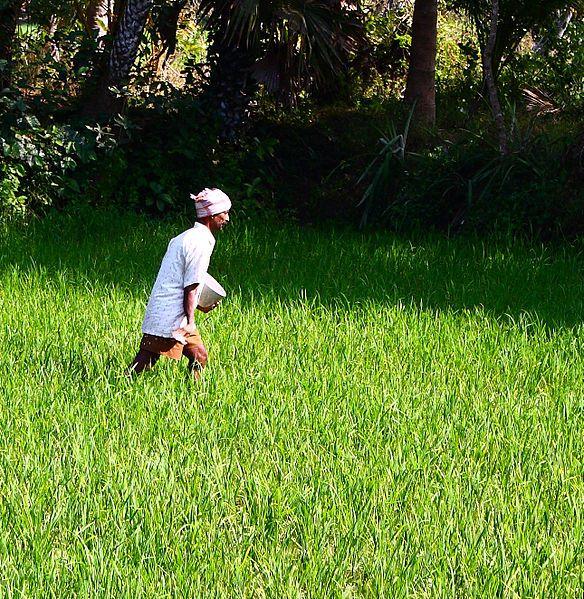
    In a bid to achieve ‘atmanirbharta’ (self-reliance) in oilseeds like mustard, groundnut, and sunflower, the budget outlines a comprehensive strategy to boost their production, storage, and marketing capabilities. Additionally, large-scale clusters for vegetable production will be established closer to major consumption centers, bolstering supply chains and promoting Farmer-Producer Organizations (FPOs) and cooperatives.

    Support for Shrimp Farming

    The budget also addresses environmental concerns and economic opportunities in aquaculture. Sitharaman announced financial support for establishing a network of Nucleus Breeding Centres for Shrimp Broodstocks, aimed at boosting shrimp farming, processing, and export capabilities. The funding, facilitated through NABARD, underscores the government’s commitment to sustainable development and economic growth in the fisheries sector.

    Agricultural Research

    The budget also prioritizes agricultural research to develop high-yielding and climate-resilient crop varieties. A total of 109 new varieties across 32 crops will be released, aiming to boost agricultural productivity while mitigating climate risks. Additionally, one crore farmers will be transitioned to natural farming practices over the next two years, supported by bio-input resource centers and scientific institutions.

    Farmers

    Recognizing the crucial role of farmers in India’s economy, the budget outlines comprehensive measures to support agricultural growth and welfare. Sitharaman announced enhanced funding for agricultural infrastructure, irrigation projects, and market reforms aimed at boosting farm productivity and ensuring better returns for farmers. Additionally, provisions have been made to expand credit facilities and agricultural insurance, aimed at mitigating risks faced by farmers.

    Ministers’ Responses

    Union Minister of Agriculture and Farmers’ Welfare, Shivraj Singh Chouhan, hailed the budget as transformative for rural development and agriculture, emphasizing its potential to increase farmers’ incomes and strengthen rural infrastructure.

    Chouhan said that this budget fulfils the resolution of a developed India as it is going to bring revolutionary changes in the lives of farmers, women, youth and poor people. A PIB release quoted the minister as saying that, “this budget will further strengthen the resolve to increase farmers’ income, strong infrastructure, healthy India, good governance, opportunities for youth, education for all, women empowerment, inclusive development.”

    The Union Minister said that production, storage and marketing of crops will be strengthened, which will benefit farmers and also increase their income. To increase productivity as well as reduce input costs, one crore farmers will be linked to natural farming in the next two years, he said.

    Pakistan: President Zardari Pushes for Comprehensive Plan to Prevent Floods in Karachi

    Karachi’s existing network of drains had limited capacity and absorbed around 50 per cent of the rainwater under normal circumstances. The meeting was told that excess water was not absorbed by the system, causing urban flooding.

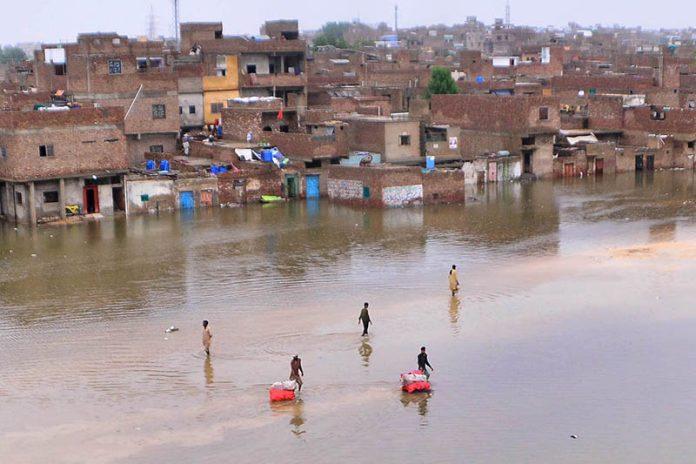
    One year after the worst floods in the history of Independent Pakistan, Pakistan President Asif Ali Zardari on Monday directed the Sindh government to prioritize a comprehensive plan to prevent urban flooding in Karachi by adopting a sustainable, long-term strategy based on international best practices for managing sewage and stormwater.

    The President was speaking at a meeting on saving Karachi from urban flooding and environmental degradation and promoting sustainable water resource development.

    This followed a comprehensive presentation by international water and sewage management experts who proposed various solutions to address the challenges of urban flooding and sewage in Karachi on the pattern of the tunnel sewer systems of Washington DC, the London Super Sewer Project, and the Deep Tunnel Sewerage System of Singapore.

    The experts informed that Karachi generated almost 450 million gallons per day (MGD) of sewage. They added that sewage and stormwater were collected in small and large open drains which fell into the Lyari and Malir rivers and were released untreated into the sea, polluting the marine ecosystem.

    During the briefing, it was proposed that a network of small and large sewer tunnels under existing roads in high-flood zones of Karachi may be developed. It was highlighted that underground tunnelling using modern techniques would not disturb the public, city traffic and land ownership.

    Further, the experts said that Karachi’s existing network of drains had limited capacity and absorbed around 50 per cent of the rainwater under normal circumstances. The meeting was told that excess water was not absorbed by the system, causing urban flooding. This would be challenged in the face of a changing climate, they said.

    Hyderabad also facing floods

    Speaking on the occasion, President Zardari underlined the need for completing the feasibility study to control flooding in Karachi through tunnelling options within three months. He stated that Karachi and its coastal areas need to be made clean and brought at par with other metropolitan cities of the world.

    He said that since the proposed project would have significant environmental impacts, therefore, the government of Sindh should approach international donors to seek environmental financing for the project.

    He also appreciated the experts’ advice that the construction of the wastewater treatment system would also help supply treated water to Balochistan for agriculture, besides promoting the fisheries sector.

    The President remarked that the city of Hyderabad was also facing urban flooding and sewage issues that also needed to be addressed on priority.

    The 2023 Pakistan floods occurred from March to July of 2023, caused by monsoon rains which returned to Pakistan after nine months after the 2022 Pakistan floods. Floods worsened at the end of June due to upcoming monsoon rains. At least 159 people were killed, including many children.

    Bangladesh Government Open to Dialogue as Dhaka Tensions Simmer

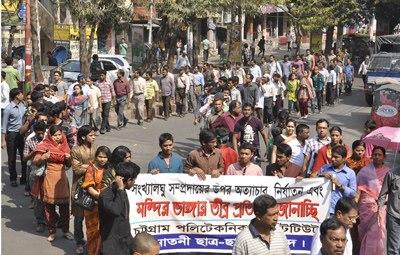
    In recent days, protests have spread across major cities including Dhaka, where clashes between demonstrators and law enforcement have been reported. Instances of vandalism and disruption of public services have also been noted.

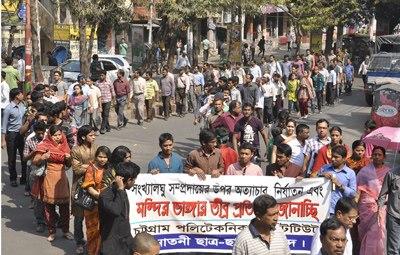
    Bangladesh’s capital, Dhaka, remained peaceful on Monday following the Supreme Court’s decision to abolish most government job quotas that had sparked outrage among student activists and triggered violent protests.

    Demanding a public apology from Prime Minister Sheikh Hasina for the unrest and the restoration of disrupted internet services, protesters had given the government a 48-hour ultimatum, which ended without major incidents reported on Monday.

    Cities under curfew saw subdued activity after regular demonstrations erupted over the reinstatement of quotas in June, resulting in 147 deaths as per hospital records. A government-declared public holiday was extended to Tuesday amid efforts to restore normalcy.

    Bangladesh Home Minister Asaduzzaman Khan expressed optimism, predicting calm would prevail shortly. The unrest underscores broader concerns over job scarcity in Bangladesh, with government positions viewed as particularly coveted despite allegations of authoritarianism under Hasina’s leadership.

    Entrenched in their positions

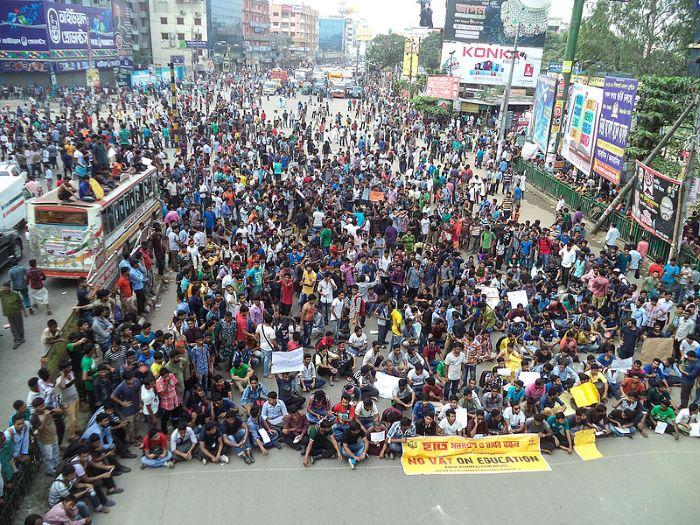
    Students have demanded reforms to the government’s quota system for public sector jobs. The protests, which began peacefully, later grew in scale and intensity, prompting concerns over public safety and stability.

    The quota system, originally established to provide opportunities for marginalized groups including descendants of freedom fighters, has faced criticism for allegedly hindering merit-based employment. Students argue that the system limits their chances of securing jobs in the public sector, which are highly coveted due to their stability and benefits.

    In recent days, protests have spread across major cities including Dhaka, where clashes between demonstrators and law enforcement have been reported. Instances of vandalism and disruption of public services have also been noted, underscoring the volatile nature of the situation.

    Authorities have responded by imposing curfews and deploying additional security forces to maintain order. Despite these measures, protesters remain steadfast in their demands, calling for a complete overhaul of the quota system to ensure equal opportunities for all.

    The government has acknowledged the protesters’ grievances and expressed willingness to engage in dialogue to find a resolution. However, with tensions running high and both sides entrenched in their positions, the path to a peaceful resolution remains uncertain.

    Observers fear further escalation if a mutually agreeable solution is not reached soon. The international community has been monitoring the situation closely, urging restraint and a peaceful dialogue to address the underlying issues fuelling the protests.

    Navigating a delicate balance

    Law Minister Anisul Huq, speaking on behalf of the government, expressed readiness to engage in discussions with protesters to find constructive solutions. He acknowledged the legitimacy of the protesters’ concerns and emphasized the government’s commitment to addressing them through dialogue.

    The protests, which began peacefully, turned turbulent with reports of clashes between demonstrators and law enforcement agencies. Multiple incidents of arson have also been reported, further complicating efforts to restore calm.

    The situation remains fluid as both sides navigate a delicate balance between maintaining public order and addressing the grievances of the protesting students.

    Political Turmoil Engulfs Maldives as Central Bank Governor Faces Intense Scrutiny

    The storm brewing in the Maldives shows no signs of abating and the fate of Governor Ahmed Naseer hangs in precarious balance, symbolising a pivotal moment in the nation’s journey toward economic stability.

    In a dramatic turn of events, the Maldives finds itself embroiled in a tumultuous battle between the ruling People’s National Congress (PNC) led by the archipelago’s President Dr. Ibrahim Mohamed Muizzu and Ahmed Naseer, the Governor of the Maldives Monetary Authority (MMA). The fallout has reverberated through the nation’s economy, sparking concerns and controversy across the archipelago.

    Governor Naseer, appointed during the previous administration, has become a focal point of a heated political debate and public outcry in recent weeks. Allegations of financial mismanagement and policy failures have swirled around him, prompting sharp criticisms from members of the PNC and stirring widespread public opinion.

    The conflict escalated significantly during a charged parliamentary session, where PNC MPs launched a blistering attack on Naseer, accusing him of making “reckless financial decisions” detrimental to the Maldives’ economic well-being. Leaked documents purportedly exposing discrepancies in the central bank’s financial records further fuelled public outrage and intensified calls for accountability.

    In response to mounting pressure, Governor Naseer staunchly defended his record, dismissing the accusations as politically motivated attempts to undermine the MMA’s autonomy. He cited his efforts to navigate the Maldives through the economic challenges exacerbated by the COVID-19 pandemic and global financial uncertainties as evidence of his commitment to national stability.

    Despite his defence, influential figures within the ruling party have reportedly been lobbying for Naseer’s removal, citing a loss of confidence in his ability to effectively manage the country’s monetary policies. The turmoil has not only plunged the Maldivian economy into uncertainty but has also sparked apprehension among investors and international financial institutions closely monitoring developments.

    Saga of power and policy

    Amidst the political storm, concerns have mounted over potential repercussions for the Maldives’ crucial tourism sector, which heavily relies on economic stability and investor confidence. With the country still grappling with the economic aftermath of the pandemic, any further instability threatens to undermine fragile recovery efforts and deter much-needed foreign investment.

    Citizens across the Maldives have expressed frustration and uncertainty amidst the escalating political crisis. Many fear that the relentless power struggles among political elites are overshadowing the nation’s welfare and economic prospects, casting a shadow of doubt over the Maldives’ future trajectory.

    Calls for a measured approach and adherence to due process have resonated among concerned citizens and international observers alike, underscoring the need for stability and responsible governance amid the current turmoil. The outcome of this confrontation between political forces and economic stewardship remains uncertain, leaving the Maldives at a critical juncture with profound implications for its economic and political landscape.

    The storm brewing in the Maldives shows no signs of abating and the fate of Governor Ahmed Naseer hangs in precarious balance, symbolising a pivotal moment in the nation’s journey toward economic stability.

    As the saga of power and policy continues to unfold, citizens and stakeholders anxiously await the next chapter in the Maldives’ turbulent political narrative. Parliamentarians belonging to the PNC are holding former President Ibrahim Mohamed Solih’s government responsible for subjecting the country’s citizens to the present economic condition.

    The common refrain on the streets is that the people are compelled to suffice with ‘Garudhiya’ (Maldivian fish soup) and rice – considered a poor man’s food.