More

    Indian Government Launches Second Phase of Scheme to Mentor Young Authors

    YUVA 2.0 is being launched in view of the significant impact of the first edition of YUVA that saw huge participation from young and budding authors in 22 different Indian languages and English, YUVA 2.0 is now being launched.

    The Ministry of education on Sunday launched YUVA 2.0. YUVA (for Young, Upcoming and Versatile Authors) is the Prime Minister’s scheme for mentoring young authors. The scheme rests on an author mentorship programme to train young authors aged below 30 years of age. The mentorship programmes is designed to promote reading, writing and book culture in the country, and to project India and Indian writings globally.

    YUVA 2.0 is being launched in view of the significant impact of the first edition of YUVA that saw huge participation from young and budding authors in 22 different Indian languages and English, YUVA 2.0 is now being launched.

    The ministry of education said that the launch of YUVA 2.0 is in tune with the Prime Minister’s vision to encourage the youth to understand and appreciate India’s democracy. YUVA 2.0 is a part of India@75 Project or Azadi Ka Amrit Mahotsav that is being observed. It aims to bring to the fore the perspectives of the young generation of writers on the theme ‘Democracy’ in an innovative and creative manner. The Democracy theme extends to institutions, events, people, constitutional values – past, present, future and the scheme will help develop a stream of writers who can write on a spectrum of subjects to promote Indian heritage, culture and knowledge system.

    This scheme has been conceptualized on the premise that twenty-first century India needs to groom a generation of young authors to create ambassadors of Indian literature. 75 authors will be selected through a nation-wide contest.

    Link with NEP

    The ministry of education says that NEP 2020 has emphasized on the empowerment of the young minds and creating a learning ecosystem that can make the young readers and learners ready for leadership roles in the future world. India tops the chart in youth population being 66 per cent of the total, waiting to be tapped for capacity building and nation building.

    The ministry programme is based on the requirement to take initiatives at highest level by mentoring a new generation of young creative writers.

    The scheme will be implemented by the National Book Trust that is tasked to ensure phase-wise execution of the scheme under well-defined stages of mentorship. The books prepared under this scheme will be published by National Book Trust and will also be translated into other Indian languages ensuring the exchange of culture and literature. NBT will also help the selected young authors to interact with some of the best authors of the world and participate in literary festivals, the ministry says.

    The scheme will help to develop a stream of writers who can write on various facets of Democracy in India encompassing the past, present and future so as to provide a window to the aspiring youth to articulate themselves and present a comprehensive outlook of Indian democratic values at domestic as well as international platforms.

    India is ranked third in the arena of book publishing and we have a treasure trove of indigenous literature.


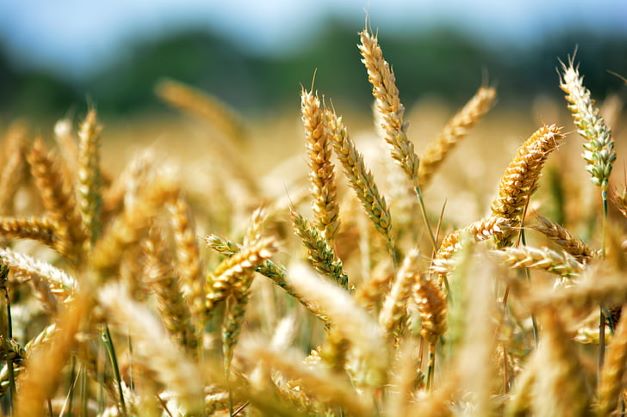
    Image: Hippopx, licensed under Creative Commons Zero – CC0

    Message From New Delhi: Sufficient Foodgrains Stocks Available

    The ministry said that sufficient stocks of food grains are available to meet the requirement of National Food Security Act, besides other welfare schemes and additional requirements of PMGKAY are available in the central pool.

    The union ministry for consumer affairs, food and public distribution on Sunday asserted that the foodgrains stocks are sufficient and enough food is available to meet domestic requirements. The ministry said it is regularly monitoring the price scenario of essential commodities including wheat and rice and taking corrective measures.

    The ministry of consumer affairs, food and public distribution said that the retail and wholesale prices of wheat and rice reported a decrease and prices of wheat atta remained stable during the last week. According to the ministry, prices of wheat and rice have gone up more or less corresponding to the increase in MSP of the farm produce over the past two years.

    For instance, the prices were comparatively on the lower side last year because around 80 LMT of food grains were offloaded in the open market through open market sales scheme (OMSS) to contain the prices. It added that because of the unprecedented geo-political situation arising due to the war between Russia and Ukraine, procurement remained on the lower side, and so, the government did not intervene in the market through OMSS.

    The government had also imposed export restrictions on wheat and rice as a proactive step to avoid price rise in the domestic market. Besides, the government has also extended Pradhan Mantri Garib Kalyan Ann Yojana for another three months to ensure that poor and needy of the country do not face any hardship during the forthcoming festival season.

    The ministry said that sufficient stocks of food grains are available to meet the requirement of National Food Security Act, besides other welfare schemes and additional requirements of PMGKAY are available in the central pool.

    Oil prices too being reined in

    Simultaneously, the central board of indirect taxes and customs too announced its decision to extend existing concessional import duties on specified edible oils up to 31 March 2023. The move is aimed at increasing domestic supply and keeping prices under control. (The ministry said that the notification to this effect was made on 31 August.)

    The concessional customs duty on edible oil import has been extended by another six months until March 2023. Prices of edible oil have been on declining trend driven by fall in global prices. With falling global rates and lower import duties, retail prices of edible oils have fallen considerably in India.

    The current duty structure on crude palm oil, Palmolein, palm oil, crude soybean oil, refined soybean oil, crude sunflower oil and refined sunflower oil remains unchanged till 31 March next year, the ministry said.

    Import duty on crude varieties of palm oil, soyabean oil and sunflower oil is currently zero. However, the effective duty on crude varieties of these three edible oils touches 5.5 per cent after taking into account the five per cent agri-cess and 10 per cent social welfare cess.


    Image: Hippopx, licensed under Creative Commons Zero – CC0


    Aarambh by Jeevitam : To Aid Women Find Livelihoods

    Resting on a women helpline number in over 21 Indian languages, Aarambh will soon be launching a series of digital and physical work fairs, which will be India’s largest.

    Aarambh a joint initiative of Jeevitam and the CSC academy was launched to provide jobs to a million women on Sunday.

    The partnership aims to women from across the country with jobs with the choice of employment and the option to choose where they can work from.

    Aarambh is to aid women find livelihoods and its partners have come together to mobilise women, find opportunities for them, train them and make them able to find livelihood at their doorstep.

    The initiative, also described as a ‘1 Million for Livelihood, Financial Schemes, and Capacity Building’ rests on the government’s flagship initiatives for women, the Beti bachao Beti Padhao Abhiyan and suffixes ‘Beti Ko Swawlambi Banao’ (make the daughter independent) with the motive of securing women to economic independence following their education.

    The idea behind the movement is to facilitate employed women to contribute by way of whatever capacities they are willing to offer.

    Munish Chawla, the Chief Happiness Officer of Jeevitam says that the country’s workforce is underrepresented by women as 18 per cent of the women are employed.

    “While 18 per cent women participation is a fact and we need to enhance it – it can also be seen as 18 per cent of inspired women who can inspire another 18 per cent to join them in making a new India,” he said, adding that “this will be the world largest mentor- mentee program.”

    Resting on a women helpline number in over 21 Indian languages, Aarambh will soon be launching a series of digital and physical work fairs, which will be India’s largest.

    The outreach will be promoted through street plays of Nukkad nataks, Motorcycle rallies or yatras and competitions in schools and colleges.

    An initiative for nation building

    Dedicating the Aarambh helpline to women users-to-be, Muralidharan Rajamani expressed the hope that the helpline would be a lifeline in coming years.

    He said, “When the moment actually benefits: it is not the question of women saying who can lead me, it’s the question of who’s gonna stop me.” This, he said is the depth of the audacity of the project.

    “The commencement could not have happened on any other better day than Gandhi’s birthday,” Mr Muralidharan said, quoting Mahatma Gandhi’s words, “Find Purpose, the means will follow.”

    Jeevitam, he said, was a journey that kicked off in 2018, triggered by the want to provide livelihood. “Jeevitam is a Startup wanting to help people find livelihood become a moment in July when we launched Samvad, an initiative that brought together partners, both work providers and work seekers,” he said.

    Aarambh is an initiative for nation building and with institutions and policy makers coming together – the initiative would become a force multiplier, he said.

    India’s rural market

    Rishikesh Patankar, CEO or CSC dwelled on the Indian rural market and the rural nature of the economy is expected to stay that way even in 2050, when more than 50 per cent of the population will reside in rural parts of the country, as per Niti Ayog’s Report

    He gave the example of CSCs that enabled people in rural areas to get services at their doorstep, a practical demonstration of Sarkar aapke Dwar.

    This has been happening with 5.75 lakh CSC centers across India with over 400 services being delivered on the ground. He said that 20 per cent of the CSC operators are women.

    Alluding to the launch of 5G by Prime Minister Narendra Modi yesterday, he said that digital India’s push to contribute to the country’s 5 trillion economy is here now and the Aarambh program has a role in it by supporting women. This is in tune with CSC’s emphasis on working towards women empowerment.

    He also dwelled on CSC academy implementing projects like sanitary pads manufacturing unit being set up in villages. “More than 54 per cent of those in the digital literacy initiatives are women and this is generating livelihoods, enhancing healthcare and achieving financial inclusion, he said.

    He quoted Mahatma Gandhi, who advised “Think about the last mile person if he will benefit from the steps being taken.”

    Munish Chawla, following Rishikesh Patankar, alluded to the 27crore e-shram targets and lauded the work done by CSC in this regard and praised how it utilised money from the CSR funds of various corporates.


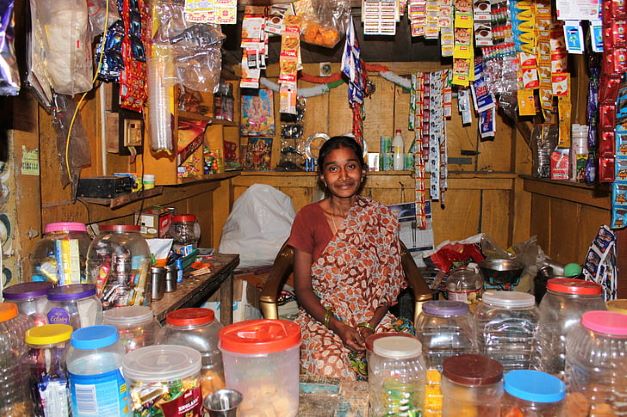
    Image: Hippopx, licensed to use under Creative Commons Zero – CC0

    Tamil Nadu NGOs Work With University to Restore Heritage Rice Varieties

    A majority of small and medium farmers of Tamil Nadu have lost their heritage seeds, once owned traditionally by their community due to the efforts and foresightedness of their forefathers. This loss is largely blamed on the monocropping of new varieties, particularly hybrids.

    Around 20 heritage rice varieties of Tamil Nadu are being traced, collected, redeemed, and restored, thanks to an initiative by the SASTRA Deemed to be University. The university’s intervention to restore the lost genetic heritage has been supported by the Science and Heritage Research Initiative (SHRI) programme of the Department of Science and Technology (DST), is reviving, conserving, and characterizing the traditional rice varieties.

    The initiative has helped establish 10 community seed banks benefiting more than 500 farmers in the state.

    A majority of small and medium farmers of Tamil Nadu have lost their heritage seeds, once owned traditionally by their community due to the efforts and foresightedness of their forefathers. This loss is largely blamed on the monocropping of new varieties, particularly hybrids.

    The traditional varieties had been identified for their unique nutritional, medicinal, and ecological qualities and, above all, their climate resilience. The genetic erosion of heritage and an indigenous gene pool of paddy varieties poses a challenge for the sustenance and future of agriculture and human health in Tamil Nadu. This loss of a diverse genetic heritage is accompanied by a loss of knowledge on the therapeutic and curative properties of native extant varieties, the lack of accessibility to their seed stocks,

    Local NGOs play big role

    These community seed banks have been promoted by identification of willing farmers based on location with assistance from local NGOs in 24 districts.

    Together with the coordination of the local NGO, the lead farmer cultivates at least one of the many traditional varieties on his farmland. A part of the harvest is shared and distributed among other interested farmers in the neighbouring localities and districts, usually for free.  This informal, voluntary structure came up with a minimal financial support of Rs. 2,000 provided to each beneficiary farmer. More than the money, the idea and its implementation by the local NGOs promises to resurrect the lost varieties of rice while also establishing heritage rice community seed banks.

    The operational principles of these banks include memory banking of ethno-ecological knowledge, promotion of medicinal knowledge, and special agronomic qualities through associated cultural belief as well as their conservation. Regional festivals also help to promote exchange of seeds. For example, paddy seed exchange festival – ‘Nel Thiruvizha’ organized along with CREATE – a Tiruvarur-based NGO, helped distribute heritage rice seed varieties such as Karuppu kouni, Thuyya malli, Mapillai samba, Karunkuruvai and so on.

    During the paddy seed festivals, lead farmers volunteer to distribute one to two kilos of traditional rice variety seeds free of cost to hundreds of farmers. Additionally, interested farmers across the state are allowed to visit the on farm standing crops of these varieties. The on-farm visits help an exchange of queries and engage farmers in a discussion where they communicate about the availability and quality of these varieties through apps and online media.

    Seeds of past for future

    Besides, the local NGOs have set up field gene banks to propagate the heirloom varieties through seed exchange programmes and organic seed multiplication. The farmers are trained in conservation methods and ways of enriching and revitalizing the indigenous heritage germplasms, as well as on in situ trials for climate adaptability in the farmer’s field on a pilot scale.

    The NGOs are working on this initiative with an objective to collect and conserve the traditional landraces of rice varieties. They feel that this way they can help share and exchange knowledge about the varieties with inherent capacities to withstand climate uncertainties, drought and flood resistance, medicinal and nutritional properties. Once the knowledge about these local indigenous rice varieties spreads beyond the tiny localities to which they are confined, farmers can participate in preventing the erosion of the knowledge.

    The SASTRA university initiative can bring sustainable yield to all rice-based farmers in the event of climate change uncertainties as ‘Seeds of Past’ are conserved to reserve ‘Seeds for future’ for promotion and upscaling in coming years.


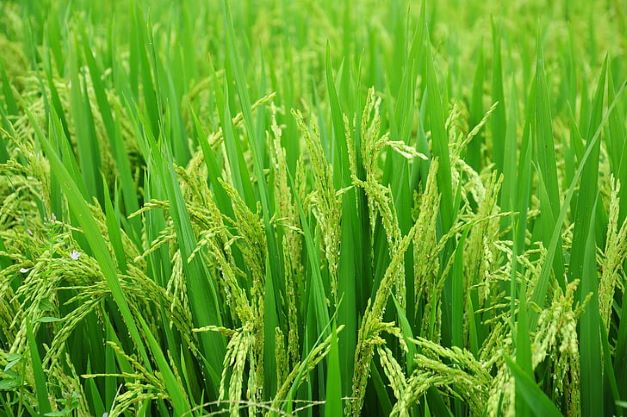
    Image: Hippopx, licensed to use under Creative Commons Zero – CC0


    Working with Women to Bring More Women to the Workforce

    Jeevitam’s latest initiative, called the Audacious initiative will be launched on Sunday 2 October. This is a partnership with employed women with the aim to help at least a million women and girls find work opportunities.

    Livelihoods for women is cliché. Munish Chawla would rather flip it. How about Women for Livelihood, he poses.

    There is a calculated, even cold, logic at work here. Cannot women work for creating livelihoods for more women? Can this not be at scale? Do women have to wait for a system run mostly by men to yield space for women? Can a woman not take the responsibility of mentoring another woman? Is it enough to watch how government livelihood projects work for women? The questions can go on. How about an answer? How about hitting ground?

    Munish Chawla is the chief happiness officer of Jeevitam, a start-up out to help the unorganized sector comprising blue, white and grey collar workers from over a 1,000 cities across sectors and industries find livelihood opportunities.

    Jeevitam is a thought-out-of-the-box platform. For a start, it began with registering workers for roles with the now-growing private sector and also bring them in as players in the gig economy. In the brief two years since it has been around, it has become a gateway to everyone seeking work and opportunities from any location, irrespective of the skills they bring.

    Jeevitam’s latest initiative, called the Audacious initiative, is a partnership with employed women with the aim to help at least a million women and girls find work opportunities. Audacious initiative will be launched on Sunday 2 October.

    It seeks to work alongside the common services centres (CSCs), access points for the delivery of various digital services in rural India to reach essential government and public utility services, welfare schemes, financial services, education, and skill development courses. Presently, there are more than 300 government and other private sector services being delivered through the CSCs. To add to the leverage, partnering corporates are expected to rope in their CSR arms as well.

    Tech for livelihood

    Recognising that access to the internet can be a roadblock for a job seeker to figure on a database, Jeevatam began with a voice-enabled database that did not depend on a smartphone.

    The tech platform brings candidates to employers without much of an effort. From setting up a helpline to sourcing and managing part-time or full-time workers, gig workers and freelancers, prospects are briefed by audio available in over 25 Indian languages right down to the verification of profiles.

    This technology solution addresses the digital divide by enabling the work seeker to interact with the digital ecosystem in the individual’s chosen language. At the same time, cutting edge technology like artificial intelligence and voice based digital profile at the backend serves to bring better, faster, cheaper hiring solutions to our corporate clients. Jeevitam has collaborated with NCS, NSDC, CBSE, RASCI, various corporates and startups to impact women with livelihood opportunities.

    It begins with the realisation that recruitment is expensive and staffing agencies are challenged with sourcing the right candidates for the right work profile, at speed, scale and accuracy. Jeevitam, on the other hand, has a database of over 15 million potential employees for specific work requirement, in turn reducing hiring costs by up to 80 per cent.

    The candidates are filtered in minutes as prospective employers browse its rich and deep database of work profiles to shortlist the right profile.

    The start-up partners with the private sector, the government and CSR to facilitate access to sectors for creating livelihood opportunities.

    “Jeevitam was designed to handle a complex challenge such as livelihood,” Munish says. “An easy-to-understand, easy-to-deploy, and easy-to-operate solution, Jeevitam has provided sustenance to thousands and helped businesses across the country to leverage Jeevitam as their hiring platform of choice.”

    The technology is a first step in graduating the proletariat into the flexetariat as, today, while Jeevitam has broadened its approach to include workers looking for flexible working arrangements, especially as participants in the upcoming gig economy, it has an interesting tagline: ‘Work – When I Want, Where I Want’.

    Nepal Government, UN Agency Seek Investors for Latest Cash Crop to Boom in Country’s East

    Cardamom, mountain potato, ginger and timur have been assessed using the government’s Climate-Smart Agriculture Investment Plan, which FAO says identifies climate-smart farming practices and aims for higher yields, better climate resilience, sustainability and efficiency.

    By Birat Anupam

    Two and a half hours’ drive north from Kakarbhitta, Nepal’s eastern-most border crossing with giant neighbour India, lies the hilly hamlet of Salakpur where lives Kaushila Moktan, a famed farmer of large cardamom.

    “I run a homestay for guests visiting our village, I also grow green vegetables and do beekeeping,” said Moktan. “However, our biggest source of family income is alaichi (large cardamom, in the Nepali language).”

    The plant has helped keep her family of three — including her husband and 31-year-old son —afloat, said Moktan. “This year we produced some 24 man (960 kg) of cardamom,” she added in an interview at her farm. “I have sold 5man for 160,000 rupees (Rs) (equivalent to US$1,229 ).”Locals have their own cardamom measurement. Forty kg equals one man. A man currently sells for about Rs 30,000.

    Moktan has stored a large part of her harvest in hopes of a better price in the days ahead. “I have experience of selling 1 man for Rs 98,000 some six years ago. This time, the price has been reduced to around Rs 30,000.”

    She added that beekeeping has improved her cardamom harvest. “This year, we fetched 30 kg of honey and 24 man of cardamom, but last year the cardamom harvest was just around 9 man and the honey harvest was 3 kg. I have seen that good pollination leads to better productivity both for cardamom and honey,” said Moktan.

    Used as a cooking spice, large cardamom has a smoky, camphor-like flavour. It is also an ingredient in traditional medicine in countries including India and China.

    Farmers can’t get enough

    Moktan’s neighbours tell similar positive stories about the crop. “I have a grocery shop, homestay and beekeeping but the good source of stable income is cardamom,” said Laxmi Tamang. She added that her farm produces around 5 man of the crop and that she recently sold this year’s harvest for Rs 160,000.

    Nearby, Pabitra Gahatraj said she produces around three man per year. “We sell milk to the dairy, but if we had more land, we would plant more large cardamom.”

    The three women are among the 300 households of Salakpur, in Rong Rural Municipality-6 of Ilam District, which rely on the crop. “Every household in our locality has large cardamom farming,” said Ward Chairperson Satyam Rai.

    Located on the bank of the Mechi River, which runs between India and Nepal, Salakpur’s large cardamom production emerged because of cross-border migration. “This village had no trend of cardamom faming because we did not have much water and the soil wouldn’t grow the regular variety,” said Moktan. “But, relatives coming from India suggested that we try their variety, which is grown in water-scarce areas.”

    The formula proved successful some 15 years ago. Soon word of the new crop spread to other districts of Nepal, bringing hordes of people looking to buy saplings. “We would sell them for Rs 5 per sapling and people as far as Dolakha district (500 km west of Ilam) came here to buy this plant,” said Moktan. “Even today, people occasionally arrive to buy saplings.”

    The Government of Nepal has taken notice of the boom in large cardamom. Working with the UN Food and Agriculture Organization (FAO) it has singled out the crop, and four others, as strong candidates for investment in a new project, the Hand in Hand Initiative (HiH).

    Investment in production and processing

    “In terms of production, we will aim to create quality planting material which is disease-free, expand the production area, and provide capacity-building, including for post-harvest marketing,” said Ken Shimizu, FAO Representative in Nepal and Bhutan, in an interview. “For processing, there is a shortage of drying and storage facilities, which will be addressed,” he added in his office in Nepal’s capital Kathmandu.

    The other crops identified under Nepal’s HiH are mountain potato, ginger and timur (Szechuan pepper). All have been assessed using the government’s Climate-Smart Agriculture Investment Plan, which FAO says identifies climate-smart farming practices and aims for higher yields, better climate resilience, sustainability and efficiency. The crops targeted under HiH generate a rate of return on investment of 20-25 percent.

    Shimizu said that the agency plans to reach 100,000 producers of large cardamom production through HiH. “What we want to see is impact. First, more income generated from cardamom, which will help to enhance livelihoods and increase income for farmers.”

    HiH is an evidence-based, country-owned and led initiative of the FAO to accelerate agricultural transformation, which also aims to eradicate poverty, end hunger and malnutrition, and reduce inequalities. The initiative supports 52 countries in Africa, Asia, Europe, Latin America, and the Middle East as of May 2022.

    Locals in Salakpur call the large cardamom they grow Pakhe alaichi, which refers to cardamom grown on slopes. The responsible Nepal Government office has given it another name — jirmale. According to Anupa Subedi, Horticulture Development Officer and the Information Officer at the Cardamom Development Centre, jirmale is grown at an altitude varying from 600 m to 1,200 m, in water-scarce areas. It is harvested in the last three weeks of August.

    Cardamom is grown is 46 districts of Nepal, the vast majority in the eastern hills. Harvested on 17,015 hectares (ha), large cardamom production was 11,621 tonnes in 2021, said Subedi. She added that less than five percent of cardamom is consumed in country and the rest is exported, mainly to India. Nepal is one of the world’s largest cardamom exporters, accounting for 68 percent of global production. It earns around $37 million from its cardamom exports, according to FAO data.

    Growers see warning signs

    Despite its booming success in recent years, the large cardamom growers of Salakpur are not optimistic the trend will continue. Moktan said yellowing leaves have been sounding a warning bell to the farmers for a couple of years. Previously the locals farmed oranges and ginger, but eventually those crops too declined.

    “Once there used to be huge cultivation of ginger. We would fetch around Rs 100,000 in a year,” she said. “This ended some 10 years ago, and orange cultivation has been non-existent for the past five years.” Where once Moktan and her neighbours earned a healthy living, and reputation, growing the two crops, today the orange trees are withering, as did the ginger plants before them.

    “We are now unable to grow and earn from ginger and orange for reasons we do not know,” said Tamang. “We are asking ourselves: how long will cardamom farming last?”

    The women have heard that climate change might have contributed to the problems, and there are other theories. “Some people said the orange trees died because we planted cardamom saplings around them,” said Moktan. But in some cases the trees died even in the absence of cardamom.”

    However, she is confident that support to deal with any growing issues will be provided by the local government, Cardamom Development Centre, and international organizations like FAO. “We cannot solve any technical problems on our own,” said Moktan. “We need support from outside.”


    Hard Hit By Climate Change, Villagers Raise a Forest on Their Own

    Recent studies have demonstrated that climate change-induced global warming enhances the monsoon’s oscillations, causing both brief bursts of intense rain and protracted dry spells. Since 1902, 2022 has experienced the second-highest number of severe events – a frightening scenario that gave rise to droughts and floods.

    By Umar Manzoor Shah

    Some ten years ago, Sheemanto Chatri, a 39-year-old farmer hailing from India’s northeastern state of Meghalaya, was reeling with distress. The unseasonal rainfall had washed away all the crops he had cultivated after year-long labor in his far-off hamlet.

    In 2013, this farmer had sowed a ginger crop on his half-acre land and was hoping for a profitable yield. However, providence had willed otherwise. In September that year, unseasonal rains wreaked havoc on Sheemanto’s village, destroying his crops beyond repair.

    “We had not anticipated this. We were praying to God to grant us a good yield. But the rains destroyed everything – our hopes and our livelihood,” says Chatri.

    Another farmer, only identified as Marwin, shares a similar predicament. He said that he had grown potatoes on his farm and was planning to sell them in the open market to settle a loan from the bank. However, says Marwin, the drastic change in the weather pattern affected farmers the most in the village.

    “At times, it is draught and at times unexpected heavy rains. All this is unprecedented to the core. It affected our livelihood and would hit our families hard,” says Marwin.

    He added that the entire village had been incurring losses in farming due to such an unprecedented situation, putting people in dire straits in more ways than one.

    “We had absolutely no clue why this was happening. We even performed congregational puja (prayers) and offered sacrifices to our Gods, but nothing happened,” Marwin said.

    According to another farmer, Arup Chater, a team of local NGOs with researchers came to the village in November 2014 and assessed the crop losses.  The team also studied the pattern of the weather changes in the area and said they believed deforestation was responsible for the situation.

    “Forest was our only hope”

    After the team visit, the villagers – men and women, young and old congregated at an open ground to discuss the remedial measures. They realized how the ruthless chopping of trees from the nearby forests had affected their livelihoods.

    “At the onset, we didn’t understand that any such thing would happen to us if we allowed the axing of trees from the nearby woods. Now we understood that nature works in unison, and it was now affecting our lives so drastically,” Chater told IPS.

    At this moment, the inhabitants of this village decided to grow a forest.

    The village head made a general announcement asking the households in the village to provide saplings so they could be planted in the community forests.

    “A kind of roster was devised that divided works amongst the villagers. Every day, duties were distributed among the households for toiling in the woods, tendering it with natural fertilizers, irrigating the saplings, and taking care of the newly sown plants. Three labor groups were created – each given a task of their own: “longkpa” (men), “longkmie” (women), and “samla” (youths),” says Mattheus Maring, the headman of the village.

    He adds that at present, there are more than 4,000 saplings that are growing.

    “This forest was our only hope of not witnessing the impact of climate change. This has grown into a full forest,” Maring told IPS. “There is the chirping of birds and the sounds of leaves everywhere. Gradually, the climatic conditions and water scarcity have subtly begun to improve.”

    “We will be vigilant”

    The village headman says he believes that this forest building has made nature “kind.”

    “For the last couple of years, farmers haven’t complained about losses. They get adequate rains on time and water supplies too. The economic conditions of our village also have begun to improve,” says Maring.

    He adds that a regular water supply was created by planting 2,000 each of the Michalia champaca (Diengrai), Duabanga grandiflora (Dieng Mului), and 250 Drimy carpus (Dieng Sali) seedlings.

    To enhance the water source coming from the roots of the trees, there was significant participation from the “longkpa” (men), “longkmie” (women), and “samla” throughout the day. To prevent wildfires, they make sure to clear and clean it. This activity aims to preserve the water supply for future generations while transforming it into a Nutri Garden by growing traditional veggies or wild delicacies.

    Due to climate change, groundwater supplies, rivers, dams, streams, and others are all under stress. In India, rain-fed agriculture occupies 65% of all arable land, highlighting the industry’s vulnerability to water constraints. Since less groundwater is being used for agriculture due to depletion levels, several states of the country are already experiencing water shortages.

    Recent studies have demonstrated that climate change-induced global warming enhances the monsoon’s oscillations, causing both brief bursts of intense rain and protracted dry spells. Since 1902, 2022 has experienced the second-highest number of severe events – a frightening scenario that gave rise to droughts and floods.

    In India, as per government data, monsoon rains decreased in frequency but increased in intensity in the second half of the 20th century. These extraordinary shifts are severely impacting India’s hundreds of millions of food producers and consumers, raising questions about food security.

    However, the inhabitants of this northeastern village are optimistic that their hard work will yield the results – if not today, then tomorrow for sure. “We will not allow the chopping of the trees as we used to in the past. We will be vigilant now and understand that nature is a two-way street. We have to tender it with care to expect it to care for our lives in return. This community forest will save us for sure and will make our lives, the lives of our children better in more ways than one,” says Maring.


    This piece has been sourced from Inter Press Service.

    Iran Convicts LBGTQ+ Activists for ‘Corruption on Earth’

    Human rights experts have expressed concerns to the Iranian Government that the two women may have been arbitrarily detained, ill-treated, and prosecuted on the discriminatory basis of sexual orientation or gender identity, including criminalization of LGBTQ+ people.

    A large group of UN-appointed independent human rights experts have called on Iran to stay the executions of two women sentenced to death for supporting the human rights of lesbian, gay, bisexual, trans and gender-diverse (LGBTQ+) people.

    “We strongly condemn the sentencing of Sedighi-Hamadani and Choubdar to death and call on authorities to stay their executions and annul their sentences as soon as possible,” they said in a statement.

    ‘Corruption on earth’

    Iran’s legal system explicitly prohibits homosexuality, which under the country’s penal code is punishable by death.

    The women were convicted on charges of “corruption on earth” and “trafficking”.

    While the judicial decision and sentencing order are not public, the experts were informed that the charges concerned speech and actions in support of the human rights of LGBT persons who face discrimination in Iran based on their sexual orientation and gender identity.

    Reports revealed that the trafficking charges were related to the women’s efforts to assist persons at risk to leave Iranian territory.

    “Iranian judicial authorities prosecuted human rights defender Zahra Sedighi-Hamadani and Elham Choubdar in August 2022 and notified them on 1 September 2022 that they had been convicted and sentenced to death by the Islamic Revolution Court of Urumieh,” the statement read.

    Concern over defenders’ treatment

    The experts have expressed concerns to the Iranian Government that the two women may have been arbitrarily detained, ill-treated, and prosecuted on the discriminatory basis of sexual orientation or gender identity, including criminalization of LGBT people whose human rights they were supporting through speech and peaceful action.

    To date, no response has been received.

    “Authorities must ensure the health and well-being of both women, and promptly release them from detention.”

    Mahsa Amini protests

    The appeal comes as the country is engulfed in protest over the death of Mahsa Amini, who was arrested by so-called morality police, on 13 September, for allegedly violating strict dress codes.

    Demonstrations on behalf of the 22-year-old woman who died in police custody have been met with violence and communications restrictions affecting phones and internet service,

    Members of the Islamic Revolutionary Guard arrested Sedighi-Hamedani on 27 October 2021 near the Iranian border with Türkiye.

    From October to December last year, she was held in a detention centre in Urumieh where she was forcibly disappeared for nearly two months following her arrest and subjected to abuse and discrimination.

    “We urge Iran’s authorities to investigate the alleged ill-treatment of Sedighi-Hamadani while in detention, her enforced disappearance for 53 days, and the failure of judicial authorities to ensure due process in both women’s cases, which may also have violated their right to a fair trial, among other human rights,” the UN experts said.

    Choubdar was arrested at a late but unknown date.

    End the death penalty 

    The experts called on Iran to “repeal the death penalty, and at a minimum reduce the scope of its application to only criminal actions that meet the threshold of the most serious crimes”.

    “Authorities have an international obligation to ensure that all human rights defenders in Iran can conduct peaceful and legitimate activities without fear of persecution or reprisals, including those working on sensitive issues such as sexual orientation and gender identity,” the 22 signatories said.


    Image: Hippopx, licensed to use under Creative Commons Zero – CC0


    Invisible Workers: Durga Puja Artisans Face Socio-Economic Deprivation

    A UNESCO tag reconfirms the rich cultural heritage of the Durga Puja in Kolkata, but the people who create the grand spectacle face dismal economic, employment conditions.

    By Kingshuk Sarkar and Geeti Karmakar

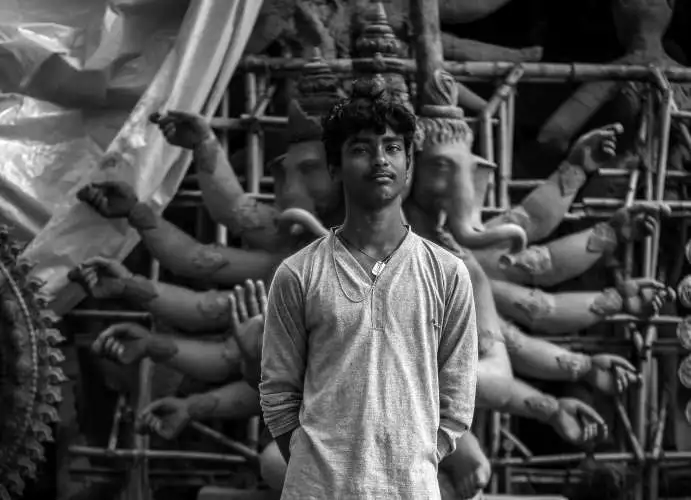
    Durga Puja in Bengal is a cultural phenomenon that goes beyond mere religious fervour. Durga Puja has left a prominent mark on the global cultural map too. Last year UNESCO conferred an Intangible Heritage tag on puja. It is the first Asian festival to receive the recognition. Apart from the prestige associated with it, the tag will bring international tourists who want to witness the grandeur of the festival.

    According to UNESCO, cultural heritage “includes traditions or living expressions inherited from our ancestors and passed on to our descendants, such as oral traditions, performing arts, social practices, rituals, festive events, knowledge and practices concerning nature and the universe or the knowledge and skills to produce traditional crafts”. Intangible cultural heritage is “traditional, contemporary and living at the same time”, inclusive, representative, and community based.

    In the last two years, Durga Puja faced enormous challenges because of the Covid-19 pandemic, but still could preserve its socio-cultural continuity. Further, the Puja celebration has a significant impact on the socio-economic conditions. However, the puja artisans and art labourers whose contributions have primarily made Durga Puja what it is today seem to have no share in the overall prosperity. They remain faceless, invisible and without access to any social security.

    Conditions of art workers

    In Bengal, puja is celebrated not only as a religious festival, but it occupies a distinct cultural space too. Over time, it has become a public festival occupying public spaces. Transforming from the family religious ritual of rural Bengal, puja has turned into an urban secular practice exploring multidimensional cultural discourses. In the last two years, Durga puja in Kolkata faced severe challenges because of the pandemic, but it could withstand the challenges and survive through innovation.

    In the last two years, some of the puja pandals left remarkable cultural footprints in terms of contemporary relevance and cultural excellence despite curtailed budgets and limited time. Combining traditional and modern ways of depicting art is something not new in the context of Durga Puja in Kolkata. A few artists rose to the occasion and came up with superlative creations in sync with the changing circumstances and challenges therein.

    This is an established fact that the puja in Bengal transcends religiosity and becomes a cultural landscape. Such innovation and drawing inspiration from the past and relating that to contemporary relevance makes the puja a distinct cultural event that goes beyond the apparent religious fervour. The UNESCO tag reconfirms this rich cultural heritage.

    Last few months, there has been renewed interest in the public domain about the cultural richness and creativity on display on the occasion of the Durga puja. However, there have been few deliberations about the socio-economic conditions of art workers/artisans whose toil and skill make Durga puja what it is.

    The invisible Durga Puja artisans

    The puja is the most prominent event in the cultural landscape of Kolkata and Bengal. It showcases a lot of creative energy and is an important event in economic terms too. But in spite of such creativity and excellence in cultural pursuit, it is disheartening to note that art labour/workers or artisans remain in poverty and they have no share in the apparent visible prosperity.

    Durga puja generates a lot of business and the entire festivity thrives mostly on the creativity displayed in idol-making and pandal-making. There is a constant effort on the part of the organisers to upscale the creative part and because of these theme-based pujas gained enormous popularity in the last two-three decades.

    A major part of this popularity is derived from the creative aspects but those who create, remain invisible and economically neglected. We talk about a few artists who provide the design and the concept but thousands of workers who essentially create the visual delight remain unrecognised and unrewarded in an economic sense.

    Durga Puja in Bengal is the biggest festival in this state and Kolkata Durga Puja is one of the biggest street festivals in the world. It is also one of the largest employment generators in the state, providing jobs to over 10 million people for nearly six months every year.

    Art labour remain invisible

    As per trade sources, the five-day festival generates transactions worth Rs 4,500 crore in Kolkata and Rs 15,000 crore in the entire state. Of the 4,500 odd community Pujas, 200-odd provide employment to more than 50 people each. The remaining 4,300 odd Pujas employ at least 20 people each. A 2013 Assocham study estimated the size of the Durga Puja industry at ₹25,000 crore with a compounded annual growth rate (CAGR) of about 35 per cent.

    A recent British Council study focussed on the 10 creative industries that drive Durga Puja and indicated that a Rs 32,377 crore creative economy was generated during Puja 2019 in West Bengal, accounting for 2.58 per cent of the state GDP. The complete Puja economy, however, may be much beyond that. Corporate funding and outdoor advertising account for about 90 per cent of the funding of the Pujas.

    However, within this story, there is another story that remains invisible. Economies of Durga Puja do create substantial jobs during the festival and over the months preceding the festival. However, artisans and art labour remain invisible. The grandeur of Durga Puja is all there to see but the working and living conditions of artisans and art labour is an area which remains hidden in literature and public policy making.

    Missing from the discourse

    If we take the organization of Durga Puja as a form of production, artisans and labourers remain as mere inputs in the production function like that in other forms of capitalist production structure. In fact, with respect to almost all the labour and artisans involved in Durga Puja as part of the production eco-system, terms of employment and conditions of service are entirely informal in nature.

    All are engaged as daily rated workers. Wage is determined through individual bargaining and working conditions are dismal. There is absolutely no formal contract between the labourers and employers. The majority of labourers work under the same employer for a long period of time, however terms of employment remain entirely informal.

    The extent of unionisation among artisans and workers is minimal and collective bargaining does not happen. Social dialogue and tripartite consultation are entirely absent. Labourers and artisans lack any form of social security options. The majority of labour laws do not apply in such instances. They don’t have access to institutional social security. At best, they are registered as unorganised workers and might receive certain benefits under the existing social security schemes. But, social security in the true sense, eludes them.

    The discourse from the Durga Puja artisans’ perspective is an area which is entirely missing in the existing literature and policy discourse. Since we are celebrating the recent UNESCO recognition and there is a renewal of interest in the cultural richness of Durga puja, it is time we talk about the conditions of art workers associated with it.

    Undeniably, art workers play an important role in making Durga puja a grand spectacle and economic investments that are made. This should be recognised both in cultural and economic terms. Art workers should get their shares in economic terms and they should have access to institutional social security.


    Dr. Kingshuk Sarkar is an Associate Professor at the Goa Institute of Management, Goa.

    Geeti Karmakar is an Assistant Professor at the National Institute of Fashion Technology, Jodhpur.


    This piece has been sourced from Policy Circle – www.policycircle.org

    Pakistan Floods Do Nothing to Dampen Climate Change

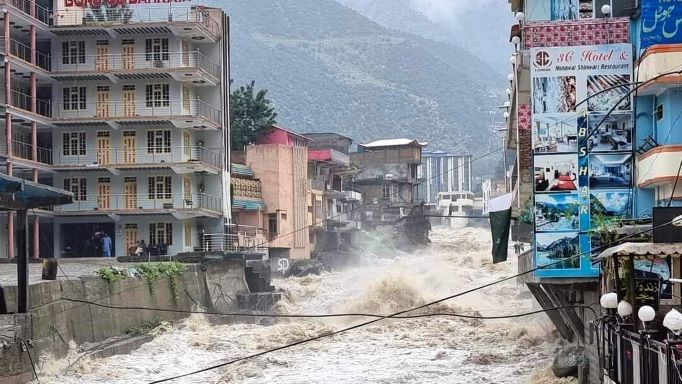
    The catchphrase ‘water is life’ took on a deeper meaning in 2022 as floods submerged two-thirds of Pakistan, affecting over 33 million people, displacing tens of millions and killing 1400 people.

    By Manita Raut and Kuntala Lahiri-Dutt, ANU

    While the Indus River helped Pakistan’s rural prosperity to grow over generations, the frequency and intensity of floods have been steadily increasing in recent decades. More than 13 floods have occurred in Pakistan since 1992 — and each flood has killed and displaced hundreds of thousands of people. The wrath of climate change, a history of poor water resource planning and indiscriminate infrastructure development have turned the Indus into a symbol of danger.

    As of September 2022, the floods have killed eight million animals and destroyed around two million acres of crops — 90 per cent of the country’s crops and 8 million animals have perished. These figures are expected to soar. The recovery from the catastrophe will be difficult as crops and livestock comprise an essential part of Pakistan’s rural economy and livelihoods.

    Given that approximately 40 per cent of Pakistan’s workforce is employed in agriculture, inflation is likely to worsen and underemployment to rise. Pakistan’s transportation, health and education sectors will suffer in the long term. The World Health Organization (WHO) estimates that about 5000 km of roads and railways are severely damaged. The lack of mobility in the immediate future will challenge the delivery of aid and medical supplies to village households.

    Both human-induced and climate-related factors are responsible for the damage caused by floods. But the 2022 floods were undeniably linked to climate change. Pakistan has experienced extreme heat, with temperatures hovering well above 45 degrees Celsius for extended periods during the summer. Temperatures in Jacobabad, one of the world’s hottest places, rose to a staggering 51 degrees Celsius. Melting glaciers in the high Himalayas brought excess meltwater into Pakistan’s river systems.

    Infrastructure construction?

    Once the monsoon season arrived, the already swollen rivers were not able to drain the waters quickly enough into the Arabian Sea. According to a Third Pole article, the 2022 monsoon has steered away from its usual course and this change is likely to have serious impacts on Pakistan. Increased water flows from the early and prolonged monsoon added to the glacial melt. Pakistan received twice the average annual rainfall, with some provinces, such as Sindh and Baluchistan, receiving seven to eight times the average.

    The other ‘human-induced’ factor was rampant and pervasive infrastructure development. The infrastructure that was constructed along and around the rivers intensified the human losses. By ignoring the natural slope of the land, the infrastructure prevented the smooth flow of the excess water into the sea. It also instilled a false sense of security in people who occupied lands that were previously taken up by the river whenever it spilled over its banks to deal with excess water.

    Two views have emerged over whether or not the construction of infrastructure caused the Indus to behave erratically. One group criticises the extensive infrastructure development, such as embankments and roads, without consideration for natural drainage or the slope of the land. The other argues that the poor do not always have a choice but to live in vulnerable areas.

    Rich farmer, poor farmer

    In Pakistan, nearby farms have long been supplied with water from the Indus River in order to expand irrigation systems and support agricultural growth. Over the years, embankments along the rivers have been built with government assistance to shield the farming land from sporadic floods. Settlements constructed along the riverbanks and in flood-prone areas contributed by choking the natural drainage through which the excess waters move towards the sea.

    The majority of farms receiving irrigation water from the Indus are owned by wealthier farmers. Wealthy farmers have prospered from these irrigation infrastructures, leaving the poor to bear the burden of flooding and devastation. That has raised questions about equity and justice in Pakistan.

    The floods have also drawn attention to global climate inequality. Though Pakistan contributes to less than 1 per cent of global greenhouse and carbon emissions, it was ranked among the top ten most vulnerable nations to the effects of climate change by the Global Climate Risk Index.

    SouthAsia as a whole

    To address these multifaceted challenges and combat the climate crisis, Pakistan will need to implement a diverse set of short- and long-term strategies that are carefully designed, discussed and inclusively implemented. Science and policy must connect climate change risks and mitigation measures in an actionable way.

    Better climate preparation is required for SouthAsia as a whole, not only in Pakistan. The entire region has experienced extreme weather events, such as flooding, droughts and heatwaves. The tragedy in Pakistan is a wake-up call to this world’s most densely populated region. If immediate measures are not taken to improve climate crisis preparedness, mitigation and adaptation, disasters will worsen. As UN Secretary-General António Guterres urges — ‘today it’s Pakistan. Tomorrow, it could be your country’.

    Manita Raut is PhD student and John Allwright fellow at the Crawford School of Public Policy, ANU.

    Kuntala Lahiri–Dutt is Professor at the Resource, Environment and Development Program at the Crawford School of Public Policy, ANU.

    This piece has been sourced from the East Asia Forum of the Australian National University.