More

    Women’s Lives Get Harder in Bundelkhand as Water Scarcity Grows

    Up to 70 per cent of women in parts of the drought-prone region in central India are affected by acute water shortages, according to one NGO estimate.

    By Jigyasa Mishra

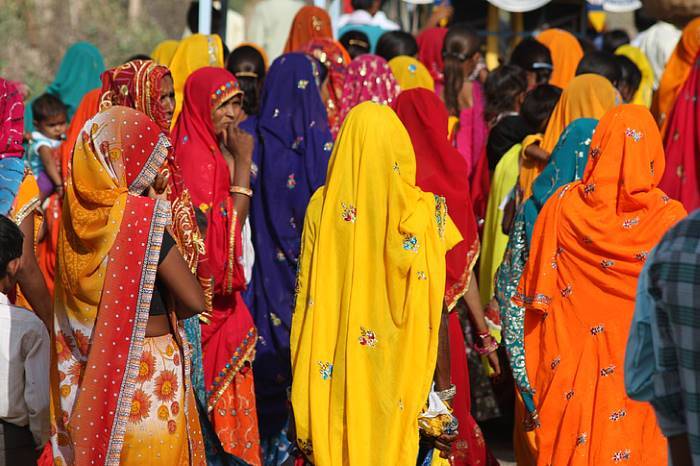
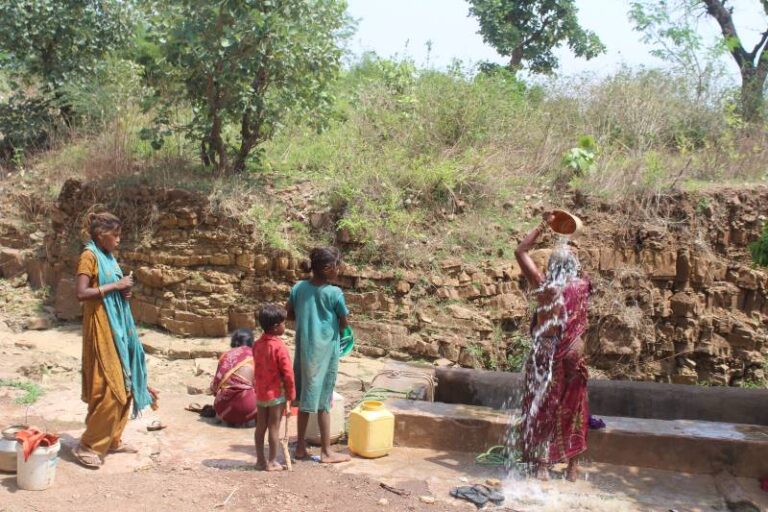
    Every day during the summer months, Kamlawati Yadav wakes up at 6 am and walks half a kilometre to a house with a private borewell. “Getting water is the first thing I do,” Kamlawati says. “I carry one water container on my head and a second by hand.”

    Once home she wakes her sons, who are asleep on their cots outside the house due to the summer heat.

    She will have to make the trip again in the evening, carrying 72 litres on both journeys, to get the water her family of five needs.

    “We have to get things done with four buckets of water per day,” she says as she moves the containers inside the house with the help of her daughter.

    When Kamlawati’s husband, Raghunandan Yadav, is not busy looking after the family’s livestock he accompanies her to the borewell, carrying the containers on his bicycle. Sometimes her sons help, but she is ultimately responsible for making sure the family has water.

    The Yadav family live in Barua village in the Satna district of Bundelkhand – a hilly, drought-prone region in central India that straddles Madhya Pradesh and Uttar Pradesh states. More than 18 million people live in Bundelkhand.

    In 2015, Anil Gupta, a division head at India’s National Institute of Disaster Management, wrote that in recent decades “Bundelkhand has become a synonym for drought, unemployment and perennial water stress.”

    Not enough water

    India’s Ministry of Housing and Urban Affairs recommends that in rural areas every person should have access to 55 litres of water a day.

    Between Kamlawati’s family of five, her four buckets only provide about 29 litres per person per day – nearly half the recommended minimum.

    There is limited data on water scarcity, particularly its impact on women, in Bundelkhand. Sunil Kurmar Srivastav is the Chitrakoot district coordinator for Abhiyan, an NGO that works on issues including water management and the empowerment of women in the districts of Banda and Chitrakoot. He says that his organisation has no reliable data, and none is available from the government.

    But, he says, “as per my observation, Manikpur belt of Chitrakoot would have around 70 per cent women affected [by] acute water shortage. In fact, any area in Bundelkhand with water scarcity would have 60-70 per cent women bearing the brunt of the issue.” This is because the management of the home, in which water plays a key role, is considered to be women’s responsibility.

    Shubhrant Kumar Shukla, the Chitrakoot district magistrate (the highest administrative official in the district), tells The Third Pole that the Patha area of Chitrakoot is particularly water-stressed. The area, which is comprised of 50-60 gram panchayats (the governing units at a village level), has rocky, dry terrain.

    A management problem

    As climate change alters weather patterns, rainfall in Bundelkhand is also changing. Between 2013 and 2018, annual rainfall in the region fell by 60 per cent.

    Despite this, in 2020 geologists concluded that average rainfall in the region should be “sufficient”. Yet Bundelkhand is marked by water scarcity, due to “different environmental factors such as rocky surface, high temperature, fast runoff of water, lowered groundwater table, and deforestation of the upper slopes”, the researchers wrote.

    Gunjan Mishra, an environmentalist based in Chitrakoot, highlights mining and rock type as contributing factors. Mining disrupts the pathways that let water percolate into underground aquifers. The rocky terrain adds to this problem, with rainwater becoming run-off and not recharging the groundwater.

    “Lalitpur, Chitrakoot, Mahoba districts see no improvement in groundwater depletion [after the rains] because of the ongoing mining and hard rocks in the region. There are a few areas where farmers have built ponds [to store rainwater] but it helps increase the [groundwater] level only within a one-kilometre vicinity. So, we can say that the situation of underground water level has only deteriorated in the region,” he says.

    Pipeline work ongoing

    Kamlawati’s family experiences this deterioration. Their village of Barua has a well and a hand pump, provided by the government. The villagers tell The Third Pole that both used to have water throughout the summer months, but that changed in 2009.

    Now, between March and early April, Kamlawati can walk the 400 metres to the village hand pump. But “its water dries up before April ends and stays this way until August or September”, she says, leaving her family dependent on the goodwill of the household with a private borewell.

    Officials The Third Pole spoke with pointed out that they take steps to alleviate the situation in Bundelkhand. “We supply water tankers in 62 villages [in Chitrakoot], which move between hamlets, taking water to each one,” says Shukla, the Chitrakoot district magistrate. “This begins from April and goes on till June until the monsoon arrives and the wells and pumps start functioning.”

    Shukla adds that “for the longer-term solution, we are working for the ‘Har Ghar Jal’ [Water in Every Home] programme implemented by Jal Jeevan Mission under the Ministry of Jal Shakti, under which the pipelines work is ongoing and by the end of this year we will be able to supply piped water to every village, in and around Chitrakoot.”

    Sanitation problems remain, despite government claims

    Water scarcity also affects access to sanitation. The government’s data states that Satna district, among other districts in Bundelkhand, is now free of open defecation. This does not match up with the lives of women The Third Pole speaks with.

    “We do not even have a bathroom. Very few people in the village have. Why would we, when there is no water in the first place?” Kamlawati says. “Every one of us goes to bathe at the well.”

    Barely 10 kilometres away from Kamlawati’s village, Santo Devi also walks half a kilometre every day to fetch water from a well. The 72-year-old says she once fell, slipping in the mud and fracturing her wrist when she went to relieve herself in a field during the monsoon.

    Santo lives with her son and her daughter-in-law in Michkurin village. Their house is barely 100 metres away from the busy main road. Trucks pass through in the night, and there is danger of accidents, as well as fear of strange men.

    “My bahu [daughter-in-law] can’t go alone if she gets nature’s call in the evening, night or even small hours. The place is not safe,” she tells The Third Pole.

    Social conditioning or water scarcity?

    The district magistrate blamed social conditioning for such situations. Shukla claimed that even when toilet facilities exist, “there have been nuclear families emerging who opt for open defecation. Moreover, it’s a behavioural change and we now see positive change in 90 per cent of people who used to defecate in the open till a few years back.”

    But the problems do not stop there. Kamlawati says that when her daughter is menstruating, she has to walk up to 2 kilometres to a hand pump to bathe and wash her sanitary cloth.

    “From day one to the fourth and sometimes even fifth, I have to walk four kilometres up and down, in pain, under the scorching sun. I cannot change the cloth here in our one-room house, nor can I wash it openly with the limited water we have at home… At times, I keep the same cloth on for hours when I am unable to walk due to unbearable cramps,” says 15-year-old Anuradha, Kamlawati’s daughter.

    Rafiq Ansari is an obstetrician-gynaecologist at the district hospital in Chitrakoot. He says: “Reproductive health of women is anyway poor in the rural areas. When it is topped with extreme climate conditions, a pandemic and never-ending water crisis, the problem definitely hikes. Water unavailability compels them to do more labour and keeps [them] from maintaining hygiene.”

    Caste hierarchy adds to difficulties

    The problems of geography and gender are compounded by caste. “The family we go to take water from has their own [borewell] and they are kind enough to give us four buckets a day. Before this, we got our water from another family, one kilometre away. One day they started charging us 50 rupees [USD 0.70] for four buckets of water. They would not charge the Thakurs [who belong to a privileged caste] any amount, though,” says Kamlawati.

    Kamlawati and her family are part of the other backward class group, one of the four broad socio-economic categories in India’s official statistics. Out of these four categories – scheduled castes, scheduled tribes, other backward classes and general category – only the last is considered to be “upper caste”.

    The family owns six buffalo, and depend on a local pond to water them.

    “This is our only source of income,” says Raghunandan, Kamalawati’s husband, pointing at some fresh milk in a steel jar as he milks one of the cattle. “I sell it for 30 rupees per litre. Which becomes… how much? 2,700 [USD 35] per month.”

    He finishes milking the buffalo and leaves to deliver his produce.

    Some of the names of those interviewed for this story have been changed to preserve their privacy

    Jigyasa Mishra writes and illustrates on gender, health, environment, civil liberties and culture from rural India. Find her on Twitter @ApkiJigyasa and Instagram @jigyasa.mishra

    This piece has been sourced from The Third Pole.
    Sri Lanka Scientists’ Flee Economic Crisis

    Sri Lanka’s economic crisis adds challenges to researchers as they cannot get new supplies for laboratory work. Fuel shortage has also affected their capacity to do field work. As research funds dry up Sri Lankan scientists look for greener pastures abroad, The exodus of scientists can damage country’s science sector.

    By Malaka Rodrigo

    When Sri Lankan president Gotabaya Rajapaksa fled a popular uprising and emailed his resignation from exile on 14 July, he left behind an economic shambles that hit everyone hard, including the country’s researchers and scientists.

    “Regular power cuts, fuel shortages, increasing cost of living and food crisis emerge as core issues of this economic meltdown, but the science and research field of the country too is severely impacted,” says Meththika Vithanage of the University of Sri Jayewardenepura, a hydrology expert ranked among the world’s top two per cent of most cited scientists in 2020.

    The island nation relies heavily on tourism and remittances made by its workforce in foreign countries. The COVID-19 pandemic affected both these sectors, depleting Sri Lanka’s foreign exchange reserves and the country’s capacity to repay loans. The war in Ukraine only served to worsen the situation as Russia is Sri Lanka’s third biggest export market for tea and, together with Ukraine, are major sources of tourist arrivals.

    In April, the Rajapaksa government announced that it would default on payment to creditors totalling a staggering US$51 billion and begin a loan restructuring process. In the meantime, the country did not have enough foreign exchange to import essentials, including fuel, which had to be ordered rationed.

    Lab supplies run out

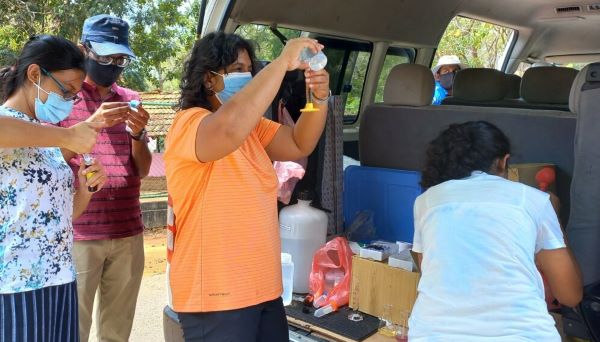
    Laboratory-based research that relies on imported consumables and equipment had already been impacted as supplies such as nitric acid ran out. “I couldn’t get any chemicals or other consumables for my laboratory this year as the local agent couldn’t purchase them from global suppliers due to the currency issue,” Vithanage told SciDev.Net. Even chemicals that are not expensive became hard to order, she said.

    Even more problematic are when equipment starts to breakdown. In January, a high-speed centrifuge in Vithanage’s lab – used to separate samples – malfunctioned and could not be fixed because the parts needed to be imported.

    Suppliers demand upfront payments in foreign currencies due to the uncertainties caused by the rapidly declining Sri Lankan rupee. “But according to government financial regulations, such upfront payments are not allowed, and we anyway do not have foreign currencies to make such payments,” Vithanage said.

    Field studies too are affected by fuel shortages, with Sri Lankans waiting in queues stretching several kilometres to buy gasoline at high prices. A litre of petrol now costs Rs.540 (US$1.51), twice what it cost in April. Vithanage, who is doing research on chronic kidney disease that affects farmers in remote rural areas, says it has become prohibitively expensive to do basic work, such as collecting water samples and talking to patients.

    State funding halt

    Government funding for research projects has dried up. The education ministry’s National Science Foundation (NSF), which allocates US$970,000 for research annually, has had to pare down the budget to US$139,000 for this year, says its chairperson Ranjit Senaratne. The new government of Ranil Wickremesinghe, sworn in as the new President on 21 July, is likely to further slash the budget, meaning the NSF may not be able to fund new research this year, Senaratne told SciDev.Net.

    With the cost of living skyrocketing and inflation rate rising to 54.5 per cent in June, everyone in the country has been affected. Research students who are paid minimal salaries and undergraduates who depend on family support have been badly hit, especially those from remote areas who board close to the universities.

    “Initially, we cooked at our boarding house, but now we are forced to buy food from outside due to shortage of gas, but buying food outside is costly as prices doubled over a year,” says Madushika Sewwandi, a chemical technology graduate student from Matara, a town in southern Sri Lanka. She has reduced the frequency of trips going home as cost has become unaffordable.

    Government scholarships for undergraduates have been overtaken by rising costs and disbursements are often delayed, says Wasantha Mudalige, convener of the Inter-University Students’ Federation (IUSF). Several students have abandoned university education to look for jobs and support their families that are facing unprecedented hardships, Mudalige said.

    Flights for greener pasture

    With the situation deteriorating, Sri Lankan professionals and researchers have started leaving the country for better opportunities abroad. During the first five months of the year, the Department of Immigration and Emigration issued 288,645 passports compared to 91,331 passports for the same period last year, according to a spokesperson. There are long queues at the passport office, with applicants having to wait for two months for an appointment to submit documents.

    Many of the scientists who have already left the country are doing so reluctantly. “Some of my colleagues who are trying to leave the country never had such intentions, but circumstances are so dire that they are forced to do it,” Vithanage told SciDev.Net.

    Ashani Ranathunga, a young academic with engineering background, is now in the UK working as a lecturer at the University of Leeds. Ranathunga left Sri Lanka with her family and is now thinking of settling in the UK as the situation in Sri Lanka worsens.

    “I studied through the free education system of Sri Lanka and always wanted to return the gratitude by serving the country. But the situation has deteriorated so much that now there is no proper platform where we can carry out the research and have a decent living,” she told SciDev.Net.

    Fantastic place for research

    Failure to mainstream science contributed to the present economic crisis, says Ajith De Alwis, head of the recently established National Innovation Agency (NIA). High technology exports are less than one per cent of the total exports of Sri Lanka, way below than Asia’s average of around 30 per cent which is led by Hong Kong at 69 per cent.

    But not all are pessimistic about the situation and many researchers say they will stay in the country. “Sri Lanka is a fantastic place for research, and if you can pitch it right, there are enough foreign funds any researcher can secure,” says civil engineering professor Rangika Halwatura of the University of Moratuwa, who was also the former commissioner at the Sri Lanka Inventors Commission.

    Sri Lanka’s research community needs to become more efficient to find its way through the present economic hardships, Halwatura said. He said that multiple research teams often simultaneously carried out similar research projects due to a lack of collaboration and openness between scholars in Sri Lanka.

    “We need to start sharing resources, utilising available funds as the upcoming years are not going to be easy,” he said.


    This piece has been sourced from SciDev.Net

    Image: Madushika Sewwandi

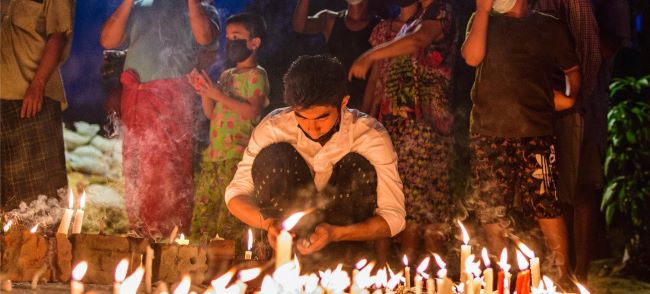
    Myanmar Executes Four Pro-Democracy Activists

    As part of democratic reforms in 2014, the sentences of prisoners on death row were commuted to life imprisonment. But several dozen convicts received death sentences between then and last year’s takeover of the country’s government by the military junta.

    Forty-six years since the last judicial execution, the military government of Myanmar on Monday executed four pro-democracy activists. The activists included a former parliamentarian, Phyo Zeya Thaw, and longtime activist Kyaw Min Yu and Hla Myo Aung and Aung Thura Zaw.

    The military junta ruling the country had earlier accused the four men of indulging in “terror acts”, for which the death sentences were announced.

    Phyo Zeya Thaw, a former lawmaker from ousted leader Aung San Suu Kyi’s National League for Democracy party. Also known as Maung Kyaw, he was convicted in January by a closed military court of offences involving possession of explosives, bombings and financing terrorism after he was arrested last November based on information from people detained for shooting security personnel, state media had said at the time. He was also accused of being a key figure in a network that carried out what the military described as terrorist attacks in Yangon, the country’s biggest city.

    Democracy activist Kyaw Min Yu, better known as Ko Jimmy, was executed for violating the counterterrorism law. He was one of the leaders of the 88 Generation Students Group, veterans of a failed 1988 popular uprising against military rule.

    Ko Jimmy had already spent over 12 years behind bars for political activism before his arrest in Yangon last October. He had been put on a wanted list for social media postings that allegedly incited unrest, and state media said he was accused of terrorist acts including mine attacks and of heading a group called Moon Light Operation to carry out urban guerrilla attacks.

    The other two, Hla Myo Aung and Aung Thura Zaw, were convicted of torturing and killing a woman in March 2021 who they allegedly believed was a military informer.

    Outrage and dismay

    The last judicial execution to be carried out in Myanmar is generally believed to have been of another pro-democracy activist, student leader Salai Tin Maung Oo, in 1976 under a previous military government led by dictator Ne Win.

    In 2014, during the period of democratic reform, the sentences of prisoners on death row were commuted to life imprisonment, but several dozen convicts received death sentences between then and last year’s takeover.

    Thomas Andrews, the UN’s independent UN human rights expert for Myanmar called on the world community for a strong international response to the executions of the four activists by the country’s military junta.

    Thomas Andrews said he was “outraged and devastated” following what’s believed to be the first use of capital punishment in the Southeast Asian nation in decades.

    “UN Member States must honour their lives by making this depraved act a turning point for the world’s response to this crisis,” he said.

    Alongside, the UN human rights chief Michelle Bachelet expressed her dismay, saying that the executions happened despite appeal from across the world. The military leaders had move ahead with the executions with “no regard” for international rights law, she said.

    “This cruel and regressive step is an extension of the military’s ongoing repressive campaign against its own people”, said High Commissioner Bachelet.

    “These executions – the first in Myanmar in decades – are cruel violations of the rights to life, liberty and security of a person, and fair trial guarantees. For the military to widen its killing will only deepen its entanglement in the crisis it has itself created.”

    Bachelet called for the immediate release of all political prisoners and others arbitrarily detained, and urged the country to reinstate its de-facto moratorium on the use of the death penalty.

    International law violations

    Sentenced to death in closed-door trials in January and April, the four men had been accused of helping insurgents to fight the army that seized power in a coup on February 1 last year, and unleashed a bloody crackdown which has resulted in multiple rights abuses.

    The executions were carried out despite worldwide pleas for clemency for the four men, including from UN experts and Cambodia, which holds the rotating chairmanship of the Association of Southeast Asian Nations (ASEAN).

    Mr Andrews condemned the decision to go ahead with the executions when they were announced in June. In a statement he said the men were “tried, convicted and sentenced…without the right of appeal and reportedly without legal counsel, in violation of international human rights law.”

    He called for “strong action” from UN Member States against the “widespread and systematic murders of protesters, indiscriminate attacks against entire villages and now the execution of opposition leaders.”

    “The status quo of international inaction must be firmly rejected,” he added.

    In June, UN Secretary-General António Guterres also called for charges to be dropped “against those arrested on charges related to the exercise of their fundamental freedoms and rights, and for the immediate release of all political prisoners in Myanmar”.

    Amnesty International’s Regional Director Erwin van der Borght said, “At a time when more and more countries take steps to abolish the death penalty, the resumption of executions after more than three decades not only puts it at odds with the global trend, but is also contrary to the goal of abolition enshrined under international human rights law and standards. Myanmar’s isolation could not be any more glaring. We urge the authorities to immediately establish a moratorium on executions as a first critical step.”

    Borght urged that the military regime be held accountable for its actions. “For more than a year now, Myanmar’s military authorities have engaged in extrajudicial killings, torture and a whole gamut of human rights violations,” he said. “The military will only continue to trample on people’s lives if they are not held accountable.”


    Representative Image: Zinko Hein / Unsplash

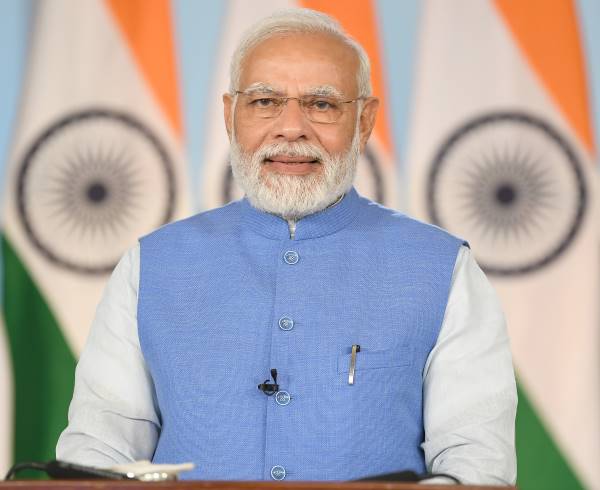
    Social Justice Means Equal Opportunity for Every Section of Society, Says Prime Minister Narendra Modi

    “Parties exist because of democracy, and democracy exists because of the country. Most of the parties in our country, especially all the non-Congress parties have also followed this idea and the ideal of cooperation and coordination for the country.”

    Speaking of social justice and taking pot-shots at his political opponents in the same breath, Prime Minister Narendra Modi on Monday said that ideologies can be different but the country should come first and society should come first.

    Prime Minister Narendra Modi said that social justice means equal opportunity for every section of the society and the country will only move forward when women, the disabled, backward communities, Dalit and tribal people of the country will move forward. He said education is important for this to happen.

    “Social justice means that every section of society should get equal opportunities, and no one should be deprived of the basic necessities of life,” the Prime Minister said.

    Saying that 25 July was a democratic day for the country, the Prime Minister said that India’s new President hails from the tribal community.

    The Prime Minister was addressing a programme marking the tenth death anniversary of Harmohan Singh Yadav, who he said, had fought for democratic values and saved many lives during the anti-Sikh riots.

    Attacking opposition

    Attacking the opposition in his address, the Prime Minister said that a tendency has begun recently to put ideological or political mileage above the society and country’s benefit. He further added that it is the responsibility of every political party that opposing any party or person should not turn into opposing the nation.

    “In recent times, there has been a trend to put ideological or political interests above the interest of the society and the country,” he said.

    The people of the country do not like this, he said. “It is the responsibility of every political party that the opposition of a party or an individual should not turn into opposition to the country. Ideologies and political ambition have their place, and they should have. But, country, society and nation come first”

    Recalling the words of Shri Atal Bihari Vajpayee, the Prime Minister underlined the primacy of the nation above party politics. He said “parties exist because of democracy, and democracy exists because of the country. Most of the parties in our country, especially all the non-Congress parties have also followed this idea and the ideal of cooperation and coordination for the country”.

    He gave examples of the 1971 war, the Pokharan atomic test and the fight against the Emergency to illustrate the feeling of political parties to put up a united front for the country. “When the country’s democracy was crushed during the Emergency, all the major parties, we all came together and fought to save the Constitution.


    NFHS 5: Why the Headlines Cheering Low Fertility Rate in India are Misleading

    Perhaps the only thing worth paying attention to in the TFR story is that the overall decline has been championed and led by Muslim women. Clearly inclusion and education for minorities (and all people) can have positive development outcomes.

    By Varna Sri Raman

    While there has been widespread celebration about India reaching our Total Fertility Rate (TFR) goals — there are enough and more reasons in the NHFS 5 data to demonstrate that we should be worried about the worsening health outcomes, for women in particular. The TFR is the average number of children born per woman at which a population exactly replaces itself from one generation to the next without migration. There is actually very little to celebrate. India now has five states which are well and truly above replacement levels – these are Bihar, Jharkhand, Uttar Pradesh, Meghalaya and Manipur.

    Since India started its population control program in 1950s, Uttar Pradesh and Bihar have been India’s most populous and most fertile states. Nothing much has therefore changed – if India’s overall TFR has fallen it has little to do with the success of population control efforts where they were most needed. The longer-term outcomes and benefits of a falling TFR have had more to do with gains for women in states that were already doing well on the TFR front. So how and why has India’s population programme continued to fail in Jharkhand-Bihar (erstwhile Bihar) and Uttar Pradesh?

    Lack of improvement in TFR

    Table after table in the data of NHFS-5 shows that awareness of contraception among women and even availability of contraception is not a problem per se, however the use of contraception is abysmally low. The answer has to do with investments in education and agency/bodily autonomy for women in these states. Here are some more statistics that are worth looking at from the NHFS which are as misleading as the national-level TFR, because the devil is in state-level details, in a union/federation of states like India.

    For instance, the rate of underage marriage has fallen marginally (not statistically significantly which means the reduction could be an artefact of sampling or data collection) at a national level, but the rate has increased in Punjab, West Bengal, Manipur, Tripura and Assam all states with historically high levels of child marriage.

    Even if one wanted to celebrate the TFR story and we really do need good news in this country – what does the data show? 66.3 per cent women who are employed use a modern contraceptive method, compared with 53.4 per cent women who are not employed, and contraceptive use increases in communities and regions that have seen more socioeconomic progress.

    Employment to contraceptives

    The data also shows that the “unmet need for family planning methods” is highest among the lowest wealth quintile (11.4 per cent) and lowest among the highest wealth quintile (8.6 per cent), it also tells us rather unambiguously that the use of modern contraceptives also increases with income from 50.7 per cent women in the lowest wealth quintile to 58.7 per cent women in the highest quintile.

    India’s Periodic Labour Force Survey (PLFS) data shows that participation of women in the labour force is declining.  Women’s withdrawal from workforce can potentially affect the use of contraceptives among population. Women from economically backward classes and states with poor record of facilities, rights, social norm regimes and social environment are also least likely to be able to access and use modern contraceptives. NHFS also tells us that Bihar, Uttar Pradesh, Rajasthan, and Jharkhand have less than 18 per cent of women paid for their work and no more than 50 per cent women in these states have access to phones. Getting paid and having access to phones, as many studies suggest facilitate autonomy for women – both of over their bodies and their lives by facilitating access to contraceptive use, financial services and support networks.

    Falling health indicators for Indian women

    Meanwhile, the Sex Ratio at Birth (the number of girls born for every 1000 boys) for children born in the last five years is below 950 for seven states and is below 900 in three states, viz., Goa: 838, Himachal Pradesh: 875, and Telangana: 894, the largest decline has been in Goa (from 966 to 838. A look beneath the national TFR rate story and you find, for instance – that the onus of family planning is still on women. Earlier it was through methods like Copper-T and now through female sterlisation practices as shown through latest NFHS data. It shows that burden of family planning disproportionately falls on women.

    Domestic violence against women is highest in Karnataka at 48 per cent, followed by Bihar, Telangana, Manipur and Tamil Nadu. Three of every five women in India are anaemic (57 per cent of all women aged 15-49 years) and this has gotten worse over time. Iron deficiencies are problematic not just for instrumental reasons (reasons that affect maternity and a foetus) but also for women and their own health and well-being.

    Inclusion and education

    The NHFS also shows a rise in health and nutritional disorders for women, more when compared to men, 24 per cent of women and 22.9 per cent of men were found to be overweight or obese (BMI ≥25.0 kg/m2), which is 4 per cent higher than in 2015-16.

    Further the NFHS shows that the average out of pocket expenditure (OOPE) on a delivery in a public health facility increased in more than half of the surveyed states. Meanwhile the use of hygienic menstrual materials for periods is at 59 per cent in Bihar and at 66 per cent in Assam and Gujarat. Water and Sanitation outcomes are also poor and affect women disproportionately. We now know that nearly one in five households in India practise open defecation despite the PMs declaration that India is now ODF free nearly two years ago.

    Perhaps the only thing worth paying attention to in the TFR story is that the overall decline has been championed and led by Muslim women. Clearly inclusion and education for minorities (and all people) can have positive development outcomes. We just need to actually get started on development work, instead of patting ourselves on the back on account of a broader secular demographic trends.


    Varna Sri Raman is a researcher based in New Delhi. She worked with the Research and Knowledge Building team at Oxfam India.


    Image: Hippopx, licensed to use under Creative Commons Zero – CC0

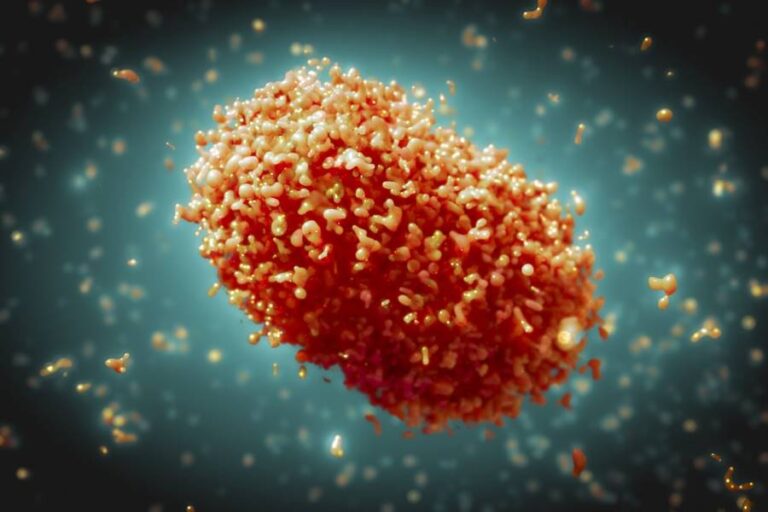
    WHO Calls on India to Enhance Surveillance for Monkeypox

    The Director General of Health Services convened a high level meeting today as a fourth case of Monkeypox in the country was detected. WHO has recommended countries to assess risk and initiate surveillance and public health measures, while also building and facilitating testing capacities.

    As India reported its fourth case of Monkeypox on Sunday, the World Health Organization has called on countries in South-East Asia Region to strengthen surveillance and public health measures for monkeypox, with the disease being declared a public health emergency of international concern.

    “Monkeypox has been spreading rapidly and to many countries that have not seen it before, which is a matter of great concern. However, with cases concentrated among men who have sex with men, it is possible to curtail further spread of the disease with focused efforts among at-risk population,” said Dr Poonam Khetrapal Singh, Regional Director, WHO South-East Asia Region.

    Globally, over 16,000 cases of monkeypox have been reported from 75 countries. Five cases of monkeypox have been reported from the WHO South-East Asia Region that includes India and much of SouthAsia. Four of these are from India and one from Thailand. Three cases in India are among nationals who returned home from the Middle East. The fourth case is of a 34-year-old man with no history of foreign travel. The individual who has been isolated in the capital’s Lok Nayak Hospital recently attended a party in Manali, Himachal Pradesh.

    The case reported from Thailand is of a foreigner residing in the country who has been confirmed positive for monkeypox.

    WHO’s Regional Director said, “Importantly, our focused efforts and measures should be sensitive, devoid of stigma or discrimination.”

    Public health emergency of international concern

    Earlier on Saturday, the decision to term monkeypox as a public health emergency of international concern (PHEIC) was announced by Dr Tedros, Director-General WHO, yesterday, a day after he convened yet another meeting of the IHR emergency committee to review the multi-country outbreak.

    “Though the risk of monkeypox globally and in the region is moderate, the potential of its further international spread is real,” Dr Khetrapal Singh said. “Also, there are still many unknowns about the virus. We need to stay alert and prepared to roll out intense response to curtail further spread of monkeypox.”

    In New Delhi, the union health ministry’s Director General of Health Services (DGHS) convened a high level meeting with officials from the health ministry and the National Centre for Disease Control and scientists and officials of the Indian Council of Medical Research.

    Since the start of the outbreak, WHO has been supporting countries assess risk, and initiate public health measures, while also building and facilitating testing capacities in the countries constituting WHO’s South-East Asia Region.

    Engaging and protecting the affected communities; intensifying surveillance and public health measures; strengthening clinical management and infection prevention and control in hospitals and clinics; and accelerating research into the use of vaccines, therapeutics and other tools, are among the key measures that need to be scaled-up, the Regional Director said.

    Monkeypox virus is transmitted from infected animals to humans via indirect or direct contact. Human-to-human transmission can occur through direct contact with infectious skin or lesions, including face-to-face, skin-to-skin, and respiratory droplets. In the current outbreak countries and amongst the reported monkeypox cases, transmission appears to be occurring primarily through close physical contact, including sexual contact, WHO says. Transmission can also occur from contaminated materials such as linens, bedding, electronics, clothing, that have infectious skin particles.

    Bangladesh Tops Gender Parity Ranking in South Asia – But That is Old News!

    The Global Gender Gap report 2022 is out and, once again, Bangladesh leads SouthAsia – an evidence of the commitment the highest office of the land has attached to empowering women. The index ranks the countries on four indices – educational attainment; health and survival; political empowerment and economic participation.  

    By Vanita Suneja

    Bangladesh has illustrated the correctness of putting girls’ education first to achieve development. The country made special efforts to educate girls over the years and achieved gender parity in primary and secondary enrolments. To consolidate the gains and to nip the dropping out of young girls from schools, a stipend scheme was initiated in rural areas in 1994 to incentivise continuance of education. Initiatives like the Female Secondary Stipend and Assistance Program (FSSAP) ensured attendance, performance in academics and delaying marriage. Indeed, the complaint against FSAAP is that more girls attend rural secondary schools than boys!

    This focused incentive scheme for girls  had spin off impact on health , fertility, employment and overall wellbeing.

    Much followed as a result of such attention to education from the highest office in the land. Not surprisingly, the latest  Global Gender Gap report 2022 places Bangladesh at the very top among its SouthAsia peers. Not surprisingly – because this has happened for the eighth year in a row.

    Education efforts have had roadblocks – child marriages and household responsibilities have deterred girls from completing their higher education, the high rates of enrolment notwithstanding. The Bangladesh Bureau of Educational Information and Statistics, 2017 showed dropout rates for girls at 42 per cent at the secondary school level. Though it is unlawful to marry a girl before her eighteenth birthday, the prevalence of child marriages in Bangladesh remains very high. Adolescent girls are at the core of Bangladesh’s Secondary Education Development Programme, giving out cash incentive as also addressing menstrual issues and separate sanitation facilities for girls.

    Education instils a scientific temper and prompts enquiry and creates in young people an awareness of their rights. It ignites dreams. Aren’t these the foundations for equality in society?

    Addressing women’s health needs

    Gender parity comes from an awareness that an education programme brings with components that include enrolment, schooling, stipends and attention to adolescent concerns, especially sanitation issues. Bangladesh shows the way on these.

    A country reeling under poverty prioritised its health spending to strengthen its health system. Bangladesh has achieved great strides in life expectancy, vaccination rates, tuberculosis control and a child’s chances of surviving past the age of five, a series of focus papers published in The Lancet say.

    Health is a big area of ongoing work in this respect. Bangladesh is a role model in birth control with fertility rate of just two children per women. Bangladesh reduced maternal mortality to 163 in 2021 compared to 269 per 100,000 live births in 2009. Bangladeshi women live longer compared to their menfolk. Empowerment of a women is dependent on her ability to control her reproductive life.  A nation supportive of girl’s education, smaller families, and contraception   is going to have long term health benefits for all its citizens.

    It might sound like a paradox for the world’s eighth most populous country, but the primacy its leadership accorded to health and its health planners drawing up specific health programmes focussing on such issues as gender equality, family planning, immunisation and diarrhoea treatment through an army of grassroots health workers is a lesson to cherish.

    For instance, a series of awareness advertisements aired on national television in the 1990s focused on educating women about nutrition, vaccination, pregnancy and neonatology. The initiative helped Bangladesh grapple with polio, decrease child mortality by more than 200 per cent and neonatal mortality rate by over 70 per cent.

    Politics – women’s oyster

    Bangladeshi women got their place in society with women Prime Minsters as the country’s top executive over three decades in successive governments. The Speaker of the national parliament and the top opposition leaders too were women; and seats were reserved for women in the national parliament and in the local governments.

    These progressive signs determining parity for women in governance and in the political space is reflected in the global gender gap index. Bangladesh has got a good ranking and continues to improve its overall ranking due to a sensitive political leadership.

    However, there is a long way ahead for women to take command of nation building as political leaders. Women at top in the national government and reservations of seats for women candidates at the ward councils does not automatically translate into more political space for women in general. But the start with education has helped drive the engine of empowerment. Indeed, education is the fuel of the engine of empowerment.

    Worker to manager

    Women’s participation in workforce especially in the garment industry has been substantial in Bangladesh.   Of the total workforce, around one third workforce are women but only 8.2 per cent women are employed in the formal sector. Bangladesh’s micro credit movement has helped women and approximately a third of the country’s women have access to microcredit. There is progress in diversity of  Boards as 18 per cent of listed companies have  women as  board directors .   Women in the top managerial roles in white collar jobs and in decision making positions  still limited.  Another challenge  is of Sexual harassment at formal and informal work spaces and one of the study by  Karmajibi Nari and CARE Bangladesh assessed it at 12.7 per cent percent of women  employees having experienced sexual harassment at their workplaces.

    Cultural legacy

    Apart from such affirmative initiatives, it is also important how a nation chooses its symbols.   Bangladesh embraced the legacy of South Asian feminist – Begum Rokeya of undivided India as torchbearer and ambassador of women education. Bangladesh celebrates Rokeya day on 9 December every year, lauding women achievers. Non-government organizations too have played a significant role for women empowerment in Bangladesh, especially on micro-finance, gender mainstreaming and making use of non-formal education for children in hard to reach areas. Rights based organizations, feminist groups  and  women movements contributed changing social thought process.

    A lot has been achieved in the last fifty years.  However, access to education, health, jobs are necessary conditions but not sufficient enough to automatically disrupt the traditional roles for women and work-life balance. Women can only fly high in political spaces or rise up on the ladder of workforce if there is respite from traditional caring roles expected of them. Taking a cue from a feminist utopian story written by Begum Rokeya, Sultana’s dream, examining a role reversal of men and women, a cultural campaign for role reversals is further required. Bangladesh also requires a road map specifically to work on abolition of child marriages; violence again women, getting more women in decision making positions in politics and business, access to equal property etc .

    This is the eighth consecutive instance of Bangladesh’s numero uno place in the ranking of South Asia on the Global Gender Gap.  Now is the time to not limit its comparison on gender parity within SouthAsia but instead it should look up to countries doing much better for inspiration.


    Vanita Suneja is Regional Advocacy Manager with Water Aid (South Asia).

    UN to Host Over 190 World Leaders and Delegates — Despite Threats from a Deadly New COVID-19 Variant

    In order to protect delegates and staff alike, UN Secretary-General Antonio Guterres, having considered the recommendations of the UN’s Occupational Safety and Health (OSH) Committee, has decided on a set of guidelines.

    By Thalif Deen

    The United Nations is planning to host a high-level “in-person” General Assembly session, September 20-26, with over 190 world leaders and delegates listed to speak, including heads of state, heads of government, high-ranking ministers and senior officials.

    The world body is apparently on a risky path, with hundreds of delegates due in New York for the opening of the 77th session—and, most worryingly, at a time when a new Covid-19 variant BA.5 is sweeping across the United States, including New York.

    In a letter addressed to the President of the General Assembly, E. Courtenay Rattray Chef de Cabinet, says “while there is strong support for the return to a pre-pandemic General Debate, as reflected by the level of inscriptions by Member States in the provisional list of speakers– and an improvement in the environment as compared to the last two years– we also recognize that we are not free from the Coronavirus and its impact.”

    “As such, there is a need to be prudent in our facilitation of the General Debate and High-level Week.”

    Under a business-as-usual scenario, occupancy at UN Headquarters will increase significantly this September, particularly in meeting rooms and in the General Assembly and Conference buildings.

    “With a view to mitigating this impact, our planning assumptions reflect an emphasis on basic protective measures and a decrease in the number of attendees, as much as reasonably possible”, the letter said.

    Significant spike in cases

    On 21 July, White House Press Secretary Karine Jean-Pierre formally announced that US President Joe Biden, who is scheduled to address the General Assembly on September 20, tested positive for COVID-19.

    “He is fully vaccinated and twice boosted and experiencing very mild symptoms. He has begun taking Paxlovid. Consistent with CDC guidelines, he will isolate at the White House and will continue to carry out all of his duties fully during that time,” she added.

    In a 20 July report, Cable News Network (CNN) said “in the United States, BA.5 has become the dominant strain and is driving a significant spike in cases — more than 120,000 a day, according to the Centers for Disease Control and Prevention (CDC), though experts say that number may be more like 1 million, given the underreporting of home test results.

    Europe, meanwhile, has seen a tripling of new COVID-19 infections over the past six weeks, with nearly 3 million reported last week, accounting for almost half of all new cases worldwide. Hospital admissions in Europe over the same period have doubled.

    “The end of the last remaining restrictions on international travel and return of large gatherings, like music festivals, are among the factors helping the virus to spread, experts say. And the number of cases may actually be higher than data shows because countries have significantly pared back testing and surveillance, making it difficult to judge the true extent of the current surge’, said CNN.

    Similar situation to last summer

    Last week, the World Health Organization (WHO) warned that the spike in infections was a harbinger of an even worse situation to come, calling on countries to urgently reintroduce mitigation strategies before it was too late.

    “It’s now abundantly clear we’re in a similar situation to last summer — only this time the ongoing COVID-19 wave is being propelled by sub-lineages of the Omicron variant, notably BA.2 and BA.5, with each dominant sub-lineage of Omicron showing clear transmission advantages over the previously circulating viruses,” WHO’s regional director for Europe, Hans Kluge, said in a statement.

    Though intensive care admissions remain relatively low, as infection rates rise among older populations, deaths are mounting — almost 3,000 people a week are dying from COVID-19 in Europe.

    But in order to protect delegates and staff alike, UN Secretary-General Antonio Guterres, having considered the recommendations of the UN’s Occupational Safety and Health (OSH) Committee, has decided on the following guidelines:

    • As a condition of entry to the compound, all persons will be required to attest that they have not had symptoms of, or been diagnosed with, COVID-19 in the last 5 days.
    • Masks are to be worn by all attendees at all times when indoors, except when directly addressing a meeting or consuming food/beverages.
    • Apart from a limited number of high-level side events, for which preparations are well under way, side events are to be conducted virtually or off-site.
    • United Nations departments and offices will not be hosting or co-hosting in-person side events or luncheons during the high-level week.
    • Bilateral booths will be available with seating for 2 principals and 6 advisers (3 per side).
    • Permanent Missions are encouraged to manage COVID-19 cases and determine any subsequent action regarding case exposures among their own attendees and guests, including notification to other delegations or to the President of the General Assembly.
    • United Nations staff who are not required to be on-site to support the proceedings will be mandated to work remotely for the full week.
    Returning to full operational capability

    Further information, including the number of access cards provided for the General Assembly Hall, will be contained in an Information Note for delegations.

    “The Organization will continue to closely monitor the COVID-19 metrics in New York City. Therefore, the steps outlined above remain subject to modification should conditions change, as the Secretariat continues to ensure that the work of the Organization is conducted as safely and effectively as possible,” letter said.

    After several on-again, off-again pandemic lockdowns, the United Nations returned to near-normal beginning March 2022.

    A circular from Guterres said “based on the new guidelines, we are now able to institute associated changes in our workplace, returning to full operational capability while still prioritizing the health and safety of personnel, and balancing the operational needs of the Organization”.

    Guided by the Senior Emergency Policy Team and the Occupational Safety and Health Committee in New York, mask use was voluntary throughout the UN building and Civil Society Organizations (CSOs), mostly denied entry since March 2020, were given access to the UN premises.


    This piece has been sourced from Inter Press Service.

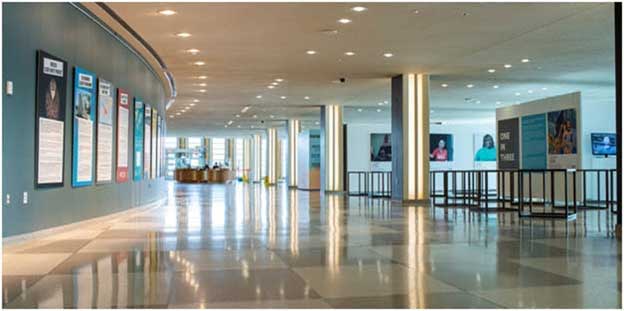
    mage: United Nations — The UN’s empty corridors when the world body went into a lockdown mode because of the COVID-19 pandemic beginning March 2020.

    War in Ukraine Triggers New International Non-Alignment Trend

    The rivalry between the United States and China – a growing trading partner and investor in numerous developing nations – fuels the distancing demonstrated by countries of the so-called Global South in the face of the conflict in Ukraine, a priority for the entire West.

    By Humberto Márquez

    Numerous countries of the developing South are distancing themselves from the contenders in the war in Ukraine, using the debate on the conflict to underscore their independence and pave the way for a kind of new de facto non-alignment with regard to the main axes of world power.

    Meetings and votes on the conflict at the United Nations and in other forums, the search for support or neutrality, and negotiations to cushion the impact of the economic crisis accentuated by the war are the spaces where the process of new alignment is taking place, according to analysts consulted by IPS.

    Once Russian forces began their invasion of Ukraine on 24 February, the United States “activated and consolidated the transatlantic alliance with Europe to confront Moscow, and has been seeking to draw in allies in Asia, but the situation there is more complicated,” said Argentine expert in negotiation and geopolitics, Andrés Serbin, speaking from Buenos Aires.

    “But if the confrontation escalates and spreads beyond Europe, it will be difficult to stay non-aligned. Our countries will then have to learn to navigate in troubled waters.” — Andrés Serbin

    Serbin, author of works such as “Eurasia and Latin America in a Multipolar World” and chair of the academic Regional Economic and Social Research Coordinator, believes that many Asian countries do not want any alignment that would compromise their relationship with that continent’s powerhouse, China.

    The rivalry between the United States and China – a growing trading partner and investor in numerous developing nations – fuels the distancing demonstrated by countries of the so-called Global South in the face of the conflict in Ukraine, a priority for the entire West.

    Countries better prepared to take position

    Doris Ramirez, professor of International Relations at the Javeriana University in Colombia, argues that “now countries are better prepared to take a position and vote in international forums according to their interests and not according to ideological alignments.

    “Emblematic cases are India, which is not going to break its excellent relations with Russia, its arms supplier for decades, or Saudi Arabia, now more interested in its relationship with China as the United States withdraws from the Middle East,” Ramirez observed from Bogota.

    The struggle between nations that were ideologically aligned – with the United States or the then Soviet Union – led in 1961 to the creation of the Non-Aligned Movement (NAM), which sought to stay equally distant from the dominant blocs while promoting decolonization and the economic interests of the South.

    Its promoters were prominent leaders of what was then called the Third World: Jawaharlal Nehru of India, Sukarno of Indonesia, Gamal Abdel Nasser of Egypt, Josip Broz “Tito” of Yugoslavia and Kwame Nkrumah of Ghana.

    Over the years, the Non-Aligned Movement grew to 120 members, many of which were clearly aligned with one of the blocs and, although it still exists formally, its presence and relevance declined not only with the disappearance of its leaders, but also when the socialist bloc ceased to exist as such after the fall of the Berlin Wall in 1989 and the collapse of the Soviet Union.

    UN, USA, Russia, China, Ukraine, non-alignment

    UN display board reflects new non-alignment

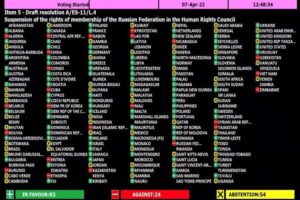
    The invasion of Ukraine was quickly addressed by the 193-member UN General Assembly, which on Mar. 2 debated and approved a resolution condemning the invasion by Russian forces and demanding an immediate withdrawal of the troops, reiterating the principle of respect for the sovereignty and territorial integrity of all countries.

    After 117 speeches, the vote – for, against, abstentions and absences – reflected on the display board at UN headquarters, became a first snapshot of the current “non-alignment” – the decision by many countries of the South not to subscribe to the positions of Moscow or its rivals in the West, led by the United States and the European Union.

    The resolution received 141 votes in favor, five against (Belarus, North Korea, Eritrea, Russia and Syria), 35 abstentions and 12 absences.

    “It is difficult for a country to support an invasion, it is not possible to find within the UN or international law a formula to justify it,” said former Venezuelan ambassador Oscar Hernández Bernalette, who has been a professor at the University of Cairo, in Egypt, and the Central University of Venezuela.

    Therefore, “in order not to remain in the orbit of Moscow or Brussels or Washington, abstaining from voting is a way to demonstrate neutrality,” said Hernández Bernalette.

    Of the 35 countries that abstained, 25 were from Africa, four from Latin America (Bolivia, Cuba, El Salvador and Nicaragua; Venezuela was unable to vote because of unpaid dues) and 14 from Asia, including countries with a strong global presence such as China, India, Pakistan and Iran, and former Soviet or socialist republics such as Laos, Mongolia and Vietnam.

    Votes on resolutions have chequered fates

    A second resolution was discussed and approved at the Assembly on 24 March, to demand that Russia, on humanitarian grounds in view of the loss of civilian lives and destruction of infrastructure, cease hostilities.

    The vote was practically the same, with 140 votes in favour, the same five against, and 38 abstentions, which this time also included Brunei, Guinea-Bissau and Uzbekistan.

    A third confrontation took place on 7 April, to decide on the suspension of Russia from the UN Human Rights Council, made up of 47 states chosen by the General Assembly, which meets several times a year in Geneva, Switzerland.

    Moscow’s critics then drummed up 93 votes in the Assembly, but there were 24 against and 58 abstentions – evidence of independence and criticism of the web of alliances and institutions that guide international relations.

    This time, countries that previously abstained, such as Russia’s neighbours in Central Asia, and Algeria, Bolivia, China, Cuba and Iran, voted against the proposal, and many of those who previously supported it, such as Barbados, Brazil, Kuwait, Mexico, Nigeria, Saudi Arabia, Senegal, Thailand and the United Arab Emirates, abstained.

    UN General Assembly

    Grouping together, but in a different way

    Bilateral and group forums and negotiations are being put on new tracks as the conflict in Ukraine drags on, with new proposals for understandings and alliances, and also new fears.

    The impact of the war on the energy markets – as well as on food and finance – was immediate and created room for new realignments. Thus, the United States, as it watched the price of fuel rise at its gas stations, went in search of more oil supplies, from the Middle East to Venezuela.

    Washington held two significant summits in recent weeks: one in Jakarta, with 10 members of the Association of Southeast Asian Nations (Asean) interested in sustaining their relationship with the US while maintaining the ties woven with China, and another in Los Angeles, California: the ninth Summit of the Americas.

    This triennial meeting served as an opportunity for governments in this hemisphere to demonstrate their independent stance and refrain from automatic alignment with Washington. In addition to the three countries not invited (Cuba, Nicaragua and Venezuela), the heads of state of seven other countries decided not to attend, to protest the exclusion of their neighbors.

    This snub marked the Summit, in which Washington was barely able to cobble together an agreement on migration, with other issues pushed to the backburner, while Latin American countries, still lacking a united front, continue to develop their relations with rivals such as Russia and China.

    Old relationships are now waning

    In the Caribbean, in Asia and especially in Africa, the old relationship between former colonial powers such as France and the United Kingdom – which are confronting Moscow as partners in the Atlantic alliance – and their former colonies is also waning.

    “The world no longer works that way,” said Hernandez Bernalette. “For many African or Asian countries, the relationship with new economic players such as China is much more important, in addition to the ties, including military ties, with Russia.”

    However, the loose pieces in the international scaffolding also give rise to fears and problems that seriously affect the developing South, such as the possibility of an escalation of the conflict between China and Taiwan, or the grain shortages resulting from the war in Ukraine and affecting poor importers in Africa and Asia.

    Serbin said that for the countries of the South, and in particular for those of Latin America, the conflict “offers opportunities, for the placement of energy or food exports for example, provided that the necessary agreements and balances with rival powers are maintained.”

    “But if the confrontation escalates and spreads beyond Europe, it will be difficult to stay non-aligned. Our countries will then have to learn to navigate in troubled waters,” he concluded.


    This piece has been sourced from Inter Press Service.

    Under Attack, Global Sexual Health ‘Can’t Rely On US’

    For almost 40 years, the controversial US ‘global gag rule’ has been used by Republican presidents to block federal funding to non-US organisations that provide abortion counselling, referrals, and related services, or those that advocate for greater legal rights to abortion.

    By Fiona Broom

    Religious campaigns and political interference could threaten hard-won reproductive health rights in the global South in the wake of the US Supreme Court decision on abortion, health advocates fear.

    Cross-border solidarity and coordination will be needed to face down the growing global threat to reproductive rights, health and policy experts have told SciDev.Net.

    Unsafe abortion is a leading cause of maternal death worldwide. Around ten per cent of abortion-related maternal deaths occur in Latin America and Sub-Saharan Africa, where abortion access is most restricted. Yet, evidence shows that legal restrictions do not reduce abortions – they occur most often where abortions are legally restricted.

    Health advocates fear the US Supreme Court decision to eliminate the federal standard that protected the right to abortion, enshrined in Roe v. Wade, will have a cooling effect on funding and political support for sexual and reproductive health services in the global South.

    But abortion should not be treated as a foreign funding policy issue, says Rasha Khoury, an assistant professor of obstetrics and gynaecology at Boston University. “[Abortion] is a medical provision and everyone should be entitled to it,” Khoury says.

    For almost 40 years, the controversial US ‘global gag rule’ has been used by Republican presidents to block federal funding to non-US organisations that provide abortion counselling, referrals, and related services, or those that advocate for greater legal rights to abortion.

    While President Joe Biden overturned the Trump administration’s gag rule in January 2021, there are constant efforts by members of Congress to permanently introduce the policy, according to Rebecca Dennis, associate director of US policy and advocacy at PAI (formerly Population Action International). Some opponents are working to have it permanently removed, she says.

    The expanded reach of the global gag rule under the Trump administration meant that public health services were broadly affected, resulting in some clinics closing down if they refused to be gagged, says Dennis. “This policy really had the effect of weakening many health systems around the world right before we went into a massive global health crisis,” says Dennis.

    Foreign expansion

    Abortion opponents are taking their message to the world – and focusing their sights on the global South. Marleen Temmerman, an obstetrics and gynaecology professor and former Belgian senator, says nationalistic and religious groups are mobilising, leading some European governments to reverse reproductive health rights.

    “The fight for legalisation or decriminalisation of abortion has been going on in many, many countries,” says Temmerman, a Partnership for Maternal, Newborn & Child Health board member and head of the Centre of Excellence in Women and Child Health at Aga Khan University, East Africa. “What we currently see here, at least in Kenya and African countries, is the evangelistic churches are getting more and more powerful.”

    Religious opponents from the US are emboldening European groups to take their fight to Africa, says Martin Onyango, associate director of legal strategies for Africa at the Center for Reproductive Rights. “Opposition groups that operate across the continent – and particularly Sub-Saharan Africa – are led by church groups, they are transnational, traversing the US to Europe, Europe to Africa,” Onyango says.

    “The same tactics you see being deployed in the US and Europe are the same tactics being deployed in Sub-Saharan Africa, they work with the same groups – largely the evangelical church groups. They have morphed from just being a religious focus group, [there are] also professional groups within those religious groups that then use tactics like litigation to further restrict access to reproductive healthcare.”

    South Africa’s Choice on Termination of Pregnancy Act states that counselling of pregnant women must be “non-directive”. When the government proposed amendments to the act in 2004, the US-based Catholic anti-abortion organisation Human Life International (HLI) campaigned to overturn this provision.

    HLI says it has branches in more than 100 countries, funds pregnancy care centres in 25 countries and carries out anti-abortion activities around the world, including increasing efforts to “keep Latin America pro-life”. The abortion advocacy group Equity Forward has reported that HLI has spent millions of dollars in developing countries to counter legal abortion campaigns, including in Rwanda, the Philippines, Mexico and El Salvador.

    In Sub-Saharan Africa, anti-contraception messages are now being pushed on to teenagers, Onyango says, to disrupt their access to information and services.

    Colonial hangover

    Onyango points out that abortion bans have a colonial legacy. In North Africa and the Middle East, abortion is heavily restricted in more than 55 per cent of countries, says Khoury, a board member of Médecins Sans Frontières USA who has carried out surgical assignments in Iraq, Lebanon and Afghanistan.

    “Those are laws that are based in penal code that often was instated by colonial entities,” says Khoury. “You can’t divorce the history of coloniality from the current restrictions on abortion and contraception access in these spaces. It is not an indigenous problem of trying to restrict women’s access to this very necessary health service, it’s really a vestige of coloniality.”

    The systemic vulnerabilities in global reproductive health services have been 100 years in the making, says Sarah Hawkes, director of the Centre for Gender and Global Health at University College London.

    Trump’s expansion of the reach of the global gag rule led to an estimated US$8-12 billion being withheld from health services around the world – up from $600 million under previous administrations, says Dennis. The UK, meanwhile, has slashed its support for family planning services via swingeing cuts to foreign aid.

    “This is a situation that we’ve got ourselves into because we have relied on an incredibly old model that was developed back in the 1920s, of how population control programmes … were financed,” Hawkes says. “What we haven’t done is shared the responsibility, particularly within the countries that people live, operate, work within.”

    Global solidarity

    Hawkes says it is time for states to take control of funding and to support reproductive rights in their communities. “The entire structure of who we are – as individuals, as families, as communities, as societies – is at stake,” says Hawkes, who is also co-director of the non-profit Global Health 50/50.

    Temmerman agrees: “We have to think how to organise ourselves better not to be dependent that much on the US. With the necessary efforts, we can have this debate at the level of the [Inter-Parliamentary Union], which we did for HIV. We could look to work toward parliament and having that structure revitalised for family planning and reproductive health.”

    Advocates say a coordinated global response and allyship between rights movements could protect hard-won abortion rights.

    Latin America and Caribbean campaigner Catalina de la Mar Calderón says that while there are political and social nuances between countries and regions, the US Supreme Court decision highlighted the need for more interaction between regional movements.

    “We are under threat… the Dobbs decision is the best example of things going backwards instead of moving forward,” says Calderón, a member of the Women’s Equality Centre, referring to the Supreme Court case known as Dobbs v. Jackson Women’s Health Organization. “We need to be holding together: regardless of latitude, country, or which community this is happening in, it will affect the whole world.

    “We’re here to share whatever we have learnt … but we also need to learn a lot from other countries. We’ve been conquering legal changes, but access – we’re far from it. And in countries where regulation is still needed, we’ve been fighting [in Latin America] for 20, 30 years, so we can also share what has and hasn’t worked, so you don’t have to go through that.”

    This piece has been sourced from SciDev.Net

    Image:  Global Panorama – CC BY-SA 2.0.  (This image has been cropped)