More

    Pollution Killed 23.5 Lakh Indians in 2019, Says Lancet Study

    Pollution is the world’s largest environmental risk factor for disease and premature deaths, according to the Lancet commission on pollution and health and is responsible for approximately one in six deaths worldwide per year.

    A new Lancet study says that pollution led to more than 2.3 million premature deaths in India in 2019. Of these, about 16 lakh deaths happened due to air pollution alone, and over five lakh deaths were caused by water pollution, the study says.

    This report, an outcome of the Lancet commission on pollution and health, has provided an updated estimate of how pollution has affected health. The data assessed by the Lancet study team shows that the situation has not improved. It says that “pollution remains a major global threat to health and prosperity, particularly in lower and middle income countries.”

    India led the list with with 2.36 million deaths.

    “Since 2000, the steady decline in the number of deaths from the ancient scourges of household air pollution, unsafe drinking water, and inadequate sanitation are offset by increasing deaths attributable to the more modern forms of pollution,” Lancet says. “These modern forms of pollution — eg, ambient air pollution, lead pollution, and chemical pollution—require major increases in mitigation and prevention.”

    The study blamed pollution for one in every six deaths globally – but importantly, blamed polluted air in India alone for a ninth of all global deaths.

    Steep costs

    The amount of pollution remains well above the World Health Organisation (WHO) guidelines in 93 per cent of the country.

    Lancet says that traditional pollution cost India 3.2 per cent of its GDP in the year 2000 and estimates that these losses have now come down to 1 per cent of the country’s GDP.

    And though much work has been undertaken to reduce pollution, the modern forms of pollution – mainly ambient pollution, chemical and lead pollution, have increased, the study says.

    “Reductions have occurred in the number of deaths attributable to the types of pollution associated with extreme poverty,” the report says, adding, “however, these reductions in deaths from household air pollution and water pollution are offset by increased deaths attributable to ambient air pollution and toxic chemical pollution (ie, lead).”

    “Deaths from these modern pollution risk factors, which are the unintended consequence of industrialisation and urbanisation, have risen by 7 per cent since 2015 and by over 66% since 2000.”

    “India has developed instruments and regulatory powers to mitigate pollution sources but there is no centralised system to drive pollution control efforts and achieve substantial improvements,” the study say.


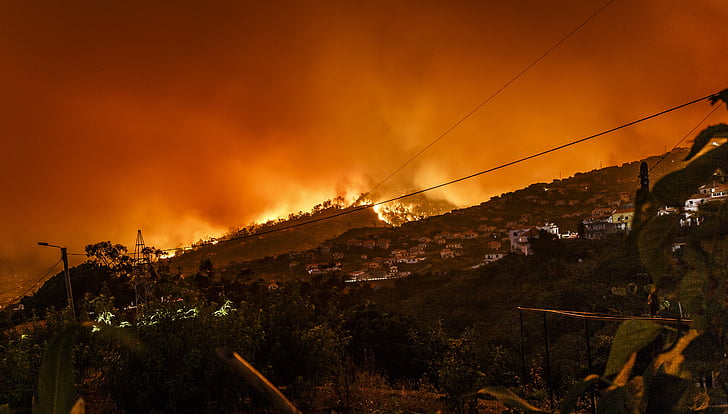
    Image: Hippopx, licensed to use under Creative Commons Zero –  CC0

    A Billion ‘Dryland-Like’ Hectares Under Threat, Says FAO Study 

    According to a report launched at United Nations Convention to Combat Desertification COP15, presumed drylands are under threat from unsustainable use, such as overgrazing or deforestation for conversion to agriculture. Exacerbated by climate change, this leads to land degradation and desertification, reduces productivity, and threatens the food security, livelihoods and well-being of presumed dryland populations.

    An additional one billion hectares of land – so called “presumed drylands” face similar challenges to the world’s drylands, according to a new report launched today by the Food and Agriculture Organization of the United Nations (FAO).

    The report, Valuing, restoring and managing presumed drylands: Cerrado, Miombo–Mopane woodlands and the Qinghai–Tibetan Plateau, makes the distinction between official drylands, which are defined by water scarcity and register an aridity index of less than 0.65, and ‘presumed drylands’, which are areas with dryland features and seasonal water shortages, but an aridity index of 0.65 or higher.

    The study confirms the existence of 1,075 million hectares of presumed drylands, in addition to the 6.1 billion hectares of official drylands that already cover 41 percent of the planet’s land surface and are home to 2 billion people.

    It also shows that presumed drylands contain 322 million hectares of forest, and that forests, other wooded land and trees are present in half of presumed dryland areas.

    Presumed drylands are present across all continents, but most are found in Africa, South America and Asia, the assessment reveals.

    “Presumed drylands are important because many of them are home to a large number of people who rely on the land for their livelihoods, as well as containing significant biodiversity and helping to adapt to and mitigate climate change impacts through tree cover,” said FAO Forestry Officer Fidaa F. Haddad.

    “However, presumed drylands are undervalued, poorly researched, and at risk of becoming real drylands in the near future unless they receive greater attention and investment,” Haddad added.

    Unsustainable use

    The report shows that presumed drylands are under threat from unsustainable use, such as overgrazing or deforestation for conversion to agriculture. Exacerbated by climate change, this leads to land degradation and desertification, reduces productivity, and threatens the food security, livelihoods and well-being of presumed dryland populations.

    The study examines the characteristics and challenges of the three largest presumed dryland zones – Brazil’s Cerrado ecoregion, China’s Qinghai–Tibetan Plateau, and Southern Africa’s transboundary Miombo–Mopane woodlands – and offers possible solutions to halt and reverse degradation.

    Recommendations include the adoption of agroforestry approaches, such as silvopastoral systems that combine livestock rearing with the provision of fruits, timber and carbon sequestration, and more sustainable pasture management approaches, such as grazing rotation schemes.

    Need to invest more

    The report presents potential investment scenarios, comparing a business-as-usual approach to land degradation neutrality, and highlights opportunities presented by major initiatives such as the UN Decade on Ecosystem Restoration, co-led by FAO and the United Nations Environment Programme (UNEP), to enhance and accelerate restoration efforts, and the Seoul Forest Declaration at the recent XV World Forestry Congress.

    An economic assessment also underlines the need to create an environment conducive to investing in sustainable activities in presumed drylands. Local and national policies will be key to the success of any initiative aimed at sustainably managing, protecting, and restoring the presumed drylands’ land resources, the report stresses.

    “We need to invest in more sustainable land and forest management approaches now rather than later, when a greater proportion of land will have been degraded,” said Haddad.

    “We need to take urgent and bold actions to meet the growing demand for food, feed, biofuel and fibre, while conserving biodiversity and reducing the burden on natural resources and ecosystems,” said FAO Deputy Director-General Maria Helena Semedo who is leading FAO’s delegation.

    “Addressing land degradation through the restoration of production ecosystems using a holistic, landscape and cross-sectoral approach is crucial for food security and resilient livelihoods and at the heart of agrifood system transformation.”


    From Child Laborer to Activist, Tara Banjara Asks World to Pledge to End the Scourge of Child Labour

    Tara Banjara, rescued from her life of a child labour at the age of eight years, questions whether children who are born poor are condemned to a life of work.

    By Lyse Comins

    Tara Banjara was four and a half years old when her parents put her to work on the roads, cleaning the garbage and rubble out of potholes to prepare for construction in Nemdi village, Rajasthan, India. She worked in the wind, cold, and rain with her mother, day in and day out, year in and year out. She would return home shattered, too exhausted to eat before falling asleep each night.

    “In my family, there was no food. We weren’t even able to get two meals a day, so my parents decided to take me to work because I was the oldest of my siblings. I worked with my mother cleaning dangerous roads every day. I was always worried about the cars coming. I was not happy and got used to feeling tired. I was not aware of whether child labour was right or wrong,” Banjara, 17, a child labour survivor advocate, told IPS during an interview on the sidelines of the International Labour Organization’s (ILO) 5th Global Conference on the Elimination of Child Labor in Durban, South Africa on Monday.

    Banjara was just one of the scores of children in her village, and millions entrapped in child labour working in mines, on farms, in factories, and homes, globally.

    According to the ILO and the United Nations Children’s Fund’s latest statistics, 160 million children, equating to one in ten of all children, are engaged in child labour worldwide. In recent years, child labour has grown, particularly in the 5 to 11-year-old age group.

    Employers criminally liable

    Banjara called on delegates during a high-level panel discussion on how to accelerate progress and achieve impact at scale to eradicate child labour, to stand up and take a pledge to end the practice globally in line with the UN Sustainable Development Goal 8.7.

    Tanzila Narbaeva, chair of the Uzbekistan Senate, outlined how her country had already eradicated child labour through the adoption of the ILO Conventions on child labour, Convention No.138 on Minimum Age and Convention No. 182 on the Worst Forms of Child Labour by 2020. She said Uzbekistan had a “strong political will” to fight the scourge and had enacted 32 legal and regulatory instruments and conventions against child labour. The government and ILO had undertaken diligent monitoring of farms and businesses.

    “We tightened criminal liability for the employment of child labour, and that has become one of the most effective measures. International cooperation plays a central role, and the ILO has been supporting Uzbekistan for more than ten years to implement measures and enforce social and labor relations in the country,” Narbaeva said.

    She said the mechanization of agricultural work and the raising of raw cotton prices ten-fold compared to 2014 had also played a role in eradicating child labour. Uzbekistan then signed a new Decent Work Country Program to promote decent work and labour protection with the ILO in 2021.

    “Trade unions were the initiating force, but later the government and civil society got involved in this work,” Narbaeva said.

    A serious global scandal

    Sharan Burrow, general secretary of the International Trade Union Confederation (ITUC), which worked with the government of Uzbekistan, lambasted the lack of progress in eradicating child labour globally.

    “It has to be one of the most serious global scandals that we have not eliminated child labour. Do we have labour that is regulated and secure where parents/adults can work with dignity so they don’t have to depend on the money their children can make? More than 60 percent of the world’s workers are working informally, and that includes all sectors, including our internet-mediated businesses, which mean there are no rights, no social protection, and no rule of law,” Burrow said.

    “When you can’t live on the informal work that you do, parents who are desperate to feed their family will allow opportunities for their children to work,” she added.

    She said living wages and universal social protection were needed to clean up the desperation of the informal labour market and help parents to make different choices.

    “This has to be supported by investment in quality public education that is accessible to all people. We know what the answers are, but the real question is whether there is political will like Uzbekistan has demonstrated, to eliminate child labour and to formalize informal work,” Burrow said.

    She said South Africa had shown that informal work could be formalized through legislation in its domestic labour sector. She said treaties and laws on human rights and modern slavery needed to be enforced, and legislation was required to hold governments and businesses accountable to stop the scourge.

    Condemned by poverty

    ILO director-general Guy Ryder said civil society and governments needed to come together to eradicate the practice.

    “We know education matters. We know social protection matters. We know formalization of the informal economy matters, and we know that creating decent work for adults matters. These are the four pillars we need to work on,” Ryder said.

    He said political will had to be translated into societal decision-making.

    “Society has to come together and say ‘child labour is intolerable. We have to get rid of it,” he said.

    For Banjara, getting rid of child labour has led to her eyes being opened to the reality of education and a career as a policewoman because she wants to impact the lives of other children.

    An activist from India’s Bal Ashram Trust rescued Banjara at the age of eight from her life of child labour.

    “My eyes were opened. I didn’t know that there was such a thing as education. But my parents didn’t want me to go to school. Even though the activists would go to them, they would say, ‘no, she will not come’. I convinced my parents. I gave up food. I went on a hunger strike and was sad all the time to make them aware,” Banjara said.

    Eventually, her parents relented, and Banjara went to school and completed grade 12 of high school before enrolling for a BA degree at university. She hopes to make a difference at grassroots when she qualifies as a policewoman.

    “Just because we are children born to poor families, who do not have the right to vote, it doesn’t mean that we should be condemned to a life of child labour.”


    This piece has been sourced from Inter Press Service

    No Climate Transition Without Securing Land Rights

    The ongoing session of the Conference of Parties (COP15) to the United Nations Convention to Combat Desertification (UNCCD) dwells upon the theme, ‘Land, Life. Legacy: From scarcity to prosperity.’

    By Alexander Müller and Jes Weigelt

    The landmark land tenure decision by parties to the UN Convention to Combat Desertification (UNCCD) in 2019 offers a blueprint for upcoming climate negotiations in Sharm El Sheikh in November.

    The ongoing UNCCD COP15 conference in Abidjan (May 9-20) is taking necessary next steps to guide countries on how to embed land rights within national implementation processes.

    As the first of the three Rio Conventions (addressing climate, biodiversity and desertification respectively) to explicitly refer to land tenure as a critical enabler for the transition to more sustainable pathways, this meeting could advance the landmark land tenure decision by proposing guidelines to safeguard legitimate land rights, argues Berlin-based think tank TMG Research.

    According to the UNCCD’s recently published Global Land Outlook, roughly $44 trillion of economic output (more than half of global GDP) is moderately or highly reliant on natural capital.

    Yet this natural resource base is under intense pressure from changing land use patterns and the accelerated impacts of climate change. This already has huge consequences for the poorest and most vulnerable communities, who depend on natural resources for their survival, and even more people will be affected as natural capital dwindles.

    Current land restoration efforts, such as the global goal of restoring 1 billion hectares of degraded land or achieving ‘land degradation neutrality’ by 2030, are seen as offering new opportunities to tackle the impacts of climate change while addressing food security needs, creating livelihood opportunities, especially in rural areas, and countering growing land-based conflicts and migration.

    Good governance for carbon neutrality

    But such initiatives need to account for all existing legitimate tenure rights for Indigenous Peoples, smallholder farmers and pastoralists, women and youth, and other vulnerable groups.

    Otherwise, restoration efforts and especially large-scale investments will lead to new conflicts, violating the rights of people and risking the success of the planned measure.

    The UNCCD is the first of the three ‘Rio Conventions’ to explicitly recognize the importance of safeguarding all forms of legitimate land tenure – especially for women, youth, Indigenous communities, and smallholder farmers and pastoralists – as a prerequisite for the sustainable management of land and other natural resources.

    But with land governance enacted at the national and sub-national levels, how can this progressive decision at the global level translate into a governance environment that promotes good land stewardship by strengthening the land rights of vulnerable groups at the local level?

    As noted by the Global Land Outlook, “land is the operative link between biodiversity loss and climate change,” but to deliver on global aspirations, restoration must take place “in the right places and at the right scales.”

    We therefore welcome the decision to devote a ministerial roundtable at COP15 to the theme of “Rights, Rewards and Responsibilities – the future of land stewardship” and invite TMG to deliver the keynote address.

    The relationship between a decision on principles of good governance at global level and action on the ground must acknowledge that “all land stewardship is local.” This means that “localizing” the global land tenure decision requires analyzing the concrete situation on the ground, respecting people’s rights and strengthening the ability of local communities to protect their rights and become actively involved in restoration processes.

    This approach is particularly critical for the implementation of global efforts to achieve carbon neutrality and afforestation for carbon offsetting purposes.

    Changing mindsets towards land tenure

    Our work with national partners in four African countries points to how the link between legitimate tenure rights and restoration can be made. National governments must incorporate land rights as a starting point in developing restoration agendas, including their UNCCD targets to achieve land degradation neutrality.

    We welcome the strong statements made by many countries at the session and the commitment of multilateral agencies to support countries in more explicitly linking land governance and policies to reverse land degradation, desertification and drought. At its heart, this calls for “changing mindsets towards land tenure,” as FAO’s Maria Helena Semedo noted.

    The Voluntary Guidelines on the Responsible Governance of Tenure of Land, Fisheries and Forests (VGGT) were designed to do exactly this. Adopted exactly 10 years ago by the Committee on World Food Security (CFS), the VGGT are “true connectors” of work across the three Rio Conventions, in the words of CFS Vice Chair Gabriel Ferrero de Loma-Osorio.

    The UNCCD/FAO Technical Guide on implementing the land tenure decision in the context of the VGGT, which TMG helped develop, explains how to reinforce actions at the sub-national and local levels by building on efforts by communities and civil society organizations.

    Our ongoing partnership with four African governments shows how responsible land governance can be meaningfully realized from the ground up.


    Alexander Müller is Founder and Managing Director, TMG Think Tank for Sustainability.
    Jes Weigelt is Head of Programmes, TMG Think Tank for Sustainability.


    This piece has been sourced from Inter Press Service
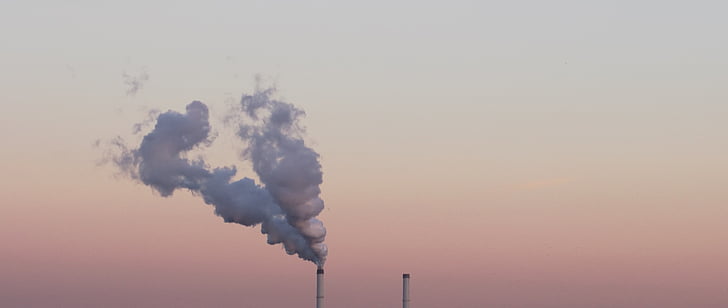
     

    Image: Hippopx Image Licensed to use under Creative Commons Zero – CC0


    Nearly A Billion People Lack Access to Disability Aids

    A Majority of people who would benefit from assistive technology lack potentially life-changing access to devices such as glasses, hearing aids, wheelchairs. 3.5 billion people will need assistive technology by 2050.

    By Neena Bhandari

    Almost one billion children and adults with disabilities, and older people, are unable to access the assistive technology they need, according to a UN report, which calls for more investment in these life-changing products.

    Access to assistive technologies such as glasses, hearing aids, mobility or communication devices is as low as three per cent in some low-and middle-income countries, according to the report by the World Health Organization (WHO) and United Nations Children’s Fund (UNICEF), launched on 16 May.

    It says more than 3.5 billion people will need one or more assistive products by 2050 due to population ageing and the increase in incidence of non-communicable diseases. At present, the figure is 2.5 billion.

    The report, which is the first ever global snapshot of the need for and access to assistive technology, calls on governments, industry and civil society to fund and prioritise access to these products.

    Almah Kuambu, technical advisor to the National Orthotic and Prosthetic Services (NOPS) in Papua New Guinea’s (PNG) Department of Health, knows the difference access to assistive technology can make to a child’s development, education, participation in sports and community, and future employment prospects.

    “I had lost my lower limb in an accident at the age of 11. It was devastating for me and my family,” Kuambu told SciDev.Net. “It took nearly a year before I could be fitted with a prosthetic limb. I remember feeling over the moon to be able to stand on both legs again. It changed my life and inspired me to work in this space and help de-stigmatise disability in our communities.”

    High costs

    There are globally 240 million children living with one or more disabilities, according to UNICEF. “One of the biggest barriers for children with disabilities is stigma among peers and the non-inclusive school settings that prevent them from accessing or using assistive technology,” Rosangela Berman-Bieler, UNICEF’s lead on disability, told a virtual media briefing on Friday.

    “Children who are unable to access technology are even less likely to access health care and other social services, further exacerbating their disabilities and excluding them from participating in everyday life. Their families are often also affected due to reduced income as a result of increased caretaking requirements,” she added.

    In developing countries, people have to travel long distances to access assistive technology and the cost is often prohibitive, which can be a major barrier to access. Around two-thirds of people with assistive products reported making out-of-pocket payments for them. Others reported relying on family and friends to support their needs financially, the report notes.

    When Anna Kwemeling, 39, lost her leg seven years ago in a car accident in Kimbe, PNG’s West New Britain province, she had to quit her bank job. “I had two young children. There were no assistive technology services available nearby. It took a while before we could save enough resources to pay for travel and accommodation to access the service in Port Moresby. With the prosthetic leg, I feel normal again and I am hoping to re-enter the workforce,” Kwemeling told SciDev.Net.

    Frugal innovations

    The report calls on governments to include assistive technology as part of universal health care coverage packages and employ a people-centred, rights-based approach, actively engaging users in all aspects of assistive technology.

    “Denying people access to these life-changing tools is not only an infringement of human rights, it’s economically short-sighted,” said WHO director-general Tedros Adhanom Ghebreyesus. “We call on all countries to fund and prioritise access to assistive technology and give everyone a chance to live up to their potential.”

    “This report gives us an understanding and some evidence that to get the most efficient and effective outcome, it’s about more than just the assistive product. As an occupational therapist, I see the power of the right assistive product that enables people to do the occupations of their daily life,” said Natasha Layton, senior research fellow at Monash University in Melbourne and a board member of the Australian Rehabilitation and Assistive Technology Association.

    “The new data on the rapid Assistive Technology Assessment (rATA) tool in the report, for the first time, will tell us about unmet needs and where the most impact can be had, particularly in developing countries. I am hoping that it will change access to assistive technology from a small charitable provision to a systematic scaling and improving of in-country provision that is fit-for-purpose,” Layton told SciDev.Net.

    “There are many learnings from frugal innovation that are culturally and environmentally appropriate and worked very well in low-and-middle income countries,” added Layton, who is also a contributing author to the report.


    This piece has been sourced from SciDev.Net

    Image: Pixahive image by Kaarma.

    Successive Heatwaves in India, Pakistan Highlight Role Of Early Warnings

    It is premature to attribute the extreme heat in India and Pakistan solely to climate change. However, it is consistent with the expectation in a changing climate. Heatwaves are more frequent and more intense and starting earlier than in the past, the World Meteorological Organisation says.

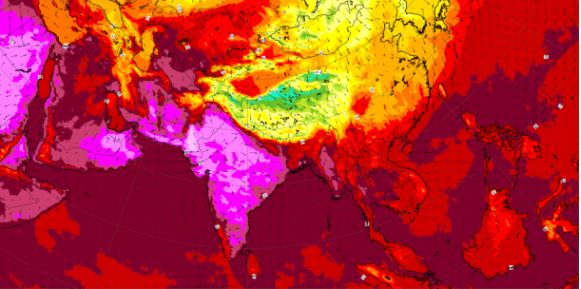
    The heat in India and Pakistan has been prolonged and widespread. Extreme heat has once again gripped large parts of India and Pakistan, impacting hundreds of millions of people in one of the most densely populated parts of the world. Accidental summer fires have been headline news in the two neighbouring countries, as towns and villages turn into tinder boxes awaiting kindling temperature points.

    On 15 May, the India Meteorological Department said that numerous observing stations reported temperatures of between 45°C (113°F) and 50°C (122 °F). This followed a heatwave at the end of April and early May, at which temperatures reached 43-46 °C.

    On the same day, Jacobabad district in Pakistan’s Sindh province recorded a high of 51 °C. The highest temperature during last year’s summer was 52 °C.

    Elsewhere in Pakistan, temperatures neared 50°C. The Pakistan Meteorological Department said that daytime temperatures are likely to be between 5°C and 8°C above normal in large swathes of the country. It said the hot dry weather posed a risk to water supplies, agriculture and human and animal health.

    It warned that in the mountainous regions of Gilgit-Baltistan and Khyber Pakhtunkwa, the unusual heat would enhance the melting of snow and ice and might trigger glacial lake outburst floods or flash floods in vulnerable areas, as well as river levels.

    In Jacobabad, the temperatures are predicted to cross the 52 °C mark during the week.

    Will get more intense

    “Heatwaves have multiple and cascading impacts not just on human health, but also on ecosystems, agriculture, water and energy supplies and key sectors of the economy,” says the World Meteorological Organization (WMO) Secretary-General Prof. Petteri Taalas.

    “It is premature to attribute the extreme heat in India and Pakistan solely to climate change. However, it is consistent with what we expect in a changing climate. Heatwaves are more frequent and more intense and starting earlier than in the past,” he said.

    The Intergovernmental Panel on Climate Change, in its Sixth Assessment Report, said that heatwaves and humid heat stress will be more intense and frequent in South Asia this century.

    India’s Ministry of Earth Sciences recently issued an open-access publication about climate change in India. It devoted a whole chapter to temperature change.

    The data in there is worrisome. According to the chapter on temperature, the frequency of warm extremes over India has increased during 1951–2015, with accelerated warming trends during the recent 30-year period between 1986 and 2015. Significant warming is observed for the warmest day, warmest night and coldest night since 1986.

    The publication also says that the pre-monsoon season heatwave frequency, duration, intensity and areal coverage over India are projected to substantially increase during the twenty-first century.

    The heatwave was triggered by a high pressure system and follows an extended period of above average temperatures.

    In the pre-monsoon period, both India and Pakistan regularly experience excessively high temperatures, especially in May. Heatwaves do occur in April but are less common. It is too soon to know whether new national temperature records will be set.

    Turbat, in Pakistan, recorded the world’s fourth highest temperature of 53.7°C on 28 May 2017.

    Heat Health Action Plans

    Both India and Pakistan have successful heat-health early warning systems and action plans, including those specially tailored for urban areas. Heat Action Plans reduce heat mortality and lessen the social impacts of extreme heat, including lost work productivity, the WMO says. Important lessons have been learned from the past and these are now being shared among all partners of the WMO co-sponsored Global Heat Health Information Network to enhance capacity in the hard hit region

    The South Asia Heat Health Information Network, SAHHIN, supported by GHHIN, is working to share lessons and raise capacity across the south Asia region.

    India has established a national framework for heat action plans through the National Disaster Management Authority which coordinates a network of state disaster response agencies and city leaders to prepare for soaring temperatures and ensure that everyone is aware of heatwave Do’s and Don’t’s.

    The city of Ahmedabad in India was the first South Asian city to develop and implement a city-wide heat health adaptation in 2013 after experiencing a devastating heatwave in 2010. This successful approach has been expanded to 23 heatwave-prone states and serves to protect more than 130 cities and districts.

    Pakistan has also made strides towards protecting public health. In the summer of 2015, a heatwave engulfed much of central and north-west India and eastern Pakistan and was directly or indirectly responsible for several thousand deaths. That acted as a wake-up call and led to the development and implementation of the Heat Action Plan in Karachi and other parts of Pakistan.

    Heat Action Plans bring a range of authorities and actors together to better understand and more effectively predict, prepare, and respond to extreme heat risks. Heat Health Warning Systems are an integral part of these and are provided by National Meteorological Services.

    Nanotech Tool May Help Detect Diseases Using A Smartphone

    A nanotech imaging device, tiny enough to fit on a smartphone camera lens, has the potential to make the diagnosis of certain diseases accessible and affordable for people. The device offers an alternative to conventional microscopes and tissue-staining and the new tool could make at-home disease detection plausible.

    By Neena Bhandari

    A nanotech imaging device, tiny enough to fit on a smartphone camera lens, has the potential to make the diagnosis of certain diseases accessible and affordable for people in rural and remote regions, say Australian scientists who developed it.

    The COVID-19 pandemic has brought diagnostics into sharp focus and the World Health Organization has called on countries to prioritise investments in quality diagnostics as the first step in control, treatment and prevention of disease.

    The scientists from the University of Melbourne and the Australian Research Council Centre of Excellence for Transformative Meta-Optical Systems (TMOS) published details of the device in the journal ACS Photonics.

    Currently, the detection of diseases relies mainly on optical microscopes to investigate changes in biological cells. “It usually involves staining the cells with chemicals in a laboratory environment and utilising high-end microscopes, which are bulky and expensive,” says Lukas Wesemann, the study’s lead author and research fellow at the University of Melbourne and TMOS.

    Can even visualise cells

    The researchers have miniaturised phase-imaging technology with the use of metasurfaces that can manipulate the light passing through them to make invisible aspects of objects, like live biological cells, visible. Phase-imaging relies on contrasting levels of transparency among tissues or cells under study.

    “Our flat optical device that is only a few hundred nanometres thick can perform the same kind of microscopy technique that is used a lot in the investigation of biological cells. It can be integrated on top of a camera lens to help detect changes in biological cells that are indicative of diseases,” Wesemann explains.

    Diseases, such as malaria, leishmaniasis, trypanosomiasis and babesiosis, that can be detected through optical microscopy, are potential candidates for detection with this device in the future.

    “The benefit of being able to visualise cells with this kind of device is the fact that they can be alive and they don’t need to be processed in any way before they can be visualised. It’s real time and requires no computational processing. The device does all the work,” says Ann Roberts, co-author of the study, TMOS chief investigator and professor at the University of Melbourne.

    Apart from allowing remote medical diagnostics, this new tool could make at-home disease detection feasible. Patients could obtain their own specimens through saliva or a drop of blood and transmit the image to a laboratory anywhere in the world for assessment and rapid diagnosis.

    “Early diagnosis could make timely treatment possible and can lead to better health outcomes. Making medical diagnostic devices smaller, cheaper and more portable will help disadvantaged regions gain access to healthcare that is currently only available to first world countries,” Roberts adds.

    Integrate into mobile device

    The fabrication cost of the current device prototype is approximately US$700 because it is made with the tools that are also used in the manufacturing of electronic computer chips. The researchers say that they are looking for industrial collaboration to commercialise the device.

    “We’re confident that in the near future we can produce fabrication methods that are more suitable for mass fabrication and bring the device cost down to potentially a few cents,” Wesemann tells SciDev.Net.

    “It is a very fundamental technique that any engineer could pick up and integrate into any mobile medical imaging device, it doesn’t even have to be a smartphone.”

    Michael Abramoff, ophthalmologist, computer engineer and founder and executive chairman of US-based Digital Diagnostics company, tells SciDev.Net: “This is a new imaging modality, and the feasibility of such optical phase imaging using incident light is promising, as there are many almost transparent tissues that are hard to image without contrast or radiation.

    “We look forward to the application of this modality to biological tissue, and especially the retina, as it is there where neural and vascular tissue can be imaged simultaneously.”


    This piece has been sourced from SciDev.Net


    Image: StockSnap from Pixabay. 

    People’s Participation Can Prevent Forest Fires of Uttarakhand

    Creation of more van panchayats and more autonomy to these bodies would strengthen the involvement of local communities in preventing forest fires.

    By Prem Bahukhandi

    Forest fires have become regular events in Uttarakhand. The state is losing thousands of hectares of forest wealth every summer. The loss of trees and shrubs can be measured, but it is difficult to estimate the damage in terms of losses of birds’ nests, eggs, hatchlings; reptiles; and small animals burnt in fire. The truth is that no effort has been made to assess the loss of flora and fauna. When forest fires break out, the government, society, and environmentalists spring into action, but they go missing once the fire gets extinguished by rains and the greenery returns.

    The State of Forests Report -2019 (ISFR 2019) has estimated that that recurrent forest fires occur in more than 36 per cent of the country’s forest areas. According to the report, about 4 per cent of the forest cover is prone to fire, while 6 per cent is prone to extreme fire. Apart from this, 54.40 per cent of the forests have been exposed to occasional fires, 7.49 per cent to moderately frequent fires, and 2.40 per cent to high incidence level of fires. It is a matter of relief that 35.71 per cent of India’s forests have not yet been exposed to fires of any real significance.

    According to the ministry of environment, forest and climate change report, the government has used state-of-the-art instruments such as moderate resolution imaging spectro-radiometer sensor and detected 52,785 forests fires between November 2020 and June 2021. Similarly, with the Suomi National Polar-orbiting Partnership – Visible Infrared Imaging Radiometer Suite, the country has detected 3,45,989 incidents of fire in the same period.

    Read: Green Hydrogen: Need To Plan Ahead For An Energy Secure SouthAsia

    Experiments in failure

    Uttarakhand was formed on November 9, 2000. According to a report of the forest department, the state has been losing forest wealth to fires at the rate of 24 square kilometres per annum in the last two decades. This is despite the fact that the state government has a considerable number of highly qualified and trained officials in the forest department. Moreover, the world-class Forest Research Institute is situated in Dehradun, the capital of the state. As a premier forest research organisation, the FRI must be working on the causes of forest fires and preventive measures.

    The Uttarakhand forest department has done several experiments in the last two decades and spent millions of rupees on technology and training. All these efforts seem to have failed as the department remains clueless when incidents of fire occur. The situation has come to such a pass that the forest department employees are offering prayers at the Dhari Devi temple to extinguish fires. No one has any objection to worship. But it would have been better if efforts were made to find out the causes. It is a matter of high-end research why the community which has a history of safeguarding and nurturing forests is not involved in extinguishing forest fires.

    Uttarakhand forest fires van panchayats power to people

    Ominous data on forest fires

    As per the state government data, there were 1902 incidents of forest fire reported this year till May 5, affecting more than 3052 hectares. Reserve forest areas that have barred people’s entry have experienced maximum number of incidents that affected more than 2213 hectares of forest land. The forest under the van panchayats (a unique community-based forest management system) and civil and soyam forests recorded a loss of 839 hectares in forest fires in the same period.

    These are official figures and there is no reason to disbelieve them. However, there are questions about the methodology employed to collect and analyse this information. The urgency and the promptness shown by the authorities in declaring the numbers also raise suspicion. It seems that the forest department lacks an effective mechanism to get real-time information about forest fires and any preventative means to extinguish it. So then, how is it possible to collect this data on a daily basis?

    At least 71.5 per cent of Uttarakhand’s geographical area is forest land (38,000 sq km), although the forest cover is only 24,303.04 sq km which is 45.44 per cent of the total area. The total geographical area of Uttarakhand is 53,484 sq. km, and the total forest area is 38,000 sq km, out of which 26,547 sq km is reserve forest, 9,885 sq km is protected forest, and 1,568 sq km is unclassified forest. There is no information available on the forest department website about the number of van panchayats (community forest management system) and the areas under them. However, the India State of Forest Report-2019 of the ministry of forests and environment says 12,167 van panchayats manage an area of 7326.88 square kilometers.

    According to Census 2011 data, there are 16,793 villages in the state. Around 734 villages have become ghost villages (totally deserted) while the population of 565 villages has halved in a decade. The main reason for migration from the region is lack of employment opportunities and essential facilities like education and health. Apart from this, the wildlife attacks are also cited as a reason for migration.

    If this data is analysed scientifically using different social science models, the cause of forest fires and the solution can be found. No one can deny that most forest fire incidents are man-made and caused by human errors. There are incidents where humans intentionally ignited the fire. One of the reasons for deliberately setting fires is to eliminate bushes and useless trees around their homes or paths because wild animals often hide in these bushes. Another reason is greed for green grass. Some people believe that the forest department also sets fire to hide its misdeeds and eliminate evidence of corruption.

    Whatever be the reasons for the fire, the biggest question is when the fire breaks out, why don’t the villagers go to extinguish it? The authorities should deliberate on these questions: The question should be raised on the capability and professionalism of the forest research department. Has the department done any research on the causes of fires or the reasons driving the villagers away from the forests? Has the forest department taken any initiative to ensure the participation of local people in forest management? Has the forest department tried to research the history of forest fires?

    Van panchayats

    The known history of deliberate fires is just 100-years old. It should be understood that the people of Kumaon, tormented by forest laws and the Kuli Begar system (forced labor), started setting fire to forests and forest depots in the first decade of the 20th century. Locals clashed with the police in many places of Kumaon. The British government sent the Kumaon Forest Graves Committee in 1921 to comprehend why the people set fire to the forests. After all, why a forest-dependent community, which has nurtured the forests for centuries, is setting fire to forests? The British tried to get to the root of the problem.

    The Forest Act of 1927 attempted to reduce these causes to some extent. One of the reasons cited in the Kumaon Forest Graves Committee report was that the local people were constantly finding it difficult to carry on with their daily lives due to the excessively stringent restrictions of the British government on forests, especially in the protected forests. An easy way to end the protests was to legally recognise the rights of the people over the forests so that the people would get grass, wood, herbs, fruits and vegetables from the forests for their daily needs.

    The British government envisioned a law in which the villagers themselves would manage and use the forests, which led to the formation of van panchayats. The most significant feature of the Van Panchayat Act 1931 was that it advocated the management of rural or community forests through van panchayats comprising elected representatives. The forest department was kept out of the van panchayat system even though it was meant for forest management. The van panchayats have their own funds and the legal right to punish any offender.

    The van panchayats had generally done an excellent job, except in a few exceptions. But when Uttarakhand became a separate state, some people hatched a conspiracy to discredit van panchayats. In the 21st century, there is talk of increasing the role of local communities in the management of forests and other natural resources. But the Uttarakhand government is doing precious little on this front.

    If the Uttarakhand government wants to find a permanent solution to forest fires, then it should increase community participation in forest management. Making van panchayats more autonomous and creating such bodies should be the initial steps. Such efforts would strengthen the local community’s relationship with the forest. A policy should be made to allow the community use minor forest produce for employment generation. If the local people stay in forest areas, they will protect them against all kinds of destruction. As forest management practices and experiments have failed to prevent forest fires, the government should employ old and time-tested methods as the last resort.


    Prem Bahukhandi is an environmental researcher based in Dehradun and co-convener of Forest Rights Movement.


    This piece has been sourced from Policy Circle — www.policiycircle.org


    Image: Hippopx image, licensed us use under Creative Commons Zero — CC0 

    US Study Tells How Summer Holidays Impact Children’s Growth

    Children grow faster during the school year than during the summer period, show scientists. In contrast to the strong seasonality of vertical growth, there is little seasonality in increase in body weight over time. Slower vertical growth affects the BMI and contributes to the “obesogenicity” of the summer period.

    By Mischa Dijkstra

    It has been long recognized that in Western countries, children are more likely to become overweight or obese over the summer. Causes of this include changes in kids’ physical activity and diet over the summer period, including the summer holidays. But in a new study in Frontiers in Physiology, scientists from the US show that this ‘obesogenicity’ of summers has another unexpected cause: children grow faster over the school year than over the summer. And because Body Mass Index (BMI) is the ratio of body weight in kg and height in meters squared, faster vertical growth during the school leads to increased BMI during summers.

    “Here we show seasonality in standardized body mass index (BMIz), with children gaining height at a greater rate during the school year compared to the summer,” said Dr Jennette P Moreno, an assistant professor at the USDA/ARS Children’s Nutrition Research Center, Baylor College of Medicine in Houston, Texas, and the study’s first author.

    BMIz is individual BMI scaled to the population-specific average BMI, so that a BMIz of one is equal to a BMI one standard deviation above average. Typically, a BMIz of 1.04 is considered overweight, and a BMIz of 1.64 obese.

    Weight gain less seasonal

    “The children’s rate of weight gain was more consistent than their rate of gain in height across the year, except among children who started to transition to an unhealthy weight status in the summer after completion of the second grade,” said Moreno.

    Moreno et al. statistically reanalyzed the results from their 2013 study, where they followed 3588 children who entered kindergarten in September 2005, at any of 41 schools in the Fort Bend Independent School District around the city of Sugar Land in Texas. They followed these children, who were five to six years old at the start, until the fall after completion of the fourth grade of primary school, five years later. Nurses measured each child’s height and weight twice a year, in mid-September and mid-April. The present reanalysis is more powerful than in 2013.

    The authors divided the children into five ‘BMI trajectory groups’, based on their pattern of change in BMIz over the study. Here, 22.6 per cent of children scored as ‘chronically overweight or obese’, 8.2% ‘becoming healthy weight’, 8.5 per cent as ‘late-onset overweight or obese’, 8.2 per cent as ‘early-onset overweight or obese’, and 52.5 per cent as ‘persistently healthy weight’. Early-onset was defined as transitioning toward an above-average BMIz beginning the summer after kindergarten, and late-onset as beginning this transition the summer after 2nd grade.

    Besides BMI trajectory group and season (fall or spring), the authors used the school, the child’s age in months, gender, race or ethnicity, and relative body weight or height compared to peers as explanatory variables to model seasonal changes in height, weight, and BMIz, as well as their modifying statistical interactions.

    Vertical growth was seasonal

    Children’s height increased faster over the school year than over the summer by an average rate difference of .055 cm/month. As a result, graphs for vertical growth across time – corrected for other variables – show a jagged pattern, with peaks in spring and valleys in the fall. This deficit in vertical growth over summer was greatest for ‘chronically overweight or obese’ children, with a total of approximately  -0.1 cm/month less growth over summer than over the school year.

    The rate of weight gain did not differ between seasons. But the latter combined patterns of height and weight meant that BMIz was highest in summer, while the probability of becoming overweight or obese increased sharply over every summer.

    “Despite the pattern of height gain showing greater increase in height during the school year, children’s height gain influenced BMIz more strongly during the summer holiday year than during the school year, with weight gain showing a constant increase during the school year,” said co-author Dr Debbe Thompson, a USDA/ARS research nutritionist and professor at the USDA/ARS Children’s Nutrition Research Center at Baylor College of Medicine.

    “This differential seasonal impact of height and weight on BMIz lead to a healthier BMIz status during the school year.”

    Changes in light-dark cycle

    What causes the strong seasonality of vertical growth is not yet clear. “It’s possible that the demands of the school year alter children’s exposure to the daily light-dark cycle, which may cause the seasonal pattern in height. Additional studies on children who receive year-round schooling might help to answer this question,” said final author Dr Craig A Johnston, an associate professor at the Department of Health and Human Performance of the University of Houston.

    “What is clear is that children at the greatest risk of becoming overweight and obese have a less pronounced seasonal impact of height gain on BMIz, indicating they would benefit from obesity prevention efforts throughout the year,” concluded Johnston.


    From Frontier Science News


    Image:  Unsplash/CC0 Public Domain

    Delhi’s Heatwave: A Warning For Worse Summers To Come?

    India could experience further unprecedented and prolonged heatwaves, extreme weathers, increased hospitalizations even leading up to fatalities and irreparable damage to agriculture and wildlife risking our food and nutritional security.

    Delhi’s maximum temperature could be 4oC higher than average between 2080 and 2099 in the scenario of CO2 emissions doubling by 2050, according to an assessment by Greenpeace India.

    In the same period, Delhi’s average temperature will be 5 degrees warmer than now with the maximum temperature reaching 48.19o C, the environmental group has said.

    The national capital’s recent heatwave recorded 43oC on 29th April, 2022 – well above its average maximum temperature for the month of April. Analysis of the historical daily temperature for April from 1970-2020 suggests that only four years have recorded a value higher than 43oC.

    Greenpeace says that such drastic and rapid increases in temperature will mean India will experience more unprecedented and prolonged heatwaves, extreme weathers, increased hospitalizations even leading up to fatalities and irreparable damage to agriculture and wildlife risking our food and nutritional security.

    “The heatwaves are fatal for public health and the economy. It also puts ecosystems at risk. We have enough science to link such extreme weather events to climate change. Unfortunately, if we do not act now, the threat is only going to increase in frequency, duration and magnitude.” says Avinash Chanchal, Campaign Manager, Greenpeace India.

    Greenpeace says that the hottest days for India have increased from 40 days in a year in the 1950s to 100 days in a year in the 2020s. This sharp increase and a heat index of over 35°C has significant health impacts that the population is already experiencing. But a matter of greater concern is the fact that multiple climate models have projected that the scenario will worsen significantly.

    “There will be more heatwaves, more wildfires and it will be too late,” the organisation says.

    Vulnerable communities

    In such a situation the temperature will increase by 4°C on average by the end of the century; which means unprecedented and prolonged heatwaves, more frequent extreme weather events, increased hospitalizations even leading up to fatalities and irreparable impacts on agriculture and wildlife risking our food and nutritional security.

    Inland cities are at a significantly higher risk of heatwaves in the absence of regulation by the oceans and a higher temperature range than coastal areas. The impaling temperature rise is expected to severely impact citizens particularly in cities like Delhi, Lucknow, Patna, Jaipur and Kolkata that share similar temperature patterns. According to the assessments in the same scenario, in the 2080 to 2099 period, Mumbai and Pune will be 5oC warmer than now on average with the maximum temperature 4.2oC hotter and Chennai will be 4oC warmer than now on average with the maximum temperature 3.7oC higher.

    Unfortunately, as always, it will be the vulnerable communities that will face the crisis at its worst form, the organisation says. “The most vulnerable populations, including the urban poor, outdoor workers, women, children, senior citizens and sexual minorities are at a significantly greater risk, as they lack adequate access to protective measures,” the organisation says.

    It has called on governments to fortify the resilience of such vulnerable populations by immediately providing aid in a just and equitable manner. Besides, Greenpeace says, state and city authorities must strengthen the public health system, and coordinate with meteorological agencies to relay timely warnings and advisories to citizens.

    “As long term measures, urban planning must provide for and maintain adequate green cover which includes rooftop gardening, community nutritional gardens, parks, mini forests, road-side tree cover and water bodies. Reducing the CO2 emissions, such as shifting to renewables and phasing out internal combustion engines, contribute to reducing the rate of warming in the long run. Phasing out fossil fuels, particularly for energy and transportation systems, is the most practical and immediate solution to tackling climate change and protecting public health.” Chanchal added.


    Image: Hippopx, licenses to use under Creative Commons Zero – CC0