More

    UN Teeters on Brink of Financial Ruin as Member States Withhold Vital Funds: Guterres

    As Guterres’ letter concludes, the “bottom line is clear”: without swift intervention, the organisation faces imminent collapse, potentially unravelling decades of multilateral progress.

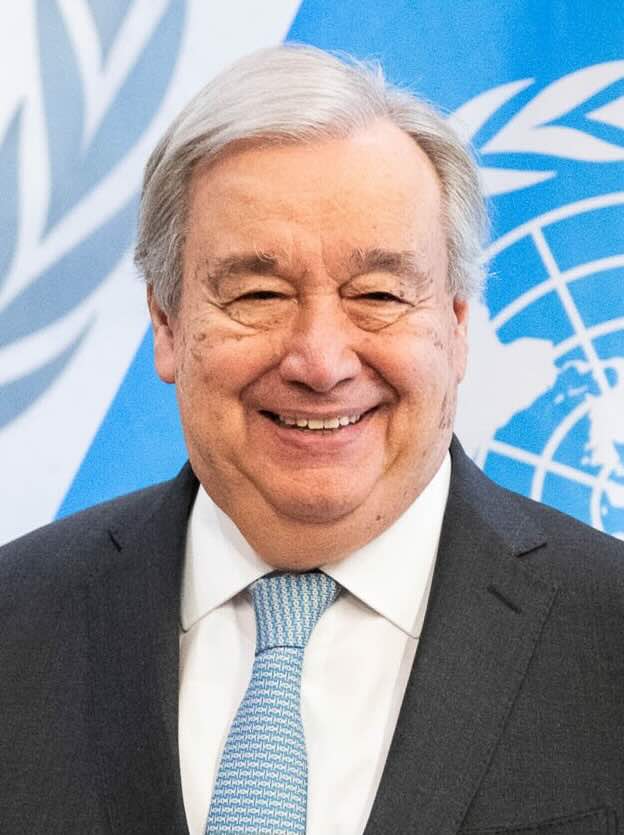
    In a dire warning that underscores the fragility of global cooperation, United Nations Secretary-General António Guterres has alerted the world body’s 193 member states to an impending financial meltdown, the BBC has said.

    According to BBC reporting, the UN could exhaust its funds as early as July, crippled by unpaid dues and outdated financial rules that are pushing the organisation toward collapse. Guterres’ stark letter, obtained by the BBC, paints a picture of an institution struggling to maintain its core functions amid deliberate non-payments from key contributors, including the United States.

    The crisis, described by Guterres as “categorically different” from previous shortfalls, threatens the delivery of essential programmes worldwide. With only 77 per cent of assessed contributions for 2025 collected – a record low – the UN faces a massive liquidity gap. This shortfall not only hampers operations but also triggers a perverse rule requiring the return of unspent funds to members, even if those funds were never received. In January alone, the organization was forced to “refund” $227 million as part of the 2026 assessment, exacerbating the cash crunch.

    “I cannot overstate the urgency of the situation we now face. We cannot execute budgets with uncollected funds, nor return funds we never received,” he said in his letter, explaining that as a result, the UN is now returning millions of dollars it never actually had.

    The letter reads: “Just this month, as part of the 2026 assessment, we were compelled to return $227m – funds we have not collected.”

    “The bottom line is clear,” Guterres wrote. “Either all member states honour their obligations to pay in full and on time – or member states must fundamentally overhaul our financial rules to prevent an imminent financial collapse.”

    Guterres Sounds the Alarm: A Call for Urgent Reform

    In his letter, Guterres emphasized the foundational obligation under the UN Charter for states to pay their assessed contributions in full and on time. “The integrity of the entire system depends on it,” he wrote, highlighting how formal announcements from some members to withhold payments have deepened the crisis. Without naming countries, the secretary-general urged immediate action: either full compliance with payment duties or a fundamental overhaul of the UN’s financial framework to avert disaster.

    BBC correspondents in Geneva reported visible signs of austerity at UN headquarters, where escalators are frequently switched off and heating reduced in a bid to conserve resources. These measures reflect the organization’s desperate attempts to stretch limited funds. Guterres noted that past crises were manageable, but the current one involves systemic refusals that strike at the heart of the UN’s budget. “We cannot execute budgets with uncollected funds, nor return funds we never received,” he stated, underscoring the absurdity of the refund mechanism that delivers a “double blow” to the agency’s finances.

    The warning comes on the heels of earlier alerts from Guterres, including an October declaration of a “race to bankruptcy” and a December statement labelling the UN’s position as its most fragile in years. The partial reforms approved by the General Assembly in late 2025 have proven insufficient, leaving the organization vulnerable to further erosion.

    US Leads the Charge in Funding Pullbacks

    Central to the crisis is the United States, the UN’s largest contributor, which has dramatically scaled back its support under President Donald Trump. BBC analysis reveals that the US withheld its entire 2025 contribution to the regular budget and provided only 30 per cent of expected peacekeeping funds. In January, the country formally exited dozens of international bodies, including 31 UN agencies, deeming them a “waste of taxpayer dollars” and promoters of “globalist agendas” over American priorities.

    Trump’s administration has been vocal in its criticism, accusing the UN of failing to realise its “great potential” and not backing US-led peace initiatives. A late December pledge of $2 billion for humanitarian programs – down sharply from $17 billion in 2022 – came with a stark ultimatum: the UN must “adapt or die.”

    The US also withdrew from the World Health Organization in January, ignoring legal obligations to settle 2024 and 2025 dues, according to WHO legal experts.

    Critics, as reported by the BBC, accuse Trump of prioritizing US power over international law. Guterres himself told the BBC in a related interview that such stances undermine global norms. Additionally, Trump’s proposed Board of Peace, aimed at overseeing Gaza’s regeneration, has raised eyebrows. While the president claims it will work “in conjunction with the United Nations,” his ambiguous response to a Fox News query –”Well, it might” – suggests it could sideline the UN in key areas.

    Other nations are compounding the issue. Several members are in arrears or outright refusing payments, while major donors like the UK and Germany have slashed foreign aid budgets, indirectly starving UN operations. This collective delinquency has created a perfect storm, forcing the organization to confront its most severe funding shortfall in decades.

    Devastating Impacts on Global Humanitarian Efforts

    The financial turmoil is already rippling through UN agencies, with humanitarian work bearing the brunt. BBC investigations show that agencies rarely receive full funding for crises, but the past year has been exceptionally grim. The UN’s human rights office has warned that without resources to deploy investigators, grave violations – including potential war crimes and crimes against humanity – will go undocumented, hindering future prosecutions.

    In Afghanistan, where maternal mortality rates remain alarmingly high, UN Women has shuttered vital mother-and-baby clinics, leaving vulnerable populations without essential care. Similarly, the World Food Programme has reduced rations for refugees escaping Sudan’s ongoing conflict, risking malnutrition and further instability in already fragile regions.

    These cuts highlight the broader stakes: the UN’s ability to address global challenges – from peacekeeping to health emergencies – is at risk. As Guterres’ letter concludes, the “bottom line is clear”: without swift intervention, the organization faces imminent collapse, potentially unravelling decades of multilateral progress.

    The crisis serves as a litmus test for international commitment. While some view it as an opportunity for reform, others fear it signals a retreat from globalism. As the UN grapples with this existential threat, the world watches to see if member states will rally to save the institution.

    Image: Simple Wikipedia

    UN Report Exposes Systemic Sexual Violence in Sri Lanka’s Civil War

    For survivors, the demand is simple and urgent: recognition of their suffering and meaningful action to ensure that the crimes of the past are not forgotten or repeated.

    More than 15 years after Sri Lanka’s civil war ended, survivors of conflict-related sexual violence remain trapped in a cycle of trauma, fear and injustice, according to a new United Nations human rights report that has renewed global scrutiny of the country’s accountability record. The report and related UN statements warn that systemic sexual violence during and after the conflict has gone largely unpunished, leaving victims without recognition, reparations or meaningful pathways to justice.

    The findings, released by the UN Office of the High Commissioner for Human Rights (OHCHR), draw on more than a decade of monitoring, survivor testimonies and consultations with civil society and experts. They reveal that sexual violence was not a series of isolated incidents but part of a deliberate and widespread pattern of abuse, often used as a tool of intimidation, punishment and control during Sri Lanka’s decades-long conflict between government forces and the Liberation Tigers of Tamil Eelam (LTTE).

    The report, titled “We lost everything – even hope for justice,” underscores that survivors – both women and men – continue to suffer long-term physical, psychological and social consequences, while perpetrators have rarely been held accountable.

    A Legacy of Abuse and Impunity

    Sri Lanka’s civil war, which lasted from 1983 to 2009, was marked by widespread human rights violations committed by multiple parties, particularly during its final phases. The UN report documents how sexual violence was systematically employed in detention centres and conflict-affected areas, disproportionately targeting Tamil communities and other vulnerable groups.

    According to OHCHR, such acts may amount to war crimes or crimes against humanity under international law. The organisation stresses that Sri Lanka is legally obligated under international treaties to prevent, investigate and prosecute such crimes and to provide reparations to survivors.

    Yet the report finds that successive governments have failed to fulfil these obligations. A persistent lack of accountability, acknowledgement and reparations has created a legacy of impunity that continues to shape the lives of survivors today. Many victims still suffer chronic injuries, infertility, psychological trauma and social exclusion, while others struggle with suicidal thoughts and economic hardship.

    Human rights groups say the findings confirm long-standing allegations that sexual violence was “deliberate, widespread, and systemic,” reinforcing calls for urgent action by Sri Lanka and the international community.

    Survivors Trapped in Fear, Stigma and Silence

    Beyond the brutality of wartime abuses, the report highlights the enduring climate of intimidation and surveillance faced by survivors. Many victims fear retaliation by perpetrators who continue to live in their communities, leading to widespread under-reporting and silence.

    Survivors interviewed by the UN described sexual violence as a form of torture that never ends, with stigma and shame compounding their suffering. Male and LGBTQ+ survivors, in particular, remain largely invisible due to social taboos and legal barriers that discourage them from seeking justice.

    The OHCHR story on Sri Lanka’s war survivors captures this reality through testimonies that reveal deep despair and loss of hope. Survivors speak of humiliation, fear and the feeling that justice will never be delivered, even as the trauma of abuse continues to affect their daily lives and social relationships.

    The report also notes that many survivors endured multiple forms of abuse, including enforced disappearances, arbitrary detention, forced displacement and recruitment of child soldiers. These overlapping violations have created a complex legacy of trauma that extends far beyond the battlefield.

    Legal Gaps and Institutional Failures

    A major obstacle to justice, the UN report argues, lies in Sri Lanka’s legal and institutional framework. The country lacks specific legislation addressing conflict-related sexual violence, while statutes of limitation, limited forensic capacity and rare prosecutions further undermine accountability.

    Militarisation, emergency laws and weakened rule of law have also contributed to the persistence of gender-based violence even after the conflict ended.

    Human Rights Watch and other organisations say the findings demonstrate that sexual violence was “institutionally enabled” by state structures and ignored or concealed by successive governments unwilling to punish those responsible.

    The report further points to significant barriers faced by survivors seeking justice, including intimidation by security forces, lack of witness protection and distrust in the judicial system. These factors have created what the UN describes as a near absence of effective remedies for victims.

    UN Calls for Accountability and Transformative Reforms

    The UN Human Rights Office has urged the Sri Lankan government to take immediate and concrete steps to address past abuses. These include publicly acknowledging sexual violence committed during the conflict, issuing formal apologies, reforming the security sector and judiciary, and establishing independent mechanisms to investigate and prosecute perpetrators.

    Recognition and accountability, the report argues, are essential not only for restoring dignity to survivors but also for advancing reconciliation and preventing future abuses.

    UN High Commissioner for Human Rights Volker Türk has described the current moment as an opportunity for Sri Lanka to break decades-long cycles of violence and impunity through transformative reforms and genuine commitment to truth and justice.

    International rights groups have also echoed these calls, urging foreign governments to support accountability efforts through investigations, prosecutions and targeted measures against those responsible for serious crimes.

    A Test for Sri Lanka’s Future

    The UN report comes at a critical time for Sri Lanka, which continues to grapple with the political, ethnic and social consequences of its civil war. Despite repeated promises of reconciliation and justice, progress has been slow, and survivors remain sceptical about the prospects for accountability.

    By documenting the systemic nature of sexual violence and the enduring failure of institutions to deliver justice, the UN findings pose a stark challenge to Sri Lanka’s leadership. They also raise broader questions about the international community’s role in ensuring accountability for mass atrocities and supporting victims of conflict-related violence.

    For survivors, however, the demand is simpler and more urgent: recognition of their suffering and meaningful action to ensure that the crimes of the past are not forgotten or repeated. As the UN report makes clear, without justice, the wounds of Sri Lanka’s conflict will continue to haunt the nation long after the guns have fallen silent.

    Lion Attack on Wildlife Official Exposes Dangers of Illegal Big Cat Ownership in Pakistan

    Pakistan’s flirtation with exotic pets has exacted a heavy human cost. Authorities vow continued vigilance, but with big cats still lurking in shadows, the roar of reform must drown out the dangers of unchecked ambition.

    A routine rescue operation turned perilous on 25 January 2026, when a caged lion viciously mauled a Punjab Wildlife Department official in Faisalabad’s Jaranwala Road area, underscoring the lethal risks tied to Pakistan’s underground trade in exotic big cats. The incident at Jalvi Market Darbar left the officer, identified as Ahsan Mehboob, in critical condition with severe head and facial injuries, forcing his team to abandon the mission without securing the animal.

    The attack unfolded as wildlife rangers responded to tips about illegally housed lions in the bustling market zone. Confined but aggressive, the lion lunged through its enclosure, catching the official off guard. Rushed to Civil Hospital in Faisalabad, Mehboob’s prognosis remains guarded, with medical teams monitoring for infections and neurological damage. Authorities have since cordoned off the site, but the lion – and possibly others – remains at large, heightening local fears in the densely populated district.

    This mauling is the latest flashpoint in Punjab’s intensifying battle against private ownership of lions and tigers, a practice that has ballooned into a public safety crisis. The Punjab Wildlife Department, under directives from Chief Minister Maryam Nawaz, has ramped up enforcement, recovering 59 big cats from districts including Lahore, Multan, and Jhelum. Cases have been filed against owners for flouting safety protocols, with farms sealed if they fail to meet upgraded standards for cages and enclosures. Deadlines for compliance, issued months earlier, expired without widespread adherence, prompting these raids.

    Wild Predators, Not Domestic Companions

    The Faisalabad debacle follows a harrowing week in Lahore, where two separate pet lion attacks on children ignited outrage and accelerated the crackdown. On January 24, an eight-year-old boy, Wajid Ali, lost his arm at a private breeding farm in Sabzazar after wandering near an unsafe enclosure. Owners Umar Iqbal and Ali Iqbal were arrested for negligence, with police alleging they tried to cover up the incident by claiming a “machine accident” to doctors. Just days prior, an eight-year-old girl in Iqbal Town suffered head and ear injuries from a pet lioness that escaped its cage. Both victims required emergency surgery, and the owners faced charges under wildlife laws carrying up to seven years in prison and fines of Rs. 5 million.

    In response, Punjab revoked all permissions for keeping pet lions on January 26, 2026, as announced by senior minister Marriyum Aurangzeb. “These are wild predators, not domestic companions,” she stated, emphasizing the chief minister’s zero-tolerance stance. The ban prohibits big cats in urban residential areas, public displays, and unlicensed sales, building on a 2025 province-wide prohibition on urban housing and commercial exploitation.

    The roots of this epidemic trace back to a cultural fascination among Pakistan’s elite, where lions and tigers serve as status symbols – often paraded on social media or at events. Exotic pet ownership surged in recent decades, fuelled by political symbolism and online glamour. However, big cats like lions, tigers, pumas, cheetahs, and jaguars are not native to Pakistan, offering no conservation benefits through captive breeding. Instead, unregulated farms have proliferated, breeding animals for profit without regard for welfare or safety.

    Mini Zoos

    A pivotal turning point came in July 2025, when a pet lion escaped in Lahore, mauling a woman and two children in a residential street. Captured on surveillance footage, the beast leaped a wall and charged, injuring the victims non-fatally but sparking national fury. Authorities launched an immediate sweep, confiscating 18 illegal lions, raiding 38 breeding farms, and arresting eight violators. Officials estimated over 500 big cats in private hands across Punjab, many in substandard conditions – cramped cages, inadequate veterinary care, and no public access requirements.

    Under prior regulations, ownership was legal with a one-time Rs50,000 registration fee per animal, limited to 10 cats per farm from no more than two species, and mandates for visitor-open facilities. Yet enforcement lagged, allowing black-market breeding and sales. Farms like the one in Sabzazar operated as “mini zoos” but doubled as residential hazards, violating urban bans. Critics, including wildlife advocates from Big Cat Rescue, decry the ethical toll: animals endure isolation, poor nutrition, and stress, leading to aggressive outbursts.

    The 2026 operations have exposed the scale – 587 big cats declared privately owned, with 34 unregistered ones seized alongside the 59 from the ongoing drive. Punjab Wildlife Director General Mubeen Elahi noted that while some owners complied, many hid animals or resisted inspections, echoing 2025 hide-and-seek tactics. Seized cats are relocated to safari parks or sanctuaries, but overcrowding poses challenges.

    Animal rights groups hail the ban as overdue, warning that without federal oversight, smuggling from Africa and Asia could persist. “These aren’t toys for the wealthy; they’re apex predators,” said a BBC report on the 2025 crackdown. Public sentiment has shifted, with petitions demanding a nationwide prohibition to avert more tragedies.

    India’s Economic Survey 2025-26 Spotlights Sectoral Reforms for Resilient Growth

    The Economic Survey’s outlook emphasises aligning state, private sector, and citizens to navigate global headwinds, positioning India for Viksit Bharat by 2047 through sectoral synergies and resilience.

    By Bijoy Patro

    The Economic Survey 2025-26, tabled by Finance Minister Nirmala Sitharaman in Parliament today, underscores India’s robust economic trajectory amid global challenges, projecting FY27 GDP growth at 6.8-7.2 per cent. Prepared by chief economic adviser V Anantha Nageswaran, the 739-page document emphasizes reforms in key sectors like agriculture, environment, education, health, employment, and rural development to foster inclusive, sustainable progress. Despite US tariffs and geopolitical risks, India’s fundamentals remain strong, with the survey advocating strategic resilience through public-private-citizen partnerships.

    Agriculture: Boosting Productivity and Incomes

    India’s agriculture sector, supporting 46.1 per cent of the workforce while contributing nearly one-fifth of GDP, has grown at an average 4.4 per cent annually over the last five years. The survey highlights robust performance in allied activities like livestock (7.1 per cent growth) and fisheries (8.8 per cent), with foodgrain production reaching 357.73 million tonnes in 2024-25. Horticulture output surged to 362.08 million tonnes, surpassing foodgrains, driven by diversification into high-value crops.

    Challenges include fragmented landholdings, low irrigation access, and uneven input quality, leading to stagnant yields in cereals and pulses. Government interventions like the Pradhan Mantri Krishi Sinchai Yojana and Krishonnati Yojana aim to enhance productivity through technology and infrastructure. Income support via PM-KISAN and MSP at 1.5 times production cost provide price certainty. The survey calls for sustainable practices to address fertilizer overuse’s impact on soil health, promoting organic alternatives and crop diversification for resilience.

    Environment: Balancing Resilience and Mitigation

    The survey positions climate action as integral to development, with adaptation central due to India’s vulnerability. Per capita emissions remain below global averages, but risks like extreme weather threaten livelihoods and infrastructure. State action plans on climate change integrate water security, urban resilience, and ecosystem restoration into growth strategies.

    Mitigation efforts focus on renewables, energy efficiency, green hydrogen, and nuclear power, aligned with energy security. However, inadequate global capital flows hinder progress, calling for multilateral reforms and domestic financial strengthening. Environmental regulations are evolving to risk-based, trust-oriented frameworks, facilitating sustainable growth without compromising competitiveness. The survey warns of transition risks, advocating sequenced, pragmatic pathways over rapid decarbonization.

    Education and Health: Enhancing Quality and Access

    Education and health form human capital pillars, with the survey noting progress in literacy, enrolment, and infrastructure. School gross enrolment ration (School GER) stands at 95.4 per cent for preparatory stage, driven by NEP 2020’s focus on foundational literacy, vocational integration, and equity. Initiatives like PM SHRI (13,076 schools) and ULLAS (3.1 crore learners) promote access, while multilingual textbooks and digital platforms like DIKSHA foster inclusivity. (The ULLAS program opens new avenues for those who previously lacked access to education, making them proficient in essential skills.)

    Health advancements include reduced infant/maternal mortality and expanded insurance via Ayushman Bharat. However, rising non communicable diseases, obesity, and digital addiction pose challenges. The survey highlights preventive care, behavioural changes, and good practices like community-driven obesity programmes. Emerging issues like screen-time overload require balanced approaches, with guidelines from CBSE and the health ministry’s Tele-MANAS helpline (over 32 lakh calls) addressing mental health.

    Employment and Skilling: Getting It Right for Youth

    With a workforce exceeding 56 crore, labour indicators show steady improvement: The Labour Force Participation Rate at 55.1 per cent, unemployment rate declining to 5.2 per cent in Q2 FY26. Job creation reached 8.7 lakh in Q2, with agriculture (42.4 per cent) and self-employment (55.8 per cent) dominant. The survey notes gender dimensions, with women favouring flexible models due to caregiving burdens.

    Labour codes balance flexibility and rights, promoting formalization and worker welfare, the survey says, adding that gig workers’ protection is emphasized through social security and grievance mechanisms. Skilling is crucial for the demographic dividend, with vocational education at all levels to address mismatches. Initiatives like NEP’s skill integration aim to prepare youth for digital, green transitions, fostering mobility and productivity.

    Rural Development: From Participation to Partnership

    Rural transformation has driven poverty reduction, the survey document says, with multidimensional poverty falling to 11.28 per cent in 2022-23. The survey credits targeted interventions lifting millions, narrowing inequalities via education, health, and livelihoods. Social justice measures empower marginalized groups through affirmative action and technology.

    Community-driven models like Bihar’s Saat Jeevikoparjan Yojana and Kerala’s poverty eradication showcase handholding for self-reliance. Social sector spending trends indicate rising investments in housing, security, and amenities, enhancing well-being. The survey advocates partnerships for sustainable rural growth, integrating local voices for inclusive progress.

    The survey’s outlook emphasises aligning state, private sector, and citizens to navigate global headwinds, positioning India for Viksit Bharat by 2047 through sectoral synergies and resilience.

    Afghan Earthquake Survivors Face Deadly Winter Hardships Amid Taliban Restrictions and Limited Aid

    Residents report a complete lack of basic necessities such as heating equipment, warm clothing, and adequate food supplies. The harsh winter weather has made living conditions unbearable, particularly for vulnerable groups.

    Months after a devastating earthquake struck parts of Afghanistan, survivors in remote areas continue to endure extreme winter conditions without proper shelter, heating, or sufficient humanitarian support. Women and children, already heavily impacted by ongoing Taliban-imposed restrictions, are bearing a disproportionate burden as freezing temperatures compound the crisis.

    Ongoing Crisis for Earthquake-Displaced Families

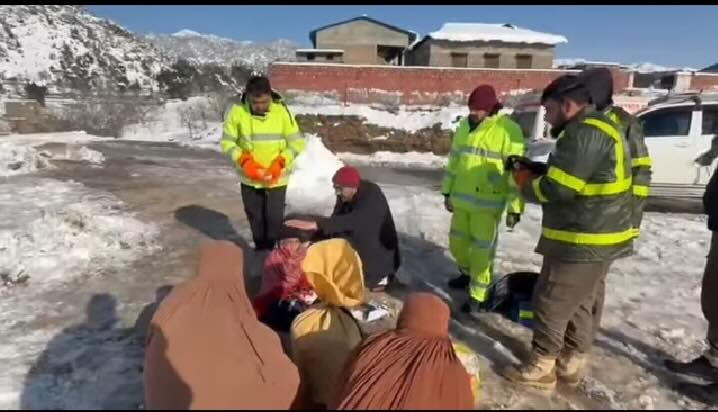
    In Nangarhar province’s Dara-e-Nur district, families displaced by the earthquake remain in makeshift tents despite heavy snowfall and sub-zero temperatures. Residents report a complete lack of basic necessities such as heating equipment, warm clothing, and adequate food supplies. The harsh winter weather has made living conditions unbearable, particularly for vulnerable groups.

    Resident Agha Khan described the dire situation: “People are living in tents. You can see the conditions yourself. There is snow, the weather is extremely cold and everyone –  children, women and the elderly – is suffering.”

    Another local, Abdul Qadir, appealed for government intervention: “It is winter and snow has fallen. The government should cooperate with us and provide basic necessities for the people.”

    Aid agencies have previously warned that prolonged delays in assistance during winter could place dozens of families at serious risk, with Afghanistan’s widespread poverty, limited infrastructure, and funding shortages hindering recovery efforts.

    Disproportionate Impact on Women and Girls Under Taliban Rules

    Taliban policies, including severe restrictions on women’s movement, education, and access to healthcare, have exacerbated vulnerabilities in disaster scenarios. A September 2025 analysis following an earlier major earthquake highlighted how women and girls often “bear the brunt” of such events due to bans on treatment by male doctors and a drastic shortage of female medical staff – worsened by a December 2024 Taliban directive barring women from pursuing medical education or exams.

    In past earthquakes, women and children comprised the majority of casualties, as families hesitated to seek hospital care for injured females or faced overwhelmed facilities lacking female personnel. Similar challenges persist today, with limited female humanitarian workers impeding targeted aid delivery to women in conservative or remote communities.

    UN Women and agencies have repeatedly called for gender-sensitive responses that prioritize women’s needs, including support for female aid workers to ensure lifesaving assistance reaches those most isolated by restrictions.

    Broader Winter Weather Toll and Humanitarian Challenges

    The earthquake aftermath coincides with severe winter weather across Afghanistan. Recent heavy snow and rain have killed at least 12 people and injured five others in provinces including Parwan, Nangarhar, Bamyan, Maidan Wardak, Kandahar, Jawzjan, and Faryab. The storms caused power outages in multiple regions, disrupted major highways like Kabul–Jalalabad, and damaged infrastructure.

    The Taliban-run National Disaster Preparedness Authority has urged residents to avoid non-essential travel and instructed local officials to deliver food and non-food aid swiftly to affected families. However, reports indicate that aid has not reached many earthquake survivors in eastern Afghanistan, leaving them exposed to life-threatening cold.

    Afghanistan’s recurring natural disasters – from earthquakes to extreme winters – highlight the country’s vulnerability, amplified by political isolation, economic hardship, and restrictive governance.

    Every Sixth Child in Nepal’s Far Western Sudurpaschim Province Suffers from Wasting

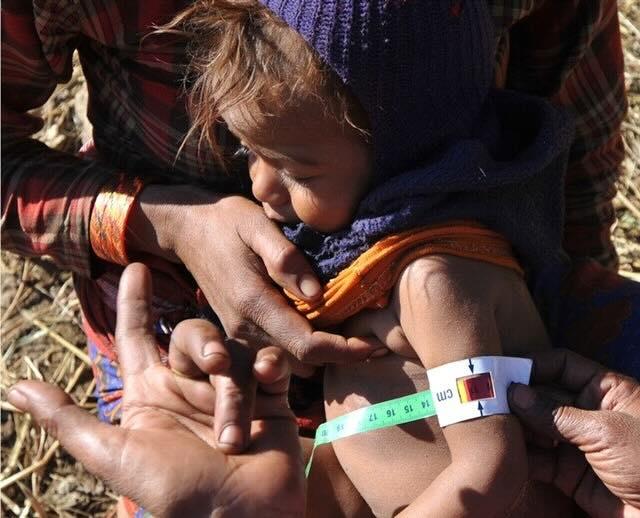
    The survey, which assessed approximately 1,700 children from 4,266 households across 267 clusters in the province last year, also found that 25.3 per cent of children are stunted and 25.5 per cent are underweight.

    A recent survey has revealed a concerning surge in acute malnutrition among young children in Nepal’s far-western Sudurpaschim province, with nearly one in six children under five suffering from wasting – a life-threatening form of undernutrition.

    According to the Smart+ survey report, released by the province’s health directorate under the ministry of social development (with technical support from organizations including Action Against Hunger, Helen Keller International, and UNICEF), 15.8 per cent of children under five in Sudurpaschim are experiencing wasting. This rate exceeds the World Health Organization (WHO) emergency threshold of 14.9 per cent for serious acute malnutrition and places the province in the “very high” category for wasting prevalence. Wasting, characterized by rapid weight loss or failure to gain weight, sharply increases the risk of child mortality – severe cases can elevate death risk by up to 10 times compared to well-nourished children.

    The survey, which assessed approximately 1,700 children from 4,266 households across 267 clusters in the province last year, also found that 25.3 per cent of children are stunted (chronic undernutrition affecting height-for-age, impacting one in four children) and 25.5 per cent are underweight. These figures indicate persistent challenges in both acute and chronic forms of malnutrition.

    Increasingly Challenging Targets

    In contrast, national data from the Nepal Demographic and Health Survey (NDHS) 2022 showed much lower wasting rates in Sudurpaschim (less than 10 per cent) and a national average of 8 per cent. Nationally, Nepal had made progress in reducing stunting from 57 per cent in 2001 to 25 per cent in 2022, and wasting from 11 per cent to 8 per cent over the same period. The new findings represent a serious setback for the province.

    Experts have described the situation as an “emergency-like condition” that could drive up child mortality rates if not addressed urgently. Dr. Shyam Raj Upreti, a former director general of the Department of Health Services and child health expert, stated: “Rise in acute form of malnutrition from what was achieved in 2022 is a serious setback. It is an emergency-like condition and could raise the child mortality rate.” He attributed the rise to factors including lack of sufficient nutrient-rich foods, poor sanitation, unsafe drinking water, and inadequate treatment, calling for authorities to introduce a clear strategy.

    Lila Bikram Thapa, chief of the nutrition section at the Family Welfare Division under the Department of Health Services, echoed the urgency: “The recent Smart+ survey carried out in Sudurpaschim province shows an alarming picture. Nutrition-specific and nutrition-sensitive investments are needed immediately in Sudurpaschim.”

    Malnutrition not only hampers physical and cognitive development in childhood but also weakens intellectual capacity, reduces adult productivity, heightens disease vulnerability, and contributes to long-term health issues like non-communicable diseases.

    Nepal faces international obligations under the Sustainable Development Goals to reduce stunting to 15 per cent, wasting to four per cent, and underweight rates to 10 per cent by 2030 – targets that appear increasingly challenging, particularly in remote and underserved regions like Sudurpaschim. Health officials and experts are urging immediate investments in nutrition programs, improved access to safe water and sanitation, and expanded treatment for severe cases to reverse this troubling trend.

    Over 70,000 Flee Northwestern Pakistan Amid Fears of Impending Military Operation

    The trigger for this wave appears linked to a September 2025 explosion at a compound in Tirah, allegedly used for bomb-making, which killed at least 24 people. While officials claimed most victims were TTP militants, locals disputed this.

    In a remote corner of northwestern Pakistan, bordering Afghanistan, a mass exodus has unfolded as fears of a military crackdown on militants grip the region. Over 70,000 residents, primarily women and children, have abandoned their homes in the Tirah Valley of Khyber Pakhtunkhwa province, seeking refuge in nearby towns like Bara. This displacement, triggered by evacuation warnings broadcast over mosque loudspeakers, highlights the fragile security situation in an area long plagued by insurgency.

    While federal officials deny any planned offensive, local leaders and residents paint a picture of escalating tensions, mortar attacks, and humanitarian strain. The event echoes past operations that have displaced millions, underscoring the enduring conflict between Pakistani forces and groups like the Tehrik-i-Taliban Pakistan (TTP).

    Mass Exodus from Tirah Valley

    The evacuation began in earnest after community elders, using mosque announcements, urged residents to leave by 23 January 2026, to avoid potential clashes between the military and TTP militants. The deadline was later extended to February 5 amid ongoing arrivals. Local authorities in Bara have registered approximately 10,000 families, equating to about 70,000 displaced individuals from Tirah, a town with a population of around 150,000. Many fled on foot or in overcrowded vehicles, carrying only essentials, as heavy snowfall compounded the hardship.

    Residents like Zar Badshah, a 35-year-old who escaped with his wife and four children, described the chaos: “Community elders told us to leave. They instructed us to evacuate to safer places.” Badshah reported recent mortar shell explosions in his village that killed a woman and wounded four children, fuelling the panic.

    Narendra Singh, a 27-year-old from the minority Sikh community, cited severe food shortages exacerbated by the weather as his reason for fleeing: “There was a severe shortage of food items in Tirah, and that forced us to leave.”

    The trigger for this wave appears linked to a September 2025 explosion at a compound in Tirah, allegedly used for bomb-making, which killed at least 24 people. While officials claimed most victims were TTP militants, locals disputed this, insisting civilians, including women and children, were among the dead. This incident, combined with rumours of an impending operation, prompted the mass departure. Talha Rafiq Alam, the local administrator overseeing relief in Bara, noted that displaced people are lining up at government schools for registration and aid, though many complain about the slow process. He assured that returns would be possible once law and order improves.

    Official Denials and Political Tensions

    Pakistan’s Defence Minister, Khawaja Mohammad Asif, has firmly denied any military operation in Tirah, attributing the migration to harsh winter conditions rather than security actions: “No military operation was underway or planned in Tirah… harsh weather, rather than military action, was driving the migration.” Despite this, the military has conducted intelligence-based operations against the TTP, which has been emboldened since the Afghan Taliban’s 2021 return to power.

    Provincial officials, however, point fingers at the federal government. Shafi Jan, spokesman for Khyber Pakhtunkhwa’s provincial government, blamed Islamabad for the crisis: “I hold the federal government responsible for the ordeal of the displaced people,” adding that authorities were retracting their earlier stance on the operation. Chief Minister Suhail Afridi, from the party led by imprisoned former Prime Minister Imran Khan, went further, criticizing the military and vowing that his government “will not allow troops to launch a full-scale operation in Tirah.” This rift reflects broader political divisions, with the province accusing the centre of mishandling militancy.

    The situation draws parallels to last August’s operation in Bajaur district, which displaced hundreds of thousands. In Bara, relief efforts include basic assistance, but the influx has strained resources, with families camping in makeshift shelters amid freezing temperatures.

    Historical Context of the Insurgency

    The current crisis is rooted in the long-running insurgency in Khyber Pakhtunkhwa, which began in 2004 as Pakistani forces targeted al-Qaeda and Taliban fighters fleeing Afghanistan after the US invasion. The conflict escalated with the 2007 siege of Lal Masjid in Islamabad, prompting the TTP to launch widespread suicide bombings and declare war on the state. Major operations like Rah-e-Nijat in 2009 and Zarb-e-Azb in 2014 cleared militant strongholds but displaced millions, with over 3.44 million civilians uprooted between 2003 and 2019.

    By 2017, the insurgency had shifted to low-intensity guerrilla tactics, with operations like Radd-ul-Fasaad reducing attacks. However, the 2021 fall of Kabul revitalized the TTP, providing recruits, weapons, and cross-border havens. Recent developments include the 2024 launch of Operation Azm-e-Istehkam, aimed at extremism without large-scale displacement, and 2025’s Operation Sarbakaf in Bajaur, which imposed curfews and led to civilian casualties. Casualties have mounted: up to February 2025, 48,863 people were killed, including many civilians. Groups like Lashkar-e-Islam and new alliances such as Ittihad-ul-Mujahideen Pakistan continue to challenge security forces.

    Humanitarian Concerns and Future Prospects

    The displacement has sparked humanitarian worries, with aid groups warning of food insecurity and health risks in winter. Many families in Bara face delays in registration, exacerbating vulnerability. The inclusion of minorities like Sikhs highlights the broad impact, as communal tensions simmer amid the chaos.

    Looking ahead, returns depend on stabilizing the region, but ongoing border clashes with Afghanistan complicate matters. Analysts fear that without dialogue – intermittent talks with the TTP have occurred since 2021 – the cycle of violence and displacement will persist. As Pakistan grapples with economic costs exceeding $118 billion from the insurgency, the Tirah exodus serves as a stark reminder of the human toll in this protracted conflict.

    Afghanistan: Taliban Publicly Flog Nearly 140 People in One Month, Including Eight Women

    This recent surge adds to a broader pattern: at least 457 people were flogged in the four preceding solar months. Cumulative data indicates a sharp rise in corporal punishments since the Taliban’s return to power in 2021.

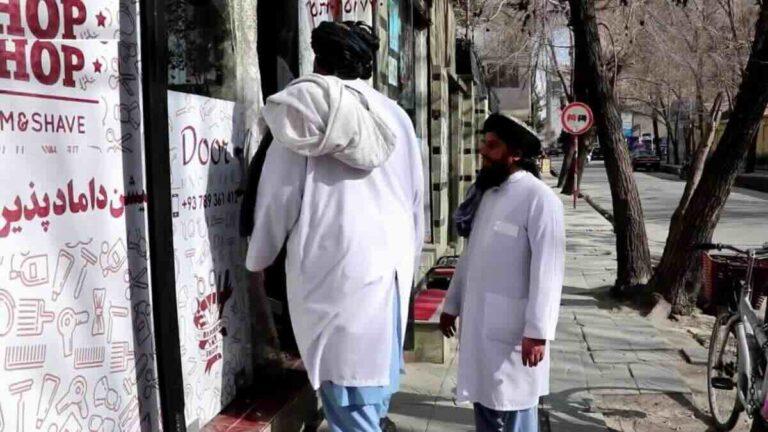
    In a stark illustration of the Taliban’s ongoing enforcement of their strict interpretation of Islamic law, nearly 140 individuals – including eight women – were publicly flogged across Afghanistan over the past solar month of Jadi (December 22, 2025, to January 21, 2026). This figure comes from data compiled by Amu TV based on official statements from the Taliban Supreme Court and provincial courts.

    The floggings took place in 17 provinces, with the highest numbers reported in Kunar, Kabul, Parwan, Nangarhar, and Herat, where 46 cases were concentrated. Offenses cited by Taliban authorities included drug use and trafficking, alcohol consumption, “illicit relations,” theft, and unlawful entry into private homes. In one documented case from Uruzgan province, six people were punished for theft, same-sex relations, and related charges.

    The Taliban describe their judicial system as rooted in Shariah law, rejecting international criticism by asserting that such punishments align with their religious principles. Court statements routinely refer to those sentenced as “accused,” with punishments carried out publicly to serve as deterrents.

    This recent surge adds to a broader pattern: at least 457 people were flogged in the four preceding solar months. Cumulative data indicates a sharp rise in corporal punishments since the Taliban’s return to power in 2021.

    International Condemnation and Human Rights Concerns

    Human rights organizations have repeatedly denounced these practices as violations of international law. Amnesty International has described public floggings as “cruel and shocking,” constituting torture and other ill-treatment prohibited under global standards. In reports and statements from 2025, Amnesty highlighted the arbitrary nature of Taliban justice, noting inconsistencies in verdicts for similar offenses, lack of fair trials, and the use of punishments like flogging to instil fear and control.

    For instance, Amnesty has pointed out that such spectacles – often in stadiums or public squares – deprive individuals of dignity and expose them to further community stigma, particularly affecting women and girls accused of “moral crimes” like running away or adultery. The group has urged the Taliban to end corporal punishment immediately and reinstate formal legal frameworks compliant with human rights obligations.

    The United Nations has echoed these calls, documenting weekly incidents in various provinces and labelling the punishments cruel, inhuman, and degrading. Despite international pressure, the Taliban have dismissed demands to halt the practice, maintaining that their system upholds Islamic values.

    These developments occur against a backdrop of worsening human rights under Taliban rule, including severe restrictions on women and girls, arbitrary detentions, and impunity for abuses. Activists warn that public floggings serve not only as penalties but as tools to suppress dissent and enforce social control across Afghan society.

    The latest data underscores the persistence of these hardline measures more than four years into Taliban governance, drawing renewed attention to the plight of ordinary Afghans facing an unpredictable and severe justice system.

    Image: Amu TV

    World Enters Era of Global Water Bankruptcy, UN Experts Warn

    The concept draws parallels to financial bankruptcy: a point where debts exceed assets, necessitating restructuring rather than bailouts. Pathways to this state include chronic groundwater pumping, over-allocation of surface water, deforestation, pollution, and climate change amplification.

    In a stark declaration that signals a pivotal shift in how humanity must confront its most vital resource, United Nations researchers have announced that the planet has crossed into an “era of global water bankruptcy.”

    Released on January 20, 2026, by the UN University Institute for Water, Environment and Health (UNU-INWEH), the flagship report paints a grim picture of irreversible damage to water systems worldwide, urging immediate adaptation to a new, constrained reality. This comes amid escalating warnings that temporary crises have evolved into permanent shortages, affecting billions and threatening food security, economies, and peace.

    The report, titled “Global Water Bankruptcy,” argues that the world can no longer cling to the illusion of returning to historical “normal” water conditions. Instead, it calls for a fundamental reset of global policies, moving from reactive crisis management to structured bankruptcy recovery. Kaveh Madani, Director of UNU-INWEH, emphasised in the release that acknowledging this bankruptcy is essential: “For much of the world, ‘normal’ is gone. We must admit our failures to protect this finite resource and act accordingly.”

    Defining Water Bankruptcy

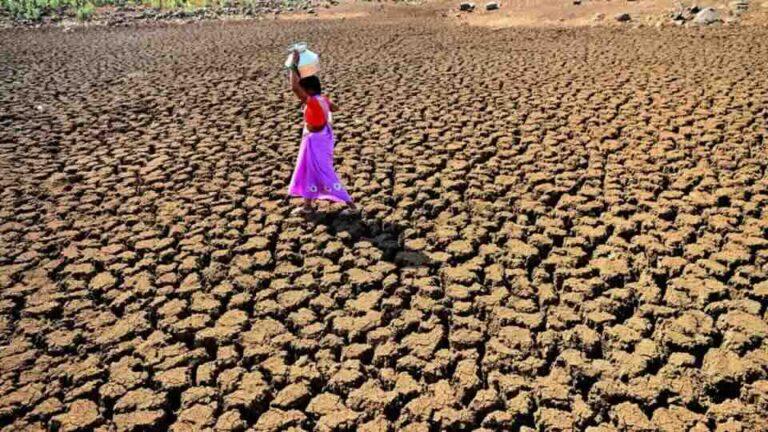
    Water bankruptcy, as defined in the report, combines two critical elements: insolvency and irreversibility. Insolvency occurs when humans withdraw and pollute water beyond renewable inflows and safe depletion limits, essentially overdrawing nature’s hydrological accounts. Irreversibility refers to the permanent degradation of key natural assets – like wetlands, lakes, aquifers, and glaciers – making full restoration impossible. This isn’t a fleeting drought or flood; it’s a systemic failure where ecosystems have been pushed past tipping points, the authors of the report said.

    The concept draws parallels to financial bankruptcy: a point where debts exceed assets, necessitating restructuring rather than bailouts. Madani likened it to “stopping the bleeding, protecting essential services, and investing in a fresh start.” Pathways to this state include chronic groundwater pumping, over-allocation of surface water, deforestation, pollution, and climate change amplification. Once crossed, thresholds like aquifer compaction or land subsidence lock in losses, affecting everything from biodiversity to human livelihoods.

    Alarming Global Statistics

    The evidence is overwhelming, with data underscoring the scale of depletion. More than half of the world’s large lakes have shrunk since the early 1990s, impacting one-quarter of humanity that relies on them for water and food. Natural wetlands, vital for filtration and flood control, have lost 410 million hectares over the past five decades – a 35 per cent  decline since 1970 – erasing ecosystem services valued at over $5.1 trillion.

    Groundwater, supplying 50 per cent of domestic needs and 40 per cent of irrigation, is in crisis: 70 per cent of major aquifers are declining, leading to subsidence across 6 million square kilometres, including urban areas home to 2 billion people. Glaciers have shed over 30 per cent of their mass since 1970, threatening meltwater for 1.5 to 2 billion in regions like the Himalayas and Andes. Meanwhile, major rivers in dozens of basins no longer reach the sea year-round, and salinization has damaged 106 million hectares of cropland.

    Humanity’s footprint is stark: nearly 75 per cent of the global population lives in water-insecure or critically insecure countries, with 4 billion facing severe scarcity at least one month annually. Over 2.2 billion lack safe drinking water, and 3.5 billion go without proper sanitation. Droughts, increasingly driven by human overuse rather than nature, cost an estimated $307 billion yearly – more than the GDP of most UN member states.

    Regional Hotspots Emerge

    No region is spared, but some exemplify the crisis. In the Middle East and North Africa, high water stress intersects with climate vulnerability, low agricultural productivity, and energy-intensive desalination, fuelling sandstorms and political tensions. South Asia grapples with groundwater-dependent farming and rapid urbanization, causing chronic water table drops and subsidence in cities like Delhi and Dhaka.

    The American Southwest’s Colorado River basin symbolizes over-promised water, with reservoirs at historic lows and interstate disputes intensifying. Globally, interconnected systems mean local bankruptcies ripple through trade, migration, and geopolitics. For instance, virtual water embedded in food exports from depleted areas externalizes risks to importing nations, amplifying food price volatility and insecurity.

    Vulnerable groups bear the brunt: smallholder farmers, indigenous peoples, low-income urban dwellers, women, and youth often lose access first, while benefits from overuse flow to powerful industries and elites. This inequality exacerbates social conflicts, with water-related disputes rising annually.

    Economic and Social Toll

    The economic fallout is profound, extending beyond direct costs. Agriculture, consuming 70 per cent of withdrawals, supports 3 billion livelihoods but faces yield crashes in stressed areas, where 170 million hectares of irrigated land are under high threat. Food systems teeter, with half of global production tied to declining water stores, driving up prices and hunger risks for the poorest.

    Infrastructure suffers too: subsidence cracks roads and buildings, while polluted water hikes treatment expenses. “Day Zero” events, like those in Cape Town and Chennai, force rationing and highlight urban inequities. Broader ripples include migration surges, health crises from contaminated supplies, and eroded biodiversity – transgressing planetary boundaries for freshwater alongside climate and land use.

    Unchecked, these impacts could deepen conflicts and stall sustainable development goals (SDGs), particularly SDG 6 on water and sanitation.

    Path to Recovery

    Yet, the report offers hope through action. It advocates formal recognition of water bankruptcy to spur a new agenda: elevate water in climate, biodiversity, and desertification talks; embed advanced monitoring with AI and satellites; prevent further damage to wetlands and aquifers; and rebalance rights to match reduced capacity.

    Key transformations include shifting agriculture to resilient crops, reforming irrigation, and promoting efficient urban systems. Institutions must adapt for equity, providing social protections and fostering transboundary cooperation. Milestones like the 2026 and 2028 UN Water Conferences are pivotal for implementation, aligning with the 2030 SDG deadline.

    Madani stressed that water can bridge divides: “By treating it as a connector for peace and security, we can turn bankruptcy into a structured recovery.” Projections warn of worsening under high-emissions scenarios, with more floods, droughts, and glacier losses by 2030. But with honest policies grounded in science, humanity can adapt to tighter hydrological limits, safeguarding essentials for future generations.

    This declaration arrives as the International Decade for Action on Water concludes in 2028, underscoring the urgency. As Madani put it, “Crisis thinking has failed us. Bankruptcy management is our path forward.” The world must now reckon with its water debts – or face deeper insolvency.

    Image: Wikimedia Commons

    Nipah Virus Alert in West Bengal: Five Cases Confirmed, Nearly 100 Quarantined

    As India battles the latest Nipah virus cluster, health officials emphasise that vigilance, rapid response, and public cooperation will be critical to preventing a larger outbreak.

    West Bengal has been placed on heightened health alert after a cluster of Nipah virus infections was detected in early January 2026, prompting emergency containment measures, intensified surveillance, and growing concern across India and neighbouring countries. At least five laboratory-confirmed cases have been reported in the state, with nearly 100 people quarantined as authorities race to prevent further spread of the deadly zoonotic virus.

    The outbreak has affected healthcare workers and patients linked to a private hospital in Barasat in North 24 Parganas district, underscoring the occupational risks faced by frontline medical staff during emerging infectious disease outbreaks. Two nurses were among the first confirmed cases, and additional infections were later identified among hospital staff and contacts.

    Health authorities in West Bengal have activated response protocols, including isolation of patients, contact tracing, and field surveillance in affected districts. Officials have urged the public to remain vigilant but avoid panic, emphasising that early detection and strict infection control are crucial to containing the virus.

    Cluster of Infections Triggers Emergency Response

    The Nipah virus cluster was detected in early January when suspected cases were identified through testing at the Virus Research and Diagnostic Laboratory at AIIMS Kalyani and confirmed by national reference laboratories using RT-PCR testing.

    According to health officials, more than 100 people who had close contact with infected individuals were placed under home quarantine and medical observation. The confirmed cases include members of hospital staff, highlighting the risk of human-to-human transmission in clinical settings.

    The West Bengal government issued advisories to both government and private hospitals, instructing them to strengthen infection control measures and report suspected cases immediately. State authorities have also intensified surveillance for symptoms of acute encephalitis syndrome and respiratory illness across districts.

    Beyond West Bengal, neighbouring states have stepped up preparedness. Jharkhand issued an alert and strengthened surveillance systems, while Tamil Nadu directed hospitals to monitor patients with fever and neurological symptoms, particularly those with travel history to affected areas.

    High-Risk Virus with Severe Symptoms and No Vaccine

    Nipah virus is a zoonotic pathogen transmitted from animals – particularly fruit bats – to humans and can also spread through close contact with infected individuals or contaminated food. The virus can cause severe respiratory illness and encephalitis, often leading to coma or death in serious cases.

    Medical experts warn that the disease often begins with mild flu-like symptoms such as fever, headache, cough, and sore throat, which can delay diagnosis. As the infection progresses, it may affect the brain, causing seizures, confusion, and loss of consciousness.

    There is currently no licensed vaccine or specific antiviral treatment for Nipah virus, making early detection, isolation, and supportive care the primary tools for managing outbreaks.

    Despite its rarity, Nipah virus is considered one of the most lethal viral infections, with fatality rates often significantly higher than many other respiratory diseases. Experts stress that even a small number of cases can pose serious public health risks if containment fails.

    Regional and International Monitoring Intensifies

    The outbreak in West Bengal has triggered heightened vigilance beyond India’s borders. Several countries in Asia have tightened health screening measures at airports and begun monitoring travellers arriving from the affected region to prevent cross-border spread.

    International health agencies and foreign governments are closely tracking the situation, reflecting concerns about the potential for wider transmission. However, experts note that while Nipah virus has a high mortality rate, it generally lacks the sustained human-to-human transmission needed to cause a pandemic, provided containment measures are effectively implemented.

    The virus’s re-emergence in West Bengal has also reignited global attention because of its history of sporadic outbreaks in South and Southeast Asia. Past outbreaks have often been linked to contact with infected bats, contaminated food sources, or close contact with infected patients.

    Lessons From Past Outbreaks and Preparedness Gaps

    West Bengal has encountered Nipah virus outbreaks before, including incidents in Siliguri in 2001 and Nadia district in 2007. Kerala has also reported intermittent cases in recent years, indicating that certain regions in India may be endemic zones for the virus.

    Public health experts argue that the current outbreak highlights gaps in surveillance, hospital preparedness, and early warning systems. The infection of healthcare workers underscores the need for stronger infection control protocols and adequate protective equipment in medical facilities.

    Authorities have urged the public to follow preventive measures such as avoiding contact with bats and sick animals, consuming properly washed fruits, and seeking medical attention promptly if symptoms appear.

    As India battles the latest Nipah virus cluster, health officials emphasise that vigilance, rapid response, and public cooperation will be critical to preventing a larger outbreak. While the number of cases remains limited, the episode serves as a stark reminder of the persistent threat posed by emerging zoonotic diseases in a densely populated and interconnected region.

    Image: Wikimedia