More

    Fear of Deportation Brings Deadly Consequences for Afghan Refugees in Pakistan

    Pakistan’s widespread deportation campaign has left Afghan refugees torn between seeking care and risking arrest.

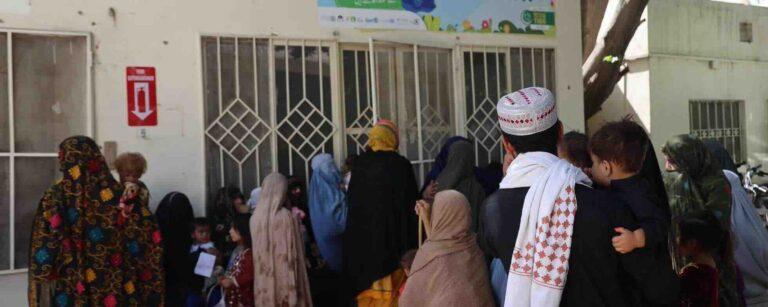
    At the home of a Pakistani rickshaw driver, a knock broke the silence of a cold November night, followed by a desperate plea: “My wife is giving birth. Could you take her to the hospital? If we leave our home, the police will detain us. Please help us.”

    On the other side of the door stood an Afghan refugee couple, the wife in labour. Due to Pakistan’s widespread deportations of Afghans, the couple feared leaving their home, even for urgent medical care. The family faced the unimaginable: giving birth without support, in isolation, and under extreme stress.

    Even though the family had no money, the driver agreed to rush the woman to the hospital.

    “As a human being, I felt their pain,” he told a Doctors Without Borders/Médecins Sans Frontières (MSF) team in Balochistan province. “I witnessed everything. She was screaming all the way to the hospital. She delivered her baby in my rickshaw — it was full of blood. I cannot describe it in words. It broke me, listening to her screaming and driving at the same time. I was in mental trauma.”

    At the MSF facility, the staff cared for the woman and her baby, who thankfully were healthy and safe after the frightening delivery. Their experience, however, is not uncommon among Afghans in Pakistan. With refugees facing barriers to accessing necessary medical attention, the need for immediate humanitarian aid has never been more urgent.

    The mass deportation of Afghan refugees from Pakistan has become a catastrophic humanitarian crisis, deepening the suffering of an already vulnerable community. These deportations leave many refugees without shelter in holding camps with little to no facilities, health care, or means of survival. Average temperatures are around 50°F, falling below 40°F during nights and early mornings. The fear of arrest and detention prevents many from seeking medical care. This fear leads to trauma-induced miscarriages, untreated illnesses, and the refusal of medical care due to a lack of documentation.

    Pakistan’s Deportation Drive Against Afghans

    Since the late 1970s, Pakistan has been home to millions of refugees fleeing decades of conflict, persecution, and instability in Afghanistan. Over time, many have established communities, livelihoods, families, and small businesses to survive in protracted displacement. 

    According to the UN Refugee Agency, as of October 2025, more than 2.18 million Afghans were estimated to be living in Pakistan, and many were either born in Pakistan or had spent most of their lives in the country. However, in November 2023, the government of Pakistan began implementing the Illegal Foreigners Repatriation Plan, primarily affecting the large Afghan refugee population.

    The deportation drive began by targeting undocumented Afghans, then expanded its scope to include holders of the Afghan citizen card, which previously allowed Afghan citizens to stay in Pakistan. Most recently, Afghans with proof of registration cards, who had been granted temporary legal status by the government of Pakistan in collaboration with the United Nations, have also been subject to forced repatriation.

    Deportations have surged since September 2025, coinciding with the arrival of winter, which has sharply worsened the situation for Afghan refugees. The policy is now indiscriminately forcing the return of all Afghan people, regardless of their status in Pakistan.

    A Baby’s Final Moments

    In November, a baby in critical condition was brought to MSF’s facility in Balochistan, close to the border with Afghanistan. The family had been referred from a holding center. “I approached and saw the baby, and he was gasping,” shares an MSF staff member. “Those were his last moments. I had never seen the last moments of any person before. I was shocked. With a very heavy heart, I asked the doctor what happened and the doctor told me that the baby was in critical condition: ‘We tried our best. We provided oxygen, but there was no pulse. Nothing.’”

    The baby was only 5 months old and had suffered all night in the cold weather. The family had been trying to care for the baby throughout the night because no health services were available, and a medical referral would only be possible in the morning when an aid organization started providing basic services. 

    “At the holding centre, there is no sanitation, no clean water, no food — conditions that leave refugees exposed to the harshest of elements,” says an aid worker from the holding centre. “We were also traumatized to learn about the death of this baby.”

    “We informed the father about the baby’s death,” shares another MSF staff member. “He said that the baby had been suffering all night. These conditions are unbearable. Nobody should have to endure them. As a human, I feel their situation. I feel their pain.”

    Cold Can be a Silent Killer

    “We don’t have a home in Afghanistan, and nowhere to stay if we are deported,” says one Afghan woman. “Now that winter has started, and we are a family with kids, we do not know what to do.”

    One Afghan man mentioned that refugee families are facing significant delays in crossing the Afghanistan-Pakistan border, with food shortages and children vulnerable to the cold weather. “Because of the deep winter season and the bitter cold, my children suffered and fell sick,” he says.

    “My family and I are exposed to cold weather on a daily basis,” shares another refugee, who lives within the local community but is not going out to work out of fear. “We don’t have anything to keep ourselves warm. I’m afraid of deportation. If we are forced to return to Afghanistan, the challenges will double. I’m afraid for my wife and children.”

    For vulnerable communities, winter without shelter is deadly. Freezing temperatures sharply increase illness and death, particularly among malnourished children. Cold exposure forces the body to burn more calories just to survive, yet malnourished children have no reserves to keep warm, so they deteriorate rapidly. Their immunity weakens, making respiratory infections both common and dangerous, with minor illnesses quickly turning fatal. Without access to medical care, urgent shelter, protection, and nutrition, winter becomes a silent killer.

    The holding centres often lack necessities like water and sanitation, and the people held there are lucky if they even receive two meals a day, as food stocks are often too low to supply enough meals. The need for blankets and winter kits is increasing.

    “Lives are at stake,” says Xu Weibing, MSF head of mission in Pakistan. “Afghan families are being forced to choose between living in fear of deportation and danger upon return. Pakistan should ensure no one is forced back into harm, and the international community must urgently step up humanitarian and protection support.”

    “Mobilizing humanitarian aid is critical to provide immediate relief to Afghan refugees living within local communities and people who are being deported, ensuring those affected have access to food, shelter, and essential services. In parallel, the issue of forced returns must be addressed, with a focus on providing safe relocation to third countries and protecting vulnerable groups from further harm. Safety, dignity, and humanity are not optional.”

    Deported With a Dead Body

    Health challenges, both physical and psychological, are contributing to higher levels of morbidity and mortality. “My wife was three months pregnant when the police detained me for the first time,” shares an Afghan refugee. “That night, when I was detained, she became terribly afraid and upset. When I was released and came home the next day, she was still distraught. She told me that she had started bleeding very heavily because of stress and deep sadness. I rushed her to the doctor, but we were too late. My wife had already had a miscarriage.” The man and his wife were detained and forced to return to Afghanistan.

    In October 2025, an Afghan refugee came to the MSF facility for postnatal care. She had delivered her baby at the holding camp, but the baby was stillborn. After receiving care, she was sent back to the holding camp and brought to the MSF facility again the next morning unconscious, accompanied by her mother and father-in-law. Her mother-in-law told the MSF team, “When she was delivering the baby, we had nothing to cover her. She gave birth in front of everyone.” 

    The mother’s condition was critical, and she was referred to Quetta for specialized care. She remained in the hospital in Quetta for four days, but the family could not afford to provide her with better treatment, and she died. 

    Just after her death, the family was told it was their turn to cross the border. They were deported to Afghanistan with her dead body. 

    Source: MSF
    Nepal’s Battle Against Child Labour Remains a Complex Struggle

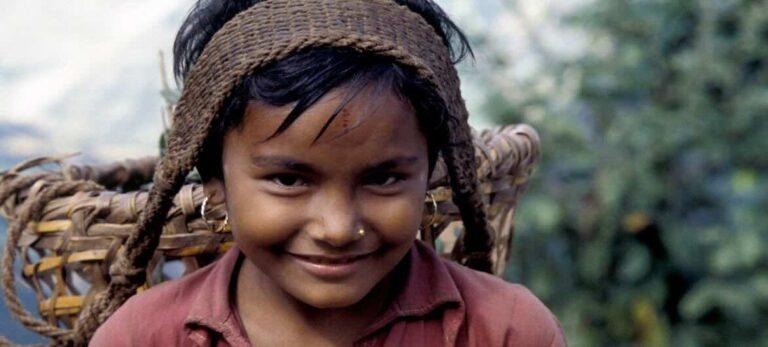
    According to government and independent reports, an estimated 1.1 million children between five and 17 years old are engaged in labour across the country – with roughly 222,000 involved in hazardous work such as brickmaking, agriculture, and stone crushing.

    Nepal’s battle against child labour remains a complex struggle of law, tradition, and socioeconomic fragility, even as pockets of progress emerge. According to government and independent reports, an estimated 1.1 million children between five and 17 years old are engaged in labour across the country – with roughly 222,000 involved in hazardous work such as brickmaking, agriculture, and stone crushing.

    Despite decades of legal frameworks and international commitments, child labour persists as both a symptom and a driver of deeper challenges: poverty, discriminatory social norms and inadequate enforcement of laws that are already on the books.

    Widespread Prevalence and Dangerous Work

    Child labour in Nepal is not confined to isolated sectors. It is pervasive across rural and urban areas, with children working in agriculture, brick kilns, carpet weaving, domestic service, transportation and construction. Many of these jobs expose children to unsafe conditions, long hours and health hazards that jeopardise their development and schooling.

    Under Nepal’s child labour laws, hazardous activities such as brick manufacturing and stone breaking have recently been added to the list of prohibited work for those under 17. However, enforcement remains inconsistent, particularly in informal and remote settings where oversight is minimal and informal labour markets predominate.

    A recent International Labour Organization (ILO) analysis notes that while Nepal has made “moderate advancement” in combating the worst forms of child labour, significant legal gaps remain – especially around child trafficking and the resources needed for enforcement.

    Root Causes: Poverty, Inequality, and Weak Systems

    Experts say the root causes of child labour in Nepal are multidimensional. Poverty remains the single most powerful driver, compelling families to send children to work to supplement household income. This is compounded by inequitable access to education, social discrimination and entrenched cultural practices that normalise child labour in some communities.

    In agriculture – which accounts for more than 85 per cent of child labour involvement – children often work alongside parents in fields and livestock care, sacrificing schooling for survival.

    “Child labour poses a serious challenge in Nepalese society,” notes the child labour section of the Nepal-based Education, Training and Social Change (ETSC) group. Their data point to a stark reality: nearly one in seven children aged five to 17 is part of the labour force, and those who do work are more vulnerable to illnesses and exploitation.

    Climate Shocks and Emerging Pressures

    Recent research indicates new pressures driving families to rely on child labour. A study published in 2025 has identified climate change as a significant factor pushing children into dangerous work, particularly in the brick and carpet industries. Recurrent droughts, floods, and other climate shocks reduce agricultural income, forcing families to seek alternative livelihoods – often at the expense of their children’s education and health.

    Legal Framework and Government Response

    Nepal has ratified major international conventions and enacted several laws to protect children, including the Children Act (1992), the Child Labour (Prohibition and Regulation) Act (2000) and the Human Trafficking and Control Act (2007).

    Recent policy advances include expanding hazardous work lists to cover brickmaking and stone breaking and declaring municipalities as Child Labour Free Zones as part of a Child Labour Free Municipalities Declaration Procedure introduced in 2020.

    Officials also note a decline in overall child labour numbers in some sectors, suggesting that targeted interventions and awareness campaigns are bearing fruit. The Labour Ministry’s National Child Labour Elimination Report highlights reductions in the percentage of children involved in hazardous work and in agriculture, though comprehensive nationwide data are still awaited.

    Local Successes, Ongoing Challenges

    One visible success story comes from Chandragiri Municipality in Kathmandu, which was recently declared a child labour–free local level after an organised campaign and systematic interventions. Elsewhere, officials from Bagmati Province and local government leaders celebrated the achievement as a model for other municipalities, while committing to ongoing support for families and vulnerable children.

    Yet such successes are often limited in scope. For millions of Nepali children, especially in remote districts and low-income areas, the reality remains stark: schooling gives way to daily toil in backbreaking jobs with little or no legal protection. Even where laws prohibit exploitative work, enforcement is uneven due to limited resources, inadequate labour inspection and systemic gaps in implementation.

    Recent incidents also underline the persistence of abuse, with the National Human Rights Commission investigating allegations that a provincial lawmaker detained and forced a young girl into domestic work – including reports of physical abuse – spotlighting how power dynamics can shield perpetrators and silence victims.

    Human Impact and the Road Ahead

    For children caught in labour, the consequences are profound. They suffer physical and mental strain, lose access to quality education, and often become trapped in cycles of poverty and marginalisation that persist into adulthood. Advocates warn that without accelerated action – from better-funded safety nets to community-level education drives – Nepal will struggle to meet its commitment to end child labour by 2030 under the UN Sustainable Development Goals (SDGs).

    Civil society groups and child rights advocates emphasise that meaningful change requires multi-sectoral cooperation – combining law enforcement, poverty reduction programmes, school retention initiatives, and sustained public awareness campaigns.

    “Progress is clear, but there’s more to do,” reads the 2025 World Day Against Child Labour theme adopted in Nepal, capturing both the gains and the unfinished business of protecting the country’s youngest citizens.

    As Nepal continues its journey toward eliminating child labour, the lives and futures of millions of children hang in the balance, reflecting both the hopes and the deep-seated challenges of a nation striving for social justice and equitable development.

    Union Environment Minister Reviews Delhi’s Air Pollution Action Plan with Delhi CM

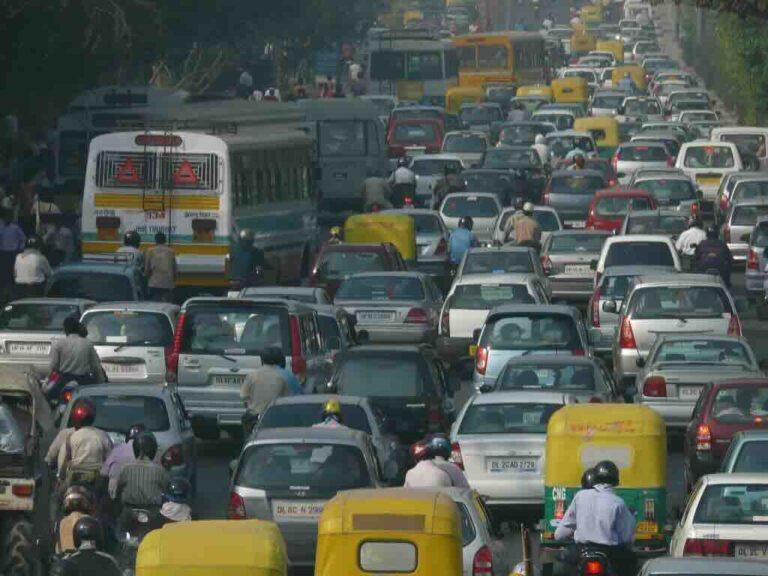
    CPCB issues Notices to 88 Industrial Units for not installing Emission Monitoring Systems. It was also highlighted that, barring the COVID lockdown year, 2025 recorded the best AQI figures since 2018, reflecting consistent improvement in the NCR’s air quality.

    Union minister for environment, forest and climate change (EFCC), Bhupender Yadav on Monday, chaired a high-level meeting to undertake a detailed review of the action plans of the government of Delhi for tackling air pollution in the NCR cities. The meeting formed part of the regular annual review mechanism to assess progress and strengthen implementation of identified measures. Those present in the meeting included Delhi chief minister Rekha Gupta, union minister of state (EFCC), Kirti Vardhan Singh and Delhi environment minister Manjinder Singh Sirsa, besides senior officials from MoEFCC and the Delhi Government.

    At the outset, Yadav congratulated the officials of Delhi Government and related agencies for their sustained efforts in containing air pollution in the national capital. He recalled that in 2021, the union government enacted a dedicated law and constituted the commission for air quality management (CAQM) as a forward-looking step. The airshed of Delhi NCR was identified to precisely determine pollution sources across the region. He noted that air pollution in NCR is driven by both anthropogenic activities and meteorological factors, and emphasised that long-term policy interventions, rather than quick fixes, are essential.

    Need for Smart Traffic Management

    On vehicular pollution, the minister highlighted the need for smart traffic management, particularly at 62 identified congestion hotspots, to ensure smoother traffic flow. He stressed strict action against polluting vehicles, including a special registration drive, installation of automatic number plate recognition (ANPR) systems at border entry points, and exploration of staggered office timings to reduce peak-hour congestion. Measures such as incentivisation of electric vehicles, accelerated expansion of charging infrastructure, congestion charges, smart parking management and a uniform vehicle registration policy for NCR were discussed. Yadav underscored that behavioural change and public participation are critical for the success of these measures.

    Reviewing industrial pollution, it was noted that 227 out of 240 industrial estates in NCR have already shifted to PNG. However, unplanned development and subsequent regularisation of industries outside designated estates remain a concern. Yadav directed that strict action be taken against illegally operating and non-conforming units, including sealing where required. The central pollution control board (CPCB) has issued notices to 88 units that have not installed online continuous emission monitoring systems (OCEMS), with closure action to commence from January 23, it was informed.

    Redevelopment of Delhi Roads

    The meeting also reviewed management of construction and demolition (C&D) waste, with emphasis on designating C&D waste sites, stopping demolition activities during peak pollution periods, and partnering recycler associations for scientific disposal. Also, it was informed that a C&D waste processing plant at Tehkhand is expected to be operational within this year. Further, progress on installation of FGDs in thermal power plants (TPPs) within a 10 km radius of Delhi and mandatory 5 per cent utilisation of crop residue in TPPs was noted.

    On road development and dust control, Yadav stressed end-to-end paving, plantation of local shrub varieties in a mission mode and greening works involving eco task force, NCC, NSS and youth clubs to address PM10 pollution. Redevelopment of over 3,300 km of roads in Delhi is planned in the coming year, with dust abatement and traffic management integrated into execution. Mechanised road sweeping machines (MRSMs) are to be widely deployed in an op-ex model with no diesel-based units, along with handheld vacuum machines/ litter pickers for smaller roads. Road maintenance contracts may include pothole repair within 72 hours, and the Delhi Government was requested to review recurring road damage to ensure accountability.

    Legacy Waste Remediation

    The minister emphasised strengthening end-to-end public transport through accelerated augmentation of Delhi Metro and city bus services, along with improved last-mile connectivity under an integrated transport plan for NCR cities, to encourage greater public transport usage. The Delhi Metro Corporation presented its detailed expansion plan in the coming years, while Delhi Transport Department informed that out of the scheduled bus induction plan of 14,000 buses, an order has been placed with CESL for a total of 3,350 electric buses, all of which will augment the city’s public transport fleet.

    These buses will be seamlessly integrated with the Delhi Metro network to ensure deeper penetration of public transport into residential, commercial, and high-density areas. This initiative will significantly enhance end-to-end connectivity, reduce dependence on private vehicles, and contribute to a sustained reduction in vehicular emissions across the city. Further, pilot integration of e-autos, bike taxis, and feeder cabs at 10 major metro stations is planned to be executed by 31 January, 2026.

    Progress on legacy waste remediation was reviewed, with timelines reiterated for Okhla (July 2026), Bhalswa (October 2026) and Ghazipur (December 2027). Waste collection centres are to be deployed in a 5×5 km grid, app-based waste collection services explored, and facilities for processing 4,600 MT of fresh MSW targeted for completion by September 2027. Waste-to-energy plants at identified locations are to be completed by September 2026.

    CAQM informed that a scientific study has been initiated from January 2026 through TERI, IIT Delhi and IITM Pune to identify pollution sources in Delhi NCR. It was also highlighted that, barring the COVID lockdown year, 2025 recorded the best AQI figures since 2018, reflecting consistent improvement in the NCR’s air quality. The meeting stressed the need for a deep-dive IEC campaign to sensitise stakeholders. A coordinated, target-based action plan by all NCR governments is expected to lead to a 15-20 per cent improvement in AQI levels by the end of this year.

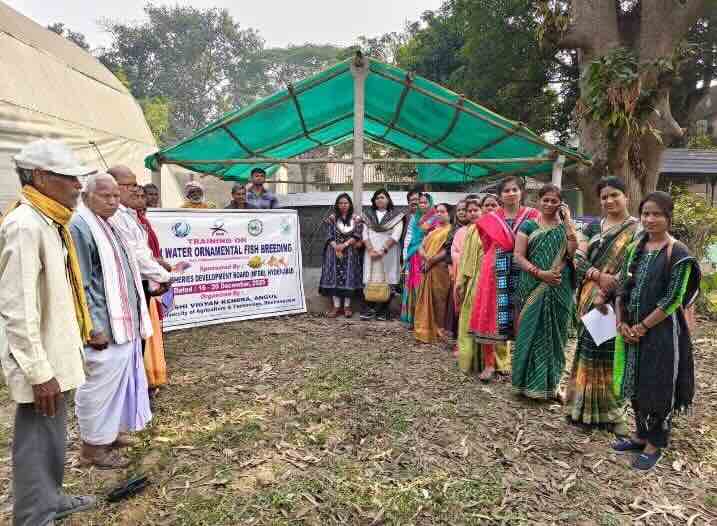
    Department of Fisheries’ Capacity-Building Drive Trains 22,000+ in Modern Aquaculture Skills

    Between July and December 2025, the government facilitated 499 training events that brought together 22,921 participants. These encompassed short-term and long-duration courses, exposure visits, workshops, conferences and Training of Trainers models to ensure knowledge is cascaded locally.

    In a significant push to modernise India’s fisheries and aquaculture sector, the department of fisheries under the ministry of fisheries, animal husbandry and dairying has rolled out an extensive capacity-building programme that has already trained more than 22,900 fishers, farmers, and allied stakeholders across the country. Officials say this initiative is pivotal to fulfilling the goals of the Pradhan Mantri Matsya Sampada Yojana (PMMSY) – geared towards boosting productivity, reducing post-harvest losses and strengthening value chains – while aligning with the government’s broader vision of Viksit Bharat 2047.

    The initiative’s cornerstone is the Training and Capacity Building Programme Calendar prepared by the National Fisheries Development Board (NFDB) in coordination with Indian Council of Agricultural Research (ICAR) fisheries institutes. Launched on National Fish Farmers Day on July 10, 2025, by Union Minister Rajiv Ranjan Singh (Lalan Singh) at the ICAR-Central Institute of Freshwater Aquaculture (CIFA) in Bhubaneswar, the calendar outlines structured training sessions, exposure visits, and knowledge-sharing activities planned for 2025 – 27.

    “Developing human and institutional capacity is critical for transitioning to modern, science-driven fisheries and aquaculture practices,” a senior official said, describing the calendar as a roadmap for enhancing livelihoods and promoting sustainable growth.

    A Broad Spectrum of Skills

    The curriculum spans the entire fisheries value chain – from pre-production techniques to post-harvest processing – with an emphasis on integrating scientific methods into traditional practices. Training modules include hatchery operations, advanced grow-out techniques, integrated and composite fish culture, fish health management, feed formulation, seaweed cultivation, and value-added fish processing.

    A notable focus of the programme is on modern systems such as:

    • Recirculatory Aquaculture Systems (RAS)
    • Biofloc technology
    • Cage culture
    • Ornamental fish breeding

    These areas are increasingly recognised for their superior productivity, resource efficiency and environmental sustainability – especially in the context of rising domestic and export demand for fish products.

    Livelihood diversification is another key objective. Programmes on ornamental fisheries, fish marketing linkages, and women-centric fish value-added products aim to expand income opportunities beyond traditional food fish production. Specialised topics such as deep-sea fishing techniques, traceability and certification have also been included in modular sections of the training.

    Pan-India Reach and Delivery Partners

    Between July and December 2025, the government facilitated 499 training events that brought together 22,921 participants. These encompassed short-term and long-duration courses, exposure visits, workshops, conferences and Training of Trainers (ToT) models to ensure knowledge is cascaded locally.

    The delivery of these programmes was coordinated by a broad network of institutions, including:

    • ICAR fisheries research institutes and regional centres;
    • State and Union Territory fisheries departments;
    • Krishi Vigyan Kendras (KVKs);
    • Agriculture Skill Council of India (ASCI);
    • Central Institute of Fisheries Nautical and Engineering Training (CIFNET); and,
    • National Institute of Fish Processing Technology (NIFPHAT)

    This decentralised approach ensures training is accessible across diverse ecosystems – from inland freshwater fisheries to coastal aquaculture belts.

    Financial Backing and Government Support

    The department of fisheries has earmarked ₹2.93 crore (nearly ₹3 crore) to support these skilling programmes under PMMSY and the Pradhan Mantri Matsya Kisan Saakhsharta evam Suchna Seva Yojana (PM-MKSSY). All training costs for fishers and fish farmers are being fully borne by the government through the NFDB, which serves as the nodal implementing agency.

    Officials emphasise that this investment seeks not just to enhance technical competencies but also to catalyse socio-economic transformation in fishing communities that have traditionally struggled with limited market access and outdated techniques.

    Impact on Fishers and Communities

    Early feedback from participants suggests that exposure to scientific best practices is already yielding results at the grassroots. Many trainees reported improved yields and better quality of produce after applying techniques like balanced feed formulation and systematic health management protocols.

    One fish farmer from Odisha, who attended a practical session on biofloc systems, said: “The training opened my eyes to new ways of culturing fish that are more cost-effective and environmentally sound. I am now planning to expand my farm using these methods.” While anecdotal, such stories underscore the potential of capacity building to translate into real economic benefits.

    Linking Markets and Promoting Consumption

    To ensure training translates into better market outcomes, the programme also emphasises market linkages and consumer engagement. Fish festivals and melas are being organised across states to stimulate demand for local varieties and value-added products, further embedding fish producers into broader value chains.

    A Fishers’ cooperative leader from West Bengal highlighted that these events help farmers connect directly with buyers and processors, reducing dependency on middlemen and improving returns.

    Future Outlook: Sustainability and Growth

    The department of fisheries contends that building institutional and human capacity is essential for India to emerge as a global leader in sustainable aquaculture. With the sector’s contribution to food security, nutrition, and employment increasingly recognised, skilling programmes are seen as foundational to achieving long-term resilience and growth.

    As India integrates technological advances into traditional fisheries practices, the government hopes the framework established under the PMMSY skilling initiative will serve as a scalable model – fostering innovation while ensuring equitable opportunities for fishers nationwide.

    Fish farmers, policy experts and stakeholders say the investments in skill development are timely, coming amid a global push for sustainable protein sources and climate-adaptive food systems. By equipping local communities with advanced technical know-how and market awareness, the capacity-building effort could significantly raise productivity and incomes, boosting the sector’s contribution to the national economy.

    Rising Political Violence and Law-and-Order Fears Cloud Bangladesh’s Pre-Election Landscape

    Observers argue that without tangible improvements in law and order, the legitimacy of the polls may be called into question by both domestic actors and international watchdogs.

    With just over a month left before Bangladesh’s national election, escalating political killings and persistent public safety concerns have intensified scrutiny of the country’s law-and-order environment, political leaders and civil society groups warn. The spate of targeted killings since the election schedule was announced on December 11, 2025, has alarmed political parties, rights activists and ordinary citizens alike, threatening to dampen voter enthusiasm and raise questions about the authorities’ readiness to ensure a secure electoral process.

    Political Leaders Sound the Alarm

    On January 9, 2026, Mirza Fakhrul Islam Alamgir, secretary general of the Bangladesh Nationalist Party (BNP), publicly voiced deep concerns about the country’s deteriorating security situation ahead of the polls, expressing dissatisfaction with the performance of law enforcement agencies. Speaking to reporters, Fakhrul said the rate at which political leaders and activists are being killed is “truly worrying,” particularly highlighting the fatalities among members of his own party.

    Fakhrul reiterated the BNP’s condemnation of the murders and urged the government to take “responsible” action to prevent further violence as the election nears. He also discussed the expected visit of BNP acting chairman Tarique Rahman to northern districts, describing it as a personal goodwill tour intended to inspire grassroots leaders.

    The BNP leader’s comments reflect growing frustration within the political party ranks over what they see as weak responses by authorities to recent attacks. Fakhrul’s remarks come amid broader political friction over campaign dynamics and public safety – themes now dominating national discourse as polls approach.

    Scope and Scale of Political Killings

    According to data compiled by Ain o Salish Kendra (ASK) and local media, at least eight political killings have occurred since the election schedule was unveiled, often involving firearms and taking place in public or populated settings. These incidents have left communities shaken and questioning whether security forces are prepared to protect political activists and voters alike.

    Among the victims was Azizur Rahman Musabbir, a former Swechchhasebak Dal leader, who was shot near Karwan Bazar in Dhaka in the evening hours. Likewise, Jane Alam Sikder, a former BNP youth wing leader, was killed by assailants on a motorcycle in Chattogram’s Rausha area – a startling incident that occurred barely 500 metres from a police investigation centre.

    Additional fatalities included Alamgir Hossain, another BNP leader gunned down in Jashore, and a Chhatra Dal activist killed in Bhola while travelling for a political event. Other victims have included community leaders such as Saiful Sardar and Farid Sarkar, killed in Faridpur and Gazipur districts respectively. These attacks form part of an unsettling pattern that has continued unabated in recent weeks.

    Human Rights Support Society and independent observers recorded nearly 60 incidents of political violence in December alone, resulting in four deaths and over 500 injuries. These figures underscore not only the human toll of the violence but also the heightened risk facing politically active citizens.

    Public Anxiety and Law-and-Order Lapses

    Public anxiety has been further fuelled by broader safety concerns. In the first week of the new year, multiple murders – some unrelated to political activity – were reported, including several in the capital. Police data reveals that over a thousand firearms looted during the July 2024 uprising remain unaccounted for, and roughly 710 inmates who escaped from various prisons have yet to be apprehended, raising fears that uncontrolled weapons and fugitives may be contributing to the spike in violence.

    Experts argue that while the government’s ongoing law-enforcement operations are necessary, they have yet to effectively tackle the security challenges facing the nation. Dr Tawhidul Haque, an associate professor at Dhaka University’s Institute of Social Welfare and Research, said current measures are insufficient to quell both general crime and politically motivated attacks as the electorate prepares for the polls.

    Civil society voices have echoed these concerns. Asif Mahmud Shojib Bhuyain, spokesperson for the National Citizen Party, described the law-and-order situation as “very disappointing” and urged the Election Commission to increase security presence at grassroots levels, warning that perceived state inaction could deter voter participation.

    Despite these criticisms, police officials maintain that efforts to maintain public safety are ongoing. Assistant Inspector General AHM Sahadat Hossain stated that police patrols, operations against criminals, intelligence surveillance and legal actions are being strengthened to protect lives and property amid dynamic circumstances.

    Election Integrity at Stake

    For many Bangladeshis, the recent violence raises fundamental concerns about the quality and integrity of the democratic process. Political killings – particularly those involving well-known activists – not only chill civic engagement but also risk undermining faith in electoral fairness and safety.

    As election day draws closer, the government and electoral authorities face mounting pressure to reassure voters that their safety will be safeguarded. Observers argue that without tangible improvements in law and order, the legitimacy of the polls may be called into question by both domestic actors and international watchdogs.

    For now, Bangladesh remains at a crossroads where political ambition, public safety and democratic norms intersect – with the coming weeks poised to test the resilience of its institutions and the resolve of its people.

    Germany Commits €1.3 Billion in Concessional Loans to Boost India’s Green Transition

    As India accelerates its energy transition and urban sustainability efforts, this €1.3 billion infusion is expected to catalyse further private investment, technological collaboration, and tangible reductions in greenhouse gas emissions.

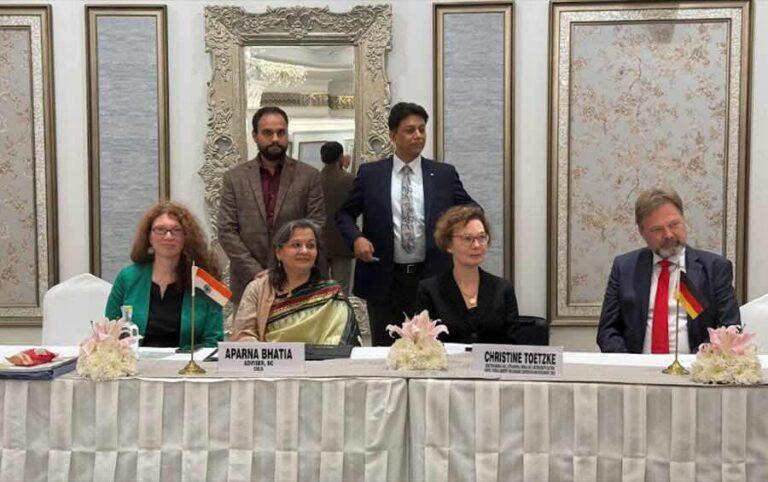
    In a significant step forward for bilateral climate cooperation, Germany has pledged approximately €1.3 billion (around ₹11,800 crore) in concessional loans to India, aimed at accelerating sustainable development, renewable energy adoption, and climate resilience. The announcement came following the successful conclusion of the India-Germany Government Negotiations on Development Cooperation 2025, held in early December 2025.

    The funds, primarily structured as low-interest concessional loans through Germany’s development bank KfW, will target key priority areas aligned with India’s ambitious climate goals and the broader framework of the Green and Sustainable Development Partnership (GSDP), launched in 2022. These areas include:

    • Climate and energy initiatives,
    • Sustainable urban development,
    • Green urban mobility,
    • Sustainable management of natural resources,
    • And strengthened skills development, particularly in the renewable energy sector.

    The commitment reinforces the unique nature of the Indo-German partnership, described by officials as one of equal collaboration between two mature nations tackling pressing global challenges.

    Christine Toetzke, Director General for Asia at the German Federal Ministry for Economic Cooperation and Development (BMZ), expressed enthusiasm about the ongoing collaboration. “I am delighted to continue our trustful development cooperation under the umbrella of GSDP, guiding our commitment to the bilateral cooperation. With the projects committed today, Germany and India jointly follow the path to sustainable prosperity and overcome global challenges,” she stated.

    “During the negotiations, Germany announced new commitments amounting to almost €1.3bn, primarily in the form of concessional loans, across the key areas of climate and energy, sustainable urban development, green urban mobility and sustainable management of natural resources. In addition, bilateral cooperation in the skills development sector, in particular, renewable energy will be strengthened,” the statement read.

    GSDP’s Distinctive Character

    German Ambassador to India, Philipp Ackermann, highlighted the distinctive character of the GSDP. “Our negotiations under the Green and Sustainable Development Partnership are serious in purpose but deeply rewarding, because they take place with partners we know well and value greatly. Germany has no partnership quite like the GSDP with any other country (apart from India); its scale, its ambition and its spirit of equal collaboration make it truly unique. It is not traditional development cooperation; it is two mature nations working together to find solutions to the most pressing challenges of our time,” Ackermann remarked. He added that he looked forward to the important work ahead in the coming year.

    The negotiations built on prior site visits, including Toetzke’s trip to Bengaluru to observe progress under the Indo-German Green Urban Mobility Partnership for All (GUMP). This flagship initiative promotes low-carbon, accessible transport networks, including metros, electric buses, pedestrian pathways, and cycling infrastructure. It aims to benefit millions by enhancing municipal management and shielding populations from climate impacts. To date, around 126 million people have gained from improved urban governance, while 36 million are better protected against climate consequences.

    A concrete example of this ongoing cooperation is the recently inaugurated Yellow Line Metro segment in Bengaluru (Bangalore), which received €340 million in KfW financing. The project not only reduces emissions and eases urban congestion but has also generated an estimated 25,000 jobs, with German companies like Siemens, Knorr-Bremse, Hübner, and Voith supplying critical components and services.

    Broader, Long-Term Commitment

    This latest pledge forms part of Germany’s broader, long-term commitment under the GSDP, which envisions at least €10 billion in new and additional support by 2030. Since its inception, the partnership has facilitated substantial progress in renewables integration, green energy corridors, and just energy transitions, supporting India’s targets of achieving 500 GW of non-fossil fuel capacity by 2030 and net-zero emissions by 2070.

    The concessional nature of the loans makes them particularly valuable, offering favourable terms that reduce financial strain on Indian projects while enabling large-scale implementation. This approach aligns with global climate finance principles, where developed nations like Germany help emerging economies bridge funding gaps for mitigation and adaptation.

    Experts view the announcement as timely amid rising climate vulnerabilities in India, including extreme weather events, urban heat stress, and resource strains. By focusing on urban mobility and renewable skills, the funds address both immediate needs—like cleaner transport in growing cities—and long-term capacity building for a green workforce.

    The partnership also underscores Germany’s role as a reliable provider of international climate finance. In 2024, Germany contributed €11.8 billion globally to climate efforts, including significant allocations through KfW for projects in countries like India.

    As India accelerates its energy transition and urban sustainability efforts, this €1.3 billion infusion is expected to catalyse further private investment, technological collaboration, and tangible reductions in greenhouse gas emissions. Officials from both sides emphasized that the agreement reflects a shared vision of sustainable prosperity, positioning the Indo-German tie-up as a model for North-South climate cooperation in an era of accelerating global warming.

    With implementation set to ramp up in the coming months, the pledge signals continued momentum in one of the world’s most ambitious bilateral green partnerships.

    Image: German Embassy, New Delhi

    WCD Launches PANKHUDI Portal to Streamline Partnerships

    Previously fragmented efforts often lacked transparency and efficient monitoring, leading to overlaps or gaps in implementation. PANKHUDI changes this by providing a structured, technology-enabled framework.

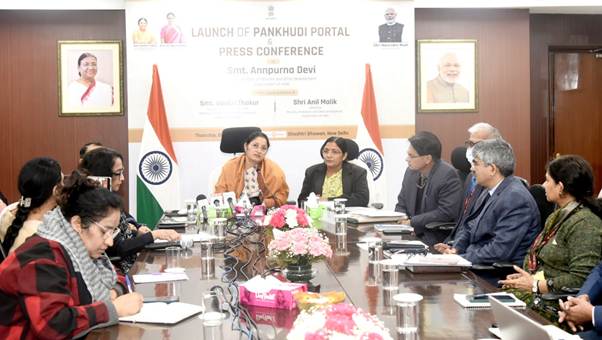
    In a landmark move to harness digital technology for social welfare, the ministry of women and child development on Thursday unveiled PANKHUDI, an integrated digital portal designed to streamline corporate social responsibility (CSR) contributions and partnerships aimed at empowering women and children across India.

    The portal, whose name evokes the imagery of a blooming flower symbolizing growth and nurturing, was launched by union minister for women and child development, Annpurna Devi, in the presence of minister of state Savitri Thakur and secretary Anil Malik.

    The event, held in New Delhi, underscored the government’s unwavering commitment to the welfare, protection, and empowerment of India’s most vulnerable populations.

    Speaking at the launch, officials highlighted how PANKHUDI aligns with prime minister Narendra Modi’s vision of leveraging technology as a bridge between the government and citizens. The prime minister has often emphasized that technology fosters transparency, participation, and trust, while jan bhagidari – people’s participation – remains the cornerstone of effective nation-building. PANKHUDI embodies this philosophy by creating a unified platform that invites collaboration from diverse stakeholders, turning individual and institutional efforts into a cohesive force for social change.

    At its core, PANKHUDI serves as a single-window digital interface, bringing together individuals, non-resident Indians (NRIs), non-governmental organisations (NGOs), CSR contributors, corporate entities, and government agencies. This convergence is targeted at key thematic areas critical to women’s and children’s well-being: nutrition, health, early childhood care and education (ECCE), child welfare, protection and rehabilitation, and women’s safety and empowerment.

    The portal addresses longstanding challenges in coordinating voluntary and institutional contributions. Previously fragmented efforts often lacked transparency and efficient monitoring, leading to overlaps or gaps in implementation. PANKHUDI changes this by providing a structured, technology-enabled framework. Contributors can register seamlessly, browse ongoing initiatives, submit detailed proposals, and track the progress of their contributions through well-defined approval workflows.

    Digital Intervention to Enhance Ease of Living

    A standout feature is its emphasis on accountability. To ensure financial transparency, all transactions on the portal are restricted to non-cash modes, eliminating risks associated with physical fund transfers and enabling end-to-end traceability.

    PANKHUDI directly bolsters the ministry’s flagship missions: mission saksham anganwadi and Poshan 2.0, which focuses on upgraded anganwadis and improved nutrition; Mission Vatsalya, dedicated to child protection and welfare; and Mission Shakti, aimed at women’s safety, security, and empowerment. By channelling resources through the portal, these missions gain enhanced implementation, monitoring, and outcome measurement.

    The impact is expected to be far-reaching. The portal will improve infrastructure and services at over 14 lakh Anganwadi Centres nationwide, which serve as the frontline for nutrition and early childhood development for millions of children and mothers. Additionally, it will support around 5,000 child care institutions, approximately 800 one stop centres for women in distress, more than 500 Shakhi Niwas (safe shelters), and over 400 Shakti Sadan facilities. Ultimately, this digital intervention promises to enhance the ease of living for crores of citizens who rely on these institutions daily.

    Experts and stakeholders have hailed the launch as a game-changer for CSR in India. With mandatory CSR spending under the companies act requiring corporates to allocate 2 per cent of their average net profits to social causes, the portal simplifies compliance while directing funds more effectively towards government priorities. For NGOs and individual donors, including the Indian diaspora, it offers a trusted channel to contribute meaningfully, fostering greater public-private partnerships.

    Digital Solutions for Governance and Development

    The launch comes at a time when India is increasingly turning to digital solutions for governance and development. PANKHUDI extends this digital dividend to the social sector, ensuring that contributions are not just charitable but outcome-oriented and sustainable.

    As the portal goes live, the ministry has urged corporates, NGOs, and citizens to register and explore partnership opportunities. Training sessions and awareness campaigns are planned to maximize adoption, particularly in rural and underserved areas.

    In her address, Annpurna Devi reiterated the government’s resolve: “PANKHUDI is more than a portal; it is a testament to our collective responsibility towards the future of our nation – our women and children. Through transparency, trust, and technology, we are building a stronger, more empowered India.”

    Officials said that this initiative not only enhances ease of doing CSR but also reinforces India’s commitment to the Sustainable Development Goals, particularly those related to gender equality, zero hunger, and good health.

    They say that as the portal evolves, it holds the promise of inspiring similar digital frameworks across other sectors, paving the way for a truly participatory democracy.

    Massive $12 Trillion Climate Finance Gap Threatens Hindu Kush Himalaya Region

    Countries like Bangladesh, Bhutan, India, Myanmar, Nepal, and Pakistan are highly exposed to climate impacts but least equipped financially to cope. Afghanistan, Nepal, and Pakistan, in particular, spend far more than global income-group averages on disaster response and adaptation.

    The Hindu Kush Himalaya (HKH) region, often called the “Water Tower of Asia” and a critical lifeline for billions of people across eight countries, is staring at a colossal climate financing shortfall that could undermine its resilience against escalating environmental threats.

    A groundbreaking new report by the International Centre for Integrated Mountain Development (ICIMOD) reveals that the region requires approximately USD 12.065 trillion from 2020 to 2050 to adequately fund climate adaptation and mitigation efforts. This translates to an staggering annual average of USD 768.68 billion.

    Launched at the “Enhancing Climate Actions in the Hindu Kush Himalaya” conference in Paro, Bhutan, the report titled Climate Finance Synthesis Report: Needs, Flows and Gaps in the Hindu Kush Himalaya Countries paints a sobering picture of current funding inadequacies.

    “Mobilising the ambitious target of USD 12 trillion is like climbing the Everest of funding,” said Ghulam Ali, ICIMOD’s Innovative Investment Specialist and the report’s lead author. “The strategy to mobilise these resources has to be creative, comprehensive, and collective to achieve such significant goals.”

    The HKH stretches nearly 3,500 kilometers across Afghanistan, Bangladesh, Bhutan, China, India, Myanmar, Nepal, and Pakistan. It serves as a vital water source, feeding major rivers that sustain agriculture, hydropower, and livelihoods for over two billion people downstream.

    Yet, the region is disproportionately vulnerable to climate change, experiencing faster warming than the global average, rapid glacial melt, biodiversity loss, and increasingly frequent extreme weather events like floods, droughts, and landslides.

    Stark Disparity

    The report highlights a stark disparity: China and India account for 92.41 per cent of the total projected needs, with China requiring about USD 8.464 trillion and India USD 2.686 trillion over the period. However, smaller, more vulnerable nations face financing burdens that are crippling relative to their economies.

    For instance, annual per capita climate finance needs vary dramatically – from as low as USD 24 in Afghanistan to over USD 2,126 in Bhutan. In some cases, these needs represent up to 57 per cent of the GDP in Bhutan, forcing policymakers into impossible trade-offs between development priorities and survival measures for vulnerable populations.

    Countries like Bangladesh, Bhutan, India, Myanmar, Nepal, and Pakistan are highly exposed to climate impacts but least equipped financially to cope. Afghanistan, Nepal, and Pakistan, in particular, spend far more than global income-group averages on disaster response and adaptation, trapping them in a cycle of perpetual repair with little left for proactive resilience-building.

    “Evidence and analysis are an important part of advocating and influencing policy development for climate financing in the region,” noted Pema Gyamtsho, ICIMOD’s Director General. “The grounded data this report offers enhances understanding of the actions required to address the financial needs of our region to build economic resilience.”

    Disproportionately Low Shares

    The crisis extends beyond environmental concerns – it is fundamentally an issue of economic inequality and justice. While global climate finance flows reached USD 1.3 trillion annually in recent years, much of it has prioritized mitigation in wealthier or larger emerging economies.

    The HKH, by contrast, receives disproportionately low shares, with critical sectors like agriculture, water management, and disaster risk reduction chronically underfunded.

    Actual flows to the region between 2018 and 2021 tell a tale of gaps: India saw USD 80.6 billion in flows against massive needs, while smaller nations like Bhutan received limited disbursements despite high vulnerability.

    To close this multi-trillion-dollar chasm, the report advocates a three-track approach:

    • Improving access to existing multilateral funds, such as the Green Climate Fund and Adaptation Fund.
    • Pioneering innovative financing mechanisms, including debt-for-climate swaps, green and blue bonds, and voluntary carbon markets tailored to mountain economies.
    • Boosting domestic public spending targeted at mountains and environmentally sensitive areas, alongside enhanced private sector engagement through incentives and de-risking tools.

    Broader recommendations include building institutional capacities, establishing an HKH Climate Finance Network for regional collaboration, improving data infrastructure for better risk assessments, and fostering policy coherence across borders.

    The report’s release comes at a pivotal moment, following global climate negotiations and amid growing recognition of mountain-specific challenges. ICIMOD, an intergovernmental body serving the eight HKH nations, emphasizes the need for collective action to safeguard this irreplaceable ecosystem.

    Without urgent, scaled-up financing, the consequences could be catastrophic: accelerated glacier loss threatening water security, intensified disasters displacing communities, and widened inequalities exacerbating poverty in one of the world’s most populous and vulnerable regions.

    Image: ICIMOD

    Building Climate Resilience in Nepal’s Mountains and Plains

    One of the starkest examples is Imja Lake in Nepal’s Everest region. Until the 1960s, it was only a relatively small pool of meltwater high in the mountains. But as the glaciers around it began to retreat, its size swelled dramatically.

    Across the Hindu Kush Himalaya – an 800-kilometre-long mountain range often called the “Third Pole” – the number and size of glacial lakes are rapidly increasing. Communities are witnessing the sweeping impacts of climate change before their eyes; temperatures rising, glaciers shrinking, new lakes forming and unexpected vegetation appearing at high altitudes. 

    For mountain dwellers in eight countries along this range, these shifts are not abstract science – they are lived realities, leaving families fearful, displaced and unsettled.  

    Safeguarding Mountain Communities From GLOFs 

    One of the starkest examples is Imja Lake in Nepal’s Everest region. Until the 1960s, it was only a relatively small pool of meltwater high in the mountains. But as the glaciers around it began to retreat, its size swelled dramatically, reaching a surface area of 1.28 square kilometres, a depth of nearly 150 metres and a volume of over 75 million cubic metres of water by 2014. Located above mountain villages, this shimmering reservoir had become a looming threat to the communities downstream.  

    To reduce the risk of a catastrophic outburst flood and subsequent flooding in the country’s southern plains, Nepal secured US$7 million from the Global Environment Facility (GEF)’s Least Developed Country Fund. With these resources and the technical support of UNDP, the Department of Hydrology and Meteorology (DHM) mobilized the Nepal Army and high-altitude workers to carve an artificial drainage channel, successfully lowering the lake’s water level by 3.4 metres. 

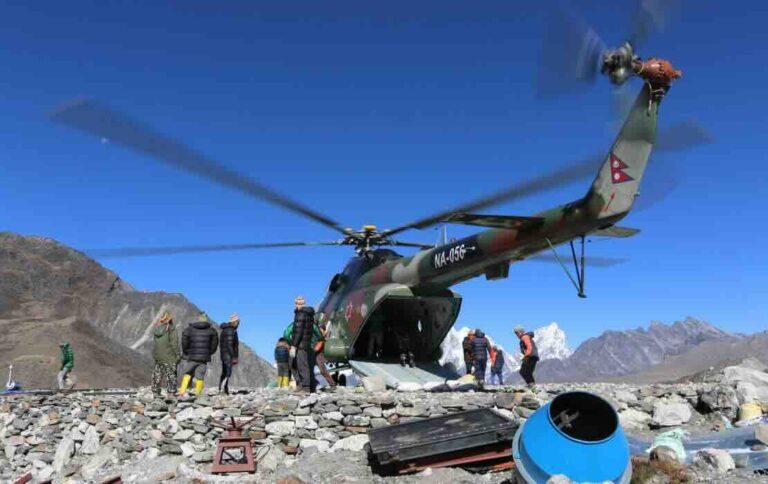
    To protect downstream communities, half a dozen automated sirens were also installed – only the second time in Nepal’s history that such a glacial risk mitigation system was put in place, after earlier efforts at Tsho Rolpa glacial lake back in 2000. The work was anything but easy. Given the extreme terrain, construction materials were airlifted by helicopter, and the team completed the assignment while enduring the freezing cold.  

    “It was a challenging job. Yet we made it a success – even when resourceful countries like India and Bhutan had not been able to avert the risk of glacial lakes hanging on steep slopes,” said Kamal Ram Joshi, Director General of the DHM. “This has provided a clear way forward in mitigating risks in other vulnerable glacial lakes.”

    Important Precedent

    Nepal’s success in reducing the threat posed by Imja Lake set an important precedent, paving the way to address other high-risk glacial lakes. In 2025, the Green Climate Fund (GCF) approved a $36.1 million grant to reduce the growing threat of glacial lake outburst floods in the country. This new initiative, led by the DHM in partnership with UNDP, is focused on four potentially dangerous glacial lakes – Thulagi, Hongu 2, Lower Barun and Lumding Tsho.

    Yet the challenge the country is facing is far larger. Of the 47 glacial lakes in the Hindu Kush Himalaya region considered at imminent risk of bursting, 21 are in Nepal, threatening downstream communities with devastating floods.

    The success at Imja Lake, however, boosted the confidence of Nepalese authorities in tackling this issue. According to Joshi, this progress paved the way for Nepal to prepare a comprehensive risk mitigation plan. “Building on this plan and the evidence generated so far, we can now approach other development partners to further minimize risks,” said Joshi. “This is essential if we are to achieve our goal of ensuring early warning systems for all by 2030.”

    Building Climate-Resilient Livelihoods

    Glacial lake outburst floods in the Himalayas are not the only climate-related threat Nepal faces. While small in size, Nepal ranks fourth globally in terms of overall vulnerability to climate change. In the hills and southern parts of the country, droughts are massively impacting low-income households. And on the southern plains bordering India, increasingly erratic rainfall patterns trigger landslides and flash floods.

    The success of the glacial lake lowering project created momentum to use the same funding source to strengthen the resilience of drought-affected communities in watersheds of the Sunkoshi River basin in Eastern Nepal. 

    To help communities cope, UNDP worked with the government to introduce a new way of managing water. The approach was simple but powerful: protect and restore local water sources so that people in Khotang and Okhaldhunga could rebuild their livelihoods. In these districts, water scarcity had pushed people to the brink, affecting not only farming but daily life itself.  

    With the project’s support, communities began using simple but effective nature-based solutions, protecting water sources, building recharge ponds, harvesting rainwater and lifting water with solar pumps.  

    The impact is visible. Barren lands have been transformed back into thriving farmland. Water sources are more secure and rainwater harvesting has eased the pressure on daily use. Newly built irrigation ponds now enable farmers to grow vegetables, providing an additional source of income. 

    As water returned, so did farming, with some farmers cultivating high-value cash crops, including kiwis, avocados, tea, coffee, oranges, mangoes, bananas and lemons. Some farmers successfully resumed paddy farming after more than a decade and a half. 

    “This year, I planted paddy on six out of my 29 ropanis of land. Planting paddy at an altitude of 2,000 metres is unbelievable,” said Basnet, a 41-year-old farmer in Chisankhugadhi, Okhaldhunga. “It is the first time that I saw paddy farming here.” 

    More than 600 Water Sources Are Protected

    Within just a few years, these measures have already directly benefited more than 121,000 people. More than 600 water sources are now protected in Khotang and Okhaldhunga districts. Additionally, locals have constructed 100 catchment ponds, 40 contour trenches and 25 water holes. The practice of rainwater harvesting has helped to irrigate 600 hectares of land.  

    Sustainable water management has also brought wider change. Conservation farming is now being practiced on 2,500 hectares of land, more than a third of the area under cultivation. Four solar-powered water lifting systems have been installed to support marginalized Majhi communities. And, in a first for Nepal, drones were used to “seed bomb” four degraded areas, helping restore lost forests.  

    With these visible changes, the flow of out-migration has stagnated in Khotang, a district with the second-highest out-migration rate. A similar impact can be observed in the neighbouring district of Okhaldhunga.  

    The success of these initiatives has catalyzed broader action at the local level. Inspired by the demonstrated impact of nature-based solutions in the project areas, the municipalities in both districts have now integrated similar activities into their annual plans and allocated budget to sustain and scale up the results. 

    Furthermore, the Koshi Province Government is not only replicating these approaches, but also channeling provincial funds earmarked for the promotion of water conservation, watershed restoration, and climate-resilient livelihoods.

    Institutional Ownership

    This growing institutional ownership by local and provincial governments marks a significant shift toward sustainable, locally driven climate action, ensuring that the benefits extend well beyond the project’s lifespan. One key achievement was the formulation of climate-resilient watershed management directives, now being put into practice by local governments.  

    Badri Raj Dhungana, Director General of the Department of Forest and Soil Conservation, says the project has marked some important milestones in helping vulnerable communities revive their livelihoods by restoring water in drought-affected areas.  

    “The project has supported us in implementing several plans, policies, guidelines and standards to institutionalize integrated watershed management across federal, provincial and local levels,” said Dhungana. “By combining innovative technologies with increased community participation, the initiative has proven to be an effective tool for reducing drought-related livelihood risks.”  

    For Basnet, the changes have been profound as well. He now believes that nature-based solutions are the only way to combat drought. 

    “With the protection and proper use of our water sources, greenery has returned,” he said. “I have realized that nature has its own way of restoring balance.” 

    Source: UNDP

    Bangladesh Moves Towards First National Climate Finance Strategy

    Climate finance is increasingly woven into Bangladesh’s public financial management systems, and these dialogues will further deepen that integration and unlock new investment streams for resilience. 

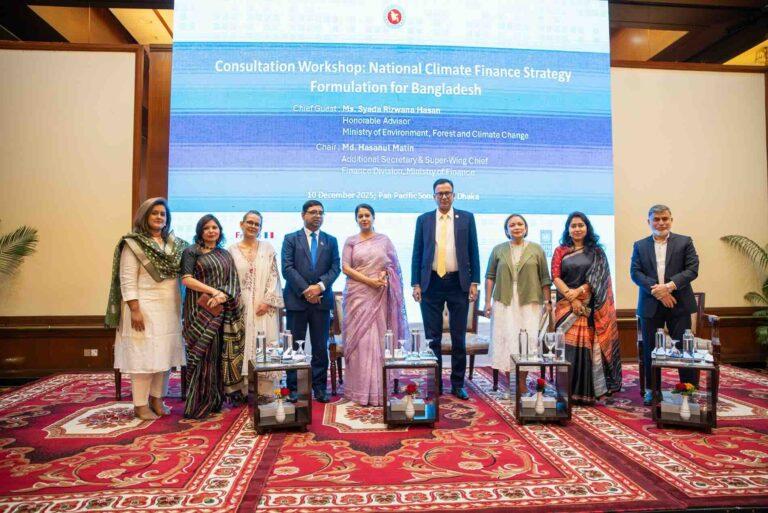
    Bangladesh has  taken a major step towards its first National Climate Finance Strategy, aiming to bridge the gap between ambitious climate commitments and the financing needed to protect vulnerable communities.

    Through a series of nationwide consultations, from November to December 2025, convened by the Finance Division, with UNDP providing technical assistance and financing from Agence Française de Développement (AFD) under the Inclusive Budgeting and Financing for Climate Resilience (IBFCR II) project, the country is laying the foundation for a comprehensive roadmap to mobilize and manage climate finance at scale.

    Climate finance is increasingly woven into Bangladesh’s public financial management systems, and these dialogues will further deepen that integration and unlock new investment streams for resilience. 

    Bangladesh ranks among the world’s most climate‑vulnerable countries while contributing less than one per cent of global GHG emissions, facing recurring climate induced disasters that damage agriculture, infrastructure and livelihoods, with annual climate finance needs estimated at over USD 26 billion, especially for adaptation and loss and damage. Over the past decade, Bangladesh has emerged as a forerunner among climate‑vulnerable countries by adopting the Bangladesh Climate Change Strategy and Action Plan (BCCSAP), the National Adaptation Plan (NAP), updated Nationally Determined Contributions (NDCs) and Delta Plan 2100, yet a persistent gap between the investment needs set out in these plans and available public, private and international finance underscores the urgency of a dedicated Climate Finance Strategy to translate climate priorities into concrete financial decisions.

    Insights from the Consultations

    Banks, insurers, and business associations highlighted barriers to scaling private climate finance, including the lack of a clear taxonomy, tax incentives, and innovative instruments. Participants called for expanding tools such as green bonds, sukuk, resilience bonds, ESG-aligned funds, blended finance, and climate insurance, while addressing regulatory hurdles like VAT on crop insurance and duties on solar equipment.

    Development partners and DFIs International actors emphasized the need for a country-owned framework to guide concessional resources and reduce fragmentation. They urged operationalizing the Bangladesh Climate Development Partnership (BCDP) and strengthening project preparation capacity to access major climate funds and build bankable pipelines aligned with NAP and NDC priorities.

    Government stakeholders Ministries stressed improving climate-responsive public financial management, faster post-disaster disbursement, and updating climate budget tagging and the Climate Fiscal Framework. Ensuring that climate finance reaches vulnerable groups, including women, children, and marginalized communities, through social protection systems was a key priority.

    Throughout the consultations, national leaders and partners stressed that Bangladesh’s climate ambition must be backed by a clear, country-led financing framework. From the Ministry of Finance, AKM Sohel, Additional Secretary and UN Wing Chief at the Economic Relations Division, underlined that “despite being highly vulnerable, Bangladesh receives only a fraction of the climate finance it requires” and that a clear Strategy will help “navigate this imbalance” and develop bankable projects for long‑term resilience. 

    Syeda Rizwana Hasan, Honourable Advisor at the Ministry of Environment, Forest and Climate Change, called for a fundamental shift in the way climate finance is approached, urging Bangladesh to “build real capacity, simplify financing beyond slow tenders, and equip ministries and NGOs through clear working groups so climate finance becomes truly outcome oriented.” 

    The Finance Division and UNDP will now consolidate insights from the three national consultations to draft Bangladesh’s first National Climate Finance Strategy and its operational plan. The draft strategy will then be shared with key stakeholders for their input and validation. By embedding climate finance in national systems and sustaining engagement with government, partners, the private sector and civil society, Bangladesh aims to turn its climate ambition into scaled-up action that protects development gains and strengthens resilience.

    Source: UNDP