More

    Bangladesh and Bhutan Deepen Ties with MoUs on Health Workforce, Internet Connectivity

    The PTA between the two countries dates back to 2020. At a meeting with Commerce Adviser Sk Bashir Uddin, Tobgay expressed that an FTA could unlock far greater trade potential.

    Bangladesh and Bhutan have taken a significant step toward strengthening bilateral cooperation by signing two Memoranda of Understanding (MoUs) on health-sector workforce recruitment and internet connectivity, during Bhutanese Prime Minister Tshering Tobgay’s two-day state visit to Dhaka.

    The agreements were inked at a formal ceremony in the Chief Adviser’s Office in Tejgaon, witnessed by Bangladesh’s Chief Adviser Professor Muhammad Yunus and PM Tobgay.

    New Health Cooperation to Support Bhutan’s Workforce

    Under the first MoU, Bangladesh’s Health Services Division (HSD), a part of the Ministry of Health and Family Welfare, will collaborate with Bhutan’s Ministry of Health to facilitate the appointment of health workers. Md Saidur Rahman, Secretary of the HSD, signed the agreement on behalf of Bangladesh.

    This deal could help Bhutan address staffing gaps in its health system while offering employment opportunities to Bangladeshi health professionals. The move reflects a deepening of people-to-people and institutional links in a critical public-service domain.

    Bandwidth Deal Opens Path for Cross-Border Internet Trade

    The second MoU establishes a framework for trading international internet bandwidth and other telecommunication services between the two countries. Bangladesh’s side was represented by Abdun Naser Khan, Secretary of the Posts & Telecommunications Division, who signed the document.

    This agreement potentially allows Bhutan to leverage Bangladesh’s stronger connectivity infrastructure to access international bandwidth – a move that could stimulate digital growth and improve internet access in Bhutan, given its challenging terrain and geographic constraints.

    Bhutan Pushes to Turn PTA into FTA Amid Strengthened Diplomacy

    Alongside the MoU ceremony, PM Tobgay reiterated Bhutan’s interest in elevating its existing Preferential Trade Agreement (PTA) with Bangladesh into a full Free Trade Agreement (FTA).

    The PTA between the two countries dates back to 2020. At a meeting with Commerce Adviser Sk Bashir Uddin, Tobgay expressed that an FTA could unlock far greater trade potential – especially in sectors such as medicines, ceramics, ready-made garments, construction materials, and electronics.

    He also highlighted Bhutan’s plan to develop a “Biodiversity City” in Gelephu and said construction materials for that project could be imported from Bangladesh. Meanwhile, he invited Bangladeshi tourists, noting that Bhutan charges a reduced Sustainable Development Fee (SDF) for tourists from Bangladesh and other South Asian countries.

    Bangladesh’s Commerce Adviser welcomed the proposal and said the FTA idea will be considered seriously at an upcoming secretary-level Bangladesh–Bhutan meeting.

    Strategic Context and Broader Implications

    PM Tobgay arrived earlier in the day in Dhaka, received by Adviser Yunus at Hazrat Shahjalal International Airport. He paid respects at the National Martyrs’ Memorial in Savar and planted a tree, a symbolic act underscoring the two nations’ shared history and diplomatic warmth.

    Observers say the twin MoUs reflect not just Bangladesh and Bhutan’s intent to deepen cooperation in the social and digital spheres, but also point to the growing ambition to leverage economic integration. The bandwidth deal may help Bhutan overcome its geographic limitations in connectivity, while the health workforce agreement could strengthen Bhutan’s healthcare capacity.

    If the push to convert the PTA into an FTA succeeds, both countries could significantly expand trade volumes – unlocking new opportunities in manufacturing, infrastructure, and pharmaceuticals.

    Sri Lanka: Price Controls on Rice Backfire, Thinktank Study Finds

    Advocata’s analysis underscores how government-mandated maximum retail prices for rice, enforced by the Consumer Affairs Authority, force millers to sell below their production cost.

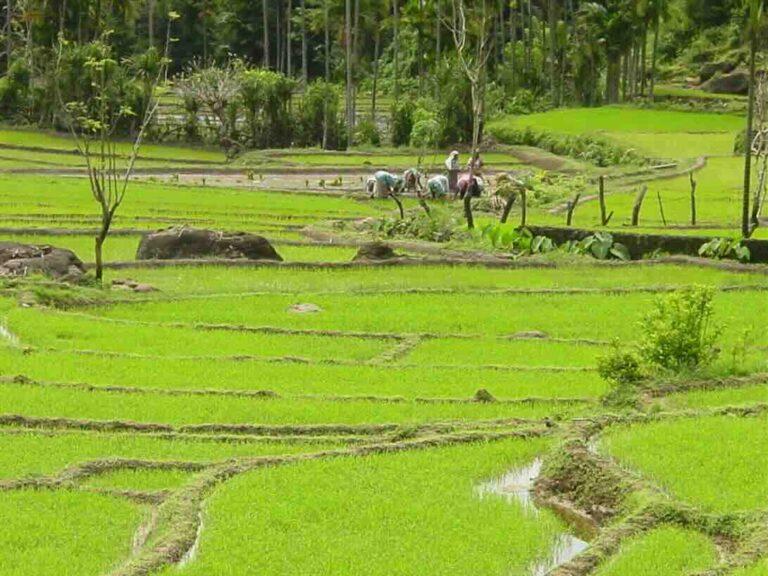
    A recent study by the Sri Lankan thinktank, Advocata Institute, warns that Sri Lanka’s rice price controls – while designed to make rice affordable are instead undermining food security by creating chronic shortages and encouraging black markets. The policy think tank argues that decades of price caps and import tariffs have distorted the very market mechanisms meant to stabilise supply.

    Controlled Prices Fuel Shortages and Rice Black Markets

    Advocata’s analysis underscores how government-mandated maximum retail prices for rice, enforced by the Consumer Affairs Authority (CAA), force millers to sell below their production cost. For example, according to the think tank, producing 1 kg of white Nadu rice cost millers around Rs 235, while the capped wholesale price was just Rs 225, leading to losses on every kilogram sold.

    These distortions lead many millers to reduce output or pause operations entirely, reducing available stocks. The shortage is particularly severe for red rice varieties; in some cases, the rice has simply disappeared from formal outlets, only to reappear in black-market sales at up to Rs 310 per kg, according to Advocata.

    Data Gaps and Oligopoly Undercut Rice Market Stability

    The study also highlights deeper structural flaws. Sri Lanka faces a chronic lack of accurate market data – especially consumption data by rice variety. Without disaggregated demand data, government efforts to manage supply are reactive, not proactive, say researchers.

    Meanwhile, a handful of large-scale rice millers wield disproportionate power. With large storage capacity and capital, they buy up paddy immediately after harvest and release stocks strategically, influencing supply cycles to their advantage. This oligopolistic structure, combined with rigid price caps, discourages investments in storage, processing, and distribution – perpetuating instability rather than addressing it, Advocata Institute says.

    Advocata Calls for Market-Oriented Reforms for Rice

    In its recent commentary on the subject titled, ‘When Price Caps Backfire: Rethinking Rice Policy,’ Advocata proposes a shift away from rigid price controls towards a more coordinated, data-driven, and competitive market model. Key recommendations include: liberalising rice pricing, investing in variety-specific consumption and supply data, and breaking down concentration in the milling sector.

    The think tank argues that by removing price ceilings and import restrictions, Sri Lanka can foster healthier competition, ensure more stable supplies, and align policy with real consumer demand – all while safeguarding the livelihoods of farmers.

    Wider Implications for Rice Availability and Food Security

    Advocata’s findings come at a critical time, as Sri Lanka continues to navigate post-crisis economic pressures. Although efforts such as a Rs 60 billion procurement programme by the Paddy Marketing Board (PMB) to stockpile paddy have been undertaken, these do not address the systemic disincentives created by price distortion.

    By artificially capping prices, the government may be perpetuating inefficiency and instability, Advocata says, ironically, undermining its own goal of protecting consumers.

    Sri Lanka: Public Buying Spree During Pandemic Strains Ayurveda Supply Chain

    During the height of the COVID-19 pandemic, a wave of panic buying driven by belief in herbal immunity-boosting remedies sparked a sharp decline in the availability of key medicinal plants in Sri Lanka – a crisis that now threatens Ayurvedic drug production.

    Supermarkets and smaller retailers saw empty shelves of herbs like ginger, turmeric, coriander seeds, and yellow vine. As demand surged, not only did local consumers snap up these items, but Ayurvedic manufacturers found themselves unable to procure sufficient raw materials for medicine production. Experts warn this artificial scarcity may spiral into overexploitation of wild plant populations.

    Production Crisis at Ayurvedic Drugs Corporation

    The shortage of medicinal plants is now directly affecting pharmaceutical output. The Sri Lanka Ayurvedic Drugs Corporation (SLADC) has reported critical gaps in raw materials, including aloe vera, kiratha, ranawara bark, fresh hathawariya yam, dried daththa yam, and raw welakola – essential ingredients in multiple traditional medicines.

    According to The Morning newspaper, the SLADC has repeatedly urged the public to supply any medicinal plants they have, especially aloe, kiratha, and fresh welakola leaves. The Ada Derana newspaper reports that experts are deeply concerned about the supply chain disruption’s impact on production capacity.

    Officials warn that if supplies do not recover soon, medicine shortages may intensify, affecting not just alternative medicine practitioners but communities that rely heavily on Ayurvedic remedies for primary care.

    Unsustainable Harvesting During COVID Pandemic

    Public behaviour during the pandemic appears to have triggered a ripple effect: widespread stocking up of herbs for home remedies put pressure on the wild and cultivated sources that feed the formal pharmaceutical supply chain.

    Scientific studies support this worrying trend: according to a 2025 research article, many of the plants now in short supply – such as Coscinium fenestratum (yellow vine) and Tinospora cordifolia — were also in significantly higher consumption during COVID-19, but their overuse risks unsustainable harvesting.

    Meanwhile, a 2020 analysis by Mongabay noted that over-harvesting driven by panic buying could lead to long-term ecological damage and threaten species that are endemic to Sri Lanka’s forests.

    On the regulatory side, the SLADC’s capacity to scale up production is already stretched, partly due to limited cultivation of native herbs. Efforts to boost domestic cultivation – such as the national medicinal herb cultivation programme – are underway, but they may take time to offset current shortages.

    Experts aver what began as a public health panic has evolved into a structural challenge for Sri Lanka’s traditional medicine sector. The surge in demand for herbs during COVID-19 has not only inflated prices but also depleted critical raw materials needed for Ayurvedic medicine production. Unless herb supply chains are reinforced – through sustainable cultivation, conservation, and better coordination between the public and the Ayurvedic industry – the shortage could continue to undermine local medicinal drug production.

    Bangladesh’s Leaky School Pipeline: Fewer than Half Reach Class 10

    The rising child labour rate signals a regression: children are being diverted from school education into work, simply because of economic precarity. This is not inevitable. The mechanisms to reverse it exist.

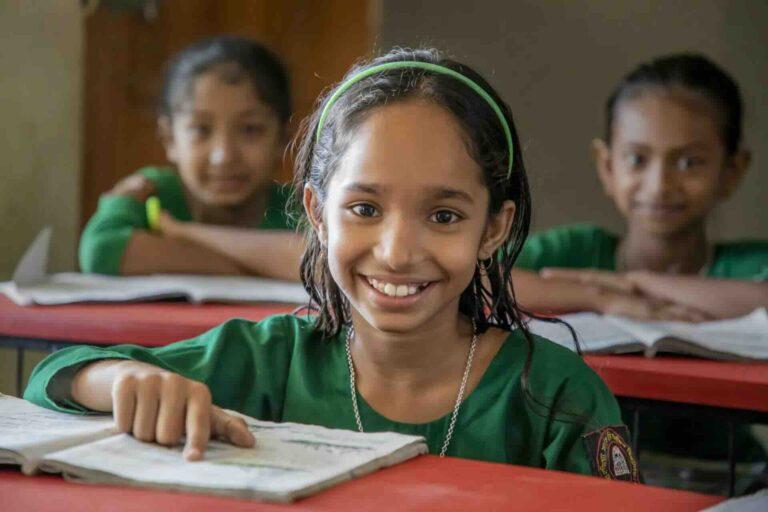
    Bangladesh’s most recent data paints a worrying picture of its education system: despite 84 per cent of children completing primary school, fewer than half – just 44 per cent – make it to class 10. This drop-off highlights a critical “leaky pipeline” between primary and secondary schooling, revealed in press coverage and underlined by education experts.

    The attrition is steepest in the transition to upper grades: many students stagnate or leave during lower-secondary (classes 6 to 8), and very few persist into and complete upper-secondary (classes 9 and 10). Analysts suggest a range of contributing factors – from economic pressures to weak pedagogical engagement in schools.

    Educationists warn that this trend undermines decades of progress. Maintaining access to primary school is no longer enough – if too few youngsters complete secondary education, Bangladesh risks limiting its future workforce’s skill levels and its long-term human capital.

    Primary Dropouts Surge After Years of Progress

    The concern deepens at the primary level too. According to the Directorate of Primary Education’s Annual Primary School Statistics (APSS) for 2024, the dropout rate at primary schools has jumped to 16.25 per cent, up from 13.15 per cent in 2023 – the first such rise in 14 years.

    The data shows the dropout rate is especially high among boys, who saw their rate surge to 19.02 per cent, while for girls it rose more modestly to 13.36 per cent. Underlying causes include inflation-driven financial stress, rising costs of school supplies, climate-induced economic shocks, and household decisions that prioritise short-term survival over continued education.

    To counteract this trend, the government is reintroducing a school feeding programme in 23,000 primary schools, offering children items such as eggs, milk, buns and bananas – a measure aimed at alleviating the economic burden on vulnerable families and encouraging school attendance.

    Infrastructure also emerges as a deeper issue: many schools continue to operate on a double-shift basis, leading to overcrowded classrooms, reduced contact hours, and compromised learning environments. Observers argue for renewed investments in classroom construction, more single-shift schools, and better teacher–student ratios to improve retention.

    Surge in Child Labour Mirrors Education Slippage

    Compounding the education crisis is an alarming rise in child labour. The Multiple Indicator Cluster Survey (MICS 2025), conducted by the Bangladesh Bureau of Statistics (BBS) in partnership with UNICEF, reveals that 9.2 per cent of children aged 5–17 – roughly 1.2 million more than in previous estimates – are now working. This surge reverses earlier gains, according to UNICEF’s press release.

    The MICS report underscores a strong correlation: many of the children who leave school early – particularly those dropping out before class 10 – are entering the workforce rather than continuing their education.

    UNICEF warns that rising child labour threatens not just the rights of individual children, but also Bangladesh’s long-term development prospects. Children who drop out early are less likely to access stable, well-paying employment later in life, perpetuating cycles of poverty.

    Education and Labour Are Interlinked

    A critical insight – drawn from the MICS 2025 preliminary report – is that education retention and child labour are tightly intertwined, especially during the transition from primary to secondary schooling. While primary enrolment remains high, retention beyond the basic grades falters, and many children who leave school are pushed into labour.

    The report highlights how economic vulnerability, rising costs, and limited social protection are pushing families to make difficult decisions: either send their children further in school, or have them start earning income. These findings echo long-standing research linking weakened social safety nets, insufficient school supports, and labour pressures as root causes of dropout.

    Moreover, MICS 2025 data shows that while some protective policies exist, they are not always adequate or accessible. Without stronger, targeted interventions, the trend threatens to widen inequality and stall Bangladesh’s progress on Sustainable Development Goals (SDGs), the survey report says.

    What Must Be Done: A Call to Action

    Based on the survey’s findings, experts and policymakers are calling for urgent reforms across education, social protection, and child protection systems:

    1. Inflation-Indexed Stipends & Cash Support:
      Stipends for students must be adjusted to keep pace with inflation. Families facing economic hardship need reliable support – not only for tuition, but also for books, uniforms, and other school-related costs.
    2. Reviving School Feeding Programmes:
      Accelerate the rollout of school feeding – particularly in low-income and rural areas  – to reduce the immediate cost burden on families, boost attendance, and help keep children in school.
    3. Improving School Infrastructure & Teaching Quality:
      Invest in single-shift schools, build more classrooms, hire more teachers, and reduce classroom congestion. Quality of education must improve, especially in secondary grades, to make schooling engaging and relevant.
    4. Strengthening Child Protection and Labour Monitoring:
      Establish or expand systems to identify children at risk of labour, monitor school dropout hotspots, and provide reintegration paths into education. Social services should link with schools to support vulnerable children.
    5. Community Engagement & Conditional Support:
      Build community awareness on the long-term value of education. Design conditional cash transfer programmes that tie financial support to school attendance, particularly beyond primary levels.
    6. Evidence-Based Policy Design:
      Use data – like that from MICS 2025 – to identify regions, communities, or demographic groups most at risk. Tailor interventions to these needs and track impact over time.

    The MICS 2025 survey carries a stark moral and economic message: failure to retain students in school is not just a loss for individuals, but a systemic risk for Bangladesh’s development. When a majority of children don’t reach class 10, the nation forfeits the opportunity to build a skilled, educated youth workforce – vital for innovation, productivity, and sustainable growth.

    At the same time, the rising child labour rate signals a regression: children are being diverted from education into work, simply because of economic precarity. This is not inevitable. The mechanisms to reverse it exist – but they need political will, community commitment, and sustained investment.

    Global Methane Cuts See Early Progress – But Are Still Far Short of 2030 Target

    The pledge, now backed by 159 countries, aims to cut methane emissions by at least 30 per cent below 2020 levels by 2030, with the dual benefit of climate mitigation, improved air quality and food security.

    Global efforts to rein in methane emissions are showing measurable gains, but the latest assessment warns these improvements are insufficient to meet the ambitious goals set for 2030. The United Nations Environment Programme (UNEP) says that, although progress is under way, much deeper action is still required to halt methane’s outsized contribution to the climate crisis.

    According to the Global Methane Status Report 2025, launched 17 November 2025 on the sidelines of COP30 in Belém, Brazil, global anthropogenic methane emissions reached approximately 352 million tonnes per year in 2020, and under current legislation are projected to rise to 369 Mt by 2030 – a roughly 5 per cent increase instead of the reduction needed.

    The pledge, now backed by 159 countries, aims to cut methane emissions by at least 30 per cent below 2020 levels by 2030, with the dual benefit of climate mitigation, improved air quality and food security.

    Emissions Still Rising Amid Promising Sectoral Gains

    Despite the upward trajectory of overall methane emissions, the report highlights notable improvements. Stronger policies in waste management (especially in Europe and North America) and slower growth in fossil-gas production between 2020 and 2024 have helped temper projections.

    If all current national methane action plans and the methane-relevant components of Nationally Determined Contributions (NDCs) are fully implemented, the report estimates an 8 per cent cut below 2020 levels by 2030 – which would mark the largest sustained decline in methane emissions in history.

    Most of the mitigation potential lies in the energy sector (about 72 per cent), followed by waste (18 per cent) and agriculture (10 per cent).

    UNEP Executive Director Inger Andersen emphasised that “reducing methane is one of the most immediate and effective steps we can take to slow the climate crisis while protecting human health.”

    The benefits are significant: full implementation could prevent over 180,000 premature deaths and avoid 19 million tonnes of crop losses each year by 2030.

    Gaps in Ambition, Finance and Data Threaten the Global Methane Pledge

    However, the ­headline gains mask a much larger shortfall. The 30 per cent reduction target remains out of reach unless countries massively scale up both ambition and implementation.

    Key challenges include weak measurement, reporting and verification of methane emissions, under-investment in mitigation, and a concentration of potential in the G20+ countries – which account for 72 per cent of global mitigation potential.

    Moreover, while low-cost mitigation options exist (over 80 per cent of the mitigation potential can be achieved at low cost), unlocking them requires political will, regulatory frameworks, cross-sector partnerships and finance.

    The report warns that the choices made in the next five years will determine whether the world seizes the opportunity to keep global warming within 1.5 °C and secure healthier air, stronger economies and safer food systems.

    In the words of Canada’s Minister of Environment and Climate Change, Julie Dabrusin, “we have made improvements, but we must continue to drive faster, deeper methane cuts. Every tonne reduced brings us closer to cleaner air, more resilient communities, and a thriving global economy.”

    As the world converges on COP30 to chart the next phase of climate action, methane has emerged as a near-term lever where visible gains can be made – yet the speed and scale of action must double if the broader climate targets are to stand a chance. The 2025 status report paints a cautiously optimistic picture: progress is real, but the path ahead remains steep.

    Image: Wikimedia

    India’s AI Monsoon Predictions ‘Inspire Investment’

    India’s AI-driven monsoon predictions spark broader investment. 38 million farmers received early monsoon warnings, helping avoid crop failure. Scientists are set to explore the use of the model in West and East Africa.

    By Ranjit Devraj  

    The success of Artificial Intelligence (AI)-enhanced monsoon forecasting in India has accelerated work on weather prediction models in other regions, with 30 countries set to benefit from the whole project, according to US scientists.

    “Motivated by the success of the Indian monsoon work, Chicago University has just received support from the Gates Foundation to benchmark existing models over East and West Africa with a focus on rainy seasons and heatwaves,” Pedram Hassanzadeh, co-director of the university’s Human-Centred Weather Forecasts initiative, told SciDev.Net.

    Benchmarking is important to assess how well both traditional and AI-based models can forecast the weather and evaluate important atmospheric phenomena such as the seasonal onset and progression of monsoons.

    “A lot more can be done in India and in other regions around the world, once the forecasts are properly benchmarked,” said Hassanzadeh.

    “Time and resources for benchmarking aside, scaling up and fully exploring the power of the existing methods needs resources that enable real-time forecast generation and dissemination at large scales.”

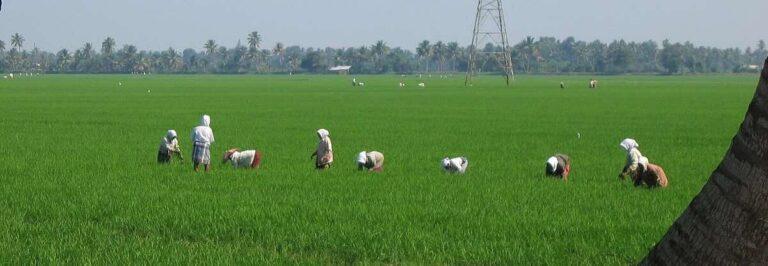
    This summer, 38 million Indian farmers benefited from AI-powered forecasts using a neural general circulation model (NeuralGCM), four weeks ahead of the onset of monsoon rains.

    Researchers described NeuralGCM as a hybrid model that combines traditional, physics-based forecasting with machine learning to simulate the Earth’s atmosphere.

    Empowering Farmers to Plan Agricultural Activities

    Developed by Google, NeuralGCM has stood up to benchmarking against both traditional physics-based models as well as other AI-based atmospheric models, demonstrating superior computational efficiency and strong performance on a range of weather and climate forecasting metrics, says Hazzanzadeh.

    It is set to be rolled out in 30 countries globally in the next two years.

    In India, the model was able to forecast a three-week pause in the progress of the monsoon, which typically makes landfall at the southern tip of the Indian sub-continent in early June before progressing northwards.

    The AI-assisted forecasts gave farmers time to make critical decisions such as when to plant crops, say the researchers from the University of Chicago Institute for Climate and Sustainable Growth, working alongside the Indian government.

    The AI-assisted model uses software that can be run on a laptop, making high-quality forecasting accessible to scientists and farmers. In contrast, traditional weather and climate models are notoriously expensive and rely on supercomputers to analyse complex meteorological data.

    Pramod Kumar Meherda, a senior official in the agriculture ministry, told SciDev.Net: “The programme harnesses the revolution in AI-based weather forecasting to predict the arrival of continuous rains, empowering farmers to plan agricultural activities with greater confidence and manage risks.”

    Michael Kremer, economist at the University of Chicago and co-director of the Human-Centred Weather Forecasts Initiative, says that disseminating AI weather forecasts has a great return on investment, “likely generating more than US$100 for farmers for every dollar invested by the government”.

    Kremer believes the initiative is especially helpful for smallholder farmers, whose livelihoods are increasingly threatened by climate change.

    Among the Greatest Achievements of AI for Science

    However, Indian agricultural scientists say the new AI-based model needs to be developed further, to provide the most useful data for all those who need it.

    “Sending out messages to 38 million farmers is impressive, but the message content should pair rainfall signals with data on soil moisture, vapour pressure deficit, heat stress forecasts, and crop-stage sensitivity,” said Arun Shanker, principal scientist and plant physiology specialist at the Central Research Institute for Dryland Agriculture, Hyderabad.

    “For sowing decisions, a bad early onset call can mean seedling mortality, re-sowing costs, and lost season time,” Shanker added.

    The researchers behind the Human-Centred Weather Forecasts initiative are working on similar programmes in other low- and middle-income countries and training meteorologists on how to use AI models effectively.

    Launched this year, the programme partners five countries – Bangladesh, Chile, Ethiopia, Kenya, and Nigeria. Chicago University says there are plans to partner with ten more countries in 2026 and 15 more in 2027, broadening reach and impact to millions of farmers.

    Hassanzadeh believes that the next generation of these AI weather models will have more impact.

    “The current AI weather models are among the greatest achievements of AI for science so far, but I can say we are at the beginning of an AI-driven, second revolution in weather forecasting,” he said.

    This piece has been sourced from SciDev.Net.

    PM Modi Releases 21st Instalment of PM-KISAN; Over ₹18,000 Crore Transferred to Nearly 9 Crore Farmers

    Regional details underline the scale of support. In the state of Gujarat alone, more than 49.31 lakh farmer-families are set to receive over ₹986 crore via the scheme’s 21st instalment.

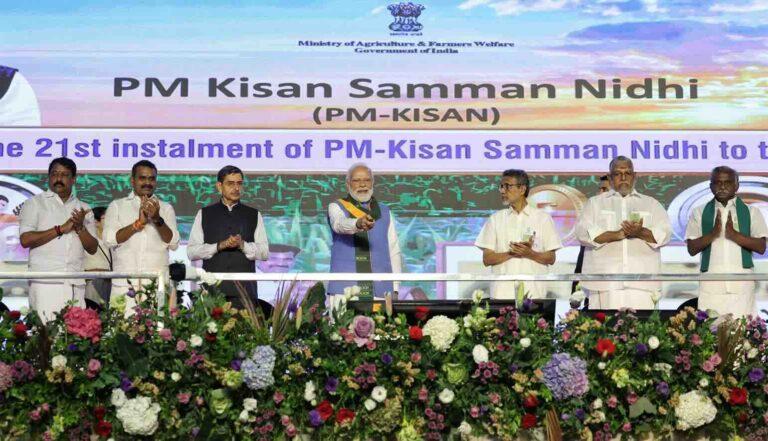
    In a major push for farmer welfare, Pradhan Mantri Kisan Samman Nidhi (PM‑KISAN)’s 21st instalment has been released with the direct transfer of more than ₹18,000 crore into the bank accounts of nearly 9 crore eligible cultivator families across India. The roll-out took place on 19 November 2025, with Prime Minister Narendra Modi presiding over the national ceremony from Coimbatore, Tamil Nadu.

    ₹18,000 Crore Payout to Nearly 9 Crore Farmers

    Launched in February 2019, PM-KISAN provides annual assistance of ₹6,000 per eligible farmer family in three equal instalments. With the 21st instalment, about 9 crore farmer families will receive the next ₹2,000 tranche of the support. According to government data, more than ₹3.70 lakh crore has already been disbursed to over 11 crore farmer-families under previous instalments.

    The latest tranche reinforces the scheme’s reach and reflects the government’s emphasis on direct benefit transfers (DBT) to avoid intermediaries. Digital infrastructure including Aadhaar-seeding, e-KYC and mobile app interfaces have been highlighted as key enablers of the rollout.

    Gujarat Share: Over 49 Lakh Farmer-Families Get ₹986 Crore

    Regional details underline the scale of support. In the state of Gujarat alone, more than 49.31 lakh farmer-families are set to receive over ₹986 crore via the scheme’s 21st instalment. A state-level programme in Gandhinagar coordinated the local rollout, with Chief Minister Bhupendra Patel, Deputy CM Harsh Sanghavi and Agriculture Minister Jitubhai Vaghani attending.

    Officials note that Gujarat’s cumulative benefit from PM-KISAN over past instalments has crossed the ₹21,000 crore mark. The focus continues to be on timely crediting of the funds, ensuring farmers with Aadhaar-seeded bank accounts and completed e-KYC receive the benefit without delay.

    Farmers who are to receive this instalment must meet the eligibility criteria: land-holding details must be seeded in the PM-KISAN portal; bank account must be linked with Aadhaar; and e-KYC should be completed. The government emphasises that farmers who have not completed e-KYC or whose accounts aren’t linked may not receive the payout on schedule.

    Checking status is straightforward: visit the official PM-KISAN portal (pmkisan.gov.in), select the ‘Farmer’s Corner’, and use the “Know Your Status” or “Beneficiary List” option by entering Aadhaar number, bank account or mobile number.

    In addition to payments, the ministry reiterated other facets of the scheme such as the rolling out of a Farmer Registry, chatbot-based grievance redress (Kisan-eMitra) in multiple languages, and regular saturation drives to ensure no eligible farmer is left out.

    Major Step in Widening Direct Income Support

    The release of the 21st instalment of PM-KISAN marks another major step in widening direct income support to small and marginal farmers in India. By combining digital delivery, vast scale and state-level coordination, the scheme aims to reduce dependency on informal credit, boost agricultural input investment, and enhance the resilience of farming households. As payouts continue and the digital ecosystem matures, attention will turn to how these supports translate into stronger farm economics, productivity, and rural livelihoods.

    The initiative also arrives at a time when farmers face rising input costs, market volatility and climate-linked risks, making reliable cash-support increasingly critical. With the ₹18,000-crore payout for 9 crore farmers, the government reiterates its commitment to the farming community and closing the gap between policy intent and field delivery.

    Image: PIB

    Human Cost of Glitter: As Myanmar Hosts 60th Gems Emporium, Hpakant Jade Hub Bleeds Civilians

    According to Kachin Human Rights Watch, at least 60 people have died and 120 more wounded in reported clashes during the junta’s push into the region. But local groups suggest these figures may understate the true toll.

    While the glittering 60th Myanmar Gems Emporium officially opened in Nay Pyi Taw on November 17 under the patronage of Acting President and State Security and Peace Commission Chairman, Senior General Min Aung Hlaing, disaster continues to stalk Myanmar’s most prized resource: jade.

    Gems Emporium Opens Amid Junta Display

    The ten-day gemstone trade fair launched at the Mani Yadana Jade Hall in the capital city, showcasing jade, pearls, and precious stones in front of domestic and foreign merchants. The emporium is widely regarded as a major source of foreign exchange for the ruling military regime, which continues to control the sector tightly.

    In his opening remarks, the acting president underscored the event as a sign of economic ambition. Local state media highlighted not only the sumptuous display of gem lots, but also high-level endorsement.

    Yet, outside the polished halls of Nay Pyi Taw, a very different reality persists – one of conflict, death, and human suffering in Myanmar’s jade heartland.

    Jade Conflict Ravages Civilian Lives

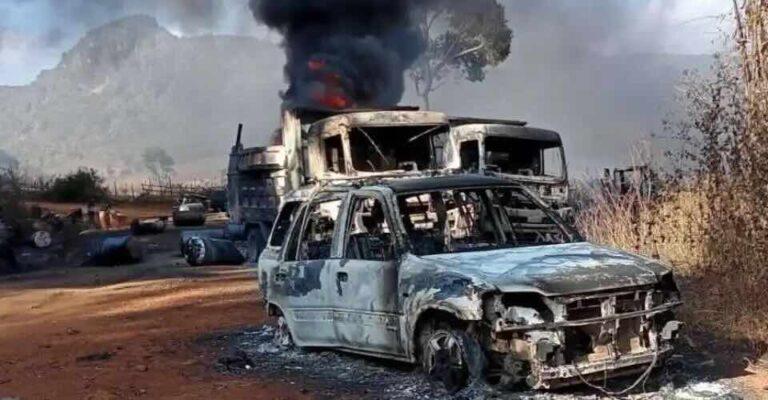
    In the northern town of Hpakant, in Kachin State, civilians tied to the jade-mining economy are bearing the full brunt of military offensives and unregulated extraction. According reports, the military’s assault – launched in April – forced thousands to flee, as fighting intensified around jade mining areas.

    Among those killed is 21-year-old Zau Laphai, arrested by soldiers in his village after a military convoy passed through. His body was returned to his family a week later with signs of torture, though the junta claimed he died of illness. His death shattered not just a family but the fragile aspirations of many young people who hoped to make a living in jade trade.

    According to Kachin Human Rights Watch, at least 60 people have died and 120 more wounded in reported clashes during the junta’s push into the region. But local groups suggest these figures may understate the true toll.

    Displacement, Deaths, and Religious Targets

    The offensive has uprooted entire communities. Volunteer aid groups estimate over 10,000 people have been displaced since the intensification of fights this summer. Many sought refuge in churches and monasteries: Hpakant has a large Christian population, and religious centres have become impromptu shelters for fleeing civilians.

    But safety has been elusive. Reports document shelling, torture, and summary executions carried out by junta forces. One particularly harrowing incident involved a migrant jade miner, Ma Nwal, and her three-month-old baby, who were sleeping in a tent when they were hit by an artillery shell. She survived, but many others were not so lucky. On June 6, four children and five other civilians were killed in a targeted shelling of a village, a crime that observers say appeared deliberate.

    Religious sites have not been spared either: monasteries and churches sheltering displaced families have allegedly been struck in drone and jet attacks.

    Jade Profits Fund Conflict, Critics Warn

    Observers note that the devastating human toll cannot be separated from the economic exploitation underpinning the jade industry. For decades, jade mining in Myanmar has been closely linked to the military and ethnic armed groups alike. Anti-corruption watchdogs, including Global Witness, argue that the industry acts as a “slush fund” for the junta – especially after the 2021 coup – funnelling vast revenues into military coffers.

    Human rights advocates warn that while the Gems Emporium dazzles in Nay Pyi Taw, the suffering in jade-rich Kachin State tells a darker tale. The very stones being traded at high prices are extracted at tremendous cost – lives, homes, and dignity – especially among the poor migrant workers who salvage jade from tailings, risking landslides, death, and displacement.

    Those calling for reform are joined by civil society voices demanding international scrutiny. Some urge consumers abroad to avoid Burmese jade, pointing to its role in funding violence.

    A member of Global Witness says the opening of the 60th Gems Emporium may signal economic confidence for the regime, but for many in Hpakant, the price of jade is paid far beyond the auction floor.

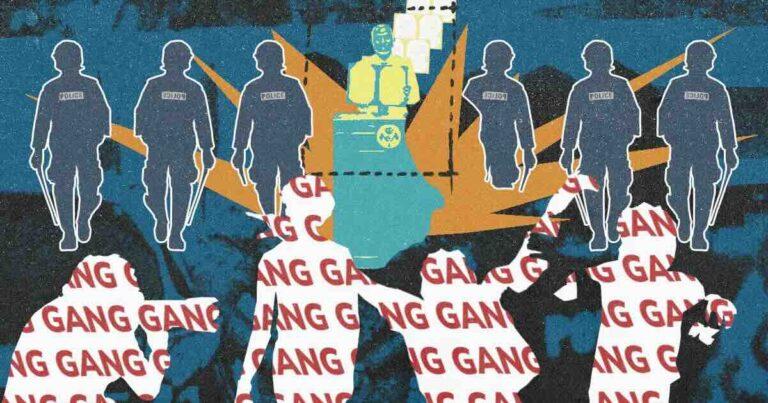
    Have Maldives’ Gang Wars Truly Ended? President Says Yes — But Questions Remain

    President Muizzu’s gang emergency grabs headlines, but police assess current threat as low, though persistent. Maldives has 83 gangs with 3,500+ members, including 97 children used for drug trafficking. Southern atolls host 31 gangs.

    In a striking announcement regarding gang violence in the Maldives, President Dr. Mohamed Muizzu declared that “it has come to an end”: according to him, no groups in the Maldives currently meet the legal criteria to be designated as “gangs.” He made the bold claim of closure while speaking at an event marking his administration’s two-year anniversary. President Muizzu said that his government’s policies have turned the tide – Maldivian youth have abandoned gang life and now lead “dignified, normal lives.”

    President Muizzu said he asked the Home Minister how many groups have been officially classified as gangs under the Prevention of Gang and Other Serious Offences Act – and was told there are none that satisfy the definition. He insisted that this represents “a huge step forward … for gangs to be eradicated from here,” while calling on any remaining individuals involved in gang activity to surrender to a lawful existence.

    New Law, New Tools

    Critics and observers note that Muizzu’s declaration comes after the ratification of a strengthened legal framework. The Prevention of Gang and Other Serious Offences Act was formally ratified in May and came fully into effect three months later. The legislation grants law enforcement significantly expanded powers – including the judicial identification of gangs, confiscation of illicit wealth, covert operations, and restrictions on associating with known gang members.

    Home Security Minister Ali Ihusaan has underlined that this law tackles past loopholes. He argues that previously, prosecutions were hampered by a lack of legal clarity: older laws did not clearly define what constitutes a gang or distinguish between leader and member.

    Since July 2024, the government has also established a specialized Gang Crime Enforcement Unit within the Maldives Police Service, which has questioned more than 31,000 people in known gang hotspots, made arrests, and filed charges – all, the authorities say, without any gang-related deaths.

    On-The-Ground Reality

    But while the president’s proclamation is headline-making, the reality on the ground is more nuanced. The Maldives Police Service earlier reported that the current “threat level” of gangs is low, but not non-existent. Superintendent Ali Arif, head of gang crimes, acknowledged that in earlier years – particularly around 2012–13 – there were widespread street fights involving dangerous weapons.

    Moreover, gang activity has persisted far beyond just street violence. According to the Home Ministry, there are reportedly 83 gangs operating across the country, involving more than 3,500 active members. Of particular concern, the ministry disclosed that 97 children are involved in gangs, with several reportedly being used to transport and sell drugs.

    In the southern atolls alone, police say there are 31 gangs with over 700 members. Last year, four gangs were specifically identified by the Police Commissioner as being behind a spike in violent crime in the capital.

    Is It Really Over?

    Given these contradictions, analysts and civil society are raising a key question: have the gang wars truly ended – or has the definition simply changed?

    Some experts point out that reclassifying or “declaring an end” to gang groups may not reflect an actual disappearance, but rather a shift in how they are treated under the law. The new Act requires judicial identification – but if no group is legally defined, does that translate into disappearance, or merely a legal blind spot?

    Furthermore, the legacy of gang violence in the Maldives runs deep, entwined with political, business, and social fault lines. As noted in an earlier detailed investigation by OWSA, gang networks have historically been used by powerful actors for political influence and economic gain.

    Human rights advocates warn against prematurely declaring victory: without transparency, there’s a risk that groups may operate below the threshold of legal recognition, or rebrand themselves in ways that evade enforcement. Others say that the success of anti-gang efforts must be measured not just in arrests, but in sustainable social reintegration of former gang members, especially youth.

    Even President Muizzu himself acknowledged that if any groups still fall within the legal definition of a gang, the Home Ministry – with the Prosecutor General’s Office – must classify and act against them. But for now, his announcement marks a bold rhetorical turn, raising both hope and scepticism.

    Nepal Sees Remittance Boom: Inflows Cross ₹553 B in Q1, Monthly Record Tops ₹200 B

    Nepal’s remittances surged 35.4 per cent to Rs 553.31 billion in Q1 FY2025/26. The rise is attributed to a strong dollar, formal channels, migration fuel record inflows. However, economists fear that over-reliance on remittances risks long-term development.

    Nepal is experiencing a remittance windfall. According to the Himalayan nation’s central bank, Nepal Rastra Bank (NRB), remittance inflows surged by 35.4 per cent to Nepali Rs 553.31 billion in the first quarter of fiscal year 2025/26, marking a sharp acceleration from 11.9 per cent growth in the same period last year.

    Between mid-September and mid-October alone, Nepal received Rs 201.22 billion, up from Rs 144.17 billion during the same span last year. In dollar terms, remittances jumped 29.2 percent, reaching US$ 3.94 billion in the quarter.

    Nepal’s remittance story in the first quarter of FY 2025/26 is one of record-breaking inflows: stronger dollar, more formal channels, and booming migration have all helped fuel a surge. Yet, while these funds are shoring up foreign reserves and household incomes, there’s growing concern that the “remittance economy” model could undermine long-term development if not paired with investment in productive sectors.

    Dollar Strength, Formal Channels, and Migration

    Economists attribute the remittance boom to a confluence of factors. Firstly, the US dollar has strengthened significantly against the Nepali rupee, boosting the rupee-equivalent value of money sent back home.

    Secondly, anti–money-laundering measures have tightened across financial institutions, pushing more migrants to use formal banking channels instead of informal ones. And thirdly, labour migration is on the rise: in the quarter under review, 123,459 Nepalis received first-time foreign employment approvals, while 77,257 renewed theirs – up sharply from a year ago.

    The shift to regulated systems is also improving transparency. Labour researcher Jeevan Baniya notes that digitisation, especially in countries like South Korea, has made formal remittance easier than before.

    Record Monthly Inflow Amid Festivals

    Remittances in Nepal crossed Rs 200 billion in a single month for the first time, with Rs 201.22 billion received during the mid-September to mid-October festival period – a historic high.

    This spike is partly driven by Nepal’s major festivals – Dashain (or Dussehra), Tihar (or Deepawali), and Chhath – when Nepali migrant workers typically send larger sums home. This seasonal surge is well known among economists: nearly 40 per cent of annual GDP-linked economic activities happen during this festival-rich stretch.

    Risks Underlying the Remittance Reliance

    While the inflows are a boon, experts caution that heavy reliance on remittance poses risks. Despite the record inflows, this money isn’t fuelling broad-based domestic investment. Business leaders argue that low development spending and weak private-market demand are holding back growth.

    The surge in remittances has also inflated foreign exchange reserves, which stood at Rs 2.97 trillion (US$ 21.21 billion) by mid-October – sufficient to cover 16.4 months of combined goods and services imports.

    Meanwhile, some labour-market analysts warn of a “brain drain” and stagnant economic transformation. As more young Nepalis leave, the country risks depleting its workforce. Political volatility and the failure of sectors like manufacturing and services to generate jobs are amplifying this trend.

    Despite the windfall, Nepal’s economic vulnerability also deepens: a prolonged slump in global remittances or a currency swing could expose structural weaknesses.