More

    First Internationally Indexed Issue of NLUO’s Journal on the Rights of the Child Released

    The first ISSNed journal edition features 11 original submissions by academics, researchers, advocates, and students. It covers public finance, education, nutrition, consent, social work in child rehabilitation, decriminalizing young love, digital safety, and child-centered justice.

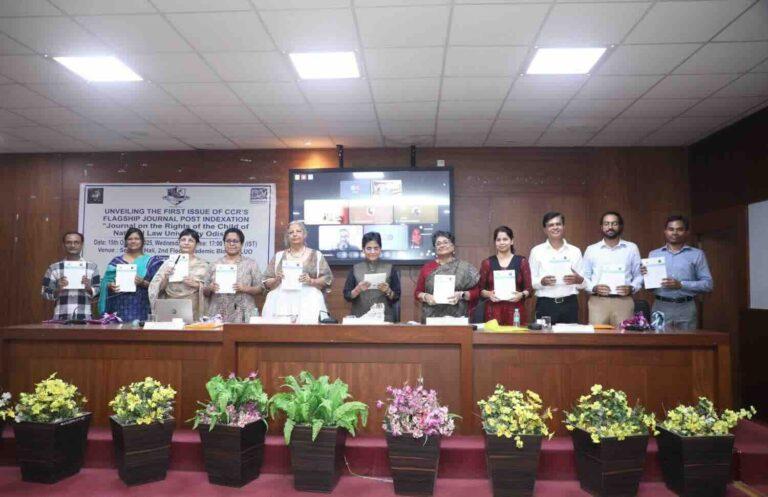
    The Centre for Child Rights (CCR) at National Law University Odisha (NLUO) released the latest issue of its flagship publication, the Journal on the Rights of the Child earlier in the week on the 15th October 2025. The journal was unveiled by Justice Savitri Ratho, Chairperson of the Juvenile Justice Committee (JJC) of the Orissa High Court. Marking a significant milestone, this is the first ever edition of the journal to be internationally indexed and assigned an e-ISSN number 3107-4030, underscoring the CCR and the journal’s commitment to global standards of academic excellence.

    Delivering the Presidential address, Justice Ratho emphasized the integral role of academic contributions in building robust child rights frameworks. She opened with quoting JFK quote, “Children are the world’s most valuable resource and its best hope for the future. She shed light on the constitutional provisions on child rights, the series of legislations but also reminded everyone that child rights, child protection and welfare is not just a law and order or judicial issue, it is a shared responsibility and everyone needs to step up. She shared the relaunch of the Orissa HC’s JJC’s digital newsletter Sishu Suraksha and invited everyone to read it too. She concluded with the Nelson Mandale quote, exhorting everyone present to make it their talisman, “There can be no keener revelation of a society’s soul than the way it treats it children.”

    Original Submissions

    The unveiling event was graced by Prof Ved Kumari, Vice Chancellor NLUO cum Patron-in-Chief of the CCR, Prof Enakshi Ganguly, Honorary Professor at NLUO and Executive Director of the Housing and Land Rights Network, Prof Biraj Swain, Chief Minister’s Chair Professor cum Director of CCR and Mr M Vijay Bhaskar, Assistant Professor of Law and Co-Director of CCR, Centre for Tribal Studies & Pro Bono Club along with faculty, staff, and students of NLUO.

    Ms. Pooja Marwaha, Chief Executive Officer of Child Rights and You (CRY) and her team member Mr Subhendu Bhattacharjee, Director-Policy, Research, Advocacy and Documentation joined digitally alongwith other colleagues. Among the attendees were NLUO Dean of Research and Internationalization Centre, Prof Sheela Rai, and over 150 students studying the Child Rights course or working in the student committee of CCR.

    This first ISSNed edition of the journal has 11 original submissions in the categories of papers, case commentaries, infographics and Conference Proceedings written by practicing academics, researchers, advocates and students covering issues of public finance, education, nutrition, consent, role of social work in rehabilitation and reintegration of children in conflict with law, decriminalizing young love, digital safety of children and advancing child–centred justice. All the articles can be accessed freely from the university website. This edition of the journal is published with support from the CRY, marking their continuous collaboration with CCR-NLUO and reaffirming their shared commitment to advancing child rights through academic discourse.

    Rigorous Academic Processes

    Prof Biraj Swain while delivering her opening remarks emphasized on the rigorous academic processes including high-level blind peer review, fact-checking, plagirism checking and AI verification that has been followed to ensure the quality and ethical standards of the journal. A multi-member team of Associate Editors—Dr Swagatika Samal, Dr Pradipta Kumar Sarangi, Mr Ankit Kumar Keshri, Dr Rashmi Rakha Baug, Dr Shubhanginee Singh and student editor Ms Madhulika Tripathy—has worked intensely to ensure all the checks and compliances before selecting the final list of the submissions for publication.

    The journal has a list of Who’s Who as editorial advisory board consisting Justice Madan B Lokur, Chairperson, United Nations Internal Justice Council & Former Judge of the Supreme Court of India, Justice Gita Mittal, Former Chief Justice of Jammu and Kashmir High Court,  Prof. Bernd-Deiter Meier, Director, Criminal Justice Institute, University of Hannover, Germany, Prof. Christopher Birbeck, Professor of Criminology, Salford University, Manchester, UK and Prof. Bhabani P Panda, Director, School of Law, KIIT & Former Vice Chancellor, Maharashtra National Law University.

    The Editorial Board is headlined by Prof Ved Kumari who is also the Editor-in-Chief. Other members constitute Prof Biraj Swain, the Editor, Prof Ravinder Barn, Professor of Social Policy and Head of Law and Criminology Department, Royal Holloway, University of London, Dr Frederick de Moll, Professor of Educational Science, Faculty of Education Science, Bielefeld University, Germany, Dr Damanjit Sandhu, Professor and Head, Department of Psychology, Punjabi University Patiala, Dr Asha Bajpai, (Former) Founder Dean and Professor, School of Law, Tata Institute of Social Sciences and Dr Kalpana Purushothaman, Adjunct Faculty, Indian Institute of Psychology and Research Bangalore.

    Both the editorial advisory board and editorial board have together ensured that the  journal adheres to the highest academic standards and inter-disciplinary lens of child rights.

    Beyond Juvenile Justice

    The journal is committed to expand the remit of child rights beyond juvenile justice and POCSO and welcomes scholars, academics, practitioners, policy makers and members of the judiciary to engage with contemporary issues that impact children’s rights and wellbeing. Emphasizing this, Prof Kumari emphasized the need to bridge gaps between research, policy, and practice to build an inclusive framework that understands and addresses the needs and rights of children.

    Prof Ganguly highlighted the strategic advantage of CCR being housed within an university. She noted that this setting provides an ideal environment to generate innovative research outputs, contribute to governmental efforts, influence policy development concerning children, and engage as a knowledge partner with the State and the HC’s Juvenile Justice Committee (JJC).

    Marwaha highlighted the urgent need to put child rights at the center of every policy and public conversation. She reiterated that the journal will not only showcase rigorous research but also bring to the forefront lived realities of real children and real people—both of which are essential for driving effective policy, programme and advocacy.

    India’s Gentle Giants: How a Nation Saved the Whale Shark

    Whale sharks, slow-moving giants up to 18 meters, live 70 years with poorly understood migrations. Satellite tagging and fishers’ traditional knowledge reveal movements across the Arabian Sea, urging cross-border conservation.

    Off India’s western coast, fishermen once spoke of a massive shadow that rose from the deep – a creature they called barrel fish, feared for its size and despised for tearing nets. Today, that same creature – the whale shark (Rhincodon typus) – is affectionately known as Vhali, “the dear one.” Its transformation from hunted prey to beloved symbol of coexistence stands as one of India’s most remarkable conservation stories.

    Two decades ago, few Indians had heard of the whale shark. Despite being the world’s largest fish, it remained largely invisible in public consciousness, its slaughter taking place quietly along Gujarat’s shores. The turning point came in 2002, when the Wildlife Trust of India (WTI), in partnership with the Gujarat Forest Department and Tata Chemicals Ltd., launched an audacious campaign to save the species. What began as a localised awareness drive has since evolved into a nationwide movement, culminating in the 2025 report “Conserving India’s Gentle Giants.”

    From Exploitation to Empathy

    Before conservation took root, Gujarat’s Saurashtra coast was ground zero for a lucrative whale shark fishery. At its peak in 1999, up to 279 whale sharks were landed in a single month. Their meat, fins, and oil were sold to East Asian markets, while liver oil coated the hulls of fishing boats. “Barel,” as fishers called them, were targeted by harpoons and hooks tied to floating barrels – a brutal trade that decimated populations and scarred India’s marine ecology.

    The first step toward change came in 2001, when the Government of India amended the Wildlife (Protection) Act, 1972, placing the whale shark under Schedule I, the highest level of legal protection. This made India the first country in the world to grant full legal protection to the species. The following year, India championed the listing of the whale shark under CITES Appendix II, aligning domestic policy with global conservation commitments.

    Yet laws alone could not save a species still viewed as a nuisance. WTI understood that lasting change would come only by transforming hearts and minds. Its campaign blended science, spirituality, and storytelling – a combination that proved revolutionary.

    The Gujarat Model: Conservation with Culture

    The campaign gained momentum when renowned spiritual leader Morari Bapu became its ambassador, invoking faith-based narratives to sanctify the whale shark as the “daughter of the sea.” Through emotional storytelling, music, and mass pledges, communities that once hunted the fish began celebrating it. Tata Chemicals provided corporate backing, while the Gujarat Forest Department institutionalized the conservation program.

    Within a decade, whale shark hunting in Gujarat had ceased entirely. Over 1,000 individuals have since been rescued and released by fishers themselves – not by enforcement, but by voluntary action. The fish that once symbolized damage and loss now embodies pride and protection. In 2011, Gujarat even declared Whale Shark Day, marking the campaign’s cultural triumph.

    Expanding the Horizon: From Gujarat to the Nation

    Encouraged by Gujarat’s success, WTI extended its research and awareness initiatives to the entire Indian coastline. Between 2012 and 2017, the organization surveyed 1,703 respondents across 118 landing sites, from Lakshadweep and Kerala to Odisha and West Bengal. These surveys, blending Traditional Ecological Knowledge (TEK) with scientific methods, identified five new aggregation hotspots for whale sharks outside Gujarat. The findings confirmed that India’s coasts, both east and west, host vital feeding and migratory corridors.

    Whale shark sightings were found highest in Lakshadweep, followed by Maharashtra, Karnataka, and Kerala. Encounters peaked between November and April, when plankton blooms and sardine runs attract these gentle giants close to shore. However, the study also revealed sobering realities: incidental entanglement in gillnets accounted for three-fourths of reported captures, making it the greatest ongoing threat to the species.

    Although targeted hunting has largely ceased, accidental captures persist, particularly in Kerala, where some fishers still view the whale shark as a “useless fish.” Awareness of legal protection remains uneven – higher in Karnataka and Kerala, but patchy in Goa and Tamil Nadu. Encouragingly, nearly 80% of respondents expressed willingness to support future conservation efforts, reflecting growing empathy within coastal communities.

    Science Meets Tradition

    Whale sharks are enigmatic by nature – slow-moving, filter-feeding behemoths that can grow up to 18 meters long and live for 70 years. Their migratory patterns, however, are poorly understood. To bridge this knowledge gap, WTI has combined satellite tagging with community reporting. The first successful satellite-tagged whale shark in India revealed extensive movement across the Arabian Sea, underscoring the need for cross-border cooperation in marine conservation.

    Traditional knowledge has been equally crucial. Fishers, through generations of observation, possess detailed insights into ocean currents, plankton cycles, and species behavior. Integrating this Indigenous Technical Knowledge (ITK) into scientific frameworks has enriched India’s understanding of marine megafauna ecology. As Dr. Rima Jabado of the IUCN Shark Specialist Group notes in her message within the report, “Awareness, when rooted in cultural identity, can be more powerful than enforcement.”

    The Power of Partnerships

    Behind the project’s longevity lies a network of partnerships bridging government, industry, and civil society. The Gujarat Forest Department continues to lead implementation on the ground, supported by Tata Chemicals Ltd., the Indian Coast Guard, and local fisher associations. Academic institutions like CMFRI, IISER-Kolkata, and Andhra University have contributed scientific expertise, while the IUCN–Mangroves for the Future (MFF) initiative helped expand research to the east coast.

    WTI’s community engagement model has also evolved with time. School outreach programs, street plays, and eco-cultural festivals have become platforms to celebrate the whale shark’s story. Children in coastal villages now grow up seeing murals of Vhali rather than heaps of carcasses. What began as an environmental campaign has turned into a social movement rooted in pride and belonging.

    Climate Change

    Despite significant progress, challenges remain. Whale sharks continue to face accidental entanglement, vessel strikes, and the lingering threat of illegal fin trade. Climate change is altering plankton distribution, potentially shifting whale shark migration routes. Meanwhile, limited public knowledge hampers enforcement in less-exposed regions.

    The WTI report outlines a clear roadmap for the future: continuous monitoring of sightings, targeted outreach in high-risk zones, integration of traditional knowledge into policy, and development of state-level Whale Shark Action Plans. Equally important is ensuring that conservation aligns with livelihoods. As Vivek Menon, WTI’s founder, writes in the preface, “We must work with fishers, not against them – by offering not just recognition, but real incentives and support.”

    A Symbol of Hope

    The whale shark’s journey in India is more than an environmental success – it is a testament to what collective compassion can achieve. From the docks of Veraval to the beaches of Kerala, fishermen who once saw profit in death now find purpose in release. Scientists, spiritual leaders, and schoolchildren alike share ownership of a story that redefines humanity’s relationship with the sea.

    These gentle giants remind us that coexistence is not an abstract dream but a living, breathing reality – one net release at a time. As India charts its path toward a blue economy, the whale shark’s story stands as both a warning and a promise: that conservation, when rooted in empathy and shared stewardship, can transform not just a species’ fate, but a nation’s conscience.

    “A Conspiracy to Grab the Land”: Pakistan’s Blasphemy Laws Weaponised for Blackmail and Property Theft

    A report by Human Rights Watch paints a stark portrait of a deeply broken system: what is nominally a law intended to protect religious sanctity has been co-opted into a mechanism for exploitation.

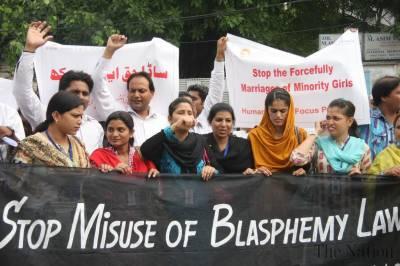
    In a sweeping report released on 9 June 2025, Human Rights Watch has documented how accusations of blasphemy in Pakistan are increasingly being used not as a matter of religious justice, but as instruments of blackmail, property seizure, and forced displacement. The study – based on fieldwork across Punjab and Islamabad between May 2024 and January 2025 – concludes that these abuses disproportionately target religious minorities and other marginalized groups, often with the complicity or inaction of state actors.

    Although Pakistan’s blasphemy laws are officially intended to protect religious sentiments, the report highlights a deeply troubling pattern: false or manipulated accusations are being lodged with the purpose of evicting vulnerable owners or extracting money. In many cases, individuals or groups accuse a person of blasphemy, provoke mob or official pressure, and ultimately compel the accused – or entire communities – to flee or sell assets under duress.

    In particular, minority communities such as Christians and Ahmadis are targeted because many live in informal settlements without formal land title. Once they are forced out, the property becomes available for seizure by others. The report cites cases in which local actors with political or religious influence have lured people into fabricated online “blasphemy traps,” then demanded payments, or used the accusations to pressure property transfers.

    One documented case involves a 14-year-old Christian girl, Rimsha Masih, who in 2012 was accused of burning pages of the Qur’an. Evidence later showed the pages had been planted. Yet the episode was used to drive her family and others out of the neighbourhood. In another instance, the Joseph Colony attack of 2013 followed allegations of blasphemy and resulted in the storming and destruction of a Christian area, effectively pushing out hundreds of families.

    Faces of Coercion: Stories of Displacement

    The report documents the plight of individuals who lost homes, businesses, and security under the shadow of perilous accusations:

    • Maryam, a Christian woman in Lahore, was pressured by a neighbor to sell her house. When she refused, she was accused of burning Qur’an pages. A mob formed outside her home. Fearing for her family’s life, she ultimately sold at a steep loss and relocated to a Christian enclave.
    • Rizwan, a Christian farmer, resisted a local landowner’s claims over his agricultural land. In 2021, armed men, backed by local officials, removed his materials and placed a board asserting the land had been designated for a mosque. He felt that opposing a mosque would mark him for violence, so he acquiesced under duress.
    • Ashiq, a Christian running an auto business, married a Muslim woman. His in-laws threatened to publicize blasphemy or apostasy charges unless he transferred his business to them. The pressure forced him into poverty and left him living in constant fear of further extortion.

    Such stories are not outliers, according to the HRW report, which warns that the combination of weak land records, biased policing, and a climate of fear creates fertile ground for abuse.

    Systemic Failings: Why Victims Rarely Find Justice

    A central finding of the report is that state institutions often fail victims – and in some cases actively enable perpetrators.

    • Policing and investigations: Police frequently refuse to intervene when mobs attack, or delay investigations. Many officers express reluctance to challenge blasphemy accusations, fearing reprisals from religious groups.
    • Judicial backlogs and biased trials: Accused individuals often languish in pretrial detention, denied a fair process or access to evidence. Meanwhile, cases of violence or property grabbing almost never result in convictions.
    • Entrapment networks: HRW cites reports that collusion has emerged between elements of religious organisations, lawyers, and law-enforcement bodies – particularly in digital space. The so-called “blasphemy business” reportedly orchestrates fake online content or social media traps, then files false cases to extort victims.
    • Lack of accountability: The report found that very few perpetrators of mob attacks or forced evictions are ever held to account. The legal framework provides scant safeguards against such abuses.

    One lawyer with experience in blasphemy defence observed: “Almost all blasphemy accusations … are driven by personal motives … the accusation is a weapon to settle all kinds of scores.”

    A senior police officer spoke about how potent and dangerous the blasphemy law is as a weapon: “In honesty, Pakistan is a police state in many aspects, the writ of the state is not allowed to be challenged—except when it comes to blasphemy. We are under tremendous pressure to register even blatantly false blasphemy cases and also to make arrests.”

    The International Lens and Legal Obligations

    Pakistan is a state party to key human rights treaties including the International Covenant on Civil and Political Rights (ICCPR) and the International Covenant on Economic, Social and Cultural Rights (ICESCR). These instruments oblige the state to protect freedom of religion, guarantee equality before the law, and ensure adequate housing. The report argues that mandatory death penalties for blasphemy, broad and vague definitions, and the system’s discriminatory implementation violate fundamental rights.

    To counter these abuses, Human Rights Watch sets out a series of reforms:

    • Repeal discriminatory blasphemy laws: In particular, section 295-C of the Penal Code should be struck down, along with associated provisions enabling misuse.
    • Investigate and prosecute abuses: The government must hold accountable those who incite mob violence, file malicious blasphemy claims, or collude in forced evictions.
    • Release and protect the accused: Individuals held under blasphemy charges should be safely released; pending cases dropped unless supported by credible evidence.
    • Safeguards against coerced property transfer: Legal protections should be established to prevent forced land sales or transfers arising from blasphemy allegations.
    • Police and judicial reform: Training, accountability, and structural reforms are needed to ensure law enforcement acts impartially and without bias.
    • Compensation and rehabilitation: Victims of violence and displacement deserve relief, legal aid, psychosocial support, and restitution.

    For religious minorities and economically vulnerable communities, a false accusation can trigger a cascade of violence, property loss, and lifelong fear, HRW says, and adds that without serious reform, the “blasphemy industry” that traffics in terror and extortion will continue to flourish under a cloak of impunity.

    Supreme Court Allows Green Crackers in Delhi-NCR, Experts Warn of Pollution Spike Ahead of Diwali

    As Delhi braces for one of its most air-critical periods, the public will watch whether the experiment in ‘green celebration’ helps or hurts. The festival of lights may now also be a test of balance – between joy and breathing clean air.

    In a decision that has reignited debate over the balance between tradition and public health, the Supreme Court on Wednesday allowed the use of green firecrackers during the upcoming Diwali season in the Delhi-NCR region, under tightly controlled conditions. The court’s order, effective October 18–21, permits bursting between 6:00–7:00 AM and 8:00–10:00 PM and limits sale to designated locations.

    However, health experts and environmentalists warn that even these lower-emitting crackers could aggravate Delhi’s already fragile air quality during the festival. Meanwhile, real-time air pollution monitors across the capital are already flashing warnings: many areas have recorded “very unhealthy” levels, prompting precautionary health advisories.

    Supreme Court’s Rationale and Conditions

    The Supreme Court’s bench, led by Chief Justice B R Gavai and Justice K Vinod Chandran, said that a blanket ban on firecrackers lacked empirical support and that a calibrated relaxation could respect public sentiment while attempting to limit harm. It clarified that only CSIR-NEERI certified green crackers would be allowed, and any manufacturer found violating the norm could face license cancellation. The court also stressed that no firecrackers from outside the Delhi-NCR region may be sold in the city, to prevent smuggling and counterfeit or non-green variants from entering circulation.

    The sale window has been narrowed: green crackers may be sold only at designated sites between October 15 and 25. The Supreme Court also directed the Central Pollution Control Board (CPCB) and state pollution agencies to monitor air quality during the period and submit post-Festival reports.

    In issuing its verdict, the court warned that firecrackers smuggled into Delhi-NCR would cause more damage than permitted green ones and urged a “balanced approach” to festival celebrations.

    What Are Green Crackers – and Their Limits

    Green firecrackers are formulated to reduce emissions by modifying raw material composition, reducing dust, and including suppressants. According to CSIR-NEERI, these crackers can cut particulate emissions by 20–30 per cent compared to conventional ones, along with modest reductions in gaseous pollutants. Packaging must bear the NEERI logo and QR codes, which consumers can scan to verify authenticity via apps.

    But experts are quick to caution: “less harmful” does not equate to “harmless.” Even green crackers release ultrafine particles, nitrogen oxides, sulphur dioxide, heavy metals, and other toxic components. In practice, during large-scale celebrations, the cumulative emissions could offset most of the claimed gains.

    Enforcement poses another challenge: once ignited, green and conventional crackers look the same, making post-facto verification difficult. Activists warn that cheaper non-green variants may be falsely labelled as eco-friendly.

    Alarming Air Quality and Health Alerts

    Delhi’s air quality in mid-October is already in dismal shape, with many localities registering “very unhealthy” indices. Health advisories urge vulnerable groups – children, the elderly, patients with respiratory or cardiac conditions – to minimize outdoor exposure. Hospitals in the capital warn of an expected surge in cases of asthma attacks, bronchitis, eye irritation, and cardiovascular distress during and after Diwali.

    Public health experts point out that pollution from firecracker use would compound existing sources: vehicle emissions, construction dust, open burning, and seasonal stubble burning in neighbouring states. In earlier studies, researchers found that PM2.5 levels could rise multiple times during fireworks events, with fireworks contributing disproportionately to elemental species in fine particulate matter.

    Public Reaction: Relief, Scepticism, and Concern

    The court’s verdict was met with mixed reactions across Delhi. Some residents welcomed the easing, citing that a complete ban had often been flouted and that green crackers allow some festive expression. Markets in areas such as Chandni Chowk and Sadar Bazar have already seen increased footfall from customers buying firecrackers.

    At the same time, sceptics warn that the relaxation may backfire. Activists point out that past bans were routinely violated, and the permitting of green crackers may embolden noncompliance. “The more harmful crackers will find their way in, masquerading as ‘green’ ones,” said Saurabh Gandhi of United Residents of Delhi. Senior citizens, respiratory patients, and concerned parents expressed fear over the additional burden on health during a season already associated with smog and respiratory distress.

    Some activists also argued that the order, passed just days before Diwali, may be symbolic rather than effective. Issues like weak monitoring capacity and low consumer literacy on identifying authentic green crackers could limit its intended benefit.

    The Supreme Court has said the matter will be revisited in about three weeks, after pollution control bodies submit post-Diwali data. In the intervening days, the effectiveness of the order will depend heavily on on-ground implementation: policing of sales, QR code scanning, surprise inspections, and prompt action against violations.

    Roti Politics in Pakistan: Bakers’ Protests Force Khyber Pakhtunkhwa to Raise Bread Prices

    The “roti crisis” in Pakistan underscores the country’s broader economic challenge – a struggle to balance social welfare with inflationary pressures in an economy heavily dependent on government subsidies.

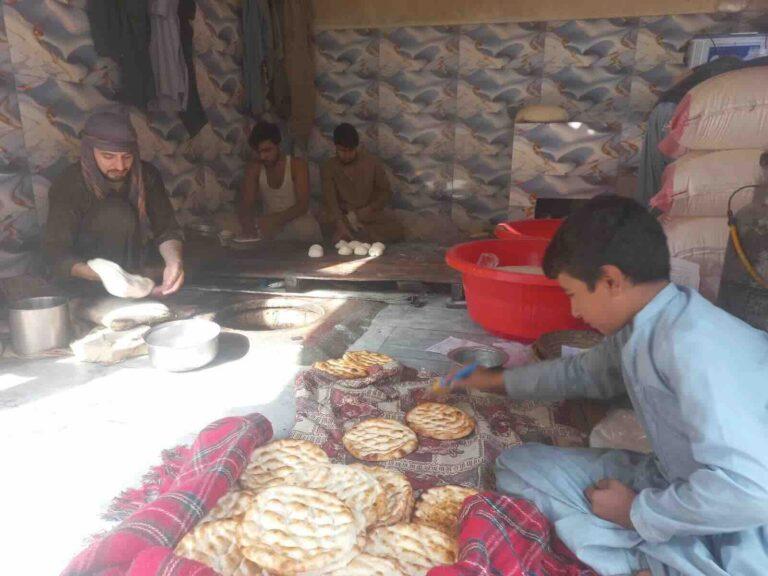
    In Pakistan’s northwestern province of Khyber Pakhtunkhwa, a dispute over the price of roti, the country’s staple flatbread, has spiralled into a province-wide confrontation between bakers, consumers, and local administrations. The powerful Anjuman-e-Nanbai Association, representing hundreds of bakery and tandoor owners, suspended its planned strike in Peshawar after the city’s administration approved a steep increase in roti prices. But unrest continues to simmer in other districts, where bakers are protesting the skyrocketing cost of flour and the government’s tight control over bread prices.

    When the Price of Bread Becomes a Political Issue

    In Pakistan, unlike in India, the price of roti and naan – basic forms of flatbreads – is not entirely left to market forces. Local governments fix official prices for these everyday essentials, viewing them as politically sensitive items central to food security. Any attempt by tandoor owners to sell above the fixed rate can attract penalties, fines, or even temporary closure of their shops.

    However, this system has come under severe strain as the price of wheat flour, the main ingredient for roti, has surged due to supply shortages, rising transport costs, and disruptions in wheat procurement from Punjab, Pakistan’s largest wheat-producing province. For months, tandoor owners have been demanding that the provincial government revise official rates to reflect real market conditions.

    From Threat of Shutdown to Compromise

    Earlier this week, the Anjuman-e-Nanbai Association in Peshawar announced that all bakeries and tandoors in the city would close indefinitely from October 16, accusing the administration of ignoring repeated appeals for a price revision. The association argued that under the existing rate – Rs. 20 for a 150-gram roti – bakers were incurring losses, unable to afford flour, gas, and electricity bills that have all soared in recent months.

    The strike threat prompted urgent talks between the association’s representatives and district officials. After hours of negotiations, the Peshawar administration agreed to increase the official rate. Under the new arrangement, a smaller 80-gram roti can now be sold for Rs. 20, while a larger 160-gram one will be priced at Rs. 40. The decision effectively doubled the price of the standard roti in the provincial capital, though officials described it as a temporary measure to “stabilize” the market until the flour crisis eases.

    Following the announcement, the Nanbai Association suspended its strike and reopened tandoors across the city. Association leaders said the outcome was “a relief” for the baking community, many of whom had been forced to shut their ovens due to unsustainable losses. “This was not just a matter of profit,” one baker in Peshawar told OWSA. “We could not survive when a bag of flour costs more than what we earn in a week.”

    Protests in Charsadda: Flour Shortages Bite Hard

    While Peshawar saw a temporary truce, anger continued to spill over in nearby Charsadda district. There, the All Nanbai Association staged a large protest march from the town’s main square, the Farooq Azam Chowk, to the office of the Deputy Commissioner, demanding immediate intervention in the flour market. Protesters carried empty flour bags and chanted slogans against what they described as “criminal negligence” by the provincial government.

    According to the protesters, the price of a 20-kilogram flour bag has surged to Rs. 2,800, while a 50-kilogram bag now costs nearly Rs. 5,000 – a level many small tandoor owners cannot afford. Fine-quality flour, used to make soft roti and naan, has disappeared from several local markets altogether. Bakers also complained that, instead of addressing supply issues, district administrations have been sending price-control officers to raid and fine shops that dare to sell at market rates. “We are being punished for inflation that we did not create,” said one Charsadda baker. “The officials want cheap bread, but there is no cheap flour left.”

    Protest leaders warned that if the current shortage continues, flour reserves in the province could run out within days, forcing thousands of tandoors to shut down.

    A Province Under Pressure

    The flour shortage and rigid price controls have triggered unrest beyond Peshawar and Charsadda. In several towns across Khyber Pakhtunkhwa, Nanbai associations have rejected government orders to lower roti prices, arguing that the official rates are impossible to follow when the price of wheat continues to rise. In some districts, bakers’ unions have even called for coordinated closures across Punjab and Khyber Pakhtunkhwa – a rare show of unity across Pakistan’s provincial baker associations.

    The issue has also become a political flashpoint. Local administrations, wary of public anger over inflation, are reluctant to allow large price hikes. But for small bakers, operating under government-fixed rates while flour prices remain volatile has turned into a losing battle.

    In Peshawar, before the compromise, the Nanbai Association had already warned it might have to increase the price of a standard roti to Rs. 30 or reduce its size from 150 grams to 100 grams to survive. Rising gas tariffs, increased taxes, and shortages of subsidised wheat have only deepened the crisis.

    Public Backlash and the Cost of Inflation

    For ordinary Pakistanis, the doubling of roti prices has come as yet another blow in a year marked by relentless inflation. The price of basic food items has risen sharply amid currency depreciation and fuel price increases. Bread, being a dietary staple, is often seen as a barometer of public hardship.

    Many residents in Peshawar expressed frustration that a simple meal was becoming increasingly unaffordable. “Doubling the price of roti is unfair,” said Muhammad Tahir, a shopkeeper in Saddar Bazaar. “People can’t afford meat or vegetables already, and now even bread is becoming a luxury.”

    Economists say the crisis reflects deep structural problems in Pakistan’s food pricing system. “When the government fixes retail prices for bread but fails to stabilize flour supplies, it squeezes small producers and ultimately hurts consumers,” explained one analyst based in Islamabad. “The solution has to involve better coordination between provincial wheat boards and local administrations.”

    A Fragile Truce

    For now, Peshawar’s tandoors are back in business, operating under a dual-weight pricing model that gives bakers some flexibility. But the agreement is fragile. Unless flour supplies improve and price controls are adjusted to reflect market realities, similar protests are likely to resurface.

    In many ways, the “roti crisis” in Khyber Pakhtunkhwa underscores Pakistan’s broader economic challenge – a struggle to balance social welfare with inflationary pressures in an economy heavily dependent on government subsidies.

    As the smell of freshly baked naan once again fills Peshawar’s lanes, the question remains whether this truce will hold, or whether Pakistan’s most essential food will continue to spark some of its most heated political battles.

    Garment Factory Blaze in Dhaka Kills at Least 16, Exposes Deep-Rooted Fire Safety Failures

    Casualty numbers may rise as searches continue. Victims were trapped as fire spread through fabric, chemicals, and machinery. An explosion preceded the blaze, with smoke-filled floors and desperate families waiting.

    At least 16 people were killed and several others injured after a massive fire engulfed a garment factory and an adjoining chemical warehouse in Dhaka’s Mirpur area on Tuesday, October 14, exposing once again the fragile state of industrial safety in Bangladesh’s most vital economic sector.

    According to officials from the Bangladesh Fire Service and Civil Defence, the fire broke out around midday on the third floor of a seven-storey factory building and quickly spread to a nearby chemical warehouse storing bleaching powder, hydrogen peroxide, and plastic goods. The inferno sent plumes of thick black smoke billowing into the sky, visible across northern Dhaka. Twelve fire units rushed to the scene and managed to bring the blaze under control after nearly three hours of frantic efforts. However, parts of the warehouse continued to burn well into the evening, forcing rescuers to enter cautiously due to the risk of further explosions.

    Fire Service Director Tajul Islam Chowdhury confirmed that sixteen bodies were recovered from the second and third floors of the factory building. The number of casualties is expected to rise as search operations continue. Many of the victims were trapped inside when the fire spread rapidly through piles of fabric, chemicals, and machinery. Witnesses said they heard a loud explosion before the blaze erupted, followed by people screaming for help as smoke filled the upper floors. Families of missing workers waited anxiously outside the building, clutching photographs and pleading with officials for news.

    Compliance and Safety Codes

    While the exact cause of the fire remains under investigation, early reports suggest that the chemical warehouse was operating without proper safety permits. Fire officials have also raised concerns about the factory’s compliance with safety codes, pointing out that emergency exits were either blocked or insufficient for quick evacuation. The police and army have joined the investigation to identify the factory and warehouse owners, who are believed to be absconding.

    Interim head of government Muhammad Yunus expressed deep sorrow over the loss of lives and ordered a full investigation. He directed authorities to provide immediate assistance to the victims’ families and to identify those responsible for safety lapses. Despite these assurances, public anger is mounting over the recurrence of industrial fires that have become distressingly familiar in Bangladesh’s urban landscape.

    Negligence and Indifference

    In an editorial titled “We remain incapable of putting out fires,” the Dhaka Tribune sharply criticized the government and industry for repeated failures to prevent such tragedies. The paper argued that while officials often promise reforms after every disaster, little changes on the ground. The editorial lamented that “yet another devastating fire claiming at least nine lives” was not an isolated event but part of a broader pattern of negligence and indifference. It called for confronting the “deep-rooted failures” in fire regulation enforcement, a culture of impunity among factory owners, and the chronic underfunding of safety agencies.

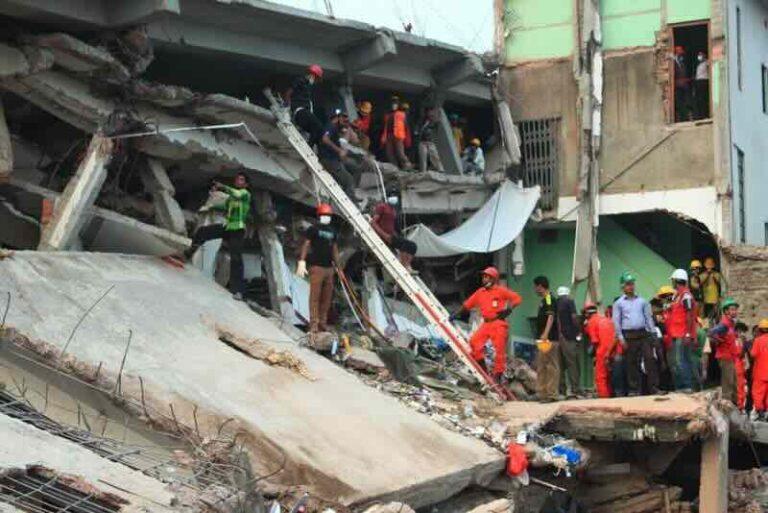
    The tragedy has reopened painful memories of earlier disasters that shaped global perceptions of Bangladesh’s garment industry. The 2012 Tazreen Fashions fire, which killed more than 100 workers, and the 2013 Rana Plaza collapse, which left over 1,100 dead, were supposed to have spurred lasting reforms. International pressure following those incidents led to new safety accords, building inspections, and compliance programs backed by global brands. Yet, more than a decade later, experts say those efforts have waned, and many high-risk facilities continue to operate without meeting even basic safety standards.

    Lifeblood of Economy

    Bangladesh’s garment industry is the lifeblood of its economy, employing about four million workers, most of them women, and contributing nearly 80 percent of the country’s export earnings. But the sector’s success continues to come at a high human cost. Poorly constructed factories, overcrowded floors, flammable materials, and inadequate fire safety systems create a deadly combination that leaves workers highly vulnerable. Labor activists argue that safety measures are often compromised in the pursuit of cheap production and fast delivery for international buyers.

    Experts and civil society groups are now urging a comprehensive overhaul of industrial safety regulations. They emphasize that Bangladesh needs to move beyond symbolic responses and implement long-term solutions that make fire prevention and worker safety a national priority. This means thorough investigations into every industrial fire, transparency in inspection reports, and stronger penalties for non-compliance. The government must ensure that chemical warehouses and garment factories are no longer clustered together in densely populated urban zones. Adequate fire exits, alarm systems, and emergency response training should become mandatory and verifiable in every factory.

    Fragile Promise

    Global buyers also have a role to play. Many international brands continue to source from factories that barely meet minimum safety standards, relying on inconsistent audits or ignoring known violations. Sustainable supply chains cannot be built on unsafe workplaces. As Bangladesh seeks to retain its position as one of the world’s leading garment exporters, the industry’s global partners must insist on accountability and transparency as preconditions for trade.

    The Mirpur tragedy is not merely another accident; it is a grim reminder of how fragile the promise of “never again” has become. Each new fire exposes the same fault lines – weak regulation, profit-driven neglect, and an absence of systemic reform. Unless Bangladesh confronts these failures head-on, the headlines will continue to repeat the same sorrowful refrain, and workers will keep paying the price with their lives.

    Researchers Uncover How Plants Make Anti-Tumour Drug Mitraphylline

    By identifying enzymes that build and shape mitraphylline, researchers now have a roadmap for producing it and related compounds in sustainable ways.

    Scientists have made a groundbreaking discovery, uncovering how plants produce mitraphylline, a rare, potent anti-tumour and anti-cancer compound. This breakthrough enables lab-based replication of the molecule, facilitating large-scale production for medical use.

    A collaborative team from UBC Okanagan and the University of Florida identified the enzymes and chemical pathways involved in mitraphylline synthesis. This allows researchers to recreate the compound in controlled settings, speeding up pharmaceutical development and reducing dependence on scarce natural sources.

    Mitraphylline, a spirooxindole alkaloid, is part of a unique group of plant-derived compounds known for their distinctive ring-shaped structures and therapeutic potential, including anti-inflammatory and immune-boosting effects, with significant promise in cancer treatment.

    These compounds have unusual “twisted” ring structures and are known for their strong effects, like fighting tumours and inflammation.  

    Despite their promise, the molecular process that plants use to make spirooxindoles remained a mystery. 

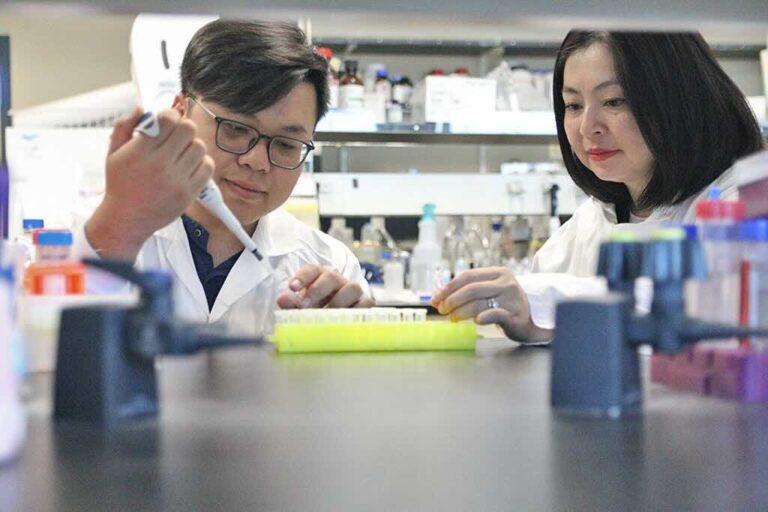
    That changed in 2023, when Dr. Thu-Thuy Dang’s research group in the Irving K. Barber Faculty of Science found the first plant enzyme that can twist a molecule into the spiro shape.  

    “This is similar to finding the missing links in an assembly line,” says Dr. Dang, UBC Okanagan Principal’s Research Chair in Natural Products Biotechnology. “It answers a long-standing question about how nature builds these complex molecules and gives us a new way to replicate that process.” 

    Building on that breakthrough, doctoral student Tuan-Anh Nguyen led the effort to identify a pair of enzymes—one that sets up the molecules’ 3D configuration and another that twists it into mitraphylline. 

    Roadmap for Producing Mitraphylline

    Natural compounds are often found in very small amounts in plants, making them difficult or costly to reproduce in the lab. Mitraphylline is one such example: it occurs only in trace amounts in tropical trees like Mitragyna (kratom) and Uncaria (cat’s claw), members of the coffee family.  

    By identifying enzymes that build and shape mitraphylline, researchers now have a roadmap for producing it and related compounds in sustainable ways. 

    “With this discovery, we have a green chemistry approach to accessing compounds with enormous pharmaceutical value,” says Nguyen. “This is a result of UBC Okanagan’s research environment, where students and faculty work closely to solve problems with global reach.

    “Being part of the team that uncovered the enzymes behind spirooxindole compounds has been amazing,” he adds. “UBC Okanagan’s mentorship and support made this possible, and I’m excited to keep growing as a researcher here in Canada.” 

    The project is the result of collaboration between Dr. Dang’s lab at UBC Okanagan and Dr. Satya Nadakuduti’s team at the University of Florida.  

    The work was supported by Canada’s Natural Sciences and Engineering Research Council’s Alliance International Collaboration program, the Canada Foundation for Innovation, and the Michael Smith Health Research BC Scholar Program. Support also came from the United States Department of Agriculture’s National Institute of Food and Agriculture. 

    “We are proud of this discovery coming from UBC Okanagan. Plants are fantastic natural chemists,” Dr. Dang says. “Our next steps will focus on adapting their molecular tools to create a wider range of therapeutic compounds.” 

    IMF Warns: Government Debt to Rise as Global Growth Slows in 2025–26

    While the IMF remains relatively bullish about India’s near-term growth prospects, its tempered FY27 outlook reflects mounting external pressure and the delicate balance between sustaining momentum and managing risks in a volatile global climate.

    Global economic prospects are dimming, and government debts are on a steep upward path, according to a new report by the International Monetary Fund (IMF).

    This warning comes more than a decade of heedless spending for ‘stimulus’ advocated by macro-economists themselves.

    The warning also comes amid growing concern that the post-pandemic stimulus era may be giving way to a more constrained fiscal environment worldwide.

    In its latest World Economic Output (WEO) report, the IMF revises its global growth forecasts and issues cautionary signals about fiscal policy. For 2025, global growth is projected at 3.2 per cent, while 2026 is expected to see growth of 3.1 per cent – both subdued by historical standards.

    A Slower Growth Trajectory

    The revised forecasts represent a more cautious stance by the IMF. While the 2025 projection is slightly raised, the baseline still reflects significant headwinds. According to the report, “immigration controls” and trade policy uncertainties (such as lingering effects of tariffs) could weigh on future output.

    The IMF notes that the negative impact of earlier tariff policies – such as those implemented under former U.S. President Donald Trump – was less severe than initially anticipated, owing partly to reductions in tariff rates and adaptive responses by trade partners.

    Yet, those adjustments may not fully buffer economies against structural slowdowns. In particular, the IMF cautions that many countries have little room left to stimulate further growth via traditional fiscal tools.

    Debt on the Rise, Fiscal Space Shrinking

    One of the central themes of the WEO report is that government debt burdens are expected to grow – especially in advanced economies. The IMF argues that years of aggressive spending policies, often advocated under macroeconomic stimulus frameworks, have left many countries on precarious fiscal footing.

    The Fund calls for “rebuilding fiscal buffers” and emphasizes the need for sustainable debt dynamics. Its message marks a retreat from earlier “fiscal space” optimism, signalling that more discretionary government spending may no longer be viable in many economies.

    In advanced economies, the report highlights that fiscal policy remains too loose in many of the largest economies. Medium-term consolidation plans should be balanced: spending rationalization, revenue enhancement, and well-targeted support measures “offset by clear savings.”

    Country-Level Outlooks: US, Euro Area, Emerging Economies

    The US is flagged as a case study of fiscal imbalance. Under current policy projections, public debt in the United States is forecast to rise from 122 per cent of GDP in 2024 to 143 per cent in 2030 – 15 percentage points higher than earlier May projections. The inability to stabilize debt underscores the limits of further stimulus in an environment of elevated debt burdens.

    In the euro area, debt is projected to climb to 92 per cent of GDP by 2030, up from 87 per cent in 2024.

    Emerging and developing economies will face more mixed trajectories. On average, such countries are expected to modestly tighten fiscal policy in 2026 – by about 0.2 percentage points of GDP – after a period of widening deficits in 2025.

    China is singled out for a slight improvement: its fiscal deficit is expected to narrow post-2025, partially reversing a planned 1.2 percentage point widening in 2025. Nonetheless, public debt in emerging and developing economies overall is projected to rise from ~70 per cent of GDP in 2024 to 82 per cent by 2030.

    India’s FY27 Growth Forecast Trimmed

    IMF has slashed India’s fiscal 2026-27 (FY27) growth forecast by 20 basis points to 6.2 per cent, even as it raised the projection for the current year (FY26) to 6.6 per cent.

    In its October update to the World Economic Outlook, the IMF attributed the upward revision for FY26 to stronger-than-expected momentum from the first quarter, which it said more than offset the effects of increased U.S. tariffs on Indian imports since July. By contrast, the downward tweak for FY27 reflects concerns about external headwinds, especially trade policy uncertainty and softness in demand.

    The IMF’s adjusted figures align closely with moves made by other multilateral bodies. Just days earlier, the World Bank also lowered its FY27 forecast to 6.3 per cent, while boosting its estimate for FY26 to 6.5 per cent. Meanwhile, the Reserve Bank of India (RBI) projects growth of 6.8 per cent for FY26 and 6.6 per cent for FY27, assuming normal monsoon and no major external shocks.

    A key driver behind the upward adjustment for the current year is India’s robust 7.8 percent GDP growth in April–June, which outpaced expectations and fuelled optimism about consumption and investment traction. Yet, with the U.S. imposing steep tariffs – up to 50 percent on Indian goods – analysts see risks building ahead. The IMF cautioned that trade policy uncertainty could dampen investment and consumption in the longer run.

    Speaking ahead of the IMF-World Bank annual meetings in Washington, IMF Chief, Kristilina Georgieva said India’s strong economic policies and reforms have helped it stand out as one of the world’s fastest-growing economies.

    Pierre-Olivier Gourinchas, the IMF’s Chief Economist, noted that while the tariff impact has so far been somewhat contained – thanks to negotiated exemptions and supply-chain adjustments – it is too early to dismiss its possible broader economic repercussions.

    For FY27, the IMF’s downward adjustment amounts to a cumulative drag: compared to its April 2024 forecast (pre-tariff), the growth path is now about 0.2 percentage point lower.

    In sum, while the IMF remains relatively bullish about India’s near-term growth prospects, its tempered FY27 outlook reflects mounting external pressure and the delicate balance between sustaining momentum and managing risks in a volatile global climate.

    Lessons from Sri Lanka and the Perils of Overreach

    The report draws attention to Sri Lanka as a cautionary example. Following a collapse borne of excessive monetary accommodation, large debts, and unrestrained spending, Sri Lanka defaulted and had to enact a tight fiscal adjustment.

    Even now, pressure is mounting within that country to revive large capital projects (for example, generating renewed interest in the Ruwanpura Expressway). The IMF implicitly warns of repeating past errors: projects lacking prudent prioritization could endanger fiscal stability.

    Risks, Outlook and Policy Imperatives

    The IMF underscores that monetary policy will need careful calibration to balance inflation control and growth support, in line with central banks’ mandates.

    Given the constrained environment, the Fund urges that any new fiscal stimulus should be temporary, well-targeted, and offset by credible savings.

    Its recommendations suggest a shift from broad stimulus to a focus on debt sustainability and institutional discipline. In effect, many economies may be entering an era in which stabilization, not expansion, becomes the priority.

    Outlook for 2025–26 and Beyond

    With global growth projected at just 3.2 per cent in 2025 and 3.1 per cent in 2026, the macroeconomic environment will be far from flush. Governments that have overextended fiscally may find themselves squeezed by interest burdens, weaker growth, and shrinking policy space.

    The IMF’s report suggests that the next phase of economic policy must deal with the legacies of stimulus – namely large debts – rather than rely on stimulus to drive new growth. For many nations, particularly advanced economies with heavy debt loads, this may be a turn toward more austere, disciplined governance.

    How well individual countries manage this transition – balancing growth, debt, and social needs – may define the economic successes or failures of the rest of the decade.

    Everest Region Identified as Hotspot of Cryosphere Hazards: ICIMOD Study Confirms Thame Flood as Climate-Linked Disaster

    Study calls for urgent action as glacial lake outburst floods rise across the Himalayas.

    A new study released by the International Centre for Integrated Mountain Development (ICIMOD) has confirmed that the devastating 2024 Thame flood in Nepal’s Everest region was triggered by a massive rock avalanche that set off a complex chain reaction of glacial lake outburst events. The study warns that the Everest region is emerging as a “hotspot” of cryosphere-linked hazards, with climate change amplifying both the frequency and magnitude of such disasters.

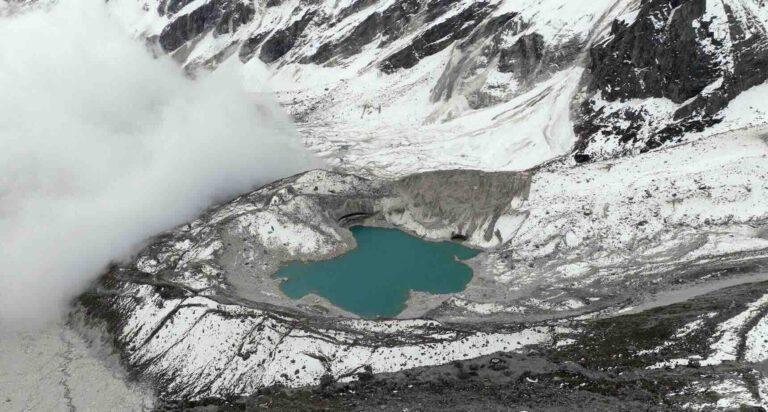
    The report, Thame Valley Glacial Lake Outburst Flood – Causes, Impacts, and Future Risks, authored by ICIMOD scientists Sudan Bikash Maharjan, Tenzing Chogyal Sherpa, and Arun Bhakta Shrestha, reconstructs the catastrophic event of 16 August 2024, when a rock avalanche above 4,900 metres slammed into a glacial lake in the Thame watershed. The impact displaced around 156,000 cubic metres of water, unleashing a destructive cascade that tore through the iconic trekking village of Thame in Solukhumbu, displacing 135 people, destroying 25 homes, and devastating local infrastructure.

    The avalanche’s impact generated a powerful displacement wave that breached a second downstream glacial lake, releasing an additional 303,000 cubic metres of water – a combined total equivalent to 185 Olympic-sized swimming pools. As the outflow plunged 120 metres between lakes, it gained immense erosive energy, transforming into a hyper-concentrated slurry that carried large boulders and debris up to 80 kilometres downstream.

    “The Thame flood was not a single event but a devastating chain reaction driven by geological and morphological conditions,” said Sudan Bikash Maharjan, Remote Sensing Analyst at ICIMOD. “It shows how smaller glacial lakes – when coupled with unstable mountain slopes – can unleash catastrophic impacts.”

    A Warning from the Mountains

    The flood destroyed homes, a health post, a school, a bridge, and damaged a hydropower plant. Fortunately, no lives were lost, as the flood occurred during daylight and unfolded in phases due to temporary ponding of the water. But the destruction underscored the growing vulnerability of Himalayan communities to climate-driven disasters.

    The Thame incident joins a troubling pattern: the Everest region has experienced five major glacial lake outburst floods (GLOFs) in less than 50 years, including the 1985 Dig Tsho disaster, which destroyed a hydropower plant in a nearby valley. Across Nepal, more than 90 GLOFs have been recorded since the early 20th century.

    “Thame is both a reminder and a moment of reflection,” said Tenzing Chogyal Sherpa, Cryosphere Analyst at ICIMOD. “It shows how mountain communities are already living the realities of climate change. We must invest urgently in preparedness and resilience, especially as the mountains continue to speak through such events.”

    Cryosphere Under Threat

    The study situates the Thame disaster within the larger context of the Hindu Kush Himalaya (HKH) – one of the most climate-sensitive mountain regions on Earth. The HKH is warming at an alarming rate of 0.28°C per decade, nearly three times the global average. This rapid warming has accelerated glacier melt, leading to a 65% increase in glacier mass loss in recent decades and a surge in the formation of glacial lakes – now numbering over 25,000 across the region.

    “These lakes are ticking time bombs,” warned Arun Bhakta Shrestha, Senior Advisor at ICIMOD and co-author of the report. “In the last two years alone, several high-altitude hazards, including GLOFs, have struck the region. We urgently need more hydrological monitoring stations and engineering interventions such as riverbank reinforcements to mitigate future damages.”

    The study notes that the Dudh Koshi River basin, home to the Thame and Dig Tsho lakes, is particularly vulnerable due to its steep topography, moraine-dammed lakes, and active geological conditions. Natural narrowing of river channels, such as the one below Thyanbo outwash plain, can further intensify erosion and debris flow, as seen during the 2024 flood.

    Call for Proactive Risk Management

    ICIMOD’s researchers emphasize that proactive risk management – rather than reactive recovery – must become the cornerstone of Nepal’s mountain hazard response. Their recommendations include:

    • Protecting tension cracks from direct water infiltration to prevent slope failure.
    • Reinforcing riverbanks to reduce subsidence and erosion.
    • Developing long-term flood risk management plans for high-risk valleys like Thame.
    • Expanding real-time monitoring of high-altitude glacial systems across the HKH.

    The study was launched in Kathmandu during an event marking the International Day for Disaster Risk Reduction (IDDRR), co-hosted by Nepal’s National Disaster Risk Reduction and Management Authority (NDRRMA), Disaster Preparedness Network-Nepal (DPNet-Nepal), and ICIMOD. Conducted with support from the Asian Development Bank, BGC Engineering, and Solukhumbu District Administration, the research combined satellite imagery, drone surveys, and on-site geomorphological assessments to reconstruct the flood’s sequence. Drone footage provided by the Sagarmatha Pollution Control Committee was instrumental in mapping the debris path and quantifying the damage.

    Mountains in Crisis

    The Thame flood, experts say, is part of a growing global concern about the fragility of high-mountain cryospheres under climate stress. With glaciers retreating rapidly, the risk of cascading hazards – where avalanches, landslides, and GLOFs trigger one another – is increasing. Such chain reactions threaten not only remote Himalayan villages but also major river systems that sustain over a billion people downstream.

    Projects like ICIMOD’s Building Adaptation and Resilience in the Hindu Kush Himalayas (BARHKH) initiative are now working to help governments integrate cryosphere science into national policies and prioritize climate-resilient infrastructure investments.

    As Sherpa put it, “Events like Thame remind us that the cryosphere is not a distant concern. What happens in the mountains reverberates downstream and across borders. The time to act is now – because these are not isolated disasters, but the voice of a changing planet.”

    Maldives Becomes the First Country to Achieve ‘Triple Elimination’ of Mother-to-Child Transmission of HIV, Syphilis and Hepatitis B

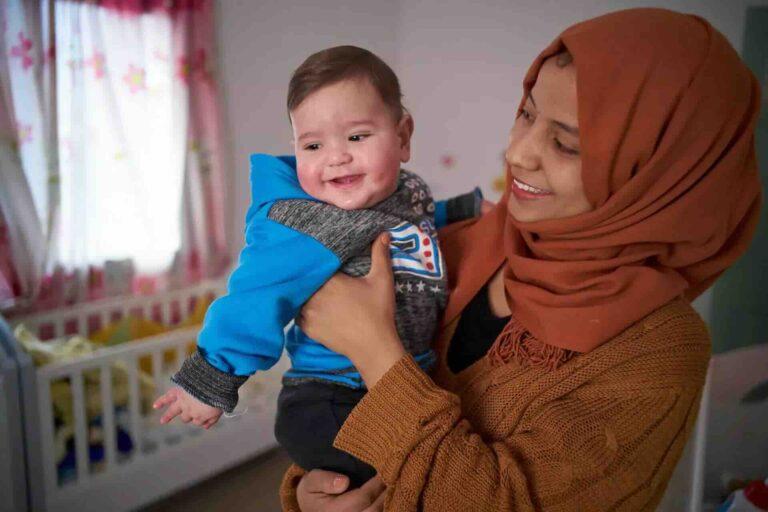
    Mother-to-child transmission leads to infections that affect millions worldwide. In the WHO South-East Asia Region alone, provisional estimates indicate that in 2024, more than 23,000 pregnant women had syphilis and over 8,000 infants were born with congenital syphilis.

    In a landmark public health achievement, the World Health Organization (WHO) has validated the Maldives for eliminating mother-to-child transmission (EMTCT) of hepatitis B, while maintaining its earlier validation (in 2019) for EMTCT of HIV and syphilis. This makes the Maldives the first country in the world to achieve ‘triple elimination’.

    “Maldives has shown that with strong political will and sustained investment in maternal and child health, elimination of mother-to-child transmission of these deadly diseases, and the suffering they bring, is possible,” said Dr Tedros Adhanom Ghebreyesus, WHO Director-General. “This historic milestone provides hope and inspiration for countries everywhere working towards the same goal.”

    Mother-to-child transmission leads to infections that affect millions worldwide. In the WHO South-East Asia Region alone, provisional estimates indicate that in 2024, more than 23 000 pregnant women had syphilis and over 8000 infants were born with congenital syphilis. About 25 000 HIV-positive pregnant women required treatment to prevent transmission to their babies, while hepatitis B continues to affect more than 42 million people in the Region.

    “Maldives’ achievement is a testament to its unwavering commitment towards universal health coverage, to provide quality and equitable care across its dispersed islands to all, including migrants.” said Dr Catharina Boehme, Officer-in-Charge, WHO South-East Asia Regional Office. “This landmark feat is an important step towards ‘Healthy Beginnings, Hopeful Futures,’ for improving maternal and newborn health by ending preventable deaths and prioritizing long-term well-being. I congratulate Maldives and look forward to the country pioneering progress in many other areas, while sustaining these gains.”

    Integrated Care, Universal Health Coverage

    Over years, Maldives has built an integrated and comprehensive approach to maternal and child health. More than 95 per cent of pregnant women receive antenatal care, with nearly universal testing for HIV, syphilis and hepatitis B. The country also has a strong immunization system, with over 95 per cent of newborns consistently receiving a timely dose of hepatitis B birth dose and full vaccine coverage, protecting infants from lifelong infection. As a result, no babies were born with HIV or syphilis in 2022 and 2023, while a 2023 national survey confirmed zero hepatitis B among young children (first grade of school), surpassing elimination targets. These achievements are backed by universal health coverage, which guarantees free antenatal care, vaccines and diagnostic services for all residents, including migrants, supported by strong policies and investment of over 10 per cent of GDP in health.

    “This historic validation is a moment of immense pride for the Maldives and a reflection of our nation’s steadfast commitment to protecting mothers, children and future generations,” said H.E Abdulla Nazim Ibrahim, Minister of Health, Maldives. “Achieving triple elimination is not only a milestone for our health sector, but also a pledge by the Government to our people that we will continue to invest in resilient, equitable and high-quality health services that leave no one behind.”

    This milestone reflects strong partnerships between government, private health providers, civil society, and international partners, working together on screening, services, outreach, and technical support.

    “The Maldives’ triple elimination stands as a powerful example of how sustained investment in health systems, innovation, and community-based care can change the trajectory of public health, said Ms Payden, WHO Representative to Maldives. “WHO is proud to have partnered with the Government of Maldives and will continue to provide technical support to sustain this achievement and ensure that every child across all the islands have a healthy future.”

    Sustaining Progress

    Maldives will continue to strengthen its health system by integrating digital health information, expanding targeted interventions for key populations and migrants, enhancing private sector engagement and reporting and improving laboratory quality management. WHO will support Maldives to ensure sustained elimination efforts to advance progress for broader maternal, child and adolescent health goals.