More

    UN Experts Warn Sri Lanka’s NGO Bill Clashes with FATF Standards Ahead of High-Stakes Review

    Four UN Special Rapporteurs have cautioned that Colombo’s proposed law imposing blanket controls on non-profits risks violating both human rights and global counter-terror financing rules just as the country faces a critical mutual evaluation.

    Four United Nations Special Rapporteurs have formally warned the Sri Lankan government that its draft Non-Governmental Organisations (Registration and Supervision) Bill 2026 is inconsistent with the right to freedom of association and with the very Financial Action Task Force (FATF) standards the legislation is said to advance. The joint communication arrives as Sri Lanka undergoes a Mutual Evaluation by the Asia/Pacific Group on Money Laundering, a FATF-style regional body, scheduled later this month.

    The evaluation carries significant economic weight. An adverse outcome could raise borrowing costs, complicate correspondent banking relationships and increase compliance burdens across the financial sector. Sri Lanka previously spent time on the FATF grey list between 2017 and 2019, an experience officials are determined not to repeat.

    Mandatory Registration and Sweeping Powers

    The Bill, first published in 2024 and revised in June 2026 to include explicit anti-money-laundering and counter-terrorist-financing provisions, would replace the 1980 Voluntary Social Services Organisations Act. It requires virtually every non-profit entity – trusts, companies limited by guarantee, informal community groups of five or more people engaged in social service or advocacy – to register with a newly empowered Competent Authority. Operating without registration would become a criminal offence punishable by fines of up to one million Sri Lankan rupees. Directors and office-bearers of corporate bodies would face personal criminal liability, effectively reversing the burden of proof.

    Registration would last only three years. The draft sets no deadline for the authority to decide applications or renewals, provides no right of appeal against refusal, and bars organisations from beginning activities until registration is granted. The experts note that this approach conflicts with Article 22 of the International Covenant on Civil and Political Rights, which protects associations without requiring prior state authorisation, and with Human Rights Council resolutions calling for registration procedures that are transparent, accessible, inexpensive and subject to appeal.

    Vague Grounds and Chilling Effects on Advocacy

    Beyond registration, the Bill imposes substantive restrictions. Organisations would be required to “align with the policies of the Government,” refrain from activities affecting sovereignty or territorial integrity, avoid political advocacy using NGO funds during election periods, notify the authority before any crowdfunding, and follow Central Bank instructions. Grounds for suspension or deregistration include threats to national security, public order or unspecified laws – criteria the rapporteurs describe as vague, overbroad and failing tests of legality, necessity and proportionality.

    Such language, they warn, could be applied arbitrarily against groups working on enforced disappearances, land rights, transitional justice, minority rights, LGBTIQ+ issues or governance accountability. Dissolution of an entire organisation, rather than action against individual wrongdoers, would also breach international standards that treat forced dissolution as an exceptional last resort.

    Inspection Powers Without Judicial Oversight

    The Competent Authority would gain powers to enter NGO premises on prior notice without a search warrant, copy records, attend meetings and demand detailed information on staff and funding sources – all without judicial authorisation. Data-sharing arrangements with financial-intelligence and counter-terrorism regulators raise additional privacy concerns under Sri Lanka’s Personal Data Protection Act. The experts recall earlier communications documenting patterns of intimidation, surveillance and house raids against human rights defenders, noting that a previous Special Rapporteur on freedom of assembly and association had already recommended against mandatory registration after a 2019 country visit.

    Contradiction with FATF’s Risk-Based Approach

    Central to the UN communication is the finding that the Bill’s blanket regulation of the entire non-profit sector contradicts FATF Recommendation 8. That standard, revised in recent years, requires measures that are targeted, proportionate and risk-based. Most non-profit organisations, FATF emphasises, pose no terrorist-financing risk; self-regulation or limited oversight of identified high-risk entities may be sufficient. Sri Lanka’s own national risk assessment of January 2026 rated the inherent terrorist-financing risk of the NGO sector as only low to medium, with limited evidence of actual abuse.

    Civil society groups have long argued that successive governments have invoked FATF requirements to justify measures that go far beyond what the global standard demands. A detailed shadow report submitted to the Asia/Pacific Group by the Sri Lanka CSO FATF Network documents how amendments to the Convention on the Suppression of Terrorist Financing Act, the Financial Transactions Reporting Act and the Prevention of Money Laundering Act – passed in mid-2026 – have expanded executive powers while banking practices have left many legitimate organisations struggling to open or maintain accounts and receive foreign funds.

    Broader Context of Civic Space Concerns

    The current draft recycles elements of earlier proposals advanced under previous administrations, a continuity that has drawn particular criticism given the National People’s Power government’s electoral commitments to expand democratic space. UN Resident Coordinator Marc-André Franche has publicly cautioned that treating AML/CFT rules as sector-wide restrictions, rather than targeted tools, risks undermining both security and development objectives.

    International monitors note that over-compliance is a common pattern among countries facing mutual evaluations. Fear of grey-listing often produces measures that create financial exclusion, de-risking by banks and a chilling effect on legitimate civic activity – outcomes FATF itself has identified as unintended consequences to be avoided.

    Call for Withdrawal or Substantial Revision

    The four Special Rapporteurs – Ben Saul (counter-terrorism and human rights), Leopoldo Maldonado Gutiérrez (freedom of expression), Gina Romero (freedom of peaceful assembly and association) and Andrea Bolaños Vargas (human rights defenders) – have asked the government to explain how the Bill complies with international human rights law and FATF standards, whether it will be withdrawn or extensively revised, and whether it will be gazetted for transparent, representative and inclusive public consultation. Their communication and any official reply will be made public and reported to the UN Human Rights Council.

    As Sri Lanka’s Mutual Evaluation proceeds, the choices made on this legislation will influence not only the country’s technical compliance rating but also the practical operating environment for the non-profit organisations that deliver services, advocate for accountability and contribute to democratic resilience. Balancing genuine efforts to combat illicit finance with the protection of civic space remains a test that international standards – and international observers – will closely watch.

    Bhutan’s Tobacco Laws Lag Behind Surge in New Nicotine Products

    Bhutan’s 2021 shift from prohibition to regulated sales left gaps for e-cigarettes, heated tobacco and pouches; a new policy brief urges risk-based taxes and better quitting support.

    Bhutan’s tobacco policy, once among the world’s strictest, is struggling to keep pace with a wave of new nicotine products after the country lifted its long-standing sales ban in 2021. A 2026 policy brief argues that treating all nicotine products the same undermines efforts to reduce harm, especially as imports of e-cigarettes and related devices have soared.

    The brief, titled “A Harm Reduction and Fiscal Strategy for the Post-Liberalization Era: A Policy Framework for Regulating Alternative Tobacco Products in Bhutan,” was co-authored by Karma Choden and Sonam Tshering of the JSW School of Law and Carmelo Ferlito of Malaysia’s Center for Market Education. It examines the shift from outright prohibition under the Tobacco Control Act of 2010 to controlled liberalisation following the 2021 amendment.

    From Total Ban to Controlled Sales

    For more than a decade, Bhutan stood out globally as a near-prohibitionist outlier. The 2010 law banned commercial sales and distribution, permitting only limited personal imports under heavy duties. Enforcement failures and a booming illicit market, however, forced a rethink. Seizures of smuggled cigarettes climbed from 3.7 million sticks in 2018 to 11.9 million in the first half of 2021 alone. The COVID-19 pandemic added urgency, as cross-border smuggling raised fears of virus transmission.

    The 2021 amendment legalised commercial sales through authorised outlets while retaining bans on cultivation and manufacturing. The move reduced reliance on informal channels but exposed a new regulatory vacuum. Current legislation focuses mainly on combustible tobacco and remains ambiguous on heated tobacco products, nicotine pouches, synthetic nicotine items and some vaping devices.

    “The fundamental reason for tobacco control is to reduce harm, not to punish,” said Sonam Tshering. Prohibition, he noted, never eliminated demand and simply redirected it into black markets – an experience shared by other countries that tried similar approaches.

    Explosive Growth in Vaping Imports

    Trade data underscore the urgency. E-cigarette and vaping device imports leapt from fewer than 1,000 units in 2022 to more than 448,000 units in 2025, valued at roughly Nu 48.5 million. Cigarette imports also rose sharply, from about 107 million sticks in 2023 to over 204 million in 2025. The National Health Survey 2023 put overall tobacco use at 31.4 per cent, with nearly one in five users also vaping.

    Youth use has drawn particular concern. More than eight in ten tobacco users surveyed in the 2020 Global Youth Tobacco Survey said they wanted to quit, yet formal cessation support remains limited. Nicotine-replacement therapies such as patches and gum have historically faced severe restrictions, leaving smokers with few evidence-based tools.

    Bhutan’s broader development ambitions, including its push toward high-income status under the 13th Five-Year Plan while preserving Gross National Happiness principles, make the public-health stakes higher. Non-communicable diseases already strain the health system, and tobacco remains a major contributor.

    High Taxes on Lower-Risk Alternatives

    Taxation is a central weakness identified in the brief. From January 2026, cigarettes attract a combination of specific excise (Nu 10 per stick), GST and customs duty. E-cigarettes face a 100 per cent excise tax plus GST and customs duty, producing a cumulative fiscal burden of about 115 per cent for e-cigarettes and heated tobacco products. Devices themselves carry an additional 20 per cent excise in some cases.

    The authors argue that taxing lower-risk alternatives at levels close to combustible cigarettes shrinks the price incentive for smokers to switch. High prices can also drive consumers toward informal markets. Karma Choden cautioned that very high taxes place a heavier burden on highly dependent and lower-income smokers without necessarily delivering higher quit rates.

    The brief recommends a risk-proportionate tax system: keep combustible tobacco heavily taxed while applying lighter, differentiated treatment to non-combustible alternatives. This would maintain a clear price differential that encourages switching without creating new illicit channels.

    Closing the Regulatory Grey Zone

    Beyond tax, the researchers call for stronger product-specific rules rather than leaving newer nicotine products in a legal grey area. Recommendations include mandatory product registration, ingredient disclosure, toxicity reporting, nicotine concentration limits, and packaging and safety standards tailored to each category. For youth protection, they urge strict age verification, retail licensing, controls on online sales and restrictions on youth-oriented flavours and designs.

    Better data collection is also essential. Tobacco-use monitoring should distinguish combustible smoking, smokeless tobacco and non-combustible alternatives so policymakers can track shifts in consumption patterns rather than treating all nicotine use as identical.

    Expanding Support for Quitting

    Cessation services form another critical gap. Limited access to nicotine-replacement therapy and weak data on quit outcomes leave many users without practical pathways out of dependence. The brief urges expanding availability of evidence-based tools and integrating regulated lower-risk alternatives into a broader cessation strategy. Setting a clear long-term target for reducing smoking prevalence, backed by stronger monitoring, would help measure progress.

    Officials have already begun responding. The Bhutan Food and Drug Authority and the National Council have been reviewing the Tobacco Control Act to clarify definitions, introduce quality standards and strengthen protections for minors. Proposed amendments seek to bring e-cigarettes, heat-not-burn products and similar devices explicitly under the law, set nicotine limits and tighten enforcement against underage sales.

    Lessons for International Audiences

    Bhutan’s experience offers a cautionary tale for other countries experimenting with or contemplating strict tobacco controls. Absolute bans can generate large illicit markets without eliminating demand. Once liberalisation occurs, regulators must move quickly to differentiate products by risk profile, or risk seeing newer nicotine products fill the regulatory void while high taxes blunt potential harm-reduction benefits.

    For international readers, the story illustrates how a small Himalayan kingdom known for prioritising well-being over pure economic metrics is grappling with the same technological and commercial forces transforming nicotine markets worldwide. Success will depend on whether policymakers can craft rules that reduce harm, protect youth and remain enforceable – rather than simply extending outdated frameworks designed for cigarettes alone.

    Nepal’s Proposed Media Council Bill Raises Press Freedom Concerns Amid Tiered Penalties

    Nepal’s government has released a draft Media Council bill classifying journalistic violations into three tiers, with penalties ranging from mandatory apologies for minor errors to suspension of press credentials and state benefits for severe breaches, drawing criticism over potential state control.

    Nepal’s Ministry of Information and Communication has published a draft bill seeking to amend and integrate laws relating to the Media Council, introducing a structured system of penalties for breaches of journalistic ethics that ranges from simple corrections to the suspension of press passes and withdrawal of government benefits. The proposal, opened for public feedback, arrives against a backdrop of repeated attempts to regulate the media sector and ongoing debates about the independence of regulatory bodies in the Himalayan nation.

    The draft, formally titled the ‘Bill to Amend and Integrate Laws Relating to the Media Council’, categorises violations of the code of conduct into three distinct tiers based on severity. This framework aims to move away from earlier, more punitive approaches while establishing clearer accountability mechanisms for media outlets and individual journalists.

    Three-Tier Classification of Violations

    According to Section 20(3) of the draft, the lowest tier covers ‘journalistic errors’. These include minor mistakes such as incorrect names, designations, dates or numerical statistics, typographical errors, and the inadvertent mixing of opinion with news reporting. For these, the proposed Media Council would primarily issue directives requiring corrections or formal apologies.

    The second tier, labelled ‘professional negligence’, addresses more significant ethical lapses. Examples include failure to conduct basic fact-checking, denying accused parties a fair opportunity to respond, reliance on unverified sources, or distortion of headlines and accompanying photographs. Penalties here escalate to demands for formal explanations, public retractions, and the recording of the offender’s details on an official public log.

    The third and most serious category, ‘severe violations’, targets actions deemed to cause profound societal or legal harm. These encompass disclosing the identity of child victims or survivors of sexual violence, inciting communal or religious hatred, character assassination, contempt of court, or compromising national security. In such cases, the council could recommend the suspension of state benefits and government advertising, as well as the suspension of press credentials for up to one year.

    Section 24(6) outlines these proportional penalties, while Section 26 opens the door for individuals whose dignity, reputation or property is damaged by published content to seek monetary compensation through district courts. Section 27 provides a judicial safeguard: affected parties may appeal council decisions to the High Court within 35 days, ensuring that administrative rulings are subject to independent review.

    History of Contested Media Regulation

    Efforts to overhaul media regulation in Nepal have long been marked by political controversy. A 2019 Media Council Bill proposed fines ranging from 25,000 to 1 million Nepali rupees for ethical breaches, along with mandatory qualification examinations for journalists. Widespread protests forced the removal of the most contentious provisions during parliamentary deliberations.

    A subsequent draft in 2024 replaced direct financial penalties with reprimands, mandatory apologies, credential suspensions and recommendations to freeze government benefits. That bill, however, lapsed on 12 September 2025 when then-Prime Minister Sushila Karki dissolved the House of Representatives. The current proposal builds on elements of the 2024 version while introducing additional structural changes.

    Media organisations have repeatedly stressed the need for genuine consultation. Nitu Pandit, vice-president of the Federation of Nepali Journalists (FNJ), argued that the draft undervalues established stakeholders. “Federation of Nepali Journalists is an established institution and its role must not be devalued,” she said. “The bill must embody the spirit of consultation and coordination with the federation in formulation of the code of conduct.”

    Structural Concerns Over Autonomy

    Although the draft presents the Media Council as an autonomous regulatory body, critics contend that its composition preserves significant executive influence. The proposed three-member executive council would include a chairperson and two members. Appointments would be overseen by a recommendation committee led by the Speaker of the House of Representatives, alongside the communications minister and a government-nominated media expert with at least 15 years of experience. The Director General of the Department of Information and Broadcasting would serve as an ex-officio member.

    Shiva Gaunle, a former FNJ president, warned that the structure risks turning the council into an instrument of state oversight rather than an independent regulator. “If this draft bill becomes law in its present form, the Media Council will be neither capable nor autonomous,” he said. “In a three-member council, one member is a government officer, and the government can remove the remaining two officials at any time under the pretext of ‘lack of efficiency’.”

    A new 15-member Directive Committee has been introduced, intended to broaden representation by including the FNJ president, university professors, human rights experts, IT specialists, media representatives and audience delegates. Yet the ministry’s power to nominate seven media representatives has raised fears of continued state overreach. Kundan Aryal, head of the Department of Mass Communication and Journalism at Tribhuvan University, urged lawmakers to keep the working body lean and transparent, emphasising that appointments must prioritise suitability over political convenience.

    Pandit echoed calls for stronger safeguards, arguing that the Media Council should possess the authority to frame its own bylaws to ensure true independence.

    Broader Context of Press Freedom Challenges

    The draft emerges at a time when Nepal’s media landscape faces multiple pressures. Journalists have reported persistent economic difficulties, including delayed salaries, while relations between the government and private media outlets have periodically deteriorated over issues such as advertising allocation. Earlier attempts to regulate social media platforms, including registration requirements and content restrictions, have similarly fuelled debates about the balance between accountability and free expression.

    International observers and domestic advocates have long highlighted the importance of aligning media laws with constitutional guarantees of press freedom and international standards, including the International Covenant on Civil and Political Rights. Previous government positions that declined to fully revise media-related bills in line with these commitments have kept concerns alive.

    Stakeholder Demands

    The ministry has invited public feedback on the draft, signalling an opportunity for further revisions. Media rights groups are pressing for clearer demarcations between traditional media and social platforms, transparent appointment processes, and explicit protections for editorial independence. They also call for coordination among the multiple media-related bills currently under discussion, including those addressing broader communications regulation and social media management.

    The developments in Nepal illustrate a familiar tension across many democracies: the challenge of establishing effective self-regulation and accountability mechanisms without creating tools that could be used to constrain critical reporting. The outcome of this consultation process will help determine whether the proposed Media Council strengthens professional standards or becomes another arena for political influence over the press.

    India Turns Organic Waste into Clean Fuel, Power and Fertilizer under Swachh Bharat Mission

    Across Indian cities, kitchen scraps, cow dung and market waste are being transformed into biogas, electricity and compost, offering a practical model of circular resource recovery for the world.

    Organic waste that once clogged landfills and polluted urban air is now powering kitchens, lighting markets and enriching farmland across India. Under the Swachh Bharat Mission, launched in October 2014 and advanced through its Urban 2.0 phase, cities and institutions are treating discarded vegetables, cattle dung, kitchen leftovers and crop residue as valuable feedstock rather than refuse. The shift marks a quiet but significant move from disposal-centric waste management toward resource recovery, clean energy generation and local economic benefits.

    This illustrates how a large developing economy is linking sanitation goals with energy security and climate action. India’s urban areas generate more than 160,000 tonnes of municipal solid waste daily. Processing rates have risen from roughly 16 per cent in 2014 to about 81 per cent in recent years, driven by source segregation, door-to-door collection and the expansion of composting, biomethanation and waste-to-energy facilities. Organic waste, which forms a large share of this stream, is increasingly converted into compressed biogas (CBG or bio-CNG), electricity and bio-manure.

    Educational Campus Replaces LPG with Biogas

    In Gandhinagar, Gujarat, the Shrimati Manekba Vinay Vihar Educational Complex near Adalaj shows how institutional-scale systems can work. The campus serves more than 500 people daily. Two biogas plants with a combined capacity of 90 cubic metres per day process dung from 222 cows along with kitchen waste and agricultural residue. The gas fully meets the kitchen’s cooking needs, eliminating the requirement for around 30 LPG cylinders every month. Support came through the Gujarat government’s Institutional Biogas Plant Scheme and the Gujarat Energy Development Agency. The model reduces fossil-fuel dependence while managing on-site organic waste cleanly.

    Multi-Feedstock Plant Turns Waste Into City Fuel and Compost

    Prayagraj offers a larger public-private partnership example. A bio-CNG facility processes up to 343 tonnes of organic waste daily, including wet waste from hotels, restaurants and apartments, paddy straw, cattle dung and poultry litter. It produces approximately 21 tonnes of bio-CNG and 28 tonnes of compost each day. Daily wet-waste collection has grown from an initial 7–8 tonnes to nearly 125 tonnes. The compressed gas is sold under the Compressed Bio-Gas–City Gas Distribution Synchronisation Scheme and used for city transport. Officials project that the plant could eventually supply clean energy to around 45,000 households via piped gas while cutting carbon emissions by roughly 57,000 tonnes annually. The multi-feedstock approach also provides an alternative use for agricultural residues that might otherwise be burned, addressing air-quality concerns in northern India.

    Gaushala Converts Cattle Dung into Compressed Biogas

    In Gwalior, Madhya Pradesh, the Adarsh Gaushala at Laltipara operates a 100-tonnes-per-day Compressed Bio-Gas plant inaugurated in October 2024. Developed in collaboration with Indian Oil Corporation at a cost of ₹31 crore (about US$3.7 million) and spread over five acres, the facility processes roughly 100 tonnes of cattle dung daily to produce two tonnes of CBG. It can also handle vegetable and fruit waste from markets and households. Alongside the fuel, the plant yields 10–15 tonnes of dry bio-manure each day, supplying an affordable input for farmers in surrounding districts and supporting organic agriculture. The project generates local employment and builds skills in green energy and sustainable waste handling. It is presented as India’s first modern, self-sufficient gaushala centred on a state-of-the-art CBG plant.

    Vegetable Market Powers Itself with its Own Waste

    At Hyderabad’s Bowenpally Vegetable Market, about 10 tonnes of vegetable and fruit waste are collected daily. Instead of going to landfill, the material feeds an on-site biogas plant that generates 400–500 units of electricity and 30 kilograms of biofuel every day. The electricity runs streetlights, stalls, the administration building and the water-supply network. Biofuel supplies the commercial kitchen. Liquid bio-manure from residual slurry is used by local farmers. The market’s monthly electricity bill has been roughly halved from an earlier average of around ₹3 lakh. Success at Bowenpally has led to funding for five more biogas plants at other Hyderabad market yards. Women workers participate in waste segregation, machine operation and administration, gaining income, safety equipment and skill development opportunities.

    Broader Policy Push and Circular Economy Ambitions

    These projects sit within a larger national framework. Swachh Bharat Mission-Urban 2.0 emphasises scientific processing of all waste fractions, remediation of legacy dumpsites and the principle of treating organic waste as a resource. Parallel efforts under the GOBARdhan (Galvanising Organic Bio-Agro Resources Dhan) initiative, originally launched in 2018 under the rural Swachh Bharat Mission and expanded in 2026 as a National Circular Bioenergy Scheme with an outlay of ₹23,731 crore over ten years, aim to scale compressed biogas production substantially. The scheme includes offtake assurance, administered pricing and capital support to attract private investment and create a domestic CBG market, with blending obligations rising to 5 per cent in the transport and domestic piped natural gas segments.

    India’s surplus biomass potential is estimated in the hundreds of millions of tonnes annually. Converting even a portion into CBG, electricity and fermented organic manure can reduce landfill methane emissions, lower import dependence on fossil fuels and supply nutrient-rich fertiliser that supports soil health. 

    From Disposal to Productive Recovery

    The practical results are visible in reduced LPG use, lower electricity costs, local jobs – especially for women – and cleaner urban environments. Cow dung, kitchen scraps, crop residue and market discards are no longer simply problems to be removed; they have become inputs for fuel, power and agriculture. Challenges remain, including consistent source segregation, feedstock aggregation at scale, and ensuring commercial viability of plants. Yet the demonstrated models in educational campuses, city markets, gaushalas and multi-feedstock facilities show that policy support, community participation and appropriate technology can close the loop between waste and wealth.

    India’s experience offers a transferable lesson: organic waste streams, when systematically collected and processed, can simultaneously advance sanitation, energy access, climate mitigation and rural-urban linkages. As more cities adopt similar approaches, the everyday act of discarding vegetable peels or cattle dung is being reframed as the first step in a productive circular economy.

    Focus keyphrase: organic waste to energy Swachh Bharat Mission India

    Tags: Swachh Bharat Mission, organic waste, waste to energy, bio-CNG, compressed biogas, biogas plants, circular economy, India sanitation, resource recovery, clean energy India, GOBARdhan, municipal solid waste, bio-manure,

    RBI Raises Key Interest Rate for First Time in Nearly Four Years as Inflation Risks Broaden

    India’s Reserve Bank has hiked the repo rate by 25 basis points to 5.50 per cent and shifted to a calibrated tightening stance, citing rising food and fuel prices, weak monsoon conditions and global uncertainties while upgrading growth forecasts.

    The Reserve Bank of India (RBI) on Wednesday raised its benchmark policy repo rate by 25 basis points to 5.50 per cent, marking the first increase in nearly three and a half years, as inflation risks intensified despite resilient economic growth. The six-member Monetary Policy Committee (MPC), chaired by Governor Sanjay Malhotra, voted unanimously for the hike at its 63rd meeting held from October 5 to 7, 2026. It also changed its policy stance from neutral to calibrated tightening, signalling that rate cuts are off the table in the near term.

    The decision aligns India with a broader global wave of monetary tightening. The standing deposit facility rate was adjusted to 5.25 per cent, while the marginal standing facility rate and Bank Rate moved to 5.75 per cent. The last hike had come in February 2023, when the rate was lifted to 6.50 per cent during the post-pandemic and Ukraine conflict inflation surge.

    Inflation Outlook Turns Less Benign

    Governor Malhotra noted that the inflation outlook is no longer as benign as it appeared last year. Headline consumer price index (CPI) inflation rose to 4.8 per cent in August from 4.5 per cent in July, driven largely by higher food and fuel prices. Food price pressures have become more broad-based, with notable spikes in items such as sugar and onions. Core inflation, which excludes food and fuel, increased to 4.2 per cent after holding steady at 3.9 per cent for three consecutive months. The share of CPI items recording inflation above 4 per cent climbed to about 37 per cent, pointing to a generalisation of price pressures.

    The RBI projected CPI inflation at 5.2 per cent for the financial year 2026-27, up from its earlier estimate. Quarterly forecasts stand at 4.9 per cent for the second quarter, 6.0 per cent for the third and 5.7 per cent for the fourth. Inflation for the first quarter of 2027-28 is seen at 5.6 per cent. Core inflation is projected at 4.4 per cent for the year. Risks are assessed as evenly balanced.

    Supply-side factors dominate the near-term outlook. A deficient southwest monsoon, strong El Niño conditions and volatility in international oil and commodity prices are expected to keep pressures elevated. The sudden re-escalation of the West Asia conflict since September has added further uncertainty through higher and more volatile crude oil prices.

    Strong Growth Provides Policy Room

    Despite these inflation concerns, the RBI retained a positive assessment of domestic economic activity and raised its real GDP growth forecast for 2026-27 to 7.1 per cent from 6.7 per cent earlier – an upward revision of 40 basis points. Growth is projected at 7.2 per cent in the second quarter, 6.9 per cent in the third and 6.8 per cent in the fourth. First-quarter growth for 2027-28 is estimated at 7.1 per cent.

    Real GDP expanded by 7.8 per cent in the first quarter of 2026-27, higher than expected, supported by private consumption, fixed investment, merchandise exports and strong services activity. High-frequency indicators for July and August suggest momentum has been maintained in the second quarter, albeit with some moderation. Manufacturing remains resilient despite cost pressures, while services continue to benefit from robust domestic and external demand.

    Governor Malhotra emphasised that the upward revision underscores the strength of economic activity amid significant global headwinds. Urban demand is expected to stay supported by sustained services activity and stable employment conditions. Strong capacity utilisation, robust credit growth, government infrastructure spending and a rebound in private capital expenditure should underpin investment.

    Agricultural Risks from Weak Monsoon and Global Markets

    A key area of concern highlighted in the RBI’s assessment is the agricultural sector. Cumulative southwest monsoon rainfall by the end of September stood 12.6 per cent below the long-period average, with deficient rains across all regions. The production-weighted rainfall index was at 90 per cent. Reservoir storage levels on October 1 were at 71.8 per cent of capacity, significantly below the normal 81.8 per cent and last year’s 90.3 per cent.

    Kharif sowing as of early October was 1 per cent lower than a year earlier, though still 1 per cent above the normal area. Acreage for rice, sugarcane and cotton declined, while pulses, coarse cereals and oilseeds saw higher sowing. The outlook for the rabi season faces headwinds from low reservoir levels, above-normal temperatures and the possibility of El Niño conditions, which could affect rural demand.

    Global agricultural commodity markets add another layer of uncertainty. Weather disruptions in major producing regions, geopolitical tensions, shifting trade policies and fluctuations in input and energy prices are influencing the global supply-demand balance. These developments could affect international prices of cereals, edible oils and other commodities, with implications for India’s farmgate prices, trade and food inflation.

    Yet the RBI pointed to underlying resilience. Record foodgrain production of 3,766 lakh tonnes in 2025-26 (up 5.3 per cent) and horticulture output of 3,778 lakh tonnes provide a cushion. Greater irrigation coverage, weather-resilient crop varieties, diversification towards less water-intensive crops, and the expansion of livestock, fisheries and other allied activities have reduced the rural economy’s dependence on the monsoon. For households with small landholdings, wages now account for more than 55 per cent of income, while crop production and livestock contribute about 36 per cent.

    In years of significant rainfall deficiency, non-agricultural activities become the predominant driver of rural growth. The government has also raised minimum support prices for both kharif and rabi crops to encourage diversification and address demand-supply imbalances. Related analysis of rural resilience and climate adaptation can be found in coverage of India’s agricultural policy push and global food price trends.

    Global Uncertainties and Financial Conditions

    The external environment remains challenging. Global growth is expected to decelerate in 2026 even as it stays resilient. Rising energy and food prices have pushed inflation higher in several major economies, prompting tighter monetary policy, including a 25 basis point increase by the US Federal Reserve in September. Higher global bond yields, an appreciating US dollar, trade uncertainty and fiscal sustainability concerns are keeping financial markets under pressure.

    The RBI identified further tightening of global financial conditions, elevated valuations in AI-related assets, high public debt levels and the unresolved West Asia conflict as major downside risks. Energy prices and supply-chain pressures remain uncertain, though their impact is being partially contained through diversification of supply sources.

    Liquidity and Financial Sector Measures

    System liquidity remained in surplus during August and September, averaging Rs 5.9 lakh crore under the liquidity adjustment facility after measures to attract capital inflows. The RBI said it would continue using an appropriate mix of tools to align the weighted average call rate with the policy repo rate. Credit growth remains robust and broad-based, while the banking and non-banking financial company sectors continue to display sound capital, liquidity, asset-quality and profitability parameters.

    The central bank also announced two measures to deepen financial markets: interoperability among NBFC account aggregators and facilitation for SEBI-regulated depositories to include deposit-account information in consolidated statements, both to be implemented by December 31, 2026. A Technical Consultative Committee for Financial Markets will be constituted to engage with market participants on policy and operational issues.

    What the Stance Shift Means Going Forward

    The move to calibrated tightening is significant. Under current conditions, rate cuts are ruled out in the near term. Future policy action can only involve a further rate hike or a pause, depending on how growth and inflation evolve. Governor Malhotra said the duration and extent of any rate-hike cycle would depend on underlying inflation dynamics, the breadth of price pressures, the emergence of second-round effects from supply shocks and the impact of demand conditions.

    Two MPC members – Dr Nagesh Kumar and Prof Ram Singh – favoured retaining the neutral stance, though the rate hike itself was unanimous. Minutes of the meeting will be released on October 21, and the next MPC meeting is scheduled for December 2-4, 2026.

    The decision underscores India’s dual challenge of managing supply-driven inflation risks – particularly from weather and geopolitics – while capitalising on strong domestic momentum. The rural economy’s gradual diversification offers some buffer against monsoon shocks, yet agriculture remains a key transmission channel for both growth and prices. Earlier assessments of similar risks appeared in the RBI’s June policy review, highlighting the continuity of weather and oil-related concerns.

    According to RBI sources, the October policy reflects a careful recalibration: prioritising price stability without derailing an economy that continues to demonstrate resilience in the face of global headwinds.

    ICC Unseals Arrest Warrants for Four Senior Taliban Officials Over Gender Persecution

    The International Criminal Court has made public arrest warrants for Taliban leader Hibatullah Akhundzada and three other top officials, accusing them of crimes against humanity through the systematic persecution of Afghan women and girls since 2021.

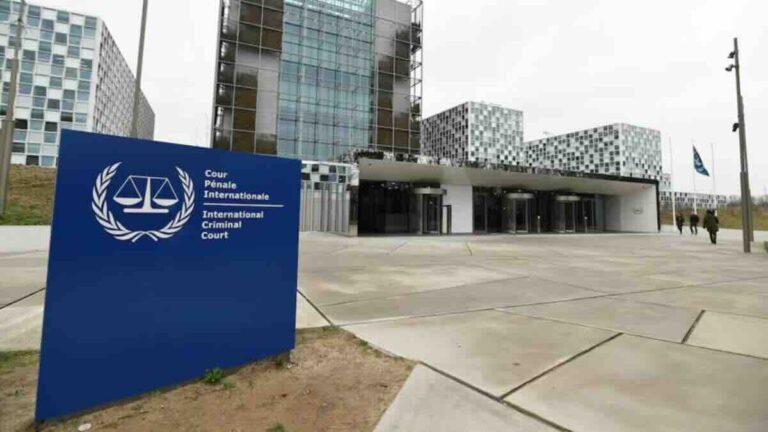
    The International Criminal Court this week unsealed four arrest warrants against senior Taliban figures, marking a significant escalation in international efforts to hold Afghanistan’s de facto authorities accountable for the severe restrictions imposed on women and girls since the group’s return to power. The warrants target Taliban supreme leader Hibatullah Akhundzada, Chief Justice Abdul Hakim Haqqani, Education Minister Habibullah Agha and Higher Education Minister Neda Mohammad Nadim. Judges determined there are reasonable grounds to believe the four ordered, induced or solicited the crime against humanity of persecution on gender and political grounds.

    The alleged crimes took place in Afghanistan from 15 August 2021, the day the Taliban seized Kabul, until at least 20 January 2025. According to Pre-Trial Chamber II, the officials implemented a governmental policy that produced severe violations of fundamental rights and freedoms of the civilian population, linked to acts including murder, imprisonment, torture, rape and enforced disappearance. While the Taliban imposed strict rules on the entire population, judges found that women and girls were specifically targeted by reason of their gender. Through decrees and edicts, they were deprived of rights to education, privacy and family life, as well as freedoms of movement, expression, thought, conscience and religion.

    Warrants Target Education Ministers for First Time

    Two of the warrants – for Agha and Nadim – had remained under seal until this week. The warrants for Akhundzada and Haqqani were issued and publicly acknowledged on 8 July 2025; those for the education ministers were issued on 9 September 2025. Akhundzada becomes the first ruler of Afghanistan to face an ICC arrest warrant. The court’s Office of the Prosecutor applied for the first two warrants on 23 January 2025 and for the education ministers on 6 March 2025.

    Deputy Prosecutor Nazhat Shameem Khan welcomed the decision to make the warrants public, describing it as “a further vindication of the rights of Afghan women and girls, particularly their right to education.” She stated that Afghan women and girls “deserve accountability for the severe deprivation of their rights and freedoms” and called their plight “one of the gravest examples of gender persecution.” The warrants also recognise the experiences of people the Taliban regard as non-conforming with its policies on gender identity or expression, including members of the LGBTQI+ community, as well as those perceived as allies of women and girls.

    Systematic Discrimination Amounts to Institutionalised Harm

    The judges emphasised that gender persecution under the Rome Statute encompasses systematic and institutionalised forms of harm, not only physical or sexual violence. The court found that the Taliban’s policies created a system of discrimination, segregation and domination. People could be targeted even for passive opposition or inaction if they were viewed as supporting women and girls. This broader interpretation aligns with evolving understandings of gender-based crimes in international law.

    The development coincided with action at the United Nations Human Rights Council in Geneva. On the same day the warrants were unsealed, the Council adopted a resolution without a vote urging the Taliban to reverse policies and practices that violate the fundamental rights and freedoms of women and girls. Nasir Ahmad Andisha, Afghanistan’s permanent representative to the United Nations in Geneva, said the resolution described an institutionalised system of discrimination that “may amount to gender persecution as a crime against humanity.” He noted that despite the repression, “the women of Afghanistan have not surrendered.”

    Taliban Reject Court’s Authority

    Taliban spokesman Zabihullah Mujahid dismissed the ICC’s action. He stated that Afghanistan does not recognise the court and attaches no significance to its positions. Mujahid maintained that Taliban leaders had committed no acts warranting arrest or punishment and that the group is bound by Islamic law and its own courts rather than by “so-called” international bodies. He called on international institutions to refrain from claims beyond their authority.

    The issuance of the warrants does not constitute a finding of guilt. At this stage, judges have only determined that reasonable grounds exist to believe the four officials bear criminal responsibility. Enforcement remains a practical challenge: the ICC has no police force of its own, and the Taliban control Afghanistan’s territory. Arrest would require cooperation from states parties to the Rome Statute if any of the suspects travel abroad.

    Broader Context of Restrictions on Women and Girls

    The warrants sit against a backdrop of deepening restrictions documented by United Nations bodies and independent monitors. UNESCO has reported that approximately 2.4 million Afghan girls remain barred from secondary education. Women face bans on most forms of employment with non-governmental organisations and United Nations agencies, severe limits on freedom of movement requiring a male guardian, and constraints on dress, public presence and participation in public life.

    UN Special Rapporteur Richard Bennett has described the cumulative effect of these policies as gender apartheid and warned of irreversible harm to an entire generation of children. Food insecurity, malnutrition and the return of millions of Afghans from neighbouring countries have compounded the crisis. Humanitarian organisations operating in the country have reported pressure to comply with gender segregation rules simply to continue delivering aid.

    Path to Accountability Remains Uncertain

    Former Afghan officials and rights advocates have described the ICC proceedings as important but noted that their ultimate value depends on the ability to bring suspects to trial. Abdul Manan Sheway-e Sharq, a former deputy minister, said the process is “important and fundamental” yet requires concrete action. The Office of the Prosecutor has indicated that investigations into gender persecution and other alleged crimes against civilians on political, ethnic and religious grounds continue.

    The case underscores the limits and possibilities of international criminal justice when dealing with de facto authorities that reject the court’s jurisdiction. It also highlights the sustained focus of the ICC on gender-based crimes as a core category of atrocity. Whether the warrants produce arrests or merely serve as a formal record of alleged responsibility, they constitute the most direct legal challenge yet mounted against the Taliban’s leadership over the treatment of half the Afghan population.

    Sri Lanka Spends Just 8% of Cyclone Ditwah Rebuild Funds While Posting Rare Budget Surplus

    Strong tax collections and delayed public spending, including reconstruction after the 2025 cyclone, delivered an unusual fiscal surplus in the first half of 2026, the World Bank reports.

    Sri Lanka recorded a rare overall budget surplus in the first half of 2026, driven by robust revenue growth and unusually slow government spending, including the delayed release of emergency reconstruction funds allocated after Cyclone Ditwah. According to the World Bank’s latest Sri Lanka Development Update, titled “From Recovery to Transformation,” the government had disbursed only about 8 per cent of the 500 billion rupees earmarked for rebuilding by mid-year.

    The under-spending extended beyond disaster recovery. Only 16.7 per cent of the full-year capital budget had been executed, while less than half of a separate 100 billion rupee relief package linked to the Middle East conflict had been paid out. The World Bank attributed the lag not to a shortage of money but to deep-rooted weaknesses in public investment management – specifically project selection, procurement processes, and implementation capacity.

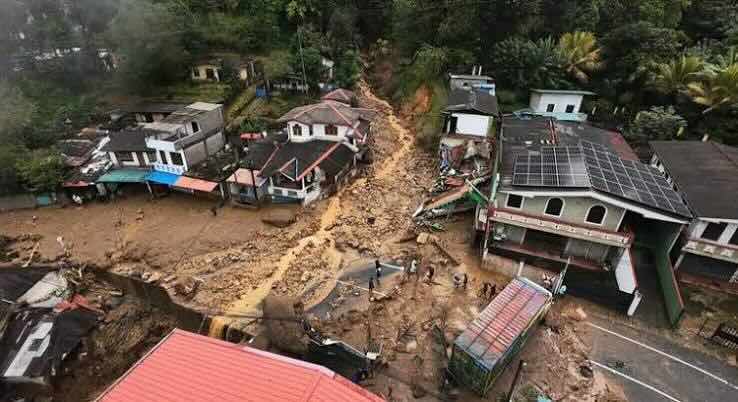
    This fiscal picture stands in sharp contrast to the human and physical toll left by Cyclone Ditwah, which struck in late November 2025. The storm caused an estimated 4.1 billion US dollars in direct physical damage – roughly 4 per cent of GDP – and affected nearly two million people across all 25 districts. Infrastructure bore the heaviest share of the loss, with the transport sector alone suffering about 973 million dollars in damage and recovery needs estimated at 1.31 billion dollars.

    Slow Disbursement Despite Available Funds

    By mid-2026, the gap between allocated resources and money actually reaching reconstruction sites had become striking. The 500 billion rupee reconstruction allocation remained largely unspent, raising questions about the pace of recovery for communities still struggling with damaged homes, disrupted livelihoods, and broken connectivity.

    The World Bank was explicit: financing constraints were not the problem. Instead, systemic bottlenecks in how the state selects, procures, and delivers public investment projects were holding back execution. Similar delays appeared in other crisis-related spending lines, underscoring that the issue is structural rather than temporary.

    The numbers illustrate a familiar challenge in post-disaster recovery across emerging economies: the difference between announcing large funding packages and converting them into visible progress on the ground. In Sri Lanka’s case, the delay has had the paradoxical effect of flattering the fiscal accounts at a moment when physical reconstruction remains urgent.

    Revenue Surge Fuels Rare Surplus

    While spending lagged, revenues performed strongly. Total government revenue rose 27.2 per cent year-on-year in the first half of 2026. Tax collections climbed 25.9 per cent, powered mainly by higher Value Added Tax receipts and duties on vehicle imports after earlier import restrictions were lifted.

    With overall expenditure expanding only 7.9 per cent, the government posted a primary surplus of 1,233.1 billion rupees and an overall budget surplus of 9.5 billion rupees. That marked a dramatic turnaround from a 406 billion rupee deficit in the corresponding period of 2025.

    Additional support for the revenue side came from new tax measures certified in June 2026. These raised capital gains taxes, introduced VAT on foreign digital service providers, and increased VAT on financial services. Authorities are also piloting a national e-invoicing system intended to broaden the tax base and improve compliance over time.

    Interest payments continue to weigh heavily, consuming around 46 per cent of government revenue in 2025 – though this is a marked improvement from the near-80 per cent peak during the height of the 2022–2023 economic crisis. The World Bank projects the share will decline further, to about 34 per cent by 2028.

    Spending Ceiling Sharpens Focus on Efficiency

    A legal ceiling that caps government primary spending at 13 per cent of GDP adds another layer of constraint. In this environment, the World Bank warned, simply increasing the volume of spending is not an option. The priority must shift to improving the quality and efficiency of every rupee spent.

    “This spending ceiling increases the importance of improving spending quality rather than simply increasing spending levels,” the report stated. For a country still consolidating its public finances after a severe sovereign debt crisis, the message is clear: better project preparation, faster procurement, and stronger implementation capacity are now essential complements to fiscal discipline.

    Climate-Resilient Roads Offer a Path Forward

    Even as domestic reconstruction funds move slowly, international partners have continued to mobilise targeted support. At the end of September 2026, the World Bank approved 110 million dollars in additional financing to repair and reconstruct 600 kilometres of roads severely damaged by Cyclone Ditwah. The funds, channelled through the International Development Association’s Crisis Response Window, will prioritise routes that restore access to markets, schools, and health facilities in the worst-affected communities.

    The rebuilt roads will incorporate climate-resilient design features, including improved drainage, landslide protection, and engineering standards intended to withstand more frequent extreme weather events. The financing extends the ongoing Inclusive Connectivity and Development Project by three years, bringing total World Bank investment under that operation to 610 million dollars.

    The road programme is expected to benefit more than 830,000 people directly and reach close to two million across eight districts. It is also projected to create roughly 5,671 new or improved jobs in reconstruction and maintenance while reconnecting nearly 22,000 tea, vegetable, and paddy farmers to buyers and supply chains.

    These investments sit within the broader World Bank Group Country Partnership Framework for Sri Lanka for 2026–2030, which identifies resilient infrastructure and connectivity as foundations for recovery and private-sector-led growth.

    Lingering Human and Economic Costs

    Cyclone Ditwah’s impact continues to reverberate nearly a year later. Early assessments showed that infrastructure accounted for the largest share of damage, followed by residential buildings and agriculture. Kandy district suffered the highest estimated losses, driven primarily by flooding and landslides.

    Communities in high-risk zones have faced repeated challenges, with some flood-affected families returning to unsafe locations despite relocation efforts. Post-cyclone conditions also contributed to secondary crises, including a severe dengue outbreak linked in part to debris and stagnant water that created ideal mosquito breeding sites.

    Sri Lanka’s experience highlights the dual challenge many climate-vulnerable countries confront: restoring macroeconomic stability while delivering timely, high-quality reconstruction that reduces future risk. The rare budget surplus is a notable achievement after years of crisis. Yet the slow conversion of reconstruction allocations into actual rebuilding underscores that fiscal numbers alone do not tell the full story of recovery.

    Bridging Ethnic Knowledge and Institutions: India’s Missing Link in Disaster Risk Reduction

    The first responder to a disaster is often the community itself – and the first source of resilience may already be living there. India’s next leap in disaster management should be to connect knowledge better, strengthen institutions and act earlier.

    By Dr. Rakesh Kumar Bhatt

    As late-September 2026 heavy rains and storms triggered floods and landslides that killed at least 56–81 people in Uttar Pradesh alone (with additional deaths and damage reported across parts of India and neighbouring Nepal), and as joint NDRF/SDRF teams evacuated roughly 1,500 pilgrims stranded by a landslide on the Kedarnath trek route, the limits of even improved national early-warning and response systems were once again on display.

    These recent events come amid parallel grassroots efforts – such as NDRF-supported training of local volunteers and the mobilisation of around 300 youth as community first responders across Wayanad and Kozhikode in Kerala – and against the backdrop of the Parliamentary Standing Committee on Home Affairs’ August 2026 report on disaster management. That report flagged the need to revise the National Policy on Disaster Management (2009) and National Disaster Management Plan to address climate-driven risks, last-mile connectivity gaps, hyper-local warnings, and stronger integration of community-level capacity.

    Together, the monsoon deaths, the mountain rescue, the community training initiatives, and the parliamentary recommendations underscore a central unfinished task in India’s disaster-management journey: systematically linking sophisticated institutional forecasting, response forces and funding mechanisms with the lived knowledge of the communities that are almost always the first on the scene.

    Formal Institutional Architecture

    India has made remarkable progress in disaster management. From cyclone forecasting and satellite-based monitoring to multi-hazard early-warning systems, evacuation protocols and specialised response forces, the country has steadily moved beyond a predominantly relief-centric approach towards preparedness, mitigation and resilience. The Disaster Management Act, 2005 established a formal institutional architecture, while the National Disaster Management Authority (NDMA), State and District Disaster Management Authorities, the National Disaster Response Force (NDRF) and State response mechanisms have progressively strengthened India’s capacity to prepare for and respond to disasters.

    The scale of this transformation is visible in India’s early-warning capabilities. The India Meteorological Department (IMD) now provides district-level impact-based forecasts and risk-based warnings for multiple hazards, while its indigenous Multi-Hazard Early Warning Decision Support System has been operational since 2023. District-wise heavy-rainfall and cyclone warnings are updated four times a day, with forecasts extending up to seven days. Government data also show a substantial decline in cyclone-related fatalities in recent years, attributed in large part to improved forecasting, timely warnings and evacuation.

    Yet a critical link remains underdeveloped: the systematic connection between modern institutional systems and the knowledge accumulated by communities that have lived with environmental hazards for generations.

    This matters because disasters do not occur on maps alone. They unfold in villages, forests, mountains, river valleys, coastal settlements, informal urban colonies and remote tribal habitations. The people living in these landscapes often possess an intimate understanding of local rivers, slopes, water sources, weather patterns, traditional construction practices, evacuation routes and ecological changes. Much of this knowledge may never enter an official database, despite its potential value for risk assessment and preparedness.

    Not a Substitute for Scientific Forecasting

    The answer is not to romanticise traditional knowledge or to treat it as a substitute for scientific forecasting. Some traditional practices may no longer be adequate under changing climatic conditions, rapid urbanisation, population growth and altered land-use patterns. But dismissing community knowledge simply because it is not expressed in scientific terminology would also be a mistake. The objective should be to document, validate and integrate relevant traditional knowledge with meteorological, geological, hydrological, geospatial and administrative information, converting it into what may be called community risk intelligence.

    India’s changing climate makes this integration increasingly important. According to IMD, 2024 was India’s warmest year since nationwide records began in 1901, with the annual mean land-surface air temperature 0.65°C above the 1991–2020 long-term average. The year 2025 was the eighth warmest, with temperatures 0.28°C above the long-term average. Such changes are occurring alongside episodes of extreme rainfall, flooding, landslides, heatwaves and other hazards. In this environment, historical community experience remains valuable – but it must be continuously tested against new scientific evidence and changing risk conditions.

    The institutional framework for doing this is already emerging. In December 2025, the Government approved a ₹507.37-crore National Project for Strengthening Community-Based Disaster Risk Reduction Initiatives in Panchayati Raj Institutions, covering 81 disaster-prone districts across 20 States and developing model Gram Panchayats for hazard-specific risk reduction. The project explicitly seeks to integrate disaster-risk reduction into local governance through a bottom-up approach, strengthen Panchayati Raj Institutions and build the capacity of elected representatives, officials and community volunteers.

    This is an important institutional opportunity. Every disaster-prone district could progressively develop a Community Risk Knowledge Register, recording historical disaster events, local flood levels, traditional water-management practices, landslide-prone locations, locally known evacuation routes, vulnerable households, critical community assets and available local response capacities. Such information should not become another report resting on a government shelf. It should feed directly into District Disaster Management Plans, village and ward disaster-management plans, Gram Panchayat Development Plans, land-use planning, infrastructure decisions and climate-adaptation programmes.

    Local Risk Intelligence and Response Decisions

    The importance of the last mile cannot be overstated. A hydrological model may indicate rising flood risk; a satellite may identify inundation; an automated gauge may record increasing water levels. But a local resident may know which road becomes inaccessible first, where an old embankment is vulnerable, which settlement is isolated during heavy rainfall or which traditional route remains usable for evacuation. These are different forms of knowledge. The objective should not be to decide which is superior, but to ensure that relevant information reaches the decision-maker in time.

    India’s SACHET Common Alerting Protocol-based integrated warning system provides a useful technological foundation. It integrates alerts from agencies including IMD, Central Water Commission, Geological Survey of India, INCOIS, Forest Survey of India and other specialised institutions for geo-targeted dissemination. The next logical step is to create structured channels through which validated community observations can also inform local risk intelligence and response decisions.

    Women, youth, Panchayats, schools, health centres, self-help groups and community organisations must therefore become active components of local disaster governance. Community participation cannot mean participation only after a disaster. It must begin before risks become disasters – with local hazard mapping, preparedness, drills, early-warning dissemination, identification of vulnerable households and maintenance of evacuation routes and emergency resources.

    A Knowledge and Lessons Report

    Capacity building is already taking place at scale. During 2025, NDRF reported 716 disaster-management training courses benefiting 25,857 personnel and volunteers, including specialised modules for rural and hilly areas and training related to landslide and Glacial Lake Outburst Flood risks. The opportunity now is to ensure that such capacity building also captures local knowledge and community-specific risk profiles.

    Technology can strengthen this bridge. The district disaster dashboard of the future should ideally integrate hazard data, exposure, vulnerability, critical infrastructure, community observations and response capacity rather than displaying isolated weather or hazard information. GIS, satellite imagery, mobile reporting, sensors and artificial intelligence can help verify and analyse community observations. But technology must remain an enabler, not a replacement for human judgement and local experience.

    Equally important is institutional memory. Every major disaster should produce not only a damage assessment but also a Knowledge and Lessons Report documenting what communities observed, what warnings reached the ground, what worked, where systems failed and what should change. Every disaster should leave behind stronger institutions, better knowledge and lower future vulnerability.

    Connect Knowledge Better

    India is already moving from response capacity towards resilience capacity. The Central Government’s disaster-risk financing and mitigation architecture, together with state-level mechanisms, is increasingly supporting preparedness and mitigation alongside response. During 2025–26, for example, the Centre reported releases of ₹16,118 crore to 28 States under the State Disaster Response Fund and ₹2,854.18 crore to 18 states under the National Disaster Response Fund, alongside substantial allocations under state and National Disaster Mitigation Funds.

    The next challenge is therefore not simply to invest more in technology or emergency response, but to invest intelligently in knowledge integration and local institutional capacity.

    India’s aspiration for a disaster-resilient nation cannot be achieved solely through stronger embankments, better sensors, sophisticated forecasting models or larger response forces. These are essential, but resilience ultimately depends on how effectively knowledge is converted into preparedness and preparedness into timely action.

    The most effective disaster-management system will be one in which the satellite and the village volunteer, the meteorologist and the farmer, the geologist and the mountain community, the district administration and the Panchayat are no longer operating in separate knowledge ecosystems.

    The bridge between ethnic and traditional knowledge, modern science and institutional capacity must become an integral part of India’s disaster-risk-reduction architecture.

    Because the first responder to a disaster is often the community itself – and the first source of resilience may already be living there.

    India’s next leap in disaster management should not simply be to predict disasters better. It should be to connect knowledge better, strengthen institutions and act earlier.

    Rakesh Kumar Bhatt is a  WASH & Disaster Management Professional.

    Nepal’s Twice-Displaced: Quake Survivors Face Flood Ruin a Decade On

    Earthquake survivors who waited years for safer homes were living near the river when the 2026 Bhotekoshi flood swept their settlements away, exposing unfinished reconstruction and the rising cost of climate risks in the Himalayas.

    Chhegu Tamang has been uprooted twice. In 2015, the devastating earthquake that killed nearly 9,000 people across Nepal destroyed his home in Rasuwa district. Authorities later declared his original village unsafe and promised relocation. Years of waiting left him and hundreds of other families in makeshift shelters close to the Bhotekoshi river. On 26 August 2026, that river rose in a catastrophic flood triggered by a rock-and-ice avalanche high on Langtang Lirung near the Nepal-Tibet border. The settlement at Khalte was swept away. More than a dozen of Tamang’s relatives died. He lost his home, his land and much of his remaining family.

    He first sheltered at Shivalaya Basic School in Uttargaya Rural Municipality, then was moved to a holding centre at Pipaltar in Bidur, Nuwakot. “We have already been moved three times since the flood,” he said. “Instead of being shifted around like a cat switching its sleeping spots, it would be better if we were provided with a permanent settlement.”

    His experience is not isolated. It sits at the centre of a larger challenge for Nepal: how to resettle survivors of the Bhotekoshi disaster without repeating the failures that left earthquake victims exposed a decade later.

    Unfinished Promises after the 2015 Earthquake

    After the 2015 quake, the National Reconstruction Authority offered affected families two main options. Those willing to move to higher ground above Tiru village could receive Rs 300,000 (about $2,250 at current rates) to build a house. Others could take the same grant and buy land in a neighbouring district or municipality. Families too poor to top up the grant were told the government would purchase land for them.

    In ward 1 of Uttargaya Rural Municipality, 630 households had been displaced. Some managed to buy plots in Bogatitar and Shanti Bazar. But 257 households, including Tamang’s, could not. Officials inspected land in the Naubise fields and later bought 25 ropani and four ana (roughly 1.28 hectares) in Pahirebesi, intending to give each household about 127 square metres. The National Reconstruction Authority was dissolved and responsibility passed to the Ministry of Urban Development. For six or seven years, families travelled repeatedly to Singha Durbar in Kathmandu seeking action. “Nobody listened to us,” Tamang said.

    With nowhere else to go, they built temporary huts in Khalte using tarpaulins and later corrugated sheets supplied by government agencies and organisations. The settlement stood only about 100 metres from the river. Preliminary estimates suggest around 400 people there were caught in the August flood. Local officials say roughly 75 per cent of Khalte residents are missing or dead. “Because the government failed to move us to a safe place in time, a huge loss occurred this year,” Tamang said.

    Scale of the 2026 Disaster

    The flood devastated settlements across Rasuwa, Nuwakot and Dhading, with damage extending further downstream. Official figures put the death toll at more than 1,450, with several thousand still missing. Around 7,570 houses were completely destroyed, the vast majority in Rasuwa and Nuwakot. The National Disaster Risk Reduction and Management Authority has reported that roughly 1.6 million people in 15 local units were directly affected. Reconstruction and recovery needs are estimated at $4.7–5 billion.

    Survivors such as Purna Bahadur Ghale, a 43-year-old ward member from Khalte who lost seven relatives, describe the same pattern of delayed promises. “I must have gone to Singha Durbar more than 100 times and asked officials to move us to a safe place. But they kept saying, ‘Yes, yes.’” His family had already moved once after the earthquake. Now he is at a holding centre and wants only safe housing and temporary livelihood support. “We are in mourning. We have nothing. The flood has brought us down to zero.”

    Lessons From Past Relocations

    Nepal has relocated communities after previous disasters, with mixed results. After the 1993 floods that killed about 1,500 people, a model settlement was built along the Bagmati River in Sarlahi for landless victims. Many later returned to their original areas because farming and social networks remained there. Following the 2015 earthquake, the entire Laprak settlement in Gorkha was moved to Gupsipakha, where the Non-Resident Nepali Association built 602 houses. Dozens of other high-risk settlements were also relocated.

    Former home secretary Bhoj Raj Pokharel has cautioned that physical relocation alone is insufficient. “If displaced people are taken far away from their old settlements, they cannot maintain their livelihoods or access to education, health services, markets, employment and farming,” he said. Former prime minister and urban planner Baburam Bhattarai has warned against uprooting Himalayan communities whose lifestyles and livelihoods are rooted in specific mountain environments. Moving people long distances, he argued, is neither scientific nor sustainable given the growing risk of glacial and monsoon-related disasters from Taplejung to Darchula.

    Government Plans for Resettlement

    The National Planning Commission has begun a Post-Disaster Needs Assessment covering productive and social sectors, infrastructure, climate and environment, and macroeconomic impacts. A master plan for settlement development is expected. The Ministry of Infrastructure Development is prioritising roads and bridges so that affected areas can be reconnected before permanent housing decisions are finalised.

    Officials are classifying families according to the extent of loss. Those who lost everything are to be relocated to new safe sites. Where some land remains viable, families may receive grants to rebuild in place. Possible sites under review include the Trishuli hydropower project camp and forest areas near Khalte. Dharma Raj Upreti, chief of the National Disaster Risk Reduction and Management Authority, has said risk assessments are under way and a relocation plan will be made public soon. Some communities may be moved to other districts if vacant land can be identified.

    Madhav Prasad Aryal, chairman of Uttargaya Rural Municipality, noted that efforts to move earthquake-displaced families from Khalte to Pahirebesi were incomplete when the flood struck; half of the proposed site itself was later damaged. “Now we have to look for a safe place elsewhere.”

    Livelihoods and Climate Reality

    Experts and survivors stress that housing must be paired with livelihood support. Many of the twice-displaced families were already among the poorest. Temporary allowances and grants for housing have been discussed, but longer-term economic recovery remains uncertain. The disaster has also sharpened calls for climate justice. Nepal contributes little to global emissions yet faces intensifying Himalayan hazards – glacial lake outburst floods, rock-ice avalanches and extreme monsoon events – linked to rapid warming.

    International partners, including UNDP and Habitat for Humanity, have highlighted the need for “building back better” in safer locations while recognising that communities value proximity to ancestral land, markets and social ties.

    For families like Tamang’s and Ghale’s, the immediate demand is straightforward: permanent, safe settlement and a period of basic support so they can rebuild lives rather than simply move from one temporary shelter to the next. A decade after the earthquake, the flood has shown that unfinished reconstruction is not only an administrative failure – it is a life-and-death vulnerability in a warming mountain landscape.

    Focus keyphrase: Nepal earthquake flood survivors resettlement

    Tags: Nepal floods 2026, 2015 earthquake reconstruction, Bhotekoshi flood, climate displacement Himalayas, disaster resettlement Nepal, Rasuwa Nuwakot, glacial avalanche, Post-Disaster Needs Assessment, Himalayan climate risk, twice-displaced communities,

    India: Rural VB-G RAM G Expanded to 375 Works; To Prioritise Agriculture and Climate Resilience

    India’s new rural jobs framework, VB-G RAM G, increases permissible works by 41 per cent to 375, with 181 focused on farming and allied sectors, strengthening water security, livelihoods and disaster preparedness for village households.

    The scope of India’s flagship rural employment programme has been significantly broadened. The government has notified 375 permissible works under the Viksit Bharat–Guarantee for Rozgar and Ajeevika Mission (Gramin), or VB-G RAM G. The Ministry of Rural Development announced the expanded Schedule on 6 October 2026, representing a 41 per cent increase from the 266 works permitted under the previous framework. Of these, 181 works centre on agriculture and allied activities, underscoring the programme’s dual aim of providing wage employment while building productive rural assets.

    The VB-G RAM G Act, 2025, came into force on 1 July 2026, replacing the Mahatma Gandhi National Rural Employment Guarantee Act (MGNREGA) of 2005. It raises the statutory guarantee of unskilled manual wage employment from 100 days to 125 days per rural household whose adult members volunteer for work each financial year. Designed to align with India’s long-term vision of Viksit Bharat @2047 – a developed nation by its centenary of independence – the scheme seeks to link short-term jobs with durable infrastructure, sustainable livelihoods and climate resilience.

    From Safety Net to Development Engine

    For nearly two decades, MGNREGA served as a demand-driven safety net, offering employment primarily during lean agricultural seasons. Critics and policymakers alike noted challenges including uneven asset quality, limited focus on productive infrastructure and difficulties in ensuring timely payments or preventing irregularities. VB-G RAM G introduces a more structured, outcome-oriented approach. Works are now organised under four thematic pillars: Water Security, Core Rural Infrastructure, Livelihood-related Infrastructure, and Special Works for Extreme Weather Events and Disaster Preparedness.

    Water Security accounts for the largest share, with 128 works. These encompass check dams, gully plugs, underground dykes, recharge shafts, injection wells, river and channel rejuvenation, reclamation of waterlogged land, renovation of field irrigation channels, drip and sprinkler systems, rooftop rainwater harvesting, and even innovative measures such as ice-stupas and artificial glaciers in high-altitude areas. In a country where groundwater depletion and erratic monsoons affect millions of smallholder farmers, these interventions aim to improve water availability and agricultural productivity.

    Strong Push for Agriculture and Allied Sectors

    Agriculture remains the backbone of rural India, employing a substantial share of the workforce even as non-farm opportunities slowly expand. The new Schedule allocates 181 works to agriculture and allied activities, including 52 individual-beneficiary projects covering land development, plantations, livestock shelters and other productive assets that can directly support farming households.

    This emphasis is significant for international observers tracking food security and rural transformation in the Global South. By integrating employment generation with assets that enhance farm incomes – such as irrigation improvements and soil conservation – the programme seeks to reduce vulnerability to climate shocks while boosting local production.

    Livelihood Infrastructure Sees Major Expansion

    The most notable shift is the jump in livelihood-related works. These now total 98, or 26 per cent of the overall list, compared with just 1.1 per cent under the earlier framework. The category includes agro-processing units, cleaning, grading and packaging facilities, cold storage, mini flour mills, market yards, dairy infrastructure, mushroom and sericulture sheds, poly-houses and aquaculture structures. It also covers infrastructure for Self-Help Groups, skill development centres and rural enterprise support.

    This expansion reflects recognition that durable employment and higher incomes increasingly depend on value addition, storage and market access rather than primary production alone. For rural youth and women’s collectives, these facilities open pathways beyond seasonal farm labour.

    First Dedicated Category for Disaster Preparedness

    For the first time, a dedicated category of 38 works addresses extreme weather events and disaster preparedness. These include flood shelters, embankment strengthening, retaining walls, restoration of rural roads and community assets after disasters, and forest-fire management. Given India’s exposure to floods, droughts, cyclones and landslides – risks amplified by climate change – the inclusion marks a deliberate effort to build local resilience through employment programmes.

    Targeting the Most Vulnerable, Women and Youth

    The Schedule tags 107 works for Antyodaya and other vulnerable households, of which 68 are individual-beneficiary schemes covering housing-related support, sanitation, energy, irrigation, plantations and livestock assets. Separately, 36 works each are linked to Nari Shakti (women’s empowerment) and Yuva Shakti (youth empowerment), encompassing women’s collectives, Self-Help Group infrastructure, youth centres, skill development and enterprise-linked facilities.

    Planning is decentralised. Works are identified through Viksit Gram Panchayat Plans prepared on the basis of local needs and approved by the Gram Sabha, the village assembly. Digital tools, including the Viksit Bharat National Rural Infrastructure Stack, enable geo-tagging, real-time monitoring, convergence with other schemes and reduced duplication of investments. Wage payments continue through Direct Benefit Transfer platforms to ensure transparency and timely delivery into workers’ bank accounts.

    Budgetary Scale and Implementation Context

    For the financial year 2026–27, the central government has allocated approximately ₹95,692 crore as its share, the highest budget estimate stage allocation for a rural employment programme. Including the corresponding state contributions under the 60:40 cost-sharing formula (90:10 for northeastern and Himalayan states), the total programme outlay is expected to exceed ₹1.51 lakh crore. An agricultural protection window allows states to notify up to 60 days of no-work periods during peak sowing and harvesting seasons to ensure farm labour availability.

    Earlier reporting on the transition noted that the shift from MGNREGA aimed to address monitoring gaps and better integrate employment with village development priorities. Related coverage on rural labour trends has highlighted gradual diversification, with agriculture’s share of rural employment declining while secondary and tertiary sectors gain ground, alongside rising female workforce participation in villages.

    The expanded works list under VB-G RAM G positions the programme as more than a residual safety net. By prioritising water security, productive agricultural assets, livelihood infrastructure and climate preparedness, the government is attempting to convert guaranteed rural employment into a vehicle for measurable village-level development. The evolution of this framework offers a significant case study in linking social protection with long-term rural transformation.