More

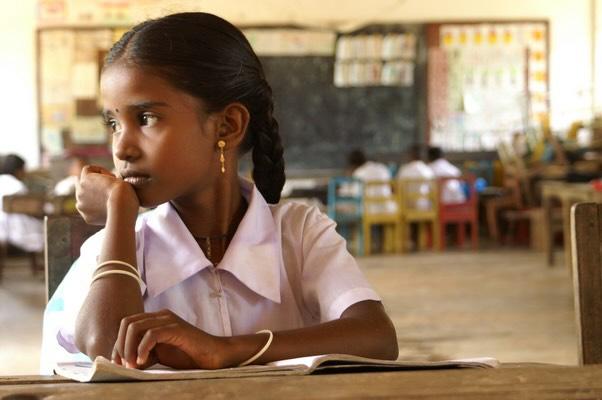
    Sri Lanka Sets Stage for Sweeping Education Reforms

    The Parliamentary Sub-Committee on Education Reforms has called upon all Members of Parliament to submit ideas and proposals to ensure that reform measures reflect the diverse perspectives of Sri Lanka’s lawmakers and the communities they represent.

    Sri Lanka is preparing to embark on a comprehensive new phase of education reforms, with the government emphasizing transparency, inclusivity, and stakeholder engagement ahead of its official launch in 2026. The initiative, spearheaded by Prime Minister and Minister of Education Dr. Harini Amarasuriya, aims to overhaul the country’s education system to meet the demands of a rapidly evolving global landscape, while addressing long-standing structural, resource, and equity issues.

    At a recent meeting of the Ministerial Consultative Committee on Education, Higher Education, and Vocational Education, Prime Minister Amarasuriya announced that the 2026 reforms will be structured around five key pillars: the introduction of a new syllabus, human resource development, infrastructure improvements, public awareness, and improved assessment and evaluation systems.

    According to a statement issued by Parliament, the Sub-Committee on Education Reforms – one of six newly formed sub-committees under the Consultative Committee – has called upon all Members of Parliament to submit ideas and proposals. The intention is to ensure that reform measures reflect the diverse perspectives of Sri Lanka’s lawmakers and the communities they represent.

    The process of reform development will continue throughout 2025. Once the Sub-Committee has reviewed the Ministry of Education’s draft report, the general public will be invited to share their views and suggestions in an open consultation phase. This marks a deliberate attempt to democratize education policymaking and foster a more participatory approach to national development.

    Prime Minister Amarasuriya also revealed that a nationwide public awareness campaign is being prepared to provide clarity on the purpose and impact of the reforms. Education officials in eight of Sri Lanka’s nine provinces have already been briefed on the plans, with the Uva Province set to receive its briefing in the coming weeks.

    Focus on Quality and Inclusivity

    The upcoming reforms will be introduced initially in Grades 1 and 6, signalling a phased implementation designed to manage systemic change effectively. The Prime Minister emphasized that the initiative goes beyond curriculum updates and addresses the full spectrum of education delivery.

    Key areas of discussion at the sub-committee meeting included teacher training programs aligned with the new curriculum, strategic teacher deployment, and long-overdue investments in school infrastructure. Priority has been placed on minimizing disparities between schools, particularly between urban centres and underserved rural areas.

    “The funds allocated in this year’s national budget will be used to identify and bridge resource gaps in schools,” Dr. Amarasuriya stated. “Physical inspections will be carried out, and we will resume stalled construction projects and renovate unsafe school premises.”

    A Legacy of Reforms

    Sri Lanka’s education system has undergone multiple waves of reform since the 1970s, with initiatives aimed at expanding access, improving quality, and adapting to shifting societal needs. Among the most notable historical milestones are the introduction of the 10+2+3 structure (signifying ten years of schooling, two years of advanced level education, and three years of higher education), the decentralization of curriculum development, and the creation of new universities out of the formerly centralized University of Ceylon system.

    There has also been a concerted focus on inclusivity, particularly in the North and East of the country, and on promoting education for women and marginalized groups. The Mahapola Fund, established by the late Lalith Athulathmudali, has played a critical role in expanding access to higher education through scholarships and institutional support.

    Ongoing efforts include formalizing preschool education nationwide, standardizing curricula in private and international schools, and upgrading school infrastructure in post-conflict regions.

    Addressing Systemic Challenges

    Despite these efforts, Sri Lanka’s education sector still grapples with complex challenges. These include the regulation of private institutions, persistent corruption in school admissions, and unequal access to quality education across regions. Public opinion has increasingly skewed toward employment-oriented education, particularly in STEM and English, often at the expense of broader learning objectives.

    Dr. Amarasuriya acknowledged these systemic issues, stating that meaningful reform must involve all stakeholders: “To truly transform our education system, we must reimagine its values, delivery mechanisms, institutions, and overall purpose. This is not just an administrative task—it is a social mission.”

    Tackling Critical Areas

    To operationalize these goals, six sub-committees have been established under the Ministerial Consultative Committee. Each will focus on a specific domain:

    1. Education Reforms
    2. Human and Physical Resource Gaps in Schools
    3. Admission Policies for Intermediate Grades
    4. Establishment of the Education Council
    5. Higher Education Sector
    6. Skills and Vocational Education

    These sub-committees are expected to work closely with national and provincial education authorities to ensure that reforms are contextually appropriate and address local needs.

    The Ministry of Education has outlined its vision to “reach excellence in global society through competent citizens who share the Sri Lankan identity.” Its mission focuses on developing globally competitive citizens using innovative, efficient, and equitable approaches to education that ensure stakeholder satisfaction.

    As Sri Lanka prepares to launch its most ambitious education reforms in decades, the government is positioning the initiative not just as a policy shift, but as a nation-building endeavour.

    “We are building a future where every child – regardless of their background – has access to quality education that empowers them to contribute meaningfully to society,” said Prime Minister Amarasuriya. “That begins with listening to the people, and designing a system that reflects both national values and global realities.”

    Shah Chairs Second Meet of Parliamentary Consultative Committee of Ministry of Cooperation

    Amit Shah said that the ministry of cooperation is committed to transform cooperatives into vibrant and successful business units under the leadership of PM Modi. He said that 35,395 new cooperative societies have been formed so far against a target of 2 lakh multipurpose cooperative societies.

    Union home minister and minister of cooperation, Amit Shah, chaired the second meeting of the consultative committee of the ministry of cooperation on the initiatives of the ministry to strengthen the cooperative sector in New Delhi on Tuesday. the meeting was attended by union ministers of state for cooperation Krishan Pal and Murlidhar Mohol, members of the committee, secretary of the ministry of cooperation, and other senior officers of the ministry.

    Addressing the meeting, union home minister and minister of cooperation, Amit Shah, said that under the leadership of prime minister Narendra Modi, the ministry of cooperation is committed to transform cooperatives into vibrant and successful business units. He said that in their ambitious target to set up 2 lakh multipurpose cooperative societies in the country in 5 years, 35,395 new cooperative societies have been formed so far, which include 6,182 are multipurpose primary agricultural credit societies (MPACS), 27,562 are dairy and 1,651 are fisheries cooperative societies.

    Traditional Seeds

    Amit Shah said that the cooperative sector can open the way to prosperity for the landless and poor people. He said that three national level cooperative societies have been formed for the prosperity of the cooperative sector, agriculture and farmers. He said that the National Cooperative Organic Limited (NCOL) ensures the certification, branding, packaging and marketing of organic products of farmers so that farmers can get a good price for their produce. He said that the National Cooperative Export Limited (NCEL) provides all the facilities related to exporting the farmers’ products to the international market, whereby the full profit goes to the farmers. Shah said that the Bharatiya Beej Sahkari Samiti Limited (BBSSL) works towards the conservation, storage and production of traditional seeds of India. The Union Minister of Cooperation said that the government will enter into contracts with small farmers for traditional seeds so that they can also benefit out of it.

    Union minister of cooperation asked all the members of the consultative committee to strengthen the dairy sector in their respective states to give a boost to cooperatives. He said that the ministry of cooperation has taken more than 100 initiatives in the last four years to strengthen primary agricultural credit societies (PACS), dairy, fisheries, cooperative banks, sugar cooperatives and cooperative governance systems. He said that the National Cooperative Policy-2025 provides a comprehensive roadmap for sustainable cooperative development in the country. This roadmap also includes coordination with government of India schemes, such as pradhan mantri matsya sampada yojana (PMMSY), national dairy development programme (NPDD) and others to strengthen the cooperative ecosystem at the grassroots level. He said that efforts are being made to increase milk procurement by 50 per cent in the next five years under the White Revolution 2.0 led by cooperatives.

    White Revolution 2.0

    During the meeting, the ministry of cooperation made a presentation to the committee on various initiatives taken in the last four years. it was informed by the ministry that institutional mechanisms such as inter-ministerial committee (IMC), national level coordination committee (NLCC), state cooperative development committees (SCDC), and district cooperative development committees (DCDC) have been set up for effective implementation and monitoring. More than 100 initiatives have been taken by the ministry of cooperation in the last four years to strengthen PACS, dairy, fisheries, cooperative banks, sugar cooperatives and governance systems including digital reforms, policy changes, financial support and institutional capacity building.

    The ministry of cooperation conveyed that the Tribhuvan Sahkari University, established through a Parliamentary Act, has been declared an institution of national importance. This university will integrate and standardise cooperative education and training in India and provide skilled human resources for the cooperative sector.

    Under the cooperative-led White Revolution 2.0, efforts are being made to increase milk procurement by 50 per cent over the next five years. So far, 15,691 new dairy cooperative societies have been registered and 11,871 existing DCSs have been strengthened. The National Dairy Development Board (NDDB) and 25 Milk Unions across 15 states have signed MoUs to establish biogas plants in dairy cooperatives. They added that three new multi-state cooperative societies have been established in the sectors of organic products, exports and seeds, with the objective of enhancing scale, quality and branding in the cooperative value chain.

    The consultative committee put forth its suggestions to further strengthen the cooperative sector. The Ministry reaffirmed its commitment to empower cooperatives as engines of growth, equality and self-reliance in rural India.

    Yunus Urges Vigilance Ahead of 2026 Election, Vows Transparent, Peaceful Process

    Yunus reiterated the interim government’s full commitment to providing all necessary support to the Election Commission to guarantee a smooth electoral process.

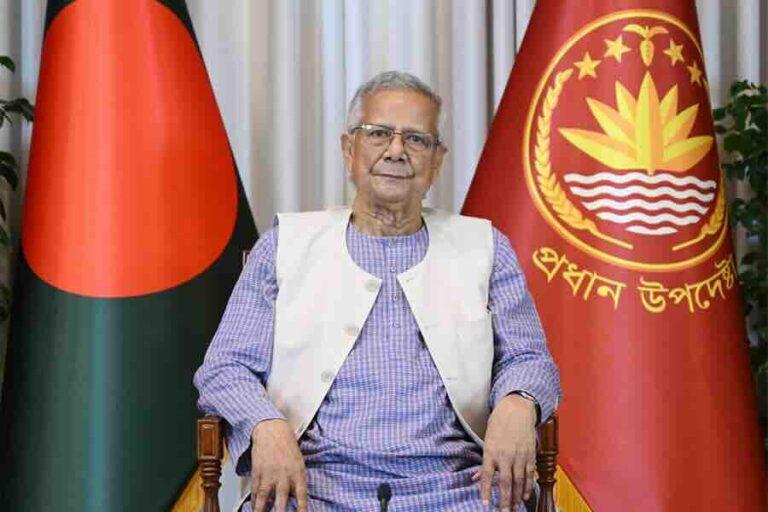
    Chief Adviser to Bangladesh’s interim government, Muhammad Yunus, in a televised address to the nation on Tuesday night, issued a strong warning about attempts by a certain group to derail the upcoming national election. Speaking on the occasion of ‘Student-People Uprising Day’, Yunus said that conspiracies were being carried out both from inside and outside the country, with the goal of obstructing democratic progress.

    “A certain group is eager to obstruct the election process,” he said. “They are working from both outside and within the country, engaging in various conspiracies to derail our democratic progress.” Yunus called for nationwide vigilance to prevent these “defeated forces” from turning the election into a conflict.

    He emphasised that the only way to permanently defeat such destructive elements is through the successful completion of a free, fair, and impartial election. “If we can successfully conduct a free, fair, and impartial election, the defeat of those destructive forces will be final.”

    February 2026 Election Proposed

    In a significant announcement, Yunus declared that the interim government would formally request the Election Commission to organise the national election in February 2026, prior to the start of the holy month of Ramadan. In 2026, Ramadan is expected to begin on the evening of February 17.

    “Now it is time for us to fulfil our final duty: holding the election,” said Yunus. “Following this address on this momentous day, we will enter the final and most important chapter of our responsibility. We will begin the process of handing over power to an elected government.”

    He added that a letter would be sent to the Chief Election Commissioner on behalf of the interim government, officially requesting preparations to begin for the election.

    Commitment to a Festive, Peaceful Vote

    Yunus called on all citizens to support the election process and to pray for a peaceful outcome. He also laid out his vision for an election that would be remembered for its “celebratory spirit,” high voter turnout, and national harmony.

    “From tomorrow, we will begin our mental and institutional preparations to ensure that this election becomes memorable in the nation’s history — for its joyous spirit, for peace and order, for voter turnout, and for the atmosphere of harmony and sincerity,” he said.

    He reiterated the interim government’s full commitment to providing all necessary support to the Election Commission to guarantee a smooth electoral process.

    Ensuring Inclusion: Youth, Women, and Expatriates

    A significant portion of Yunus’s speech focused on inclusivity. He urged political parties to actively include youth and women in their election manifestos and policy plans.

    “To the political parties, I urge you: in your election manifestos, in your promises and plans, make sure the youth are not left out. Make sure women are not left out,” Yunus said. He emphasized that the young men and women who have transformed Bangladesh have the potential to transform the world and must be given a platform through political participation.

    He also revealed that the government would take steps to include expatriate voters in the election process, marking a new chapter in efforts to make the vote more inclusive and representative of all Bangladeshis, both at home and abroad.

    New Technology for Citizen Participation

    In an effort to enhance public engagement in the election process, Yunus announced the development of a new mobile application that will enable citizens to submit their suggestions, concerns, and ideas directly to the government.

    “We are in the process of developing an app for this purpose, which will be launched soon,” he said. “Through this app, you will be able to share your suggestions, opinions, concerns, and initiatives with us. We will forward them to the appropriate authorities and take steps to resolve any issues.”

    This move is part of a broader strategy to increase transparency and public trust in the electoral process.

    Progress on Justice and Accountability

    Addressing the issue of accountability, Yunus said that the trial of crimes against humanity committed in July and August was progressing “firmly and transparently.” The formal hearing phase has already begun.

    “Those involved in the horrific massacres of history will be brought to justice on the soil of this country,” he stated, assuring the public that the entire process of justice would remain visible and transparent.

    Yunus concluded his speech with a call for national unity and mutual respect ahead of the polls. He stressed that every citizen must be allowed to vote safely for their candidate of choice.

    “Let us all respect each other’s choices — let that be our shared commitment,” he said.

    The upcoming election in February 2026 will be the final act of the interim government’s tenure, which has promised to return the country to democratic rule following a turbulent period. Yunus’s speech has set the tone for what he hopes will be a historic and peaceful transfer of power.

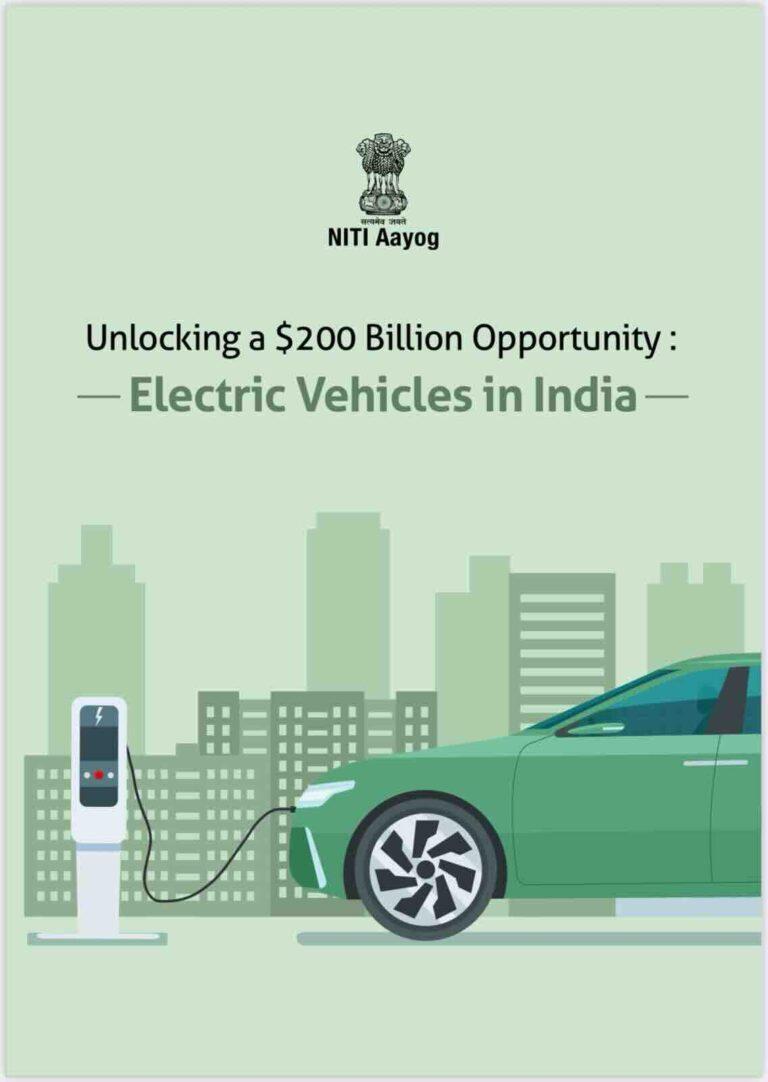
    NITI Aayog Launches Report on ‘Unlocking a $200 Billion Opportunity: Electric Vehicles in India’

    India seeks to attain a 30 per cent share of electric vehicles, in the total vehicles sold, by 2030. Sale of electric vehicles in India went up from 50,000 in 2016 to 2.08 million in 2024.

    NITI Aayog today launched the report on ‘Unlocking a $200 Billion Opportunity: Electric Vehicles in India,’ which presents a timely and comprehensive assessment of current challenges while highlighting major unlocks essential to accelerate India’s Electric Mobility transition.

    The report was released by Rajiv Gauba, Member, NITI Aayog in presence of B V R Subrahmanyam, CEO, NITI Aayog, Kamran Rizvi, Secretary, ministry of heavy industries, O P Agarwal, Distinguished Fellow, NITI Aayog and Sudhendu Sinha, Programme Director – E-Mobility, NITI Aayog among other dignitaries.

    India seeks to attain a 30 per cent share of electric vehicles, in the total vehicles sold, by 2030. Sale of electric vehicles in India went up from 50,000 in 2016 to 2.08 million in 2024 as against global electric vehicle sales having risen from 918,000 in 2016 to 18.78 million in 2024. Thus, India’s transition has been slow to start, but it is picking up.

    India’s electric vehicle penetration was only about one-fifth of the global penetration in 2020, but has picked up to over two-fifth of the global penetration in 2024. It continues to show an increasing trend, though relatively slow. This calls for measures to give a stronger push to the electric vehicle transition.

    Developed through extensive stakeholder consultations across seven dedicated convenings held at NITI Aayog, this report has come out with multiple approaches to accelerate India’s electric vehicles transition. To kickstart the entire effort of accelerating the adoption of electric vehicles, some actions have been recommended as the immediate next steps in the report.

    The report serves as a blueprint for accelerating India’s electric vehicle transition. It identifies key barriers, strategic unlocks, and actionable recommendations to accelerate electric vehicle adoption. By enabling data-driven decisions and cross-sector collaboration, it supports a unified national push.

    Launching the report, Rajiv Gauba, Member, NITI Aayog, said that, “India stands at the cusp of a transformative shift in clean mobility. As the nation advances its Electric Mobility ambition, this report provides valuable insights and policy-aligned recommendations to overcome existing barriers and unlock scale.

    BVR Subrahmanyam, CEO, NITI Aayog, added that “NITI Aayog has already been at the forefront of enabling the ongoing electric vehicle revolution. This report offers a timely and comprehensive review of current challenges, alongside actionable recommendations to fast-track the electric vehicle transition in India”.

    Sri Lankan Fishermen Welcome $1 Billion Court Ruling Over Worst Maritime Disaster

    The ruling follows a lawsuit spearheaded by a coalition of fishermen and rights groups who sought justice for the environmental damage and the collapse of the fishing industry in the aftermath of the disaster.

    Fishermen across Sri Lanka have hailed a landmark ruling by the country’s top court, which has ordered US$1 billion in compensation for the devastating environmental damage caused by the sinking of the MV X-Press Pearl, a Singapore-flagged cargo ship that caught fire and sank off the western coast four years ago.

    The Supreme Court decision, issued on July 25, holds the owners, managers, and agents of the vessel financially accountable for what has been described as Sri Lanka’s worst maritime ecological disaster. The court also ordered the creation of two bodies – a Compensation Commission and a Marine Restoration Committee – to oversee the fair distribution of funds and begin the long process of environmental rehabilitation.

    The ruling follows a lawsuit spearheaded by a coalition of fishermen and rights groups who sought justice for the environmental damage and the collapse of the fishing industry in the aftermath of the disaster.

    The X-Press Pearl, carrying hazardous chemicals including 25 tons of nitric acid, caught fire on May 20, 2021. The fire raged for seven days before the vessel was towed into deeper waters, where it sank on June 2. In its wake, it released toxic chemicals and trillions of plastic pellets that blanketed beaches and decimated marine life.

    “After the disaster, we saw hundreds of dead turtles, dolphins, whales, thousands of fish, and tons of plastic pellets and trash littering the country’s beaches,” said Vincent Sebastian, a fisherman from the coastal town of Negombo. “But what we saw was only a part of the devastation. Millions of invisible marine organisms must have died. Innocent fishermen are suffering for something they had no part in.”

    Sebastian said fishing yields in the region have plummeted since the incident, making it difficult for families like his to make ends meet. “We are unable to feed our families properly or invest in our children’s future. The sea, our only source of income, has become lifeless.”

    Traditional methods

    An estimated 250,000 Sri Lankans depend on fishing, with many practicing traditional methods passed down through generations. The disaster disrupted not only their income but also their connection to the ocean.

    Sarath Iddamalgoda, a rights advocate, helped file the case on behalf of the fishermen. He emphasized that the disaster’s impact has been both environmental and social.

    “The loss of livelihood has deeply affected these communities,” Iddamalgoda said. “Political interference in distributing relief from the fisheries department has made things worse, prompting over 2,000 fishermen to submit a petition demanding fair treatment.”

    He also stressed the lack of a comprehensive assessment of the damage. “There was no proper study done. Without one, how can we truly understand what has been lost or offer meaningful compensation?” he asked.

    In the aftermath of the sinking, the government reportedly received 3 billion rupees (around US$10 million) from the ship’s insurer. But many fishermen claim the relief was distributed arbitrarily.

    “One boat attendant received just 17,500 rupees – about US$59 – over two years,” said Sebastian. “It was an insult to what we’ve endured.”

    Iddamalgoda called for a full investigation into how relief funds have been managed and demanded that compensation efforts consider long-term impacts. “We’re not only talking about this generation, but the next as well. The damage is lasting.”

    Transparency International Sri Lanka, which was also a petitioner in the case, called the court’s decision “historic,” praising it as a critical step toward corporate accountability and environmental justice.

    With the court’s directive in place, affected communities hope this marks the beginning of meaningful redress – and a chance to restore both their lives and the ocean they depend on.

    Pakistan’s Selective Death Penalty Reform Sparks Renewed Calls to Abolish Blasphemy Laws

    According to lawmakers and observers alike, the legislation is a calculated response to the European Union’s Generalized Scheme of Preferences Plus (GSP+), which grants Pakistan tariff-free access to EU markets.

    A recent decision by Pakistan’s Senate to abolish the death penalty for two crimes has prompted a wave of calls from Christian activists and human rights advocates to extend the reform to other offenses – most notably blasphemy. The move, widely seen as a strategic attempt to retain lucrative European trade benefits, has left critics questioning the government’s commitment to genuine human rights reform.

    On July 18, Pakistan’s upper house approved the Criminal Laws (Amendment) Bill, replacing capital punishment with life imprisonment and financial penalties for public spoliation of a woman and aiding the hijacking of an airplane or public vehicle. The bill still requires passage by the National Assembly and presidential assent.

    According to lawmakers and observers alike, the legislation is a calculated response to the European Union’s Generalized Scheme of Preferences Plus (GSP+), which grants Pakistan tariff-free access to EU markets in exchange for adherence to 27 international conventions on human rights, labour laws, and governance. These preferential trade benefits are worth approximately $3 billion annually, accounting for nearly two-thirds of Pakistan’s exports to Europe.

    “The bill is aimed at aligning Pakistan’s laws with its international obligations under the GSP+ trade agreement with the European Union,” said Minister of State for Interior Talal Chaudhry, confirming the economic motivations behind the reform.

    Reform Sparks Push for Broader Justice

    While the removal of the death penalty for two relatively obscure crimes was welcomed by international rights groups, many activists argue the government’s action is insufficient.

    Blasphemy laws in Pakistan have long been criticized for enabling religious persecution. They are frequently used to settle personal disputes or target religious minorities. At least 34 members of religious minority groups, including Christians, are currently on death row in Punjab and Khyber Pakhtunkhwa provinces, according to lawyer and researcher Sarmad Ali.

    “These laws have disproportionately affected minorities and are often abused through false accusations,” Chaudhry said. His position is echoed by Peter Jacob, director of the Center for Social Justice, who said the Senate’s move should be the beginning of a deeper conversation.

    “A more comprehensive legal reform is needed to limit – and eventually abolish – the death penalty,” Jacob said. “This should open a broader debate on capital punishment and respect for life.”

    Government’s Red Line on Blasphemy

    Despite the growing chorus of demands, Prime Minister Shehbaz Sharif’s government has shown no signs of willingness to revise Pakistan’s blasphemy laws. These laws are deeply ingrained in the country’s Islamic legal framework and remain politically untouchable.

    Former Prime Minister Imran Khan’s government had taken a similarly hard stance. In response to European Parliament resolutions in 2021, it asserted that Pakistan’s agreements with the EU “did not include any condition concerning religion” and that there would be “no compromise on the country’s blasphemy law.”

    The European Union’s Special Representative for Human Rights, Ambassador Olof Skoog, during a visit to Islamabad earlier this year, explicitly highlighted concerns over Pakistan’s blasphemy laws, along with issues surrounding freedom of religion, forced conversions, media independence, and enforced disappearances.

    Rising Numbers, Mounting Concerns

    According to the Human Rights Commission of Pakistan, the number of death sentences issued by Pakistani courts rose sharply from 102 in 2023 to 174 in 2024. More than 6,000 inmates currently await execution, placing Pakistan among the countries with the largest death row populations in the world.

    The application of the blasphemy law continues to stir alarm. Nasir Saeed, of the Centre for Legal Aid, Assistance and Settlement, said at least five Christians have been charged with blasphemy in 2025 alone.

    “The burden of proof lies entirely on the accused, and court hearings are often indefinitely delayed,” Saeed noted. “This leads to victims spending years in jail, sometimes beyond the maximum penalty itself.”

    Notable cases like that of Asia Bibi, a Christian woman acquitted in 2018 after spending eight years on death row for allegedly insulting the Prophet Muhammad, underscore the dangers. Her case sparked international outrage and led to the assassination of two public officials – governor Salman Taseer and minorities minister Shahbaz Bhatti  –  who had defended her innocence.

    Even after her acquittal, extremist protests forced Bibi and her family into hiding. They ultimately fled to Canada, where they received asylum.

    Europe’s Dilemma

    Despite the EU’s repeated warnings, its response to Pakistan’s selective reforms has been criticized as diplomatically cautious and largely ineffective. The European Parliament’s 2021 resolution, which called for an immediate review of Pakistan’s GSP+ status over the misuse of blasphemy laws, passed with 678 votes, but was not acted upon by the European Commission.

    The most recent EU-Pakistan Political Dialogue, held in Brussels in July 2025, resulted in both sides reaffirming cooperation – despite growing international scrutiny.

    “The EU is facing a credibility test,” said one EU-based analyst. “It wants to promote human rights but also fears destabilizing an important trading partner and nuclear power.”

    The Path Ahead

    As Pakistan moves forward with narrowly tailored legal reforms, pressure is building both at home and abroad for a broader reconsideration of the country’s approach to capital punishment and religious freedom.

    Atta ur Rehman, deputy director of the National Commission for Justice and Peace (NCJP), reiterated the Church’s stance against the death penalty. “The death penalty is against the sanctity of life,” he said. “We need comprehensive reforms to address the harsh realities of Pakistan’s criminal justice system.”

    With the GSP+ scheme extended until 2027, and mid-term reviews expected in 2026, Pakistan’s government may face new challenges in balancing economic interests with its domestic religious and political constraints.

    Until then, critics argue, the recent amendment remains more symbolic than substantive.

    “For Pakistan’s vulnerable religious minorities,” said Chaudhry, “true justice will only come when the laws used to persecute them are fundamentally changed — not just selectively softened for trade deals.”

    Dozens Feared Trapped After Cloudburst Triggers Flash Floods in Uttarakhand; Four Dead

    Local residents who captured the dramatic video scenes on their mobile camera said the floodwaters surged without warning, leaving people little time to escape.

    At least four people have died and dozens are feared trapped after a massive cloudburst triggered flash floods in Dharali village in Uttarakhand’s Uttarkashi district on Tuesday afternoon. The extreme weather event, which occurred around 13:30 IST (08:00 GMT), caused the Kheerganga river to swell rapidly, sending torrents of muddy water crashing down the hilly terrain.

    Dharali, a popular tourist destination near Harsil and home to numerous hotels, resorts, and restaurants, bore the brunt of the flooding. Eyewitness videos shared online show a giant wave of water submerging buildings, sweeping through streets, and leaving a trail of destruction in its wake.

    Local residents who captured the dramatic video scenes on their mobile camera said the floodwaters surged without warning, leaving people little time to escape. They fear that several individuals may be trapped under debris. The ancient Kalpkedar temple in the area has also reportedly been damaged and is now covered in slush.

    Rescue operations are underway with personnel from the Indian Army and the Indo-Tibetan Border Police (ITBP) deployed at the site. However, officials say continuing heavy rains are hampering efforts. Prashant Arya, the District Magistrate of Uttarkashi district, said communication in the region has been severely affected due to poor connectivity.

    “As it’s a populated area with lots of restaurants and hotels, we’ve dispatched rescue teams to the site,” Arya said.

    Chief Minister Pushkar Singh Dhami confirmed the incident to local media, stating, “I have been informed about a cloudburst incident in Dharali of Uttarkashi. We are working to rescue the people.”

    Shortly after the disaster in Dharali, another massive cloudburst was reported at Sukhi Top, also in Uttarkashi district. Several houses were reportedly damaged or swept away in the second wave of flooding.

    The Indian Army reported that a massive mudslide had struck the Kheer Gad area near Harsil before the cloudburst in Dharali, triggering a sudden and forceful flow of water and debris through the settlement.

    Rescue efforts continue as authorities assess the full scale of the damage and search for survivors amid challenging conditions.

    Hunger Crisis Deepens in Afghanistan Amid Economic Strain and Funding Shortfalls, Warns WFP

    The WFP has reiterated its urgent call for US$650 million to sustain operations through the end of 2025. Without this funding, humanitarian workers warn, the situation could devolve into a full-scale famine, with children and women bearing the brunt.

    The World Food Programme (WFP) has sounded a dire warning about Afghanistan’s escalating hunger crisis, as an economic downturn, recurring droughts, and the forced return of thousands of Afghan migrants strain the country’s fragile infrastructure and limited resources. The United Nations-affiliated agency estimates that without immediate funding, millions will face severe hunger in the coming months.

    In its latest report, the WFP emphasized that the crisis is hitting Afghanistan’s most vulnerable groups hardest—particularly women, children, and returnees from neighbouring countries.

    WFP wrote on X, formerly Twitter: “Afghanistan’s hunger crisis is growing deeper by the day. Women, children, and returnees are among the hardest hit. WFP urgently needs $539 million to continue reaching those who need us most over the next six months.”

    According to WFP communications officer and spokesperson Ziauddin Safi, the organization needs nearly US$540 million over the next six months to sustain its emergency food programs.

    “For the next six months, the World Food Programme in Afghanistan needs nearly 540 million US dollars to carry out its programs aimed at reaching the most vulnerable Afghans across the country,” Safi said. Without this support, WFP officials fear a sharp increase in malnutrition, famine-like conditions, and potentially preventable deaths.

    A Looming Catastrophe

    Currently, 9.5 million people in Afghanistan are classified as severely food insecure. Of these, 4.6 million mothers and children are already suffering from malnutrition. If funding gaps continue, the WFP warns that an additional 3.5 million children under five and 1.2 million pregnant and breastfeeding women could require urgent, life-saving nutritional support before the end of 2025.

    The agency’s recent decision to halt widespread emergency food aid in May 2025 due to financial shortfalls has left only 1 million people receiving support this summer—a dramatic decrease from the more than 9 million women and children assisted last year. As a result, 8.5 million people are now left without essential food assistance.

    “Two-thirds of female-headed families cannot afford basic nutrition,” the WFP reported. “Despite restrictions on their freedoms, Afghan women and girls are still coming to our sites for life-saving food and nutrition. But due to funding constraints, we are forced to turn malnourished mothers and children away from our centres.”

    International Aid: A Lifeline, But Not a Long-Term Solution

    Afghanistan’s Ministry of Economy acknowledges the essential role humanitarian aid plays in the current climate. Abdul Latif Nazari, Deputy Minister of Economy, emphasized the importance of continued support.

    “Humanitarian aid is a serious and essential need under the current circumstances, particularly with the return of migrants from neighbouring countries,” said Nazari. “Our request is that international aid organizations and the global community continue their humanitarian and emergency assistance to the people of Afghanistan.”

    Earlier this year, the United Nations appealed for more than US$2 billion to assist approximately 23 million Afghans. However, funding has fallen short, threatening to undo years of progress in staving off famine.

    Despite the urgent need, some experts caution against relying on aid alone. Economic analyst Mir Shaker Yaqubi argues that without long-term investment in infrastructure and development, Afghanistan’s economic challenges will persist.

    “These aids are humanitarian and prevent a serious crisis, but they cannot in any way be considered as a fundamental solution to Afghanistan’s economic problems,” Yaqubi said. “They become effective when they take on a developmental shape and positively impact welfare and economic comfort.”

    Another expert, Sayed Masood, underscored that Afghanistan’s crisis is more political than economic. “We have the facts and elements necessary to grow and organize the economy,” he said. “What’s stopping us is political—particularly the lack of regional and global engagement that prevents developmental projects from moving forward.”

    While debate continues over long-term solutions, the immediate crisis grows more acute. The WFP has reiterated its urgent call for US$650 million to sustain operations through the end of 2025. Without this funding, humanitarian workers warn, the situation could devolve into a full-scale famine, with children and women bearing the brunt.

    Large-scale food assistance has saved countless lives in Afghanistan in recent years, but the window for continued impact is closing fast. As the economic crisis intensifies and humanitarian resources dwindle, the need for swift and sustained global action has never been more critical.

    Odisha Hosts First Agri-Photovoltaics Summit to Empower Smallholder Farmers

    SunKranti APV 2025 is Odisha’s landmark summit on agri-photovoltaics to boost farmer incomes and clean energy.

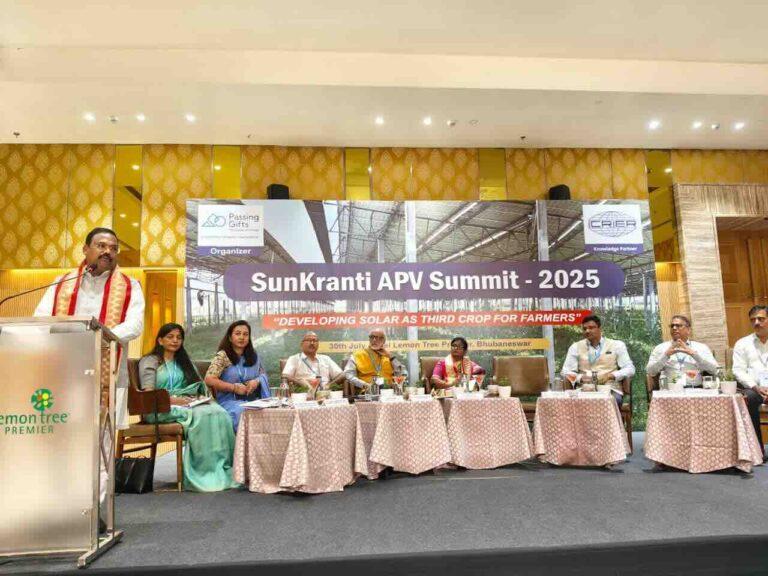
    Passing Gifts, a subsidiary of Heifer International, hosted SunKranti APV 2025, Odisha’s first state-level summit dedicated to Agri-Photovoltaics (APV), today at the Lemon Tree Hotel, Bhubaneswar. Agri-Photovoltaics enables farmers, especially smallholders (constituting 80 per cent of India’s farmers), to generate solar power alongside crop cultivation — effectively creating a “third crop” and an additional income source, according to studies by ICRIER and TERI.

    Odisha enjoys over 300 days of sunshine annually with solar irradiance averaging 5.3 kWh/m²/day. The state’s renewable energy capacity stands at 2,938 MW, 21% of which is solar. Ambitiously targeting 7.5 GW solar capacity by 2030, Odisha is well-positioned to scale Agri-PV technologies (iFOREST 2025).

    The summit spotlighted Odisha’s first community-led Agri-Photovoltaics (APV) pilot in Koraput, launched with technical guidance from ICRIER. The pilot integrates solar generation with ongoing cropping to enhance land-use efficiency and empower tribal smallholder farmers through the convergence of sustainable energy and agriculture.

    Chief Guest Surama Padhy, Speaker of the Odisha Legislative Assembly, praised the APV model, calling it a “third crop” that can improve livelihoods and enhance income for farmers. She said, “The term Agro-Photovoltaics may be new, but the idea can be effectively integrated with schemes like PM-KUSUM. More awareness is essential to help farmers understand how they can harness solar energy alongside traditional crops.”

    Transformational Shift

    Gokulananda Mallick, Minister of State of Fisheries and Animal Resources Development, Government of Odisha, said, “This concept has the potential to bring a transformational shift in rural development, especially in integrating clean energy with allied sectors like fisheries and livestock.”

    “Agro-Photovoltaics presents a tremendous opportunity to double farmers’ incomes in a relatively short span of time,” said Padmashree Dr. Ashok Gulati, Professor, ICRIER, during his special address. “However, for this potential to be fully realized, there needs to be a shift in traditional farming practices, as this is a new and innovative approach that demands adaptation and awareness at the grassroots level.”

    “Odisha is set to implement a pilot project on renewable energy, which includes Agro-Photovoltaics as a key component,” said Vishal Kumar Dev, Principal Secretary, Department of Energy, Government of Odisha. “Before rolling out any large-scale initiative, it is essential to conduct in-depth research to identify crop varieties that are best suited for cultivation under solar panels. Agro-Photovoltaics is a brilliant and forward-thinking concept — the real challenge lies in its scalability.”

    He added, “We are keen to take this concept forward in Odisha and explore its potential to transform the future of sustainable agriculture and energy convergence.”

    The event was also attended by Dr. Arbinda Kumar Padhee, Principal Secretary, Department of Agriculture, Government of Odisha; Dr. Satyapriya Rath, Managing Director, GRIDCO; and Dr. D.K. Singh, Principal Scientist, IARI, among others. During various panel discussions, experts discussed and brainstormed on implementing Agro-Photovoltaics in the farming sector with a strong emphasis on the involvement of Farmer Producer Organizations (FPOs).

    Passing Gifts

    Passing Gifts, active in Odisha’s Mayurbhanj, Keonjhar, and Koraput districts, supports rural livelihoods through backyard poultry, goat rearing, and spice value chains. The organization is now expanding into solar Agri-Photovoltaics to further promote sustainable, climate-resilient agriculture.

    “At Heifer, we believe caring for the Earth is essential to sustainable development. Agri-Photovoltaics offers a powerful solution to address food security, energy access, and climate challenges simultaneously not only in India but also South Asia,” said Neena Joshi, Senior Vice President, Heifer International.

    Akshaya Biswal, Program Director – Odisha, Passing Gifts, added: “With SunKranti APV 2025, we demonstrate how Agri-Photovoltaics can be a practical and inclusive model for smallholder farmers. By empowering FPOs to lead, we are laying the foundation for a future where clean energy and agriculture grow together.”

    “SunKranti APV 2025 is more than a summit — it is a convergence of innovation, inclusion, and action. Aligning clean energy with agriculture and enterprise, we aim to create a replicable model for augmenting farmer incomes and driving an equitable energy transition,” said Rina Soni, Executive Director, Passing Gifts.

    Passing Gifts is a wholly owned subsidiary of Heifer International that provides consulting, training, advisory, monitoring, and technical support services to individuals, associations, and organizations in India and abroad. Focused on social advancement and sustainable development, Passing Gifts partners with key stakeholders to deliver impactful solutions that foster lasting social, environmental, and economic change. The organization has a strong presence in Odisha, Bihar, and Andhra Pradesh, empowering rural communities through capacity building across sectors such as agriculture, livestock, and now clean energy integration. Currently, reaching over 1.3 lakh smallholder farmers.

    Pakistan: Over 100 Imran Khan Supporters Jailed in Major Crackdown on Opposition

    Authorities have arrested thousands of PTI members and supporters, and dozens have already been convicted on various charges. But the latest round of sentences marks the most severe judicial action yet against Khan’s political base.

    In a sweeping crackdown that has drawn sharp criticism from human rights advocates and political analysts, Pakistan has sentenced 108 members of former Prime Minister Imran Khan’s party to prison over their alleged involvement in protests against the military in May 2023. The verdicts, delivered by an anti-terrorism court on July 31, mark a significant escalation in the country’s ongoing political crisis.

    Among those sentenced is Omar Ayub Khan, the opposition leader in Pakistan’s National Assembly, who received a 10-year prison term. Although Ayub was not physically present at the protests, he was convicted of abetting violence and conspiring to incite riots and arson, according to court documents. His sentencing, along with those of six other lawmakers has intensified accusations of judicial overreach and political persecution.

    A senator and a provincial assembly member are among those arrested.

    “For the first time in Pakistan’s judicial history, such a sad and shameful incident occurred that the leaders of the opposition in both houses [of parliament] were punished solely on the basis that they were loyal allies of Imran Khan’s political narrative, public representation, and constitutional struggle,” Khan’s party, Pakistan Tehreek-e-Insaf (PTI), wrote in a statement on the social media platform X.

    The party has vowed to challenge the verdicts in higher courts. “We are going to challenge this in the upper court,” PTI chairman Gohar Ali Khan told reporters following the convictions. “Such verdicts are bad for democracy and the country altogether.”

    Black Day for Democracy

    The sentences stem from violent protests that erupted nationwide on May 9, 2023, following the dramatic arrest of Imran Khan during a court appearance in Islamabad. His brief detention on corruption charges sparked widespread anger among his supporters, many of whom stormed government buildings and sensitive military installations. The unrest resulted in at least 10 deaths and extensive property damage, prompting a massive crackdown by security forces.

    In the two years since, authorities have arrested thousands of PTI members and supporters, and dozens have already been convicted on various charges. But the latest round of sentences marks the most severe judicial action yet against Khan’s political base.

    Sayed Zulfikar Bukhari, Khan’s London-based media advisor, condemned the verdicts as politically driven. “The latest sentences signify a black day for democracy,” he said in comments published by Pakistani media. “Convicting opposition leaders one after another is not a good omen for any democratic system, and it will seriously damage our already fragile democracy.”

    The convicted officials, who were on bail during the trial, have not yet been taken into custody. However, their convictions also come with disqualification from public office, stripping PTI of several seats in parliament and further weakening the party’s institutional presence.

    Imran Khan, who led Pakistan from 2018 to 2022, has been imprisoned since August 2023. Despite his incarceration, he remains a powerful political figure with widespread support, particularly among the youth. He currently faces over 150 legal cases, including charges of terrorism, sedition, and leaking state secrets – allegations he and his followers maintain are politically motivated.

    Strict Media Controls

    The government has imposed strict media controls on coverage of Khan and his party, with his name effectively censored on national television. Nevertheless, PTI achieved significant success in the February 2024 general elections. Though banned from participating under the party banner, PTI-aligned independent candidates secured the most seats in the National Assembly. However, they were blocked from forming a government, raising further questions about the fairness of the electoral process.

    International observers and rights organizations have expressed alarm at the growing repression of political dissent in Pakistan. The latest court rulings are expected to deepen the country’s political polarization and fuel concerns about the military’s expanding influence in civilian affairs.

    While PTI prepares for an appeal, the broader implications of these convictions for Pakistan’s democratic future remain uncertain.

    “These actions are not about law and order,” a PTI spokesperson said. “They are about silencing the voices of millions who believe in constitutionalism, civil liberties, and the democratic process.”

    Image: Wikimedia