More

    Odisha’s National Law University Pioneers Child Protection Mentorship Programme

    Designed as a professional development initiative, the programme aims to empower a new generation of child protection practitioners by equipping them with critical knowledge, practical tools, and ethical grounding necessary to respond to complex challenges facing Odisha’s children.

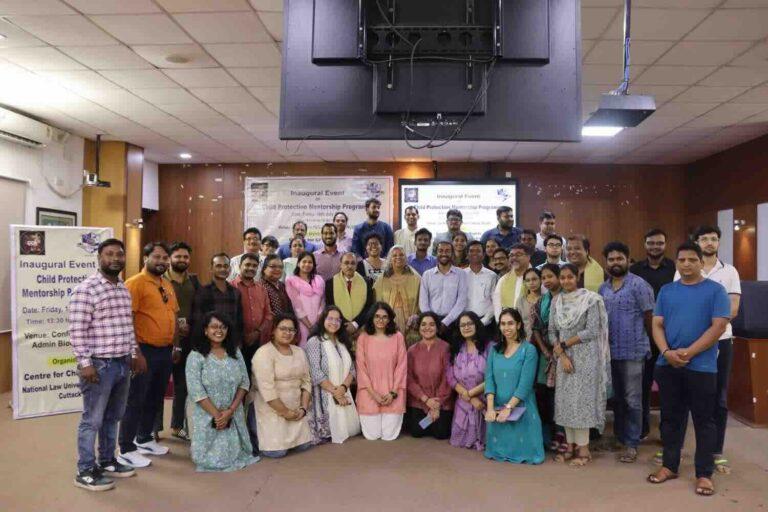
    In a major stride toward strengthening child protection systems in the Odisha, the Centre for Child Rights (CCR) at the National Law University Odisha (NLUO), supported by UNICEF, launched the Child Protection Mentorship Program (CPMP) on Friday.

    Designed as a professional development initiative, the program aims to empower a new generation of child protection practitioners by equipping them with critical knowledge, practical tools, and ethical grounding necessary to respond to complex challenges facing Odisha’s children.

    (The CCR at NLUO is a teaching, research and advocacy centre established to advance legal and social innovations in child protection.)

    The programme aims to build a cadre of child protection practitioners who can support government schemes and strengthen NGO interventions. Besides, these practitioners will be able to work with statutory bodies such as the Juvenile Justice Boards and Child Welfare Committees, and serve as watchdogs of child rights within their communities.

    The CPMP is a response to the felt and expressed need of child protection practitioners and the juvenile justice leaders in the sector.

    The inaugural event, held in a hybrid format, witnessed the participation of eminent  dignitaries from the judiciary, academia and civil society, as well as development professionals from various parts of Odisha, with 100 selected mentees forming the first cohort of the program. The valedictory address was delivered by Hon’ble Justice Murahari Sri Raman, Judge of the Orissa High Court and Member of the Juvenile Justice Committee – Odisha High Court.

    Brains Still Developing

    Prof Biraj Swain, Chief Minister’s Chair Professor and Director, CCR-NLUO delivered the opening remarks. Following this, Prof. Ved Kumari, Vice Chancellor of NLUO and Patron-in-chief of CCR delivered the welcome address where she reinforced the role of academic institutions as changemakers in the social justice landscape. She spoke about the interdisciplinary nature of child protection work and commended CCR’s initiative to bridge the knowledge-practice gap through a mentorship model.

    She said, “Children and adolescents often take risks not because they’re defiant, but because their brains are still developing. With limited capacity to assess long-term consequences, continuous hormonal changes, what emerges is a ‘bulletproof’ mindset. They chase thrill, feel invincible, and remain less afraid of outcomes they barely understand.”

    Drawing from decades of community engagement and building and strengthening civil society engagement, Mr Jagadananda, spoke on Odisha’s development trajectory and the essential role civil society had played, from humanitarian crisis and rebuilding, to planning for long-term development, to building civic capacity on Right to Information and Food Security and state capacity to respond.

    Jagadananda also emphasised the centrality of investing in youth, young adults, adolescents, children for demographic dividends and society’s development. He called for investments in leadership development and urged participants to remain grounded in community realities and shared pragmatic inputs on 1-0-1 of working with the state systems.

    Sujit Mahapatra shared on the importance of art and creative works in trauma healing, therapy and building confidence amongst children. He spoke on From Art to Heart: Working with Children in Especially Difficult Circumstances.

    Critical Role of CPMP

    Designed for Odisha-based professionals with a commitment to children of Odisha, CPMP combines expert sessions, interactive discussions on topics such as child rights law, trauma-informed care, juvenile justice, ethical reporting, and crisis intervention. Biswas highlighted the program’s inclusivity and the provision of completion certificates based on active engagement and consistent participation.

    Some of the points raised by the mentees are:

    • The skill to build rapport with adolescents as sometimes it becomes difficult for the mentees to communicate and understand them while working with them

    • In case of mentally challenged children, how to seek full support from the non-supportive parents for better and timely treatment of such children

    • Awareness on child protection programmes and schemes being rendered by the government especially to the police/railway police personnel as duty bearers etc.

    Delivering the valedictory address, Hon’ble Justice Murahari Sri Raman emphasized the critical role of the CPMP in strengthening the capacity of frontline child protection actors in Odisha. Highlighting the unique vulnerabilities children face due to systemic neglect and social challenges, he commended the programme’s restorative justice approach, community engagement, and legal grounding.

    Justice Raman called for shifting from institutional care to preventive, rights-based interventions and praised NLUO’s KUTUMB initiative and the Centre for Child Rights’ leadership in driving community-based protection. He urged mentees to act with compassion, vigilance, and accountability to uphold children’s dignity and rights. “Let Odisha lead the way. Let us become the state where child protection is not a scattered mandate but a shared value,” he stated and expressed hope that the CPMP would create a ripple effect, strengthening Odisha’s child protection landscape from the grassroots upwards.

    CARA Directs States to Strengthen Counselling Support at All Stages of Adoption

    The initiative aims to reinforce the psychosocial support framework for all key stakeholders — prospective adoptive parents (PAPs), adopted children, and biological parents who surrender their child for adoption.

    The Central Adoption Resource Authority (CARA), functioning under the Ministry of Women and Child Development, Government of India, has issued comprehensive directions to all State Adoption Resource Agencies (SARAs) to strengthen and institutionalise structured counselling services throughout the adoption process — from pre-adoption, to during adoption, and post-adoption stages. These directions are aligned with the provisions laid down under the Adoption Regulations, 2022.

    The initiative aims to reinforce the psychosocial support framework for all key stakeholders — prospective adoptive parents (PAPs), adopted children, and biological parents who surrender their child for adoption. CARA has emphasised that counselling is a critical component of the adoption process and is necessary to ensure emotional preparedness, smooth transition, and long-term well-being of both the children and the families involved.

    The Memorandum issued on July 7, 2025, reiterates the mandatory nature of structured and need-based counselling services, as prescribed under various provisions of the Adoption Regulations, 2022.

    As per the directions, SARAs have been instructed to designate or empanel qualified counsellors at the district and state levels. These professionals should ideally have a background in child psychology, mental health, or social work. It has been made mandatory to provide pre-adoption counselling to prospective adoptive parents during the Home Study Report (HSR) process, in accordance with Regulation 10(7). Additionally, older children must receive counselling support both before and during the adoption process, in line with Regulation 30(4)(c).

    Post-Adoption Counselling

    The memorandum says that post-adoption counselling is to be provided in specific situations, such as when an adopted child initiates a root search to trace their origins, in cases of non-adjustment between the child and adoptive family, or in any situation indicating potential disruption or dissolution of the adoption. These are covered under Regulations 30(4)(e), 14(4), 14(6)(b), and 21(6) of the Adoption Regulations, 2022. The directions also include provisions for psychosocial intervention in any other circumstances as assessed by the Specialised Adoption Agencies (SAAs) or District Child Protection Units (DCPUs).

    Moreover, counselling for biological parents surrendering their children for adoption has been mandated. They must be informed about the legal finality of their decision after 60 days and the child’s right to undertake a root search in the future, in accordance with Regulations 7(11) and 30(2)(c). All counselling sessions and psychosocial interventions are to be systematically recorded and documented at both the SAA and DCPU levels to ensure transparency and continuity of care.

    CARA has called on all SARAs to ensure that these directives are implemented consistently across all districts, child care institutions, and relevant departments under their jurisdiction. The Authority has stressed that counselling is not merely a regulatory formality but a vital support mechanism that upholds the best interest of the child and contributes to the overall success and sustainability of adoptions.

    The Central Adoption Resource Authority remains committed to building a robust, child-friendly, and emotionally supportive adoption ecosystem in India. Through these measures, CARA aims to safeguard the rights of children and ensure that every adoption is a step towards creating a secure and loving family environment.

    Image: Wikimedia

    Bangladesh Government to Include Private Sector in US Tariff Talks?

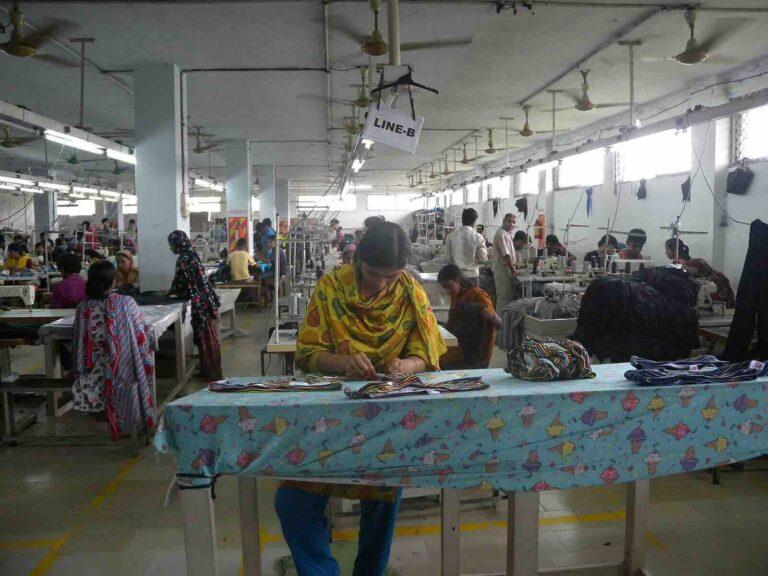
    Bangladeshi garment exporters fear losing their market of US-bound clothing to India as tariffs for India work out to be much lower. American retailers and brands are expected to reduce imports from Bangladesh due to higher costs.

    As Bangladesh prepares to respond to the proposed tariff schedules by Sunday or Monday next week, sources spoke of the possibility of the government including representatives from the private sector in the tariff negotiations with the United States.

    Bangladesh is currently reviewing the proposals connected with three detailed tariff schedules sent by the US Trade Representative (USTR). The country’s response is being prepared for the third round of talks, set to begin end-July.

    Bangladesh Commerce Secretary Mahbubur Rahman was quoted by The Daily Star newspaper as saying: “As the tariff issue includes multiple ministries, the commerce ministry has called an inter-ministerial meeting on Saturday to approve the agreed tariff lines submitted by the USTR.”

    Rahman added that Bangladesh had agreed on most of the tariff issues but he refrained from commenting on non-tariff matters.

    On the involvement of the private sector’s representatives in the talks, the secretary confirmed plans to involve private sector stakeholders in the negotiations. “We will be reaching out to business leaders from leading chambers and trade bodies,” he said.

    It is learnt that the US had sought to be granted zero-duty access to the Bangladeshi market. But, it is also learnt, the number is far lower than Bangladesh’s total list of 7,446 tariff line items.

    Earlier this week, the country’s Commerce Adviser Sk Bashir Uddin and Mahbubur Rahman told a press conference that Bangladesh was preparing for the third round of talks. He confirmed that a team would fly to Washington next week.

    Potential Setback

    Leading Bangladesh think tanks and exporters have warned of serious consequences if US president Donald Trump’s administration’s additional 35 per cent reciprocal tariff on Bangladeshi goods is imposed. They say that the country’s economy will not be able to take the strain of the additional tariffs.

    The US apparel import market is projected to shrink significantly this year, dropping from nearly $80 billion to an estimated $65-$70 billion due to increased tariffs on goods from certain countries. This decline poses a substantial threat to Bangladesh’s garment exports to the US, as American retailers and brands are expected to reduce imports due to higher costs.

    While Bangladesh faces a potential setback, its competitors like Vietnam, India, and Indonesia have been subject to lower tariff rates, which could allow them to gain a larger share of the US market. Bangladesh is currently the third-largest apparel supplier to the US, holding a 9.2 per cent market share after China and Vietnam. Last year, Bangladesh’s garment exports to the US totalled $8.2 billion.

    According to the Daily Star newspaper, a leading Bangladeshi garment exporter, Shovon Islam of the Sparrow Group said his American buyers are already pressing him to cut prices, even though the final tariff rate is yet to be confirmed.

    He said that he had to offer much lower prices to secure an order of one million shirts, as the buyer was considering shifting it to India, where tariffs are lower.

    “Multinational clothing brands are also negotiating prices for goods meant for other markets like India and Japan, even though Bangladesh enjoys duty-free access there,” Islam told the Daily Star.

    “They think production in India is more cost-effective than in Bangladesh because of the lower tariff imposed on India by the Trump administration,” he added. “I am deeply disappointed with the lack of progress demonstrated by the Bangladesh government.”

    “As a stakeholder and one of the largest exporters to the US market, I feel utterly helpless and frustrated,” Islam commented.

    Pakistan, WFP and Green Climate Fund Launch Project to Protect Flood-Prone Communities

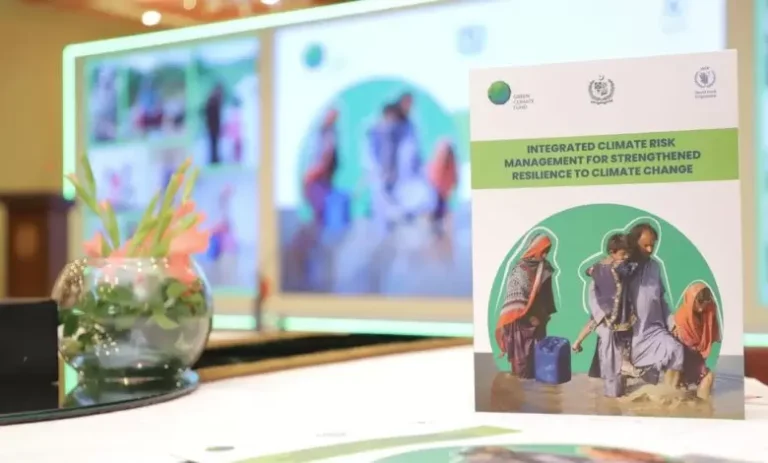
    The United Nations World Food Programme (WFP), together with the Government of Pakistan and the Green Climate Fund, launched the Integrated Climate Risk Management for Strengthened Resilience to Climate project on Tuesday.

    The United Nations World Food Programme (WFP), together with the Government of Pakistan and the Green Climate Fund, launched the Integrated Climate Risk Management for Strengthened Resilience to Climate project on Tuesday through an inception workshop in Islamabad.

    The initiative, funded by the Green Climate Fund (GCF) with US$ 9.8 million, will directly benefit 1.6 million people in Buner and Shangla districts of Khyber Pakhtunkhwa (KP) province, two areas highly vulnerable to climate shocks.

    The project aims to protect flood-prone communities from extreme weather by installing early warning systems, such as weather stations and river level monitors, and improving coordination among government departments so alerts reach people faster. Communities will be trained to interpret these warnings, evacuate safely and protect their farms and homes before disasters strike.

    At the same time, the project will strengthen the capacity of local institutions – including disaster management authorities, district governments, and emergency response teams – by equipping them with the tools, training and infrastructure needed to respond swiftly to climate-related emergencies.

    The workshop was attended by key stakeholders from federal and provincial governments, including the Ministry of Climate Change and Environmental Coordination (MoCC & EC), the national and provincial disaster management authorities, and relevant planning and development departments.

    Just two weeks into the 2025 monsoon season, Pakistan has already experienced deadly impacts, with over 100 lives lost due to heavy rain, flash floods and landslides according to the National Disaster Management Authority (NDMA). In 2022, unprecedented monsoon floods submerged one-third of the country, with KP province alone suffering over US$ 1.5 billion in loss and damage. Within KP, Buner and Shangla face acute risk due to recurring flash floods, landslides, high poverty rates and limited investment in climate adaptation.

    Recurring Climate Shocks

    Sameera Sheikh, Joint Secretary of the MoCC & EC, welcomed the initiative, noting its alignment with national priorities. “Pakistan is among the most climate-vulnerable countries in the world, and the impacts are becoming more intense each year,” Sheikh said. “Initiatives like this are vital to help vulnerable communities in districts such as Buner and Shangla better prepare for and respond to climate shocks like floods and landslides”.

    “The Government of KP deeply values the strong collaboration and joint governance established through this initiative,” said Dr. Ehtisham Ulhaq, Chief of the International Development Section of the Government of Khyber Pakhtunkhwa. “This project not only addresses immediate climate risks but also lays the groundwork for long-term resilience and opens doors to future climate finance for our most vulnerable communities.”

    “Recurring climate shocks are a driver of hunger and malnutrition, threatening lives, livelihoods and entire food systems,” said Coco Ushiyama, WFP Pakistan Representative and Country Director. “This project represents a multi-layered investment – not only in early warning systems and anticipatory action, but also in local adaptation planning and institutional capacity.” The initiative aligns with Pakistan’s national policies and KP’s disaster risk management frameworks. It supports GCF Strategic Plan 2024–2027 by addressing urgent adaptation needs in underserved areas, bridging critical capacity gaps in flood preparedness and reinforcing community resilience.

    Fundamental Study will Support Breakthroughs in Cheap Green Hydrogen Technologies

    The global push for green hydrogen as a clean fuel has highlighted an uncomfortable truth: while iridium works extremely well, its availability is an order of magnitude too low for the multi-gigawatt installations required worldwide.

    Scientists have taken a major step towards solving one of the biggest challenges facing green hydrogen: the scarcity of iridium, a rare and expensive metal crucial to current production methods.

    “Right now, the most advanced technology for sustainable hydrogen production uses iridium-based catalysts in proton-exchange membrane water electrolysers,” said lead study author Associate Professor Alexandr N. Simonov from the Monash University School of Chemistry. “But there simply isn’t enough iridium mined to build the scale of electrolysers needed for green hydrogen to truly decarbonise our energy and chemical industries.”

    The global push for green hydrogen as a clean fuel has highlighted an uncomfortable truth: while iridium works extremely well, its availability is an order of magnitude too low for the multi-gigawatt installations required worldwide.

    To tackle this problem, researchers have been looking for effective anode catalysts made from cheaper and more abundant materials. Cobalt-based catalysts have shown promise, including previous breakthroughs by the Monash team, but until now, their limited stability has been a roadblock to real-world use.

    “Cobalt is much cheaper than iridium, but the challenge has always been making cobalt-based catalysts stable enough to survive the harsh conditions inside these electrolysers,” said study contributor Monash PhD alumnus Dr Darcy Simondson.

    A new paper published today in Nature Energy, and led by the Monash University School of Chemistry with collaborators from the Max Planck Institute for Chemical Energy Conversion, Swinburne University of Technology, Los Alamos National Laboratory, Helmholtz-Zentrum Berlin for Materials and Energy, Cambridge University, and synchrotron facilities in Australia and Germany explores exactly why cobalt catalysts degrade and how to fix it.

    “This was more than three years of research using some of the world’s most advanced spectroscopic, electrochemical, and computational techniques,” said Dr Marc Tesch, from the Max Planck Institute for Chemical Energy Conversion. “We discovered that the major catalytic function of these cobalt-based anodes, and their degradation, actually occur independently of each other. That wasn’t what was expected from the previous research.”

    Sustainable and Scalable

    This new understanding could revolutionise how catalysts are designed. By showing that degradation and catalytic activity are decoupled, scientists can now focus on engineering cobalt materials to maximise their performance while separately tackling stability issues.

    “Essentially, we’ve uncovered that these processes run in parallel rather than being directly linked. That gives us a clear pathway to making cobalt-based anodes robust and economically viable for green hydrogen production. There is also a potential to apply the same synchrotron methods to other catalysts providing critical insights across a range of systems,” said study contributor Associate Professor Rosalie Hocking from the Swinburne University of Technology.

    The team’s findings bring the vision of cheaper, large-scale green hydrogen a step closer. If cobalt-based catalysts can be stabilised for long-term use, it could remove a major barrier in the multi-GW application of this technology worldwide”.

    “This research is critical for the development of new anodes that don’t rely on scarce materials,” said Associate Professor Simonov. “Green hydrogen can be a major tool in decarbonising our economy but only if we can make its production truly sustainable and scalable.”

    Afghan Refugees Expelled from Iran and Exposed to Horrific Abuse

    As of 2025, it is estimated that Iran is home to approximately 4 million Afghan refugees and migrants, with many having lived there for decades. Iran’s capital, Tehran, hosts a significant portion of the nation’s undocumented Afghan refugees and in 2023, announced plans to expel them.

    By Oritro Karim

    Since early June, Afghan refugees in Iran have endured increasingly harsh humanitarian conditions, with many being forced to repatriate under conditions that violate the principles of international humanitarian law. In 2025 alone, over one million refugees have returned to Afghanistan, further stretching the limited supply of resources amid a severe and multifaceted humanitarian crisis.

    As of 2025, it is estimated that Iran is home to approximately 4 million Afghan refugees and migrants, with many having lived there for decades. Iran’s capital, Tehran, hosts a significant portion of the nation’s undocumented Afghan refugees and in 2023, announced plans to expel them.

    The most recent movement by Afghan refugees was triggered when, on June 13, Israel launched a series of airstrikes on military and nuclear facilities in Iran. Tehran was hit particularly hard and its population of highly vulnerable Afghan refugees began to flee toward Afghanistan. According to figures from the United Nations High Commissioner for Refugees (UNHCR), daily returns of Afghan refugees spiked after these attacks, averaging roughly 5,000 arrivals per day. On July 1, Afghanistan saw its highest daily number of arrivals, with approximately 43,000 returnees recorded.

    “Many are returning to a country they barely know, forced out of Iran after decades of living there,” said Arafat Jamal, UNHCR’s Representative in Afghanistan. “The recent Israel-Iran war accelerated their return, pushing numbers to a record high, while deep funding cuts have made humanitarian aid operations increasingly challenging.”

    Additionally, movement toward Afghanistan was accelerated following Tehran’s imposition of a July 6 deadline for all undocumented Afghan refugees to leave Iran. Additional figures from UNHCR show over 640,000 Afghan refugees having returned since March 20, with over 366,000 of them having been deported.

    Anti-Afghan Sentiment

    According to the Office for the Coordination of Humanitarian Affairs (OCHA), the sharp increase in deportations of Afghan refugees can be attributed to the rise of political tensions and “anti-Afghan sentiment” in Iran. Humanitarian experts have expressed concern that there is a severe protection crisis along the Afghanistan-Iran border, with many of these returns being facilitated under hostile or involuntary circumstances.

    Sahar, an Afghan widow and mother of five who resided in Iran for over a decade, spoke to Zan Times, an Afghan news agency, about the conditions that her family faced when they were being deported. “I didn’t even get to pack [my children’s] clothes. [The Iranian authorities] came in the middle of the night. I begged them to give me just two days to collect my things. But they didn’t listen. They threw us out like garbage,” she said.

    “Iran is casting out entire communities—men, women, and children—based on prejudice and politics, to a country where their lives and most basic rights are under immediate threat,” said Esfandiar Aban, a senior researcher at the Center for Human Rights in Iran (CHRI). “These deportations are an egregious violation of international law. All migrants and refugees, regardless of documentation status, have the right to due process and protection against forced return to danger.”

    Alongside hundreds of deportation cases, Afghan refugees have reported facing harassment, discrimination, and pressure to return to Afghanistan. According to figures from UN Women, roughly 53 percent of a sample size of 119,417 Afghan refugees studied in June reported their main reason for leaving Iran was due to feeling unsafe.

    Dehumanizing Language

    In a statement shared to X (formerly known as Twitter), the United Nations (UN) Special Rapporteur on Afghanistan Richard Bennett reports that hundreds of Afghan refugees and other ethnic minorities in Iran were arrested and accused of espionage. Bennett also underscores the “dehumanizing” language used in Iranian media to incite discrimination and violence toward Afghan refugees.

    Additionally, there have been numerous reports of Afghan refugees being exposed to a variety of abuses during the repatriation process, including arrests, violence, and harassment. Saeid Dehgan, an Iranian human rights lawyer and director of the Parsi Law Collective, informed reporters that, “given the scale, violence, and systemic nature of these deportations — particularly if combined with beatings, property confiscation, and arbitrary detention — there may be grounds to consider them as potential crimes against humanity.”

    There is a severe shortage of access to basic services and humanitarian aid for the majority of these refugees, making living conditions across the border particularly dire.” Said Jamal. “Afghan families are being uprooted once again, arriving with scant belongings, exhausted, hungry, scared about what awaits them in a country many of them have never even set foot in.”

    Food, water, shelter, protection, and healthcare services are scarce and there is not enough staff to sustainably support aid operations. The current supply of funding is dwindling at a rapid rate while thousands of Afghan refugees come in on a daily basis. UNHCR estimates that unless additional funding is secured soon, they will only be able to continue operations for a few more weeks.

    According to CHRI, the forced return of refugees to Afghanistan constitutes violations of the non-refoulement principle, which prohibits a government from exposing peoples to “torture, persecution, or serious human rights violations.”

    Currently, Afghanistan is in the midst of a dire humanitarian crisis, marked by the oppressive rule of the Taliban regime. Women’s rights are severely restricted, with the vast majority unable to hold jobs, move freely, pursue education, and represent themselves in governmental affairs. Additionally, the country faces numerous security concerns as well as rampant poverty.

    “For most Afghans, deportation is not a return home — it is a descent into crisis, into a country ravaged by war and repression,” Aban said. “For Afghan women and girls, it’s even worse. They are being sent back to a regime that has erased them from public life. This is not just a deportation — this is a death sentence for their freedom, their education, their futures.”

    This piece has been sourced from Inter Press Service.

    Image: Middle East Institute

    Lifesaver: Study shows vaccine campaigns cut deaths by nearly 60 per cent

    This study demonstrates clearly the power of vaccines as a cost-effective countermeasure to the increasing risk the world faces from outbreaks.

    By Vibhu Mishra

    Emergency vaccination campaigns have slashed deaths from major infectious disease outbreaks by nearly 60 per cent since 2000, according to a new study published this week.

    The study, conducted by Gavi, the Vaccine Alliance, in collaboration with Australia’s Burnet Institute, and published in the authoritative British Medical Journal (BMJ) Global Health, analyzed 210 outbreaks across 49 low-income countries over a 23-year period.

    It found that rapid vaccine deployment during outbreaks of cholera, Ebola, measles, meningitis and yellow fever, had led to estimated reductions in illnesses and deaths of nearly 60 per cent on average.

    For diseases like yellow fever and Ebola, the impact was even more dramatic: yellow fever deaths dropped by 99 per cent, while Ebola fatalities fell by 76 per cent.

    The results highlight not only the effectiveness of emergency vaccination, but also the critical role of preparedness and speed in response to emerging threats.

    “For the first time, we are able to comprehensively quantify the benefit, in human and economic terms, of deploying vaccines against outbreaks of some of the deadliest infectious diseases,” said Sania Nishtar, CEO of Gavi.

    “This study demonstrates clearly the power of vaccines as a cost-effective countermeasure to the increasing risk the world faces from outbreaks.”

    Gavi: A lifesaving partnership

    Gavi, the Vaccine Alliance, is a unique global partnership that helps vaccinate nearly half the world’s children against deadly and debilitating diseases.

    It brings together developing country and donor governments, the World Health Organization (WHO), UN Children’s Fund (UNICEF), the World Bank, the Bill & Melinda Gates Foundation and other key partners to expand access to immunisation.

    Gavi also maintains global vaccine stockpiles for major diseases, managed in coordination with WHO, UNICEF, Médecins Sans Frontières (MSF), and the International Federation of Red Cross and Red Crescent Societies (IFRC). 

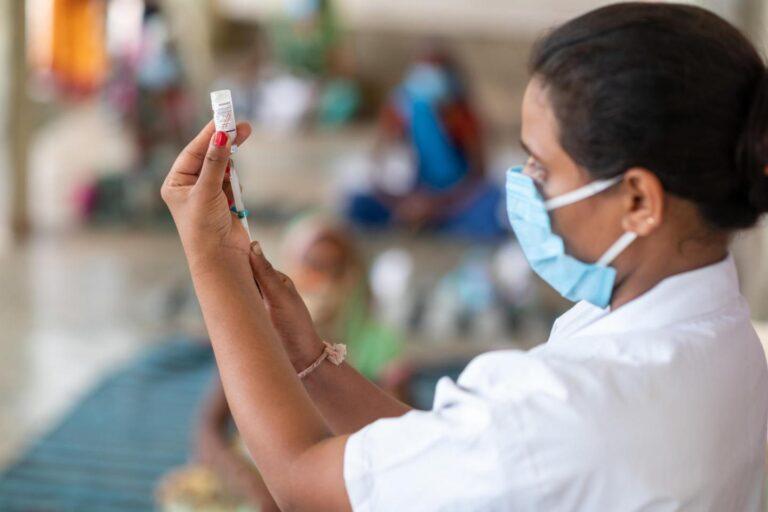
    Working in partnership with Gavi, governments and health authorities, UN agencies support vaccination campaigns in some of the most remote regions of the wrote. Pictured here, a child receives a vaccine in Solomon Islands in the Pacific.

    Quantifying lives and costs saved

    In addition to reducing deaths and disability-adjusted life years, emergency vaccination during the 210 outbreaks studied generated nearly $32 billion in economic benefits – from averting premature deaths and years of life lost to disability.

    The study’s authors say this figure is likely a conservative estimate, as it does not include the broader social and macroeconomic impacts of major outbreaks.

    For example, the 2014 Ebola outbreak in West Africa, which occurred before an approved vaccine was available, cost the region an estimated $53 billion. In contrast, later outbreaks responded to with emergency vaccines saw deaths reduced by three-quarters and the threat of regional spread dramatically lowered. 

    The study provides a breakdown of vaccine effectiveness by disease.

    Measles, one of the most infectious viruses known, saw cases drop by 59 per cent and deaths by 52 per cent thanks to outbreak response campaigns.

    Yellow fever saw the biggest gains, with emergency vaccination nearly eliminating deaths – a 99 per cent drop.

    Cholera and meningitis, which often strike communities with limited healthcare access and infrastructure, saw more modest but still meaningful reductions in cases and deaths.

    Vaccinations helped reduce cholera cases and deaths by 28 per cent and 36 per cent, respectively, across 40 cholera outbreaks between 2011 and 2023. For meningitis, cases and deaths fell by 27 per cent and 28 per cent respectively, over 10 years.

    Vaccines, COVID-19, and future threats

    The coronavirus COVID-19 pandemic was a stark reminder of the value of vaccines, which saved an estimated 20 million lives globally in the first year of rollout alone, according to the respected and influential Lancet medical journal.

    Yet the pandemic also disrupted routine immunisation, leading to dangerous backsliding in coverage rates for diseases like measles and polio. The Gavi study emphasizes that emergency vaccination must be paired with strong routine immunisation systems to prevent future outbreaks.

    Looking ahead, Gavi’s 2026-2030 strategy includes expanding stockpiles, accelerating vaccine access for diseases like mpox and hepatitis E, and supporting preventive campaigns in high-risk regions.

    This piece has been sourced from UN News.

    Cabinet approves the Prime Minister Dhan-Dhaanya Krishi Yojana

    The scheme is meant to fast track development in agriculture and allied sectors in 100 districts across the country, with at least one district selected from each state.

    The union cabinet chaired by prime minister Narendra Modi on Wednesday approved the “Prime Minister Dhan-Dhaanya Krishi Yojana” for a period of six years, beginning with 2025-26 to cover 100 districts. The Prime Minister Dhan-Dhaanya Krishi Yojana draws inspiration from NITI Aayog’s Aspirational District Programme and first of its kind focusing exclusively on agriculture and allied sectors.

    The scheme aims to enhance agricultural productivity, increase adoption of crop diversification and sustainable agricultural practices, augment post-harvest storage at the panchayat and block levels, improve irrigation facilities and facilitate availability of long-term and short-term credit.

    The scheme is in pursuance of the budget announcement for 2025-26 to develop 100 districts under “Prime Minister Dhan-Dhaanya Krishi Yojana”. The scheme will be implemented through the convergence of 36 existing schemes across 11 departments, other state schemes and local partnerships with the private sector.

    According to the PIB press release on the subject, 100 districts will be identified for the scheme. The selection of the districts will be based on three key indicators of low productivity, low cropping intensity, and less credit disbursement. The number of districts in each state and union territory covered by the scheme will be based on the share of net cropped area and operational holdings. A minimum of one district will be selected from each state.

    According to the cabinet decision, committees will be formed at the district, state and national level for effective planning, implementation and monitoring of the scheme. A district agriculture and allied activities plan will be finalised by the District Dhan Dhaanya Samiti, which will also have progressive farmers as members. The District Plans will be aligned to the national goals of crop diversification, conservation of water and soil health, self-sufficiency in agriculture and allied sectors as well as expansion of natural and organic farming. Progress of the scheme in each Dhan-Dhaanya district will be monitored on 117 key performance indicators through a dashboard on monthly basis. NITI will also review and guide the district plans. Besides central nodal officers appointed for each district will also review the scheme on a regular basis.

    As the targeted outcomes in these 100 districts will improve, the overall average against key performance indicators will rise for the country. The press release says that the scheme will result in higher productivity, value addition in agriculture and allied sector, local livelihood creation and hence increase domestic production and achieving self-reliance (Atmanirbhar Bharat). As the indicators of these 100 districts improve, the national indicators will automatically show an upward trajectory, the press release claimed.

    Over 14 Million Infants Remain Unvaccinated: WHO, UNICEF

    Children often remain un- or under-vaccinated due to a combination of factors, such as limited access to immunization services, disrupted supply, conflict and instability, or misinformation about vaccines.

    The past year saw 14.3 million “zero-dose” children who never received a single dose of any vaccine, WHO and UNICEF said in a joint press release on Tuesday. “That is four million more than the 2024 target needed to stay on track with Immunization Agenda 2030 goals, and 1.4 million more than in 2019, the baseline year for measuring progress,” the joint press release said.

    “Vaccines save lives, allowing individuals, families, communities, economies and nations to flourish,” said Dr Tedros Adhanom Ghebreyesus, WHO Director-General. “It’s encouraging to see a continued increase in the number of children being vaccinated, although we still have a lot of work to do. Drastic cuts in aid, coupled with misinformation about the safety of vaccines, threaten to unwind decades of progress. WHO remains committed to working with our partners to support countries to develop local solutions and increase domestic investment to reach all children with the lifesaving power of vaccines.”

    Children often remain un- or under-vaccinated due to a combination of factors, such as limited access to immunization services, disrupted supply, conflict and instability, or misinformation about vaccines.

    Besides the zero-dose children, nearly 20 million infants missed at least one dose of DTP-containing vaccine last year, the joint WHO-UNICEF release said.

    Access to vaccines remains deeply unequal

    Data from 195 countries show that 131 countries have consistently reached at least 90 per cent of children with the first dose of DTP vaccine since 2019, but there has been no significant movement in expanding this group. Among the countries that reached less than 90 per cent in 2019, only 17 managed to increase their coverage rates in the past five years. Meanwhile, in 47 countries, progress is stalling or worsening. This includes 22 countries that achieved and surpassed the 90 per cent target in 2019 but have since declined.    

    The data shows conflict and humanitarian crises can quickly erode vaccination progress. A quarter of the world’s infants live in just 26 countries affected by fragility, conflict, or humanitarian crises, yet they make up half of all unvaccinated children globally. Concerningly, in half of these countries the number of unvaccinated children has expanded rapidly from 3.6 million in 2019 to 5.4 million in 2024, underscoring the need for humanitarian responses to include immunization.

    Immunization coverage in the 57 low-income countries supported by Gavi, the Vaccine Alliance have improved in the past year, reducing the number of un- and under-vaccinated children by roughly 650,000. At the same time, signs of slippage are emerging in upper-middle- and high-income countries that have previously maintained at least 90 per cent coverage. Even small declines in immunization coverage can dramatically raise the risk of disease outbreaks and place additional strain on already overstretched health systems.

    “The good news is that we have managed to reach more children with life-saving vaccines. But millions of children remain without protection against preventable diseases, and that should worry us all,” said UNICEF Executive Director Catherine Russell. “We must act now with determination to overcome barriers like shrinking health budgets, fragile health systems along with misinformation and access constraints because of conflicts. No child should die from a disease we know how to prevent.”

    Broadening protection against vaccine-preventable diseases 

    Despite these challenges, countries – especially those supported by Gavi – continue to introduce and scale up vaccines, including against human papillomavirus (HPV), meningitis, pneumococcal disease, polio, and rotavirus.

    For example, large national scale-ups of the HPV vaccine and revitalization efforts in countries that have previously introduced the vaccine, have boosted global coverage by 4 per cent in the past year. In 2024, 31 per cent of eligible adolescent girls globally received at least 1 dose of the HPV vaccine – most doses were administered in countries using a single-dose schedule. While far from the 90 per cent coverage target by 2030, it represents a substantial increase from the 17 per cent coverage in 2019.    

    “In 2024, lower-income countries protected more children than ever before, with coverage rates increasing across all Gavi-supported vaccines,” said Dr Sania Nishtar, CEO of Gavi, the Vaccine Alliance. “Yet population growth, fragility and conflict present major hurdles to achieving equity, leaving the most vulnerable children and communities at risk. Continued commitment from governments and partners will be critical to saving lives and protecting the world from infectious disease threats.”

    Coverage against measles also improved, with 84 per cent of children receiving the first dose and 76 per cent receiving the second dose, which shows slight increase from the previous year. An estimated 2 million more children were reached in 2024, but the overall coverage rate is far below the 95 per cent needed in every community to prevent outbreaks.

    This results in more than 30 million children remaining under-protected against measles, leading to more large or disruptive outbreaks. In 2024, the number of countries experiencing large or disruptive measles outbreaks rose sharply to 60, nearly doubling from 33 in 2022.

    Nearly 20 million infants missed at least one dose of DTP-containing vaccine last year.

    The promise of protecting every child is at risk 

    Although the community demand for childhood vaccination remains high and protection against more diseases is expanding, the latest estimates highlight a concerning trajectory. National and global funding shortfalls, growing instability worldwide, and rising vaccine misinformation threaten to further stall or even reverse progress which would risk increases in severe disease and deaths from vaccine-preventable diseases.

    WHO and UNICEF call on governments and relevant partners to: 

    • Close the funding gap for Gavi’s next strategic cycle (2026–2030) to protect millions of children in lower-income countries and global health security; 
    • Strengthen immunization in conflict and fragile settings to reach more zero-dose children and prevent deadly disease outbreaks;
    • Prioritize local-led strategies and domestic investment, embedding immunization firmly within primary healthcare systems to close equity gaps;
    • Counter misinformation and further increase vaccine uptake through evidence-based approaches; and
    • Invest in stronger data and disease surveillance systems to guide high-impact immunization programmes.

    Bangladesh: Discord over Women’s Political Representation and Structure of Parliament

    A powerful thread running through the reform narrative is last year’s July 14 uprising led by female students. In mid-2024, students from Dhaka University and other institutions rallied against discriminatory rhetoric targeting anti-discrimination student activists – sparking protests well into the night.

    Dialogue led by Bangladesh’s national consensus commission, under vice-chairman Ali Riaz, has highlighted significant milestones in Bangladesh’s reform journey – but also persistent discord over women’s political representation and the structure of parliament.

    In mid-July, marking Day 13 of the second phase of talks, Riaz addressed a gathering of representatives from 30 political parties, including BNP, Jamaat‑e‑Islami, NCP, Gono Odhikar Parishad, CPB and others. He noted considerable progress in building consensus on reforms, while urging sustained focus on undeclared deadlocks.

    A central theme in the discussions is enhancing women’s representation in Bangladesh’s parliament. Under the current arrangement, 50 women’s reserved seats are indirectly filled through party lists. Commission recommendations have elevated ambitions to 100 reserved seats, but debate rages over implementation. The big question: should the seats continue to be selected proportionally by parties, or should women be directly elected? .

    Riaz stated that while parties collectively affirm the principle of 100 seat reservations, disagreement over electoral modality persists. The commission has floated a constitutional alternative that would compel parties fielding candidates in more than 25 constituencies to nominate at least one-third women, but this too remains contested.

    Bicameral Legislature: Consensus but no Agreement

    Beyond gender, structural reform discussions aim to shift from a unicameral legislature to a bicameral one – a vision that most parties accept in principle. Yet, consensus falters when it comes to the form and function of the proposed upper chamber.

    Some parties propose an upper house proportionate to lower house seats, resulting in duplication of representation; others favour proportional representation by voter share. The commission seeks to safeguard consensus in principle, but detailed negotiations remain ongoing.

    Formed in early 2025 under the interim government led by Bangladesh’s chief adviser Muhammad Yunus, the commission has convened with 33 political parties since March, encouraging cross-party ideas through collective engagement.

    Riaz emphasises transparency and people’s involvement – pledging to make public the list of unresolved issues to foster trust and informed decision-making. His aspirations include finalising a national charter by July, securing institutional reforms via a balanced, citizen-centred framework.

    Women in the Anti‑Discrimination Movement

    A powerful thread running through the reform narrative is last year’s July 14 uprising led by female students. In mid-2024, students from Dhaka University and other institutions rallied against discriminatory rhetoric targeting anti-discrimination student activists – sparking protests well into the night.

    Riaz emphasised that women’s voices gave the uprising fresh momentum, successfully challenging what he described as a “fascist regime”. As a result, July 14 has been formally recognized as “Women’s Day in July” by the Ministry of Cultural Affairs — underlining women’s critical role in shaping the national psyche.

    Riaz has repeatedly warned that without deep institutional reform – stretching across the judiciary, governance, and electoral systems – Bangladesh faces the risk of regress to authoritarianism, even following ostensibly fair elections. He argued that the country’s fragile institutions, weakened over 15 years, make structural reform imperative.

    He accused vested groups, both internal and external, of attempting to derail reform, and insisted citizens must actively participate to safeguard democratic gains.

    The commission remains strategic in its objectives: to finalize consensus on reform areas  – reserving discussions with no consensus as publicly acknowledged lacunae  –  and then channel focus on the institutional blueprint of the national charter.

    Next on the agenda are constitutional amendments, procedural definitions, and public consultation. Riaz stressed that reform and electoral preparation are not mutually exclusive, but must proceed in tandem . The commission also underscores the need for meaningful civic engagement, particularly by women, in shaping the reforms they champion.

    Bangladesh stands at a pivotal juncture, says Riaz. With institutional reform as the declared goal, the commission’s next steps demand both negotiation and public dialogue. Women’s roles – exemplified in last year’s street protests and the proposal for 100 reserved seats – symbolize a broader democratic awakening.

    Yet the path is narrow, Riaz says. Disputes over electoral mechanics, upper house design, and procedural norms risk stalling substantive progress. Transparency, civic engagement, and political will – especially from women – will determine whether consensus solidifies or retreat looms.

    Riaz says that reform is not optional. It is the foundation upon which sustainable democracy must be rebuilt – reflective, inclusive, and resistant to past authoritarian shadows.