More

    Bangladesh Pays Off Major Dues to Adani, Avoids $20M Late Fee

    Despite the rocky history, there is cautious optimism. Sources familiar with the matter say Adani has shown interest in revisiting the PPA’s pricing formula once all arrears are cleared, potentially paving the way for a more balanced arrangement moving forward.

    In a major step to stabilize cross-border energy relations and relieve financial pressure, Bangladesh’s interim government has paid the bulk of its outstanding dues to India’s Adani Power, narrowly avoiding a $20 million penalty in late payment charges.

    The Bangladesh Power Development Board (BPDB) confirmed it transferred a record $437 million in June to settle mounting arrears with Adani Power Jharkhand Ltd (APJL), the Indian firm operating the 1,496-megawatt Godda Ultra Supercritical Thermal Power Plant in Jharkhand. This marks the single-largest monthly payment made to Adani since Bangladesh began importing power from the plant in April 2023.

    “We paid around US$437 million this month to Adani to reduce the outstanding overdue payment,” BPDB Chairman Md Rezaul Karim told The Financial Express on Sunday. He added that Adani responded positively by waiving the $20 million in interest charges, signalling a renewed commitment to the power partnership.

    Deferring Further Penalties

    With this latest payment, Bangladesh has now remitted around $1.5 billion to APJL. However, the total amount of dues still under dispute remains unresolved. While BPDB officials estimate the outstanding balance at $193 million, Adani puts the figure closer to $340 million – a difference largely attributed to disagreements over coal pricing formulas and capacity charge calculations.

    Sources close to the negotiations said that although the figures vary, Adani has agreed to defer further penalties and is optimistic the remaining payments will be made by September. In the meantime, the company has received overdue payments up to March 2025.

    The move to clear the dues comes amid growing concerns over Bangladesh’s dwindling foreign exchange reserves and increasing scrutiny over costly energy import contracts signed by the previous Awami League government. Critics argue that the Adani power deal – the country’s largest energy agreement with an Indian investor – was structured unfavourably, particularly in terms of coal pricing, tax concessions, and long-term financial liabilities.

    Coal from Australia

    The 25-year power purchase agreement (PPA), inked in November 2017, includes a dedicated 400kV transmission line linking the Indian power plant directly to Bangladesh’s grid. Despite its strategic value, the deal has sparked debate for relying on imported coal from far-off suppliers like Australia, leading to high freight and fuel costs. A technical committee formed by the interim government has flagged the PPA as overly generous to Adani when compared to similar arrangements, such as the Payra coal plant.

    Payment delays had previously disrupted power supply from the Jharkhand plant. On November 1, 2024, Adani shut down one of its two units due to overdue payments totalling to approximately $850 million. The company even threatened to cease all power exports unless dues were cleared. This prompted Bangladesh to make an emergency payment of $170 million through a letter of credit issued by the state-run Krishi Bank, temporarily averting a full shutdown.

    The Muhammad Yunus led interim government has since launched a wider review of all foreign power agreements made under the previous regime. The Adani deal is receiving particular attention for its long-term cost implications and the opacity of its terms.

    Despite the rocky history, there is cautious optimism. Sources familiar with the matter say Adani has shown interest in revisiting the PPA’s pricing formula once all arrears are cleared, potentially paving the way for a more balanced arrangement moving forward.

    As Bangladesh works to regain financial stability and energy reliability, resolving the Adani dispute may serve as a test case for renegotiating other controversial contracts – and reasserting greater fiscal discipline in future foreign investments.

    Heifer International and ICA-AP Join Forces to Strengthen Farmer Cooperatives in Asia

    The partnership will focus on fostering an enabling environment for agricultural cooperatives across the region; promoting inclusive models of cooperative governance and social capital development; advancing climate-smart, regenerative, and nature-positive practices through cooperative platforms.

    Heifer International in Asia and the International Cooperative Alliance Asia and Pacific (ICA-AP) signed a strategic Memorandum of Understanding (MoU) yesterday i.e. June 23 rd at the ICA-AP Regional Office in New Delhi. The collaboration aims to strengthen agricultural cooperatives and build inclusive, sustainable, and climate-resilient food systems across the Asia-Pacific region.

    Formalized under the ICA-EU Financial Framework Partnership Agreement Phase 2, the MoU reflects a shared commitment to elevating smallholder farmers—especially women and youth—as stewards of agricultural transformation. Heifer and ICA-AP will combine their expertise, networks, and influence to promote cooperative-led development, support sustainable farming practices, and drive long-term systems change.

    “The MoU with ICA-AP reinforces our commitment to strengthening agricultural cooperatives as powerful vehicles for change. When smallholder farmers—especially women—organize, they gain a voice, build collective strength, and unlock new opportunities. Together, we aim to create the enabling environments they need to lead resilient, inclusive, and sustainable food systems across Asia,” said Neena Joshi, Senior Vice President for Asia Programs, Heifer International.

    The partnership will focus on fostering an enabling environment for agricultural cooperatives across the region; promoting inclusive models of cooperative governance and social capital development; advancing climate-smart, regenerative, and nature-positive practices through cooperative platforms; enhancing knowledge systems and generating data to support effective programming and increase policy influence; mobilizing and aligning resources for greater impact at scale and leveraging communication and storytelling to elevate the visibility, credibility, and influence of the parties (and their partners), including showcasing local leadership, innovation, and impact.

    “Our cooperative movement has always stood for the empowerment of the marginalised and the underserved, particularly smallholder farmers who rely on cooperatives for access to quality seeds, inputs, and agricultural support. I believe that ICA-AP and Heifer International share a common mission: to uplift communities through collective action and sustainable solutions. As we deepen our partnership, I am confident that together we can make a significant impact across the Asia-Pacific region," said Dr. Chandrapal Singh Yadav, President, ICA Asia and Pacific.

    Regional Awareness Campaign

    As a key initiative under the MoU, Heifer and ICA-AP are launching a regional awareness campaign—“Seeding Strength: Empowering Farmer Cooperatives”—to commemorate the United Nations International Year of Cooperatives 2025. The campaign will spotlight how cooperatives in India, Bangladesh, Cambodia, and Nepal are enabling smallholder farmers to achieve living incomes, build social capital, and lead climate-smart agricultural practices.

    “Campaigns like Seeding Strength play a vital role in amplifying the voices of smallholder farmers across Asia—voices that are often unheard, yet central to transforming our food systems. As we commemorate the UN International Year of Cooperatives 2025, the Seeding Strength campaign shines a spotlight on how the cooperative model is unlocking social transformation, economic empowerment, and environmental stewardship. It’s time the world sees what’s possible when farmers lead,” said Gurpreet K Bhatia, Regional Communications Director – Asia, Heifer International.

    The MoU signing ceremony was attended by Ms. Neena Joshi, Senior Vice President for Asia Programs, Heifer International; Ms. Gurpreet K Bhatia, Regional Communications Director – Asia, Heifer International; Ms. Rina Soni, Country Director, Passing Gifts Pvt. Ltd. (a subsidiary of Heifer International); Dr. Chandrapal Singh Yadav, President, ICA-AP; Ms. Savitri Singh, Deputy Chief Executive, National Cooperative Union of India; and members of the ICA-AP team.

    Nepal: President Leads National Paddy Day Celebrations, Calls for Agricultural Transformation

    In his message, President Paudel expressed concern over Nepal’s increasing reliance on imported rice and paddy. He underscored the importance of adopting climate-smart technologies and making use of domestic human resources to foster self-reliance in agriculture.

    The President’s House at Shital Niwas in Kathmandu buzzed with festive spirit on Sunday as President Ramchandra Paudel and First Lady Sabita Paudel joined in a ceremonial rice planting event to mark National Paddy Day. The symbolic transplantation, part of a nationwide celebration, highlighted the cultural and economic significance of paddy cultivation in Nepal.

    Inaugurating the ceremony, President Paudel emphasized the urgent need to modernise and commercialise agriculture, calling it a critical step toward national development and food security. “I participated symbolically in the plantation to promote a culture of respect for all kinds of labour, including agriculture, and to encourage rice production,” he said.

    The Head of State also paid tribute to the contributions of farmers across the country, stating, “Farmers, who are engaged in agriculture and are striving to introduce it as a pillar of employment, should be honoured as food producers.”

    In his National Paddy Day message, President Paudel expressed concern over Nepal’s increasing reliance on imported rice and paddy. He underscored the importance of adopting climate-smart technologies and making use of domestic human resources to foster self-reliance in agriculture. “May the Day today encourage us to work for reducing imports, assuring food security and promoting the culture of respecting agricultural labour by adopting climate-smart technology in paddy yielding,” he said.

    The President further stated that cultivating uncultivated land and expanding food technology related to rice are essential for reversing import trends and building resilience in the agricultural sector. He reiterated the constitutional right of every citizen to food and described enhanced paddy production as crucial to upholding that right and avoiding future food crises.

    Food Security and Self-reliance

    This year’s National Paddy Day in Nepal is being celebrated under the theme: “Intensity in Paddy Production: Food Security and Self-reliance”. First observed officially in 2062 BS, the day has grown into a significant event blending tradition with a call for sustainable agricultural reform.

    Prime Minister KP Sharma Oli, currently abroad, also extended his best wishes through a special message. Reflecting on his childhood memories of planting rice, the Prime Minister wrote, “Today is Asar 15 – a festival to acknowledge our production and diligence. The paddy day represents our time-honoured tradition of paddy plantation, where the fragrance of life is realized with soil; a worship of sweat with water and a dream of yielding rice grains.”

    He noted the government’s ongoing efforts to modernize agriculture through new technologies. “Let us engage our efforts to boost production by devising modern and technology-intensive measures in agriculture,” his message read.

    Across Nepal, citizens celebrated Asar 15, also known as National Paddy Day, by planting rice, singing folk songs, playing in the mud, and enjoying the traditional dish of dahi chiura (curd and beaten rice), believed to cool the body and replenish energy. The practice, rooted in both Ayurvedic and cultural traditions, symbolizes harmony between human labour and nature.

    Despite the enthusiasm, the Ministry of Agriculture acknowledged that some regions faced delays in plantation due to inadequate rainfall and fertilizer shortages, though it insisted that sufficient fertilizer stock is available.

    The day’s events served not only as a cultural celebration but also as a national reminder of the pressing need to increase domestic production, reduce imports, and secure the nation’s food future through innovation, technology, and respect for the labor that sustains it.

    As the country looks ahead, leaders and citizens alike appear united in their resolve to turn National Paddy Day into more than just a festival — but a springboard for agricultural renewal.

    US Eyes Big Wins in Pakistan’s Mining Sector

    US Chargé d’Affaires Natalie Baker on Monday underscored the vast potential for American companies to invest in Pakistan’s critical minerals sector during a Direct Line webinar hosted at the Oil and Gas Development Company Limited (OGDCL) Head Office in Islamabad.

    US Chargé d’Affaires (CDA) Natalie Baker on Monday underscored the vast potential for American companies to invest in Pakistan’s critical minerals sector during a Direct Line webinar hosted at the Oil and Gas Development Company Limited (OGDCL) Head Office in Islamabad.

    The webinar, aimed at expanding business opportunities for U.S. firms, brought together key stakeholders including Pakistan’s Minister of Energy, Ali Pervaiz Malik, and senior government officials who laid out investment prospects in the country’s resource-rich landscape.

    CDA Baker highlighted the enduring economic partnership between the United States and Pakistan, calling attention to Pakistan’s abundant but largely untapped reserves of vital minerals such as copper, gold, lithium, and antimony. She pointed to recent reforms implemented by the Government of Pakistan to create a more investor-friendly environment as a positive step toward attracting international business.

    A central point of discussion was the Reko Diq copper and gold project, originally discovered through a joint US-Pakistan geological survey in 1961. Now moving into the development phase, the massive mining venture is projected to yield close to $1 billion in U.S. exports and more than $75 billion in long-term economic output, marking it as one of the region’s most promising economic drivers.

    Reaffirming the United States’ commitment to fostering commercial ties, the U.S. Mission in Pakistan announced its continued support for American businesses interested in operating within the country. Embassy and Consulate staff, along with specialists from the Department of Commerce, are prepared to assist companies with registration procedures, navigating regulatory frameworks, and forming strategic local partnerships.

    Baker encouraged US companies to actively explore opportunities in Pakistan’s evolving mining sector, which is witnessing rising demand for specialized services such as geophysical surveying, infrastructure development, and project management.

    Closing her remarks, CDA Baker emphasized that deepening commercial cooperation between the two countries can unlock significant mutual benefits. “Stronger US-Pakistan economic collaboration has the potential to boost prosperity on both sides and contribute to broader regional development,” she said.

    Adani Power Seeks Bangladesh’s Help to Settle $900 Million in Unpaid Dues

    There is a discrepancy in the estimated total outstanding dues. While Adani claims the amount exceeds US$900 million, including interest, BPDB officials estimate it to be closer to US$700 million.

    Indian energy company Adani Power Limited (APL) has formally requested the intervention of Bangladesh’s Finance Adviser to resolve over US$900 million in unpaid dues owed by the Bangladesh Power Development Board (BPDB), creating a diplomatic and financial challenge amid the country’s ongoing dollar crunch.

    In a letter sent recently to Finance Adviser Dr. Salehuddin Ahmed, APL Managing Director Anil Sardana appealed for immediate steps to facilitate payment of the outstanding amount, which he said has placed the company under severe financial stress. The dues, as of the end of May 2025, stem from long-overdue payments for electricity supplied to Bangladesh under a cross-border agreement.

    APL has also requested that adequate funds be allocated to Bangladesh Krishi Bank (BKB) or another authorized institution to enable the clearing of the overdue payments. The Bangladesh Bank has already authorized the state-run BKB to process the payments on behalf of BPDB.

    “We have been repeatedly informed that due to inadequate availability of foreign exchange, outstanding dues exceeding US$900 million by end of May-2025 have built up, thus leaving us in tremendous hardships and in a situation of embarrassment with the lenders,” Sardana wrote in the letter.

    APL, a key supplier of power to northern Bangladesh, has been operating a 1,496-megawatt Ultra Super Critical Thermal Power Plant (USCTPP) in Godda, Jharkhand, since April 2023. This facility, developed under a 2015 long-term Power Purchase Agreement (PPA), supplies electricity exclusively to Bangladesh via a dedicated transmission line.

    Despite maintaining an uninterrupted supply of electricity, APL has reportedly been receiving payments far below its regular monthly billing of approximately US$80 million. So far, the company has only been paid US$10-20 million per month, according to officials.

    BPDB Chairman Engineer Md Rezaul Karim acknowledged the situation, stating, “We are trying to make payment against the outstanding dues of Adani Power Limited.” However, he noted that the board is unlikely to settle the entire amount in one go. A development on the issue is expected “in a day or two,” he added, without elaborating.

    Discrepancy

    There is a discrepancy in the estimated total outstanding dues. While Adani claims the amount exceeds US$900 million, including interest, BPDB officials estimate it to be closer to US$700 million.

    In the letter, APL warned that the persistent delays in payment were endangering its financial health. “The delayed and inadequate payments from the BPDB have badly affected our financial position,” it read, adding that the company had resorted to expensive short-term borrowing to maintain operations and procure fuel.

    The letter further revealed that lenders were threatening to withdraw financial support unless payments resumed promptly. This, the company argued, could severely disrupt its ability to continue supplying power to Bangladesh reliably.

    Bangladesh’s foreign exchange crisis has been affecting various sectors, including energy imports and overseas debt servicing. The government has been prioritizing essential imports, resulting in delays in large-scale payments such as those to foreign power suppliers.

    With Bangladesh’s energy demand rising and domestic generation under pressure, the power from APL’s Godda plant plays a vital role, particularly in northern regions. Any disruption in this supply could significantly impact industrial and residential consumers.

    As both governments explore solutions, industry observers stress the importance of timely financial commitments under cross-border power deals, especially those involving strategic partners like India.

    One source told OWSA: “Negotiations are ongoing, and further developments are expected as the finance and energy authorities work to resolve the issue without disrupting the critical power supply to millions of Bangladeshis.”

    Image: Hippopx

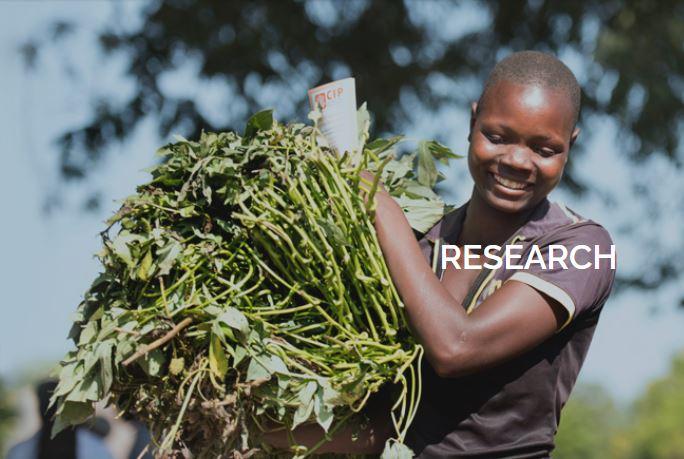
    Cabinet Approval for CIP South Asia Centre in Agra

    CIP also leads the CGIAR Research Programme on Roots, Tubers and Bananas (RTB), a collaboration of various research centers that seeks to harness the untapped potential of potato, sweetpotato, banana, cassava and yam to improve the food security, nutrition, income, climate change resilience and gender equity of smallholders.

    The Union Cabinet chaired by Prime Minister Narendra Modi has approved a proposal from the Department of Agriculture & Farmers Welfare to establish International Potato Centre (CIP)’s South Asia Regional Centre (CSARC) at Agra, Uttar Pradesh.

    The major objective of this investment is to increase food and nutrition security, farmers income, and job creation by improving potato and sweetpotato productivity, post-harvest management and value-addition.

    The potato sector in India has the potential to generate significant employment opportunities in production sector, processing sector, packaging, transportation, marketing, value chain, etc.  Hence, in order to untap and explore the huge potential in this sector, International Potato Centre (CIP)’s south Asia regional Centre is being established at Singna, Agra, Uttar Pradesh.  High yielding, nutrient and climate resilient varieties of potato and sweetpotato developed by CSARC will significantly accelerate the sustainable development of the potato and sweetpotato sectors not only in India but in the South Asia region also through world-class science and innovation

    With more than 45 years of research-for-development work in potato and sweetpotato, the International Potato Center (CIP) has contributed to greater food and nutrition security, economic growth and prosperity. CIP breeders and plant scientists work with local partners and farmers to develop and manage potato and sweetpotato varieties that are more resilient to the extremes of climate, pests and diseases, produce higher yields, and have better nutritional and culinary qualities.

    CIP’s social, nutrition and food scientists bring the same dedication to helping rural farmers and communities understand, adopt, and profit from agricultural and postharvest technologies and best practices tailored for different agro-ecologies, production systems and value chains. In partnership with governments, businesses and international organizations, CIP is scaling these science innovations and approaches, putting the tools for better harvests, incomes and health into the hands of millions of farmers, processors, traders and their communities.

    Tapping the potential of root and tuber crops

    In 2018, an estimated 821 million people around the world were chronically undernourished. Farmers in the world’s poorest regions struggle to produce enough food and earn decent incomes due to a lack of high-yielding varieties and quality seed, poor agronomic practices, overdependence on monocropping and barriers to market access. Population growth and climate change are making the challenges of nourishing the planet even more daunting.

    In response to the agricultural development challenges of the 21st century, CIP has organized its mission and activities around three programs. Two of those programs focus on R&D to enhance the ability of sweetpotato and potato to improve the food and nutrition security, livelihoods and climate resilience of smallholder farmers and other value chain actors in different agro-ecologies worldwide. To guide CIP’s work and measure its value, the organisation has set 10-year targets with a timeline to ensure innovations are widely disseminated, benefiting increasing numbers of people through Africa, Asia and Latin America.

    The third program focuses on the CIP genebank, which safeguards collections of sweetpotato, potato and Andean root and tuber crop diversity that form the foundation of CIP’s R&D operations and results-oriented initiatives.

    CIP also leads the CGIAR Research Program on Roots, Tubers and Bananas (RTB), a collaboration of various research centers that seeks to harness the untapped potential of potato, sweetpotato, banana, cassava and yam to improve the food security, nutrition, income, climate change resilience and gender equity of smallholders in the developing world. The cross-crop learning and partnerships facilitated by RTB expand CIP’s scope and effectiveness.

    Southeast Asia set to miss SDGs to end diseases by 2030

    Southeast Asian countries are likely to miss 2030 health-related SDG targets. No country expected to eliminate infectious diseases such as HIV/AIDS. Researchers say that accelerated action needed, not new timelines.

    By Sanjeet Bagcchi 

    All ten member countries of the Association of Southeast Asian Nations (ASEAN) are set to miss global goals on combating infectious diseases, according to new analysis tracking the region’s health progress.

    While some countries are expected to end malaria by 2030, major challenges remain to eliminate HIV/AIDs, tuberculosis, hepatitis B and neglected tropical diseases, the study found, with new HIV/AIDS cases increasing steadily in the past decade.

    Meanwhile, Singapore was the only country in the bloc projected to achieve the UN target for tackling non-communicable diseases such as cancer and diabetes, and for road injuries, which are escalating across the region.

    Published in the journal PLOS Medicine, researchers examined data from 1990 to 2021 to estimate the progress of ASEAN countries towards the health-related Sustainable Development Goals. These also include targets on nutrition, maternal, child and reproductive health, environment health, and universal health coverage.

    They found that although countries are committed to the 2030 targets, they face significant challenges due to unequal financial and social development.

    “If countries fall short, it won’t be due to lack of ambition, but rather due to underlying inequities in access, financing, and governance that must be addressed regardless of the date,” said Paul Pronyk, a co-author of the study and a director of the Duke-NUS Centre for Outbreak Preparedness, in the US.

    “The consequence is not just missed targets, but preventable illness and financial strain on already stretched systems.”

    Countries such as Cambodia, Laos and the Philippines encounter considerable difficulties in meeting the goals, the study says, with the Philippines’ overall score even regressing.

    The likelihood of attaining the infectious disease-related target was particularly low for the Philippines due to its poor control of TB, HIV and hepatitis B, according to the analysis.

    Meanwhile, Cambodia, Laos and Vietnam saw a 40 to 90 per cent increase in harmful alcohol consumption — among the highest in the world — which, along with high smoking rates, is fuelling chronic disease.

    Countries falling behind often struggle with rural poverty, low education levels, and weak public health infrastructure, which limit and delay access to healthcare, says Pronyk, who is also a co-director of Singapore’s SingHealth Duke-NUS Global Health Institute.

    The ASEAN region — home to 667 million people — is also particularly vulnerable to the effects of climate change.

    In Cambodia and Laos, progress on communicable diseases is restricted by persistent gaps in the healthcare workforce and diagnostics, while in the Philippines, fragmentation across public and private systems is affecting quality and cost-efficiency of healthcare, according to Pronyk.

    Despite this, all ASEAN countries made positive progress on nutrition, including the prevalence of stunting among children under five, according to the study

    “With targeted investments in primary care, health literacy, and cross-sectoral policy coordination, these lagging countries can still close critical gaps before 2030,” said Pronyk.

    Move the goalpost?

    He believes moving the SDG goalposts, as some would advocate for, is not the solution.

    “What’s needed now is not a new timeline, but accelerated, equity-driven action,” he urged.

    “The 2030 deadline is a powerful anchor for political accountability and should be upheld.

    “Extending the timeline risks diluting the urgency, particularly in areas like non-communicable disease and environmental health where delayed action leads to compounding health burdens.”

    The UN adopted the SDGs in 2015 as a call to eliminate poverty, safeguard the planet, and make sure that all people have the benefits of prosperity and peace by 2030.

    There are 17 SDGs, with “health” the central focus of SDG 3. Key targets of SDG 3 include: ending the epidemics of AIDS, TB, malaria and neglected tropical diseases and tackling water-borne diseases, hepatitis and other communicable diseases; decreasing the global maternal mortality ratio to lower than 70 per 100,000 live births, and lowering the number of deaths and illnesses from unsafe chemicals and water, air and soil pollution and contamination.

    “ASEAN countries should develop and implement robust strategies to address these health issues to improve effectively the health of their populations,” researchers urge in the study.

    They recommend that successes in high-performing countries should be shared regionally to help those falling behind.

    Diptendra Sarkar, a public health analyst and professor at India’s Institute of Post Graduate Medical Education and Research, says:

    “The study emphasises the fact that socio- economic development is a key to achieve [health-related SDG] targets.

    “Political stability and a tolerant society can push the social psyche to homogeneous socio-economic growth, [which] in turn is likely push a country to achieve the 2030 health goals.”

    This piece has been sourced from SciDev.Net

    Image:  Adri Berger/ILO. (CC BY-NC-ND 2.0)

    DAY-NRLM hosts brainstorming session on Ease of Doing Business for SHG Members

    Representatives from India Post, Reliance Foundation, BMGF, Flipkart, Cremica, GT, NIFT, Big Brand Theory, Fab India, Rangsutra, Transform Rural India (TRI), Women on Wings, DeHaat, JayKay Enterprises, Shahi Exports, Minerva, ITC limited along with other Industry experts shared practical ideas.

    In a step toward scaling up rural enterprises led by Lakhpati Didis and other grassroots entrepreneurs, the Deendayal Antyodaya Yojana–National Rural Livelihoods Mission (DAY-NRLM) organized a 360-degree brainstorming session in New Delhi on Tuesday. The consultation brought together experts from public and private sectors to deliberate on challenges, opportunities, and actionable strategies to enhance the ease of doing business for Self-Help Group (SHG) members.

    Inaugurating the session, T K Anil Kumar, Additional Secretary, Ministry of Rural Development (MoRD), lauded DAY-NRLM for demonstrating that poverty should not be addressed poorly, but professionally. He emphasized the need to broaden the entrepreneurial landscape by including not only women, but also young farmers and rural youth in the mission’s vision.

    Hena Usman, Joint Secretary (Entrepreneurship), Ministry of Skill Development and Entrepreneurship (MSDE), highlighted the scope for stronger convergence between MSDE and DAY-NRLM. She stressed the importance of enabling SHG members to become media- and marketing-savvy for greater visibility and success.

    Swati Sharma, Joint Secretary, MoRD, underscored that SHG members are not just producers, but also innovators. To empower them for dynamic markets, she advocated equipping collectives with advanced skills and integrating them into global value chains – an approach aligned with the vision of Viksit Bharat till 2047.

    This followed by the interactive session opened by Dr. Molishree, Director, MoRD, with an overview of the DAY-NRLM journey, and the concept of Self-Help Group. Raman Wadhwa, Deputy Director, MoRD, highlighted key initiatives driving entrepreneurship under the Mission.

    Representatives from India Post, Reliance Foundation, BMGF, Flipkart, Cremica, GT, NIFT, Big Brand Theory, Fab India, Rangsutra, Transform Rural India (TRI), Women on Wings, DeHaat, JayKay Enterprises, Shahi Exports, Minerva, ITC limited along with other Industry experts shared practical ideas on various aspects, including:

    • Building a unified national brand for SHG products, tailored for urban and export markets, and custodian of SARAS.  
    • Quality assurance of the SHG products without putting extra pressure on SHG members.
    • Leverage digital platforms for marketing, e-commerce, traceability, and CRM systems, while offering digital literacy and infrastructure support.
    • Deepening private partnerships focused on co-creation, digital integration, and sustained market linkages.

    The session also highlighted the need for standardised yet SHG-friendly quality protocols, and leveraging digital platforms for marketing, traceability, and capacity building.

    Senior Envoy Warns Iran-Israel Conflict is Deepening Crisis in Afghanistan

    Afghanistan is already grappling with immense humanitarian and economic challenges and growing instability in the wider region following airstrikes by Israel and the United States in Iran is compounding the situation, the UN’s top envoy in the country told the Security Council on Monday. 

    Roza Otunbayeva, the Secretary-General’s Special Representative and head of the UN Assistance Mission in Afghanistan (UNAMA), said the ongoing missile attacks between Iran and Israel are already having a tangible impact.

    “This conflict is already having an effect in Afghanistan, disrupting trade and increasing the prices of basic goods and fuel, and prompting the return of additional Afghans from Iran,” she said, echoing the Secretary-General’s urgent call for de-escalation.

    More than 600,000 Afghans have returned from neighbouring Pakistan and Iran this year, and she said UN agencies are preparing for potential cross-border movements from Iran considering the “concerning developments” in the region.

    “Returns from Iran alone in the past few days have been over 10,000 per day,” she said.  

    Local communities and the de facto Taliban authorities “have made huge efforts to absorb returnees, but without international assistance, there are limits to safe, orderly and peaceful returns.”

    Ms. Otunbayeva updated the Council on the UN’s ongoing engagement with Taliban leaders who returned to power nearly four years ago.

    This “Comprehensive Approach” aims to achieve an Afghanistan that is at peace with itself and its neighbours, fully reintegrated into the international community, meets its international obligations, and without going through another cycle of violence.

    She stressed that it “does not seek to normalize the status quo but rather ensure that multiple key issues of concern – in particular upholding the country’s international obligations – remain at the core of engagement efforts.”

    Erasure of women and girls’ rights continues

    She said the international community “remains extremely concerned that engagement has not improved the unacceptable situation of Afghan women and girls, promoted inclusive governance, or prevented a marked deterioration in human rights.”

    Meanwhile, the de facto authorities have conveyed grievances around frozen assets, sanctions, non-recognition, the need for greater development assistance, and an end to aid dependency.

    She noted that the UN will convene meetings of two working groups on counter-narcotics and the private sector to be held in Doha, Qatar, in the coming days, calling this “an important development that gives momentum to multilateral engagement and builds confidence in the value of mutual cooperation.”

    Relative stability, restrictive policies

    Ms. Otunbayeva said Taliban rule has provided relative stability and security in Afghanistan, promoted modest economic growth and foreign investment, initiated dormant infrastructure projects, and deepened diplomatic ties abroad, particularly in the region.

    However, authorities “continue to implement highly restrictive and discriminatory policies on the Afghan people,” as embodied in the “law on the propagation of virtue and prevention of vice,” which took effect last August. 

    This law “cemented” the Taliban’s systematic, state-sponsored policies that exclude women and girls from participation in public life, including access to education, employment, freedom of movement, and freedom of expression.

    Reintegration at risk

    “Through this law, the de facto authorities are continuing to pursue a path that distances Afghanistan from its international obligations and hinders Afghanistan’s eventual reintegration into the international system,” she said.

    “We cannot forget the unacceptable situation of Afghan women and girls, even if their continued marginalisation under increased enforcement of more and more decrees no longer generates headlines.”

    The ongoing ban on girls’ education beyond primary school “is the clearest sign of the Taliban’s discrimination against women and continues to set Afghanistan apart from the world,” she said, calling once again for the ban to be lifted and for girls and women to again have the right to education.

    One in five going hungry

    Joyce Msuya, UN Assistant Secretary-General for Humanitarian Affairs, highlighted how funding cuts are impacting Afghanistan, where half of all people require assistance to survive. 

    The population faces “persistent and acute humanitarian needs compounded by decades of conflict, entrenched poverty, an ever-harsher climate, severe restrictions on the rights of women and girls and highly constrained funding environment,” she said.

    Today, one in every five Afghans is hungry, 3.5 million children are acutely malnourished and roughly 3.7 million children are out of school, including 2.2 million girls over age 11 who are banned from education. Additionally, the maternal mortality rate is over 2.5 times the global average. 

    Health facilities shuttered

    She said the aid cuts continue to hamper humanitarian response, and 420 health facilities have been forced to shut their doors, affecting more than three million people.

    “Almost 300 nutrition sites have closed, depriving 80,000 acutely malnourished children, pregnant women, and new mothers of essential treatment,” she added.

    “Despite challenges, and at great risk, our Afghan female colleagues continue to deliver aid, going where others cannot, listening to communities who would otherwise not be heard, and standing by those who might otherwise be forgotten,” she said.

    Sima Bahous, Executive Director of UN Women, upheld calls for more diplomacy to address the spiralling crisis in the Middle East and Iran.

    “The growing regional and global insecurity will only deepen the hardships faced by Afghan women and girls, compounding poverty, displacement, violence and deprivation,” she warned.

    Additionally, the ability of the UN and partners to support Afghan women has been drastically undermined by legal and bureaucratic barriers which make it harder than ever to hire women, let alone reach them, at a time when deep cuts to aid budgets “have ever more devastating consequences.”

    “Yet, we stay, and we deliver, as we always have,” said Ms. Bahous, highlighting how UN Women continues to navigate through endless restrictions and negotiate with the Taliban.

    “And, Afghan women continue to lead the way,” she added.  “They have opened underground schools; organized in silence; built lives in those slivers of space left to them. They have shown unshakable determination, even when the world faltered.” 

    Grief and Grinder Blades: Russian Families Open Soldiers’ Coffins as Military Logistics Collapse

    While the Kremlin continues to promote images of heroism and patriotic sacrifice, reports like RFE/RL’s paint a far grimmer picture – one of bureaucratic negligence, logistical collapse, and the quiet suffering of thousands of families.

    As Russia’s war in Ukraine drags into its fourth year, the burden of loss is becoming more traumatic and grotesque for grieving families across the country. According to a harrowing report by Radio Free Europe/Radio Liberty, relatives of dead Russian soldiers are increasingly being forced to open sealed zinc coffins themselves, often with power tools, due to the military’s failure to manage proper burial procedures.

    In towns across Siberia and Russia’s Far East, the return of soldiers’ bodies, once a tightly controlled and ceremonious process, has devolved into chaos. The coffins, often arriving unannounced and with no military personnel present, are frequently sealed in zinc with stern warnings not to open them. However, many families, desperate for closure or suspicious of the remains’ authenticity, choose to cut open the coffins themselves, sometimes in the presence of local morgue workers or relatives.

    The report cites multiple morgue workers and family members who describe gruesome scenes: the stench of decay, the sight of mangled remains, and the trauma of encountering a loved one in an advanced state of decomposition. In one case, a morgue staffer recalled how two families in Khabarovsk brought their sons’ coffins and insisted on transferring the bodies to local caskets. They had prepared tools for the task but lost their nerve at the last moment. “They asked me to do it,” the worker told RFE/RL. “Cutting open a zinc coffin with an angle grinder is not for the faint-hearted. The body inside was terribly cold… It was horrific.”

    Respect for the deceased?

    These incidents highlight not just individual grief but the collapse of military infrastructure under the strain of mass casualties. Officially, Russia keeps its wartime death toll classified, but Western estimates suggest over 100,000 troops may have been killed since the full-scale invasion began in February 2022. Russia’s morgue and military transport systems, especially in rural regions, are reportedly overwhelmed, leading to a breakdown in even the most basic protocols for handling human remains.

    For many families, the question of whether the body in the coffin is truly their relative haunts them. Russia’s Defence Ministry often instructs local officials and families not to open zinc-sealed coffins, citing health risks and “respect for the deceased.” But RFE/RL’s report underscores widespread distrust in the official process. Some families have discovered that the wrong body was shipped to them. Others found empty coffins. These cases fuel suspicion and desperation, especially when accompanied by vague or contradictory information from military officials.

    One woman from the Irkutsk region told RFE/RL that she was warned not to open her son’s coffin. “They said it’s not allowed, that it’s dangerous. But we had doubts—it didn’t even weigh that much.” Her family ended up opening it anyway and were devastated to confirm that the body was her son’s. “It wasn’t just about seeing him—it was about knowing. Otherwise, how do you mourn?”

    The use of zinc coffins – airtight, heavy, and historically used in the Soviet era to transport bodies from war zones – has become symbolic of the impersonal, bureaucratic nature of wartime death in Russia. But unlike Soviet times, there is now far less ceremony or support for grieving families. RFE/RL’s investigation reveals that in many cases, families must arrange transport themselves, sometimes waiting days for paperwork or scrambling to find local officials who know what to do.

    Psychological trauma

    One mortuary technician in the city of Chita described how poorly handled many of these situations have become. “There are no guidelines, no officials coming to help. Just a grieving mother or father with a grinder, trying to make sure it’s really their son inside.”

    The emotional cost of these experiences is incalculable. Psychological trauma, already a looming issue for soldiers returning from the front, is now extending to families at home. Mental health services in rural areas are nearly non-existent, and local officials are reportedly ill-equipped to help with the scale of the grief.

    While the Kremlin continues to promote images of heroism and patriotic sacrifice, reports like RFE/RL’s paint a far grimmer picture – one of bureaucratic negligence, logistical collapse, and the quiet suffering of thousands of families. Advocacy groups and independent watchdogs say the handling of fallen soldiers’ remains reflects a deeper failure: a system that cannot, or will not, dignify the dead.

    As one human rights monitor told RFE/RL, “This isn’t just about logistics – it’s about dignity. These families have already lost everything. And now they’re being forced to cut open their sons’ coffins with tools like mechanics. It’s barbaric.”

    The Russian government has not responded directly to the claims in the report, but the Defence Ministry has previously insisted that all casualties are returned in accordance with proper protocol. Still, the growing number of testimonies paints a very different reality, one where closure comes not with a ceremony, but with the whirring of an angle grinder and the courage to face what lies inside.

    Image: RFE/RL