More

    International Women’s Day, 2025: Women’s Rights Face ‘Unprecedented’ Pushbacks

    Gender discrimination is still embedded in societies and institutions, beginning in governance, a new UN Women report finds.

    By Naureen Hossain

    Girls and women worldwide are facing growing threats to their security and rights, from threats to their education access to severe poverty and multiple forms of violence. In 2024, nearly one in four governments worldwide reported a backlash to women’s rights, as a new report from UN Women reveals.

    The report, Women’s Rights in Review 30 Years After Beijing, acknowledges that serious efforts have been made toward gender equality and women’s empowerment.

    In the past five years, 88 per cent of countries have passed laws to eliminate violence against women and girls. 44 per cent are working towards improving the quality of education and training. More girls are now attending secondary and tertiary education compared to boys.

    The report reviews the state of women’s rights since the adoption of the Beijing Declaration and Platform for Action in 1995. Since its conception, the Beijing Platform for Action remains one of the most comprehensive roadmaps on women’s rights for countries to follow. Thirty years later, it is critical to take stock of the progress toward parity and where significant work is needed. The report highlights where these gaps persist.

    Gender discrimination is still embedded in societies and institutions, beginning in governance. While women’s political participation in parliaments has vastly increased since 1995, they still only account for one in four elected parliamentarians. Only 87 countries have ever had a woman leader. Men still occupy a majority of leadership and decision-making positions.

    Shrinking civic spaces are also affecting women’s participation and advocacy. This should be of concern when governments make decisions that undercut participation in civil society, such as through underfunding.

    Regression in gender equality

    Without robust and gender-responsive social protections, vulnerable people can fall through the cracks. Women and girls are more likely to be at risk for poverty or to experience it, as evidenced in 2023, where 2 billion women and girls had no social protection coverage. In 2024, 393 million women and girls were living in extreme poverty.

    When it comes to digital technology, the number of women using the internet increased from 50 per cent in 2019 to 65 per cent in 2024. Yet, 277 million more men had access to the internet than women. Even with this disparity, women are more likely to be targets of online harassment and violence, the nature of which is much more targeted and gendered. Legal frameworks still fall behind in addressing the prevalence of online violence, especially in the face of emerging technologies and their misuse.

    Countries dealing with major crises or conflicts also see a regression in gender equality. It is rare for women to play a direct role in the peace process as mediators, even after the Beijing Platform for Action clarified that they were integral in the promotion of peace and security. As of 2023, women only made up 10 per cent of negotiators and 14 per cent of mediators.

    Back-to-back protracted issues such as ongoing conflicts, the climate crisis, and the COVID-19 pandemic have only exacerbated inequalities for women and girls. In democratic institutions, anti-rights groups have loudly and publicly rallied together to undermine key women’s issues, including reproductive health rights.

    Prioritize gender equality

    While there is still time, countries and communities must prioritize gender equality in their national strategies. To that end, the report also presents the Beijing+30 Action Agenda, which is comprised of six key actions that countries should take to make faster strides towards the commitments. The Action Agenda outlines the following actions:

    • A digital revolution for all women and girls: Ensuring that women and girls not only have equal access to technology but also have the skills to navigate it and online spaces securely.
    • Freedom from poverty: Investing in comprehensive social protection, universal health coverage, education, and care services is needed for women and girls to thrive and can create millions of decent jobs.
    • Zero violence: Achieving this through the implementation and funding of legislation to end violence against women and girls in all forms, with strong plans and resources available through community-led organizations to extend the reach of services.
    • Full and equal decision-making power: Increasing and ensuring women’s decision-making power in public and private sectors through temporary special measures like gender quotas.
    • Peace and security: Gender-responsive humanitarian aid and national plans that center on women, peace, and security. This must also include sustained funding for frontline women’s organizations to help build lasting peace.
    • Climate justice: Countries need to prioritize women’s and girls’ rights in their climate adaptation plans. Including those from rural and indigenous communities should serve to center their leadership and knowledge and gain access to new ‘green jobs,’ productive assets, and land rights.

    While countries may signal their commitments to gender equality through adopting gender-responsive and inclusive policies, without follow-through and proper funding, they may have little impact in the long term.

    Critical opportunity

    Along with the 30th anniversary of the Beijing Declaration, this year will also mark the UN’s 50th anniversary of International Women’s Day on March 8. The upcoming Commission on the Status of Women (CSW69) will also be a critical opportunity for governments, civil society, the private sector, and other stakeholders to make strong commitments in enshrining the Action Agenda, along with the principles that are the foundation of the original Beijing Platform for Action.

    “UN Women is committed to ensuring that ALL women and girls, everywhere, can fully enjoy their rights and freedoms,” said UN Women Executive Director Sima Bahous. “Complex challenges stand in the way of gender equality and women’s empowerment, but we remain steadfast, pushing forward with ambition and resolve. Women and girls are demanding change—and they deserve nothing less.”

    This report has been sourced from Inter Press Service.

    India to Set Up Second National Gene Bank: PM Modi

    A gene bank serves as a biorepository for preserving genetic material, such as seeds, pollen, and tissue samples, collected from various plant species. The primary objective is to protect these valuable resources from extinction and support research, conservation, and breeding efforts.

    In a significant step towards securing India’s agricultural future and reinforcing global biodiversity conservation efforts, Prime Minister Narendra Modi announced the establishment of a second National Gene Bank. This initiative, revealed during a post-budget webinar, aims to safeguard India’s extensive genetic resources and ensure food security for future generations.

    The announcement was made as part of a virtual session fostering collaboration between government bodies, industry leaders, academia, and citizens. The discussions centered around the transformative budget initiatives focused on sustainable economic growth, technological advancement, and agricultural resilience, contributing to India’s vision of becoming a developed nation by 2047.

    Towards Agricultural Sustainability

    A gene bank serves as a biorepository for preserving genetic material, such as seeds, pollen, and tissue samples, collected from various plant species. The primary objective is to protect these valuable resources from extinction and support research, conservation, and breeding efforts. This initiative aligns with India’s ongoing efforts to promote sustainable farming systems, enhance agricultural resilience, and address the challenges posed by climate change.

    India’s first National Gene Bank was established in 1996 under the Indian Council of Agricultural Research-National Bureau of Plant Genetic Resources (ICAR-NBPGR) in New Delhi. The existing facility, with 12 regional stations across the country, currently houses approximately 0.47 million accessions, including cereals, millets, legumes, oilseeds, and vegetables.

    With the government allocating funds for a second National Gene Bank in the 2025-26 budget, the new facility will have the capacity to store up to 1 million germplasm lines. This expansion will enhance India’s ability to conserve its agricultural biodiversity and support both public and private sector research initiatives.

    Commitment to Global Biodiversity Conservation

    India is recognized as one of the world’s most biodiversity-rich countries, home to over 811 cultivated crop species and 902 crop wild relatives. Preserving plant genetic resources (PGR) is critical for agricultural sustainability and global food security. By expanding its gene banking capabilities, India is reinforcing its leadership in biodiversity conservation, offering assistance to international efforts, especially in SAARC and BRICS nations.

    With rapid climate change, natural disasters, and other global challenges threatening genetic diversity, the establishment of a second gene bank will act as a safety net. This redundancy structure ensures that India’s vital germplasm remains secure, supporting global research collaborations and fostering long-term sustainability in agriculture.

    Guardians of Agricultural Diversity

    Gene banks are essential institutions that preserve the genetic material of crops, ensuring that valuable traits—such as drought resistance, pest tolerance, and climate adaptability—are not lost. The materials stored in these facilities serve as the foundation for developing resilient crop varieties capable of withstanding environmental stresses.

    The second National Gene Bank will employ advanced conservation techniques, including:

    • Seed Banking: Long-term storage of seeds at sub-zero temperatures to preserve genetic integrity.
    • Cryopreservation: Ultra-low-temperature storage of reproductive materials in liquid nitrogen to ensure viability for decades.
    • In-vitro Conservation: Cultivation of plantlets in controlled environments for species that cannot be preserved as seeds.
    • Field Gene Banks: Maintenance of living plant specimens, particularly for fruit trees and other perennial species.

    This multi-pronged approach will ensure that India’s agricultural heritage remains intact, offering researchers and breeders access to a vast genetic repository for developing future-ready crops.

    Strengthening Agricultural Resilience

    The gene bank expansion is a crucial part of India’s broader strategy to strengthen agricultural resilience and food security. As the nation grapples with unpredictable climate patterns and evolving threats to food production, the conservation of diverse genetic resources becomes imperative.

    Modern agriculture has led to a decline in traditional crop diversity, making it essential to preserve heirloom varieties and indigenous crops that have evolved over centuries. By establishing the second National Gene Bank, India is not only securing its own food future but also contributing to global food security efforts.

    Additionally, the new gene bank will support:

    • Crop Improvement Programs: Providing breeders with genetic material to develop high-yield, climate-resilient crops.
    • Scientific Research: Enabling studies on plant genetics, disease resistance, and stress tolerance.
    • Farmer Empowerment: Offering farmers access to diverse seed varieties, promoting agro-biodiversity.
    • Disaster Preparedness: Ensuring genetic material is available for restoring agricultural systems affected by natural calamities.

    Global Initiative; Far-Reaching Impact

    India’s commitment to gene banking is part of a larger global initiative to conserve plant genetic resources. The establishment of the second National Gene Bank aligns with international efforts such as the Svalbard Global Seed Vault in Norway, which acts as a backup repository for gene banks worldwide.

    As part of this initiative, India will strengthen its partnerships with global institutions, sharing best practices in conservation and collaborating on research projects to address common agricultural challenges. This move also positions India as a key player in the international discourse on food security and biodiversity conservation.

    A Future-Ready India

    The establishment of a second National Gene Bank marks a historic milestone in India’s agricultural journey. By preserving its rich genetic diversity, India is taking proactive steps to address future challenges in food production, climate adaptation, and sustainable agriculture.

    Prime Minister Modi’s visionary leadership in this initiative underscores the nation’s commitment to ensuring that future generations inherit a resilient and food-secure India. With strong policy support, scientific advancements, and collaborative efforts, the second National Gene Bank will serve as a cornerstone of India’s agricultural future, reinforcing the country’s position as a global leader in biodiversity conservation. As India moves forward with its ambitious plans, this initiative is set to leave a lasting impact on the country’s food security landscape, setting an example for the world in sustainable genetic resource management.

    Justice for All Calls for Government Action Amid Rising Violence in Sri Lanka

    Following the end of the war in 2009, successive governments have been accused of enabling extrajudicial killings, enforced disappearances, and the suppression of dissent through draconian laws.

    Non-governmental organization, Justice for All, has called upon the Sri Lankan government to take immediate action in response to a recent wave of killings, raising concerns about the rule of law, national security, and the efficiency of key institutions responsible for maintaining law and order.

    In a statement released on Wednesday, Justice for All expressed alarm over the deteriorating law and order situation, particularly as the nation undergoes significant political transition. The organization pointed to a series of brutal murders in recent weeks, including an unprecedented killing inside a Colombo Magistrate Court while a suspect was in the custody of prison authorities. This was followed by the shooting deaths of two other suspects under police custody in Kotahena and the tragic killing of three individuals, including two children, in Middeniya.

    “These murders speak to the deteriorating law and order situation in the country, a condition which is becoming exposed in the context of political change in Sri Lanka,” the statement read.

    The organization further highlighted the responsibility of law enforcement agencies in preventing such violent incidents, emphasizing that institutions such as the police and prison authorities have failed to ensure protection for those in their custody. The apparent inability to prevent extrajudicial killings raises serious questions regarding impunity within the country’s security apparatus.

    A Call for Accountability and Reform

    The recent killings have sparked concerns that despite the election of President Anura Kumara Dissanayake and the National People’s Power (NPP) in 2024, some individuals and institutions within the state continue to act with impunity. Justice for All urged the government to take immediate steps to curb the abuse of power within law enforcement agencies and hold perpetrators accountable.

    “The recent killings, including the murder within a court premises, indicate that individuals and institutions of state power continue to act with impunity, believing that they can continue to do so despite the change of government,” the statement continued.

    The NGO also warned against the misuse of extraordinary police powers such as the Prevention of Terrorism Act (PTA), arguing that such measures could further enable state abuse rather than serve justice. Instead, they called for transparent investigations, regular public communication regarding these crimes, and strengthened institutions to uphold the rule of law.

    “The government bears the responsibility of taking prompt action against those involved, especially the individuals exercising state power and are linked to these instances of violence,” Justice for All emphasized.

    Historical Patterns of Violence and Impunity

    The recent killings are not isolated incidents but rather part of a long-standing pattern of state-linked violence in Sri Lanka. Over the past four decades, the island nation has witnessed multiple cycles of political unrest, civil war, and human rights violations. The 26-year-long conflict between the Sinhalese-majority government and the Tamil separatist Liberation Tigers of Tamil Eelam (LTTE) left tens of thousands dead and entrenched a culture of impunity within the security forces.

    Following the end of the war in 2009, successive governments have been accused of enabling extrajudicial killings, enforced disappearances, and the suppression of dissent through draconian laws. More recently, the country has been gripped by an economic collapse, further exacerbating social tensions and leading to widespread protests against political corruption.

    The French newspaper Le Monde recently described Sri Lanka’s grim history of violence and political instability, stating: “Travellers may call it the ‘Pearl of the Indian Ocean,’ but Sri Lanka also has a sad reputation as a terror capital… This country of 22 million inhabitants was the envy of its South Asian neighbours for its relative prosperity and unspeakable beauty. However, decades of conflict, terrorism, and corrupt governance have tarnished its image.”

    The report also referenced the 2019 Easter Sunday bombings, which killed 268 people and injured 500 others, underscoring the continued threats to security in the nation.

    Public Reaction and the Path Forward

    Amidst the rising concerns, civil society groups and activists have urged Sri Lankans to remain vigilant and hold the government accountable. The signatories of Justice for All‘s statement include legal experts, politicians, and human rights activists, such as President’s Counsel M.A. Sumanthiran, Shanakiyan Rasamanickam M.P, and human rights lawyer Bhavani Fonseka.

    Their statement stressed that public engagement is crucial in ensuring that political leaders and law enforcement agencies uphold democratic principles and protect citizens from further violence. “While the government must take responsibility for all failures to ensure law and order and the rule of law, in view of the current context, it also falls on all citizens to respond to these developments with political maturity.”

    In response to mounting pressure, government officials have acknowledged the urgency of the situation. However, concrete actions to address the crisis remain unclear. Analysts warn that without meaningful reforms in law enforcement and judiciary systems, Sri Lanka risks further eroding public trust in its institutions.

    As the nation watches closely, Justice for All and other advocacy groups continue to demand transparency, independent investigations, and accountability for those responsible for the recent violence. The government’s response in the coming weeks will be crucial in determining whether Sri Lanka can break free from its historical cycles of impunity and establish a more just and democratic society.

    India’s Demographic Dividend at Risk: World Bank Urges Immediate Labor Reforms for High-Income Ambition

    The World Bank’s report serves as a stark warning that India’s demographic dividend is not a given. Without immediate and comprehensive labour reforms, the nation risks squandering this opportunity, jeopardizing its aspirations for high-income status.

    India’s pursuit of high-income status by 2047 is facing a critical juncture, with a new World Bank report highlighting the urgent need for comprehensive labour reforms to fully capitalize on its demographic dividend.

    The report, “Becoming a High-Income Economy in a Generation,” released last week, reveals that while India’s growth potential is significant, time is running out to address the nation’s lagging labour force participation.

    To achieve its ambitious goal, India must sustain an average growth rate of 7.8 percent over the next 22 years, a target deemed feasible given its recent growth trajectory. However, the World Bank emphasizes that this requires “reforms and their implementation to be as ambitious as the target itself.”

    “Lessons from countries like Chile, Korea and Poland show how they have successfully made the transition from middle- to high-income countries by deepening their integration into the global economy,” said Auguste Tano Kouamé, World Bank Country Director. “India can chart its own path by stepping up the pace of reforms and building on its past achievements.”

    A central concern of the report is India’s underutilized demographic dividend. Despite having a large working-age population, the country’s labor force participation rate stands at a mere 56.4 percent, significantly lower than its peers. This deficiency is a major obstacle to achieving sustained economic growth.

    “India can take advantage of its demographic dividend by investing in human capital, creating enabling conditions for more and better jobs and raising female labour force participation rates from 35.6 percent to 50 percent by 2047,” said Emilia Skrok and Rangeet Ghosh, co-authors of the report.

    “Vulnerable Employment”

    The report warns that the window to leverage this demographic advantage is rapidly closing. Over the next three decades, the growth of India’s working-age population is projected to decelerate, and the dependency ratio is expected to increase. This shrinking window underscores the urgency of implementing reforms to boost labour force participation and job creation.

    A major challenge is the quality of jobs being created. Many new jobs are informal and low-productivity, concentrated in sectors like construction and traditional market services. Agriculture remains the primary employer, accounting for over 45 percent of total employment. Moreover, a significant portion of manufacturing employment is in micro and small firms, further contributing to informality.

    The report highlights the prevalence of “vulnerable employment” in India. A staggering 73.2 percent of employment is in the informal sector, compared to the 32.7 percent average in emerging market economies. Even in the formal sector, many jobs lack basic protections, with over half of regular wage and salaried workers lacking social security benefits, paid leaves, or formal contracts.

    Persistent Gender Gap

    Despite improvements, women’s participation in paid employment remains limited. While female labour force participation has increased to 35.6 percent, it is still far below the 50-60 percent seen in other emerging markets. A significant proportion of working women are engaged in unpaid work or agricultural activities, with urban participation remaining particularly low. Regulatory restrictions, limited access to finance and digital technologies, and social norms are significant barriers to women’s full participation in the workforce.

    The report emphasizes the need for structural transformation, shifting labour from low-productivity sectors like agriculture to higher-productivity sectors like manufacturing and modern services. India’s progress in this area has been slow compared to successful East Asian and East European economies.

    Productivity gains have largely been concentrated in large firms, particularly in the services sector, while small and medium enterprises have seen stagnant productivity. The report recommends streamlining labour market regulations, fostering innovation, and promoting technology adoption to boost productivity across all firms.

    To address these challenges, the World Bank recommends four critical areas for policy action:

    • Increasing Investment: Boosting both private and public investment from 33.5 percent of GDP to 40 percent by 2035 is crucial.
    • Fostering Job Creation: Incentivizing private sector investment in job-rich sectors and improving skills development are essential.
    • Promoting Structural Transformation: Shifting labour to higher-productivity sectors and enhancing trade participation are vital.
    • Enabling State-Level Growth: Adopting a differentiated policy approach for states and providing incentives for lagging regions are necessary.

    Not Seen in Living Memory: Kashmir’s Rivers Run Dry, Snow Disappears, and Hope Dissipates

    With a severe rainfall and snow deficit, some residents of Kashmir, an area known for its snow-capped mountains, lush valleys, and pristine lakes, are looking to the heavens for answers as little assistance seems to be coming from the authorities as their livelihoods dry up. Experts warn that a decline in precipitation in Kashmir will severely impact the region’s water resources.

    By Umar Manzoor Shah / IPS

    The picturesque Kashmir Valley is battling nature’s fury. This time of year, its majestic mountains would typically be capped with thick snow, and its emerald streams would gush with fresh waters. However, none of these scenes are visible this year.

    In the first 50 days of 2025, Kashmir witnessed a rainfall deficit of 83 percent. Data from the government’s meteorological department, accessed by Inter Press Service (IPS News), reveals that from January 1 to February 19, 2025, Kashmir recorded only 29.8 mm of rainfall against the normal precipitation of 175.8 mm—just 17 percent of the usual amount.

    The mountainous region of Kargil in Ladakh recorded zero precipitation in 2025, marking a shocking 100 percent deficit compared to the normal rainfall of 18.5 mm.

    Kathua, a frontier district bordering Pakistan, witnessed a deficit of 98 percent, with only 3.6 mm of rainfall recorded against the normal of 152.4 mm.

    Srinagar, the region’s capital, recorded an 85 percent rainfall deficit in the same period.

    Streams and Rivers are Drying up

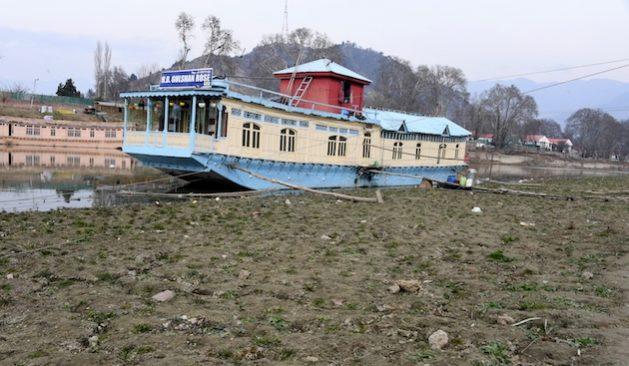
    Achabal, a 16th-century Mughal garden, is known for its gushing water stream that flows through its center, providing scenic beauty to the park nestled among majestic Chinar trees. This stream is a vital water source for about 20 adjoining hamlets. For the first time in centuries, the stream has dried up. The fountains are now rusty iron relics from the Middle Ages, and the park presents a frightening sight for residents. Terrified locals have gathered near the stream—some reciting verses from the Quran, others cursing themselves for what they believe are sins that caused the centuries-old stream to dry up.

    Renowned earth scientist Professor Shakeel Romshoo told IPS that climate change is the reason for the ongoing crisis.

    “The mountains from which the springs emerge and flow down to the habitations are hollow. Snow is the primary source of water for them. Over the past six years, Kashmir has seen little to no snowfall, and what we are witnessing today is the outcome of that snowlessness,” Romshoo explains.

    He added that the Kashmir Valley has experienced a significant decline in snowfall, particularly during the peak winter season, leading to the current alarming situation.

    “Snowfall is a major source of water for Kashmir’s population. With the pervasive lack of snow, rivers, tributaries, and streams are drying up. These conditions could severely impact the tourism sector, horticulture, and food security systems in Kashmir, with far-reaching economic implications,” Romshoo says.

    The Jhelum River, considered the lifeline of Kashmir for water supplies, continues to witness receding water levels. Its level has dropped to -1.01 feet, below the Reduced Level (RL) of zero on the gauge.

    A top government official responsible for supplying potable water to Kashmir’s inhabitants told IPS that the persistent rainfall deficit has affected the recharging of water reservoirs across the valley. He stated that the department is in a situation where it cannot guarantee sufficient drinking water for the people of Kashmir in the coming months.

    Barren Slopes of Gulmarg

    Gulmarg, a northern ski resort known for its world-famous slopes and enchanting snow-covered hills during winter, is currently dry and barren, with few traces of snow—a first-time scenario for locals. A small amount of snow fell at the beginning of February—a little to late, some say, as the popular resort area has already lost thousands of visitors and this has had a knock-on effect on the local businesses.

    Abdul Rahim Bhat, 73, a local who owns a tea kiosk at the resort, told IPS that such a sight—where brown grass dominates the landscape with no snow in sight—was unimaginable in the past.

    “I have spent my entire life here. I have always seen white snow everywhere during winters. Now, even the tourists have stopped coming, impacting my business and livelihood,” Bhat says.

    The winter games at Gulmarg, which attract skiers from around the world, had to be postponed due to the lack of snow.

    “The required amount of snowfall for competitive games is not there, which is why we have postponed the event. Unless there is fresh snowfall, it is not possible to conduct the games,” Rauf Tramboo, President of the Winter Games Association of Jammu and Kashmir (WGAJK), said in a statement last week. The Olympic committee this week announced that the Gulmarg leg of the Khelo India Winter Games would be held from March 9 to 12 after snowfall.

    As per the government estimates, the revenue realized from the Gulmarg Gondola, celebrated as Asia’s highest and longest cable car project, was USD 1.35 million until December 2024. The ski resort welcomed more than 148,357 visitors. The postponement of winter games and the lack of tourists had come as a major economic blow for the locals of the area whose livelihood is dependent on both.

    Sharing his predicament is Peer Irfan, a local restaurant owner who says tourists have almost stopped arriving. “They [tourists] would come for snow and not for exploring the barren lands. Here, you can see there is no rush, not many tourists. We fear that if the situation continues to remain the same, we may lose our livelihood,” Irfan says.

    He adds that the government has not paid any serious attention to the ongoing climate crisis in Kashmir and that those affected due to it have not been provided any monetary compensation.

    “We earlier had demanded to be insured so that we could safeguard our livelihoods. However, the government hasn’t paid the least attention to our demands,” Irfan says.

    The tourism industry in Kashmir generates around USD 912 million, contributing to nearly 7 percent of the state’s GDP. Sectors like handicrafts, transport and hospitality are directly dependent on it.

    Dilshada Bano, a 37-year-old carpet weaver from north Kashmir’s Kupwara, says that if climate change continues to wreak havoc as it is now, the major impact will be on Kashmir’s local populace.

    “Tourists buy our products and if they aren’t visiting, who is here to provide us with a livelihood? This year, the sales have dipped due to snowlessness as a smaller number of tourists have visited Kashmir. Slowly and subtly, it is showing the impact on us,” Bano told IPS.

    ‘We are not doing enough’

    Omar Abdullah, the head of the Kashmir government, stated that Kashmir is facing a severe threat from climate change, particularly in the form of a water crisis. He stressed the need for greater awareness and action. “We are not doing enough to educate our people about the dangers of climate change. A lot of that responsibility lies with us as political leaders,” Abdullah says.

    Abdullah, however, did not mention whether the current situation could be declared a state of disaster for Kashmir.

    Naeem Akhtar, a senior political leader and former minister, told IPS that drastic climate change is wreaking havoc on Kashmir, with alarming trends such as continuous drought, lack of snow during peak winter months, and the drying up of water bodies and springs that have been vital for centuries. He described the situation as deeply alarming and disturbing.

    Akhtar says the government must prioritize addressing the pervasive effects of climate change. He urged the government to consult experts and closely monitor the situation.

    “Short- and long-term action plans must be devised, including climate adaptation and mitigation measures, alongside the creation of a loss and damage fund to tackle the severe impacts of climate change. There should be no quick-fix solutions to this apocalyptic situation. A well-considered government response is the need of the hour,” Akhtar says. He warned that if the situation is not handled with caution, the region faces the looming threat of severe drinking water scarcity and a lack of irrigation facilities for agriculture and horticulture. 

    Farmers Plunged Into Anxiety

    Abdul Salam Mir, a saffron farmer from Pampore in South Kashmir, told IPS that the dry weather and shifting weather patterns have put farmers in a difficult situation.

    “We have little hope this time. Farming in Kashmir is entirely dependent on water. The acute water shortage is turning crops into dry, dead twigs. We cannot blame the government for this crisis. The climate has turned cruel,” Mir says.

    Farmers make up 80 percent of the state’s population, and agriculture and horticulture are the backbone of the state’s economy. The unique climate in the foothills of the Himalayas allows for the cultivation of exotic fruits and vegetables not typically found in India.

    However, this year, the government has issued a general advisory to the farming community, advising them to delay sowing crops due to bad weather and water scarcity. A senior official from the agriculture department confirmed that the advisory was issued to prevent further hardships for farmers and to draft a well-planned mechanism to tackle the pervasive crisis.

    Although an insurance scheme for the farmers, namely the Pradhan Mantri Fasal Bima Yojana (PMFBY), was introduced in Kashmir as of Kharif 2016-17, its actual implementation has been inconsistent.

    As per the farmers, the crop insurance schemes, particularly for fruit crops, have not been effectively executed over the years. This has left them vulnerable to losses from unpredictable weather.

    “Last year, because of heavy rains, fruit growers in our area incurred heavy losses. When we approached the government for mitigation of the damage, the response was dismal. The assessment teams are yet to finalize the reports, leaving aside providing us with any financial assistance,” says Noor Mohammad Khan, an orchardist from South Kashmir’s Shopian.

    Once a lifeline for nearly 10,000 fishing families in North Kashmir, the renowned Wular Lake is now fighting for its survival, with half of its expanse dried up due to prolonged dry weather in the Valley.

    During winter, local fishermen from villages like Kehne Usa, Zurimanz, Ashtangoo, Lankrishipora, Laharwalpora, and Kulhama traditionally harvest fish from the lake, a vital source of income for the community.

    “The lake now resembles a small stream. We have to push our boats to the center of Wular before we can even use our oars, as there’s so little water left. Fishing and harvesting chestnuts have been our only source of income for generations. Since my childhood, I’ve seen people rely on the lake for their livelihoods. Now, many in our community are forced to look for other work to survive,” says Nisar Ahmad, a fisherman from Kehneusa village.

    The drastic reduction in the lake’s water levels has left the fishing community struggling as they grapple with the loss of their primary means of sustenance.

    Doomsday Scenario?

    Dr. Muhammad Muslim, an environmentalist and assistant professor in the Environmental Sciences department at Kashmir University, warned that a winter without precipitation in Kashmir would be catastrophic.

    He says it’s a “doomsday scenario.”

    “A decline in precipitation will severely impact the region’s water resources. Such an event could reduce river flows, which are essential for irrigation, hydropower, and drinking water supply downstream.

    “Reduced snow accumulation during winter would lead to lower water availability in warmer months, potentially disrupting fragile ecosystems and agriculture in the region,” he says.

    Echoing these concerns, Dr. Amjad M. Hussaini, an agricultural scientist, highlighted the grim future if snowfall and rainfall continue to decline.

    “Winter precipitation is crucial for the healthy development of plants and their vegetative growth. Without it, this process will be severely disrupted,” he says. “The long-term consequences are alarming. Glaciers are receding, carbon emissions are rising, and deforestation is rampant. Unless we implement a robust afforestation plan as a top priority for at least the next decade, the situation will only worsen. Without immediate action, we are heading in a deeply negative direction.”

    Scientists are sounding the alarm with renewed urgency, warning that the Earth is nearing a critical tipping point. Evidence suggests that global warming is on track to reach or exceed 1.5 degrees Celsius—the threshold established by the Paris Agreement.

    A recent study published in Nature Climate Change reveals that record-breaking temperatures in 2024 could signal the start of a sustained period near or above this limit.

    While natural phenomena like El Niño can cause temporary temperature spikes, the primary driver of this crisis remains human activity: our continued dependence on fossil fuels, widespread deforestation, and industrial practices that escalate greenhouse gas emissions.

    These activities have driven CO2 levels to unprecedented highs, even as global climate conferences, such as COP29, reaffirm pledges to curb them.

    The consequences of crossing the 1.5°C threshold are already evident. Heatwaves, floods, and wildfires are becoming more frequent, intense, and devastating.

    This feature is sourced from Inter Press Service.

    Sri Lankan Defense Agencies on High Alert Over Suspected Extremist Group in East

    In January 2023, the Supreme Court of Sri Lanka ruled that then-President Maithripala Sirisena and several other government authorities had failed to act on intelligence, ordering them to pay compensation to the victims.

    Sri Lanka’s defense agencies have intensified their vigilance following intelligence reports of a potential extremist group operating in the Eastern Province, the government confirmed Tuesday. Cabinet Spokesman Nalinda Jayatissa addressed the media, confirming the heightened security measures in response to these concerns.

    The alert stems from intelligence gathered by the State Intelligence Service (SIS) and military intelligence, which suggests attempts to propagate extremist ideologies within the Muslim community in the Eastern region, particularly in the town of Kalmunai. Public security minister Ananda Wijepala, in a weekend report by the Sunday Times, highlighted that surveillance of certain religious sites indicated children were being indoctrinated with ideologies deemed contrary to the teachings of Islam.

    “At the moment, we have information that there is a group operating based in the Eastern Province,” Jayatissa stated during the post-cabinet media briefing. “The intelligence and security agencies are in the process of unearthing more information regarding that. At the moment we can say the security agencies are vigilant about their activities.”

    According to Minister Wijepala, the focus of concern is the alleged indoctrination of children with extremist ideologies, a practice that has prompted increased monitoring of religious activities in the Kalmunai area. “We will not allow the spread of extremism and racism in the country again. We will take measures to nip such issues in the bud,” he asserted.

    Suicide bombers

    Residents of Kalmunai have reported the presence of a group operating in the area for approximately five years. This group, reportedly led by a professional, has been observed preaching against conventional education, professional careers, and extravagant spending on weddings. However, no arrests related to suspected terrorism activities have been made thus far.

    The current heightened alert comes against a backdrop of severe criticism levelled at Sri Lanka’s security apparatus following the devastating Easter Sunday bombings in 2019. The attacks, carried out by Islamist suicide bombers, exposed critical failures in intelligence sharing and coordination among security agencies.

    On April 21, 2019, Easter Sunday, coordinated suicide bombings targeted three churches in Negombo, Batticaloa, and Colombo, as well as three luxury hotels in the capital: the Shangri-La, Cinnamon Grand, and Kingsbury. Later that day, smaller explosions occurred at a housing complex in Dematagoda and a guest house in Dehiwala. The attacks resulted in the deaths of 269 people, including at least 45 foreign nationals, three police officers, and eight suicide bombers. An additional 500 were injured.

    Investigations revealed that the bombers were Sri Lankan citizens affiliated with the National Thowheeth Jama’ath (NTJ), a local Islamist militant group with suspected foreign ties. Initially, State Minister of Defence Ruwan Wijewardene suggested the attacks were retaliation for the Christchurch mosque shootings in New Zealand, but this direct linkage has been questioned by New Zealand and other experts.

    Extensive inquiries

    The Islamic State of Iraq and the Levant (ISIL) claimed responsibility for the attacks through its propaganda outlet, Amaq News Agency, stating that the perpetrators were “Islamic State fighters.” However, the Criminal Investigation Department has stated that there is no evidence of ISIL’s direct involvement.

    The aftermath of the Easter Sunday bombings led to extensive inquiries that highlighted significant security lapses and the government’s failure to act on available intelligence. In January 2023, the Supreme Court of Sri Lanka ruled that then-President Maithripala Sirisena and several other government authorities had failed to act on intelligence, ordering them to pay compensation to the victims.

    The current vigilance by Sri Lanka’s defense agencies underscores the government’s commitment to preventing a recurrence of such tragedies. The focus on monitoring and addressing potential extremist activities in the Eastern Province reflects a renewed emphasis on proactive security measures. The agencies are working to gather more information about the suspected extremist group and its activities, aiming to ensure the safety and security of all citizens.

    Notions of Sustainability in the Built Environment

    Cities are complex, layered entities with unique identities composed of people with various socio-economic-cultural dynamics that guide their aspirations and behaviours, nature and various ecosystem services it provides, and the built infrastructure that provides shelter and basic services.

    By Dr Swayamprabha Das and Mohak Gupta

    India stands at the cusp of exponential urbanisation, with the urban population expected to double to 1 billion people by 2050. As hubs of concentrated human activity, cities have amplified social, environmental, and economic impacts and are also more vulnerable to the intensifying poly-crisis of climate change, disaster risk, pollution, and biodiversity loss. At the same time, there is growing inequity in the access to urban services, resources, and economic opportunities. In light of these new challenges, it becomes critical to put people and nature at the heart of urban planning and development.

    The health of cities and their residents is deeply intertwined with the planning, design, and construction of the built environment. The interaction of the built and the unbuilt, of the grey with the green and blue infrastructure, is a key determinant of the quality of life in a city. Moreover, as major consumers of energy and resources, buildings significantly impact the environment, accounting for 38% of the total carbon emissions1 and almost half of the resource extraction globally2.Cities undergoing redevelopment and densification are also generating growing quantities of construction and demolition waste (C&D waste) as buildings reach their end-of-life. With strategic planning and proactive measures, Tier II, III and IV cities, which are the upcoming growth centres, can avoid the lock-in of inappropriate carbon and resource-intensive construction practices while incorporating future-looking planning strategies with an emphasis on enhancing climate resilience, decarbonisation, and circularity.

    This is where architecture, planning, and industry must work together to push the boundaries for collective action. Various public and private stakeholders across the sectoral value chain have important roles to play in this transition, and platforms that can facilitate knowledge sharing and collaboration will be crucial in driving the desired policy and market shifts.

    Public participation

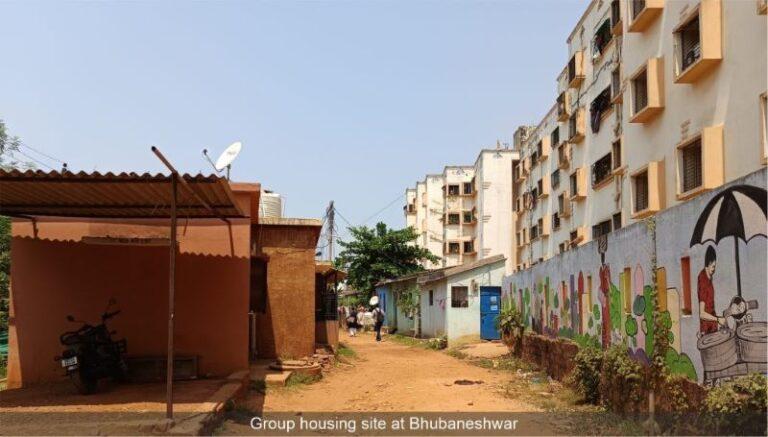
    Several initiatives by the Government of India are directly or indirectly geared towards the objectives of a sustainable built environment, including the National Mission for Sustainable Habitats, the National and State Action Plans for Climate Change, Viksit Bharat, and Mission LiFE. The Energy Conservation Building Code and Eco Niwas Samhita lay out energy efficiency guidelines in commercial and residential buildings, respectively. The India Cooling Action Plan has been developed to meet the challenge of rising temperatures and energy demands. The Pradhan Mantri Awas Yojana – Urban is the primary vehicle for delivering affordable housing nationwide. It also has a technology sub-mission to promote innovative materials and technologies.

    There is a need to create opportunities for policy convergence and develop the enabling environment for adopting innovative technologies and solutions, including necessary codes and standards, sustainable public procurement – potentially linked to the Government e-Marketplace (GeM), and integration with large initiatives such as PMAY. Such integration must also extend to the sub-national levels through alignment with state and city initiatives. With the Master Plan serving as the primary regulatory instrument for shaping the urban fabric, city managers must be equipped with the necessary tools, capacities, and frameworks to develop evidence-based, dynamic action plans that respond to evolving priorities. Strong public participation in the preparation of such plans can help nudge behaviours for improved community engagement and effective implementation.

    Support innovation

    Policy support can also help directly stimulate the market for green buildings. With a growing footprint of certified green buildings and certification systems such as Green Rating for Integrated Habitat Assessment (GRIHA), Indian Green Building Council (IGBC), Leadership in Energy and Environmental Design (LEED), Edge, and others, the provision of appropriate fiscal and non-fiscal incentives can encourage developers to adopt better designs and greener materials and technologies. Several initiatives by financial institutions provide concessional finance for projects adopting specific green building measures. Fast-tracked approvals, relief on property taxes, and additional floor allowances can be other means of incentivising project owners. States and cities may also explore institutional finance instruments such as green bonds and carbon markets to support large initiatives.

    Such demand-side interventions also need to be supported with an adequate supply of green products and services. For developers to deliver green projects, tested and verified solutions must be available in the market and architects, engineers, and construction professionals must be able to design and execute them. Masons, artisans, and the construction workforce must be trained to use new technologies. In other words, the entire value chain needs to be designed to support skill development for eco-friendly and low-carbon initiatives.

    There is a dire need to ease the entry barrier for new materials and technologies and support innovation in this arena. In the mainstreaming of low-carbon and circular building materials and technologies, the advent of low-carbon cement and the utilisation of industrial by-products, such as fly ash from thermal power plants, blast furnace slag from the steel industry, and others, is helping to make concrete more sustainable. Secondary aggregates from construction and demolition waste are also a potential opportunity to minimise the mining of natural stone and sand for concrete.

    Livability the cornerstone

    Another exciting development area is bio-based materials, including applications utilising agri-waste, hemp, earth, mycelium, and other circular uses of waste streams such as plastics and textiles. Many of these technologies are also conducive to micro and small-scale production and present an opportunity to set up decentralised production facilities based on local needs and the availability of resources. While many market-ready technologies exist, their adoption remains far from effective. The decarbonisation agenda cannot move without addressing the embodied carbon aspects of construction materials, which in turn requires a robust green building material supply chain.

    The construction sector links to over 250 ancillary industries and is among the toughest to move owing to the capital-intensive and risk-averse nature of real estate development and the long life of infrastructure assets, combined with a high degree of informality in the value chain. Homes are also emotional and aspirational investments for consumers who are reluctant to experiment with new technologies against the regular brick and concrete structures they are familiar with. However, living environments have deep implications for the physical and mental health of users and must be treated as such, going beyond individual plot boundaries and applying to cities as a whole. Livability must become the cornerstone of urban planning and construction to ensure that the physical systems are designed to balance the needs of people and the planet.

    Technology-driven pathways

    The Development Alternatives Group is working to advance this narrative through the Alt Urban programme with a key focus on four thematic areas: Low-carbon and Circular Built Environment, Climate-Resilient Urban Planning and Habitat Solutions, Improved Urban Water and Waste Management, and Climate Education and Sustainable Lifestyles.

    To drive this agenda, it is crucial to understand cities as complex, layered entities with unique identities. They are composed of people with various socio-economic-cultural dynamics that guide their aspirations and behaviours, nature and various ecosystem services it provides, and the built infrastructure that provides shelter and basic services. To make cities more inclusive, ‘affordability’ becomes just as important as affordable housing. Management of green spaces and water bodies is crucial in responding to rising temperatures and supporting urban biodiversity. Adaptive, technology-driven pathways for urban planning that are cognisant of climatic shifts and can meet the needs of various actors will be critical in laying the foundation for green urban futures3 that are resilient, smart, and sustainable.

    Swayamprabha Das is Head of Planning & Policy and Mohak Gupta is Assistant Programme Director, Circular Economy – (Notions of Sustainability in the Built Environment) with Development Alternatives.

    This piece has been sourced from Alternative Perspectives from Development Alternatives.

    The Gates to Paradise Are Closing

    The recent actions by the United States to strengthen border security offer a glimmer of hope. Measures aimed at shutting down trafficking routes and dismantling criminal operations are a step in the right direction.

    By Rosi Orozco

    In 2020, a historic announcement emerged from the Global Trafficking in Persons Report, an annual assessment that evaluates human exploitation in 129 countries. For the first time, the world witnessed a 13 per cent decrease in the number of victims. For those of us who fight against this heinous crime, it felt as if a door to paradise had opened—an Eden where no human being is for sale.

    However, reality was quick to slam that door shut. The following year, in 2021, we expected the downward trend to continue thanks to the tireless efforts of human rights defenders and survivors. With some luck, we hoped to celebrate another 13 per cent decrease—perhaps even 15%? But the opposite happened: the number of detected victims rose by 10 per cent.

    The reason was painfully clear: that historic drop had been an artificial consequence of the COVID-19 lockdowns. Unless those in power were to orchestrate another health crisis, we would never again see such promising figures in the fight against sexual and labor exploitation.

    The latest global report, published just weeks ago, confirms that the door to paradise is getting heavier: by 2022, the number of victims had surged by 22 per cent. Sub-Saharan Africa now ranks first in victim detection, followed by North America. For the first time, the poorest and the wealthiest regions of the world share the same wounds—proof that human trafficking spares no one, preying on both the destitute and the privileged.

    And it is not just the number of victims that is rising—they are getting younger. Between 2019 and 2022, the number of child victims increased by 31 per cent. As is often the case in human trafficking, girls and women suffer the worst consequences.

    The Metastasis of Human Trafficking

    How do we explain this alarming expansion?

    First, most governments lacked contingency plans to support those displaced by COVID-19. By the time the pandemic ended, thousands had already lost their jobs or homes. Faced with economic hardship and a severe lack of specialized shelters, desperation pushed many into exploitation. Countless individuals were forcibly displaced not once, but two or three times—whether due to violence in their communities or other destabilizing factors.

    Second, a global analysis of 942 court rulings revealed a chilling reality: 74 per cent of traffickers belong to organized crime networks. These are not lone criminals but cartels, gangs, and mafias operating with the efficiency of corporate enterprises or local governments, making them nearly impossible to dismantle. Only 26 per cent of traffickers act independently, such as abusive parents or exploitative partners. Alarmingly, this phenomenon is growing each year.

    The numbers do not lie: just when we thought our efforts were yielding results, reality reminds us that we must redouble them. This year, more than ever, we need every hand and heart available to reopen the door to that dreamt-of paradise. If we fail, it may close forever—and we may never find the key to free the victims who are counting on us.

    United Against Child Trafficking

    In response to this dire situation, the 3rd International Summit Against Human Trafficking was held in Washington, D.C., in 2024. The event took place at two of the most important venues for political and diplomatic action: the United States Capitol and the main building of the Organization of American States (OAS). This summit brought together key legislators and global leaders committed to eradicating human trafficking.

    One of the most notable participants was Tom Homan, former ICE Director and a leading authority on border security, whose presence underscored the urgency of strengthening international cooperation. We celebrate that such a dedicated man has now been appointed as the Border Czar. His leadership and determination are crucial to shutting down the criminal networks that have trafficked and disappeared hundreds of thousands of children at our borders.

    Homan’s participation in the summit was made possible thanks to Sara Carter, the renowned investigative journalist, who also moderated the expert panel on border security. Her deep knowledge of trafficking networks and firsthand reporting on the crisis at the U.S.-Mexico border provided critical insights into the discussion.

    One of the most pressing issues addressed at the summit was the alarming number of children disappearing at the hands of traffickers along the US-Mexico border. For years, criminal networks have exploited vulnerabilities in the region, profiting from the suffering of tens of thousands of minors who vanish without a trace.

    The recent actions by the United States to strengthen border security offer a glimmer of hope. Measures aimed at shutting down trafficking routes and dismantling criminal operations are a step in the right direction. For both the US and Mexico, the highest priority must be clear: when it comes to children, there can be no compromise.

    The fight against human trafficking is far from over, but summits like this remind us that change is possible when nations, policymakers, and civil society unite with a common purpose. We cannot allow traffickers to keep slamming the door in our faces. The time to act is now.

    This piece has been sourced from Inter Press Service.Image:https://satyarthi.org.in/

    Unprecedented Forecast Accuracy by US’ National Hurricane Centre

    Despite these advancements, proposed budget cuts pose a threat to ongoing improvements in hurricane forecasting. Cuts to these programmes could slow progress in forecasting accuracy, potentially reversing the gains made over the past decades.

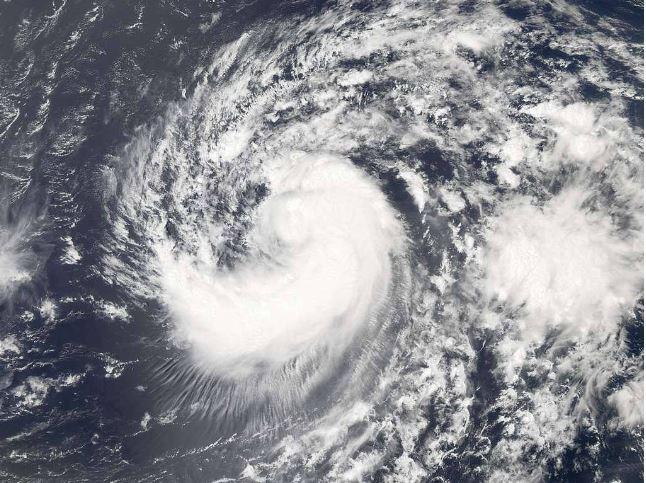
    In a remarkable achievement, the National Hurricane Center (NHC) has set new standards for forecast accuracy during the highly active 2024 Atlantic hurricane season. According to a preliminary report from the National Oceanic and Atmospheric Administration (NOAA), NHC’s parent department, the NHC delivered record-accurate track forecasts across all time intervals, ranging from 12-hour to 120-hour predictions. This milestone underscores the advancements in meteorological science and the critical role of accurate forecasting in safeguarding communities.

    The 2024 Atlantic hurricane season was notably active, with 18 named storms, 11 hurricanes, and five major hurricanes. Amid this heightened activity, the NHC’s forecasts were exceptionally precise, the NOAA report says. As reported by Yale Climate Connections, the NHC achieved record accuracy in track forecasts at every time interval during the season. This level of precision is a testament to the significant investments in hurricane research and forecasting technologies over the past decades.

    Accurate hurricane forecasts are not just scientific achievements; they have tangible benefits for society. Yale Climate Connections highlighted a 2024 study by the National Bureau of Economic Research, which estimated that improved hurricane forecasts could lead to over $10 billion in combined benefits for major hurricanes like Helene and Milton. These benefits include better preparation, reduced property damage, and, most importantly, saved lives.

    While track forecasts reached new heights of accuracy, predicting hurricane intensity remained challenging. The 2024 season experienced 34 episodes of rapid intensification — defined as an increase in maximum winds of at least 35 mph within a 24-hour period — nearly double the average of the past decade. Rapid intensity changes are among the most difficult aspects to forecast, posing significant challenges for meteorologists and emergency planners alike, Yale Climate Connections says.

    Potential Threats to Progress

    The NHC’s success can be attributed to continuous improvements in forecasting models and technologies. NOAA’s introduction of the Hurricane Analysis and Forecast System (HAFS) marked a significant leap in hurricane modelling. During the 2024 season, HAFS provided more accurate predictions than previous models, particularly in forecasting rapid intensification events for hurricanes like Helene and Milton. These advancements allowed communities more time to prepare, thereby enhancing safety and reducing potential damages.

    Despite these advancements, proposed budget cuts pose a threat to ongoing improvements in hurricane forecasting. Yale Climate Connections reported that NOAA’s Office of Atmospheric Research, which houses leading hurricane research centres like the Atlantic Oceanographic and Meteorological Laboratory and the Geophysical Fluid Dynamics Laboratory, faces significant budgetary threats. Cuts to these programs could slow progress in forecasting accuracy, potentially reversing the gains made over the past decades.

    Initiatives like the Hurricane Forecast Improvement Project (HFIP), established in response to the devastating hurricanes of 2004 and 2005, have been instrumental in enhancing forecast accuracy. These programs focus on developing advanced models and improving data assimilation techniques, leading to more reliable forecasts. The success of the 2024 season underscores the importance of sustained investment in such research initiatives.

    Community Impact and Preparedness

    Accurate forecasts play a crucial role in community preparedness and response. For instance, the precise track prediction for Hurricane Milton allowed officials to issue timely warnings and implement evacuation plans, minimising casualties and property damage. As noted by Yale Climate Connections, improved forecasts have led to significant societal benefits, including lives saved and billions in damages prevented.

    Yale Climate Connections acknowledges that the achievements of the 2024 hurricane season highlight the critical importance of accurate forecasting in mitigating the impacts of natural disasters. However, it says, maintaining and improving this level of accuracy requires continuous investment in research and technology. As climate change continues to influence weather patterns, the need for precise and reliable forecasts becomes even more paramount, it says.

    The NHC’s record-breaking forecast accuracy during the 2024 Atlantic hurricane season represents a significant milestone in meteorological science. The benefits of these advancements are clear: better preparedness, reduced economic losses, and, most importantly, saved lives. Ensuring the continuation of this progress necessitates sustained support for the research and operational programs that make such achievements possible.

    Myanmar: ‘A Litany of Human Suffering’, Warns UN UN Rights Chief

    Türk condemned the military’s brutal tactics, including beheadings, burnings, mutilations, and the use of human shields. He also noted that nearly 2,000 people have died in custody since the coup, most due to summary executions and torture.

    Myanmar is mired in one of the world’s worst human rights crises, UN High Commissioner for Human Rights Volker Türk said on Friday, describing conditions there as “a litany of human suffering.”

    Addressing the Human Rights Council on Friday, he detailed the devastating toll of the ongoing conflict and economic collapse on civilians – many of whom have been displaced by the fighting.

    Earlier in the day the Council discussed the deteriorating situation in South Sudan, having heard a report from rights investigators serving on the Commission on Human Rights in the country.

    “Conflict, displacement and economic collapse have combined to cause pain and misery across Myanmar and civilians are paying a terrible price,” Türk said.

    The number killed in violence last year was the highest since the military coup in 2021. Over 1,800 civilians were killed in 2024, many in indiscriminate airstrikes and artillery shelling, with attacks on schools, places of worship and healthcare facilities having become routine.

    Türk condemned the military’s brutal tactics, including beheadings, burnings, mutilations, and the use of human shields. He also noted that nearly 2,000 people have died in custody since the coup, most due to summary executions and torture.

    Deepening humanitarian crisis

    Fighting between the junta forces and opposition armed groups has fuelled a humanitarian catastrophe, with more than 3.5 million people displaced and 15 million facing hunger – two million of whom are at risk of famine.

    In Rakhine state, clashes between the military and the Arakan Army have intensified, with thousands of civilians killed and Rohingya communities caught in the crossfire.  

    Tens of thousands of Rohingya fled to Bangladesh in 2024, despite border restrictions. More than 8,000 fled by sea – an 80 per cent increase over 2023 – but at least 650 people, nearly half of them children, perished on the dangerous journey.

    Economic collapse

    Myanmar’s economic collapse has fuelled corruption and crime, with one global tracker ranking it the world’s biggest nexus of organized crime. It remains the top producer of opium and a major manufacturer of synthetic drugs.

    Furthermore, scam centres in eastern Myanmar have become notorious for human trafficking, where victims are coerced into cybercrime and subjected to torture, sexual violence, and forced labour.

    Military conscription

    Türk also condemned the junta’s activation of military conscription laws, which have led to arbitrary arrests and forced recruitment, particularly targeting young men and women. Fear of conscription has driven many to flee the country, exposing them to trafficking and exploitation.

    “Given the humanitarian, political and economic impacts fuelling instability across the region, the international community must do more,” Türk underscored.

    He reiterated his call for an arms embargo, coupled with targeted sanctions – including on jet fuel and dual-use goods – to better protect the people of Myanmar.

    He also stressed the need for accountability, citing efforts at the International Criminal Court (ICC) and the International Court of Justice (ICJ) to hold Myanmar’s military leaders accountable for atrocities.