More

    At Security Council Meeting, Guterres Alludes to ‘Clear’ Threat of Nuclear War

    Strengthening international cooperation and delivering on a UN pact that calls for reforming global governance, among other measures, was the focus of debate in the Security Council on Tuesday. 

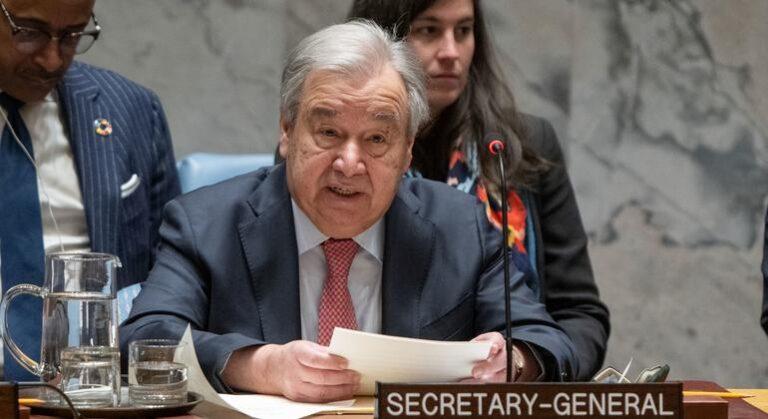
    Addressing a ministerial-level meeting convened by China, which holds the rotating Council presidency this month, UN Secretary-General António Guterres said that “The prospect of nuclear war remains – outrageously – a clear and present danger.”

    Guterres was speaking in preparation to mark the 80th anniversary of the United Nations later this year.

    Guterres opened the debate emphasising that “global solidarity and solutions are needed more than ever” as the climate crisis rages and inequalities and poverty increase.

    He said that peace remains elusive. “As this Council knows well, peace is getting pushed further out of reach — from the Occupied Palestinian Territory to Ukraine to Sudan to the Democratic Republic of the Congo and beyond,” he said.  

    “Terrorism and violent extremism remain persistent scourges. We see a dark spirit of impunity spreading.  The prospect of nuclear war remains – outrageously – a clear and present danger.”

    Emerging technologies such as Artificial Intelligence (AI) are also a challenge as their “limitless promise…is matched by limitless peril to undermine and even replace human thought, human identity and human control.” 

    Guterres said “these global challenges cry out for multilateral solutions,” and pointed to the Pact for the Future, adopted by Member States last September.

    The agreement “is aimed at strengthening global governance for the 21st century and rebuilding trust” in multilateralism, the UN, and the Security Council.

    Provisions include advancing coordination with regional organisations and ensuring the full participation of women, youth and marginalised groups in peace processes.

    The Pact outlines support for a stimulus plan to help developing countries achieve the Sustainable Development Goals (SDGs), and revitalised commitment to reform the post-war global financial architecture to better serve the modern world.

    It also contains a Global Digital Compact that calls for an AI governance body that allows developing countries to participate in decision-making, marking a first.

    Security Council Reform

    “The Pact also recognises that the security council must reflect the world of today, not the world of 80 years ago, and sets out important principles to guide this long-awaited reform,” said Guterres, suggesting that the security council should be enlarged and made more representative of today’s geopolitical realities, while countries also must continue to improve its working methods to make the body more inclusive, transparent, efficient, democratic and accountable. 

    He said these issues have been under consideration by the UN General Assembly for over a decade.

    “Now is the time to build on the momentum provided by the Pact for the Future, and work towards a greater consensus among regional groups and Member States – including the permanent members of this Council – to move the intergovernmental negotiations forward,” he said. 

    “Throughout, I call on Members of this Council to overcome the divisions that are blocking effective action for peace.”

    He noted that council members have shown reaching common ground is possible, for example through deploying peacekeeping operations and forging resolutions on humanitarian aid.

    “Even in the darkest days of the Cold War, the collective decision-making and vigorous dialogue in this Council maintained a functioning, if imperfect, system of collective security,” he said.

    “I urge you to summon this same spirit, continue working to overcome differences and focus on building the consensus required to deliver the peace all people need and deserve.”

    He said multilateral cooperation is the beating heart of the UN, and guided by the solutions in the Pact for the Future, it can become an even more powerful instrument of peace.

    “As we look to the challenges around us, I urge all Member States to continue strengthening and updating our global problem-solving mechanisms,” he said. “Let’s make them fit for purpose – fit for people – and fit for peace.”

    Need to Uphold Sovereignty: China

    The meeting was chaired by China’s Foreign Minister Wang Yi who presented four proposals to the Council, including the need to uphold sovereign equality while advancing global governance.

    “We must respect the development acts chosen independently by people of all countries, uphold the principle of non-interference in internal affairs, and not impose one’s will upon others,” he said.

    Countries also must “practice international rule of law, ensure the effective implementation of international law and reject double standards and selective application.”

    Wang said Security Council resolutions are binding and should be observed by all countries. The Council is also entrusted with authority which all nations should uphold.

    “Any act of bullying, trickery or extortion is a flagrant violation of the basic norms of international relations. Any unilateral sanction that circumvents Security Council authorisation lacks legal basis, defies justification and contradicts common sense,” he said.

    Furthermore, a critical part of global governance is ensuring justice prevails, as “international affairs should no longer be monopolised by a small number of countries.”

    He said nations of the Global South “have the right to speak up for and defend their legitimate rights and interests, and the fruits of development should no longer be taken by just a few countries.”

    Meanwhile, Security Council reform “should continue to emphasise democratic consultation, increase the representation and say of developing countries, especially African countries, and effectively address historical injustice.”

    Western Countries Undermining UN Authority: Russia

    Despite its strengths and weakness, the UN has fulfilled its founding purpose of preventing a new World War, Russian Ambassador Vasily Nebenzya told the meeting.

    He warned, however, that the world is “teetering on the brink of a direct military confrontation between nuclear powers” as western countries undermine UN authority and the primacy of international law.

    “We are witnessing a broad application of the practice of unilateral coercive measures being imposed whenever supporters of methods of force in global politics do not manage to push through their desired outcome at the Security Council,” he said.

    “Failure to abide by the UN Charter and a reckless approach to Security Council resolutions on a number of acute international issues has now become the hallmark of the West,” he added.

    Regarding efforts to resolve the crisis in Ukraine, he said “it is becoming clear who genuinely advocates a more fair, more equal world, and who are living in the past and are striving at any cost to make their geopolitical agendas a reality.”

    Redouble Efforts to Address Emerging Challenges: UK

    United Kingdom Ambassador Barbara Woodward underlined her country’s commitment to the UN.

    “As the Secretary-General reminded us and so many speakers today have reiterated, the Pact of the Future demonstrated a clear desire and a clear commitment to reinvigorate the multilateral system, including through reforming the UN and the international financial system,” she said.

    She called for new approaches to address emerging challenges, and 2025 – which marks the UN’s 80th anniversary and a year of key summits – is the first step.

    The summits will cover issues such as gender equality, ocean preservation, financing for development, and climate change.

    “Together, these summits seek to address our shared concerns.  Their success is critical for progress and the UN’s reputation as our multilateral home,” she said.

    US to Scrutinise Support to UN

    United States Ambassador Dorothy Shea recalled that her country helped found the UN after the Second World War, “but UN agencies and bodies overall have drifted from their core missions,” she said.

    “We need to take a closer look at where this institution is falling short,” she continued. “For example, there is a longstanding, deep anti-Israel bias within the UN that has only grown stronger since Hamas’ brutal attack against Israel on October 7, 2023.”

    Regarding the Security Council, she said critical issues that demand attention continually fall by the wayside.

    Shea said the US is currently conducting a review of its support to the UN. It will consider whether the actions of the Organisation are serving American interests, and whether reform is now due.

    She said the US will not support UN bodies such as the Human Rights Council and will review those such as cultural agency UNESCO “which has a history of antisemitism or anti-Israel sentiment within the organisation.”
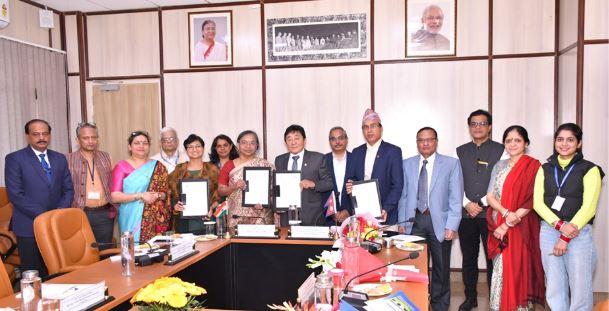
    India, Nepal Agreement to Strengthen Scientific Collaboration

    The Council for Scientific and Industrial Research (CSIR) and the Nepal Academy of Science and Technology (NAST) have signed a Memorandum of Understanding to enhance Indo-Nepal Scientific Cooperation.

    In a significant step toward bolstering Science and Technology (S&T) collaboration between India and Nepal, the Council of Scientific and Industrial Research (CSIR), India, and the Nepal Academy of Science and Technology (NAST) signed a Memorandum of Understanding (MoU) on February 18, 2025, at CSIR-National Physical Laboratory (CSIR-NPL) in New Delhi.

    The agreement was signed by Dr. N. Kalaiselvi, Director General, CSIR, and Secretary, DSIR, and Prof. Dr. Dilip Subba, Vice-Chancellor, NAST. This MoU establishes a comprehensive framework to facilitate bilateral scientific and technological cooperation between the two institutions.

    A History of Cooperation

    CSIR and NAST have a longstanding partnership that dates back to 1994 when an initial agreement — between CSIR and then-RONAST (now NAST) — was established to promote joint research and technological development. This collaboration led to the signing of two Working Programmes in 1997 and 2002, resulting in multiple joint workshops and training programs that continued beyond the formal period of those agreements.

    The newly signed MoU aims to reinvigorate and broaden this partnership, fostering increased scientific collaboration. Under the 2025 MoU, CSIR and NAST will engage in a range of activities, including:

    • Exchange of scientific information, research materials, and experts.
    • Joint organisation of S&T seminars, workshops, and training programs.
    • Execution of collaborative research projects.
    • Mutual access to major research facilities.
    • Technology partnerships.
    • Institutional twinning for capacity building.

    The cooperation will focus on key areas such as biological sciences, food science and technology, water and environmental technologies, fuel and mining sciences, metallurgy, materials science (including glass, ceramics, biomaterials, and nanotechnology), alternative energy, leather and footwear technologies, metrology, polymer sciences, and drug discovery.

    New Chapter in Scientific Collaboration

    The MoU signing ceremony was attended by senior officials from CSIR, the Ministry of External Affairs (MEA), Government of India, and NAST. Discussions centered on optimising collaboration and identifying key areas for joint research and development.

    Dr. N. Kalaiselvi, DG, CSIR, emphasised CSIR’s strong interest in enhancing technology partnerships and capacity-building initiatives with Nepal. She highlighted the immense potential for collaboration and stressed the need for swift implementation of the MoU through a structured action plan.

    Prof. Dr. Dilip Subba, Vice-Chancellor, NAST, reiterated Nepal’s commitment to scientific cooperation with India. He emphasised that this agreement and the discussions held during the signing would lay the foundation for a strengthened and long-lasting S&T partnership. He also proposed the creation of subject-specific working groups to ensure targeted collaboration in priority fields.

    This MoU marks a new chapter in Indo-Nepal scientific cooperation, opening doors for increased knowledge exchange and joint research efforts between the two nations. By formalising this agreement, CSIR and NAST have reaffirmed their shared vision of leveraging scientific and technological advancements to drive progress, innovation, and economic growth.

    New Delhi Showers Rs. 869.73 Crore in Grants for Bihar, Including Rs. 821 Crores of Untied Funds

    Over Rs 1,085 crore grants released by fifteenth finance commission grants for rural local bodies in Bihar, Haryana and Sikkim. Bihar gets the lion share, while Haryana gets Rs. 210 crores and Sikkim gets six crores.

    The Union Government has released Fifteenth Finance Commission grants for the financial year 2024–25, benefiting the rural local bodies of Bihar, Haryana, and Sikkim. These funds, aimed at strengthening Panchayati Raj Institutions (PRIs), will support various developmental activities across these states.

    Bihar has received the lions share – a total of Rs 869.73 crore, which includes the second instalment of untied grants amounting to Rs 821.80 crore. It also includes the withheld portion of the first instalment, totalling Rs 47.93 crore.

    The grants are to be allocated to all 38 district panchayats, 530 eligible block panchayats, and 8,052 eligible gram panchayats that have met the mandatory conditions for release.

    The funds are meant to enable the state’s rural local bodies to address essential community needs and strengthen grassroots governance, ensuring a more efficient implementation of development projects.

    However, the huge chunk of grants going to Bihar in an election year will not go unnoticed by opposition parties that earlier alleged that the union budget gave disproportionate attention to the state.

    Haryana’s Rural Bodies Get Rs 210 Crore, 6 Crores for Sikkim

    Haryana’s rural local bodies will be granted Rs 202.46 crore as the second instalment of untied grants, in addition to Rs 7.59 crore from the withheld portion of the first instalment. These funds will be distributed among 18 district panchayats, 142 block panchayats, and 6,195 gram panchayats.

    The financial support aims to empower Haryana’s PRIs to undertake key development initiatives, focusing on infrastructure improvements and enhancing public services in rural areas.

    Sikkim has received Rs 6.26 crore as the second instalment of untied grants. These funds are designated for four eligible district panchayats and 186 gram panchayats that have fulfilled the necessary conditions for fund disbursement.

    This financial aid is expected to help Sikkim’s rural bodies in implementing localized projects that cater to the specific developmental needs of their communities.

    Strengthening Grassroots Governance

    The untied grants provided to Panchayati Raj Institutions (PRIs) and Rural Local Bodies (RLBs) are to be used for location-specific developmental activities under the Twenty-Nine (29) subjects listed in the Eleventh Schedule of the Constitution. However, these funds cannot be utilized for salaries and other establishment costs.

    Additionally, tied grants will be specifically allocated for improving essential services, including:

    • Sanitation and Maintenance of Open Defecation Free (ODF) Status: This includes the management and treatment of household waste, human excreta, and faecal sludge.
    • Water Management: These funds will also support the supply of drinking water, rainwater harvesting, and water recycling initiatives.

    The release of grants of the fifteenth finance commission is a significant step towards strengthening grassroots governance by providing much-needed financial resources to rural local bodies. By ensuring better service delivery in key sectors such as sanitation, water management, and infrastructure, these grants can contribute to improving the quality of life for millions of rural residents across Bihar, Haryana, and Sikkim.

    As these funds are disbursed, state and local authorities are expected to maximise their impact on rural development. With a continued focus on strengthening PRIs, the Union Government reaffirms its commitment to fostering inclusive growth and sustainable development in India’s rural areas.

    IMF Urges Maldives to Cut Spending; Tighten Monetary Policy to Manage Debt and Currency

    The Maldivian government now faces the critical challenge of balancing fiscal discipline with economic growth. While reforms may be difficult, they are essential to ensure macroeconomic stability and sustainable development in the years ahead.

    The International Monetary Fund (IMF) has urged the Maldives to implement stronger fiscal consolidation measures, including expenditure cuts and monetary tightening, to restore macroeconomic stability and ensure long-term debt sustainability.

    These steps, the IMF avers, will prevent a fall of the Maldivian Rufiyaa.

    Following a visit to the Maldives from February 3 to 16, 2025, an IMF mission, led by Piyaporn Sodsriwiboon, released a statement emphasizing the need for urgent policy adjustments to address the nation’s growing fiscal and monetary challenges. The IMF’s assessment comes at a crucial time, as the Maldives navigates increasing economic pressures stemming from both domestic and external factors.

    According to the IMF, the Maldivian government faces the critical challenge of balancing fiscal discipline with economic growth. The IMF feels that while reforms may be difficult, they are essential to ensure macroeconomic stability and sustainable development in the years ahead.

    Call for Fiscal Responsibility

    The Maldives, a popular tourist destination, has faced persistent fiscal deficits and mounting public debt. The IMF has advised the government to take decisive steps to curb excessive spending, improve spending efficiency, and protect priority social programs.

    “In addition to the revenue mobilization measures enacted by the government, there is the need for more urgent and stronger fiscal consolidation,” the IMF statement read. “Holistic expenditure rationalization is necessary to restrain excessive spending while improving spending efficiency and protecting priority social spending.”

    The Maldives government has already taken steps toward fiscal reform, including a 10 percent wage cut across the public sector and state-owned enterprises. Additionally, tax and import duty hikes have been implemented to boost revenue. However, concerns have been raised that a steep hike in tobacco taxes may have led to reduced revenues due to increased smuggling.

    The IMF mission also highlighted the necessity of subsidy reforms. The organization recommended phasing out untargeted subsidies and replacing them with well-targeted direct income transfers for vulnerable households, as outlined in the 2025 budget. Ensuring that these transfers reach the most economically disadvantaged groups will be crucial for mitigating social impacts while maintaining fiscal discipline.

    Furthermore, the IMF emphasized the need to rationalize the Public Sector Investment Program (PSIP) to better address immediate fiscal challenges. Ongoing reforms of state-owned enterprises (SOEs) and the Aasandha healthcare program should also continue to enhance fiscal stability. These measures are expected to improve efficiency and reduce financial pressures on the government, which has been grappling with the growing burden of public expenditure.

    Protecting the Maldivian Rufiyaa

    One of the IMF’s key recommendations was for the Maldives Monetary Authority (MMA) to tighten monetary policy to prevent a depreciation of the Maldivian rufiyaa (MVR). Analysts warn that a failure to manage interest rates properly could result in forex shortages and a collapse of the currency peg, which has long been a cornerstone of economic stability in the Maldives.

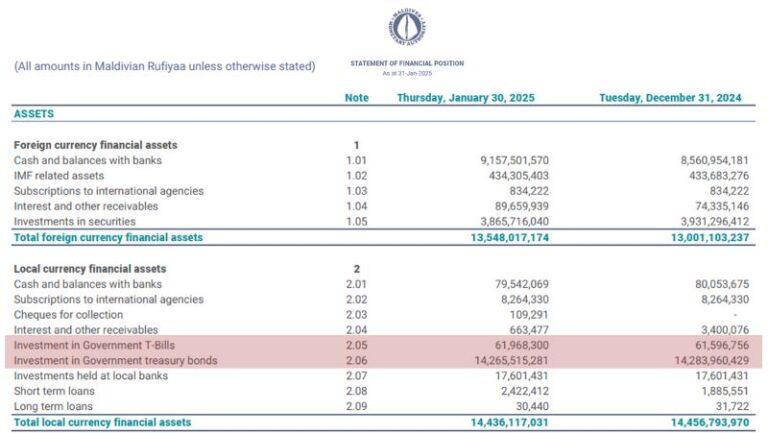
    The Maldives had previously relied on the exceptional use of advances from the MMA, effectively printing money to finance government spending. The IMF welcomed the discontinuation of this practice, which had contributed to inflationary pressures and forex reserve depletion. However, the impact of these policy shifts will depend on how effectively the government manages alternative sources of financing.

    “Prudent foreign exchange reserve management, alongside the necessary macroeconomic adjustments that include substantial and immediate fiscal adjustments as well as stricter monetary and macroprudential policies, would help safeguard the exchange rate peg,” the IMF stated.

    The mission also endorsed the MMA’s commitment to resuming active monetary operations. However, the IMF did not specify whether these operations would involve deflationary measures such as repo transactions or the outright sale of MMA-held securities. If implemented effectively, these measures could help stabilize the rufiyaa and rebuild foreign reserves, ensuring that the country is better positioned to handle external shocks.

    Structural Reforms and Climate Resilience

    Despite fiscal challenges, the Maldivian economy is expected to grow by 5 percent in 2025, driven largely by robust tourism activity and the expansion of airport terminals, which will alleviate supply-side bottlenecks. However, inflation is projected to rise to 2.3 percent, partly due to increased import duties.

    The IMF warned that external vulnerabilities remain high due to a persistently large current account deficit and pressures on foreign exchange reserves. Without urgent fiscal reforms, the overall deficit and public debt will remain elevated, putting further strain on the economy. The government will need to focus on maintaining investor confidence, particularly in key sectors such as tourism and infrastructure.

    The IMF also emphasized the importance of structural reforms to improve the business environment, governance, trade, and investment. In particular, enhancing skill development will be crucial for sustaining long-term economic growth. Addressing gaps in workforce training and education could help the Maldives diversify its economic base and reduce reliance on tourism revenues.

    Additionally, the Maldives faces severe climate change risks, including rising sea levels, floods, and natural capital degradation. The IMF urged the government to integrate climate sensitivity into public financial and investment management processes and mobilize additional climate financing. Investing in climate resilience projects, including coastal protection and sustainable tourism initiatives, will be essential for ensuring long-term economic stability.

    The IMF mission expressed appreciation for the constructive discussions held with Maldivian authorities, including Finance Minister M. Zameer, Governor A. Munawar, and other senior officials.

    In the coming months, further discussions between the government and international financial institutions will determine the next steps in this complex economic restructuring process.

    The decisions made now will have lasting implications for the Maldives’ financial well-being, requiring careful planning and execution to achieve long-term prosperity.

    Pakistan: Reko Diq Mining Company Raises Alarm Over Government’s Non-Compliance with Security Obligations

    Reko Diq is symptomatic of how development investments fall prey to the security situation in Pakistan. The ongoing security funding dispute between Reko Diq Mining Company and the government underscores broader governance and financial challenges in Pakistan’s resource sector.

    Reko Diq Mining Company has voiced serious concerns over the government’s failure to meet its obligations under the Security Services Framework Agreement (SSFA) and a memorandum of understanding (MoU). This non-compliance has resulted in additional costs amounting to $390,000 for the company, sources revealed.

    The Reko Diq Mining Company (RDMC) is owned by Barrick Gold (headquartered in Toronto, Canada), the governments of Pakistan and Balochistan, and three state-owned enterprises of Pakistan.

    The ongoing security funding dispute between Reko Diq Mining Company and the government underscores broader governance and financial challenges in Pakistan’s resource sector. While the project remains a beacon of economic hope, unresolved financial and security concerns could jeopardize its progress.

    According to Reko Diq, the government must honour its commitments under the SSFA and MoU, provide adequate security funding, and establish transparent revenue-sharing mechanisms to ensure sustainable success.

    The Prime Minister’s Office has since intervened, requesting the timely disbursement of funds that the mining company had deposited with the Frontier Corps Balochistan (South). However, bureaucratic delays and financial constraints have hindered the flow of funds, affecting security arrangements at the high-profile Reko Diq project.

    The Interior Division, during a recent meeting of the Economic Coordination Committee (ECC), emphasized that the Frontier Corps Balochistan (South) was engaged in various essential security operations. These include border control, internal security, law enforcement, counterterrorism efforts, and most critically, securing the Reko Diq mining site.

    Under the terms of the MoU and SSFA, the mining company was required to provide a one-time grant to the Frontier Corps for security enhancements. Following the deposit of this grant, a summary was submitted for the disbursement of Pakistani Rs. 2.801 billion covering security expenses. However, the Finance Division approved only Pakistani Rs. 1,952 million for essential procurement, leaving an outstanding Pakistani Rs. 848.6 million unpaid.

    Request for Additional Funding

    To address these security-related shortfalls, the Interior Division has requested a technical supplementary grant of Pakistani Rs. 1.792 billion. However, the Finance Division has only endorsed Pakistani Rs. 257 million to cover non-recurring costs, including procurement of vehicles, protective gear, and the construction of security accommodations.

    A significant financial burden has also arisen due to rising operational costs. Daily fuel and vehicle maintenance expenses for security deployments exceed budgeted allocations, exacerbating the issue. Furthermore, the lack of permanent accommodations in the project area has led to high rental costs for security personnel, adding to the overall expenditure. As of now, Pakistani Rs. 62.728 million owed to the Frontier Corps remains unpaid, further straining security operations.

    The Interior Division has reiterated the urgent need for full funding to ensure uninterrupted security services, particularly for foreign nationals working on the project. However, the Finance Division remains cautious, citing the Frontier Corps’ existing budget allocations and calling for further deliberations on financial viability.

    Broader Implications for Reko Diq Project

    The Reko Diq copper and gold project is a strategic initiative with the potential to transform Pakistan’s economy. The government has laid out a $1.9 billion funding plan, with total project costs estimated at $4.297 billion. However, ongoing security and financial disputes pose a risk to timely execution.

    According to The Friday Times, the project, led by Barrick Gold Corporation, is expected to generate substantial economic benefits. Yet, concerns persist over transparency, share valuations, and potential exploitation of resources. The project area, located in Chagai, Balochistan, remains underdeveloped, with limited infrastructure, education, and healthcare facilities. The region’s low population density and challenging geography further complicate operations.

    In December 2022, the project reached a critical milestone, with Barrick Gold updating feasibility studies and aiming for initial production by 2028. The company holds a 50 per cent stake, while Pakistan’s federal and provincial governments collectively own the remaining 50 per cent.

    As part of its corporate social responsibility initiatives, Barrick Gold has claimed that 77 per cent of Reko Diq Mining Company’s workforce hails from Balochistan. Additionally, the company has invested in education, clean water access, and community development, spending $2.5 million on local initiatives.

    Legal Context and Economic Potential

    The Reko Diq project has been mired in legal disputes for years. Initially signed with Broken Hills Properties Minerals in 1993, the agreement underwent multiple ownership changes before being acquired by Tethyan Copper Company (TCC). However, in 2013, Pakistan’s Supreme Court nullified the deal, leading to an $11 billion arbitration case at the International Centre for Settlement of Investment Disputes (ICSID). This fine was later waived as part of a renegotiated agreement with Barrick Gold.

    Balochistan’s government has since set stricter conditions, including on-site mineral processing and increased provincial stakes. In 2022, Barrick paid Rs710 million as an advance royalty, further securing the project’s continuation.

    Despite its potential, experts argue that Pakistan must ensure transparency and robust contractual safeguards. Renowned economist Qaiser Bengali warns that without proper oversight, Reko Diq could mirror past failures, such as the Saindak copper project, which failed to yield tangible benefits for Balochistan.

    Pakistan has already sold 15 per cent of its Reko Diq shares to Saudi Arabia for $540 million. However, experts argue that this valuation is significantly below the project’s actual worth. To maximize benefits, they suggest local mineral processing and improved infrastructure, such as a railway connecting Reko Diq to Gwadar Port.

    Barrick Gold CEO Mark Bristow remains optimistic, stating that the project will be a historic milestone for Pakistan’s mining industry. He reiterated the company’s commitment to hiring local talent and investing in community welfare programs. He also hinted at potential Saudi collaboration to further expand mining operations.

    Asia-Pacific Falling Behind on SDG Targets; India Shows Mixed Progress

    India still faces significant hurdles in addressing climate change, pollution, and inequality. While India has made significant progress in reducing extreme poverty and improving infrastructure, it lags behind in areas such as quality education, gender equality, and environmental sustainability.

    The United Nations Economic and Social Commission for Asia and the Pacific (UNESCAP) has released its 2025 Sustainable Development Goals (SDG) Progress Report, revealing that the Asia-Pacific region is significantly off track in achieving the 2030 Agenda for Sustainable Development. The report highlights that most targets are either stalled or progressing too slowly, with persistent data gaps hindering effective policymaking. However, within this regional landscape, India presents a mixed picture, demonstrating both progress and areas of concern in its sustainable development journey.

    The report identifies several areas where progress is notably lacking across the Asia-Pacific region:

    • Responsible Consumption and Production (Goal 12): Increases in fossil fuel subsidies and unsustainable production patterns continue to hinder progress.
    • Quality Education (Goal 4): Poor proficiency in reading and mathematics remains a significant barrier, with large disparities in access to education.
    • Decent Work and Economic Growth (Goal 8): Economic growth has stagnated in many nations, affecting employment opportunities and fair wages.

    Alarmingly, Climate Action (Goal 13) has seen regression, with the region’s vulnerability to disasters and continued greenhouse gas emissions — accounting for half of global pollution — exacerbating the situation. Environmental sustainability challenges, such as land degradation and declining benefits from sustainable fisheries, further hinder progress on Life Below Water (Goal 14) and Life on Land (Goal 15).

    As Armida Salsiah Alisjahbana Under-Secretary-General of the UN ESCAP says, “Climate change and the impact of disasters continue to be significant obstacles to progress”.

    “At the same time, data gaps persist and leave some of the most vulnerable populations invisible in official statistics, limiting policymakers ability to address their needs effectively,” she says.

    “Without urgent action to accelerate progress, many of the Goals will remain out of reach, and nothing short of the most urgent acceleration of progress will close the gap,” Alisjahbana warns.

    India’s SDG Performance: Progress with Gaps

    Despite the regional challenges, India has demonstrated notable advancements toward the SDGs:

    • Improved SDG Score: The fourth edition of the SDG India Index, developed by NITI Aayog with UN support, assigns India a score of 71 out of 100, an increase from 66 in the previous edition. This improvement reflects progress in areas such as poverty elimination, decent work, economic growth, climate action, and life on land.
    • Data Availability: India has data available for 68% of the 231 indicators under the 17 SDGs, surpassing regional peers like China (58 per cent) and Vietnam (66per cent). This comprehensive data collection enhances the country’s ability to monitor and achieve SDG targets effectively.
    • State-Level Achievements: States such as Uttarakhand, Kerala, and Tamil Nadu have emerged as top performers, while Uttar Pradesh has shown the fastest progress, increasing its score by 25 points since 2018.

    However, the country still faces significant hurdles in addressing climate change, pollution, and inequality. While India has made significant progress in reducing extreme poverty (Goal 1) and improving infrastructure (Goal 9), it lags behind in areas such as quality education (Goal 4), gender equality (Goal 5), and environmental sustainability (Goals 13, 14, and 15).

    Local Solutions to Global Problems

    India has embraced community-driven approaches to address data gaps and promote sustainable development. These initiatives offer promising solutions to bridge the disparities in SDG progress:

    • Know Your City (KYC) Initiative: Active in regions like Dharavi, Mumbai, this initiative empowers residents of slums and informal settlements to collect and analyze data on housing conditions, sanitation, and infrastructure needs. Supported by organizations such as the Society for the Promotion of Area Resource Centres (SPARC) and Mahila Milan, these efforts have led to improved urban planning and resource allocation.
    • Nomadic Tribal Household Survey: The Centre for Social Equity and Inclusion conducted a survey of 400 nomadic tribal households across Rajasthan, assessing development challenges and mapping access to social protection. This initiative provided valuable insights into issues spanning multiple SDGs, including poverty, hunger, gender equality, and reduced inequalities.

    These grassroots efforts highlight the power of local data collection in ensuring that marginalized communities are included in the sustainable development agenda.

    The Road Ahead: Urgent Actions Needed

    With just five years remaining until the 2030 deadline, achieving the SDGs requires bold action, strengthened political leadership, and significant investments in sustainable development. UNESCAP’s Armida Salsiah Alisjahbana emphasises that “nothing short of the most urgent acceleration of progress will close the gap.”

    For India, a more targeted approach is necessary to address areas of slow progress and regression. While the country has excelled in reducing extreme poverty and improving digital infrastructure, it must now focus on:

    • Strengthening climate resilience and reducing carbon emissions to prevent further regression on Goal 13.
    • Enhancing education quality and accessibility to close the learning gap in Goal 4.
    • Promoting inclusive economic growth by ensuring decent work opportunities for all (Goal 8).

    The authors of the report says that the success of the SDGs in India and the broader Asia-Pacific region will depend on multi-stakeholder collaboration, increased funding, and stronger policy commitments at both national and local levels.

    While most SDG targets remain off track, the report says that Asia-Pacific region has made some progress in key areas, including Industry, Innovation, and Infrastructure (Goal 9)andGood Health and Well-being (Goal 3). Advances in mobile network expansion and significant improvements in maternal and child health have contributed to positive gains in these areas.

    As the 2030 deadline approaches, India’s experience underscores the importance of localised initiatives, robust data systems, and collaborative efforts in realising the vision of sustainable development for all. While there are signs of progress, the urgency to scale up efforts cannot be overstated.

    The UNESCAP report serves as both a wake-up call and an opportunity for India and its neighbours to redouble their efforts in building a sustainable and inclusive future. It warns that without immediate and decisive action, many SDG targets will remain out of reach, further exacerbating inequalities and environmental challenges in the region.

    Surge in Kabul’s Child Respiratory Illnesses Overwhelms Indira Gandhi Hospital

    To cope with the surge in cases, the Indira Gandhi Institute of Child Health has had to expand its space for respiratory cases from one room to an entire unit. UNICEF is supporting the hospital with ready-to-use therapeutic food (RUTF) to treat children with severe respiratory problems.

    A severe rise in respiratory illnesses among Afghan children is pushing Kabul’s Indira Gandhi Institute of Child Health beyond its limits. According to Dr. Mohammad Aref Hassanzai, head of the hospital’s internal medicine department, 20 to 30 children are being hospitalised daily due to respiratory diseases.

    “We are experiencing a significant increase in respiratory illnesses these days. In the ward where respiratory patients are admitted, we have fewer than 20 beds, but about 75 patients are currently hospitalised,” Dr. Hassanzai told TOLOnews.

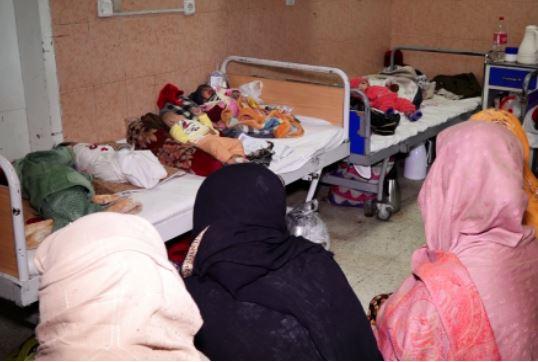
    The paediatric respiratory and pneumonia ward in the Indian-gifted hospital is overcrowded, with four to five children sharing a single bed. The lack of sufficient medical resources is alarming both healthcare professionals and parents.

    “If a child in a household is suffering from pneumonia or any other respiratory illness, they must be kept separate from healthy children,” advised Dr. Zabihullah Darmal, emphasising the need for preventive care.

    Families Struggle to Find Medical Help

    Many families from rural provinces are travelling to Kabul in search of adequate medical care, only to find the hospital overwhelmed. Abeda, a mother who brought her five-month-old child from Sar-e-Pul, described the desperate situation. “The child was on oxygen in Sar-e-Pul. We brought him here, but since the house was cold, his breathing worsened, and eventually, we brought him to this hospital,” she explained.

    Similarly, Sultana, who travelled from Kunduz with her two-month-old child suffering from pneumonia, expressed her concerns. “There are four or five patients in one bed. Our request is that each bed should be for one child because some diseases can spread from one child to another,” she said.

    Doctors cite cold weather, air pollution, poverty, unemployment, lack of hygiene, and poor household practices as key reasons for the surge in cases.

    The Devastating Impact of Pneumonia

    Save the Children reported that over 1,000 children under the age of five have died from pneumonia in Afghanistan since the beginning of 2024. The organisation stated that these deaths account for 88 per cent of all fatalities caused by respiratory infections in the country.

    In response, Save the Children has shipped 92 tons of medicine worth $590,000 to Afghanistan, aiming to treat 675,000 people, including children in remote areas who lack access to healthcare facilities. The organisation’s mobile health teams have treated 69,000 severe respiratory infection cases in children under five in the past three months across eight provinces.

    “Many children in Afghanistan are losing their lives to preventable diseases. The arrival of this medicine means that over 400,000 children in some of the most remote areas of the country will be treated,” said Arshad Malik, Save the Children’s Afghanistan director. “We are grateful to the international donors who made this shipment possible, but more funding is needed.”

    High Mortality Rates Among Afghan Children

    The effectiveness of aid shipments in addressing Afghanistan’s healthcare crisis remains a pressing question. Dr. Nafeeullah Pirzad told TOLOnews that support from international organisations like Save the Children and UNICEF plays a crucial role in managing the crisis. However, Dr. Nematullah Rostami emphasised the need for a structured approach: “Aid should be assessed to identify the areas in which we need assistance. This will enable us to deliver aid transparently, inclusively, and swiftly.”

    Previously, the World Health Organization (WHO) reported that in March 2024 alone, 140,816 people in Afghanistan suffered from acute respiratory diseases.

    According to the US National Institutes of Health (NIH), Afghanistan has one of the highest childhood pneumonia death rates globally. Among 639 children studied in a hospital, the case-fatality rate was 12.1 per cent, with nearly half of pneumococcal serotypes covered by the 13-valent vaccine. Most deaths occurred within two days of hospitalisation, with newborns and malnourished children being the most vulnerable.

    Respiratory illnesses, particularly pneumonia and acute respiratory infections, pose a significant threat to Afghan children. The primary causes include:

    • Severe winter weather: Many families cannot afford proper heating.
    • Malnutrition: Years of deprivation have left children highly vulnerable.
    • Food crisis: Afghanistan faces an unprecedented food security emergency.

    The impact is severe:

    • In 2023, Indira Gandhi Children’s Hospital admitted a record number of pneumonia cases.
    • In 2024, over 1,000 children under five died from pneumonia.
    • 25-30 per cent of deaths in children under five are due to respiratory infections.
    • Afghanistan’s child mortality rate is twice the global average.

    A Glimpse Inside the Hospital

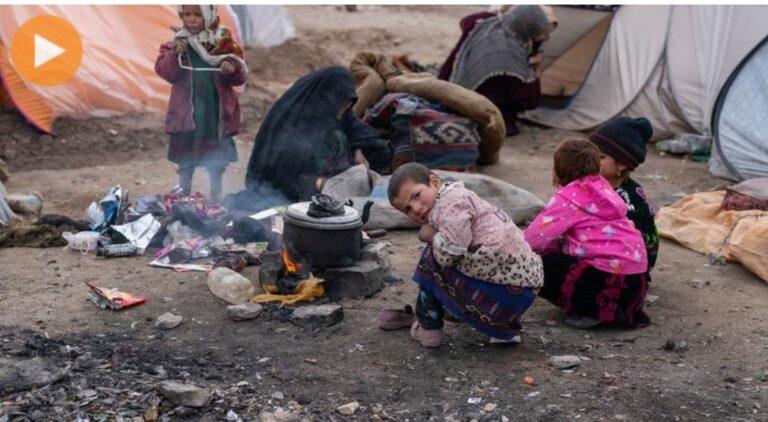
    The grim reality of the crisis is evident at the Indira Gandhi Children’s Hospital. Cries of sick babies echo through the overcrowded paediatric ward. The hospital, designed to accommodate far fewer patients, has been forced to admit 40 children into a ward where two to three children share each bed.

    Seven-month-old Ibrahim is among them. Suffering from pneumonia, he sits in his mother Gul Bibi’s lap, too weak to stop his tears. His mother recalls their arduous journey from Logar Province to Kabul, where they had to change taxis four times just to reach the hospital.

    “This year, the winter is bitterly cold. We struggle to heat our home and keep our children warm. I have five children, and there is often not enough food to feed them. My child’s illness is an added burden on us,” she says.

    Dr. Shir Mohammed, a paediatrician at the hospital, explains that severe malnutrition and respiratory infections often go hand in hand. “The overall economic situation is bleak. People are struggling to feed their children and keep them warm. They burn wood, clothes, tires, and plastic to heat their homes,” he says, emphasising how the fumes are harmful for children vulnerable to respiratory diseases.

    Urgent Need for Action

    To cope with the surge in cases, the institute, also known as the Indira Gandhi Children’s Hospital, has had to expand its space for respiratory cases from one room to an entire unit. UNICEF is supporting the hospital with ready-to-use therapeutic food (RUTF) to treat children with severe respiratory problems, thanks to contributions from the Asian Development Bank (ADB), the Afghanistan Humanitarian Fund (AHF), and Global Affairs Canada (GAC).

    The situation in Afghanistan is dire, with children under five suffering the most. Health experts, international aid organisations, and the government are carving ways to work together to prevent further loss of life.

    But aid does not address the real problem. One paediatrician says, “While international aid provides temporary relief, the country needs long-term healthcare infrastructure development and sustained funding to address the crisis effectively.”

    “With pneumonia and respiratory illnesses continuing to claim young lives, Afghanistan faces an urgent health emergency that demands immediate and comprehensive intervention,” he says.

    Experts highlight vaccination as a key preventive measure. Additional recommendations include:

    • Wearing masks in public places.
    • Covering the nose and mouth while coughing or sneezing.
    • Washing hands regularly with soap and clean water.
    • Keeping sick children away from healthy individuals.

    UNICEF has been actively working to combat the crisis by prepositioning medicine in 850 health facilities across Afghanistan, particularly in districts cut off by snow. In one of the harshest winters in a decade, these efforts are proving to be lifesaving.

    Government Extends PM-AASHA Scheme Until 2025-26 to Support Farmers

    The combined efforts of PM-AASHA and PMFBY demonstrate the government’s commitment to farmers’ welfare. With guaranteed procurement of pulses and robust crop insurance mechanisms, these initiatives ensure income security and resilience for millions of farmers.

    In a significant move to boost agricultural production and ensure remunerative prices for farmers, the Government of India has approved the continuation of the Pradhan Mantri Annadata Aay Sanrakshan Abhiyan (PM-AASHA) Scheme during the 15th Finance Commission Cycle until 2025-26. The initiative, aimed at stabilizing farm incomes and mitigating price volatility, reinforces the government’s commitment to enhancing food security and self-sufficiency in pulses production.

    Under the Price Support Scheme (PSS), a key component of PM-AASHA, the government will procure 100 per cent of the production of Tur (Arhar), Urad, and Masur in all states for the procurement year 2024-25. This measure is expected to reduce dependency on imports and encourage farmers to cultivate more pulses, thereby strengthening domestic production.

    Union Minister for Agriculture and Farmers’ Welfare, Shivraj Singh Chouhan, has greenlit the procurement of Tur (Arhar) in nine states — Andhra Pradesh, Chhattisgarh, Gujarat, Haryana, Karnataka, Madhya Pradesh, Maharashtra, Telangana, and Uttar Pradesh — under the PSS for the Kharif 2024-25 season. The total procurement target across these states has been set at 13.22 Lakh Metric Tonnes (LMT).

    Procurement activities have already commenced in Andhra Pradesh, Karnataka, Maharashtra, and Telangana, where 0.15 LMT of Tur has been purchased, benefiting 12,006 farmers as of February 15, 2025. The procurement drive in the remaining states is expected to start soon. The Centre has assured farmers that it will continue to purchase 100 per cent of their Tur production through central nodal agencies such as NAFED and NCCF.

    PM-AASHA: A Holistic Approach to Agricultural Support

    The PM-AASHA scheme, launched to provide price stability to farmers, integrates multiple sub-schemes, including the PSS, Price Deficiency Payment Scheme (PDPS), and Pilot of Private Procurement & Stockist Scheme (PPSS). Through the PSS, notified pulses, oilseeds, and copra that meet Fair Average Quality (FAQ) standards are procured at the Minimum Support Price (MSP) directly from pre-registered farmers via state-level agencies.

    The extension of PM-AASHA aligns with the government’s broader vision to achieve self-reliance in food production and protect farmers from market fluctuations. The initiative not only ensures price security for cultivators but also makes essential food commodities more affordable for consumers.

    Strengthening Farmers’ Security

    As the Pradhan Mantri Fasal Bima Yojana (PMFBY) completes nine years on February 18, 2025, it stands as one of the most transformative agricultural insurance schemes in India. Launched in 2016 by Prime Minister Narendra Modi, PMFBY has played a crucial role in providing financial security to farmers facing crop losses due to natural disasters, pests, and diseases.

    Recognizing the scheme’s success, the Union Cabinet in January 2025 approved its continuation along with the Restructured Weather Based Crop Insurance Scheme (RWBCIS) until 2025-26, with a total budget allocation of ₹69,515.71 crore. This decision underscores the government’s commitment to ensuring agricultural sustainability and resilience.

    Leveraging Technology

    PMFBY has been at the forefront of technological advancements in the agricultural sector. The scheme incorporates:

    • Satellite imagery, drones, and Unmanned Aerial Vehicles (UAVs) for crop assessment and yield estimation.
    • Remote sensing technology for Crop Cutting Experiments (CCEs) to enhance accuracy in loss assessment.
    • CCE-Agri App for direct yield data upload to the National Crop Insurance Portal (NCIP), ensuring transparency.
    • YES-TECH (Yield Estimation System Based on Technology), introduced in Kharif 2023, blends manual and tech-driven yield estimates, reducing dependency on traditional methods.

    These innovations ensure a more efficient, transparent, and accountable crop insurance system, enabling timely claim settlements for farmers. Key Benefits of PMFBY include:

    1. Affordable Premiums: Farmers pay only 2 per cent of the sum insured for Kharif food and oilseed crops, 1.5 per cent for Rabi crops, and 5 per cent for commercial and horticultural crops, with the remaining premium subsidized by the government.
    2. Comprehensive Coverage: Protection against natural disasters, post-harvest losses, and local calamities like hailstorms and landslides.
    3. Timely Compensation: Claims are processed within two months of harvest, preventing farmers from falling into financial distress.
    4. Increased Farmer Participation: The scheme, initially mandatory for loanee farmers, has seen a rise in voluntary participation, with non-loanee farmers now constituting 55 per cent of total coverage.

    Strengthening the Future of PMFBY

    Since its launch, PMFBY has evolved to ensure better transparency, accountability, and prompt claim settlements. The 2023-24 coverage reached an all-time high, making PMFBY the world’s largest agricultural insurance program in terms of farmer applications.

    States like Maharashtra, Madhya Pradesh, and Rajasthan have further enhanced the scheme’s reach by waiving the farmer’s share of the premium, reducing the financial burden on cultivators.

    An official of the ministry of agriculture explained that with its continuous evolution and increasing adoption, PMFBY remains a cornerstone in India’s agricultural policy, safeguarding farmers’ livelihoods and ensuring a resilient farming ecosystem. As the scheme progresses into its next phase, it continues to empower India’s ‘Annadata’ and fortify the nation’s agricultural sustainability.

    Crisis Unfolds for Sugarcane Farmers as Diseases Take Over

    There is, however, little knowledge coming to the Krishi Bhawan that is home to the agriculture ministry. Sugarcane farming is a vital part of India’s economy, employing millions of farmers and their families.

    A steep drop in sugarcane procurement by sugar mills across the country is beginning to turn the lens on sugarcane farmers – sugarcane shortage has been largely attributed to adverse weather conditions and the outbreak of crop diseases.

    In Uttar Pradesh, one of the largest sugarcane-producing states, Red Rot and Top Borer diseases have severely impacted yields. Heavy and untimely rainfall and flooding in certain districts have further worsened the situation, spreading the infections to unaffected crops, reducing both sugarcane production and recovery rates. Maharashtra and Karnataka have also suffered similar setbacks due to erratic weather patterns.

    As a result, the Indian sugar industry is facing a severe crisis as 77 sugar mills have already ceased crushing operations due to an acute shortage of sugarcane. This unprecedented situation, primarily driven by adverse weather conditions and crop diseases, is expected to significantly impact overall sugar production in the country. Industry experts predict that sugar production could decline by nearly 15 per cent this year, reaching an estimated 27 million tons, compared to last year’s output.

    There is, however, little knowledge coming to the Krishi Bhawan that is home to the agriculture ministry. Sugarcane farming is a vital part of India’s economy, employing millions of farmers and their families. Sugarcane is India’s most important cash crop and the second largest agro-based industry. 

    A Glimpse of the Farmers’ Plight

    According to the Indian Sugar and Bio Energy Manufacturers Association (ISMA), India’s sugar production as of February 15, 2025, stood at 197.03 lakh tonnes, marking a 12 per cent decline from the 224.15 lakh tonnes produced during the same period last year. The drop in production has been attributed to lower output in Maharashtra and Karnataka, two of the country’s largest sugar-producing states.

    State-wise production figures highlight the decline:

    • Maharashtra: Production fell from 79.45 lakh tonnes last year to 68.22 lakh tonnes this year.
    • Karnataka: Production dropped from 43.20 lakh tonnes to 35.80 lakh tonnes.
    • Uttar Pradesh: Production declined from 67.77 lakh tonnes to 64.04 lakh tonnes.

    The decline in sugar production, attributed to adverse farm conditions, is expected to have a ripple effect on the supply chain, possibly leading to increased sugar prices in the domestic market.

    India’s Sugar Production Falls 12%

    A report from the National Federation of Cooperative Sugar Factories Ltd. (NFCSF), released on February 15, 2025, reveals a staggering increase in mill closures compared to the same period last year. By mid-February, 77 mills had shut down their operations, a stark contrast to the 28 closures recorded during the same period in the previous season.

    State-wise data indicates that Karnataka is the worst-hit, with 34 sugar mills ceasing operations. Maharashtra follows with 30 mill closures, while Tamil Nadu, Uttar Pradesh, Telangana, Uttarakhand, Haryana, and Gujarat have also reported shutdowns. The steep decline in sugarcane availability has forced mills across these states to suspend their crushing activities much earlier than usual.

    The crisis is particularly evident in Uttar Pradesh’s Bareilly district, where four sugar mills – Bahedi, Faridpur, Nawabganj, and Semikheda – have already issued closure notices. Similarly, the Bilaspur-based Cooperative Sugar Mill in Rampur district is preparing to halt operations. With sugarcane supply dwindling further, several mills in Western Uttar Pradesh are also expected to close by the end of February, exacerbating the industry-wide crisis.

    In addition to the raw material shortage, the sugar recovery rate has also witnessed a significant decline. The national average sugar recovery rate has dropped from 9.87 per cent last year to 9.09 per cent this year. Karnataka has been the most affected in this regard, with recovery rates falling from 9.75 per cent to 8.50 per cent. Similarly, Uttar Pradesh recorded a decline from 10.20 per cent to 9.30 per cent. The decrease in recovery rates is adding further strain to sugar mills already struggling with low sugarcane supply.

    Impact of Ethanol Diversion

    Another contributing factor to the lower sugar production is the increased diversion of sugar for ethanol production. As per ISMA, sugar diversion towards ethanol has surged by nearly 70 per cent, reaching 14.1 lakh tonnes by January 31, 2025, compared to 8.3 lakh tonnes during the same period last year. The increased ethanol production, driven by government policies promoting ethanol blending in fuel, has further reduced the availability of sugar in the market.

    With sugarcane supply dwindling, more sugar mills are expected to shut down in the coming weeks, further exacerbating the crisis. Industry experts warn that if the current trend continues, India’s sugar industry could face severe economic repercussions, including job losses and financial distress for sugar mills and farmers.

    Despite the challenges, ISMA remains hopeful that improved sucrose content in late-harvested sugarcane may help partially offset the lower sugar recovery experienced in the first half of the season. Additionally, some sugar mills in South Karnataka are expected to resume operations during a special season from June to September 2025, potentially mitigating some of the losses.

    However, with ongoing climate unpredictability and increasing crop diseases, long-term measures such as improved cane varieties, better irrigation systems, and enhanced pest control mechanisms will be crucial in ensuring the sustainability of India’s sugar industry.

    The premature closure of 77 sugar mills due to sugarcane shortages signals a significant crisis in India’s sugar industry. With adverse weather conditions, declining sugar recovery rates, and increased ethanol diversion, the country’s sugar production has dropped sharply, affecting both farmers and mill operators. As policymakers and industry stakeholders navigate this crisis, immediate and long-term interventions will be necessary to stabilize production and prevent further disruptions in the sugar supply chain.

    Afghanistan Women’s Rights: Ministry of Vice and Virtue Rejects UNAMA Accusations

    As the year progresses, it remains to be seen whether continued pressure from foreign governments and activists will bring about changes in Afghanistan’s policies or if the Islamic Emirate will stand firm in its current governance approach.

    The Ministry of Vice and Virtue of Afghanistan has strongly dismissed criticism from the international community regarding its policies on women, arguing that concerns raised under the banner of women’s rights are merely a tool of political pressure against the Islamic Emirate. The response comes after a joint statement by female foreign ministers from 17 countries, including Canada, Australia, and Germany, called for the lifting of restrictions imposed on Afghan women.

    Saif-ul-Islam Khyber, spokesperson for the ministry, defended the policies of the Islamic Emirate, stating that Afghanistan is governed by Islamic laws, which ensure just rights for women, children, and all members of society. “Criticism of the laws, activities, and strategies of the Ministry for the Promotion of Virtue and Prevention of Vice under the name of women’s human rights reflects the double standards of international norms, using human rights slogans as a tool for political pressure,” Khyber said.

    The Ministry of Vice and Virtue responded to the recent UNAMA report on human rights in Afghanistan, stating that the organization continues to base its assessments on non-Afghan and un-Islamic values.

    UNAMA’s quarterly report highlighted sections of the ministry’s law, claiming it imposes new restrictions on women. It stated that the law formalises previous decrees and broadens existing limitations while introducing additional ones.

    Saif-ul-Islam Khyber criticized the report, noting that it failed to acknowledge the ministry’s efforts in areas such as inheritance rights and the prevention of forced marriages. He argued that UNAMA’s reports, along with those of its affiliates, often misrepresent the ministry’s work and reflect external perspectives rather than the realities on the ground.

    The ministry maintains that UNAMA’s assessments do not accurately portray its contributions and remain influenced by foreign values rather than Afghan traditions and Islamic principles.

    International Concerns Over Women’s Rights

    A day before the ministry’s statement, 17 female foreign ministers issued a joint declaration condemning what they described as systematic human rights abuses in Afghanistan, particularly those affecting women and girls. The statement emphasized that no government can achieve sustainable peace, prosperity, or a viable future without the participation of women.

    The foreign ministers stated: “Today, women foreign ministers from around the world convened to discuss and reaffirm their deep concerns about the ongoing and systematic violations and abuses of human rights in Afghanistan by the Taliban de facto authorities, particularly those affecting women and girls.”

    Faryal Saidzada, a women’s rights activist, echoed this sentiment, stating, “Both women and men play significant roles in society. Without women’s participation, we cannot achieve goals such as the country’s progress and development.”

    The statement further highlighted that a peaceful and stable Afghanistan is only achievable if all citizens, including women, are fully included in discussions about the country’s future. “We know that a peaceful and stable Afghanistan is only attainable if all Afghans, including women and girls, can fully participate in and contribute to the country’s future. This includes discussions and decisions happening within the country, but also on the international stage,” the statement read.

    Fatima Fayzi, another women’s rights activist, stressed the need for female representation in decision-making. “We cannot move forward with only one segment of society; people have different mindsets and demands. We must have women’s representatives in organizations and international conferences,” she said.

    Health and Education Concerns

    One of the most alarming issues raised in the joint statement was the Islamic Emirate’s recent decision to prohibit girls from attending health centers starting in December 2024. This move comes amid high maternal and child mortality rates in Afghanistan, raising concerns about the future of women’s healthcare in the country.

    Since regaining control of Afghanistan in August 2021, following the withdrawal of U.S. and allied forces, the Taliban have introduced sweeping changes to the country’s governing system. Many of these changes, including restrictions on women’s education, employment, and movement, have drawn criticism from international governments and organizations, including the United Nations.

    Islamic Emirate Rejects Foreign Intervention

    Despite these appeals, the Islamic Emirate remains firm in its policies. Khyber reiterated that the Ministry of Vice and Virtue plays a crucial role in Afghan society and functions in accordance with Islamic law. “The rights of both men and women in Afghanistan are guaranteed under Islamic law,” he asserted, rejecting allegations that the government systematically oppresses women.

    The spokesperson also accused foreign countries of interfering in Afghanistan’s internal affairs. “We urge these countries not to interfere in Afghanistan’s domestic matters and to cease negative propaganda that portrays Afghanistan as the most oppressive country for women,” Khyber said.

    The Taliban’s return to power marked the end of a two-decade war against the U.S. and its allies, but their governance has been met with significant resistance from the international community. The refusal to disband the Ministry of Vice and Virtue, despite foreign appeals, signals that the Islamic Emirate is unlikely to yield to external pressure regarding its treatment of women.

    The debate over women’s rights in Afghanistan remains a highly contentious issue. International governments and activists continue to push for inclusivity and gender equality, while the Islamic Emirate maintains its stance on adhering strictly to Islamic law.

    The international community faces the challenge of navigating diplomatic relations with Afghanistan while advocating for human rights. The lack of consensus between the Taliban government and global leaders raises questions about the future of Afghan women and their role in society.

    As the year progresses, it remains to be seen whether continued pressure from foreign governments and activists will bring about changes in Afghanistan’s policies or if the Islamic Emirate will stand firm in its current governance approach.