More

    Train Strike Brings Chaos, Disruption; Strands Thousands Across Bangladesh

    As the standoff continues, passengers, railway staff, and the government face mounting pressure to find a solution. For now, the tracks remain silent as all of Bangladesh waits for a resolution to bring its trains back on schedule.

    In an unprecedented nationwide strike, train drivers and their support staff in Bangladesh have halted operations, plunging the country’s railway system into chaos. Thousands of passengers, many unaware of the strike, have been left stranded at stations, grappling with uncertainty and frustration.

    At Kamalapur Railway Station in Dhaka, Shefa Begum, a factory worker, arrived with her husband and children at 9:00 am, hoping to travel to Gazipur’s Tongi. “We were unaware of the strike. And now, we have been waiting at the station,” she told The Daily Star at 10:30 AM.

    Nila Chowdhury, a housewife, shared a similar plight. Arriving at 9:45 AM to catch the Kishoreganj Express, she and her 11-year-old son were left stranded. “We heard about the strike on Facebook. We thought it wouldn’t be effective. But now we’re stuck,” she said. Although authorities arranged BRTC buses, Nila noted, “It didn’t match our destinations.”

    Like Shefa and Nila, thousands of passengers across the country are enduring hardships due to the sudden suspension of train services. At Chattogram Railway Station, passengers were seen queuing for refunds as no trains departed throughout the morning. Aman Ullah, the chief inspector at the station, confirmed the cancellations, while Sohidul Islam, Officer-in-Charge of the Chattogram Railway Police Station, stated that additional forces had been deployed to maintain order.

    Passengers Stranded

    In Gazipur, hundreds of passengers were caught off guard at Joydebpur, Tongi, and Sreepur stations. Hanif Ali, the station master at Joydebpur, reported that many passengers were left scrambling to find alternative transport. Mezbah Uddin, one such passenger, lamented, “I had no choice but to take an expensive road journey to reach Dhaka.”

    For garment worker Runa Begum, the strike disrupted her plans to attend urgent matters in Ishwardi, Pabna. Used to affordable train travel, she found herself at a loss. “I’ve never travelled by road before,” she said.

    Karimonnesa, traveling from Maona to Gafargaon in Mymensingh, faced skyrocketing fares as autorickshaw drivers charged Tk 200-300 — well above normal rates. “It’s frustrating,” she said, echoing the sentiment of countless others.

    Frustration, Violence

    Tensions reached a boiling point at Rajshahi Railway Station, where angry passengers vandalised the premises after learning of the strike. The protests, which began around 7:00 am, resulted in damaged furniture and heightened tensions. Army personnel were deployed to restore order. Station Manager Moen Uddin confirmed that refunds were issued to affected passengers, but the disruption left a mark of frustration and discontent.

    The strike has brought the country’s railway system to a standstill. In Sylhet, passengers faced similar challenges, with staff staging the strike over unresolved issues regarding pension benefits and gratuity allowances. In Khulna, station master Md Zakir Hossain reported that all trains — including those bound for Dhaka, Rajshahi, Benapole, and Nilphamari — were cancelled, leaving passengers stranded.

    Sanowar Hossain, a farmer from Pabna, shared his struggle to return home after a month’s work in Khulna. Unable to afford bus fares, he returned to the station, hoping for a resolution. Sadikur Islam, traveling from Jashore, faced similar difficulties finding affordable transport.

    The situation is dire across the northern and southern districts, where approximately 175 trains operate daily. Md Mamunul Islam, General Manager of BR’s Pakshey Division, confirmed that operations have been paralysed, affecting at least 65,000 passengers.

    Roots of Strike

    The strike stems from unresolved demands by the Bangladesh Railway Running Staff and Workers Employees Association. Chief among their concerns are post-retirement benefits, including pensions and gratuity linked to basic pay and running allowances. Despite prior negotiations, a meeting on Tuesday between railway authorities and union leaders ended without resolution.

    Acting union president Saidur Rahman expressed frustration after the meeting, stating, “No consensus could be reached.” He indicated that the strike would continue until their demands are met.

    Finance Adviser Salehuddin Ahmed highlighted the government’s financial constraints, noting that “reasonable demands” regarding overtime had already been addressed. However, he added, “If they say pensions, gratuities, and other allowances must be met immediately, it becomes challenging to balance our finances.”

    Outlook and Uncertainty

    The ministry of railways has advised passengers to seek refunds for cancelled trips. Station Master Md Anwar Hossain at Kamalapur confirmed that trains departing before midnight on Monday continued to their destinations, but no new departures were permitted. Despite the ministry’s assurances, passengers have criticised the lack of prior notification.

    Gias, a passenger at Chattogram Railway Station, expressed frustration: “The authorities could have informed us via text message. Now we’re stranded.”

    In Thakurgaon, Abu Tareq, Assistant Station Master, acknowledged that online ticket sales continued until the morning, further exacerbating passenger grievances. Farida Akhtar, who travelled 15 kilometres to the station only to find no trains, questioned the lack of communication: “Why weren’t online sales stopped if services were to be suspended?”

    The increased demand for buses has led to higher fares, compounding the passengers’ woes. At Khulna’s Sonadanga Bus Terminal, fares surged beyond the reach of many travellers. “I couldn’t afford the fare, so I returned to the station,” said Sanowar Hossain.

    The strike’s impact on Bangladesh Railway’s 350 daily passenger trains is severe, disrupting the lives of tens of thousands. With no resolution in sight, the indefinite nature of the work stoppage raises concerns about long-term economic and social consequences.
    Climate Hazards Disrupt Education for Millions in South Asia, UNICEF Report Reveals Stark Situation in India

    The report reiterates that climate change is not a distant threat but a present reality that demands immediate action. Every effort must be made to protect the education of millions of children and ensure that learning continues even in the face of adversity.

    A new report by the United Nations Children’s Fund (UNICEF) has revealed that climate hazards disrupted the education of at least 128 million students in South Asia in 2024, with India facing the highest impact. Released on the International Day of Education, the report titled Learning Interrupted: Global Snapshot of Climate-Related School Disruptions in 2024 highlights the devastating toll of climate-induced disruptions on schooling worldwide.

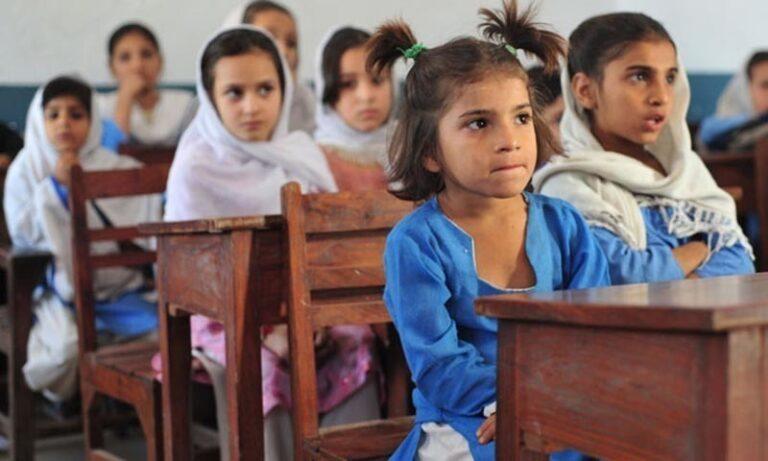
    Globally, at least 242 million students from pre-primary to upper secondary education experienced school disruptions due to extreme weather events in 2024, with South Asia emerging as the most affected region. The report states that 54 million students in India alone were impacted, primarily due to severe heatwaves that led to widespread school closures and changes in academic schedules.

    This is the first such publication ever to have been produced by the international children’s organisation. It says that extreme temperatures and climate disasters not only damage schools but also ‘affect students’ concentration, memory, and mental and physical health’. So it is a double whammy for the schoolchildren who already struggle with their study on account of poverty and poor teaching at schools. The more vulnerable among them are also deprived of home tutoring by their parents because in most cases the elders are not literate enough to help their children.

    According to the UNICEF Children’s Climate Risk Index, children in this country find themselves among the most vulnerable and exposed to climate turmoil and environmental hazards anywhere in the world. When in normal conditions, children are deprived of an enabling educational environment, in crisis periods induced by adverse climate their studies become a more daunting proposition. Even some of the talented and promising students, the UNICEF observes, have to drop out on account of natural disasters.

    Heatwaves: The Primary Culprit

    Heatwaves were identified as the leading climate hazard affecting education, with a staggering 171 million children globally facing disruptions. April 2024 saw the highest level of impact, with 118 million students affected worldwide. India, Bangladesh, Cambodia, and the Philippines were among the hardest-hit countries.

    In South Asia, the heatwaves peaked during the summer months, with April witnessing a record-breaking number of school closures. India saw temperatures soar above 45 degrees Celsius in several states, making it unsafe for children to attend school. Schools in states such as Uttar Pradesh, Bihar, Rajasthan, and Delhi were forced to shut down for weeks, severely disrupting the academic calendar. The extreme heat not only resulted in lost instructional hours but also posed health risks to children, with reports of heat-related illnesses among students.

    “Children are particularly vulnerable to the impacts of climate crises, including stronger and more frequent heatwaves, storms, droughts, and floods,” said UNICEF Executive Director Catherine Russell. “We must act urgently to build climate-resilient education systems to protect their future.”

    India’s Education System Faces Severe Challenges

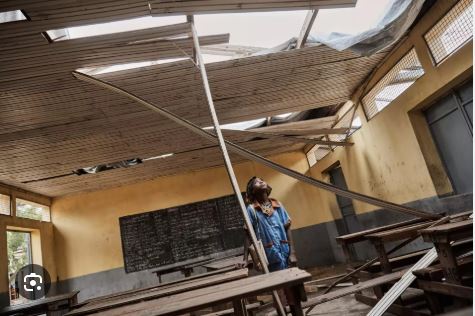
    India’s vast student population suffered due to intense and prolonged heatwaves, which disrupted regular school operations, leading to shortened school hours, postponed academic sessions, and in some cases, the destruction of infrastructure. Many schools, especially in rural areas, lack the resources to cope with extreme heat, such as proper ventilation, cooling systems, and access to clean drinking water. This disproportionately affected marginalised communities, where children rely heavily on schools for meals and a safe learning environment.

    The Indian government, in collaboration with UNICEF, has initiated climate resilience programs such as the Comprehensive School Safety Programme (CSSP) across 12 states to mitigate the impact of such hazards. These programs focus on improving infrastructure, training teachers to handle emergencies, and incorporating climate awareness into the curriculum.

    Despite these efforts, millions of students faced interruptions in their education, posing long-term risks to their learning outcomes and overall well-being. The report indicates that in April 2024 alone, over 35 million students in Bangladesh and 54 million in India faced school disruptions.

    Regional Disparities in Climate-Related Disruptions

    While South Asia bore the brunt of the crisis, other regions were not spared. East Asia and the Pacific saw 50 million students affected, largely due to heatwaves and tropical cyclones. Latin America and the Caribbean faced a mix of heatwaves, floods, and storms, disrupting education for 30 million students. In Africa, droughts caused by El Niño conditions exacerbated the existing education crisis, with over 20 million children at risk of dropping out.

    The report also found that 74% of the affected students were in low- and lower-middle-income countries, highlighting the urgent need for targeted interventions to support vulnerable communities. In Africa, prolonged drought conditions in countries such as Zimbabwe and Kenya forced children to walk long distances in search of water, often missing school as a result. In other parts of the world, floods and tropical cyclones wreaked havoc, damaging school infrastructure and displacing thousands of families.

    UNICEF has called on governments, policymakers, and educational institutions to prioritise climate resilience in education planning. The organisation recommends:

    • Infrastructure Resilience: Investing in climate-proof school buildings and ensuring access to remote learning solutions during school closures.
    • Teacher Training: Equipping educators with the knowledge and tools to address climate change impacts in the classroom.
    • Policy Integration: Incorporating climate change education into national curricula to raise awareness and foster preparedness among students.

    In India, the National Curriculum Framework has already begun incorporating climate change elements, thanks to UNICEF’s advocacy efforts. Additionally, a national teacher training module focused on climate education is set to be finalised in March 2025.

    Long-Term Impact on Children

    The impact of climate disruptions on children’s education goes beyond missed classes. Studies have shown that interruptions in schooling can lead to higher dropout rates, lower academic performance, and increased child labour and early marriage rates, particularly among girls. In South Asia, many families struggling with climate-induced economic hardships often prioritise work over education, leading to long-term consequences for children’s futures.

    For adolescent girls, the risks are even greater. In regions where child marriage is prevalent, school closures provide an opportunity for families to marry off their daughters earlier than planned. The UNICEF report warns that climate-related disruptions are reversing years of progress in promoting girls’ education and gender equality.

    As climate hazards continue to pose a significant threat to education, UNICEF urges immediate action to safeguard children’s right to learn. The organisation warns that without comprehensive interventions, the frequency and intensity of climate-related disruptions will continue to rise, deepening the global learning crisis.

    “Education is one of the most frequently disrupted services due to climate-related events, yet it remains overlooked in policy discussions,” the report notes. “Investing in climate-resilient education systems is crucial for the future of millions of children.”

    With South Asia at the forefront of this crisis, India has an opportunity to lead by example in implementing sustainable and scalable solutions that ensure uninterrupted learning for its students despite the growing climate challenges. By investing in climate-resilient infrastructure, fostering public-private partnerships, and empowering local communities, India can mitigate the adverse effects of climate change on education.

    Samsung India Workers Union Registered After Months of Struggle and Protests

    With the union now officially recognised, workers hope that the labour department will take stronger action to ensure improved working conditions and that Samsung management will be held accountable for its treatment of employees.

    In a significant victory for workers’ rights, the Tamil Nadu Labour Department officially registered the Samsung India Workers Union (SIWU) on January 26, 2025, after months of delay and intense protests. The union, formally recognised under the Trade Unions Act, 1926, was granted a certificate of registration — referred to as “Form C” — on Monday, marking a historic step in the long-running battle for fair labour practices at Samsung’s Sriperumbudur plant.

    SIWU is affiliated to the Centre of Indian Trade Unions (CITU).

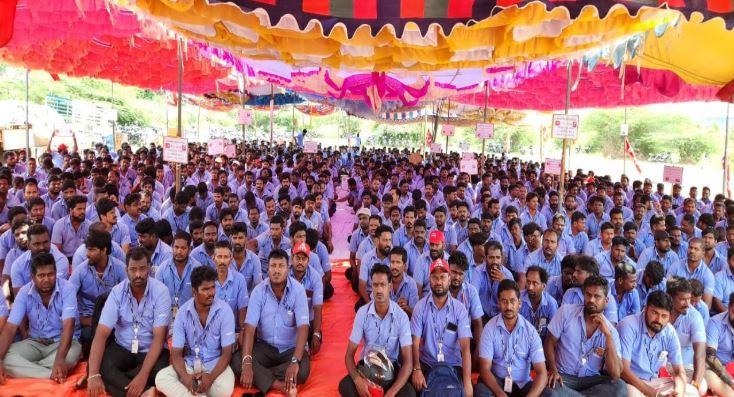
    This move comes after a 38-day strike at the Sriperumbudur facility, which began on September 9, 2024, and resonated across the country, inspiring labour movements not only in India but globally. The strike gained traction as workers, suffering under long hours, poor pay, and harsh working conditions, united for their rights. Their action sparked a wave of support, highlighting the critical issues within Samsung’s manufacturing operations.

    The Struggle for Better Working Conditions

    Samsung India Electronics, a subsidiary of the South Korea-based tech giant, established its presence in India in 1995 with its primary focus on smartphone production. Over the years, the company expanded operations to include high-tech home appliances at its Sriperumbudur plant in Tamil Nadu in 2007. Since then, the plant has operated on demanding two-shift schedules, with workers facing excessive production quotas that often result in gruelling hours. Some reports indicate that workers are expected to complete tasks with minimal time per product — just 10 to 15 seconds for most assembly tasks, with some requiring completion in as little as four seconds.

    Despite years of service, many employees earn as little as Rs 24,000 to Rs 34,000 per month, with limited salary increases. In stark contrast, their counterparts in South Korea reportedly earn around Rs 4.55 lakh per month. While Samsung India Electronics reported revenues of Rs 98,924 crore in the 2022-23 fiscal year, the disparity in pay and working conditions remains glaring.

    In addition to financial disparities, workers have raised issues such as inadequate leave, poor canteen and restroom facilities, and subpar transportation. A Memorandum of Agreement signed between the management and a select group of employees failed to address these ongoing concerns, and workers frequently face mistreatment. Workers have reported derogatory remarks from supervisors, and those who speak up are often subject to suspension or dismissal.

    The Rise of the Samsung India Workers Union

    The formation of SIWU was not without significant challenges. Samsung’s notorious “no-union” policy has long silenced worker protests in India, with no recognised union in either of its plants in Noida or Sriperumbudur. However, the situation began to shift in 2021 when Samsung was forced to allow union formation at its Seoul plant following a string of high-profile labour violations. This movement culminated in the first-ever strike in Samsung’s history in South Korea in June 2024, which caught the attention of Indian workers.

    On June 16, 2024, the same day that the workers in Seoul staged their strike, the Sriperumbudur workers held a General Body (GB) meeting where they formally founded the Samsung India Thozhilar Sangam (SIWU). The union, led by E. Muthukumar, President of the CITU district, adopted two major resolutions: one expressing solidarity with the Seoul workers and the other seeking affiliation with CITU (Centre of Indian Trade Unions). Following this, the union applied for registration on June 26, 2024, submitting a list of office-bearers and a Charter of Demands to Samsung management the next day.

    Despite these formal requests, Samsung management ignored the workers’ grievances and instead attempted to sideline the union by creating a company-backed “Workmen Committee.” In August 2024, SIWU issued a strike notice demanding their right to unionise and engage in collective bargaining, which led to a conciliation meeting with the labour department. However, this meeting yielded no results, and union leaders were subjected to intimidation, including threats from hired goons.

    A Hard-Fought Victory

    Despite these immense challenges, including physical threats and a lack of protection from local authorities, the workers’ struggle has borne fruit with the official registration of the Samsung India Workers’ Union. This milestone is a testament to the resilience and determination of the workers who fought against exploitation and for basic rights. The successful registration has opened the doors to formal negotiations and collective bargaining, offering hope for a fairer working environment at Samsung India Electronics.

    With the union now officially recognised, workers hope that the labour department will take stronger action to ensure improved working conditions and that Samsung management will be held accountable for its treatment of employees. The registration of SIWU stands as a symbol of the ongoing labour struggle, not just at Samsung, but across the Indian manufacturing sector.

    Sri Lanka Rejects Earlier Pricing for Adani Wind Power Projects

    Sri Lanka is currently facing five ongoing court cases related to the project, with the government intending to take a final decision based on the committee’s findings and legal outcomes.

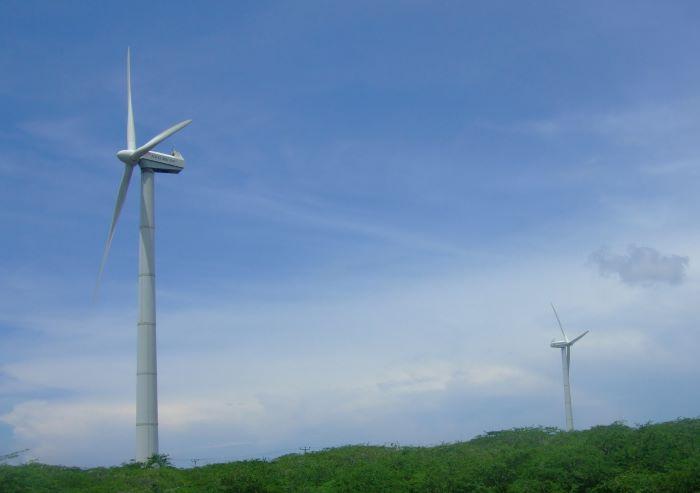
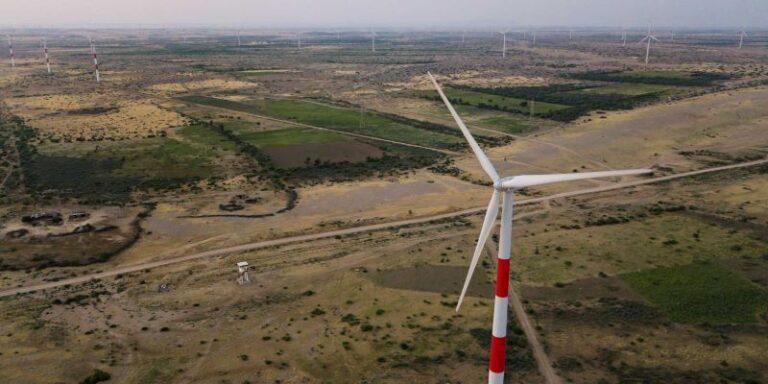
    Sri Lanka’s newly elected administration has announced the appointment of a committee to review the Adani wind power projects in the country, stating that the previously agreed price for electricity is not acceptable. Media Minister Nalinda Jayatissa confirmed on Saturday that while the projects in Mannar and Pooneryn will not be cancelled, the government will not proceed with the agreement at the price set earlier.

    “There was no decision to cancel the Mannar and Pooneryn projects, but a committee has been appointed to review them,” Minister Jayatissa told reporters. “The committee has started its work, and once the review is completed, we will determine what changes need to be made.”

    The earlier administration had agreed to purchase power from Adani’s 484-megawatt wind power project at a rate of 8.26 US cents per unit under a 20-year power purchase agreement. This agreement, announced in May 2023, triggered widespread criticism due to the high price and lack of competitive tendering. Minister Jayatissa reiterated the government’s stance, saying, “We are not agreeable to the prices put forward, so that agreement was revoked, and the committee was appointed to reassess the project pricing.”

    Sri Lanka is currently facing five ongoing court cases related to the project, with the government intending to take a final decision based on the committee’s findings and legal outcomes. Concerns have also been raised by environmental groups over the project’s design, particularly regarding the lack of underground cabling in the Mannar region, which is a major migratory bird flyway.

    Meanwhile, documents filed in court indicate that a cabinet negotiation committee was previously appointed to discuss the terms of the project; however, Minister Jayatissa confirmed that no negotiations had taken place to date.

    Criticism over Lack of Transparency

    Murtaza Jafferjee, Chairman of the Colombo-based think tank Advocata Institute, had earlier criticised the lack of transparency in awarding the project to India’s Adani Group without a competitive bidding process. He highlighted that the deal contradicts the International Monetary Fund’s (IMF) recommendations to curb corruption through competitive tendering.

    “Why are we paying 8.3 cents for an untendered project?” Jafferjee had questioned. “The IMF Governance Diagnostic Report emphasises the need for competitive procurement processes. Unfortunately, Sri Lanka lacks a proper procurement law and instead operates with guidelines that are often bypassed.”

    The wind power project has faced stiff opposition from various quarters, including environmentalists and local communities. Environmental groups, such as the Wildlife and Nature Protection Society and the Environmental Foundation, have raised concerns over the project’s potential ecological impact. They argue that the lack of an adequate Environmental Impact Assessment (EIA) could threaten local biodiversity, particularly migratory bird populations.

    Local communities, led by the Bishop of Mannar, have also voiced their opposition, warning that the project could disrupt local industries and threaten livelihoods. President Anura Kumara Dissanayake, during his election campaign, had pledged to revisit the deal and invite global tenders for wind power development to ensure fair pricing and transparency.

    Adani Group’s Response

    In response to local media reports suggesting that Sri Lanka’s government has revoked the power purchase agreement, the Adani Group on Monday issued a statement denying that the project has been cancelled. The company’s spokesperson clarified that the review process is a standard procedure undertaken by the new administration.

    The Sri Lankan government has too iterated that the project is under review as the price for the generated electricity is not acceptable to Sri Lanka. Government sources have clarified that the issue of cancellation has not been discussed and that this is only a review thus far.

    “The project has not been cancelled,” the spokesperson said. “The government’s decision to review the process aligns with normal due diligence procedures. We remain committed to investing $1 billion in Sri Lanka’s green energy sector, fostering renewable energy and economic growth.”

    However, the timing of the review coincides with an ongoing bribery probe against the Adani Group in the United States. The group faced allegations in November 2024 of making bribery payments and concealing transactions from US investors. Adani has dismissed the allegations as baseless.

    Stakeholders Assured

    The Sri Lankan government has assured stakeholders that the review process will be thorough and transparent. The committee’s findings are expected to influence the final decision, which could potentially lead to renegotiation or a call for new tenders.

    With the Supreme Court set to hear a related case in March 2025, the decision to revoke the current agreement effectively removes the matter from judicial review. However, legal experts argue that any future agreements must comply with existing procurement guidelines to avoid further controversies.

    For now, stakeholders await the committee’s recommendations, with the government emphasising its commitment to ensuring that any agreement aligns with national interests and offers the best value for Sri Lanka’s energy sector.

    Pakistan Calls for Concessional Financing for Clean Energy at UN Event

    The call for concessional financing aligns with Pakistan’s broader efforts to position itself as a leader in sustainable energy development while addressing pressing financial challenges.

    Pakistan has called for supportive global policies to help cash-strapped developing countries transition to clean energy at an event commemorating the International Day of Clean Energy at the United Nations headquarters in New York.

    Addressing delegates on Friday, Ambassador Usman Jadoon, Deputy Permanent Representative of Pakistan to the UN, emphasized that developing countries with limited fiscal space are unable to invest in costly energy projects without enhanced access to finance.

    “Developing countries are dedicated to making their contribution to the just energy transition, but without concessional financing and supportive international policies, their progress will remain hindered,” Ambassador Jadoon stated.

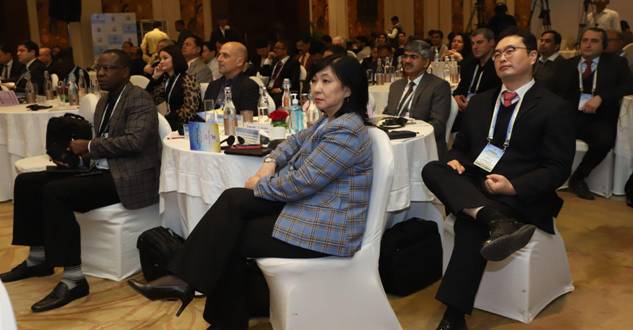
    The special event was organized by the “Group of Friends of Energy,” an informal coalition of member states that actively collaborate and advocate for policies and initiatives promoting sustainable energy access and development worldwide. Pakistan was a co-sponsor of the event, which saw the participation of Philemon Yang, President of the UN General Assembly, among other dignitaries.

    While acknowledging the continued global deployment of clean energy technologies, such as solar power, electric vehicles, and wind energy, Ambassador Jadoon pointed out that progress remains uneven across different regions and technologies.

    “When we look at developing and emerging economies, China accounts for the bulk of the positive momentum. This uneven growth highlights the need for more supportive international policies to enable developing countries to navigate the energy transition,” he said.

    Collective action, Equitable Support

    Pakistan has committed to increasing the share of renewable energy in its energy mix to 60% by 2030, the ambassador highlighted. He also shared the country’s ambitious plan to add an additional 13,000 MW of hydropower capacity by 2030, capitalizing on its immense potential in solar and wind energy.

    However, achieving these targets requires significant financial investment. Ambassador Jadoon estimated that Pakistan’s energy transition goals would cost over $100 billion, while globally, keeping the 1.5-degree Celsius target within reach would necessitate investments of approximately $150 trillion in transition technologies and infrastructure by 2050.

    “Undoubtedly, partnerships are essential to aid developing countries in overcoming these obstacles,” Jadoon stressed, calling for enhanced global collaboration and concessional financing mechanisms to support developing nations.

    He urged stakeholders to use the International Day of Clean Energy as an opportunity to reaffirm their commitment to taking the necessary actions at both national and international levels to achieve the global energy transition goals.

    The call for concessional financing aligns with Pakistan’s broader efforts to position itself as a leader in sustainable energy development while addressing pressing financial challenges. As the global energy landscape evolves, Pakistan’s plea underscores the need for collective action and equitable support to ensure that no country is left behind in the pursuit of clean energy solutions.

    The event concluded with a collective agreement on the importance of mobilizing resources and fostering international cooperation to accelerate clean energy adoption in developing economies.

    USAID Halts Funding to Bangladesh Following Trump’s 90-Day Foreign Aid Freeze

    USAID further instructed partners to take “all reasonable steps to minimise the incurrence of costs allocable to their awards” and clarified that work would not resume until formal notification was received from the contracting officer.

    The United States Agency for International Development (USAID) has abruptly suspended all ongoing projects in Bangladesh after President Donald Trump signed an executive order imposing a 90-day hold on all foreign aid. The order, which aims to “reevaluate and realign” global foreign assistance with American interests, was signed on January 20 and has sent shockwaves through the international development community.

    On Saturday, USAID issued a formal directive to all its partners in Bangladesh, instructing them to immediately cease work. This directive follows a broader “stop-work” order from the US State Department on Friday, which halted all existing foreign assistance and paused new aid initiatives. Only military aid to Israel and Egypt has been exempted from the freeze.

    According to NPR, a memo signed by Secretary of State Marco Rubio outlines that a comprehensive review of all foreign assistance programs will be completed within 85 days. A report based on this review will be submitted to the Secretary of State for further consideration and recommendations to the President.

    Immediate Suspension

    In a statement to its implementing partners, USAID emphasised the urgency of the halt, citing the executive order as the primary reason.

    “This letter serves as a directive to all USAID/Bangladesh implementing partners to immediately stop, cease, and/or suspend any work performed under your respective USAID/Bangladesh contract, task order, grant, cooperative agreement, or other acquisition or assistance instrument,” the statement read.

    USAID further instructed partners to take “all reasonable steps to minimise the incurrence of costs allocable to their awards” and clarified that work would not resume until formal notification was received from the contracting officer.

    The suspension poses significant challenges for Bangladesh, particularly for the interim government led by Nobel laureate Muhammad Yunus. USAID’s programs in the country are among the largest in Asia and encompass crucial initiatives in food security, health, democracy, education, and environmental sustainability. The US is also the leading donor to Bangladesh’s humanitarian response, including efforts to support the Rohingya refugee crisis.

    Blow to Economy, Stability

    International funding has been a critical lifeline for Bangladesh, helping the country manage economic turmoil, address the Rohingya refugee crisis, and support its textile industry—one of the pillars of its economy.

    Last year, the Yunus administration sought $5 billion in financial assistance from international lenders to stabilise dwindling foreign exchange reserves and had secured a $4.7 billion bailout from the International Monetary Fund (IMF). The US had committed $202 million in aid to Bangladesh in 2024, as part of a broader $954 million pledge spanning from 2021 to 2026, of which $425 million had already been disbursed.

    In September 2024, US Aid signed an agreement with Bangladesh’s interim government to provide the country aid to the tune of US$ 202.25 million grant to Bangladesh for three sectors, namely good governance; social, human and economic opportunity; and resilience.

    Then, the USAID had, in a post on X said that the aid was to “advance development, empower youth, strengthen democracy and governance, improve health, and expand trade and economic opportunities to people across the country.”

    Trump’s Justification

    President Trump’s executive order argues that US foreign aid programs have been “misaligned” with American values and interests. The White House statement noted:

    “The United States foreign aid industry and bureaucracy are not aligned with American interests and in many cases are antithetical to American values. They serve to destabilise world peace by promoting ideas in foreign countries that are directly inverse to harmonious and stable relations internal to and among countries.”

    The executive order further stipulates that “no further United States foreign assistance shall be disbursed in a manner that is not fully aligned with the foreign policy of the President of the United States.”

    Implications of Aid Freeze

    The implications of the aid freeze are significant, with USAID’s suspension leaving many ongoing projects in limbo. The organisation has been a key player in supporting Bangladesh’s development agenda, and the sudden halt could exacerbate existing economic and social challenges.

    Observers note that the freeze could potentially cut billions of dollars in assistance, as the US remains the world’s largest donor of international aid, having allocated approximately $72 billion in 2023 alone.

    The halt also comes at a crucial time for Bangladesh, which has been working to stabilise its economy after a tumultuous year marked by political unrest and economic strain. The suspension of aid could further impact the country’s efforts to address poverty, public health challenges, and climate-related issues.

    Uncertainty Looms

    Stakeholders in Bangladesh and beyond are now grappling with uncertainty as they await further directives from the US government. Development experts fear that prolonged disruptions could undermine progress achieved in critical areas such as healthcare, education, and infrastructure development.

    The Yunus-led interim government has yet to issue an official response, but sources within the administration have expressed concern over the potential ripple effects of the funding suspension. “We are in discussions with our international partners to assess the next steps and mitigate any immediate impact on ongoing projects,” a senior government official said.

    Meanwhile, US-based non-governmental organisations operating in Bangladesh are seeking clarity on the situation and are hopeful that exemptions or alternative funding mechanisms may be explored to continue essential work.

    With the Trump administration’s review of foreign aid policies underway, the future of US-funded programs in Bangladesh remains uncertain. The outcome of the 90-day evaluation period will likely determine whether the aid freeze will be lifted or if further long-term changes to US foreign assistance strategy will be implemented.

    For now, Bangladesh faces a challenging road ahead, navigating the economic and humanitarian consequences of this sudden and sweeping policy shift.

    Fake Narratives Hitting Electoral Process: Election Bodies Express Concern

    Election Management Bodies from Uzbekistan, Sri Lanka, Mauritius, Indonesia, Kazakhstan which made presentations on their electoral experience in 2024, placed their concerns regarding disinformation, misinformation and fake narratives on social media affecting electoral integrity in live elections.

    The Election Commission of India set the ball rolling for a two day international conference of representatives from election management bodies (EMBs) of 13 countries and international organisations for discussions on key issues of contemporary election management. The conference on the theme ‘Global Election Year 2024: Reiteration of Democratic Spaces, Takeaway for EMBs’ is hosted by the ECI based on the varied experiences of EMBs in conducting elections in 2024, in India and the other countries.

    Nearly 30 representatives from the Election Management Bodies (EMBs) of 13 countries including Bhutan, Georgia, Namibia, Uzbekistan, Sri Lanka, Indonesia, Kazakhstan, Ireland, Mauritius, Philippines, Russian Federation, Tunisia, and Nepal are attending the conference.

    In his keynote address, India’s chief election commissioner, Rajiv Kumar, reflected that 2024 was a defining year as a test for EMBs for reaffirmation of democratic values amidst challenging and complexities. He emphasised on the critical role of technology and digital innovations in enhancing efficiency, transparency and voter confidence.

    The chief election commissioner said that while technology offers significant opportunities, it also brings challenges like cybersecurity threats and misinformation. He urged EMBs to streamline strategies for addressing these technological challenges to effectively mitigate the risks.

    Sounding a note of caution against fake narratives which erode trust in electoral processes, Rajiv Kumar said that such fake narratives are typically timed at crucial junctures of the election process to target its very vitals.

    Tackling Fake News

    Election Management Bodies from Uzbekistan, Sri Lanka, Mauritius, Indonesia, Kazakhstan which made presentations on their electoral experience in 2024, placed their concerns regarding disinformation, misinformation and fake narratives on social media affecting electoral integrity in live elections.

    The CEC of Mauritius Mr. Abdool Rahman also stressed on the menace of fake news to undermine the electorate’s trust in the EMBs. Highlighting a particular case of fake online applications for recruitment of election staff, Mr. Rahman expressed concern on the use of technology and social media in intensifying the menace of misinformation and disinformation during elections.

    A representative of the electoral commission of Namibia, while expressing concern about the rising trend of fake news, sought suggestions on tackling fake news on social media. Commissioner, General Election Commission of Indonesia, Idhan Holik, spoke about their experience of using a dedicated WhatsApp channel to tackle misinformation in real time.

    Further, CEC Kumar also outlined key trends shaping the future of elections, including AI-driven processes, online and remote voting, biometric authentication and increased global collaboration and called all participants to explore the opportunities with technological advancements in making elections more transparent, inclusive and accessible. He underscored the role of EMBs in not only safeguarding electoral processes globally but also expanding their reach and impact.

    Highlighting India’s historic general elections with a record participation of 647 million voters and over one million polling stations, CEC Kumar said that the elections were also more inclusive with greater participation especially among women, elderly aged 85+, persons with disabilities (PwDs) and the third gender.

    Promoting Electoral Equity

    CEC Kumar underscored the importance of collaborative efforts in capacity building and global cooperation as vital to safeguarding democratic processes and strengthening election management worldwide.

    In the first session on major learnings, India’s election commissioner, Gyanesh Kumar, presented the case of Lok Sabha Elections 2024 underlining the scale, complexity and quality of the Indian Lok Sabha Elections.  He said that despite the magnitude of the challenge, the election process upheld quality and set new benchmarks in the conduct of elections globally.

    Speaking in the session on role of technology in elections management – opportunities and challenges, Dasho Sonam Topgay, CEC of Bhutan thanked India for providing EVMs and lauded the process efficiencies brought in by EVMs since their use in the election in Bhutan. He added that EVMs have won the trust of people in Bhutan.

    Speaking on Digital IDs, Mr. Topgay said that Bhutan has a biometric unified national ID which is used for voter authentication. He added that Bhutan is exploring the possibility of online voting in future elections.

    The first day of the conference featured multiple sessions – the role of technology in election management, social media platforms and their impact on election management, promoting electoral equity for inclusive and accessible elections, and the importance of capacity building, training, and international cooperation.

    Could Trump Really Blow up the Global Trade System?

    Trump should not be read as a champion of ‘Main Street against Wall Street’. Or as the head of a political faction aimed at mobilising the powers of American statecraft to redesign its domestic economy and external trade relations.

    By Luke Cooper

    Trump’s trade policy blends aggressive tariffs, legal manoeuvring and transactional diplomacy. But could he really blow up the global trade system?

    The Trump team make the mistake of thinking about the global economy as a series of bilateral trade relationships when it is actually a complex and highly integrated system of connections.

    President Donald Trump won his re-election on the promise of fighting an unprecedented trade war against the rest of the world.

    He has proposed a universal tariff on all goods imports to the United States of between 10-20 per cent, rising to 60 per cent for shipments from China and even higher in some areas. After winning the election, Trump initially doubled down further on this rhetoric, threatening a 25 per cent tariff on goods from Mexico and Canada.

    The Trump transition team are divided over these proposals but appear to be sticking to the idea of some form of universal tariff. Reports suggest though that they plan to target strategic industries such as defence manufacturing and metallurgy, medical supplies and pharmaceuticals, and energy production.

    This would still amount to a radical disruption of the global trading system. It would also lead to retaliatory action from the United States’ larger trading partners and violate the terms of the US-Mexico-Canada Agreement (USMCA).

    America cannot simply ‘decouple’ from China

    Economic and geopolitical competition with China has become an obsession of the American political elite. The Trump administration first introduced tariffs on China in 2018, and these were kept by his successor and extended further in 2024.

    One of the reasons that the Trump administration are edging towards the idea of using universal tariffs is the failure of China-focused tariffs to bring down the overall US trade deficit in goods, which has exceeded $1 trillion each year from 2021 to 2024.

    The Trump administration’s focus on Mexico and Canada reflects the fact that they, along with China, are by some distance America’s major source of goods imports, each accounting for in excess of $400 billion in 2023.

    But the Trump team make the mistake of thinking about the global economy as a series of bilateral trade relationships when it is actually a complex and highly integrated system of connections.

    The decline and plateauing of the US-China trade relationship since 2018 disguises how supply chains adapted with Chinese components routed into final line assembly in Southeast Asian states. American industry is itself embedded in such networked production.

    Richard Baldwin and Rebecca Freeman calculate that ‘Chinese inputs into all the inputs that American manufacturers buy from other foreign suppliers… is almost four times larger than it appears to be’ in trade statistics.

    In a still highly integrated world economy, China’s competitive production and its dominance of goods exports make it an unavoidable partner — and its sluggish domestic economy increases its dependency on its export strength. For the United States to tackle the rerouting of goods through third countries to avoid tariffs would require complex rules of origin tests that would be challenging and expensive to implement.

    Trade and Human Rights

    The imbalance that the Trump administration highlights is certainly real. It has long been recognised that the United States economy is heavily skewed towards consumption over production — and that the opposite is the case for China.

    The gross savings rate – the proportion of national income not spent on consumption – in China is more than double the level of the US. China’s low consumption and high savings provide the basis for huge investments in production with the goods then needing to be consumed elsewhere.

    This relationship shapes the world economy: the US consumes an enormous amount of goods, and China provides many of these goods. By 2030, China is expected to account for an astonishing 45 per cent of all global industrial production — an increase from just six per cent a quarter of a century ago. Trade imbalances on this scale pose a problem for the global economy.

    For many years, lonely voices on the left argued that the goal of trade efficiency – e.g. the plentiful cheap industrial products China offers – should be balanced against other objectives like supporting jobs and environmental protection.

    But today, the idea that trade should not be ‘free’ but conditional on the political choices we make enjoys much wider support. Numerous conservatives that are hawkish on competition with China now agitate very loudly against American economic dependency on its supply chains.

    While this American turn has raised important questions about supply chain resilience, the relationship between trade and human rights, and how to design industrial policies that deliver the outcomes we want, Trump’s brand of ‘strongman’ nationalism offers no serious answers.

    Trump’s Heterogeneous Coalition

    The Trump administration would like to lower the price of the dollar to boost US goods export performance, but the blunt single instrument that they favour – tariffs – will not bring this about. As David Lubin argues, while tariffs increase the cost of imported goods in the American market, this in no way equates with weakening the dollar.

    The general strength of the US economy and the importance of its market for global exporters mean that tariffs will create downward pressure on the currencies of states that are subject to them. Added to this is the inflationary effect of tariffs and Trump’s expansive fiscal policy – i.e. his huge tax cuts – which will incline the Federal Reserve to increase interest rates.

    So, rather than a weakened dollar the result would be the opposite: a dollar with even more buying power. Unless the Trump administration start from an analysis that the trade deficit is closely related to the combination of two internal imbalances, the American imbalance towards consumption over investment and the reverse in China, their policies will simply not work.

    To bring about the kind of rebalancing in global trade that the Trump administration claims to want would require multilateral cooperation — the antithesis of ‘America first’. It points to thinking holistically about the global economy and its rules — addressing not only goods trade but also services, finance and capital movements.

    Multilateral Initiative

    Some in the Republican Party are asking these questions. The conservative think tank American Compass has identified financial liberalisation as the critical source of trade imbalances. Vice President J. D. Vance has even argued that the role of the dollar as a global reserve currency is a ‘massive subsidy to American consumers but a massive tax on American producers’.

    However, any move to greater control of capital movements would put the Trump administration on a collision course with Wall Street, which seems unlikely. The Trump camp includes a coterie of far-right-moving billionaires like Elon Musk who see his authoritarianism as a vehicle for their brand of economic libertarianism, which conveniently supports subsidies and government spending when it benefits their interests.

    These backers would recoil at the idea of capital controls. Trump has also threatened huge tariffs on any states that pursue de-dollarisation and his Treasury Secretary nominee Scott Bessent has confirmed the administration will maintain the dollar’s position as a global reserve currency. A more moderate proposal is to reach out to Beijing to agree on a plan for dollar devaluation.

    Shahin Vallée suggests Trump could launch a multilateral initiative to strike a deal on a package of coordinated measures. However, this would require reducing the US budget deficit — an effort that becomes much harder in the context of the administration’s plans for huge tax cuts.

    The Trumpian Method of Politics

    All of these proposals assume, however, that the Trump administration is capable of developing policies with some sense of the general interest in mind. Trump’s own statements provide little grounds for anticipating this.

    Consider how his team have previously hinted at exploiting ideological divisions within the European Union. Trump’s propensity to link trade policies with non-trade issues, such as immigration and drug enforcement, could be applied to European states to offer quid pro quos that seek to circumvent the EU institutions.

    While EU states share a Common External Tariff, Trump may be inclined to offer unilateral tariff reductions to his far-right co-thinkers in exchange for deals that benefit his networks and have nothing to do with a trade. As Viktor Orbán’s Hungary is a landlocked state, it could not match any US tariff concession (given that all goods it received would have to pass through another EU member state), but he may have something else to offer team Trump.

    In the United States, it is also highly likely that the tariffs would be riddled with exemptions and opts-outs, providing obvious avenues for kleptocratic deal-making with corporate lobbyists.

    Trump should not be read then as a champion of ‘Main Street against Wall Street’. Or as the head of a political faction aimed at mobilising the powers of American statecraft to redesign its domestic economy and external trade relations.

    Instead, it might be better to analyse Trumpism – and the ideologically heterogeneous networks and actors that constitute it – as representing an oligarchisation in which institutions are captured to secure sectional advantages for supporters, exchanging political for economic power and vice versa.

    The transactionalism fundamental to this approach to politics seems likely to carry over into the administration’s trade policy with potentially chaotic and contradictory effects.

    Luke Cooper is an Associate Professorial Research Fellow in International Relations at the London School of Economics and Political Science and the Director of PeaceRep’s Ukraine programme. He is the author of Authoritarian Contagion (Bristol University Press, 2021).

    Source: International Politics and Society (IPS), published by the Global and European Policy Unit of the Friedrich-Ebert-Stiftung, Hiroshimastrasse 28, D-10785 Berlin.

    This piece has been sourced from Inter Press Service.

    Image: Wikimedia.

    Sri Lanka: President Dissanayake Seeks World Bank Help

    The World Bank reported that Sri Lanka’s macroeconomic outlook has improved, with short-term growth expected to reach 4.4 per cent in 2024. However, it also stressed the importance of continuing structural reforms to ensure sustained growth in the medium to long term.

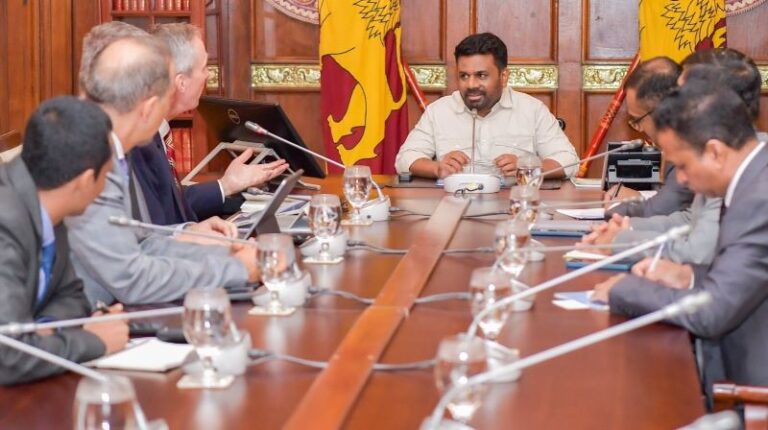
    Sri Lanka’s President Anura Kumara Dissanayake recently met with World Bank Vice President for South Asia, Martin Raiser, to discuss securing financial and technical support for several key initiatives aimed at boosting the country’s economic and social development. The meeting, held in Colombo, focused on youth employment, the ‘Clean Sri Lanka’ initiative, rural poverty alleviation, and digital transformation, according to the President’s Media Division (PMD).

    “We agreed on timely disbursement of funds and explored new projects in education, energy, and public transport,” President Dissanayake shared on the social media platform X. “I emphasized the need for agricultural sector improvements, enhanced facilities for our population, and plans to boost tourism and expedite port development.”

    Martin Raiser, in a statement, reiterated the World Bank’s commitment to supporting Sri Lanka’s economic recovery. “We discussed World Bank support to the digital economy, rural and skills development, affordable energy, and lagging regions, with a focus on the North of Sri Lanka,” he stated.

    The discussions also covered education reforms, development plans for the northern region, upgrades to the public transport system, and strategies to accelerate tourism growth in 2025. The World Bank reaffirmed its commitment to ensuring the timely release of funds to help drive Sri Lanka’s progress.

    Raiser also held meetings with Prime Minister Harini Amarasuriya and officials from the Ceylon Chamber of Commerce to further explore collaborative opportunities.

    Fragile Macroeconomic Stability

    The World Bank reported that Sri Lanka’s macroeconomic outlook has improved, with short-term growth expected to reach 4.4 per cent in 2024. However, it also stressed the importance of continuing structural reforms to ensure sustained growth in the medium to long term. Despite the positive outlook, poverty remains a pressing concern, with the poverty rate projected to stay above 20 per cent until 2026.

    Inflation is forecast to remain below the central bank’s target of 5 per cent throughout 2024, gradually increasing as demand picks up. The current account is expected to remain in surplus, supported by tourism growth and remittances, with the phased lifting of personal vehicle import restrictions starting in 2025.

    Sri Lanka’s recent economic performance has shown resilience, but challenges persist. The World Bank cautioned that macroeconomic stability is contingent on the consistent implementation of fiscal, financial, and monetary policies. Risks such as prolonged debt restructuring, policy uncertainties, and potential fiscal impacts of electoral promises could hinder progress. Furthermore, financial sector vulnerabilities, including high non-performing loans and exposure to sovereign debt, require close monitoring.

    Poverty reduction efforts will depend on the effectiveness of reform implementation and the targeting of social assistance programs. Inequality levels remain high, and increases in stunting and malnutrition are likely to exacerbate intergenerational disparities without appropriate interventions.

    Despite these challenges, strong and sustained implementation of structural reforms could enhance investor confidence and attract fresh capital inflows, providing a much-needed boost to the economy.

    Increased Tourism Receipts

    Headline inflation, as measured by the Colombo Consumer Price Index, remained in the low single digits throughout 2024, with a recorded rate of 0.5 per cent in August. This was attributed to downward adjustments in administered prices, currency appreciation, and improved supply conditions, while demand remained subdued. In response to the low inflation, the central bank adopted an accommodative stance, reducing policy rates by 75 basis points between March and July 2024, resulting in a cumulative reduction of 725 basis points since May 2023. Consequently, commercial bank lending and deposit rates also declined, although private sector credit growth remained sluggish at 6.9 per cent in July.

    The merchandise trade deficit widened by 18.3 per cent in the first seven months of 2024 due to recovering import demand. However, increased tourism receipts, which rose by 66.1 per cent, and remittances, which grew by 11 per cent in the first eight months, contributed to a balance of payments surplus. The continued suspension of debt servicing and inflows from development partners further bolstered foreign exchange reserves.

    By the end of August 2024, Sri Lanka’s usable official reserves had increased to US$4.5 billion, equivalent to three months’ worth of imports. Additionally, the net foreign assets of the banking system turned positive in May 2024 for the first time in four years. Improved foreign exchange liquidity also resulted in a 7.3 per cent appreciation of the Sri Lankan rupee between January and August 2024.

    According to the World Bank, while Sri Lanka’s economic indicators show positive signs, maintaining stability will require sustained policy efforts and strategic reforms.

    Pakistan Faces $17 Billion Annual Loss Due to Malnutrition, Report Reveals

    Findings from the newly developed Cost of Inaction Tool by Nutrition International reveal that poor nutrition has wide-ranging consequences, from increased healthcare costs to lost educational opportunities and reduced workforce productivity.

    Pakistan faces a staggering annual economic loss of $17 billion (Rs4.733 trillion), equivalent to 4.6 per cent of its Gross National Income (GNI), due to the ongoing undernutrition crisis, according to a recent report by Nutrition International.

    The report titled, The cost of inaction: The economic and human capital benefits of investing in nutrition, highlights the severe economic and health toll of malnutrition in Pakistan, emphasising that the crisis stems from four key indicators: stunting, low birth weight, childhood anaemia, and anaemia among adolescent girls and women. The economic impact of stunting alone is monumental, resulting in a $16 billion annual loss to the economy.

    Malnutrition in Pakistan

    Despite efforts to address malnutrition, Pakistan continues to struggle with alarming statistics:

    • Stunted Growth: 34 per cent of children under five suffer from stunting, a condition that impairs physical and cognitive development.
    • Low Birth Weight: 22 per cent of new-borns are born with low birth weight, increasing their risk of developmental delays and chronic health issues.
    • Childhood Anaemia: 53 per cent of children aged six months to 59 months are anaemic, leading to cognitive impairments and lower productivity later in life.
    • Anaemia in Women: 41 per cent of women of reproductive age are anaemic, exacerbating maternal and child health challenges.

    Dr. Shabina Raza, Country Director of Nutrition International Pakistan, emphasised that investing in nutrition is vital to breaking the cycle of poverty and enhancing overall productivity.

    Dr Raza said that “without timely intervention, the situation could worsen, making it imperative for Pakistan to meet the World Health Organisation’s (WHO) goal of reducing stunting by 40 per cent by 2025.”

    Economic Consequences of Inaction

    Findings from the newly developed Cost of Inaction Tool by Nutrition International reveal that poor nutrition has wide-ranging consequences, from increased healthcare costs to lost educational opportunities and reduced workforce productivity. The total global economic cost of undernutrition is estimated at over USD $761 billion per year, with Pakistan accounting for a significant portion of this burden.

    According to the report, achieving the proposed 2030 global nutrition targets could bring substantial economic and social benefits to Pakistan:

    • Reducing Stunting: Meeting the 2030 WHA target on stunting could prevent 855,000 cases annually, avert 48,000 deaths, and save the economy USD $6.6 billion. According to Nutrition International, the federal ministry of health, leveraging the Cost of Inaction Tool, highlighted that achieving global nutrition targets could prevent stunting in 855,000 children annually.
    • Tackling Anaemia: Achieving the anaemia target could prevent 11 million cases annually, leading to USD $287 million in economic savings.
    • Promoting Breastfeeding: Increasing exclusive breastfeeding rates to 70 per cent could prevent 522,000 cases of diarrhoea, avert 6,000 deaths, and result in USD $1 billion in economic benefits.

    Commitment to Nutrition

    Pakistan has demonstrated its commitment to tackling malnutrition through various policies and strategies, including:

    • Vision 2025, which places food and nutrition at the center of development.
    • National Health Vision 2016–2025, aimed at improving health outcomes across all demographics.
    • Pakistan Multi-sectoral Nutrition Strategy (PMNS) 2018–2025, targeting nutrition interventions across multiple sectors.
    • Pakistan Maternal Nutrition Strategy (2022-2027) and the Pakistan Multi-sectoral National Nutrition Action Plan (2023-2030), which outline specific measures to address maternal and child nutrition.

    Despite these efforts, Pakistan remains off track in achieving most of the global nutrition targets. Currently, the country is only on course to meet two out of six targets: exclusive breastfeeding and addressing overweight and obesity. However, the challenge of stunting remains critical, with Pakistan having the highest prevalence in South Asia and ranking 18th globally.

    Emerging Threats

    The COVID-19 pandemic, climate change, and rising costs of living have placed immense pressure on Pakistan’s social sector, leading to the diversion of funds from long-term nutrition programs to short-term crisis responses. These challenges threaten to stall progress and exacerbate the malnutrition crisis further.

    The 2024 World Bank Group Investment Framework indicates that an additional USD $13 billion is needed annually to scale up nutrition interventions globally from 2025 to 2034. The report stresses that for every dollar invested in nutrition, there is an estimated return of USD $23, making nutrition interventions highly cost-effective.

    The Road Ahead

    The upcoming Nutrition for Growth (N4G) Summit, scheduled for March 27–28, 2025, in Paris, presents a crucial opportunity for Pakistan to make ambitious commitments to nutrition. The summit will bring together governments, international organisations, and civil society to mobilise resources and strategies for combating malnutrition.

    As Pakistan prepares for N4G Paris, policymakers are urged to prioritise nutrition investments and leverage platforms such as the Cost of Inaction Tool to make informed, evidence-based decisions.

    Addressing malnutrition is not just a health issue; it is an economic and developmental imperative for Pakistan. With over 10 million stunted children and millions more suffering from anaemia and low birth weight, the country must take urgent, coordinated action to meet the 2030 global nutrition targets. Investing in nutrition now will not only save lives but also drive economic growth, improve educational outcomes, and break the cycle of poverty for future generations.