More

    India Critical Health Concern: Indoor Air Quality Challenges During Winter

    India’s indoor air quality crisis during winter underscores the urgent need for coordinated action. Whether addressing urban pollution from external infiltration or rural hazards from biomass combustion, solutions must be grounded in technology, education, and policy.

    As winter approaches, India grapples with a surge in air pollution that impacts not only the outdoor environment but also indoor air quality (IAQ). This period, compounded by Diwali celebrations and associated fireworks, presents a critical challenge for both urban and rural communities. Understanding the dynamics of indoor air pollution and addressing its health impacts has never been more important.

    The Winter Pollution Spike

    India’s winter air quality deteriorates with the arrival of winter due to emissions from industrial activity, vehicle exhaust, crop burning, and the added burden of Diwali’s festival firework. These activities release a host of harmful pollutants, including particulate matter (PM10 and PM2.5), nitrogen oxides (NOx), sulfur oxides (SO2), ozone (O₃), carbon monoxide (CO), and volatile organic compounds (VOCs). While these pollutants are primarily associated with outdoor air, they infiltrate indoor spaces through doors, windows, and ventilation systems, often creating indoor pollution levels on par with outdoor conditions.

    The interplay between outdoor and indoor air pollution poses serious health risks. Prolonged exposure to pollutants such as PM2.5, which penetrates deep into the lungs and bloodstream, exacerbates respiratory and cardiovascular issues. Health problems linked to poor IAQ include asthma, chronic lung disease, hypertension, atherosclerosis, heart arrhythmias, and increased susceptibility to infections. For individuals with pre-existing conditions, the risks are even more pronounced.

    According to a research study from Dyson published in January 2024, the air inside homes during winter was found to be 15 per cent worse than outside. Across India, the indoor air gets 41 per cent dirtier during winters, and in Delhi, it’s even worse at 48 per cent, the research paper says, adding that in India, the most polluted time inside was between 7 am and mid-day.

    Urban IAQ: Hidden Health Hazards

    In urban areas, the winter months reveal unique IAQ challenges. The fine particles from outdoor pollution sources infiltrate homes, offices, and public buildings, significantly degrading air quality. Studies by The Energy and Resources Institute (TERI) highlight that even well-maintained urban office spaces often record PM10 and PM2.5 levels exceeding the World Health Organisation’s (WHO) safety standards. WHO guidelines recommend annual PM2.5 concentrations below 10 μg/m³ and daily concentrations below 25 μg/m³, yet urban indoor environments frequently surpass these thresholds during winter.

    While urban buildings equipped with modern HVAC systems generally manage gaseous pollutants like NOx, SO2, and CO effectively, they are less effective in controlling particulate matter infiltration. The result is a steady increase in health risks for urban residents, particularly during periods of high outdoor pollution.

    Rural IAQ: The Burden of Biomass Fuels

    Rural areas face an entirely different IAQ crisis. A significant portion of the rural population relies on biomass fuels – such as firewood, crop residue, and dung – for cooking and heating. The combustion of these materials releases high levels of PM2.5, CO, SO2, and NOx, which accumulate indoors due to poor ventilation.

    Women and children, who spend substantial time near cooking fires, are disproportionately affected. According to TERI’s research, indoor PM2.5 levels in rural homes often far exceed WHO standards, contributing to severe respiratory and cardiovascular health issues. Unlike urban areas, rural indoor environments also see dangerously high concentrations of gaseous pollutants, which exacerbate health risks.

    Addressing Divergent Challenges

    Improving IAQ in both urban and rural India requires tailored solutions. For urban areas, advancements in ventilation and air filtration technologies are critical. High-quality HVAC systems and advanced air purifiers can mitigate the impact of outdoor pollution during peak pollution periods. Increasing awareness about the importance of sealing windows and doors, especially during high-pollution episodes, can also help maintain healthier indoor environments.

    In rural areas, the shift toward cleaner cooking practices is imperative. The adoption of liquefied petroleum gas (LPG) and improved biomass stoves with better ventilation systems can significantly reduce indoor pollution levels. Government programs promoting clean energy solutions, coupled with public awareness campaigns, can drive this transformation.

    The Role of Climate Factors

    The interplay between climatic conditions and air pollution adds complexity to the IAQ scenario. For instance, the delayed onset of La Niña and the late retreat of the monsoon have raised concerns about winter air quality in northern India. La Niña typically strengthens monsoons and disperses pollutants, but its delayed impact has heightened pollution risks this year.

    Researchers at the Bengaluru-based National Institute of Advanced Sciences (NIAS) have observed links between La Niña, climate change, and air quality. Last winter, Delhi recorded its cleanest air in a decade due to favourable climatic conditions. However, with stubble burning still a significant issue and La Niña’s late arrival, pollution levels in November could spike, affecting both outdoor and indoor environments.

    Toward a Comprehensive IAQ Strategy

    Effective management of IAQ in India requires a multi-faceted approach combining technology, policy, and public engagement. Key measures include:

    • Enhanced Building Standards: Mandating advanced HVAC and air filtration systems in urban buildings can prevent outdoor pollutants from infiltrating indoor spaces.
    • Promotion of Cleaner Cooking Practices: Expanding access to LPG and improved cook-stoves in rural areas can significantly reduce indoor pollution.
    • Public Awareness Campaigns: Educating communities about IAQ and its health impacts can empower individuals to adopt healthier practices, such as improved ventilation and reduced reliance on biomass fuels.
    • Policy Interventions: Strengthening regulations to curb outdoor pollution sources, such as vehicle emissions and industrial pollutants, can indirectly improve IAQ.
    • Research and Monitoring: Investing in real-time IAQ monitoring systems can provide valuable data to guide interventions and track progress.

    India’s IAQ crisis during winter underscores the urgent need for coordinated action. Whether addressing urban pollution from external infiltration or rural hazards from biomass combustion, solutions must be grounded in technology, education, and policy. By prioritising IAQ alongside outdoor air quality, India can create healthier environments and safeguard the well-being of its population.

    Image: Wikimedia
    Nepal: Economic Prosperity vs. Rising Debt and Inflation

    To navigate these challenges, experts recommend comprehensive economic reforms, including increased domestic production, enhanced market monitoring, and policies to mitigate the impact of inflation on the poor.

    Nepalese Home Minister Ramesh Lekhak on Sunday reiterated the government’s commitment to achieving economic prosperity, even as the nation faces mounting public debt and spiralling food inflation that is leaving citizens grappling with higher living costs.

    Speaking at a press conference organised by the Nepal Press Union, Lekhak underscored the incumbent coalition government’s priorities, which include economic growth, good governance, and lasting peace. “The coalition of Nepali Congress and CPN (UML) aims to ensure political stability and durable peace while accelerating the mission for development and prosperity,” he said.

    However, these optimistic aspirations are set against the backdrop of a worrying economic scenario. Nepal’s public debt has surpassed Rs 2,536 billion as of mid-January in the current fiscal year, accounting for 44.46 per cent of the Gross Domestic Product (GDP), according to the Public Debt Management Office.

    Public Debt on the Rise

    At the start of the fiscal year on July 16, Nepal’s public debt was Rs 2,434.90 billion. Within six months, it increased by Rs 102.03 billion, reaching Rs 2,536.13 billion by January 15. The government’s borrowing target for the year was Rs 547 billion, but halfway through the fiscal year, only Rs 240.80 billion (43.89 per cent) of this target has been achieved.

    Breaking down the debt, foreign loans make up 51.31 per cent of the total at Rs 1,301.41 billion (22.81 per cent of GDP). Internal debt contributes 48.68 per cent or Rs 1,234.71 billion (21.64 per cent of GDP). By mid-January, the government had raised Rs 181.50 billion in internal debt, achieving 54.86 per cent of its annual goal, while external borrowing stood at Rs 59.30 billion, just 27.20 per cent of the target.

    The government allocated Rs 402.85 billion in the current fiscal year to service principal and interest payments on the public debt. By mid-January, Rs 182.40 billion (3.20 per cent of GDP) had already been spent.

    Food Prices Surge Amid Economic Woes

    Adding to the country’s economic challenges, food prices have risen sharply. According to a report by Nepal Rastra Bank, food inflation reached 9.99 per cent in mid-December, with vegetable prices skyrocketing by 43.05 per cent compared to the same time last fiscal year. Overall consumer price inflation climbed to 6.05 per cent from 4.95 per cent a year ago.

    Flash floods in late September severely disrupted supply chains, particularly in Kathmandu and surrounding areas, exacerbating food price inflation. The price of pulses and legumes rose by 10.66 per cent, cereal grains and their products by 9.7 per cent, and ghee and oil by 9.39 per cent during the first five months of the fiscal year.

    Economist Nara Bahadur Thapa attributes the rising food prices to climate change, low agricultural output, and frequent export bans imposed by India on staples like rice, wheat, onions, and sugar. “Nepal’s dependence on imports, coupled with a strong US dollar, fuels inflation,” he explained. The dollar’s exchange rate hit Rs 138.49 last week, further intensifying the cost of imports, including petroleum products and chemical fertilisers.

    Impacts on Nepali Households

    The rising food inflation is disproportionately affecting the poor, especially urban dwellers reliant on daily wages. “Inflation erodes purchasing power, leaving many struggling to meet basic needs,” Thapa noted. Farmers, ironically, are not benefitting from the price surge due to inefficiencies in the supply chain.

    With vegetable inflation exceeding 40 per cent, consumers face the brunt of soaring costs, while weak market monitoring and governance exacerbate the issue. Economist Puskar Bajracharya warned that inflation could climb further if political instability and rumors of government changes persist. “The lack of focus on economic policies is a bad sign for growth,” he said.

    Inflation is not evenly distributed across the country. Koshi Province recorded the highest inflation rate at 7.36 per cent, followed by Madhesh (6.77 per cent) and Sudurpashchim (6.66 per cent). Meanwhile, urban areas saw a 5.89 per cent rise in inflation compared to 6.52 per cent in rural regions. Non-food items and services also registered significant increases, with the price index of miscellaneous goods and services rising by 7.98 per cent and alcoholic drinks by 7.01 per cent.

    Balancing Aspirations and Reality

    While Home Minister Lekhak expressed confidence in the government’s longevity and its ability to address development challenges, economists remain skeptical about its ability to balance lofty aspirations with the pressing economic realities. Rising public debt, inflation, and a slowing economy have created a precarious environment for the government.

    Lekhak highlighted initiatives such as building a bridge over the Mahakali River and a dry port in Dodhara Chandani to boost economic activity. However, economists argue that such projects alone cannot offset the broader challenges of inflation, poverty, and declining investment.

    To navigate these challenges, experts recommend comprehensive economic reforms, including increased domestic production, enhanced market monitoring, and policies to mitigate the impact of inflation on the poor. Additionally, the government needs to address structural issues in agriculture and supply chains to stabilise food prices.

    “If inflation continues unchecked, it could erode trust in the government and destabilise the economy further,” warned Bajracharya. “Nepal’s policymakers must act decisively to steer the country toward sustainable growth.” As the government prepares to convene the winter session of parliament, the focus will be on translating economic aspirations into actionable policies. Whether these measures can address the mounting economic pressures remains to be seen.

    Sri Lanka: Cost of Living to Rise in Second Half of 2025

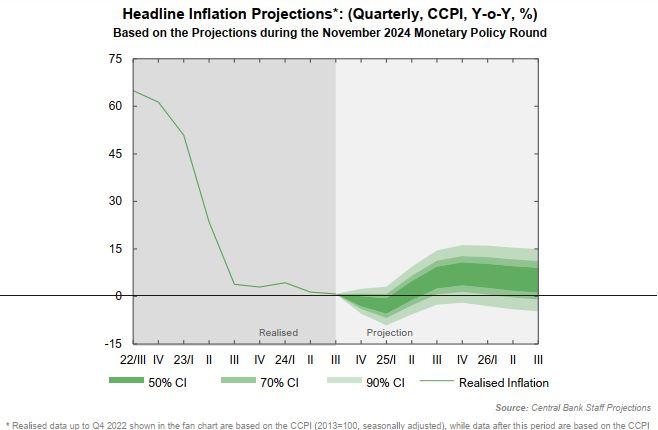
    The central bank’s recent policy report acknowledged that deflation was driven by one-off supply-side factors. It added that inflation is projected to align with the 5-7 per cent target range by the second half of the year due to diminishing supply-side effects and accommodative monetary policies.

    Sri Lanka’s central bank has projected an increase in the cost of living, with inflation expected to rise to the 5-7 per cent target range in the latter half of 2025. This marks a shift from the deflationary trend observed since the second half of 2022, attributed to stringent monetary policies.

    The central bank’s approach over the past two years allowed the Sri Lankan rupee to appreciate, leading to a reduction in prices across traded goods and energy — a rarity under International Monetary Fund (IMF) programmes. Analysts have noted that this deflationary period, achieved during a broader global “age of inflation,” is a significant achievement for Sri Lanka.

    However, the central bank’s recent policy report acknowledged that deflation was driven by one-off supply-side factors. “The deflationary environment resulting from the one-off effects of supply-side price adjustments will continue in early 2025,” the report stated. It added that inflation is projected to align with the 5-7 per cent target range by the second half of the year due to diminishing supply-side effects and more accommodative monetary policies.

    Deflationary Gains and Challenges Ahead

    Deflationary policies implemented by the central bank have restored external stability and curtailed the cost of imported goods. Analysts have called it one of the institution’s most significant short-term achievements in its 75-year history. This period also coincided with a reversal of money printing by the US Federal Reserve starting in March 2022, which helped reduce global commodity prices.

    The central bank’s policy shift aims to balance the benefits of deflation with the need for sustainable growth. “Following the high inflation episode from late 2021 to early 2023, it is believed that this temporary period of deflation would provide some respite to the general public by dampening the cost of living to some extent,” the report noted.

    Historical Context and Global Lessons

    Sri Lanka’s inflation management has drawn comparisons with global experiences during the Great Inflation of the 1970s. During that period, misconceptions about “supply-driven inflation” or “cost-push inflation” led to policy missteps in high-inflation countries. Classical economists argue that such beliefs, combined with unanchored monetary policies, were key contributors to prolonged inflationary episodes.

    The US Federal Reserve’s recent 9 per cent inflation spike also stemmed from a mistaken belief in supply chain bottlenecks as the primary driver, rather than expansive monetary policies. Federal Reserve Chair Jerome Powell later admitted this was a miscalculation.

    In contrast, Sri Lanka’s central bank embraced deflationary measures that allowed currency appreciation and restored external stability. Critics argue, however, that these gains may be short-lived without structural reforms and tighter inflation targets.

    Inflation Targeting and Policy Transparency

    Sri Lanka’s central bank operates under an inflation target of 5 per cent, with allowances to reach 7 per cent. These levels are higher than those in countries with greater monetary stability, where inflation targets typically range from 2 to 3 per cent. Critics contend that the central bank’s past policies, which aimed for 5 per cent inflation, contributed to recurrent currency crises in 2012, 2015, 2018, and 2020.

    To ensure accountability, the central bank has committed to submitting regular reports to Parliament under the Central Bank of Sri Lanka Act. These reports aim to explain any deviations from the inflation target and maintain transparency. The first such report has already been submitted.

    Looking Forward

    The central bank’s projection of a 5-7 per cent inflation rate in late 2025 underscores the challenges of balancing price stability and growth in a post-deflationary environment. While deflation provided temporary relief to households, the return to inflation may strain budgets, especially in a country with a history of economic volatility.

    Successive governments have attempted to address the rising cost of living through cabinet subcommittees, but analysts argue that a stricter inflation target would better control the monetary authority’s ability to influence prices. Without such measures, the central bank risks undermining public confidence in its policies.

    The coming years will test Sri Lanka’s ability to sustain economic stability while navigating the complexities of inflation management. Policymakers face the dual challenge of preventing excessive price pressures and fostering conditions for long-term growth in a fragile economic landscape.

    Bangladesh: Police Push for Independent Commission to Reform Accountability

    A recent online survey conducted by the Police Reform Commission revealed public support for such changes, with 58.9 per cent of 14,389 respondents favouring the creation of an oversight body to hold police accountable and shield them from external influences.

    Amid mounting allegations of systemic corruption and political bias favouring the ruling Awami League, the Bangladesh Police have proposed the establishment of an independent “Police Commission” with sweeping powers to ensure accountability, neutrality, and transparency within the force.

    Inspector General of Police (IGP) Baharul Alam submitted the draft proposal to Safar Raj Hossain, head of the Police Reform Commission. This move comes as part of a broader reform agenda aimed at restoring public trust in the police by ensuring their independence and alignment with human rights and the rule of law.

    Bangladesh’s The Daily Star newspaper quoted Baharul Alam as saying: “We have submitted a report to the commission proposing reforms, including the creation of a police commission.”

    Proposed Structure

    The proposed commission would consist of 11 members, with a retired Appellate Division judge or a retired IGP serving as chairperson. Key elements of its composition include:

    Four MPs: Two from the ruling party and two from the opposition, nominated by the parliament speaker after consultations with the prime minister and the leader of the opposition.

    Four Non-Political Members: A legal expert, a human rights activist, a retired IGP, and a social science or policing academician, at least one of whom must be female. These individuals would be appointed by the president from a list prepared by a selection committee.

    Ex-Officio Members: The home secretary and the serving IGP, with the latter acting as the member secretary.

    The selection committee itself would be led by the Chief Justice or a designated Appellate Division judge, alongside the heads of the Anti-Corruption Commission, Bangladesh Comptroller and Auditor General, National Human Rights Commission, and a retired secretary or IGP.

    Mandates and Functions

    The proposed commission would wield significant authority, including:

    • Recommending a panel of three senior officers for the position of IGP to the president, ensuring a fixed tenure of two to three years regardless of retirement age.
    • Removing an IGP upon majority agreement within the commission.
    • Overseeing appointments to key police positions, including heads of training institutions, specialised units, and district superintendents, with each appointment lasting two years.
    • Formulating policies on recruitment, transfers, promotions, and other service matters to eliminate favouritism based on political affiliations.

    “This will put an end to the practice of picking officers for promotions and lucrative positions based on their political loyalties,” noted a member of the Police Reform Commission on condition of anonymity.

    The commission would also draft national public safety policies and police-related laws, rules, and regulations as needed. Other responsibilities would include determining the lawful use of force and developing training, capacity-building initiatives, and specialised units to address emerging security challenges.

    Grievance Redress Mechanisms

    To enhance accountability, the commission would oversee a three-member complaint management committee, acting as an appellate body for grievances against police officers. Citizens dissatisfied with investigations conducted by police headquarters could appeal to this committee.

    For internal issues, a three-member Grievance Redress Committee would address complaints and problems faced by police officers, reporting directly to the commission chairperson for action.

    The commission’s members would serve four-year terms, with MPs losing their positions upon parliamentary dissolution. No member would be eligible for reappointment after serving one term. Strict eligibility criteria would exclude individuals with criminal records, tax defaults, loan defaults, or other disqualifications, ensuring the commission’s integrity.

    Balancing Independence and Accountability

    The draft proposal was informed by an online survey conducted by the Police Reform Commission, which garnered 14,389 responses. Of these, 58.9% supported the creation of a separate oversight body to ensure accountability and shield the police from external interference.

    “We have received a proposal from the IGP that suggests a constitutional commission,” Safar Raj Hossain confirmed.

    The reform commission is expected to incorporate this proposal into its final report, albeit without specifying a rigid format for the oversight body.

    The government would provide necessary resources, including permanent and temporary staff, and allocate funds based on the commission’s needs, according to the draft proposal.

    The success of the proposed commission hinges on its ability to operate independently, free from political interference. However, the inclusion of MPs from both ruling and opposition parties could potentially create a balancing act, fostering bipartisan support and legitimacy.

    Critics and experts will closely scrutinise the proposed commission’s effectiveness in addressing allegations of systemic corruption and political bias. Its success would depend on strict adherence to the framework and transparent execution of its mandates.

    The police reform agenda is a timely effort to restore public confidence in law enforcement. By eliminating practices of favouritism and politicisation, the proposed commission seeks to uphold human rights, protect individual liberties, and reinforce the rule of law.

    As the Police Reform Commission prepares to finalise its recommendations, the draft proposal for an independent police commission offers a glimmer of hope for a transformed and neutral police force. Whether the initiative will be embraced and effectively implemented remains to be seen.

    Public and Expert Reactions

    If implemented, the proposed commission could mark a turning point for policing in Bangladesh. A reform commission member, speaking on condition of anonymity, emphasised that this initiative would “put an end to the practice of picking officers for promotions and lucrative positions based on their political loyalties.”

    The draft also envisions the commission playing a pivotal role in drafting and updating police laws and policies, reflecting evolving societal needs and expectations.

    The proposal has drawn widespread attention. Analysts believe the reforms, if executed, could bolster public confidence in the police force by ensuring impartiality and professionalism. Human rights activists and legal experts have also welcomed the initiative, emphasising the need for independent oversight to uphold justice and prevent abuse of power.

    However, some sceptics have raised concerns about the feasibility of implementing such sweeping changes, particularly in a politically charged environment. Ensuring the commission’s independence from undue influence will be critical to its success.

    The Police Reform Commission, tasked with submitting its final recommendations, is expected to include the proposal as an annex. Once finalised, the reforms will require approval and implementation at the highest levels of government.

    Annual Water Bird Census Begins Across Nepal’s Wetlands

    By combining grassroots involvement with scientific expertise, the annual water bird census remains a cornerstone of Nepal’s conservation efforts, offering hope for the sustainable preservation of its wetlands and the diverse species they sustain.

    The much-anticipated annual water bird census has commenced across Nepal, starting Saturday, January 4, 2025. This nationwide initiative, which spans two weeks, is being conducted in lakes, ponds, rivers, and wetlands to gather critical data on the population, species diversity, and habitat conditions of water birds.

    Laxmi Prasad Poudel, a senior ornithologist and coordinator of the census for Wetlands International Nepal, emphasised that the survey has been a January tradition since its inception. “This census aims to collect vital data on both resident and migratory water birds, providing insights into their dependence on Nepal’s aquatic ecosystems,” Poudel explained.

    Winter Haven for Migratory Birds

    Each winter, Nepal becomes a sanctuary for thousands of migratory birds fleeing the harsh cold of the Arctic, Russia, China, and Mongolia. These birds seek the country’s hospitable climate and abundant food sources found in its wetlands and protected areas.

    Among the migratory species observed are geese, ducks, and cormorants, which thrive in Nepal’s waterways teeming with fish, insects, and other sustenance. The Nepalese Ornithological Union notes that the annual census offers a glimpse into the health of these ecosystems, underscoring their global significance as wintering grounds for avian species.

    Global Initiative Rooted in Local Participation

    The census is part of the Asian Water Bird Census (AWC), a program launched in 1987 by Wetlands International to monitor water birds across Asia, Europe, West Asia, the Neotropics, and the Caribbean. Nepal has been an active participant since the AWC’s inception, making this the country’s longest-running wildlife monitoring effort.

    Originally focused on a single Ramsar site and a few wetlands, Nepal’s census now covers a wide array of locations, including Koshi Tappu Wildlife Reserve, Chitwan, Bardiya, Shuklaphanta, Rara National Park, and other critical wetland regions like Beeshazar Tal, Ghoda Ghodi Tal, and Jagadishpur Reservoir. This year’s efforts aim to expand coverage to areas like Gokyo, Gosainkunda, Mai Pokhari, and Phoksundo lakes.

    “Citizen participation has been key to the success of this program,” Poudel said, encouraging birdwatchers visiting these regions to contribute their observations.

    By combining grassroots involvement with scientific expertise, the annual water bird census remains a cornerstone of Nepal’s conservation efforts, offering hope for the sustainable preservation of its wetlands and the diverse species they sustain.

    Highlights from 2024

    In 2024, the census covered 18 major wetlands and 84 smaller areas, enlisting 402 volunteers who recorded 63,900 water birds representing 79 species. Six of these surveyed wetlands are designated Ramsar sites, recognized for their international importance.

    The findings from this year’s census will be unveiled on February 2, 2025, to coincide with World Wetlands Day. A detailed report will follow during Wildlife Week, observed from April 13 to 19, 2025. These reports, along with comparative data from previous years, will help assess trends in water bird populations, distribution, and the overall health of Nepal’s wetlands.

    Protecting Nepal’s Wetlands

    Nepal’s wetlands play a crucial role in supporting biodiversity, acting as vital habitats for both migratory and resident water birds. However, these ecosystems face mounting challenges, including habitat loss, pollution, and climate change. The annual census not only sheds light on bird populations but also highlights the urgency of preserving these fragile ecosystems.

    “This year’s efforts will focus on areas that have received limited attention in the past, such as Rara Lake and key wetland areas in the Kathmandu and Pokhara valleys,” Poudel said.

    As the census progresses, it continues to reinforce Nepal’s commitment to conserving its natural heritage. The data collected will guide future conservation strategies and strengthen the country’s role in the global effort to protect avian species and their habitats.

    New Report Highlights Critical Food System Trends and Challenges in Countdown to 2030

    The report incorporates case studies from Ethiopia, Mexico, and the Netherlands to demonstrate the local relevance of food system dynamics. These examples highlight how targeted actions, informed by robust governance and a focus on resilience, can catalyze broader progress.

    A groundbreaking new study published on Tuesday in Nature Food offers a comprehensive analysis of global food system changes since 2000, revealing a complex mix of progress and setbacks. Titled “Governance and resilience as entry points for transforming food systems in the countdown to 2030,” the report underscores governance and resilience as pivotal leverage points for achieving the Sustainable Development Goals (SDGs) by the decade’s end.

    The study is the result of the Food Systems Countdown Initiative (FSCI), a collaboration involving Columbia University, Cornell University, the Food and Agriculture Organization of the United Nations (FAO), and the Global Alliance for Improved Nutrition (GAIN). It tracks 50 global food system indicators across five themes: diets, nutrition, and health; environment, natural resources, and production; livelihoods, poverty, and equity; resilience; and governance.

    Mixed Results Highlight Opportunities and Challenges

    Lawrence Haddad, Executive Director of GAIN, remarked, “This new report reveals a mix of encouraging advancements and concerning setbacks, underscoring the urgency of accelerating food systems transformation. Tradeoffs between goals like jobs, climate, nutrition, food security, and resilience are inevitable. But with stronger governance and better data, these tradeoffs can be mitigated and even flipped into synergies.”

    Among the 42 indicators analyzed over time, 20 showed improvement. Key successes include increased access to safe water and the rising availability of vegetables, essential for addressing global nutrition needs. Conservation of plant and animal genetic resources also saw notable progress, enhancing resilience against climate shocks and other disruptions.

    However, seven indicators revealed significant declines. These include heightened food price volatility, diminishing government accountability, and reduced civil society participation, which collectively threaten the stability and coherence of policies needed to address global crises. The report emphasizes that interconnectedness between indicators means changes in one area, such as governance or diet quality, often trigger ripple effects across the system.

    Evidence-Based Policymaking

    The report incorporates case studies from Ethiopia, Mexico, and the Netherlands to demonstrate the local relevance of food system dynamics. These examples highlight how targeted actions, informed by robust governance and a focus on resilience, can catalyse broader progress. Mario Herrero, Professor and Director of the Food Systems & Global Change Program at Cornell University, noted, “This report sheds light on the ways different areas of food systems are related and interact, which is critical in understanding how we can focus our efforts to maximize synergies, manage trade-offs, and avoid unintended consequences.”

    Governance and resilience are identified as pivotal entry points for accelerating food system transformation. Improvements in these areas could spark widespread positive changes across other indicators, amplifying global progress. Jessica Fanzo, Director of the Food for Humanity Initiative at Columbia Climate School, highlighted the urgency of comprehensive reform: “We are facing a syndemic of challenges: increasing diet-related diseases, continued undernutrition, and a changing climate. Combating these requires significant and rapid change. This study is so important because it shows the speed of change so far, to guide more action because we can only manage what we measure.”

    The report provides a clear roadmap for evidence-based policymaking. It urges a dual focus on accelerating areas of progress while addressing persistent gaps. “As we enter the final five years of the SDG process, we have to double down on areas of progress while addressing persistent gaps,” said José Rosero Moncayo, Chief Statistician at FAO. He also emphasized the importance of improving data quality and expanding the pool of indicators to better analyze food system components.

    Broader Implications for Agrifood Systems

    The report raises concerns about increasing food price volatility, weakening government accountability, and declining civil society participation. These issues threaten the resilience and equity of food systems globally, particularly in light of overlapping crises such as climate change, economic instability, and public health challenges.

    The term “food systems” in the report aligns with the United Nations Food Systems Summit framework but also considers broader agrifood systems. These encompass activities related to non-food agricultural products, such as forestry and biofuels, which significantly influence environmental and social outcomes. Many indicators cannot distinguish between food and non-food components, highlighting the interconnectedness of global food systems.

    As the countdown to 2030 continues, the FSCI emphasizes the need for coordinated, cross-sectoral approaches to transform food systems. By prioritizing governance and resilience, global efforts can maximize synergies, minimize trade-offs, and achieve sustainable and equitable outcomes.

    Lawrence Haddad concluded, “This report helps us understand how to accelerate progress toward the SDGs. It’s not just about tracking data; it’s about using that data to drive meaningful change.”

    Nature Goes to Court

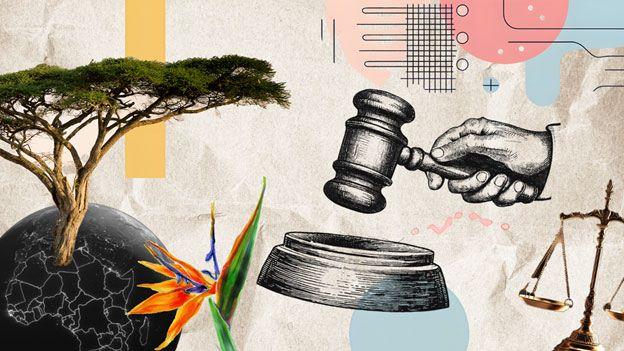
    Nature is taking the stand as courtrooms worldwide become battlegrounds for Earth’s rights. The rise in climate litigation shows how the environment can take centre stage as a plaintiff, demanding justice and accountability, benefiting us all.

    By Kanni Wignaraja

    On 23 October 2024, India’s Supreme Court declared a pollution-free environment a fundamental right, underscoring the government’s duty to provide clean air and water. In April 2024, the European Court of Human Rights ruled against the Swiss State for inadequate climate action, affirming climate change as a human rights issue.

    Since 2017, climate change court cases have surged, particularly in the US, but increasingly worldwide. Cases tripled from 884 in 2017 to 2,540 in 2023, with about 17 percent now occurring in developing countries, including small island developing states. The legal landscape is evolving, with significant rulings in Asia and the Pacific driving change. This is an area where UNDP is providing crucial support.

    Early, Groundbreaking Work

    For an example of climate justice pioneering, we can turn to 2010 to India’s National Green Tribunal and the Philippines’ Writ of Kalikasan (Kalikasan means Nature in Filipino language). This unique legal instrument – whose design was supported by UNDP – enables citizens to protect environmental rights by filing swift, accessible court petitions addressing ecological damages affecting multiple regions.

    It allows immediate judicial intervention to safeguard balanced and healthy ecosystems. For example, it has been used to close dumpsites and illegal landfills, prompt the rehabilitation of Manila Bay, and order the listing of non-environmentally friendly plastic products.

    Similarly, courts in Pakistan have adopted a “climate justice” perspective, forming a climate change commission. A notable case involved seven-year-old Rabab Ali, who challenged plans to expand coal production in the Thar desert, focusing on intergenerational equity in climate actions. Pakistan was also one of the main proponents of the Loss and Damage concept, when it was first tabled.

    Emerging Trends in Climate Litigation

    Following the landmark Paris Agreement in 2015, activists and citizens worldwide are increasingly turning to courts for climate solutions, spurring innovative legal approaches and rethinking what climate justice means. Key trends include:

    Human rights-related to environmental assets and protections: Courts are recognizing the connection between climate change and human rights, boosting protections and accountability. Many courts now interpret constitutional rights to include environmental protections.

    Intergenerational equity: Cases by youth emphasize the unequal impact of climate change on future generations and how climate justice is one of the main advocacy issues for youth worldwide.

    Corporate accountability: Courts extending climate obligations to businesses.

    Innovative legal concepts: New principles like “water justice” and recognizing nature’s legal rights are gaining traction, for example trees as living beings.

    “Activists and citizens worldwide are increasingly turning to courts for climate solutions, spurring innovative legal approaches and rethinking what climate justice means.”

    Thanks to the leading role of the Pacific Island State of Vanuatu at the UN General Assembly, now the International Court of Justice is hearing a landmark case on climate justice – its largest case ever – to determine what countries and companies are obliged to do under international law to protect the climate and environment from human-caused greenhouse gas emissions; and to determine the legal consequences for governments, where their acts or lack of action have significantly harmed the climate and environment.

    The court’s advisory opinion can be expected to influence climate-related legal action and policy for decades to come.  These legal advances compel the public and private sectors to consider and define more ambitious climate goals, offering citizens and activists new paths to enforce accountability.

    What’s next for UNDP?

    For UNDP, this is not only an area that requires urgent action but also a natural point of thematic convergence that brings together two of our areas of expertise: climate action and governance. UNDP is actively supporting courts in tackling these novel cases.

    For example, our global strategy for environmental justice (2022) aims to increase accountability and protection of environmental rights for current and future generations, as well as promote environmental rule of law. The strategy is based on a three-pronged approach: establishing enabling legal frameworks: supporting people-centred, effective institutions; and increasing access to justice and legal empowerment.

    UNDP’s Nature Pledge has a key target of strengthening environmental justice frameworks in 50 countries. This is yielding concrete results. For example, in Thailand, UNDP partnered with the Judicial Training Institute for Climate Justice training, equipping judges with climate impact insights.

    By supporting innovative legal concepts, we help justice actors advocate for new legal principles like “water justice,” aiding courts in novel environmental cases. UNDP has also supported ASEAN countries with an Environmental Justice Needs Assessment.

    Through its Justice Futures CoLab, UNDP advances the right to a healthy environment and addresses injustices, supporting courts in climate justice efforts. Judicial systems are becoming key players in climate action, with the potential to address issues of climate migration, Indigenous rights, financing and extreme weather liabilities.

    Climate justice will also be a critical factor under the proposed loss and damage mechanism, where UNDP, with national and international partners, supports countries with taxonomy, valuation of natural assets, damage assessments and strengthen the capacities of the courts to hear and manage these cases. Social awareness and citizens’ participation on issues of climate justice is another line of engagement.

    As our climate and nature related “events” intensify, so will this trend towards seeking justice, legal and financial recourse. Ensure the systems and people involved are well prepared and discerning in this relatively new arena will serve everyone, including the environment as plaintiff in the midst of it all.

    Kanni Wignaraja is UN Assistant Secretary-General and UNDP Regional Director for Asia and the Pacific

    Source UNDP

    Amid Continuing Turmoil, Guterres Highlights ‘Hope Through Action’ for 2025

    The world continues to grapple with unprecedented challenges but there are reasons for cautious optimism in 2025 – on a long-awaited Gaza ceasefire, climate action, tackling inequality and harnessing AI for the public good, United Nations Secretary-General António Guterres insisted.

    In his traditional New Year address to the General Assembly setting out his key priorities for the global organization, the UN chief acknowledged the “turmoil of our world” and conceded that “it is understandable to get overwhelmed”.

    Nonetheless, Guterres urged delegates to “never lose sight of progress and potential”, highlighting the ceasefire in Lebanon which is “largely holding” and the country’s recent election of a President, after a two-year stalemate.

    Away from the world’s battlefields, the UN chief underscored positive developments on climate action that reflect the commitment of the United Nations to combating global warming, as “the world now invests almost twice as much in clean energy as it does in fossil fuels…almost everywhere, solar and wind are now the cheapest sources of new electricity – and the fastest growing in history,” he said.

    And as a measure of how much socio-economic progress has been made in line with UN values, Guterres noted that “in much of the world, girls have achieved parity in education. On health matters, moreover, “more children are surviving today than ever before,” he insisted, before adding that HIV infections “continue to dramatically decline, along with malaria mortality rates”.

    He described the UN as “a force of construction” that is always strengthening how it works and delivers, proving the maxim that global problems need global solutions.

    Pandora’s Box

    But there can be no illusions that action or inaction has “unleashed a modern-day Pandora’s Box of ills,” he continued, highlighting protracted wars, inequality, the climate crisis and “out of control technology.”

    Conflicts are multiplying with the full spectrum of human rights under increasing attack.

    Guterres called for negotiators who are reportedly close to a deal on a Gaza ceasefire to finalise the deal. Throughout the whole Middle East “we must deny extremists a veto over a peaceful future,” he said.

    He announced he would be travelling to Lebanon later in the day, emboldened by the positive developments there in recent weeks that could see Israelis and Lebanese forge a new and lasting era of peace and security.

    He highlighted conflict in Ukraine, Sudan, the Sahel and Haiti.

    Tackling Inequality

    “Inequalities can be beaten,” he said boldy, starting with accelerating progress on the Sustainable Development Goals (SDGs) through multilateral reform on all fronts.

    He said the scourge of discrimination and hate speech was also fuelling inequality, demonstrating the need to strengthen “communities of belonging”: “This is even more crucial as guardrails around social media platforms are being dismantled, allowing disinformation and hate speech to run rampant.”

    Climate Crisis

    Referencing the infernos engulfing the canyons of Los Angeles, the UN chief said everyday people worldwide are suffering the deadly effects of a warming planet and extreme weather.

    But here too, there is a huge opportunity to reverse the damage and build on climate action such as renewable energy growth, a commitment to net zero and national plans to cut emissions.

    The UN is assisting nearly 100 developing countries with their climate action plans ahead of the pivotal COP30 in Brazil later this year and he promised a special stocktaking event to keep the 1.5℃ target within reach.

    Technology Race

    The Secretary-General said the technology revolution in 2025 also offers “unprecedented opportunities” but needs careful stewardship and a commitment to equal access for all.

    Rapid and decisive action must be taken across the UN to ensure a level playing field including the setting up of an Independent International Scientific Panel on AI – without delay.

    Secondly, governance of Artificial Intelligence must protect human rights while also promoting innovation. Third, developing countries must be supported so AI can be leveraged for sustainable development, he said.

    “Humanity’s hand must be firmly in control” of the tech revolution, he added, with every nation helping to shape AI to advance human progress, equality and dignity.

    Hope Remains

    In closing, he noted that the Pandora myth includes one often overlooked detail. After the box was opened unleashing its horrors, there was one thing left inside – hope.

    “We must never lose sight of hope,” Guterres said. “And we will work to lift the lid on that hope through action. To make it real, to help it spread – sticking to principles, speaking the truth, never giving up.”

    The Davos Disconnect

    The 2025 Annual Meeting of The World Economic Forum will take place at Davos-Klosters from January 20-24. The meeting brings together government, business and civil society leaders to set the year’s agenda for how leaders can make the world a better place for all. It’s relevance as a global gathering sits within and beyond the official programme. The importance of dialogue — often happening in private conversations — reveals an ever important mission to convene leaders when ‘threats to world stability are multiplying‘.

    By Deodat Maharaj

    “It was the best of times; it was the worst of times.” Charles Dickens is more relevant today than ever.

    The wealthy and powerful are meeting again this year in glamorous Davos, at an invitation-only event. They arrive in chartered aircraft and private jets to speak about our warming climate, among other global concerns.

    The super-rich, politicians and celebrities gather for the World Economic Forum’s annual meeting later this month at a time when global inequity is at its highest. Last year saw a phenomenal growth of wealth in major economies with valuations of at least eight companies exceeding the trillion-dollar mark.

    On the other hand, those at the margins are barely scraping a living and preoccupied with where their next meal is coming from. Globally, 733 million people are facing hunger, and 2.33 billion are food insecure. The situation is most dire in the 44 Least Developed Countries (LDCs).

    Based on the data, it is getting worse for people living in the poorest and most vulnerable countries. According to Oxfam, the wealthiest 1 per cent own almost half of the world’s wealth, while the poorest own just 0.75 per cent. In addition to inequality, geopolitical tensions and external threats, including climate change are rising. At the same time, the global economic outlook remains subdued.

    Alarming Gap

    The 2025 theme for Davos, ‘Collaboration for the Intelligent Age,’ is particularly timely for wealthy countries as they reap rich dividends due to rapid technological advancements. Equally, the theme holds profound significance for people living in LDCs, where new and relevant technologies can permanently alter their development trajectory.

    However, only 36 per cent of their citizens have access to the internet, and digital infrastructure is weak. So, if we care about a more equal world, a necessary first step is to focus on the reality of those living on less than $1.90 a day.

    In terms of solutions, the Davos gathering should look at concrete and practical ways to help these countries with financing and technical expertise to reduce this alarming gap where poor people are not just left behind but are completely left out.

    Five Priorities

    The summit agenda outlines five priorities and their rationale – all pertinent for LDCs if the will, financing, and collaboration can be mustered.

    Reimagining growth: The World Economic Forum notes that the digital economy has the potential to account for up to 70 per cent of the new value generated globally in the next ten years.

    This potential and attendant economic benefits will reside overwhelmingly in the wealthiest countries. Nonetheless, the digital economy provides an outstanding opportunity for the poorest countries to leapfrog in their development gains.

    With support through technology transfer, financing, and capacity building in the LDCs, their development trajectory can change, creating new jobs and opportunities for their people.

    Industries in the intelligent age: This thematic focus is invariably on the world’s largest businesses and economies. However, there is much that big business can do to help grow a global economy where everyone benefits. Sharing best practices and investing in LDCs are prime examples of ways to promote a more equitable transition into the tech future.

    Business has an important role to play in enhancing the presence of these countries in global supply chains. They can also support small and medium enterprises by boosting their productive capacity at the domestic level. However, this has not happened thus far, and the time to change the focus is now.

    Investing in people: Globally, education systems are struggling to adapt to fast-changing technologies, with just 54 per cent of countries having digital skill standards. However, in the world’s poorest nations, 260 million people of primary and secondary school age did not attend school in 2020.

    As long as LDCs spend more on servicing their external debt than on education, this appalling inequality will not change. Using low-cost, high-impact technologies to build human capital in LDCs is fundamental. There is much the wealthiest countries can do in this critical area.

    Safeguarding the planet: Large pockets of the world’s poorest are starving due to climate-induced disasters and food insecurity. Climate financing action is vital for LDCs, which contribute less than 4 per cent of global emissions but bear some of the most severe impacts of climate change.

    Existing technologies, as well as new and emerging technologies that can help predict climate change and manage disasters, should be transferred to those who need it most. And of course, the developed world must meet its commitments on financing for climate action.

    Rebuilding trust: There is much talk about global collaboration and multilateralism – at a time of rising global inequality and increasing isolationism. Davos could do well to foster greater inclusivity and, in doing so, build this much-needed trust and hope.

    Those with great wealth and influence also have a great responsibility. Unless the World Economic Forum’s annual summit focuses on the more than one billion people living in the world’s poorest countries, it will remain an echo chamber for the privileged.

    A global future rooted in equity, shared prosperity, and collective resilience is not only possible but essential for us all. Davos 2025 must seize the opportunity to redefine itself as a true forum for global progress.

    Deodat Maharaj is Managing Director of the United Nations Technology Bank for the Least Developed Countries (LDCs) and can be reached at: [email protected]

    This piece has been sourced from Inter Press Service.

    Pakistan Eyes Expansion in Chinese Capital Markets and Hong Kong Listings

    The Finance Minister also revealed plans for corporate stock listings in Hong Kong. He pointed to Service Long March, a Pakistani-Chinese joint venture producing tires for trucks and buses, as a candidate for an equity listing in Hong Kong.

    Pakistan is taking significant steps to deepen its financial and economic engagement with China, aiming to tap into the world’s second-largest capital market and expand corporate opportunities in Hong Kong. Federal Minister for Finance and Revenue, Senator Muhammad Aurangzeb, outlined the government’s strategy during an interview with Nikkei Asia on the sidelines of the Asian Financial Forum in Hong Kong.

    Aurangzeb confirmed plans to issue an inaugural panda bond by the end of the year, with an estimated value between $200 million and $250 million. However, the minister emphasized that the initiative’s significance lies not in its size but in its potential to establish a foothold in the Chinese yuan bond market. “What is important is that we do go for an inaugural issue and then, once it’s successful, we can always keep it on tap,” he said.

    The minister acknowledged that not utilizing China’s capital markets earlier was a missed opportunity. He expressed eagerness to correct this oversight in 2025, saying, “We are quite keen that during this calendar year, we do.”

    Broadening Financial Horizons

    Aurangzeb highlighted the importance of diversifying Pakistan’s funding sources and reducing reliance on traditional mechanisms, including International Monetary Fund (IMF) programs. To this end, he emphasized the value of reforms that could improve Pakistan’s credit rating and bolster investor confidence. “We are hopeful to reach the ‘B’ rating zone in due course by adhering to IMF’s terms,” he stated.

    The Finance Minister also revealed plans for corporate stock listings in Hong Kong. He pointed to Service Long March, a Pakistani-Chinese joint venture producing tires for trucks and buses, as a candidate for an equity listing in Hong Kong. “These joint ventures want to do equity [fund] raising, and in international markets, Hong Kong is a very, very obvious choice,” he explained, hinting at future opportunities for Pakistani companies to pursue both primary and secondary listings in the financial hub.

    Strengthening CPEC and Bilateral Ties

    The China-Pakistan Economic Corridor (CPEC), a centerpiece of China’s Belt and Road Initiative, remains central to Pakistan’s economic agenda. Aurangzeb reaffirmed the government’s commitment to this flagship project, dismissing concerns that IMF conditions might hinder new tax incentives or economic zones tied to CPEC. “It’s not really as big a deal as it’s being made out to be,” he said, emphasizing the need to prioritize the implementation of existing projects.

    The minister also addressed safety concerns for foreign nationals, particularly Chinese citizens working in Pakistan. He assured that the government is prioritizing security at the highest levels and highlighted that the situation on the ground is much better than portrayed in media outlets.

    Economic Recovery; Challenges Ahead

    Aurangzeb pointed to encouraging economic indicators, including a sharp decline in inflation from 38 per cent in May 2023 to 3 per cent in January 2025, a boost in foreign exchange reserves, and a record-breaking performance by the local stock market. “All of this has moved us in the right direction, including the biggest story for us, which is inflation,” he said.

    Despite these gains, the minister acknowledged the need for structural reforms in taxation, the energy sector, state-owned enterprises, and public finance. Pakistan’s tax-to-GDP ratio, for instance, remains at 10.8 per cent, well below the target of 13.5 per cent. The government also plans to relaunch efforts to privatize the loss-making national carrier, Pakistan International Airlines (PIA), after a failed attempt last year.

    Aurangzeb stressed the importance of building an export-led growth model and attracting more foreign direct investment. These steps, he said, are crucial to breaking the cycle of economic booms and busts. “It is critical that we stay away from boom and bust cycles,” he emphasized. “We are now in the 25th IMF program, and we want to ensure that this is the last program.”

    The minister’s roadmap envisions Pakistan establishing a stronger presence in international capital markets while leveraging its strategic partnership with China. With the inaugural panda bond and Hong Kong equity listings on the horizon, Pakistan’s economic future may be set for a transformative phase. The success of these initiatives will likely hinge on the country’s ability to implement reforms and attract sustained foreign investment, paving the way for long-term stability and growth.