More

    Sri Lanka and UNDP Seal $4.5 Million Pact to Protect Eastern and Southern Coastal Biodiversity

    Sri Lanka is partnering with the UNDP on a five-year GEF-funded project to conserve critical coastal ecosystems in Ampara, Batticaloa and Hambantota while boosting sustainable livelihoods and climate resilience.

    Sri Lanka has signed a landmark agreement with the United Nations Development Programme (UNDP) for a five-year, US$4.507 million coastal biodiversity conservation project funded by the Global Environment Facility (GEF). The pact aims to promote sustainable economic benefits through the protection of critical biodiversity and ecosystem services in the Eastern and Southern coastal regions of the country.

    The project will be implemented by the Ministry of Environment under the Full National Implementation Modality, with technical support from UNDP.

    Titled “Promoting Sustainable Economic Benefits through the Conservation of Critical Biodiversity and Ecosystem Services in the Eastern and Southern Coastal Regions of Sri Lanka,” the initiative targets the districts of Ampara, Batticaloa and Hambantota. These areas host rich coastal and marine habitats, including estuaries, lagoons, mangroves, seagrass beds, coral reefs and beaches that support fisheries, tourism and local livelihoods while providing essential climate protection.

    Project Goals and Geographic Focus

    The project’s core objective is to conserve biodiversity and critical ecosystem services through an integrated, inclusive and climate-resilient approach to terrestrial, coastal and marine resource management. It seeks to generate tangible economic benefits for local communities while building long-term resilience against climate impacts.

    Sri Lanka’s eastern and southern coasts form part of a global biodiversity hotspot. They support more than 21 mangrove species, over 200 hard coral species, diverse fish populations, sea turtles, dugongs and other marine life. These ecosystems act as nurseries for commercially important species, protect shorelines from erosion and storm surges, filter pollutants and store significant amounts of carbon. Yet they face mounting pressures from habitat encroachment, destructive fishing practices, pollution, invasive species and the intensifying effects of climate change, including sea-level rise and extreme weather.

    By focusing on Ampara, Batticaloa and Hambantota, the project addresses regions that combine high ecological value with socio-economic vulnerability. Many coastal communities in these districts depend heavily on fisheries, small-scale agriculture and emerging tourism, making them particularly exposed to environmental degradation.

    Key Focus Areas and Components

    The initiative rests on five interlinked pillars: strengthening governance and institutional capacity for landscape and seascape management; improving financing mechanisms for nature-based solutions; demonstrating ecosystem-based management approaches in priority coastal areas; advancing awareness, knowledge management and gender mainstreaming; and establishing robust monitoring and evaluation systems for lasting impact.

    According to project documents, the GEF grant of US$4.507 million is complemented by substantial co-financing of approximately US$26.67 million from government agencies, partners and other sources, bringing the total investment to over US$31 million. The five-year programme (60 months) falls under GEF-8 and addresses multiple focal areas including biodiversity, climate change and land degradation.

    Strengthening Governance and Institutional Capacity

    A central component focuses on creating an enabling framework for safeguarding biodiversity and promoting a nature-positive economy. This includes establishing functional coordination mechanisms at provincial, district, divisional and community levels; reviewing and updating priority policies and regulations; developing monitoring systems for ecosystems outside protected areas; and building the institutional capacity of key national and provincial entities.

    These measures aim to overcome fragmented management approaches that have historically hindered effective coastal and marine conservation in Sri Lanka. By fostering multi-sector collaboration, the project seeks to integrate biodiversity considerations into broader economic planning and development decisions.

    Financing Nature-Based Solutions and Livelihood Opportunities

    Another key thrust is improving financing and incentives for nature-positive practices. Activities will assess resource gaps, develop and test financial solutions and resource mobilisation strategies, explore public-private business models, and strengthen stakeholder capacities to implement new revenue-generating instruments.

    The project expects to deliver direct benefits to at least 8,500 people, half of them women, through improved natural resource management, livelihood diversification, small-scale enterprises and climate mitigation measures. Nature-based economic opportunities are expected to span sustainable fisheries, responsible tourism, climate-smart agriculture and related value chains.

    Demonstrating Ecosystem-Based Management on the Ground

    The largest share of resources will support the demonstration and scaling of integrated ecosystem-based management in selected coastal landscapes and seascapes. Planned outcomes include enhancing management effectiveness across more than 200,000 hectares of terrestrial protected areas and nearly 1,000 hectares of marine protected areas; improving management of large wetland and marine areas outside formal protection; restoring at least 4,800 hectares of degraded wetlands, forests, mangroves, tidal marshes and seagrass beds; and promoting responsible tourism and sustainable fisheries practices.

    Public-private partnerships will be developed for the restoration of forests, mangroves, salt marshes, coral reefs and seagrass ecosystems. Climate-smart agricultural practices and producer partnerships will also be facilitated to reduce pressure on sensitive habitats while supporting rural incomes.

    Awareness, Gender Equality and Long-Term Sustainability

    The project places strong emphasis on awareness raising, knowledge management and gender mainstreaming to ensure results can be replicated and sustained. Capacity-building programmes will help stakeholders integrate biodiversity and ecosystem services into their plans and investments. Good practices will be documented and shared, and a dedicated monitoring and evaluation system will track impacts, including gender and youth outcomes.

    UNDP has highlighted the community-focused, multi-sectoral approach as central to success. “Through a community-focused, multi-sectoral approach, this project will help safeguard Sri Lanka’s terrestrial, coastal and marine ecosystems while building climate resilience and sustainable livelihoods for coastal communities,” the organisation stated.

    Broader Context and Expected Impact

    The initiative aligns with Sri Lanka’s national commitments under the National Biodiversity Strategy and Action Plan, Nationally Determined Contributions, National Adaptation Plan and Land Degradation Neutrality targets. It also contributes to global goals under the Convention on Biological Diversity and the Sustainable Development Goals, particularly those related to life below water, climate action and sustainable livelihoods.

    By combining conservation with economic opportunity, the project seeks to demonstrate that protecting coastal biodiversity can deliver measurable benefits for both nature and people. Over its five-year lifespan, it aims to improve ecosystem resilience, reduce greenhouse gas emissions through restoration, and create models of sustainable coastal development that can be scaled nationally.

    Government Targets Upgrade of 300 KVKs by March 2027, Incubation Centres in All by 2028

    Centre pushes Centre-State collaboration to modernise farm science centres with better infrastructure, staff reforms and entrepreneurship hubs for farmers nationwide.

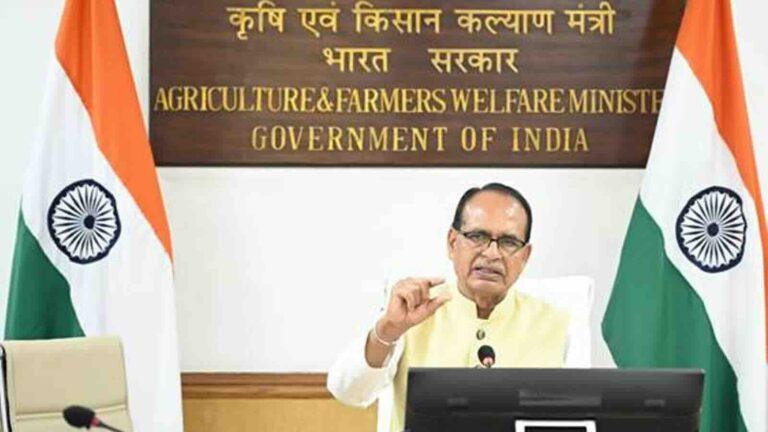
    Union Agriculture and Farmers’ Welfare Minister Shivraj Singh Chouhan on Monday reviewed an ambitious action plan to strengthen India’s network of Krishi Vigyan Kendras (KVKs). The meeting in New Delhi focused on recommendations from the 5th Chief Secretaries’ Conference 2025 and set clear deadlines: upgrade infrastructure and logistics of 300 priority KVKs by March 2027, and establish Incubation-cum-Skill Centres in every KVK by December 2028.

    Union Minister of State Bhagirath Choudhary, DARE Secretary and ICAR Director General Dr Mangi Lal Jat, and senior ministry officials attended. Chouhan stressed that stronger KVKs demand active State participation, timely funding, modern infrastructure and adequate manpower so that scientific knowledge, improved varieties, skills and entrepreneurship reach farmers faster.

    Priority Upgrades for 300 KVKs

    The core target is upgrading the infrastructure and logistics of 300 prioritised KVKs by March 2027. DARE has already engaged chief secretaries of states and union territories to mobilise financial and institutional support. Several States have started work through their state agricultural universities. Maharashtra, Gujarat, Goa and Chhattisgarh have received Detailed Project Reports from universities and KVKs, while others are at various stages of preparation and implementation.

    KVKs function as district-level farm science centres under the Indian Council of Agricultural Research (ICAR). India currently has around 731 such centres covering most rural districts. They conduct frontline demonstrations, train farmers, produce quality seed and planting material, and act as knowledge hubs that bridge research institutions and the field. Upgrading logistics and physical facilities is expected to improve the quality and reach of these services.

    Incubation-cum-Skill Centres Across the Network

    A second major goal is the creation of Incubation-cum-Skill Centres in all KVKs by December 2028. Under this initiative, each KVK is being mapped with agro-based enterprises, technical partner institutions and district-specific agricultural opportunities. Individual incubation plans are under preparation for submission to states and UTs for funding and implementation support.

    These centres are intended to turn KVKs into platforms for rural entrepreneurship. Farmers, rural youth and women’s groups will gain access to skill training, technology incubation, business planning support and linkages to markets and finance. The move aligns with the broader push to raise farm incomes through value addition, processing and agri-startups rather than production alone.

    Staff Reforms and Manpower Strengthening

    The meeting also reviewed long-pending reforms for KVK personnel. Proposals relating to pay, allowances and promotions have received approval from the Department of Expenditure. States have been urged to provide National Pension System (NPS) contributions and retirement benefits where applicable, and to fill vacancies through timely recruitment. Adequate and motivated staff is seen as essential for KVKs to deliver their mandated activities effectively.

    Without sufficient human resources, even upgraded buildings and equipment will fall short. Officials noted that vacancies and delayed promotions have constrained performance in some centres. The approved reforms and state-level recruitment drives aim to address this gap.

    Timely Funds and Seasonal Programmes

    Special attention was paid to the timely release of funds, particularly for seasonal agricultural programmes. Under the Cluster Frontline Demonstrations (CFLD) on pulses and oilseeds for 2026-27, activities are under way across 24 States through 353 KVKs and districts, targeting 12,349 hectares. So far, 9,750 hectares have been covered. States were asked to ensure smooth fund flow up to the Agricultural Technology Application Research Institute (ATARI) and KVK levels, arrange quality seeds of recommended varieties on time, and strengthen coordination during planning and execution.

    Delays in fund release have repeatedly disrupted demonstrations that must coincide with specific cropping windows. Smoother financial systems will help maintain the momentum of these large-scale technology transfer efforts.

    Role in Pradhan Mantri Dhan-Dhaanya Krishi Yojana

    KVKs will play a key supporting role in the Pradhan Mantri Dhan-Dhaanya Krishi Yojana (PM DDKY). States have been requested to provide adequate funding so that KVKs can implement both their regular mandated activities and district-specific action plans under the scheme. All activities and outcomes, including capacity-building programmes, must be uploaded on the designated portal for monitoring, reporting and assessment.

    This integration is expected to improve last-mile delivery of scheme benefits and generate real-time data for course correction. Chouhan underlined that centre-state convergence remains the decisive factor. Modern infrastructure, skilled manpower and district-level action plans must move together if KVKs are to respond effectively to emerging challenges such as climate variability, market fluctuations and the need for higher productivity with sustainability.

    Broader Vision for Farm Extension

    Strengthened KVKs are positioned as the backbone of India’s agricultural extension system. They already generate significant returns: studies have shown high cost-benefit ratios and a strong multiplier effect, with one trained farmer often passing knowledge to dozens of others. Expanding their infrastructure, entrepreneurship facilities and human resources is expected to accelerate the spread of improved varieties, climate-resilient practices, precision tools and value-chain skills.

    The targets set at the September 2026 review meeting mark a concrete timeline for transforming these centres from traditional demonstration units into dynamic hubs of technology, skill and enterprise. Success will depend on states accelerating DPR finalisation, releasing funds promptly, filling staff positions and treating the incubation centres as shared priorities rather than optional add-ons.

    According to ICAR, if the 300 priority upgrades are completed by March 2027 and incubation facilities roll out across the full network by end-2028, farmers in every district will gain closer access to scientific support, practical training and pathways to agri-business. The government has made clear that the transformation of KVKs is no longer a distant aspiration but a time-bound national programme requiring coordinated action by the centre, states, agricultural universities and the farming community itself.

    Nepal: President Paudel Demands Climate Justice

    Nepal’s head of State has urged the world to act on climate justice after Himalayan floods killed 1,355 and left nearly 5,000 missing, with reconstruction costs soaring into the billions.

    The President of Nepal, Ramchandra Paudel, on Monday appealed to the international community for concrete climate justice as Nepal continues to grapple with one of its deadliest disasters in recent memory. 

    Addressing the nation nearly two weeks after catastrophic flash floods swept through the Bhotekoshi-Trishuli river basin, Paudel said the tragedy had laid bare the extreme vulnerability of the Himalayan environment and served as a stark warning of rising global temperatures.

    The floods, triggered on 26 August by an ice-and-rock avalanche near the Nepal-China border, have claimed at least 1,355 lives across multiple districts, according to official figures released on Monday. Nearly 5,000 people remain unaccounted for, including hundreds of foreign nationals from dozens of countries. Preliminary estimates put the damage to homes, infrastructure and property at Rs 387.5 billion (about $2.56 billion), with longer-term reconstruction costs potentially reaching $5 billion.

    “I make a heartfelt appeal to the international community not only to listen to the voices of ecologically vulnerable countries, including Nepal, but also to take concrete and effective steps to ensure climate justice for them,” Paudel said. He described the disaster as exposing the “exceptional fragility” of the Himalayan ecosystem and called for national unity in the face of mourning, search operations and eventual rebuilding.

    A Disaster of Unprecedented Scale

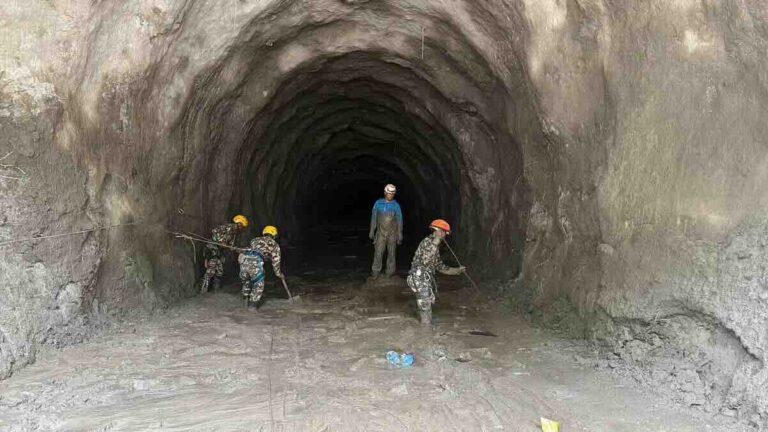
    The floods struck with terrifying speed. A massive collapse of ice, rock and debris high in the mountains sent a wall of water, mud and sediment roaring downstream, destroying villages, roads, bridges and multiple hydropower projects along a stretch of the river system. Districts including Rasuwa, Nuwakot, Dhading and others bore the brunt. Entire settlements were erased, and workers trapped inside hydropower tunnels became a focus of prolonged rescue efforts.

    Search-and-rescue operations continue more than 13 days later. Security forces, including the Nepali Army, Nepal Police and Armed Police Force, have rescued more than 13,000 people. Helicopters, excavators and specialised teams from neighbouring countries have been deployed, yet difficult terrain, damaged roads and unstable conditions have slowed progress. Four people were rescued alive in recent days from tunnels and debris, offering rare moments of hope amid the grim statistics.

    Paudel praised the efforts of security personnel, health workers, local representatives, civil servants, volunteers and organisations involved in the response. He urged those still waiting for news of missing relatives and friends to remain confident that operations would not stop. “The pain of this moment of uncertainty that you are experiencing is being felt by the entire nation,” he said.

    Climate Change at the Heart of the Crisis

    Nepali leaders have been unequivocal in linking the disaster to climate change. The Himalayan region is warming faster than the global average, accelerating glacial melt, destabilising slopes and raising the risk of catastrophic outbursts. Nepal contributes less than 0.1 per cent of global greenhouse gas emissions yet repeatedly suffers the consequences of a crisis it did little to create.

    Prime Minister Balendra Shah earlier told Nepal’s Parliament that the floods demonstrated the growing risks faced by mountain communities and that mitigating those impacts was a shared global responsibility. Foreign Minister Shisir Khanal has framed international support as a matter of “legal and moral liability” rather than charity, identifying major emitters such as China, the United States and India as bearing historical responsibility. Nepal has formally approached the UN Fund for Responding to Loss and Damage, established under the UNFCCC, seeking urgent financial assistance.

    Paudel’s address reinforced this message. He said the disaster was a serious alert about continuously rising temperatures and the risks they pose to countries like Nepal. The call for climate justice echoes positions Nepal has taken at successive COP climate summits, where it has pressed for loss-and-damage funding, easier access to climate finance and recognition of the unique vulnerabilities of Himalayan and least-developed nations.

    Unity Over Division in the Recovery Phase

    Beyond the international appeal, Paudel focused on the domestic response. He called on political parties, elected representatives, civil society, humanitarian organisations, the private sector and ordinary citizens to stand together. “This is not a time for division. Nor is it a time to blame one another or become entangled in political disputes and confrontation,” he said. “This is a time to demonstrate national unity and solidarity. It is also a time for reconstruction, rehabilitation and economic recovery.”

    He stressed that every rescued person must have access to food, clean drinking water, safe shelter, medical treatment and psychosocial support. Special attention should be given to children, older people, persons with disabilities, pregnant women and other vulnerable groups. Temporary shelters must be safe and dignified. Families of both Nepali and foreign victims should receive accurate information and assistance to bring loved ones home.

    The president also thanked neighbouring countries and the wider international community for rapid assistance in the form of personnel, technical experts, medical teams and equipment. The government, he said, was coordinating closely with local authorities and other stakeholders to improve the effectiveness of relief and recovery work.

    Rethinking Development in a Changing Climate

    As Nepal begins the long process of rebuilding, Paudel urged a deeper reflection on the country’s development model. Decades of infrastructure expansion, particularly hydropower projects in fragile mountain valleys, have brought economic benefits but also exposed communities to greater risk when extreme events strike. The floods damaged or destroyed several major projects, highlighting the need for climate-resilient planning.

    Scientists and disaster officials have described the event as part of a larger climate crisis involving changing landscapes and cryospheric systems. Nepal’s National Disaster Risk Reduction and Management Authority is preparing damage assessments that will feed into formal loss-and-damage claims. The scale of destruction – thousands of homes affected, dozens of bridges washed away, long stretches of road and critical energy infrastructure ruined – means recovery will take years and require substantial external support.

    A Test for Global Climate Commitments

    Nepal’s push for compensation is being watched closely as an early real-world test of the Loss and Damage Fund. The fund remains new, underfunded relative to need, and still developing its procedures. Board members have acknowledged that disasters of this magnitude are precisely the kind of events the mechanism was designed to address, and some have called for an extraordinary meeting to consider Nepal’s request.

    For a least-developed, highly climate-vulnerable mountain country, the stakes are existential. Communities that once lived with seasonal monsoons and occasional landslides now face sudden, high-impact events driven by accelerating glacial change. Survivors describe walls of water and debris arriving with little warning, sweeping away everything in their path. The psychological toll, especially on children and those who lost entire families, will linger long after the physical reconstruction ends.

    Paudel closed his address by recalling Nepal’s history of confronting earthquakes, floods, landslides and pandemics with courage and determination. He expressed confidence that the same resilience would carry the nation through this crisis. Yet his central message was directed outward: the world must move beyond listening to the voices of vulnerable countries and take effective action to deliver climate justice.

    UN Expert Warns Afghan Children Face Irreversible Harm from Overlapping Crises and Taliban Restrictions

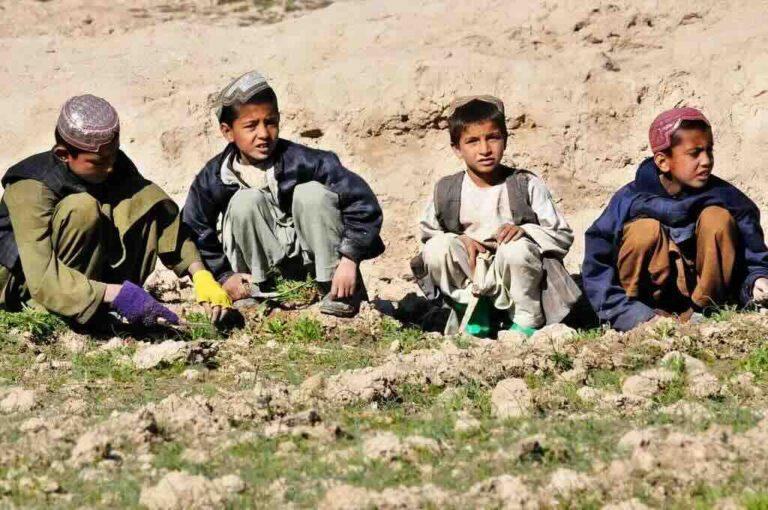
    Nearly one in three Afghan children endure severe hunger while 3.7 million under-fives suffer acute malnutrition, as education bans, dismantled protections and funding shortfalls threaten an entire generation’s future.

    An entire generation of Afghan children faces long-term and potentially irreversible harm from overlapping crises of severe hunger, acute malnutrition, restricted education and the systematic dismantling of child protection systems under Taliban rule, the United Nations special rapporteur on Afghanistan has warned in a major new report.

    Richard Bennett’s findings, prepared for the UN Human Rights Council session that began on Monday, cover developments from November 2025 through August 2026 and review five years of Taliban policies since their return to power. The report paints a stark picture of children growing up amid human rights and humanitarian emergencies that threaten their development, well-being and future prospects. Drawing on food security data, Bennett stated that about 9 million children – roughly one in three in the country – face severe hunger, while 3.7 million children under age 5 are acutely malnourished.

    These figures align closely with recent UNICEF assessments. The UN children’s agency projects that 3.7 million children under five and 1.2 million pregnant and breastfeeding women will need treatment for acute malnutrition in 2026, with 12 provinces already at critical levels. In July alone, UNICEF and partners screened 1.1 million children and admitted more than 104,000 for treatment, including nearly 60,000 suffering severe wasting. Overall, UNICEF estimates 21.9 million people, including 11.6 million children, require humanitarian assistance this year, with 17.4 million needing urgent food support.

    Hunger and Malnutrition Drive Immediate Threats

    Preventable hunger and malnutrition are among the most immediate dangers, Bennett emphasised. Families consulted for the report described cutting both the quantity and quality of meals, with some children arriving at school hungry and unable to concentrate. The crisis is compounded by mass returns of Afghans from Iran and Pakistan – more than 1.08 million between January and July 2026 alone, including over 413,000 deportations – along with disease outbreaks, flooding and economic collapse.

    UNICEF reported 245 disease outbreaks in July, with more than 125,000 cases of epidemic-prone illnesses such as acute watery diarrhea, measles and pertussis. Flash floods affected thousands of families, damaged 164 schools and disrupted education for over 51,000 children. Natural disasters have already impacted more than 92,000 people in 2026, killing 97 and damaging nearly 12,000 homes.

    Mental health is deteriorating sharply, particularly among girls. Restrictions on education and freedoms, combined with chronic poverty and lack of future opportunities, have fuelled high levels of distress. Bennett cited consistent reports of psychological suffering and some girls attempting suicide. One Afghan girl from Balkh told the special rapporteur: “Three words have come to define our lives: fear, tears and despair.” Limited mental health services, shortages of professionals, stigma and barriers for girls seeking confidential support leave many without help.

    Education Bans Create a Lost Generation

    Education remains a central casualty of Taliban policies. An estimated 3.8 million Afghan girls aged 7 to 18 were out of school in 2024, including more than 2.6 million adolescent girls. At least 1 million girls have been directly affected by the secondary education ban over the past five years, a number projected to exceed 2 million by 2030 if policies persist. Girls remain barred from secondary schools, while women are excluded from universities and most higher education.

    “When education was closed to us, my dreams were destroyed,” a girl from Herat told Bennett. “I wanted to become a pilot. Now, I cannot become a pilot, and my youth has been wasted. Who will give me back these lost years?”

    Although primary enrollment for girls reportedly rose from 74 per cent in 2022 to 87 per cent in 2024, this does not constitute complete education. Taliban inspectors from the Ministry for the Propagation of Virtue and Prevention of Vice have monitored primary schools, sometimes preventing girls showing signs of puberty from continuing or measuring height and imposing full hijab requirements. Girls and women have turned to online classes, clandestine schools and peer-to-peer learning, with more than 100 organisations providing alternatives. Yet these cannot replace formal education and remain inaccessible to many, especially in rural and poor households lacking internet or devices.

    The rapid expansion of government-registered madrasas – from about 5,000 before 2021 to more than 23,000 by September 2025 – raises further concerns. Religious education increasingly substitutes for mainstream schooling rather than complementing it. Boys also face declining education quality due to fewer qualified female teachers, shortages of specialists and the removal of subjects such as art, sports, English and civic education. UNICEF projects Afghanistan could lose up to 20,000 female teachers and 5,400 female health workers by 2030 because of restrictions on women’s education and training – about a quarter of the 2021 female workforce in those sectors.

    Child Protection Systems Dismantled

    Taliban authorities have dismantled much of Afghanistan’s previous legal and institutional framework for protecting children. The 2019 Law on the Protection of Child Rights, which defined a child as anyone under 18, has been suspended, leaving the country without a legal definition of childhood. Laws on juvenile justice and protection from harassment have also been suspended. Child protection centers have closed; some girls, including survivors of sexual abuse, have been transferred to state-run orphanages and boys to religious schools.

    The juvenile justice system has been dismantled, with children sometimes detained alongside adults, heightening risks of abuse. Children, particularly boys, have reportedly been flogged alongside adults for offenses including theft, drug use or alleged extramarital relations.

    Recruitment of children by Taliban forces is another serious concern. Citing a UN secretary-general report, Bennett noted that authorities recruited 204 boys in 2025 – 62 for combat roles and 142 for support. The absence of a legal definition of a child may facilitate such recruitment. Children also suffer from ongoing armed violence and explosive remnants of war. The UN recorded 1,070 grave violations against children in 2025, including 103 killed or injured in cross-border shelling and airstrikes by Pakistani forces. Between January and June 2026, 72 children were killed and 183 injured in cross-border violence. About 130 children were killed or injured by unexploded ordnance between January and May.

    Rising Child Labour, Forced Marriage and Exploitation

    Child labour is increasing, especially among boys, as poverty forces families to rely on children’s earnings. Children work in hazardous sectors including agriculture, brick making, mining and domestic labour. Labour by girls is likely underreported because much occurs unpaid inside homes.

    Child and forced marriage are reportedly rising despite a 2021 Taliban decree prohibiting the practices. Economic hardship, restrictions on women and girls, and the disappearance of educational and employment opportunities drive the increase. Some girls are forced to marry significantly older men or enter polygamous marriages; others have been sold to settle debts or forced to marry Taliban affiliates. Children continue to face rape, sexual violence and bacha bazi – the sexual exploitation of boys – despite Taliban rules prohibiting associated conduct, with allegations involving officials and commanders.

    New Taliban decrees in 2026 further weaken protections. A May decree on separation of spouses creates nearly insurmountable barriers for women leaving abusive marriages and appears to implicitly recognise child marriage by treating a girl’s silence after puberty as consent, without setting a minimum age. A January decree on criminal rules of courts effectively permits violence against women unless it causes fracture, wound or bruising; even then, the burden of proof rests with the woman and the maximum punishment is 15 days’ detention. It also codifies the death penalty and flogging for various offenses, raising due process concerns.

    Funding Shortfalls and Calls for Action

    The humanitarian response faces severe funding gaps. The 2026 Afghanistan Humanitarian Needs and Response Plan requires $1.71 billion, but only 17 percent had been received by July. UNICEF’s $949 million appeal was 47 percent funded, leaving a gap of over $500 million. Shortfalls are especially acute in water, sanitation, hygiene, nutrition and child protection.

    Bennett concluded that most policies reviewed are incompatible with Afghanistan’s international human rights obligations. He called on Taliban authorities to dismantle the institutionalised system of gender discrimination, restore protections for women and children, revoke the 2026 criminal court rules, reinstate a functioning child protection system and define a child as anyone under 18. He urged countries not to normalise relations with the Taliban until there are significant, measurable and independently verified improvements in human rights, particularly for women and girls. Additional recommendations include halting involuntary returns of Afghans that violate non-refoulement, increasing humanitarian funding, supporting alternative education for girls and strengthening international accountability mechanisms.

    Without urgent action to remove structural restrictions and expand child-sensitive services, Bennett warned, an entire generation of Afghan girls and boys risks long-term and potentially irreversible harm to their well-being, development and ability to enjoy their human rights.

    World Bank Backs Sri Lanka Tourism Push with $200 Million Loan and National Strategy

    Sri Lanka secures a $200 million World Bank concessional loan and launches a national tourism strategy to raise visitor spending, lengthen stays and transform Colombo into a high-value destination.

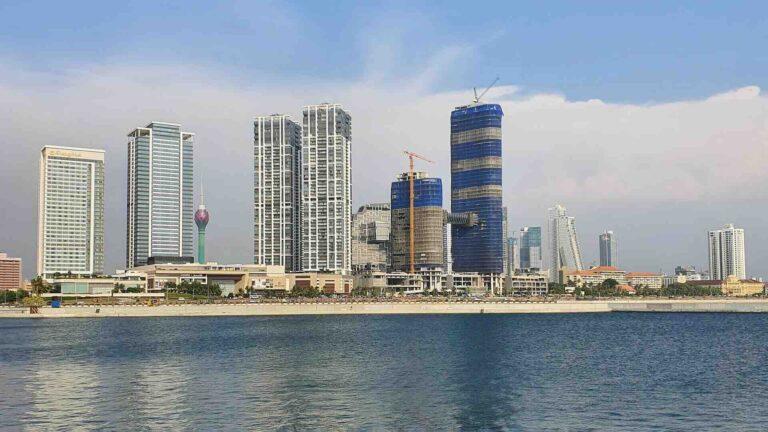
    Sri Lanka is embarking on a major overhaul of its tourism sector with strong backing from the World Bank. The island nation will receive a $200 million concessional loan to develop tourism, beginning with a $77 million “Thrive Colombo” project designed to turn the capital into a high-value travel destination. At the same time, authorities have launched a World Bank-supported National Tourism Strategic Planning Consultancy for 2026–2031 and a Global Promotional Campaign Roadmap, financed by a $1 million grant under the World Bank’s Grant Facility for Project Preparation (GFPP).

    The dual initiatives mark a clear shift in approach. After recovering visitor numbers, Sri Lanka is now prioritising higher spending per tourist, longer stays and more even distribution of benefits across the country rather than simply chasing arrival volumes.

    Loan Structure and Focus on Colombo

    Natasha Kapil, World Bank Lead Private Sector Specialist for South Asia, confirmed that the $200 million facility will support three successive island-wide operations. Preparatory work is already under way with the $1 million GFPP grant. The first phase, Thrive Colombo, accounts for $77 million of the concessional financing and aims to increase both visitor spend and length of stay in the capital.

    Colombo currently retains only 5 to 10 per cent of incoming visitors despite housing the country’s highest concentration of five-star hotel rooms. Most tourists spend just half a day in the city before moving elsewhere. Kapil noted that the numbers staying overnight in Colombo remain “minuscule” relative to total arrivals.

    The project targets higher-spending regional travellers within a five-hour flying radius who can take 48-to-72-hour getaways. The goal is to convert short transit stops into higher-yield city breaks.

    Three Pillars of the Thrive Colombo Project

    The initiative rests on three components. The first modernises national tourism institutions under the Ministry of Tourism. This includes the Sri Lanka Tourism Development Authority (SLTDA), the Sri Lanka Tourism Promotion Bureau and the Sri Lanka Institute of Tourism and Hotel Management (SLITHM). It will also support the new Tourism Act and upgrade digital data systems.

    The second component funds physical infrastructure – the “hardware of Colombo” – along two circuits: a Fort heritage loop and an urban wetlands loop. Investments will cover pedestrianisation, building façade improvements and waterfront connectivity from Galle Face Green to the Pettah market. Several Fort heritage buildings have been identified for adaptive reuse under private management. The wetlands circuit will improve access and facilities around sites such as Beddagana and Diyasaru parks.

    The third component creates a Tourism Entrepreneurship Fund to finance the city’s “software.” Managed by a private fund manager to ensure commercial viability, the fund will attract private capital alongside institutions such as the International Finance Corporation (IFC). Capital will flow to micro, small and medium enterprises – artisans, baristas, walking guides and nature guides – as well as a “Colombo calendar” of events including performing arts, Kala Pola, fashion weeks and literature festivals.

    National Strategy Targets Higher Yield and Wider Reach

    Running in parallel, Sri Lanka has launched the National Tourism Strategic Planning Consultancy (2026-2031). The contract was awarded to a joint partnership between Spain’s Aninver Development Partners and Sri Lanka’s EML Consultants PLC. A separate destination communication campaign roadmap is being prepared by Skift Inc of the United States and MTI Consulting of Sri Lanka.

    Local team leader Malraj Kiriella highlighted the gap between arrivals and earnings. In 2025 the country received approximately 2.36 million visitors, exceeding the 2018 figure. Earnings, however, stood at roughly $3.2 billion, with average spend per tourist still well below 2018 levels.

    The strategic roadmap will focus on raising visitor spending, encouraging longer stays and spreading economic benefits across all nine provinces by linking tourism with agriculture, tea, wellness, fisheries and creative industries. José de la Maza, Managing Director of Aninver Development Partners, stressed the need to prioritise yield over volume: “Focus on yield, not on number of visitors. So value per visitor, it’s important. We need to – of course, we can grow in visitors year over year, but it doesn’t have to be the key priority.”

    The 24-week consultancy will hold stakeholder co-creation workshops in October and validation sessions in January, with a costed, actionable national roadmap expected by February.

    From Volume to Value Across the Island

    The combined World Bank package signals a deliberate reorientation of Sri Lanka’s tourism model. After years of recovery from successive shocks – including the Easter Sunday attacks, the pandemic and the economic crisis – authorities are moving beyond the simple goal of restoring pre-crisis arrival numbers. The new emphasis is on extracting more economic value from each visitor while reducing concentration in a handful of coastal and cultural hotspots.

    By upgrading Colombo’s public realm and heritage assets, supporting local entrepreneurs and modernising marketing, the government hopes to position the capital as a destination in its own right rather than a mere gateway. Subsequent phases of the $200 million programme will target nature-based tourism and marine tourism, extending the same value-focused logic to other parts of the island.

    The institutional reforms – stronger data systems, an updated legal framework and better-coordinated promotion – are intended to create a more professional and responsive tourism administration. The Entrepreneurship Fund, in particular, is designed to ensure that small businesses and creative industries capture a larger share of tourism spending, reducing economic leakage.

    Marketing Modernisation and Data-Driven Campaigns

    The parallel global promotional campaign roadmap aims to replace traditional marketing with data-driven, targeted campaigns. Working with Skift and MTI, the Tourism Promotion Bureau will develop modern destination communication strategies that speak more effectively to high-value regional markets within easy flying distance.

    Officials believe that short-break travellers from India, the Middle East, Southeast Asia and East Asia represent a significant opportunity for higher yield. These markets already generate strong demand for city breaks, wellness, culture and cuisine – areas where Colombo and the wider island can compete if product quality and urban experience improve.

    Financial Resources; Technical Expertise

    The World Bank support arrives at a moment when Sri Lanka’s tourism sector is showing clear signs of recovery in volume but lagging in value. The $200 million loan and accompanying strategy consultancy give the government both financial resources and technical expertise to address structural weaknesses that have limited earnings even as arrivals rebounded.

    If successfully implemented, the Thrive Colombo project and the national roadmap could deliver a more resilient, higher-yielding tourism industry that spreads benefits more evenly across provinces and strengthens linkages with agriculture, crafts and other local sectors. For a country still rebuilding from recent economic turmoil, converting tourist numbers into sustained foreign-exchange earnings and broader rural development remains a critical priority.

    The coming months will see intensive stakeholder engagement, infrastructure planning and institutional strengthening. By early 2027 the government expects to have a fully costed national tourism strategy in place, supported by the first tranche of World Bank financing and a modernised marketing approach.

    Focus keyphrase:

    Tags: Sri Lanka tourism, World Bank loan, Thrive Colombo, visitor spending, national tourism strategy, Colombo tourism development, tourism entrepreneurship fund, Aninver Development Partners, high-value tourism, Sri Lanka economic recovery,

    When the Mountains Speak

    The surge of cloudbursts across Jammu and Kashmir is no longer an occasional freak event. It is a clear climate warning that our mountains, land-use choices and governance systems can no longer ignore.

    By Mutaharra A W Deva

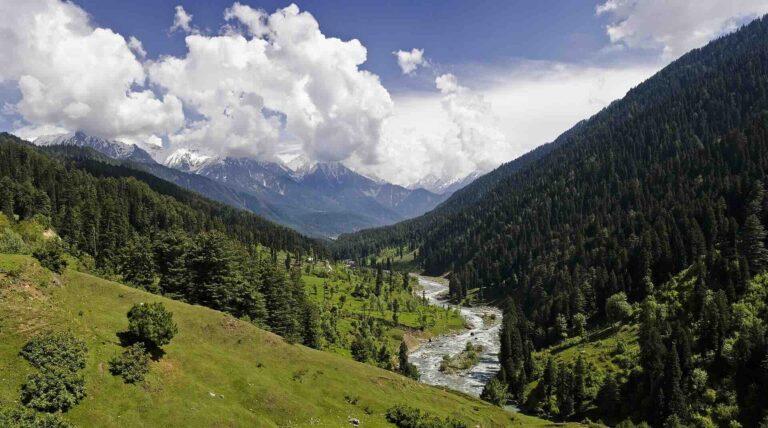
    There was a time when a cloudburst in Jammu and Kashmir was spoken about as an extraordinary event – something sudden, localised and difficult to predict, but also something that happened occasionally. Today, that description is becoming increasingly uncomfortable.

    The frequency with which we are witnessing cloudbursts, flash floods, landslides, damaged roads, washed-away bridges and overflowing streams across Jammu and Kashmir should make us pause. During the first six weeks of this summer, reports based on official figures indicated that J&K had already witnessed 22 cloudburst incidents since June 1. By early August, reports citing official data placed the number at at least 35 cloudbursts during 2026, with significant loss of life and extensive damage to roads, bridges, homes and agricultural land.

    The precise long-term trend is difficult to establish because our historical record of cloudbursts is neither comprehensive nor consistently maintained. Therefore, I would hesitate to declare every recent number “unprecedented” without qualification. But I would be even more reluctant to dismiss what we are witnessing as simply another bad weather season. Something is changing. And for those of us who have spent decades studying Kashmir’s ecology, water bodies, land-use patterns and climate vulnerability, the warning signs are becoming increasingly difficult to ignore.

    This is Not Only About Rain

    The first mistake we can make is to look at every cloudburst as merely a rainfall problem. It is not. A cloudburst is a meteorological event, but a disaster is produced through the interaction of the atmosphere with the landscape and with human decisions.

    The same extreme rainfall can have very different consequences depending upon where it falls, what lies downstream, whether the slope is forested or exposed, whether the river has room to spread, whether roads have cut into unstable slopes, whether drainage channels have been blocked, and whether houses and commercial structures have been allowed to come up in vulnerable corridors. In other words, a hazard becomes a disaster when exposure and vulnerability meet it.

    That distinction is critical for Jammu and Kashmir. We cannot control where a storm cell forms. We cannot stop every cloudburst. But we can decide where we build, how we build, how we manage watersheds, how we protect wetlands, how we monitor mountain streams and how quickly we warn people. That is where governance enters the climate conversation.

    Kashmir’s Mountains are Changing

    The Himalayan environment is not static. The cryosphere is changing. Snow patterns are becoming less reliable. Glaciers are retreating in many areas. High-altitude lakes and glacial systems require increasingly careful monitoring. At the same time, warming changes the amount of moisture that the atmosphere can hold.

    A warmer atmosphere can carry more water vapour. When atmospheric conditions become favourable for intense convection, that additional moisture can contribute to very heavy precipitation over short periods. In mountainous terrain, the consequences can be immediate. Water rushes down steep slopes. Streams rise rapidly. Loose material is mobilised. Landslides may occur. Roads become channels. Culverts are overwhelmed. Debris enters river systems. And the disaster can move faster than our administrative response.

    That is why climate change in Kashmir should not be discussed only in terms of temperature. The real issue is climate volatility. A warmer Kashmir may not simply mean warmer summers. It may mean a different distribution of rainfall, changing snowfall, altered spring flows, water stress followed by extreme rainfall and a greater possibility of compound hazards. Too little water – and then too much water. That is the paradox of climate change.

    The Real Multiplier: Land-Use Change

    If extreme rainfall is one side of the equation, land-use change is the other. This is where Kashmir needs to have an uncomfortable conversation with itself. We have progressively altered mountain slopes, drainage channels, riverbanks, wetlands and catchments in the name of roads, tourism, housing and infrastructure.

    Some development is necessary. Jammu and Kashmir cannot freeze itself in time. But development that ignores the ecological carrying capacity of a mountain landscape is not development. It is a deferred disaster. When vegetation is removed from unstable slopes, the ability of the soil to absorb and retain water changes. When roads are cut without adequate slope stabilisation and drainage, rainfall can rapidly convert a road corridor into a pathway for erosion and debris. When natural drainage channels are narrowed or blocked, water seeks another route. When buildings are constructed too close to rivers and streams, the river eventually reminds us that its floodplain still exists.

    This is not an argument against infrastructure. It is an argument for climate-resilient infrastructure. The question should no longer be: “Can we build here?” It should be: “Can we safely build here under the climate conditions we are likely to experience over the next 30, 50 or 70 years?”

    High-Altitude Lakes and the Nepal Warning

    One area that deserves far greater attention is our high-altitude lake system. High-altitude lakes, glaciers, snowfields, wetlands and mountain streams form interconnected components of the Himalayan water system. Changes in these systems can influence downstream hydrology and ecological stability. Some glacial and moraine-dammed lakes can also pose significant outburst-flood risks under particular conditions.

    The recent catastrophic flash flood in Nepal has brought this risk into sharp focus. On August 26, a devastating event near the Nepal-Tibet border was linked by experts to a glacier/ice-rock collapse and avalanche, generating a massive downstream flood. The disaster destroyed communities and infrastructure and demonstrated just how quickly a high-mountain hazard can travel downstream.

    The lesson for Kashmir is not that the next disaster will necessarily look like Nepal. It is that mountain hazards are changing faster than many of our planning systems. We should therefore establish a comprehensive inventory and risk classification of high-altitude lakes, glaciers, moraine-dammed lakes and vulnerable mountain valleys in Jammu and Kashmir. Remote sensing and satellite monitoring should be combined with field verification. This information must become part of district-level disaster management.

    Nepal also teaches that early warning is not merely a piece of technology. It is a chain. Someone must detect the hazard. Someone must interpret it. Someone must communicate the warning. Someone must receive it. And, most importantly, someone must know what to do when the warning arrives. We need last-mile early warning that reaches the village, the school, the tourist camp, the shepherd and the roadside settlement – and each must know what action to take.

    From Relief Culture to Resilience Culture

    Every disaster produces a familiar cycle: a road is damaged, a bridge is washed away, relief is announced, reconstruction begins, and eventually the same vulnerable structure is rebuilt in essentially the same place. This is not resilience. It is repetition. The concept of “Build Back Better” must become more than just a slogan. After every major disaster we should ask why the structure failed, whether it was located in a hazard zone, whether drainage was adequate, and whether the design was based on historical rainfall that no longer represents future conditions.

    Jammu and Kashmir has developed considerable capacity for emergency response. But emergency response alone cannot be the centre of disaster governance. We need to shift from a relief culture to a resilience culture. Relief asks: “How quickly can we respond after the disaster?” Resilience asks: “How can we reduce the damage before the disaster happens?”

    I would suggest ten immediate priorities: (1) create a comprehensive cloudburst and flash-flood inventory; (2) map hazard corridors; (3) establish a high-altitude lake and glacier monitoring programme; (4) strengthen last-mile early warning; (5) introduce mandatory climate-risk screening for major infrastructure; (6) protect natural infrastructure such as forests, wetlands and floodplains; (7) strengthen community preparedness through trained local volunteers; (8) regulate construction based on carrying capacity and hazard mapping; (9) establish institutional coordination around water and climate resilience; and, (10) invest in science and local data.

    It is tempting to speak about climate change as though the future has already been decided. It has not. We cannot prevent every cloudburst or stop every landslide. But we can control our exposure. We can protect forests, restore wetlands, preserve floodplains, regulate construction, improve roads, monitor high-altitude lakes, strengthen early-warning systems, train communities and build institutions capable of thinking beyond departmental boundaries.

    The real question is therefore not whether climate change is happening. The question is whether our governance systems are changing quickly enough to respond to it. The cloudbursts of 2026 should not be remembered merely as a series of tragic headlines. They should become a turning point. 

    Kashmir’s mountains have always spoken through their rivers, forests, glaciers and lakes. Perhaps this summer they are speaking more loudly than before. 

    The question is whether we are finally prepared to listen.

    The author is a governance expers, Himalayan climate change strategist, disaster management specialist and a certified independent director from the Indian Institute of Corporate Affairs. She is also the Deputy Secretary General of the International Association of Disaster Management.

    Sri Lanka: Families of the Disappeared Still Seek Answers After Decades of Waiting

    Eight years after the Office on Missing Persons was established, thousands of Sri Lankan families continue their long fight for truth, justice and closure amid slow progress and new mass grave discoveries.

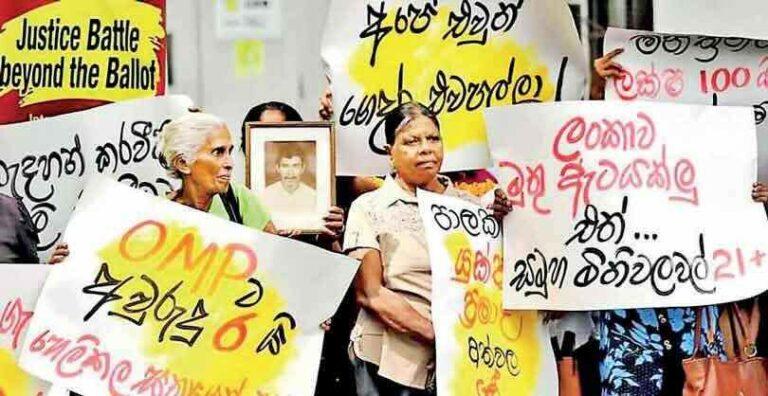
    For decades, grieving families across Sri Lanka have marched, protested and pleaded for answers about loved ones who vanished during successive periods of violence. From the 1971 JVP insurrection and the brutal 1988-89 uprising to the nearly three-decade civil war that ended in 2009, enforced disappearances have left an enduring scar on the nation. Today, many of those families still wait for definitive information on the fate of the missing, even as the Office on Missing Persons (OMP) reports incremental advances and the government pledges renewed support.

    The scale of the tragedy remains staggering. Sri Lanka ranks among the countries with the highest numbers of enforced disappearances globally, second only to Iraq in cases registered with the United Nations Working Group on Enforced or Involuntary Disappearances. Estimates from human rights organisations range from 60,000 to as high as 100,000 cases since the 1980s, encompassing civilians, combatants and security force personnel. The OMP, established under Act No. 14 of 2016 and operational since 2018, was created precisely to address this legacy: to investigate disappearances, provide relief to victims’ families, and help prevent recurrence. Yet eight years on, questions persist about how far that mandate has been fulfilled.

    Building a Database Amid Practical Obstacles

    OMP Chairman Mahesh Katulanda recently outlined the institution’s progress at a media briefing tied to the International Day of the Victims of Enforced Disappearances. The office has received around 42,000 complaints over the years from various commissions, agencies and presidential inquiries. After filtering duplicates and incomplete records – complicated by the absence of identity documents for many during conflict years, spelling variations, and handwritten ledgers from earlier eras – the active database now stands at more than 23,352 missing persons. Of these, 16,966 are classified as civilian cases of enforced disappearance under active investigation, alongside files on missing military and police personnel.

    Officers have conducted one-on-one interviews with members of nearly 9,700 families, gathering details on the circumstances of each disappearance and offering preliminary support. Katulanda acknowledged early challenges in creating a reliable database but said the office has largely overcome multiple entries. Government support has strengthened operations: a Rs. 375 million allocation has enabled the formation of investigation committees, and approval has been granted to recruit 69 additional officers, including lawyers, tracing experts and psychosocial specialists. Officials emphasise that the OMP functions with a degree of independence despite its status as a state institution.

    Certificates of Absence and Limited Forms of Redress

    For many families, practical needs compound the emotional torment. In 2016, provisions allowed relatives to apply for a Certificate of Absence (CoA), intended to unlock certain administrative services similar to those available with a death certificate, without permanently closing the case. OMP Commissioner Mirak Raheem has noted public misconceptions about the certificate, with some families fearing that acceptance would halt further searches. To date, recommendations have led to Certificates of Absence for hundreds of families – figures cited in recent government updates range from several hundred issued to over 2,700 recommended – alongside a smaller number of Certificates of Death. Revival payments, a form of interim financial relief, have reached more than 5,000 individuals, with additional families recommended for upcoming disbursements.

    Raheem stressed the state’s constitutional and legal obligations under the Enforced Disappearances Act to provide answers and redress. The OMP, he said, embodies that commitment. Complementary efforts include referrals to the Office for Reparations for compensation, psychosocial support, housing assistance, education and livelihood programmes. A special committee that includes family representatives is examining a more comprehensive relief package.

    Mass Graves and the Search for Remains

    A critical and highly sensitive part of the OMP’s work involves observing investigations into mass graves. At least 17 such sites have been identified since 2018, with several cases ongoing. The office facilitates funding, recommends technical steps to courts, and advocates multidisciplinary approaches involving forensic archaeology, anthropology and genetics – skills not always readily available for complex sites. Recent discoveries, including the Chemmani site near Jaffna where remains of more than 100 people (including children) have been uncovered, have reignited public attention and calls for independent expertise. United Nations High Commissioner for Human Rights Volker Türk, visiting the area, underscored the need for thorough, expert-led investigations to establish the truth.

    Human rights groups and families continue to highlight the limited forensic capacity and the absence of comprehensive national DNA or ante-mortem databases as major hurdles. Progress in identifying remains and returning them with dignity remains slow, leaving many without even the possibility of a burial.

    Recent Concerns and Calls for Accountability

    While the bulk of cases date to past conflicts, recent incidents keep the issue alive. The Committee for Protecting Rights of Prisoners lodged complaints with the Human Rights Commission and the OMP after several inmates at Negombo prison were reported missing following unrest in July. Although authorities later confirmed the individuals’ locations, relatives were initially denied contact, prompting accusations that the withholding of information itself constituted a form of enforced disappearance under the 2018 Act. OMP officials have indicated they will examine such matters.

    Broader criticism persists. International observers, including Human Rights Watch and the UN Committee on Enforced Disappearances, have pointed to the very small number of cases in which the fate of disappeared persons has been fully clarified – only a few dozen according to some reports – and the continuing climate of impunity. Families in the North and East frequently report surveillance, intimidation and legal harassment when they campaign for justice. Many express deep distrust of domestic mechanisms, viewing them as insufficient without prosecutions of those responsible and greater international involvement.

    The current government has signalled political willingness to accelerate the process. Justice Ministry officials have spoken of completing preliminary investigations by the end of 2027, expanding staff and resources, and including family representatives on the OMP board. National commemorations, including events in Jaffna, have featured commitments not to abandon the issue. Yet families and activists insist that financial support and certificates, while helpful, cannot substitute for truth and accountability.

    The Human Cost of Unresolved Grief

    Behind every statistic is a family living with profound uncertainty. Mothers and wives who have spent decades holding photographs at roadside protests, children who grew up without fathers, and ageing parents who fear they will die without answers continue their vigil. Some have accepted Certificates of Absence out of necessity to manage property or access benefits; others refuse, determined to keep the search open. The psychological toll is immense, compounded by economic hardship in many affected communities.

    Sri Lanka’s history of successive commissions of inquiry produced mountains of complaints but few conclusive outcomes or prosecutions. The OMP was meant to break that pattern by creating a permanent, specialised institution. Its database, interviews and limited tracing results represent tangible steps. The recruitment of new expertise, increased funding and government statements of support offer cautious hope that the pace may quicken.

    Yet for the thousands still waiting, progress measured in interviews completed or payments disbursed feels painfully slow. The discovery of children’s remains at recent sites only deepens the urgency. As one commissioner noted, the state has a duty to provide answers. Whether the coming years will deliver meaningful closure – through identified remains, credible investigations, and genuine accountability – or merely prolong the waiting remains the central question for Sri Lanka’s families of the disappeared.

    Every Plant-Based Meat Alternative Tested Contained Fungal Toxins, UK Study Finds

    Hundreds of vegan and vegetarian products on UK shelves carry natural fungal toxins, raising questions about long-term dietary exposure despite levels remaining within current safety guidelines.

    A sweeping survey of plant-based foods and drinks sold across the United Kingdom has revealed that mycotoxins – toxic compounds produced by fungi – are present in every single product examined. Researchers tested 212 plant-based meat alternatives and beverages and found at least one of 19 different mycotoxins in each sample. Some products contained several of these compounds.

    The study, led by the University of Parma in Italy and co-authored by scientists at Cranfield University, examined popular items readily available to British shoppers. These included plant-based burgers, vegetarian chicken pieces, vegan sausages, and a range of plant milks made from oats, almonds and soy. The results were published in the journal Food Control last week.

    Mycotoxins form naturally when moulds grow on crops such as grains, legumes and seeds. These ingredients form the backbone of many meat-free and dairy-free products. Because the fungi can appear during growing or storage, the toxins can travel into finished foods even when manufacturers follow good practices.

    Widespread Presence but Levels Within Limits

    Despite the universal detection of mycotoxins, the concentrations measured stayed below the recommended European Union guideline levels. Researchers attributed this to the high quality standards maintained by the UK food industry. Individual servings of these products are therefore unlikely to pose an immediate health risk for most consumers.

    The greater concern, scientists say, lies in repeated low-level exposure over months and years. Earlier research has shown that cumulative intake of certain mycotoxins can eventually affect the liver and kidneys, suppress immune function, and, in more severe scenarios, increase cancer risk. A person whose diet relies heavily or exclusively on plant-based alternatives could face higher overall exposure than someone who eats a more varied mix of foods.

    Why Plant-Based Products Are Particularly Vulnerable

    Many of the raw materials used in plant-based meat and milk substitutes – wheat, soy, oats, peas, nuts and seeds – are susceptible to fungal contamination in the field or in storage. Once the toxins are present, they are difficult to remove completely through processing. Multi-ingredient products further complicate the picture, because toxins from different sources can combine in a single burger or carton of milk.

    Andrea Patriarca, Senior Lecturer in Mycology at Cranfield University, emphasised that mycotoxins occur naturally and cannot be eliminated entirely. “As consumers, we should not be frightened or deterred from enjoying a variety of products,” she said. “However, a significant concern arises when new foods enter the market, as there are currently no established regulations to monitor mycotoxins specifically in these novel products.”

    Calls for Stronger Monitoring and Risk Assessment

    The research team is already working with colleagues at the University of Parma to evaluate exposure risks according to different dietary patterns. Their goal is to give policymakers better data and to alert vulnerable groups – such as people who consume large quantities of plant-based alternatives daily – to the need for ongoing vigilance.

    Patriarca noted that her group collaborates closely with farmers and food companies to integrate mycotoxin management into existing food-safety systems. The new survey data will help regulators assess risks more accurately, particularly for complex, multi-ingredient products that have only recently become mainstream.

    Industry Standards and Consumer Reassurance

    The fact that measured levels remained below EU guidelines offers some reassurance. It suggests that current production and quality-control measures in the UK are effective at keeping individual exposures low. Nevertheless, the researchers stress that guidelines developed for traditional foods may need updating as plant-based alternatives grow in popularity and form a larger share of some people’s diets.

    The study, titled “Mycotoxin contamination in plant-based beverages and meat alternatives: A survey of the UK market,” was conducted under the Horizon Europe FunShield4Med project, funded by the European Union.

    Balancing Innovation and Safety

    Plant-based meat and milk alternatives have expanded rapidly in recent years, driven by environmental, ethical and health motivations. The new findings do not suggest these products should be avoided. Instead, they highlight a need for systematic surveillance as the category continues to evolve. Regular testing, clearer regulatory frameworks for novel foods, and transparent communication with consumers will be essential to keep cumulative risks in check.

    Scientists involved in the work underline that mycotoxins have long been present in many conventional foods as well. The difference is that the rapid growth of the plant-based sector has outpaced the development of specific monitoring rules for these newer product types. Closing that gap, they argue, will protect public health without discouraging innovation or dietary choice.

    For now, the message is measured: the toxins are there, the amounts are currently low, but long-term patterns of consumption deserve closer attention. Further research into real-world dietary exposure across different population groups will help determine whether additional safeguards are required.

    Nepal’s Deadly Glacier Floods: A Climate Wake-Up Call as Death Toll Tops 1,000

    Catastrophic flash floods triggered by a glacier collapse expose the high cost of delayed climate finance and inadequate resilience in the Himalayas, with Nepal – responsible for just 0.1 per cent of global emissions – bearing the brunt.

    By Bijoy Patro

    A week after a massive glacier collapse and ice-rock avalanche unleashed catastrophic flash floods along Nepal’s northern border with Tibet, the death toll has surpassed 1,000, with nearly 4,000 people still missing and tens of thousands displaced. The disaster, which struck on 26 August 2026, has destroyed homes, roads, bridges, and critical hydropower infrastructure across the Bhote Koshi and Trishuli river systems, turning once-thriving communities in Rasuwa, Nuwakot, and Dhading into landscapes of debris and despair. 

    Oxfam has called the tragedy a stark warning that governments and donors must urgently scale up investment in climate resilience rather than wait for the next catastrophe.

    Search-and-rescue teams continue to battle destroyed infrastructure and lingering risks as they race against time. More than 50,000 people urgently need clean water, sanitation, and hygiene support, while thousands more require shelter and food. 

    The floods were triggered when a massive glacier collapse and ice-rock avalanche blocked the Lhende Khola, about 20 km north of the Rasuwagadhi checkpoint, sending a wall of water, ice, rock, mud, and debris cascading downstream with terrifying speed. Nepal, already highly exposed to floods, landslides, and earthquakes, faces intensifying pressure from climate change through rapidly changing glaciers, snow and water systems, and increasingly unpredictable extreme weather.

    Oxfam’s Urgent Call for Resilience Over Reaction

    Oxfam in Nepal’s Humanitarian and Disaster Risk Management Lead, Santosh Pandey, captured the profound injustice of the situation: “Nepal contributes just 0.1 per cent of global emissions, yet our communities are paying a devastating price as climate impacts and loss and damages escalate.” He added: “Nepal’s devastating floods should be a wake-up call for governments and donors. We cannot keep waiting for disasters to happen. In a burning world, climate shocks will become more frequent here and communities need the resources to prepare, adapt and become more resilient before the next disaster strikes.”

    The organisation launched an emergency response the day after the floods, working with local authorities and partners to deliver hygiene kits, water purification tablets, and other life-saving assistance in the hardest-hit districts. 

    Oxfam plans to scale up support over the coming months to reach around 10,000 people. Yet Pandey stressed the limits of post-disaster aid alone: “The lesson from Nepal is clear: resilience saves lives. If we only fund the response after a disaster, we will always be one step behind. Communities need sustained investment to prepare for the shocks we know are coming.” He also highlighted the need to accelerate loss-and-damage finance, noting that the Nepalese government has formally requested emergency support from the Fund for Responding to Loss and Damage, as the scale of destruction exceeds the country’s domestic resources.

    Climate Finance Delays Leave Communities Exposed

    The tragedy has thrown a harsh spotlight on the slow pace of international climate finance. Documents reveal that the Green Climate Fund (GCF) took seven years to approve Nepal’s $49.9 million project aimed at reducing risks from Glacial Lake Outburst Floods (GLOFs). The concept note entered the fund’s pipeline in February 2018, but approval came only in July 2025, with implementation starting in March 2026. The project, intended to improve safety for about 2.4 million people through better monitoring, early-warning systems, and multi-hazard risk assessments, has now come under intense scrutiny.

    Nepal’s own funding proposal had explicitly warned of the growing threats. It stated that climate scenarios project rising temperatures and monsoon rainfall that would increase lake volumes and the probability of avalanches, rockfalls, and dam-wall collapses that trigger GLOFs. “Since the 1970s, 26 GLOF events have been recorded across 47 potentially dangerous glacial lakes, resulting in catastrophic consequences,” the proposal noted. It further warned that such floods cause severe flooding, landslides, and mudflows that damage infrastructure, disrupt transport, agriculture, hydropower, and tourism. Campaigners argue these passages now read like a prophecy of the 26 August devastation.

    Hydropower Investments Proceeded Despite Known Risks

    While adaptation funding lagged, international lenders continued to back major hydropower projects in the very basins now devastated. The Asian Development Bank, the World Bank Group’s International Finance Corporation, China’s Export-Import Bank, and others financed schemes in the Trishuli basin, including the large Upper Trishuli-1 project, despite repeated acknowledgements of climate and disaster risks in their own assessments. 

    Campaigners from groups such as the South Asia Network on Dams, Rivers and People have pointed out that reports highlighted extreme risks to workers, residents, and infrastructure, yet adequate preventive measures and climate-resilience assessments were not fully implemented. Hundreds of hydropower labourers were trapped in tunnels during the floods, underscoring the human cost of these decisions.

    Experts have been blunt. Meena Raman of Friends of the Earth Asia Pacific called it “absolutely shocking that the Green Climate Fund took seven years to approve a project aimed at protecting communities, infrastructure and ecosystems from increasing Glacial Lake Outburst Flood risks caused by human-induced climate change.” 

    Sanjay Vashist of Climate Action Network South Asia described the delay, set against large-scale hydropower financing, as resilience being denied to communities facing “imminent death.” 

    Climate scientist Anjal Prakash observed that when a response to an urgent hazard takes seven years from concept to approval, “the problem is not just paperwork; it is whether vulnerable communities get protection before disaster strikes.”

    A Region on the Climate Frontline

    The Himalayan region is warming faster than the global average, accelerating glacial melt and increasing the frequency and intensity of extreme events. Glaciers across the Hindu Kush Himalaya have been melting significantly faster in recent decades, expanding dangerous glacial lakes and heightening the risk of sudden collapses and outbursts. Nepal has recorded dozens of GLOF events since the 1970s, and scientists project further escalation. The August disaster, which also affected areas in Tibet, ranks among Nepal’s deadliest natural events since the 2015 earthquake. It has damaged or destroyed multiple hydropower facilities, roads, bridges, and settlements, with economic losses estimated in the billions of dollars – far beyond what a low-emitting, climate-vulnerable nation can absorb alone.

    Humanitarian needs remain acute. Access to some of the worst-affected areas remains severely constrained by landslides and destroyed infrastructure. Oxfam and partners continue to distribute essential supplies while preparing longer-term recovery support. The government has declared mourning periods and established relief funds, with international pledges beginning to emerge, yet the gap between need and available resources is vast.

    Faster Finance and True Resilience

    The floods reveal a double failure: the international community’s slow delivery of adaptation and loss-and-damage finance, and the prioritisation of large infrastructure investments without sufficient climate safeguards. Nepal’s experience demonstrates that early-warning systems and resilient infrastructure are essential, yet they cannot fully protect against the escalating force of climate-driven hazards. Adaptation has limits; when disasters arrive with such speed and scale, the only sustainable response is rapid, adequate finance for both preparedness and recovery, coupled with deeper cuts in global emissions.

    As Pandey emphasised, the focus right now must remain on saving lives and supporting the affected. But the longer-term message is unmistakable. In a heating world, communities on the climate frontline cannot be left waiting years for the resources they need to survive. Nepal’s catastrophic floods must serve as the wake-up call that finally accelerates climate action before the next wall of water sweeps away more lives and livelihoods.

    Image: Twitter

    Pakistan: Activists Demand Probe Into Alleged Demolition of Century-old Hindu Temple in Punjab

    Rights groups have petitioned Pakistan’s minority rights commission after a historic shrine in Narowal district was reduced to rubble amid monsoon rains, with claims of deliberate destruction to make way for a madrassa and calls for reconstruction and eviction of occupants.

    Rights activists in Pakistan have petitioned a government commission to investigate the alleged demolition of a century-old Hindu temple in eastern Punjab province and demanded its reconstruction along with the removal of alleged encroachments. The complaint followed the discovery of the shrine in ruins after heavy monsoon rains on August 21 in Saraj, a Muslim-majority village in Narowal district. The village has about 350 Muslim and 100 Christian households but no Hindu residents, according to community members.

    In an August 25 application to Pakistan’s One-Man Commission on Minority Rights, local activist Muhammad Alyas accused the deputy administrator of Sialkot of failing to prevent the alleged occupation of the 1,037-square-meter temple property by Muslim residents. “Taking advantage of the climatic situation, the building of the Hindu temple was demolished, its existence was erased and turned into a heap of rubble to establish a madrassa (Islamic seminary),” Alyas alleged, calling for the eviction of those occupying the property.

    Commission Tasked with Minority Protections

    Pakistan’s Supreme Court established the one-man commission, headed by former police chief Shoaib Suddle, in 2019 to oversee implementation of its landmark 2014 judgment on protecting religious minorities. The body has previously handled complaints involving recovery of communal properties, removal of hate material from textbooks, and enforcement of minority job quotas.

    In December, Alyas also complained to the chairman of the Evacuee Trust Property Board (ETPB) in Lahore, alleging that villagers had removed and sold the temple’s kalasha, or crowning finial, as well as bricks from a residential building on the property. “Nobody could have dared to hurt religious feelings had the Gujranwala district administration taken timely action on the complaint and ensured punishment for those responsible for selling the precious crown of the temple and demolishing a quarter,” he said. The ETPB is a federal statutory body responsible for managing and protecting evacuee trust properties and Hindu and Sikh religious shrines left behind after Partition.

    Officials Reject Deliberate Destruction Claims

    Rana Iftikhar Ahmad of the Auqaf Department in Sialkot, which administers religious properties and shrines, rejected allegations that the temple had been deliberately demolished. “The locals have evidence of three feet of water standing in the temple compound,” he said. “The residential premises of an abandoned temple or gurdwara can be rented out according to department policies.”

    Ratan Lal Arya, a Hindu member of the Narowal District Peace Committee and the Pak Dharam Astan Hindu Committee, said the district has no functioning Hindu temple despite having about 1,600 Hindus. 

    “At least 45 temples across the district are being used as livestock sheds or converted into residences and shops amid increasing real estate values after the government built a university and a stadium in the district in 2018,” Arya said. 

    “We are even afraid to visit the site because of the madrassa that continues to operate on its premises,” he added. 

    Arya said decades of conflict between Pakistan and India, the Islamisation policies of the 1980s and the 1992 demolition of the Babri Masjid in India had contributed to a sense of insecurity among local Hindus. “Preserving Hindu heritage can improve the image of Pakistan and attract tourism,” he said.

    Evidence of Human Intervention Cited

    Samuel Pyara, a Christian and head of the nongovernmental Implementation Minority Rights Forum, visited the temple ruins on August 24 and accused local authorities of failing to protect the site. He also rejected the claim that the temple simply collapsed because of heavy rain. 

    “The bricks had marks of hammer strikes and had fallen to one side in the street. That’s not how buildings collapse because of rain,” Pyara said. 

    Pyara pointed to a madrassa flag and banner displayed on the temple’s boundary wall as evidence, in his view, of encroachment on the minority place of worship. 

    “Sadly, neither the Sikh minister for minority affairs in the Punjab provincial government nor the local administration took any notice of such a big disaster till Aug. 26,” Pyara said. “The only positive note is that a Muslim complained to the one-man commission. Historic places of worship must be restored irrespective of whether local followers are present.”

    Broader Pattern of Heritage Concerns

    The incident occurs against a backdrop of ongoing challenges facing minority religious sites in Pakistan. According to Pakistan Bureau of Statistics data from the 2023 census, Hindus form the country’s largest non-Muslim religious minority. Figures for Hindu (Jati) stand at about 1.61 per cent, rising to roughly 2.17 per cent when Scheduled Castes are included, totaling around 5.2 million people, with the vast majority concentrated in the southern province of Sindh.

    Reports have highlighted the poor condition of many historic temples. One parliamentary presentation noted that only a small fraction of the more than 1,800 Hindu temples and Sikh gurdwaras remain fully functional. Separate cases have drawn attention in recent years, including controversy over a commercial plaza built on the site of a demolished temple in Landi Kotal in Khyber district and the reported demolition of a 125-year-old gurdwara in Farooqabad, Punjab, which prompted calls for investigation and restoration.

    The ETPB continues to manage functional and non-functional shrines, facilitate pilgrimages under bilateral protocols, and address encroachment issues, though activists frequently criticise delays in protection and restoration. The One-Man Commission has previously recovered properties and rents, yet implementation of Supreme Court directives on minority rights remains incomplete in several areas.

    Calls for Reconstruction and Accountability

    Activists stress that the absence of local Hindu residents should not justify neglect or conversion of heritage sites. Pyara and others argue that timely administrative action could have prevented the alleged sale of temple elements and occupation. Alyas’s dual complaints to the commission and ETPB seek not only an inquiry into the deputy administrator’s role but also the full restoration of the structure and eviction of occupants to allow potential future use as a place of worship or cultural site.

    Local Hindu representatives like Arya link the insecurity to historical events and rising property values that incentivise conversion of abandoned religious buildings. Officials maintain that natural flooding explains the collapse and that policy permits rental of residential portions of abandoned properties. The commission’s response and any subsequent provincial or federal actions will determine whether the site is preserved or further altered.

    Rights groups continue to press for transparent investigations, reconstruction where warranted, and stronger safeguards so that historic places of worship are not erased regardless of the current demographic composition of surrounding communities.

    As the monsoon season continues and attention focuses on minority protections, the Narowal case underscores longstanding tensions over the management of Pakistan’s shared religious heritage, Pyara says.

    Image: An illustration by Grok