More

    Honeywell India Boosts Innovation by Funding Deep Science Startups Through Partnership with IISc

    In last four years of its partnership, Honeywell has supported over 40 start-ups and the group plans to on-board 10 start-ups in FY24-25, fuelling local innovation in areas like sustainability, med-tech, clean-tech among others.

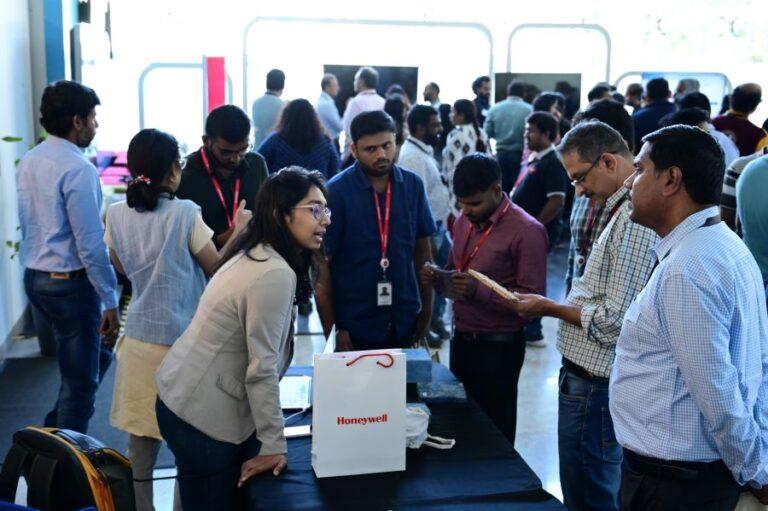
    Honeywell Hometown Solutions India Foundation (HHSIF), the philanthropic arm of Honeywell (NASDAQ: HON), in partnership with Foundation for Science, Innovation and Development (FSID), Indian Institute of Science (IISc), renowned for its cutting-edge deep sciences research, has extended research and financial support to 37 Indian start-ups, extending capital worth INR 9 crores over the last four years. With intensive focus on agri-tech, clean-tech, health-tech and green-tech, Honeywell has extended funding worth INR 2.4 crores in FY23-24 to 8 start-ups and 5 entrepreneurship-in-residence programs (EIRs), and further plans to on-board 10 new start-ups in the current fiscal.

    Through this collaboration, Honeywell provides seed funding and essential research support to start-ups in the realm of deep science focusing on addressing environmental, agricultural and health challenges. Over the years, the synergy between Honeywell and IISc has been highly sought after by emerging start-ups as the partnership not only offers them seed capital, but also extends access to state-of-the-art facilities, connect with industry stakeholders & government bodies, global network of High Net Worth Individuals (HNIs), Angels, Venture Capitalists (VCs) as well as Micro, Small and Medium Enterprises (MSMEs) in India.

    In FY23-24, Honeywell and IISc’s collaborative benefits were extended to health/med-tech companies like  Papyrus Diagnostics Private Limited, Akumen Artificial Intelligence, Hoyasan Labs Pvt Ltd, Cellsion Technologies Pvt Ltd and Easescan MedTech Private Limited; and to agri-tech companies like Kaiza Tech and Green Collar Agritech; as well clean-tech start-up Mushloop Pvt Ltd.

    “Honeywell has been at the forefront of automation, digitization and sustainability over many decades. Our long standing partnership with IISc is a testament to our commitment to bolstering local innovation and empowering emerging businesses in India. Our core focus is not just to extend financial support but also to encourage deep science/tech research which fuels the innovative prowess of these businesses. Over the past 4 years, we have worked with over 40 start-ups and will be on-boarding another 10 in the upcoming financial year. Together, with IISc, we are cultivating a fertile ecosystem for these companies, making a tangible impact on society”, said Mr. Ashish Modi, President, Honeywell India.

    Prof B Gurumoorthy, Director of FSID and Professor at IISc has said that “Deep Science start-ups are characterized by long gestation periods, require significant upfront capital and access to world class labs and sophisticated tools to take their innovation from lab to market. Honeywell has been an outstanding partner for us in this journey providing the much-needed capital and intellectual support to our entrepreneurs in furthering their journey. Jamsetji Tata, remarked that “what advances a nation or a community is to lift up the best and the most gifted, so as to make them of the greatest service to the country.” The CSR support from Honeywell helps raise the ceiling up for Deep Science start-ups.

    This year’s start-ups range from 8 to 10 and around 3-5 entrepreneurship-in-residence programs will be supported.  

    An exemplary start-up supported by Honeywell and IISc is ‘AI Highway,’ offering cost-effective cardiac disease screening systems leveraging advanced signal processing and AI capabilities that can screen, detect and predict cardio-respiratory disorders. This innovation holds the potential to alleviate the burden on cardiologists and address the significant shortage of professionals in India, estimated at over 84,000. Additionally, support to OpenWater.in, a start-up that provides wastewater treatment, used the grant to design and deploy a 25000 litres/day system at Mavallipura, a village about 20kms north of Bengaluru city. The quality of groundwater here is extremely poor due to solid waste on the landfill close to the village that led to contamination of the water sources. OpenWater has deployed a solution that treats contamination in ground water.

    Dfine Bio Innovations Pvt ltd is a Medtech start-up supported by Honeywell grant. The start-up has developed an indigenously built hemostatis system named FibriTimer Zeta-1 (a first by any Indian Company).  Zeta – 1 uses the patented dual technology and helps clinicians in understanding the defects in humans for bleeding and thrombosis events. Zeta 1 is designed for professional use in clinical laboratory setup. The product is ISO certified and approved by CDSCO and is a life-saving device. The product is priced significantly below available products in the market.

    Honeywell Hometown Solutions India Foundation (HHSIF)

    The Honeywell Hometown Solutions India Foundation (HHSIF) is a non-profit arm of Honeywell dedicated to deploying corporate social responsibility initiatives across India. It focuses on education, humanitarian relief, and sustainable community development. In education, HHSIF spearheads skill-focused programs in STEM, boosting research at Institutes as well as supporting start-ups into deep science.  In sustainable community development the focus is on building resilient communities through building healthcare infrastructure, pushing sustainable rural livelihood, WASH and natural resource conservation through technology-led solutions. The company has committed to planting a million trees under its Plant the future program in this decade. Since inception the company has impacted over 6 million lives across 400+ villages and 12 states.

    Indian Institute of Science

    The Indian Institute of Science (IISc) is India’ top ranked university and a premier institution of advanced education and research in the sciences and in engineering. It was established in 1909 under the Charitable Endowments Act, 1890. With the establishment of the University Grants Commission in 1956, the Institute came under its purview as a Deemed University and in 2018, it was granted the Institute of Eminence Status.

    Foundation for Science, Innovation and Development (FSID)

    Society for Innovation and Development was set up in 1991 in close collaboration with Indian Institute of Science (IISc) Bangalore. In 2020, based on the recommendation of MoE, a new section 8 entity called Foundation for Science, Innovation and Development (FSID) was setup by IISc as a successor to SID.

    IISc is one of the premier institutions in the world in the area of deep science. It has more than a hundred illustrious years of history in the creation of original knowledge and furthering the frontiers of science and technology. FSID was founded to use this incredible repository of knowledge, world class infrastructure and talent (which it has access to by virtue of its umbilical connection with IISc) to help business enterprises and thereby the economy and the nation at large.

    Since its inception it has evolved and refined its model of engagement and now actively takes forward its mission through its four divisions- CORE that engages with large corporations in collaborative research, TIME2 that works with midsized enterprises to put them on a disruptive growth path via innovation; SEED that works with rural ecosystem to solve India’ most pressing problems using research and engineering and STEM that incubates start-ups that have deep science and societal impact at the core.

    Critical Negotiations on Plastic Pollution Begin Tuesday, in Ottawa

    The world has a once-in-a-generation chance to profoundly change humanity’s relationship with plastic. That is the message from officials ahead of “pivotal” talks next week on a legally binding global instrument to end plastic pollution.

    Delegates from 174 countries are expected to gather in the Canadian capital of Ottawa for the latest round of discussions on a legally binding global instrument to end plastic pollution.

    The gathering, formally known as the Fourth Session of the Intergovernmental Negotiating Committee to develop an international legally binding instrument on plastic pollution, including in the marine environment (INC-4), will run from April 23 to 29. It is the penultimate meeting before negotiations are expected to conclude later this year.  

    “Both people and planet are suffering profoundly from the effects of plastic pollution,” said Jyoti Mathur-Filipp, Executive Secretary of the INC. “This negotiating session is pivotal. It is an opportunity to make significant progress for a robust agreement that would allow future generations to live in a world free of plastic pollution.” 

    The negotiations come amid what experts have called a mounting plastic crisis. 

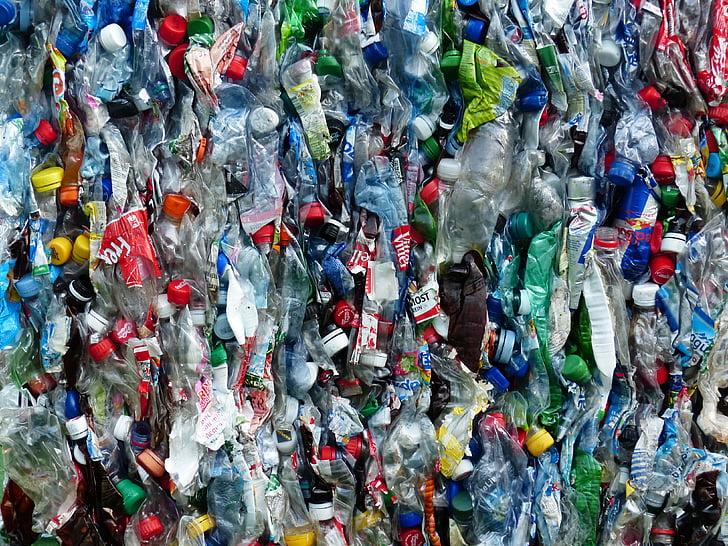
    Since the 1950s, 9.2 billion tonnes of plastic have been produced, of which 7 billion tonnes have become waste, filling up landfills and polluting lakes, rivers, the soil and the ocean.

    Humanity now produces 430 million tonnes of plastic each year, two-thirds of which is contained in short-lived products which soon become waste. Some of that plastic winds up in the food chain, where it has the potential to harm human health. 

    The goal during INC-4 is to advance a draft text of the global instrument so it can be finalized in Busan, Republic of Korea in December. The talks so far have focused on reducing pollution during the entire life-cycle of plastics, from their design to their disposal.  

    The negotiating process was formally launched in 2022 at the fifth session of the United Nations Environment Assembly, the world’s top-decision-making body on the environment. It was hailed as a historic moment.

    After two years of work, the Intergovernmental Negotiating Committee has gone from general views to a revised draft text, a development Mathur-Filipp called “a fast result which is a testament to the strong leadership and active engagement to date.” 

    While the timeframe for a final agreement has long been viewed as ambitious, that matches the urgency of the plastic pollution crisis, said Mathur-Filipp.  

    To fight the pervasive impact of pollution on society, the United Nations Environment Programme (UNEP) launched #BeatPollution, a strategy for rapid, large-scale and coordinated action against air, land and water pollution. The strategy highlights the impact of pollution on climate change, nature and biodiversity loss, and human health. Through science-based messaging, the campaign showcases how transitioning to a pollution-free planet is vital for future generations. 

    “The science is clear, and the solutions are available to us to end plastic pollution,” she said. “Given that humanity is on track to triple the amount of plastic we produce annually by 2060, it is vital that we continue to make concrete progress and deliver an agreement by the end of this year.”

    Image: Hippopx

    Five Pathways to Transform Food Systems in Asia and the Pacific

    Asia faces unprecedented food security challenges due to soaring rice prices, climate-induced disasters, and ecosystem degradation. Strategic action is needed to transform food systems for greater resilience and sustainability.

    By Qingfeng Zhang

    Food security remains a serious challenge in Asia and the Pacific. This region has the highest number of people facing acute food insecurity worldwide. 

    Rice prices soared by more than 40 per cent in 2023, even though international food prices came down from their peak in 2022. Rising rice prices are eroding the purchasing power of people in the region, particularly poor families.

    Floods, droughts, disease, and other climate impacts are curtailing food production. Floods in Pakistan, heat waves in India, and droughts in central Asia region and Yangtze River of the People’s Republic of China in 2022 and 2023 reinforced this reality. Disruptions to livelihoods are exacerbating food scarcity, compounded by climate-induced migration.

    Ecosystem degradation continues to place enormous pressure on the Asia’s vulnerable and fragile food systems. Many ecosystems in the region, from tropical forests to coral reefs, have been degraded beyond repair. 

    Vicious circle

    It’s a vicious circle. The recent evolution of food systems has fueled – and continues to inflame – some of the greatest and gravest challenges facing humanity, notably loss of biodiversity, environmental damage, and climate change. 

    Agriculture uses 70 per cent of the world’s water resources, 50 per cent of habitable land, and causes up to 80 per cent of biodiversity loss. Emissions of methane and nitrous oxide from agriculture contribute significantly to global warming. 

    The environmental cost of existing food systems stands at $3 trillion a year, and a shift to take into account healthier diets and biodiversity would result in between $5 trillion and $10 trillion a year in benefits, the Food System Economics Commission estimates. 

    Leading international financial institutions agreed in February to coordinate among each other to address the interlinked climate-food-nature nexus by introducing coherent tracking methodology, adopting coordinated policy diagnosis, promoting joint knowledge sharing, and establishing an innovation platform.

    Regional cooperation

    There are five clear avenues for action that will help transform the global food systems in Asia and the Pacific.

    First, in the short term, there is a strong need to strengthen emergency response mechanisms. This support should include social assistance, food voucher programs, school lunches (including conditional and unconditional cash transfers, food and in-kind transfers), and a countercyclical support facility to provide fast-disbursing financing. 

    In the medium term, we need to focus on strengthening regional cooperation mechanisms to share policy and market information and jointly respond to food security risks instead of resorting to export bans. 

    Over the long-term, , and empower agribusinesses to become more efficient producers and distributors of food.

    Value chain approach

    Second, we need to further promote a value chain approach to transformation of food systems that covers all activities related to producing and consuming food. 

    Agrifood value chains comprise not only agrifood production activities from production of inputs such as seeds and fertilizer, and farm products to final food products in various forms, but also its supporting activities and services including extensions, research and development, technical education and training, logistics, marketing, and financing. 

    By viewing a series of interlinked activities as a whole, the value chain approach can help improve food production in terms of efficiency in various resources uses, including primary agriculture products as raw materials, energy, water, land and soil, as well as carbon footprint. The approach is also essential to ensure food safety and traceability.

    With an expanded value chain approach, digitalization is an efficient and inclusive way of connecting various stakeholders on both the producer and consumer sides who act on various market signals.  

    Technologies such as early warning systems for extreme climate-related events, or online weather advisory and forecasting services, can also help farmers manage their crops better. 

    Incentivise nature-based infrastructure

    Third, we should create incentive mechanisms to shift the government’s support towards nature-based infrastructure. 

    These include lakes and wetlands to treat wastewater and improve water storage, sponge villages to mitigate stormwater runoff and extreme heat, zero tillage to conserve soil quality, mangroves to reduce coastal erosion and flooding, and forests to retain water and support groundwater recharge. 

    These nature-based solutions provide a range of co-benefits, including carbon storage, climate moderation, food security, job creation, and eco-tourism. 

    Small farmers need help transitioning to crops that are less dependent on chemical fertilizer, and using organic fertilizers like biochar, technologies such as drip irrigation and natural farming techniques, which are less environmentally damaging and more climate resilient.

    Strengthening infrastructure

    Fourth, investments in productivity-enhancing infrastructure can strengthen food availability through road networks or port facilities to help farmers connect with international agricultural markets. Investments to improve access to infrastructure, including adequate storage and transport infrastructure, have been found to reduce food losses. 

    We need to ensure the food supply chain infrastructure is climate resilient. This means building climate-resilient infrastructure such as cold storage, warehouses, rural connectivity, and digital services that are accessible and affordable for farmers.

    Better rural connectivity can support logistics of agriculture supplies, while technologies such as remote sensing can improve land-use planning and management through monitoring and diagnostics.

    Nutrition deficits

    Finally, we must improve the supply of healthy and nutritious food. Nutrition deficits are an acute challenge in fragile countries including those affected by conflict, and in small island developing states. This includes nutrition education, nutrition labeling and regulations, food fortification and diversification, food safety, and prevention of non-communicable disease. 

    Climate change, nature loss, economic shocks and malnutrition all place enormous pressure on the Asia’s vulnerable and fragile food systems. We need to scale up our support to help developing countries establish more sustainable and resilient food systems.

    Source: Asian Development Bank

    Image: Hippopx, licensed to use under Creative Commons Zero – CC0

    Conflict’s Long Shadow Has a Name: It’s Hunger

    Hunger can be both a trigger and a consequence of conflict; limited resources can drive disputes for food and the means to produce it, and conflict can disrupt harvests and force families from their homes.

    Charles E. Owubah

    Scarce food and drinking water. Limited and inconsistent healthcare. Rapidly deteriorating mental health. With conflict on the rise globally, this is the grim reality for millions around the world.

    April 7th will mark the sixth-month anniversary of the attack on Israel and the subsequent war in Gaza, which has killed over 30,000 people. It has left millions without shelter, medicine, food or clean water. Without intervention, 50% of Gaza’s population is at imminent risk of famine.

    While this tragedy understandably dominates global headlines, there are countless hostilities that don’t make the news. Many bear grim similarities to Gaza, but the striking difference is that other places are seemingly invisible, their people left to suffer in conflict’s dark shadow as hunger and an ever-rising death toll becomes the norm.

    Though the ups and downs of fighting can be unpredictable, the link between conflict and hunger is not. Over 85 per cent of people experiencing hunger crises worldwide live in conflict-affected countries.

    Hunger can be both a trigger and a consequence of conflict; limited resources can drive disputes for food and the means to produce it, and conflict can disrupt harvests and force families from their homes.

    Climate change makes it even harder for people to cope, since heatwaves, droughts and floods further lower crop yields and access to support.

    Gender-based violence also increases during conflict. This can include sexual based violence, forced or early marriage, and intimate partner violence. Violence against women and girls is sometimes even used as a weapon of war.

    Basic necessities

    For vulnerable populations trapped in forgotten crises, humanitarian aid–or the lack of it–can mean the difference between life and death.

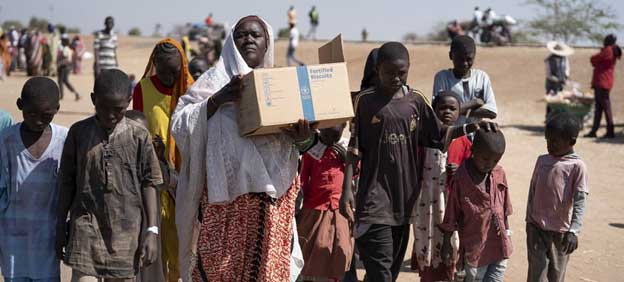
    In Eastern parts of the Democratic Republic of the Congo (DRC), for example, rampant violence has left nearly 7 million Congolese internally displaced, making it the second-largest crisis of this kind anywhere in the world. Hundreds of thousands are hungry and need immediate humanitarian assistance.

    Since January’s upsurge in conflict, Action Against Hunger health facilities in the region have admitted four times the number of severely malnourished children under five years old.

    Outside the city of Goma and across North Kivu province, where there are almost 2.4 million displaced people, violence has stopped families from returning to their homes for weeks or months at a time, leaving them largely unable to grow food and few resources to buy it.

    The fighting has involved indiscriminate targeting of civilians and infrastructure, militarization of camps for internally displaced people, and blockades on key supply routes.

    Many families struggle to find basic necessities, let alone afford them. Humanitarian organizations can’t deliver much-needed assistance. People are increasingly destitute and desperate.

    Similarly, in Sudan, a year of conflict has left almost 18 million people – one third of the country’s population – acutely food insecure. The conflict is primarily focused around the capital of Khartoum, with a devastating effect on the whole country. Around 10% of the population is on the brink of famine.

    Dependent on food aid

    With key trade routes compromised, shortages of food, fuel, medicines and other basic supplies means prices are soaring, and the limited goods are out of reach of most families. A large-scale cholera outbreak is causing the situation to deteriorate further.

    The disease leads to diarrhea and worsens malnutrition. It is so contagious even one case must be treated as an epidemic; Sudan has seen more than 10,000 cases, and counting. Cholera can kill within hours if not treated, but medical help is in short supply.

    Violence prevents humanitarian workers from accessing hard-hit communities, leaving many without access to food, healthcare and basic necessities.

    As a result, millions have fled their homes in search of food and safety. Nearly 11 million people are displaced, whether internally, in neighboring nations or scattered around the world. It is also the world’s largest child displacement crisis, impacting four million children. Some are with family, some entirely on their own.

    In Yemen, nine years of war has destroyed huge swaths of the country’s infrastructure and left 17.6 million people, more than half the population, dependent on food aid. Every day, Yemeni families struggle to secure basics like food, clean water, and staples like cooking fuel, soap and other household supplies.

    After the outbreak of the Israel-Gaza war, hostilities around the Red Sea and the recent U.S. designation of the Houthis as a terrorist organization are combining to pose new challenges in an already complex region.

    The U.S. designation effectively criminalized key transactions necessary for the imports Yemen relies on for 85 per cent of its food, fuel supplies, and almost all medical supplies.

    Terrible cost

    The stress of living under constant pressure to meet their most basic needs, and an estimated 377,000 conflict-related deaths, has meant Yemen also faces a severe mental health crisis.

    More than a quarter of Yemenis—over eight million people—suffer from mental health challenges such as depression, anxiety or post-traumatic stress disorder. According to surveys by Action Against Hunger and other data, the continuing conflict, forced displacement, deteriorating economic situation, poverty, and food shortages are exacerbating the prevalence of mental health challenges.

    Despite the rising death tolls, unimaginable suffering and ongoing violence, these conflicts are largely forgotten. So are countless others. Funding for hunger-related aid is woefully insufficient.

    In 2023, only 35 per cent of appeals from countries dealing with crisis levels of hunger were satisfied, according to the Action Against Hunger 2023 Hunger Funding Gap Report.

    Ignoring these crises means a terrible cost, both to the people impacted and also to ourselves. Today, the world is so small and interconnected that massive instability anywhere has ripples everywhere.

    Of course, the ideal solution is peace. Until then, we need the international community to advocate for safe humanitarian access in conflict zones. We also need greater funding for the most basic of human rights, such as food and access to healthcare. Bringing attention to these forgotten crises is the first step toward both.

    That is why we continue to call on the international community and major donors to prioritize the world’s most vulnerable and to dramatically increase funding, especially through investment in locally-led NGOs that focus on gender in their programming.

    While emergency aid is essential, we also need funding for long term approaches that build resilience, helping at-risk populations create their own path to a more secure future.

    Dr. Charles E. Owubah is CEO, Action Against Hunger

    Image:  WFP/Hugh Rutherford

    Gaza’s Science and Tech Experts Targeted in Assaults

    IT experts, computer engineers, scientists targeted in ongoing attacks in Gaza. The rebuilding of the infrastructure ‘could take more than 20 years’.

    Amr Rageh

    Palestinian academics have condemned what they say is the systematic targeting of scientists, IT experts and centres of education in Gaza, during the six-month-long assault on the enclave.

    Analysis of attacks by Israeli forces points to a deliberate strategy of striking Gaza’s technological and scientific capabilities, in order to hinder research and innovation and eliminate scientific, intellectual and societal progress there, Palestinian observers told SciDev.Net.

    Khaled Qalalwa, head of international cooperation and investment at the Higher Council for Innovation and Excellence in Palestine, said: “The occupation’s goal is clear, which is to return the way of life in Gaza to what it was before the Stone Age, transform it into a place unfit for living, and obstruct the means of its reconstruction, in order to achieve a more comprehensive goal… the displacement of its people.”

    Gaza’s developing technology sector has gained ground in the jobs market and successfully cooperated with a number of international companies, according to Qalalwa.

    “This market includes a large number of independent technology experts, which means that its destruction will inevitably affect the Palestinian economy,” he added.

    He believes it may take more than 20 years to rebuild the technology sector in Gaza, once hostilities have ceased.

    A report published last month by the Euro-Med Human Rights Monitor says the Israeli army has targeted dozens of IT experts, computer engineers and programmers, including some of the most highly regarded in their fields since 7 October last year, as part of the ongoing assault on Gaza.

    As well as individual assassinations, the headquarters of information and communications technology companies have come under attack, leading to their complete or partial destruction, according to the Monitor.

    The report indicated that six business incubators had gone out of service, while “all technology centres have stopped working”.

    Muhammad Bani Odeh, a Palestinian expert in the field of digital transformation, says Gaza’s technical infrastructure has been severely dented, but “it is difficult to monitor the true extent of the damage due to the absence of accurate survey efforts”.

    He says the technical field contributes to about four per cent of Gaza’s gross domestic product and provides services to the rest of Palestine, as well as to several foreign countries.

    “The destruction will also lead to an increase in unemployment in the sector, which already suffers from high unemployment rates,” he told SciDev.Net.

    Youssef Sabbah, an associate professor of information technology at Al-Quds Open University, Ramallah, and a digital transformation consultant, believes that technical sectors are the only hope for progress in Gaza – and Palestine as a whole – under the current circumstances.

    “Technology applications only require a computer and a person with intelligence and practical abilities,” he explained. “Once these basic tools are available, an individual can achieve good material gains, even if he lives in a tin house.”

    Sabbah believes that targeting technical competencies is one of the priorities of the Israeli forces, because while destroyed buildings and institutions can ultimately be rebuilt, technical and other vital sectors cannot operate in the absence of trained professionals.

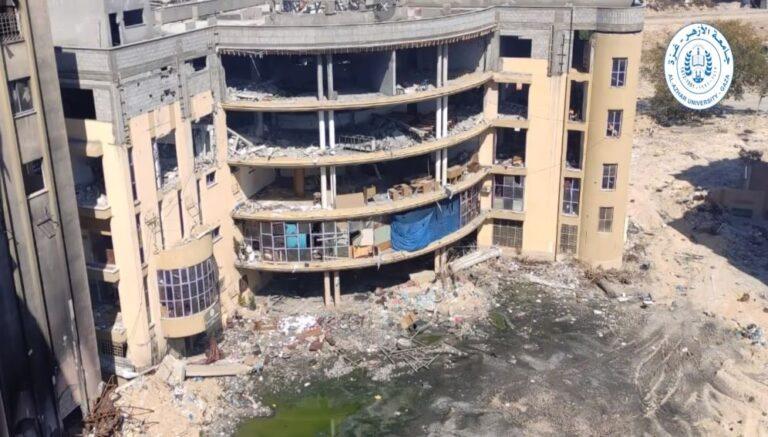
    Israeli forces have killed 94 university professors, as well as hundreds of teachers and thousands of students, according to another report by the Euro-Med Human Rights Monitor.

    They also destroyed every university in the Gaza Strip, according to the report, including Al-Israa University, the Islamic University of Gaza, and branches of the Al-Azhar University.

    According to analysis by the Arab Center Washington DC, Israel is guilty of “scholasticicide” – the intentional annihilation of educational infrastructure.

    It says the occupation’s attacks are part of a multi-objective plan that includes limiting societal development in Gaza, perpetuating the sector’s dependence on foreign aid, and obstructing scientific and intellectual progress.

    Marwan Ghanem, professor of hydrogeology at Birzeit University in Ramallah, told SciDev.Net: “The occupation aims to eliminate all educational hotspots in Gaza. Its forces have destroyed all educational platforms, even empty schools.”

    Ghanem believes that the primary goal of these operations is “to create a city that is uninhabitable, with the aim of displacing the people of Gaza”.

    He says Israel has targeted physics and chemistry experts, as well as those in the technology sector.

    SciDev.Net approached the Israeli Defence Ministry for comment, but none had been received by the time of publication.

    This piece has been sourced from SciDev.Net

    Bolangir Farmers Keep up with Climate Change

    As climate change sets in, farmers in villages of Balangir district, Odisha, acknowledge that they have noticed a broad change in weather patterns in the past decade. A newly inaugurated canal has created a positive impact.

    By Darpan Bhalla

    The phenomenon of climate change has made profound and multifaceted impact on farming, affecting almost all aspects of agriculture including changing the crop yields, altering availability of water, increase in pests and diseases, and put a threat on overall food security. Many studies have successfully documented the effects of climate change on crop yields. Schlenker and Roberts (2009) have found that each 1°C increase in temperature can reduce crop yields by 10-17% for wheat, rice, and maize.

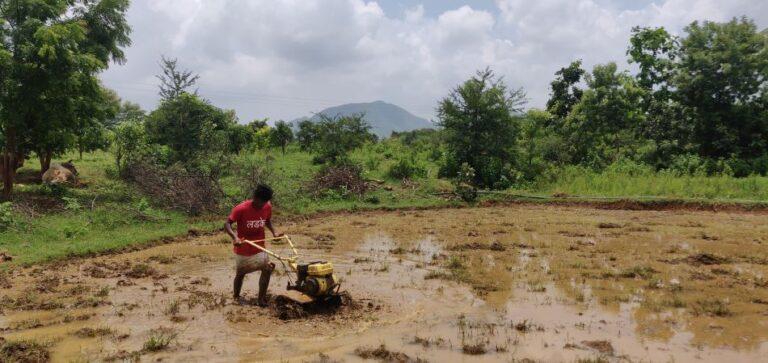
    Farmers in villages of Balangir district, Odisha, acknowledge that they have noticed a broad change in weather patterns in the past decade. A newly inaugurated canal has created a positive impact. However, access remains limited, and the canal too is dependent on rainfall levels in the region. The introduction of drought resistant hybrid seeds indicates a silent shift towards climate resilient farming as it requires less water, as compared to the earlier sown indigenous varieties, and produces a higher yield.

    Most farmers migrate to nearby cities during the non-farming season and engage in construction work as the income drawn from agriculture remains meagre to sustain their families. Data reflects that schemes like PMKISAN and PMFBY have reached intended beneficiaries. However, much needs to be done in this regard. In all, it is important to accept that focus of policymaking should be to take steps to tackle the root cause of problem i.e., climate change.

    Silent shift to hybrids

    Broadly around 8-10 years earlier there was use of indigenous variety of seeds in special regards to paddy however it took a greater amount of water and the yield remained less as well. With the introduction of hybrid variety yield seeds and the encouraged use of pesticides and fertilizers, there has already been a shift to farming which is adaptable to the changing weather patterns i.e., which is less dependent on rainfall and produces more yield in lesser number of days. However, a consensus was broadly identified among the respondents wherein they concurred on the indigenous variety possessing a “good amount of taste” as compared to the hybrid variety of seeds being made available by the government. In addition, the adoption of hybrid variety of seeds has made farmers incur more expenditure owing to the additional cost of buying fertilizers which earlier was produced within the home in the form of organic manure.

    Presence of Canal

    43 per cent of farmers, who had access to canal water reflected a certain kind of broad pattern regarding the perception of rain wherein they majorly had no significant problem with the delay in rainfall timelines. The lower Indra Dam project, inaugurated in 2019, has been a major irrigation push for the farmers of the region. However, the farmers have pointed to the irregularity in the supply of water. The canal is expected to be fully operational from next year (2024) and farmers are hopeful to have two crops in a year.

    Canal irrigation raises agricultural productivity and especially the returns from the land. An exceptional feature of canals is that they create unique spatial changes in agricultural productivity that can last for decades after canals are built in any region. Decades after the building of a canal, landowners in those areas remain better off, presumably benefiting from the higher land rents due to the increased access to irrigation in that area.

    The presence of the canal in the region notwithstanding, on a micro level not all fields get water from the canal due to an upland topography. Thus, farmers owning an upland field are still majorly dependent on rainfall. Those with a borewell or a well present on their field still stressed on the importance of rain as farmers solely cannot depend on this method of irrigation not only because it’s not sufficient for irrigating their fields but also because of the concern about depleting ground water table. It is pertinent to mention here that even the water in canal is directly dependent on rainfall levels in the region taking us to the conclusion that farmers are still directly dependent on rain for their crop.

    Keeping up with the change

    Farmers spoke of a slump in agricultural incomes and the inability of rural households to sustain on farming alone. The Odisha countryside is witnessing an emergence of what one can term “migrarian” livelihoods – where migration and agriculture form the major providers, accounting for over half the annual incomes of farming families. Our discourse touched on the decline in income and the resultant search for work mostly by migrating to nearby cities (like Raipur, Bangalore and Mumbai) where the majority work as labourers in the non-farming season. Many inter-state migrants from Western Odisha (about 26 per cent) find employment in the neighbouring state of Chhattisgarh; Raipur and Durg districts being the primary destinations.

    It is important for the government to create opportunities within the region aiming for less people migrating to cities by incentivising crop diversification in the region which should help farmers combat the variations they have been experiencing in terms of climatic changes in the recent past. The impact of climate variability on agriculture would be on several variables such as quantity and quality of crops in terms of productivity, growth rates, the process of photosynthesis and transpiration rates, moisture availability in the soil etc. Food production is to be directly impacted by the changing weather patterns across the globe. Increase in the mean seasonal temperature reduces the duration of many crops thereby reducing the yield of the crop. The consequences of agriculture’s contribution to climate change, and mainly of climate change’s negative impact on agriculture remain severe and can have a great impact on food production threatening the food security.

    Darpan Bhalla is a final year Political Science undergraduate student at Sri Venkateswara College, University of Delhi. This piece has been extracted from the internship report submitted by the author as part of the Abhijit Sen Rural Internship programme of National Foundation for India (NFI).

    Entrepreneurship and Innovation in the Face of Climate Change, Poverty and Hunger in the Asia Pacific Region

    Innovation and entrepreneurship can fast-track the spread of more effective and sustainable solutions that combat climate change whilst equally alleviating poverty and hunger by empowering communities and fostering economic development and environmental stability.

    By Channarith Meng and Symone Mccollin-Norris

    The unique challenges posed to the Asia-Pacific region in the face of climate change, poverty and hunger are well known. The region plays a significant role in climate action as both the largest emitter of greenhouse gases on one end and home to the highest number of people most vulnerable to climate shocks on the other. In this way, the Asia-Pacific region stands at the forefront of global efforts to combat climate change and plays a pivotal role in shaping the future of our planet.

    The 2024 ESCAP-ADB-UNDP SDG Partnership Report highlights how increasingly frequent climate hazards lead to reduced agricultural and labour productivity, loss of livelihoods, and human displacement. Transformative solutions which address the impacts of climate change on food security and poverty alleviation require the right enabling environment. The report identifies sex common key enablers of transformative change, including innovation and entrepreneurship. Innovation and entrepreneurship can fast-track the spread of more effective and sustainable solutions that combat climate change whilst equally alleviating poverty and hunger by empowering communities and fostering economic development and environmental stability. 

    Indeed, the Asia-Pacific region has become a hotbed for environmental and social entrepreneurship, with a surge in initiatives that seek to address this motley of climatic, poverty and hunger impacts. From green technology and climate-smart practices to women and youth-led entrepreneurship, innovative solutions are sprouting across the region.

    Green technology ventures

    The development of green technologies, such as carbon capture, water purification and waste management solutions, is gaining traction. Entrepreneurs in the Asia-Pacific region are leading technological developments that address pressing environmental challenges. In India, Geographic Information Systems (GIS), such as the Agri-GIS application provides farmers with daily weather forecasts, satellite imagery-based-real-time crop and water assessments, crop suitability recommendations, market and price analytics, natural hazard alerts, and information about agricultural facilities and government programs straight to their smartphones. Developed by the New Centre for Spatial Analytical and Advanced GIS (C-SAG), this innovation advises 150,000 farmers in 532 villages in India. Innovative green tech such as this enhances access to knowledge and empowers farmers to make informed and accurate decisions around their farm operations practices and profits.  

    Climate-smart agriculture practices

    Climate-smart agriculture approaches integrate agricultural strategies that target food security and climate change. In Uzbekistan, laser land levelling precisely levels farmland whilst reducing seed and water losses and limiting the need for fertiliser and pesticides. As part of its national strategy to foster water security and climate resilience in an otherwise water-scarce region, this laser land levelling innovation boosts yields as well as land use and irrigation efficiency. Other examples of climate-smart agriculture include collecting and repurposing crop residue to generate renewable biogas or even to produce bricks.

    Women and youth climate entrepreneurship

    Women and youth entrepreneurship is gaining momentum in the Asia-Pacific region and social enterprises led by women and youth have enormous potential to alleviate climate change impacts. Founded by a young female entrepreneur, the AGREA Agricultural Communities International Foundation has established learning sites to provide education, especially to youth and women in agriculture to enhance food resilience and eradicate poverty in farming and fishing families in the Philippines. Recently, ESCAP hosted a Youth Climathon, engaging youth from across the Asia-Pacific region to develop practical and innovative solutions to accelerate climate action in the areas of climate-smart agriculture, just transition and natural ecosystem restoration. Initiatives such as these effectively dismantle power structures and inequalities that reinforce women and youth’s vulnerability to climate change, poverty and hunger. Women and youth-led business solutions are equally vital for creating inclusive green jobs and leaving no one behind.

    What next?

    Asia-Pacific entrepreneurship and innovations such as these are driving tangible change in the wake of climate change, poverty and hunger challenges. As we witness the surge of green technology ventures, climate-smart agriculture initiatives, and the rise of women and youth-led climate entrepreneurship within the Asia-Pacific region, it is clear that entrepreneurs from the region are not merely adapting to change but actively shaping a future defined by resilience, sustainability, and inclusivity by creating opportunities for economic development, environmental stability, education, and improved livelihoods.

    Beyond the remarkable strides of innovators and entrepreneurs, support is needed from governments, the private sector and other partners to finance and scale up implementation. Governments are vital to facilitating multilateral and bilateral technology transfers and can equally provide broad encouragement for innovation ecosystems by creating an enabling environment that connects finance, technology, business, and customers. International organisations and multilateral development banks are in a good position to provide technical assistance for developing clean energy supply chains and innovation incubation. The private sector, civil society organisations and scientific research institutes also play pivotal roles in facilitating community awareness-raising and to help pilot, implement, and monitor effectiveness of social entrepreneurial initiatives aimed at addressing climate change, poverty and hunger. They also play a key role in leveraging opportunities for employment, education and skills development. Each of these actors must work with communities at different scales and levels to bolster entrepreneurial innovation within the Asia-Pacific region. 

    Channarith Meng and Symone Mccollin-Norris work with UNESCAP

    Sri Lankan Economy Shifting to a New Growth Path: Finance Minister Shehan Semasinghe

    Minister Shehan Semasinghe said that the government has adopted other reform programmes aside from the debt restructuring process to address the “fundamental macroeconomic vulnerabilities” that Sri Lanka faces.

    Referring to the challenging times that lie ahead for Sri Lanka, the island nation’s finance minister, Shehan Semasinghe said that the country will need the continued support of bilateral and multilateral partners in the coming years.

    Shehan Semasinghe was speaking at the G-24 Finance Ministers’ Conference in Washington DC on Tuesday. The G-24 Finance Ministers and Central Bank Governors’ meeting is being held to coincide with the International Monetary Fund and World Bank Spring meetings.

    “We seek the continued support of our multilateral and bilateral partners, for us to meet the formidable challenges successfully, and it is imperative that we come together to share insights, strategies, and best practices at forums like today to navigate these turbulent times and build a more resilient and sustainable future,” the Minister posted on his X (Twitter) account.

    The Minister said that the government has adopted other reform programmes aside from the debt restructuring process to address the “fundamental macroeconomic vulnerabilities” that Sri Lanka faces.

    “Highlighted the deep and wide ranging economic reform programme adopted to address fundamental macroeconomic vulnerabilities that contributed to the economic crisis, including significant fiscal reforms, monetary policy adjustment, financial sector stabilisation, debt restructuring, welfare reforms, and governance reforms along with progress on the debt restructuring process.”

    He said that the government is in the process of “shifting the economy to a new growth path”, led by “non-debt creating inflows”, excluding exports of goods and services, and FDI. “Whilst the measures to stabilise the economy have been successful, the government is now in the process of shifting the economy to a new growth path which is led by non-debt creating inflows including exports of goods, exports of services, and FDI.”

    How Social Forestry and Private Investments Can Save Indonesia’s Forests

    Throughout Indonesia, traditional customs like Ri’i that belong to the country’s myriad ethnic groups and local communities are deeply intertwined in ongoing efforts to protect the environment and its vital ecosystems, especially in the face of deforestation.  

    Two decades ago, the Wawowae community in Flores, a picturesque island of mountains, forests and lakes in Indonesia, made a solemn vow.   

    “We gathered on top of a hill, and made a promise not to harm the forests that sustain us,” recalls Nikolaus Moka, a village elder.   

    The ritual, known as “Ri’i”, forbids villagers from cutting down trees and is one of many customary practices in Indonesia that treat natural spaces as sacred. Anyone breaking the rules in Wawowae faces sanctions, and, it is believed, a curse.   

    For Moka, it was necessary to perform Ri’i given that most of Wawowae’s 1,680 inhabitants are farmers who depend on healthy land to cultivate their Arabica coffee.   

    “In this village, the relationship between people and nature is very close,” he explains. “Humans and nature must be in harmony and in this village, we have all agreed to protect nature.”  

    Throughout Indonesia, traditional customs like Ri’i that belong to the country’s myriad ethnic groups and local communities are deeply intertwined in ongoing efforts to protect the environment and its vital ecosystems, especially in the face of deforestation.  

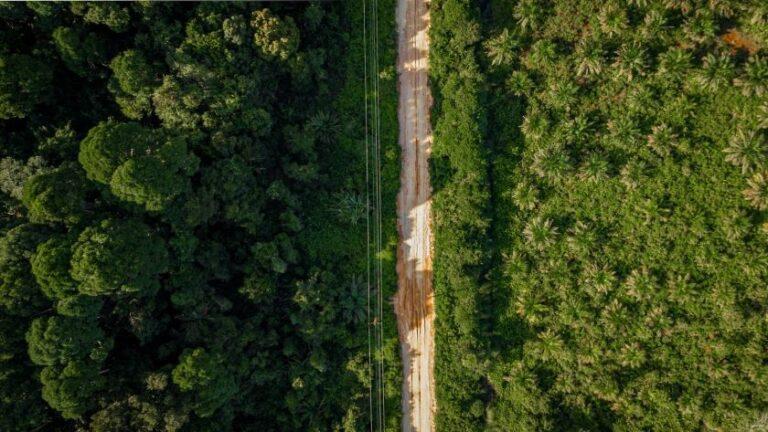
    Following rampant deforestation, which led to the loss of 3 million hectares of forests between 2009 and 2015, numbers started to decline in 2016. This shift can attributed, at least in part, to government policies such as a moratorium on clearing primary forests and peatlands. From 2021 to 2022, the Indonesian government reported 104,032 hectares of forest loss. 

    However, deforestation remains a threat, mostly driven by global demand for palm oil and other commodities, as well as the need to create jobs and earn foreign exchange.  

    Empowering community forestry programmes  

    In 2016, the Indonesian government pledged to transfer 12.7 million hectares of state land to local communities within five years, in recognition of the vital role local communities play in environmental protection. By 2022, local communities had been granted land titles to 4.7 million hectares of forests under the initiative, which aims to cut carbon emissions and nurture biodiversity by slowing deforestation.  

    “Local communities are the best guardians of their forests. They have a deep understanding of the ecosystems they call home and a vested interest in managing them sustainably,” says Musdhalifah Machmud, Deputy Minister for Food and Agriculture at the Coordinating Ministry for Economic Affairs in Indonesia. “When local communities have secure access to forest land and resources, they are most likely to protect them for future generations.”   

    The village of Gunung Salihan in Sumatra shows what community-led forest management can achieve. Threatened by the expansion of palm plantations, the community rallied together to apply for ‘hutan desa’ or village forest status, thereby securing legal rights to protect and manage their forest. Village forest is one of five social forestry schemes in Indonesia.   

    Villagers now patrol their forest weekly to prevent illegal activities such as logging and encroachment. “If there are threats, we can now ask for assistance from the government,” says Darmus, head of the village forest management committee for Gunung Salihan.   

    Private investments are key  

    Besides social forestry schemes like the village forest model, private investments form part of Indonesia’s Forest and Other Land Use (FOLU) Net Sink 2030 strategy, an ambitious plan to turn forests into a net carbon sink by 2030.  

    “Private investment is important because if you ask local people to look after the forest, they need resources to develop alternative livelihoods,” says Bambang Arifatmi, National Coordinator of the UN-REDD Programme in Indonesia, a flagship partnership by the United Nations Environment Programme (UNEP), the Food and Agriculture Organization (FAO) of the UN and the UN Development Programme (UNDP), to support efforts to cut emissions from deforestation and forest degradation.  

    In Sumatra, a community-based enterprise Alam Siak Lestari, is investing in new ways for people on the island to make a sustainable living.   

    By re-flooding canals previously dug to drain peatlands, the enterprise created snakehead fish farms. The fish are not just harvested for food, but also to make albumin and other proteins that can be used in medicine. The by-products are used in animal feed and fertilizer.  

    “Alam Siak Lestari’s investment opened up employment opportunities for our community,” says Said Asnawi, fish farmer from Bunsur Village.   

    Towards a future of shared benefits  

    In Indonesia, the UN-REDD Programme has been providing technical assistance to the government to help them access results-based finance and ensure that forest protection and management efforts deliver social and economic dividends. UN-REDD’s regional initiative, Climate Mitigation through Social Forestry Actions in ASEAN countries launched in 2022, focuses on building capacities of local communities on forest management issues, and exploring opportunities for generating incomes and more resilient livelihoods.  

    “We are already seeing the benefits from Indonesia’s strengthened policies and practices to manage deforestation as outlined in our FOLU Net Sink 2030 strategy,” says Lakshmi Dhewanthi, Director General of Climate Change at the Ministry of Environment and Forests in Indonesia. “Deforestation rates are decreasing, and we have been attracting financing both domestically and internationally.”   

    But for Indonesia, winning the fight against deforestation means ensuring incentives for countries to protect their forests. “Five dollars a tonne is not enough to incentivize countries to keep forests standing,” Dhewanthi says. “We need to set the right price for carbon.”  

    Indonesia has been making significant progress in curbing peatland fires through restoring peatlands and reducing deforestation over the past four years. Its experience shows the important role social forestry and private investments can play in fighting deforestation and keeping forests intact to combat climate change. This progressive model, which experts say could be replicated in other parts of Asia and beyond, reflects a broader commitment to collaborative and sustainable forest management.

    This piece has been sourced from UNEP

    Floods Batter Pakistan; Over 50 Dead

    Pakistan’s National Disaster Management Authority is planning for the distribution of relief, but the logistics of reaching relief is a challenge as many roads leading to interior parts of the country have been damaged or even washed out.

    Pakistan continues to receive heavy rain and resulting floods have claimed at least 50 lives, according to the Pakistan National Disaster Management Authority (NDMA). The disaster began with a series of lightening that killed many. Officials say that the instances of lightening continue unabated, in a few cases killing rural farm labourers engaged in harvesting wheat.

    In Quetta in the West of the country, the Balochistan provincial government has called the disaster an “urban flood emergency”, and rain, floods and landslides have continued in the north-western province of Khyber Pakhtunkhwa.

    The torrential rains have inflicted devastation across Upper Dir, Chitral Lower, Swat, and Buner, disrupting normal life and triggering financial losses in the province of Khyber Pakhtunkhwa. Responding to the crisis, the Chief Minister of Khyber Pakhtunkhwa has issued directives for immediate assistance to affected families.

    As authorities brace for further rainfall and high winds, Provincial Disaster Management Authority of Khyber Pakhtunkhwa has issued a warning, asking citizens and agencies to “remain vigilant and take pre-emptive measures”. With flood risks looming large in low-lying areas and landslide threats in the upper regions, the district administration has been urged to ensure the readiness of essential machinery.

    The NDMA is planning for the distribution of relief, but the logistics of reaching relief is a challenge as many roads leading to interior parts of the country have been damaged or even washed out.

    Aljazeera quoted a Pakistani environmental expert, Rafay Alam, saying that such heavy rainfall in April was unusual.

    “Two years ago, Pakistan witnessed a heatwave in March and April and now we are witnessing rains and it is all of because of climate change, which had caused heavy flooding in 2022,” he told Aljazeera.

    The present flood has brought back memories of the floods of 2022, when parts of the country were completely submerged and over 1,700 people died as Pakistan experienced abnormal monsoon rainfall nearly three times higher than the past 30-year average. The rains caused uncontrollable flash floods and landslides across the country. Many of the millions left homeless are still awaiting rehabilitation.

    The BBC says that Pakistan has experienced an increase in extreme weather events, as it grapples with the impacts of climate change.

    The floods of 2022 were attributed to climate change. The country’s climate change and environment minister, Sherry Rehman had then described the disaster as the “climate catastrophe of the decade”.

    Pakistan ranks among the five most climate change vulnerable countries in the world, according to the UN’s Global Climate Risk Index.

    Image: Pakistan Red Crescent Society