More

    UN’s Cash Crisis May Force Hiring Freeze, Limit Official Travel and Curtail Expenses System-Wide

    Restrictions in non-post spending will also be critical to bridge the liquidity gap. As a result, until the situation improves, official travel will need to be limited to the most essential activities.

    By Thalif Deen

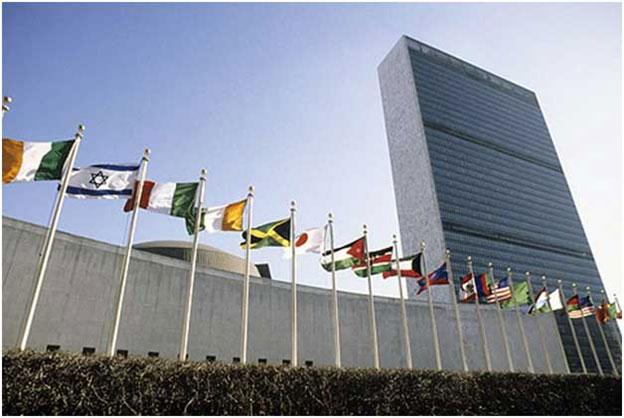
    The United Nations is heading towards a severe cash crisis forcing the world body “to implement aggressive cash conservation measures to avert a default in meeting the legal obligations of the Organization”.

    Secretary-General Antonio Guterres has drawn attention to “the unfortunate deteriorating financial situation of our regular budget operations”.

    UN Deputy Spokesperson Farhan Haq told IPS that in order to ensure liquidity for paying staff salaries, certain difficult steps will be necessary. Hiring restrictions will need to be maintained during 2024, he said.

    Restrictions in non-post spending will also be critical to bridge the liquidity gap. As a result, until the situation improves, official travel will need to be limited to the most essential activities, he said.

    “Purchases of goods and services will be postponed, unless absolutely critical. Hiring of consultants and experts will be minimized to the extent feasible”.

    And most construction and maintenance projects will be suspended, except where the slowing down of major construction projects would result in significant future additional expenses.

    “We will implement energy-saving and other measures to reduce utility bills and curtail expenses on managing facilities. Non-essential security expenses will also be curtailed, as long as they do not impact the safety of our premises, assets and of our personnel and delegates,” said Haq.

    The crisis is blamed on most member states who have either delayed or absconded on their annual dues – called assessed contributions— to the world body.

    UN spokesperson Stephane Dujarric told reporters, as of February 15, only 58 out of 193 Member States have paid in full.

    The main cause of the liquidity crisis: not all Member States pay their assessments in full. In 2023, the UN collected 82.3 per cent of the year’s assessment, the lowest in the last five years. Only 142 Member States paid their dues in full – again, the lowest in the last five years. As a result, year-end arrears climbed to $859 million, up from $330 million in 2022.

    A secondary cause of the liquidity crisis relates to a shift in the payment patterns of Member States, including the unpredictability of both the timing and the amounts of anticipated collections. In 2023, collections trailed estimates throughout most of the year. The UN ended the year $529 million short of anticipated collections.

    The cash crunch is also having a negative impact on Geneva, home to several UN agencies.

    According to the UN, Geneva houses around 40 international organizations, 180 permanent missions and more than 400 NGOs. In addition to the UN entities headquartered there, most UN funds, programmes and agencies maintain regional offices or liaison offices there.

    Ian Richards, an economist at the Geneva-based UN Conference on Trade and Development (UNCTAD) and former President of the Coordinating Committee of International Staff Unions and Associations, told IPS the UN had to close its Geneva campus for three weeks over Christmas and “we are told that further closures are likely”.

    “Meanwhile some translation staff have been told they can’t take any leave at all until August, which we believe is more a symptom of poor management. Of great concern is that staff, mainly young, with temporary contracts, are being let go,” said Richards.

    In his letter to staffers, Guterres said: “We expect the regular budget liquidity situation to be far more challenging in 2024, as we are starting with very little cash. In order to avoid a payment default throughout the year, while dealing with the unpredictability of intra-year collections, our initial estimates are that we will need to conserve around $350 million in cash by slowing down and reducing spending until we have certainty that we have enough cash to meet our obligations each month.”

    This means, “ we will have to introduce spending restrictions right away or risk running out of cash by August, including the liquidity reserves and the surplus cash of closed tribunals.”

    “Protecting staff from the liquidity crisis to the maximum extent is a priority for me. I have repeatedly made every effort to do so over the years and I will not relent in doing everything possible to mitigate any pressure on you”.

    However, the reality is that personnel costs account for more than 70 per cent of the regular budget. In order to ensure liquidity for paying staff salaries, certain difficult steps will be necessary. Hiring restrictions will need to be maintained during 2024.

    “I am keenly aware that this will have a knock-on effect. High vacancies put an added burden on staff – especially those who work in entities with high vacancy rates. This step is essential if we are to have any hope of ensuring sufficient cash inflows,” declared Guterres.

    Meanwhile, in a joint statement released early this week, Louis Charbonneau, United Nations Director, Human Rights Watch (HRW) and Widad Franco, UN Advocacy Officer, HRW, warned that a cash crunch and hiring freeze at the United Nations threaten to hinder UN human rights investigations in places like Sudan, Ukraine, and Syria.

    Delegations from China, Russia, Cuba, and others have been trying for years to defund UN human rights work in the General Assembly’s Fifth Committee, which oversees the budget.

    Their attempts in December to block funding for investigations into grave human rights abuses in Sudan, Syria, Ukraine, Russia, Nicaragua and elsewhere failed.

    The UN leadership and member countries, HRW said, should ensure that the UN’s human rights teams have funding and staff to fulfill their mandates. And governments that haven’t paid their assessed contributions should pay up.

    Guterres has also written to Member States to inform them of the situation and to alert them that the UN will be forced to implement aggressive cash conservation measures to avert a default in meeting the legal obligations of the Organization.

    He also reminded them that the ultimate responsibility for our financial health rests with Member States, and he encouraged them to pay in full and on time.

    “I have asked relevant senior managers to engage with Member States and outline the potential impact on our ability deliver on our mandates, including support to intergovernmental meetings across duty stations. The Department of Management Strategy, Policy and Compliance will work with senior managers to help deal with the impact of these measures. We will monitor the cash flows carefully and adapt to the evolving liquidity situation”.

    “Member States have been very supportive of my proposals regarding the budget for 2024 and have made positive decisions on initiatives, such as establishing two new offices for Anti-Racism and for Data Protection, increasing funding for core activities of UNRWA, increasing resources for development and human rights activities and strengthening the Peacebuilding Fund with assessed contributions from 2025”.

    However, budgets approved without adequate cash to execute them undermine the essence of the process, declared Guterres.

    This piece has been sourced from Inter Press Service – IPS
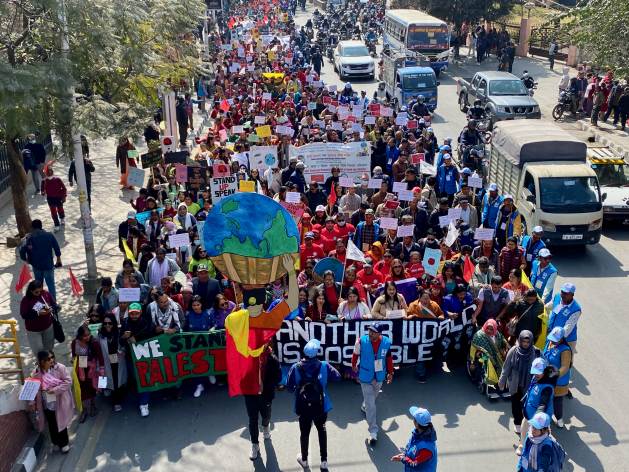
    World Social Forum Insists: Another World is Possible!

    The day began with a march through the vehicle-clogged centre of Kathmandu, a city of about 5 million people.

    By Marty Logan

    These are the worst of times, but they can become the best of times, said speaker Dr. Walden Bello, seeking to inspire thousands of progressives who gathered for the World Social Forum (WSF) in Kathmandu on Thursday with the planet under clouds of armed conflict and assaults on democracy.

    “We have a climate catastrophe facing all of us,” continued Bello after quoting from Charles Dickens’ A Tale of Two Cities. “We have neoliberal capitalism despite the fact that it has proven to be false in all its assumptions,” added the renowned Filipino academic and champion of the global South.

    “We have the global rise of fascism, fascism which wants to put one group of people under the domination of another group of people,” Bello told thousands who had gathered under a hot winter sun in a huge field in the centre of Nepal’s capital.

    Put bodies on the line

    “But this can be the best of times despite the darkness that is in fact engulfing the world,” he continued. “What must WSF Nepal 2024 stand for? It must stand for the affirmation of all of us to save the planet from climate catastrophe and the ravages of capitalism. It must mean that we all stand up and put our bodies on the line against the emergence of fascism. And I would like to say it must mean that we put our bodies on the line against genocide,” said Bello.

    Other speakers also singled out the ongoing attacks by the Israeli army on Palestine. “In today’s world, where armed conflicts are the order of the day, when mass genocide is carried out with total impunity we need to stand together for the people who need it the most… the Palestinian people,” said Dr. Aleida Guevara, the oldest daughter of Cuban revolutionary Che Guevara.

    “The situation is very difficult, but what do we do about it? Nothing, or almost nothing. What is clear is that it is not enough. The Palestinian people continue dying,” she added. “We need to do better by being more supportive… South Africa cannot be alone in the mission of demanding more justice and punishment for those who have become the worst murderers of humanity.”

    The day began with a march through the vehicle-clogged centre of Kathmandu, a city of about 5 million people. Some teams hefted long banners while solo marchers hoisted colourful hand-written signs proclaiming support for issues ranging from debt relief to the fight against caste discrimination and sex workers’ rights.

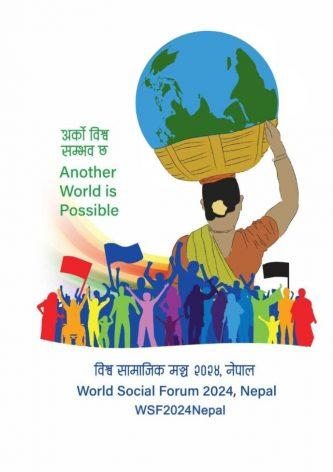
    Between 30,000 and 50,000 people from 90+ countries are expected to attend more than 400 workshops, talks and other events of this WSF, whose motto is “another world is possible”. The event ends on Monday.

    At the opening ceremony other speakers on the huge stage noted that the working poor worldwide are facing sustained attacks on their ways of life.

    Farming activist Burry Tunkara, from The Gambia, told participants: “There’s no doubt that agriculture forms the greatest part of the economy of Africa and of the world at large… small-scale farmers lack formal land rights, making them vulnerable to land-grabbing, displacement and exploitation.

    “We need to empower farmers, especially women and youth, through trainings… and also education… By investing in women and youth, we can unlock the potential of the agriculture of the world and also contribute to gender equality and social development,” she added.

    First WSF in 2001

    The first WSF was held in 2001 in Porto Alegre in southern Brazil, at the initiative of Brazilian organizations and social movements and in coordination with international groups. But the event has been in decline in recent years.

    “We are losing the game so far,” co-founder Obed Grajew recently told IPS by telephone from Sao Paulo. “The climate crisis has worsened, inequalities and conflicts have grown, with the risk of nuclear war, confidence in democracy is declining and global governance is lacking. These are enormous risks that threaten the human species.”

    WSF 2024 will demonstrate that global civil society still has a strong voice, said Netra Timsina, a member of the Nepal organizing committee. “There is still a vibrant voice alive and speaking out against what is happening: genocide, war, climate catastrophe, populism, inequality.”

    Nepal organizers want to both share and protect their achievements following the end of the Maoist-state conflict in 2006, he added: “our republic and the secular constitution, our peace process and human rights and democracy.”

    Ahead of the opening ceremony, IPS spoke with Indian activist Skani Pinto, who has worked for the rights of Indigenous people for 40 years. Asked if he was getting tired of the struggle he answered: “We must fight, we must raise our voice… we all have equal rights and dignity, so we work for the world family. This is our inner calling; it doesn’t allow us to think in any other way.”

    US Says ‘Misuse’ of Law Against Yunus Could Deter Foreign Investment

    Despite being convicted on Jan 1, Yunus, the head of Grameen Telecom, was not immediately jailed as he was granted a one-month bail to appeal the decision.

    The United States has warned that international concerns over the perceived ‘judicial harassment’ of Nobel laureate Muhammad Yunus, the founder of Bangladesh’s Grameen Bank, could negatively impact Bangladesh’s prospects for foreign investment.

    Matthew Miller, a spokesperson for the US Department of State, addressed Yunus’s mounting legal woes during a press briefing in Washington on Tuesday, reports bdnews24.com.

    Last month, Yunus was handed a six-month jail sentence for violations of labour laws and is now facing fresh graft charges from the Anti-Corruption Commission.

    “We worry the perceived misuse of labour and anti-corruption laws could raise questions about the rule of law and dissuade future foreign direct investment, and we encourage the Bangladeshi government to ensure a fair and transparent legal process for Dr Yunus as the appeals process continues,” he said.

    Despite being convicted on Jan 1, Yunus, the head of Grameen Telecom, was not immediately jailed as he was granted a one-month bail to appeal the decision.

    As criminal charges against Yunus pile up, Miller pointed to the “unusual speed” of the trial in the labour case, fuelling concerns about the potential weaponisation of the judicial process by the government.

    “The Anti-Corruption Commission has approved a chargesheet for additional cases. Those have drawn widespread condemnation from around the world,” he said.

    “We share the concerns voiced by other international observers that these cases may represent a misuse of Bangladesh’s labour laws to harass and intimidate Dr Yunus.”

    He called on the government to ensure a “fair and transparent” legal process for Yunus as he appeals against his conviction.

    Image: Wikimedia Commons

    Nepal PM Prachanda Concerned About Money Outflow for Higher Education

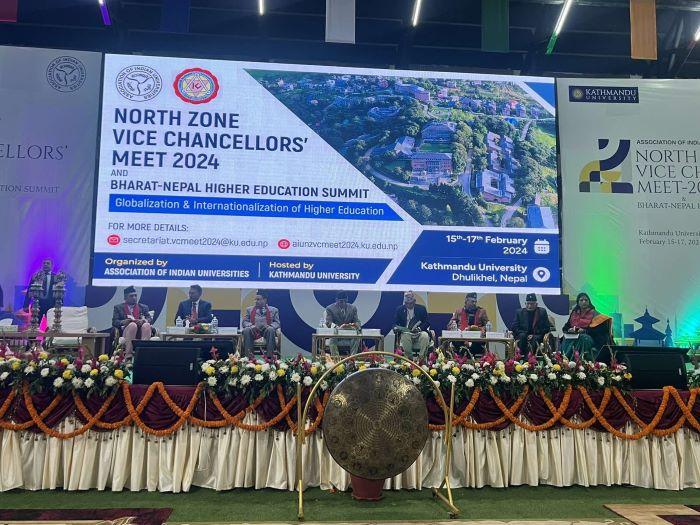
    The Prime Minister was addressing the inauguration programme of the Association of Indian Universities (AIU) – North Zone Vice Chancellors’ Meet 2024 and the Bharat-Nepal Higher Education Summit on Thursday.

    Nepal’s Prime Minister Pushpa Kamal Dahal ‘Prachanda’ has called for a stop to the ‘economic outflow’ from Nepal-like countries of the South for higher education. He underscored the need to make efforts to retain within the country itself a majority of the youths and the resources they have. 

    The Prime Minister was addressing the inauguration programme of the Association of Indian Universities (AIU) – North Zone Vice Chancellors’ Meet 2024 and the Bharat-Nepal Higher Education Summit on Thursday.

    “There is a huge outflow of money from countries like Nepal on higher education and this trend should now be reversed,” the Nepalese Prime Minister said, pointing out the need to re-evaluate the internationalization of higher education. “We should create an environment conducive for those youths seeking opportunities globally.” 

    Stating the education sector is struggling against the challenges brought by global forces, the Prime Minister said the latest trend of students and intellectuals getting drawn to the universities of the North is seen as they have invested many resources in skill and education development.

    Prachanda further added that, “The balance of higher education is seen tilted towards the North.  Although the education system of the North has attracted international students due to the expensive budget, this situation cannot last long.”

    Thinking Beyond MGNREGA

    MGNREGS should be envisioned as a platform to grant labourers the agency to determine where, how and on what projects they wish to engage, while also ensuring they reap equitable benefits from the assets they create while simultaneously addressing the pressing issue of climate change through natural resource restoration component.

    By Ali Siddiqi

    Is the Mahatma Gandhi National Rural Employment Guarantee Act capable of yielding tangible assets that can lead to a second-round economic impact, particularly through natural resource restoration works? Can the full benefits of MGNREGA be harnessed without the proper safeguarding of worker’s rights and entitlements?

    Have endeavours like farm pond restoration, embankment works (commonly referred to as “bandh works”), afforestation, irrigation projects, and local water conservation efforts (“kholikaran”) contributed to improving agricultural productivity, boosting the income of fishermen, enhancing access to water resources for livestock, and addressing water security issues in the village?

    The complete potential of MGNREGA’s impact has not been realised in this context, primarily due to geographical constraints, suboptimal employment generation and creation of low-quality assets.

    As one of India’s most important welfare programmes, MGNREGA seeks to protect the rural poor from joblessness and enhance their livelihood. It was set against the backdrop of the challenges that India’s rural economy encountered during the 1990s, marked by an agrarian crisis which was characterised by declining productivity and real wages. It acts as a mechanism for social protection of the most vulnerable living in rural India guaranteeing wage employment opportunities every financial year to do unskilled manual work. More importantly, it serves an empowering force for participatory planning, enabling individuals to determine their own development priorities and actively contribute towards its realization.

    This scheme also seeks to recharge the rural sector by aiding the construction of assets that raise productivity in agriculture and generates a second-round impact in the local village level. The works undertaken are largely works that would strengthen the natural resource management and address issues such as soil erosion, drought, water conservation (ponds, wells, check dams), plantations and irrigation canals. Works that lead to construction of roads, private works that allow the construction of houses (under the rural housing scheme), cattle sheds and provision of irrigation facilities to SC/ST households are also included.

    Lessons from history

    There are several provisions in place to include transparency and accountability mechanisms like social audit, creation of a public data portal that provide regular updates on the progress in a reported time, basic work-site facilities, payment of wages within 15 days, reducing gender-wage disparity and many others.

    Arguably, the Mahatma Gandhi National Rural Guarantee Employment Act’s roots can be traced back to the Employment Guarantee Scheme that was launched in Maharashtra in 1974 by the Maharashtra state government and it was put into operation for the entire year.

    As of now, the Employment Guarantee Scheme (EGS) has been integrated into the MGNREGA as part of a guideline issued by the Central Government. The Employment Guarantee Scheme was a policy of direct transfer to the poor through the provision of public works.

    The benefits and the impacts have been empirically studied. Additionally, in 1972-73 it was observed that food consumption did significantly decrease during the drought, but the public employment guarantee programs helped maintain labourers’ income share in total consumption.

    In fact, Maharashtra is the only state that was able to prevent an increase in poverty measures during the 1987-88 drought.

    Additionally, we can see a considerable effect on the severity of poverty since EGS augmented the income of the poor. It is also worthwhile to note that the scheme came about because of public action efforts led by citizens. The Scheme owes its origin to the commitment of concerned citizens for reducing ‘distress’ of the poor. The origin can be traced to a committee called Dushkal Nivaran and Nirmoolan Samiti (Drought Relief and Eradication Committee) formed in 1971.

    Access to water resources

    Vidarbha is commonly associated with an ongoing agricultural crisis, marked by factors such as poor crop yields, escalating farmer indebtedness, and an unfortunately high incidence of farmer suicides. Additionally, this region grapples with deep-water tables, frequently leading to the depletion of reservoirs. In the village under examination, respondents often voiced concerns about water accessibility, including the absence of water connections to their residences and inadequate drinking facilities. Most farmers in this rainfed region confront suboptimal crop yields and multifaceted agricultural challenges.

    Work in villages shows that these projects, when effectively harnessed, enhance access to water resources for cultivators leading to increased agricultural yield, improved livelihoods for fisherfolk and an increase in water availability for cattle, all the while generating employment in the village.

    The significance of MGNREGA and watershed initiatives becomes particularly pronounced in this context.

    No words will be enough to underscore the necessity for enhancing the accountability and decentralized execution of MGNREGA. It is evident that the current implementation of the Act falls short of its intended objectives, primarily due to the operation within a system that does not prioritize the welfare of its weaker section.

    This study also argues that to realise the full potential of MGNREGS, it is crucial to envision it beyond just a poverty alleviating, job creating scheme. It should be envisioned as a platform to grant labourers the agency to determine where, how and on what projects they wish to engage, while also ensuring they reap equitable benefits from the assets they create while simultaneously addressing the pressing issue of climate change through natural resource restoration component.

    We must draw inspiration from the successful implementations and emphasize enhanced accountability mechanisms, reduction of elite capture and mitigation of information asymmetry as integral steps towards optimizing the impact of the program.

    In totality, these measures have the potential to address the unmet demand for employment opportunities and mitigate agrarian distress prevalent in the rural economy.

    Ali Siddiqi is a final-year MA Economics student at Jamia Millia Islamia, New Delhi. This piece has been extracted from his research report following his stint as an Abhijit Sen Research Intern with the National Foundation for India.

    World’s Tallest Railway Bridge to Aid Kashmir’s Growth

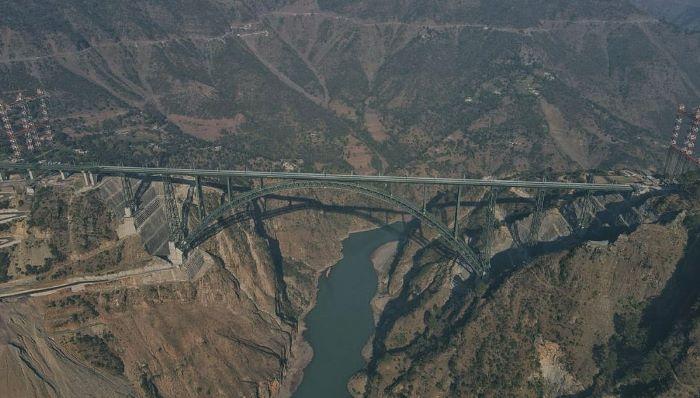
    The Chenab Bridge is the world’s tallest railway bridge. The Himalayan region of Jammu and Kashmir eyes economic boost as bridge nears opening. Once operational it will increase trade and tourism for the deprived region.

    By Mehroob Mushtaq

    The world’s tallest railway bridge, in the underdeveloped, mountainous region of Jammu and Kashmir, promises to provide a vital transportation link with the rest of India when it becomes operational.

    The Chenab Bridge was built to span a gap across the Chenab River of more than 470 metres and boost the economy of one of India’s poorest regions by improving connections year-round.

    At 359 metres tall, the engineering wonder stands higher than the Eiffel Tower in Paris and the Statue of Liberty in New York City. Its design uses an engineering concept called “blast load” to withstand the impact of explosion such as from terrorist attacks and the resulting shock waves and debris.

    Shair Khan, a 45-year-old from the Reasi district of Jammu and Kashmir, in the Himalayas, believes it will be a lifeline, especially during the challenging winter months.

    “In winter, heavy snow and landslides cut us off from the world,” he told SciDev.Net.

    “Now, with this bridge, we hope to stay connected all year round. It gives us hope for 12 months of connection and the chance for more businesses to come to our district.”

    The first-ever multidimensional poor index report released in 2021 by India’s policy think-tank NITI Aayog, registered poverty in Jammu and Kashmir at almost 13 per cent. The poorest district, Bihar, had a poverty index of 52 per cent.

    When fully operational, the Chenab Bridge should enable people and goods to flow to and from the region, boosting the local economy, especially the saffron trade and tourism.

    The central government of India is expected to announce the opening of the bridge before the May 2024 national elections.

    Winter isolation

    Connecting the region is a challenge due to its imposing mountains. Previously, the only land route connecting Kashmir with the rest of the country was the winding 300-kilometre (185-mile) Srinagar-Jammu national highway, which closes during part of the winter and is frequently disrupted by landslides.

    The treacherous road is also prone to accidents and has claimed many lives. In the past year, there were 648 accidents on this road, causing 93 deaths according to India’s Ministry of Road Transport and Highways.

    Deputy chief engineer of Konkan Railway, Rashmi Ranjan Mallick, said building in such challenging terrain was difficult, considering the tough geography. Adverse weather conditions further complicate material transport and construction efforts.

    More than 1,300 workers and 300 engineers have been working on building the bridge. Construction began in 2004 but paused in 2008 to 2009 due to concerns about passenger safety in strong winds.

    Railway authorities considered other locations due to high-speed winds of 100 kilometres per hour. However, the original site was eventually deemed the most suitable.

    The bridge is part of the Udhampur-Srinagar-Baramulla rail link project, with an overall cost of 37,000 crore rupees (US$4.46 billion). It will be crossed by Vande Bharat Express trains, designed to work well in the region’s extreme temperatures and high altitudes.

    Irfan Hashim, a researcher at the University of Kashmir’s Media Education Research Centre, said the bridge will be a vital link between people and markets, improving travel safety and efficiency.

    “Its resilience to seismic activity, withstanding up to an 8.0-magnitude earthquake, underscores the meticulous engineering and proactive measures employed in its design, ensuring safety and stability for generations to come,” he told SciDev.Net.

    During harsh winters, Kashmir faces substantial losses due to severe weather and road blockades from landslides, says Tariq Ghani, president of the Chamber of Commerce and Industry Kashmir.

    He believes the Chenab Bridge will boost economic growth by improving connectivity and trade throughout the year, opening up opportunities for business, tourism and overall development.

    However, others have expressed concerns about the bridge.

    “We are concerned about potential disturbances caused by train noise and vibrations affecting daily life,” Reasi district resident Abdul Khaliq told SciDev.Net.

    He also stressed the importance of maintaining peace in local communities and preserving the environment.

    Irfan Khan, a taxi driver from the Tourist Taxi Stand in Srinagar, said he and many other taxi and truck drivers were worried about the potential impact of the bridge on their livelihoods.

    “The completion of the bridge has brought uncertainty about the future of our jobs, with potential changes in transportation routes affecting their earnings,” he said.

    This piece has been sourced from SciDev.Net

    World Social Forum Seeks to Re-emerge as an Influential Gathering of Diversity

    Holding the gathering in Asia opens new horizons for the WSF, as it is the most dynamic region of the global South, at least in economic terms. It reflects a mobilization of the social organizations of Nepal and neighbouring countries, which came together and offered to host the Forum.

    By Mario Osava

    The World Social Forum (WSF) is today “more necessary than ever,” according to Oded Grajew, promoter and co-founder of the global civil society meeting – a festival of diversity that has not yet succeeded in fomenting or designing the “other possible world” that it predicted when it was created and adopted that motto.

    The WSF, whose next edition will be held Feb. 15-19 in Kathmandu, the capital of Nepal, first emerged in 2001 in Porto Alegre, a city in southern Brazil, at the initiative of Brazilian organizations and social movements, in coordination with international groups.

    The idea proposed by Grajew was to hold a counterpoint to the World Economic Forum, which meets annually in the Swiss Alps city of Davos. Hence the similar name but different focus, on social issues, the initial coincidence of dates in January, and the banners against neoliberalism and globalization.

    The first edition brought together nearly 20,000 people from 117 countries. Participation grew and exceeded 100,000 people in several global meetings held in different countries, after the first three held in Porto Alegre, where it has returned on several occasions.

    The meetings took place in the Indian city of Mumbai in 2004, then in 2006, the WSF was divided between Bamako (Mali) and Caracas, to be followed by Nairobi (2007), Dakar (2011), Tunis (2013 and 2015) and Mexico City (2022).

    In addition to Porto Alegre, it returned to Brazil in 2009 (Belém, in the eastern Amazon) and 2018 (Salvador, in the northeast). And it expanded into national, regional and thematic forums, promoting debates on a range of issues, from economic to environmental and climate, gender, ethnic, sexual minorities, and disabilities questions.

    But the WSF has been in decline since the last decade. It has lost its initial charm and repercussions, and its current impact on global crises is hardly noticeable, especially since it was born as a movement that did not aim to reach conclusions, but rather to generate debates and demonstrate that “another world is possible.”

    “We are losing the game so far,” Grajew told IPS by telephone from Sao Paulo. “The climate crisis has worsened, inequalities and conflicts have grown, with the risk of nuclear war, confidence in democracy is declining and global governance is lacking. These are enormous risks that threaten the human species.”

    All of this increases the need to revitalize the WSF, because it is about strengthening civil society, the only way to solve the challenges, in the view of its organizers.

    The WSF, despite everything, has already left a legacy as a “space for making connections and mounting resistance by society around the world,” Grajew said. It contributed to raising the visibility of the climate emergency on the international agenda, strengthened the anti-racist struggle and fostered alliances that made indigenous peoples “political actors in a way that they were not before,” he said, to illustrate.

    In Brazil, it was the increasingly strong civil society that prevented a coup d’état that would have installed a dictatorship and returned the far-right former president Jair Bolsonaro to office, said Grajew, currently an advisor to several institutions and president emeritus of the Ethos Institute for Business and Social Responsibility, a businessman turned social activist who remains so at the age of 80.

    Solutions and resources are available

    “Today we know what the problems of humanity are and how to solve them; what is lacking is political will,” Grajew argued.

    “Our problem is not economic, it’s not a lack of resources; it’s a problem of political and social organization,” said Ladislau Dowbor, an 83-year-old economist who always addresses the WSF. “Global GDP is 100 trillion dollars per year, equivalent to 4,200 dollars a month per family of four people. It is enough for a decent and comfortable life for all. All that would be needed is a tax of only four percent on the fortunes of the richest one percent of humanity.”

    The WSF is an attempt to create a connected political force from the profusion of organizations and social movements in which civil society seems to be fragmented, with a multiplicity of banners, from environmental to feminist, anti-racist and egalitarian.

    There was an explosion of social diversity in the 1960s and 1970s, with the affirmation of multiple identities and their struggles, which seek convergence in processes such as the WSF. These are generally progressive movements, which are not automatically connected together.

    The most immediate antecedent was the so-called “Battle for Seattle,” the city in the northwest U.S. state of Washington that in 1999 brought together anti-globalization activists during a World Trade Organization summit, demanding globalization of the people and not of the economy.

    “It’s a long-term process. Diversity is a richness, but sometimes it is divided by identity sectarianism,” said Daniel Aarão Reis, a 78-year-old historian who extensively studied Brazil’s 1964-1985 military dictatorship and the Soviet revolution.

    In his view, the consolidation of opposition to or containment of the damage caused by capitalism in the current situation faces two adverse factors.

    “One is the decline of the working class, which since the late nineteenth century, concentrated in the cities, had a demographic weight and organized strength to lead that struggle, attracting other popular segments, which were sometimes even a majority of the population, such as peasant farmers. But it has suffered demographic losses, slow but evident since the 1970s,” Aarão Reis said.

    Another is the collapse of the Soviet Union in 1991, which gave way to unbridled capitalism, with the “restoration of tsarist traditions.” This hit progressive forces even if they were critical of authoritarian socialism. For a long period Moscow had supported, for example, national liberation struggles.

    Far right can unite progressives

    “Creating connections between the myriad of dispersed currents, without a powerful hub such as workers’ struggles, with their unions and parties, is a great challenge. But sometimes an external enemy helps foment these connections. That was the case of Nazism, which gave rise to a broad alliance against it,” the historian said in an interview with IPS in Rio de Janeiro.

    The far right, which brings together racism, threat to democracy, misogyny and other retrograde stances, can “help condense that dispersed nebula that the left has become,” said Aarão Reis, a professor at the Fluminense Federal University.

    In the case of the WSF, its apparent loss of momentum exacerbated internal divisions in the International Council which is responsible for managing the forum.

    “The WSF is like the spiritual exercises of the church, which benefit those who are present, but are basically internal, and don’t spread to society,” by not expressing itself on the burning issues of the world and thus making it impossible to communicate outwardly, Argentine- Italian Roberto Savio, co-founder and president emeritus of Inter Press Service (IPS), who was an active member of the International Council, said from Rome.

    This is how the 89-year-old expert on South-South communications described the disagreement of some activists and advisers with the Charter of Principles that defines the WSF as “a plural and diversified space” of reflection and connection of entities and movements, that is “non-partisan” and “non-deliberative.”

    Not a party

    Chico Whitaker, another co-founder of the Forum and a fervent defender of the Charter of Principles, said “We have to continue being a space for connection, for the search for alternatives and forms of action, for new paths. Action is a function of the participating organizations and movements, not of the Forum.”

    The discrepancy has existed since the beginning of the WSF and stems from “an old culture of hierarchical, autocratic politics,” he told IPS by telephone from São Paulo.

    At 92 years of age, Whitaker regretted that he was not able to travel to Kathmandu which was “too far away,” and that he would be engaged in “very limited” digital participation.

    The edition in Kathmandu will be hybrid, both face-to-face and digital, but the time zone difference between the capital of Nepal and São Paulo, for example, is nine hours, which makes it difficult to follow the activities from afar.

    That is why the debates of greatest interest in the Americas will be held at night in the Nepali capital, said Rita Freire, representative of the Ciranda network, which is in charge of the WSF collaborative communication at the International Council.

    Freire, a 66-year-old journalist and editor of the Middle East Monitor, also represents an alternative of political action “within the process of the Forum, but maintaining the Charter of Principles.”

    A new body is being tested in Kathmandu, the Assembly of Struggles and Resistance with social movements, which will adopt political positions and declarations. “But it will do so in its own name and not in the name of the Forum,” Freire clarified from São Paulo by telephone a few hours before taking a flight to Kathmandu.

    Holding the gathering in Asia opens new horizons for the WSF, as it is the most dynamic region of the global South, at least in economic terms, agreed Freire and Whitaker. It reflects a mobilization of the social organizations of Nepal and neighboring countries, which came together and offered to host the Forum.

    This piece has been sourced from Inter Press Service – IPS
    Afghanistan: Aid Cutbacks, Taliban Abuses Imperil Health

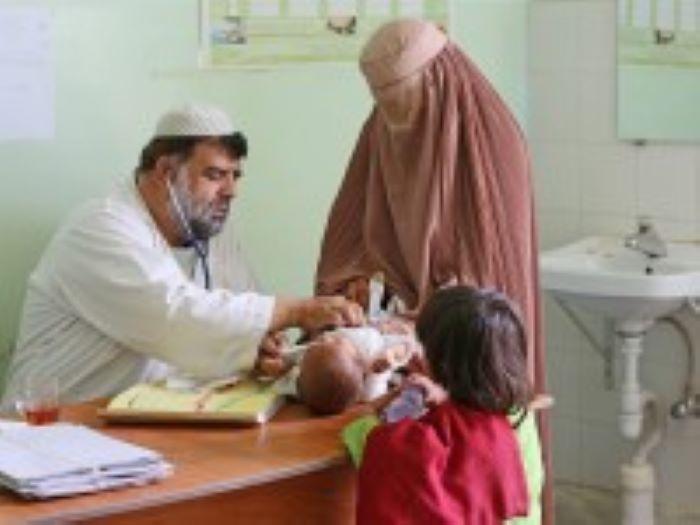
    The loss of foreign assistance has severely harmed Afghanistan’s healthcare system and exacerbated malnutrition and illnesses resulting from inadequate medical care. In addition, Taliban restrictions on women and girls have impeded access to health care, jeopardizing their right to health; education bans guarantee future shortages of female health workers.

    The sharp reduction in foreign assistance for Afghanistan’s public health system, alongside the Taliban’s serious abuses against women and girls have jeopardized the right to health for millions of Afghans, Human Rights Watch (HRW) said in a report released today. The healthcare crisis has made the Afghan population increasingly vulnerable to severe malnutrition and illness.

    The 38-page HRW report, “‘A Disaster for the Foreseeable Future’: Afghanistan’s Healthcare Crisis,” describes how the collapse of Afghanistan’s economy after the Taliban takeover in August 2021 inflicted severe harm on the country’s healthcare infrastructure. Donors’ decisions to reduce humanitarian aid have further weakened health care access, destabilized the economy, and worsened food insecurity. The Taliban’s abusive policies and practices have greatly exacerbated the crisis. Bans on education for women and girls have blocked most training for future female healthcare workers, ensuring shortages for the foreseeable future.

    “The loss of foreign development aid and Taliban rights violations have caused a catastrophic health crisis in Afghanistan that is disproportionately harming women and girls,” said Fereshta Abbasi, Afghanistan researcher at Human Rights Watch. “The Taliban have severely obstructed women from providing or accessing health care, while the cost of treatment and medicine has put care out of reach for many Afghans.”

    Human Rights Watch interviewed Afghan and foreign aid officials, healthcare workers, and people seeking health care in 16 of Afghanistan’s 34 provinces between February 2023 and January 2024.

    At the planned February 18 meeting of special envoys from key countries organized by the United Nations, governments should press Taliban leaders to remove restrictions impeding people’s access to health care, including bans on women’s education and employment. The special envoys should also address structural problems that have undermined Afghanistan’s economic stability, including those affecting water management, electrical supply, and the banking system.

    Restrictions on treating women patients

    Over the previous two decades, the Afghan government had depended on international development support from donors to fund essential services like primary health care, even as Afghans paid most healthcare costs from their own pockets. The previous government’s contribution to the public primary care system was negligible, leaving the system vulnerable to collapse once aid was withdrawn. Taliban authorities have also allocated little funding for health care, and humanitarian organizations have struggled to fill the void amid funding cuts that threaten this lifeline.

    While Afghans living in poverty have always faced difficulties obtaining health care because of costs, a rising number of Afghans now struggle to pay for food and are often unable to cover the price of medicines and transportation to reach health services.

    A 54-year-old man living with a kidney infection said, “Since the Taliban took over, the price of my medications has nearly doubled. This is too much for anyone who doesn’t have a job.”

    The United Nations estimates that 23.7 million people – more than half of Afghanistan’s population – will need humanitarian assistance in 2024. While humanitarian agencies provide life-saving assistance, they cannot replace all the essential services that had previously depended on donor support.

    As a Mercy Corps official said in September 2023, “The humanitarian response in Afghanistan simply cannot keep pace with the country’s worsening conditions.”

    The Taliban’s ban on women’s employment with humanitarian agencies has compounded the crisis by creating additional obstacles to delivering assistance equitably and by depriving women and their families of income. Strict hijab and mahram (male guardian) regulations have impeded women from traveling for work or to receive treatment.

    A doctor in Samangan said: “The Taliban have instructed us not to treat any female patient who is not accompanied by a mahram or is not in full hijab.”

    Among those most affected by Afghanistan’s healthcare crisis are people with disabilities. Due to decades of conflict and poor maternal health care, Afghanistan has one of the largest populations in the world of people with disabilities. Because of aid shortfalls, the few services for people with disabilities, including physical rehabilitation and mental health support, have largely disappeared.

    A counsellor based in Kabul said that “even before the Taliban takeover, there were few donors to provide mental health services in major cities. Now most of them are gone, while people are in in greater need.” The Taliban’s restrictive policies further impede access to services for women and girls with disabilities. “The unprecedented economic crisis in Afghanistan has meant that millions are facing life-threatening conditions,” Abbasi said. “The situation demands more than humanitarian aid, it requires sustainable efforts to avert further economic decline and alleviate the immense suffering of the Afghan population.”

    State of the World’s Migratory Species Report ‘Alarming’ Threats, Global Action Urged

    Some of the troubling findings include population declines for almost half of CMS migratory species, extinction threats for almost all (97 per cent) of CMS-listed fish, and a growing extinction risk for migratory species globally, including those not listed under the CMS.

    By Alison Kentish

    A groundbreaking State of the World’s Migratory Species Report is calling for accelerated global conservation measures to counter the threat of extinction faced by 1 in 5 of all migratory species.

    The report was launched at the opening press conference of the 14th Conference of Parties to the UN Convention on the Conservation of Migratory Species of Wild Animals (CMS COP14) in Samarkand, Uzbekistan, on Feb. 12. 

    It is the first comprehensive assessment of migratory animals—species that travel to different parts of the world every year. They include ocean species like sharks and sea turtles, terrestrial animals such as elephants, as well as those undertaking airborne journeys like birds and butterflies. The report’s authors say migratory species’ remarkable journeys not only connect the world; they offer a unique angle to research and understand the magnitude of planetary changes.

    The report has concluded that the conservation status of migratory species overall is deteriorating. Its results have been described as “startling” by the Executive Secretary of the Convention on the Conservation of Migratory Species of Wild Animals (CMS), Amy Fraenkel.

    “Overexploitation emerges as the greatest threat for many migratory species, surpassing habitat loss and fragmentation,” she stated in the report. “This includes the taking of species from the wild through intentional removal, such as through hunting and fishing, as well as the incidental capture of non-target species. Bycatch of non-target species in fisheries is a leading cause of mortality of many CMS-listed marine species.”

    Some of the troubling findings include population declines for almost half of CMS migratory species, extinction threats for almost all (97 per cent) of CMS-listed fish, and a growing extinction risk for migratory species globally, including those not listed under the CMS.

    “Migratory species are of ecological, economic, and cultural importance. Within ecosystems, they perform a variety of crucial functions, ranging from the large-scale transfer of nutrients between environments to the positive impacts of grazing animals on grassland biodiversity,” the report states.

    It adds that these species’ habitats and movements are at risk, with half experiencing unsustainable levels of human-induced pressure.

    “The urgency for action to protect and conserve these species becomes even greater when we consider the integral but undervalued role they play in maintaining the complex ecosystems that support a healthy planet—by, for example, transferring nutrients between environments, performing migratory grazing that supports the maintenance of carbon-storing habitats, and pollination and seed dispersal services,” said Inger Andersen, UN Under-Secretary-General and Executive Director, UN Environment Programme.

    The present reality for migratory species and the cost of inaction or inadequate action are concerning, but the report is heavy on both hope and concrete recommendations for global action.

    It contains a section dedicated to proposed policy actions. Among the most crucial are the need to address the unsustainable and illegal harvesting of migratory species at the national level, measures to reduce bycatch and other incidental captures, and the identification and recognition of all significant sites for migratory species.

    The recommendations are to “protect, connect, and restore” habitats, tackle overexploitation, reduce the damaging impacts of environmental pollution, address the root causes and cross-cutting impacts of climate change, and ensure the CMS Appendices protect all migratory species in need of further conservation action. They also call for ‘follow-through’ on global commitments to ecosystem restoration.

    “This includes those linked to the UN Decade on Ecosystem Restoration and Target 2 of the Kunming-Montreal Global Biodiversity Framework to ensure that at least 30 per cent of degraded terrestrial, inland water, and coastal and marine ecosystems are under effective restoration by 2030. To support these efforts, develop and implement national restoration plans focused on restoring and maintaining important habitats for migratory species,” it states.

    UNEP’s Inger Andersen says the report is an important milestone in the establishment of a roadmap for the conservation of migratory species.

    “Given the precarious situation of many of these animals and their critical role for healthy and well-functioning ecosystems, we must not miss this chance to act—starting now by urgently implementing the recommendations set out in this report,” she stated.

    For the CMS’ Amy Fraenkel, conservation of migratory species is a shared responsibility among the world’s nations.

    “Migratory species are a shared natural treasure. This landmark report will help underpin much-needed policy actions to ensure that they continue to traverse the world’s skies, lands, oceans, lakes, and rivers.”

    This piece has been sourced from the Inter Press Service – IPS

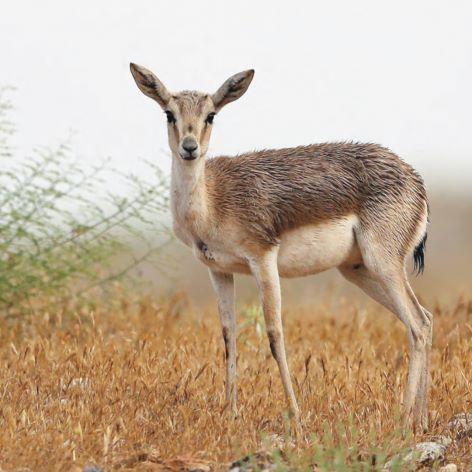
    Image: Goitered gazelle: Credit CMS

    Myanmar: Military Air Strikes On Civilians Must be Investigated as War Crimes, Says Amnesty

    Amnesty International interviewed four witnesses to the attacks, one person who visited Kanan after the attack and saw the bodies of those killed, and another person with knowledge of military operations in the area.

    Air strikes by the Myanmar military killed 17 civilians – including nine children – as they gathered to attend church last month, Amnesty International said in a new investigation.

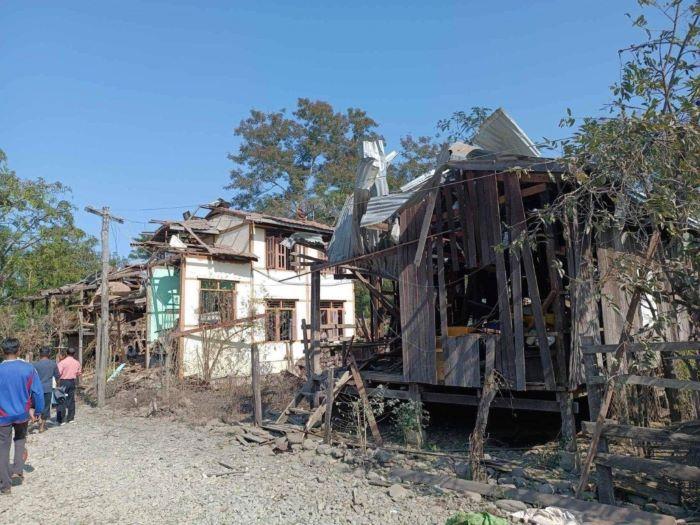
    The strikes, at approximately 10.30 AM on Sunday 07 January, struck close to Saint Peter Baptist Church in Kanan village in Sagaing region, near the country’s western border with India. More than 20 people were injured.

    Witnesses told Amnesty International that two children were killed by the first set of explosions while playing football in front of a nearby school. Many of the other victims were trying to run to safety when the second air strike hit. The attack damaged the church and school, as well as six civilian homes.

    “The Myanmar military’s deadly attacks on civilians show no signs of stopping,” said Matt Wells, Director of Amnesty International’s Crisis Response Programme.

    “The world cannot continue to look the other way while the Myanmar military relentlessly attacks civilians and civilian targets, including churches, schools and hospitals. Countries and companies around the world must stop the flow of jet fuel to the military, to protect civilians from further catastrophe.

    “These attacks must be investigated as war crimes, and the UN Security Council should refer the situation in Myanmar to the International Criminal Court. The perpetrators of these crimes under international law must be brought to justice,” said Matt Wells, arguing that the Myanmar military’s deadly attacks on civilians show no signs of stopping.

    Amnesty International interviewed four witnesses to the attacks, one person who visited Kanan after the attack and saw the bodies of those killed, and another person with knowledge of military operations in the area. The organization also analysed 99 photos and videos of the strikes and their aftermath, including images of those killed and injured.

    Civilians repeatedly attacked

    All of the structural damage caused to the school, church and nearby homes is consistent with air strikes, Amnesty says. The combined photo and video evidence indicates at least three impact locations, with craters consistent with aircraft bombs of approximately 250kg each, the organisation says. Satellite imagery taken after the strike also confirms significant damage to the school, adjacent structures and nearby homes, all consistent with an air strike.

    The Myanmar military has denied responsibility for the attack, claiming no planes were flying in the area that morning. However, Amnesty International reviewed a video taken during the strike which shows the distinctive swept-wing silhouette of an A-5 fighter jet flying over the village. In Myanmar, only the military flies A-5 jets, which were imported from China.

    Sources interviewed by Amnesty International said they had been told that members of a local People’s Defense Force (PDF) – one of many local armed groups formed since the coup to oppose the military’s rule – had planned a ceremony at the village school later that day. However, based on consistent witness accounts, fighters do not appear to have been present at the time of the strikes, which killed and injured civilians only.

    Even if the military believed there may have been lawful targets present, it dropped several large bombs on a residential area at a time on Sunday when civilians were gathering for church, and struck again as civilians fled in panic. As such, these attacks were indiscriminate at a minimum, and should be investigated as war crimes, said Amnesty.

    According to Amnesty International, the Myanmar military has repeatedly attacked civilians and civilian objects – often destroying or damaging schools, religious buildings and other key infrastructure – in the three years since carrying out a coup.

    Jet flying overhead

    Kanan – a village of an estimated 7,000 people – is located just north of the town of Khampat in Tamu township. Most of its residents are ethnic Chin, and practice Christianity.

    Witnesses told Amnesty International of the devastation caused by the air strikes on 07 January 2024. A 56-year-old community worker said he saw a jet flying overhead as he prepared to leave his home for the nearby church. Moments later, the first strike hit approximately 200 meters from where he was standing.

    He hid in his family’s rice storage shed with his wife and two children, just before another strike hit. Around 15 minutes later, he went to assist the injured and collect the bodies of the dead, which he described as “distressing”. Amnesty International reviewed photographs of the aftermath of the strike, which showed that one of the victim’s bodies had been dismembered, and that others had suffered catastrophic head injuries, also as described by witnesses. A 68-year-old man, who was inside the church when the first bomb struck, said: “We only knew about it when the bomb fell. We didn’t hear the plane. We were singing inside the church when it happened. The church’s ceiling collapsed and windows were broken, so people inside the church fled outside.”