More

    Indians Could Live Another Five Years If The Air Was Cleaner, Say Chicago Researchers

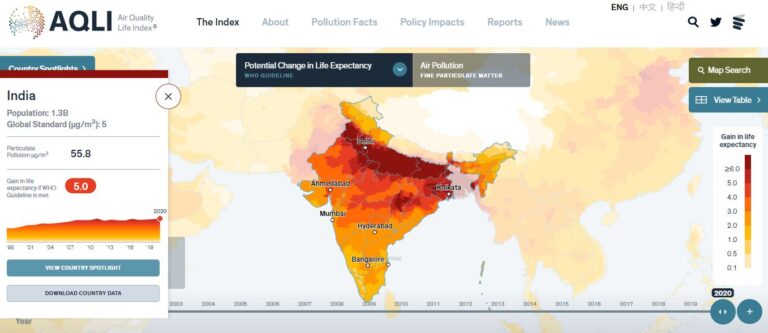
    ….. and residents of the state of Delhi could live another 10 years, according to the researchers who have worked out the Air Quality Life Index report. The picture is as hazy elsewhere in SouthAsia.

    As this piece is being written, the AQI in the East Delhi locality OneWorld SouthAsia works from is in excess of 200 – way above a minimal quality. Needless to say, this is a normal day in this part of India’s National Capital Region.

    Now, say researchers, such air reduces the life – in other words, people can live longer if the air they breathe is cleaner. The researchers at the University of Chicago’s Energy Policy Institute say that most of the world breathes unsafe air, taking more than two years off global life expectancy. The researchers emphasise that [articulate pollution remained high even while COVID-19 slowed the global economy. At the same time, mounting evidence on the health impacts of pollution at low levels led to new guidelines that brought most of the world into the unsafe zone.

    The researchers, who have got together the Air Quality Life Index report have put the blame on microscopic air pollution and the burning of fossil fuels.

    For instance, pollution due to the most minute of particulate matter, also called PM2.5 can settle in the human lung’s deepest alveoli or even travel through the bloodstream till it finds a place to settle in – even the brain.

    PM2.5 measuring 2.5 microns, often less, is about the diameter of human hair and has been dubbed as a cancer-causing agent.
    Air pollution fossil fuel killing people in India and South Asia

    Strong policies and political will

    The AQLI finds that particulate air pollution takes 2.2 years off global average life expectancy, or a combined 17 billion life-years, relative to a world that met the WHO guideline (5 µg/m3). This impact on life expectancy is comparable to that of smoking, more than three times that of alcohol use and unsafe water, six times that of HIV/AIDS, and 89 times that of conflict and terrorism, the University of Chicago team says.

    “It would be a global emergency if Martians came to Earth and sprayed a substance that caused the average person on the planet to lose more than two years of life expectancy. This is similar to the situation that prevails in many parts of the world, except we are spraying the substance, not some invaders from outer space,” says Michael Greenstone, the Milton Friedman Distinguished Service Professor in Economics and creator of the AQLI along with colleagues at the Energy Policy Institute at the University of Chicago (EPIC).

    “Fortunately, history teaches us that it does not need to be this way. In many places around the planet, like the United States, strong policies, supported by an equally strong willingness for change, have succeeded in reducing air pollution.”

    SouthAsia’s air is the worst

    And SouthAsia, the researchers say, has the worst air on planet earth.

    “In no region of the world is the deadly impact of pollution more visible than in South Asia, where more than half of the life burden of pollution occurs,” they say.

    “Residents there [meaning SouthAsia] are expected to lose about five years off their lives on average if the current high levels of pollution persist, and more in the most polluted regions,” the researchers say, adding that about 44 per cent of the world’s increase in pollution since 2013 has come from India.

    In India, the average citizen would stand to gain another five years of life expectancy if the WHO’s guidelines for clean air are met.

    But in the state of Delhi, which is also home to the country’s capital, the same gain in life expectancy would be 10.1 years.

    Like India, the rest of SouthAsia too has bad air. It is 15-fold worse than acceptable in Bangladesh and nine-times worse in Nepal and Pakistan.
    Air pollution PM2.5 killing people in India and South Asia

    COVID-19 and air pollution

    Indeed, all talk of clean air during the COVID-19 pandemic could well be a placebo, at least with respect to PM2.5.

    As the researchers say, “During the first year of the COVID-19 pandemic, the world’s economy slowed. Yet, the global annual average particulate pollution (PM2.5) was largely unchanged from 2019 levels,” say the scientists. “At the same time, growing evidence shows air pollution — even when experienced at very low levels — hurts human health.”

    “This recently led the World Health Organization (WHO) to revise its guideline (from 10 µg/m³ to 5 µg/m³) for what it considers a safe level of exposure of particulate pollution, bringing most of the world — 97.3 per cent of the global population—into the unsafe zone.”
    Paying More for Less Food

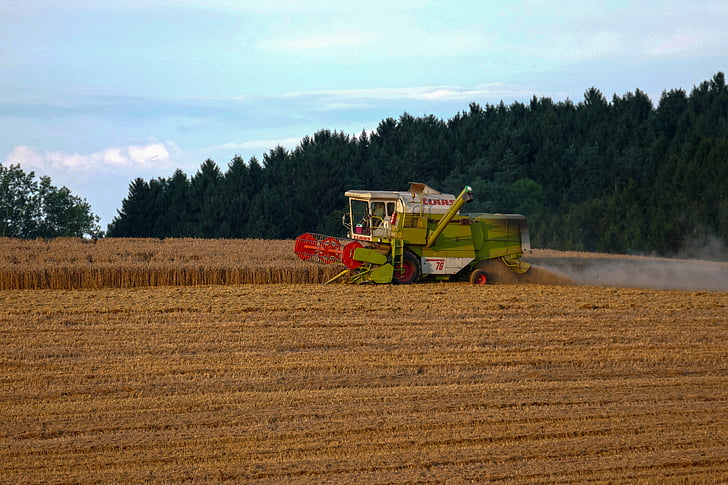
    FAO report flags risks to food security from high food and agricultural input prices. It says that real prices for farmers are low and are falling, despite the higher prices faced by consumers.

    The global food import bill is on course to hit a new record of US$1.8 trillion this year, but higher prices and transport costs rather than volumes account for the bulk of the expected increase, according to a new report released today by the Food and Agriculture Organization of the United Nations (FAO).

    “Worryingly, many vulnerable countries are paying more but receiving less food,” FAO says in its latest Food Outlook.

    The global food import bill is projected to rise by $51 billion from 2021, of which $49 billion reflects higher prices. Least Developed Countries (LDCs) are anticipated to undergo a five per cent contraction in their food import bill this year, while sub-Saharan Africa and the group of Net Food-Importing Developing Countries are both expected to register an increase in total costs, despite a reduction in imported volumes.

    “These are alarming signs from a food security perspective, indicating that importers will find it difficult to finance rising international costs, potentially heralding an end of their resilience to higher prices,” the report notes.

    “In view of the soaring input prices, concerns about the weather, and increased market uncertainties stemming from the war in Ukraine, FAO’s latest forecasts point to a likely tightening of food markets and food import bills reaching a new record high,” said FAO economist Upali Galketi Aratchilage, lead editor of the Food Outlook.

    Animal fats and vegetable oils are the single biggest contributor to the higher import bills expected to be reached in 2022, although cereals are not far behind for developed countries. Developing countries, as a whole, are reducing imports of cereals, oilseeds and meat, which reflects their incapacity to cover the increase in prices.

    Report’s takeaways

    FAO has proposed a Food Import Financing Facility to provide balance-of-payment support to the low-income countries most reliant on food imports as a strategy to safeguard their food security.

    World production of major cereals is expected to decline in 2022 for the first time in four years, while global utilization is also seen down, for the first time in 20 years. However, the use of cereals for direct food consumption by humans is not anticipated to be impacted, as the decline in total use is expected to result from lower feed use of wheat, coarse grains and rice.

    World wheat stocks are set to increase marginally in the year, mostly due to anticipated build-ups of inventories in China, the Russian Federation and Ukraine.

    Word maize output and utilization are forecast to hit new records, associated with greater ethanol production in Brazil and the United States of America as well as industrial starch production in China.

    Global consumption of vegetable oils is predicted to outpace production, despite expected demand rationing.

    While meat production is expected to decline in Argentina, the European Union and the United States of America, global output is forecast to expand by 1.4 per cent, led by an 8-per cent foreseen increase in pig meat production in China, reaching and even exceeding the level before the dramatic spread of the African swine fever virus in 2018.

    World milk production is forecast to expand more slowly than in previous years, constrained by falling dairy herd numbers and lower profit margins in several major producing regions, while trade may contract from the elevated level of 2021.

    World sugar production is expected to increase after three years of decline, led by gains in India, Thailand and the European Union.

    Rising inputs costs

    Along with rising food prices – with the FAO Food Price Index (FFPI) near its all-time high and prices of several staples having registered large runups in the past year – the agricultural sectors are exposed to supply limitations due to rising input costs , in particular for fertilizers and fuels, that could spur further food price rises.

    High food prices are typically a boon for producers, as farm profits rise. However, rapidly rising input costs – associated with rising energy costs and export restrictions on key fertilizers imposed by major players in the sector  –  are more than offsetting that, and if protracted, this would raise concerns about whether supply responses can be both quick and sufficient. “The spike in the price of inputs raises questions about whether the world’s farmers can afford to buy them,” Josef Schmidhuber and Bing Qiao of FAO’s Markets and Trade Division note in their special chapter on the dynamics of high input prices.

    Falling prices for farmers

    Farmers may reduce input applications or switch to crops that are less input-intensive, which would not only lower productivity but also have negative effects on exports of key foodstuffs to the international markets, adding to the burden faced by countries highly reliant on imports to meet their staple food needs. This also applies to major exporting countries, the report adds, noting that, for instance, some North American farmers are shifting from maize to soy, which requires less nitrogen fertilizer.

    The Global Input Price Index (GIPI), a new tool introduced by FAO in 2021, is now at an all-time high and has risen even faster than the FAO Food Price Index over the past 12 months.

    This points to low (and falling) real prices for farmers, despite the higher prices faced by consumers. That, in turn, stymies incentives for them to step up production in the future. For that to happen, however, either the GIPI has to fall or the FFPI has to rise even further – or a combination of the two.

    For now, and based on current conditions, the situation does “not augur well for a market-led supply response that could conceivably rein in further increases in food prices for the 2022/23 season and possibly the next,” the report says.

    Over Half the Fortified Rice Required Already Produced, Says Government

    According to the Indian Council of Medical Research and the National Institute of Nutrition (ICMR-NIN), no study has been conducted to ascertain the impact of chemically fortified food. Activists have pointed to investments in diversifying the food basket, rather than impose industrial interventions in the absence of conclusive evidences.

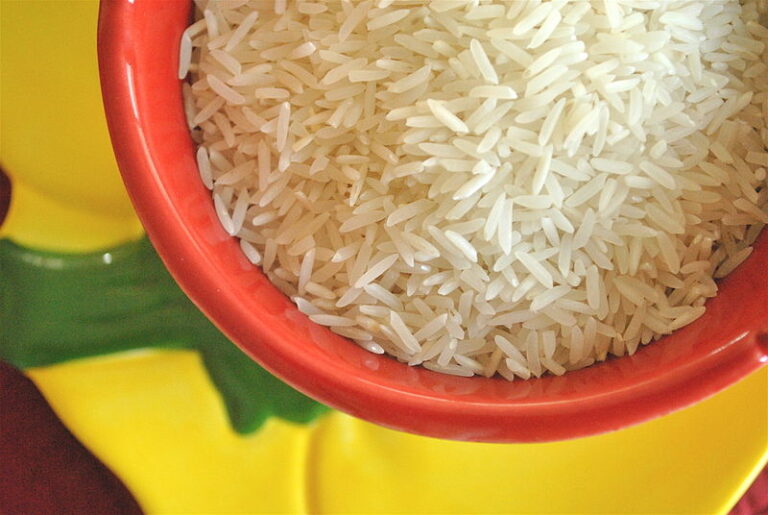
    The government is planning to cover 291 aspirational and heavy burden districts under the rice fortification programme by March 2023, said Sudhanshu Pandey, Secretary Department of Food & Public Distribution. Briefing the media, Pandey said that 90 lakh metric tonnes of fortified rice has already been produced in the country so far. The year’s total requirement is 175 lakh metric tonnes under the second phase of ‘distribution of Fortified Rice through Public Distribution System (PDS)’ that began in April 2022.

    The first phase of the programme covered the Integrated Child Development Services (ICDS) and PM POSHAN across the country and about 17 lakh metric tonnes of fortified rice was distributed by March 2022. More than 90 districts in 16 states have so far procured around 2.58 lakh metric tonnes of fortified rice for distribution under the public distribution scheme he said.

    The secretary also said that independent concurrent evaluation to assess the outcomes and the impact of the rice fortification programmes would be carried out by the Development Monitoring and Evaluation Office (DMEO) under NITI Aayog while steering committee in the states too will monitor the implementation of the programme.

    Fortified rice anaemia

    Civil society campaigners….

    However, campaigners connected with the right to food campaign say that the fortified rice programme is not based on sound science.

    Dr Veena Shatrugna, a former deputy director of the National Institute of Nutrition says that “The fortification project is not formulated from a sound medical science point of view. Any one food item cannot provide all nutrients in adequate amounts. Solutions to anaemia, hunger and malnutrition can only be resolved by introducing diverse foods like several cereals, pulses, fruits, vegetables and even animal foods into the diet rather than looking for a one bullet solution like fortification,”

    The activists have pointed to investments in diversifying the food basket, rather than impose industrial interventions in the absence of conclusive evidences.

    Responding to a query using the right to information law from Greenpeace India, the Ministry of Consumer Affairs, Food and Public Distribution failed to provide any specific survey or data when asked the scientific basis for the pilot project of rice fortification. The Ministry mentioned that the National Family Health Survey- 4 (NFHS-4) survey was the basis of approvals for the centrally sponsored pilot scheme on ‘Fortification of Rice and its Distribution under Public Distribution System’ for a period of three years beginning in 2019-20. It maintained, “Third-party evaluation of the ongoing pilot scheme is due in the third year i.e. in 2021-2022.” This third party evaluation has not been done yet, the activists say.

    Yet another response received to a RTI question to the Indian Council of Medical Research, National Institute of Nutrition (ICMR-NIN) mentioned that no study had been conducted to ascertain the impact of chemically fortified food.

    Interestingly ICMR said that it did conduct a double blind randomized controlled study in government primary school children (5-11 years age group) on chemically fortified rice served as part of their mid-day meal. But their findings showed, “iron fortified rice has a similar effect as mid-day meal on improvement in anaemia.”

    Activists say that this clearly raises doubts on the government’s assumptions that fortified rice could be helpful in eradicating anaemia. It also means that if mid-day meal schemes are improvised, added with diversity and effectively implemented they can be a boost in the fight against malnutrition and anaemia, they say.

    Government experts….

    Kapil Yadav of the Centre for Community Medicine at All India Institute of Medical Sciences (AIIMS) also made a presentation on ‘Staple Food Fortification as a Complementary Strategy to Address Micronutrient Vulnerability’.

    He said that food fortification is a cost-effective complementary strategy to address multiple micronutrient deficiency. Yadav stressed that only 0.01 per cent of population may face health risk due to consumption of fortified rice, particularly those ailing with Thalassemia Major. He emphasised that fortified rice helps preventing cretinism, goiter, IIH (Thyrotoxicosis), brain damage, improvement in foetal and neonatal health and improvement in productivity of the population. The benefits of rice-fortification intervention far outweigh the risks involved, he argued.

    Globally, more than two billion people have multiple micronutrient deficiencies and 1.6 billion people have anaemia. Over 50 per cent have iron deficiency and 260,100 pregnancies every year are affected by neural tube defects (NTDs) and the multiple micronutrient deficiencies are an important cause of mortality, morbidity, impaired human development, he said.

    Yadav’s arguments for fortified rice were complemented by Siddharth Waghulkar of the World Food Programme who offered evidences from various Indian studies.

    Spelling Out: What Is The Sri Lanka Crisis All About?

    The economic crisis was exacerbated by the loss of livelihoods, particularly by urban and rural daily wage earners, who consequently faced food insecurity due to the sudden loss in income and high price increases of essential food and household items.

    An economic crisis begining with a ban on synthetic fertiliser and amplified by the COVID-19 pandemic, has been developing in Sri Lanka. The consequent hardships have sparked civil unrest and food insecurity. The pandemic, with all its containment measures, resulted in the rapid decline in foreign currency income primarily through Sri Lanka’s adversely impacted tourism sector, worker and diaspora remittances, foreign direct investment (FDI) flows and world trade.

    To save its foreign currency reserves, the Government of Sri Lanka limited the import of essential items. Protests erupted due to the resulting shortages and sharp increase in food prices including milk, dhal/lentils, locally produced vegetables, rice, bread, wheat flour, cooking gas, fertiliser and fuel. Medications and medical consumables were also in short supply.

    In the first quarter of 2022, the Sri Lankan of Sri Lanka was unable to import the required quantity of petroleum products such as diesel, petrol, coal, and other hydrocarbons used in thermal power plants. This resulted in long power cuts (even 13 hours a day), long queues at fuel and cooking gas stations for days and disrupted schedules for public transport services. The cumulative fuel price increase was 170 per cent from the March-May 2022 period. In addition, the shortage of essential food and non-food household items continued to deteriorate. The government’s last recorded annual inflation rate was 21.5 per cent. However, John’s Hopkins University estimates that Sri Lanka’s actual annual inflation is as high as 132 per cent as of March 2022.

    Protests on the streets

    Since the government decided to limit the import of non-organic fertiliser in January 2022, home-grown agricultural product inflation increased to 24.7 per cent in February 2022, due to production shortages. By April 2022, food inflation in the country increased to 45.1 per cent from 29.5 per cent in March 2022.

    The shortages in food, fuel, and medicine turned months of peaceful protests into violence which killed 10 people and injured more than 250 by May 2022. Forty-five buses were burnt and nearly 150 properties mainly belonging to ruling party parliamentarians were destroyed. Sri Lanka’s president declared a state of emergency on 6 May 2022, the second time in a span of five weeks.

    Protests have continued to take place sporadically, also after a new prime minister was appointed on 12 May 2022 to lead the government.

    Humanitarian impacts

    Severe food shortages are expected in the coming months as food production dropped approximately 50 per cent during the last season (Maha cultivation season September 2021- March 2022) and more than 50 per cent of commercial farmers have stopped cultivation in the current season (Yala season, May-August 2022) due to non-availability of fertiliser and fuel to operate their equipment. This sharp decline in agricultural production has resulted in rapid price increases for staple food items like rice and vegetables, which directly impact the household economy and food security of the most vulnerable.

    According to a World Food Programme (WFP) rapid assessment, an estimated 38 per cent of people are already facing moderate to severe food insecurity. The most affected are the estate sector households in both rural and urban areas. Based on a household analysis, female-headed and irregular income households are most likely to be classified as food insecure.

    Household access to food has been limited and there has been a significant and rapid deterioration in the Food Consumption Score. While 91 per cent of people had an acceptable Food Consumption Score in 2021, over 40 per cent of those now surveyed by WFP had an unacceptable score.

    Due to unaffordability, households are consuming less food products such as meat, eggs, vegetables, and fruits. Households are also buying less but buying more often on credit, and they limit portion sizes especially for adults, in order to save food for children. Only 14 per cent of households are not applying a food related coping strategy or use a low stress coping strategy.

    No fuel brought life to a halt

    Over a third of households in urban and rural areas are applying emergency coping strategies, such as withdrawing children from school, migrating to other areas in search of employment and selling houses or land. Families in the estate sector are widely adopting coping strategies and more severe measures to deal with food shortages. Rural households with access to land for home gardening or that cultivate commercially are likely better able to maintain adequate levels of food consumption and dietary diversity than urban and estate sector households.

    The lack of fuel has affected the income of staff employed in the transportation sector as well as the capacity of fishing communities, for example, to operate their fishing boats which they depend on for sustenance. The suspension of routine surgeries was reported in four major hospitals due to a shortage of medical supplies, medicines, and 10-13 hours-long power cuts. Daily labourers have lost their incomes due to shortages in construction materials and other resources in addition to having to spend their days in queues for essential commodities.

    Something fishy

    The spiralling economic crisis has led to multiple challenges and increased burdens, in turn, having a detrimental effect on people’s mental well-being.  The shortage of consumables in the country and sharp decline in agricultural production has resulted in rapid price increases in staple food items like rice and vegetables. With this came civil unrest and violence resulted in injuries, hospitalisations, property damage and arrests.

    The impact of the economic crisis was exacerbated by the loss of livelihoods, particularly by urban and rural daily wage earners, who consequently faced food insecurity due to the sudden loss in income and high price increases of essential food and household items.

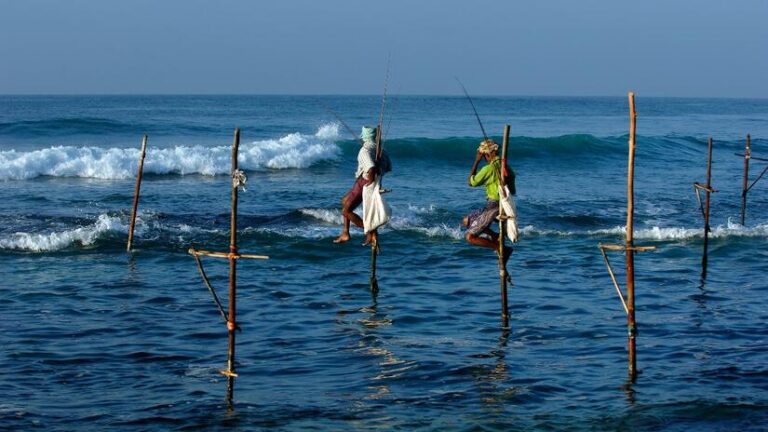
    The island nation has a deep-rooted tradition of fishing and consuming fish is part and parcel of the Sri Lankan food culture, indeed, the Sri Lankan way of life. But fish became very expensive and out of reach of the ordinary Sri Lankan families as fishers did not have fuel to operate their fishing boats and the catch arriving at the wholesale markets was a small fraction of the leanest season. This meant that one important source of dietary protein became difficult to come by.
    Key humanitarian impacts

    Farmers hit hard by the shortage of fertilisers and a sharp hike in the prices of agricultural inputs. This brought down the agricultural harvest. The paddy crop was particularly devastated. The production of tea that brings the country much needed foreign exchange too was impacted.

    As a result of the loss of livelihoods, the lack of fuel and the unavailability of fertilisers, a severe food insecurity crisis has been looming across the country. Even essential food supplements for children and nursing mothers, such as milk powder, fresh milk and Thriposha (an additional, nutrition-rice food made of Maize and soya beans, almost like sattu in east-India) were not available. Ironically, Triposha was being supplied free of cost for years.

    Education was affected due to power cuts, inadequate public transport, and the lack of stationery items. Examinations were called off and the education authorities put a stop to printing new school text books for lack of paper.

    People spent days in the hot sun and rain waiting in long queues for fuel without drinking water, food and sanitation. This resulted in protests, firings by uniformed State personnel, deaths and hospitalisations.

    Now, the UN and other aid agencies have appealed for international help to the tune of USD 47.2 millions

    UN, Red Cross Appeal for Aid for Sri Lanka

    The UN and non-governmental agencies launched a US$ 47.2 million humanitarian needs and priorities plan “to provide life-saving assistance to 1.7 million people worst-hit by the economic crisis over a four-month period.

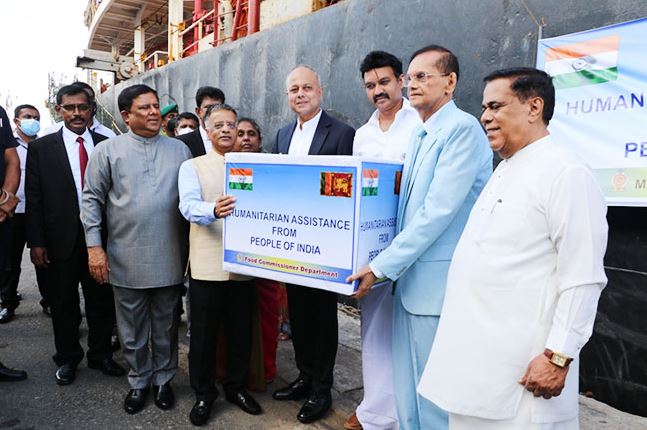
    Within weeks of Sri Lankan citizens watching their leaders pose before cameras, accepting a packet of donated foodstuff from a docked ship at the Colombo harbour, international aid agencies have appealed for donations.

    The sight of politicians from the ruling dispensation receiving the relief packets was distressing, many Colombo residents said.

    Aid agencies, on the other hand, were more dispassionate.

    “The current crisis is stretching families to their limits,” said Christian Skoog, UNICEF Representative in Sri Lanka.

    “Children are going to bed distressed and on empty stomachs. Many children are not regularly attending school, and hospitals are fast running out of medicines, including for children and pregnant women. If we do not act now, it is the most vulnerable boys and girls who will pay the highest price for a crisis not of their making.”

    UN Resident Coordinator in Sri Lanka Hanaa Singer-Hamdy said in a statement. “Multiple factors are impacting Sri Lanka’s food security situation; if we don’t act now, many families will be unable to meet their basic food needs.”

    The UN official said that there was an “urgent need to prevent a humanitarian crisis later in the year, while bridging efforts towards development and socio-economic interventions.”

    Need international support now

    The Red Cross has warned that the crisis is spiralling into a humanitarian emergency as millions of people face acute shortages of food, fuel, cooking gas and medicine and, in a simultaneously timed warning, UNICEF said that the debilitating crisis in Sri Lanka has left nearly half of the children in the country in need of some form of humanitarian assistance.

    “The situation has taken a devastating turn for people already struggling to put food on the table during the COVID-19 pandemic,” says Sri Lanka Red Cross Secretary General, Mahesh Gunasekara. “It’s even worse for single parent households, those without steady work and those already suffering a loss of income.”

    Responding to the unfolding emergency, the Red Cross has launched an Emergency Appeal for US$ 28 million to provide immediate critical relief and for longer recovery efforts for an estimated 500,000 people.

    “We need international support now to help hundreds of thousands of people pull their lives back together,” Gunasekra says, adding, “It’s going to be a long, tough road for people to rebuild and get their lives back on track.”

    Children disproportionately impacted

    The UN and non-governmental agencies too launched a US$ 47.2 million Humanitarian Needs and Priorities (HNP) Plan “to provide life-saving assistance to 1.7 million people worst-hit by the economic crisis over a four-month period, from June to September,” the agency said.

    To scale up response to the rising needs of children in the next seven months, UNICEF is today appealing for US$ 25 million to save lives and bring nutrition, healthcare, safe drinking water, education, and mental health services to 1.7 million vulnerable children in Sri Lanka.

    Even before the current crisis, Sri Lanka had the second highest child malnutrition rate in South Asia, and two in five infants were not fed the minimum acceptable diet. With soaring food prices, 70 per cent of households are now reporting reduced food consumption, and the fuel crisis and frequent power cuts are hindering vital services for children, including healthcare and education. Access to safe water for drinking and domestic use is declining, posing an increased risk of water-borne diseases

    “The current crisis is disproportionately impacting the most vulnerable boys and girls in Sri Lanka, who were already confronted with the toxic combination of poverty, COVID-19, and repeated climate-related disasters,” said Skoog. “UNICEF is strongly urging donors to support Sri Lanka’s children through its humanitarian appeal. Together, we can ensure the steady gains for children made by Sri Lanka over many years are not permanently reversed.”

    The civil unrest and food shortages gripping the country were sparked by an economic crisis that has been developing throughout the COVID-19 pandemic. Sharp declines in agriculture production have resulted in rapid price increase for staple food items like rice and vegetable, which directly impact the household economy and food security of the most vulnerable.

    Strong Indian Pitch at WTO to Protect Interests of Developing and Under-Developed Countries

    India raised concerns about the “skewed” WTO reforms proposal and spoke of the need to retain the S&DT provisions for the developing world, global inequities in COVID-19 vaccination and Public Stockholding of food grains.

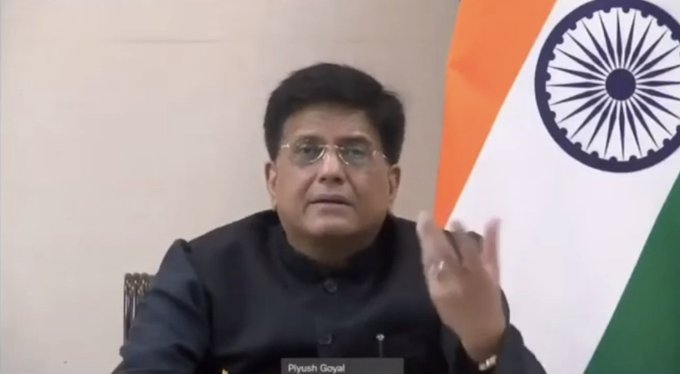
    India on Sunday made a strong pitch for protecting the interests of the developing and under-developed countries at the 12th Ministerial Conference of the World Trade Organisation in Geneva. Piyush Goyal, India’s Minister of Commerce and Industry, Consumer Affairs, Food and Public Distribution and Textiles raised concerns about the “skewed” WTO reforms proposal.

    He stressed on the imperative need to retain the Special and Differential Treatment (S&DT) provisions for the developing world, global inequities in COVID-19 vaccination and public stockholding of food-grains.

    Speaking on the ‘Challenges confronting the Ministerial Session’, the Indian minister said the current proposals for WTO Reform could fundamentally change its institutional architecture, skewing the system against the interests of developing countries.

    “We need to move ahead preserving the core principles of consensus and ensuring S&DT, with people and development being at the core of WTO’s future agenda,” he said.

    “Those who question the need for S&DT provisions are aware that the per capita GDP of the developed countries is 20 to 50 times that of the developing countries,” he said, arguing that even India is at the lower end of the per capita GDP supporting 1.4 billion people.

    “I believe the developing world aspires to work for a better future. Is it humane, fair or even equitable that the developing world takes the same obligations as the developed nations,” he questioned.

    Vaccine inequity

    Goyal said the COVID-19 pandemic has exposed the inability of the world to promptly respond to any crisis, whether on food security or health, economic well-being or the open supply chains.

    “When the world was desperately looking for relief, the WTO was found wanting – as an example, vaccine inequity persists even two years after COVID,” he said, referring to people in the least developed countries and also several developing countries still unable to get vaccinated while other countries have already administered the third or even fourth dose.

    “This is a collective failure of global governance and we need to introspect. Those responsible need to seriously reflect deep within their hearts, it will help us craft a more equitable, fair and prosperous future for every citizen of the world and finally achieve the Sustainable Development Goals we had all collectively agreed upon.”

    The minister urged prioritising addressing mandated issues like the Permanent Solution to Public Stockholding agreed nearly a decade ago to rebuild trust and credibility.

    Hunger

    “The current global food crisis is a reminder to us that we act now”, he said, questioning, “Can we risk the lives of millions of people dependent on food stocks maintained for the poor and vulnerable?”.

    “During the pandemic, India alone distributed 100 million tonnes of food-grain free of charge to 800 million Indians at a cost of nearly US$50 billion. This was over and above the food-grain distributed as a part of our National Food Security Programme thus ensuring that nobody ever slept hungry,” he said.

    Goyal argued that while negotiating the fisheries subsidies, the livelihood of traditional fishermen cannot be compromised.

    “We cannot institutionalize the privileges of a few countries and take away the right to progress for those who are working for the vulnerable marginalized sections of society, particularly for countries not engaged in harmful deep sea fishing, we need to have different views. Otherwise, we may have a similar situation like the Agreement on Agriculture, where inequities and asymmetries persist, causing several countries to still depend on food aid,” he said.

    Palestine, Syria, Ukraine: The Life of Marsel, a Child of Wars

    One day, Marsel would like to design schools for refugees, schools where children can learn, play, grow, and blossom like other children. This way, he says, he will give back what the UNRWA schools have done for him.

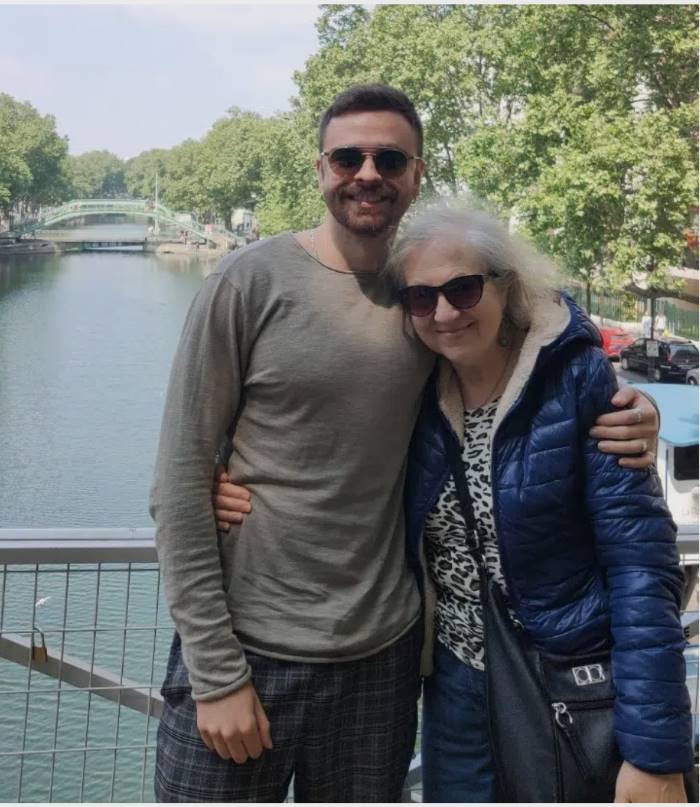
    Marsel has roots in three countries, Palestine, Syria and Ukraine. For three generations, his family has been fleeing wars. Last stop: Paris.

    Like many Syrians, Marsel arrived in 2016 in France five years after the war began. Not on foot or on makeshift boats, but by plane, direct from Lebanon, thanks to his Ukrainian passport. “My family comes from three countries and yet today I cannot live in any of them”. A few weeks ago, his mother, Ludmila, was able to leave Ukraine to join him in Paris.

    With his huge smile and his sparkling eyes, Marsel has nothing of the distressed exile. He himself assures us that he had a wonderful childhood and today has a fulfilled life as a young man in his thirties. However, his story is a condensed version of conflicts that have been going on for almost a century.

    From Palestine to Syria 

    In 1948, with the creation of the State of Israel, Mohamed Zaki Abdo, Marsel’s grandfather, a prosperous merchant from Yafa, left Palestine to take refuge in Damascus, Syria. The family, although uprooted, was well off: a large apartment in the center of Damascus, “the equivalent of the Champs Elysees,” says Marsel. Mohammed Zaki raised his children in Damascus, with the idea that they would soon return to their country, Palestine. In the meantime, he invested in his children’s education. His son Nabil, Marsel’s father, studied in Luhansk, Donbass, Ukraine for a doctorate in mechanical engineering. There he met Ludmila Leonova, also a student in mechanical engineering.

    In 1988, after their studies, Nabil, with his Palestinian/Syrian roots, and Ludmila, from Ukraine, went to live in Damascus. The family did not welcome the arrival of a “Russian” foreigner, and the two lovers had to move to Yarmouk, the Palestinian refugee district, which was (a much poorer district).  Marsel is the second son of Nabil and Ludmila. He was born in 1992. “I have only happy memories of my childhood. My older brother and I were spoiled children. We moved around a lot, but my father taught at the university, he had an enviable status at the time, my mother decided to devote herself to us and gave piano lessons”.

    In the United Nations schools 

    “I spent my entire childhood in UN schools, UNRWA schools, run by the United Nations Relief and Works Agency for Palestine Refugees in the Near East. I went to several of them. At the time, they were the best schools in Damascus. We had space, labs for chemistry, drawing workshops and above all Palestinian teachers who were totally dedicated to their work. The most educated Syrians envied our schools and would have liked to put their children there,” he recalls Marsel.

    As a child, Marsel learned the piano and the guitar, he played in a troupe and often went to the theater with his parents. He practiced acting and classical dance for 9 years and became a child actor. Between the ages of 8 and 16, he appeared in 25 commercials for Syrian television and played in an educational television series broadcast throughout the Middle East. After his baccalaureate, he began studying architecture. Seven years later at university he graduated in the top 10 of the country.

    The war in Syria

    But the war broke out in 2011. “The first year, the war was a bit distant. Then our neighborhood in Damascus was the first in the capital to be attacked. We had to leave our apartment and go to my aunt’s house in the city center. I continued my studies, but my father started to show the first signs of Alzheimer’s.”

    A sick father, a war, and little hope for the future. Marsel’s older brother is in France and has been in a relationship with a French woman for several years. “The war again… fleeing again… We decided that Dad and Mom would move to Ukraine. Even though Dad had never wanted to apply for Ukrainian citizenship as he had always dreamed of returning to Palestine, it was the easiest and safest way. It was not easy. Dad, at that time, was very handicapped by his Alzheimer’s. He couldn’t do anything by himself. They had to go through Lebanon. He couldn’t wash himself, feed himself, or do the simplest things, so he went through hell on that trip. But they finally arrived in Bila Tserkva, south of Kiev. Dad died a few months later. He couldn’t stand the change.”

    Marsel’s father, a Palestinian refugee in Syria, died in Ukraine in 2016.

    Marsel left Damascus only after his parents were evacuated. With his Ukrainian passport, he was able to take a plane from Lebanon to France, enroll in a Master 2 in Grenoble and validate his degree in urban architecture. Since 2017, he has lived in Paris, which he knows like the back of his hand. “All the streets, the squares, the restaurants, I know everything. Better than most Parisians. I also know France, all of its corners. Since 2016, I have visited 21 countries in Europe”.

    Palestine Ukraine Syria Refugee

    War in Ukraine, new exile 

    In Ukraine, with her small pension – about 40 euros per month – Marsel’s mother, Ludmila lived as best she could with the support of her two sons, who sent her money. But on February 24, 2022, the war returned to her. On 28 February, four days after the Russian invasion, she left Bila Tserkva. It took her four days to reach Paris with endless hours spent at the border between Ukraine and Hungary and then in Budapest train station.

    She is now in Paris. “I was able to find accommodation for her with friends who are not often in Paris. In the apartment, there is the only thing she really needs… a piano,” Marsel says. “In a few days, she got papers and help from the state. I remember the hardship of my Syrian friends when they arrived. They were not treated the same way,” recalls Marsel.

    Today Marsel is a project manager in an architectural firm, after having worked for a few years in interior design and scenography for national and international trade shows.

    He never really lacked work and did not need to go endure refugee status. As a student, then as an employee, he has a valid residence permit, although each renewal has made him sweat.

    Now, Marsel is working on the design of a school for a commune of Ile de France. “I speak Arabic and Russian, my paternal and maternal languages, I speak English and French, four of the six official languages of the United Nations. I am a child of international solidarity”.

    One day, Marsel would like to design schools for refugees, schools where children can learn, play, grow, and blossom like other children. This way, he says, he will give back what the UNRWA schools have done for him.

    US President Biden Refuses to Mention Worsening Dangers of Nuclear War While Media and Congress Enable His Silence

    A leader interested in informing the American people rather than infantilizing them would have something to say about the need to prevent nuclear war at a time of escalating tensions between the world’s two nuclear superpowers.

    By Norman Solomon

    I’ve just finished going through the more than 60 presidential statements, documents and communiques about the war in Ukraine that the White House has released and posted on its website since Joe Biden’s State of the Union address in early March.

    They all share with that speech one stunning characteristic — the complete absence of any mention of nuclear weapons or nuclear war dangers. Yet we’re now living in a time when those dangers are the worst they’ve been since the 1962 Cuban Missile Crisis.

    You might think that the risks of global nuclear annihilation would merit at least a few of the more than 25,000 words officially released on Biden’s behalf during the 100 days since his dramatic speech to a joint session of Congress.

    But an evasive pattern began from the outset. While devoting much of that speech to the Ukraine conflict, Biden said nothing at all about the heightened risks that it might trigger the use of nuclear weapons.

    A leader interested in informing the American people rather than infantilizing them would have something to say about the need to prevent nuclear war at a time of escalating tensions between the world’s two nuclear superpowers.

    A CBS News poll this spring found that the war in Ukraine had caused 70 percent of adults in the U.S. to be worried that it could lead to nuclear warfare.

    Silence used to gaslight

    But rather than publicly address such fears, Biden has dodged the public — unwilling to combine his justifiable denunciations of Russia’s horrific war on Ukraine with even the slightest cautionary mention about the upward spike in nuclear-war risks.

    Biden has used silence to gaslight the body politic with major help from mass media and top Democrats. While occasional mainstream news pieces have noted the increase in nuclear-war worries and dangers, Biden has not been called to account for refusing to address them.

    As for Democratic leaders on Capitol Hill, party loyalties have taken precedence over ethical responsibilities. What’s overdue is a willingness to insist that Biden forthrightly speak about a subject that involves the entire future of humanity.

    Giving the president and congressional leaders the benefit of doubts has been a chronic and tragic problem throughout the nuclear age. Even some organizations that should know better have often succumbed to the temptation to serve as enablers.

    In her roles as House minority leader and speaker, Nancy Pelosi has championed one bloated Pentagon budget increase after another, including huge outlays for new nuclear weapons systems.

    Yet she continues to enjoy warm and sometimes even fawning treatment from well-heeled groups with arms-control and disarmament orientations.

    Eliminate nuclear weapons?

    And so it was, days ago, when the Ploughshares Fund sent supporters a promotional email about its annual “Chain Reaction” event — trumpeting that “Speaker Pelosi will join our illustrious list of previously announced speakers to explore current opportunities to build a movement to reduce and eventually eliminate nuclear weapons once and for all.”

    The claim that Pelosi would be an apt person to guide listeners on how to “build a movement” with such goals was nothing short of absurd. For good measure, the announcement made the same claim for another speaker, Fiona Hill, a hawkish former senior director for Europe and Russia at the National Security Council.

    Bizarre as it is, the notion that Pelosi and Hill are fit to explain how to “build a movement to reduce and eventually eliminate nuclear weapons” is in sync with a submissive assumption — that there’s no need to challenge Biden’s refusal to address nuclear-war dangers.

    Growing dangers of nuclear war

    The president has a responsibility to engage with journalists and the public about nuclear weapons and the threat they pose to human survival on this planet. Urgently, Biden should be pushed toward genuine diplomacy including arms-control negotiations with Russia. Members of Congress, organizations and constituents should be demanding that he acknowledge the growing dangers of nuclear war and specify what he intends to do to diminish instead of fuel those dangers.

    Such demands can gain momentum and have political impact as a result of grassroots activism rather than beneficent elitism. That’s why this Sunday, nearly 100 organizations are co-sponsoring a “Defuse Nuclear War” live stream — marking the 40th anniversary of the day when 1 million people gathered in New York’s Central Park, on June 12, 1982, to call for an end to the nuclear arms race.

    That massive protest was in the spirit of what Martin Luther King Jr. said in his speech accepting the Nobel Peace Prize in 1964: “I refuse to accept the cynical notion that nation after nation must spiral down a militaristic stairway into the hell of thermonuclear destruction.”

    In 2022, the real possibility of such a hell for the entire world has become unmentionable for the president and his enablers. But refusing to talk about the dangers of thermonuclear destruction makes it more likely.


    Norman Solomon is the national director of RootsAction.org and the founder and executive director of the Institute for Public Accuracy. He was a Bernie Sanders delegate from California to the 2016 and 2020 Democratic National Conventions.


    This piece has been sourced from Inter Press Service. 

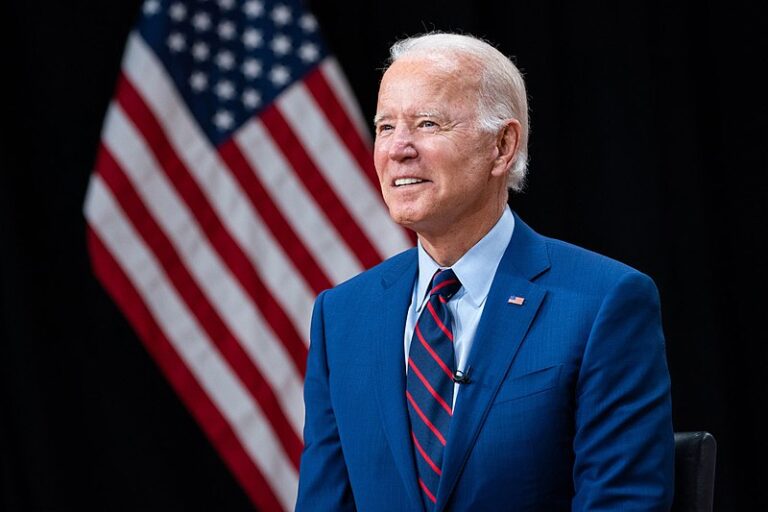
    Image: White House  /  Wikimedia

    What’s wrong with Bangladesh’s rivers?

    The priorities of the government of Bangladesh have gone into fighting disasters, most of them hydrological in nature. Sustaining rivers and their ecosystem has been the last of the priorities and there is a need to plan for rivers as a first step to conserve them.

    The monsoon is on time and so are the preparations for the annual, even ritual, floods in Bangladesh, as elsewhere in SouthAsia.

    Yet, huge silting from upstream sources have sapped the ebb and flow of life of 507 rivers in the country. The situation is particularly bad in the coastal area, also the low-lying country’s delta region where rampant land grabbing is chocking the rivers. Government data puts the number of sizable land grabs at over 4,900 river grabs across the country’s 64 districts, mostly by politically influential people.

    Worse, these rivers have become unnavigable and many rivers have vanished. And with these, hundreds of thousands have lost homes, livelihoods and have been forced to migrate. Only 172 rivers criss-crossing the delta region are currently navigable.

    Experts urge for immediate engineering work, essentially dredging of river beds, as a first aid.

    Mohammad Azaz, the chairman of Bangladesh’s River and Delta Research Centre (RDRC) says that most of the rivers vanished over the past 50 years, while several others lost navigability.

    Azaz cites the example of the south-central region of Barisal where many small rivers and their tributaries have disappeared.

    There were a total of 1,274 rivers in Bangladesh in 1971, when the country gained independence, he says. Since then, a total of 507 have vanished. There has been no effort by the government to document the rivers, he says. Azaz wants the government to draw up a list of dead and endangered rivers.

    No baseline survey

    Activists like Azaz are not impressed with the government’s proposed 100-year delta plan, especially because there is hardly any scientific documentation available to make such a plan. A scientific approach to a plan is important in view of the impacts that climate change can have on the country, he says.

    “For example, the Buriganga is the heart of Dhaka and no one knows how many channels and canals the Buriganga has and how much water the river holds in monsoon or in dry season,” he says.

    “Nobody knows how many drains are connected directly to the river and how many spots are just being used as open dumping zones,” he argues, and adds that many industries have mushroomed in the vicinity of the river.

    “We have so many rivers, yet no river has a proper baseline survey,” he says.

    Bangladesh rivers vanishing

    Lack of political will

    The priorities of the government for much of the time since the country was formed in 1971 have gone into fighting disasters, most of them hydrological in nature, Azaz explains. But sustaining rivers and their ecosystem has been the last of the priorities he says, stressing on the need to plan for rivers as a first step to conserve them.

    “Without political will, rivers cannot be salvaged,” he says. “The lens through which we see rivers is very important. If we consider rivers just a flow of water, it would be a big disaster – we treat rivers mostly as drains, water channels or a place to catch fish and for transportation.”

    “But rivers are the lifeline of our habitat [as] they facilitate our culture, food, economy, ecology, transportation and communication as well as our civilisation and daily life.”

    This lack of political will also leads to a lack of initiative on the diplomatic level, Azaz says. Bangladesh’s rivers flow in from India and from China (through India) and also from Myanmar and the country’s thrust on inter-country diplomacy on river water sharing has been week, he says.

    “This poor health of rivers prevails due to weak diplomacy. We prepared the Bangladesh Delta Plan-2100 but we don’t have a definite policy as to how we deal with the constant challenge and negotiate with India for a fair share of waters of common rivers,” he says.

    “A river could be dead or affect other rivers to die if we dredge rivers in an unplanned method,” he warns.

    He offers the example of the Teesta river that originates from the eastern Himalayas. The Teesta is going dry during the summer and 11 small rivers depending on the water flows of Teesta are now dying, he says.

    Do Also Read: South Asia ‘Sorely Needs Transboundary River Accord’


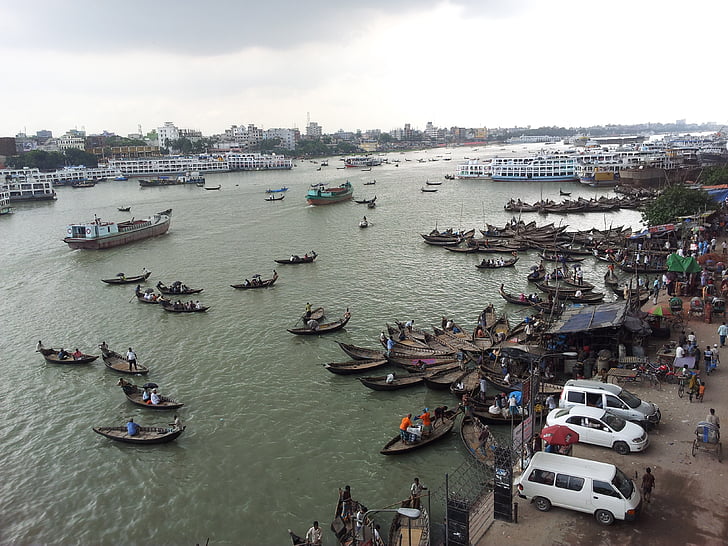
    Image: Hippopx, licensed to use under Creative Commons Zero – CC0

    Improve Antibiotics Access to Beat ‘Silent Pandemic’

    The WHO says after decades of careless exposure to antibiotics, superbugs are now widespread and represent a “global crisis that threatens a century of progress in health.”  The ‘silent pandemic’ of antimicrobial resistance can be beaten by improving access to treatment, new research says.

    By Ranjit Devraj

    Better access to antibiotics and antiviral medicines could slow down the spread of drug resistance in the global South, according to a new study released Thursday, 9 June.

    Following decades of careless exposure to antibiotics, superbugs are now widespread and, according to the World Health Organization, represent a “global crisis that threatens a century of progress in health”.

    The new Access to Medicine Foundation paper argues that antimicrobial resistance is rising faster than predicted. The non-profit research organisation says better access to antibiotics and antifungals is “especially urgent” in low- and middle-income countries.

    “The idea that increased access to antibiotics can help fight antimicrobial resistance may sound paradoxical,” Jayasree K. Iyer, chief executive officer of the Foundation, told SciDev.Net. “However, shortages of essential medicines in low- and middle-income countries lead to patients receiving no treatment or less effective alternatives, giving bacteria and fungi opportunities to develop resistance.”

    Worldwide, an estimated 4.95 million deaths associated with bacterial antimicrobial resistance occurred in 2019 with more than one million people dying as a direct result, according to analysis published in The Lancet.

    Complex challenges

    Antimicrobial resistance is developing into a “silent pandemic” that kills more people than malaria and HIV/AIDS combined, with the worst-hit regions in Sub-Saharan Africa, according to the Foundation.

    Iyer said that making antibiotics and antifungals accessible in low- and middle-income countries was particularly challenging for generic medicine manufacturers. “They face thin profit margins, resource-intense registration procedures and fragile supply chains,” she said.

    “Also, while pharmaceutical companies expect governments to clarify demand levels and prioritise stewardship measures, governments expect companies to first communicate which antibiotics or antifungals will be introduced into their health systems, leading to a mismatch in expectations.”

    Stewardship refers to actions which promote the responsible use of antimicrobials, whether at an individual, national, or global level.

    The Foundation’s paper uses case studies to illustrate how pharmaceutical companies can steer around such complex challenges and make antibiotics and antifungals more widely available. “Our research shows that innovative approaches from drug makers are possible and can really make a difference to the people most at risk from resistant infections,” Iyer said.

    Wider product registration, technology transfers, and public-private partnerships that aim to deliver sustainable supplies are among tools available to companies to increase drug availability. In many cases, implementing these tools requires government and multinational organisations to work alongside drug companies.

    In Nigeria, Sanofi and local manufacturer May & Baker Nigeria have used technology transfer and partnership to produce half a million boxes annually of the off-patent broad-spectrum antibiotic metronidazole (Flagyl), used to fight intra-abdominal infections. Similarly, in India, local company Cipla responded to calls from hospitals by registering and distributing the generic reserve antibiotic colistin in the country under tight stewardship.

    Commitment and partnerships

    In 2021, when an epidemic of mucormycosis (black fungus) broke out in India as a result of poorly-regulated COVID-19 therapies and the failure of basic healthcare, the Indian government requested Cipla to rapidly scale up manufacture of the antifungal, amphotericin B.

    Leena Menghaney, a lawyer with Medecins Sans Frontieres (MSF) in New Delhi, said the issue of microbial resistance in a country like India was “complex and begins with proper diagnosis and treatment of disease and the existence of a properly functioning public health delivery system — this was borne out by the mucormycosis epidemic in the middle of the COVID-19 pandemic”.

    The Global Fund to Fight AIDS, Tuberculosis and Malaria and other international health organisations have partnered with companies to address access to drugs for HIV/AIDS, tuberculosis and malaria. Despite being donor-driven and less sustainable in the long term, these partnerships were able to consistently implement stewardship programmes for essential medicines, the Foundation said.

    “Ensuring that such initiatives move from being the exception to the norm, supported by excellent stewardship measures to help prevent the spread of resistant infections will require commitment and partnership from all sides,” said Marijn Verhoef, director of operations and research at the Foundation.

    This piece has been sourced from SciDev.Net.

    Image: Hippopx, licensed to use under Creative Commons Zero – CC0