More

    Indonesian Palm Oil Export Ban Threatens Global Food Prices, Especially in India

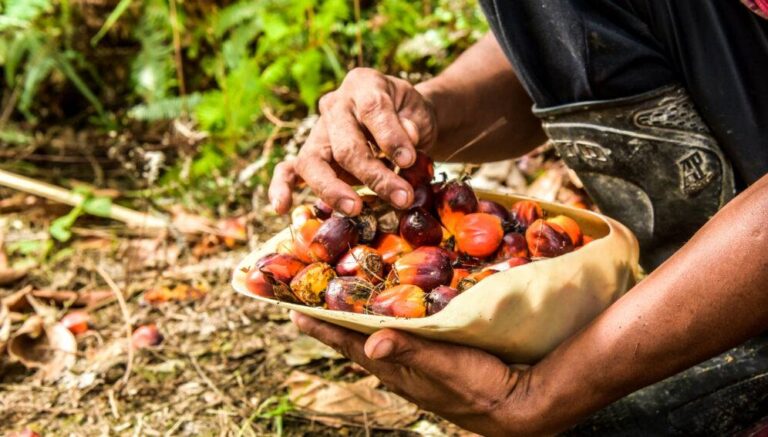
    The ban on palm oil exports by Indonesia has upset global markets. India, the world’s biggest importer of palm oil, is set to be the hit worst following a ban on exports by Indonesia, the world’s biggest producer of palm oil.

    By Clara Rondonuwu  /  SciDev.Net

    Indonesia’s ban on the export of palm oil in a bid to bring down domestic cooking oil prices could prove counterproductive, warn analysts and industry representatives.

    Indonesia is the world’s biggest producer and exporter of palm oil. In 2021, it produced 46.2 million tonnes of the commodity accounting for over 60 per cent of the global supply. Malaysia ranks second accounting for 25 per cent. Mainly used as cooking oil, palm oil is also used as an ingredient in cosmetics and common household items such as soaps and detergents, and as biofuels.

    The Indonesian export ban on palm oil comes in as the world grapples with high cooking oil prices with the loss of sunflower oils following the conflict in Ukraine. The ban, effective from 28 April, aims to bring local cooking oil prices to 14,000 rupiahs (US$0.97) a litre. In Jakarta, bulk cooking oil is currently being sold at 19,000—20,000 rupiahs (US$1.31–1.38) per litre.

    Indonesian President Joko Widodo said in a statement that making cooking oil affordable (locally) was more important than dollar revenues. “Once domestic needs have been met, of course, I will lift the export ban because I know the country needs taxes… foreign exchange… a trade balance surplus, but meeting the people’s basic needs is a more important priority.”

    Immature policy

    However, the decision will hurt small farmers, says Rusli Abdullah, an economist with the Jakarta-based think tank Institute for Development of Economics and Finance. Already the prices of the fruit bunches have fallen by 50 per cent ahead of the Muslim festival of Eid al-Fitr.

    Rusli was critical of the “fickleness” of Indonesia’s export ban seen as an “immature policy” that “ignores existing data”.  On 26 April, Indonesia had announced that the ban would only cover refined, bleached and deodorised palmolein only to amend that the next day to cover other products as well.

    Previous attempts at taming domestic prices had also failed, Rusli emphasised. Early January, when local cooking oil prices soared, the government chose to subsidise packaged cooking oil, although most Indonesians prefer to buy cooking oil in bulk.

    It was only at the end of January that the subsidy switched to bulk cooking oil, though that too was temporary.

    Rusli opined that the government should ideally have regulated subsidies based on domestic bulk cooking oil consumption and the highest retail price set by producers and getting them to ensure that bulk cooking oil reaches the community at 14,000 rupiahs per litre. “This is similar to the scheme used by Malaysia and will ensure the availability of domestic cooking oil.”

    Rusli said Indonesia could be missing an opportunity to fill a global shortage of cooking oil caused by the war in Ukraine — a major producer of sunflower oil. Global commodity buyers have turned to palm oil as an alternative for the lost supply of sunflower oil. With the Indonesian export ban, other vegetable oil producing countries like Pakistan and Malaysia now stand to gain, he said.

    Devastating ban

    India, as the world’s biggest importer of palm oil, is naturally concerned at the development and the government has resorted to slashing import taxes on both crude palm oil as well as processed oil. According to the Independent Commodity Intelligence Services, India buys nearly nine million tonnes of palm oil annually, mainly sourcing the commodity from Indonesia.

    In February, the Indian government reduced import taxes on crude palm oil from 7.5 per cent to five per cent following up on a December 2021 order to reduce the import duty on processed palm oil to 12.5 per cent from 17.5 per cent.

    Global brands highly dependent on palm oils such as those in the food industry like Nestle, Unilever and most chocolate manufacturers, and cosmetics such as L’Oreal, are expected to be impacted by the ban and could see their cost rise, and possibly passed on to consumers if the ban continues.

    Meanwhile, the Indonesian palm oil association GAPKI said the industry was working with the government to ensure affordable cooking oil supplies, but urged authorities to avoid a lengthy and devastating ban on palm oil exports.

    “A total ban on the export of CPO and all its derivatives, if prolonged, will have a very negative impact on not only plantation, refinery and packaging companies, but also millions of smallholders,” GAPKI said in a statement.


    This piece has been sourced from SciDev.Net

    Image: Icaro Cooke Vieira / CIFOR (CC BY-NC-ND 2.0)


    Can Forests Undo Impact of COVID-19 Pandemic, Conflict?

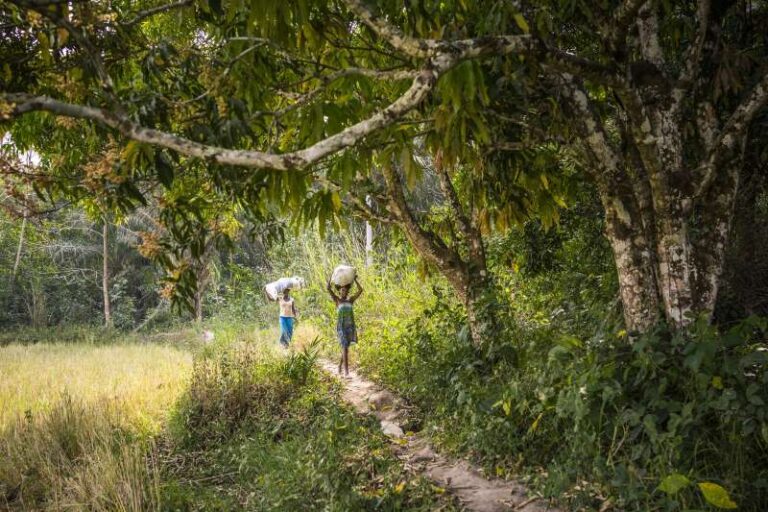
    Trees can provide means for recovery and inclusive, resilient and sustainable economies, if action to unlock their potential is stepped up. For instance, the benefits of restoring degraded land through afforestation and reforestation could be similar to taking up to 325 million gasoline-powered passenger cars off the road each year.

    With the world facing multiple crises including, COVID-19, conflicts, climate crisis and biodiversity loss, our forests can help us recover from their impact, but only if we step up action to unlock their potential. In a key report launched today.

    The State of the World’s Forests Report 2022, launched on Monday by the Food and Agriculture Organization of the United Nations (FAO) has set out three pathways for unlocking the potential of the forests to recover from the multiple crises facing the world – halting deforestation; restoring degraded land while also expanding agroforestry and sustainably using forests and building green value chains.

    “The balanced, simultaneous pursuit of these pathways can help address the crises facing people and the planet while also generating sustainable economic benefits, especially in (often remote) rural communities,” FAO Director-General Qu Dongyu writes in the foreword to the report, subtitled “Forest Pathways for Green Recovery and Building Inclusive, Resilient and Sustainable Economies”.

    The pathways are put forward “on the understanding that solutions to interrelated planetary crises have immense economic, social and environmental implications that need to be addressed holistically,” Qu adds.

    The CO2 equation

    Halting deforestation and maintaining forests could avoid emitting around 3.6 gigatonnes of carbon dioxide equivalent (GtCO2e) per year between 2020 and 2050, including about 14 percent of what is needed up to 2030 to keep planetary warming below 1.5 °C, while safeguarding more than half the Earth’s terrestrial biodiversity, the report says.

    Likewise, 1.5 billion hectares of degraded land would benefit from restoration. Besides, increasing tree cover could boost agricultural productivity on another one billion hectares. Restoring degraded land through afforestation and reforestation could cost-effectively take up to 1.5 (GtCO2e) out of the atmosphere every year between 2020 and 2050, similar to taking up to 325 million gasoline-powered passenger cars off the road each year.

    Sustainably using forests and building green value chains would help meet future demand for materials – with global consumption of all natural resources expected to more than double from 92 billion tonnes 2017 to 190 billion tonnes in 2060 – and underpin sustainable economies with greater employment opportunities and more secure livelihoods.

    Ways forward along the pathways

    Societies could make better use of forests and trees to simultaneously conserve biodiversity, better provide for human well-being, and generate income, particularly for rural people, the report says, arguing that “there will be no healthy economy without a healthy planet.”

    But, current investment in forests falls way short of what’s required. According to one estimate, total financing for the forest pathways needs to increase threefold by 2030 and fourfold by 2050 for the world to meet climate, biodiversity and land degradation neutrality targets, with the estimated required finance for forest establishment and management alone amounting to $203 billion per year by 2050.

    The report says the ways for swiftly moving along the pathways may include directing funding for recovery towards long-term policies aimed at creating sustainable and green jobs and further mobilizing private-sector investment.

    The report also calls for empowering and incentivizing local actors, including women, youth and Indigenous communities to take a leading role in the forest pathways.


    Image: FAO, Sebastian Liste/NOOR

    UN, Red Cross Communication Approaches in Ukraine Offer Study in Contrast

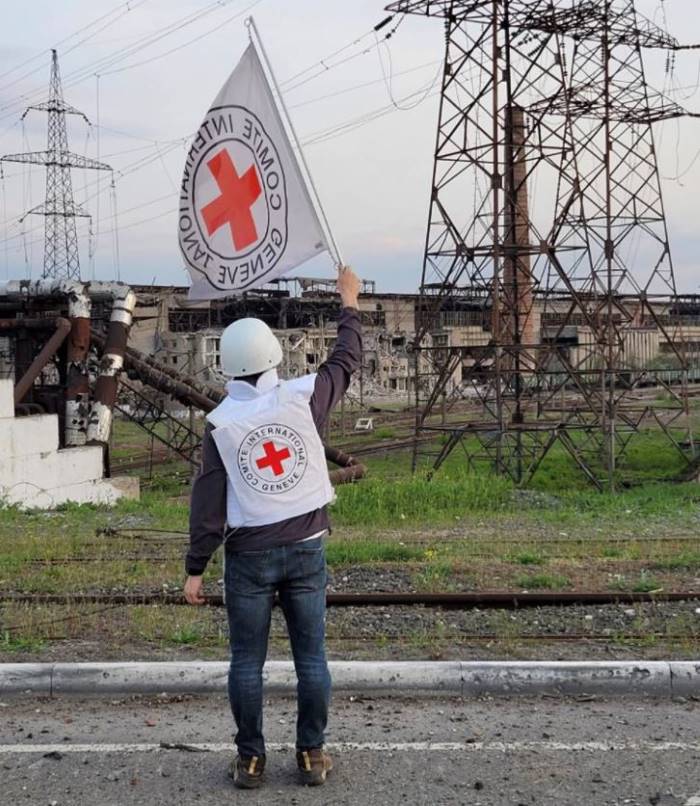
    The Red Cross and the United Nations seem to have opted for different communication strategies about the life saving operation the two organisations have undertaken to evacuate civilians from the Azovstal steel plant in Ukraine’s port city of Mariupol.

    The United Nations, putting its best foot forward in sync with Secretary General António Guterres’ travel to Moscow and Kyiv is not shying away from publicity for its interventions in the Russia-Ukraine conflict.

    The International Committee of the Red Cross (ICRC) has, on the other hand, been a little less proactive.

    Guterres had, while in Moscow, brokered an in-principle agreement to a joint UN-Red Cross operation to evacuate desperate civilians trapped in the Azovstal steel plant in the Ukrainian port city of Mariupol.

    The operation is now on, a spokesperson for the Office for the Coordination of Humanitarian Affairs (OCHA) confirmed on Sunday.

    The Azovstal steel plant has a series of labyrinthine bunkers and tunnels that have helped people – civilians and soldiers – survive the Russian attacks.

    “A safe passage operation…is ongoing today”, said Saviano Abreu, of OCHA in Ukraine, adding that the efforts are being “coordinated” by the UN and the International Committee of the Red Cross, “in coordination with the parties to the conflict.”

    The ICRC too confirmed that the long-awaited effort to bring people out of the sprawling Azovstal steel plant was being done by the ICRC with the United Nations and in coordination with Ukrainian and Russian officials.

    ICRC’s studied silence

    The International Committee of Red Cross and the United Nations seem to have opted for different communication strategies about the life saving operation the two organisations have undertaken to evacuate civilians from the Azovstal steel plant in Ukraine’s port city of Mariupol.

    The ICRC has been guarded with its words, seemingly observing a studies silence. The UN has been a bit forthcoming, sharing some not-so-vital details. Their communication strategies offer a case study in contrasting approaches, possibly with prior agreement between the two organisations.

    In contrast to the UN’s bullish assertions, the ICRC has been economical with words and while the UN spokesperson’s words appear in the media, there is little further detail coming from ICRC’s four assigned spokespersons in Kyiv, Moscow and Geneva.

    The ICRC website has only mentioned that a convoy of buses and ambulances left on 29 April, travelled some 230 kilometres and reached the plant in Mariupol on Saturday morning, local time in a complex operation conducted in coordination with the parties to the conflict and the United Nations.

    “As a neutral and impartial humanitarian intermediary, the ICRC has been facilitating the dialogue between the parties on the safe passage of civilians since late February,” its brief statement reads.

    Even Ukranian President Volodymyr Zelenskyy’s tweet only mentioned the UN, not the Red Cross.

    Little detail

    According to news reports, more than 100 civilians were allowed to leave in the first phase of the operation. It was clear that the UN was the source of these news reports.

    The agreement between the Russian and Ukrainian authorities is to allow for evacuation of civilians trapped in the steel plant for nearly two months, prioritising “women, children and the elderly.”

    There are not confirmed reports of the death toll inside Mariupol. The city’s mayor earlier reported that over 20,000 civilians have been killed.

    Abreu said in his statement on Sunday that the operation had begun with a UN-Red Cross convoy leaving from Zaporizka for Mariupol on Friday, a journey of around 230 kilometres.

    The safety of the evacuees will mark the first instance of a convoy organised by humanitarian agencies securing the passage of civilians since the Russia invasion.

    Cautious. Confidential

    The ICRC says it is not sharing more details about the operation “to avoid jeopardizing the safety of the civilians and the convoy.” Besides this, it has said that “relevant local authorities are communicating with people in Mariupol about practical details.”

    The UN said, “As the operations are still ongoing, we will not provide further details at this point”, he said, “to guarantee the safety of the civilians and humanitarians in the convoy.”

    Abreu’s statement has concluded by saying that the UN “will continue to push for the safe passage out of Mariupol city for all those civilians who wish to leave. The UN is engaging actively with parties to advance these efforts.”

    Yet, much in contrast, a story appearing on UN’s website says, “The last Ukrainian soldiers left defending the city, have been holed up inside the vast Soviet-era steel works – together with reportedly hundreds of civilians – which has a series of labyrinthine bunkers and tunnels, which has prevented Russian forces from securing the last pockets of resistance.”

    Sri Lanka, China Discussing Debt Treatment, Says Minister

    Chinese loans to Sri Lanka account for about 10 per cent of the country’s total debts and China could even provide fresh loans for Sri Lanka to settle the debts.

    Sri Lanka has embarked on discussions with China on debt treatment following earlier talks with the International Monetary Fund (IMF), according to Sri Lanka’s Mass Media Minister Nalaka Godahewa.

    The discussions centre on how Sri Lanka proceeds with servicing its debts following a suspension of payments.

    Having provided credit to the tune of USD 3.5 billion, China remains Sri Lanka’s biggest creditor.

    Chinese loans to Sri Lanka account for about 10 per cent of the country’s total debt. The issue of sovereign bonds accompanying the debts concerns many in Sri Lanka who feel that the debt trap accrues from Chinese providing cut rate loans at a time when the country faced huge foreign exchange shortages, especially after printing huge volumes of currency.

    China even gave an eight-year loan at around 5.35 percent with 3-year grace beating all commercial lenders in 2018.

    “The Chinese have said they will give a fresh new loan to settle the debts. For us it is not a problem, but we do not know what the West would say,” Minister Godahewa told Colombo based foreign correspondents late Sunday.

    The West is a euphemism for the International Monetary Fund (IMF) that wants Sri Lanka to tighten its monetary policy, raise taxes and adopt flexible exchange rates.

    This is a dilemma the Sri Lankan government must resolve because the Chinese are not keen on re-structuring debt as required under IMF agreement, the minister said.

    Same position in January

    Earlier in January, Sri Lanka Central Bank’s former Governor, Nvard Cabraal had initiated negotiation of a new loan to make loan repayments to due to China. This followed President Gotabaya Rajapaksa asking the Chinese foreign minister for debt assistance.

    “We have an understanding that they would assist us in making the repayments in that form,” the former Governor of the Sri Lankal Central Bank had said then. “So maybe there is a possibility that we would have a new loan coming in order to cushion our debt repayments to China itself.”

    Minister Godahewa said pretty much the same thing in his interaction with foreign correspondents on Sunday “They say you cannot have a different methodology for Chinese loans. Otherwise the principle is the same (extending the tenor),” the minister said, adding that, “The Chinese are not yet, as I understand it, willing to re-structure the debt. They have done it for some countries under very special relationships.”

    Economists in the country say that heavy borrowing by the Sri Lankan regime through international sovereign bonds, has now led to the country scrambling for ‘bridging finance’ for import consumption while simultaneously seeking haircuts from lenders.

    APEDA Launches Affordable Gluten-free Millet at AAHAR Food Fair

    Considered breakthroughs in the food sector, this first ready-to-eat series of millet products in the market is expected to cater to a fast-paced consumers across the world at their convenience in a healthy way.

    In a move aimed at providing a global platform for millet products, the Agricultural and Processed Food Products Export Development Authority (APEDA) launched a variety of millet products for all age groups at affordable prices ranging from Rs 5 to Rs 15 at the AAHAR food fair, a business to business fair for the food and hospitality sector that concluded yesterday at New Delhi’s Pragati Maidan.

    All millet products launched by APEDA are gluten-free, completely natural and have been patented. The launched products are cream biscuits, salt biscuits, milk biscuits, ragi peanut butter, jowar peanut butter, jowar upma, pongal, khichadi and millet malts (jowar, ragi, bajra).

    Going by the success of instant foods like noodles in the consumer marketplace, APEDA has also launched a range of “Millet in Minutes” products under the category of ready-to-eat foods. These include Upma, Pongal, Khichadi, Biryani, and, of course, instant noodles made from millets.

    These are considered breakthroughs in the food sector, and as the first ready-to-eat series of millet products in the market, these products are expected to cater to a fast-paced consumers across the world at their convenience in a healthy way.

    All the ready-to-eat products are vacuum processed and come without any additives, fillers and preservatives. The nutrition value of these foodstuffs is retained as original with a shelf-life of 12 months in ambient temperature.

    APEDA is also working in collaboration with the Department of Agriculture and Farmers Welfare to increase cultivation area, production and productivity of millets, including bajra, jowar and ragi.

    Millets are a rich source of protein, fibre, minerals, iron, calcium and have a low glycemic index and in view of the nutritional value of the millets, the government has notified millets as nutri-cereals in April, 2018. In March, 2021, the United Nations General Assembly (UNGA) too declared 2023 as International Year of Millets.

    Production of millets in India has increased from 14.52 million tonnes in 2015-16 to 17.96 million tonnes in 2020-21 and the production of bajra has also increased from 8.07 million tonnes to 10.86 million tonnes during the same period.


    Image: Wikimedia, Kalaiselvi Murugesan

    Healthcare Inequities Exposed by COVID-19 Pandemic

    While India has made great strides in reducing inequalities in healthcare, large access gaps by socioeconomic status remain. For instance, a study of outpatients in Bihar shows that 38 per cent had no access to public healthcare.

    By Ranjit Devraj

    Public health specialists say that an ongoing wrangle between the Indian government and the World Health Organization (WHO) over the COVID-19 death toll in this country is symptomatic of a long-ailing public health delivery system.

    India has consistently challenged estimates published by leading scientific journals such as the Lancet, which placed the number of excess deaths in the country at four million from 1 Jan 2020 to 31 Dec 2021.

    On 16 April an official note from the Press Information Bureau in response to a New York Times article said, “India’s basic objection has not been with the results (whatever they might have been) but rather the methodology adopted for the same.”

    India’s concern was that the projected estimates in the article, titled “India Is Stalling the WHO’s Efforts to Make Global COVID Death Toll Public,” for a country of its geographical size and population could not be done in the same way as for smaller countries. “Such one size fit all approach and models which are true for smaller countries like Tunisia may not be applicable to India with a population of 1.3 billion,” the official note said.

    Tottering health delivery system

    But independent public health specialists said that the concern was that India’s spat with the WHO was detracting from the more serious issue of the country’s tottering health delivery system failing to deal with the pandemic.

    “Forget about the actual number of people who died of COVID-19 or because of comorbidities like diabetes, hypertension or cardiovascular disease — the fact remains that an unusually large number of people died during the pandemic because the health delivery system was overwhelmed,” said Mira Shiva, founder-member of the international Peoples Health Movement.

    “One could say that the pandemic worked like a stress test of how good healthcare services were, and they were found seriously wanting,” said Shiva. ”Unsurprisingly, it was the poor and marginalised groups that took the brunt of it all — many more died of undocumented causes than usual as reflected in the several calculations based on excess deaths.”

    Shiva said that, at the best of times, a cause of death is not properly registered in India. “We can only guess from the very large number of bodies seen floating down the main Ganges and Yamuna rivers during the second wave of the pandemic in 2021. There were also widely-circulated images of bodies laid out in rows on the river banks — these were obviously of people whose relatives could not afford to buy the firewood for cremations.”

    Says Satya Mohanty, former secretary in the government and currently adjunct professor of economics at Jamia Milia Islamia University, New Delhi: “You can argue till the cows come home but the figures are going to be in the range of four to five million deaths as shown in several studies and any contestation would require robust data rather than bland denials.”

    “If the crude death rate on average is one per thousand per month, anything above that average over a period of two years can be safely taken as deaths due to a differentiator – in this case the COVID and post-COVID effects,” says Mohanty. “There cannot be any other reason unless other differentiators were at play and to the best of our information there were no other differentiators.”

    Historical disadvantages of healthcare

    Sandhya Mahapatro, assistant professor at the AN Sinha Institute of Social Studies (ANSISS) in Patna, Bihar state, says “while India has made great strides in reducing inequalities in healthcare, large access gaps by socioeconomic status remain. Our studies show that 38 percent of outpatients in Bihar, a state with a population of 128 million, had no access to public healthcare.”

    “There is growing concern about the distributive consequences of welfare initiatives on different socioeconomic groups,” Mahapatro added. “The historical disadvantages of healthcare access experienced by women and marginalised groups continue, with factors like caste, class and gender intersecting at various levels to create advantage for some sections and disadvantages for others,” she said.

    A paper published by Mahapatro and her colleagues in the peer-reviewed journal Health Policy Open in December 2021 showed that social status clearly determined whether a person could access healthcare or not, despite pledges to ensure equity in healthcare provision and commitment to the United Nations’ Sustainable Development Goals (SDGs) Goal 3 — providing quality health services to all at an affordable cost.

    “The issue of inequity played out during the COVID-19 pandemic affecting the poor and marginalised disproportionately,” said Mahapatro. “Internal migrants were greatly affected by the lockdowns with a staggering economic burden befalling them. The pre-existing inequality has widened and is expected to further widen as a result of the pandemic.”

    Equity in healthcare

    Mahapatro said a study conducted at ANSISS during the post lockdown period found a familiar pattern of deprivation in healthcare services as in earlier studies. “The burden of unmet healthcare needs was substantially higher among the poor, women and people of low caste,” Mahapatro said. “Unmet healthcare needs were found to be particularly high among women of lower caste groups.”

    “Importantly, our studies show that the pattern of health spending has remained unchanged over the decades and that the household remains the main source of financing healthcare before and during the pandemic,” she added.

    “The ongoing economic crisis due to the pandemic and inadequate healthcare capacity would obviously constrain healthcare utilisation by the marginalised sections of society, with internal migrants being the worst impacted as a result of the lockdowns,” Mahapatro said.

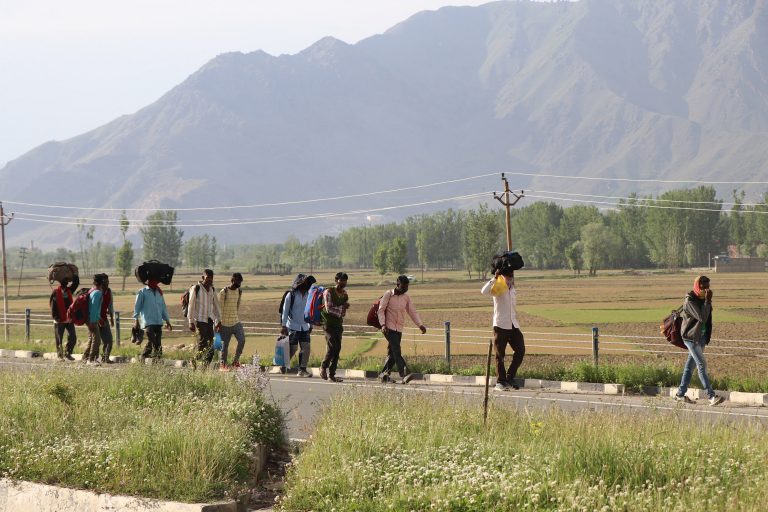
    A staggering 450 million Indians are internal migrants according to the 2011 census, 37 percent of the total population. A national lockdown imposed with a four-hour notice on 24 March 2020 left most of these domestic migrants with no option but to undertake long treks back home with little money or food.

    The national lockdown, considered among the tightest globally, went into three more phases with increasingly relaxed restrictions on economic and human activity until 7 June.

    “Almost 80 percent of the migrant workers we surveyed had lost their jobs during the lockdowns,” said Mahapatro. This naturally affected their ability to access healthcare, with huge nutritional implications for them as well as their women and children.”

    “If the unmet needs of such large and deprived social groups are not catered to then equity in healthcare and the UN SDGs on health will remain a distant dream,” Mahapatro added.


    This piece has been sourced from Inter Press Service.

    Image: Inter Press Service  /  Umer Asif

    ‘Perfect Storm’ of Conditions for Measles Outbreaks Brewing Fast

    Reported worldwide measles cases increased by 79 per cent in the first two months of 2022, compared to the same period in 2021, as WHO and UNICEF warn conditions ripe for serious outbreaks of vaccine-preventable illnesses.

    WHO and UNICEF have reported an increase in measles cases in the months of January and February, this year.

    Pandemic-related disruptions, increasing inequalities in access to vaccines, and the diversion of resources from routine immunization are leaving too many children without protection against measles and other vaccine-preventable diseases.

    This is a “worrying sign of a heightened risk for the spread of vaccine-preventable diseases and could trigger larger outbreaks, particularly of measles affecting millions of children in 2022,” warn the two UN organisations.

    Almost 17,338 measles cases were reported worldwide in January and February 2022, compared to 9,665 during the first two months of 2021. As measles is very contagious, cases tend to show up quickly when vaccination levels decline. The agencies are concerned that outbreaks of measles could also forewarn outbreaks of other diseases that do not spread as rapidly.

    Dangerous, deadly disease

    Apart from its direct effect on the body, which can be lethal, the measles virus also weakens the immune system and makes a child more vulnerable to other infectious diseases like pneumonia and diarrhoea, including for months after the measles infection itself among those who survive.  Most cases occur in settings that have faced social and economic hardships due to COVID-19, conflict, or other crises, and have chronically weak health system infrastructure and insecurity.

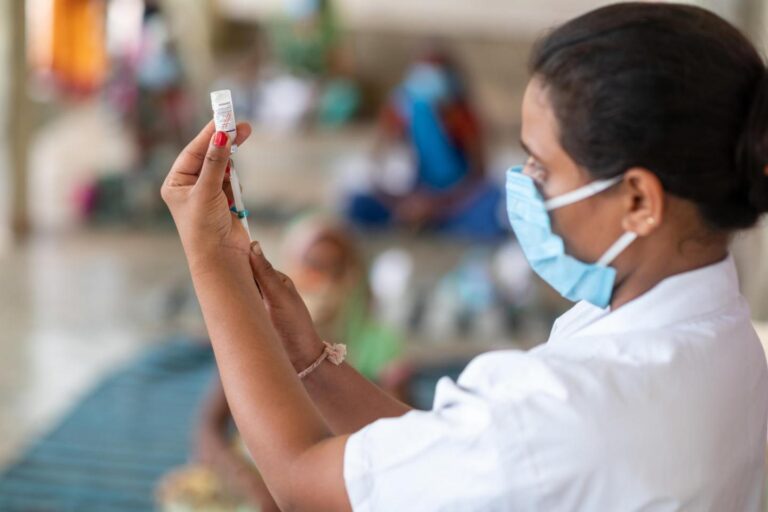
    Measles vaccination OneWorld SouthAsia OWSA

    “Measles is more than a dangerous and potentially deadly disease. It is also an early indication that there are gaps in our global immunization coverage, gaps vulnerable children cannot afford,” said Catherine Russell, UNICEF Executive Director. “It is encouraging that people in many communities are beginning to feel protected enough from COVID-19 to return to more social activities. But doing so in places where children are not receiving routine vaccination creates the perfect storm for the spread of a disease like measles.”

    In 2020, 23 million children missed out on basic childhood vaccines through routine health services, the highest number since 2009 and 3.7 million more than in 2019.

    The risk for large outbreaks has increased as communities relax social distancing practices and other preventive measures for COVID-19 implemented during the height of the pandemic. In addition, with millions of people being displaced due to conflicts and crises including in Ukraine, Ethiopia, Somalia and Afghanistan, disruptions in routine immunization and COVID-19 vaccination services, lack of clean water and sanitation, and overcrowding increase the risk of vaccine-preventable disease outbreaks.

    Girls’ Performance In Maths ‘Starting To Add Up To Boys’, Says UNESCO

    This year’s Global Education Monitoring Report brought out by UNESCO has documented an interesting, refreshingly new trend – of school-going girls covering the gender gap in mathematics, so far considered the domain of boys.

    The report calls for renewed introspection on gender inequality and the barriers that still hold girls back from realising their potential.

    UNESCO on Wednesday published promising news in the global fight for gender equality and opportunity, showing that when it comes to mathematics, girls are now performing as strongly as boys in early grades. Yet, as the gender gap favouring boys in early grades gradually disappears, there are still plenty of barriers holding them back.

    The UNESCO finding, ‘Deepening the debate on those still left behind’, followed an analysis of primary and secondary education in 120 countries in primary and secondary education to offer a global picture. The findings show that in the early years, boys perform better than girls in mathematics but, this gender gap disappears later.

    Although boys perform better than girls in the subject in the early years, this gender gap disappears in secondary school – even in the world’s poorest countries – researchers found.

    This study confirms that the gender gap in learning has closed even in the poorest countries. And in some countries, the gap is now reversed. For example, by grade 8, the gap is in favour of girls in mathematics by 7 percentage points in Malaysia, by 3 points in Cambodia, by 1.7 points in Congo and by 1.4 points in the Philippines.

    Girls lead by leaps

    While girls perform well in mathematics and science, they perform even better in reading. More girls achieve minimum proficiency in reading than boys. The largest gap in primary education is in Saudi Arabia, where 77 per cent of girls but only 51 per cent of boys in grade 4 achieve minimum proficiency in reading.

    In Thailand, girls outperform boys in reading by 18 percentage points, in the Dominican Republic by 11 points and in Morocco by 10 points. Even in countries where girls and boys are at the same level in reading in the early grades, as in Lithuania and Norway, the gap in favour of girls rises to roughly 15 percentage points by age 15.

    Time to shed biases

    However, biases and stereotypes are still likely to affect learning outcomes. Even though girls catch up in mathematics in upper primary and secondary education, “boys are far more likely to be overrepresented” among the highest performers in mathematics in all countries.

    In middle- and high-income countries, girls in secondary school are scoring significantly higher in science. Despite this advantage, girls are still less likely to opt for scientific careers, indicating that gender biases could still be obstacles to the pursuit of further education in the science, technology, engineering and mathematics (STEM) fields.


    Image: UNICEF / Mithila Jariwala

    Political Storm Clouds Gather Over Pakistan

    Imran Khan was voted out of office after only three and a half years on 10 April 2022 by a vote of no confidence in parliament. He seemed to have become totally estranged from the powerful Pakistan Army Chief, General Qamar Javed Bajwa, who had supported his election and sustained him in power.

    By Shuja Nawaz

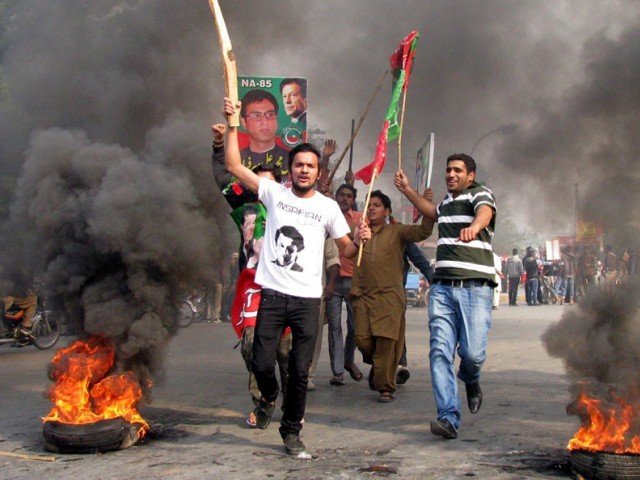
    Khan’s coalition allies in parliament deserted him and the opposition coalesced against him. His resort to legal legerdemain and use of his faithful speaker of the house and president of the country to nullify the vote of no confidence proceedings failed, as the Supreme Court unanimously voted against him. In what many thought may have been an ill-considered move, Khan ceded defeat by asking his parliamentarians to resign from their seats. Soon, Khan was back where he had started — on the streets and on the campaign trail — with massive rallies to show his strength outside parliament and demanding fresh elections.

    Parliament’s five-year term ends in August 2023. Khan’s party wants elections for a new parliament now, while he can mobilise crowds outside parliament. Fuelling his anger was his charge that the United States helped foment a conspiracy to oust him because he was championing Islam and adopting an independent foreign policy. His opponents pointed to the economic hole that he had dug for Pakistan, made deeper by the COVID-19 pandemic and the Russian invasion of Ukraine.

    Nawaz, an eminence grise

    The Pakistani rupee continued to tumble against the US dollar, foreign direct investment was heading in the wrong direction, with negative flows of US$30.4 million in March, and fiscal and current deficits growing. Meanwhile, the International Monetary Fund’s US$6 billion lending program remained suspended, with US$3 billion undisbursed. Pakistan’s foreign exchange reserves went below US$11 billion, most of what remained was callable short-term capital from friendly countries. Khan’s Pakistan was on the brink of economic collapse, and he alone was to blame for this poor governance.

    A politically expedient coalition has formed a government, mainly made up of people who have ruled Pakistan many times over. They have a tenuous though unpublished accord with the army that prefers to run things from behind the curtains. Ostensibly, they have signed a new Charter of Reforms. This is an aspirational list of seemingly unattainable goals that remind many of the Charter of Democracy signed against military autocrat Pervez Musharraf in 2006 that quickly fell apart.

    The new Prime Minister is Shehbaz Sharif, former chief minister of Punjab, who has a reputation of being an active and involved administrator. But his government is shadowed by an eminence grise, his elder brother and former prime minister Nawaz Sharif who escaped his legal woes in Pakistan by taking medical leave in London. The cabinet announced by Sharif had to have the elder brother’s approval. No doubt, he will become the arbiter of any feuds that erupt between the coalition partners. It will not be smooth sailing.

    Pakistan PTI Rally Army Bajwa USA

    If Khan hits the streets

    If the new government manages to keep its head above the choppy economic waters, it faces many domestic political issues. Khan had failed to unify the fractured polity of Pakistan. Sharif will need to bring the centre and the periphery together. This will entail conceding more power and resources to Balochistan, Sindh and Khyber Pakhtunkhwa, and less to Punjab. The federal government is already struggling under the previous division of resources under the hastily and poorly implemented 18th amendment. Without massive borrowing from abroad and a rapid revival of growth, the government may not be able to win the next election.

    If the elections are held before November 2022, Khan could well score a surprising comeback win. He would then be able to select a new, more friendly or compliant army chief in place of Bajwa. If that happens, all of the political somersaults of April would have come to naught. This seemed to be the underlying message that Bajwa was conveying to invited gatherings of civil and retired military officers recently, as conveyed by pro-Khan commentators who resorted to social media to share their summaries of his discussions with them.

    The military also openly though belatedly came out against the Khan allegation of a conspiracy theory of a US threat to upturn the government. That may have been too little, too late. Khan already had his anti-US campaign platform ready to deploy. The military’s silence helped him prepare the ground for his protest demonstrations and calls for fresh elections.

    If elections do not take place soon, Khan may take his show of strength to the streets, prompting the opposition to rally their forces. Civil unrest amidst the bubbling cauldron of economic and political woes may make Pakistan ungovernable again. This could well tempt the current or a new army chief to step in to ‘save the nation’, creating a veritable Egypt on the Indus scenario. Pakistan has seen that movie before. It never ends well.


    Shuja Nawaz is Distinguished Fellow in the South Asia Center at the Atlantic Council. His latest book is The Battle for Pakistan: The Bitter US Friendship and a Tough Neighbourhood (Rowman & Littlefield, 2020).


    This piece has been sourced form the East Asia Forum of the Australian National University.

    Pakistan’s BISP Caravan On The Move Once Again; Targets One Crore Families

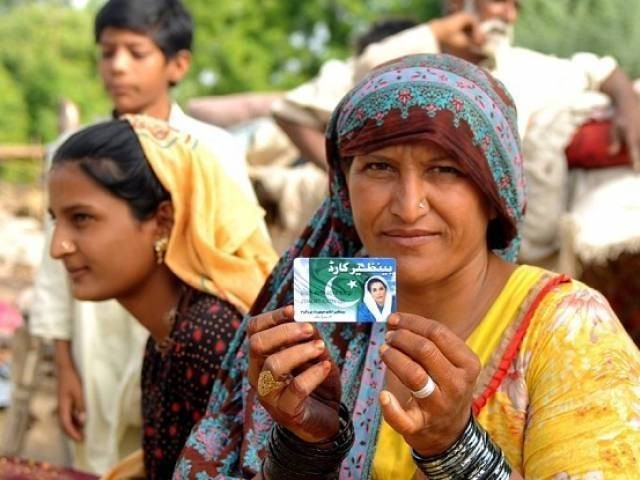
    Pakistan’s Minister for Poverty Alleviation and Social Safety, Shazia Marri, has announced that the Benazir Income Support Program (BISP) will cover one crore families. The minister’s announcement follows Prime Minister Shehbaz Sharif’s directives to reinstate “eligible persons”.

    Pakistan’s Minister for Poverty Alleviation and Social Safety, Shazia Marri said on Thursday that the government’s flagship cash-transfer programme, the Benazir Income Support Programme (BISP) would expand its outreach to eight million families till the month of June and then on will cover 10 million families.

    Prime Minister Shehbaz Sharif had also given directions to reinstate “eligible persons” in the scheme. The previous Imran Khan government had removed 820,165 names from the BISP database, describing the beneficiaries as “undeserving”.

    “Unfortunately the increased ratio of poverty, inflation and unemployment in the country has led to economic instability during last few years which require expansion of BISP to provide financial relief to the poor masses”, she told journalists.

    To a question on re-inclusion of the expelled BISP beneficiaries, the federal minister said it was unfortunate that around 8,20,000 beneficiaries were expelled from the poverty reduction programme in 2019 without any verification or investigation, while giving an impression that they were ineligible and affluent.

    Minister Shazia Marri said that beneficiaries were expelled on the basis of unjustified filters but those responsible during the previous government didn’t respond.

    “I have decided after receiving briefing from the officials that those disqualified on the basis of unjustified filters including phone bill of up to Rs. 1000, making of urgent Passport and urgent CNIC, foreign travel etc. will be given a right to appeal”, she said.

    “This decision of expelling BISP beneficiaries was taken without verification, investigation or giving them right to register complaint which is injustice”, she argued.

    Pakistan BISP government income support cash transfer programme for poor

    Financial irregularities

    The BISP has collected the data of 34 million households, of which over seven million families are presently covered.

    In a 2021 report, Pakistan’s Auditor General blew the lid off a pool of financial irregularities in the cash transfers, pointing out that thousands of family members of people employed in the government were benefiting from the programme.

    The auditor general’s report pointed out financial irregularities in BISP to the tune of billions of rupees worth, even saying that the programme was hostage to charitable government employees and officials.

    According to the audit report 2020-21, so far no recovery has been made from government employees and officers who have been taking money in the name of deserving people.

    The auditor’s office had directed the BISP to recover the amount taken by government employees, following which the administration had recovered Rs. 900,000 from its officers alone.