More

    Sri Lankan Economic Crisis Inflicted by Self-Serving Elite

    Once deemed a basic human needs success story, Sri Lanka is now in its worst economic crisis since independence in 1948. Nonetheless, Sri Lanka’s ‘moment of truth’ now offers lessons for other developing countries.

    By Anis Chowdhury and Jomo Kwame Sundaram

    Sri Lanka has just defaulted on its foreign debt for the very first time. Attributing its current predicament to a Chinese ‘debt-trap’ is a new Cold War propaganda distraction – which we will undoubtedly hear much more of.

    In this fable, Sri Lanka is a country caught in a debt trap due to white elephant projects mooted and financed by borrowings from China. Blaming Sri Lanka’s debt crisis on Chinese loans is not only factually wrong, but also prevents understanding the origins and nature of its current crisis.

    Outstanding Sri Lankan government foreign debt in April 2021 was US$35.1bn. Policy errors have reduced foreign direct investment (FDI), exports and government revenue, changing the composition of its foreign debt for the worst.

    Debt to the Asian Development Bank (ADB), World Bank, China, Japan and other bilateral lenders, including India, came to about a tenth each. Borrowing from capital markets – 47 per cent, or almost half – is mainly responsible for its debt unsustainability.

    After all, borrowing from multilateral development banks – mainly the World Bank and ADB – and bilateral lenders are mostly on concessional terms, while debt from commercial sources incurs higher interest rates.

    Commercial loans tend to be more short term, and subject to stricter conditions. As sovereign bonds or commercial loans become due, their full value must be repaid. External debt servicing costs surge accordingly.

    Deep-rooted problems

    As of April 2021, about 60 per cent of Sri Lanka’s debt was for durations of less than ten years. The US dollar denominated debt share rose sharply – from 36 per cent in 2012 to 65 per cent in 2019, as Chinese renminbi denominated loans remained around two per cent.

    Adding government guaranteed debt to state-owned enterprises, total borrowings from China were 17.2 per cent of Sri Lanka’s total public foreign debt liabilities in 2019. Meanwhile, commercial borrowings grew rapidly from merely 2.5 per cent of foreign debt in 2004 to 56.8 per cent in 2019.

    The effective interest rate on commercial loans in January 2022 was 6.6 per cent – more than double that for Chinese debt. Unsurprisingly, Sri Lanka’s interest payments alone came to 95.4 per cent of its declining government revenue in 2021!

    Following its 2001 recession, Sri Lanka recovered, before growth declined again after 2012 and the pandemic contraction in 2020. Sri Lanka also experienced premature deindustrialization, with manufacturing’s GDP share falling from 22 per cent in 1977 to 15 per cent in 2017.

    Government tax revenue declined from 18.4 per cent of GDP (1990-92 average) to 12.7 per cent (2017-19), and a 8.4 per cent pandemic nadir in 2020. Non-tax revenue – mainly dividends and profits from public investments – fell from 2.3 per cent of GDP in 2000 to 0.9 per cent in 2015.

    Sri Lanka’s exports-GDP ratio almost halved from 39 per cent in 2000 to 20 per cent in 2010. This took a big hit during the pandemic, dropping to 17 per cent in 2020. From 2000, FDI inflows into Sri Lanka were between 1.1 per cent and 1.8 per cent of GDP, before falling to 0.5 per cent in 2020.

    During 2012-19, the share of International Monetary Fund (IMF) Special Drawing Rights (SDRs) in Sri Lanka’s debt stock fell from 28 per cent to 14 per cent, as borrowings ballooned! Sri Lanka’s debt crisis is clearly due to the policy choices of successive governments since the 1990s.

    Crisis-prone

    In February 2022, Sri Lanka had only US$2.31 billion in foreign exchange reserves – too little to cover its import bill and debt repayment obligations of US$4 billion.

    Its 22 million people face 12-hour power cuts, and extreme scarcities of food, fuel and other essential items such as medicines. Inflation reached an all-time high of 17.5 per cent in February 2022, with food prices rising 24 per cent in January-February 2022. But economic crisis is not new to Sri Lanka.

    As a commodity producer – mainly exporting tea, coffee, rubber and spices – export earnings have long been volatile, vulnerable to external shocks. Foreign exchange earnings have also come from ready-made garments, tourism and remittances, but their shares have grown little over decades.

    Since 1965, Sri Lanka has obtained 16 IMF loans, typically with onerous conditionalities. The last was in 2016, providing US$1.5 billion over 2016-19. Required austerity measures have squeezed public investment, hurting growth and welfare.

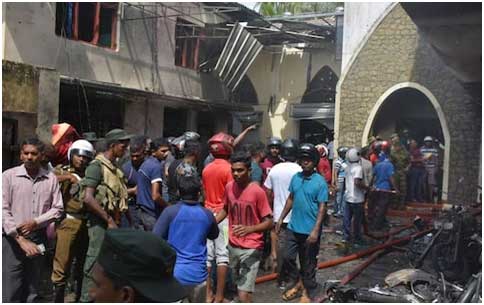
    Two recent shocks made things worse. First, bomb blasts in Colombo churches and luxury hotels in April 2019 drastically cut tourist arrivals by 80 per cent, squeezing foreign exchange earnings.

    Second, the pandemic has damaged not only economic activity, but also foreign exchange reserves, as it often paid monopoly prices to get COVID-19 tests, treatments, equipment, vaccines and other needs.

    Tax cuts galore

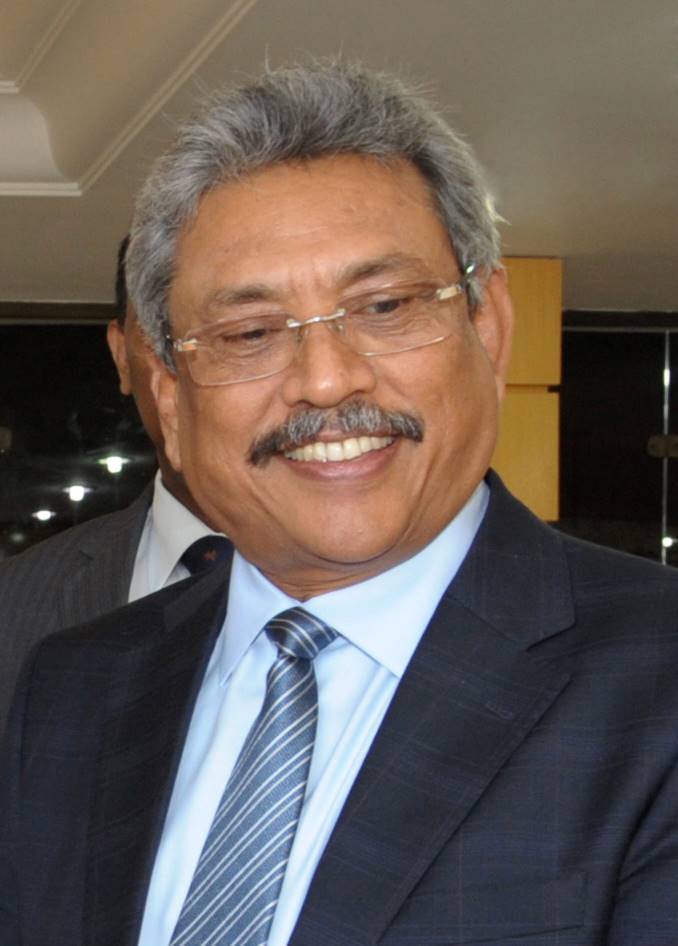
    The ethno-populist policies of the Gotabaya Rajapaksa government – which came to power in 2019 – have added fuel to fire. Successfully mobilizing majority Buddhist Singhala sentiment – against Tamils, Muslims and Christians – he sought political support by cutting taxes on the ‘middle class’.

    His government cut taxes across the board, collecting only 12.7 per cent of GDP in revenue in 2017-19 – one of the lowest shares among middle-income countries. Losing about 2 per cent of GDP in revenue, its tax-GDP ratio fell to 8.4 per cent in 2020.

    Sri Lanka’s value-added tax rate was cut from 15per cent to 8per cent, while the VAT registration threshold was raised from one to 25 million Sri Lankan rupees monthly. Other indirect taxes and the ‘pay-as-you-earn’ system were abolished.

    The minimum income tax threshold was raised from 500,000 Sri Lankan rupees annually to three million, with few earning that much! Personal income tax rates were not only reduced, but also became even less progressive.

    The corporate income tax rate was cut from 28 per cent to 24 per cent. With a 33.5 per cent drop in registered taxpayers (corporate and individual) between 2019 and 2020, Sri Lanka’s tax base shrank.

    Thus, even more of the population became exempt from direct taxes, increasing government popularity, especially among the middle class. But tax cuts failed to spur investment and growth – despite old claims by Ronald Reagan, Donald Trump and their ‘guru’, Arthur Laffer.

    Populist choices

    Successive Sri Lanka governments thus failed to increase tax collection, squeezing government revenue. To finance budget deficits, they increasingly borrowed from international capital markets – at higher commercial rates, with shorter maturities.

    As the government cut tax rates and exempted most from paying income tax, government revenue fell. Due to its falling revenue and deteriorating credit rating, the government had to borrow more, at higher interest rates.

    Facing fiscal and foreign exchange constraints, the government declared Sri Lanka a 100 per cent organic farming nation in April 2021. Banning all fertilizer imports – ostensibly to promote ‘agro-ecological’ farming as part of a larger ‘green’ transformation – compounded the looming ‘perfect storm’.

    Dropped in November 2021, the policy drastically cut agricultural output, with more food imports becoming necessary. Falling tea and rubber output also reduced export earnings, exacerbating foreign exchange shortfalls.

    Evidently, the Sri Lanka government addressed the economic challenges it faced with ‘populist’ policy choices. Instead of addressing longstanding problems faced, this effectively ‘kicked the can’ down the road, worsening the inevitable meltdown.


    Image: Wikimedia  /  AntanO – CC BY-SA 4.0
    Pakistan: Police Handling of Whistleblower’s Death Sparks Public Outrage

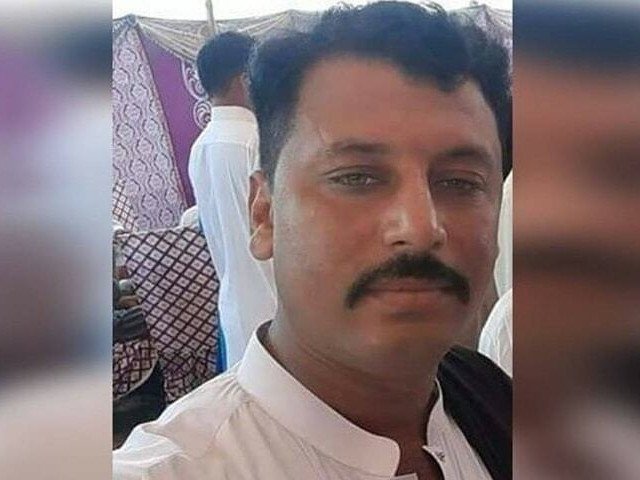
    Nazim Jokhio was killed for circulating on social media his posts on the illegal hunting of the endangered houbara bustard in his village by the Arab guests of a powerful tribal chieftain. The accused include members of the provincial and national assemblies.

    Public anger is brewing in Pakistan over the police letting off influential suspects in its investigations into the murder of a whistleblower at the farmhouse of a tribal chieftain and a ruling party lawmaker. This presents a challenge before the country’s newly formed government and its allies in Sindh province.

    Nazim Jokhio, 27, had objected to and stopped hunters looking for the houbara bustard in his village of Achar Salar Jokhio, about 50 km from Karachi. He made and circulated a video of his interaction.

    He was employed with Karachi city’s local government and has left behind four young children. He was popular among his social media followers.

    In the days that followed, Jokhio was summoned by Jam Awais Gohram, the tribe’s chieftain, along with his brother and detained overnight at the farmhouse where he was beaten to death, according to reports. The cold blooded murder brought an agitated people on the streets, blocking the main highway connecting Karachi, and in turn, inviting media scrutiny.

    The police initially claimed that Nazim Jokhio died in a violent clash. But hours later, seeing the number of people on the streets swelling by the hour, the police made a turnaround saying that a body was found lying outside Jam’s house with marks of injuries, possibly due to torture.

    A hashtag ‘Justice for Nazim Jokhio’ too trended on microblogging social media, Twitter.

    Human life

    Nazim’s brother, Afzal Jokhio, told journalists that Arab hunters looking for the houbara bustard in the Karo Mountains arrived at their village, a forbidden area for hunting. Nazim tried to stop them and an altercation followed. In the following hours, Nazim uploaded a video of the hunters.

    “I got calls from Jam’s men demanding that my brother delete the video. I asked him to obey the Jam’s orders, but he refused,” Afzal was quoted as saying to by the local media.

    The brothers were summoned to Jam’s farmhouse where Nazim was thrashed by the chieftain’s henchmen.

    Afzal says he had pleaded for mercy for his brother – even saying that a human life was worth more than a houbara bustard.

    “I pleaded with folded hands before Jam and apologized. But Jam Sahib said no apology [would be accepted as] you people have insulted my guest,” Afzal told journalists.

    Nazim died in the wee hours next day.

    “When we got there in the morning, we were told that my brother was dead and we were not given his body.”

    Pressure to compromise

    The public pressure and the blocking of roads got an assurance of a fair police investigation by Sindh Chief Minister Syed Murad Ali Shah.

    The tribal chieftain, Jam Awais Gohram was arrested, but was later let off on bail. In the days to come, the family came under pressure to settle the matter outside courts.

    But as days passed, Jam Awais’ name was struck off from the documents presented to the local court.

    Nazim’s widow, Shirin Jokhio told a local TV reporter, “People of Sardar [Jam Awais Gohram] are threatening my brother in law Afazal Jokhio for settling through jirga and he was afraid of them, but I am not afraid of anyone.”

    However, Jokhio’s wife appeared in a video saying that she pardoned the accused. Critics, the media and larger civil society groups were quick to point out telling signs of pressure the young widow had come under.

    In a video message, Shireen Jokhio said she wanted to fight but had been left “all alone by her own people” adding that she had taken the decision to pardon out of compulsion and for the safety of her children.

    The family had accused Gohram, a member of the Sindh Assembly from former President Asif Zardari’s Pakistan People’s Party. Fingers are now point to Zardari who is widely believed to have brought together the various political actors to form the present government in Pakistan.


    Banner Image: Screengrab  

    Over a Dozen Students Die in Kabul Explosions

    While exact numbers are difficult verify, reports say that dozens of teenaged Hazra students have been killed in an explosion on the outskirts of the Afghanistan’s capital city, Kabul.

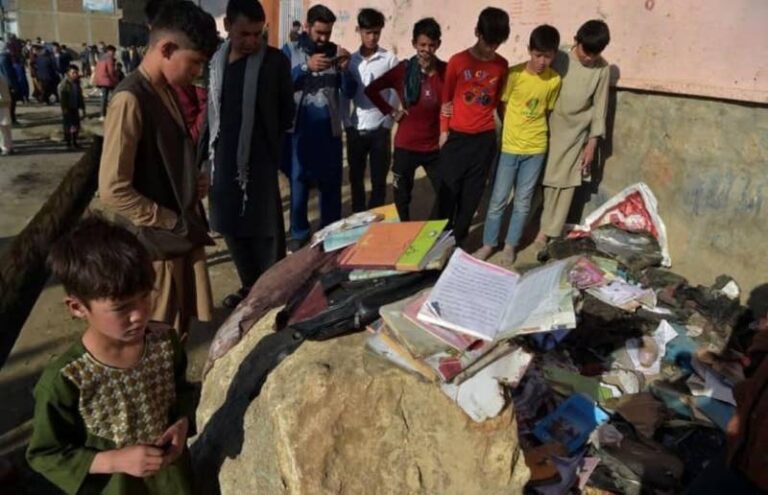
    In the second big attack since the regime change in Pakistan and the third since the beginning of the month, a series of three bomb explosions in Kabul’s Shia Hazara neighborhood of Dasht-e-barchi have killed possibly 20 people, most of them in their upper teens and belonging to the Hazara ethnic minority.

    Besides, images circulating on Twitter also show a dead child, reportedly killed in the bomb blast.

    While exact numbers are difficult to come by at the moment, there are reports of dozens of school going students from the Hazara community getting killed in explosions in the Abdurahim Shahid High School and the Mumtaz Education Centre on the outskirts of the country’s capital city, Kabul.

    An earlier explosion happened at an educational center in Kabul’s Qala Naw area.

    The government has announced that the blasts will be investigated by the Afghan police.

    The National Resistance Front issued a statement condemning the violence and holding the Taliban directly responsible for these attacks. The group of former fighters opposed to the Taliban described the present rulers of the country as “an enemy of education”.

    Iran’s Ministry of Foreign Affairs is the first outside government to have condemned the blasts. It urged Afghan officials to “identify and punish the perpetrators of this act of terror.”

    The child charity organisation, Save the Children, too has condemned the attack on the high school, the head of its Afghanistan country office, Chris Nayamandi said.

    According to a former Afghan government spokesperson, Kabir Haqmal, “Unfortunately the number of casualties of today’s attacks is higher than [what] the Taliban [have] announce(ed).”

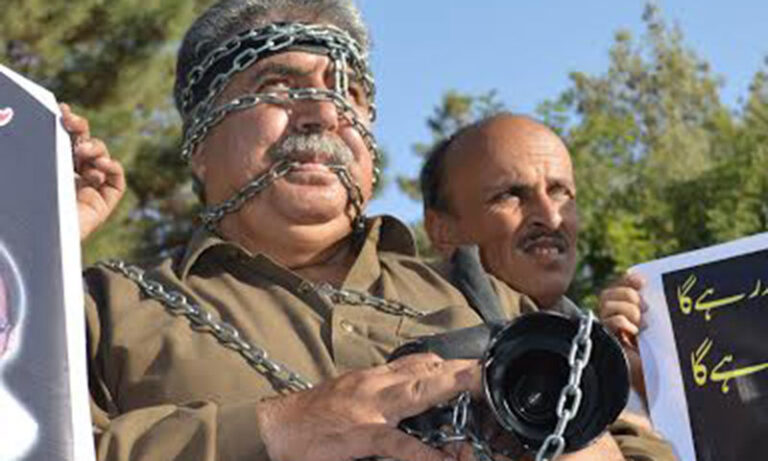
    He lamented that the Taliban did not allow journalists to cover the incident and even arrested Ali Raza Shahir, a local television journalist who was covering the bombings. Raza’s camera has been seized.

    One journalist tweeted that “around 150 students and civilians were killed”.

    Bodies of the dead were stuffed into a container behind the Ali Jinnah hospital. This has made difficult the task of identification of the dead.

    The Independent Kabul Times news website quoted an unidentified Hazara woman as saying, “I lost my husband at a blast in Dehmazang, my daughter was killed at Mawoud in Kabul and my only son was killed in today’s blast in Kabul.”

    Gotabaya Admits ‘Mistake’ A Year After Imposing Ban on Fertilisers

    With little opposition, the Rajapaksa family has ruled the island nation with an iron hand. Few dared to hold them accountable or question widespread cronyism. The President is being challenged on the streets of Sri Lanka today.

    After a long wait, Sri Lanka President Gotabaya Rajapaksa has admitted that his people are suffering due to the current economic crisis.

    Importantly, Rajapaksa owed up to the ban on chemical fertilisers and the impact it had on the island nation’s farmers. He assured that measures were being taken to deliver chemical fertilizer to the farmers.

    President Rajapaksa announced a ban on the use of chemical fertilizer reportedly after his advisors cited Roman naturalist-philosopher-author Pliny the Elder as saying that ancient Sri Lankans had lived past the age of 100 years because of they practiced organic agriculture.

    He admitted that the decision to make Sri Lankan agriculture fully organic was a hasty one that the government should not have taken. His advisors had urged for a ban on importing fertilizer to balance the foreign exchange situation.

    Policy mistakes

    In an acknowledgement of policy mistakes by his government, the President also said that Sri Lanka needed to approach the International Monetary Fund much earlier, given the situation in the country. The delay led to the dire economic crisis.

    Rajapaksa who made the admissions while speaking to members of his newly sworn in cabinet ministers, also acknowledged the suffering ordinary people have had to endure.

    “Over the past two and a half years we have had vast challenges. The COVID-19 pandemic, as well as the debt burden and some mistakes on our part,” he is reported to have said.

    With very little opposition, the Rajapaksa family has ruled the island nation with an iron hand for almost two decades. Few have dared to hold them accountable or question a rule of widespread cronyism. But today, the President is being challenged on the streets of Sri Lanka.


    Image: Wikimedia

    Pakistan Court Awards Death Penalty for Six, Life for Nine in Priyantha Kumara Lynching Case

    Sri Lankan national, Don Priyantha Kumara, was lynched to death by a mob in Sialkot on charges of blasphemy in December 2021. Kumara worked as a general manager at a local garments factory.

    A special anti-terrorism court (ATC) in Pakistan on Monday convicted 88 accused in Priyantha Kumara case.

    The court handed down the death sentence on two counts to six accused besides ordering them to pay compensation of Rs 200,000 each to the legal heirs of the deceased under Section 302 of Pakistan Penal Code and Section 7 of Anti-Terrorism Act, 1997.

    The court also handed down life imprisonment to nine of the accused along with a fine of Rs 200,000 each and Rs 200,000 compensation to the legal heirs.

    The court awarded two years of imprisonment on three counts and one-year imprisonment on two counts to 72 others accused in the case.

    Sri Lankan national, Don Priyantha Kumara, was lynched to death by a mob in Sialkot on charges of blasphemy in December 2021. Kumara worked as a general manager at a local garments factory. A video recording of the lynching was put up on social media and the impunity caused outrage across the world. Pakistan’s civil society took to the streets and the incident rekindled the debate on the country’s blasphemy laws.

    Under pressure, the Sialkot police had arrested 89 people, including 9 juveniles and the Pakistan government announced setting up of a special anti-terrorism court to try the case expeditiously.

    The trial proceedings were conducted at the Kot Lakhpat Jail. The prosecution completed the evidence within a month and the court had indicted the accused on March 12.


    Image: Hippopx – licensed to use under Creative Commons Zero – CC0

    Pakistan PM Directs Police to Ensure Safety of Journalists; Amnesty Urges Release of Social Media Activists

    PTI leaders have called for protests outside the residence of journalists in Islamabad. The government had earlier launched a crackdown on social media activists believed to have been involved in a smear propaganda campaign against national institutions, especially the military under the draconian PECA law.

    Pakistan Prime Minister Shehbaz Sharif on Monday said that ensuring the safety of journalists was a responsibility of the State. He directed the police to ensure their safety.

    Within minutes of the Prime Minister’s statement, PML leader Maryam Aurangzeb contacted IG Islamabad Ahsan Younis to convey the Prime Minister’s words.

    Aurangzeb said she condemned fascist and authoritarian attitudes against journalists and asked the Inspector General of Islamabad police to personally look into the matter of the safety of journalists, especially after PTI leaders and supporters called for protests at the residences of some Islamabad-based journalists.

    Earlier in the day, Amnesty International urged Pakistan to immediately release eight people recently arrested for “criticizing the state” on Twitter.

    Batting for the freedom of expression, Dinushika Dissanayake, the human rights organisation’s director for South Asia, that “The Pakistani authorities must stop using the draconian Pakistan Electronic Crimes Act (PECA) to punish people who are simply exercising their right to freedom of expression online.”

    “For far too long, successive governments have used this law as a tool to crush peaceful dissent and intimidate supporters of political opposition,” the Amnesty official said. “Nobody should be arrested merely for expressing their views — whether online or offline.”

    Dissanayake believed that in the past, governments had used the law as a tool to crush peaceful dissent and intimidate supporters of political opposition.

    Dissanayake called for the government to immediately and unconditionally release the eight people arrested across Punjab. Instead of quashing dissenting voices, the authorities should end their “repressive crackdown” on the right to freedom of expression.

    Crackdown on social media activists

    On 13 April, Pakistan’s Federal Investigation Agency arrested eight people across the state of Punjab after they criticised the Imran Khan led government on Twitter. The arrests came after the FIA launched a crackdown on social media activists that the agency believes were involved in a smear campaign against state institutions.

    Launching its crackdown on social media activists, the FIA had said it that it believed they were involved in a smear propaganda campaign against national institutions, especially the military.

    The FIA has told the media that the arrests are not related to any political opposition parties.

    On 9 April, Imran Khan was ousted as prime minister of the country after a vote of no-confidence in the Pakistani parliament. His exit came just days after he tried to block the vote from taking place — an effort that was ruled to be unconstitutional by the Supreme Court.

    Imran Khan and his party, the Pakistan Tehreek-e-Insaf, allege that their removal was a result of collusion between the United States and the opposition, prompting nationwide protests from his supporters. The party’s social media team has since launched a campaign on Twitter that seeks to condemn the army, the courts, the media and the country’s new leadership.

    In fact, Imran Khan made a special mention of his grouse against the media during his address to the people of Pakistan on the eve of his removal from office.

    PTI supporters harass reporters

    Earlier on Saturday, several journalists, including women, were abused and harassed by PTI supporters during Imran Khan’s rally in Karachi.

    Zam Zam Saeed, a female reporter with Samaa TV, uploaded footage of the incident on her Twitter account. She said that PTI workers were violent and they abused the TV crew.

    Another journalist, Adia Naz who works for the news channel 24, was also harassed. PTI has singled out 24 for being inimical to the party and its leader. The channel’s licence and permission for transmission were revoked by the Pakistan Electronic Media Regulatory Authority in 2021

    Rizwan Bhatti, an office bearer of the Karachi Press Club, confirmed the mishandling of the reporter while they were doing their work.

    PTI workers also taunted and harassed Chand Nawab, an ARY TV journalist. He ended up with a torn shirt.

    Union steps in

    The Pakistan Federal Union of Journalists (PFUJ) has condemned threats to journalists, besides planned protests by PTI workers outside their homes.

    PFUJ President Shahzada Zulfiqar and Secretary-General Nasir Zaidi said that it was unfortunate that PTI is suppressing and threatening journalists to drag them into controversy.

    “Arranging protest at the residences of journalists is a sign of disrespect to the privacy and respect of the families,” they said.

    The PFUJ leaders called upon the chairman of PTI, Imran Khan to direct his workers to respect the private lives of the media persons, besides respecting freedom of speech and dissent. “Respecting freedom of press and speech is a beauty of democracy and democratic norms,” the union said in a statement.

    High Cost of Debt is Crippling Developing Nations: How Can We Bridge the Finance Divide?

    The 2022 Financing for Sustainable Development Report: Bridging the Finance Divide report released by the United Nations last week finds that the ‘finance divide’ between rich and poor countries has become a sustainable development divide.

    By Navid Hanif

    As the world is rocked by a confluence of crises, the global economic outlook for 2022 is becoming ever more uncertain and fragile. Prospects for sustainable development for all and achieving the Sustainable Development Goals (SDGs) by 2030 are bleak, particularly for developing countries.

    The war in Ukraine is adding further stresses to a world economy still reeling from the COVID-19 pandemic and under growing strain from climate change. These cascading crises affect all countries, but the impact is not equal for all.

    While some, mostly developed countries, had access to cheap financing to cushion the socio-economic impacts of the pandemic and invest in recovery, many others did not.

    Massive recovery packages in rich countries contrast sharply with poor countries, which had to juggle essential expenditures. For many, education and development budgets had to be cut to respond to COVID-19.

    The UN system’s 2022 Financing for Sustainable Development Report: Bridging the Finance Divide, finds that the ‘finance divide’ between rich and poor countries has become a sustainable development divide.

    The Sri Lanka example

    Growth prospects are severely constrained in the developing world – even before taking the war in Ukraine and its repercussions into account, 1 in 5 developing countries are not expected to return to pre-COVID income levels by 2023.

    This situation is likely to get worse because the fallout from the war is exacerbating the challenges confronted by developing countries. Food and fuel prices are reaching record highs. This strains the external and fiscal balances of import-dependent countries.

    Supply chain disruptions add to inflationary pressures, setting up a very challenging environment for Central Banks – rising prices combined with deteriorating growth prospects. Tighter financial conditions and rising global interest rates will make it increasingly difficult, and no doubt impossible for some, to roll over their existing commercial debt.

    Many vulnerable countries will not be able to absorb the combined shocks of a disrupted recovery, rising inflation, and sharply rising borrowing costs. Sri Lanka has just defaulted, and more widespread debt distress may well be on the horizon – which is likely to put the Sustainable Development Goals out of reach.

    More concessional public financing

    The lack of adequate and affordable financing for developing countries is making timely realization of the 2030 Agenda increasingly difficult. Their governments often have few avenues to raise funds domestically, due to underdeveloped domestic financial markets. But borrowing from abroad is both risky and expensive, with some African countries paying over 8 per cent on their Eurobond issuances in 2021.

    As the 2022 Financing for Sustainable Development Report notes, the only way to achieve a more equitable recovery is to bridge this finance divide. It will take determined action, on several fronts.

    First, developing countries will need additional concessional public financing. Bilateral providers and the international financial institutions have stepped up in response to the COVID-19 pandemic, but additional funding was not enough to prevent this divergent recovery. The fallout from the war in Ukraine is widening financing gaps and countries will need additional support.

    A first key test of international solidarity will be on Official Development Assistance (ODA). Additional support for refugees from the conflict in Ukraine, while important, must not come at the expense of cross-border ODA flows to other countries in need.

    Development banks should make available more long-term countercyclical finance at affordable rates, easing financing pressures during crises. Donors should ensure that multilateral development banks see their capital increased and concessional windows replenished generously.

    One immediate step development banks and official bilateral creditors could take themselves is to use state-contingent clauses more systematically in their own lending. This would mean automating debt repayment standstills, providing breathing space to countries in crises.

    Development banks and development finance institutions at all levels could also work to strengthen the ‘development bank system’. National institutions tend to be smaller and fewer in the poorest countries. They would greatly benefit from capacity and financial support.

    Multilateral and regional development banks can in turn benefit from national banks’ detailed knowledge of local markets.

    Improve costs, transparency

    Second, we must improve the costs and other terms of borrowing faced by developing countries in international financial markets. Excess returns for investors hint at market inefficiencies. We must close gaps in the international financial architecture – the lack of a sovereign debt restructuring mechanism adds uncertainty – and improve transparency by both debtors and creditors.

    Transparency and better information for investors can help reduce costs. Short-term credit ratings are also an issue. Rating agencies assess a country’s creditworthiness over a very short horizon, often three years. Meanwhile, many public investments in sustainable development – in infrastructure, education, or innovation – only pay off over a much longer period.

    Credit assessments are systematically biased against long-term investments. Thus, they poorly serve those investors that have long investment horizons, such as pension funds. Long-term sovereign ratings that take into account such investments, as well as long-term risks such as climate change, should complement existing assessments. Scenario analysis can help overcome the inherent difficulties of such long-term assessments.

    Countries can also exploit growing investor interest in sustainable development and climate action. Sovereign green bonds, which can sometimes be issued at reduced cost (“greenium”), are a fast-growing market segment. A commitment to marine conservation recently helped Belize achieve more favorable terms with private creditors in debt restructuring.

    Development finance institutions could also help by providing partial guarantees to sovereign borrowers, lowering interest in exchange for commitments to invest in the SDGs and climate action.

    G20’s Common Framework

    Third, many countries will need debt relief to avoid a protracted and costly debt crisis. Once debt has reached unsustainable levels, providing additional credit, even if at concessional rates, will only delay the reckoning.

    The current mechanisms to deal with countries in debt distress are clearly inadequate. The Common Framework set up by the G20 in the fall of 2020 was a step in the right direction, but its shortcomings have become all too apparent.

    No restructurings have been completed yet; there is no good answer to treating commercial debt; and many highly indebted developing countries are not eligible to approach the Common Framework at all.

    The G20 must step up efforts to implement and deliver on the Common Framework more effectively. But as a more widespread debt crisis becomes a frightening possibility, a more fundamental reform of the sovereign debt architecture must be on the table as well.

    The United Nations can provide a neutral venue that brings together creditors and debtors on equal footing to advance such discussions.

    We at the UN believe that the SDGs can still be met. But without concerted bold action now on all fronts, the road ahead is looking very bumpy. Timely and bold policy choices will get us there.


    Navid Hanif is the Director of the Financing for Sustainable Development Office of the United Nations, Department of Economic and Social Affairs (UNDESA).


    This piece has been sourced from Inter Press Service

    Image: UNICEF

    Sri Lanka’s Human Rights Reform Charm Offensive

    On 22 March 2022, Sri Lankan lawmakers have approved a range of reforms to the country’s controversial anti-terror law. Activist groups, some Western governments and international bodies continue to press the current government to improve its human rights record amid a worsening domestic economic crisis.

    By Amresh Lavan Gunasingham

    The Prevention of Terrorism Act (PTA) was modified to allow suspects to challenge their detention in court and to expedite hearings to reduce the length of pre-trial detention periods. Rights groups allege that the law has been used over the past four decades to arbitrarily arrest and detain individuals for years without due process and to extract confessions through torture. Sri Lankan authorities have denied these claims.

    First enacted in 1979, successive administrations dominated by the Sinhalese majority have used the law to arrest minority Tamils linked to the separatist Liberation Tigers of Tamil Eelam (LTTE) group during the country’s prolonged civil war, which ended in 2009. More than a decade on, the act has been maintained in order to target dissidents, scores of individuals from the ethnic Tamil and Muslim minorities, and civil society activists. Following the 2019 Easter attacks, members of the Muslim community were also subjected to targeted attacks and discriminatory policies.

    Sri Lanka has been on a diplomatic charm offensive in recent weeks to win international support for reforms to its anti-terror law. Sri Lanka’s human rights record drew scrutiny at a recent session of the United Nations Human Rights Council in Geneva. Sri Lanka’s Foreign Minister GL Peiris defended the revisions to the PTA as an initial step to bring it in line with international norms and practices.

    Ethno-religious nationalism

    Several detainees have also been released in recent months, including the prominent lawyer Hejaz Hizbullah. But nearly 300 individuals continue to be detained under the PTA — some for over a decade — without charge or access to legal recourse.

    Opposition lawmakers and activists say the proposed reforms to the law do not go far enough. Some have called for it to be repealed altogether, arguing that the PTA still allows for the arbitrary arrest of suspects and the use of confessions obtained through torture as evidence in court. Observers have also questioned the necessity of the law, citing alternative laws that the government can use to tackle security threats.

    In a February report, the Office of the UN High Commissioner for Human Rights observed that several individuals have been subjected to arbitrary detention, torture and enforced disappearances. The continued fostering of militarisation and ethno-religious nationalism by the state also undermines ‘democratic institutions, increases the anxiety of minorities, and impedes reconciliation’.

    In response, Sri Lanka has repeatedly claimed it will address grievances through its own domestic mechanisms. Government officials also point to measures already taken such as rehabilitating former Tamil Tiger rebels and the activation of an office to determine the status of those still missing from the civil war. Critics say little has come of such initiatives.

    European Union

    While previously rejecting attempts by the UN and global rights groups to repeal the PTA and address allegations of past rights abuses, President Gotabaya Rajapaksa’s Sri Lanka Podujana Peramuna (SLPP) led coalition has since softened its stance as it seeks to shore up trade ties with the European Union amid the country’s worsening economic and debt crisis.

    The EU has threatened to withdraw Sri Lanka’s access to the lucrative Generalised Scheme of Preferences Plus (GSP+) — a system of tariff-free access accorded to developing countries — if it does not improve its human rights record. As the island state’s garment industry exported over US$2 billion in goods to the EU in 2020, the loss of the GSP+ would represent a significant political and economic setback.

    Politics and economy

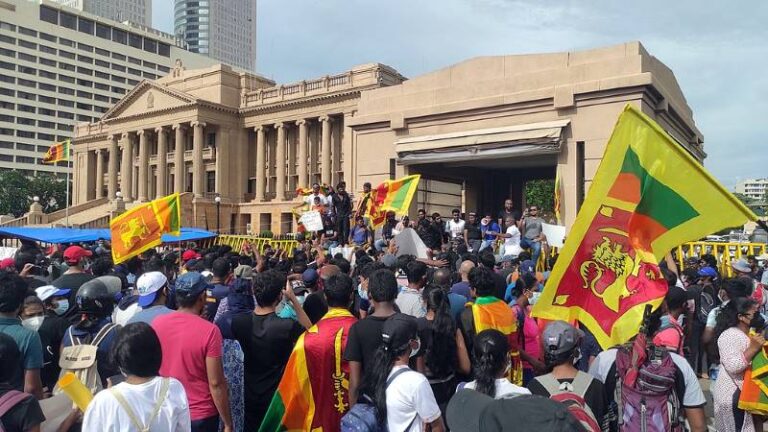
    In recent months, the country has been tormented by chronic food shortages and soaring inflation. Several regions have faced hours-long electricity blackouts due to the lack of foreign exchange currency to pay for fuel imports. Amid its worst economic crisis in decades, anti-government protests have roiled the country in recent weeks, with tens of thousands of people led by supporters of the opposition party United People’s Force demanding the resignation of President Rajapaksa and his elder brother Mahinda Rajapakse. The latter is currently the country’s prime minister.

    Efforts in the past to repeal or reform the PTA have failed amid resistance from parts of the Sinhala-Buddhist majority and the powerful security establishment. Security officials maintain that strong laws are still needed to prevent and prosecute future terrorist attacks in Sri Lanka inspired by the so-called Islamic State (IS). According to the 2022 Global Terrorism Index, the South Asian region remains vulnerable to potential IS-linked attacks — a threat starkly highlighted by the 2019 Easter Sunday attacks.

    While the organisational capabilities and operational sophistication of regional terrorist groups remain potent and will need to be effectively countered, the government should still consider committing to further reforms of aspects of the PTA that are susceptible to abuse, including long-term detentions and incidents of torture.

    This could also go some way towards addressing the country’s long standing ethno-nationalist cleavages, even as a comprehensive reconciliation and accountability process remains elusive to heal the wounds of its 26 year-long civil war.


    Amresh Lavan Gunasingham is Associate Editor at the International Centre for Political Violence and Terrorism Research (ICPVTR) at the S Rajaratnam School of International Studies (RSIS), Nanyang Technological University (NTU), Singapore.


    This piece has been sourced from the East Asia Forum of the Australian National University.

    Millet Seeds Power Fight Against Hunger

    The Odisha Millets Mission aims at strengthening the livelihoods and food security of smallholder farmers by encouraging them to adopt the climate-resilient crop and, at the same time, by creating demand.

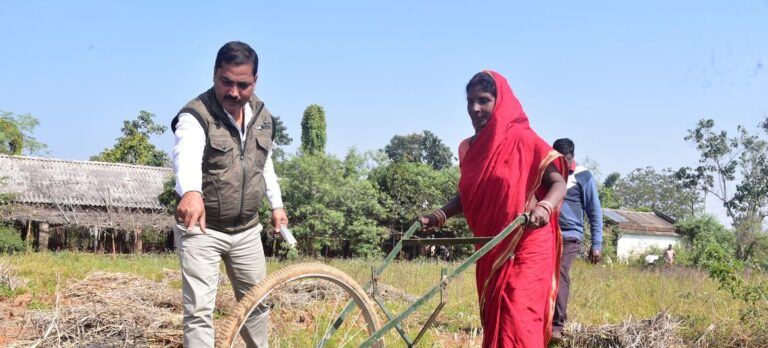
    Subasa Mohanta is no stranger to hunger. It has been a constant in the lives of this 50-year-old farmer, her husband, and two children.

    Despite 16-hour days of back-breaking work as a farmhand, carting stone to a construction site, she might still come home without enough to eat.

    But in 2018, a small bag of seeds helped Subasa to transform her life.

    Subasa scattered the finger millet seeds — given to her by the Odisha Government as part of a rural programme — in the fallow 0.6 hectares of land that circles her brick-and-mud house in the village of Goili in Mayurbhanj district.

    In about two months, she harvested her first crop of mandia (the Odia word for ragi or finger millet). Subasa sold a part of the about 500 kilograms she harvested at 40 rupees a kilo, kept some of it to feed the hungry mouths at home, and distributed the rest among friends and family. And then she sowed the seeds of change once again on her farmland.

    Symbol of hope

    Over the last three years, Subasa’s story of hope, confidence and empowerment has become intertwined with the genesis and growth of the Odisha Millets Mission (OMM), a flagship programme of the regional government’s Department of Agriculture and Farmers’ Empowerment.

    Her days are now divided between farming her own land, plus another 3.2 hectares she has leased, and advising women in Mayurbhanj and other districts of Odisha on the best practices of millet cultivation.

    She also attends to local reporters who queue up for a glimpse of Mandia Maa, a moniker she has earned for her hard work and willingness to try a new crop when few others were open to the idea.

    Launched in 2017, OMM is the first-of-its-kind agricultural initiative that encourages the cultivation of nutrition-rich millets in the eastern Indian state. Going beyond bringing millets, the traditional food of Odisha’s tribes, back on plates, OMM aims at strengthening the livelihoods and food security of smallholder farmers by encouraging them to adopt the climate-resilient crop and, at the same time, by creating demand.

    Climate change

    The finger millet didn’t just change the fortune of the Mohantas, who have now diversified into growing other millets such as suan (little millet) and sorghum. It also made a place for itself in their diet. From mandia kakara pitha (a kind of pancake) to mandia malt (a health drink to start the day with), the family’s bowl of nutrition is also part of the OMM’s journey to success.

    The millet plant’s high tolerance of heat (up to 64 degrees Celsius), drought and flood makes the crop an obvious choice for farmers in an era of climate change and depleting natural resources.

    Millets require less water than rice and wheat, the two staples of the Indian diet. The short-season millets grow easily without fertilisers, making them a healthier and safer option for both the consumer and the soil. The intercropping of millets with other crops is also beneficial for soil quality: It helps keep a check on water run-off and aids soil conservation in erosion-prone areas.

    Women farmers

    What began four years ago with the handing out of leaflets, loudspeaker announcements from vans and seed distribution among villagers by volunteers, community resource persons and officials of the agriculture department has now blossomed into a movement driven by women self-help groups in Odisha.

    Women, who are still seen as mostly post-harvest labour and keepers of seeds, have taken the lead in ragi processing, improving yields of millets with bio-inputs, and also running cafes and centres that serve millet-based dishes.

    The humble jau (a porridge made with unpolished grain) — the most common form of millet consumption in Odisha — now enjoys the company of other traditional dishes such as bara, malpua, khaja and chakuli.

    Poor man’s millet?

    Millets needs the support of the urban consumer to find their rightful place on the shelf.

    While that shift may be a few summers away, the women in Odisha’s villages and small towns are going about their millet work in full earnest. And lives are changing, grain by grain.

    The seeds of change have taken root, but the way ahead is not free of challenges.

    Millets are still perceived as a food of the poor and the underprivileged, an image problem that needs to be tackled through promotions, social media campaigns, and awareness messages from celebrities.


    Image: By Anadi Charan Behera of Studio Priya; Courtesy UN India

    So Close, Yet So Far: Three Decades of Injecting Immunity Into Children in Pakistan

    Pakistan might have come a long way in reducing child morbidity and mortality over the past 30 years, nevertheless, cases of vaccine preventable diseases (VPDs) remain high, with the benchmark still a distant sight, the World Bank said in a progress report on Child Immunisation.

    By Khushi Malhotra

    The government of Pakistan has done much to vaccinate infants and children against preventable diseases. But, a lot more remains to be done.

    A World Bank policy note on child immunization in Pakistan, assessing the country’s progress says that over the last three decades, the country saw an increment of 117 per cent in the number of fully immunized children (aged 12 to 23 months). More than 76 per cent infants got vaccinated in 2020.

    This is in contrast to the situation in 1990 when only 35 per cent of Pakistani children were immunized. The burden of life threatening vaccine preventable diseases (VPDs) also reduced by promising numbers. For example, diphtheria reduced by 94 per cent and measles by 88 per cent.

    Jugglery of numbers?

    The mammoth task of immunizing little babies was made a priority by the government of Pakistan in 2016. The government initiated the National Immunization Support Project (NISP) with a five-year deadline, closing in 2022 to ensure universal coverage in immunization. The plan incentivized the government’s EPI (Expanded Program of Immunization) that was designed to reduce the worrisome rate of child morbidity and child mortality.

    There was a tremendous amount of growth in the rate of immunization coverage within three years of implementing NISP. But the disparities between the provinces did not improve despite this acceleration.

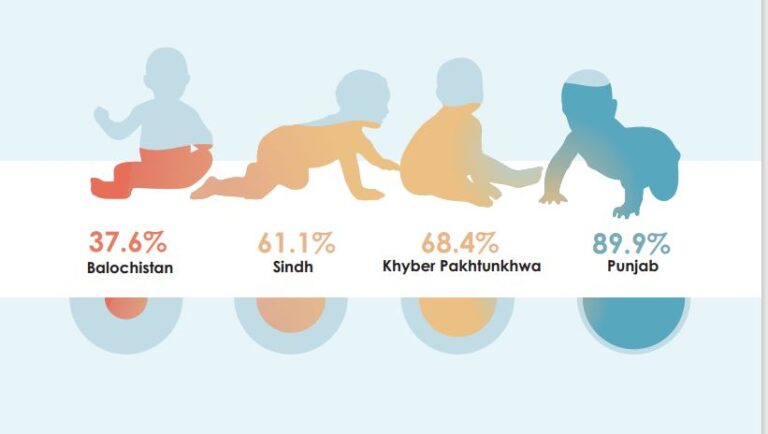
    Evidently, most of the government’s attention went into the provinces of Punjab, where about 90 per cent of the children (aged 12 to 23 months) were fully immunised in 2020. The absolute numbers were good enough to heighten the impression of the country’s overall performance, but individual provinces proved to be laggards.

    For instance, during the same year, the figures for the north western province of Khyber Pakhtunkhwa was 68.4 per cent. Sindh had vaccinated just above 60 per cent of its children in the same age group and only 37.6 per cent of the children were vaccinated against preventable diseases in Balochistan.

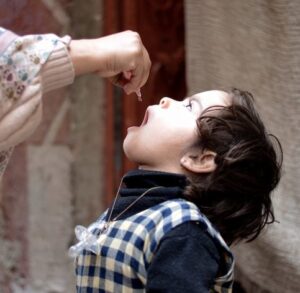
    Polio vaccination drops Peshawar Khyber-Pakhtunkhwa

    Low immunization coverage

    When compared to other eastern and SouthAsia regions with similar income levels, immunization coverage in Pakistan was found to be considerably low. With a GDP of over 4.9 per cent, the rate of immunization for DTP3 was only 75 per cent in the country. The only SouthAsian country with a gap lower than Pakistan is Afghanistan which has a much lower GDP.

    Perhaps, due to the holes in the coverage strategy, Pakistan was also found to be one of the two SouthAsian countries where poliomyelitis is still an epidemic. Even in 2020, Pakistan had the second highest cases of Diptheria after India and Polio after Afghanistan and fourth highest cases of Measles amongst the SouthAsian countries, the World Bank study observed. Sri Lanka had the least number of all the VPDs amongst all.

    While wrapping up the report, World Bank has advised Pakistan’s government to proactively invest in EPI and enhance their healthcare system by increasing the number of vaccination sites, providing the required assistance to the areas with high instances of VPDs and ensuring sustainable means for financing for EPI to improve conditions of underperforming provinces. The country needs to adopt new and innovative designs and strategies to get the benchmark immunity coverage, the study says.