More

    Nation state or state-sponsored group behind ICRC cyber-attack?

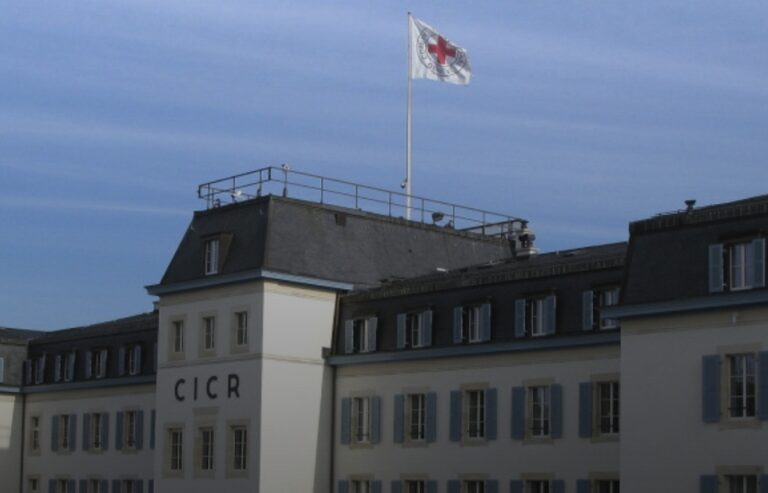
    A month has passed since the International Committee of the Red Cross (ICRC) determined that servers hosting personal data belonging to more than 515,000 people worldwide had been hacked.

    The International Committee of the Red Cross today shared an open letter penned by its director general, Robert Mardini. The ICRC boss said that the organisation has been working to understand how this attack happened, its ramifications, how the organisation can improve its security systems, and how to communicate the facts to the people whom ICRC assists.

    Nearly a month since the International Committee of the Red Cross (ICRC) determined that servers hosting personal data belonging to more than 515,000 people worldwide had been hacked, ICRC has shared some details on what happened and how hackers got access to confidential data, particularly concerning its ‘Restoring Family Links’ programme.

    According to the ICRC, the hackers made use of considerable resources to access its systems and used tactics that most detection tools would not have picked up.

    Related: Sophisticated cyber-attack targets Red Cross data on 500,000 people

    ICRC says that the attackers used a very specific set of advanced hacking tools designed for offensive security. These tools are primarily used by advanced persistent threat groups, are not available publicly and therefore out of reach to other actors. An advanced persistent threat group is typically a nation state or state-sponsored group, which gains unauthorized access to a computer network and remains undetected for an extended period. In recent times, the term may also refer to non-state-sponsored groups conducting large-scale targeted intrusions for specific goals.

    Hackers deployed offensive security tools

    The ICRC says that the attackers used sophisticated obfuscation techniques to hide and protect their malicious programs – techniques that require a high level of skills only available to a limited number of actors.

    “We determined the attack to be targeted because the attackers created a piece of code designed purely for execution on the targeted ICRC servers. The tools used by the attacker explicitly referred to a unique identifier on the targeted servers (its MAC address),” a statement released by the humanitarian group says.

    Though installed anti-malware tools were active and did detect and block some of the files used by the attackers, yet most of the malicious files deployed were specifically crafted to bypass the anti-malware solutions. The intrusion was detected only when ICRC installed advanced endpoint detection and response agents as part of a planned enhancement programme.

    An anomaly was detected in the system within 70 days of the breach occurring, leading experts to initiate a deep dive. On 18 January, ICRC’s technical team determined that servers had been compromised. “Our analysis shows that the breach occurred on 9 November 2021.”

    Related: ICRC still clueless on data breach 

    The hackers were able to enter the network and access its systems by exploiting an unpatched critical vulnerability that allows malicious cyber actors to place web shells and conduct post-exploitation activities such as compromising administrator credentials, conducting lateral movement, and exfiltrating registry hives and Active Directory files.

    “Once inside our network, the hackers were able to deploy offensive security tools which allowed them to disguise themselves as legitimate users or administrators,” says ICRC in its statement, adding, “This in turn allowed them to access the data, despite this data being encrypted.”

    Willing to communicate

    Elaborating on What went wrong with its defences, the ICRC statement says, “Annually, we implement tens of thousands of patches across all our systems. The timely application of critical patches is essential to our cybersecurity, but unfortunately, we did not apply this patch in time before the attack took place.”

    Candidly, ICRC says that it cannot ascertain who was behind the attack or why it was carried out and that it has not had any contact with the hackers and neither has any ransom ask been made.

    “In line with our standing practice to engage with any actor who can facilitate or impede our humanitarian work, we are willing to communicate directly and confidentially with whoever may be responsible for this operation to impress upon them the need to respect our humanitarian action,” it says, reiterating its call to the hackers not to share, sell, leak or otherwise use this data.

    ICRC says that it presumes that data sets copied and exported, knowing that the hackers were inside the systems and therefore had the capacity to copy and export it. But the organisation is certain at the moment that none of the data was deleted.

    ICRC says that it does not have any conclusive evidence of the data being made available to others, including on the dark web.
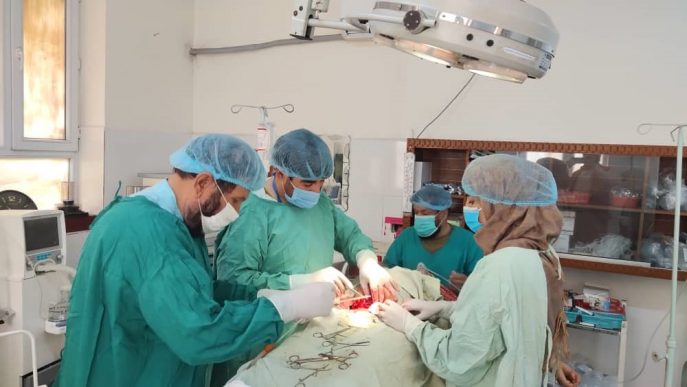
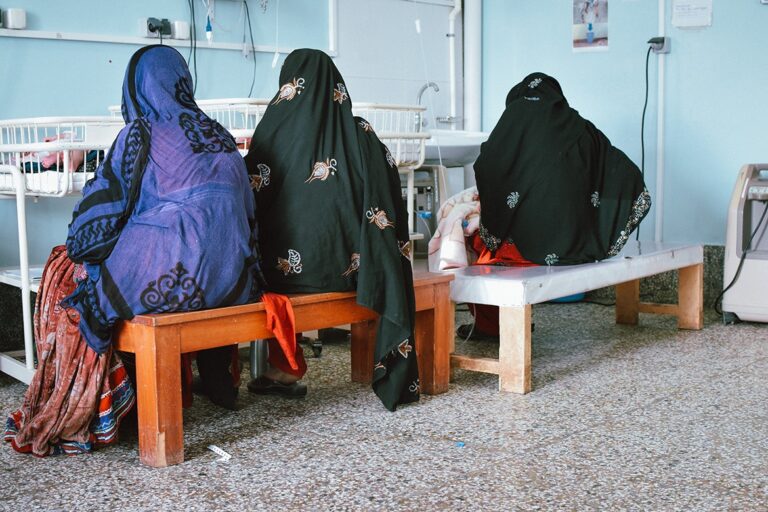
    Afghanistan: A health system is on the brink of collapse

    Over two decades, Afghanistan witnessed an increase in life expectancy. Maternal, new-born and child deaths, too, reduced dramatically. All that seems to have been turned on its head today, as the withdrawn funding for health and care has seriously jeopardised the gains of previous decades.

    Ayesha, 29, is a midwife in a rural health facility in Afghanistan. She graduated from the provincial midwifery school supported by the government’s Sehatmandi programme, which provides essential primary care services including for maternal, new-born and child health.

    “I was born in a very remote district where health facilities were not available. I witnessed many pregnant mothers dying because there was no health care facility at my village or on the way to hospitals, located more than 50 km away” Ayesha said. “I decided to become a midwife and serve the women and children in the villages. I love my job and attend numerous institutional deliveries, and have contributed to the reduction of maternal mortality.”

    However, life-saving health services have come under severe threat in recent months. The Sehatmandi programme, for instance, has been the backbone of Afghanistan’s health system, providing care for millions of people through 2,331 health facilities. But major funding for the programme has been withdrawn since the Taliban gained power in August 2021. The country has received only minimal funding to help cover immediate needs for the early part of the year. Gaps remain in the country’s health system’s ability to sustain the delivery of essential services.

    The primary care facility in the village is vital, serving 58,000 people including 13,340 women of childbearing age and 11,600 children under-five. Importantly, it provides emergency obstetric care, including caesarean section services. Without this, women would have to travel far, and put themselves and their babies at risk.

    Primary health care under threat

    The lack of funds has crippled the health facilities that the community desperately needs – staff have not received their salaries for months and the clinic short of medicines and supplies. There is fear of the inevitable – more illness and people dying. The facility’s struggles are not unique.

    The situation is replicated across the country because the Sehatmandi programme is no longer able to receive appropriate financial support due to the change in Afghanistan’s government. Donors find it impossible to provide financing through the new regime and major funding has been withdrawn. Previously funded by the World Bank, the European Commission and USAID, there are now serious challenges to continuing these vital primary health care services.

    The population is also suffering due to a recent drought that has affected crops and livestock. This, combined with rising food prices and the collapse of public services, has led to an acute shortage of food.

    Urgent call for international support

    Over two decades, Afghanistan witnessed an increase in life expectancy. Maternal, new-born and child deaths, too, reduced dramatically. All that has been turned on its head today, as the withdrawn funding has seriously jeopardised the gains of previous decades.

    “The recent funding pause by key donors to the country’s biggest health programme will cause the majority of the public health facilities to close,” says Dr Luo Dapeng, WHO Representative in Afghanistan. “As a result, more mothers, infants and children will die of reduced access to essential health care.”

    While it may be challenging to find alternative and innovative ways to support the Sehatmandi programme, it is essential for the health and lives of the population of one of the poorest countries in the world and for health security globally.


    Image: WHO/Obiadullah Sidiqi

    ‘Our common agenda’: Guterres’ open door to corporate capture of the UN

    UN member states need to reject multistake-holderism that reinforces the role of problematic exclusive membership clubs (OECD, G20 etc) and enables corporate capture of intergovernmental decision-making and to instead uphold the democratic potential of the United Nations.

    By Emilia Reyes, Iolanda Fresnillo, Neth Dano and Pooja Rangaprasad

    On 10 September 2021, UN Secretary-General (SG) Antonio Guterres released the “Our Common Agenda” (OCA) report. This report was in response to a request from UN member states to “report back before the end of the seventy-fifth session of the General Assembly with recommendations to advance our common agenda and to respond to current and future challenges”.

    UN member states are currently meeting, as part of a consultation process on the OCA report, to discuss these proposals. The report contains many concerning recommendations in relation to the global economic and financial architecture and has larger implications for democratic global governance.

    Rather than reaffirming the role of inclusive member state led processes, the proposals made by the Secretary General rely on new multi-stakeholder approaches, termed ‘networked multilateralism’ in the report.

    This would bring to the decision-making table global corporate monopolies and international financial actors that have concentrated wealth and power, subsumed regions into debt and austerity, eroded environmental integrity, exacerbated poverty and human rights violations, actively undermined equal and just access to vaccines, and profited from disasters.

    This modality of operation undermines the United Nations’ role in international decision-making as well as the related accountability and transparency that is central to its legitimacy.

    Multistake-holderism or corporate capture of the UN?

    Multistake-holderism conflates duty-bearers (governments), rights holders (people) and corporations as equal stakeholders, under the illusion that all of them are equal in their rights, responsibilities, and capacities. Such processes would also embed the UN in extreme conflict of interests.

    For instance, the SG proposes a multi-stakeholder digital technology track in preparation for a ‘Summit of the Future’ to agree on a ‘Global Digital Compact’. The proposal echoes the recommendation of the UNSG’s High Level Panel of Experts on Digital Cooperation which was co-chaired by key personalities in global technology platforms (Big Tech).

    Instead of enabling the self-serving push from Big Tech, the UN should support inclusive, member state led processes to address the development divide that underpins the digital divide, to regulate and curb the growing powers and wealth of Big Tech and ensure that human rights are respected.

    The extent to which the OCA report and its “solutions” rely on multi-stakeholder approaches, reinforcing the role of problematic exclusive membership clubs and giving a seat at the table to those who have preyed on disaster, is worrisome.

    The UN should be the normative space for making decisions on critical global challenges which has increasingly been captured by global north led spaces such as the OECD and G20 instead. The UN should indeed be addressing all those substantive issues included in the agenda.

    But it should be done through strengthening inclusive member state led processes. Not by surrendering to the corporate capture and undermining even more the possibility to regain global democracy.

    Eroding existing inclusive, multilateral processes

    The OCA report proposes to establish a multistakeholder ‘emergency platform’ as well as a Biennial Summit between G20, ECOSOC, SG and IFIs noting that “we still lack pre-negotiated ways to convene relevant actors in the event of a global economic crisis”. This is incorrect.

    The UN’s Financing for Development (FfD) process already has the mandate to convene and make decisions in the event of a global economic crisis with a legitimacy spanning 20 years. In fact, an FfD crisis conference titled “UN conference on the world economic crisis and its effects on developing countries” was convened in 2009 in direct response to the global economic crisis.

    The FfD process is already mandated to address urgent global systemic challenges on debt, international tax, private finance, ODA, trade, technology and financial regulation. The modalities of the FfD process already recognises civil society and the private sector as stakeholders for inputs, in addition to IFIs, WTO and UNCTAD, while ensuring that negotiations are clearly intergovernmental with member states as decision-makers.

    The challenge is not the lack of existing processes to convene but the need to overcome the obstinate blocking from a handful of member states in the UN who prefer such decision-making to happen in undemocratic forums rather than the UN. Establishing multi-stakeholder initiatives will not resolve this political economy challenge and will only further delay decision-making by strengthening the status quo.

    Recommendations to member states

    UN member states should urgently agree on the next FfD Conference to respond to the multiple crises we face and move towards a new global economic architecture that works for the people and planet.

    We need leadership from UN member states to reinforce existing member state led processes rather than inventing new forums and summits that only delay decision-making.

    Multilateral reforms are urgently needed to ensure the democratisation of global economic governance such as the need for a global debt workout mechanism at the UN, establishing a universal UN intergovernmental tax commission and a global technology assessment mechanism at the UN.

    UN member states need to reject multistake-holderism that reinforces the role of problematic exclusive membership clubs (OECD, G20 etc) and enables corporate capture of intergovernmental decision-making and to instead uphold the democratic potential of the United Nations.


    Emilia Reyes is co-convener of the Women’s Working Group on FfD; 
    Iolanda Fresnillo is Debt Justice Manager at European Network on Debt and Development (Eurodad); 
    Neth Dano is Asia Director of Action Group on Erosion, Technology and Concentration (ETC Group);
    Pooja Rangaprasad is Policy Director, FfD at Society for International Development (SID).


    This article is based on Civil Society FfD Group’s response to the OCA report and has been sourced from Inter Press Service

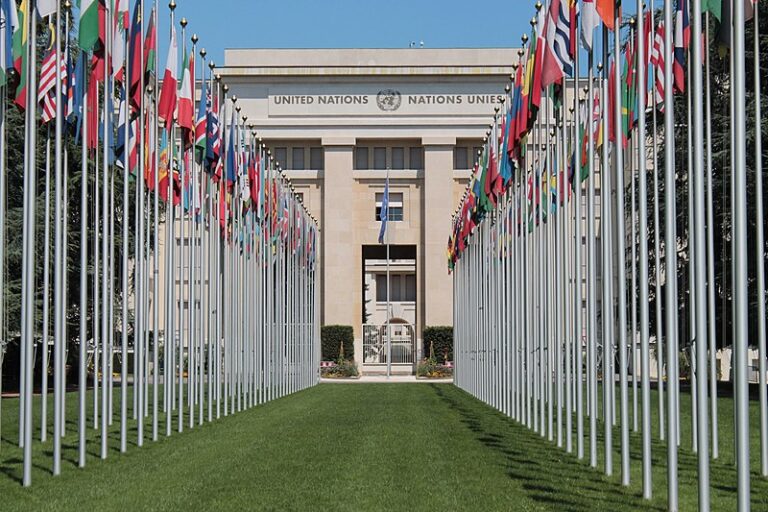
    Image: Wikimedia, United Nations Headquarters, Geneva by John Samuel

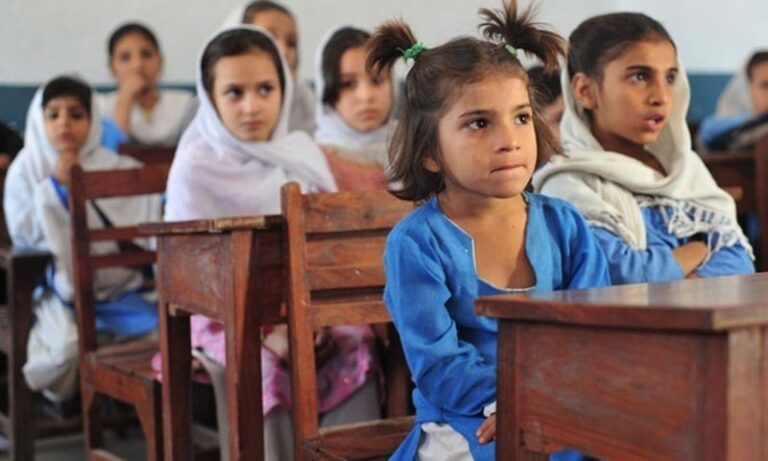
    ASER-Pakistan report says crisis of equity exacerbated impact of COVID-19 pandemic on schooling

    ASER-Pakistan’s report on the education status and learning outcomes of children in the five to 16 years’ age bracket in rural districts of Pakistan says that school closures due to the COVID-19 pandemic have led to a learning crisis for primary-school children.

    The report of the Annual Status of Education Report (ASER) of Pakistan released today says that school closures due to the COVID-19 pandemic have led to a learning crisis for primary-school children.

    The report says that children attending government schools have shown a greater decline in learning than children from private schools during the period when the school were closed. These declines are particularly acute in lower classes, especially between grades 1 and 3.

    Importantly, the researchers have announced that the learning outcomes improve with maternal education and with household wealth.

    About 60 per cent of children currently enrolled in school spent less than an hour a day on their studies during school closures.

    The ASER-Pakistan report says that while 40 per cent of children with smartphones in the home used these for learning, younger children receive less time to access these than older children. 55 per cent of children do not feel confident to study on their own if school closures reoccur.

    About 32 per cent of children reported that they watched educational broadcasts through the country’s national broadcaster, PTV’s tele-school programs. But the researchers said that while PTV’s tele-school’s outreach is notable, its impact is unclear.

    The study also emphasises that girls experienced greater learning losses than boys during the COVID-19 school closures across nearly all competencies and classes. This served to halt or even reverse an existing increasing trend in learning outcomes for girls who had, in some cases, outdid boys.

    Crisis of equity

    The study found that the learning levels were highest in surveyed districts of Punjab, followed by Khyber Pakhtunkhwa and Sindh. Learning levels were found to be the lowest in Balochistan.

    On the contrary, learning losses were found to be the highest in surveyed districts of Balochistan, followed by Punjab, Sindh and Khyber Pakhtunkhwa.

    Younger children who have not yet built a foundation for learning, are more vulnerable to learning losses, the report says. The report emphases that Pakistan’s crisis of learning is rooted in a deeper crisis of equity, girls as well as children from lower wealth backgrounds and certain geographical regions suffer the greatest learning losses in the country.

    Said to be the country’s largest citizen-led household-based survey, ASER-Pakistan aims to provide regular, reliable estimates of education status and learning outcomes of children in the five to 16 years’ age bracket in rural districts of Pakistan.

    The ASER study in 2021 was adapted to measure the impacts of COVID-19 following the unprecedented school closures of 2020 and early 2021. The survey was conducted in 16 rural districts of Pakistan (four each in Balochistan, Khyber Pakhtunkhwa, Punjab and Sindh provinces) and surveyed 25,448 children from a total of 9,392 households.

    Researchers used ASER tools mapped to sustainable development goal 4.1.1.a, learning assessments for language (English and Urdu, Sindhi, Pashto) and arithmetic competencies.

    Based on the findings, the study has recommended that policies and programmes must be devised to support the learning of all children and focusing on young children and girls while simultaneously tackling factors leading to education inequities.

    The researchers note the need for a new social compact for learning to build connections between families, communities, and schools to collectively support children’s schooling.


    Image: Wikimedia

    Sri Lanka air force to help farmers harvest paddy

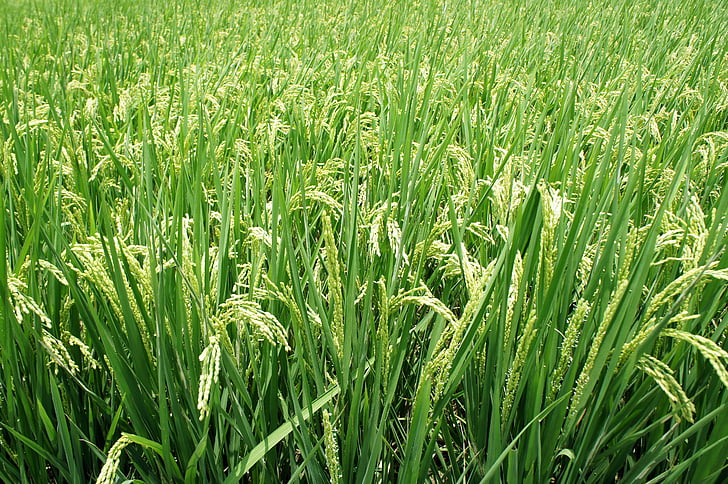
    The air force led community service project will undertake paddy harvesting of low income paddy farmers to help them save on labour costs they would have incurred for harvesting their crop.

    The Sri Lanka Air Force (SLAF) has undertaken paddy harvesting to support small-land holding farmers in the Morawewa division of Trincomalee.

    Air Force spokesperson Dushantha Wijesinghe told mediapersons that air force personnel began a paddy harvesting project using newly acquired combine harvester machines on Saturday 12 February.

    The air force announcement came a day after the chief of staff Gen Shaendra Silva had said that the army will deploy a solider to each paddy and vegetable farm throughout the country in the coming Yala cultivation season.

    The beneficiary farmers include 31 paddy farming families who were recommended by the Morawewa divisional secretariat and the area’s paddy farming association.

    “It is intended to harvest 93 acres where three acres of each family will be harvested free of charge during this initial phase,” he said.

    The second and third phases will be conducted at the Knaugahawewa and Ampara areas respectively.

    “The objective of this community service responsibility project is to undertake paddy harvesting of low income paddy farmers to provide incentives to increase their earnings by cutting down harvesting cost.” Wijesinghe said.

    Related: Army soldiers to help out Sri Lankan farmers

    As has been reported, the Sri Lanka military had earlier helped farmers gather their harvest in the early days of the pandemic and also helped farmers dispose their crop.

    Bitter harvest

    Sri Lanka’s agriculture sector hit a crisis in the last cropping season due to a fertiliser and agri-chemical ban announced by the government on the advice of a legislator-monk, Athureliya Rathana.

    The government is aware that farmers are worried about the low harvest due to the shortage of fertilisers that arose due to the ban. It is estimated that the crop losses will be anywhere between a third and a fourth for most farming families.

    Besides getting defence personnel to harvest the crop, the government has also announced a 50 per cent hike in the procurement price for the paddy.

    Overall, the state-run paddy marketing board said yesterday that the harvest for the season has dropped by 30 percent to around 2.3 million metric tons from 3.2 million metric tons.

    The idea behind involving army men and air force men in the harvest is to reduce the labour costs that the farmers would have to pay for otherwise. However, this has also thrown up the issue of support for the landless labourers who would not only earn a living by getting engaged during the harvest, but also obtain a small part of the harvested paddy for their own consumption. This is an age-old custom in rural parts of the country.


    Image: Hippopx image licenced to use under Creative Commons Zero – CC0

    India-Bangladesh friendship dialogue begins Friday

    The tenth round of India-Bangladesh friendship dialogue will be an all-out BJP participation, say sources. Participants are miffed because they won’t have time to meet with ‘like-minded Indian leaders’ in New Delhi.

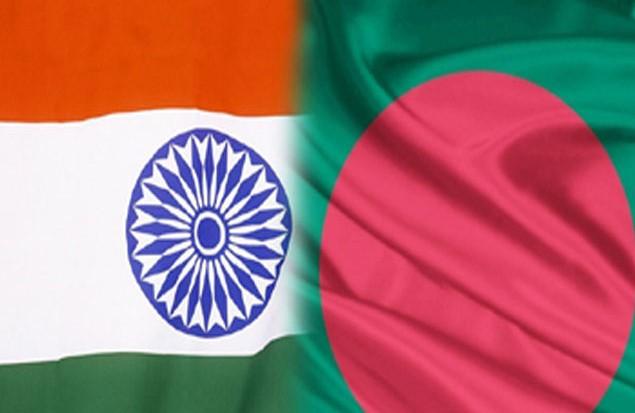
    Shimla will host the two-day ‘10th Round of India – Bangladesh Friendship Dialogue’ beginning February 18 to mark the 50th anniversary of relations between the two countries.

    Indian authorities have drawn up a chock-a-block itinerary for the visiting Bangladesh delegation, leaving little time or opportunity for the delegates to meet with ‘like-minded Indian leaders’ and representatives of other political parties while in New Delhi.

    Besides the minister of state for external affairs Rajkumar Ranjan Singh, India has lined up senior BJP leaders and BJP Members of Parliament and academics, besides office bearers of the India Foundation, Asian Confluence and the Vivekananda International Foundation. The Indian delegates also include the editor of the RSS weekly mouthpiece, The Organiser.

    The dialogue aims to review bilateral relations and further boost ties in various fields of cooperation between the two friendly countries, sources said.

    There is no Indian diplomat mentioned on the list of participants. However, the list spells out the Bangladesh’s present high commissioner to India, a former Bangladesh high commissioner to India and a former Bangladeshi foreign secretary as participants.

    Interestingly, the Bangladesh delegation too is swamped by members of the ruling Awami League and no representation from the country’s other parties, particularly the BNP.

    A source in the Bangladesh foreign ministry in Dhaka said that Bangladesh expects the dialogue to cover trade and investment, connectivity, technology, energy, regional security, extremism and sustainable development by increasing people to people contact.

    The 9th round of India Bangladesh Friendship dialogue was held in Cox’s Bazar, Bangladesh in November 2019.

    India opposes reference of workers’ law to Hague

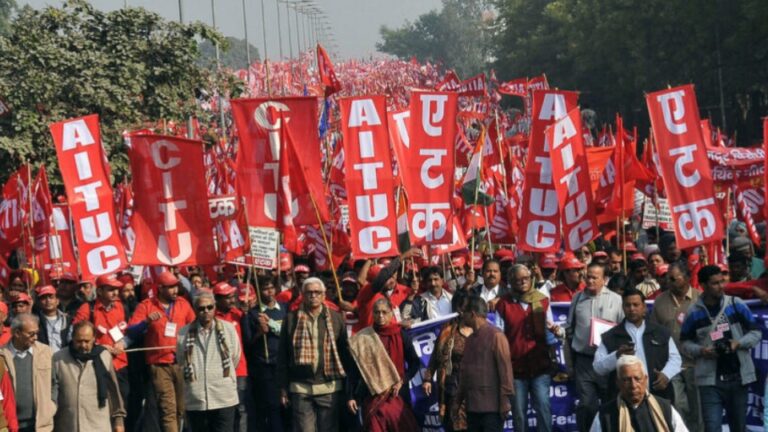
    India, China, Russia, US are among 14 countries opposing ILO convention 87 on workers right to association being referred to the International Court of Justice. Trade unions understand that the workers’ right to strike is integral to this convention.

    India has opposed referring a disputed understanding of convention 87 of the International Labour Organisation to the International Court of Justice.

    ILO’s Convention 87 concerns workers’ freedom of association and protection of their right to organise. It is one of the eight conventions that form the core of international labour laws, as interpreted by the declaration on fundamental principles and rights at work.

    India is among the 14 government members of the ILO who, along with employers’ groups are challenging the long-accepted belief that ILO Convention 87 on freedom of association up-holds the right to strike.

    A key ILO meeting on the right to strike is due to be held from 23-25 February.

    Other government members opposing the right to strike include Algeria, Angola, Cambodia, China, Korea, Ghana, Iran, Russia, Sudan, UAE, USA and Zimbabwe.

    The governing body of the ILO is composed of 28 governments, 14 employers and 14 workers who are its 56 titular members and 66 deputy members comprising of another 28 governments, 19 employers and 19 workers.

    India is among 10 permanent titular government members because of its “chief industrial importance”.

    14 of the 28 deputy government members too oppose referring the issue to the ICJ. Though these countries don’t have a vote, yet they do exercise influence. These countries include Bangladesh and Pakistan.

    Strikes a last resort

    The right to strike was never as contentious an issue. In 2015, the employers’ group at the ILO even recognised the right to strike following a crucial tripartite meeting.

    A joint statement from the employers’ and workers’ groups at that meeting affirmed that the right to industrial action was recognized by the ILO. It was then thought that the matter had been settled for good.

    According to trade union forum IndustriAll, “the fundamental right to strike is under attack from employers and governments at the ILO.”

    “Eliminating this human right would have serious repercussions on us all,” it says.

    The umbrella labour union organisation argues that striking is a last resort for workers, but sometimes the only tool for them to protect themselves. It helps them avoid being at the complete mercy of their employers.

    By disputing the long-standing interpretation of ILO’s Convention 87, IndustriAll says, government’s will have no inhibitions to “ban industrial action and punish people who dare to strike.” Knowing that most strikes are over pay and dignified working conditions, governments are blatantly siding with big business.

    The costs of invasive species

    The damage from invasive species costs ten times more than prevention, says a study. Losses, summing up to trillions of dollars, hit agriculture, forestry, fisheries, and health systems. Scientists point out that control, eradication measures often come too late.

    By Claudia Caruana / SciDev.Net

    The cost of damage caused by invasive species around the world, including to agriculture, fisheries, and forestry, is at least 10 times that of preventing or controlling them, an international study suggests.

    The research, published in Science of the Total Environment earlier this month, highlights the huge economic burden of invasive species and says their prevention could save trillions of US dollars.

    Invasive species are non-native species that often harm the new environment they populate. They are a threat to biodiversity, can cause degradation of ecosystems and, in some regions, threaten the lives and livelihoods of people affected.

    Lead researcher Ross Cuthbert, from the School of Biological Sciences at Queen’s University Belfast, in Northern Ireland, said: “Once invasive species have established and are spreading, it can be difficult to eradicate them. Delayed control measures often are not only costly, but frequently are unsuccessful in the long-term.”

    The research team, consisting of scientists from 17 institutions, constructed and used a global database compiling economic costs of invasive species, which enabled comparisons to be made across different scales and contexts.

    They found that since 1960 the global management of invasive species has cost at least US$95 billion worldwide, while damage costs have reached at least US$1,131 billion over the same period.

    Losses have hit the agriculture and forestry sectors in the form of production declines and infrastructural damage, as well as global healthcare systems through the spreading of diseases, the researchers said.

    Biological invasions

    The team quantified costs according to different management types at a global scale and developed and applied a model to predict the additional costs of management delay, using the available data.

    Only a fraction of the expenditure on invasive species management went on proactive prevention measures, the study found. Most (US$73 billion) was spent on control or eradication measures when damage is already underway.

    “By the time we see the impact that invasive species are having on the environment, it is often too late as they have already established and spread widely,” said Cuthbert.

    “It is difficult to convince decision-makers to invest in something that is not yet a problem, but our research clearly shows the value in taking a preventative approach.”

    Biological invasions are one of the largest threats to biodiversity, but there has been insufficient investment to reduce rates of invasion and their impacts on ecosystems and economies, he added.

    The researchers found that developing countries in particular are investing little in the management of biological invasions.

    According to CABI, the parent organisation of SciDev.Net which works to address environmental challenges such as invasive species, millions of the world’s most vulnerable people face problems with invasive weeds, insects, plant diseases and animals.

    “These alien species arrive in different ways, including ballast water and wood packing materials,” said Cuthbert, warning: “In the future, as trade, tourism, and material transport intensify to these regions alongside economic development, more invasive species will establish and cause adverse impact because invasions are closely linked to globalisation.”

    Effective prevention measures pre-invasion

    Cuthbert said Africa, Asia, and South America had incurred hundreds of billions of dollars in damage from invasions but had invested only a few million in pre-invasion management.

    “Without more effective prevention measures pre-invasion, these costs will continue to rise and hamper their sustainable development,” he added. “Developing countries must improve their capacity to respond to and manage biological invasions to avoid being disproportionately impacted in future.”

    Investments should focus on measures such as effective biosecurity to prevent invasive species from arriving in the first place, as well as research to record new invasions, develop management measures, and understand the economic and ecosystem impacts, the researcher suggested.

    Lee Hannah, a senior scientist at Conservation International’s Betty and Gordon Moore Centre for Science, in the US, told SciDev.Net: “The bottom line is that we are spending far too little to care for nature by preventing species invasions, and we are paying trillions of dollars in damages as a result.”

    Hannah cited South Africa as an example where the costs of managing invasions have exceeded the alternative costs of prevention. He said the country spends more than US$25 million each year removing aggressive invasive plants such as the black wattle (Acacia mearnsii) tree, which has a number of harmful environmental impacts.

    “This makes sense because replacing black wattle with native species increases water available from watersheds and the removal programme creates jobs,” said Hannah. “But a less expensive answer would have been to guard against black wattle spread from forestry plantations in the first place. A few million dollars invested in keeping black wattle from spreading could have avoided hundreds of millions in damages.”


    This piece has been sourced from SciDev.Net


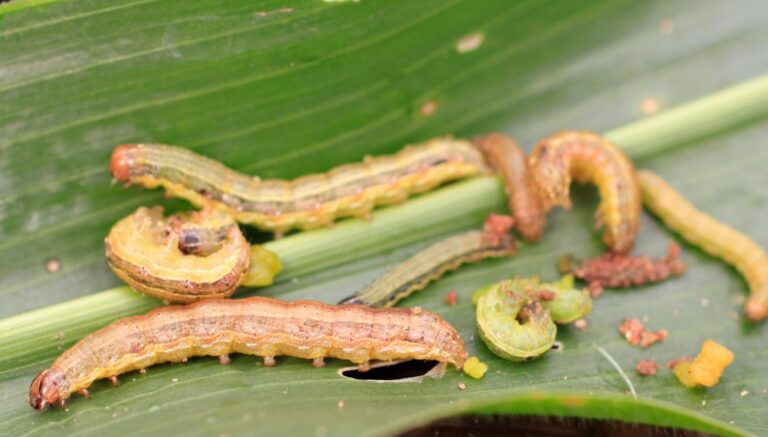
    Image: The army fall worm, an invasive species that causes degradation of ecosystems and threaten the lives and livelihoods of people — CABI

    Sharp rise in measles cases in Afghanistan, says WHO

    The number of cases of measles and deaths caused by measles among increased by 18 per cent in the week of January 24, and 40 per cent in the week of January 31.

    Measles is endemic in Afghanistan. Following periods of lower transmission in 2019 and 2020, measles cases have been increasing in all provinces since the end of July 2021, with the highest weekly toll observed so far occurring over the last four weeks. The number of cases and deaths increased by 18 per cent in the week of January 24, and 40 per cent in the week of January 31.

    35,319 suspected cases of measles and 156 deaths have been reported in Afghanistan from 1 January 2021 to 29 January 2022. Of these, 3,221 cases were laboratory confirmed. 91 per cent of these cases and 97 per cent of these deaths were in children under five years-old.

    Although the number of deaths is relatively low, the rapid rise in cases in January 2022 suggests that the number of deaths due to measles is likely to increase sharply in the coming weeks.

    Who stresses that measles-related deaths are not always reported or captured through surveillance systems.

    The WHO release says, “The rise in measles cases is especially concerning because of the extremely high levels of malnutrition in Afghanistan.” Malnutrition weakens immunity, making people more vulnerable to illness and death from diseases like measles – especially children.

    In addition, measles infection can cause immune system suppression and immunologic amnesia, which increases susceptibility to all pathogens, including those to which the individual was previously immune.

    WHO response

    In response, WHO and partners in Afghanistan are strengthening measles surveillance capacities and providing technical support for lab testing, case management, risk communication, vitamin A distribution, and outbreak response immunization campaigns.

    In December 2021, a measles outbreak response immunization campaign was carried out in some of the most affected provinces, reaching 1.5 million children.

    Providing children with vitamin A, especially in the context of widespread malnutrition, is also critical to help reduce sickness and death from measles. Vitamin A supplementation was provided to the 8.5 million children aged between 6 months and five years, who were reached through a nationwide polio campaign in the country in November 2021.

    WHO is now helping to plan for a larger measles outbreak response immunization campaign, which is likely start in May, aiming to reach more than 3 million children. Support from WHO includes helping with the process needed to secure additional vaccines and devices, and operational funds and support for planning the campaign.

    Measles is contagious and unvaccinated young children are at highest risk. Severe measles is more likely among poorly nourished young children, especially those with insufficient vitamin A, or whose immune systems have been weakened by other diseases. The most serious complications include blindness, encephalitis (an infection that causes brain swelling), severe diarrhoea and related dehydration, and severe respiratory infections such as pneumonia.


    Image: ICRC

    Sri Lanka health workers strike cripples health service

    A court order to suspend the strike did not make a difference. Neither, for that matter, has a presidential gazette helped end the strike. Power utility workers now threaten to go join the striking health workers.

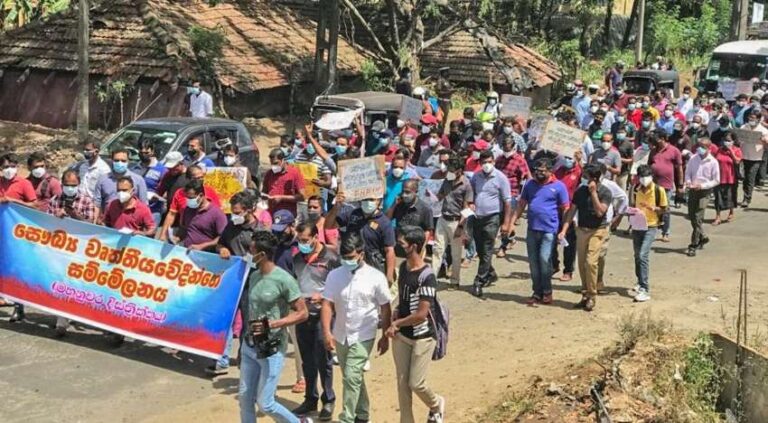
    Striking Sri Lankan health workers continued their protest for the seventh day running, today, defying a court order and a presidential gazette and disrupting routine work in government hospitals.

    Hundreds of protestors marched outside the president’s office in the heart of the commercial capital Colombo early on Monday carrying placards with slogans that demanded solutions to salary anomalies, an increase in the special duty allowance to 10,000 rupees and the establishment health administration services among seven demands.

    Sri Lankan president, Gotabaya Rajapaksa had on Friday declared the public health service and the supply of electricity as essential services after a series of power outages and protests inconvenienced the public.

    The extraordinary presidential gazette notification issued Friday night said the declaration was being made considering the services provided by any public institution that is engaged in electricity supply and the health services are “essential to the life of the community and (are) likely to be impeded or interrupted”.

    A day earlier, on Thursday, a Colombo district court had issued an order against Government Nursing Officers’ Association (GNOA) President Saman Rathnapriya, directing him to immediately “suspend” the union’s involvement in ongoing indefinite strike action by tens of thousands of health workers.

    The GNOA has about 20,000 members and is one of 18 unions involved in the Federation of Health Professionals’ national strike that entered its second week today. The strike by health workers includes all streams – nurses, paramedics, public health inspectors, medical laboratory technologists and pharmacists, are on strike.

    Other unions ready to join

    The request for a strike suspension order was made by the Sri Lankan Attorney General (AG). State lawyers appearing for the AG told the courts that “patient care has been gravely affected by the strike.”

    At a public rally last week, Rajapakse said that public servants were resorting to strikes under “the influence of various political forces,” adding, “public officials have a responsibility to serve the people and the country.”

    The presidential gazette was necessitated because health workers continued their strike despite the court order, exploiting a loophole of the court ruling.

    The striking employees are demanding rectification of salary anomalies, higher transport and on-call duty allowances — ranging from 3,000 Sri Lankan rupees ($US15) to 10,000 Sri Lankan rupees — increased overtime rates and improved promotion procedures.

    They are also being joined by workers of the Ceylon Electricity Board, the country’s power supply utility company.

    Last year strikes and struggles erupted across the island involving health, education, government administration, railway, electricity, ports, petroleum and plantations workers.

    Around 26,000 university non-academic workers also held a national one-day protest to demand a salary increase.

    The president has been at loggerheads with the health sector trade union workers ever since the appointment of Sri Lankan army officials to run the health services in the aftermath of the COVID-19 pandemic.

    In the meanwhile, the trade union have threatened to seek justice from an international court for what they claim is the suppression of the health sector through Rajapaksa’s gazette declaring it an essential service.

    “Colombo is desperate to suppress the industrial action by health employees, fearing it will encourage other sections of the working class to fight the government’s social attacks,” said Socialist trade union leader, K Ratnayake.


    Image: WSWS