More

    Pneumonia killing Afghan children: Save the Children

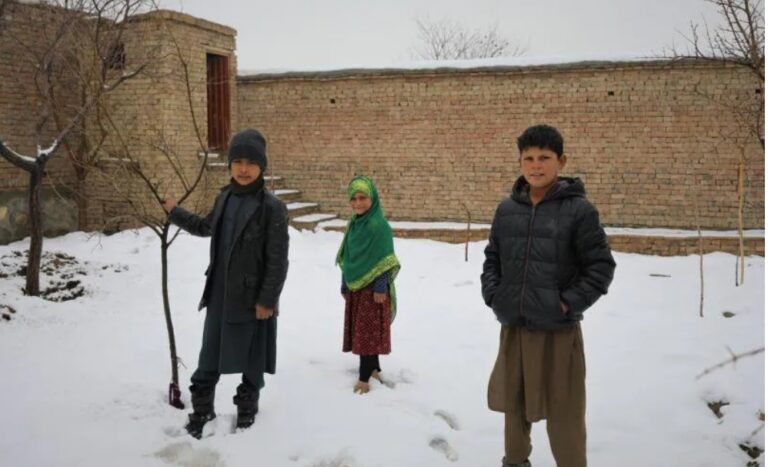
    The UK-based charity, Save the Children says that countless families across Afghanistan are battling the bitter winter in freezing and damaged homes, unable to afford proper nutrition or heating or healthcare and children are going to bed cold at night without blankets or warm clothing.

    Pneumonia cases are soaring in Afghanistan, killing children who are unable to access healthcare facilities, says Save the Children.

    “Almost 60 per cent of those who couldn’t get healthcare said they had no money to pay for it. 31 per cent of respondents said they would only visit a clinic if it was a life-threatening illness,” the organisation says following an assessment it undertook between 18 November and 2 December 2021. Save interviewed 1,209 adult and 1,206 child respondents from the provinces of Balkh, Faryab, Jawzjan, Kabul, Nangahar and Sar-e-Paul.

    The assessment among adult respondents reported 930 cases of pneumonia. Of these, 77 per cent or 716 cases were of children with pneumonia. 396 of these children were below five years of age.

    COVID-19 and pneumonia

    Save the Children’s officials on the ground in Afghanistan feel that while COVID-19 cases are increasing in the country, a lack of testing facilities makes it difficult to pinpoint exactly how much of a role COVID-19 is playing in child pneumonia. “Across the country countless families are battling the bitter winter in freezing and damaged homes, unable to afford heating, their children going to bed cold at night without blankets or warm clothing,” the organisation says.

    “Combined with a million children facing severe malnutrition, all of the ingredients exist for a surge in pneumonia, regardless of the pandemic.”

    In December, 135 children died in or on their way for treatment at one overwhelmed hospital, the majority fighting for breath from pneumonia.

    An assessment by the children’s agency found that in December more than half (55%) of surveyed households who needed healthcare in the prior three months weren’t able to get it. Half of surveyed parents said their children have had pneumonia in the preceding two weeks.

    Child pneumonia is surging in the middle of a hunger crisis that is ravaging young immune systems. The collapse of the health system, driven largely by frozen financial assets and withdrawn aid, comes at a deadly cost for Afghan children.

    Unprecedented situation

    One doctor at a hospital in the north of the country said he had never seen so many cases of child pneumonia and severe malnutrition. Children are laying two, three or even four to a bed. He told Save the Children that 135 children had died in or on their way to the hospital in December – the majority fighting for breath from pneumonia, and 40 severely malnourished.

    If the malnourished children had made it to the hospital, they almost certainly would have survived, he said.

    The team leader of a mobile health clinic said: “Pneumonia cases are increasing every day, the number of patients coming to our clinics has shot up by two or three times in recent months. They just can’t afford the food and heat they need to stay healthy. Malnutrition and pneumonia are a deadly combination.”

    Even before the latest crisis, in Afghanistan pneumonia was responsible for more than one in five deaths of children under five and globally kills more young children than any other disease.

    A nine-year-old’s story

    Nine-year-old Wazhma* lives with her family in a village on the outskirts of Kabul, where many have lost their jobs and parents are going without meals to feed their children.

    Wazhma became sick with a high fever and continuous cough that left her struggling to breathe. Her parents tried home remedies but they didn’t work. They knew she needed to go to the hospital but they couldn’t afford it. Wazhma’s father Samir* had to ask a friend for a loan.

    Samir said: “If he had not given us the money, I am not sure if Wazhma* would have survived. She was struggling to breathe, it was frightening.

    “It is because of the freezing temperatures and people here unable to heat their homes. Many children here are cold for most of the day and as a result, become very sick.”

    At the hospital, Wazhma needed oxygen to help her breathe but doctors said they could only give it to her for 30 minutes because they were so low on oxygen cylinders. Doctors were treating up to three children crowded onto one bed.

    Wazhma said, “I felt very ill, I was sleeping a lot and moving hurt my body. I felt hot and tired. I was scared when I was at the hospital. I found it hard to breathe.”

    With medicine and the limited oxygen Wazhma eventually made a recovery but many children in Afghanistan don’t have that chance.

    * Names changed to protect identities


    Image: Save the Children
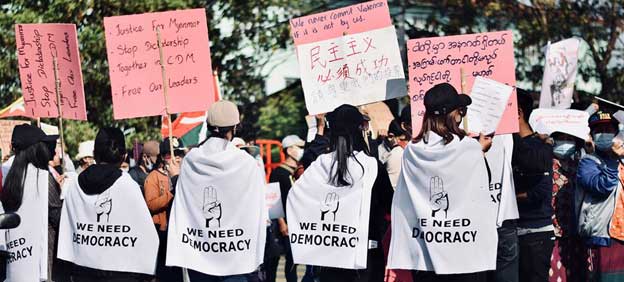
    Myanmar’s military junta is killing press freedom

    The junta have a cynical incentive to suppress reporting that exposes their daily assault on Myanmar’s people. According to the report on 28 January from an independent rights group, the junta has killed 1,499 and detained 8,798 since last year’s coup on 1 February.

    Shawn W. Crispin / For Inter Press Service

    One year since a democracy-suspending coup, press freedom is dying in Myanmar. A military campaign of intimidation, censorship, arrests, and detentions of journalists has more recently graduated to outright killing, an escalation of repression that aims ultimately to stop independent media reporting on the junta’s crimes and abuses.

    In January, military authorities abducted local news reporter Pu Tuidim shortly after he interviewed members of the anti-coup Chinland Defense Force armed group in the restive Chin State. Soldiers confiscated his laptop computer, used him as a captive human shield in a live-fire combat zone, and then summarily executed him, dumping his bound corpse in the muddy outskirts of a local village, his editor at the Khonumthung Media Group told CPJ.

    Pu Tuidim’s murder followed the killing of two other Myanmar journalists in December, including one independent photographer who was picked up for photographing an anti-coup silent protest in the commercial capital of Yangon, held at a military interrogation center, and then pronounced by a military hospital as dead without explanation to his family.

    A third reporter, Sai Win Aung, was killed on Christmas Day in a military artillery attack in Kayin State while reporting on the plight of internally displaced people in border areas that have become full-blown war zones since the coup. His editor told CPJ it is unclear if he was targeted in the shelling attack, but the reporter had weeks earlier fled Yangon for the insurgent-controlled frontier region after coming under military surveillance for his news reporting.

    Thousands killed, detained

    Myanmar’s generals, already the target of Western sanctions for their rights abuses, have a cynical incentive to suppress reporting that exposes their daily assault on Myanmar’s people. The Assistance Association of Political Prisoners, an independent rights monitoring group based in Thailand, reported on 28 January that the junta has killed 1,499 and detained 8,798 since last year’s coup on 1 February.

    Those imprisoned include dozens of journalists, CPJ research shows, making Myanmar the world’s second-worst jailer of journalists in 2021, trailing only China, after having none in jail in 2020. The majority are being held on bogus charges under the penal code’s vague and broad Article 505(a), which effectively criminalizes critical news reporting as causing instability or purveying misinformation. Most were detained after reporting on anti-military street protests.

    The generals are reaching next for an online kill switch. New proposed cybersecurity legislation aims to make virtual private networks (VPNs) illegal, a bid to stop Myanmar citizens from accessing banned websites and social media including Facebook, which many news organizations, including small local language outfits in ethnic areas, use as their sole platform for posting news. The legislation also gives junta authorities arbitrary powers to access user data, ban content, and imprison regime critics.

    If passed, a near certainty without an elected legislature in place, the law will give the junta the legal tool it needs to roll back the press freedom gains achieved between 2012 and the coup, a period where hundreds of independent media outlets bloomed from the darkness of an earlier era of military dictatorship, when all broadcast media was soldier-controlled and all newspapers were forced to publish as weeklies to give censors time to cut their content.

    Journalists fleeing to India, Thailand

    Nothing more belies the junta’s claim that it is only holding power for an interregnum period to prepare for a return to democratic elections, originally in 2022, now supposedly in 2023, than its ongoing and intensifying assault on the free press – a crucial pillar in any functioning democracy that holds its leaders to account.

    The effect of the military’s repression is seen clearly in the rising tide of journalists who are fleeing for their lives to face uncertain futures across the country’s borders with India and Thailand, in the growing number of once-vibrant news publications that have gone dark through shuttered bureaus, halted printing presses, and abandoned web sites and Facebook-hosted news pages.

    That’s, of course, not to say the flame of press freedom has been completely extinguished in today’s benighted, military-run Myanmar. Tech-savvy reporters have launched upstart news publications that continue to defy bans, threats, and even the murder of their reporters to publish the news and keep the world informed of abuses and atrocities that may be driving their nation towards full-scale civil war.

    Myanmar’s journalists and independent news outlets have a long and storied history of evading military censorship to get out the news. The next chapter in the history is now being written as a new generation of undercover journalists risk their lives for exile-run and other unauthorized publications to report the news the junta is desperately trying to suppress. And therein lies the hope for a one-day revitalized democratic Myanmar.


    This piece has been sourced from Inter Press Service.

    Shawn W. Crispin, is Senior Southeast Asia Representative at Committee to Protect Journalists (CPJ). He is based in Bangkok, Thailand, where he has worked as a journalist and editor for more than two decades. He has led CPJ missions throughout the region and is the author of several CPJ special reports.

    Afghanistan universities to reopen Wednesday

    The Taliban has argued that the co-educational system is against Islamic and national values. From now on, universities will have separate arrangements for female and male students.

    Universities in Afghanistan will reopen tomorrow. Shaikh Abdul Baqi Haqqani, the Taliban’s acting minister for higher education announced this at a hurriedly called press conference.

    But there is a rider.

    Women students will be segregated so that they do not interact with men. They will have to attend classes in a separate building block. The lack of women teaching staff at the universities is a concern and it is not clear as yet is male teachers will be teaching the women students. However, it is clear that students will not be allowed to intermix across genders.

    In the weeks following the Taliban’s taking over the country, Haqqani had argued that the co-educational system is against Islamic and national values. Today, he said that in the new term, female and male students will study in separate buildings in universities in the new term beginning Wednesday. He said that different class timings will be slotted for male and female students that that they will attend classes at different time to accommodate for space and dedicated teaching resources.

    Only universities located in the country’s warmer regions will reopen, the minister said. Universities in the rest of the country will resume classes on 26 February. Pending examinations will be held three weeks after the start of classes.

    Afghanistan has 40 public and 150 private universities.

    The public universities had closed due to the COVID-19 pandemic. Teachers have not been paid salaries and there has been confusion about the extent of roles that the women faculty members in these universities will play.


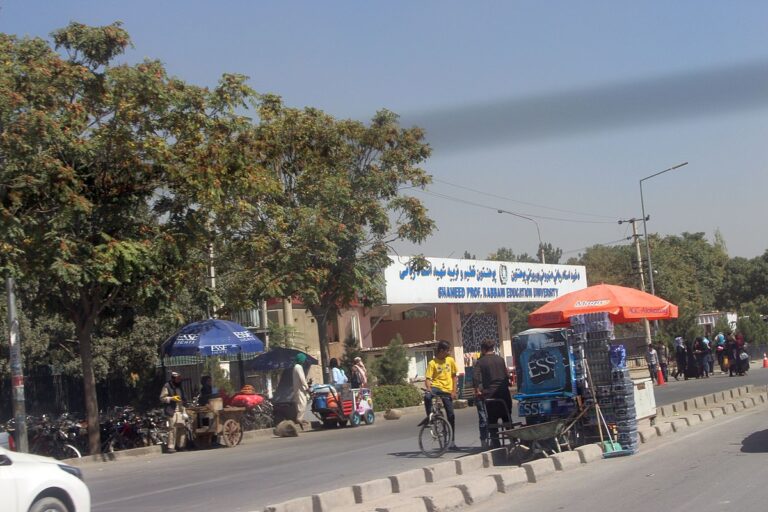
    Image: Wikipedia — Shaheed Professor Rabbani Education University, taken by Weaveravel / August 2015

    Tonnes of COVID-19 health care waste expose urgent need to improve waste management systems

    About 87,000 tonnes of personal protective equipment procured between March 2020 and November 2021 to support countries’ urgent COVID-19 response needs is expected to have ended up as waste.

    Tens of thousands of tonnes of extra medical waste from the response to the COVID-19 pandemic has put tremendous strain on health care waste management systems around the world, threatening human and environmental health and exposing a dire need to improve waste management practices, according to a new WHO report.

    The WHO Global analysis of health care waste in the context of COVID-19: status, impacts and recommendations bases its estimates on the approximately 87,000 tonnes of personal protective equipment (PPE) that was procured between March 2020- November 2021 and shipped to support countries’ urgent COVID-19 response needs through a joint UN emergency initiative. Most of this equipment is expected to have ended up as waste.

    The authors note that this just provides an initial indication of the scale of the COVID-19 waste problem. It does not take into account any of the COVID-19 commodities procured outside of the initiative, nor waste generated by the public like disposable medical masks.

    The study points out that over 140 million test kits, with a potential to generate 2,600 tonnes of non-infectious waste (mainly plastic) and 731,000 litres of chemical waste (equivalent to one-third of an Olympic-size swimming pool) have been shipped, while over 8 billion doses of vaccine have been administered globally producing 143 tonnes of additional waste in the form of syringes, needles, and safety boxes.

    Greenpeace flagged COVID-19 waste mid-2021

    Environmentalists at Greenpeace had, in August 2021, flagged the issue of environmental waste arising out of the COVID-19 pandemic. Greenpeace Taiwan said that at the apex of the pandemic, from early February to mid May, Taiwan alone produced and used roughly 1.3 billion surgical masks. “Assuming each face mask weighs 4 grams, that’s 5,500 metric tonnes of general waste generated within a span of three months,” according to Greenpeace.

    “To put that figure into perspective, each garbage truck is capable of transporting 5 tonnes of trash at a time, so Taiwan produced enough face masks over a three-month period to fill 1,100 garbage trucks,” Greenpeace had said.

    Greenpeace had warned that chemicals contained in the masks are a potential threat to the environment. The organisation also said that discarded face masks can become floating marine debris and impact the marine ecosystems.

    Having effective management systems

    The WHO report, produced by a multidisciplinary team led by the WHO water, sanitation, hygiene and health unit it more authoritative as it has involved specialists from multiple departments within the UN system and also from think tanks. The report’s authors say that as the UN and countries grappled with the immediate task of securing and quality-assuring supplies of PPE, less attention and resources were devoted to the safe and sustainable management of COVID-19 related health care waste.

    “It is absolutely vital to provide health workers with the right PPE, “said Dr Michael Ryan, Executive Director, WHO Health Emergencies Programme. “But it is also vital to ensure that it can be used safely without impacting on the surrounding environment.”

    This means having effective management systems in place, including guidance for health workers on what to do with PPE and health commodities after they have been used.

    “Waste management is an integral part of the supply chain, as a result of the use and expiry of health products. Inadequate and inappropriate handling of health-care waste can have serious public health and environmental consequences and can significantly impact on the health of people and planet,” says Dr Mandeep Dhaliwal, Director HIV Health and Development at the UNDP.

    The WHO says that 30 per cent of existing healthcare facilities are not equipped to handle existing waste loads, let alone the additional COVID-19 load. 60 per cent of which lie in the least developed countries. This potentially exposes health workers to needle stick injuries, burns and pathogenic microorganisms, while also impacting communities living near poorly managed landfills and waste disposal sites through contaminated air from burning waste, poor water quality or disease carrying pests.

    “In the face of COVID-19, sustainable health care waste management is more important than ever to protect communities, health workers, and the planet and prevent pollution,” said Ruth Stringer, Science and Policy Coordinator at international nongovernmental organization Health Care Without Harm.

    Carbon footprint

    “COVID-19 has forced the world to reckon with the gaps and neglected aspects of the waste stream and how we produce, use and discard of our health care resources, from cradle to grave,” said Dr Maria Neira, Director, Environment, Climate Change and Health at WHO.

    The report lays out a set of recommendations for integrating better, safer, and more environmentally sustainable waste practices into the current COVID-19 response and future pandemic preparedness efforts and highlights stories from countries and organizations that have put into practice in the spirit of “building back better”.

    The analysis comes at a time when the health sector is under increasing pressure to reduce its carbon footprint and minimize the amount of waste being sent to landfill — in part because of the great concern about the proliferation of plastic waste and its impacts on water, food systems and human and ecosystem health.


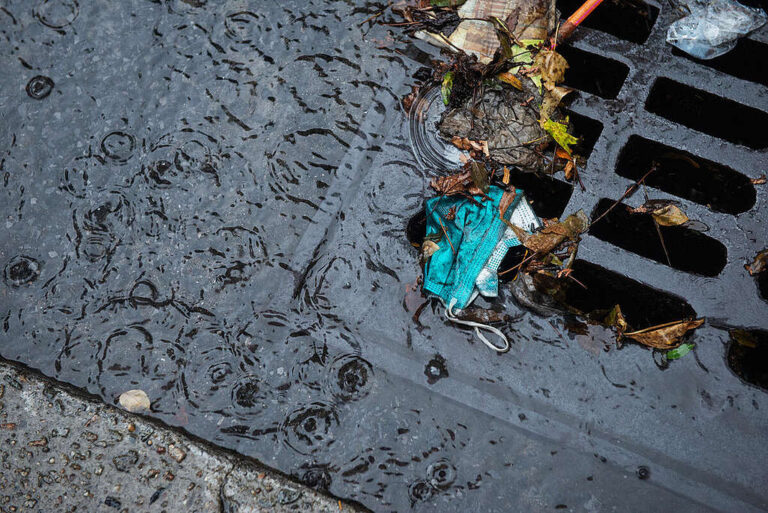
    Image: Disposable masks litter the streets of Brooklyn, New York. Tracie Williams / Greenpeace

    For Delhi’s ‘homeless farmers’, work satisfaction is important

    There are evidently different yardsticks for government officials to apply when it comes to the tenant farmers of Delhi’s Yamuna floodplains.

    In the floodplains of Yamuna, along a 22-km long stretch of the river and within the administrative boundaries of the National Capital Territory of Delhi, thousands of tenant farmers till the land. Farming activities continues around the year in the shadow of the megacity.

    It is a diversified, multi-crop system with minimal or zero use of chemical fertilizers or pesticides. Primarily, vegetables of numerous kinds are produced here but many farmers grow flowers, fruits, and herbs as well.

    The Yamuna’s floodplains are a critical part of the river’s ecology. The Yamuna river’s floodplains in Delhi are defined as an area likely to get submerged at least once in 25 years.

    Most tenant farmers have migrated from Uttar Pradesh, Jharkhand, and Bihar. Being located near the city and being able to practise farming is a perfect combination for these farmers since they can retain control over the appropriation of their traditional skills and also secure better education opportunities for their children.

    The convenience of access to urban consumers and the market also provides them with better earnings. Moreover, farming provides them food security, reduces their household expenses on food, and relaxes the household budget to a great extent. It thus allows them greater self-reliance.

    Not for the poor

    The agreement between a farmer and supposed landlord is purely oral. Tenants pay an annual sum as rent to the landlords and sometimes share a portion of the produce as well. Ownership of the land in the many parts of the floodplains is a matter of dispute as both, the Delhi Development Authority (DDA) and the the residents of erstwhile villages claim entitlement.

    DDA has plans to evict the farmers and migrant workers from these floodplains. For instance, in August 2020, while in the middle of the pandemic, DDA teams, with support from the Delhi police, arrived at the floodplains and crushed large part of crops and plants in nurseries using heavy machinery.

    Authorities see this as encroachments. Many of these farmers and their dependents have been living in the floodplains for over four decades. Yet, data recorded in the Census of India registers them under the demographic category of ‘homeless’ people.

    Evidently, the floodplains are not a place for the poor. The farmers are considered encroachers while large structures like the Akshardham temple, Yamuna Bank metro station, a DTC bus depot and Commonwealth Games village have been built in the floodplains zone. The difference in the DDA’s attitude towards those with deep pockets and the farmers is evident from the frequent demolishment of the farmer’s bamboo hutments and the crushing of their crop on orders of the national green tribunal (NGT) that has directed DDA to keep floodplains free from any permanent structures.

    It will be recalled that a godman was able to organise a three-day world culture festival on the Yamuna floodplains in 2016, rampaging the floodplains to make way for a celebration that the Prime Minister himself inaugurated, calling it an artistic prism to the country’s internal strengths. Earlier, a large media group too had organised a trade fair on the floodplains.

    Self sustaining

    Farmers also self-organize a morning market to directly sell the fresh produce. The farmers are satisfied with the small, often uncertain incomes from the cropping. Work satisfaction and quality of life rank high.

    The COVID-19 lockdown had initially brought the lives of these urban farmers at standstill and made them anxious about their future. However, their livelihood stresses got much relieved subsequently as the food supplies were deemed as essential services and the demand for fresh vegetables remained high.


    This piece has been sourced by an agreement with Vikalp Sangam — vikalpsangam.org 

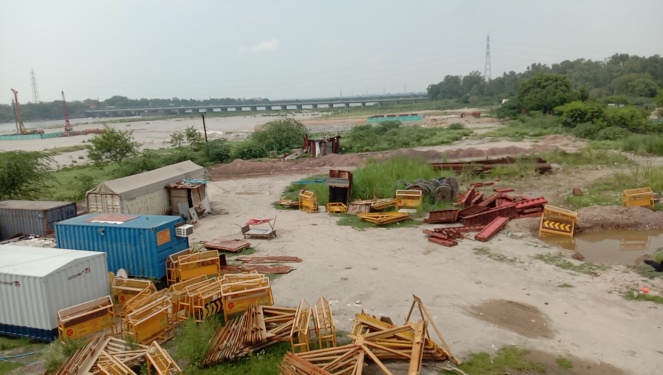
    Image: SANDRP

    Leprosy in the midst of COVID-19 pandemic in Nepal

    Cases of leprosy detected among migrant labourers returning from their employment abroad has reignited the conversation on the much-stigmatised disease.

    Doctors in Jhapa, Nepal have detected cases of leprosy among people returning to the country from their employment in the Middle East. Reports point to five cases of returing migrant workers diagnosed with leprosy in the district before the world observed the leprosy day on Sunday, an international day dedicated to increasing public awareness of leprosy or Hansen’s disease.

    Officials of the Jhapa district leprosy programme informed that two cases were detected with leprosy in Buddhashanti rural municipality and one each in Jhapa rural municipality, Damak municipality and Birtamod municipality.

    The individuals are being treated for leprosy, the Chief of Nepal Leprosy District Programme Parashuram Pokharel confirmed.

    He said that the case of all five individuals coming returning from the same region confirms a link, though he did not elaborate on the link. “Normally, many live together in a room during their stay in foreign countries during employment”, he said, indicating that this amplifies the risk of leprosy.

    Young children a concern

    According to Bishwonath Shrestha, the public health inspector at the district health office in Jhapa, as many as 36 new leprosy-infected were found in the district as of mid-December 2021. These include two young children as well.

    The government’s leprosy elimination programme has a thrust on identifying cases of leprosy among young people in the under-14 age group and the detection of leprosy among children is especially disconcerting. This, however, is not an entirely new phenomenon, officials said. The office had also identified 10 children with leprosy in the district last year. Similarly, 17 children were among 159 leprosy patients diagnosed in the Anandaban leprosy care centre in Lalitpur in 2018.

    The people diagnosed with leprosy have been administered with a course of medicines and a few are also referred for rehabilitation at the leprosy service center in Lalgadh (Dhanusha) and Anandabhawan (Lalitpur).

    Parashuram Pokharel, however, said that the numbers have been coming down and the intense surveillance is helping. “The number of people with leprosy however is on declining trend in the district in the last four years,” he said, pointing out that 21 people were diagonised with leprosy last year.


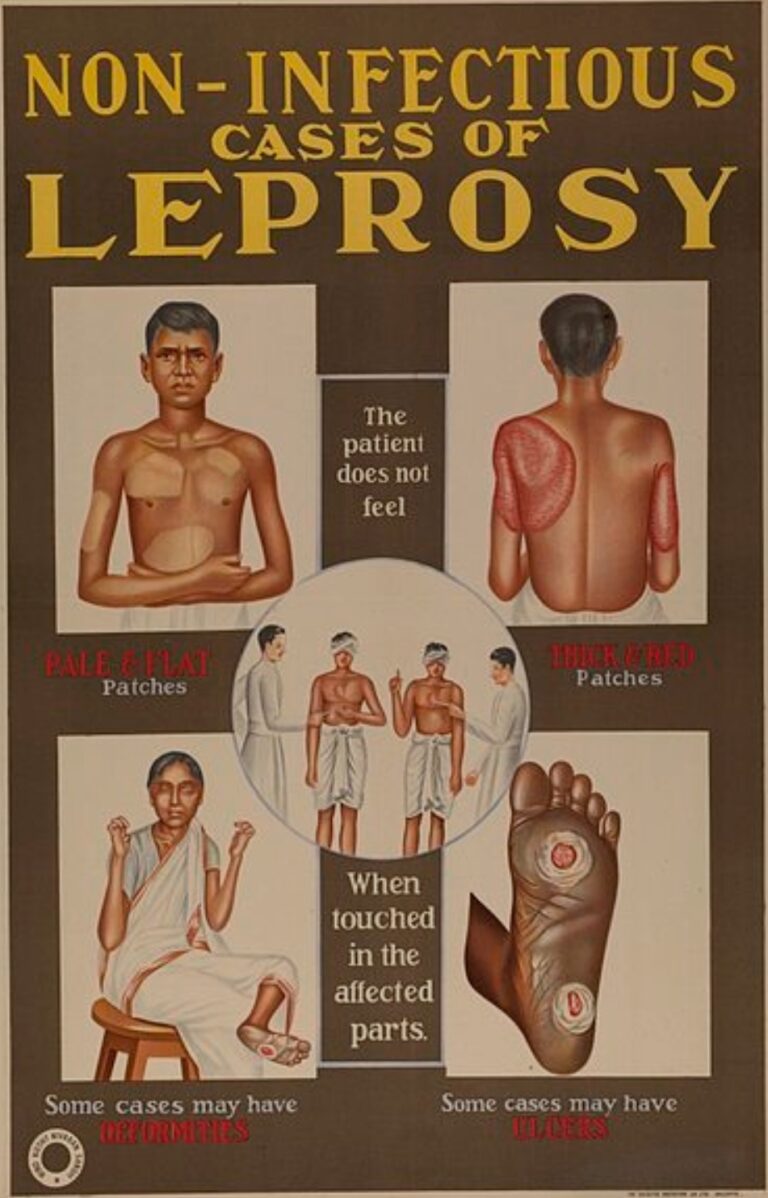
    Image from Wikimedia: Leprosy patients showing symptoms (Colour lithograph, 1950s) from Wellcome Images

    Economic Survey dwells on SDG achievements

    The Economic Survey highlights the importance of balancing rapid economic growth with conservation, ecological security and environmental sustainability.

    A day before presenting the budget before the Lok Sabha, India’s finance minister, Nirmala Sitharaman today tabled the annual economic survey in Parliament. According to the document, India’s economic growth estimation has been revised from 9.2 per cent to a growth of 8 to 8.5 per cent for the 2022-23 financial year.

    The National Statistical Office (NSO) had earlier projected a 9.2 per cent Gross Domestic Product (GDP) expansion in the current year.

    On the COVID-19 pandemic, the survey notes that the impact of the second wave during its first quarter was less than the impact of the full lockdown phase.

    Of particular interest is the economic survey’s emphasis on India’s progress in road to fulfillment of the Sustainable Development Goals (SDGs). The finance minister mentioned the improvement of India’s score from 60 in 2019-20 to 66 in 2020-21 on the NITI Aayog SDG India index and dashboard. The score was 57 in 2018-19.

    This achievement and reiterates India’s commitment towards achieving social, economic and environmental goals under SDGs, she said.

    According to the survey, the number of front runner states (scoring between 65 and 99) has increased to 22 states and union territories in 2020-21 from 10 in 2019-20. Left-ruled Kerala remains the top state. Chandigarh tops the list of union territories on the list.

    64 districts were front runners and 39 districts were performers in North East India, the Economic Survey report said.

    The Economic Survey highlights the importance of balancing rapid economic growth with conservation, ecological security and environmental sustainability.

    Land and forests

    The Economic Survey notes that India has increased its forest area significantly over the past decade and now ranks third globally in average annual net gain in forest area between 2010 to 2020. At the same time, India’s forest cover has increased by more than three per cent during 2011 to 2021, mainly attributed to increase in very dense forest, growing by 20 per cent during the period.

    Plastic waste management and single use plastics

    The survey reiterates the announcement made by Prime Minister Narendra Modi that India would phase-out single use plastic by 2022. The plastic waste management amendment rules notified in 2021 aims at this phasing-out of single use plastic. The draft regulation on the extended producer responsibility for plastic packaging has also been notified to strengthen the circular economy of plastic packaging waste, promote development of new alternatives to plastics and sustainable plastic packaging.

    Water

    The ground water resource management and the findings indicate that states and union territories need to manage their ground water resources (including recharge) carefully and to stem the over-exploitation of water resources. The survey mentions the finding that over-exploitation of ground water resources is concentrated in north-west and parts of southern India.

    The survey also observes that reservoir live storage is at its peak during monsoon months and lowest in summer months and therefore requires careful planning and coordination of storage, release and utilization of reservoirs.

    Highlighting the number of sewage infrastructure projects created under Namami Gange Mission since its inception, the survey brings to light the improvement in compliance status of grossly polluting industries (GPIs) located in the Ganga main stem and its tributaries from 39 per cent in 2017 to 81 per cent in 2020. There has also been a reduction in effluent discharge from 349.13 million of liters per day (MLD) in 2017 to 280.20 MLD in 2020.

    Air

    The national clean air programme (NCAP) was launched by the Indian government with a target to achieve 20-30 per cent reduction in particulate matter concentrations by 2024 across the country. The survey mentions that the programme is being implemented across 132 cities. It states that a number of other steps are being taken to control and minimize air pollution from various sources in the country, covering vehicular emissions, industrial emission and air pollution due to dust and burning of waste and monitoring of ambient air quality.

    India and climate change

    India had announced its first nationally determined contribution (NDC) under the Paris Agreement in 2015 and in 2021 announced ambitious targets to be achieved by 2030 to enable further reduction in emissions. The need to start the LIFE or lifestyle for environment movement urging mindful and deliberate utilisation has also been underlined by the survey document.

    The survey mentions that India has been exercising significant climate leadership at the international stage under the international solar alliance (ISA), the coalition for disaster resilient infrastructure (CDRI) and the leadership group for industry transition (LeadIT Group). The Ministry of Finance, RBI and SEBI have also taken several initiatives in the area of sustainable finance, the survey says.

    A special adviser to probe racism and discrimination at UN

    A survey of UN staff in Geneva revealed that “more than one in three staff have personally experienced racial discrimination and/or have witnessed others facing racial discrimination in the workplace. And two-thirds of those who experienced racism did so on the basis of nationality”.

    By Thalif Deen / Inter Press Service

    “Racism and discrimination have no place in our world — least of all at the United Nations”, warns UN Secretary-General Antonio Guterres.

    “The diversity of our personnel is a source of profound richness. Yet I am fully aware and deeply concerned that colleagues have experienced the indignity, pain and consequences of workplace racism and racial discrimination. This is unacceptable,” Guterres said in a message to UN staffers January 25.

    Gurerres will soon appoint a special adviser to investigate the growing discrimination based on racial, national or ethnic origins in the world body.

    He has also pledged to establish a steering group to oversee implementation of the strategic action plan on racial discrimination — and report progress to the executive and management committees.

    “These are the first steps in a relentless effort to address issues which tarnish the organization’s core values and behaviours and demean our shared humanity”.

    “With your support, we will build a culture of solidarity and anti-racism where every individual can bring their whole self to work in a safe environment, regardless of racial, national, or ethnic origin. This is the most effective way to transform the lives of the people we serve through enhanced professionalism, equality, dignity, and the promotion of racial diversity”, he implored.

    A process of collective introspection, truth-telling and resolve

    According to his annual report submitted to the UN’s administrative and budgetary committee last month the United Nations currently has more than 36,000 staffers in 463 duty stations world-wide.

    “The work of the United Nations secretariat is underpinned by the effective management of finance, human resources, information and communications technology, supply chains, facilities, conference services and security and safety operations, as well as communicating the work of the Organization to global audiences,” the report said.

    Asked for his comments, Aitor Arauz, Ppesident of the UN staff union (UNSU) and General Secretary of the UN international civil servants federation (UNISERV), told IPS the publication of the SG’s strategic action plan (SAP) is the culmination of a process of collective introspection, truth-telling and resolve to change that stemmed from a momentous town hall meeting convened by the New York staff union in June 2020, at the height of the global movement for racial justice.

    “We praise the bravery of the colleagues who raised their voices to denounce the discrimination they experience in the workplace and to say, “Enough! The UN needs to do better.”

    The Secretary-General listened, responded with determination, and “we could not be prouder to see how far the process has come since then”.

    The inclusive consultations that fed into the SAP, Arauz said, provide solid guarantees of the UN staff community’s buy-in and support. The staff unions are ready to mobilise volunteers and ideas, but staff’s commitment must be matched with resources and political drive from senior leadership, he noted.

    “A plan remains just a plan until it is realised…. the work to meet our ambitious commitments starts now,” he declared.

    UN’s inclusive global framework remains

    Samir Sanbar, a former UN assistant secretary general and head of the department of public information (now re-christened department of global communications) told IPS obviously racism and discrimination have no place in the United Nations.

    “It is an integral requirement — almost an oath of office — and inherent in the spirit of the UN charter”.

    A declaration to appoint “a special adviser and establish a steering group to report to the executive management committee” reflects a need to deal with a disappointing erosion of UN principles.

    It seems to entail various appointments-including for aspiring diplomats and require some time to meet review, report and implement.

    The Secretary-General, he said, must have perceived a certain requirement to declare the decision.

    “Clearly, in a changing world and shifting times, the UN and its role has changed. Yet its inclusive global framework and human objectives remain” declared Sanbar, who had served under five different secretaries-generals.

    Survey: racism exists within UN

    Meanwhile, a survey of over 688 UN staffers in Geneva in 2020 came up with some startling revelations re-affirming the fact, which has long remained under wraps, that “racism exists within the United Nations”.

    The survey revealed that “more than one in three staff have personally experienced racial discrimination and/or have witnessed others facing racial discrimination in the workplace. And two-thirds of those who experienced racism did so on the basis of nationality”.

    A separate survey by the UN Staff Union in New York was equally revealing.

    According to the findings, 59 per cent of the respondents said “they don’t feel the UN effectively addresses racial justice in the workplace, while every second respondent noted they don’t feel comfortable talking about racial discrimination at work”.

    Meanwhile, the UN Secretariat in New York, faltered ingloriously, as it abruptly withdrew its own online survey on racism, in which it asked staffers to identify themselves either as “black, brown, white, mixed/multi-racial, and any other”.

    But the most offensive of the categories listed in the survey was “yellow” – a longstanding western racist description of Asians, including Japanese, Chinese and Koreans.

    A non-apologetic message emailed to staffers read: “The United Nations survey on racism has been taken offline and will be revised and reissued, taking into account the legitimate concerns expressed by staff.”

    The findings of the Geneva survey also revealed that among those who experienced or witnessed racism, a majority of staff indicated that racial discrimination affected opportunities for career advancement. A significant number of staff also indicated that racial discrimination manifested itself in the form of verbal abuse and exclusion from work events, such as decision-making, trainings, missions, assignments etc.

    The findings also large number who experienced or witnessed racial discrimination, harassment or abuse of authority indicated that they did not take any action. Lack of trust in the organization’s recourse mechanisms was cited as the most common reason. Many also stated that that they feared retaliation.

    Respondents say that they believed racism needed to be addressed in a number of different ways. These include accountability and zero tolerance, training and sensitization, greater transparency in hiring, broader diversity, and a more open dialogue on the issue.

    Actions to tackle racism

    In his message to staffers, Guterres also said: “I am committed to ensuring that our secretariat benefits from the diverse perspectives, skill sets, and lived experiences of all our personnel. Addressing racism and racial discrimination is central to that effort. This will require robust investigative and accountability measures, coupled with persistence and sustained collective actions to enhance support and build trust.

    In that spirit, “we launched an organization-wide discussion on racism in our workplace in October 2020 under the leadership of the task force on addressing racism and promoting dignity for all. Today, I am pleased to share the strategic action plan developed by the task force.”

    The plan outlines concrete actions to tackle racism in the workplace through accountability. It includes immediate actions to review past allegations of racism, derive lessons learned, address retaliation and provide context for the consideration of future cases.

    The plan also calls to institutionalise the racial justice focal point volunteer network at all duty stations, giving the network management backing to support staff. For this, they feel it should provide personnel with clear information on how to report complaints.

    A continuation of dialogue and raising awareness to ensure a common understanding of racism and its manifestations at workplaces around the world.

    “I look forward to working with you in ensuring an inclusive and diverse workforce where everyone is respected and feels recognized and valued,” Guterres said.


    This piece has been sourced from Inter Press Service

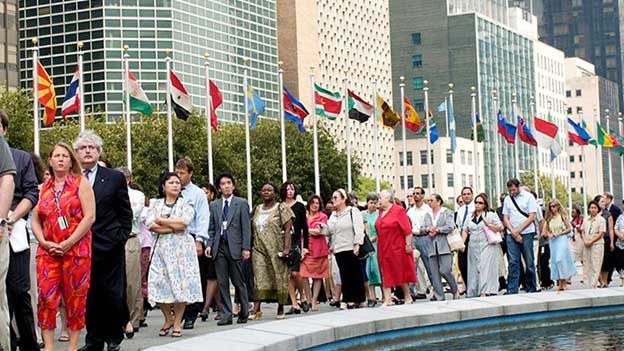
    Image: United Nations / UN staff in New York

    Dementia cases ‘set to almost triple by 2050’: study

    A study published 6 January in The Lancet Public Health says the increase in dementia is largely due to population growth and ageing. Predicting a huge surge in cases in Sub-Saharan Africa, the study says that global dementia cases ‘could rise to 153 million by 2050’.

    By Dann Okoth

    The number of adults living with dementia could almost triple within the next three decades unless urgent steps are taken to reduce risk factors such as unhealthy lifestyles, a study has warned.

    Dementia is the seventh leading cause of death worldwide, affecting around 57 million people worldwide in 2019 – more than 60 per cent of them in low- and middle-income countries – says the World Health Organization (WHO).

    This figure is expected to rise to nearly 153 million by 2050 according to the Global Burden of Disease study by the University of Washington, US, with Africa and the Middle East accounting for the majority of all cases.

    The study published 6 January in The Lancet Public Health says the increase is largely due to population growth and ageing, but also identifies smoking, obesity, high blood sugar and low education as key risk factors affecting future trends.

    Need to prioritise research

    Emma Nichols, researcher at the Institute for Health Metrics and Evaluation (IHME) at the University of Washington and lead author of the study, said an expected surge in Sub-Saharan Africa could put a strain on “health care systems, on family caregivers, and on economies more generally”, as well as those directly affected.

    While improvements in global education access is projected to reduce dementia prevalence by 6.2 million cases worldwide by 2050, these gains could be wiped out by anticipated increases in obesity, high blood sugar and smoking which are expected to result in an additional 6.8 million dementia cases, says the study.

    “Investments in interventions to address modifiable risk factors, the scale-up of services and supports to help those affected, and continued prioritisation on research focused on finding effective disease-modifying therapies are needed,” said Nichols.

    Women more affected

    The study covering 204 countries suggests that the greatest increase in prevalence will occur in eastern Sub-Saharan Africa where the number of people living with dementia is expected to climb by 357 per cent from nearly 660,000 in 2019 to more than three million in 2050. Percentage increases could be as high as 473 in Djibouti, 443 in Ethiopia, and 396 in South Sudan.

    In North Africa and the Middle East, cases are predicted to grow by 367 per cent from almost three million to nearly 14 million, with large increases in Qatar (1,926 per cent), United Arab Emirates (1,795), and Bahrain (1,048).

    By contrast, the smallest increase is expected in the Asia Pacific region where cases are forecast to grow by 53 per cent from 4.8 million in 2019 to 7.4 million in 2050, attributed mainly to improvements in education and lifestyles.

    Globally, women are more affected by dementia than men. In 2019, the ratio of women with dementia to that of men was 100 to 69, with this pattern expected to continue over the next 30 years, according to the study.

    The authors emphasise the need to implement locally tailored interventions that reduce risk factors, including research into new treatments and other intervention mechanisms to reduce future disease burden.

    According to co-author Theo Vos, also from the IHME, low-and middle-Income countries in particular should implement national policies now that can mitigate dementia risk factors for the future.

    “Ensuring that structural inequalities in access to health and social care services can be addressed and that services can additionally be adapted to the unprecedented needs of an increasing older population with complex care needs will require considerable planning at both local and national level,” said Vos.

    The authors, however, acknowledged that their analysis was limited by lack of high-quality data in several parts of the world, including Sub-Saharan Africa, and by studies using different methodologies and definitions of dementia.

    Apocalyptic projections?

    “It is definitely difficult to document and measure dementia in many countries in Sub-Saharan Africa,” said Nichols. “Our estimates make use of all available data and we rely on modeling strategies to generate estimates based on the best evidence that exists.

    “Further improvements to systems necessary to detect and document dementia in these settings could lead to improvements in estimates and also improvements in the ability to care for individuals affected.”

    Michael Schwarzinger and Carole Dufoui, teaching fellows at the Bordeaux University Hospital in France, who were not part of the study, said the authors were “oversimplifying mechanisms that cause dementia”.

    “[They] provide apocalyptic projections that do not factor in advisable changes in lifestyle over the lifetime,” he said in a comment linked to the study.

    “There is considerable and urgent need to reinforce a public health approach towards dementia to better inform the people and decision makers about appropriate means to delay or avoid these dire projections.”


    This piece has been sourced from SciDev.Net

    Image: WHO/Yoshi Shimizu

    More evidence emerges of deadly weedicide in people in France

    The weed-killing agro-chemical, glyphosate, has been found in over 99 per cent of samples collected in a study of 6,848 individuals in France, according to a scientific research paper published last week. The substance is widely used in India as well.

    Glyphosate, the world’s most widely used weedkiller has been found in over 99 per cent of samples of a study involving urine samples from 6,848 individuals in France.

    Individuals participating in the study, published in a peer-reviewed scientific journal, Environmental Science and Pollution Research, came from 83 municipalities in France.

    The volunteers were recruited through the “Glyphosate Campaign” association that has also launched a legal campaign against the weedkiller classified as a “probable human carcinogen” by the International Agency for Research on Cancer.

    The samples, taken between June 2018 and January 2020, were analysed by a third-party laboratory in Germany, said the study titled ‘Quantifiable urine glyphosate levels detected in 99% of the French population, with higher values in men, in younger people, and in farmers’.

    The study says that glyphosate was detected in 99.8 per cent of 6,795 exploitable samples, at “an average level of 1.19 µg/L (ppb)”.

    Levels of the chemical were found to be higher in men and children. The levels were also higher in samples collected from people who regularly consumed tap or spring water. Ditto for smokers and consumers of beer or juice.

    Significantly, the detection of glyphosate from samples collected from people professed to eat “more than 85 per cent organic food” was lower.

    Beyond acceptable limits

    The glyphosate maximum residue limit for drinking water in France is 0.1 ng/ml. The maximum residue limit in solid food is higher and reaches 20 mg per kilo for cereals like oats and barley whereas it is 10 mg per kilo in wheat, lentils peas and canola seeds and 2 mg per kilo in beans peas.

    In France, glyphosate has been found in 53 per cent of food samples, including 87.5 per cent of breakfast cereals. Previous studies have also found glyphosate in 100 per cent of infant cereal samples.

    Similarly, a study carried out in Switzerland on foods purchased in supermarkets found the highest levels of glyphosate in cereals and in pasta. Glyphosate was also detected in beverages. Six out of 14 beers in Germany tested positive for glyphosate and all wines and fruit juices tested in Switzerland were found to contain glyphosate.

    Over 5,800 individual legal complaints

    According to the researchers, the samples taken in spring and summer (the season for glyphosate and other herbicide spraying) showed “significantly higher levels” of the substance. Samples collected from farmers, especially those “working in a wine-growing environment”, too had “significantly higher” levels.

    However, the authors have also stressed the limitations of the study. They disclose that their sample group was not fully representative of the general population, was older, with more female participation and undoubtedly over-representing “citizens aware of the issues of pesticides and a healthy lifestyle”.

    The authors added that the size of the sample participating in the study makes the analysis relevant. Denis Lairon, director of research emeritus at the French National Institute of Health and Medical Research, says that the “results confirm almost all other international studies.”

    The campaign accompanying the research is accompanied by over 5,800 individual legal complaints by the participants on the basis of the positive results from the testing of their samples.

    Entrenched in the market

    Interestingly, French President Emmanuel Macron had committed in November 2017 for a total ban on glyphosate “at the latest in three years”. Last week, however, he admitted to having failed on the pledge. He said that it was due to a “collective” failure by other EU countries.

    A 2020 report on the use of glyphosate in India, based on a study by the UK-based pesticide action network said that about 77 per cent of farmers surveyed for the study used glyphosate to control weeds. Glyphosate does not figure among the substances monitored in food by government laboratories in India. Campaigners have often questioned the legality of glyphosate in India.

    The US environmental protection agency too, in a draft biological evaluation, has said that glyphosate is likely to cause harm to or kill 93 per cent of endangered species in America.