More

    Monsoon Covers India Fully as Rainfall Deficit Narrows Sharply to 14%

    Southwest Monsoon finally engulfs entire India on July 9, narrowing the seasonal rainfall deficit to 14 per cent amid a strong July revival, even as concerns linger over uneven distribution and Kharif sowing delays.

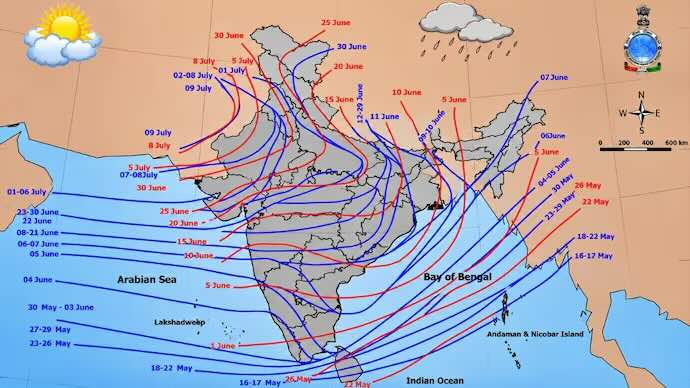
    The Southwest Monsoon has achieved full coverage across India on July 9, 2026, marking a significant milestone just one day after the normal date of July 8. According to the India Meteorological Department (IMD), the monsoon advanced into the remaining parts of the north Arabian Sea, Rajasthan, Haryana, and Punjab, completing its pan-India spread.

    This development comes after a sluggish onset and a deficit-heavy June, which raised alarms over agricultural prospects. Cumulative rainfall from June 1 to July 9 has improved markedly, with the countrywide deficit now standing at 14 per cent below normal – down from around 35 per cent in recent weeks. Daily average rainfall has exceeded normal levels for nine consecutive days, signalling a robust revival in July.

    A low-pressure area originating from the Bay of Bengal intensified into a depression and moved northwest, fuelling heavy rains particularly in northern and northwestern regions. This weather system has driven intense activity over parts of northwest India.

    Government Monitoring and Agricultural Response

    Union Minister for Agriculture and Farmers’ Welfare Shivraj Singh Chouhan highlighted the improving trends on July 8. The nationwide monsoon deficit had narrowed to 24 per cent at that point, with rainfall-deficient districts dropping from 262 to 178.

    Kharif sowing, however, remains a point of concern. As of early July, sowing covered about 350.85 lakh hectares, lagging 91.95 lakh hectares behind last year’s corresponding figures. Soybean and cotton acreage have been particularly hit by the delayed rains. Farmers have been advised to opt for short-duration, less water-intensive crops like maize, bajra, and moong in affected areas.

    The government has activated contingency plans prepared in collaboration with the Indian Council of Agricultural Research (ICAR). District-specific strategies were shared with states well in advance. Initiatives like the ‘Khet Bachao Abhiyan’ reached over 80 lakh farmers through more than 1.24 lakh programmes. A national seed reserve of 1.75 lakh quintals stands ready, alongside accelerated Kisan Credit Card approvals and efforts to expand crop insurance coverage under Pradhan Mantri Fasal Bima Yojana.

    High-level monitoring continues for states including Maharashtra, Madhya Pradesh, Gujarat, Uttar Pradesh, Rajasthan, and others, with an eye on El Niño influences.

    Regional Variations and Weather Alerts

    While northern India benefits from the current surge, central and western regions face a potential slowdown. The IMD forecasts a significant decrease in rainfall activity over Maharashtra, Gujarat, Madhya Pradesh, and southern peninsular India from July 9-10 onward. A further decline is possible between July 10 and 15 across western, northern, central India, and the west coast.

    In contrast, northwest India is expected to remain active. Heavy to very heavy rainfall is likely over Jammu and Kashmir, Ladakh, Himachal Pradesh, Uttarakhand, Haryana, Chandigarh, Delhi, and Uttar Pradesh in the coming days. Isolated extremely heavy rainfall has been warned for western Uttar Pradesh and Uttarakhand on July 9-10.

    Delhi-NCR has already experienced heavy downpours, with parts of northeast Delhi, Ghaziabad, and Noida receiving over 100 mm in a short period. Alerts for continued heavy rain remain in place.

    Broader Context: El Niño and Long-Term Implications

    The 2026 monsoon season began under the shadow of a developing El Niño, which typically weakens the Indian summer monsoon by altering atmospheric circulation patterns. Earlier forecasts from IMD indicated below-normal rainfall probabilities, with June seeing substantial deficits that slowed sowing operations.

    El Niño conditions are expected to strengthen, potentially leading to uneven rainfall distribution, prolonged dry spells in some areas, and risks of floods in others. Climate change adds another layer, with increasing instances of extreme weather events amplifying variability. Historical data shows that strong El Niño years often correlate with below-average monsoon performance, impacting rain-fed agriculture, reservoir levels, and food inflation.

    India’s agriculture, employing a large section of the population and contributing significantly to GDP, is highly sensitive to monsoon performance. Kharif crops like paddy, soybean, cotton, and pulses are critical for food security and rural economies. Delayed or deficient rains can lead to reduced yields, higher input costs, and market volatility.

    Positive factors include the potential role of the Indian Ocean Dipole (IOD), which, if positive, can sometimes offset El Niño effects by enhancing moisture availability. Government preparedness through contingency planning, seed banks, and financial support mechanisms aims to mitigate risks.

    Outlook and Farmer Advisory

    The full coverage of the monsoon brings relief, but the battle for adequate and well-distributed rainfall continues. Experts urge farmers to stay updated with local IMD forecasts and adhere to contingency plans. Water conservation, efficient irrigation, and crop diversification remain key strategies.

    Reservoirs and groundwater levels, strained in previous weak periods, stand to benefit from sustained rains. Urban centres like Mumbai have seen reservoir recovery due to recent heavy spells, though water management challenges persist.

    As the season progresses, the interplay between active weather systems, El Niño, and regional topography will determine the final outcome. IMD continues to monitor and issue updates, emphasizing the need for vigilance against both deficits and excesses that can cause flooding or waterlogging.

    This July revival offers hope for closing the gap in sowing and improving soil moisture. However, experts from ICAR say that sustained efforts in agricultural resilience, climate-smart practices, and policy support will be essential to safeguard farmer incomes and national food security in an increasingly unpredictable climate.

    Nepal: Food Suspension at Holding Centres Sparks Outrage Over Displaced Families’ Plight

    Government halts meals at holding centres for displaced landless families in Kathmandu Valley, triggering sharp criticism and parliamentary scrutiny as food services resume amid ongoing rehabilitation delays.

    The government’s abrupt suspension of meals at seven holding centres sheltering displaced landless families across Kathmandu, Bhaktapur, and Kavrepalanchok districts left hundreds uncertain about their next meal for nearly two days this week, drawing widespread condemnation before authorities restored food distribution on Tuesday evening.

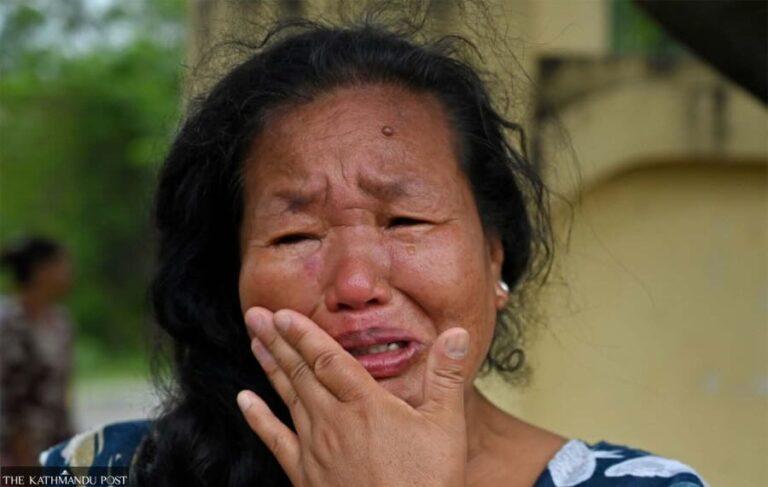
    Hundreds of vulnerable residents, including children, elderly people, and new mothers, faced immediate hardship after dinner service stopped on Monday and breakfast on Tuesday. At sites like Kharipati in Bhaktapur, reports emerged of locked water jars compounding the distress, leaving families reliant on roadside charity or meagre snacks like instant noodles and beaten rice.

    Kali Maya Pariyar, displaced from the Manohara riverbank settlement with her eight-member family, described the ordeal poignantly. “They didn’t just stop the food. They locked away the water jars and wouldn’t even let us have drinking water,” she said. Her family lost their home and livelihood tools in the April demolitions, with grandchildren forced out of school and her injured son unable to work. Even the promised Rs. 25,000 aid, yet to arrive in many accounts, seems inadequate.

    Similar accounts came from Sobita Rai, Babita Tamang (whose son awaits throat surgery), Kumari Rai, and Anju Pariyar, who lacks citizenship documents. The suspension exacerbated existing vulnerabilities for families already grappling with lost jobs, health issues, and monsoon hardships.

    Parliamentary Scrutiny Adds to the Pressure

    The food suspension and broader eviction fallout became a flashpoint in Thursday’s House of Representatives session. CPN (UML) MP Ashuda Kumari Baral strongly condemned the ongoing treatment of landless settlers, describing the Rs. 25,000 compensation package as entirely impractical and a violation of basic human rights to dignified living.

    Lawmakers from multiple parties grilled the government on settler evictions alongside issues like youth exodus and other policy matters, demanding accountability. This parliamentary pressure amplified public criticism following media reports of the meal halt, contributing to the swift resumption of services.

    Context of Evictions and Holding Centres

    The controversy stems from the government’s April 2026 drive to clear informal settlements along riverbanks and public lands in the Kathmandu Valley. Bulldozers razed homes in Manohara, Thapathali, Balkhu, and other areas under the High Powered Committee for Integrated Development of Bagmati Civilisation (HPCIDBC). The operation aimed to restore the Bagmati River ecosystem but displaced around 1,488 people from 388 families initially.

    Temporary holding centres were set up at locations including Machhapokhari in Balaju, Radha Soami Satsang Beas in Kirtipur, Kharipati’s Nepal Electricity Authority facility, Bode, Nagarkot, Banepa, and Ichangunarayan. Earlier protests at centres like Kirtipur over food shortages and mismanagement had already signalled simmering tensions.

    On June 22, authorities issued notices for families to vacate after receiving Rs. 25,000 (with extensions to July 3), promising further monthly rent support. Many complied, but others remain due to delayed payments, insufficient funds for Kathmandu rents, or documentation barriers. By Tuesday, two centres were vacated, with 365 families in centres having received aid and 63 still waiting.

    HPCIDBC project chief Machakaji Maharjan attributed the meal suspension to a canteen operator’s misunderstanding of instructions, which were meant to apply only to those who had received payments. Officials visited sites and assured continued meals for remaining residents for a few more days while addressing citizenship and technical delays.

    Systemic Challenges and Government Promises

    The episode underscores deeper issues in Nepal’s landlessness crisis, affecting over 1.2 million people nationwide. Evictions raised due process concerns, with UN experts and rights groups citing inadequate notice, lack of prior housing alternatives, and conflicts with Supreme Court directives.

    Finance Minister Swarnim Wagle’s 2026-27 budget pledged completion of rehabilitation for landless Dalits, squatters, and unmanaged settlers. Land Management Minister Pratibha Rawal announced plans for land ownership certificates from early July. Data collection covers many families, with distribution expected in coming months alongside interim rent support.

    Prime Minister Balendra Shah has emphasised patience for this decades-old problem. However, critics argue the Rs. 25,000 monthly package falls short against real costs, leaving families without jobs, schooling continuity, or healthcare.

    Human Impact and Uncertain Future

    For residents like those in Kharipati, the future remains precarious. Many lost citizenship papers in demolitions, face employment barriers, and worry about children’s education and health. Anju Pariyar was heading to district offices for documentation, surviving on snacks during the suspension.

    The government is facilitating citizenship processes and compiling lists for special-needs families. Yet, as some centres empty, questions linger about sustainable resettlement beyond temporary aid.

    This week’s events – the suspension of meals, its resumption under pressure, and parliamentary grilling – highlight the humanitarian stakes of urban development policies. While progress on payments and documentation continues, lasting resolution demands robust employment links, adequate housing, and inclusive processes to uphold dignity for sukumbasi communities.

    Maldives’: High Court Greenlights Constitutional Battle to Save Shark Sanctuary

    In a landmark ruling, Maldives’ High Court revives environmental activists’ constitutional challenge against the government’s decision to reopen gulper shark fishing, reigniting debates over marine conservation versus economic interests in the Indian Ocean paradise.

    The Maldives High Court has ordered the acceptance of a constitutional petition challenging the government’s regulations allowing seasonal gulper shark fishing, marking a significant victory for environmental activists.

    The court ruled last week, that the petition filed by activists Humaidha Abdul Ghafoor and Mohammed Seeneen sufficiently demonstrated potential violations of Article 22 of the Constitution, which mandates the state to protect the natural environment, biodiversity, and resources for present and future generations.

    This decision overturns previous refusals by the High Court Registrar, who had twice rejected the case on technical grounds, arguing that the fishery plan did not qualify as a law or regulation subject to such challenge.

    From shark sanctuary to controversial reopening

    The Maldives earned global acclaim as one of the world’s 17 shark sanctuaries after implementing a comprehensive ban on shark fishing in 2010 and prohibiting the trade of shark products in 2011. This policy transformed the nation into a premier destination for shark-diving tourism, boosting its reputation for marine conservation and supporting a vital eco-tourism economy.

    However, in October 2025, the government under President Mohamed Muizzu introduced regulations permitting gulper shark (Centrophorus species) fishing for up to seven months annually. The rules cap licenses at 40 vessels, require whole-shark landings at harbours, and restrict operations outside atoll waters. Proponents cited potential economic benefits for fishers and limited deep-sea targeting.

    Gulper sharks are deep-water species valued for their livers, which yield squalene used in cosmetics and supplements. Environmentalists argue the fishery targets endangered, slow-reproducing species vulnerable to overexploitation.

    Activists’ constitutional challenge

    Humaidha Abdul Ghafoor, a prominent environmental and women’s rights advocate associated with the Save Maldives campaign, and diver Mohammed Seeneen refiled the petition after initial setbacks. They contend that the regulations contravene Article 22 of the Maldives’ constitution by failing to prevent species extinction and ecological degradation.

    The petition highlights risks to marine ecosystems, food security, and the broader biodiversity that underpins Maldives’ fisheries and tourism. Activists emphasize that reopening the fishery could strip the Maldives of its shark sanctuary status, damaging its international standing on ocean protection and climate advocacy.

    Widespread Opposition and Petitions

    The government’s move has faced overwhelming backlash from local and international environmental groups. Petitions, including those from Blue Marine Foundation and others, urge maintaining the ban. Many Maldivians and dive operators fear long-term harm to reef ecosystems and tourist appeal.

    Studies and expert analyses warn that gulper sharks play crucial roles in deep-sea food webs. Their depletion could destabilize ecosystems supporting tuna and other commercial fisheries vital to local livelihoods. Critics also point to the species’ slow growth and low reproductive rates, making recovery difficult once populations decline.

    Economic and policy context

    The decision occurs amid broader political shifts in the Maldives. President Muizzu’s administration has pursued policies emphasizing economic diversification and resource utilization, following parliamentary elections that gave his coalition a supermajority.

    Supporters of the fishery argue regulated harvesting could provide income in specific sectors without broadly impacting coastal reefs. Regulations include licensing for vessels, processors, and exporters, aiming for some oversight. However, reports suggest limited initial uptake, with some describing the fishery as “dead on arrival” due to compliance burdens and market challenges.

    Tourism remains the backbone of the Maldivian economy. Shark-related diving and snorkelling generate significant revenue. Reinstating any shark fishing risks alienating eco-conscious visitors who choose the Maldives for its pristine marine life.

    Legal and constitutional implications

    Article 22 explicitly requires the state to foster conservation and prevent ecological degradation alongside sustainable development. The High Court’s acceptance of the case underscores the judiciary’s role in holding the executive accountable on environmental matters.

    The full hearing will now proceed against the Attorney General’s Office. A favourable ruling for the petitioners could invalidate the regulations and reinforce constitutional environmental protections. Conversely, dismissal might embolden further resource exploitation debates.

    This case tests the balance between short-term economic gains and long-term sustainability in a nation highly vulnerable to climate change and sea-level rise. Environmental advocates view it as a pivotal moment for Maldives’ global image as a conservation leader.

    Broader environmental challenges in the Maldives

    The gulper shark issue fits into larger concerns, including land reclamation projects, coral bleaching from warming seas, and balancing development with preservation. Activists like Humaidha have previously challenged projects on environmental grounds, highlighting ongoing tensions.

    International bodies, including CITES, now require non-detriment findings for any trade in listed species, adding compliance layers to the new fishery.

    Public sentiment and future outlook

    Polls and campaigns indicate strong public support for maintaining the shark ban among many Maldivians, particularly those tied to tourism. The Save the Sanctuary efforts continue to gather momentum online and locally.

    As the constitutional case advances, it will likely draw further international attention. Outcomes could influence policy not just on sharks but on other marine resources, setting precedents for environmental litigation in the Maldives.

    The High Court’s procedural victory for the activists keeps hope alive for preserving one of the Indian Ocean’s most celebrated marine protections. Stakeholders across government, civil society, tourism, and fishing communities await the substantive ruling with high stakes for the nation’s blue economy and ecological future.

    Focus Keyphrase: Maldives gulper shark fishing constitutional challenge

    Tags: Maldives High Court, gulper shark fishing, shark sanctuary, environmental conservation, Humaidha Abdul Ghafoor, Article 22 Constitution, marine biodiversity, eco-tourism Maldives, Save Maldives campaign, ocean protection,

    WHO Calls for Urgent Action as New Cancer Cases are Projected to Nearly Double by 2050 

    Beyond its health impact, cancer remains one of the most financially and socially devastating challenges a household can face. WHO’s first-ever survey of people affected by cancer found that at least 45 per cent experience financial hardship.

    Millions of people are facing physical, emotional and financial toll of cancer, a disease that claims more than 26,000 lives every day, according to a report released today by the World Health Organization (WHO). With an estimated 20.6 million new cases and close to 10 million deaths annually, cancer remains the second leading cause of death globally after cardiovascular disease. 

    Reversing this trend will require a fundamental shift towards a people-centred approach that responds to the health needs and lived experiences of affected people and communities. Without urgent action, annual cancer cases are projected to rise to nearly 35 million by 2050. 

    The WHO Global Status Report on Cancer 2026, developed jointly with the International Agency for Research on Cancer (IARC), provides comprehensive analysis of progress across key areas such as political commitment, cancer prevention – particularly through tobacco control and vaccination programmes – and investment in treatment.  

    However, the report also reveals persistent and widening inequities in access to prevention, diagnosis, treatment and supportive care, leaving millions of people without the services they need. Its analysis shows that while 87 per cent of women with breast cancer survive at 5 years after their diagnosis in high-income countries, only about 42 per cent do so in low-income countries. Fewer than one in three countries currently include cancer care in their universal health coverage packages. 

    “Cancer is a deeply personal disease that touches nearly all of us. But whether a person survives cancer should never depend on where they were born or what they earn,” said WHO Director-General Dr Tedros Adhanom Ghebreyesus. “The inequities documented in this report are not inevitable; they are the consequence of choices, and they can be reversed through stronger and unified action.” 

    Most people will be affected by cancer at some point in their lives, either through their own diagnosis or that of a close family member. Beyond its health impact, cancer remains one of the most financially and socially devastating challenges a household can face. WHO’s first-ever survey of people affected by cancer found that at least 45 per cent experience financial hardship, more than half report mental health challenges, and nearly all caregivers report strain including unpaid services and social isolation.  

    Cancer Rates in Different Regions 

    The burden of cancer varies markedly across regions. In 2024, Asia accounted for the largest share, with more than half of all cancer cases (50.7 per cent) and deaths (56.5 per cent), reflecting its large population. Europe carried a disproportionately high burden, contributing 21 per cent of global cases and 20 per cent of deaths despite having only about 9 per cent of the world’s population. In contrast, many countries in Africa and parts of Asia experience lower incidence but disproportionately high mortality. 

    Lung cancer remains the leading cause of cancer death globally. Lung, prostate and colorectal cancers are among the most common cancers in men, while breast, lung and colorectal cancers account for a substantial share of the burden among women. 

    Nearly four in ten cancer cases globally are linked to preventable risk factors, particularly infections such as human papillomavirus (HPV), hepatitis B and C, and helicobacter pylori, alcohol, tobacco use, high body mass index and insufficient physical activity, highlighting the critical role of prevention.  

    “While we are seeing reductions in some cancer rates in countries that have implemented prevention policies, progress has been too slow,” said Dr Elisabete Weiderpass, Director of WHO’s International Agency for Research on Cancer (IARC). “The cancer profile is evolving, increasingly driven by rising rates of obesity, physical inactivity, unhealthy diets, and air pollution. Cancer prevention must remain a political priority.” 

    Major Gains, Yet Gaps Persist 

    The report notes substantial gains in key policy areas. Tobacco use has declined by 27 per cent since 2010, contributing to reductions in lung cancer cases and deaths in some regions. Infection-related cancers are also decreasing thanks to expanding vaccination coverage and improved water, sanitation and hygiene (WASH) as well as infection prevention and control.  

    Political commitment has strengthened, with 82 per cent of countries now having national cancer control plans, up from 50 per cent in 2010. In high-income countries, early detection programmes catch most breast cancers and 74 per cent of women have been screened for cervical cancer. Scientific innovation is accelerating; registered clinical trials have increased at an annual rate of 7.3 per cent between 2005 and 2021.  

    Yet these advances are not translating into life-saving actions at the pace required. Essential cancer medicines remain far out of reach for many: availability of the top 20 priority cancer medicines ranges from just 9 per cent to 54 per cent in low- and lower-middle-income countries, compared with 68 per cent to 94 per cent in high-income countries. And the consequences of these gaps are felt most acutely by people living with cancer and their families.  

    “Cancer is not just a medical diagnosis – it profoundly, indefinitely affects every aspect of a person’s life, and their family’s as well,” said Clarissa Schilstra, a childhood cancer survivor and a lead of WHO’s survey. “We urge policymakers to meaningfully engage with people affected by cancer. By voicing our lived experiences, we can inform more equitable, effective solutions to protect and promote the lives and wellbeing of future generations.” 

    Moving Towards a People-Centred Cancer Control Agenda 

    The report marks an important opportunity to place people affected by cancer at the centre of cancer control efforts.  It calls on governments, international organisations, civil society, academic institutions, the private sector, and WHO to work together to deliver a people-centred and holistic approach to care for individuals and families affected by cancer.  

    To support this vision, the report outlines seven key recommendations and three strategic shifts to be implemented across all countries and communities: 

    • Better capabilities: Integrate cancer control into universal health coverage and invest in human capital to prevent and control cancer; 
    • Better protections: Place people with lived experience at the centre of cancer systems while strengthening social protection; and 
    • Better value: Align research and innovation with public health needs and ensure equitable access to valued-based advances in care. 

    WHO says that the choices made and actions taken today will shape the cancer burden borne by future generations. “By adopting a people-centred approach, making strategic and sustained investments, and maintaining an unwavering commitment to equity, countries can reduce the cancer burden and improve outcomes for everyone, everywhere,” the WHO press release says.

    Major Parties Exit Constitution Review Taskforce, Deepening Nepal’s Political Crisis

    Major opposition parties have walked out of Nepal’s government taskforce on constitutional review, accusing it of overreach and risking the hard-won 2015 consensus amid deep political divisions.

    A Nepal government-appointed taskforce tasked with preparing a discussion paper on constitutional amendments has been thrown into disarray after representatives from four major political parties formally walked out on Monday, citing fundamental disagreements over its mandate and methods.

    The walkout by the Nepali Communist Party (NCP), Loktantrik Samajbadi Party (LSP), Janata Samajbadi Party (JSP), and Rastriya Janamorcha has raised fresh concerns about the stability of Nepal’s fragile constitutional framework, just months after the Rastriya Swatantra Party (RSP) secured a landslide victory in the March 2026 general elections.

    Background of the Taskforce

    The taskforce, coordinated by Asim Shah – a filmmaker-turned-political advisor to Prime Minister Balendra Shah (popularly known as Balen) – was formed shortly after the RSP government took office in late March 2026. Its stated mandate was to gather stakeholder inputs, consult experts, and draft a discussion paper on potential amendments within a tight 100-day deadline.

    This initiative formed part of the RSP’s ambitious 100-point governance reform roadmap, reflecting the new government’s reformist zeal following widespread Gen Z-led protests in September 2025 that toppled the previous establishment and highlighted public frustration with corruption, governance failures, and political instability.

    The RSP, a relatively young party positioning itself as an alternative to traditional forces, won around 182 seats in the 275-member House of Representatives, giving it a strong mandate but also placing it in direct confrontation with entrenched parties over sensitive constitutional issues.

    Core Disputes and Dissenting Voices

    The central dispute revolves around whether the panel is merely preparing a neutral discussion paper or subtly laying the groundwork for a more comprehensive rewrite of the 2015 Constitution. Dissenting parties handed over a six-point memorandum to coordinator Asim Shah, demanding the immediate scrapping of the current process.

    Key objections include the alleged lack of clarity on the taskforce’s legal jurisdiction, concerns over open-ended consultations that could touch the preamble and basic structures of the constitution, and the absence of broad national consensus. Signatories – Dev Gurung (NCP), Laxman Lal Karna (LSP), Surendra Jha (JSP), and Manoj Bhatt (Rastriya Janamorcha) – emphasised that any amendments must emerge from an all-party mechanism respecting the 2015 document’s foundational principles.

    NCP leader Dev Gurung argued that the taskforce had overstepped its bounds, functioning more like a drafting committee than a consultative body. Laxman Lal Karna highlighted problematic methods, such as door-to-door opinion collection and potential majority-based decision-making, warning that tampering with the preamble could reopen debates on monarchy, Hindu statehood, and other divisive issues.

    Nepali Congress President Gagan Kumar Thapa, from the main opposition, had earlier criticized the approach as “immature and reckless,” stressing the 2015 Constitution’s origins in historic struggles by marginalized communities including Madhesis, indigenous groups, Dalits, and Tharus.

    CPN-UML representative Bhishma Adhikari noted his party had boycotted from the outset, insisting that constitutional amendments should occur strictly through parliamentary procedures.

    Government’s Defence and Next Steps

    Taskforce coordinator Asim Shah dismissed the walkout as political opportunism, pointing out that dissenting representatives had participated actively for 83 days before exiting. He assured that core constitutional features would remain protected and vowed to submit the final report to the Council of Ministers on schedule.

    RSP lawmaker Mohan Lal Acharya and law secretary Pushkar Sapkota echoed this, accusing critics of manufacturing a crisis and underscoring the process’s transparency, including reviews of past Constituent Assembly reports and feedback from over 44,700 citizens.

    Historical Context and Broader Implications

    Nepal’s 2015 Constitution, promulgated after years of deadlock in two Constituent Assemblies, marked a shift to federalism, republicanism, and greater inclusion following the Maoist insurgency and peace process. However, it has faced persistent criticism and limited amendments, particularly from Madhes-based parties demanding stronger proportional representation, citizenship reforms, and provincial adjustments.

    The current crisis echoes past political turmoil, including frequent government changes and identity-based protests. The RSP’s reform agenda – including ideas like a directly elected executive, fully proportional representation, and restructuring provincial assemblies – appeals to younger voters seeking efficiency but alarms traditional parties protective of federal gains and inclusion frameworks.

    Analysts warn that without broad consensus, attempts to amend the Constitution could exacerbate divisions in a country still healing from past conflicts and navigating economic challenges. The walkout risks deepening public disillusionment with politics and complicating governance under the new administration.

    Prime Minister Balendra Shah’s government, bolstered by its electoral supermajority, faces the delicate task of balancing reformist promises with the need for stability. International partners, including the Asian Development Bank which recently pledged significant support, are watching closely as Nepal seeks to strengthen institutions and economic transformation.

    Political Ramifications Ahead

    The development comes amid ongoing debates on electoral systems, provincial structures, and governance mechanisms. Madhes parties, in particular, remain vigilant against any perceived rollback of federalism and inclusion.

    As the taskforce proceeds without key stakeholders, calls are growing for an all-party meeting to rebuild trust. The episode underscores the enduring tension in Nepali politics between change and continuity, where the 2015 Constitution serves as both a unifying achievement and a battleground for competing visions.

    With Parliament and public opinion in focus, the coming weeks will test whether Nepal’s political actors can bridge divides or if this latest impasse signals deeper instability in the federal republic’s young democratic journey.

    Sri Lanka: Rising Production Costs Force Tea Smallholders to Consider Quitting

    Sri Lanka’s iconic Ceylon tea sector, a lifeline for hundreds of thousands of rural families, is under severe strain as skyrocketing costs and plummeting leaf prices push smallholders to the brink of abandonment.

    More than 400,000 smallholder farmers who produce the bulk of Sri Lanka’s famous brew are grappling with unsustainable economics. In districts like Badulla, over 30,000 tea smallholders report operating at heavy losses, with many contemplating abandoning their plantations altogether.

    The story is one of squeezed margins: raw leaf prices have tumbled while labour, fertilizer, and other input costs have surged. Successive governments’ failure to deliver consistent support, particularly fertilizer subsidies, has left families who rely on tea as their primary livelihood in despair. Broader industry challenges – including climate vulnerabilities, labour shortages, global market competition, and recent geopolitical disruptions from Middle East conflicts – exacerbate the plight.

    The Ground Reality: Voices from Badulla

    Anura Jayawardene, a smallholder from Pugahakumbura with two acres of tea, paints a grim picture. “The cost of labour has shot up to Rs. 1,600 per day with meals for a tea plucker. A bag of fertilizer now costs Rs. 15,000. We get paid about Rs. 150 per kilo of raw leaves, which doesn’t even cover costs. I spend around Rs. 150,000 on fertilizer alone for my small plot. It’s unbearable.”

    Similar sentiments echo across the region. M.D. Karunawathie from Ambagamuwa in Ella blames authorities for neglect. “We are sick of this trade due to the losses. The price of raw leaves has declined while maintenance costs have skyrocketed. Unlike coconut growers, we get no fertilizer subsidy. We are compelled to abandon tea cultivation.”

    D.M. Karunapala in Badulla notes the sharp drop in leaf prices from Rs. 210 to as low as Rs. 140 per kilo. He recalls a time when subsidies existed under previous governments, now suspended, leaving farmers exposed to alarming fertilizer price hikes. Many fear their lands will revert to jungle if no relief comes.

    Systemic Issues and Alleged Malpractices

    Beyond input costs, smallholders highlight other grievances. Singaram Nadarajah from Ballaketuwa points to manipulated weighing scales at factories that underreport leaf weight, further eroding earnings. Prices he once received at Rs. 250 per kilo have fallen sharply, compounding losses from inconsistent fertilizer application and poor yields.

    Dulith Asoka, Assistant Director of the Weights and Measures Standardising Service in Badulla, acknowledges the problem. Several cases of fraudulent scales have led to court fines, and he urges farmers to report irregularities. However, trust in the supply chain remains eroded.

    These local issues sit within larger structural problems. Sri Lanka’s tea smallholders, who manage much of the low-grown and medium-grown areas, face aging bushes, low replanting rates (often below 1 per cent annually versus a 2 per cent target), and limited access to high-yielding varieties. Replanting is costly and involves a multi-year income gap, deterring many, especially poorer farmers.

    Labour shortages are acute as youth migrate to better opportunities, driving up wages. Climate change brings erratic rainfall, rising temperatures, and increased pest pressures, reducing productivity. Global competition from lower-cost producers like Kenya and India adds price pressure.

    Broader Industry Headwinds

    Recent geopolitical events have intensified the pain. Conflicts in the Middle East, a key market absorbing nearly half of Sri Lanka’s tea exports, have disrupted shipping, raised fuel and energy costs, and slashed export earnings. In early 2026, tea export revenues dropped significantly, with factories facing closures due to financial strain and quality enforcement.

    Despite projections for 290–300 million kg production in 2026, supported by some replanting and mechanization efforts, smallholders feel the benefits are uneven. Government initiatives like QR-code fertilizer subsidies have been introduced or expanded in some areas, but many in regions like Badulla report they remain inaccessible or insufficient.

    Economic and Social Stakes

    Tea remains vital to Sri Lanka’s economy, contributing to export earnings, rural employment, and foreign exchange. The smallholder sector is particularly crucial, supporting millions directly and indirectly. Yet, persistent losses risk widespread abandonment, land conversion to other crops, and rural depopulation.

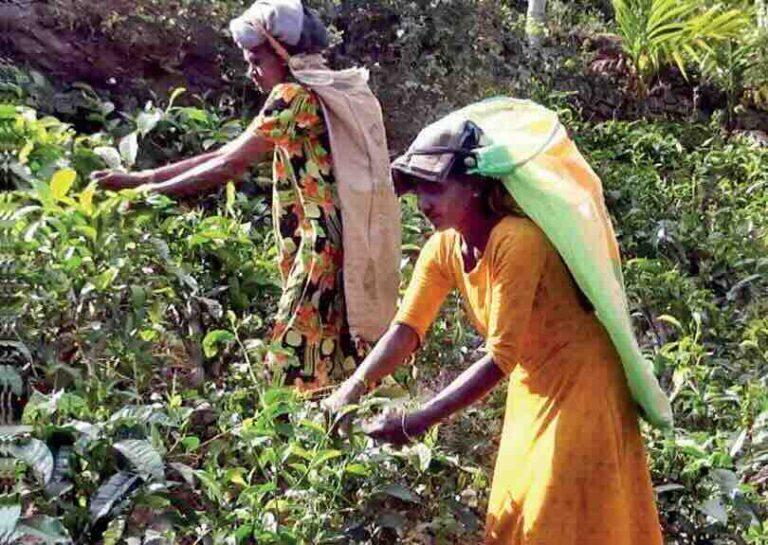
    Women, who form a large part of the plucking workforce, face heightened vulnerability. Families report shifting to firewood for cooking amid rising energy costs, signalling deeper household stress.

    Environmental concerns loom large too. Neglected or abandoned plantations could lead to soil degradation, biodiversity loss, and reduced carbon sequestration in tea-growing regions.

    Path Forward: Calls for Action

    Smallholders and industry voices call for immediate interventions: restored and expanded fertilizer subsidies, fair weighing practices with better oversight, affordable credit for replanting, and mechanization support to address labour shortages. Training in sustainable practices, climate-resilient varieties, and better market linkages could help.

    Experts emphasise a holistic approach addressing the “4Cs” – Climate, Cost, Compliance, and Capacity. Certification for premium markets, value addition, and diversification (e.g., tourism or intercropping) offer potential lifelines, but require investment and policy consistency.

    The Tea Small Holdings Development Authority (TSHDA) and Sri Lanka Tea Board have roles to play in extension services, input support, and promotion. Recent celebrations of smallholder resilience on International Tea Day highlight pockets of progress, but ground-level despair suggests more urgent action is needed.

    A Critical Juncture for Ceylon Tea

    As global demand for quality, sustainable tea grows, Sri Lanka’s smallholders – guardians of the Ceylon legacy – stand at a crossroads. Without targeted support, the human and economic cost could be immense: lost livelihoods, declining production quality, and erosion of a cultural and economic icon.

    Tea growers call on policymakers, industry stakeholders, and international partners to act decisively. As one small tea grower said, “The future of Ceylon tea depends not just on its renowned flavour, but on ensuring those who cultivate it can sustain their lives and lands.”

    Europeans’ Growing Pessimism: 29 Per Cent Anticipate Falling Living Standards

    Nearly one in three Europeans fears a decline in personal living standards over the next five years amid persistent cost-of-living pressures, according to a new Eurobarometer survey, highlighting deep economic anxieties across the EU.

    A fresh Eurobarometer survey reveals widespread concern among EU citizens about their economic future, with rising prices and inflation dominating public worries.

    According to the poll conducted in June 2026 and involving over 26,000 respondents across the European Union, 29 per cent of Europeans believe their personal standard of living will decline over the next five years. Only 18 per cent expect an improvement, while the majority anticipate stability or remain uncertain.

    This pessimism is more pronounced among older generations, with 34 per cent of those aged 55 and over expressing fears of deterioration, compared to just 17 per cent of younger respondents. Country-level variations are stark: France leads with 44 per cent expecting a worsening situation, followed closely by Portugal, Germany, and Austria. In contrast, optimism prevails in Central and Eastern Europe, with Poland at just 9 per cent and Hungary at 8 per cent expressing similar concerns.

    The survey underscores a broader perception of economic fragility. Half of Europeans hold a negative view of their country’s economic situation, though many remain slightly more positive about their personal finances. Inflation, rising prices, and the cost of living top the list of issues citizens want the European Parliament to address, cited by 47 per cent – a six  percentage point increase from the previous survey.

    Roots of the Cost-of-Living Crisis

    Europe’s economic challenges stem from a series of compounding shocks. The lingering effects of the COVID-19 pandemic, Russia’s invasion of Ukraine, and subsequent energy market disruptions have fuelled inflation and eroded purchasing power. Although headline inflation has moderated to around 2.1 per cent in late 2025, many households continue to feel the pinch from elevated prices for food, energy, and housing.

    Recent data from Eurofound’s 2025 Living and Working in Europe e-survey paints a picture of mounting financial strain. In low-income households, 61 per cent reported difficulties making ends meet in 2025, up sharply from 40 per cent in 2023. High-income groups fare far better, with only 9 per cent facing similar issues, highlighting a widening resilience gap.

    Housing affordability has emerged as a critical pain point. Around 40 per cent of Europeans cite a lack of affordable housing as an urgent problem. Rising rents and property prices, combined with higher interest rates, have squeezed middle- and lower-income families, particularly in urban areas.

    Consumer surveys reinforce this narrative. A BCG study found that 53 per cent of European consumers are worried about their daily personal finances in 2026, up from 40 per cent in 2024. Over half are actively cutting back on spending, prioritising essentials amid geopolitical tensions and energy price volatility.

    Generational and Regional Divides

    The survey exposes clear generational divides. Older Europeans, often more reliant on fixed incomes or pensions, feel the squeeze from inflation more acutely. Younger people, while concerned about jobs and housing, appear somewhat more resilient or hopeful, possibly due to labour market participation or different consumption patterns.

    Regionally, Western European nations show higher pessimism, potentially linked to slower growth, higher debt levels, and greater exposure to global market fluctuations. In France and Austria, for instance, economic worries correlate with more skeptical views of EU membership benefits, where only 62 per cent see a net positive impact – the lowest in much of the bloc.

    Eastern and Nordic countries, benefiting from stronger growth trajectories or robust welfare systems, report greater confidence. This divergence could influence EU policy debates, particularly around cohesion funds and economic integration.

    Broader Economic Context and Policy Responses

    Europe’s economy faces structural headwinds. The Eurochambres Economic Survey 2026 identifies high labour costs, regulatory burdens, and skills shortages as top challenges for businesses. These factors constrain investment and wage growth, perpetuating the cost-of-living squeeze.

    OECD analyses note that while real wages have broadly recovered from the inflation surge, vulnerabilities persist for lower-income groups. Housing market adjustments remain orderly but carry downside risks, especially in high-debt countries.

    EU institutions are under pressure to act. Citizens prioritise cost-of-living measures, economy and job creation, and defence and security. The European Central Bank has navigated rate adjustments, but tools are limited amid external shocks like geopolitical conflicts.

    Proposals include targeted support for vulnerable households, investments in affordable housing, skills training, and measures to boost competitiveness. Simplifying regulations and enhancing the single market could help, but political fragmentation complicates bold action.

    Political and Social Implications

    Persistent economic anxiety is reshaping politics. Cost-of-living concerns often overshadow other issues like migration or climate in voter priorities, fuelling support for populist and eurosceptic parties in countries like France and Austria.

    A 2023 Ipsos survey (with patterns persisting) found 29 per cent of Europeans in precarious financial situations, with many fearing further slippage – rising food bank usage, second jobs being common, and mental health strains – such as elevated depression risk.

    Social cohesion is tested as inequality perceptions grow. While overall EU image remains positive for 50 per cent of citizens, economic discontent narrows this margin in key member states.

    Not all indicators are negative

    Despite the gloom, not all indicators are negative. Labour markets have shown resilience, unemployment remains relatively contained in many countries, and EU solidarity mechanisms provide buffers. Public support for common defence (81 per cent) and viewing the EU as a stabilizer (73 per cent) offer foundations for collective responses.

    To reverse pessimism, the survey points out, policymakers must deliver tangible improvements in affordability, wages, and opportunities. Investments in green transition, digital economy, and strategic autonomy could foster growth that benefits broader populations.

    As one EU official noted, economic uncertainty directly influences perceptions of the Union. Addressing the cost-of-living crisis is not just an economic imperative but essential for maintaining public trust and European integration.

    Europe stands at a crossroads. With global uncertainties persisting – from energy markets to geopolitical tensions – the coming years will test the bloc’s ability to safeguard living standards. The Eurobarometer serves as a clear warning: ignoring citizens’ pocketbook concerns risks deepening divides and undermining the European project.

    Cooperative Sector Poised for Transformative Growth: Amit Shah Charts Roadmap for Self-Reliance

    Union Minister Amit Shah unveils ambitious reforms on the Ministry of Cooperation’s fifth foundation day, launching a cooperative life insurer and expanding Bharat Taxi to 500 cities to empower rural economies and drive inclusive growth.

    In a significant boost to India’s cooperative movement, Union Home and Cooperation Minister Amit Shah on July 6, 2026, outlined a comprehensive expansion strategy during the fifth foundation day celebrations of the Ministry of Cooperation. The announcements, including the establishment of a dedicated cooperative life insurance company and the nationwide scaling of the driver-owned Bharat Taxi platform, signal a renewed push towards professionalizing cooperatives, enhancing financial inclusion, and integrating them deeper into India’s economic fabric.

    Shah emphasised that the past five years have been dedicated to identifying structural challenges and building a robust framework for long-term growth. With nearly 8.5 lakh cooperative societies and over 30 crore members, the sector already plays a pivotal role in key areas: handling about 20 per cent of agricultural credit, 35 per cent of fertilizer distribution, and 31 per cent of sugar production.

    Strengthening insurance access through cooperatives

    A flagship announcement was the decision to establish a cooperative life insurance company. This move aims to expand the sector’s footprint in insurance, building on the success of models like IFFCO-Tokio, a joint venture of the fertilizer cooperative IFFCO with a Japanese partner. Shah noted that the new entity would open fresh avenues for cooperatives while promoting financial security for rural and semi-urban populations often underserved by traditional insurers.

    The initiative aligns with broader goals of deepening financial inclusion. Cooperatives, traditionally strong in agriculture, dairy, and fertilizers, are now diversifying into services that directly impact livelihoods. Industry observers see this as a step towards making insurance more accessible and community-driven, potentially increasing penetration in tier-2 and tier-3 cities.

    Bharat Taxi: Empowering drivers and expanding mobility

    Bharat Taxi, India’s first major cooperative-backed ride-hailing platform launched earlier in 2026, has shown promising early traction. Shah announced its expansion to 500 cities over the next two years, positioning it as a viable, driver-owned alternative in the mobility sector.

    Unlike conventional aggregators, Bharat Taxi emphasises cooperative ownership, with drivers benefiting from profit-sharing models. Reports from its initial rollout highlight investments as low as ₹500 per driver, with potential returns tied to performance and platform earnings. This model aims to challenge market dominance by platforms like Ola and Uber while ensuring higher earnings retention for operators.

    The expansion is expected to generate significant employment opportunities, particularly in rural and semi-urban areas, and promote sustainable mobility solutions. By scaling to 500 cities, the platform could serve millions, fostering a more equitable gig economy rooted in cooperative principles.

    Bharat Beej and seed security

    Complementing these initiatives, Shah highlighted plans to transform Bharat Beej Cooperative Society (Bharatiya Beej Sahakari Samiti Ltd or BBSSL) into India’s largest seed producer within three years. New production units will be set up across states to ensure farmers receive high-quality, certified seeds.

    A key MoU was signed with the Indian Council of Agricultural Research (ICAR) to bolster seed systems. Tissue culture facilities were also inaugurated in Barabanki, Uttar Pradesh, and Jalgaon, Maharashtra, supporting advanced propagation techniques.

    This focus on seeds addresses critical concerns around quality, availability, and affordability, while promoting organic farming practices. Shah stressed the importance of reducing chemical fertiliser dependency, citing successful circular economy models in sugar and dairy sectors that produce organic manure as a superior, cost-effective alternative to DAP.

    Infrastructure, digitization, and governance reforms

    The event featured several infrastructure launches, including the handover of 135 grain storage godowns (75,000 tonnes capacity), inauguration of 85 warehouses, and foundation laying for 47 more facilities. Sahakar Van projects by Amul and the National Cooperative Consumers’ Federation of India (NCCF) also received foundation stones.

    Digitization efforts target 50,000 Primary Agricultural Credit Societies (PACS) to be converted into e-PACS, improving transparency, efficiency, and service delivery at the grassroots level. A nationwide database of cooperatives is being developed to aid policymaking.

    Governance reforms emphasise professionalism. Tribhuvan Sahkari University will train experts in banking, dairy, marketing, and other areas, with merit-based appointments to phase in professional management from primary to apex levels. Model bye-laws for dairy cooperatives were released, alongside a publication documenting the ministry’s achievements.

    Nine national-level cooperative societies now span diverse sectors, with Shah expressing confidence they will evolve into globally competitive institutions like Amul, NDDB, IFFCO, and KRIBHCO.

    Rural economy and vision 2047

    Union Minister for Fisheries, Animal Husbandry, and Dairying Rajiv Ranjan Singh highlighted synergies with the livestock sector. India remains the world’s largest milk producer, with 248 million tonnes in 2024-25. The Animal Husbandry Infrastructure Development Fund has mobilized substantial investments, creating additional processing capacity.

    Shah urged dairy federations to increase milk-producing farmers by 35 per cent in two years through new PACS and societies. Cooperatives are also facilitating exports of agricultural produce, connecting villages to global markets. He reaffirmed that the Centre’s role is limited to policy, respecting state jurisdictions, with no complaints of overreach even from opposition-ruled states.

    These measures are positioned as key contributors to India’s developed nation status by 2047, with cooperatives serving as pillars of prosperity and self-reliance.

    Challenges and broader impact

    While the announcements have been widely welcomed for their potential to revitalize rural economies, experts point to implementation challenges, including funding, state coordination, and competition in sectors like ride-hailing and insurance. Success will depend on effective execution, technological integration, and sustained member participation.

    Experts say that the cooperative sector’s revival under the dedicated ministry has already yielded results, with increased exports, digital transactions via common ERP platforms, and empowerment of women and youth. As India navigates economic complexities, these community-centric models offer a balanced path to growth that prioritizes equity alongside efficiency.

    Bangladesh Enacts Sweeping Anti-Gambling Law with AI Surveillance and Harsh Penalties

    Bangladesh’s Parliament has passed the Gambling Prevention Bill 2026, replacing a 159-year-old colonial law with AI-powered surveillance, digital blacklists, and multi-crore fines to combat surging online betting.

    Bangladesh is overhauling its approach to gambling with the passage of the Gambling Prevention Bill, 2026. The legislation repeals the Public Gambling Act of 1867, a colonial-era statute ill-equipped for the smartphone and cryptocurrency age. Home Minister Salahuddin Ahmed tabled the bill in Parliament in June, and it has since been passed, reflecting urgent government efforts to address the explosion of online betting platforms.

    This move comes amid growing concerns over the social and economic toll of online gambling. Reports indicate that millions of Bangladeshis, particularly young people, have been drawn into digital betting, leading to addiction, financial ruin, family breakdowns, and significant foreign currency outflows through money laundering.

    Broad Definition Targets Modern Gambling Ecosystems

    The new law adopts an expansive definition of gambling, covering traditional activities like bingo, roulette, and card games, as well as digital variants including sports betting, live betting, fantasy sports, e-sports betting, and cryptocurrency wagering. It explicitly addresses online platforms, virtual betting, and related technologies such as VPNs, proxy servers, mirror sites, ghost SIM cards, digital wallets, and assets like Bitcoin and USDT.

    This comprehensive scope shifts enforcement from physical gambling dens to entire digital networks, including organizers, bookmakers, payment facilitators, technology providers, and even influencers promoting betting through social media and affiliate programs.

    AI Surveillance, Blacklists, and Financial Controls

    A standout feature is the integration of advanced technology for enforcement. The bill proposes a national digital blacklist database compiling personal identifiers (NID details, SIM cards, bank and MFS accounts), devices, IP addresses, domains, and apps linked to gambling. An NID-linked verification system will enable cross-checking across telecom and financial platforms, supported by biometric tools like facial recognition.

    Authorities will deploy AI-based monitoring, deep packet inspection (DPI), risk-scoring, and transaction analytics to detect suspicious activities. This aligns with earlier directives from Bangladesh Bank urging financial institutions to use AI for monitoring gambling-related transactions.

    Courts gain powers to freeze or shut down bank accounts, mobile financial service (MFS) accounts, digital wallets, and crypto assets involved in betting. The framework involves multiple agencies: the Ministry of Home Affairs for overall enforcement, BTRC for blocking sites, Bangladesh Bank and the Financial Intelligence Unit for financial tracking, and support from cyber security and intelligence bodies.

    Stringent Penalties for a Digital Age

    Penalties under the new bill are significantly harsher than the old law. Individuals involved in gambling face up to two years in prison and fines up to BDT 200,000. Online or remote gambling carries up to five years imprisonment and BDT 1 crore fines. Operating online betting platforms can result in up to seven years in jail and fines up to BDT 5 crore.

    Other offences attract severe punishments: match-fixing or bookmaking up to seven years and substantial fines; advertising or promotion up to three years and BDT 50 lakh; use of VPNs or fake identities up to seven or ten years in organized cases. Offences are cognizable, non-bailable, and non-compoundable. Assets including servers, SIM cards, and crypto can be seized. Repeat offenders face doubled penalties, and companies can also be held liable.

    Cyber tribunals will handle online cases, with provisions for mobile courts and international cooperation.

    Drivers Behind the Crackdown

    The surge in online gambling stems from widespread smartphone access and affordable internet. Addiction estimates exceed 5 million people, with projections nearing 20 million by 2027, exacerbating issues like debt, academic disruption among students, mental health problems, and economic leakage.

    Previous measures under the Cyber Security Act/Ordinance 2025 already banned online gambling promotion, but enforcement gaps persisted, prompting this more robust framework. The government has conducted raids, blocked sites, and emphasised zero-tolerance policies, especially around major sporting events.

    Potential Concerns and Implementation Challenges

    While the bill strengthens enforcement, critics may raise issues about privacy, surveillance overreach, and lack of independent oversight mechanisms. The broad powers for AI monitoring and data collection could impact legitimate users if not balanced with safeguards, transparency, and grievance redressal, critics say.

    Successful implementation will require coordination among agencies, technical capacity building for BTRC and financial regulators, public awareness campaigns involving education and youth ministries, and efforts to address root causes like economic pressures driving people toward quick-money schemes.

    The Gambling Prevention Bill 2026 marks Bangladesh’s determination to modernise regulatory tools in line with technological realities. By targeting not just gamblers but enablers across the digital ecosystem, it aims to curb addiction, protect financial systems, and preserve social fabric.

    Image: Wikimedia

    Focus Keyphrase: Bangladesh Gambling Prevention Bill 2026 AI surveillance

    Tags: Bangladesh gambling law, online betting ban, Gambling Prevention Bill 2026, AI surveillance Bangladesh, digital blacklist, online gambling crackdown, cyber security Bangladesh, match-fixing penalties, crypto gambling ban, BTRC blocking,

    Bhutan: Glacial Lakes Pose Growing Flood Threat Amid Accelerating Climate Change

    Bhutan faces heightened glacial lake outburst flood risks from climate-driven glacier melt, with new research revealing over 11,000 people and vital infrastructure now exposed to potential catastrophe.

    Bhutan, nestled in the eastern Himalayas, is confronting one of the most immediate and severe impacts of global warming: the rapid expansion and destabilization of glacial lakes. A recent study published in the science journal website, phys.org, highlights significantly elevated risks of Glacial Lake Outburst Floods (GLOFs), events where natural dams fail, unleashing massive volumes of water downstream with devastating speed and force.

    As of 2021, Bhutan inventories 567 glacial lakes, many formed or enlarged by retreating glaciers. These lakes, perched high in remote valleys like Lunana, are expanding due to accelerated ice melt driven by rising temperatures. Glaciers in Bhutan are receding at rates of 30-60 meters per decade, far outpacing many other Himalayan regions.

    New Study Reveals Expanded Risks

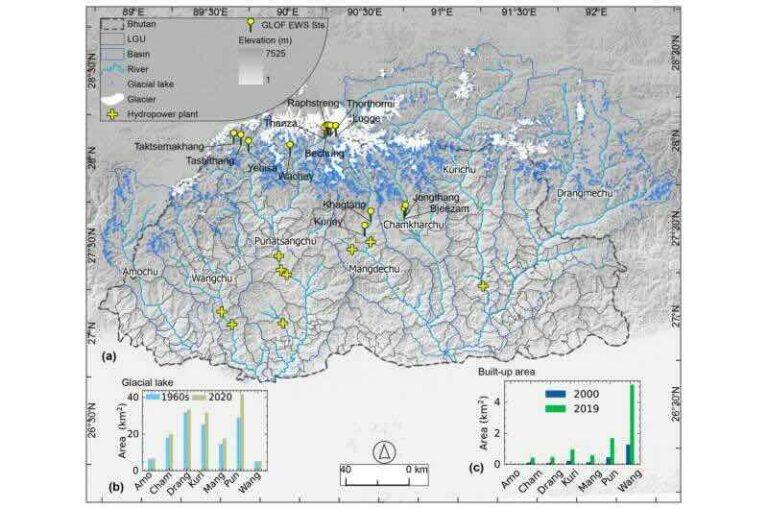
    Published findings from advanced modelling indicate that previous assessments underestimated the dangers. Researchers simulated hypothetical GLOF scenarios for lakes larger than 0.05 km² near glacier termini. The results are alarming: approximately 11,322 people, 2,613 buildings, 270 km of roads, 402 bridges, 19 km² of farmland, and even 4 hydropower dams lie in potential flood paths.

    Median GLOF travel distances reach 40 km, with inundation areas averaging 2.9 km². Flow depths and velocities can hit 3.3 meters and 3.4 m/s respectively, arriving at vulnerable sites in as little as 8 minutes in some cases. Collectively, these events could affect about 2 per cent  of Bhutan’s land area.

    Thorthormi Tsho (also spelled Thorthomi) emerges as the most critical threat – classified as a very high hazard lake. Located in the Punatsangchu basin at over 4,000 meters, this supraglacial lake has grown dramatically. Past partial outbursts, including events in 2019 and 2023, underscore its instability. A full breach could release enormous volumes, impacting over 1,100 buildings, 72 km of roads, and 4.2 km² of farmland alone.

    Five other lakes rank as high hazard, including newly identified ones like Phudung Tsho, lake251, and Wonney Tsho, which prior studies overlooked. 22 additional lakes fall into the moderate hazard category. Five local government units face very high GLOF risk, with eight more at high risk – several previously unrecognised.

    Historical Precedents and Human Impact

    Bhutan has recorded at least 18 GLOFs in the last 70 years. The deadliest occurred in 1994 from Lugge Tsho in the Lunana region, claiming over 20 lives, damaging the historic Punakha Dzong, and destroying homes and infrastructure downstream.

    More recent events, such as the 2015 Lemthang Tsho outburst and partial releases from Thorthormi, caused localized damage but served as warnings. Communities in valleys like Punakha-Wangdue and Chamkhar remain particularly vulnerable, relying on agriculture, roads, and hydropower – sectors central to Bhutan’s economy and Gross National Happiness framework.

    Downstream impacts extend beyond immediate flooding: sediment-laden waters can bury farmland, erode riverbanks, damage bridges critical for connectivity in this mountainous terrain, and disrupt power generation. With Bhutan’s population concentrated in river valleys, the human toll could be significant despite proactive measures.

    Bhutan’s Proactive Response

    Despite being a carbon-negative country – absorbing more CO₂ than it emits through vast forest cover – Bhutan is disproportionately affected by climate change due to its high-altitude geography. The government, in partnership with international organizations like UNDP and ICIMOD, has implemented mitigation strategies.

    Notable efforts include the artificial lowering of Thorthormi Lake between 2008 and 2012, involving manual siphoning and engineering works to reduce water levels. Early warning systems with sirens and automated monitoring have been expanded. Technicians endure harsh conditions in Lunana to provide round-the-clock surveillance.

    Recent initiatives involve further siphoning pilots and enhanced risk assessments. The National Centre for Hydrology and Meteorology (NCHM) leads inventories and modelling, while community awareness programmes prepare residents for evacuation. Five local government units identified in the latest study as high-risk are prioritized for strengthened preparedness.

    Broader Context of Himalayan Glacial Change

    The situation in Bhutan mirrors trends across the Hindu Kush Himalaya (HKH) region, often called the Third Pole. Glaciers here feed major rivers sustaining nearly 2 billion people. Warming has increased lake formation, with lake-terminating glaciers retreating faster. Black carbon deposition from regional pollution may further accelerate melt.

    Projections under various warming scenarios suggest continued glacier area loss exceeding 50 per cent  in some models, threatening long-term water security for hydropower – a pillar of Bhutan’s economy – and agriculture. GLOFs are not isolated; they interact with monsoons, landslides, and earthquakes, compounding risks.

    Comprehensive monitoring complicated

    Remote terrain, limited resources, and the sheer number of lakes complicate comprehensive monitoring. While engineering solutions like lake lowering help, they are costly and temporary amid ongoing warming. International funding and cooperation are essential, as highlighted in global forums.

    Experts recommend integrating detailed inundation mapping with exposure and vulnerability data for better prioritization. Expanding early warning systems, reinforcing infrastructure, and diversifying livelihoods in high-risk zones are key. Bhutan’s focus on sustainability offers a model, but global emissions reductions remain critical to slowing the underlying driver: climate change.