More

    The Siege of Arakan: Report Accuses Arakan Army of Genocide Tactics Against Rohingya Civilians

    A new report by the Rohingya Human Rights Initiative exposes systematic war crimes and crimes against humanity by the Arakan Army, including rape, forced conscription and village burnings, as part of a deliberate campaign to displace and subjugate Rohingya communities.

    In a damning report released on 30 March 2026, the Rohingya Human Rights Initiative (ROHRIngya) has laid bare what it describes as the Arakan Army’s (AA) organised campaign of terror against the Rohingya people in Rakhine State, also known as Arakan.

    Titled “The Siege of Arakan: Looking Inside Arakan Army’s Genocide Tactics Against Rohingyas”, the document draws on 48 detailed survivor testimonies collected between November 2024 and January 2025 from Rohingya men and women aged 15 to 58 now living in Bangladesh, Malaysia, Thailand and Myanmar. Researchers conducted interviews in the Rohingya language, adhering to strict ethical standards, to document violations that the report classifies as war crimes and crimes against humanity.

    The Arakan Army and its political wing, the United League of Arakan (ULA), now control 14 of Rakhine’s 17 townships amid ongoing fighting with Myanmar’s military junta. Far from protecting minorities as their “Way of Rakhita” ideology claims, the report alleges the AA has subjected Rohingya civilians – who have lived in the region for centuries – to a multi-pronged strategy of intimidation, exploitation and expulsion.

    Movement Restrictions and Surveillance

    One of the report’s central findings is the Arakan Army’s imposition of draconian movement controls designed to isolate and impoverish Rohingya communities. Checkpoints, curfews and mandatory “Tokkenza” travel passes issued by village authorities have become routine. Obtaining a pass often requires payment, while non-compliance can lead to arrest. Systematic screenings involve photographing residents and recording family details, further entrenching surveillance.

    These restrictions have severed access to livelihoods, healthcare and humanitarian aid. Rohingya are frequently forced to relocate or live in segregated areas, exacerbating existing vulnerabilities. The report highlights how such policies echo earlier phases of persecution but now occur under Arakan Army dominance rather than direct junta rule.

    Targeted Violence

    Violence has been both indiscriminate and calculated. In townships such as Buthidaung and Maungdaw, Arakan Army forces have carried out shelling, arson attacks and killings, frequently accusing Rohingya civilians of collaborating with the Myanmar military without evidence. Civilian infrastructure – including homes, mosques, schools, bridges and medical facilities – has been systematically destroyed through bombardment and fire.

    The report documents patterns of village burnings and lootings that have left entire communities in ruins. Survivors describe being corralled while soldiers ransack houses, with property seized or destroyed. Ancestral lands, agricultural resources, cemeteries and personal belongings have been confiscated, compounding economic ruin. Communication blackouts, including the confiscation of SIM cards and disruption of internet services, have left Rohingya isolated from the outside world.

    Rape as a Weapon and Forced Conscription

    Sexual and gender-based violence emerges as a deliberate tool of terror. The report details harrowing accounts of rape against women and minor girls, often committed in the presence of family members to maximise humiliation and force flight. These assaults, the researchers conclude, aim to dismantle community cohesion and accelerate displacement.

    Equally disturbing is the Arakan Army’s policy of forced conscription and abduction. Rohingya men and boys of all ages have been rounded up under pretexts of “questioning” or “operations”, then used as forced labour, porters or human shields in frontline fighting. Families frequently lose contact with loved ones, left in agonising uncertainty about their fate. Many survivors spoke of abductions during routine activities such as foraging or travel.

    Hundreds of thousands have fled the violence, undertaking perilous sea journeys to neighbouring countries. Reports of deaths at sea, detentions and trafficking have become tragically common, separating families and scattering survivors across the region.

    Denial and the Demand for Accountability

    Despite overwhelming testimony, Arakan Army leadership – including Commander-in-Chief Twan Mrat Naing – has publicly denied abuses, sometimes acknowledging Rohingya historical presence while simultaneously labelling them outsiders. The report contrasts these statements with the group’s actions on the ground, arguing that propaganda serves to mask a sustained campaign of marginalisation.

    The findings are situated within a longer history of Rohingya persecution, including the 1982 Citizenship Law, 2012 communal violence and the 2017 military-led genocide that drove more than one million into Bangladesh. The current phase, however, marks a new chapter in which the Arakan Army has assumed the role of primary perpetrator in areas under its control.

    ROHRIngya concludes that the documented violations breach international humanitarian and human rights law. It urges the United Nations, International Criminal Court, International Court of Justice and Organisation of Islamic Cooperation to launch immediate investigations and hold perpetrators accountable. The organisation has launched a month-long social media campaign using hashtags #stopgenocide #stopviolence #stoprape #stopdiscrimination #stopforceconscription to amplify survivor voices.

    As fighting continues in Rakhine State, the report serves as a stark reminder that Rohingya civilians remain trapped between warring factions, their safety and dignity under relentless assault. With hundreds of thousands already displaced and communities shattered, international inaction risks repeating the failures of the past, the report says.
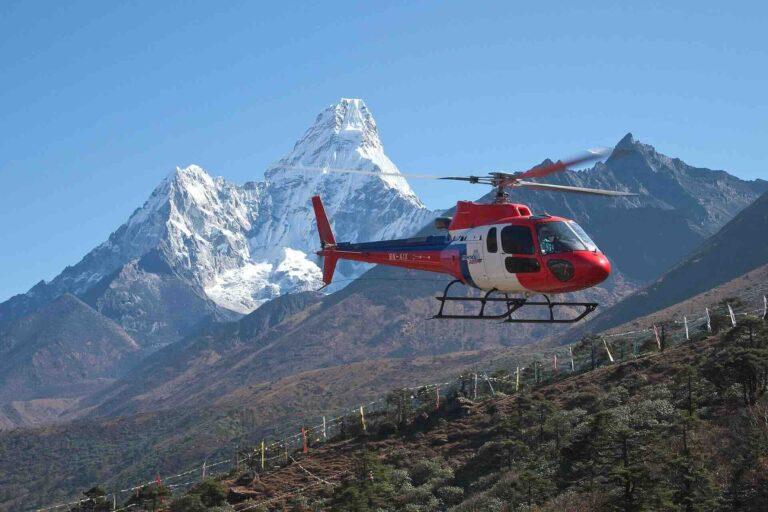
    Nepal’s Fake Rescue Scam Resurfaces, 32 Charged in Multi-Million Dollar Fraud

    A long-running insurance fraud racket involving fake helicopter rescues of foreign trekkers in Nepal’s Himalayas has resurfaced, with authorities charging 32 individuals in a widening crackdown on organised crime in the tourism sector.

    Nepal’s long-running “fake rescue” scam – an elaborate insurance fraud scheme centred on staged helicopter evacuations in the Himalayas – has once again come into sharp focus, with authorities charging 32 individuals in a major crackdown on organised crime in the tourism sector.

    The scam, first exposed around 2018, was believed to have been curbed after the government introduced strict regulations to eliminate intermediaries and hold tour operators accountable for trekkers’ safety. However, fresh investigations by Nepal Police’s Central Investigation Bureau (CIB) reveal that the fraudulent network not only persisted but expanded over the years.

    Officials say lax enforcement and weak punitive action allowed the racket to flourish. “When there is no action against crime, it flourishes,” a senior police official noted, explaining why the scam continued despite earlier reforms.

    How the Fake Rescue Racket Operates

    At the heart of the scam is the manipulation of Nepal’s high-altitude rescue system, which is vital for trekkers and mountaineers navigating the remote and often dangerous Himalayan terrain.

    Under normal circumstances, climbers are required to have insurance that covers emergency helicopter evacuation due to altitude sickness, injury or exhaustion. Fraudsters exploited this system by staging or exaggerating medical emergencies to trigger costly rescues.

    Investigators say the scheme involved a coordinated network of trekking agencies, helicopter companies, hospitals, and insurance intermediaries.

    The modus operandi typically included:

    • Falsely reporting trekkers as seriously ill or injured
    • Arranging unnecessary helicopter evacuations
    • Admitting patients to hospitals without genuine medical need
    • Inflating or fabricating medical bills
    • Submitting fake documentation to insurance companies for reimbursement

    In some cases, tourists were reportedly “rescued” despite being healthy, or admitted briefly to hospitals only to justify insurance claims.

    Investigators also uncovered forged helicopter manifests and fabricated medical records used to legitimise claims.

    Millions Siphoned Through Fraudulent Claims

    Investigations suggest that between 2022 and 2025 alone, fake rescue claims amounted to nearly $20 million.

    Police data shows a significant proportion of reported rescues were fraudulent. For instance:

    • 171 out of 1,248 rescues by one company were found to be fake
    • 75 out of 471 rescues by another firm were fabricated
    • 71 out of 601 rescues by a third company were also fraudulent

    Authorities have demanded compensation amounting to hundreds of millions of Nepali rupees, reflecting the massive financial losses incurred by insurers.

    The racket not only drained insurance funds but also distorted the integrity of Nepal’s rescue system, raising concerns among international insurers and tourists alike.

    32 Charged, Several Absconding

    In the latest development, the Kathmandu district attorney’s office has filed cases against 32 individuals accused of involvement in the scam.

    The accused face charges under organised crime and offences against the state. Of them, eight have been arrested and produced before the court, while the remaining suspects are reportedly absconding.

    The charges follow a detailed 1,200-page investigation report submitted by the CIB, which recommended prosecution against more than 30 individuals linked to trekking firms, rescue companies, hospitals and helicopter operators.

    Interestingly, one high-profile suspect initially identified by investigators as a key figure in the scam has not been prosecuted due to insufficient evidence, though officials say further action remains possible.

    Deep-Rooted Nexus Across Sectors

    The investigation has exposed a deeply entrenched nexus spanning multiple sectors of Nepal’s tourism industry.

    Police allege that at least:

    • 16 trekking companies
    • Five rescue firms
    • Multiple helicopter operators
    • Several hospitals

    were involved in orchestrating the fraudulent scheme.

    Hospitals are accused of admitting patients without medical necessity and inflating bills, while helicopter companies allegedly falsified flight records. Trekking agencies and guides played a key role in identifying and coordinating “clients” for fake rescues.

    In some instances, the same individuals reportedly held roles in both rescue services and medical facilities, indicating overlapping interests and systemic collusion.

    Tourism Reputation at Stake

    The fake rescue scam has dealt a significant blow to Nepal’s global reputation as a premier trekking and mountaineering destination.

    The country attracts thousands of climbers annually to peaks such as Everest, where rescue services are often a matter of life and death. The exposure of widespread fraud has raised serious concerns about the credibility of emergency services and the safety of tourists.

    Industry experts warn that continued malpractice could lead to higher insurance premiums, stricter conditions for trekkers, and potential reluctance among international insurers to cover expeditions in Nepal.

    The scandal also comes at a time when Nepal is actively trying to boost tourism by opening more mountainous routes and promoting adventure travel.

    Renewed Crackdown and the Road Ahead

    Authorities say the latest prosecutions mark a renewed effort to dismantle the fake rescue network and restore confidence in Nepal’s tourism sector.

    The CIB has reopened old case files and intensified investigations, signalling a shift toward stricter enforcement after years of inaction.

    Officials emphasise that the crackdown will continue, with more arrests likely as investigations progress.

    However, experts caution that lasting reform will require stronger regulatory oversight, transparent coordination among stakeholders, and strict penalties to deter future fraud.

    As Nepal seeks to rebuild trust in its tourism industry, the outcome of this high-profile case could prove consequential – not just for those accused, but for the credibility of the country’s entire mountain rescue system.

    Image: Wikimedia

    Sundarbans Honey Harvesting Begins Amid Security Concerns

    Traditional mawals venture deep into the world’s largest mangrove forest as the 2025-26 honey season opens, balancing age-old rituals against rising extortion threats and wildlife dangers.

    Honey collection in Bangladesh’s Sundarbans, the world’s largest mangrove forest, officially began today (April 1, 2026), with teams of mawals (honey collectors) setting sail after obtaining permits from the Forest Department. Although the season was scheduled to start earlier, Eid holidays delayed the formal issuance of passes in some ranges. Eastern Sundarbans operations kicked off immediately, while collectors in the Western ranges (Khulna and Satkhira) are expected to enter from April 7.

    The Forest Department has set a target of collecting 1,100 quintals of honey and 600 quintals of beeswax for the 2025-26 season, though some reports cite an overall goal of up to 2,500 quintals across divisions. Mawals from villages around Shyamnagar, Dumuria, and other coastal areas have formed teams of 7 to 12 members, loading boats with basic tools – ropes, choppers, smoke torches made from green leaves, and stainless-steel cans for storage.

    Abdur Razzaq, a team leader from Dumuria village under Gabura union in Shyamnagar upazila, told reporters his 12-member group is fully prepared. “We are ready and will start our journey after getting the permits,” he said, noting that Sundarbans honey remains in high demand across the country for its natural, unadulterated quality. Collectors will operate until June 30 in designated areas such as Pushpakati and Notabeki.

    Security Concerns Loom Over Operations

    The season opens amid growing security concerns, with many collectors hesitant to enter the forest. Reports of increased activity by forest robbers – including extortion and abductions for ransom – have created fear among the mawals. Anonymous honey collectors revealed that some gangs are demanding up to Tk 10,000 per group, forcing several teams to pay or abandon plans altogether. Local stakeholders worry this could lead to a further decline in participation and output compared to previous years.

    The forest department has assured measures to ensure safety, instructing collectors to follow strict guidelines and stay in designated zones. However, enforcement in the vast, maze-like mangrove waterways remains challenging. In addition to human threats, the dense forest has long been notorious for bandit activity that targets resource-dependent communities.

    Traditional Perils: Tigers, Bees and the Unknown

    Beyond robber threats, mawals face the forest’s inherent dangers. The Sundarbans is home to the royal Bengal tiger, and historical data shows dozens of deaths each year among honey collectors, woodcutters and fishermen. Tigers often ambush collectors focused upward on beehives, while venomous snakes, crocodiles, shifting tides and quicksand add to the risks.

    For generations, mawals have relied on rituals for protection. Before entering, teams pray to Bonbibi, the revered forest goddess believed to safeguard them from Dakshin Rai (the tiger deity) and other spirits. This cultural practice remains integral, blending faith with practical survival strategies passed down through families.

    The bees themselves pose another hazard. Wild colonies in the mangroves are among the largest and most aggressive in the world. Collectors use smoke from leaf torches to calm them before climbing trees and carefully slicing only the honey-laden portions of the comb, leaving the brood intact to ensure future regeneration.

    Economic Lifeline for Coastal Communities

    For thousands of marginalised families around the Sundarbans, honey harvesting provides a critical seasonal income when fishing is restricted. Each collector historically earns the equivalent of $70–80 during the three-month period, enough to repay debts, repair boats or support households. Pure Sundarbans honey commands premium prices.

    The product’s unique flavour, dark colour and medicinal properties stem from the pristine mangrove ecosystem. Demand remains strong both domestically and internationally, with some varieties gaining attention for their purity and potential health benefits. Collectors store the harvest in flat stainless-steel cans to preserve quality before selling through local markets or cooperatives.

    Sustainable Practices and Long-Term Recognition

    Forest officials emphasise sustainable methods. Rules penalise the killing of even a single bee (Tk 50 fine), and mawals are trained to avoid destroying entire hives. This approach supports biodiversity while allowing bee populations to recover. Some cooperatives have introduced modern safeguards, such as mobile financial services like bKash, enabling collectors to avoid carrying cash and reducing robbery risks.

    Sundarbans honey has also attracted global interest. Earlier efforts secured geographical indication (GI) recognition, highlighting its distinct origin and traditional knowledge. Bee migration patterns linked to the Himalayas have further underscored the product’s unique genetic profile, drawing attention at international forums.

    Despite these advances, challenges persist. Climate change, shifting flowering seasons and habitat pressures could affect future yields. Conservationists stress the need for stronger enforcement against illegal activities and better support for mawals to balance livelihoods with ecosystem protection.

    Image: Wikimedia

    2025 Named Among Deadliest Years on Record for Asia-Pacific Migrants, with Nearly 1,500 Afghan Lives Lost

    IOM data exposes a humanitarian crisis as migrant deaths surge for the third straight year, with Afghans and Rohingya bearing the heaviest losses on land and sea routes.

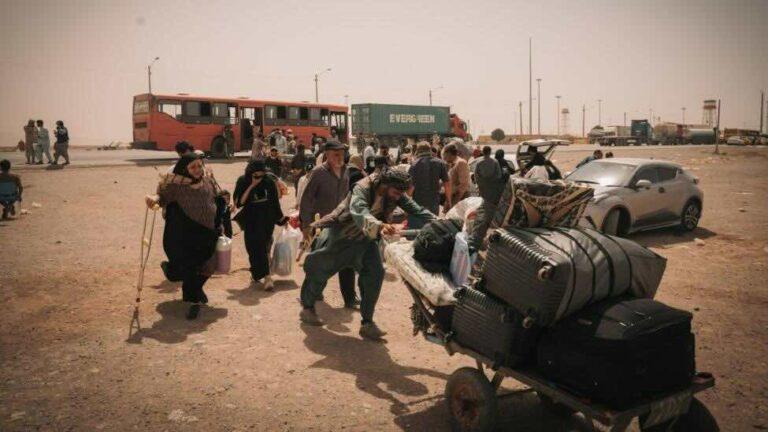
    In a stark reminder of the perils facing people on the move, the International Organization for Migration (IOM) has revealed that more than 2,700 migrants from Asia and the Pacific died or disappeared along global migration routes in 2025. The figures, released on Tuesday through the Missing Migrants Project’s annual regional overview, mark the third consecutive year the toll has exceeded 2,000 – underscoring a persistent and escalating tragedy in one of the world’s most active migration corridors.

    The Grim Toll: Over 2,700 Deaths and Disappearances

    According to the IOM report, at least 2,722 people from Asia-Pacific countries perished or went missing worldwide last year. Of these, Afghans accounted for the largest share, with 1,492 nationals recorded dead or unaccounted for – nearly 55 per cent of the regional total. Nationals from Myanmar, including many Rohingya refugees, formed the second-highest group of victims.

    Ninety-one per cent of all recorded deaths occurred within the Asia-Pacific region itself, highlighting how most fatalities happen close to home before migrants even reach distant destinations. A further 251 Asia-Pacific nationals died or vanished on journeys beyond the region, primarily toward or within Europe, including routes across the Mediterranean, Western Africa, and the Western Balkans.

    The true number of casualties is almost certainly higher. IOM analysts stress that data from conflict zones, remote deserts, and unregulated sea crossings remain incomplete, describing the published figures as a “minimum estimate.”

    Afghans Bear the Brunt on Dangerous Overland Routes

    Afghan migrants faced the deadliest conditions, with at least 1,323 deaths logged along the perilous land corridor between Afghanistan and Iran – the primary gateway for those seeking safety or economic opportunity in Turkey and onward to Europe. Additional fatalities occurred during onward travel from Iran into Turkey and amid forced returns from both Iran and Pakistan, where at least 102 deaths were documented.

    Most Afghan victims were adult men, though roughly 40 per cent of cases lack age and gender details. Families left behind in Afghanistan continue to search for answers, often with little hope of recovery or closure.

    Rohingya Tragedy Unfolds at Sea

    While Afghans dominated overland casualties, Rohingya refugees from Myanmar suffered catastrophic losses at sea. More than 800 Rohingya lost their lives or disappeared while attempting the treacherous crossing of the Bay of Bengal and Andaman Sea, one of the most dangerous maritime routes in the region.

    These journeys, often undertaken in overcrowded, unseaworthy vessels operated by smugglers, have become a recurring nightmare for stateless Rohingya fleeing persecution in Myanmar.

    Drowning and Illness Claim the Most Lives

    Drowning remained the leading cause of death globally, claiming at least 863 lives – roughly one-third of the total. Illness and lack of access to medical care ranked second, followed by vehicle accidents and hazardous transport conditions. Afghan nationals suffered disproportionately from illness and transport-related incidents, with more than 900 fatalities in these categories combined.

    Harsh environmental conditions also took a heavier toll than in previous years. At least 117 migrants died from exposure to extreme cold – more than double the previous year’s figure –  as desperate travellers crossed high-altitude passes and remote deserts without adequate protection.

    Violence and mixed or unknown causes accounted for many remaining deaths, painting a picture of journeys marked by exhaustion, exploitation, and indifference.

    IOM Issues Urgent Call for Safer Pathways

    Dyane Epstein, IOM Deputy Regional Director (Operations) for Asia and the Pacific, described the data as a sobering wake-up call. “These figures remind us that far too many people from the Asia-Pacific region continue to lose their lives while seeking safety or opportunities,” she said.

    The organization emphasised that stronger data collection is only the first step. It called for enhanced international cooperation, the creation of accessible safe and regular migration pathways, and greater support for people on the move. Without such measures, the cycle of preventable deaths is likely to continue.

    The report also highlighted the far-reaching consequences for families and communities. Each missing person leaves behind parents, spouses, and children grappling with grief, financial ruin, and uncertainty – compounding the trauma already endured in countries of origin.

    A Pattern of Persistent Risk

    This is now the second straight year in which Asia-Pacific migrant deaths have topped 2,700, following similarly grim records in 2023 and 2024. The consistency suggests systemic failures in border management, smuggling networks, and humanitarian response rather than isolated incidents.

    Experts note that irregular migration from Afghanistan has intensified amid ongoing instability, while Rohingya continue to risk everything to escape Myanmar’s crackdown. Climate change, economic despair, and conflict in both countries are driving more people toward increasingly dangerous routes.

    As governments and international agencies absorb the latest IOM findings, advocates are pressing for immediate action. Improved search-and-rescue operations, better tracking of missing persons, and legal pathways for refugees and labour migrants are among the most frequently cited solutions.

    Mandarins on the Move: Climate Change Forces Bhutan’s Citrus Heartland to Higher Ground

    Rising temperatures and surging pests are pushing Bhutan’s iconic mandarins uphill, forcing lowland farmers to rethink crops and livelihoods as climate change redraws the kingdom’s citrus landscape.

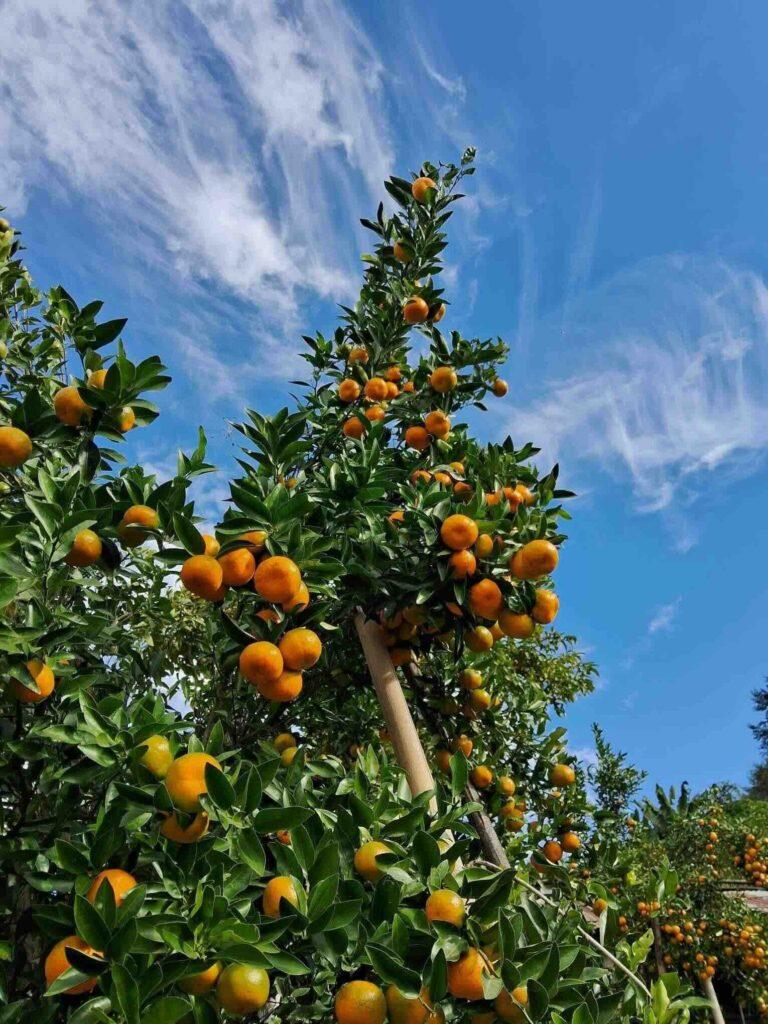
    Rising temperatures, increased pests, and disease linked to climate change are driving Bhutan’s mandarin cultivation to higher altitudes, compelling farmers in lower regions to adapt by shifting crops, livelihoods, and farming practices.

    This quiet but profound transformation is redrawing the kingdom’s citrus map, once dominated by the warm, subtropical valleys of southern and central Bhutan. What was long considered the heartland of mandarin orchards – lush groves that supplied domestic markets and earned precious export revenue – is now becoming less hospitable. Scientists and farmers alike describe a northward and upward migration of the fruit that has defined rural economies for generations.

    The shift is not voluntary. As average temperatures climb across the Himalayan kingdom, conditions that once favoured mandarins in the lowlands are turning hostile. Warmer winters and erratic rainfall patterns allow pests such as the citrus psylla and various fungal diseases to thrive year-round. What used to be seasonal threats have become persistent plagues, devastating yields and forcing growers to spray more chemicals – an expense many smallholders can ill afford.

    Warmer Weather and Pests Trigger an Altitudinal Exodus

    In districts traditionally known for mandarins, such as those in the lower elevations of Tsirang, Dagana, and parts of Sarpang, farmers report trees struggling to fruit properly. Leaves yellow prematurely; fruits drop before ripening; entire orchards that once produced thousands of kilograms now yield a fraction. One veteran grower in a southern valley recently described watching his family’s 20-year-old grove decline over just five seasons: “The heat comes earlier and stays longer. The bugs never leave.”

    With low-altitude farms faltering, mandarins are literally moving uphill. Cultivation is expanding into mid-altitude zones – areas once considered too cool or too risky for commercial citrus. Farmers in higher valleys are experimenting with new plantings, reporting better fruit quality and fewer pest outbreaks in the cooler, cleaner air. This altitudinal migration echoes patterns seen in other Himalayan regions, but in Bhutan it carries special weight: citrus has been a cornerstone of smallholder income, rural employment, and even cultural identity.

    The government’s agriculture ministry has begun tracking the phenomenon through field surveys and satellite imagery. Early data suggest that suitable zones for mandarin production could shift 200–400 metres higher within the next two decades if warming trends continue. That projection carries both risk and cautious optimism. Higher altitudes may offer respite from heat and pests, but they also present new challenges: thinner soils, steeper slopes prone to erosion, and shorter growing seasons. Infrastructure for irrigation, roads, and market access is often poorer in these emerging zones.

    Farmers in Lowlands Face Hard Choices on Crops and Income

    Farmers in the traditional lowlands are responding with a mix of resilience and reinvention. Some are intercropping mandarins with more climate-resilient species – avocados, macadamia nuts, or vegetables that tolerate warmer conditions. Others are abandoning citrus altogether, converting orchards to paddy, maize, or to fodder for livestock. A growing number are turning to agro-tourism, opening homestays amid the remaining groves and offering visitors “mandarin experiences” before the landscape changes forever.

    Yet the human cost is real. Many older farmers lack the capital or knowledge to switch crops quickly. Younger generations, already migrating to urban centres for jobs, see little future in farming under uncertainty. Village cooperatives that once pooled resources for pest control and marketing are now debating whether to invest in new high-altitude plots or diversify entirely.

    Experts from the National Centre for Plant and Soil Sciences emphasise that Bhutan cannot simply “follow” the mandarins uphill without strategic planning. They call for accelerated research into heat-tolerant rootstocks, integrated pest management that reduces chemical use, and climate-smart varieties developed through collaboration with international citrus institutes. Training programmes for farmers on soil conservation and water harvesting are already underway in pilot districts, but scaling them nationally will require significant investment.

    New Opportunities for “Climate Dividend”

    The economic stakes are high. Mandarins have long been one of Bhutan’s few agricultural export success stories, reaching markets in India and beyond. A shrinking lowland harvest could squeeze rural incomes and foreign-exchange earnings at a time when the country is also grappling with broader climate impacts – glacier melt, erratic monsoons, and rising disaster risks.

    Still, the story is not only one of loss. The upward march of mandarins may open doors for previously marginalised highland communities to participate in commercial agriculture. With proper support – improved roads, cold-storage facilities, and marketing linkages – new growers could supply premium, pest-free fruit that fetches higher prices. Some agronomists even speak of a “climate dividend” if Bhutan positions itself as a producer of high-altitude, organic citrus.

    What the Future Holds for Bhutan’s Citrus Economy

    For now, the landscape is in flux. Orchards that once blanketed southern slopes stand thinner and more scattered. Higher up, tentative new plantings dot hillsides that were meadows or forests only a decade ago. The mandarins are on the move, and Bhutan’s farmers, policymakers, and scientists must move with them.

    The kingdom’s Gross National Happiness philosophy, which places equal weight on economic progress and environmental stewardship, faces a practical test here. How Bhutan manages this agricultural transition – balancing adaptation, equity, and sustainability – will shape not just its citrus map but the resilience of its rural heartlands for generations to come.

    As temperatures continue their inexorable rise, the mandarins’ journey uphill serves as a living barometer of climate change in the Himalayas. The question is no longer whether the map will be redrawn, but how thoughtfully Bhutan draws the new lines.

    Focus keyphrase:

    Tags:

    Prolonged Middle East Conflict Could Choke Asia-Pacific Growth, Spur Inflation and Hit Agriculture Hard: ADB

    ADB research warns that prolonged Middle East conflict could slash growth in developing Asia and the Pacific by up to 1.3 percentage points, drive inflation higher by 3.2 percentage points, and trigger fertiliser-energy shocks that threaten regional agriculture and food security.

    The ongoing conflict in the Middle East is sending fresh shockwaves through global markets, with developing economies in Asia and the Pacific facing a double blow of slower growth and rising prices, according to new research released by the Asian Development Bank (ADB). A detailed ADB brief published on 26 March 2026 outlines three risk scenarios, showing that the severity of the impact hinges on how long disruptions to energy supplies and shipping routes persist.

    If the disruptions last more than a year, economic growth in developing Asia and the Pacific could be lowered by as much as 1.3 percentage points over 2026-2027, while inflation could climb by 3.2 percentage points, the report predicts. The effects would ripple through higher energy prices, broken supply chains, tighter financial conditions, and potential hits to tourism and remittances. Short-lived tensions would allow energy prices to ease quickly, but prolonged conflict would lock in higher costs and deeper economic pain.

    Agriculture Faces Fertiliser and Energy Shock

    The conflict is already delivering a direct blow to Asian agriculture. The Middle East supplies nearly half of global urea exports and around 30 per cent of ammonia – both critical for fertiliser production. Disruptions have tightened availability and pushed prices significantly higher. Production cuts in Qatar, where major fertiliser producer QAFCO suspended operations amid gas supply constraints, have compounded the problem. Gulf countries also account for 45 per cent of global sulphur exports and Qatar supplies roughly one-third of the world’s helium, both essential for fertiliser manufacturing.

    Energy prices have surged dramatically. Crude oil climbed from around $70 per barrel in late February to nearly $120 at the peak of tensions and remains above $100. Natural gas prices have risen sharply too. Because fertiliser production is highly energy-intensive – especially nitrogen-based products like urea and ammonia that rely on natural gas – these increases are feeding directly into higher input costs for farmers across Asia.

    Food Security and Farm Incomes at Risk

    Higher fertiliser prices mean farmers may cut back on application, leading to lower crop yields. Rising transportation and processing costs are adding further pressure on food supply chains. The ADB warns that food inflation is likely to emerge as a major channel through which the conflict affects households. Many economies in Asia and the Pacific depend heavily on imported fertilisers, chemicals and energy, making them especially vulnerable to just-in-time supply disruptions. Shipping delays through the Strait of Hormuz have already driven up freight and insurance costs, threatening timely delivery of inputs for planting cycles.

    Governments could face heavier subsidy burdens to protect food security, while farmers see squeezed margins and rising financial stress. The report highlights that prolonged conflict would amplify these risks, potentially reducing agricultural output and pushing up consumer food prices across the region.

    Regional Differences in Impact

    The ADB research shows uneven effects across Asia and the Pacific. Growth losses are expected to be most severe in developing Southeast Asia and the Pacific, where economies are more exposed to energy price swings and shipping disruptions. Inflation pressures, however, will hit hardest in South Asian economies, where food and energy make up a larger share of household spending and import dependence is high.

    ADB Chief Economist Warns of Difficult Trade-Off

    “Prolonged energy disruptions could force economies in developing Asia and the Pacific to navigate a difficult trade-off between weaker growth and higher inflation,” said ADB Chief Economist Albert Park. He urged governments to act decisively to protect the most vulnerable while building longer-term resilience.

    Policy Roadmap for Resilience

    The ADB brief sets out four practical policy responses. First, governments should allow energy prices to pass through to consumers rather than imposing broad subsidies or price controls. Partial pass-through encourages conservation, fuel switching and investment in alternative energy. Second, any fiscal support must be targeted and time-bound, focusing on vulnerable households and affected industries to limit fiscal costs. Third, central banks should provide targeted liquidity to calm markets without aggressive tightening that could worsen the growth slowdown; clear communication to anchor inflation expectations will be crucial. Fourth, countries should actively curb energy demand through practical steps such as temperature limits on air-conditioning, reduced non-essential lighting, peak-hour electricity-saving drives, staggered work schedules, and incentives for public transport and car-free days.

    Broader Economic and Global Context

    The conflict’s ripple effects extend beyond energy and fertilisers. Supply chain disruptions, tighter global financial conditions and uncertainty over Red Sea and Suez routes are all weighing on trade. Tourism and remittance flows could also suffer if the situation worsens. The ADB stresses that the scenarios carry high uncertainty and should be treated with caution, yet the underlying message is clear: Asia and the Pacific must prepare for a more challenging economic environment in the coming years.

    With the region still recovering from previous shocks, the latest ADB analysis serves as a timely reminder of the region’s exposure to distant geopolitical events. Policymakers across Asia are now under pressure to balance short-term relief for farmers and households with measures that strengthen long-term supply-chain resilience and energy security.

    Poor Nations Face 10 Times More Heat Deaths by 2050 Says Climate Impact Lab; India Confronts Sharp Regional Risks

    A landmark Climate Impact Lab report reveals a deepening climate injustice: by 2050, temperature-related deaths could strike poor countries ten times harder than rich ones, with India’s hottest and poorest regions facing mortality spikes equivalent to major diseases.

    A new report from the Climate Impact Lab paints a sobering picture of how climate change will exacerbate existing inequalities. By 2050, poor countries are projected to suffer up to ten times more temperature-related deaths than wealthy nations. Over 90 per cent of additional heat-linked fatalities worldwide will occur in low- and middle-income countries, where resources for adaptation remain scarce.

    The findings, part of the lab’s inaugural “Adaptation Roadmap” series, underscore that rising temperatures alone do not tell the full story. Mortality will hinge on both the intensity of warming and the investments governments and communities make in protective measures such as cooling infrastructure, healthcare access, and resilient urban planning. Without targeted action, the burden will fall disproportionately on hotter, poorer regions already struggling with limited government capacity and weak international investment.

    India’s Uneven Heat Risks Exposed

    India, ranked 76th out of 241 regions globally for projected mortality increase, illustrates the report’s core message of internal disparities. Nationally, the average rise in temperature-related deaths is estimated at 2.4 per 100,000 people. Yet this figure masks dramatic regional variations that could prove lethal.

    In the northwest and north-central parts of the country, the outlook is far grimmer. Karanpur, a town and municipality in the Sri Ganganagar district of Rajasthan, is projected to see an increase of 26 deaths per 100,000 – among the highest anywhere. Across the hardest-hit zones, additional mortality could reach 23-25 deaths per 100,000, a rate comparable to current fatalities from tuberculosis or diabetes.

    Conversely, some areas stand to fare better. Padam in Kashmir, along with parts of the southwest, east, and extreme north, could see mortality decreases of up to 25 deaths per 100,000, likely due to slightly cooler baselines or existing adaptive factors. These contrasts highlight how geography, income levels, and local adaptation capacity will determine outcomes within the same nation.

    The report warns that India’s vulnerability stems not only from rising heat but from structural barriers: inadequate cooling systems, uneven healthcare access, and urban planning that has yet to fully integrate climate resilience, especially in rural and semi-urban pockets.

    The Cruel Irony of Climate Injustice

    Michael Greenstone, co-founder of the Climate Impact Lab and director of the Energy Policy Institute at the University of Chicago, described the disparity as one of climate change’s harshest realities. “This report uncovers one of climate change’s cruelest ironies – it is projected to kill millions of people in the countries that have generally done the least to cause it,” he stated.

    Tamma Carleton, faculty head of research for the Climate Impact Lab and assistant professor at the University of California, Berkeley, echoed the concern. “The regions where increases in mortality are highest are also those with few resources, limited government capacity, and a weak history of attracting international private investment,” she noted. “Limited resources will decide who lives and who dies.”

    The analysis draws on highly localized data, comparing scenarios across countries with similar climates but vastly different economies. For instance, Burkina Faso in West Africa – hot like Kuwait but far poorer – is expected to experience double the heat-related deaths of its wealthier counterpart by 2050, purely due to adaptation gaps.

    Adaptation: The Key to Saving Lives

    The report’s central message is hopeful amid the grim projections: adaptation works when strategically deployed. Investments in air conditioning, cooling centres, early warning systems for heatwaves, and climate-smart healthcare could dramatically reduce fatalities. The ‘Adaptation Roadmap’ series aims to pinpoint exactly where such spending will yield the greatest returns in lives saved.

    For India, this means prioritizing the northwest and north-central regions with urgent measures – expanding rural health infrastructure, enforcing heat action plans, and integrating resilience into development projects. The report urges policymakers to treat climate adaptation not as an afterthought but as a core component of public health and economic planning.

    Globally, the findings call for redirecting finance and technology toward the most vulnerable. Rich nations, historically the largest emitters, bear a moral and practical responsibility to support adaptation in the Global South through international funds, private investment, and knowledge sharing. The report says that without such action, the mortality gap will widen, turning climate change into a driver of deeper global inequality.

    Flash Floods Kill 17 in Afghanistan as Heavy Rains Batter Western, Central and Northern Provinces

    Seventeen dead and dozens injured as relentless heavy rains trigger flash floods across 13 provinces, destroying homes, farmland and roads – with forecasters warning the deluge is far from over.

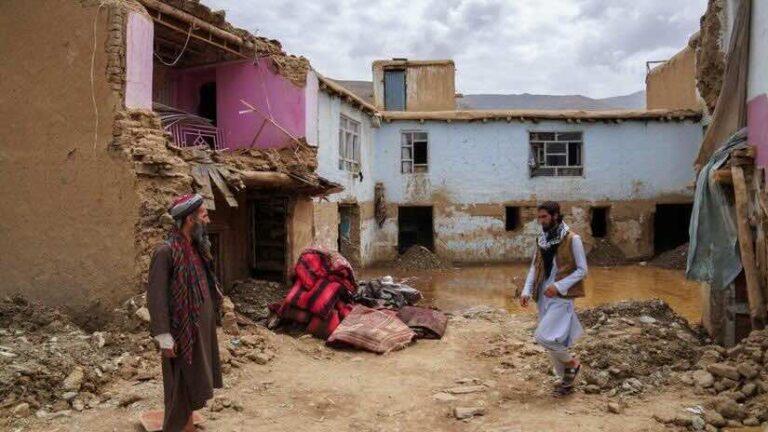
    Torrential rains and flash floods have torn through large swathes of Afghanistan, claiming at least 17 lives and injuring 26 others in the past 24 hours alone. The Taliban-run National Disaster Management Authority (ANDMA) confirmed the casualties on Sunday as emergency teams scrambled to reach isolated communities amid ongoing thunderstorms and rising river levels.

    The disaster has struck 13 provinces, mostly in the western, central and northern regions: Parwan, Maidan Wardak, Daikundi, Logar, Herat, Farah, Badghis, Ghor, Samangan, Sar-e Pol, Jawzjan, Faryab and Laghman. In the western province of Herat, local officials reported that flooding killed two people and caused significant property damage. Further north in Samangan, homes and agricultural fields were inundated in the provincial centre and surrounding districts.

    Homes, Roads and Farmland Swept Away

    According to ANDMA spokesperson Yousuf Hamad, the floods have completely destroyed 37 houses while partially damaging another 110 homes and 10 shops. Nearly 600 jeribs (roughly 300 acres) of farmland have been ruined, and approximately 80 kilometres of roads have been washed out or blocked. Several major transit routes were temporarily closed, including highways in Kohistanat, Albadar and Sayad districts of Sar-e Pol province, the Charkent district road in Balkh, and the strategic Badghis–Faryab highway.

    In Kabul, heavy downpours submerged stretches of road, snarling traffic and forcing residents to wade through knee-deep water in low-lying neighbourhoods. The scale of destruction has left around 500 families in immediate need of emergency assistance, though the true number of affected households is expected to rise as assessment teams reach more remote villages.

    Local residents described scenes of chaos. Muddy torrents crashed through narrow valleys, sweeping away livestock, mud-brick homes and freshly planted crops. In one reported incident in Herat’s Kabkan district earlier linked to similar weather patterns, entire families have been vulnerable when roofs collapsed under the weight of rainwater.

    Government Response and Initial Relief Efforts

    The Taliban administration has activated its disaster-response machinery, with ANDMA coordinating limited relief supplies. Emergency assistance has already reached some of the hardest-hit families, though officials acknowledged that access remains difficult in mountainous terrain where roads are now impassable. Spokesman Hamad stated: “As a result of these incidents, 17 people have been killed and 26 injured. Additionally, 37 houses have been completely destroyed, while 110 houses and 10 shops have been partially damaged.”

    The ministry of public works confirmed multiple highway closures and urged drivers to avoid flooded routes. No international aid appeals have been publicly detailed yet, but humanitarian organisations are monitoring the situation closely given Afghanistan’s chronic vulnerability.

    Meteorological Warnings Signal More Trouble Ahead

    Afghanistan’s Meteorological Department has issued a stark forecast. Head Mohammad Nasim Muradi warned: “Based on forecast models, rainfall accompanied by thunderstorms and floods is expected in most parts of the country, and this situation will continue in the coming days.” The agency has placed several provinces on high alert, predicting that rivers and streams already swollen by recent snowmelt could overflow further.

    Economic expert Shams-ur-Rahman Ahmadzai called for long-term preventive measures, telling reporters: “Standard retaining walls should be constructed along rivers in both central and provincial areas to prevent human casualties and financial losses.” His comments echo a growing consensus that Afghanistan – one of the world’s most climate-vulnerable nations – needs systematic investment in flood defences rather than reactive aid after each disaster.

    A Nation Repeatedly Punished by Climate Extremes

    This latest wave of flooding comes against a backdrop of increasingly frequent and intense extreme weather events in Afghanistan. Years of conflict, weak infrastructure and limited early-warning systems have left rural communities especially exposed. Flash floods regularly destroy the very farmland that sustains millions in a country where agriculture remains the backbone of the economy.

    The current rains follow a prolonged dry spell earlier in the season, turning what should have been a welcome break into a deadly deluge. Experts note that climate change is amplifying these swings – hotter temperatures melt mountain snow faster, while erratic rainfall patterns overwhelm riverbeds long choked with sediment and debris.

    Human Stories Behind the Statistics

    While official tallies focus on numbers, the human toll is deeply personal. Families who lost loved ones now face the double blow of bereavement and homelessness. Children have been pulled from school as classrooms flood or roads become impassable. Farmers watch months of labour vanish under brown water. In Samangan and Herat, where the death toll has been most visible, survivors are already beginning the grim task of digging out belongings and rebuilding what they can before the next storm arrives.

    ANDMA has appealed for calm and cooperation from local communities while relief convoys are dispatched. Yet with more rain forecast, officials privately admit that the coming days could push the casualty figures higher and stretch already limited resources to breaking point.

    As Afghanistan grapples with this latest natural disaster, the episode underscores the urgent need for both immediate humanitarian support and longer-term adaptation strategies. International partners have historically stepped in after major floods, but sustained funding for infrastructure – from reinforced riverbanks to better drainage in provincial towns – remains elusive under the current political climate.

    For now, the focus is on saving lives and preventing further loss. Rescue teams continue to search for anyone still missing, while meteorologists track the next wave of storms.

    Systemic Apathy and Persistent Violence Undermine Nepal’s Promise of Dalit Inclusion

    While the National Dalit Commission launches a new digital grievance system, severe underfunding, political interference, and deep-seated societal violence highlight the gaping divide between constitutional guarantees and lived realities for Nepal’s marginalized Dalit community.

    In a bid to modernize access to justice, Nepal’s vice president Ram Sahaya Prasad Yadav recently inaugurated the national Dalit commission’s (NDC) new Five-Year Strategic Plan alongside an online grievance management system. The digital platform, designed to allow victims of caste-based violence to file complaints directly via their mobile devices, marks a crucial step toward accessibility. Yet, behind this veneer of technological progress lies a grim institutional reality: 24 years after its inception, Nepal’s constitutional watchdog for Dalit rights remains paralyzed by severe underfunding, political interference, and a society that stubbornly clings to discriminatory practices.

    Despite Nepal’s transition to a federal democratic republic and the sweeping protections enshrined in the 2015 Constitution, the country’s Dalit community – constituting 13.44 per cent of the total population, or nearly 3.9 million people – continues to fight for basic human dignity. The struggle for equality is not new; it traces its roots back to the 1940s when pioneers like Bhagwat Sarbajit Bishwakarma launched the country’s first organized anti-untouchability movements. Over eight decades later, the legacy of that struggle remains agonizingly unfulfilled.

    A Watchdog Starved of Resources

    Established in 2002 amidst mounting pressure from Dalit activists and the Maoist armed insurgency, the National Dalit Commission was originally envisioned as a robust defender of human rights. Elevated to a constitutional body in 2015 and capped at five members, its mandate was to investigate untouchability, protect vulnerable communities, and hold the government accountable.

    Today, however, the Commission exists more in name than in practice. Dalit rights activists argue that the NDC has been transformed from a credible human rights institution into a convenient posting ground for political loyalists. “Officials appointed by one party are simply not accepted by leaders of other parties,” notes Dalit rights activist and writer Hira Bishwakarma, pointing out that the body has become a recruitment centre for party workers rather than a hub for knowledgeable experts.

    The financial strangulation of the commission is equally paralyzing. While the NDC requests a modest annual budget of Rs 80 to 100 million to operate effectively across the country, the federal government typically allocates a maximum of Rs 30 to 40 million. For the current fiscal year, the allocation is barely Rs 40 million, the vast majority of which is swallowed by office rent, salaries, and allowances.

    Commission Chairperson Devraj Bishwokarma bluntly summarizes the dire situation: “Singha Durbar has never been able to understand the concerns of Dalits. The budget it gives is as if to say – draw your salary and sit idle.” Last year, the commission had a meagre Rs 2.8 million available for actual programmatic work, rendering large-scale interventions and victim support virtually impossible.

    The Staggering Cost of Discrimination

    The institutional paralysis at the NDC is playing out against a backdrop of persistent, and often lethal, societal violence. It has been 15 years since the government implemented the landmark caste-based discrimination and untouchability (offences and punishments) act in 2011. Yet, the legislation has failed to dismantle deeply entrenched caste hierarchies.

    Since the act’s implementation, at least 17 Dalits have lost their lives in circumstances directly linked to caste discrimination. According to data from the national Dalit commission, approximately 60 per cent of all reported grievances involve severe caste-based discrimination, verbal abuse, and physical assault. Dalits continue to face brutal realities daily: denial of housing, arbitrary social ostracism, and violent reprisals.

    Compounding the tragedy is the frequent apathy of law enforcement. Victims routinely report that local police refuse to register complaints when they seek justice – even in harrowing cases involving sexual violence or severe physical assault. This culture of impunity forces many to rely on informal local settlements that almost always favour the dominant caste perpetrators.

    The Illusion of Political Inclusion

    This systemic marginalization extends beyond physical violence into the corridors of power, particularly for Dalit women. While political parties frequently boast about inclusion and proportional representation, the reality is starkly different.

    Bishwokarma says that the political establishment appears to have reached a silent, cynical consensus: the physical labour of the Dalit woman is deemed essential for the streets, but her leadership is perceived as a direct threat to the sanctuary of the boardroom. When the state does yield to inclusion mandates, it typically offers “ornamental” portfolios – decorative roles designed strictly to fulfil constitutional quotas without granting any substantive influence or decision-making power.

    Advocates are increasingly vocal that it is time to move beyond the periphery. There is a growing demand that Dalit women be entrusted with mainstream, heavyweight ministries such as the ministry of finance, the ministry of law, or the ministry of labour.

    A Digital Push Amidst Systemic Hurdles

    In this climate of systemic neglect, the NDC’s newly launched online complaint system and its Five-Year Strategic Plan offer a glimmer of hope. NDC Chairperson Bishwokarma emphasizes that the digital initiative aims to make legal remedies faster and more efficient, allowing rural victims to bypass uncooperative local authorities and report abuse directly to the central body.

    During the launch in Lalitpur, vice president Yadav lauded the initiative but offered a stern reminder of the work ahead. He emphasized the urgent need to bring marginalized Dalits – especially those from the Terai-Madhesh region – into the national mainstream, demanding that the commission become significantly more proactive in fighting internal discrimination and societal evils.

    However, advocates say that a digital portal alone cannot cure a systemic disease. Rights activist Pradeep Pariyar acknowledges that securing a constitutional commission was a monumental achievement. Yet, moving forward, he stresses that the commission requires more than just an online form. It necessitates a genuine political will from Singha Durbar to ensure that the laws written in the capital are actually enforced in the villages, he says.

    UN International Year of the Woman Farmer: FAS Webinar Highlights Women’s Central Yet Underpaid Role in Indian Agriculture

    The Foundation for Agrarian Studies hosted a webinar in Bengaluru to mark the UN International Year of the Woman Farmer, sharing perspectives from village studies in India on women’s work.

    On Thursday, March 26, 2026, the Foundation for Agrarian Studies (FAS), Bengaluru, organised a webinar titled “UN International Year of the Woman Farmer: Some Perspectives from Village Studies in India.”

    The United Nations has declared 2026 as the International Year of the Woman Farmer to highlight the crucial yet often unrecognised role women play across agrifood systems, and to bring awareness to bridge the gender gap and boost women’s livelihoods globally. FAS has been running a social media campaign to underline women’s contributions in sustaining rural economies in India. The webinar marked a culmination of this campaign.

    The session was chaired by Divya Pradeep, Associate Professor, Department of Economics, CHRIST (Deemed to be University). It began with a brief welcome address by Sandipan Baksi, Director, FAS, who talked about FAS’s consistent engagement with the question of women’s work in rural India.

    First Step Towards Recognition

    Madhura Swaminathan, Trustee, Foundation for Agrarian Studies and former Professor and Head, Economic Analysis Unit, Indian Statistical Institute, was the lead speaker.

    She began the talk by stating: “Counting women farmers and workers is the essential first step towards recognising their work, and securing their rights and ensuring remuneration commensurate with their labour.”

    Swaminathan spoke of how traditional labour force surveys are “unable to capture the work done by women in rural agrarian economies accurately because women’s tasks are frequently home based, farm based, seasonal, intermittent, and intermingled with unpaid care work and domestic responsibilities.” This invisibility, she argued, is compounded by the fact that many women do not report themselves as “workers,” as their responsibilities are often split between child care and other domestic chores, and agricultural tasks.

    Even the current official statistics, which grossly underestimate women’s work, show that the female workforce in agriculture has risen to approximately 117.6 million, nearly reaching the male workforce of 127.5 million for the first time in post-Independence India. The rise in female participation also stems from economic distress: men are moving out of agriculture seeking more remunerative employment elsewhere, while women, physically constrained by the responsibilities of care work, are left with locally available, low-paid, or unpaid agricultural labour. The growing participation of women in MGNREGA is also a reflection of this lack of mobility.

    Village Studies Reveal Women’s Heavy Contribution

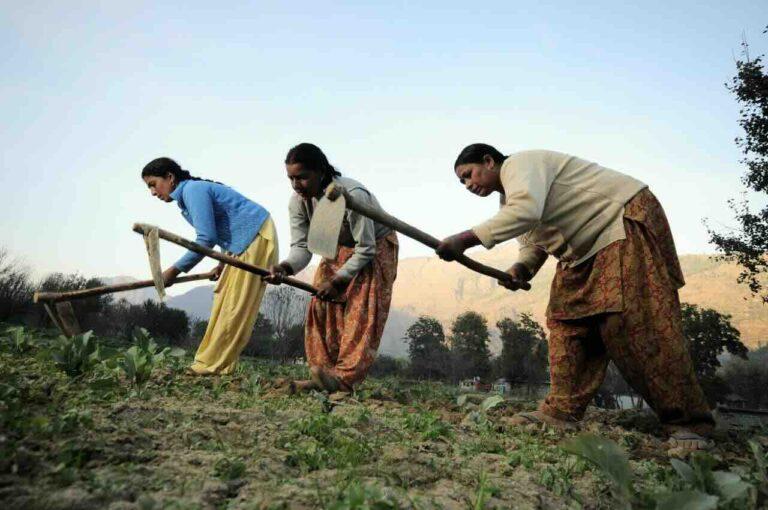
    The regular field surveys conducted by FAS clearly highlight the centrality of women’s labour to crop and livestock production in the countryside. These village studies indicate that women account for 25 to 60 per cent of the total labour deployed in cultivation across different regions. Despite this heavy reliance on women’s efforts, they do not necessarily receive “adequate days of employment” or a “reasonable return on their labour.”

    Livestock Sector Almost Entirely Dependent on Women

    The discussion dwelled on how livestock sector in rural India is almost completely dependent on women, who constitute the primary workforce but receive extremely low economic returns. In a cattle-owning household, for example, a woman typically spends about two hours a day per animal, adding up to roughly 91 8-hour working days a year. But the “implicit return on women’s labour in animal rearing is extremely low,” often falling below one-third of the daily wage rate for casual agricultural labour.

    Madhura Swaminathan concluded it is a “matter of grave concern” “that women’s economic contribution is not adequately recognised,” and they remain a largely “underpaid, or, often unpaid part of the rural workforce.” The economic environment for rural women is defined by significant structural barriers and persistent wage gaps. Addressing these issues requires overcoming stumbling blocks in collection and analysis of data, which has to begin with systematically collecting gender disaggregated data on all dimensions of the rural economy.

    Chair Underlines Relevance for India

    In her summary, Divya Pradeep underlined the immense relevance of the UN’s declaration of 2026 as the “Year of the Woman Farmer,” for India, given the complex nature of the “feminisation” of agriculture in India, wherein women’s contributions to crop and livestock production are substantial but remain underreported. She discussed the methodological inadequacies in capturing women’s work. Participants spoke of how, even the Time-Use-Surveys conducted by the NSS failed to delineate the nature of activities women are engaged in for each household.

    This was followed by a rich round of question and answers, which led to discussions that touched upon various facets of the structural hurdles faced by women in agriculture in India. The social impact of these hurdles is yet to be fully understood. Crucial data gaps were also identified, such as the lack of gender-disaggregated data on the cost of cultivation in official publications and missing information on women’s access to production-oriented credit like Kisan cards. Current Self-Help Group (SHG) loans are largely used for consumption. Finally, the session clarified the valuation of labour by distinguishing between monetised wages for hired workers and “implicit earnings” for family labour.

    The webinar saw active participation from the attendees and was instrumental in throwing light on and advancing the important discussion on women’s work in agriculture.