More

    India Joins Global Surge in Climate Litigation as Courts Shape New Environmental Rights

    The report explores India’s emerging climate litigation, with 14 cases addressing air pollution, deforestation, renewable energy, and constitutional rights, signalling climate change as a human rights issue, amid global trends in developed nations.

    Courtrooms across the world are fast emerging as new arenas of climate justice. A recent joint report by the United Nations Environment Programme (UNEP) and the Sabin Center for Climate Change Law at Columbia University reveals that as of June 30, 2025, more than 3,099 climate-related cases have been filed in 55 countries and before 24 international or regional courts and tribunals. The report, Global Climate Litigation Report: 2025 Status Review, highlights a striking increase in legal actions seeking to hold governments and corporations accountable for their role in the climate crisis.

    While most cases are still concentrated in developed countries such as the United States, Australia, Brazil, the United Kingdom, and Germany, India has begun to carve out a presence in the growing movement. According to the report, Indian courts have now seen at least 14 climate-related cases, a number small but significant in the context of a legal system that has historically relied heavily on public interest litigation to advance environmental justice. These cases span a range of issues — from air pollution and deforestation to renewable energy obligations and the constitutional right to a healthy environment — reflecting the growing awareness that climate change is not only an ecological or economic issue but a fundamental question of human rights.

    Surged Dramatically

    The Indian judiciary has long been an active guardian of environmental rights, and the recent trends reinforce that role. The Supreme Court and the National Green Tribunal (NGT) have increasingly interpreted Articles 14 and 21 of the Constitution, which guarantee equality before the law and the right to life, to include the right to a clean, safe, and sustainable environment. In a landmark judgment earlier this year, the Supreme Court explicitly recognized citizens’ right to be protected from adverse climate effects while balancing India’s ambitious renewable energy expansion with biodiversity conservation. This followed the case of Mk Ranjitsinh and Others v. Union of India, where the Court intervened to address concerns over a transmission line for renewable power projects running through sensitive habitats. The judgment underscored the delicate balance between the nation’s clean energy commitments and the need to safeguard its ecological heritage.

    The UNEP–Sabin Center report points out that litigation globally has surged dramatically over the past decade. There were about 884 cases recorded in 2017, around 1,550 in 2020, and over 2,180 by 2022. The number has now crossed 3,000, showing how citizens, communities, and even sub-national entities are increasingly turning to the courts when policy processes fail to deliver. A defining feature of this litigation wave is its growing emphasis on human rights. Courts around the world are treating climate change not just as an environmental problem but as a threat to basic human rights such as life, health, and dignity. The report notes that the framing of climate obligations in rights-based terms has helped drive momentum and legitimacy for climate action, and in several jurisdictions, it has already led to binding orders compelling governments to strengthen mitigation targets or update adaptation plans.

    Evolving Jurisprudence

    At the international level, the rise of advisory opinions from global courts, including the International Court of Justice, has begun to clarify that states have enforceable obligations to prevent climate harm, regulate emissions, and assist vulnerable countries. Domestically, meanwhile, new forms of litigation are emerging against corporations accused of greenwashing or misleading environmental disclosures. There is also a noticeable shift toward holding financial institutions accountable for funding activities linked to fossil fuels or deforestation.

    In India, this expanding legal frontier is accompanied by an evolving jurisprudence on environmental accountability. Public interest lawyers and environmental organisations have increasingly brought cases that test the boundaries of administrative responsibility and constitutional protections. Petitioners have demanded stricter enforcement of emission standards, better forest management, and the inclusion of climate impact assessments in industrial and infrastructure projects. Courts have responded with a mix of bold rulings and cautious deliberation, navigating between developmental imperatives and ecological integrity.

    Yet, despite this judicial assertiveness, challenges abound. Access to justice remains deeply unequal, especially for marginalised communities most affected by climate impacts such as floods, droughts, or air pollution. Many potential litigants lack the resources or technical expertise to frame climate-specific legal arguments. Scientific attribution — establishing direct causal links between specific emissions and specific harms — remains complex, limiting the ability to hold individual actors liable. Even when courts issue strong orders, enforcement often falters in the face of bureaucratic inertia or political resistance. Environmental advocates warn that without institutional reform and better monitoring mechanisms, landmark rulings risk remaining on paper.

    The report also draws attention to an emerging countertrend: the rise of retaliatory or “pushback” litigation. Corporations and political entities have filed suits designed to delay climate regulations or intimidate activists — so-called SLAPPs, or Strategic Lawsuits Against Public Participation. Such tactics, the report cautions, could slow down progress and discourage citizen participation in climate governance.

    Evolving Stance

    Despite these obstacles, the legal turn in climate action is transforming both discourse and practice. Even the threat of litigation is prompting governments and corporations to reassess their policies and disclosures. By embedding climate accountability within constitutional and human rights frameworks, courts are reshaping how states conceptualise their responsibilities toward citizens and future generations. The ripple effects are visible in policy: governments have begun incorporating climate risk into urban planning, disaster management, and industrial regulation, while corporations are revising their sustainability reports under greater scrutiny.

    In India, the judiciary’s evolving stance aligns with the country’s broader climate goals — achieving net zero by 2070, expanding renewable capacity, and ensuring climate resilience. But it also goes a step further by defining what environmental justice means in the Indian context: equitable distribution of environmental benefits and burdens, intergenerational responsibility, and participatory decision-making. The challenge now lies in translating these judicial ideals into effective governance.

    As the UNEP and Sabin Center report concludes, the surge in climate litigation is not a passing phenomenon but a fundamental realignment of law and policy in response to the planetary emergency. The courtroom is no longer the last resort for climate action; it is becoming one of its primary engines. For India, as for the world, the message is clear — the era of unenforceable promises is ending, and the age of climate accountability, defined by rights, reason, and the rule of law, has begun.

    India Seeks to Shift Climate Discourse from Promises to Practice at Pre-COP30 in Brazil

    COP30, set for November 10–21, 2025, in Belém, Brazil, follows a strategic Pre-COP to align country positions. India aims to finalise NDC 3.0, balancing adaptation and mitigation, advocating for equity and accountability.

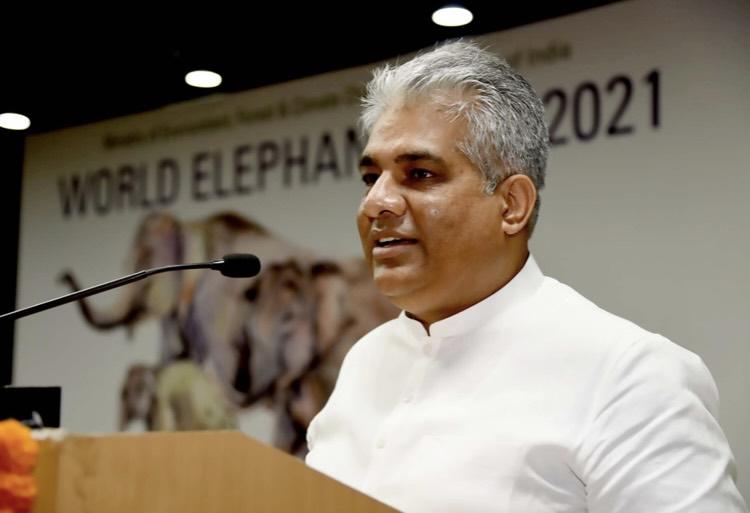
    As world leaders and environment ministers converge in Brasilia for the Pre-COP30 roundtable, India has positioned itself firmly in the climate action vanguard, pressing for stronger adaptation measures, increased climate finance, and a reorientation of global negotiations toward implementation. Union Environment Minister Bhupender Yadav, leading India’s delegation, articulated a bold vision: make COP30 in Brazil the “COP of Adaptation,” where commitments are translated into tangible actions.

    Arriving in the Brazilian capital to represent India, Minister Yadav declared that Pre-COP30 offers a pivotal moment to build consensus on the key pillars of climate diplomacy — from adaptation to energy transition to climate finance. In remarks made at the ministerial roundtable, he stressed that COP30 must send a powerful message reasserting multilateralism as fundamental to collective climate action.

    “Our focus must shift from ambitious commitments on paper to real-world implementation that improves people’s lives,” Yadav said, urging a transformation of global climate pledges into projects, policies, and practices. He proposed that countries adopt a minimum package of adaptation indicators under the UAE-Belém Work Programme and commit to the Baku Adaptation Roadmap.

    Central to his appeal was the call for scaling up public finance for adaptation, arguing that such investments can catalyse additional financing from other sources. He cautioned against introducing new mechanisms that could undermine the architecture of the Paris Agreement post-Global Stocktake, and instead emphasized that any pathway forward must align with the first GST and respect countries’ national circumstances.

    Yadav reiterated India’s aspiration to be part of the solution—not a problem—in global climate efforts, spotlighting India’s leadership roles in initiatives such as the International Solar Alliance, Coalition for Disaster Resilient Infrastructure, and the International Big Cat Alliance as examples of action-oriented multilateral cooperation.

    Framing COP30 as the “COP of Adaptation”

    India’s positioning is unambiguous: COP30 must elevate adaptation from a secondary agenda item to a central transformational objective. In his statement to the press, Yadav emphatically declared that COP30 “should be the COP of adaptation.”

    He stressed that adaptation must be embedded into all thematic tracks of COP30 — not only as a reaction to climate impacts, but as a proactive framework guiding investments, resilience building, and development planning. India argues that without robust adaptation measures — especially for vulnerable countries — mitigation alone will not spare communities from climate shocks.

    In crafting this narrative, India is signalling to other developing nations that adaptation deserves parity with mitigation and must go hand in hand with reducing emissions. The shift also underscores a broader equity demand: that climate justice cannot be served if adaptation remains underfunded or marginalized.

    The Finance Imperative and Global Tensions

    Underlying India’s adaptation push is a stark reality: many vulnerable nations cannot fund resilience on their own. Yadav repeated that richer countries should accelerate flows of public climate finance, particularly targeted at adaptation. The issue is a longstanding flashpoint at climate negotiations, with developing countries often demanding that developed ones fulfill promised funding responsibilities.

    At COP29 in 2024, parties adopted the New Collective Quantified Goal (NCQG), which sets a target of USD 300 billion per year by 2035 for climate-related support to developing countries. Yet disagreements continue over burden sharing, allocation, and the balance between mitigation vs adaptation funding.

    Yadav cautioned against creating ad-hoc mechanisms that bypass established frameworks, especially following the Global Stocktake. Instead, he argued, the world needs to strengthen existing systems with transparency, equity, and accountability. He urged that strategies must be sensitive to national capacities and ambitions, not one-size-fits-all mandates.

    The Stakes: Why Adaptation Matters Now

    India’s climate rationale is grounded in the lived reality of heatwaves, erratic monsoons, flooding, droughts, and extreme weather events. Without scaling up adaptation, communities, especially in developing nations, will continue to bear the brunt of climate disruption.

    Moreover, adaptation investments often yield multiple dividends — in agriculture, water security, infrastructure resilience, and disaster risk reduction. By making adaptation central, India hopes to redirect global attention toward resilience, justice, and the protection of lives and livelihoods.

    Outlook for COP30 and India’s Role

    COP30 is slated to take place from November 10–21, 2025, in Belém, Brazil. The Pre-COP is intended as a strategic preparatory platform, enabling countries to align their positions ahead of the full negotiations.

    India arrives at COP30 with the expectation of finalizing its updated Nationally Determined Contribution (NDC 3.0), embedding adaptation strategies alongside mitigation targets. With its consistent advocacy, India is positioning itself as a bridge between developing country aspirations and global frameworks — pushing for operational clarity, fairness, and accountability.

    As Minister Bhupinder Yadav asserted, “Let COP30 in Belém reaffirm faith in multilateralism, equity, and collective resolve to deliver real, measurable action for people and the planet.” Whether other nations heed this call will determine whether COP30 becomes an era of concrete adaptation or yet another meeting of promises.

    Nepal: Post-Monsoon Dengue Risk Remains High, Experts Warn Amid Rising Cases

    Experts warn transmission persists into colder months. Health experts have highlighted case clusters post-monsoon in areas with stagnant water, poor drainage, and low public awareness.

    As the monsoon rains recede, health experts and government agencies are sounding the alarm: Nepal remains at high risk of dengue outbreaks in the post-monsoon period, despite fewer deaths so far. With nearly 6,000 infections reported in 2025 and the disease spreading into new areas, the warning comes at a critical juncture.

    Dr. Sher Bahadur Pun, coordinator of the Research Unit at Sukraraj Tropical and Infectious Disease Hospital, Teku, has cautioned that although only “a few deaths” have occurred, the number of infections – 5,874 confirmed across 75 districts – should not be taken lightly. Two districts, Manang and Dolpa, remain free of reported cases thus far.

    Provinces Hit Hard

    The burden of infection is unevenly distributed:

    • Gandaki Province leads with 1,502 confirmed cases.
    • Bagmati follows with 1,380.
    • Lumbini has reported 991 cases.
    • Other provinces – Koshi, Sudurpaschim, Karnali, Madhesh – are also affected, though to a lesser extent.

    To date, four deaths from dengue have been recorded during this monsoon season.

    Risk Not Over as Winter Approaches

    Experts emphasize that transmission may continue well into the colder months. Dr. Pun notes that clusters of cases tend to occur even after monsoon, particularly where environmental conditions remain favourable – stagnant water, poor drainage, and areas where public awareness is low. “Many people assume there is no longer a risk since the monsoon has ended,” he said, noting past outbreaks such as those in Dharan in 2019 and Syangja in 2022.

    This caution is echoed in government warnings. Though the Ministry of Health has said the risk is diminishing as winter sets in, health officials and vector-control authorities are urging vigilance until at least mid-November and possibly even until the end of December, especially in localised “hotspot” clusters.

    Climate, Altitudes, and Changing Patterns

    The changing climate is a key factor in the shifting landscape of dengue risk. Nepal’s first dengue case was recorded only in 2004, but in the past two decades, the disease has become increasingly endemic. Major outbreaks are now almost annual during the monsoon season.

    One of the notable trends is spread into hilly and mountainous regions. Dozens of mountain districts that were previously free or lightly affected have seen increasing numbers of cases. For example, mountain districts such as Gorkha, Sankhuwasabha, Bajhang, and Ramechhap are now reporting dengue infections, underscoring how elevation is no longer a shield.

    Experts link this shift to several environmental changes: rising minimum temperatures, unpredictable and heavy rainfall, and sustained warm periods – all of which favour the breeding and survival of Aedes aegypti and Aedes albopictus, the mosquito vectors of dengue.

    Under-Reporting and Asymptomatic Cases

    Another challenge is the undercounting of dengue cases. Health authorities believe that a large proportion of infections go unreported due to mild or non-specific symptoms; many infected individuals do not present to health facilities.

    The Epidemiology and Disease Control Division (EDCD) acknowledges gaps in surveillance and diagnostic coverage, particularly in remote and mountainous districts where health infrastructure is limited.

    Prevention, Awareness, and Response

    With an outbreak potentially looming, experts and official sources alike stress the importance of prevention and community engagement. Key recommendations include:

    • Eliminating stagnant water sites (e.g., open water containers, discarded tyres, gutters).
    • Strengthening vector control measures such as larval source management, fogging or spraying in hotspots.
    • Raising public awareness about symptoms – high fever, severe body/joint pain, headache, loss of appetite, diarrhea, vomiting, skin rashes – and urging people to seek medical help early.

    Health officials also call for preparedness in healthcare facilities, especially in hill and mountain areas, to manage severe cases. Winter weather should not lull stakeholders into complacency, Dr. Pun warns.

    As Nepal moves further into the post-monsoon season, the health sector faces a precarious balance. On one side are the improving weather conditions and fading monsoon rains; on the other, the remnants of mosquito-friendly conditions – standing water, warm afternoons, high humidity – that sustain dengue transmission.

    If history is any guide, localised outbreaks clustered around favourable ecological and environmental zones may emerge, possibly overwhelming under-resourced health units. Government agencies and local communities must stay alert, proactive, and coordinated to prevent what could otherwise become a serious public health problem even as winter approaches.

    Image: Wikimedia

    Darjeeling’s Tea Industry Under Siege: Heavy Rains, Climate Shocks, and Economic Loss

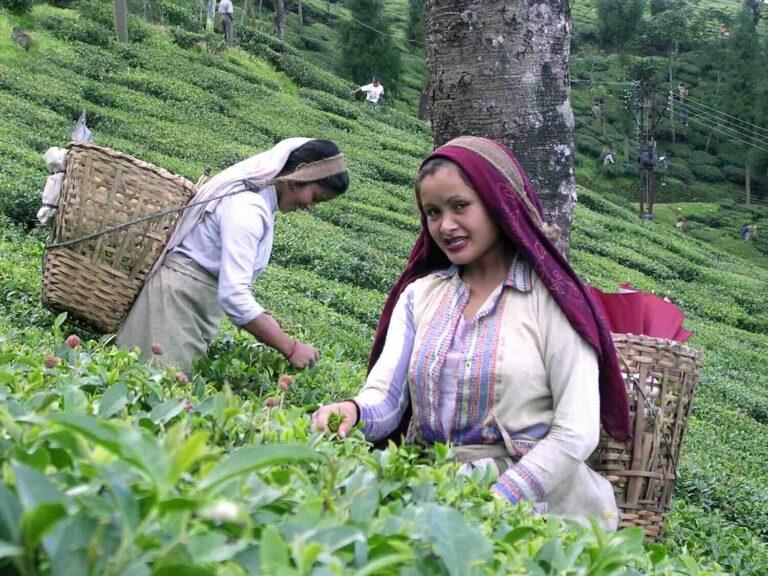
    Heavy October rains ruined Darjeeling’s autumn flush, damaging tea bushes across estates, blocking roads, cutting power, and halting harvests, costing growers 15 per cent of annual production.

    Darjeeling’s mist-draped hills, long celebrated for producing the world’s most exquisite tea, are now confronting a crisis that is both climatic and existential. The torrential rains and landslides that lashed the region in earlier this month have caused severe damage to tea estates, exposing the vulnerability of this Himalayan ecosystem to the growing volatility of the monsoon. For an industry already grappling with declining yields, ageing bushes, and labour shortages, the floods have added a new layer of uncertainty.

    According to estimates reported by Outlook Business, the recent episode has inflicted losses of nearly ₹50 crore across Darjeeling’s tea estates. At least 30 to 35 gardens have been severely hit, with many suffering collapsed slopes, washed-away bushes, and destroyed infrastructure. In some gardens, dozens of acres have been rendered unproductive; one estate lost about 20 acres, another lost close to 10,000 tea bushes – roughly two hectares of cultivation. The October rains also coincided with the autumn flush, a critical harvest that typically contributes about 15 per cent of Darjeeling’s annual production. With roads blocked, power lines down, and labourers unable to access the fields, the flush has been effectively ruined, translating into further economic setbacks for growers.

    Escalating Climatic Pattern

    Scientific evidence suggests that such disasters are not isolated incidents but part of an escalating climatic pattern. Meteorological data indicate that rainfall intensity and temperature fluctuations in the Eastern Himalayas have both increased over the past two decades. A long-term study conducted by the Darjeeling Tea Research and Development Centre found that green leaf productivity has dropped by over 40 per cent compared with levels in the early 1990s. Researchers attribute this to erratic rainfall distribution, shifting humidity levels, and rising temperatures. A more recent climate-yield analysis between 1991 and 2023 revealed that while rainfall anomalies show a modest positive correlation with yield, temperature anomalies have a distinctly negative effect. In simple terms, Darjeeling’s tea plants can tolerate changes in moisture to an extent, but they are far more sensitive to heat stress.

    The heavy rainfall in October therefore acted as a catalyst for a range of destructive processes. On the steep, fragile slopes of Darjeeling, soil erosion and slope destabilisation were almost inevitable. Torrents of water stripped the land of its topsoil, exposing or uprooting plant roots. Flash floods washed away bushes and deposited thick layers of silt, suffocating whatever vegetation survived. When waterlogging persists, the oxygen available to plant roots drops sharply, leading to long-term yield decline. Damaged roads and blocked drainage channels compounded the crisis by preventing workers from reaching the fields or transporting harvested leaves to factories. The rains also altered humidity and pest dynamics, creating favourable conditions for fungal diseases and insect infestations. What had been a thriving, if struggling, ecosystem quickly turned into a scene of devastation.

    Gaps in Implementation

    At the institutional level, the Tea Board of India (TBI) has sought to confront the growing challenge of climate change through a series of adaptation programmes. The Board, which oversees research, regulation and marketing for the tea sector, administers a Climate Change Adaptation Fund established in collaboration with the National Bank for Agriculture and Rural Development (NABARD). About ₹125 crore, has been earmarked to support 50,000 small tea growers across West Bengal, Assam, Kerala, Tamil Nadu and Himachal Pradesh. The fund is intended to finance better drainage systems, shade-tree planting, watershed management, irrigation upgrades and pest-management initiatives. For a region like Darjeeling, which faces a unique combination of high rainfall and fragile terrain, such interventions are vital.

    The Tea Board also supervises the Darjeeling Tea Research and Development Centre, which has been monitoring the impacts of temperature and rainfall changes on yield and quality. It has encouraged estates to adopt new shade management practices, replanting schedules and pest control strategies adapted to changing weather conditions. Moreover, the Board’s regulatory work – especially the protection of the Darjeeling Geographical Indication label – helps estates secure premium prices that can finance climate resilience. Yet, despite these efforts, gaps remain in implementation. The bureaucracy of fund distribution, the small scale of most growers, and the remoteness of many gardens mean that the benefits of adaptation financing often reach too slowly or not at all.

    The economic implications of the recent rains are immense. The ₹50-crore loss estimate reflects only direct damages, not the cascading losses from ruined crops, disrupted processing, and the decline in export-grade output. Each flush lost reduces not only income but also market reputation, since Darjeeling tea depends heavily on consistent quality for its branding. The Tea Board’s own production data for India indicate a broader climatic malaise: national tea output fell by nearly eight per cent in 2024 due to erratic weather, while in June 2025 alone production was down nine per cent year-on-year. Darjeeling’s vulnerability is thus part of a national pattern in which climate stress undermines both productivity and quality. Rising input costs – such as replanting, fertilizers, and infrastructure repair – further erode the profit margins of planters, even when global prices rise due to supply constraints.

    Human Cost of the Crisis

    Beyond economics, the floods have social consequences. Thousands of plantation workers faced wage losses during the shutdown, and several lost their homes to landslides. Labour migration, already a growing problem, is likely to accelerate as livelihoods become less secure. Estate managers report increasing difficulty in maintaining the traditional workforce, and younger generations are abandoning tea work altogether. These demographic shifts add to the long-term fragility of Darjeeling’s tea economy.

    Experts say that to safeguard the future, what Darjeeling needs is not merely compensation but systemic resilience. Soil conservation must become a central practice, with reinforced terracing, contour planting, and re-vegetation of steep slopes. Agroforestry systems using shade trees and companion crops can moderate microclimates and enhance biodiversity, reducing the stress on tea bushes. Replanting with more resilient clones, designed to withstand both heat and heavy moisture, could stabilise yields. Infrastructure must also be climate-proofed: roads, culverts, drainage networks, and bridges need upgrading to handle extreme precipitation. Early-warning systems for rainfall and slope movement, backed by localised meteorological stations, can help estates prepare for emergencies.

    Financial mechanisms are equally crucial. Crop-insurance schemes tailored to plantation crops could offset the losses from floods and landslides. Rapid-relief and replanting subsidies should be built into the Tea Board’s climate fund, ensuring that support reaches estates within weeks rather than months. Finally, governance reforms are essential. Unregulated construction and deforestation in the Darjeeling hills have amplified runoff and erosion; stricter land-use planning and enforcement are indispensable to any climate-adaptation framework.

    Tea culture under stress

    The challenge for policymakers is to view Darjeeling not as an isolated agricultural zone but as a climate-sensitive heritage landscape. Each episode of torrential rain erodes not only soil but also centuries of human and ecological balance. For planters, adaptation must move from rhetoric to routine – investing in drainage, agroforestry, and data-driven agronomy as integral to business, not as add-ons. For the Tea Board, climate adaptation must evolve beyond pilot projects into permanent policy. And for government agencies, the hills demand integrated watershed management that bridges forestry, agriculture, and disaster preparedness.

    Darjeeling tea, often called the “champagne of teas,” owes its uniqueness to a fragile confluence of altitude, mist and meticulous labour. That equilibrium is breaking down under the weight of climate volatility. The October disaster is a stark warning that the region’s future depends on collective, sustained adaptation. Without such action, Darjeeling may soon become less a symbol of India’s tea heritage and more a casualty of a warming planet.

    Children Redefine ‘Freedom’ at Unmukt Art Exhibition 2025

    Children showcased apps, robots, and websites tackling real-world issues, blending art and innovation. The vibrant exhibition featured Odissi dance, judo, storytelling, and a community painting by over 300 visitors.

    The Kalinga Art Gallery in Bhubaneswar burst into a vibrant celebration of colour, courage, and creativity as Unmukt Foundation hosted its annual Art Exhibition 2025, themed “Freedom – From the Lens of a Child.” The three-day event, held from October 10 to 12, showcased the artistic and imaginative expressions of over 350 children, each exploring their understanding of freedom through painting, storytelling, design, and technology.

    Marking the start of the event, the youngest Unmukt student, Ananya, inaugurated the exhibition – a symbolic gesture of hope and new beginnings. Visitors were met not only with art but also with the young artists themselves, who proudly stood beside their creations, narrating the stories and emotions behind each brushstroke, recycled craft, or digital display.

    In a first-of-its-kind initiative, children also presented their own apps, robots, and websites designed to address real-life issues, blending art with innovation. The exhibition became a dynamic space where creativity met compassion – featuring Odissi dance performances, judo demonstrations, storytelling sessions, and a massive community painting co-created by more than 300 visitors.

    “When a child picks up a brush, it’s not just art, it’s courage,” said Shweta Agarwal, Founder of Unmukt Foundation. “Many of these children are the first in their families to dream beyond limits. This exhibition celebrates the joy of learning, the courage to express, and the freedom to imagine.”

    Over 500 visitors, including artists, educators, and citizens, attended the exhibition, many leaving heartfelt notes on the “Leave a Little Note” wall filled with words like inspiring, transformative, and hopeful. Eminent artist Tarakant Parida lauded the foundation’s journey, saying, “True to its name, Unmukt means freedom, and you can feel that in every child here – free, confident, and expressive.” Actor and producer Swastik Choudhury called the initiative “a movement toward self-reliance and expression.”

    The event also carried a green message, promoting an eco-friendly Diwali. Every child received a sustainable diya and bookmark encouraging reading and environmental care. For many parents, especially mothers, it was a deeply emotional moment – seeing their children’s creations displayed in a professional art space for the first time.

    Founded in 2017, Unmukt Foundation works with children from vulnerable communities using its holistic PEACE model – Physical, Emotional, Academic, Creative, and Environmental development. The organization has so far reached over 3,800 children through 5,400 hours of joyful learning, guided by its vision: Every child is seen, safe, and served with quality education.

    Report Highlighting Sacrifices of India’s Forest Protectors Released at International Rangers Award Ceremony

    ‘Guardians of the Wild‘ chronicles the Wildlife Trust of India’s 25-year dedication to India’s wildlife defenders, featuring field narratives, photographs, and a gallery honoring 540 rangers injured or killed in duty, supported by WTI.

    Union minister of state for environment, forest and climate change, Kirti Vardhan Singh, released the report, ‘Guardians of the Wild: Supporting India’s Frontline Forest Staff’.

    The report is published by the Wildlife Trust of India’s (WTI).

    Singh was joined by Vivek Menon, IUCN Councillor and WTI’s executive director, Azzedine Downes. Others who joined in releasing the report were the president and CEO of the International Fund for Animal Welfare, Ms. Madhu Rao, and IUCN Chair H.E. Dr Shaikha Salem Al Dhaheri.

    Released during the IUCN WCPA International Ranger Award Ceremony at the IUCN World Conservation Congress in Abu Dhabi, the report brings into focus the critical role and immense challenges faced by India’s frontline forest staff–the unsung heroes safeguarding the country’s rich biodiversity.

    Guardians of the Wild documents WTI’s 25-year commitment to India’s frontline defenders of wildlife, including personal narratives from the field, photographs, and a gallery honouring 540 rangers who were injured or killed in the line of duty and subsequently supported by WTI.

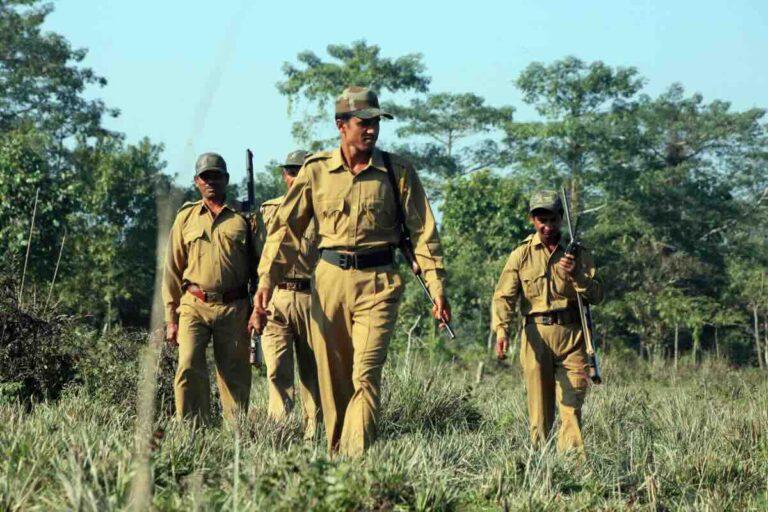
    Often referred to globally as rangers, India’s Van Rakshaks are responsible for protecting over 1,100 protected areas and numerous other forests and natural habitats. Their duties include round-the-clock patrolling, wildlife monitoring, mitigating human-wildlife conflict, combating wildlife crime, and responding to emergencies, often under life-threatening conditions.

    Launched in 2000, WTI’s Van Rakshak Project (VRP), supported by the International Fund for Animal Welfare (IFAW), aims to build a strong, well-equipped, and motivated force of frontline forest staff across India. To date, the project has supported over 21,000 personnel nationwide through a diverse range of capacity-strengthening initiatives. These include training workshops focused on wildlife crime prevention, human-wildlife conflict mitigation, and basic wildlife rescue techniques. It also involves the provision of essential field gear, crucial for patrolling and safety.

    A key component of VRP is the Supplementary Accident Assurance Scheme, which offers immediate financial assistance to frontline forest staff – including temporary and daily wage workers – in the event of injury or death in the line of duty. Since 2001, financial aid has been provided to 367 frontline staff or their families, with nearly 74 per cent of these cases involving fatalities. During the COVID-19 pandemic, WTI extended support to 173 families of forest staff who lost their lives through a dedicated Conservation Heroes COVID Casualty Fund.

    Kirti Vardhan Singh highlighted the significant risks faced by India’s frontline forest staff, stressing the importance of ensuring their well-being. He added that the report reflects WTI’s commitment to protecting the interests of frontline forest staff and confirms that wildlife conservation is most effective when carried out from the ground up.

    Vivek Menon, founder & ED, WTI and Councillor, IUCN said, “This report honours the courage, resilience, and sacrifice of India’s Van Rakshaks and highlights the urgent need for more investment, recognition, and support for those who protect our natural heritage. We are deeply honoured to have Hon’ble MoS Kirti Vardhan Singh release Guardians of the Wild at the IUCN WCC, a moment that reinforces the global significance of their role in conservation.”

    Azzedine Downes, President and CEO of IFAW, said, “Frontline forest staff are the backbone of conservation, often risking their lives to protect wildlife and their habitats. For over two decades, IFAW has stood in solidarity with these brave individuals across India—supporting them, learning from them, and bearing witness to their extraordinary courage. This report is not only a tribute to their service, but a call to action: to invest in the people who make conservation possible.”

    Delhi Winter Smog: Bhupender Yadav Reviews Pollution Control Measures

    Delhi’s air quality worsens from October to February due to vehicular emissions, dust, industrial pollution, and stubble burning. The government’s ₹523 crore plan and Innovation Challenge aim to reduce particulate pollution.

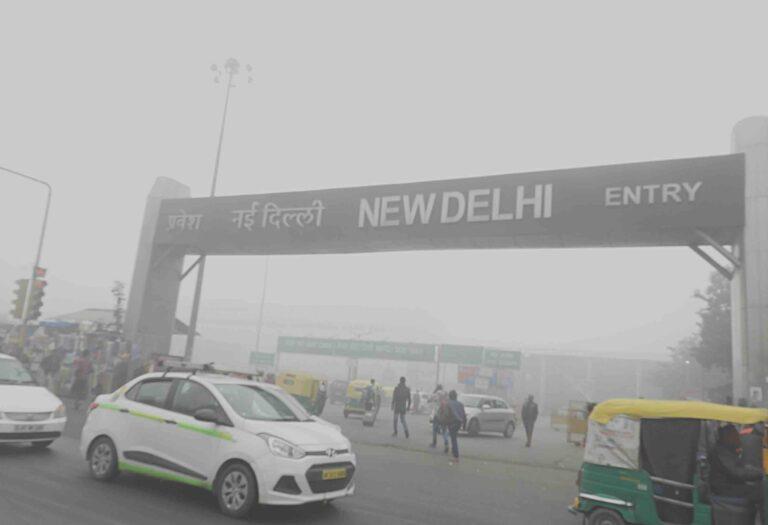
    Union Environment Minister Bhupender Yadav convened a high‐level meeting to review the implementation of pollution control measures across Delhi-NCR on Friday. The review comes as the capital braces for its annual winter surge in particulate matter, driven by stagnating winds, vehicle emissions, dust and transboundary farm fires.

    At the meeting held in New Delhi, Yadav assessed the compliance status of various Central ministries, municipal authorities, and government bodies in relation to decisions taken earlier – particularly those from a September 16 review. He was joined by officials from the Central Pollution Control Board (CPCB), the Commission for Air Quality Management (CAQM), the NITI Aayog, and representatives from the Delhi government including Environment Minister Manjinder Singh Sirsa.

    In his remarks, Yadav pressed for time-bound deployment of key pollution mitigation technologies. He specifically flagged the installation of Online Continuous Emission Monitoring Systems (OCEMS) in red‐category and other high‐polluting industries across the region. He also underscored the urgency of coordinated action among Central and state agencies for enforcing ambient air quality norms at the ground level.

    Beyond industrial emissions, Yadav urged State Pollution Control Boards (SPCBs) to accelerate adoption of Extended Producer Responsibility (EPR) norms and promote the circular economy in waste streams. Officials reported on progress in solid waste management, waste segregation, enforcement against open burning, and compliance with environmental regulations under the Water (Prevention & Control) Act.

    Yadav also addressed the perennial challenge of crop residue burning, reiterating that farmers must be included in incentive schemes to dissuade stubble burning – an important source of particulate pollution.

    Officials presented the status of various interventions, including implementation of emission control devices, stricter waste handling measures, and monitoring systems. The meeting called for intensified field action in the coming weeks, especially as meteorological conditions worsen.

    Delhi’s Pollution Woes: Why the Review Matters

    Delhi’s air quality deteriorates sharply from October through February, frequently crossing into the “severe” or “very poor” categories.

    The sources behind this annual spike are manifold: vehicular emissions, dust from roads and construction sites, industrial emissions, and the seasonal influx of smoke from stubble burning in neighbouring states. A recent study linked agricultural fires to significant spikes in particulate levels over the Indo-Gangetic Plain, pointing to the outsized role of regional transport of pollutants. Meanwhile, efforts to tame dust pollution have gained scale – the Municipal Corporation of Delhi has drawn up a ₹523 crore plan for road sweeping, cleaning dumping sites and construction zones, and deploying machines over the next decade.

    In response to the magnitude of the crisis, the Delhi government has launched an Innovation Challenge to crowdsource low‐cost solutions aimed at reducing particulate pollution from roads, vehicles, and construction activities. Reward amounts go up to ₹50 lakh for validated technologies, with interim grants of ₹5 lakh. The Delhi Pollution Control Committee (DPCC), the regulatory agency in the national capital, is spearheading the initiative.

    Challenges Ahead

    The success of Friday’s review meeting hinges on translating commitments into action in the weeks to come. With winter setting in and meteorological dispersion weakening, any delay in enforcement or deployment could worsen air quality sharply. Experts caution that Delhi’s battle against smog is bound up not just with local policies, but also with addressing cross-border emissions, reshaping municipal waste systems, and incentivising technological innovation.

    On the other hand, the launch of the innovation challenge signals a shift toward proactive engagement beyond regulation. If Delhi can marshal coordination across Central, state and municipal bodies – and harness ground-tested solutions – it may be able to avert its worst seasonal air crises and steer toward cleaner air for residents.

    The coming weeks will test whether bureaucratic momentum and scientific insight can finally converge into visible improvement – or whether Delhi’s skies remain choked, as every winter before.

    One in Four Afghan Children Suffers from Anxiety

    Decades of conflict, displacement, poverty, restricted girls’ education, and insecurity disrupt children’s lives. Floods, droughts, and unexploded ordnance further threaten their mental health.

    A new report from UNICEF spotlights the severe psychological strain gripping Afghanistan’s youth: one in four children aged 5 to 17 now suffers from anxiety, and about one in seven is battling depression.

    The warning came during a workshop in Kabul on child and adolescent mental health. Alice James, UNICEF’s representative in Afghanistan, urged Afghan authorities, humanitarian agencies, and civil society to adopt a unified, national strategy to address the burgeoning mental health crisis.

    “Every child has the right to care, compassion, and hope,” James said, noting that years of conflict, economic collapse, social restrictions, and now severe humanitarian pressures threaten the psychological well-being of a generation.

    Scale, Causes, and Implications

    According to UNICEF and affiliated reports, more than 24 percent of children in Afghanistan (ages 5–17) live with anxiety – a rate about ten times higher than global norms. Meanwhile, nearly 15 percent of children struggle with depression.

    These numbers reflect a convergence of severe stressors. Decades of conflict, internal displacement, poverty, restrictions on girls’ education, and persistent social and economic insecurity have disrupted children’s lives and traumatised communities. Natural disasters, recurrent floods, droughts, and the presence of unexploded ordnance further magnify the risks to children’s mental health.

    In many cases, children’s daily lives are marked by chronic uncertainty: loss of homes, disrupted schooling, restricted mobility (especially for girls), and strained family finances. The UNICEF workshop identified these compounding pressures as central to the rising rates of anxiety and depression among Afghan youth.

    Clinical case studies lend a human face to these statistics. One such example is Zahra, a 16-year-old who turned to suicide attempts following the 2022 ban on girls’ secondary education. She later accessed counselling in a UNICEF-supported child and adolescent mental health clinic and has since made measurable improvements. Her story underscores both the depth of the challenge and the possibility of recovery when appropriate support is available.

    Dr. Tayaba Hamedi – one of Afghanistan’s few child psychiatrists – says cases often expose how social and familial stress, trauma, restrictions on female education, forced marriage, poverty, and domestic violence all play into young people’s psychological distress.

    However, such specialised mental health services remain scarce. The clinic treating Zahra is among the few of its kind in the country, supported in part by UNICEF’s funding. According to UNICEF, the nation lacks a cohesive child protection system and has limited infrastructure to respond to psychosocial needs across remote and conflict-affected areas.

    Urgent Calls to Action

    UNICEF has been scaling up efforts to provide mental health and psychosocial support. Its 2024 plans include reaching hundreds of thousands of children and caregivers with community-based interventions. The agency’s “Humanitarian Action for Children” appeal notes that roughly 2.9 million children and caregivers will need access to mental health and psychosocial services in the coming period.

    UNICEF also supports over 750 child-friendly spaces across Afghanistan – safe environments, separately designed for girls and boys, offering recreational, educational and psychosocial support activities. These spaces aim to reduce stigma, allow children to express emotions, and connect them with trained facilitators.

    Still, the scale of the need far outstrips available resources. UNICEF’s Afghanistan appeal for the current year seeks USD 1.2 billion to cover a range of humanitarian and protective services – mental health included. The appeal underscores the danger of neglecting psychological care: children with untreated depression or anxiety risk long-term developmental setbacks, poorer educational outcomes, and adult mental illnesses.

    At the Kabul workshop, UNICEF called for the adoption of a national mental health strategy for children and adolescents, along with greater investment in training mental health professionals and integrating psychosocial support into public health and education systems.

    James urged that mental health services be accessible, non-discriminatory, and designed to reach disadvantaged communities, particularly girls, rural populations, and those affected by displacement or conflict.

    The stakes of inaction – and the path forward

    The mental health emergency facing Afghan children is not just a humanitarian matter – it carries profound implications for the future. As children’s ability to learn, interact socially, and mature into healthy adults is undermined, setbacks in national development, social cohesion, and peace-building may follow.

    Public health researchers have long warned of the urgency: Afghanistan’s youth are exposed to PTSD, anxiety, depression, and emotional trauma across generations. A recent review adds that mental illnesses are prevalent across children in Afghanistan and remain under-treated.

    Addressing this crisis requires both immediate and structural measures: expanding mental health care access, reducing stigma, training community workers, embedding psychosocial support into schools, and ensuring that girls’ access to education is restored.

    Some interventions, such as counselling, peer support, psychosocial activities in child-friendly spaces, and recruitment of trained therapists, have already shown promise.

    In Zahra’s case, consistent therapy, family involvement, and safe spaces have helped her recover from suicidal depression to hope and engagement. But for every Zahra, many more children struggle silently, invisible to formal services.

    As UNICEF’s Alice James aptly stated, “Every child has the right to care, compassion, and hope.” The time to act is now – before a generation of children is lost to untreated mental suffering.

    P&G to Leave Pakistan After Years of Struggle

    P&G’s exit from Pakistan reflects economics, strategy, and global business realities, not blame. For Pakistan, it underscores the critical need to stay competitive to thrive.

    In a surprising turn for Pakistan’s consumer goods sector, Procter & Gamble (P&G) has announced plans to exit the Pakistani market. While the company’s withdrawal may seem abrupt, it is the result of mounting pressures – both internal and external – that eroded its once-thriving business in Pakistan.

    From Importer to Exporter: P&G’s Pakistani Journey

    When P&G first entered Pakistan, it had only a modest presence, largely importing products and navigating a fragile market. Over time, through investments, market development, and scale, the company transformed into a domestic manufacturer and even began exporting from its Pakistan operations. It became a showcase case of how a global multinational could grow in Pakistan: beginning with imports, building local manufacturing capacity, transferring technology, and eventually exporting. This trajectory also helped attract foreign direct investment into the country.

    At its peak, P&G was a major player, manufacturing household and personal care goods, distributing widely, and contributing to the industrial ecosystem in Pakistan. Its exit thus poses not only a commercial loss but also a symbolic setback for foreign investment confidence.

    Declining Fortunes and Ballooning Challenges

    However, in recent years the company’s financial performance in Pakistan faltered. Global stagnation in consumer goods, slower top-line growth, and increased competition squeezed P&G’s margins. Locally, the consumer goods market in Pakistan proved to be more fragile and slow-growing than headline GDP or consumption figures suggested.

    A combination of regulatory, economic, and structural issues exacerbated the decline:

    • Unfavourable government policies: P&G was hindered by tariff structures, inconsistent import/export regulations, and tax complexities that made operating and scaling difficult. The policy environment failed to support a long-term investment mindset.
    • High cost structures: Rising costs of power, inputs, logistics, and regulatory overhead eroded operational margins, making it harder to compete with lower-cost producers.
    • Cyclical global headwinds: As consumer spending softened in many markets and P&G’s global growth flagged, the company was compelled to reassess lower-return geographies – and Pakistan became less strategic.
    • Market saturation and competition: In many product categories, growth had plateaued amid fierce competition, local brands, and shifting consumer behaviours.
    • Currency risks and macro instability: Pakistan’s volatile macroeconomic environment, including currency fluctuations and inflation pressures, added layers of risk to forecasting, investment, and long-term planning.

    Why Pakistan Fell Out of P&G’s Strategic Focus

    To put it bluntly: Pakistan was no longer important enough for P&G. The returns from the market, weighed against the risks and ongoing investments needed, no longer justified continued presence.

    For P&G’s global leadership, resources are finite and markets that yield higher growth, more stability, or strategic importance often take precedence. When a market like Pakistan fails to keep pace – or begins to drag – the decision becomes less about commitment and more about opportunity cost. The company’s dwindling performance globally made pruning weaker geographies a logical move.

    Moreover, P&G’s exit underscores deeper structural concerns about Pakistan’s consumer sector. If even a large incumbent with decades of investment leaves, it raises questions about market size, growth ceilings, regulatory consistency, infrastructure costs, and the ability to support high value industrial investment.

    Implications for Pakistan

    P&G’s departure will leave a significant void in Pakistan’s consumer goods landscape. The exit will impact supply chains, employment, industrial linkages, and possibly consumer pricing and choice in several categories. The move may also send negative signals to other multinationals considering investment or expansion in Pakistan.

    Beyond the direct impacts, the real cost is reputational. P&G’s exit could be interpreted as a vote of no confidence in Pakistan’s ability to sustain a stable, enabling environment for global firms. In the broader struggle to attract foreign direct investment, this loss will sting.

    A Harsh Wake-Up Call

    While the news of P&G leaving is distressing, many observers see it as a wake-up call. Pakistan historically relied more on trading than industrial investment. To change that paradigm, regulators, policymakers, and industry must cooperate to offer predictability, competitiveness, and incentives for long-term capital. As Profit’s analysis warns, without that shift, the country is likely to continue haemorrhaging marquee investors.

    In the end, the story of P&G in Pakistan is not about blame or villainy. It is about economics, strategy, and the unforgiving arithmetic of global business. And for Pakistan, it’s a reminder that in today’s world, staying competitive matters as much as starting strong.

    World Bank Urges Sri Lanka to Reform Land, Labour and Trade Policies for Sustainable Growth

    The World Bank forecasts Sri Lanka’s GDP growth at 2.5 per cent in 2025, potentially exceeding 5 per cent with effective reforms, boosted by exports, investment, and increased female and youth workforce participation.

    The World Bank has urged Sri Lanka to undertake deep structural reforms in land, labour, and trade sectors to boost long-term economic growth and attract investment, warning that the country risks falling into a low-growth trap if it delays modernisation.

    In its latest Sri Lanka Development Update, the World Bank said the island nation’s economy, though stabilising after the 2022 debt crisis, remains constrained by structural bottlenecks that have discouraged private sector participation and productivity. The report identified rigid labour laws, inefficient land-use policies, and trade protectionism as key obstacles to competitiveness and sustainable development.

    “The economy has shown resilience in the face of crisis, but future growth will depend on how effectively Sri Lanka can address long-standing structural barriers,” said Faris Hadad-Zervos, World Bank Country Director for Maldives, Nepal, and Sri Lanka. “Reforming land and labour markets and liberalising trade are critical for building a dynamic, inclusive economy.”

    Reforms for Modernisation

    According to the World Bank, Sri Lanka’s regulatory framework in land ownership remains overly restrictive, deterring both domestic and foreign investors. Large tracts of agricultural land remain underutilised or inefficiently managed due to fragmented ownership patterns, unclear tenure rights, and cumbersome leasing procedures.

    The report called for digitising land records, easing restrictions on land transfers, and clarifying property rights to enable greater investment in high-value agriculture, manufacturing, and tourism. These measures, the World Bank said, could unlock productivity and help integrate rural communities into the formal economy.

    Similarly, the labour market is constrained by outdated regulations and limited flexibility, making it difficult for firms to adapt to changing economic conditions. The World Bank highlighted that Sri Lanka’s labour laws – particularly those concerning hiring and retrenchment – are among the most rigid in South Asia.

    “Modernising labour laws to balance worker protection with business flexibility is essential,” the report said. “Reforms could include updating employment protection legislation, improving skills training, and expanding access to social protection for informal workers.”

    Trade Liberalisation Key to Growth

    Trade openness has long been a contentious issue in Sri Lanka’s economic policy. Despite its strategic location along major Indian Ocean trade routes, the country’s tariff and non-tariff barriers remain high compared to regional peers. The World Bank urged Sri Lanka to reduce protectionist measures, diversify exports, and deepen regional and global trade integration.

    It said a more open trade regime could help the country attract export-oriented investments, integrate into global value chains, and leverage its proximity to major markets such as India and ASEAN. “Sri Lanka’s long-term prosperity depends on its ability to become a competitive, export-driven economy rather than one reliant on domestic consumption and imports,” the report noted.

    Balancing Growth and Inclusion

    The World Bank acknowledged that while structural reforms could initially face political resistance and social adjustment costs, they are necessary to sustain growth beyond short-term macroeconomic stabilisation. The government’s recent fiscal and monetary discipline – supported by the IMF’s Extended Fund Facility – has helped restore stability, but deeper reforms are needed to build resilience and inclusion.

    The World Bank emphasised that reforms must be accompanied by targeted social protection measures to safeguard vulnerable groups affected by transitions in agriculture and labour markets. It also called for greater investment in education, technology, and infrastructure to ensure that economic liberalisation benefits all Sri Lankans.

    Government Response

    Sri Lanka’s government has expressed broad agreement with the World Bank’s assessment, though officials have cautioned that reform sequencing and social safeguards are essential. The ministry of finance said that while liberalisation and deregulation are key priorities, reforms will be implemented “in a manner that ensures fairness, employment stability, and equitable growth.”

    Economists have noted that reform momentum has been slow despite repeated recommendations from multilateral lenders. Political sensitivities around land ownership, union opposition to labour flexibility, and fears of foreign competition have historically hindered major policy changes. However, analysts say that the post-crisis recovery period presents a crucial opportunity.

    The World Bank projects Sri Lanka’s GDP growth to remain modest at around 2.5 per cent in 2025, with potential to rise above 5 per cent if reforms are implemented effectively. Stronger export performance, improved investment climate, and greater participation of women and youth in the labour force could transform the economy over the next decade.

    “Reforms are not an option but a necessity,” the World Bank report concluded. “By creating efficient markets for land, labour, and trade, Sri Lanka can move toward a more resilient, inclusive, and competitive growth model.”