More

    Maldives to Launch Wind Energy Pilot Project in Manadhoo

    The project underscores the current government’s commitment to achieving its renewable energy goals. By 2028, the Maldives aims to generate 33 per cent of its energy from renewable sources, reducing reliance on fossil fuels.

    The government of the Maldives has announced plans to launch a wind energy pilot project in Noonu Atoll Manadhoo, aiming to expand the nation’s renewable energy initiatives.

    In a statement released on Monday, the Ministry of Finance invited bids for the installation of the wind energy system under the Assured Project, which is funded by the Asian Development Bank (ADB). The project will adopt ADB’s “single stage two envelope” bidding process, ensuring transparency and efficiency in contractor selection.

    Interested bidders must pay a non-refundable registration fee of MVR 1,500 or USD 100 to participate. The bids will be officially opened on February 10, 2025, at 13:00 hrs at the National Tender Conference Hall in the Ministry of Finance.

    The wind energy pilot project represents a significant step forward for the Maldives in its pursuit of renewable energy. While earlier efforts to explore wind energy were initiated in 2007 with a Singapore-based company, DLRE, those projects—located in Haa Alifu Uligan, Meemu Raiymandhoo, and Gaafu Alifu Kondey—were ultimately discontinued.

    Under the Singapore project, along with similar initiatives in Meemu atoll Raiymandhoo and Gaafu Alifu atoll Kondey, was discontinued.

    The new project underscores the current government’s commitment to achieving its renewable energy goals. By 2028, the Maldives aims to generate 33 per cent of its energy from renewable sources, reducing reliance on fossil fuels and contributing to global efforts to combat climate change.

    This initiative highlights the Maldives’ determination to harness sustainable energy solutions and adapt to the growing challenges of climate change, which pose an existential threat to the island nation.

    ‘For the Human Race, Ignoring the Climate Emergency Is No Longer an Option’

    At the request of Vanuatu, the UN General Assembly asked the ICJ to issue an advisory opinion on the obligations of UN member states in preventing climate change and ensuring the protection of the environment for present and future generations.

    By Tanka Dhakal

    At the International Court of Justice (ICJ), no matter if the country had high Himalayas, was a small island nation or was experiencing armed conflict, they all agreed that the due diligence principle and the obligation of states to prevent harm caused by climate change, especially for high greenhouse gas emitters, were non-negotiable.

    On Monday, December 9, 2024, countries including Nepal, Pakistan, Nauru, New Zealand and the State of Palestine presented their cases before the highest court within the United Nations.

    Countries within the Hindu Kush Himalaya Region, Nepal and Pakistan, included examples of recent years disasters, including flash floods and their impact on livelihoods, while the small island state of Nauru laid out the toll faced by its people because of rising sea level. The State of Palestine connected its plea to ongoing armed conflict and climate-environmental destruction.

    At the request of Vanuatu, the UN General Assembly asked the ICJ to issue an advisory opinion on the obligations of UN member states in preventing climate change and ensuring the protection of the environment for present and future generations. While its advisory opinion will not be enforceable, the court will advise on the legal consequences for member states who have caused significant harm, particularly to small island developing states. So far, more than 70 countries have presented their case before the court.

    Human Rights and Technology Transfer – Nepal

    Nepal’s Minister of Foreign Affairs, Arzu Rana Deuba, stressed climate change-induced disasters were hindering the human rights of people on the front lines and said countries responsible for emissions needed to fulfil their obligations.

    “Climate change hinders the realisation and enjoyment of human rights, including the right to life, right to food, right to health, right to adequate housing, sanitation and water,” Deuba said. “Moreover, it impacts the rights of women, children and people with disabilities, as well as the cultural rights of minorities and indigenous communities.”

    Nepal says many vulnerable states were not able to meet the obligations under international human rights laws, as the actions and emissions arising from beyond their territory also had adverse effects on the human rights of their citizens. The country of mountains, including Mt. Everest, stressed the need for material, technical and financial support from the countries whose historic emissions have caused the crisis of anthropogenic climate change.

    “This includes unhindered access to technology and the sharing of meteorological and glacial data,” Deuba said. “Nepal considers that the court’s advisory opinion will contribute to clarifying the law, especially the obligations of the states regarding climate change and the rules governing the consequences of the violation of these obligations.”

    Suvanga Parajuli, Under Secretary at the Ministry of Foreign Affairs of Nepal, added that the country was facing a gross injustice. “What countries like Nepal are calling for is not mere handouts of charity but compensation for real climate justice,” Parajuli said.

    Court Opinion Could Help Avert Catastrophe – Pakistan

    Another HKH region country, Pakistan, which faced devastating floods caused by climate change in 2022, stressed the need for support and knowledge sharing. Mansoor Usman Awan, the Attorney General of Pakistan, urged the court to give an opinion that clarifies the legal obligations of states to prevent, avoid, reduce, or mitigate greenhouse gas emissions.

    “If lives and livelihoods are to be protected, if we want to avoid utter catastrophe, there simply is no time to lose. As has often been said, we are the first generation to feel the impact of climate change, and undoubtedly, we are the last generation that can do something about it.”

    Awan continued, “For the human race, ignoring the climate emergency is no longer an option.”

    We Are Facing Existential Threat – Nauru

    Island country Nauru argues that climate change poses an existential threat to its security and well-being, highlighting the impact of rising sea levels, coastal erosion and drought at the UN court.

    The island is a mere 21 km2 (8.1 sq mi), oval-shaped island in the southwestern Pacific Ocean.

    Representing Nauru Lionel Rouwen Aingimea, Minister for Foreign Affairs and Trade, emphasised the obligations of states in respect of climate change to be the obligations found in the principles of general international law.

    “We urge this court to clarify the scope of the existing obligations of states with respect to climate change,” Aingimea said. “No more, but certainly no less, we seek your affirmation that the law protects the vulnerable and that our fundamental rights under general international law—to exist, to thrive, to safeguard our land—are upheld and respected.”

    He urged the court to deliver an advisory opinion that reflects “the urgency, the dignity and the right of all peoples to exist in security.”

    Island countries’ vulnerability was central to New Zealand’s arguments. Representing Pacific Island countries, Victoria Hallum, Deputy Secretary Multilateral and Legal Affairs Group at New Zealand’s Foreign Affairs and Trade ministry, emphasized the urgent need to address anthropogenic climate change. It said climate change was the single greatest threat to the Pacific Island regions.

    Armed Conflict and Climate Change Connected – Palestine

    The State of Palestine highlighted the intersection of climate change and international law, particularly the impacts of armed conflict and military activities.

    Palestine positioned itself as a key contributor to the proceedings and referred to the ICJ’s advisory opinion on nuclear weapons to support its argument on the relationship between environmental protection and international law in armed conflict.

    At the ICJ hearing, Ammar Hijazi, Ambassador of Palestine to International Organisations in The Hague, linked the relationship between climate change and emissions during armed conflict.

    “The State of Palestine is responsible for less than 0.001 per cent of global greenhouse gas emissions. Yet Palestine now grapples with unprecedented severe climate events, mainly due to Israel’s occupation and policies and practices,” Hijazi said. “Israel’s occupation curtails our ability to support climate policy. As a party to the UNFCCC and the Paris Agreement, Palestine is taking action to reduce 17.5 per cent of its GHG by 2040, when our goal could be 26.6 per cent if Israel’s occupation ends.”

    Palestine argued that the court should not miss the opportunity to address the relation, obligation and rights of the people in the context of armed conflict and climate change in the historic opinion it will issue at the conclusion of these advisory proceedings. “This will fulfil the promise not to leave anyone behind and ensure that law applies to all,” Hijazi said.

    This story has been sourced from the Inter Press Service.

    Bangladesh to Finalise Comprehensive River List by April 2025

    Rizwana underscored the importance of community engagement in river conservation. She called for the active participation of local residents, especially youth, alongside social organizations and NGOs. She also spoke of a publicly accessible list of rivers published online, and inviting opinions and objections.

    Bangladesh is set to unveil its first comprehensive list of rivers by mid-April 2025, coinciding with Pahela Baishakh, the Bengali New Year, as part of a sweeping effort to address the challenges of river conservation. Syeda Rizwana Hasan, the Water Resources and Environment Adviser to the interim government, announced this initiative at a seminar on Wesnesday, emphasizing its importance for the nation’s ecological and cultural heritage.

    The Ministry of Water Resources, Ministry of Shipping, and Ministry of Land are collaborating to finalise the river list. “We are working to ensure that every water body – rivers, haors, beels, and canals – is documented accurately,” Rizwana stated during the seminar attended by senior officials from various ministries and departments, including virtual participation from divisional commissioners.

    (A haor or backswamp is a wetland ecosystem in the north eastern part of Bangladesh which physically is a bowl or saucer shaped shallow depression. During monsoons haors receive surface runoff water from rivers and canals to become vast stretches of turbulent water.  Beels are low-lying depressions of the haor system retaining water even during the dry months of the year. On the other hand, the floodplain retains water only in monsoon and plays an important role in biodiversity development.)

    Rizwana clarified misconceptions surrounding “dead rivers,” explaining that such rivers are better termed “flowless rivers,” and emphasized the possibility of reviving them through targeted interventions. She revealed that a list of haors and beels has already been completed, and the next step involves cataloging the country’s canals.

    River Conservation and Action Plans

    Rizwana also instructed all deputy commissioners to verify and send the list of canals in their respective districts to the ministry within the next three months ensuring that records are accurate.

    The adviser directed the authorities concerned to develop a comprehensive action plan to free rivers surrounding Dhaka including Buriganga, Turag, and Shitalakkhya the from encroachment and pollution.

    She also said a “Blue Network” will be created by freeing 21 canals inside Dhaka from encroachment and pollution.

    The adviser directed all deputy commissioners to verify and submit lists of canals within their districts to the ministry within three months, ensuring accuracy and transparency. These efforts align with a broader goal of developing an actionable framework to combat river encroachment and pollution.

    Key rivers such as the Buriganga, Turag, and Shitalakkhya, which surround the capital Dhaka, are at the center of this initiative. Rizwana announced plans to create a “Blue Network” by freeing 21 canals within Dhaka from encroachment and pollution, enhancing water flow and ecological health.

    Transparency and Public Involvement

    Rizwana underscored the importance of community engagement in river conservation. She called for the active participation of local residents, especially youth, alongside social organizations and NGOs. As part of a broader effort to reduce plastic waste, she proposed banning plastic water bottles, folders, and banners in government offices and promoting eco-friendly alternatives such as jute products.

    She also emphasised the importance of public involvement in the river conservation process through a publicly accessible list of rivers will be published on government websites, inviting opinions and objections.

    The meeting also discussed the Dhaka circular waterway proposal, with Rizwana advising BIWTA to consult with experts regarding the feasibility and current status of the project. Additionally, a committee will be formed to finalize the amendment proposal for the national river conservation commission act, in compliance with court orders.

    Any disputes or inaccuracies will be resolved through hearings to ensure transparency and public engagement. “The final list will serve as a foundation for a unified approach to protecting our river systems,” she noted.

    This initiative follows directives Rizwana issued in September to finalize the river count and tackle illegal encroachments. At that time, she tasked the Bangladesh Water Development Board (BWDB), the Bangladesh Inland Water Transport Authority (BIWTA), the National River Conservation Commission (NRCC), and divisional commissioners to collaborate on this vital undertaking.

    Reconciling Discrepancies in River Data

    Bangladesh’s status as a riverine nation underscores the significance of this effort. Official data from the BWDB indicates the presence of 907 rivers during summer and winter seasons, but other reports vary widely, suggesting as few as 310 rivers in the summer and as many as 405 during other times. Historical estimates range from 700 to 800 rivers. Seasonal flow variations, changing landscapes, and historical inconsistencies contribute to these discrepancies.

    To address these ambiguities, Rizwana’s directives include identifying at least one key river in each of the country’s 64 districts and preparing time-bound action plans to combat pollution and illegal encroachments. These plans will be implemented through coordinated operations to restore ecological balance.

    Introducing ‘Health Cards’ for Rivers

    Rizwana proposed introducing “health cards” for rivers, which will evaluate their ecological vitality and provide benchmarks for improvement. The Department of Environment has already identified heavily polluted rivers and the industries responsible for the pollution. Regular monitoring will be integral to controlling pollution and ensuring long-term sustainability.

    Revisiting the Dhaka Circular Waterway Proposal

    Rizwana also touched upon the Dhaka Circular Waterway project and advised BIWTA to consult experts regarding its feasibility and current status, ensuring that it aligns with the government’s broader conservation goals. Additionally, a committee will be formed to finalize amendments to the National River Conservation Commission Act in compliance with court orders.

    Challenges of River Conservation

    In a related development, the Supreme Court’s directives from a 2021 writ petition have prompted the preparation of an action plan to resolve river count discrepancies and ensure compliance with conservation mandates. The plan includes launching joint campaigns with the Ministry of Environment to combat illegal encroachments along major rivers like Kirtonkhola and Rupsha, as well as promoting eco-friendly alternatives to polythene bags.

    Bangladesh’s comprehensive river documentation project represents a landmark effort to preserve its vital waterways. By addressing pollution, encroachment, and data discrepancies, the government aims to safeguard these critical resources for future generations. Rizwana’s call for transparency, public participation, and inter-ministerial collaboration sets the stage for a more sustainable and ecologically balanced future.

    “Our rivers are our lifelines,” Rizwana concluded. “Preserving them is not just an environmental imperative but a cultural and historical responsibility.

    In the Lok Sabha: Government Highlights Weather and Climate Preparedness Initiatives

    IMD’s dissemination system employs social media, mobile apps, and automated alerts to ensure timely warnings reach disaster management authorities and vulnerable populations. Enhanced early warning systems have reduced casualties in rural and coastal regions during severe weather events.

    Union Minister of State for Science & Technology and Earth Sciences, Dr. Jitendra Singh, shared updates on critical climate phenomena, early warning systems, and advancements in weather radar networks in a series of written replies during the Lok Sabha session today.

    Leveraging Technology for Safety and Mitigation

    The minister highlighted the leveraging of technology for safety and mitigation. He said that the IMD’s dissemination system employs social media, mobile apps, and automated alerts to ensure timely warnings reach disaster management authorities and vulnerable populations. Enhanced early warning systems have reduced casualties in rural and coastal regions during severe weather events.

    The government’s comprehensive approach underscores its commitment to weather resilience, climate science, and safeguarding citizens from the growing threats of climate change.

    Impact of El Niño and La Niña on Indian Monsoons

    The Minister provided insights into the effects of El Niño and La Niña on India’s monsoons. Data since 1950 indicates that 16 El Niño years were recorded, of which 7 saw below-normal rainfall during the monsoon season. Notably, September rainfall is particularly sensitive to El Niño events, showing a stronger inverse relationship.

    Conversely, La Niña, characterized by cooler Pacific Ocean temperatures, generally brings above-normal rainfall during the monsoon season, except in extreme north and northeastern India, which may experience below-normal precipitation. The winter season during La Niña years also tends to record lower temperatures.

    Early Warning Systems for Natural Disasters

    Highlighting India’s proactive measures to mitigate climate change impacts, Dr. Singh showcased the advancements in early warning systems and climate research. A state-of-the-art Earth System Model (ESM), developed by the Indian Institute of Tropical Meteorology, is generating regional climate projections. The National Climate Change Assessment Report, now publicly accessible, details human-induced changes affecting the Indian subcontinent, including a 0.7°C rise in surface air temperatures (1901–2018) and a 1°C increase in tropical Indian Ocean temperatures (1951–2015).

    The India Meteorological Department (IMD) has developed a Climate Hazards and Vulnerability Atlas for 13 critical meteorological events, aiding disaster preparedness. To further bolster readiness, the Union Cabinet has launched Mission Mausam, a INR 2,000 crore initiative to improve weather forecasting, early warning systems, and community resilience.

    Expansion of Doppler Weather Radar Network

    Mission Mausam also includes plans to expand the Doppler Weather Radar (DWR) network, with 87 additional radars to be installed by 2026. Currently, 39 radars provide coverage across India, with new installations enhancing localized forecasts and accuracy. These radars feed data into advanced numerical weather prediction models, improving early warnings for extreme weather events.

    UNODC Global Human Trafficking Report: Victims Up 25 Per Cent; Children Exploited; Forced Labour Cases Spike

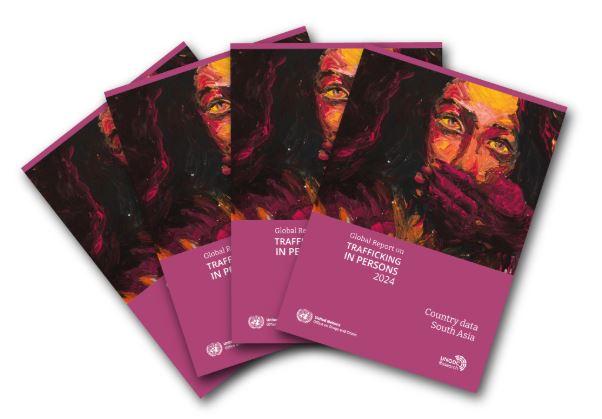
    The 2024 Global Report on Trafficking in Persons, covering 156 countries, offers policy recommendations to enhance victim identification and protection, marking the UNODC’s most comprehensive edition since its inception in 2009.

    Child trafficking, trafficking for forced labour and forced criminality are rising as poverty, conflict and climate leave more people vulnerable to exploitation, according to the 2024 Global Report on Trafficking in Persons published today by the United Nations Office on Drugs and Crime (UNODC).

    The Report records a 25 per cent increase in the number of trafficking victims detected globally in 2022 compared to 2019 pre-pandemic figures. Between 2019 and 2022, the global number of victims detected for trafficking for forced labour surged by 47 per cent. 

    The global number of detected child victims increased 31 per cent in 2022 compared to 2019, with a 38 per cent rise recorded for girls. More boy victims have been detected in areas where increasing numbers of unaccompanied and separated children had been recorded. Child trafficking is also on the rise in high-income countries, often involving girls trafficked for sexual exploitation.

    “As conflicts, climate-induced disasters and global crises exacerbate vulnerabilities worldwide, we are seeing a resurgence of detected victims of human trafficking, particularly children who now account for 38 per cent of detected victims,” said UNODC Executive Director Ghada Waly. “Criminals are increasingly trafficking people into forced labour, including to coerce them into running sophisticated online scams and cyberfraud, while women and girls face the risk of sexual exploitation and gender-based violence. We need to step up criminal justice responses to hold those at the top of the criminal chain accountable, work across borders to rescue victims and ensure survivors receive the support they need.”

    Women, Girls Most Trafficked

    The report finds that women and girls continue to account for the majority of victims detected worldwide (61 per cent in 2022). The majority of girl victims (60 per cent) detected continue to be trafficked for the purpose of sexual exploitation.

    Some 45 per cent of detected boys are trafficked for forced labour and another 47 per cent are exploited for other purposes, including forced criminality and begging.

    Trafficking for forced criminality, including into online scams, ranks third in the number of victims detected, and has gone from accounting for one per cent of total victims detected in 2016 to 8 per cent in 2022.

    Trafficking in South Asia: A Regional Crisis

    Trafficking in persons, particularly for forced labour, remains a significant issue in South Asia, a region characterized by poverty, inequality, and limited economic opportunities. According to the 2024 Global Report on Trafficking in Persons by the United Nations Office on Drugs and Crime (UNODC), South Asia consistently reports high levels of trafficking for forced labour, surpassing sexual exploitation in prevalence. Victims often originate from impoverished communities and are trafficked within or between countries in the region, driven by economic disparities and limited safeguards.

    The report highlights the region’s dominant role as both a source and destination for trafficking. Most cases involve intraregional flows, with traffickers exploiting victims’ economic vulnerabilities. While forced labour is prominent, the trafficking of children for domestic servitude and the illegal organ trade are emerging concerns. Enhanced detection and legislative measures in the region are helping to address these issues, yet enforcement gaps and corruption continue to undermine progress.

    Women and children represent a significant proportion of detected victims, particularly in sectors like agriculture, construction, and domestic work. In South Asia, forced labour detections have risen due to improved legal frameworks and stronger monitoring mechanisms, the report says. However, according to the report, trafficking-related crimes often go unreported, and many victims are left without access to justice or rehabilitation services.

    The UNODC emphasizes the need for regional collaboration to combat trafficking networks. Initiatives such as cross-border cooperation, community education, and support for survivors are critical to addressing the root causes and consequences of this crime. The report underscores the urgency of tackling trafficking in South Asia to protect human rights and promote sustainable development. Strengthened efforts at the national and regional levels can make a significant difference in reducing exploitation and fostering safer communities.

    India Bangladesh Relations on the Edge?

    The targeting of Hindus may be rooted in religious discrimination but one cannot delink the common man’s anger at India’s “protecting Hasina at all costs” policy even at the cost of souring the bi-lateral relationship.

    By Kumkum Chadha

    Even as India’s Foreign Secretary Vikram Misri reached Bangladesh amid strain in ties over attacks on Hindu minorities, he carried with him a bag of complaints: it sure was not a good will mission. It was one where India has focused on its discomfort, rather anger, over the persecution of Hindus under the new regime in Bangladesh.

    The last few weeks have witnessed an increasing number of incidents of violence against Hindus. In the Indian Parliament, India’s Foreign Minister S. Jaishankar admitted that India has “taken serious note” of violence against Hindus and other minorities as well as attacks on temples and religious places, across Bangladesh.

    The Indian Government has specifically mentioned the attack on a Puja mandap in Tantibazar, Dhaka and theft at the Jeshoreshwari Kali temple at Satkhira during Durga Puja 2024.

    Tensions were further heightened after the arrest of a Hindu monk who had recently been expelled from the International Society of Krishna Consciousness, widely known as ISKCON or the Hare Krishnas. He was arrested on charges of sedition.

    In turn, thousands of Hindu monks marched to the Bangladesh border in West Bengal; protestors attacked a Bangladeshi consulate in the Indian state of Tripura.

    To link these incidents with recent political developments in Bangladesh would be a grave mistake. Behind this upsurge lies a bloody history and a seething anger against India.

    The Hindu minority in Bangladesh has historically faced persecution, particularly from more extremist elements. That the common man on the streets of Bangladesh nurses a strong anti-India sentiment is a given. India has been seen as an “overbearing neighbour” particularly by the younger generation in Bangladesh who felt that the now ousted government under Sheikh Hasina was subservient to India: “an unequal relationship” to quote many.

    Historical Ties Weakened

    Fast forward to the present and the situation is dismal, to say the least.

    As a nation and a neighbour India has done little to assuage feelings or balm wounds. Therefore to say that it is the anti Hasina elements that are fuelling unrest and attacks would be missing the wood for the trees.

    One must acknowledge and accept that India went overboard in its support for the government under Sheikh Hasina at the cost of ignoring all others. That is why when she was ousted and an interim government under Dr. Mohammed Yunus took power, India was not viewed as a reliable ally. If anything, the historical ties between the two countries have weakened as never before. Add to this the perceived marginalisation of Muslims under a pro Hindu BJP government in India and the alienation is kind of complete.

    On this count one cannot fault the current dispensation given that it has facts on its side.

    History apart, recent developments too provide enough ammunition to the current regime and the people in Bangladesh to nurse an angst against India.

    And on this, one has to begin from the beginning.

    For starters, the asylum to Sheikh Hasina. It is no one’s case to even suggest that India should have turned away a former Prime Minister in distress, Sheikh Hasina or any other. Giving her refuge was, as some put it, “an honourable thing” for any neighbour to do. What is under the scanner is her extended stay.

    Temporary Stay

    For record, when Hasina landed in India after being driven out from a country she had ruled for 15 long years, it was said to be a temporary refuge. She had sought asylum in the United Kingdom which hit a road bloc due to a technicality.

    As of now the “temporary stay” seems to have extended to a permanent one. When India’s Foreign Minister informed the Indian Parliament of her sudden arrival in Delhi in August, he did indicate that the initial request by Hasina was “for the moment only”. That the moment has extended into months with no signs of an immediate resolution is another matter.

    The fact that India does not have any policy for refugees allows the government to be flexible in its response. Critics see it using this as a “convenient route” to let Hasina stay for as long as she wants. Fingers are being pointed at the Indian government not moving an inch to engage with stakeholders for Hasina’s extradition. At least visibly. This and for good reasons is enough to upset the Yunus regime in Bangladesh and write off India as “an adversarial neighbour”.

    Political Statements

    Worse still, Sheikh Hasina’s political statements against the current regime in Bangladesh from Indian soil strengthens the perception that India is adding fuel to fire.

    In a virtual address ahead of Misri’s visit to Bangladesh, Hasina accused the Yunus regime of being “fascist” and one that has allowed a free run to terrorists.

    In her 37 minute address Hasina made a specific reference to attacks on minorities. By doing this, she not only echoed the concerns of the Indian government but positioned herself as being one which is parroting concerns that India is attempting to tackle diplomatically and bi-laterally.

    At this junction one is constrained to ask: Why is the Indian Government not restraining Sheikh Hasina? Why is it allowing her to muddy the political waters? Why is it letting the Indian soil be a convenient platform for political speak? And why is it letting Hasina hit out at a regime that India has to mend a completely fractured relationship with?

    These questions and the angst is not restricted to the corridors of power but will and has found its way to the streets. Therefore the targeting of Hindus may be rooted in religious discrimination but one cannot delink the common man’s anger at India’s “protecting Hasina at all costs” policy even at the cost of souring the bi-lateral relationship.

    Therefore, India needs to recalibrate its approach and policy towards Bangladesh before its ties reach an all-time low leading to a confrontational situation.

    This piece has been sourced from the Inter Press Service.

    Representational Image from Wikimedia.

    Urgency to Tackle Crisis in Myanmar after Typhoon Yagi: Red Cross

    Families reliant on farming are facing food insecurity and prolonged economic hardship. Additionally, extensive flooding has left behind debris and contaminated water sources, compounding health risks and jeopardizing recovery efforts. 

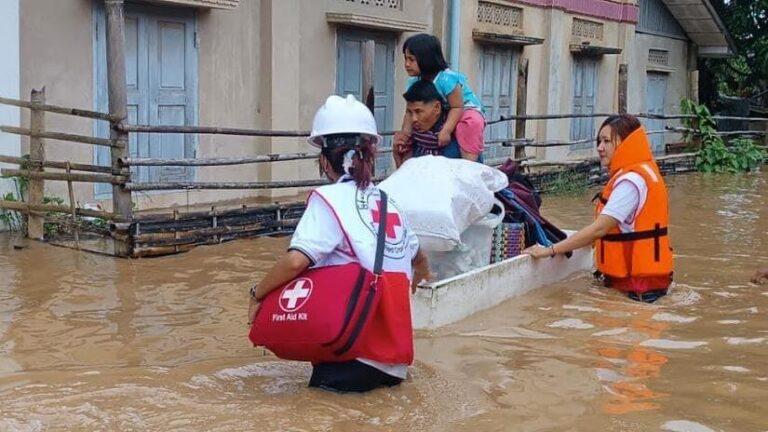
    Myanmar is facing a deepening humanitarian crisis as it struggles to recover from the devastating impact of Typhoon Yagi in September, which caused severe flooding and landslides affecting over 1.1 million people across 70 townships. 

    The typhoon has exacerbated a pre-existing humanitarian crisis, with 18 million people already in need of humanitarian assistance due to the compounding impacts of ongoing conflict and rising poverty due to lost livelihoods and a struggling economy, amidst back-to-back climate disasters.  

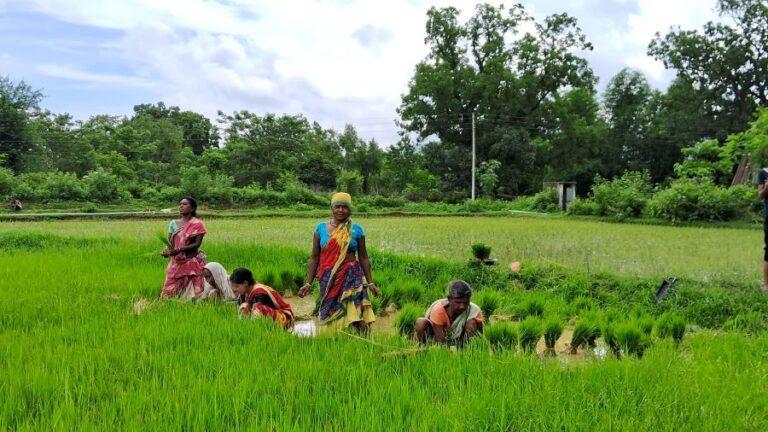
    The destruction of more than 2.3 million hectares of agricultural land containing rice paddies and other crops, 176,000 livestock losses, and extensive damage to homes, schools, roads, and power infrastructure during the typhoon have pushed communities to the brink. Many vulnerable communities have also been left with limited access to essential services such as clean water, healthcare and sanitation. 

    Families reliant on farming are facing food insecurity and prolonged economic hardship. Additionally, extensive flooding has left behind debris and contaminated water sources, compounding health risks and jeopardizing recovery efforts. 

    Field visits and needs analysis conducted by the Myanmar Red Cross Society (MRCS) indicate that the most pressing needs include provision of food and basic needs, including cash assistance, shelter and household recovery, livelihood restoration and mental health and psychosocial support for communities coping with loss and displacement. 

    Emergency Appeal

    The IFRC has launched a 2.5 million CHF emergency appeal in response to the crisis to help MRCS support 25,000 people over the next year, with MRCS mobilising over 400 volunteers and reaching more than 34,000 people with multi-sectoral assistance, including immediate lifesaving search and rescue efforts, evacuating those in danger from the floods. 

    Since September, over 25,000 people have received emergency shelter and household items, more than 34,000 people have received heath and care support, 33,000 people have received clean water and sanitation services, and more than 7,300 people have received ‘dignity kits’, containing vital hygiene and toiletry items. An operational update has been published to provide more detailed information on the progress of the response. 

    Significant challenges continue to impede effective humanitarian operations in Myanmar, with restricted access remaining a major barrier, particularly in transporting essential non-food items to conflict-affected areas. 

    The IFRC is calling for all stakeholders and humanitarian partners to collaborate and ensure a rapid and effective response to help affected communities recover and rebuild their lives. 

    Operations Manager of the Myanmar Country Delegation for the IFRC, Christie Samosir, said, “Humanitarian principles drive our work. In line with global practice, the IFRC continues to support MRCS to engage with all parties to facilitate access and ensure that assistance reaches the vulnerable and crisis-affected population. Coordinated efforts like these are crucial during emergency for the humanitarian assistance to be delivered in time.” 

    Moe Thida Win, Director of MRCS’s Disaster Management Department, added, “The floods caused by Typhoon Yagi have left many families in despair, with no homes, no clean water and no basic necessities. We must act now to address these urgent needs and prioritise the safety and dignity of affected populations.”

    Climate Change in Afghanistan: A Looming Crisis for Millions

    These climate impacts have also triggered internal displacement and migration. Climate change has been identified as a growing factor in the displacement crisis, adding to Afghanistan’s already precarious humanitarian situation.

    Afghanistan, one of the world’s most climate-vulnerable nations, is grappling with the dire consequences of a warming planet. Despite contributing minimally to global greenhouse gas emissions, Afghanistan faces profound environmental and humanitarian challenges exacerbated by decades of war, economic instability, and environmental degradation.

    Rising Temperatures and Escalating Natural Disasters

    Since 1950, Afghanistan’s mean temperature has risen by 1.8°C, surpassing the global average increase of 1.5°C. This has intensified the frequency and severity of natural disasters, including droughts, floods, and landslides. Recent floods in the spring and summer displaced over 20,000 people, claimed more than 300 lives, and inflicted over $400 million in economic losses, destroying homes and agricultural land.

    The agricultural sector, a cornerstone of Afghanistan’s economy, has been severely impacted. Rising temperatures and irregular weather patterns have disrupted farming and livestock, pushing millions into food insecurity. UNDP highlights that the agricultural value chain, critical for 80% of the population’s livelihoods, is under severe strain.

    Water Scarcity and Humanitarian Challenges

    Afghanistan, traditionally a major source of freshwater for its neighbors, now faces acute water scarcity due to climate-induced changes. UNICEF reports that eight in ten Afghans lack access to safe drinking water. Furthermore, over 64 per cent of the population is affected by drought, exacerbating food shortages and economic hardships.

    These climate impacts have also triggered internal displacement and migration. The International Organization for Migration (IOM) identifies climate change as a growing factor in the displacement crisis, adding to Afghanistan’s already precarious humanitarian situation.

    The Human Cost

    Beyond environmental destruction, the human toll is immense. Millions of Afghans face starvation amid escalating climate and economic crises. Vulnerable groups, including women and children, bear the brunt of these compounded challenges. Landmines left over from decades of conflict add another layer of risk, endangering communities already struggling to cope with climate-related adversities.

    Limited International Support

    The collapse of the Western-backed Afghan government in 2021 and the Taliban’s subsequent takeover have complicated the nation’s ability to address the climate crisis. International donors, concerned about human rights issues under the Taliban, have halted billions in development aid. Humanitarian assistance has significantly diminished, leaving Afghanistan ill-equipped to adapt to or mitigate climate impacts.

    While a Taliban delegation is observing the UN Climate Conference (COP29) in Baku, the lack of international recognition and funding limits their ability to secure the resources needed for climate resilience.

    UNAMA’s Efforts and Future Prospects

    The United Nations Assistance Mission in Afghanistan (UNAMA) is actively studying the impacts of climate change and drought. The mission aims to assess the number of vulnerable individuals and address their needs. Indrika Ratwatte, UNAMA’s deputy special representative for development, emphasized the importance of timely measures to mitigate these impacts.

    UNAMA also seeks to raise awareness among returning Afghans about climate risks and unexploded ordnance, which remain significant threats. Collaborative efforts with Afghanistan’s National Disaster Management Authority aim to improve humanitarian aid management and promote public awareness of landmine dangers.

    A Global Responsibility

    Afghanistan’s plight is a stark reminder of the disproportionate burden borne by vulnerable nations in the global climate crisis. While the country contributes little to global emissions, its people face the catastrophic consequences of a warming planet.

    Addressing Afghanistan’s climate challenges requires urgent international cooperation. Enhanced funding for adaptation and resilience, coupled with effective local governance, is critical. Failure to act risks deepening the humanitarian crisis and destabilizing an already fragile region. As the world deliberates climate action at forums like COP29, Afghanistan’s struggles highlight the pressing need for inclusive global strategies that prioritize the needs of the most vulnerable.

    MoEFCC Paves the Way for Circular Economy with Landmark Agreements

    By promoting these collaborative efforts, the Union government aims to minimize waste disposal, recover valuable materials, and establish recycling units in partnership with recyclers, refurbishers, and start-ups.

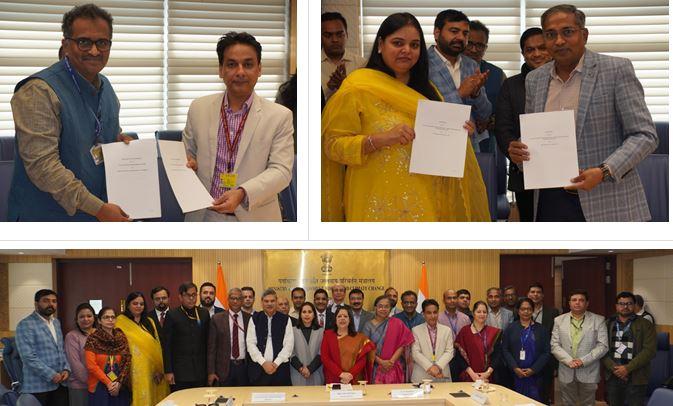
    The Ministry of Environment, Forest and Climate Change (MoEFCC) on Tuesday facilitated the signing of agreements to promote circular economy principles and innovative waste management practices. Officials said that this is a significant stride toward sustainable development.

    The collaborations involve the Government of Telangana, the Council of Scientific and Industrial Research (CSIR), and key recyclers across the country.

    A Memorandum of Understanding (MoU) formalised between the Government of Telangana and CSIR aims to bolster skills development in the recycling and waste management sectors. Under this partnership, CSIR will leverage its laboratories and technical expertise to provide training programs in Telangana. The initiative focuses on creating a skilled workforce equipped to utilize CSIR-developed waste management technologies, fostering green employment opportunities and enhancing resource recovery through sustainable practices.

    Simultaneously, MoEFCC facilitated agreements between eight CSIR national laboratories and leading recyclers to advance 15 cutting-edge waste management and recycling technologies. These laboratories, including CSIR-NIIST, CSIR-IICT, CSIR-NML, CSIR-IMMT, CSIR-CEERI, CSIR-IIP, and CSIR-CECRI, will work collaboratively with recyclers to establish state-of-the-art recycling infrastructure and develop new recycling solutions. The agreements emphasize securing critical mineral supplies, supporting domestic waste recycling, and providing technical assistance to enhance the efficiency of existing operations.

    Circular Economy

    These initiatives align with the Prime Minister’s “Mission Circular Economy,” a vision articulated during India’s 75th Independence Day celebrations. MoEFCC has been instrumental in developing policies such as the Extended Producer Responsibility (EPR) framework, which incentivizes recyclers, integrates informal recycling sectors into formal systems, and reduces dependency on virgin resources.

    By promoting these collaborative efforts, the Union government aims to minimize waste disposal, recover valuable materials, and establish recycling units in partnership with recyclers, refurbishers, and start-ups.

    Dr. K.J. Sreeram, Mission Director of CSIR’s Waste to Wealth Mission, highlighted the importance of these initiatives in driving innovation and fostering sustainable waste management.

    Through these transformative agreements, CSIR and MoEFCC reaffirm their commitment to advancing India’s transition to a circular economy, paving the way for a cleaner, greener, and more sustainable future.

    In the Lok Sabha: New Policy Initiatives in Agriculture Sector

    The minister said that the various schemes and programmes of the Government of India are meant for the welfare of farmers by increasing production, remunerative returns and income support to farmers.

    Agriculture being a State subject, Government of India supports the efforts of States through appropriate policy measures and budgetary allocation under various schemes/ programmes. The various schemes and programmes of the Government of India are meant for the welfare of farmers by increasing production, remunerative returns and income support to farmers. For faster and wider development of agriculture in the country, in the new Government the Union Cabinet has approved following programmes:

    1. Clean plant Programme: The Union Cabinet, approved the Clean Plant Programme (CPP) on 09.08.2024 with outlay of Rs. 1765.67 crore. The CPP aims to enhance the quality and productivity of horticulture crops by providing disease free planting material and will benefit dissemination and adoption of climate resilient varieties, with yield enhancement.
    • Digital Agriculture Mission: The Union Cabinet approved the Digital Agriculture Mission on 2.9.2024 with an outlay of Rs. 2817 Crore, including the central share of Rs. 1940 Crore. The Mission is conceived as an umbrella scheme to support digital agriculture initiatives, such as creating Digital Public Infrastructure, implementing the Digital General Crop Estimation Survey (DGCES), and taking up other IT initiatives by the Central Government, State Governments, and Academic and Research Institutions.
    • Progressive expansion of Agriculture Infrastructure Fund Scheme: The Union Cabinet approved the progressive expansion of Agriculture Infrastructure fund (AIF) on 28.8.2024 to enhance and strengthen the agricultural infrastructure in the country and support the farming community by expanding the scope of eligible projects and integrate additional supportive measures to foster a robust agricultural infrastructure ecosystem.  Expanded scope includes allowing individual eligible beneficiaries for creation of infrastructure covered under ‘viable projects for building community farming assets’, integrated processing projects, convergence of PM Kusum ‘A’.
    • National Mission on Edible Oils – Oilseeds (NMEO-Oilseeds): The Union Cabinet approved the National Mission on Edible Oils – Oilseeds (NMEO-Oilseeds) on 3.10.2024 with total outlay of Rs.10,103 Crore. It is aims to boost domestic oilseed production and achieving self-reliance in edible oils. The Mission will be implemented over a seven-year period, from 2024-25 to 2030-31.
    • National Mission on Natural Farming: The Union Cabinet approved the National Mission on Natural Farming (NMNF) on 25.11.2024 as a standalone Centrally Sponsored Scheme. The scheme has a total outlay of Rs.2481 crore (Government of India share – Rs.1584 crore; State share – Rs.897 crore).

    Moreover, following significant programmes have also been initiated during 2024-25.

    • National Pest Surveillance System (NPSS)
    • AgriSURE – Agri Fund for Start Ups & Rural Enterprises
    • Krishi Nivesh Portal (Phase –I)
    • Krishi-DSS Portal – A Geospatial platform for Indian Agriculture
    • Introduction of Voluntary Carbon Market (VCM) for various sustainable agriculture practices

    This information was given by the Minister of State for Agriculture and Farmers’ Welfare, Ram Nath Thakur in a written reply in Lok Sabha today.