More

    Afghanistan: After a Series of Devastating Quakes in October 2023, Residents Now Receive the Keys to a New Life

    After a devastating 6.3 magnitude earthquake and its aftershocks destroyed thousands of homes in Herat, Afghanistan, the Afghan Red Crescent Society, the IFRC and other partners worked tirelessly to help people rebuild. Earlier this month, hundreds of local residents moved into newly built shelters.

    By Sayed Eshaq Muqbel and Rachel Punitha

    It was a celebration of resilience and the possibility of a new life.  In early November 2024, people in the Gulran and Zinda Jan districts of Herat, Afghanistan, gathered to mark the completion of 288 newly built homes. 

    The new dwellings were constructed by the Afghan Red Crescent, the IFRC and other local partners for people who lost their homes due to a devastating series of quakes that hit the region in October 2023. 

    Attended by staff members of the IFRC, the Afghan Red Crescent, the provincial governor of Herat, and local media, the event also acknowledged the resilience of families who faced so much devastation after the earthquake – some losing many family members. 

    After receiving the keys to their new homes, the families began the process of moving in.

    “We are so happy to have a new home,” said Fahima, a 45-year-old woman whose family now has a safe place to live. “We have been staying in tents, but now we have proper shelter.” 

    “When the earthquake wiped away our house and belongings, we lost everything,” she added. “We struggled to find food to survive, and our children had to sleep in tents. We are eight family members, and now, with this home, our lives are so much better compared to what we endured before the earthquake.”  

    ‘Terrifying nights’

    Gulalai (not her real name), from Shakar Ab village in the Gulran District, says the new shelter offers her family a chance to start again.

    “We are a family of 11,” she shared, recalling the chaotic moments during the quake. “When the earthquake struck, we fled our home and sought refuge outdoors. We faced terrifying nights in makeshift accommodations, terrified for our safety. At least now we have a proper home just nearby, and I can say with certainty that we are going to start a new life in our new home.”

    Before getting access to her new home, she and her three children resorted to huddling together under a tattered blanket. The weight of fear and helplessness as they struggled to endure the cold nights without shelter or security still plagues her.

    The 40-year-old mother’s home in Zinda Jan was reduced to ruins by a disaster that left its mark across four provinces, claiming over 2,000 lives and ravaging 382 villages in ten districts. 

    In the wake of the disaster, the IFRC developed a comprehensive shelter strategy in which support was provided through conditional cash grants, with people from the affected communities carrying out the construction work. They were aided by masons, volunteers, social mobilisers, and engineers from ARCS and IFRC. 

    Religious scholars and key community members were also included in many stages of the planning and execution.

    “It took about seven months, and the shelter work was completed,” says Hafiz Sadat, an IFRC Senior Shelter Officer who managed the project and provided technical support to the ARCS team.

    ‘It was catastrophic’

    Ghulam Mahboob, a 45-year-old resident of Shakar Ab village, reflects on the devastation caused by the earthquake. 

    “It was catastrophic; many people lost their lives and their homes,” he says. “We had no choice but to live for a very long time in the tent provided by the ARCS. Well, our shelters are finally ready, and we are very grateful to ARCS and everyone who helped address our most pressing needs. We still face urgent challenges in other areas, such as access to electricity, clean drinking water, and education for our children.”

    At the onset of the earthquake, the IFRC shelter, and disaster response teams were deployed to the impacted areas and, in collaboration with the ARCS, emergency items, cash, psychosocial support were delivered to the affected families. 

    While medical care, psychosocial support, water and sanitation were the most immediate needs, there were other needs as many of the people who kept family and community life going lost their lives during the quake.

    “Both my sons have lost their wives in the earthquake,” said one elderly man. “Not only is there is no one to help make bread for the family, but there is no cooking and heating equipment as well. My sons and I must go outside of the village to earn a living.” 

    Even with the new homes, therefore, the families still face many challenges ahead. For this reason, the IFRC and ARCS continue their commitment to accompany the impacted families in their path to recovery. 

    That support has been consistent since the beginning. With support from the IFRC, the ARCS has reached 2,100 households with emergency shelters and household items such as tents or tarpaulins, blankets, jerry cans, kitchen sets and sleeping pads. Overall, the ARCS provided a wide range of assistance to more than 87,000 people. 

    Much of this support was made possible by resources mobilized through a comprehensive  IFRC Emergency Appeal that addressed the impacts of multiple shocks, including severe drought, flooding, public health emergencies, economic hardship and the Herat earthquakes.
    Pakistan PM Shehbaz Sharif Hails Interest Rate Cut as Boost for Investment

    Highlighting positive economic indicators, the prime minister noted that the reduction in the policy rate would provide much-needed relief to businesses and investors. He called this development a “welcoming sign” for the economy.

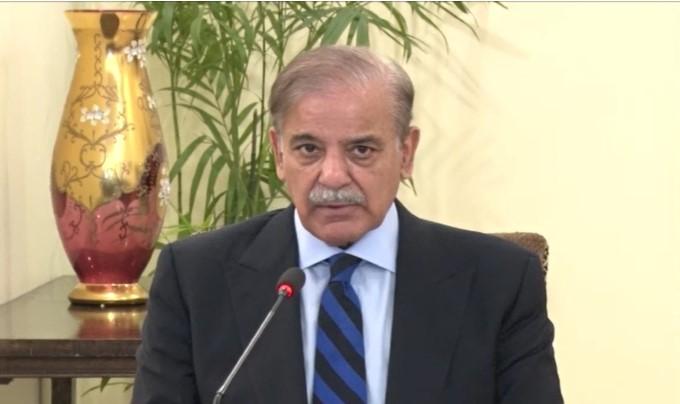
    Pakistan Prime Minister, Muhammad Shehbaz Sharif, on Tuesday welcomed the State Bank of Pakistan’s decision to cut the interest rate by 2 per cent to 13 per cent, describing it as a significant step toward boosting investment and stimulating economic growth.

    Chairing a cabinet meeting in Islamabad, the Prime Minister said, “Taking advantage of the good news on the economic front, we should first promote domestic investment, as a result, foreign investment will automatically come to the country.”

    Addressing the challenges of polio eradication, Prime Minister Shehbaz expressed regret that Pakistan remains one of the few countries where the polio virus persists. He stressed the need for renewed efforts to eliminate the disease, reaffirming the government’s commitment to a polio-free Pakistan.

    Highlighting positive economic indicators, the Prime Minister noted that the reduction in the policy rate would provide much-needed relief to businesses and investors. He called this development a “welcoming sign” for the economy and emphasized that inflation had dropped to its lowest level since 2018.

    The Prime Minister further underscored the importance of promoting local investment and revealed that the government had finalized a home-grown economic plan. The plan, aimed at sustaining economic growth, will be formally unveiled in an upcoming special event.

    Record Current Account Surplus

    Later on in the evening, Prime Minister Muhammad Shehbaz Sharif also expressed satisfaction over achieving a record current account surplus in November.

    “For the first time in 10 years, Pakistan’s current account surplus reaching US$729 million in November 2024 is extremely encouraging for the national economy,” the prime minister said in a press statement issued by the PM House.

    He highlighted that cut in the policy rate by the State Bank of Pakistan (SBP), gradual decline in inflation rate and increase in the current account surplus were clear evidence of the government’s positive economic policies.

    “Pakistan’s position in the international economic market will strengthen with record increase in the current account surplus,” the prime minister added.

    He noted that the increase in current account surplus would also increase the local and foreign investor’s confidence in Pakistan’s economy.

    Prime Minister Shehbaz Sharif also extended appreciation to Finance Minister Muhammad Aurangzeb, Minister of State for Finance Ali Pervaiz Malik and the government’s economic team for their tireless efforts.

    Bangladesh Poultry Association Threatens Nationwide Poultry Shutdown from January 1

    The BPA’s warning of a production halt is a stark indicator of the challenges faced by small poultry farmers in Bangladesh. As the January 1 deadline approaches, the government faces mounting pressure to take decisive action.

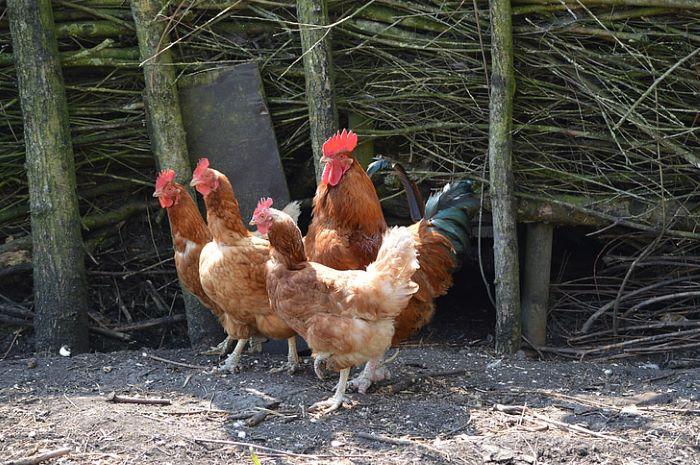
    The Bangladesh Poultry Association (BPA) has issued an ultimatum to halt egg and chicken production in marginal poultry farms nationwide starting January 1 if their 10-point demand is not met. The BPA, which represents poultry farmers and traders across the country, claims that corporate syndicates dominate the poultry market, jeopardizing the livelihoods of small-scale farmers and undermining the stability of the entire sector.

    The announcement came through a press release, with BPA President Md Sumon Howlader accusing the government of favoring large corporations over marginal farmers. “Despite repeated pleas to the government, no effective measures have been taken to address the crisis. The dominance of corporate syndicates has destabilized the poultry sector, causing significant losses for small farmers,” said Howlader. “If the government fails to act, marginal farmers will be forced to cease production, which could cause irreparable damage to food security, employment, and the broader economy.”

    A Crisis for Small Farmers

    The poultry sector is vital to Bangladesh’s economy, providing livelihoods for nearly 5 million people. Marginal poultry farmers, however, say they are struggling to survive due to unfair competition from large corporate entities. The BPA highlighted that corporate companies, which dominate the market by producing feed, chicks, eggs, and chicken, leave little room for smaller farms to compete.

    According to poultry farm owners, corporate dominance has suppressed market prices, leading to financial strain for small producers. Broiler and Sonali day-old chicks (DOCs) have seen a significant price decline in recent months, being sold at Tk 37-45 per piece compared to earlier rates. In contrast, layer chick prices have remained static at Tk 65-70 per piece. While this decline benefits consumers temporarily, it has hit small farmers hard, as production costs continue to rise.

    Mahbubur Rahman, president of the Breeders Association of Bangladesh (BAB), acknowledged the challenges facing small and medium-scale farmers. He stressed the need for immediate government intervention to prevent market instability. “The government should take the matter seriously and investigate whether vested interests are attempting to manipulate the market,” Rahman said.

    BPA’s 10-Point Demand

    The BPA’s 10-point demand focuses on restricting corporate dominance and providing relief to small poultry farmers:

    1. Limit Corporate Companies: Restrict corporate firms to producing feed and chicks only; bar them from egg and chicken production.
    2. Halt Commercial Production: Prohibit large-scale corporate egg and chicken production.
    3. Dismantle Syndicates: Disband corporate syndicates accused of controlling feed and chick prices.
    4. Ensure Fair Prices: Guarantee fair prices for eggs and chicken produced by small farmers.
    5. Provide Loans and Subsidies: Offer small farmers easy access to loans and subsidies to sustain operations.
    6. Financial Incentives: Introduce incentives for marginal farmers to recover from current losses.
    7. Separate Market Access: Create designated markets for small farmers to sell their produce.
    8. Regulate Corporations: Enforce government policies to curb corporate dominance in the poultry sector.
    9. End Exploitative Contract Farming: Abolish contract farming practices that exploit small producers.
    10. Support and Training: Provide training and technical support to improve production efficiency for marginal farmers.

    Potential Impact on the Market

    While the BPA’s demands aim to protect small farmers, some observers argue that the threat to shut down production could disrupt market stability. Currently, the price of eggs and broiler chickens has remained stable over the last month. Eggs are being sold at Tk 145-150 per dozen, and broiler chicken is priced at Tk 185-200 per kilogram. Both traders and consumers have found these rates reasonable, sparking concerns that the BPA’s move might destabilize the market.

    Industry insiders, however, argue that without intervention, marginal farmers will continue to incur losses, forcing many out of business. “If small farms shut down, the corporate companies will gain even greater control of the market,” said a poultry farm owner. “This will ultimately lead to price hikes in the future, as competition will be wiped out.”

    Government’s Role

    The BPA’s ultimatum has put pressure on the government to address the poultry sector’s underlying issues. Stakeholders are urging authorities to investigate the role of corporate syndicates in the market and take steps to support small farmers. If no action is taken, the nationwide shutdown of marginal poultry farms could have severe consequences for food supply and employment.

    Md Sumon Howlader reiterated that the BPA’s intention is not to create chaos but to safeguard the interests of small-scale farmers. “This is our last resort. If the government acts promptly and takes measures to address our concerns, we are willing to work together to stabilize the poultry sector,” he said.

    The BPA’s warning of a production halt is a stark indicator of the challenges faced by small poultry farmers in Bangladesh. As the January 1 deadline approaches, the government faces mounting pressure to take decisive action. The situation highlights the urgent need to balance market competition, regulate corporate dominance, and protect the livelihoods of millions who depend on the poultry sector.

    With food security and employment at stake, stakeholders hope that a resolution can be reached before the crisis escalates further.

    In the Rajya Sabha: Initiatives to Combat Rising Temperatures in Indian Cities

    In his written reply to the Rajya Sabha, Minister of State for Housing and Urban Affairs, Tokhan Sahu, emphasised the government’s commitment to mitigating the UHI effect through multi-pronged strategies.

    Urbanisation continues to intensify the Urban Heat Island (UHI) effect across Indian cities, driven by factors such as reduced vegetation, heat-retaining construction materials, and heightened energy consumption. Recognising the challenges posed by this phenomenon, the Government of India, in collaboration with Urban Local Bodies (ULBs) and State authorities, has undertaken several initiatives to mitigate its impact.

    This information was provided by Tokhan Sahu, Minister of State for Housing and Urban Affairs, in written reply to a question on the subject in the Rajya Sabha.

    The UHI effect, a by-product of rapid urbanisation, increases local temperatures in urban areas compared to surrounding rural regions, exacerbating the impact of climate change. Efforts to address this issue span urban planning, green space creation, water body rejuvenation, and adoption of sustainable cooling measures.

    Green Initiatives Under AMRUT

    Under the Atal Mission for Rejuvenation and Urban Transformation (AMRUT), green spaces have been prioritized to counteract UHI effects. To date:

    • 2,429 park projects, covering 5,044 acres of green spaces, have been developed at a cost of ₹5,044.28 crore under AMRUT.
    • Under AMRUT 2.0, 1,729 park projects worth ₹1,027.62 crore have been approved, adding significant urban greenery.
    • Additionally, 3,078 water body rejuvenation projects valued at ₹6,159.29 crore have been approved to enhance natural cooling mechanisms.
    • These initiatives reflect a concerted effort to increase urban green cover and promote ecological balance in cities.

    Policy Frameworks and Guidelines

    The Ministry of Housing and Urban Affairs (MoHUA) has issued several guidelines to support sustainable urban planning:

    Addendum to Model Building Bye-Laws (MBBL) – 2016: Issued under the India Cooling Action Plan (2019), these guidelines serve as an advisory for states to incorporate energy-efficient cooling systems in urban designs.

    Urban Green Guidelines, 2014: These guidelines provide comprehensive strategies for increasing green spaces and sustainable landscaping in urban areas.

    Urban and Regional Development Plans Formulation and Implementation (URDPFI) Guidelines: These promote a “Compact and Green City” approach, encouraging the release of land for open and green spaces to mitigate heat island effects.

    Climate Smart Cities Assessment Framework

    Launched in 2019, the Climate Smart Cities Assessment Framework (CSCAF) evaluates urban climate resilience, focusing on energy efficiency, water management, waste management, and green infrastructure. Key findings from the Cities Readiness Report 3.0 based on CSCAF data include:

    • 95 cities have prepared disaster management plans with ward-level hazard and vulnerability assessments.
    • 85 cities meet the URDPFI norm of over 12% green cover within municipal boundaries.
    • 76 cities have allocated budgets for water body rejuvenation and open area conservation.
    • 41 cities are developing or have developed climate action plans.

    The minister said that the National Communication (NATCOM) Cell of the Ministry of Environment, Forest and Climate Change has informed that as per the ‘Synthesis report: Climate Change 2023’ of the Assessment Report 6 (AR6) of Intergovernmental Panel on Climate Change (IPCC), human activities, principally through emissions of greenhouse gases, have unequivocally caused global warming, with global surface temperature reaching 1.1°C above 1850-1900 in 2011-2020.

    The NATCOM Cell has further informed that according to the Third National Communication (TNC) submitted to United Nations Framework Convention on Climate Change (UNFCCC) in 2023, the country’s average annual mean temperature during 1901-2022 shows an increasing trend of 0.64°C in every 100 years.

    These initiatives underscore the importance of climate-resilient urban governance in addressing the UHI effect.

    Scientific Evidence and Global Context

    According to the IPCC Synthesis Report 2023 (AR6), global warming has unequivocally been caused by human activities, with global temperatures rising by 1.1°C above pre-industrial levels between 2011-2020. For India, data from the Third National Communication (TNC) to the UN Framework Convention on Climate Change (UNFCCC) shows an increasing trend of 0.64°C per 100 years in average annual mean temperatures from 1901-2022.

    This warming trend, compounded by urbanization, has made Indian cities particularly vulnerable to heat stress and other climate-related impacts.

    Future Outlook

    In his written reply to the Rajya Sabha, Minister of State for Housing and Urban Affairs, Tokhan Sahu, emphasised the government’s commitment to mitigating the UHI effect through multi-pronged strategies. From enhancing green infrastructure to implementing climate-smart frameworks, these initiatives aim to create sustainable and livable urban spaces.

    While significant progress has been made, continued collaboration between local bodies, state governments, and national agencies is essential to ensure Indian cities are equipped to combat the challenges posed by climate change and urban heat islands.

    Landmark Agreements to Boost Minor Forest Produce and Dairy Sectors in Chhattisgarh

    The Union Minister of Cooperation stated that they would play a crucial role in fostering prosperity, peace, and security in Chhattisgarh in the coming years.

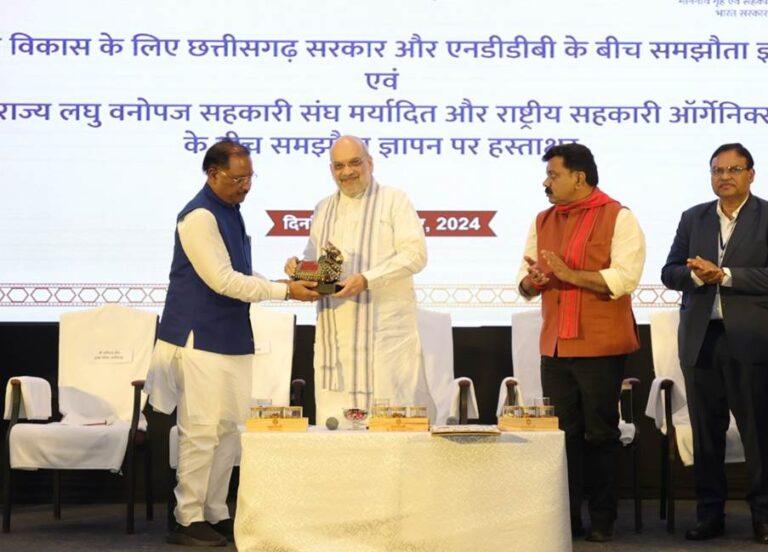
    At event aimed at boosting the minor forest produce and dairy sectors in Chhattisgarh, Union Home Minister and Minister of Cooperation Amit Shah oversaw the signing of two pivotal agreements today. These initiatives, rooted in Prime Minister Narendra Modi’s vision of ‘Sahkar Se Samriddhi’ (Prosperity through Cooperation), aim to expand the cooperative sector and bring transformative changes to the state’s rural economy.

    Addressing the event, Amit Shah emphasized the transformative potential of these agreements. He highlighted their alignment with the government’s broader goals of promoting organic farming, empowering tribal communities, and enhancing dairy production across the country. Shah noted that these steps are crucial for Chhattisgarh, a state with significant tribal and rural populations, and reiterated that cooperation is a key driver of prosperity and a critical tool in overcoming the challenges posed by Naxalism.

    Promoting Organic Farming and Minor Forest Produce

    The first agreement, signed between the Chhattisgarh State Minor Forest Produce (Trading and Development) Cooperative Federation Limited (CGMFPFED) and the National Cooperative Organics Limited (NCOL), focuses on the certification and promotion of organic forest produce. Shah underlined the challenges faced by farmers and tribal communities due to the lack of a proper certification system for organic products. This gap, he explained, has prevented genuine organic producers from securing fair prices for their goods.

    Shah stated that the Modi government has taken decisive steps to address these issues. With NCOL’s support, tribal farmers will now benefit from a robust certification process, ensuring that their products, including wild forest honey, tamarind, cashew, chironji, mahua, and coarse grains, meet global organic standards. These certified products will be marketed under the ‘Bharat Organics’ brand, both domestically and internationally, opening new avenues for tribal farmers to increase their incomes.

    “Within the next four years, certified organic grains will be available in every district of India,” Shah announced, detailing plans for soil testing and organic verification systems to build consumer trust and expand market opportunities. He also praised the success of organic farming models in Gujarat, where farmers have adopted innovative practices to achieve higher yields without chemical fertilizers, significantly enhancing their earnings.

    Boosting Dairy Cooperatives in Chhattisgarh

    The second agreement, signed between the Chhattisgarh Government, the Chhattisgarh State Cooperative Dairy Federation, and the National Dairy Development Board (NDDB), seeks to revolutionize the dairy sector in the state. Shah highlighted the untapped potential for dairy cooperatives in Chhattisgarh and emphasized the importance of establishing dairy societies in every village.

    The agreement aims to expand the number of dairy cooperative societies from 650 to 3,850, while creating 3,200 additional multipurpose primary dairy cooperative societies. This will lead to a dramatic increase in milk collection capacity—from the current 79,000 kilograms to 5 lakh kilograms per day—and milk processing capacity, which will triple to 4 lakh litres per day. Liquid milk sales are also expected to grow tenfold, reaching 4 lakh litres per day.

    “This initiative is not just about increasing milk production,” Shah explained. “It is about empowering women, particularly in areas that have been freed from Naxalism, and ensuring that they have sustainable livelihoods. Freeing women from exploitation through cooperatives is both our duty and a moral responsibility.”

    The NDDB will provide managerial and technical support for the project without charging service fees, ensuring the initiative remains cost-effective. Funding will come from Central Government schemes, loans from the National Bank for Agriculture and Rural Development (NABARD), and contributions from the State Government. This collaborative approach is designed to strengthen the state’s dairy infrastructure and improve the livelihoods of milk-producing farmers.

    Overcoming Challenges and Building a Cooperative Model

    Amit Shah emphasized the broader impact of these initiatives on Chhattisgarh’s socio-economic landscape. He noted that cooperation is a powerful tool not only for economic growth but also for fostering peace and security in the state. “Cooperation is playing a significant role in overcoming Naxalism in Chhattisgarh,” Shah remarked, highlighting how the cooperative movement can bring prosperity to previously conflict-ridden areas.

    The agreements will also encourage sustainable harvesting practices for forest produce, ensuring ecological balance alongside economic progress. Tribal self-help groups involved in the collection and processing of minor forest produce will receive training and support, further enhancing their capabilities and market access.

    Expanding Opportunities and Ensuring Sustainability

    Shah expressed optimism about the growing global demand for organic products, which he sees as an opportunity for Indian farmers. By promoting certified organic produce and connecting tribal communities to international markets, the Modi government aims to improve farmers’ incomes and lifestyles.

    He urged the Chhattisgarh Government to take proactive steps in implementing these agreements, emphasizing the importance of timely execution. Shah envisioned a system where every farmer becomes an active member of a cooperative institution, fostering inclusive growth and ensuring that the benefits of development reach the grassroots level.

    The Union Minister of Cooperation concluded his address by expressing confidence in the transformative potential of these agreements. He stated that they would play a crucial role in fostering prosperity, peace, and security in Chhattisgarh in the coming years. Shah assured that the Union Ministry of Cooperation would prioritize Chhattisgarh in its efforts to expand cooperative networks and provide the necessary support for their success.

    The agreements signed today mark a significant step toward realizing the vision of ‘Sahkar Se Samriddhi’ and transforming Chhattisgarh into a model state for cooperative development. By strengthening the minor forest produce and dairy sectors, these initiatives promise to bring lasting benefits to the state’s tribal and rural communities, paving the way for a brighter and more prosperous future.

    Strengthening Bonds: India and Sri Lanka Chart a New Path for Partnership

    Prime Minister Modi and the visiting Sri Lankan President, Anura Kumara Dissanayake noted that the effective and timely implementation of agreed measures would deepen the bilateral ties between the two countries and transform the relationship into a new standard for friendly and neighbourly ties.

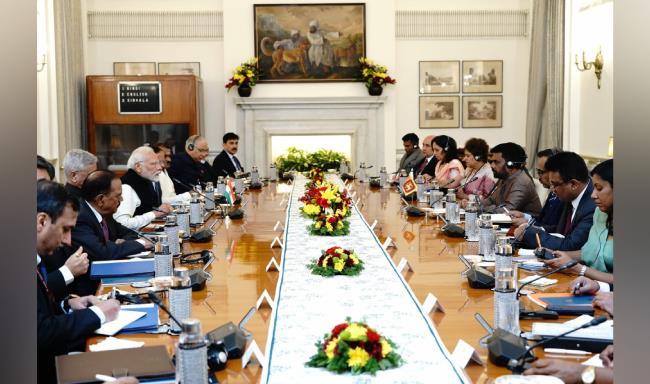
    Prime Minister Narendra Modi and Sri Lankan President Anura Kumara Dissanayake met for extensive discussions on December 15, 2024, in New Delhi, marking a pivotal moment in India-Sri Lanka relations. This meeting, President Dissanayake’s first official foreign trip since taking office in September 2024, underscored his commitment to deepening ties with India, especially as Sri Lanka seeks to rebuild after its economic crisis in 2022. The talks covered a range of areas including economic cooperation, regional security, and cultural exchanges, with both leaders pledging to advance their partnership to new heights.

    Economic Support: A Lifeline in Crisis

    Economic recovery and collaboration dominated the agenda, with Sri Lanka’s appreciation for India’s role during its economic crisis taking center stage. President Dissanayake expressed heartfelt gratitude for India’s aid package worth approximately USD 4 billion, which included credit lines and grants to stabilize Sri Lanka’s economy. He acknowledged that this support was instrumental in providing essential goods and services to the people during the nation’s darkest hours.

    “India’s assistance during our unprecedented economic crisis has been a lifeline,” Dissanayake stated. “We look forward to continued support from India as we work towards sustainable growth and economic stability.”

    Prime Minister Modi reaffirmed India’s steadfast commitment to Sri Lanka’s recovery, highlighting a shared vision for investment-led growth. The leaders discussed expanding the India-Sri Lanka Free Trade Agreement (ISFTA) and identifying new avenues for bilateral trade in agriculture, dairy, and textiles. Modi emphasized that strengthening economic ties would benefit both nations, saying, “India’s commitment to Sri Lanka’s progress is unwavering, and we are looking towards a future of deeper economic cooperation.”

    Regional Security and Defence Cooperation

    As Indian Ocean security becomes increasingly complex, defence cooperation and maritime security emerged as key discussion points. President Dissanayake reassured India of Sri Lanka’s commitment to regional stability, stating, “Sri Lanka will not allow its territory to be used for activities that harm India’s security.”

    In response, Modi highlighted the importance of mutual collaboration in addressing threats such as terrorism, piracy, and narcotics trafficking. The two leaders agreed to enhance joint naval exercises, intelligence sharing, and capacity-building initiatives. Sri Lanka’s efforts to strengthen its maritime surveillance capabilities with India’s assistance—including Offshore Patrol Vessels and the establishment of a Maritime Rescue and Coordination Centre—were acknowledged as significant achievements.

    Building a Framework for Strategic Cooperation

    The joint statement released post-meeting outlined a roadmap for bolstering the India-Sri Lanka partnership. Areas of focus included:

    Infrastructure Development: Both nations agreed to expedite ongoing projects such as the Indian Housing Project and renewable energy initiatives, including the Islands Hybrid Renewable Energy Project.

    Energy Security: Plans to implement the Sampur solar power project and explore offshore wind energy potential in the Palk Strait were discussed, with an emphasis on balancing development with environmental protection.

    Agricultural Modernization: Recognizing the need for food security and self-sufficiency, a Joint Working Group will be established to promote sustainable farming practices and modernize Sri Lanka’s agricultural sector.

    Addressing Longstanding Challenges: The Fishermen Issue

    The issue of fishermen crossing maritime boundaries—a persistent concern in bilateral relations—was also addressed. Both leaders emphasized the need for a “humane and durable solution” to protect the livelihoods of affected communities. “This is an issue that impacts both our nations, and we are determined to find an equitable solution through dialogue,” Dissanayake remarked.

    The recent Joint Working Group meeting on fisheries in Colombo was hailed as a positive step toward resolving the issue. In addition, India’s ongoing projects to develop fisheries infrastructure in Sri Lanka, such as the Point Pedro Fishing Harbour, were recognized as vital for fostering sustainable practices.

    Strengthening People-to-People Ties

    Cultural and educational exchanges were also a prominent focus of the discussions. President Dissanayake expressed enthusiasm for promoting Sri Lanka’s heritage in India, while Modi highlighted the potential of the Ramayana and Buddhist Circuits to enhance tourism and cultural diplomacy.

    Both nations agreed to expand student exchange programs and collaborate on research and technology initiatives to nurture closer ties between their younger generations. “The Ramayana and Buddhist Circuits offer immense opportunities to deepen our cultural ties and enhance tourism,” Modi said.

    Moving Towards Sustainable Partnerships

    The leaders concluded their talks by emphasizing the need to shift from debt-driven models to investment-led partnerships, a strategy aimed at ensuring Sri Lanka’s long-term economic resilience. India’s role in Sri Lanka’s debt restructuring process was acknowledged as a critical factor in stabilizing the island nation’s financial systems.

    “Our partnership must evolve to focus on mutual investments and sustainable growth,” Dissanayake noted. “This approach will allow us to overcome challenges and build a future of shared prosperity.”

    A Vision for the Future

    The discussions between Modi and Dissanayake have set the stage for a new era of India-Sri Lanka relations, characterized by trust, mutual respect, and shared objectives. As both nations navigate complex regional dynamics, their commitment to fostering economic growth, enhancing security, and promoting cultural ties underscores the strength of their partnership.

    President Dissanayake’s invitation to Modi to visit Sri Lanka signals a continuation of this dialogue, promising further collaboration in the months to come. The leaders’ resolve to implement agreed measures highlights their shared vision of transforming bilateral ties into a model for friendly and neighborly relations in the region.

    As Sri Lanka rebuilds and India continues to assert its role as a regional leader, the deep-rooted cultural, economic, and strategic bonds between the two countries are poised to strengthen further, ensuring a brighter future for both nations.

    Pakistan PM Shehbaz Sharif Launches Nationwide Anti-Polio Drive Amid Rising Cases

    In a decisive move to combat polio, Pakistan initiates its final vaccination campaign of 2024, targeting 44 million children and confronting challenges of misinformation, vaccine hesitancy, and security risks.

    Prime Minister Shehbaz Sharif on Sunday launched the final nationwide anti-polio campaign of 2024, reaffirming Pakistan’s commitment to eradicating the crippling disease amid a worrying surge in cases. The campaign, which officially begins on December 16, will span 143 districts and aims to vaccinate over 44 million children under the age of five.

    Addressing the launch ceremony in Islamabad, PM Shehbaz expressed concern over the rising number of polio cases in the country, which have reached 63 this year, affecting 83 districts. Of these, 26 cases have been reported in Balochistan, 18 in Khyber Pakhtunkhwa (KP), 17 in Sindh, and one each in Punjab and Islamabad.

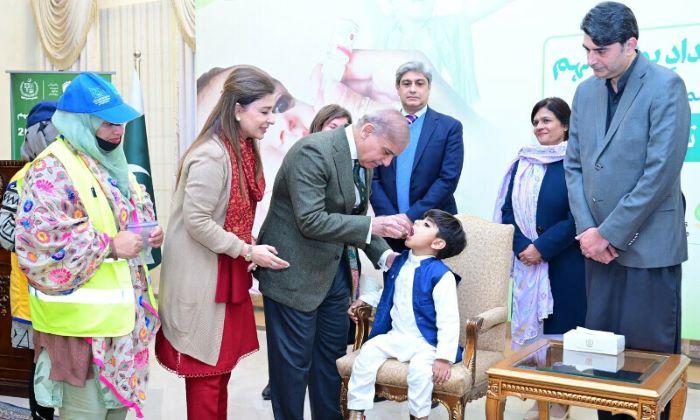
    “We will win this war against polio despite the difficulties faced in the past,” the prime minister said. He also administered polio drops to children at the event as a symbolic gesture to encourage nationwide participation.

    The initiative comes as Pakistan continues to battle its status as one of the last two countries where polio remains endemic, alongside Afghanistan. The disease predominantly affects children under five, sometimes causing lifelong paralysis. Despite global eradication efforts, challenges such as vaccine hesitancy, misinformation, and security threats have hindered progress in the region.

    PM Shehbaz made a heartfelt appeal to parents, urging them to support the campaign by ensuring their children receive the vaccine. “I respectfully request all parents to help us safeguard the future of our children by participating in this campaign,” he said. He further extended his gratitude to international partners, including the Bill & Melinda Gates Foundation, the World Health Organization (WHO), and the Government of Saudi Arabia, for their continued support in combating polio.

    Spreading to New Districts

    The current surge in cases highlights the critical need for the campaign. The virus has recently spread to the previously unaffected district of Charsadda in Khyber Pakhtunkhwa, underscoring the urgency of ensuring comprehensive immunisation coverage. Poliovirus, which thrives in warm climates, is less active during colder months, making this campaign a pivotal opportunity to curb its spread before the next high-transmission season begins in May.

    A Nationwide Effort Prime Minister’s Focal Person for Polio Eradication Ayesha Raza Farooq detailed the campaign’s logistics, stating it would run from December 16 to 22. She called on families to open their doors to the 400,000 frontline workers who will administer the vaccine across the country.

    “As a mother, I appeal to you to trust the polio workers and allow them to vaccinate your children,” Farooq said in a pre-recorded message. She emphasised that the polio vaccine is safe, effective, and provided free of charge. Farooq also lauded the dedication of polio workers, describing them as “real heroes” who operate under difficult and often dangerous conditions.

    The campaign is the fourth nationwide polio vaccination drive this year. Previous district-specific campaigns and three earlier national efforts have contributed significantly to immunisation rates, yet the battle against the disease is far from over. Security concerns remain a major obstacle, with polio teams frequently requiring protection from law enforcement.

    International Support

    PM Shehbaz acknowledged the vital role of international partnerships in Pakistan’s polio eradication efforts. He extended special thanks to Saudi Arabia and Crown Prince Mohammed bin Salman for their “valuable contributions” in both Pakistan and Afghanistan. He also highlighted the unwavering support from the Bill & Melinda Gates Foundation and WHO.

    The prime minister’s personal involvement in the campaign reflects his administration’s prioritisation of public health. “The federal and provincial governments are working together to ensure the success of this drive,” he said, commending security forces for their efforts in protecting vaccination teams.

    A Call to Action

    With this final campaign of the year, Pakistan renews its determination to eliminate polio. PM Shehbaz’s impassioned plea to parents and recognition of frontline workers’ sacrifices underscore the collaborative nature of this effort. As the country grapples with the challenges posed by polio, the success of this initiative could mark a significant step towards a polio-free Pakistan.

    Disappeared, Then Executed or Framed: A Glimpse into Bangladesh’s Enforced Disappearances

    According to the report, military officers formerly serving in RAB described a horrifying “standard procedure” for executions: victims were shot in the head, their bodies tied with cement bags, and dumped into rivers to ensure they would sink.

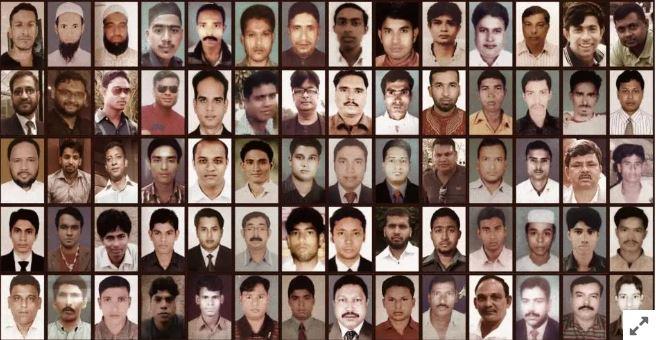
    In a grim interim report unveiled by the Commission of Inquiry on Enforced Disappearances, a stark reality emerges: most victims of enforced disappearances in the country meet one of two fates — execution or being framed in fabricated charges. Released on Sunday by the Chief Adviser’s office, the report sheds light on the harrowing methods used by security forces, particularly the elite Rapid Action Battalion (RAB), in what appears to be a systematic campaign of abductions and extrajudicial killings.

    The findings, detailed in a report titled Unfolding the Truth, paint a picture of a deeply entrenched machinery of oppression. The commission’s chairman, retired Justice Mainul Islam Chowdhury, and his team have compiled over 1,676 complaints of enforced disappearances, with 758 already scrutinized. The commission estimates the total number could exceed 3,500.

    A Chilling Standard Procedure

    According to the report, military officers formerly serving in RAB described a horrifying “standard procedure” for executions: victims were shot in the head, their bodies tied with cement bags, and dumped into rivers to ensure they would sink. Specific disposal sites, including the Buriganga River, Shitalakkhya River (near Kanchan Bridge), and Postagola Bridge, have been identified as frequent locations for such operations. A confiscated boat from the Sundarbans, modified for these gruesome tasks, was stationed near Postagola Bridge.

    The report recounts the initiation of one RAB battalion commander, during which he witnessed two executions conducted on a bridge under the supervision of the head of RAB intelligence. Another soldier narrated an incident where a victim, attempting to escape by jumping into a river, was immediately recaptured and executed on the spot. Such accounts, supported by what the commission calls “some verified reports detailing methods of execution,” offer a chilling glimpse into the brutality of these operations.

    High-Level Involvement

    The commission’s findings implicate senior figures in the deposed government, including former Prime Minister Sheikh Hasina and high-ranking security officials. Among those named are Major-General (retired) Tarique Ahmed Siddique, who served as Hasina’s defense adviser, as well as Major-General (retired) Ziaul Ahsan, the former director-general of the National Telecommunication Monitoring Centre, and senior police officers Monirul Islam and Md. Harun-Or-Rashid.

    Justice Chowdhury stated that the commission uncovered a “systematic design” intended to obscure the traces of these disappearances. Operations were deliberately segmented, and individuals involved in abductions, killings, or disposals often had no knowledge of the victims, ensuring layers of plausible deniability.

    A Call for Accountability

    One of the most striking recommendations in the interim report is the disbandment of RAB, the elite force that has been at the center of many of these allegations. The commission’s chairman described RAB’s role as emblematic of a larger pattern of impunity and systemic abuse, arguing that its dissolution is a necessary step toward restoring accountability.

    Beyond RAB, the report emphasizes the need for comprehensive reform within the security forces and stronger mechanisms for oversight and transparency. The commission’s findings suggest that enforced disappearances were not isolated incidents but part of a coordinated strategy to silence dissent and consolidate power.

    Human Cost and the Way Forward

    For the families of the disappeared, the interim report is both a validation of their long-standing allegations and a reminder of the daunting road ahead. Many have spent years searching for answers, filing complaints, and enduring threats. The commission’s decision to withhold certain details in its interim findings, citing the need to protect the integrity of ongoing inquiries, has left some relatives anxious for closure.

    The Chief Adviser, Professor Muhammad Yunus, has pledged full support to the commission’s efforts, recognizing the importance of their work in uncovering the truth. “You are doing a really very important job. We are ready to give you all kinds of support that you need,” Yunus assured the commission during the report’s submission at the state guesthouse Jamuna in Dhaka.

    Despite this promise, the road to justice remains fraught with challenges. The commission’s work is far from over, with another interim report expected in March and a full accounting anticipated to take at least another year. Meanwhile, survivors and victims’ families face the dual burden of processing their loss and advocating for systemic change.

    A Global Concern

    The revelations in the interim report resonate far beyond the country’s borders. Enforced disappearances are recognized internationally as a grave violation of human rights, often constituting crimes against humanity. The methods detailed in the report — including abduction, detention, torture, and elimination — mirror practices seen in other regimes accused of similar abuses.

    International human rights organizations have long called for greater accountability and transparency in addressing enforced disappearances in the country. The commission’s findings, particularly its recommendations to dismantle RAB and implicate high-ranking officials, could provide a critical impetus for renewed global attention and advocacy.

    Voices of the Voiceless

    As the commission continues its work, the stories of the disappeared — and those they left behind — must remain at the forefront. The interim report’s stark language and unflinching accounts serve as a reminder of the human cost of state-sanctioned violence. Behind every statistic is a name, a face, a family torn apart.

    For the country to move forward, the culture of impunity must end. Justice Chowdhury’s call for a “comprehensive account” of these atrocities underscores the need for truth and reconciliation. Only by confronting the full extent of these abuses can the nation begin to heal and ensure that such violations are never repeated.

    In the words of one survivor’s family member: “We don’t want revenge. We just want to know the truth. We want to know why our loved ones were taken and who gave the orders. Only then can we have peace.”

    The commission’s interim findings are a crucial first step in that direction. Yet, they also lay bare the enormity of the task ahead — one that demands unwavering commitment from both the nation and the international community to hold those responsible to account and ensure justice for the countless lives lost in silence.

    In the Rajya Sabha: Insights on India’s Forests, Wildlife, and Conservation

    Initiatives like ‘Gajah Suchana’ and the Captive Elephant Rules provide a framework to combat illegal activities and improve the welfare of captive elephants. Similarly, the ambitious Great Indian Bustard conservation programme reflects India’s resolve to protect its unique biodiversity.

    On Thursday, the Rajya Sabha heard of a series of updates on critical environmental and wildlife issues, highlighting the government’s efforts in forest management, elephant conservation, and the preservation of endangered species like the Great Indian Bustard. Union Minister of State for Environment, Forest and Climate Change, Kirti Vardhan Singh, provided detailed written responses, shedding light on the challenges and progress in these areas.

    Forest Survey of India: Expanding the Scope

    The India State of Forest Report (ISFR), a biennial assessment by the Forest Survey of India (FSI) under the Ministry of Environment, Forest and Climate Change, faced a delay in its 2023 publication. The postponement was attributed to the expansion of its scope, now covering data from 751 districts, compared to 638 districts in earlier reports.

    The ISFR provides a comprehensive overview of the country’s forest cover, including lands larger than one hectare with a tree canopy density exceeding 10 percent, irrespective of legal status or ownership. This definition encompasses diverse landscapes, including orchards, bamboo groves, and palm plantations.

    However, the report also revealed concerning trends regarding forest land diversion. From April 1, 2019, to March 31, 2024, the Ministry approved the diversion of 95,724.99 hectares of forest land for non-forestry purposes. To mitigate this, the Compensatory Afforestation Fund Act, 2016, facilitated afforestation efforts. Between 2019 and 2024, approximately 252,000.44 hectares of land were earmarked for compensatory afforestation under various state-level Annual Plan of Operations (APOs). These initiatives aim to offset the ecological losses caused by development projects.

    Combatting Illegal Elephant Transfers

    Addressing concerns over the illegal transfer and transport of elephants, the Minister emphasised the government’s commitment to safeguarding these majestic animals. Representations and complaints are forwarded to Chief Wildlife Wardens (CWLWs) of states and union territories for action under the Wildlife (Protection) Act, 1972.

    A significant step in this direction has been the development of the ‘Gajah Suchana’ mobile application in collaboration with the Wildlife Institute of India. This app enables the collection of biological samples from captive elephants for DNA profiling, creating a comprehensive genetic and morphological database. This centralised repository aids in validating the identities of elephants during transfers and serves as a critical tool in forensic procedures and legal cases.

    Furthermore, the government introduced the Captive Elephant (Transfer or Transport) Rules, 2024, to regulate the movement of captive elephants within and across states. A High-Powered Committee, constituted following a Supreme Court directive, oversees these transfers, ensuring adherence to legal and ethical standards.

    Conservation of the Great Indian Bustard

    In a move to protect one of the world’s most critically endangered birds, the Great Indian Bustard (GIB), the Ministry outlined a robust Conservation Action Plan supported by the National Compensatory Afforestation Fund Management and Planning Authority (CAMPA). A funding of ₹77.05 crore has been allocated for a five-year period starting in 2024 for the conservation of both the Great Indian Bustard and the Lesser Florican.

    The plan builds on a programme initiated in 2016 with an outlay of ₹33.85 crore, which achieved several milestones, including:

    1. Establishing conservation breeding facilities in Sam and Ramdeora, Jaisalmer, Rajasthan.
    2. Securing a partial founder population for captive breeding.
    3. Advancing ecological knowledge through range-wide surveys, telemetry, and habitat monitoring.
    4. Using research and advocacy to guide habitat improvement initiatives.

    Additionally, the Ministry is working on innovative conservation techniques such as artificial insemination, community participation, and predator management. A notable international collaboration with the International Fund for Houbara Conservation in the UAE aims to strengthen efforts to save the Great Indian Bustard.

    Challenges and the Road Ahead

    India’s environmental challenges are multifaceted, ranging from balancing development and conservation to addressing illegal activities and habitat loss. The ISFR’s expanded scope underscores the government’s commitment to providing a more granular understanding of forest resources. However, the significant diversion of forest lands highlights the ongoing conflict between infrastructure growth and ecological preservation.

    In wildlife conservation, initiatives like ‘Gajah Suchana’ and the Captive Elephant Rules provide a framework to combat illegal activities and improve the welfare of captive elephants. Similarly, the ambitious Great Indian Bustard conservation programme reflects India’s resolve to protect its unique biodiversity.

    As the country moves forward, the integration of technology, international collaboration, and community engagement will be pivotal. These measures not only aim to mitigate environmental degradation but also ensure that future generations inherit a thriving natural heritage.

    Nepal and ADB Sign Landmark Deal Worth Rs. 21.23 Billion for Agricultural and Climate Resilience Projects

    The project will employ a Design, Build, and Operate (DBO) modality to ensure long-term sustainability. An irrigation management company will also be established to oversee the efficient operation of groundwater irrigation systems.

    By Laxmi Khanal

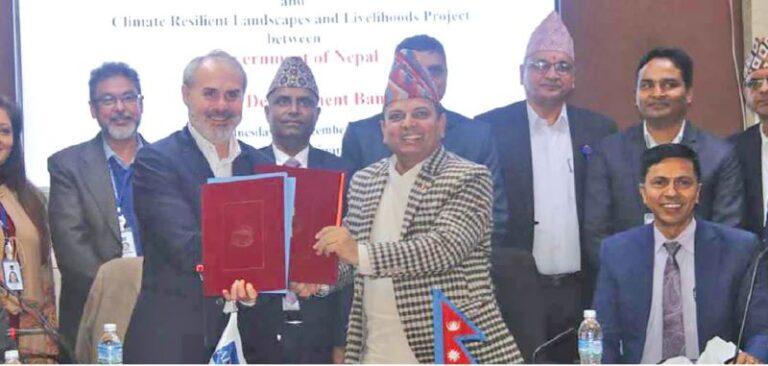
    The Government of Nepal and the Asian Development Bank (ADB) signed a significant concessional loan and grant agreement on Wednesday, totalling USD 157 million (Rs. 21.23 billion), to implement two transformative projects: the Mechanized Irrigation Innovation Project (MIIP) and the Climate Resilient Landscapes and Livelihoods Project (CRLLP).

    The agreements, signed in Kathmandu, were aimed at addressing Nepal’s critical needs for improved agricultural productivity and enhanced climate resilience.

    Advanced Irrigation Technologies to Benefit Farmers

    The Mechanized Irrigation Innovation Project (MIIP) received USD 125 million, comprising a USD 110 million loan and a USD 15 million grant. Finance Secretary Dr. Ram Prasad Ghimire and ADB’s Country Director for Nepal, Arnaud Cauchois, inked the agreement.

    The MIIP will introduce cutting-edge irrigation technologies, including a prepaid card system, allowing farmers to access water based on their specific needs. Focused on the Rautahat and Sarlahi districts of Madhes Province, the project is expected to benefit over 121,000 farmers by ensuring year-round irrigation and boosting agricultural productivity.

    Additionally, the project will employ a Design, Build, and Operate (DBO) modality to ensure long-term sustainability. An irrigation management company will also be established to oversee the efficient operation of groundwater irrigation systems.

    “This project will significantly contribute to food security and agricultural innovation in the region,” said Dr. Ghimire.

    Enhancing Climate Resilience in Vulnerable Regions

    The Climate Resilient Landscapes and Livelihoods Project (CRLLP) secured USD 32 million in funding, with USD 22 million as a grant and USD 10 million as a loan. Joint Secretary Dhani Ram Sharma and ADB’s Arnaud Cauchois signed the agreement on behalf of their respective organizations.

    Focused on the Karnali and Sudurpashchim provinces – regions highly vulnerable to climate change – the CRLLP will enhance water security, promote agroforestry, and empower communities through sustainable management of water resources and forests. The project aims to mitigate the impacts of climate change by fostering nature-based solutions and promoting livelihoods that rely on sustainable practices.

    “This project addresses critical challenges posed by water insecurity and climate vulnerabilities,” Cauchois stated, emphasizing ADB’s continued commitment to supporting Nepal’s sustainable development goals.

    High Hopes for Impactful Outcomes

    During the signing ceremony, Finance Secretary Dr. Ghimire expressed gratitude to ADB for its enduring partnership. He emphasised the projects’ importance in advancing irrigation infrastructure, strengthening climate resilience, and uplifting rural livelihoods.

    “These projects are pivotal in ensuring food security, addressing water challenges, and building resilience in the face of climate change,” Dr. Ghimire remarked, urging implementing agencies to ensure timely and effective project execution.

    ADB’s Cauchois highlighted the projects’ potential to bolster Nepal’s economy while addressing key challenges in agriculture and climate adaptation.

    The agreements mark a crucial milestone in Nepal’s journey toward sustainable development, signalling a commitment to innovation and resilience in the agricultural and climate sectors. With these projects, Nepal aims to pave the way for a more secure and sustainable future for its rural communities.