More

    India Faces UN Scrutiny Over Discrimination as CERD Report Flags Grave Concerns

    The UN racial discrimination committee, CERD, has expressed alarm over violence against minorities, Dalits and non-citizens in its first review of India since 2007.

    The United Nations Committee on the Elimination of Racial Discrimination (CERD) has issued a sharply critical assessment of India’s record, expressing “grave concern” over reports of large-scale rights violations by law enforcement against ethnic and ethno-religious minorities, Indigenous and Tribal Peoples, Scheduled Castes especially Dalits, and non-citizens. The findings, released on 25 August 2026 after India’s first review by the body since 2007, mark a significant moment of international scrutiny nearly two decades after the previous examination.

    India ratified the International Convention on the Elimination of All Forms of Racial Discrimination in 1968. The latest review examined the country’s combined twentieth and twenty-first periodic reports, submitted years after they were due. The Committee noted that India had failed to provide detailed and updated information on inquiries and sanctions arising from allegations of violence. While the Indian government has long maintained that caste discrimination falls outside the Convention’s definition of racial discrimination because caste is not synonymous with race, CERD has consistently interpreted the treaty to cover discrimination based on inherited status or descent.

    Violence and Accountability Gaps

    CERD highlighted reports of racially motivated violence, excessive use of force, extrajudicial killings, arbitrary and prolonged detention without due process, torture, ill-treatment and sexual violence. These allegations involved law enforcement operations targeting ethnic and ethno-religious groups, Indigenous and Tribal Peoples including Scheduled Tribes, Scheduled Castes particularly Dalits, and non-citizens. The Committee called on India to conduct prompt, thorough and impartial investigations into all such allegations and ensure accountability for those responsible.

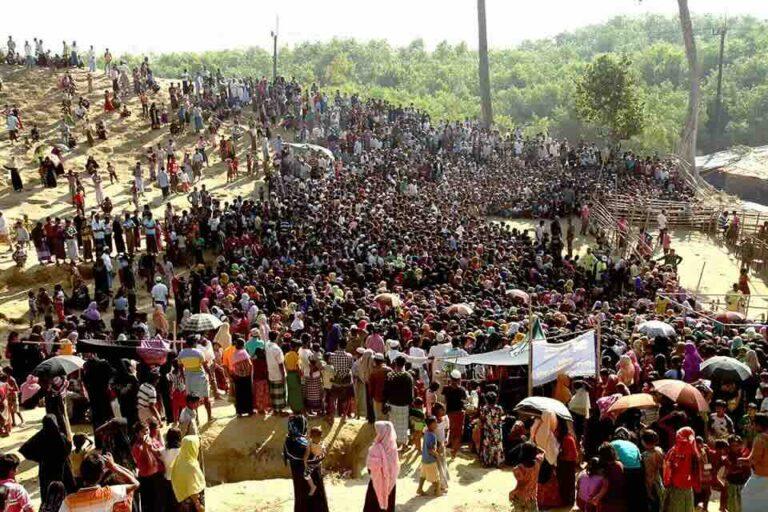
    Particular attention was paid to increased operations against Rohingya refugees, Bengali-speaking Muslims, migrants and asylum-seekers. These intensified following a 2017 Ministry of Home Affairs order and the April 2025 Pahalgam attack in Kashmir. Police stops and identity checks involving racial profiling reportedly led to arbitrary arrests, detention without due process, torture and ill-treatment. The Committee also raised concerns about deportations and forcible returns of people in need of international protection, in violation of the principle of non-refoulement. It urged India to urgently address discrimination, hate speech and hate crimes against these groups, protect their rights, refrain from collective expulsions and ensure access to international protection.

    Citizenship, Electoral Rolls and Exclusion

    The National Register of Citizens (NRC) process in Assam and the large-scale deletions under Special Intensive Revisions (SIR) of electoral rolls drew strong criticism. CERD noted that the NRC had led to mass deprivation of citizenship, with disproportionate impact on Bengali-speaking Muslims. It recommended suspension of the NRC and a review of the legislative framework. On the SIR process, which reportedly removed approximately 52 million names across 12 States and Union Territories, with West Bengal seeing 9.1 million deletions ahead of state elections, the Committee called for a review to safeguard the electoral participation rights of ethno-religious minorities and independent investigation of irregularities. It also urged officials not to use the process to spread racist rhetoric.

    Manual scavenging continues despite a legal ban, remaining a stark indicator of persistent caste-based discrimination. The Committee further flagged hate speech against Rohingya Muslims, their poor living conditions and mass refoulement.

    Legal Framework and Civic Space Under Pressure

    CERD expressed concern over the absence of explicit criminalisation of racist hate speech in the Bharatiya Nyaya Sanhita. It noted the use of the Foreign Contribution (Regulation) Act (FCRA), Unlawful Activities (Prevention) Act (UAPA), Armed Forces (Special Powers) Act (AFSPA) and Prevention of Money Laundering Act (PMLA) to restrict the work of civil society organisations defending minority and marginalised communities. The Forest (Conservation) Amendment Act was criticised for exempting “national security” projects from consultative decision-making processes that affect Indigenous communities.

    Data deficits compound these problems. The long delay in conducting a new census and the slow release of National Crime Records Bureau (NCRB) data have left independent verification of official claims about progress against caste- and faith-based discrimination severely hampered. India continues to base “special measures” for Scheduled Tribes and Adivasis on 2011 Census figures, raising the possibility that socioeconomic regression is being masked.

    Institutional Weaknesses and Official Response

    The findings come against the backdrop of the Global Alliance of National Human Rights Institutions recommending a downgrade of India’s National Human Rights Commission (NHRC) last year. Concerns centred on the appointment of police officers to investigative roles and a lack of pluralism. In this vacuum, CERD’s observations carry added weight.

    India has rejected the Committee’s references as “politically motivated” and “highly malicious.” The Ministry of External Affairs stated that the Indian delegation, led by Solicitor General Tushar Mehta, had already rejected sweeping generalisations, unsubstantiated allegations and attempts to exceed the Convention’s mandate during the August 11-12 dialogue in Geneva. Officials reiterated that caste cannot be equated with race under Article 1 of the Convention.

    Persistent Challenges

    The road ahead, as outlined by observers, includes restoring the independence of the NHRC, explicitly criminalising hate speech, strengthening affirmative action, collecting and publishing properly disaggregated data, improving transparency in electoral roll revisions, and reinforcing enforcement mechanisms overall. Yet the government’s reliance on a technical distinction to keep issues affecting roughly 200 million Dalits as a purely domestic matter, combined with its dismissal of the CERD findings, suggests that sustained pressure from civil society in multilateral forums and through domestic legal and political channels will remain essential.

    The Committee’s report underscores a broader pattern in which exceptional measures and administrative practices risk normalising discrimination rather than eliminating it. Nearly two decades after the last review, the gap between India’s formal commitments under the Convention and the lived realities documented by the Committee remains stark.

    WHO Extends Polio Emergency as Virus Persists in Afghanistan and Pakistan

    The global health body has warned that wild poliovirus transmission continues in the only two endemic countries, with vaccination gaps and cross-border challenges delaying eradication efforts worldwide.

    The World Health Organisation has extended its declaration that the international spread of poliovirus remains a public health emergency of international concern for another three months, citing ongoing wild poliovirus transmission in Afghanistan and Pakistan.

    The decision followed the 45th meeting of the WHO’s Emergency Committee under the International Health Regulations, convened in May and announced on 25 August 2026. Committee members unanimously concluded that the risk of international spread continues to meet the criteria for a public health emergency of international concern, or PHEIC, while determining that the situation does not amount to a pandemic emergency.

    Afghanistan and Pakistan remain the world’s only countries with endemic transmission of wild poliovirus type 1, known as WPV1. Since the committee’s previous meeting in January, 16 new WPV1 cases were reported in the two countries – 14 in Afghanistan and two in Pakistan. Of Afghanistan’s 14 newly reported cases, 11 had paralysis onset in 2025.

    Case Numbers and Environmental Findings

    At the time of the assessment, four WPV1 cases had been reported so far in 2026 – three in Afghanistan and one in Pakistan. In 2025, Afghanistan recorded 21 cases and Pakistan 31, for a combined total of 52. More recent surveillance updates have shown additional detections, with Afghanistan’s 2026 total rising to 19 cases by mid-August, bringing the regional figure to 22.

    Environmental surveillance has continued to detect the virus. A total of 74 WPV1-positive environmental samples were reported globally in 2026 up to the committee’s review, including 17 from Afghanistan and 57 from Pakistan. In 2025, 747 positive samples were recorded, including 94 from Afghanistan and 651 from Pakistan. Later regional bulletins indicated higher cumulative environmental detections for the year, underscoring persistent circulation even as overall numbers decline.

    The committee noted that the overall number of cases and positive environmental samples is declining but warned that transmission has continued in both countries, including through the most recent low-transmission season.

    Hotspots of Greatest Concern

    Three areas were singled out as particularly worrying: southern Afghanistan, southern Khyber Pakhtunkhwa in Pakistan, and Karachi. Southern Afghanistan was described as the area of greatest concern, with intense transmission and evidence that the virus has circulated undetected for extended periods. Southern Khyber Pakhtunkhwa continues to face security and operational challenges that hinder vaccination efforts, while Karachi remains a significant reservoir for poliovirus.

    Progress has been recorded in some areas, including eastern Afghanistan and the Peshawar and Quetta regions of Pakistan. However, those gains remain fragile because of immunity gaps, population movement, vaccine refusals, surveillance concerns and uneven vaccination coverage.

    Cross-Border Challenges and Sample Transport

    The WHO stressed that Afghanistan and Pakistan should continue to be treated as a single epidemiological bloc because of the continuing risk of cross-border transmission. Movement between the two countries, including the return of undocumented Afghans from Pakistan, continues to complicate eradication efforts.

    The closure of the Afghanistan-Pakistan land border disrupted the transport of polio surveillance samples from Afghanistan to the regional reference laboratory in Islamabad between October 2025 and early January 2026. Sample shipments resumed in January, and all Afghan samples from 2025 have now been tested and finalised. Because the land border remains closed, samples are now being transported by air. The WHO is also working with other laboratories in the region to establish backup testing capacity.

    Vaccination Campaign Gaps

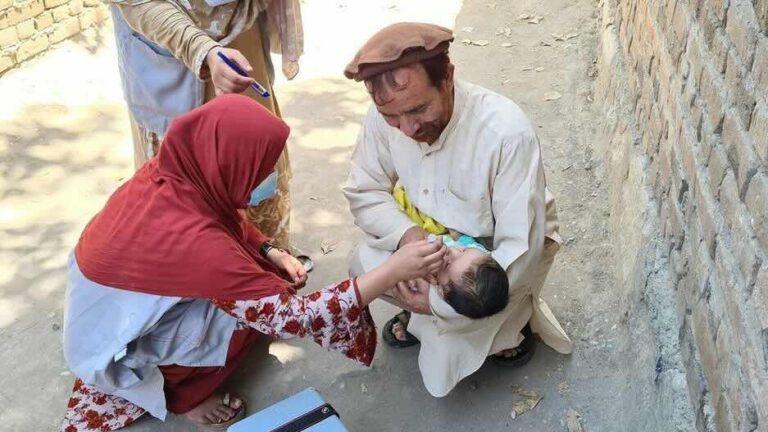
    Afghanistan and Pakistan have continued intensive vaccination campaigns, yet significant gaps persist. In Afghanistan, campaigns are being conducted through a site-to-site strategy. House-to-house campaigns have not been carried out since October 2024 because of security concerns. Limited participation of women health workers, particularly in southern Afghanistan, is another concern. Officials warned that site-to-site campaigns may fail to reach some children, especially younger ones, potentially allowing the virus to spread further.

    In Pakistan, the committee welcomed strong political support for polio eradication and generally high reported vaccination coverage. However, the quality of campaigns varies at the district level, particularly in southern Khyber Pakhtunkhwa and Balochistan. About 250,000 children in southern Khyber Pakhtunkhwa remain unreached, largely because insecurity restricts access.

    Vaccine-Derived Poliovirus Outbreaks

    The committee also reviewed outbreaks of circulating vaccine-derived poliovirus, or cVDPV. As of 30 April 2026, 32 cVDPV cases had been reported globally across 12 countries. Of those, 28 were cVDPV2, two were cVDPV3 and two were cVDPV1. All 27 environmental detections reported during the period were cVDPV2.

    Nigeria recorded the largest number of cVDPV2 cases this year, with 14 as of the end of April, accounting for half of the global total at that point. Transmission also continues in parts of the Lake Chad Basin and the Horn of Africa, including Somalia, Ethiopia and Yemen. Humanitarian crises, insecurity, population displacement and low routine immunisation coverage continue to create conditions in which vaccine-derived poliovirus can spread.

    Call for Sustained Action

    After reviewing the global epidemiological and vaccination situation, the committee recommended extending the temporary measures associated with the PHEIC for another three months. The continued international risk is driven by ongoing transmission in endemic countries, gaps in population immunity, cross-border movement and the potential for poliovirus to spread from endemic countries to other parts of the world.

    Continued high-quality surveillance, vaccination campaigns and coordinated cross-border efforts will be essential to interrupt transmission. Progress in Afghanistan and Pakistan remains fragile. Reducing transmission will require both countries to reach children missed by vaccination campaigns and to maintain close coordination along their shared border.

    The Director-General accepted the committee’s assessment and determined that the poliovirus situation continues to constitute a public health emergency of international concern with respect to WPV1 and cVDPV. The temporary recommendations under the International Health Regulations were extended accordingly.

    Polio remains a highly contagious disease that mainly affects children under five. While global cases have fallen dramatically over decades of eradication efforts, the final stages are proving the most challenging. The virus continues to find refuge in communities where conflict, insecurity, displacement and access restrictions leave children unprotected. Until every last transmission chain is broken, the risk of international spread – and the need for emergency measures – will persist.

    Nepal-Tibet Flash Floods Claim Over 750 Lives as Thousands Remain Missing

    A catastrophic glacial collapse has unleashed a deadly torrent across Himalayan border, wiping out villages, isolating communities and raising urgent climate alarms for the region.

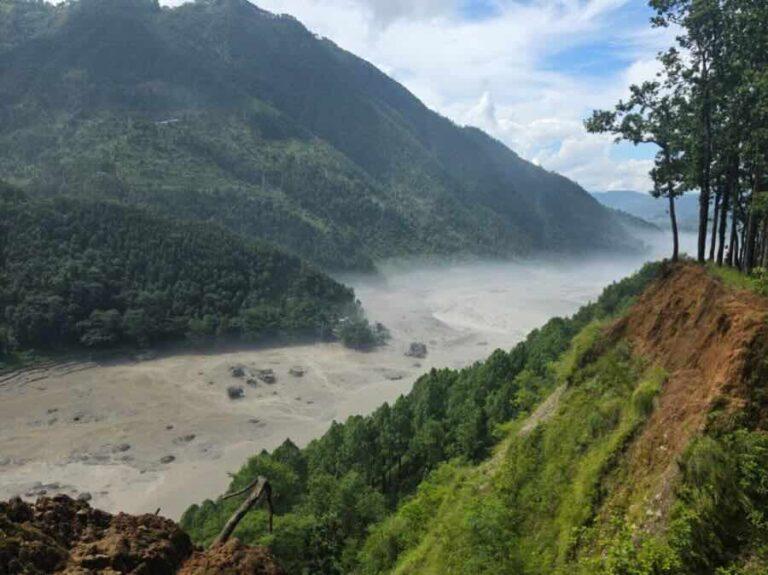
    Devastating flash floods triggered by a glacial collapse near the Nepal-Tibet border have left at least 750 people dead and more than 3,000 missing as rescue operations entered their fifth day on Sunday. The disaster, which struck on 26 August 2026, sent a massive wall of water, ice, rock and mud surging down the Bhotekoshi and Trishuli river systems, obliterating homes, bridges, roads and hydropower projects in its path.

    Nepal’s National Disaster Risk Reduction and Management Authority reported 734 confirmed deaths and 2,498 people still unaccounted for, including 589 foreign nationals and 933 workers linked to hydropower sites. Chinese authorities confirmed 16 deaths and 546 missing in Tibet’s Gyirong County, among them 261 foreigners from 23 countries. The combined toll underscores the cross-border scale of the tragedy that has struck one of the Himalayas’ most vulnerable corridors.

    Glacial Collapse, Not Earthquake, Triggered the Disaster

    What was initially reported as a magnitude 4.4 earthquake at around 8:37 am local time was later reclassified by the United States Geological Survey as a magnitude 5.2 glacial collapse. Satellite imagery and scientific analysis indicate that a large section of ice and rock sheared away from the north face of Langtang Lirung, a peak rising above 7,200 metres in Langtang National Park close to the border. The mass plunged roughly 1.2 kilometres into the Lhende Khola, a tributary of the Bhotekoshi, temporarily damming the river before the barrier failed and unleashed the catastrophic surge.

    The torrent raced south through Rasuwagadhi and Timure in Nepal’s Rasuwa district, then continued downstream through Nuwakot, Dhading and as far as Chitwan, more than 150 kilometres away. Water levels in the Trishuli rose by as much as nine metres in half an hour. Entire villages were buried under thick grey-brown sediment. Homes, vehicles and farm equipment remain half-submerged in the sludge. Multiple bridges were washed away and major highways severed, leaving some of the worst-hit communities extremely difficult to reach.

    This is the second major flood on the same river stretch in just 14 months. In July 2025 a supraglacial lake drainage destroyed the Miteri Friendship Bridge and caused significant damage. Scientists note that cascading glacial hazards are increasing at an unprecedented pace across the Hindu Kush Himalaya as temperatures rise faster than the global average.

    Rescue Operations Face Rising Waters and Access Challenges

    Nepali army troops, police, Red Cross volunteers and local communities have been working under extremely difficult conditions. Rescuers have dug into a tunnel at the Trishuli 3A hydropower site in an attempt to reach trapped workers, inserting a pipe to supply air. Helicopters have been crucial for evacuations and aerial reconnaissance because roads and bridges remain impassable in many places.

    On Sunday authorities warned of possible fresh flooding as water levels rose again in Bhotekoshi. Flood alerts were sent to mobile phones and rescue teams were urged to exercise caution. A barrier lake that formed after the initial collapse continues to pose a risk; Chinese and Nepali officials have been monitoring its volume closely.

    The International Federation of Red Cross and Red Crescent Societies released nearly one million Swiss francs through its Disaster Response Emergency Fund to support the Nepal Red Cross Society. Volunteers have distributed drinking water, tarpaulins, blankets, sleeping mats, first aid kits and other emergency supplies. Immediate priorities remain emergency shelter, safe drinking water, basic relief items, health support and restoring access to isolated communities. The IFRC has indicated readiness to scale up further assistance and is preparing for longer-term recovery needs, noting that entire villages and market areas have been wiped out.

    The United States announced more than $3.6 million in humanitarian aid, including emergency food assistance for up to 10,000 households. China offered emergency financial assistance and aid packages after Foreign Minister Wang Yi spoke with his Nepali counterpart. Nepal’s Prime Minister Balendra Shah stated that the government’s first priority is to save every citizen’s life through mobilisation of all state mechanisms.

    Foreign Nationals and Pilgrims Among the Missing

    Hundreds of foreign tourists and pilgrims were caught in the disaster. Many were travelling toward the sacred Mount Kailash and Lake Mansarovar in Tibet. Indian authorities reported hundreds of Indian nationals among those missing or uncontactable, though scores have been rescued or safely crossed borders in subsequent days. Citizens from the United States, Australia, Britain, Canada and other countries remain on missing lists. Chinese officials said 261 foreign nationals from 23 countries were still unaccounted for on the Tibet side.

    Bodies have been recovered far downstream, with significant numbers found in Chitwan and Nawalparasi districts. Morgues have struggled with capacity and the grim task of identification continues amid the thick mud and debris.

    Climate Crisis Amplifies Himalayan Risks

    While scientists caution that it is too early to attribute this specific event solely to global warming, the broader trend is clear. A warming world is increasing the risk of glacial collapses, landslides and catastrophic floods in the Himalayas. Even if global temperature rise is limited to 1.5°C, more than a third of the ice volume in the extended Hindu Kush Himalaya region is projected to be lost this century. Glaciers are shrinking, snow and ice are melting, permafrost is thawing and mountain slopes are becoming less stable.

    Greenpeace South Asia expressed deepest sorrow and solidarity with those affected by the Bhotekoshi flood and mudslide in Rasuwa. The organisation noted that the scale and suddenness of the disaster are especially horrifying coming barely a year after another devastating flood in the same region. Frontline communities face the growing risk of being hit by successive disasters while still struggling to recover. The flood also threatens hundreds of communities further downstream, including in India’s Bihar and Uttar Pradesh, which are frequently on high alert due to their proximity to Nepali rivers.

    Greenpeace emphasised that the climate crisis has been driven overwhelmingly by the extraction and burning of fossil fuels, while communities who contributed least to the problem bear the greatest human and financial costs. It called for all available resources to be mobilised for emergency response and recovery, with particular attention to vulnerable groups whose homes, livelihoods and access to essential services have been disrupted.

    Calls for Regional Solidarity and Environmental Action

    Doyens of Peace of SouthAsia, through the COVA Peace Network in India, issued a statement of condolence and solidarity with all those who lost lives, homes, livelihoods and loved ones in the floods in Nepal and Tibet, including foreign pilgrims and tourists. The group stressed that the increasing frequency and intensity of such disasters across SouthAsia cannot be viewed merely as acts of nature. Much of the devastation is aggravated by unprecedented environmental degradation driven by human greed, reckless development and disregard for ecological balance.

    The tragedy, the statement said, must awaken SouthAsians to the urgent need for regional cooperation to protect, restore and regenerate the shared environment. Unless countries act together, the entire region faces an increasingly dangerous future, the statement says. At this hour of calamity, governments, civil society, communities and citizens across SouthAsia are called upon to extend every possible financial, material and humanitarian assistance to those affected, the statement further said.

    Nepal’s Foreign Minister and the UN climate chief have both warned of the growing threat from global warming to the Himalayas. The disaster has once again highlighted how interconnected the region’s ecosystems and communities are, and how climate impacts respect no borders.

    Bhutan’s Long-Deferred Mines and Minerals Bill Set for Parliamentary Return this Winter

    Reworked 2026 draft aims to modernise a 30-year-old law, strengthen transparency and balance economic gains with environmental and community safeguards amid fresh mineral discoveries.

    More than five years after it disappeared from the legislative agenda without a formal vote, Bhutan’s Mines and Minerals Management Bill is poised to return to Parliament during the winter session. The Department of Geology and Mines (DGM) under the Ministry of Energy and Natural Resources has submitted a revised draft – the Mines and Minerals Management Bill of Bhutan 2026 – to the Cabinet. Officials say the new version addresses earlier sticking points, particularly around strategic minerals, while aligning with the Mineral Development Policy 2017 and the country’s broader economic transformation goals.

    The bill is intended to replace the Mines and Minerals Management Act of 1995, a law widely viewed as outdated for today’s economy, technology and sustainability standards. The DGM has framed the redraft as a substantive strengthening of the legal framework rather than a simple revision, drawing on the Mineral Exploration Guidelines 2023 and the Mines and Minerals Management Regulations 2022. It emphasises strategic mineral development, investment security, value addition, environmental stewardship and equitable socio-economic benefit-sharing.

    Constitutional Questions Linger from 2021 Deferral

    The original bill, introduced around 2019-2020, was deferred in June 2021 after a Joint Committee failed to reach consensus following six meetings. The speaker invoked parliamentary procedural rules, but critics have long questioned whether this was consistent with Article 13(8) of Bhutan’s Constitution, which appears to require submission to the Druk Gyalpo for a joint sitting and vote when the two houses cannot agree. Neither the DGM nor the Prime Minister’s Office has directly addressed the constitutional basis for the deferment, describing it instead as an internal parliamentary process driven by the need for broader consensus.

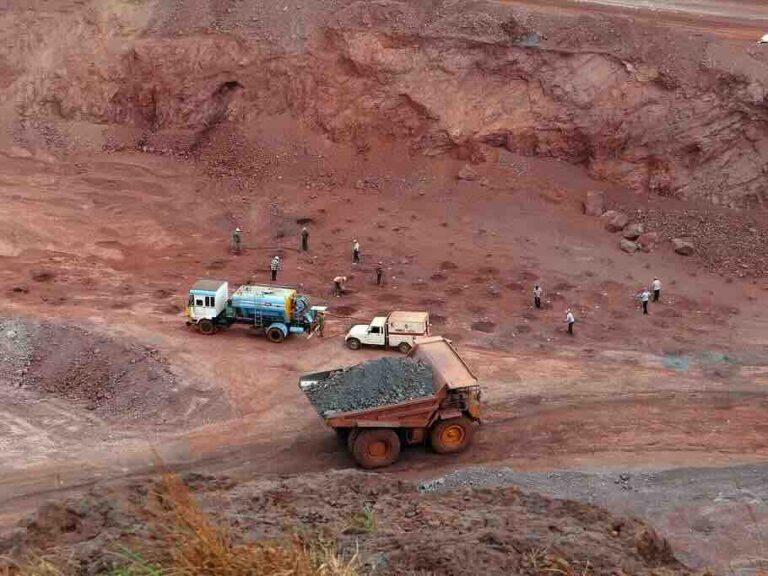
    In the intervening years the government has relied on the 1995 Act and subordinate regulations. The Mines and Minerals Management Regulations 2022 updated leasing procedures, royalty and rent provisions, environmental standards, occupational health and safety requirements, and corporate social responsibility obligations. A two-lease limit per household or individual aims to prevent concentration of ownership, while strategic minerals such as gypsum, dolomite and coal have been allocated primarily to the State Mining Corporation Limited. Surface Collection Rules and Regulations 2024 further govern sand, stone and boulder extraction.

    Bridging Policy Gaps and International Assessments

    An independent Mining Policy Framework Assessment by the Intergovernmental Forum on Mining, Minerals, Metals and Sustainable Development, published in March 2025, highlighted both strengths and weaknesses in Bhutan’s framework. The country scores well on environmental protections for forests, water and pollution control, and on clear institutional roles. Yet the assessment noted a fragmented legal base that needs updating, an onerous multi-agency clearance process, weak monitoring capacity, inadequate public participation in permitting, and limited formal community consultation and benefit-sharing mechanisms throughout the mine life cycle.

    The DGM has responded that restoration is already required under existing law, lease agreements and the Mines Restoration Guidelines 2021, backed by an Environmental Restoration Bond. Officials also point to local government consultation processes through gewog and dzongkhag bodies. The new bill is expected to tighten these areas, introduce clearer progressive penalties, improve transparency in allocation (including competitive bidding for proven reserves), and strengthen post-mining transition requirements.

    Fresh Geological Knowledge Raises Stakes

    The timing coincides with the completion of Bhutan’s first nationwide airborne geophysical survey. Interpretation of the data has identified areas favourable for minerals, including indications of copper, tungsten and geothermal potential across previously unmapped terrain. The government has stressed that knowledge is not the same as a decision to extract. Any future development, the Prime Minister and DGM have said, will be guided by Gross National Happiness principles, environmental commitments and a public process only when required and when the national framework is ready.

    Mining has been identified as one of the “five jewels” of the economy. The reworked bill is linked by the Prime Minister’s Office to the 10X Economic Roadmap and Diamond Strategy. Officials argue that legislation must remain dynamic to support economic transformation while preventing wealth concentration, in line with constitutional principles that mineral resources vest in the State and that the State should minimise income inequalities.

    Balancing State Control, Private Participation and Equity

    Debate continues over the appropriate mix of state and private involvement. Earlier versions of the bill sparked discussion about the degree of nationalisation or preferential allocation to state entities for strategic minerals. Opposition voices have emphasised broad-based ownership, greater transparency and fair distribution of benefits rather than concentration among a few operators. The government maintains that current regulations already limit private holdings and that state mining enterprises play a growing role. Independent verification of ownership lists has been limited.

    The bill is also expected to clarify consent and clearance requirements for prospecting and exploration on private land, classification of minerals, short-term and artisanal mining, and benefit-sharing schemes that give affected communities priority opportunities such as equity stakes. Offences and penalties provisions will be strengthened to deter illegal mining, under-invoicing and operations outside approved areas.

    Path Ahead for the Winter Session

    With the draft now before the cabinet, the government is expected to table the bill in the winter session. Lawmakers from both sides have indicated support for revisiting the legislation, provided concerns from the 2020–2021 process are addressed through open deliberation and stakeholder consultation. The DGM describes the intervening period not as inactivity but as regulatory strengthening that avoided a legislative vacuum while a more comprehensive law was prepared.

    If enacted, the Mines and Minerals Management Bill 2026 would mark the most significant overhaul of Bhutan’s mineral governance in three decades. It arrives at a moment when better geological knowledge, rising economic ambitions and persistent questions of equity and environmental integrity all demand a clearer, more modern legal foundation.

    China’s Solar Boom Creates ‘Green Dilemma’ for Birds

    China’s solar surge cuts bird diversity by 2.1 per cent as farmland and grasslands give way to panels, study finds.

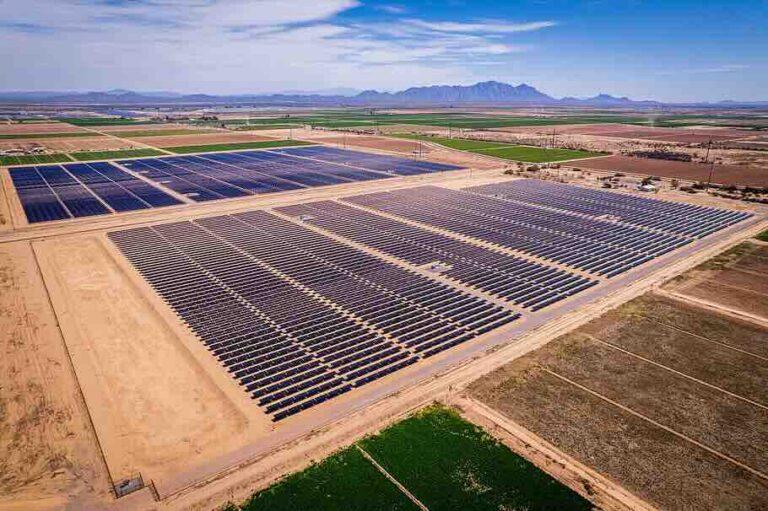
    China’s aggressive push for solar power – now covering an area the size of Rhode Island – has reduced local bird diversity, according to a major new study, revealing a “green dilemma” between cutting carbon emissions and protecting wildlife.

    A research team led by Huiming Zhang of Nanjing University of Information Science and Technology analysed data from 2,344 Chinese counties spanning 2014 to 2023. They found that stronger local policies promoting solar photovoltaic expansion were consistently linked to declines in bird biodiversity. A one-standard-deviation increase in policy stringency corresponded to a 2.10 per cent drop in the Shannon diversity index, a standard measure of species richness and evenness.

    The findings, published on 20 August 2026 in the journal Science, arrive as China races toward carbon neutrality before 2060. By 2024 the country’s solar footprint had already reached an estimated 4,520 square kilometres. Official projections suggest solar could supply 45 per cent of China’s energy mix by mid-century.

    Policy-Driven Expansion Drives Habitat Loss

    Unlike market-led solar development elsewhere, China’s rollout is shaped by successive Five-Year Plans that steer investment toward specific regions for economic development. Zhang and colleagues used this policy variation, combined with citizen-science bird records, weather data, socioeconomic indicators and land-cover maps, to isolate the effect of solar promotion.

    The primary mechanism was rapid conversion of cropland and grassland into developed land for solar arrays. These habitats support diverse vegetation and food sources that many birds rely on for nesting and foraging. The impact was stronger in wealthier, non-desert counties, where ecological complexity is higher and development pressure more intense. Desert regions and mountainous areas less suitable for large solar farms showed weaker or no measurable effects.

    Both resident and migratory species suffered significant declines. Geographically widespread species were hit harder than China’s endemic mountain specialists, which tend to occupy habitats rarely targeted for solar installations. Vegetation-nesting birds and those with carnivorous or omnivorous diets were among the most affected groups.

    The Problem of ‘Inferior Greening’

    In many locations developers planted new vegetation to meet environmental requirements after clearing land. Satellite data showed rises in the Leaf Area Index – an indicator of overall greenness. Yet bird diversity still fell. The researchers termed this phenomenon “inferior greening”: landscapes became leafier but more homogeneous, reducing the structural complexity and resource variety that birds need.

    “The main message is not to slow the renewable energy transition, but to make solar development more ecologically informed,” media quoted Zhang as saying. The team stressed that the average effect at any single site is moderate, yet the pattern is systematic across thousands of counties and therefore nationally meaningful.

    Lessons for the Global Energy Transition

    In a related commentary in the same issue of Science, Yuanning Liang of Peking University noted that birds serve as an effective indicator group for large-scale biodiversity assessment because abundance data are relatively available over time and space. The problems identified with solar power, she wrote, apply equally to other renewables such as wind farms. Liang urged policymakers to move beyond simply measuring biodiversity loss toward valuing the ecosystem services birds provide, so that benefit-cost analyses no longer understate the social cost of development.

    China’s experience is particularly relevant because the country has installed nearly as much solar capacity as the rest of the world combined. Similar tensions between clean-energy expansion and habitat protection are emerging in other regions racing to meet climate targets. Studies elsewhere have documented bird fatalities at solar facilities through collisions or the “lake effect,” in which reflective panels attract waterbirds. The Chinese research focuses less on direct mortality and more on the broader landscape-scale loss of habitat quality.

    Pathways to Reconcile Climate and Conservation Goals

    The authors offer practical recommendations. Large solar projects should be directed toward locations with lower ecological conflict, such as already-degraded or desert land. Each site should undergo thorough biodiversity assessment before approval. Land conversion in productive, habitat-rich agricultural and grassland regions should be limited. Biodiversity safeguards – including retention of native vegetation patches, creation of wildlife corridors and avoidance of key migratory stopovers – should be built into projects from the outset.

    “Clean energy development and biodiversity conservation do not have to come at each other’s expense, but careful siting and biodiversity safeguards are essential,” Zhang said.

    The study does not claim solar power is uniquely damaging. Habitat loss from agriculture, urbanisation and climate change already pressure bird populations worldwide. Rather, it situates solar expansion within that broader suite of anthropogenic pressures and shows that policy design can either amplify or mitigate the ecological cost.

    As nations accelerate the shift away from fossil fuels, the Chinese findings underscore a simple but often overlooked point: the location and manner of renewable energy deployment matter as much as the total capacity installed. Without deliberate ecological planning, the green transition risks creating new biodiversity deficits even as it reduces greenhouse-gas emissions. The research provides both a warning and a roadmap for making that transition genuinely sustainable.

    Glacier Collapse Triggers Deadly Nepal-China Border Floods as Blame Game Erupts

    Catastrophic flash floods kill scores and leave hundreds missing after ice-rock avalanche, with accusations flying over warnings, construction, and climate risks.

    A sudden torrent of mud, water, and debris tore through the Nepal-Tibet border region on Wednesday morning, leaving at least 160 people dead and hundreds more missing across both sides of the frontier. The disaster, which struck without significant rainfall in the immediate area, has ignited fierce debate over its precise causes, the role of climate change, and whether Chinese authorities failed to issue timely warnings or contributed through upstream development.

    What Happened on the Border

    Shortly after 8:30 AM, local time, a massive ice-rock avalanche from a high Himalayan glacier unleashed a debris-laden surge into the Lhende River (known as the Bhotekoshi or Bhote Koshi in Nepal). The material temporarily blocked the river before the natural dam failed, releasing a wall of water and sediment that raced downstream. The flood hit Nepal’s Rasuwa district hard, particularly around Timure and Syaprubesi near the Rasuwagadhi-Kerung border crossing, before continuing into the Trishuli River system and affecting parts of Nuwakot and Dhading districts. Water levels in sections of the Trishuli reportedly rose by as much as nine metres in half an hour.

    On the Chinese side, Gyirong County in Tibet suffered parallel impacts. Nepal’s police reported around 157 deaths, while Chinese state media indicated at least three confirmed dead and more than 260 missing in the Tibetan border area. Earlier tallies fluctuated as rescue efforts continued amid destroyed roads, bridges, and communication lines. At least 19 bridges and roughly 40 kilometres of roads were washed away. The Friendship Bridge linking the two countries was among the infrastructure damaged or destroyed in related recent events, underscoring the vulnerability of the trade corridor.

    Nepal’s National Disaster Risk Reduction and Management Authority (NDRRMA), drawing on Planet Labs satellite imagery, described a debris-laden flood entering the Lhende after a glacial-rock slide about 20 kilometres northeast of the Rasuwagadhi border point. The United States Geological Survey initially recorded a magnitude 4.4 seismic event but later clarified it was a magnitude 5.2 glacial collapse and debris flow, not an earthquake.

    Rescue operations involved dozens of helicopters from the Nepal Army and private operators, drones, and search dogs. High water, mud, and severed access routes hampered efforts. China’s President Xi Jinping ordered an all-out search-and-rescue push in Tibet and measures to prevent further disasters. A still-dammed lake upstream in Gyirong continued to pose secondary risks.

    Competing Accounts of the Trigger

    Early statements from Nepal’s Foreign Minister Shishir Khanal pointed to preliminary reports of an earthquake around 8:37 AM. that may have triggered an avalanche. Chinese Embassy officials in Nepal later described an earthquake or quake-like tremor on the Nepali side that sparked a snow avalanche and massive landslide affecting both countries. The embassy rejected claims that a dam collapse on the Chinese side caused the disaster or that Beijing withheld early warning information, labelling such accusations “completely false and misleading” and “fake news.” It stressed that “accusation helps nothing” while “cooperation saves lives.”

    Some Nepali media and social media accounts alleged that Chinese construction near Gyirong town – settlements built by cutting into hills near glacial areas and the Gyirong Port located at a river confluence – damaged the ecosystem and heightened avalanche and flood risks. One journalist group claimed the event was a “purposeful ecological disaster” and urged the Nepali government to raise the issue with Beijing. Chinese state media reported temporary traffic restrictions after a mudslide near the port.

    Separate reporting highlighted delays in information sharing. Some Nepali accounts claimed the flood struck the Tibetan side earlier and that Chinese authorities only informed Nepal in the early afternoon, after precious hours had passed. 

    “Nepal has been addressing the legitimate security concerns of our neighbours. However, it must be said with sadness that our northern neighbour has significantly undermined us. By failing to provide early warning of such a massive disaster, we suffered immense loss of human life,” Parshuram Kaphle, a Nepali Journalist with Naya Patrika, a Nepali daily, posted on X.

    “We have continually faced crises originating from their territory, while we continue to address all their concerns, necessary or unnecessary. Why must Nepal alone pay the price of one-sided love?” he added.

    “I thought Chinese have better monitoring systems for GLOF (Glacial Lake Outburst Flood) in border region, but it seems not. They have also suffered heavy losses of life and properties,” said Dr Govind Raj Pokharel, Former Vice Chair of National Planning Commission of Nepal and Former CEO National Reconstruct in a post on social media platform X. 

    He added. “I think Nepal China must have strong monitoring and early warning systems in border areas regarding GLOF and flood.”

    Similar complaints arose after a 2025 flood on the same river system. China has long faced criticism from Nepali officials for limited transparency on glacial lakes in Tibet. In 2024, Nepal’s Department of Hydrology and Meteorology head Jagadishwor Karmacharya publicly noted that China had not fulfilled longstanding requests for data essential to flood risk reduction.

    Climate Change as the Deepening Backdrop

    Scientists emphasise that the Himalayan cryosphere is changing rapidly. Glacial lakes form as glaciers melt and retreat, and outbursts or collapses are becoming more frequent across the Hindu Kush Himalaya. ICIMOD specialists have described such events as increasing at an “unprecedented” pace. The Lhende Khola had flooded twice in 14 months prior to this disaster, according to disaster risk reduction specialist Saswata Sanyal.

    While it remains too early to quantify climate change’s exact contribution to this specific collapse, the broader pattern is clear: warmer temperatures destabilise ice and rock on steep slopes, expand glacial lakes, and raise the odds of cascading failures. Previous events, including a 2025 drainage of a supraglacial lake on the Purepa Glacier that sent floodwaters into Nepal’s Rasuwa district, followed similar scripts – sudden upstream drainage or blockage with limited local rainfall.

    Cross-border connectivity projects and hydropower facilities along the corridor add exposure. Studies of glacial lake outburst flood risks along China-Nepal transport routes have inventoried thousands of lakes and flagged high susceptibility in key corridors, with potential impacts on highways, bridges, dry ports, and buildings in both countries. Experts repeatedly call for joint early-warning systems, data sharing, and coordinated monitoring.

    Better Upstream Information Flows

    As search teams continued working through mud and debris, the human toll mounted. Hundreds of tourists, workers (including Chinese nationals on construction projects), and local residents remained unaccounted for at various points. Trade along the vital Rasuwagadhi corridor halted. Downstream communities faced damaged homes, roads, and power infrastructure.

    The Chinese Embassy urged focus on rescue rather than recrimination. Nepali authorities pressed for better upstream information flows. Regional specialists at ICIMOD and elsewhere stress that isolated national responses are insufficient when rivers, glaciers, and risks ignore borders. Transparent data exchange on glacial lakes, real-time seismic and hydrological monitoring, and investment in resilient infrastructure and early-warning networks are essential if the next surge is to claim fewer lives, experts say.

    This disaster is the latest reminder that the “Third Pole” of the Himalayas is warming and becoming more hazardous. Whether the immediate trigger was pure natural collapse, amplified by construction, or complicated by delayed communication, the underlying vulnerability is shared.

    Nepal Sets Mid-February 2027 Deadline for FATF Compliance as Secretaries Ordered to Deliver Results

    The Nepalese government has accelerated deadline-driven reforms to exit the global anti-money laundering watchlist amid mounting international pressure.

    The office of the Prime Minister and Council of Ministers of Nepal has instructed all government secretaries to implement a strict, time-bound action plan aimed at removing Nepal from the Financial Action Task Force (FATF) grey list, the global watchlist of jurisdictions with strategic deficiencies in combating money laundering and terrorist financing.

    A high-level meeting of secretaries, chaired by chief secretary Govinda Bahadur Karki on Tuesday, reviewed the country’s progress and directed every ministry and agency to deliver results against fixed deadlines. The Prime Minister’s office will monitor implementation closely and demand regular progress reports from relevant bodies.

    Nepal was placed on the FATF grey list on 21 February 2025. It has two years to address the identified shortcomings or risk further escalation, including possible blacklisting that would severely complicate international financial transactions and damage the country’s reputation. The government has set a firm internal target of completing the required reforms by mid-February 2027.

    Background of Nepal’s Grey List Status

    This is the second time Nepal has appeared on the FATF grey list. The country was previously listed from 2008 to 2014 and exited after introducing a series of legal and institutional reforms. The 2025 listing stemmed from persistent weaknesses in enforcement, inadequate supervision of high-risk sectors, low rates of investigation and prosecution of financial crimes, and gaps in controlling informal money transfer systems such as hundi (hawala).

    Since the listing, Nepal committed to a 15-point International Co-operation Review Group (ICRG) action plan. Reviews by the FATF and its regional body, the Asia/Pacific Group on Money Laundering (APG), have acknowledged political commitment and some technical improvements, including amendments to the Assets (Money) Laundering Prevention Act and updated directives from Nepal Rastra Bank. However, they have consistently flagged insufficient progress on effectiveness – particularly in investigations, prosecutions, asset confiscation, and risk-based supervision of non-banking sectors.

    An APG delegation visited Nepal in May 2026 and expressed concern over the slow pace of implementation. Officials were told that meaningful progress had been made on only a portion of the required actions, with several key areas still incomplete. The visit was described as a high-level intervention ahead of subsequent review cycles.

    Priority Areas Demanding Immediate Action

    The secretary-level meeting identified several critical sectors that require accelerated reforms. These include tighter regulation and supervision of banks and financial institutions, stronger oversight of cooperatives, effective handling of banking offences, monitoring of real estate transactions, and controls on trading in precious metals and stones.

    Additional deficiencies highlighted by international assessors cover investigation and prosecution of corruption, tax evasion, human trafficking and smuggling, environmental and wildlife crimes, and the use of shell companies for money laundering. Authorities have also been urged to improve understanding of national money-laundering and terrorist-financing risks, crack down on illegal money or value transfer services without harming legitimate remittance flows, and demonstrate a measurable increase in investigations, prosecutions and successful confiscation of criminal proceeds.

    Finance Minister Swarnim Wagle has repeatedly described exit from the grey list as one of the government’s top priorities. Recent interactions with APG officials have reiterated Nepal’s commitment to the full action plan, including enhanced mutual legal assistance agreements already signed with India and China and plans to expand such cooperation further.

    Monitoring Mechanism and Broader Governance Push

    The secretaries also decided to prioritise reforms that can deliver tangible benefits for citizens in the short term. They were informed that the Prime Minister’s office will maintain continuous oversight and ministries and agencies will have to submit regular updates to a monitoring team.

    In parallel decisions, the meeting designated fiscal year 2026-27 as the “Year of Lawmaking and Reform.” Ministries were instructed to update or repeal outdated laws and draft new legislation where needed. They were further directed to resolve inter-agency policy and administrative bottlenecks through coordination among secretaries, escalating unresolved issues to the Prime Minister’s Office. Public procurement processes under the government’s zero-day procurement policy are to begin immediately for eligible programmes and projects.

    The secretaries also agreed to review the implementation of governance reform procedures, guidelines and circulars issued by the Prime Minister’s Office.

    Stakes for the Economy and Ordinary Citizens

    Remaining on the grey list carries concrete costs. International banks and financial institutions apply enhanced due diligence to transactions involving grey-listed jurisdictions, raising compliance costs, delaying payments and increasing the expense of trade finance and remittances. For a remittance-dependent economy such as Nepal’s, these frictions can affect ordinary households and businesses. Prolonged listing also deters foreign investment and complicates correspondent banking relationships.

    Failure to demonstrate sufficient progress by the February 2027 deadline could lead to blacklisting – a far more severe designation that would isolate Nepal from much of the formal international financial system. Officials and analysts note that technical compliance alone is insufficient; FATF evaluations increasingly emphasise measurable outcomes in enforcement and asset recovery.

    The current administration, which took office after the 2025 political transition, has framed the grey-list exit as part of a wider governance and anti-corruption agenda. Steps already reported include rises in suspicious transaction reporting, increased arrests in money-laundering cases, efforts to strengthen investigative capacity, and plans for a unified digital asset registry under the Nepal Rastra Bank. Whether these measures will translate into the sustained prosecution and confiscation results demanded by the FATF remains the decisive test in the months ahead.

    Road Ahead and Review Cycles

    FATF reviews progress through periodic plenaries and APG assessments. Nepal faces successive checkpoints before the mid-February 2027 target. The government has signalled that it intends to treat the remaining period as a national priority, with the secretary-level directive intended to convert high-level political commitment into concrete, deadline-driven action across the bureaucracy.

    Success will depend on coordination among investigative agencies, the Financial Information Unit, regulators and the judiciary, as well as political will to pursue high-profile cases without interference as the clock is running.

    Rasuwa Flood Disaster Leaves Many Missing as Rescue Operations Intensify

    Sudden deluge from Tibet sweeps through the Bhote Koshi river, killing at least seven, destroying villages, roads and power projects while authorities scramble to reach cut-off communities in Rasuwa and Nuwakot.

    A massive flash flood originating from the Tibetan side of the border tore through Nepal’s Rasuwa district on Wednesday morning, devastating riverside settlements, washing away critical infrastructure and leaving at least seven people confirmed dead with many more missing. The sudden surge in the Bhote Koshi River, which entered Nepal around 9 AM, battered the border towns of Timure and Syaphrubesi before racing downstream into Nuwakot and beyond, triggering high alerts across five districts.

    The scale of destruction became clearer as the day progressed. Market areas, homes, vehicles, bridges and hydropower facilities were swept away or severely damaged. Security posts were inundated, and communications with several locations remained severed for hours. Families in the affected zones described watching relatives carried off by the waters, while rescue teams struggled against high water levels and blocked access routes.

    Sudden Surge from Across the Border

    Local officials and the Department of Hydrology and Meteorology confirmed that the flood did not result from heavy rainfall inside Nepal. Precipitation in Rasuwa over the preceding 24 hours remained light, under seven millimetres in most places. Instead, authorities pointed to an event on the Chinese side of the border. Preliminary assessments suggested either a glacial lake outburst flood or a landslide that temporarily dammed a river before releasing a sudden wall of water.

    The flood reached Timure and Syaphrubesi first, areas that form the main gateway for trade with Tibet’s Gyirong county. Rasuwa Chief District Officer Narendra Pariyar described the volume of water as unprecedented. “There could be heavy casualties or loss of property,” he told reporters, while urging residents along the Bhote Koshi and Trishuli rivers to move to higher ground immediately.

    Across the border, Chinese state media reported major casualties and missing persons after a mudslide struck Gyirong port, cutting roads, power and communications in parts of the Shigatse region. Chinese President Xi Jinping called for all-out search efforts and stronger early-warning systems to prevent secondary disasters.

    Casualties and Missing Persons

    By Wednesday afternoon, at least seven to eight bodies had been recovered, most of them found along the Trishuli River banks in Nuwakot. Three unidentified bodies were retrieved near Simchaur and Kolputar. The final death toll remained uncertain as many areas stayed inaccessible.

    Dozens of security personnel and government staff were unaccounted for. Nine Armed Police Force members stationed at the Timure border outpost were reported missing. Nepal Police figures indicated between 26 and 32 personnel out of contact, including those from posts in Timure, Syaphrubesi and Rasuwagadhi. Fourteen employees of the Rasuwa Customs Office in Timure remained missing, though 25 others, including the chief customs officer, had been located.

    In Nuwakot, residents recounted harrowing scenes. Yugnath Adhikari of Dandathok said he watched helplessly as the flood carried away his two sisters, nephew and the nephew’s wife. Ward officials reported scores of houses destroyed between Sole Bazar and Akkare Bazar, with elderly residents and children among those still untraced. Students from local schools were caught in the flood while travelling, though some who had already reached classrooms remained safe.

    Infrastructure and Economic Impact

    The flood inflicted severe damage on transport and energy infrastructure. A newly rebuilt Friendship Bridge at Rasuwagadhi, reconstructed after last year’s flood, was washed away once again. Approximately 42 kilometres of the road linking Nuwakot to the China border were destroyed or rendered impassable, severing a key trade corridor. Two motorable bridges near Trishuli Bazaar were also swept away, and around 60 houses in that area alone were destroyed.

    Hydropower facilities bore a heavy blow. Nepal’s Energy Ministry reported that roughly 430 megawatts of generation capacity – more than 12 per cent of the country’s total installed hydropower – was disrupted. Projects including those at Trishuli, Devighat and several others in Rasuwa and Nuwakot suffered damage. A 25-megawatt solar plant also lost three blocks and a substation. Preliminary estimates suggested that more than 700 megawatts of operational and under-construction capacity across a dozen projects had been affected.

    Timure Bazaar and the adjacent customs area were left in ruins, with vehicles and goods swept downstream. The Area Police Office in Timure and police posts in Syaphrubesi and Rasuwagadhi sustained heavy damage. In Nuwakot, the administrative building of the Central Prison and a police security unit were partially affected, though inmates were moved to safer blocks.

    Rescue and Relief Operations

    Prime Minister Balendra Shah moved quickly to coordinate the response. He ordered the immediate mobilisation of the Nepali Army, Nepal Police and Armed Police Force, directing that residents in lower-lying areas be shifted to safer locations. Two Army helicopters carrying medical teams were dispatched early, later joined by additional military and private-sector aircraft. By afternoon, four Army and eight private helicopters were operating in the zone. The Army reported airlifting at least 12 people from Syaphrubesi, Mailung and Dhunche, while other teams rescued five more who were taken to hospital in Bidur.

    An emergency Cabinet meeting convened later in the day and took ten decisions to intensify rescue, relief and recovery. Affected local levels were declared disaster crisis zones for three months. The ministries of home affairs, defence, infrastructure, energy and information were instructed to restore roads, electricity, water and telecommunications as rapidly as possible.

    The National Disaster Risk Reduction and Management Authority coordinated with the Red Cross, Nepal Scouts and medical teams. The World Health Organisation prepared to send medicines, equipment and emergency tents for around 1,000 people. The Health Ministry reserved 100 emergency beds at Bir Hospital and the Trauma Centre in Kathmandu and dispatched doctors, nurses and an ambulance with supplies.

    Downstream Alerts and Continuing Uncertainty

    The Flood Forecasting Division tracked the surge as it moved into the Trishuli basin, reaching Galchhi in Dhading by early afternoon and expected to pass Mugling later. High-alert advisories covered riverbanks in Rasuwa, Nuwakot, Dhading, Gorkha and Chitwan. Authorities recommended temporary closure of sections of the Prithvi Highway and the Mugling-Narayangadh corridor. Travellers were advised to avoid riverside routes entirely.

    Many questions remained unanswered. The precise trigger in Tibet had not been confirmed, though satellite data and informal reports pointed to a glacial lake or landslide-related event similar to the deadly 2025 Bhote Koshi flood that killed nine and left 24 missing. The full extent of damage in the worst-hit pockets of Syaphrubesi and Timure was still being assessed because high water and debris continued to hinder ground access. Contact with some villages remained intermittent.

    Families waited for news of missing relatives, while the government prepared for a prolonged recovery effort in a region still reeling from last year’s disaster. The flood has once again underscored the vulnerability of Nepal’s northern border communities to sudden Himalayan hazards that originate beyond its control.

    Bangladesh: UN Agencies Dominate Rohingya Funding as Local NGOs Marginalised

    Nearly 88 per cent of 2026 Joint Response Plan funds for Rohingya refugees in Bangladesh are controlled by UN agencies while local NGOs receive just 2.5 per cent, sparking demands for localisation and efficiency reforms amid shrinking donor support.

    Nearly 88 per cent of the funding under the 2026 Joint Response Plan (JRP) for the Rohingya humanitarian response is held by United Nations agencies, while local non-governmental organisations receive only 2.5 per cent of the funds allocated for the refugee camps. These findings were presented at a press conference titled “Where Is the Funding for the Rohingya Response Going?” organised by the Cox’s Bazar CSO-NGO Forum (CCNF) and COAST Foundation at the Cox’s Bazar Press Club on 25 August 2026.

    The research underscores a persistent imbalance in the aid architecture nearly nine years after the mass exodus of Rohingya from Myanmar began in August 2017. Bangladesh currently hosts close to 1.2 million Rohingya refugees, including new arrivals fleeing renewed violence since 2024. Speakers at the event called for greater inclusion of local organisations in the response and pressed for a clear roadmap on repatriation.

    Stark Disparities in Fund Allocation

    According to the study highlighted at the press conference, UN agencies control the overwhelming majority of resources under the current JRP. Local NGOs, which often operate closest to the communities and with lower overheads, remain severely underfunded. Parallel analyses by COAST Foundation of recent project approvals in the camps showed international NGOs holding 63.6 per cent of funding volume despite implementing a smaller share of projects, national NGOs receiving 33.9 per cent, and local groups limited to 2.5 per cent.

    This pattern contradicts commitments under the Grand Bargain, the 2016 agreement signed by major donors, UN agencies and NGOs that aimed to channel at least 25 per cent of humanitarian funding as directly as possible to local and national responders. Progress on that target has been limited in the Rohingya response, where local actors frequently function as implementing partners rather than equal decision-makers with direct access to resources.

    Mounting Funding Shortfalls and Rising Costs

    The overall financial picture for the Rohingya response has deteriorated. The 2025 JRP appealed for USD 934.5 million but was only about 46 per cent funded by the end of the year according to Financial Tracking Service data, with significant gaps in critical sectors such as protection, education, water and sanitation, and shelter. For 2026 the appeal was scaled down to USD 710.5 million – roughly 26 per cent lower – to cover only the most essential life-saving needs for approximately 1.56 million people, including refugees and host communities. Even this reduced target faces shortfalls.

    Major donors have cut contributions sharply. US funding dropped by around 72 per cent and UK support by 48 per cent in recent assessments, though the United States remains among the largest contributors. In contrast, the Government of Bangladesh increased its allocation by an extraordinary 263 per cent compared with the previous year, partly through loans, reflecting the growing fiscal burden on the host country.

    Compounding the pressure is the high share of expenditure absorbed by management and soft costs. Studies indicate these can account for around 70 per cent of spending by international agencies, leaving limited resources for direct programme delivery. Local organisations argue they can deliver comparable services at far lower cost by employing local staff and sourcing local materials such as food items, clothing and construction supplies.

    Calls for Systemic Reset and Local Leadership

    At the Cox’s Bazar press conference and related forums, speakers demanded a fundamental reset of the response model. Key recommendations include ending direct implementation by UN agencies and international NGOs in favour of partnership approaches, directing at least 50 per cent of funding straight to local and national actors, relocating high-cost offices away from Cox’s Bazar, and establishing transparent pooled funds managed by local consortia rather than international intermediaries.

    They also stressed the need for a concrete, time-bound roadmap for the safe, voluntary and dignified repatriation of Rohingya to Myanmar. Without progress on durable solutions, the camps risk becoming permanent, with mounting environmental degradation, security challenges and strain on host communities in Ukhiya and Teknaf.

    Broader Implications for Humanitarian Practice

    The funding imbalance has practical consequences on the ground. Reduced resources have already led to cuts in food rations, health services, education programmes and protection activities. New arrivals since 2024 face particularly acute gaps in shelter and documentation. Host communities, long promised a share of assistance, have seen their allocation under the JRP reduced in some reports, further testing social cohesion.

    Advocates of localisation note that local NGOs possess deep contextual knowledge, linguistic and cultural proximity, and established community trust – assets that international agencies cannot fully replicate. Yet bureaucratic barriers, risk-averse donor policies, and capacity assumptions continue to limit their access to core funding. Capacity-strengthening investments have been uneven, and partnerships often remain hierarchical.

    The Grand Bargain’s successive iterations, including the extension beyond 2023, have repeatedly highlighted localisation, quality funding and accountability to affected populations. In the Rohingya context, these principles remain largely aspirational, local civil society leaders say. Independent audits and civil society analyses have also raised questions about efficiency, unused infrastructure and the heavy focus on short-term relief at the expense of longer-term resilience and skills development.

    A Protracted Crisis

    As the response enters its tenth year, the combination of donor fatigue, global competing crises and structural inefficiencies leaves Bangladesh and the Rohingya population in a precarious position. Local civil society groups insist that shifting resources and decision-making power closer to the ground is not only a matter of equity but of practical necessity for cost-effective, sustainable assistance.

    Greater transparency in funding flows, multi-year flexible grants, genuine co-leadership in coordination mechanisms, and measurable progress toward the 25 per cent localisation target would mark meaningful change. At the same time, political engagement with Myanmar and regional actors remains essential to create conditions for voluntary return.

    The research presented in Cox’s Bazar serves as a timely reminder that without deliberate course correction, the humanitarian system risks perpetuating high-cost models that leave both refugees and host communities underserved. Local organisations stand ready to shoulder greater responsibility – if the funding architecture finally enables them to do so.