More

    Jobs Will Not Empower Young Women Until We Address Sexual Harassment

    Local authorities are often men who often dismiss their cases, blame the women, or telling them to be ‘forgiving’. Young women and their families also distrust the police. Anticipating the need to pay the police informal fees and bribes to file a case, most women will just not report cases to them.

    By Marjoke Oosterom

    What does empowerment for young women look like? For many, the answer would include jobs. But the belief that jobs bring empowerment through income, greater autonomy, and bargaining power within the family fail to recognise that these potential gains for young women are undermined by widespread sexual harassment.

    Our new research on workplace sexual harassment, with women in Uganda and Bangladesh, reveals that young women lack both protection and security at work and have little power themselves to challenge the sexual harassment they experience.

    After interviews and group discussions with over 100 young female factory and domestic workers, their experiences of sexual harassment – and the extent of it – became clear, as well as the factors that constrain them from reporting it to authorities.

    Workplace sexual harassment is widespread

    All the young women we spoke to had experienced sexual harassment at work. Verbal abuse, comments and ‘bad looks’ were most common and almost accepted as part of everyday life at work. Inappropriate touching and groping also frequently occurred.

    Young and unmarried women from poor backgrounds are particularly at risk. Due to their isolated working conditions, domestic workers are even more likely to be exposed to the most severe forms of sexual harassment, including assault and rape. We also found that they were more vulnerable due to starker class differences and their limited education.

    This research from the Institute of Development Studies and our research partners shows that most young women find the best possible strategy is to change their own behaviour to avoid physical forms of sexual harassment from happening. The tactics range from avoiding lone working to wearing baggy clothes to avoid attracting attention.

    One Bangladeshi factory worker said she avoided the parts of the factory floor where fans might flutter her dress and reveal her skin. Domestic workers in Uganda preferred to do chores outside the house if a male employer was home alone.

    Gender norms

    During our research we collaborated with linguists to analyse how language and gender norms influence the young women’s voice and agency in response to workplace sexual harassment. We found that existing social and gender norms are normalising the sexually aggressive behaviours from male co-workers, supervisors and managers and often leads to the young women being blamed for attracting attention from other men.

    Gender norms also influence women’s voice and agency. Social norms around purity and honour in Bangladesh, for instance, restricted women’s freedom to speak about their bodies and attention they get from men.

    In Uganda, norms concerning marriage prevented domestic workers from taking action as they were afraid to ‘disturb’ the marriage of their employers. Language is essential for voicing and challenging sexual harassment, but we found that social and gender norms prevent young women from articulating the transgressive and inappropriate behaviour by men.

    Many women hide detail, deliberately use euphemisms, and even lack the vocabulary to explain what happened to them, ultimately limiting opportunities for reporting and for any redress.

    Reporting

    Given these major barriers to speaking out about sexual harassment, it is not surprising that few young women take further action or report incidents. Most young women we spoke to will tell someone about an incident but mainly for moral support rather than to take action against the perpetrator.

    Women felt that the police and authorities are unwilling to respond.

    Local authorities are often men who often dismiss their cases, blame the women, or telling them to be ‘forgiving’. Young women and their families also distrust the police. Anticipating the need to pay the police informal fees and bribes to file a case, most women will just not report cases to them.

    Hence, young women who have the courage to take further action mainly needed to rely on family members to settle matters informally with employers. Even when reporting to employers, sexual harassment is more usually ‘resolved’ informally, with perpetrators hardly facing any consequences.

    This means that any strategy for tackling sexual harassment in the world of work must not only target employers but also government authorities like the police.

    Glaring oversight in youth employment interventions

    These findings ultimately challenge the existing idea that formal jobs will offer ‘decent work’ and empower young women. Food processing factories (where many of the women we interviewed worked) can drive economic growth and promote job creation for large numbers of unskilled workers.

    Yet, while the factories are formal, most jobs are informal and precarious: workers lack contracts and security, earn little and are paid infrequently.

    In Uganda, measures by factory employers to tackle sexual harassment were found to be entirely dysfunctional and did not adequately protect or support women.

    In both Uganda and Bangladesh, the indirect protection offered to women from working in groups was what protected them to some extent, not policies.

    For many international aid donors and governments promoting ‘decent jobs for youth’ is a key development priority. But their focus is firmly on skills, decent wages and job security with workplace sexual harassment often left overlooked.

    Even where youth employment interventions target businesses and employers directly, opportunities for improving workplace policies and safeguarding are missed.

    What we need now are laws, mechanisms and a change in culture and attitudes to reduce workplace sexual harassment of women. This includes offering support to firms to design and implement sexual harassment policies and safe complaint mechanisms, encouraging female leadership, and women workers committees and female representation in the workplace at all levels.

    This is particularly important in sectors likely to generate jobs.

    Employment can generate empowerment for women but while widespread sexual harassment exists, this opportunity for empowerment is being undermined in many countries.

    We urgently need governments, employers, and communities to provide the supportive environment that young female workers need, and we must shift the focus from the quantity of jobs to the quality and safety of jobs.


    The writer is Research Fellow at the Institute of Development Studies, UK


    This piece has been sourced from Inter Press Service


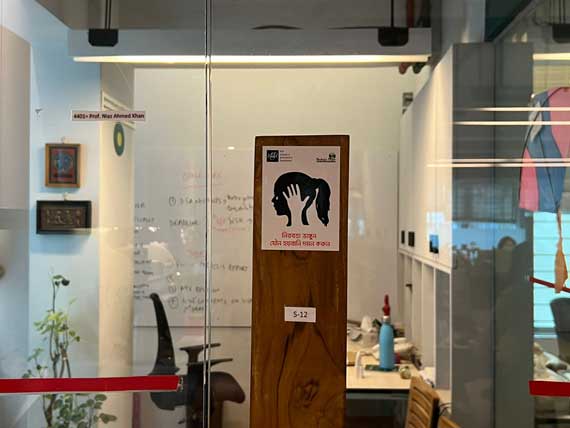
    Image: BRAC Institute of Governance and Development – A poster displayed in an office in Dhaka, Bangladesh asks people to “smash the silence and put an end to harassment.”
    Civil Society Holding the Line in Contested Times: 2022 CIVICUS State of Civil Society Report

    Current crises are exposing the inadequacies of the international governance system, says CIVICUS in its annual report on the State of Civil Society. The report says that democracy is under assault but positive changes are still being won while advances are being made in fighting social inequality despite attacks.

    Published at the halfway point of 2022, the State of Civil Society Report shines a light on a time of immense upheaval and contestation. Russia’s illegal war on Ukraine has directly blighted the lives of millions but is also sending echoes of disruption around the world, as soaring food and fuel prices pile further misery on communities already hit hard by the impacts of the pandemic and extreme weather caused by climate change.

    The report finds hope, however, in the many mobilisations for change around the world: the mass protests, campaigns and people’s movements for justice, and the many grassroots initiatives defending rights and helping those most in need. Civil society is striving by all means available to make a difference.

    The report identifies five key current trends of global significance:

    • Rising costs of fuel and food are spurring public anger and protests at economic mismanagement
    • Democracy is under assault but positive changes are still being won
    • Advances are being made in fighting social inequality despite attacks
    • Civil society is keeping up the pressure for climate action
    • Current crises are exposing the inadequacies of the international governance system
    Inflation and public anger

    Governments around the world are failing to protect people from the impacts of massive price rises worsened by Russia’s invasion of Ukraine. Public anger at a dysfunctional economic system, poverty and economic inequality and corruption is rising. Mass protests are the result. In Sri Lanka, widespread protests against economic mismanagement led to resignation of the prime minister. In Iran people are demanding fundamental change as food prices soar. In Kazakhstan over 200 people were killed with impunity following protests over fuel price rises. But people will continue to protest out of necessity even in the many countries where fundamental freedoms are repressed and state violence is inevitable.

    Democracy under attack

    Institutions and traditions of democracy are under increasing attack. Coups are imperilling hard-fought gains. The military has gained power in multiple countries, including Burkina Faso and Sudan. In several others, including El Salvador and Tunisia, elected presidents are removing democratic checks on power. Entirely fraudulent elections have been held in countries as different as Nicaragua and Turkmenistan. Autocratic nationalists have triumphed in elections in countries including Hungary and the Philippines. But at the same time there have been successful mobilisations to defend democracy, not least in the Czech Republic and Slovenia, where people voted out political leaders who fostered divisiveness in favour of fresh and broad-based alternatives. Progressive leaders promising to advance social justice have won power in countries such as Chile and Honduras. In many contexts, including Costa Rica and Peru, a prevailing sentiment of dissatisfaction is leading to a rejection of incumbency and willingness to embrace candidates who run as outsiders and promise disruption.I

    LGBTQI+ rights

    In politically turbulent times, and despite severe pushback by anti-rights groups, progress has been achieved in advancing women’s and LGBTQI+ rights. The USA, where neoconservative forces are emboldened, is ever more isolated on sexual and reproductive rights as several other countries in the Americas, including  Colombia and Mexico, have eased abortion restrictions following civil society advocacy. Opportunistic politicians continue to seek political advantage in vilifying LGBTQI+ people, but globally the normalisation of LGBTQI+ rights is spreading. Most recently, the people of Switzerland overwhelmingly voted in favour of an equal marriage law. Even in hostile contexts such as Jamaica important advances have come through civil society’s engagement in regional human rights systems. But when it comes to fighting for migrants’ rights, only Ukrainian refugees in Europe are being received with anything like the kind of compassion all such people deserve, and otherwise the dominant global sentiment is hostility. Nonetheless, a new generation is forging movements to advance racial justice and demand equity for excluded people.

    Climate change activism

    A young and diverse generation is the same social force that continues to make waves on climate change. As extreme weather gets more common, the brunt of the climate crisis continues to fall disproportionately on the most excluded populations who have done the least to cause the problem. Governments and companies are failing to act, and urgent action on emissions cuts to meet the size of the challenge is being demanded by civil society movements, including through mass marches, climate strikes and non-violent civil disobedience. Alongside these, climate litigation is growing, leading to significant legal breakthroughs, such as the judgment in the Netherlands that forced Shell to commit to emissions cuts. Shareholder activism towards fossil fuel firms and funders is intensifying, with pension funds coming under growing pressure to divest from fossil fuels.

    Human rights

    Russia’s war on Ukraine is the latest crisis, alongside recent conflicts in the Sahel, Syria and Yemen, among others, to expose the failure of global institutions to protect people and prevent conflict. The UN Security Council is hamstrung by the veto-wielding role of Russia as one of its five permanent members, although a special session of the UN General Assembly yielded a resolution condemning the invasion. Russia has rightly been suspended from the UN Human Rights Council, but this peak human rights body remains dominated by rights-abusing states. If the UN is to move from helping to prevent crises rather than trying to react to them, effective civil society engagement is needed. The world as it stands today, characterised by crisis and volatility, needs a UN prepared to work with civil society, since civil society continues to seek and secure vital progress for humanity.


    This piece has been sourced from Inter Press Service 

    Japan’s Kishida Retreats from New Capitalism

    When it came to the foundational principle — that healthy growth and a more equal distribution of income needed each other — Kishida surrendered to critics in the ruling Liberal Democratic Party (LDP) and financial markets who accused him of promoting socialism.

    By Richard Katz / Carnegie Council for Ethics in International Affairs

    For six long months, the Kishida administration, aided by outside advisors from universities and new companies, toiled to translate Prime Minister Fumio Kishida’s mantra of a ‘new form of capitalism’ into concrete policies. The rather hollow end product that the Cabinet approved on 7 June 2022 disappointed many of the participants.

    When it came to the foundational principle — that healthy growth and a more equal distribution of income needed each other — Kishida surrendered to critics in the ruling Liberal Democratic Party (LDP) and financial markets who wrongly accused him of promoting socialism. In reality, promoting redistribution to reduce inequality and improve consumer demand is a longstanding ingredient in the standard macroeconomic recipe.

    Some critics claim that rather than distribution measures, Kishida would achieve better wage growth through reforms that enhanced labour productivity. While that’s necessary, it is no longer sufficient to boost wages. Wages in the last few decades have stopped increasing in proportion to productivity growth in many countries. This wage gap is worse in Japan than in other rich countries.

    The result is a Japanese policy document full of rhetoric about attaining a ‘virtuous cycle of growth and distribution’ — with few substantive measures to achieve it. It is equally weak on how to achieve its growth-boosting goals, such as the declared objective of a tenfold increase in start-up companies.

    When Kantei feared discord

    Kishida’s surrender began just after his inauguration in October 2021. During the ‘Kishida shock’, stock prices fell in response to his call for higher capital gains and dividend taxes so that multimillionaires would no longer pay lower tax rates than upper-middle class citizens. Kishida quickly withdrew.

    The backpedalling continued, when Kishida decided that he could not afford to offend Keidanren, the big business federation, on the eve of the July upper house election. As the leader of a weak LDP faction, he also did not wish to rile the stronger, more conservative factions led by former prime minister Shinzo Abe and former finance minister Taro Aso.

    That left Kishida with nothing more than a rehash of failed measures already set out by his predecessors. On wages, Kishida repeated Abe’s futile pleas for companies to raise wages by 3 per cent per year. He also repeated the 12 year-old goal of attaining a minimum wage of 1000 yen (US$7.40) per hour (at today’s exchange rate) but gave no deadline for reaching that level (it is currently 930 yen [US$6.89]). He proposed raising the level of the temporary tax breaks granted to companies that raise wages by a certain increment, even though that measure has had little impact in the past.

    When some officials and outside experts involved in the deliberations protested the lack of specific solutions, they were told to ‘wait until after the upper house elections’. Kantei (the prime minister’s office) feared that getting into the details would expose discord among ministries and interest groups, which would hurt the LDP in the election. It promised those frustrated in the process that by the end of 2022 it would present a detailed ‘five-year plan’, but few have any confidence in the final outcome.

    Consumers tax versus corporate tax

    The primary culprit in income distribution is the gap between corporations and households. Corporations are hoarding ‘retained earnings’ — profits that they do not plough back into the economy through wage hikes, investment or taxes. Council members were given materials showing that, from 2000 to 2020, retained earnings mushroomed as worker compensation and investment fell.

    The government has compounded the problem by repeatedly raising taxes on consumers while slashing the corporate tax rate — from 52 per cent of profits in 1998 to 30 per cent as of now. That has eroded revenue from the corporate income tax by a few per cent of GDP. Rolling back the corporate tax cuts and using the resulting revenue gains to reduce the consumption tax would leave total tax revenue the same. No one in the Council meetings even raised this option.

    Japanese law has long mandated equal pay for equal work between regular and non-regular workers and between men and women. Yet no agency of government is charged with investigating violations and penalising offenders. Worse still, courts have effectively gutted parts of the law, taking a pro-employer view of what constitutes ‘reasonable’ discrimination and ruling that seniority pay rules apply to non-regulars. The law needs both strengthening and enforcement.

    Solutions in the face of political resistance

    Raising the minimum wage has surprisingly powerful ripple effects. It not only elevates the income of those below the minimum but also those earning 15–20 per cent above it. Since the average wage of part-time workers is just US$8.20 and they comprise almost a third of all employees, the impact on living standards and consumer demand would be dramatic.

    Among 21 OECD countries, Japan comes in 18th with its 2020 minimum wage equal to just 45 per cent of the national median wage. In a typical high-income country, it is 52 per cent, while 50 per cent marks the poverty line. These days, a 52 per cent goal in Japan would translate to around 1,155 yen (US$8.5).

    It is not hard to come up with practical solutions. The challenge lies in overcoming political resistance to Kishida’s plan.

    Richard Katz is Senior Fellow at the Carnegie Council for Ethics in International Affairs.

    This article has been sourced from the East Asia Forum of the Australian National University and is digested from Japan Economy Watch.

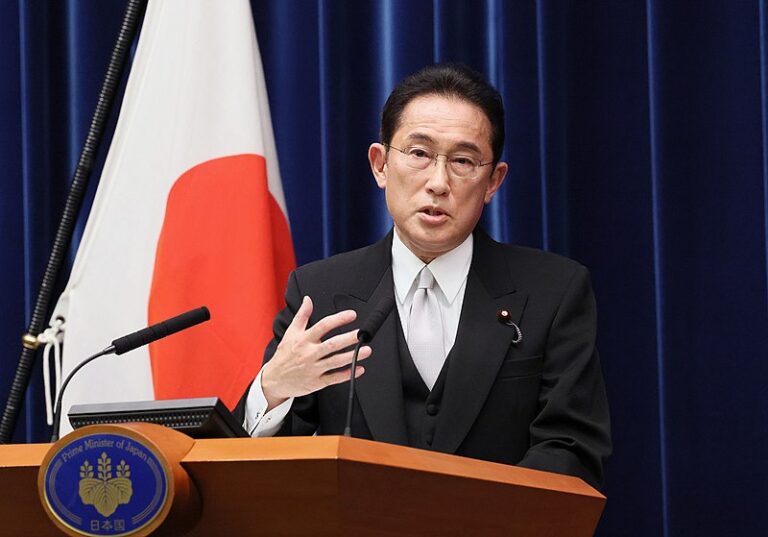
    Image: Wikimedia image By 内閣官房内閣広報室 

    Private Sector Employment: Do Gatekeepers Indeed Believe in Equal Opportunities?

    As if it is a comment on the times we live in, the fictitious Hindu woman job applicant named Priyanka Sharma received 208 positive responses from the 1,000 jobs she applied for. The other fictitious Muslim woman job applicant received only 103 responses to the very same 1,000 jobs she applied for.

    The worst-kept secret of private sector hiring is now officially out. The results of a research undertaken by a Noida-based organisation, LedBy Foundation suggests that getting a response from human resource departments is very likely a factor of an applicant’s religion.

    The research took an experimental approach as two dummy profiles, both detailing identical qualifications, were created to match the market standard for entry-level roles in India. The only variable was the names; Habiba Ali for the Muslim profile and Priyanka Sharma for the Hindu. The Curriculum Vitae were identical and the two fictitious applicants applied for the same positions through job search websites and the internet-based professional network, LinkedIn.

    The roles applied for look like content writer, business development analyst, and social media marketing specialist across industries.

    2,000 job applications were sent through 1,000 job postings on job search sites over a period of 10 months and the research team collected and used the responses to ascertain a net discrimination rate.

    As if it is a comment on the times we live in, the fictitious Hindu woman job applicant named Priyanka Sharma received 208 positive responses from the 1,000 jobs she applied for. In the meanwhile, the other fictitious Muslim woman job applicant received only 103 responses to the very same 1,000 jobs she applied for.

    The study complements a previous study by researchers that concludes that Muslim men, on average, were less likely to get call-backs than Dalit Hindu men (Attewell and Thorat).

    Net discrimination rate

    The research team came up with a formula to calculate a net discrimination rate, which, according to the study, was 47.1 per cent, as the Hindu woman received 208 positive responses, while the Muslim woman received half of that (103). This was evident across industries.

    “The net discrimination rate gives a measure of the disparity between the number of positive responses extended to Priyanka relative to Habiba, displaying the percentage of cases where Priyanka saw an advantage over Habiba,” say the researchers.

    They further add that recruiters were also more cordial to the Hindu candidate – 41.3 per cent of the recruiters had connected with Priyanka over phone calls, while only 12.6 per cent spoke with Habiba over a call.

    Remarkably, at 40 per cent, North India had a lower discrimination rate compared to jobs located in West (59 per cent) and South India (60 per cent).

    While hiring discrimination is illegal and often against the belief systems that companies espouse, many believe that the disparities between communities in the workforce is the consequence of a lack of academic ability or experience rather than discrimination within the hiring process.

    “This more subtle but pernicious form of discrimination becomes challenging to measure and prove,” say the researchers, explaining that the study aimed to compare the response elicited by two identically qualified candidates, with the only variable in question being their religious background, to see if opportunities are symmetrically accessible to Hindu women and Muslim women.

    “Our goal was to ascertain a net discrimination rate to compare the responses given to Hindu and Muslim women in India,” they say, adding that the net discrimination rate provides a percentage to illustrate the cases where only the majority of group member has been invited for a job interview.

    Discrimination within hiring process

    The research illustrates that discrimination within the hiring process is a contributing factor to such a stark disparity in labour market participation. Equal access is vital to the social and financial equality that professional women seek. To this end, tackling biases in the hiring process is one of the most important mechanisms to level the playing field.

    The LedBy research team says that further analysis hint at differing levels of enthusiasm for both candidates. ‘Habiba’ received only a rare follow-up call, whereas a large proportion of Priyanka’s responses were in form of call-backs. Similarly, ‘Habiba’ got only one positive response from recruiters coming upon her profile, whereas ‘Priyanka’ received 15 such responses.

    “This displays the difference in proactivity that recruiters have when they approach the two profiles, with Priyanka being recruited with far more enthusiasm,” the study says.

    Over the course of the research, the researchers applied to 90 industries and saw a disparity in the call-back rates across industries. The researchers had applied with the dummy CVs to Information Technology and Services and Marketing and Advertising industries. The difference between the call-back rates was 11.4 per cent and 9.9 per cent respectively.

    The study paper does not name the industries the dummy Curriculum Vitaes were sent to.

    G7’s ‘Partnership for Global Infrastructure and Investment’ is a Repackaged Form of ‘Build Back Better World’

    The plan is to wean countries and governments away from China’s Belt and Road Initiative that provides financing for infrastructure like ports, roads and bridges as in Hambantota and Colombo in Sri Lanka and in Pakistan’s Gwadar.

    Is China luring poorer countries into a debt trap? Is China a loan shark? Are Chinese “predatory” loans plans aimed at usurping debt-saddled governments to cede key assets.

    These are the questions leaders of the Group of Seven (G7) want governments in developing countries to ponder on. The G7 began talks on Sunday in Germany’s Bavarian Alps and made a first significant announcement in the form of a US $ 600 billion infrastructure initiative to help developing countries tackle climate change, improve healthcare infrastructure, invest in gender equity and advance their ICT and digital technology know-how.

    This G7 response to China’s multi-trillion-dollar Belt and Road Initiative (BRI) follows on an earlier plan called the ‘Build Back Better World’ announced during the 2021 G7 summit in the middle of the COVID-19 pandemic. There has been hardly any progress on the 2021 plan the group had announced in London.

    It is now packaged anew, as the G7’s Partnership for Global Infrastructure and Investment (or PGII) scheme with plans to raise US $ 600 billion over five years to fund the launch of infrastructure projects in middle and low-income countries.

    The initiatives include vaccine manufacturing project and a solar project in Africa and laying of a 1,600 km submarine telecommunications cable connecting the Horn of Africa to the rest of the world.

    The US will raise US $ 200 billion through grants, federal funds and private investment and the EU has will raise € 300 billion.

    No aid, nor charity

    US President Joe Biden said this joint fund initiative was no aid nor charity. Instead, it is meant to be an investment in the developing world that will deliver returns for everyone, including the American people as also the people of the G7 countries as it will boost their economies.

    “This isn’t aid or charity,” Biden said. “It’s an investment that will deliver returns for everyone” by allowing countries to see “concrete benefits of partnering with democracies,” he said.

    To complement Biden’s statement, EU Commission chief Ursula von der Leyen said the G7 offer was for sustainable, quality infrastructure that will listen closely to the recipient countries, by presenting a “positive, powerful investment impulse to the world to show our partners in the developing world that they have a choice”.

    The PGII scheme is formed to wean countries and governments away from China’s BRI that provides financing for infrastructure like ports, roads and bridges as in Hambantota and Colombo in Sri Lanka and in Pakistan’s Gwadar.

    In hours preceding the G7 summit, the US, UK, Japan and Canada firmed up a ban imports of Russian gold to hit Russian oligarchs and strike at the heart of the country’s war machine. A formal announcement will be made on the summit’s final day.

    A Look at Democracy in Pakistan –  Part II

    The earlier article, following a talk at Islamabad’s National Institute of Pakistan Studies, put an academic lens on understanding the nexus between Pakistan’s powerful generals and judges and the rich and how they co-opt newcomers nursing dreams for the country.

    This second part of ‘A Look at Democracy in Pakistan’, explores using other, different lenses – a behavioural lens, a constitutional lens, an economic lens and a lens on the rights of citizens to appreciate the crisis of democracy in Pakistan.

    Naazir Mahmood

    A behavioural lens on democracy relates to how communities, individuals, and leaders behave in their personal and social lives – how people respect or do not respect democratic norms in their daily routines.

    The behavioural lens may be wide-ranging and subsume in itself society’s civic and cultural dimensions. Consider a situation where most people (within families) follow dictatorial tendencies and family heads impose their will on other members. Are such families going to cultivate a democratic community? A society can hardly be termed as democratic individuals favour authoritarian attitudes even if they are elected to power through regular elections. Behaviourally speaking, democracy is about personal choice and respect for others’ opinions.

    In Pakistan, families do not even allow a young person to marry of their own free will or even refuse to accept a defiant couple, often hunting them down in the name of honour. The country might have a democratic setup at the top with elected governments. Yet, looking through a behavioural lens, the society is in crisis.

    This behavioural crisis disallows people to make personal decisions. It refuses to even allow a young person to choose what s/he wants to study or to pursue a dream.

    Behavioural crisis of democracy

    Besides, there is also a civic dimension of democracy that relates to how we behave as citizens. A behavioural lens is all about being considerate and respectful in a democratic society. If there is no consideration for other people in society, we can hardly call it democratic behaviour.

    It is a behavioural crisis of democracy when almost nobody is willing to stop at a traffic signal when they are supposed to. The behavioural lens of democracy tells us that it is a crisis when people do not understand – or do not want to understand – the principle of right of way on streets and instead, try to push themselves in, completely disregarding another person’s right of way, law and even decency. Behavioural and civic dimensions are an integral part of a democratic society, without which regular elections at the top won’t help much. But it does not mean a complete submission to authority.

    Decency and respect it is not about accepting dictates. A democratic society needs to strike a fine balance between respect and submission. It is deeply related to the cultural norms of a society. Democratic behaviour helps us become more sociable – though sociability is not a sure sign of being democratic. There are people who are fairly sociable in gatherings but highly undemocratic in their families. Still, it is safe to say that in public spheres, people of countries such as India or Pakistan are not pretty sociable.

    Sociability means cultural behaviour that brings people together in harmony. Sociable people smile at each other, nod in approval, and send positive vibes without violating somebody else’s personal space.

    Feudal make-up

    These signs of democratic behaviour are hardly visible in Pakistan. Through the behavioural lens of democracy, we notice that people appear to be aggressive and hostile. Their mood is ignited at the slightest provocation; even a minor road accident leads to fisticuffs rather than an amicable resolution.

    The behavioural lens also leads us to realise the need for some effective behaviour-change communication in our education curriculum. Civic education paves the way for a democratic society with individual liberties guaranteed. It is like social liberalism that challenges feudal behaviours that are, in essence, undemocratic. The behavioural lens is even more important in some cases than other lenses as it exposes the roots of a society as democratic or undemocratic. In countries such as India and Pakistan, democracy is in crisis as successive governments have failed to inculcate democratic norms, and that is the crux of the problem – irrespective of how many democratically elected or dictatorial governments we have had.

    Pakistan’s Constitutional crises

    Next, we can use a constitutional lens to look at democracy. It is different from the academic and behavioural lenses but it does not work in isolation as our Constitution is also a reflection of our academic orientation in constitution-making and the behaviours of those who frame or amend constitutional provisions. Looking at Pakistan through a constitutional lens, we find that it took us nine years to formulate the first constitution as opposed to India which could develop its own within two years by the end of 1949 and promulgated it within months, in January 1950.

    Our first Constitution survived only from 1956 to 1958 before being thrown out by Maj-Gen Iskandar Mirza and Gen Ayub Khan, both of whom had no role in the freedom struggle and catapulted themselves to power with the help of the civil and military bureaucracy. The 1962 Constitution that followed was a handiwork of self-appointed field marshal and president Gen Ayub Khan. The good general usurped power and concentrated all authority in the office of the president, targeting civilian leaders and senior politicians such as Huseyn Shaheed Suhrawardy and Fatima Jinnah. The 1950s and 1960s saw a series of constitutional crises, ultimately resulting in country’s breakup in 1971.

    The constitutional lens shows us that even the 1973 Constitution is not ideal as it has had amendments that have changed its shape. There are provisions in the Constitution that need improvements or outright removal. The Constitution in its present shape is not entirely friendly to all citizens, and has some elements of discriminations embedded within.

    Need for multiple lenses on democracy

    We can go on forever discussing the constitutional lens but there are a couple of other lenses too, most significantly, the economic lens which helps us see the class divisions of Pakistani society.

    Academic and constitutional debates remain futile if there is a wide gap between the rich and the poor. In a truly democratic society, there should be some egalitarian considerations to cater for the underprivileged. We can also call this economic lens a window of equality and equity. There should be equal and equitable economic opportunities. With widespread poverty, Democracy can hardly impress anyone. Deification of the market economy deprives people of their opportunities that disappear behind a wall of capital.

    Finally, two more lenses are important: fundamental rights and gender. It is quite possible that there is constitutional democracy and yet, witness violation of fundamental rights enshrined in the Constitution by government and State institutions.

    The gender lens is a crosscutting lens that we must use to measure levels of democracy in any society. It is hard to find women in high offices even in developed countries such as America, China, and Russia. A look at the list of women in the US Senate or in the Politburo of China and the former Soviet Union will indicate how significant the gender lens is.

    This is a never-ending discussion, but the point is that democracy is always ‘a work in progress’ in all countries across the world with each country having its own impediments in the way to an ideal democracy.

    But we must use multiple lenses to understand and improve democracy.


    Concluded

    The writer holds a PhD from the University of Birmingham, UK. He tweets @NaazirMahmood and can be reached at  [email protected] 

    Grim Situation in Assam Following Floods

    54 lives have been lost due to the floods across the state since the monsoon season began on 6 April. Assam’s Brahmaputra valley is one of the most hazard-prone regions of the country, with more than 40 per cent of its land susceptible to flood damage.

    The flood situation in Assam during the second wave since 14th June 2022 turned critical by 20 June in Assam, and continues to look grim. As on June 17, eight rivers are flowing above high flood level and three rivers are flowing above the danger level, Sphere India, a coalition of humanitarian, development and resilience actors in India says, quoting data from the Central Water Commission.

    54 people have lost their lives due to flooding and landslides across the state since the monsoon season began on 6 April 6. 112 Revenue Circles and 4,941 villages have been impacted by flood incidents. These villages are home to some 54 lakh people, almost half of whom are presently sheltered in relief camps. At least 11,292 people and 27,086 animals have been evacuated by agencies engaged in rescue operations, as reported on 22nd June 2022.

    River Kopili, a major tributary of the Brahmaputra, is flowing in “extreme flood stage” at Kampur in Nagaon district of central Assam. Barpeta is the worst-hit district with 12.76 lakh people marooned. 96 Revenue Circles and 2,930 villages have been impacted by flood incidents, including approximately 1.9 million people, over 100,000 of which are taking shelter in 373 relief camps.

    The embankment of the big rivers like, the Nowanoi, Nanoi, Saktola, and Kulsi, breached at several places and the resulting damage to roads, bridges, culverts and other infrastructures that have made the flood worse. Communities are difficult to access due to landslides in Dima-Hasao, Goalpara, Morigaon, Kamrup and Kamrup (M).

    Flood waters cover new territory

    Many of the badly affected places by this year’s flood were not known to be flood-prone areas. “The flood intensity of this kind (this year) has never happened before,” says a report published by the coalition on Sunday. It says that as a result, the people are suffering, especially because they lack coping mechanisms.

    Business establishments were unprepared for the overnight rising water levels inundating shops and warehousing facilities.

    Movement of vehicles on the national highway has been closed from the 16th of June, due to over-flooding at several places.

    Humanitarian agencies have set up 1871 relief camps and distribution centres across the affected districts, meeting urgent needs, especially food and safe drinking water.

    Most displaced people are living in small, crowded spaces in camps or on makeshift boats, with little food and other supplies. Health and hygiene have been major concerns for children, who are also victims of malnutrition. Issues of maintaining fires in the continuous wet weather and areas for excretion, among others, are cropping up. Even finding clean drinking water has been a big issue, as most of the drinking sources are now covered by the floodwaters

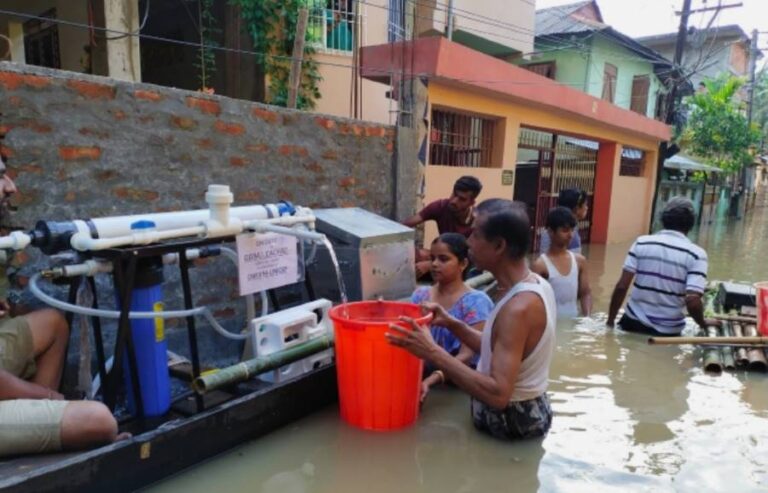
    Oxfam India, in a collaboration with UNICEF, has reached people in Silchar district in South Assam’s Barak Valley with boat-mounted water treatment units to provide life-saving water. Most of the district has been submerged even 48 hours after an embankment breached and people in the region are faced with a shortage of food and drinking water. Electricity too have been cut off.

    Doctors of the Morigaon civil hospital have organised health camps in different places of the district and humanitarians say that the immediate impact and challenge of the flood will be known as the water begins to recedes.

    Historically flood-prone

    Assam’s Brahmaputra valley is one of the most hazard-prone regions of the country, with more than 40 per cent of its land (3.2 million hectares) susceptible to flood damage. This is 9.4 per cent of the country’s total flood-prone area. About 7 per cent of land in the state’s 17 riverine districts has been lost because of river erosion over the past 50 years.

    The important cause for frequent occurrence of flood in this region is the extremely dynamic monsoon rainfall regime and the unique physiographic setting. The water yield of the Brahmaputra basin is among the highest in the world. This, together with the limited width of the valley and the abruptly flattened gradient, leads to tremendous drainage congestion and resultant flooding.

    Human activities like deforestation, accelerated change in land use, filling up low lying areas for the construction of buildings, urban development and temporary flood control measures are some changes which have contributed to the overall vulnerability of the state to floods. The reliability and effectiveness of the embankments from the Brahmaputra flooding are generally insufficient because of structural deterioration and ongoing riverbank erosion.

    River bank erosion event dominate the larger disaster picture and those impacted by the events on a frequent basis suffer more due to repeated phenomenon.

    According to ISRO’s Flood Hazard Atlas of Assam published in 2011, approximately 28.31 per cent 22.21 lakh hectares) of land in the state was affected by floods between 1998 to 2007.

    Apart from the geo-climatic setting, high rate of population growth in the form of high birth rate and immigration from border countries has led unplanned settlements.


    Image: Oxfam’s boat-mounted water treatment units provide life-saving water.

    Droughts in the 6th Century Could Have Paved the Way for Islam

    “It was a bit like a murder case: we have a dead kingdom and we’re looking for the culprit. Step by step, the evidence has brought us closer to the answer.”

    Extreme drought contributed to the decline of the ancient southern Arabian kingdom of Himyar.  Combined with political unrest and war, the droughts left the region shattered and facilitated the spread of emerging Islam across the Arabian Peninsula, say researchers at the University of Basel report titled ‘Droughts and societal change: The environmental context for the emergence of Islam in late Antique Arabia’ in the journal Science.

    Traces of the kingdom of Himyar can still be seen on the high plateaus of Yemen: Terraced fields and dams served as particularly sophisticated irrigation systems to transform the semi-desert into fertile fields. For several centuries, Himyar was a fixture in southern Arabia.

    Islam emerged in the Arabian Peninsula in the early 7th century CE after a period of profound societal changes, the research team argues in its paper, enquiring about the environmental context of that emergence. The research team from Basel has presented a hydroclimate record of Southern Arabia showing that droughts plagued the region throughout the 6th century CE.

    An important factor

    They suggest that increasing aridity and declining agricultural yields may have contributed to demise of Himyar, the dominant power in Arabia at that time.

    In the 6th century AD, however, the once-powerful kingdom fell into a crisis, culminating in its conquest by neighbouring Aksum (modern-day Ethiopia). Extreme aridity and declining agricultural yields, may have been a key contributor to the upheavals in ancient Arabia that may have contributed to demise of Himyar, the dominant power in Arabia at that time the researchers led by Prof. Dr. Dominik Fleitmann say in their publication in the journal Science, adding that this could well have also given rise to Islam in the 7th century.

    The researchers emphasize that they do not want to say that the drought directly brought about the emergence of Islam. “But it was an important factor in the context of the upheavals in the Arab world in the 6th century.”

    Petrified water as a climate archive

    Fleitmann team analysed the layers of a stalactite from the Hoti Cave in today’s Oman. The growth rate of the stalagmite and the chemical composition of its layers are directly related to how much precipitation falls above the cave (see box). Thus, the shape and isotopic composition of the deposited layers of a stalagmite represent a valuable climate archive.

    “Even with the naked eye you can see from the stalactite that there must have been a very dry period for several decades,” says Fleitmann. If less water drips on the stalagmites, less of it runs down the sides. The stone grows with a smaller diameter than in years with a high drip rate.

    The isotope analysis of the rock layers allows conclusions to be drawn about the annual amount of precipitation. The researchers discovered that not only did less rain fall over a long period of time, but that there must have been an extreme drought. The researchers were able to date this dry period to the beginning of the 6th century AD based on the radioactive decay of uranium, but only to an accuracy of 30 years.

    Detective work in Himyar

    “Whether this drought was directly related to the collapse of the kingdom of Himyar or perhaps only occurred afterwards, could not be clearly proven on the basis of this data alone,” says Fleitmann. He analysed other climate reconstructions from the region and combed through historical sources and worked with historians to better narrow down the time of the extreme multi-year drought.

    “It was a bit like a murder case: we have a dead kingdom and we’re looking for the culprit. Step by step, the evidence has brought us closer to the answer,” says the researcher. For example, data on the water level of the Dead Sea and historical documents describing a multi-year drought in the region, dating to AD 520, helped to actually link the extreme drought to the Himyar kingdom crisis.

    “Water is the most important resource of all. It is obvious that a decrease in precipitation and in particular several years of extreme drought can destabilize a semi-desert kingdom,” says Fleitmann. The irrigation systems also required constant maintenance and repairs. This could only be accomplished with tens of thousands of well-organized workers. The population of Himyar, stricken by water shortages, was probably no longer able to guarantee this complex maintenance, which further aggravated the situation.

    Turning points in history

    Political unrest at home and a war spilling over into Himyar between its northern neighbours, the Byzantine and Sasanian empires, further weakened the kingdom. When the western neighbour Aksum finally invaded Himyar and conquered the empire, the once powerful country finally lost its importance.

    In Arabia, the first half of the sixth century CE was marked by the demise of Himyar, the dominant power in Arabia until 525 CE. Important social and political changes followed, which promoted the disintegration of the major Arabian polities, the researchers say. They present hydroclimate records from around Southern Arabia, including a new high-resolution stalagmite records from northern Oman that clearly indicate unprecedented droughts during the sixth century CE, with the most severe aridity persisting between ~500 and 530 CE. “We suggest that such droughts undermined the resilience of Himyar and thereby contributed to the societal changes from which Islam emerged,” the team says in its paper published in the journal Science.

    “In the case of extreme climate events, one often only thinks of the short period after, limited to a few years,” says Fleitmann. The fact that climate change can lead to the destabilization of states and, as a result, a different course of history, is often ignored. “The need of the population due to hunger and war was great. Then Islam found fertile soil: people were looking for new hope, something that could unite people as one society again. That was what the new religion offered.”

    Image: Cross-section of a stalagmite from Hoti Cave in what is now Oman. Holes are from sampling for dating, scratch marks from sampling for isotope analysis. (Photo: Timon Kipfer, University of Basel)

    Relief: Monkeypox Not a Public Health Emergency of International Concern, Says WHO

    The Emergency Committee pointed out that disease has been circulating in a number of African countries for decades and has been neglected in terms of research, attention and funding – a problem dogging not just for Monkeypox, but many other neglected diseases in low-income countries.

    The spread of Monkeypox, now identified in over 50 countries across five WHO regions, with 3,000 cases since early May does not constitute a Public Health Emergency of International Concern, says WHO’s Director-General, Dr Tedros Adhanom Ghebreyesus. Europe remains the epicentre of this escalating outbreak with 25 countries reporting more than 85 per cent of the global total.

    A Public Health Emergency of International Concern or PHEIC is the highest level of alert WHO can issue, as it did for the COVID-19 pandemic, but the global health body conveyed that the convening of the committee itself reflects the increasing concern about the international spread of Monkeypox.

    In his statement on the Emergency Committee on Monkeypox, Tedros said that the committee shared serious concerns about the scale and speed of the current outbreak, noted many unknowns, gaps in current data and prepared a consensus report that reflects differing views amongst the committee.

    According to the WHO, the Monkeypox outbreak represents and evolving threat that needs a collective response by governments around the world. Tedros said that the outbreak of Monkeypox has reminded yet again that health is an interconnected proposition.

    “This is clearly an evolving health threat that my colleagues and I in the WHO Secretariat are following extremely closely,” he said. “It requires our collective attention and coordinated action now to stop the further spread of Monkeypox virus using public health measures including surveillance, contact-tracing, isolation and care of patients, and ensuring health tools like vaccines and treatments are available to at-risk populations and shared fairly.”
    Continuing spread and risks

    A statement from the proceedings of the WHO emergency committee on Monkeypox said that “a few members expressed differing views.”

    The committee pointed out that Monkeypox has been circulating in a number of African countries for decades and has been neglected in terms of research, attention and funding – a problem dogging not just for Monkeypox, but many other neglected diseases in low-income countries.

    According to WHO, the current outbreak is especially concerning because of its rapid, continuing spread into new countries and regions and the risk of further sustained transmission into vulnerable populations including people that are immunocompromised, pregnant women and children.

    The organisation stressed the urgency for all countries to take the recommendations of the committee for stepped-up surveillance, improved diagnostics community engagement and risk communication, and the appropriate use of therapeutics, vaccines, and public health measures including contact tracing and isolation.

    Since learning about the outbreak of Monkeypox on 7 May, WHO has issued clinical guidance and convened hundreds of scientists and researchers to speed up research and development into Monkeypox and the potential for new tools to be developed. WHO has also convened meetings of community members and organizations from the LGBTQI+ community so that health information and advice on protection measures are shared effectively around mass gatherings.

    WHO has called on governments across the world to collaborate, share information, and engage with affected communities so that public health safety measures are communicated quickly and effectively.

    A Closer Look at India’s Wheat Export Ban

    Since the Indian decision to ban wheat exports may lead to an upward spike in the global price level, several countries and leading global bodies like the G7 have approached India about reconsidering its decision.

    By Debashis Chakraborty

    In a surprise move, India banned wheat exports on 13 May 2022, in order to ‘manage the overall food security of the country and to support other vulnerable countries’. Earlier it had appeared that India, the world’s second largest wheat producer, held sufficient stocks to meet demand from both domestic markets and from traditional buyers. India was also prepared to meet part of the global supply shortage resulting from Russia’s war against Ukraine.

    India is no greenhorn as far as export bans or restrictions on primary commodities are concerned. The country has intervened before for several agricultural products, including wheat and onions. But New Delhi’s most recent wheat decision received global attention due to the rise in per tonne wheat price from US$325 to US$450 after Russia’s decision to invade Ukraine. Increased shipments from India partially offset the supply shortage from Ukraine during April 2022.

    Since the Indian decision to ban wheat exports may lead to an upward spike in the global price level, several countries and leading global bodies like the G7 have approached India about reconsidering its decision.

    Domestic price stability priority

    In support of the policy change, India’s Minister of State for External Affairs Vellamvelly Muraleedharan stressed the role of hoarding in low-income countries’ difficulty accessing food grains. The minister also cited the emerging threats to these countries from the rise in food prices in the aftermath of the Russia–Ukraine war and India’s sincere commitment to helping them. He had Sri Lanka in mind, as India shipped energy products and grain (including wheat) to its debt-stricken neighbour earlier in 2022.

    Despite having wheat export restrictions in place, India has also offered exemptions for sending wheat consignments to neighbours including Bangladesh, the Maldives and Nepal in the past. These relaxations offered to South Asian Association for Regional Cooperation member countries underline India’s commitment to maintaining regional stability.

    The two main factors likely driving India’s wheat decision are current wheat stock levels and domestic inflation. The opening balance for wheat stocks in January 2022 stood at 330 lakh metric tonnes, which gradually declined to 282, 234 and 190 lakh over February–April 2022 respectively. In May 2022, the stock increased to 303 lakh but the same remained far below the corresponding figures of 526 lakh in May 2021 and 358 lakh in May 2020.

    Meanwhile, in April 2022, the inflation rate reached 7.8 per cent, compared to the corresponding figure of around 4 per cent in early 2021. Policymakers are concerned with maintaining domestic price stability, a priority reflected in the Reserve Bank of India’s recent interest rate hike decision.

    Chinese support for India

    While New Delhi’s wheat export ban may bring price stability to Indian consumers, particularly in a period prior to upcoming state elections, farmers and traders are not placated. The Ukraine crisis has led to a supply crunch and a global rise in wheat prices, creating potential demand for Indian exports. The export ban decision and the corresponding fall in domestic prices will hurt both farmers who hold unsold stocks and traders who already made purchase decisions in anticipation of export opportunities.

    India gained support from an unexpected quarter for the wheat export policy change. China, which faced challenges at the WTO earlier on its voluntary export restraint in segments including rare earth materials, has stood behind India’s export ban on wheat by underlining the modest share of India in global exports. Beijing also called on G7 countries to enhance their supply to the global market to stabilise prices. The support needs to be viewed as a subtle overture, as several China-developed apps are still banned in India. Any drastic improvement in Sino-Indian relationship, in light of this Chinese overture, is unlikely.

    Agricultural input market reforms

    One of the government’s major announcements in 2016 was to double farm income by 2022, which requires stability in production and exports. While the wheat export ban decision does not contribute to this goal, it may secure price stability domestically — a popular political move. But arriving at a market-based solution to secure long-term growth of the sector is the need of the hour.

    Indian policymakers need to urgently focus on agricultural input market reforms to reduce the cost of cultivation. Doing so will boost demand and, in turn, agricultural production. At the same time, it will provide Indian players the much-needed price competitiveness, which would limit the need for public stockholding operations and minimum support price reliance, consequently deepening export opportunities.

    Otherwise, agriculture will continue to haunt negotiators as the Achilles’ heel during multilateral and regional trade negotiations, and periodic export bans on primary commodities will sadly remain a rule rather than an exception.

    Debashis Chakraborty is Associate Professor of Economics at the Indian Institute of Foreign Trade (IIFT).

    This piece has been sourced from the East Asia Forum of the Australian National University.

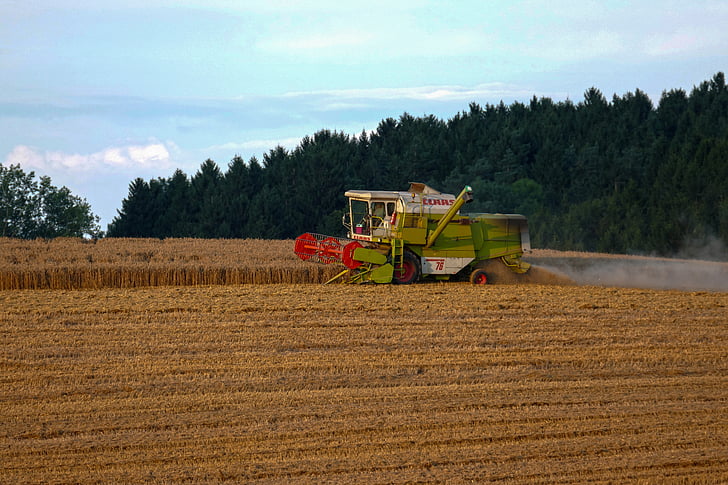
    Image: Hippopx