More

    Climate Change: India Faces Credit Downgrades for Slow Global Warming Steps

    It is not just on the governments who will have to shell out more to borrow. The financial strain will also trickle down to average citizens who need to pay for mortgages every month.

    By Prachi Gupta

    Climate change has been ringing alarm bells for decades now with the nature bearing the brunt of its various manifestations. The degrading of environment has now started to take a toll on the governments financially. The loss of biodiversity across the world may push many developing nations close to default and is likely to result in rating downgrades for India, according to the first sovereign credit rating adjusted for ecological destruction.

    The annual borrowing cost for 26 nations including the United States is expected to balloon by $53 billion, should the partial ecological collapse of fisheries, tropical timber production and wild pollination continue, according to a study conducted with the help of Cambridge University researchers. However, that is not the end of the climate change issue.

    While credit ratings rarely take into account ecological factors, the report says that it is unwise to turn a blind eye to nature related risks. This rings especially true for countries whose economy are largely based on environment whether by tourism or resources richness. The choice for such countries is simple-pay now, by investing in nature, or pay later through reduced fiscal space and higher borrowing costs.

    Further, it is not just on the governments who will have to shell out more to borrow but will also trickle down to average citizens who need to make payments on their mortgages every month. The effects of ecological damages to creditworthiness of nations should concern everyone. In fact, it has been found that economies which were able to check environmental degradation or enhance natural capital witnessed their creditworthiness improved. Depletions in other countries meant that the natural assets of former countries grew scarcer and more valuable.

    Fear of climate change

    The reports on climate change have always forecasted apocalypse. However, little is actually done to avert the doomsday. The latest UN climate report presses on ‘now or never’ to stop further global warming and asks governments reconsider their energy policies. The world is on a fast track towards disaster, UN Secretary-General António Guterres recently warned. While the Paris Agreement of 2015 agreed on limiting global warming to 1.5 degree Celsius, the world is currently on a path to double that threshold.

    And no proof on paper is required to understand the damning effects of climate change. Summers are longer, heat waves more frequent and intense, disruption in patterns of monsoon, water shortages across the globe, and more; proofs are tangible. However, the latest IPCC report underscores the increase in greenhouse gas emissions generated by human activity since 2010. This covers all the major sectors globally and the governments that have broken promises to keep climate change under control as they continue to invest in environment-choking industries.

    The most troubling aspect of global warming is that most of the damage done to the environment already is irreversible. Some species in flora and fauna have gone extinct. Glaciers are melting at an unprecedented rate which has resulted in rising sea levels.

    Recently, the foreign minister of Tuvalu, a tiny Pacific island nation located halfway between Hawaii and Australia, delivered the most resounding message at the United Nations COP26 climate summit. Standing knee-deep in water, the top diplomat said that the country is living the reality of climate change with the rise in sea levels. The message is clear — countries across the world are sinking. The worst part of the climate change story is that the countries who are most culpable are the ones bearing the least loss while poorer countries continue to face the wrath whether it be by food shortages or low water availability.

    Climate change in India

    SouthAsia is one of the regions most threatened by climate change risks. This year itself, India and Pakistan witnessed some of the worst heat waves in decades. March was the hottest in India since records began 122 years ago, with the month witnessing early and prolonged heat waves.

    Shortage of water is another pressing issue for many villages in India. Recently, a village in Nashik, Maharashtra made headlines when a video showing women descend to wells to fetch water surfaced. In Rajasthan, the acute shortage is crippling 70 villages where there is no water to drink, or irrigate fields or to give to cattle. In fact, forget villages, the poshest locations of the capital New Delhi are also currently facing water issues with the depletion in groundwater. The climate change threat is real and very much here.

    What needs to be done

    Apart from the obvious need of reduction in greenhouse gas emissions, all countries must reduce use of fossil fuels substantially and increase the use of alternative fuels such as green hydrogen. The governments must also work on improving energy efficiency and incentivising citizens to switch to environmentally friendly ways of generating electricity such as solar panels. While renewable energy usage is promoted, the need is also to bring down the cost of renewable energy sources as the one-time cost of installation of solar and wind energy, and batteries impede the usage currently.

    Global temperatures are expected to stabilise when carbon dioxide emissions reach net zero. For limiting global warming to 1.5C, this means achieving net zero carbon dioxide emissions globally in the early 2050s, the IPCC report states. The only hope remains that if timely action is taken now, as the UN insists, we may actually be able to evade the most harrowing.


    This piece has been sourced from Policy Circle

    A Major Retrogression: UN Rights Experts on US Supreme Court Striking Down Roe v. Wade

    The decision by the Supreme Court of the United States to strike down a nearly fifty-year-old legal precedent that has protected women’s right to choose to have an abortion is a serious regression of an existing right that will jeopardize women’s health and lives.

    By Melissa Upreti, Dorothy Estrada Tanck, Elizabeth Broderick, Ivana Radačić, Meskerem Geset Techane, Tlaleng Mofokeng, and Reem Alsalem

    Today, with the stroke of a pen and without sound legal reasoning, the Supreme Court of the United States has stripped women, girls and all persons capable of becoming pregnant in the country, of existing legal protections that are necessary to ensure their ability to determine the course of their lives and to live with dignity. The revocation of abortion rights established by Roe signals an expansion of women’s “missing rights” in the United States, as already stressed by the Working Group on discrimination against women and girls in the context of its official mission in the United States.

    The Supreme Court has completely disregarded the United States’ binding legal obligations under international human rights law, including those stemming from its ratification of the International Covenant on Civil and Political Rights, which protects a woman’s right to life from the harmful impact of abortion restrictions. “The Supreme Court was duly reminded of this binding obligation and others in a detailed amicus brief submitted by international independent human rights experts, which was completely disregarded by the Court in its decision.”

    Legal protections for abortion access and abortion rights have been established under international law as a matter of ensuring women’s ability to enjoy their legally protected human rights to life, health, equality and non-discrimination, privacy, freedom from torture, cruel, inhuman, and degrading treatment and to ensure their freedom from gender-based violence.

    Personhood not established until birth

    The right of a woman to make autonomous decisions about her own body and reproductive functions is at the very core of her fundamental right to equality and privacy, concerning intimate matters of physical and psychological integrity. Experts noted that access to legal abortion is essential health care and pivotal to women’s enjoyment of a full spectrum of their human rights. The right to make autonomous decisions about the termination of a pregnancy must be supported by equitable access to dignified care, trained healthcare workers and accurate information.

    In recent decades many countries have liberalized their abortion laws for reasons of women’s human rights, including equality, health, and safety. This positive trend reflects the understanding that personhood is not established until birth. Those who believe that the foetus is already a human person with rights from the moment of conception are entitled to their personal beliefs, but a democratic State cannot impose their beliefs on others through the legal system. The true parameters of contestation are then between the rights of a born person who is the subject and repository of international human rights and any societal interest, valid as it may be, that there may exist in the process of gestation of a possible future person.

    The limits of intervention to promote any such societal interest must stop short of violating the human rights of the pregnant woman in whose body the gestation is to take place.

    Prima facie discriminatory

    Countries where access to abortion is decriminalized or legal and contraception is widely available have the lowest rates of maternal mortality. According to the World Health Organization, abortion is a common procedure with 6 out of 10 unintended pregnancies ending in induced abortion globally. An estimated 45 per cent of these abortions are unsafe. Restrictive laws do not reduce the individual need for abortion but are likely to increase the number of women and girls seeking clandestine and unsafe abortions. They fuel abortion stigma, and lead to the abuse of women in need of post abortion care and their incarceration. The stigma also affects healthcare workers who face the threat of violence in the execution of their expertise.

    In countries with legal restrictions or pervasive barriers, safe termination of pregnancy becomes a privilege of the rich, while women with limited resources have little choice but to resort to unsafe providers and practices. This court ruling enables structural discrimination, which is already widely prevalent in the United States, where socio-economically disadvantaged women of colour notably Black and indigenous women and others in situations of vulnerability, such as migrant women, those living with disabilities and victims of sexual violence and sex trafficking, face additional barriers to reproductive health care services.

    Further, the criminalization of abortion and the denial and delay of safe abortion and post-abortion care may amount to torture, or cruel, inhuman or degrading treatment. Laws, judgments or public policies that restrict the right to personal liberty by criminalizing conduct related to the consequences of a lack of access to and enjoyment of the highest attainable standard of health, or of obstetric violence, or which criminalize the exercise of women’s reproductive rights, must be considered to be prima facie discriminatory and may lead to arbitrary detention.

    A nightmare scenario

    Experts expressed concern about the patchwork of abortion restrictions that will be created in the United States with the revocation of the right to choose abortion previously protected under Roe v. Wade, because of the existing trigger bans and new legislation, either recently or soon to be introduced by state legislatures. This is translated into lack of clarity about the legal parameters of abortion which will now vary by geographic location and creates the risk of prosecution, faced by women and abortion providers, including those prosecutions triggered by private citizens.

    The intimidation and stigma that will be faced by pregnant women and girls in need of safe abortion services and abortion providers is poised to create a nightmare scenario for those faced with the uncertainty and trauma of an unplanned pregnancy.

    We are deeply concerned about the plight of women who will be forced to leave their homes and travel to other states to terminate an unwanted pregnancy safely or face the prospect of a forced pregnancy and motherhood. It is unclear whether certain states may even restrict their ability to travel to seek abortion and private businesses may be penalized for assisting pregnant women who need abortions.

    The level of legal uncertainty arising from the dismantling of a legal protection that has withstood several legal challenges over a period of nearly fifty years is deeply truly terrifying.

    Recognise right to health

    The decision whether to continue a pregnancy or terminate it, must fundamentally and primarily be a woman’s decision, as it will shape her whole future personal life as well as family life. These are decisions that have a far-reaching impact on women’s education, career, economic security, safety, and ability to participate in public life.

    Experts noted that “access to legal abortion is essential health care and pivotal to women’s enjoyment of a full spectrum of human rights and must be taken out of the realm of partisan politics. Now that the protections under Roe v. Wade have been taken away, new measures must be urgently introduced to mitigate the harm that many pregnant women are likely to experience and to create the conditions and legal frameworks needed to ensure their safety.”

    The right to access safe abortion services must be codified in law in accordance with human rights standards that require ensuring the availability, accessibility, affordability, acceptability and quality of abortion services, free and informed decision-making, adequate financial investment, based on respect for the right to life of women. All branches of government, office bearers and political actors are duty bound to fulfil these obligations. Those serving in a legislative, executive or a judicial capacity equally carry these obligations and must not be complicit in violating human rights. Sufficient recognition to the right to health should be given in the national political and legal system to bring a human rights-based approach to their national public health strategy.

    Erosion of democratic values

    We call upon the Biden administration to take all necessary measures to mitigate the potential consequences of the Supreme Court’s decision in Dobbs v. Jackson Women’s Health Organization, such as through executive orders to protect access to abortion, ensure funding for states for the provision of safe abortion services, and prevent restrictions on measures aimed at limiting the movement of abortion seekers and abortion providers across state lines.

    It is within the power of State legislature to protect abortion rights and access and the State of New York is a leading example. The Federal Government should strongly encourage other states to follow suit and provide Federal funds to states that are willing to ensure greater access to abortion services through new legislative measures and, in this time of crisis, allocate funds to cover the expenses of women who will have to travel to other states to access abortion, for legal aid and relocation expenses to avoid prosecution in their state of origin. Measures protecting private businesses that support women’s access to abortion from being attacked and penalized must be introduced and the right of freedom of expression and peaceful assembly of individuals advocating for abortion access must be fully protected.

    The revocation of abortion rights established by Roe signals is a major retrogression that will further entrench structural discrimination and violence against women and girls and all persons capable of becoming pregnant in the country.

    What has happened in the United States today is a profound setback for the rule of law and for gender equality. The excessive use of the legislative process, executive power, and judicial authority over the years to restrict and criminalize abortion rather than to expand it and ensure equitable access to safe abortion services, signals a deeply troubling erosion of democratic values and process.


    Image: Norma McCorvey (Jane Roe) and her lawyer Gloria Allred on the steps of the Supreme Court, 1989 by Lorie Shaull / Wikimedia

    UNAMA Says Taliban Interference Rising

    Civil society organizations working in Afghanistan face difficulties in hiring Afghan women staff. The UN says the psychosocial costs of denial of rights to women are incalculable, and women are collectively being written out of society in a way that is unique in the world.

    Aid agencies are reporting an increase in demands by Afghanistan’s Taliban authorities for data and information regarding staffing contracts, say UN officials working in the war-torn country.

    The information sought about staffing contracts is mainly to monitor the presence of women at the workplace, besides the need to identify people the Taliban considers inimical to them.

    Non-governmental organizations working in the country face continued difficulties in trying to hire Afghan women staff for certain functions. There are also enquiries on the budgets of various organisations, including bilateral and UN organisations working in the country, according to the UN’s Mission in Afghanistan, UNAMA.

    One wing of the government that stands out is the Ministry for the Propagation of Virtue and the Prevention of Vice that furthers the Taliban’s orthodox beliefs, essentially emphasising that women confine themselves to their domestic chores, aid agencies say.

    “There are more instances of interference today than in previous months, most of which are resolved through engagement with the relevant de facto authorities,” Martin Griffiths, the UN Humanitarian Coordinator told ambassadors at a briefing to the UN Security Council on Thursday.

    Yet, Griffiths voiced the frustrations of aid agencies when he said, “But for every issue that is resolved, another one emerges, sometimes in the same location with the same departments.”

    “And there is now a much more palpable frustration felt by aid organizations, local communities and local authorities.”

    He said that although humanitarians are reaching record numbers, there is still “a long hill to climb.”

    Inclusion and engagement

    The UNMA says that national and local authorities are increasingly seeking to play a role in the selection of beneficiaries. They are also channelling assistance to people on their own priority lists, thus contravening promises made to UN officials.

    Addressing the Security Council on the humanitarian response, Ramiz Alakbarov, Acting Special Representative at the UNAMA highlighted how aid partners have reached some 20 million Afghans between January and April this year alone, including nearly 250,000 returnees and some 95,000 people affected by floods and weather-related events.

    However, the humanitarian crisis persists, and sustained support will be needed through next year, he said.

    Both UN officials spoke of plans seeking to promote political consultation and inclusion in the coming month, while continuing engagement with the country’s de facto authorities.

    “Even as the international community and the Taliban remain far apart” on the question of human rights, specifically for women – and political rights, “there are some areas where we can do better to improve the lives of Afghans, as well as advance on issues of common concern such as counter-narcotics and mine action.”

    Squeeze on human rights

    Alakbarov reported that the human rights situation in Afghanistan remains precarious.

    UNAMA continues to receive credible allegations of killings, ill-treatment and other violations targeting individuals associated with the former government. This is despite the adoption of a general amnesty and repeated assurances by Taliban leaders that the UN body is being respected.

    Credible allegations of violations against persons accused of affiliation with the National Resistance Front and the ISIL-KP terrorist organisation have also been reported.

    “The de facto authorities have increasingly restricted the exercise of basic human rights, such as freedom of peaceful assembly, freedom of opinion and expression, quelling dissent and restricting civic space in the country,” he said.

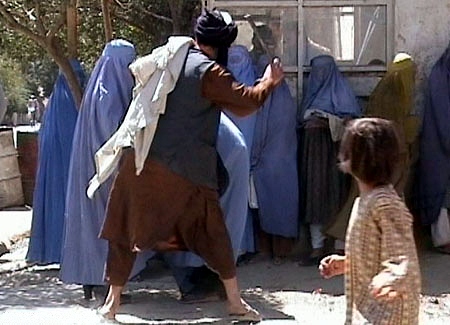
    Furthermore, restrictions particularly target women and girls, such as the ban on secondary schooling for girls, and the decree ordering women to wear face coverings.

    “The costs to the economy of these policies is immense,” Alakbarov said. “The psychosocial costs of being denied education, for example, are incalculable, and women are collectively being written out of society in a way that is unique in the world.”

    Last December, the Security Council adopted a resolution clearing the path for aid to reach Afghans, while preventing funds from falling into the hands of the Taliban, which has been critical to ensuring operations can continue.

    India’s Rejection of Global Environment Report ‘Perilous’

    The Environmental Performance Index 2022 ranked India as world’s least environmentally sustainable country. India rejected the report, challenging its methodology. The EPI report’s chief investigator, Martin Wolf, has criticised India’s rejection of the report.

    By Athar Parvaiz

    The principal investigator of a key environmental report that ranked India as the least environmentally sustainable country in the world has criticised the country’s dismissal of the findings.

    Reacting to India’s rejection of the Environmental Performance Index (EPI) 2022, Martin Wolf said that “flatly rejecting data that underscores the severity of environmental issues is unproductive and perilous”. He urged policymakers instead to use the findings to put the country back on track to a more sustainable future.

    The EPI 2022 report, produced by Yale and Columbia universities and released on the World Environment Day (5 June), assessed and ranked 180 countries on 40 performance indicators covering climate change, environmental public health and ecosystem vitality.

    India ranked last in the report and was categorised as the least environmentally sustainable country. Its close neighbours – Bangladesh, Bhutan, Nepal and Pakistan – have all scored better than India.

    Leaders and laggards

    The indicators provide a gauge at a national scale of how close countries are to established environmental policy targets. A brief about the report on Yale University’s website offers a scorecard that highlights ‘leaders and laggards’ in environmental performance and provides practical guidance for countries that aspire to move toward a sustainable future.

    According to the EPI report summary, high-scoring countries exhibit longstanding and continuing investments in policies that protect environmental health, preserve biodiversity and habitat, conserve natural resources, and decouple greenhouse gas emissions from economic growth.

    Denmark tops the 2022 rankings — an achievement rooted in strong performance across nearly all issues tracked by the EPI, with notable leadership in efforts to promote a clean energy future and sustainable agriculture. The UK and Finland, placed second and third in the rankings, have earned high scores for slashing greenhouse gas emissions.

    The US is ranked 20th among 22 wealthy democracies and 43rd overall. This relatively low ranking reflects the rollback of environmental protections during the Trump Administration, the report summary explains, adding that US withdrawal from the Paris Climate Agreement and weakened methane emissions rules, in particular, meant the US lost precious time to mitigate climate change.

    India rejects the report

    Miffed by the findings in the report, India’s Ministry of Environment, Forest and Climate Change issued a strong rebuttal, asserting that some of the indicators used for assessing performance were “extrapolated and based on surmises and unscientific methods”.

    India insists on its own assessment, the Projected GhG Emissions levels in 2050. “This is computed based on average rate of change in emission of the last 10 years instead of modelling that takes into account a longer time period, extent of renewable energy capacity and use, additional carbon sinks, energy efficiency etc. of respective countries,” the ministry’s rebuttal stated.

    The ministry argues that the country’s forests and wetlands, which are crucial carbon sinks, were not factored in when calculating the projected greenhouse gas emissions trajectory up to 2050. It says the principle of equity, or per capita emissions, has also been given very low weigh insisting that its contribution to global emissions is far less than the US or EU.

    Commenting on the EPI report, Sharachchandra Lele, distinguished fellow at the Bangalore-based Ashoka Trust for Research in Ecology and the Environment, said that while the EPI report looks like “a flawed exercise”, India’s environmental performance has been “very poor in the past decade or so because the government is not serious about environmental issues”.

    Lele said that the environmental condition of a country is multi-dimensional and context-specific. “Trying to rank countries on the basis of a common aggregate performance index is a tricky exercise at the best of times, involving many value judgements as to which dimensions to include and how to weight them,” he told SciDev.Net.

    “The EPI’s biased approach on climate mitigation has provided the government an excuse to reject the index altogether, even when it shows the poor performance on other fronts.”

    ‘We are Concerned’

    Wolf told SciDev.Net that the EPI team upholds the idea that data-driven environmental metrics can improve policymaking — but only if leaders embrace scientific insights and act on what the data is telling them.

    “We are concerned that the Indian government has rejected the scientific basis underlying the 2022 EPI’s analyses. The EPI provides a chance for all countries to reflect on their environmental performance, identify their most critical sustainability challenges, and work to revise and enhance their policies,” Wolf said.

    “We hope the Modi administration views the EPI as a tool to illustrate how empirically-grounded findings can improve India’s environmental conditions on multiple fronts, including air quality, climate change and biodiversity.”

    He said the report highlighted how Indian policies remained “largely at odds with the principles of sustainable development”, adding: “Air quality continues to worsen, greenhouse gas emissions are accelerating, and poor water quality kills hundreds of thousands of Indian residents each year.”


    This piece has been sourced from SciDev.Net


    Image: Hippopx, licensed to use under Creative Commons Zero – CC0


    New and Old Afghan Refugees Make the Best of Life in Neighbouring Pakistan

    Pakistan is home to 1.3 million registered refugees and more than double this number of unregistered ones who have fled neighbouring Afghanistan. Most of them run small businesses or do petty jobs and send remittances to their family members who remain across the border.

    By Ashfaq Yusufzai

    “We came here in 1979 after Russia’s invasion of Afghanistan. My children and grandchildren have grown up here and they don’t want to go back to that war-ravaged country. I go there occasionally to mourn the deaths of near and dear ones,” says Muhammad Jabbar, 67, a former resident of Kabul, capital of Afghanistan.

    Jabbar, who sells dry fruits in Muhajir Bazaar (literally, the ‘refugees market’), in Peshawar, the capital of Khyber Pakhtunkhwa, one of Pakistan’s four provinces, said that he hadn’t been able to convince his family members to visit their country due to the endless violence.

    The latest in that series of events was the takeover by Taliban militants in August 2021, which has further heightened Jabbar’s fears that even he may no longer be able to visit his native land. At the same time, he acknowledges that Pakistan is now the family’s home and calls the local people ‘friendly’.

    This South Asian nation is home to 1.3 million registered refugees and more than double this number of unregistered ones who have fled neighbouring Afghanistan. Most of them run small businesses or do petty jobs and send remittances to their family members who remain across the border.

    An Afghan way of life

    A vegetable seller in the same market, Hayat Shah, says business is so good that he and his family never think of returning. “We are very happy as here we live in peace and earn money for our survival. In Afghanistan, people are faced with an extremely hard economic situation. My two sons and a daughter study here in a local school,” says Shah, 49.

    “We arrived in Peshawar in early 1992 when our home was bombed by unknown people. My parents and two brothers died,” he adds.

    Shah and his family live in Baghlan Camp in Peshawar, one of 3,500 refugee families in the camp (though UNHCR now calls camps ‘refugee villages’). There are 54 refugee camps across Pakistan — 43 in Khyber Pakhtunkhwa province — housing 32 per cent of refugees. More than two-thirds of refugees live in urban areas, where they are legally permitted to work, according to UNHCR.

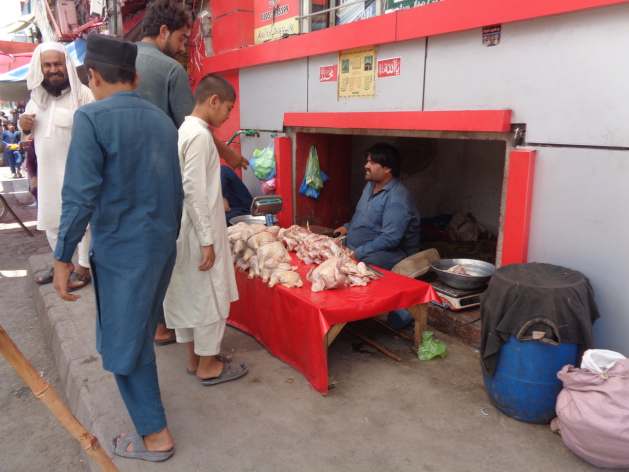
    Most Afghans interviewed by IPS in the market, said they feel that Pakistan is now home. Ninety percent of merchants in the sprawling market are Afghan businessmen, who run clothing, fish, meat and fruit and vegetable shops. “Refugees bazar is bustling with Afghan women and men buying all sorts of stuff,” says fruit seller Ghafoor Shah. “This market is no different from any market in Afghanistan, where women clad in burkas can be seen shopping,” he adds.

    Sultana, 51, says they visit the bazaar frequently to do bulk shopping for the Islamic festival Eidul Fitre, marriage ceremonies and other holidays. “We can find all type of articles we need in accordance with Afghan traditions. Us women can talk to Afghan shopkeepers and tailors easily in our own languages compared to Pakistanis, with whom conversation is difficult.”

    Unwilling to return

    UNHCR spokesman for Pakistan Qaisar Khan Afridi told IPS that the arrival of new refugees after the Taliban took charge in Kabul has created major issues.

    “Over, 250,000 Afghans have reached here in the last 18 months — that’s just the registered refugees. The UN refugee agency is in talks with the host government to seek a solution to the problem of these people who aren’t registered in Pakistan yet,” he says adding, “Pakistan isn’t accepting new refugees,” he adds.

    The UNHCR’s voluntary repatriation programme for refugees to Afghanistan has come to almost a complete halt. Only 185 families have returned since January this year, with each getting US$250 as assistance. About 4.4 million refugees have been repatriated since 2002.

    Muhammad Hashim, a reporter for Shamshad TV channel in Jalalabad, told IPS that the Taliban aren’t allowing journalists to work freely and suspect anyone who was employed during the former government’s tenure. “I came with my wife and two daughters to Pakistan using back routes and now we’re trying to seek asylum in the US or any European country. Going back is out of the question,” he told IPS, awaiting registration outside UNHCR’s office in Peshawar.

    Hashim, 41, says he survived a murder attempt a day before his departure for Pakistan and left so quickly that his belongings remain in Afghanistan.

    A tough life, but….

    Women journalists are sitting at home, he adds. Fearing prosecution by Taliban, hundreds of people who worked in the police or in offices under the former Afghan government have also rushed to Pakistan, he says. “Violence and lack of jobs, education and health facilities are haunting the people.”

    Schoolteacher Mushtari Begum, 39, is among the fresh refugees. “I did a masters in computer science from Kabul University and used to teach in a private girls’ school for eight years. Now, the women’s schools have been shut down and teachers and students are sitting in their homes,” says Begum, a mother of two. “We live with relatives in Peshawar temporarily and have run of money,” she added.

    On 12 June the Pakistan government approved a policy under which transit visas will be issued to Afghan asylum seekers to enable them to travel to any country of their choice. At the same time, the federal cabinet said that Pakistan has always welcomed refugees and would continue to host them in their trying times.

    Gul Rahim, who drives a taxi in Nowshera district near Peshawar, says he arrived here in 2002 and has been lucky to educate his two sons. “Pakistan has proved a blessing for me. In Afghanistan I wouldn’t have been able to raise my sons, who are now teaching at a refugee school and helping me financially.”

    Treated as guests

    Fazal Ahmed, a local officer at the Afghan commissionerate in Peshawar, which oversees all refugee camps in the province, says they hold awareness sessions for refugees from time to time, on issues like violence and gender, health and education. “In over 30 refugee camps we also arrange skill development programmes, especially to enable women to earn their livelihoods.

    “Sports activities are part of our programme, which we organize in collaboration with the UNHCR,” he says. Afghan students have also been admitted in Pakistani schools, universities and medical colleges, he adds.

    However, all is not well. Many refugees complain of being harassed by police, a charge vehemently denied by authorities.

    “We arrived here in February 2022 because of fear of reprisals by the Taliban. We have no documents because Pakistan isn’t registering new refugees and police often arrest us and release us only when we pay bribes,” says Usman Ali, who worked as a police constable in the former government in Kabul. Ali, 24, said his elder brother, a former army soldier, was killed by the Taliban in December 2021.

    “To save my life, I rushed to Pakistan’s border in a passenger bus and ended up in Peshawar,” he adds.

    Local government official Jehanzeb Khan tells IPS that Afghans are treated as guests. “There are isolated cases where Afghans are mistreated by local people but we take action when complaints are filed,” he says.

    On Nasir Bagh Road, where Ali sells cosmetics goods from a hand cart, Police Officer Ahmad Nawaz told IPS that they arrest only those Afghans who are involved in crimes and are friendly towards innocent ones. “The Afghans commit robberies and even murders and go back to Afghanistan. We don’t harass Afghans (living here) because they are in trouble,” Nawaz adds.

    Leveraging Digital Technologies

    Digitalization of rural communities is leading the way to a better future across Asia and the Pacific. But, it must be remembered that the goal is to leave no one behind.

    By Jong-Jin Kim

    It wasn’t that long ago that Internet connectivity faded the moment one left a populated area like a city or big town – “no service” was the take-away message back then. But thanks to 3G, 4G and now 5G mobile technology, coupled with widespread installation of cellular towers in rural areas region-wide, that little message shows up much less frequently.

    Most importantly, the rapid spread of internet connectivity and mobile telephony, reaching into the most remote rural communities, has resulted in countless opportunities to help address chronic problems such as poverty, malnutrition and inequality.

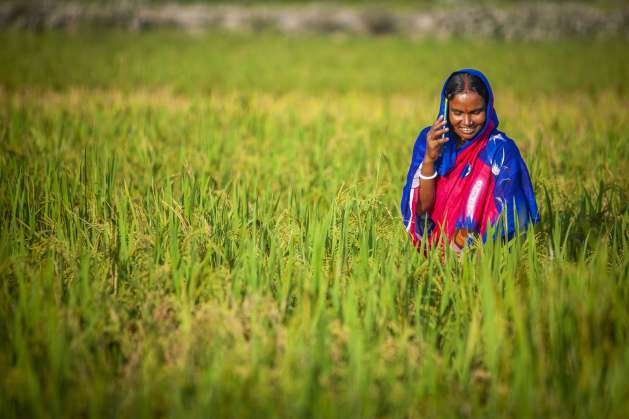
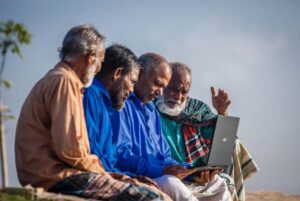
    From farmers to fishers to herders, digital technologies are increasingly relied upon to help transform and enhance livelihoods for hundreds of millions of people each day. From a smart phone in the hands of a woman or man checking optimal conditions to sow a field, or band together to rent a drone for aerial assessments, to a herder checking the weather, to fishers finding the best places to cast their nets, digital technologies are becoming increasingly accessible, useful and affordable for those in rural areas.

    This paradigm shift offers great hope to get this region – and the world – back on track to meet the 2030 SDG deadline.

    Pressing need for digitalisation

    While this digital revolution sweeping rural areas of Asia and the Pacific holds great promise, not everyone is benefiting equally. Indeed, in some cases, digital technologies can even be disruptive, or lead to unintended consequences by widening, not reducing, the digital divide if their implementations result in a loss of decent work.

    This needs to be addressed, and it’s in everyone’s best interests to do so. Policy makers in countries across the region do understand the added value, and they see the economic benefits digitalization of rural areas bring to their nations and people. Hence, investing in an enabling environment to ensure equal access is key to ensuring the benefits of rural digitalization are enjoyed more broadly.

    Digitalization of rural areas is needed now – more than ever before

    Indeed, the move to accelerate implementation of digital technologies, equitably across the region’s rural areas couldn’t come at a more important time. The global pandemic hit rural communities disproportionately hard – particularly with respect to individual livelihoods. Now, as we try to recover from the devastation of COVID-19, we are facing the highest prices for many basic foods – the highest we’ve seen in decades. Higher food costs hit poorer and marginalized communities the hardest, particularly in rural areas, as they must spend a greater proportion of their disposable income to feed their families.

    ICTs smartphones farming agriculture Asia SDDs 5G

    An inclusive digital village

    These challenges are compounding an already existing and alarming situation. Last year, prior to the inflation of food commodities, FAO and partners pointed out that many people – at that time – already couldn’t afford a healthy diet in Asia and the Pacific.

    By leveraging the advancements offered by digital technologies we can find ways to counter some of these and other devastating negative effects that already existed such as severe weather related events, droughts and floods.

    That is already happening in some countries in this region, and they are well on the road to digitalization of even the smallest and most remote villages and towns. And they have good examples to share with their neighbours.

    At the Food and Agriculture Organization of the United Nations (FAO), we’ve been following these trends, policies and initiatives of our Member Nations in the Asia-Pacific region. We know the full scale of their desire and determination to embrace, and fully harness, the potential of digitalization.

    For our part, FAO has pledged to assist in bringing together these existing good practices of our Members, and to create a space for others to share their digital solutions as part of FAO’s 1,000 Digital Village Initiative. A key component of this initiative is the Digital Village Knowledge Sharing Platform for Asia-Pacific that can act as a one-stop village square, where those working in the food and agriculture sectors can share their innovations and technologies with us all.

    A digital village isn’t necessarily a small place. It is a concept – one that is inclusive, operational, country-led and fit-for-purpose to deliver solid benefits to people.

    At the end of the day, the ultimate goal is to make things better for everyone.

    Working together, and sharing together, this region’s digital village innovations and technologies can help lead us all to a world of better production, better nutrition, better environment and a better life – leaving no one behind!


    Jong-Jin Kim is Assistant Director-General and Regional Representative, Food and Agriculture Organization of the United Nations (FAO).


    This piece has been sourced from Inter Press Service


    Images: FAO

    An Innovation to Cement Environment-Friendly Construction On The Cards

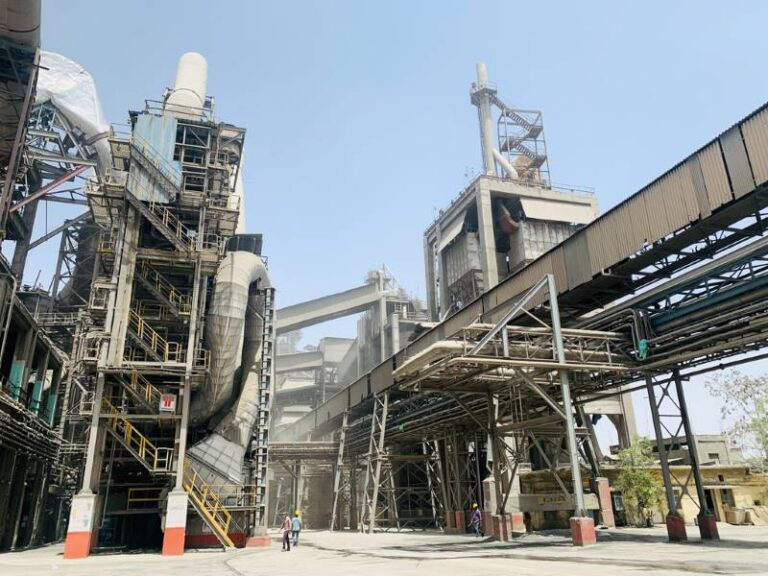
    The projected demand for buildings and infrastructure in India will lead to the cement industry’s three-fold expansion by 2050 and result in a proportionate increase in the sector’s CO2 emissions, says the civil society group, Development Alternatives.

    A new, low-carbon-footprint cement is on the anvil. Called Limestone Calcined Clay Cement (or LC3), the new construction ingredient compares with the existing types of cement in performance, while its environmental attributes could well make it a frontrunner – if it marketed so, that is.

    Interestingly, the LC3 story also has an Indian angle to it – the innovation comes from a small global collaboration that involves the Delhi-based social enterprise group, Development Alternatives and the IITs together with partners in Switzerland and Cuba.

    “A new cement comes once in a hundred years,” says Dr Soumen Maity, Vice President of Development Alternatives, “and this one comes with very special environmental attributes, because LC3 is a major innovation to reduce carbon emissions.”

    “Cement Production is [one of] the biggest contributors to environment pollution, and LC3 comes with the promise to offset some of this,” says Maity, detailing how resource- and energy-intensive the production of the construction imperative is and the significant impact it has on the environment and natural resource base.

    Trialogue 2047

    The upcoming cement type and its importance to India achieving net zero emissions by 2070 as well as the government’s support for it came up at a discussion in New Delhi on Thursday. Part of Development Alternatives discussion series called Trialogue 2047, the discourse centred on government bodies accepting the new product, setting standards and providing financial support.

    (Trialogue 2047, as the nomenclature suggests, has an eye on the hundredth year of India’s independence, said Shrashtant Patara, CEO of Development Alternatives.)

    This was the 24th in the Trialogue 2047 series, held to shed light on the urgent need to decarbonise the cement industry and hosted Ruchika Drall from the Ministry of Environment, Forest and Climate Change and S Chandrasekar of the Bihar State Pollution Control Board. Besides government officials, the discussion also involved Dr Jonathan Demenge of the Swiss agency of development and cooperation and Dr Mukesh Kumar of J.K. Laxmi Cement Ltd, besides the team from Development Alternatives.

    The discussion arrived at a consensus that adopting transformative technologies capable of decarbonising the cement industry will need a strong commitment and cooperation on the part of the cement industry, government, institutions, civil society and academia.

    Ruchika Drall emphasised that “Industry’s transition to low carbon pathway is important to meet the India’s goal to net zero by 2070.”

    She spoke of the ‘Leadership for industry transition (LeadIT)’ as one such initiative by the government to support transition of hard to abate sectors.

    Dr. Mukesh Kumar spoke of the practicality of producing LC3 – inputs like limestone and clay are accessible and the technology does not require far too many adaptations to the existing systems of the cement plants, he said.

    An otherwise grim scenario

    LC3 reduces the clinker factor, or the stony residue in cement production by the addition of calcined clay and waste limestone.

    Yet, while LC3 has become a cement of choice in over a dozen countries in Africa, South America, and South East Asia, India has yet to pronounce the standards for its commercial production. The Bureau of Indian Standards (BIS) has circulated a proposed set of standards and efforts are on to finalise these within the year, said S Chandrasekar.

    Speaking of the role of Development Alternatives, Dr Soumen Maity said, “We have been working for over a decade to reach this juncture where a synergy between public and private partnership can be created.”

    “We hope the PPP approach will facilitate the final goal of decarbonisation,” he said.

    The projected demand for buildings and infrastructure in India will lead to the cement industry’s three-fold expansion by 2050 and result in a proportionate increase in the sector’s CO2 emissions and exacerbate the extent of global warming and intensify the effects related to climate change.

    While it reduces CO2 emissions by as much as 40 per cent in comparison to existing cement varieties, LC3 technology has several other advantages over ordinary Portland cement (OPC) and Portland pozzolanic cement (PPC). It consumes less energy to produce while providing comparable strength and is more durable, the experts said.

    Disappointment Over COVID-19 Vaccines Patents Deal

    Global health campaigners have expressed their disappointment in the decision by the World Trade Organization to waive certain intellectual property rules on vaccine exports in order to widen access to COVID-19 vaccines. But the deal does not amount to a waiver of intellectual property rights. Health advocates say it will not secure vaccine production in developing countries.

    By Dann Okoth

    A decision by the World Trade Organization (WTO) to waive certain intellectual property (IP) rules in order to widen access to COVID-19 vaccines has been met with disappointment by global health campaigners.

    The much-debated Trade-Related Aspects of Intellectual Property Rights (TRIPS) waiver was first proposed by India and South Africa in October 2020 to allow COVID-19 vaccines to be manufactured in developing countries without infringing patents held by big pharmaceutical companies, mostly in the global North.

    The deal allows governments and vaccine producers to forego the procedural requirement of issuing a compulsory license for the production and exportation of COVID-19 vaccines for a five-year period, but it does not waive any IP rights.

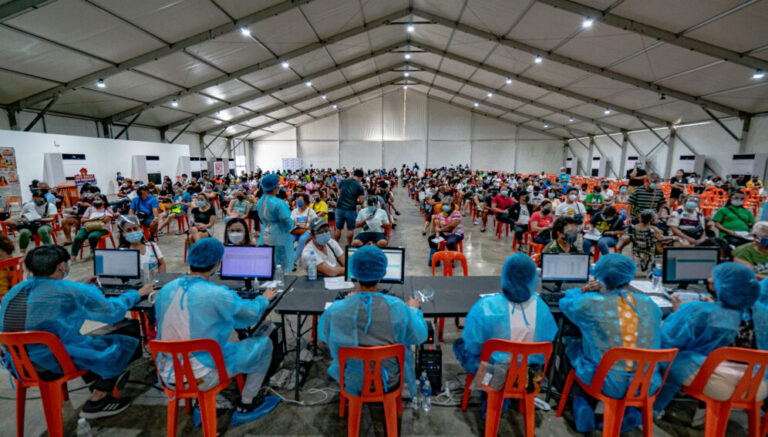
    Only 16 per cent of people in low-income countries have received a single vaccine dose, compared to 80 per cent in high-income countries, according to the World Health Organization (WHO).

    TRIPS waiver compromise insufficient

    However, health equity advocates say the so-called “compromise” deal reached at the WTO’s 12th Ministerial Conference in Geneva on 17 June is insufficient to secure production of vaccines and other medicines in developing countries.

    “We are disappointed with the limited and inadequate outcome after nearly two years of negotiations at WTO,” said Yuan Qiong Hu, senior legal and policy advisor at Médecins Sans Frontières (MSF).

    “There are a number of shortfalls…most notably that it does not waive any IP rights to enable rapid global production scale-up and more independent supply of COVID-19 medical tools.”

    Compulsory licensing is used by governments to allow another party to produce a patented product or process without the consent of the patent owner, or to use the patent-protected technology itself. Patents give pharmaceutical companies exclusive rights to manufacture and market their drugs and prevent others from doing so for a period of 20 years.

    WTO director-general Ngozi Okonjo-Iweala said the declaration would make access to medical supplies “more predictable in this pandemic – and in the next one”.

    “The TRIPS waiver compromise will contribute to ongoing efforts to deconcentrate and diversify vaccine manufacturing capacity, so that a crisis in one region does not leave others cut off,” she told ministers at the close of round-the-clock negotiations in Switzerland.

    CSO’s concerns

    But around 300 civil society and public health organisations put their names to a statement condemning the decision and calling on governments to circumvent or “outright defy” the WTO rules.

    According to Yuan, the ruling limits the number and scope of flexibilities within the TRIPS agreement to certain countries and within a limited timeframe.

    The adopted text also excludes essential medical technologies, such as ventilators and testing kits, limits the range of countries that can make use of the mechanism, and does not cover the full range of IP necessary to enable production and supply, MSF argues. The deal currently only applies to vaccine production and requires WTO members to decide on an extension covering treatments and therapeutics after six months.

    “As a result, MSF believes these limitations set a negative precedent for addressing future global health challenges,” said Yuan.

    “Even the process to arrive at this outcome has been flawed, discriminatory, lacking in transparency and inclusivity. [Civil society organisations] have been criticised for raising legitimate concerns,” she added.

    Stand up to ‘bullying’

    Fatima Hassan, founder of the South Africa-based Health Justice Initiative, said it was hard to say whether the outcome was a “waiver” or just a “deal”.

    “It will now depend on each country to use what it can in this tiny deal,” she said.

    Countries in the global South still lack access to COVID-19 diagnostic tests and treatments, said Hassan, adding: “The best way forward is for every southern government to admit they got bullied, stand up to the big pharma and issue compulsory license now to address testing and treating gaps.”

    According to a senior WTO official, who asked not to be identified for bureaucratic reasons, there has been some confusion over what is meant by an IP waiver.

    “This is not to get too technical, but the COVID-19 debate has seen multiple versions of this concept, and the real-world differences are incredibly important,” he told SciDev.Net.

    He said neither the WTO nor any other international organisation could waive IP rights.

    “Depending on what is meant by waiving, this is something that can only be done by national governments, and most likely national parliaments,” he said.

    “What was proposed in the WTO was a waiver of international treaty obligations that would open up a wider range of choices for national governments to waive, suspend or curb IP rights — a very different thing.

    “Any government wanting to suspend the effect of IP rights would have to take action domestically, either by executive action or through the legislature.”


    This piece has been sourced from SciDev.Net.


    Image: ADB

    A Prosthetic Leg, Relay Messengers Help Unite Hakimullah with His Family

    Reuniting the young boy with his family required the skills of a team of detectives. But, ironically, a lost limb held an important clue for the ICRC’s Restoring Family Links team.

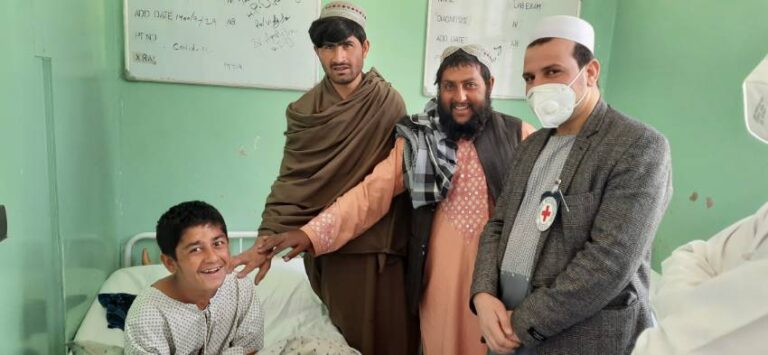
    It was a cold day in January when a traumatised Hakimullah was brought by an unidentified person to the Mirwaiz Regional Hospital in Kandhar, Afghanistan. The disabled boy was unable to speak or feed himself. His physical and mental health needed urgent attention.

    Hakimullah needed treatment and counselling. And along with the specialists and their professional help in the freezing conditions of 2022’s early winter months, Hakimullah also needed the warmth of human care.

    The young boy had been separated from his family amid violence and did not have anyone to attend to him at the hospital – a role that staff and volunteers filled in as the hospital’s partners, the International Committee of the Red Cross (ICRC) and the Afghan Red Crescent Society provided for the young boy for three months till his condition stabilised. The team appointed three people to look after Hakimullah in different shifts – feeding, cleaning and giving medicines.

    While treating him, the ICRC team caring for him attempted to connect the young lad with his family. But he had no recollection of where he came from or in what conditions he lost his leg. With no names, locations or hints, it was difficult to help him locate his bearings. Looking for leads to trace his family was not easy.

    Needle in the haystack?

    Then, one day, an ICRC staff member noticed an old, fading label on Hakimullah’s prosthetic leg. The label also had a code number. Would that help?

    ICRC has a history of providing prosthetic limbs to victims of mine blasts across the war-torn country as elsewhere in the world. Clues come in all hues. In Hakimullah’s case, the fading label and the code it carried just the lead the ICRC Restoring Family Links staff were looking for.

    Using the faded label and the number it carried as a lead, the staff contacted the organisation the label belonged to. Of course, it was confirmed, the organisation had provided the prosthesis. What’s more, the RFL team were able to determine that the limb was part of a prosthetics relief supply to the Gizab district in Afghanistan’s Uruzgan province.

    Over years of war, several thousands of innocent people had lost their legs to mine blasts. Hakimullah would be one of those many thousands. And the RFL team knew that people came from all over, even from neighbouring districts or provinces to avail of a prosthetic leg. So, it could be quite a task locating Hakimullah’s folks.

    So, was Gizab Hakimullah’s home?

    Through its RFL services, the ICRC and the Afghan Red Crescent trace family members separated by armed conflicts or situation of violence, natural disasters, migration or detention. This service also helps restore and maintain family contact and, when needed, facilitates the reunification of children with their family members. In 2021, the ICRC clarified the fate and whereabouts of 511 such missing persons.

    Gizab was the place the RFL team had to start from to trace Hakimullah’s family. The ICRC team sought support from Afghan Red Crescent volunteers and the elders of the area’s communities.

    “Since there is hardly any telephone network in the area, the elders sent people out on motorbikes to spread the word in the villages. This finally led us to Hakimullah’s family in the remote Naikozai village,” says Mohammad Omar Agha, who works with the ICRC’s RFL programme in Kandahar and helped to reunite the boy with his family.

    Undoing a funeral!

    Coming out of the blue, the news came as a pleasant surprise to the family. When the family heard the news that Hakimullah had been found, they could not believe it.

    “We all thought he had died and even held a funeral for him along with mourning ceremonies according to our tradition. We are overjoyed to see him alive,” says Zia-ul-Haq, Hakimullah’s uncle who travelled to Kandhar from Iran to Kandahar to see the boy and take him home. The family have sought refuge in Iran.

    “We had waited a long time for him and lost hope. So even when the ICRC staff contacted us, we did not expect to see him in good health. When I finally saw him at the hospital, I could not hold back my tears or stop myself from running to him,” Zia-ul-Haq says, adding, “We cannot imagine the pain Hakimullah has gone through at such a young age, but we are overjoyed to have him back with us.”

    After more than two years of separation, being reunited with his family feels like a dream to the young boy. His relatives mirror his emotions and cry in joy because they had no hope of seeing him alive.


    Image: ICRC

    Green, White, Blue, Pink and now, Purple Revolution

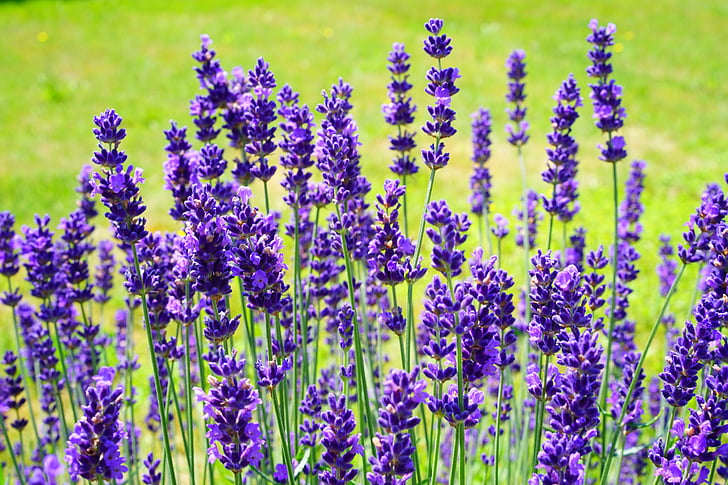
    Speaking of replicating Jammu and Kashmir’s success with lavender farming in other hill states like Uttrakhand, Himachal Pradesh and in the North-East, Union Minister Jitender Singh said that the ‘success of [the] purple revolution is shifting focus to agri-tech start-ups’.

    After the successful completion of the purple revolution (or lavender revolution) in Jammu and Kashmir, the government is planning to extend the initiative in other hilly areas such as Uttrakhand, Himachal Pradesh and the North-Eastern States, according to Union Minister for Science and Technology, Jitender Singh.

    All India Radio quoted the minister as saying that the key success of the Purple Revolution, or the revolution in lavender farming lies in shifting focus to agri-tech start-ups, spurring entrepreneurship in aromatic oils and other aromatic product manufacturing.

    Motivated by high monetary returns, farmers in the hilly areas of Jammu and Kashmir are rapidly switching from traditional farming to aroma crops like lavender. The minister said that “Aroma crops are both drought and pest resistant, and CSIR is providing all kinds of technical support for promoting this Agri Start-up boon in UT.”

    The lavender revolution was launched by the ministry of science and technology through the Aroma Mission of the Council of Scientific and Industrial Research (CSIR). It aimed at increasing lavender cultivation in Jammu and Kashmir, focussing on the advantage of the geographical conditions and increasing the home-grown market as also the farmers’ income.

    Lavender cultivation is practised in almost all the 20 districts of Jammu and Kashmir and first-time farmers were given free lavender saplings under the mission.

    Shifting focus to Agri-tech StartUps

    Though lavender is native to Europe, CSIR introduced high-value essential oil-bearing lavender crop through its Jammu-based laboratory, the Indian Institute of Integrative Medicines (IIIM) for cultivation in districts Doda, Kishtwar, and Rajouri. It followed this up with training farmers in the extraction process and the installation of distillation units, as a result of which, many farmers became entrepreneurs specialising in lavender oil.

    Further, many farmers are now keen to cultivate other aroma crops like lemon grass, rose and marigold for extracting costly oils.

    The cultivation of aromatic crops like lavender has now become a popular farming option and is generating rural employment, spurring entrepreneurship and lowering the import of essential and aromatic oils.

    According to the Ministry of Science and Technology, important medicinal and aromatic plants are being cultivated on 6,000 hectares of land and have generated 10 to 12 lakh person-days of rural employment and more than 500 tonnes of essential oil worth Rs. 60 crores over the past two years.

    Over 44,000 persons have been trained so far and it is proposed to engage over 45,000 skilled human resources that would benefit more than 75,000 farming families across the country in the second phase of the Aroma Mission.

    So far, lavender cultivation has employed about 5,000 farmers and young entrepreneurs in geographically remote areas of in the troubled region. Over a thousand farming families are cultivating it on more than 200 acres.

    IIM Jammu has emerged as the key supporter for start-ups in aroma and lavender farming by helping them sell their produce, thanks to a CSIR-IIIM initiative to introduce lavender to farmers.


    Image: Hippopx, licenced to use Creative Commons Zero – CC0