More

    When An NGO Organises A Raid And Government Officials Work Along

    Sixty-two working children were rescued from a toy factory in Delhi on Tuesday. This coincides with the National Commission for Protection of Child Rights celebrating the Elimination of Child Labour Week, beginning June 12.

    By Aryaman Girhotra

    A raid at toy manufacturing units in Delhi’s Bawana Industrial Area exposed an ugly underbelly of the city – child labour.

    The raid conducted by ‘Sahyog Care for You’ an NGO based in West Delhi along with authorities of the Delhi government and the police ended with the rescue of 62 children from five toy factories in Bawana. The children were aged between nine and 15 years. There were 27 boys and 35 girls.

    According to officials of the NGO, such raids require at least 20-25 days of constant scouting of the area where these children are employed and a constant check on the working condition of children in these factories.  They work discretely to obtain data on wages and document the low payments and the working conditions, especially the long hours of work.

    After all the information has been obtained, the NGO sends a complaint letter to the District Magistrate of that area who calls for a meeting of the district task force that is also attended by the Delhi police, civil defence and labour department, along with officials from the NGO and officials of the Child Welfare Committee. The information is reviewed, documentation is carefully done and the date and time of the operation are communicated to the Sub-District Magistrate, who must oversee the operation.

    Sahyog’s director, Shekhar Mahajan found it more than ironical to rescue children engaged in manufacturing toys for children.

    Paperwork and confidentiality

    In an effort to ensure the confidentiality of the operation, the exact location of the rescue location is not disclosed to anyone, not even the District Magistrate. This is known to a few people from the NGO only and all this is done.

    The actual rescue begins only once the legality of this operation is clear with different groups of people divided into teams. Each team has a person from the labour department and a few people from the NGO and Delhi police together with a staff of the government’s child welfare committee. The contact information and details of every single person on a team along with the vehicle that is assigned to them are recorded.

    The children were from different parts of the country and came from poor families, some of them being the sole breadwinners of their families. They got between Rs 100 and 150 for a day’s work.

    Following the rescue, the children were taken to the district magistrate’s office where their statements were recorded, their identities were verified and they were sent for a medical check-up.

    Sahyog has been able to facilitate the conduct of 21 such raids over the past year. This figure has been gradually increasing. “Of all the children rescued, we found at least 60 per cent of the children were from outside Delhi,” says Mahajan, adding that “it is the children’s environment which forces them to work.”

    The National Commission for Protection of Child Rights is currently “celebrating” the Elimination of Child Labour Week, beginning June 12, as part of the government’s flagship ‘Azadi ka Arit Mahotsav’.

    NCPCR has targeted 75 such raids across the country between 12 and 20 June in a collaboration with different state governments.


    Image: UNICEF (Representative image)

    US Federal Reserve Announces Steep Interest Rate Shock

    The unexpected raise of the benchmark borrowing rate by 0.75 percentage points is the highest hike by the US federal reserve since November 1994. Fingers point to runaway inflation.

    In hours following President Joe Biden’s call to American oil refineries to produce more and profit less, the US federal reserve hiked its interest rate. The unexpected hike came as food and fuel shortages hitting the poorest in the world are pinching American citizens as well. This is the most severe indication of economic hardships following the COVID-19 pandemic and close on the heels of the Ukraine war and sanctions on Russia.

    “The crunch that families are facing deserves immediate action,” Biden wrote in a letter to seven oil refiners.

    Later, on Wednesday, the Federal Reserve put out a press statement saying that “The invasion [of Ukraine by Russia] and related events are creating additional upward pressure on inflation and are weighing on global economic activity.”

    “In addition, COVID-related lockdowns in China are likely to exacerbate supply chain disruptions. The Committee is highly attentive to inflation risks.”

    This move by the US Federal Reserve is bound to have a cascading effect in SouthAsia as elsewhere in the world.

    The Ukraine-Russia war and the COVID-19 pandemic have disrupted supply chains all over and have driven up prices across the world. At the same time, the US government’s $5 trillion stimulus spending too has created huge demand for goods. Many in the US have complained that in the given scenario, the Federal Reserve has been slow to respond and dismissive of the price rises as a transitory happening that will resolve on its own.

    The Federal Open Market Committee said in a statement it released: “The Committee seeks to achieve maximum employment and inflation at the rate of two percent over the longer run. In support of these goals, the Committee decided to raise the target range for the federal funds rate to 1‑1/2 to 1-3/4 percent and anticipates that ongoing increases in the target range will be appropriate.”

    Soon enough, the Federal Reserve announced the highest rate increase in nearly 30 years, raising the benchmark borrowing rate by 0.75 percentage points.

    The Federal Open Market Committee, however, reaffirmed it remains “strongly committed to returning inflation to its 2 percent objective.”

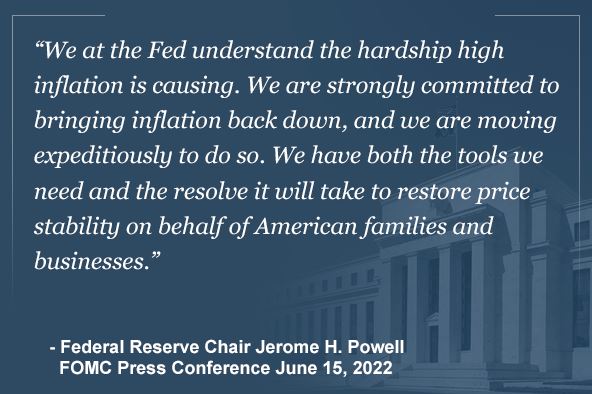
    A statement issued by Federal Reserve Chair, Jerome H Powell issued later in the day, Wednesday, read: “We at the Fed understand the hardships high inflation is causing. We are strongly committed to bring inflation back down, and we are moving expeditiously to do so. We have both the tools we need and the resolve it will take to restore price stability on behalf of American families and businesses.”

    Elder Abuse: Human Rights Have an Expiration Date

    The United Nations foresees an increase in elder abuse because of the ageing populations: the global population of people aged 60 years and older will more than double, from 900 million in 2015 to 2 billion in 2050.

    By María Isabel Cartón

    One in six people over 60 years of age – nearly 141 million people globally – suffers from abuse, according to World Health Organization (WHO) estimates.

    The World Elder Abuse Awareness Day (WEAAD) (June 15th), aims to raise awareness and eradicate this problem that affects both developing and developed countries.

    WHO defines elder abuse as “a single, or repeated act, or lack of appropriate action, occurring within any relationship, where there is an expectation of trust, which causes harm or distress to an older person.” It can take various forms: physical, psychological or emotional, sexual, financial abuse or neglect.

    The lack of accurate data is one of the symptoms of this problem, but a 2017 review of 52 studies in 28 countries from diverse regions provided the pooled prevalence of different types of abuse. At 11.6 per cent, psychological abuse was the most reported and was followed by financial abuse (6.8 per cent), neglect (4.2 per cent), physical abuse (2.6 per cent) and sexual abuse (0.9 per cent).

    The abusers

    This violence happens at home and at institutions such as nursing homes and long-term care facilities. A staggering fact: 90 per cent of abusers are family (adult children, spouses and partners).

    But anybody can fit the abuser profile: relatives, strangers, friends, health care providers, public and private institutions… Whoever interacts with older people, especially with those who suffer a severe disability (i.e. dementia), can easily become abusers.

    HelpAge International points out ageism. “Stereotypes about older people can be used to justify elder abuse or minimise its impact. In many ways, elder abuse is the most harmful expression of societal ageism”.

    The normalization of this violence is a mask that makes it invisible or even an accepted or necessary conduct. So, how can we even identify it? Here are some examples:

    Physical abuse: hitting, pushing and restraining by physical (tying them to furniture) and chemical means (medication). Also sexual abuse.

    Emotional or psychological abuse: use of hurtful words, yelling, threatening or repeatedly ignoring the older adult. Isolation, infantilization and victimization are also forms of emotional abuse.

    Neglect occurs when the caregiver does not try to respond to the older adult’s physical, emotional and social needs (housing, food, medication or access to adequate health care, including aspects such as therapeutic cruelty and therapeutic nihilism).

    Abandonment (leaving an older adult who needs help alone without planning for his/ her care) is also a type of neglect.

    Financial abuse happens when someone steals money or belongings from an older adult (retirement, Social Security benefits, etc.), uses his/her bank accounts or credit cards or changes names on a bank account, insurance policy, house title or will without permission.

    Longevity and inequality

    Inequality determines the way we age and is also in the roots of elder abuse.

    According to a 2008 report of the Organization for Economic Cooperation and Development (OECD), “the increase in life expectancy” was concentrated “in populations continuing on to higher education” and diminished “in the groups having high school diplomas or less”.

    In the OECD countries, a 25-year male with a university degree may live 7.5 years more than another male with lower education level. For women, the difference is 4.6 years. It goes without saying that inequality in education and any other development indicator is worse in the “emerging economies”.

    Gender is also an inequality and abuse trigger, especially at old age. In 2015, 54 per cent of people above 60 were women (61 per cent within those aged 80 or more). Although female life expectancy is higher, their life quality is worse because of poor health and higher rates of abuse.

    During their lifetimes, women suffer marginalization and poverty. Income inequality, differences in education, health services and job market explain why many women have no retirement benefits or lower ones. Moreover, they are the principal caregivers to children and other old people, often without any compensation.

    Gap between the narratives and facts

    The United Nations expects an increase in elder abuse because of the ageing populations: the global population of people aged 60 years and older will more than double, from 900 million in 2015 to 2 billion in 2050.

    During the COVID-19 pandemic rates of elder abuse have increased. Both the poor access to adequate health services and the restriction on social interactions have severely affected the elderly.

    Neither population ageing nor elder abuse are new. There are countless initiatives, campaigns, plans and organizations around the globe trying to bring ageing into the public agenda, but real transformations are yet to come.

    When the conquest becomes the problem

    Between 2015 and 2030 the world population aged 60 or over is expected to grow by 56 per cent, reaching 1.4 billion people in 2030 (16.5 per cent of the total population).

    By then, “older persons are expected to account for over 25 per cent of the population in Europe and Northern America, 17 per cent in Asia and in Latin America and the Caribbean, and 6 per cent in Africa” (UNDP).

    The mainstream narrative that labels groups of population as a nuisance — migrants, women, indigenous people, the elderly… the list is open — denying them humanity and emphasizing that they put “the system” at risk, makes it possible for this violence to be perpetuated.

    Moreover, in the current context of questioning the role of the State and the public sector, it is worth asking whether it is possible to guarantee good treatment of the elderly when what is at stake is no longer the viability of the systems of health and social protection necessary for a long-lived population, but even its mere existence for anyone.


    María Isabel Cartón is a Spanish journalist, specializing on ageing issues.


    UN Releases Scathing Report on Myanmar Junta Brutalities Against Children

    The Special Rapporteur has described the impact of the 1 February 2021 coup on the human rights of Myanmar’s children and has detailed the alarming, under-reported facts of the violence being perpetrated against them. At least 382 children have been killed or maimed by armed groups since the coup last year, the report says.

    The UN’s Special Rapporteur on human rights in Myanmar on Tuesday released a report detailing purposeful harm to children in the country by the ruling military junta. The report speaks of brutal attacks and killing of children and has called for immediate coordinated action to protect the rights of children and safeguard Myanmar’s future.

    “The junta’s relentless attacks on children underscore the generals’ depravity and willingness to inflict immense suffering on innocent victims in its attempt to subjugate the people of Myanmar,” said Tom Andrews, UN Special Rapporteur on the situation of human rights in Myanmar.

    “The international community’s approach to the coup and the junta’s atrocities has failed. States must take immediate coordinated action to address an escalating political, economic and humanitarian crisis that is putting Myanmar’s children at risk of becoming a lost generation.”

    Mock executions

    The Special Rapporteur said it was clear from the evidence that the children of Myanmar were not only being caught in the crossfire of escalating attacks, but that they were often the targets of the violence.

    “During my fact-finding for this report, I received information about children who were beaten, stabbed, burned with cigarettes, and subjected to mock executions, and who had their fingernails and teeth pulled out during lengthy interrogation sessions,” Andrews said.

    “The junta’s attacks on children constitute crimes against humanity and war crimes. Junta leader Min Aung Hlaing and other architects of the violence in Myanmar must be held accountable for their crimes against children,” he said.

    “For the sake of Myanmar’s children, Member States, regional organisations, the Security Council, and other UN entities must respond to the crisis in Myanmar with the same urgency they have responded to the crisis in Ukraine.”

    Andrews urged Member States to work in coordination to alleviate the suffering of children by systematically increasing pressure on the junta. He urged States that have already imposed sanctions on the military and military-linked companies to take stronger coordinated action that will inhibit the junta’s ability to finance atrocities.

    “States must pursue stronger targeted economic sanctions and coordinated financial investigations. I urge Member States to commit to a dramatic increase in humanitarian assistance and unequivocal regional support for refugees,” he said.

    “It is scandalous that the international community has committed only 10 per cent of the funds required to implement the Myanmar Humanitarian Response Plan 2022, causing lifesaving programs for children to be shelved,” he said.

    Moral failure

    The Special Rapporteur’s report describes the impact of the 1 February 2021 coup on the human rights of children in Myanmar and details the alarming, underreported facts of the violence being perpetrated against them. Soldiers, police officers and military-backed militias have murdered, abducted, detained and tortured children in a campaign of violence that has touched every corner of the country, the report said.

    Over the past 16 months, the military has killed at least 142 children in Myanmar. Over 250,000 children have been displaced by the military’s attacks and over 1,400 have been arbitrarily detained. At least 61 children, including several under three years of age, are reportedly being held as hostages. The UN has documented the torture of 142 children since the coup.

    The junta has intentionally deprived children of their fundamental human rights to health, education and development, with an estimated 7.8 million children out of school. Following the collapse of the public health system since the coup, the World Health Organization projects that 33,000 children will die preventable deaths in 2022 because they have not received routine immunizations.

    Andrews said the lack of action by Security Council was a moral failure with profound repercussions for children in the country.

    “World leaders, diplomats and donors should ask themselves why the world is failing to do all that can reasonably be done to bring an end to the suffering of the children of Myanmar,” the expert said.


    Image: UNICEF

    Will Monkeypox be declared an Emergency of International Concern?

    A WHO meeting is due on 23 June to assess if the outbreak of Monkeypox is public health emergency of international concern. So far this year, more than 1,600 confirmed cases and almost 1,500 suspected cases of Monkeypox have been reported from 39 countries.

    The head of the World Health Organization (WHO), Tedros Adhanom Gebreyesus announced on Tuesday that the International Health Regulations Emergency Committee has been convened due to the spread of the Monkeypox virus to 32 non-endemic countries.

    The experts will meet on June 23 to assess whether the continuing outbreak represents a Public Health Emergency of International Concern, the highest level of global alert, which currently applies only to the COVID-19 pandemic and polio.

    So far this year, more than 1,600 confirmed cases and almost 1,500 suspected cases of Monkeypox have been reported to WHO, across 39 countries – including seven countries where monkeypox has been detected for years, and 32 newly-affected nations.

    At least 72 deaths have been reported from previously affected countries. No deaths have been registered so far from the newly affected countries, but the agency is seeking to verify news reports of a related death in Brazil.

    “The global outbreak of Monkeypox is clearly unusual and concerning”, said WHO director Tedros Adhanom Gebreyesus, calling to step up the response and international coordination.

    Ibrahima Socé Fall, WHO Deputy Director for Emergency Response, explained that the risk of spread in Europe is considered “high” while in the rest of the world “moderate” and that there are still knowledge gaps regarding how the virus is being transmitted.

    “We don’t want to wait until the situation is out of control”, he said.

    Case detection and control

    WHO has published recommendations for governments regarding case detection and control.

    Speaking to journalists in Geneva, WHO Smallpox expert Rosamund Lewis, said it was crucial to raise awareness in the population about the level of risk and explain the recommendations to avoid infecting close contacts and family members.

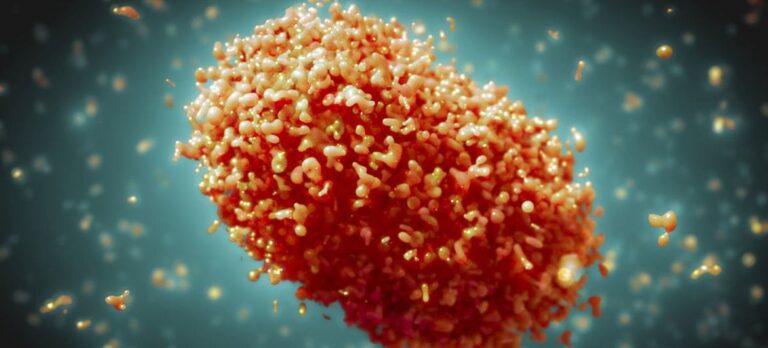
    Monkeypox is a rare but dangerous infection similar to the now eradicated smallpox virus.

    Dr. Lewis explained that, although the disease sometimes only produces mild symptoms, such as skin lesions, it can be contagious for two to four weeks.

    “We know that it is very difficult for people to isolate themselves for so long, but it is very important to protect others. In most cases, people can self-isolate at home and there is no need to be in the hospital,” she added.

    Monkeypox is transmitted through close physical contact with someone who has symptoms. The rash, fluids, and scabs are especially infectious. Clothing, bedding, towels, or objects such as eating utensils or dishes that have been contaminated with the virus can also infect others.

    However, it is not clear whether people who do not have symptoms can spread the disease, the expert reiterated.

    Studies outdated

    Smallpox, the closest known viral infection to monkeypox might show the way, but, Dr. Lewis explained most of the data on the smallpox vaccine is old or from animal studies. “There aren’t a lot of [current] clinical studies”, she said.

    WHO underlined the importance of vaccination programs being supported by comprehensive surveillance and contact tracing, and accompanied by information campaigns and robust “pharmacovigilance”, ideally with collaborative studies on vaccine efficacy.

    Tedros also said the agency was working with partners on renaming Monkeypox and its variants, and also to put in place a mechanism to help share available vaccines, more equitably, as the need arises.

    Vaccination Guidelines

    WHO also published on Tuesday new guidelines on vaccination against Monkeypox.

    While some countries have maintained strategic supplies of older smallpox vaccines – a virus eradicated in 1980 – these first-generation vaccines held in national stockpiles are not recommended for Monkeypox at this time, because they do not meet the current safety and manufacturing standards.

    Newer and safer (second and third generation) smallpox vaccines are also available, some of which may be useful for Monkeypox and one of which (MVA-BN) has been approved for the prevention of the disease.

    The supply of these new vaccines is limited, and access strategies are being discussed, WHO informed.

    “At this time, the World Health Organization does not recommend mass vaccination. Decisions about the use of smallpox or Monkeypox vaccines should be based on a full assessment of the risks and benefits in each case,” the guidelines indicate.

    For the contacts of sick patients, post-exposure prophylaxis with a second- or third-generation vaccine is recommended, ideally within four days of first exposure to prevent disease onset.

    Pre-exposure prophylaxis is recommended for healthcare workers at risk, laboratory personnel working with orthopoxviruses, clinical laboratory personnel performing diagnostic tests for Monkeypox, and others who may be at risk.

    Food Giants Reap Enormous Profits During Times of Crisis

    The pandemic initially exposed cracks in our supposedly efficient industrialized food system through supply chain breakdowns, worker shortages and trade restrictions. Now, we can add high food prices and growing inequality to the list.

    By Phoebe Stephens

    A recent report by Oxfam International has found that 62 new “food billionaires” were created during the pandemic. The report, released ahead of this year’s World Economic Forum in Davos, Switzerland, highlights the record profits made by industry titans.

    Food and agribusiness billionaires reportedly raised their collective wealth by 42 percent in the past two years, all while global food prices soared by 33.6 percent in 2021, and are expected to rise by another 23 percent in 2022.

    Cargill, the food company giant, is expected to report record profits this year, surpassing even last year’s record-breaking US$5 billion. Indeed, three members of the Cargill family joined the Bloomberg Billionaires list in mid-April.

    Canadian food corporations are also posting strong growth. Loblaws reported that its first-quarter earnings rose almost 40 percent compared to last year.

    Sky-rocketing food inflation

    While inflation is caused by several factors, one of the more pernicious can be traced back to the extreme levels of corporate concentration along the food supply chain.

    The pandemic initially exposed cracks in our supposedly efficient industrialized food system through supply chain breakdowns, worker shortages and trade restrictions. Now, we can add high food prices and growing inequality to the list.

    Food price inflation has grown much faster than general inflation for decades. Canada’s general inflation rate is at its highest since 1991, and the food inflation rate in the country has reached 7.4 percent.

    According to this year’s Canada Food Price report, the average grocery bill increased by a whopping 70 percent between 2000 and 2020, and median incomes have not kept pace.

    In the midst of this, companies have experienced record profits. This indicates that they have the market power to insulate themselves from these shocks by passing the risk along to the consumer.

    Concentrated food supply

    Canada is home to one of the most concentrated food systems in the world: Cargill and JBS Foods slaughter 95 percent of Canadian cattle, while Weston Bakeries and Canada Bread account for 80 percent of the bread market. Loblaws, Sobeys, Metro, Walmart and Costco all hold roughly 80 percent of grocery market sales.

    Consumers are not the only ones suffering the consequences. Retailers have continued to raise food prices, while farmer profits have remained stagnant or declined for decades.

    Corporate concentration is intimately linked to the industrialization of food systems. Agricultural industrialization favours mechanization and specialization, both aimed at increasing efficiency.

    Economies of scale—gains that are realized as a result of increased scale—and government policies aimed at increasing production have resulted in a drastic decline in the number of farms in Canada and the U.S. between the mid-20th century and today.

    This shift has led to a concentration in business competition and along supply chains, facilitated by lax government oversight. Companies were also motivated to merge with and acquire others as a strategy to deliver shareholder value.

    ‘Greedflation’

    While many recognize the negative results of our industrialized food systems — high greenhouse gas emissions, biodiversity loss and the promotion of highly processed foods, to name a few—they are often positioned as providing plentiful, affordable food for growing populations.

    However, the recent flurry of articles showing that Big Food might be contributing to food price hikes questions the validity of this claim.

    A recent New York Times article on “greedflation” explores the connection between corporate concentration more generally and higher prices. Greedflation occurs when large corporations jack up their prices during times of extreme strife — like during a worldwide pandemic.

    The article notes that, although corporate concentration has existed for decades without corresponding inflation, the unique set of circumstances borne out of the pandemic has changed things.

    Supply shortages, combined with increased worker bargaining power, have driven corporations to switch from squeezing suppliers to squeezing consumers. Both approaches demonstrate the perils of concentrated corporate power.

    More diverse food production

    Higher food prices, partly as a result of corporate concentration, have furthered the case for supporting more diverse, local food production, processing and markets. With any luck, this mounting evidence will translate to investments in alternative food systems.

    During the pandemic, these alternative food systems demonstrated their ability to adapt to crisis in a way that the longer, more distant and concentrated supply chains of industrialized markets could not.

    Community-supported agriculture programs, food hubs and online direct distribution platforms between farmers and consumers remained nimble during unpredictable times.

    If market concentration facilitates the ability for companies to raise prices for their benefit, it logically follows that smaller-scale, decentralized markets are simply not structured to not enable such tactics. In other words, these smaller markets won’t be able to profit off of crisis the way the industrialized markets have been.

    To prevent large corporations from exploiting crises like the pandemic, Ukraine war and climate change for their own benefit, we need our governments to invest in smaller-scale alternatives.


    This article is republished from The Conversation under a Creative Commons license. Read the original article.

    Should Sri Lanka Join the Ranks of the “Poorest of the World’s Poor”?

    Sri Lanka’s foreign exchange reserves have hit a low of US$1.9 billion, equivalent to funds that could finance less than one month’s imports while its debt service repayments amount to about US$6.9 billion. Last month, Sri Lanka defaulted on its debt repayments for the first time in history.

    By Thalif Deen

    As one of the world’s foremost international humanitarian organizations, the United Nations has pledged to provide food and medicines to cash-strapped Sri Lanka –a country suffering from a major financial crisis.

    As of last week, a UN team, led by the Resident Coordinator in Colombo, Hanaa Singer-Hamdy has appealed to international donors for more than $47 million in “life-saving assistance” to 1.7 million people in a country with a population of over 22 million.

    This stands in contrast to the staggering $5.0 billion the government is seeking for the island’s economic survival during the next six months—primarily for food, fuel and fertilizer.

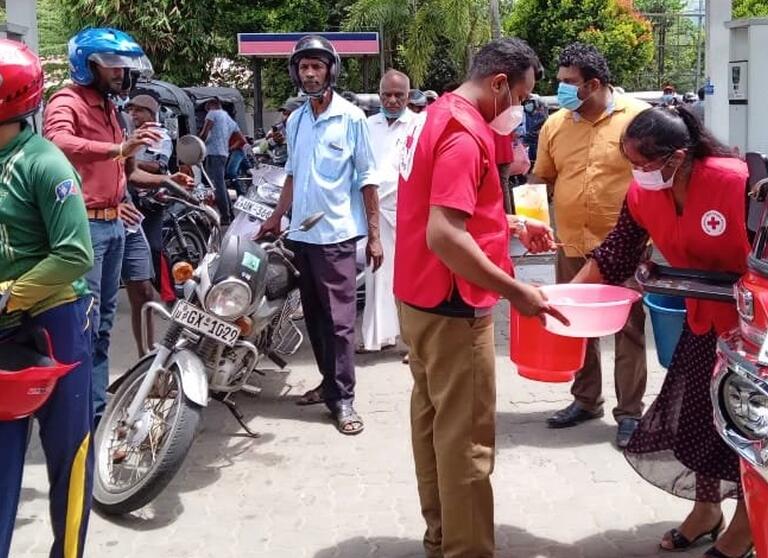
    Last month, the UN announced that with a $1.5 million donation from the Government of Japan, the UN’s children’s agency UNICEF will procure medicines for over 1.2 million people, among them 53,000 pregnant mothers and nearly 122,000 children with immediate medical needs.

    The World Food Programme (WFP) is expected to receive about $1.5 million from Japan to provide food assistance to children and families in need of support.

    In addition, Australia has made available the equivalent of nearly $5 million for food security, essential medicines for women’s health, nutrition data collection and analysis with UN agencies working together, including the Food and Agriculture Organization (FAO), the World Food Programme, the World Health Organization (WHO), the UN Population Fund (UNFPA) and the UN Children’s Fund.

    Currently, some of the UN’s biggest aid recipients are either countries embroiled in military conflicts such as Ukraine, Afghanistan and Yemen – or the 46 member states categorized as Least Developed Countries (LDCs), “the poorest of the world’s poor”.

    Facing a famine

    The majority of LDCs are from Africa, including Angola, Rwanda, Zambia, Burkina Faso, Ethiopia, Somalia and the Central African Republic, while the LDCs from Asia include Nepal, Bhutan, Bangladesh, Myanmar and Afghanistan.

    According to published reports, Sri Lanka’s foreign exchange reserves have hit a low of $1.9 billion, equivalent to funds that could finance less than one month’s imports while its debt service repayments amount to about $6.9 billion. Last month, Sri Lanka defaulted on its debt repayments for the first time in history.

    An editorial in the Sri Lanka Sunday Times put the problem in its right perspective: “Once called the ‘Granary of the East’, Sri Lanka is also considering tapping the SAARC Food Bank – from the buffer stocks of India, Pakistan and Bangladesh. The country is not only financially bankrupt, it is facing a famine in a few months”.

    “From a middle-income country not long ago, it has come to this”, said the editorial.

    “What an inglorious comedown for the country and humiliating stigma for its people no better personified by the presence of its Foreign Minister and chairman of the ruling party accepting a container of food aid from abroad at the Colombo harbour”.

    “Brought about by stupendously irresponsible agricultural policy decision-making at the highest levels of Government, it is now humble-pie that is left to be eaten as Sri Lanka appeals to the world for food in the midst of a global economy facing recession, inflation, and a hurricane of shortages of oil, gas and wheat.”

    Should Sri Lanka, long designated by the UN as a “middle-income country,” be heading towards the ranks of the 46 LDCs?

    Sri Lanka hunger food queue

    International support measures

    In an interview with IPS, Ambassador Anwarul K. Chowdhury, former Permanent Representative of Bangladesh and the first Under-Secretary-General and UN High Representative for LDCs, Landlocked Developing Countries and Small Island Developing States, responded to questions on the benefits and privileges of being an LDC.

    “LDCs benefit from exclusive international support measures (ISMs) in the areas of trade, development cooperation and participation in international organizations and processes.”

    Such measures in the area of trade, he pointed out, include preferential market access for goods and services; special treatment under World Trade Organization rules and certain regional trade agreements; and technical assistance and capacity building.

    A range of financial and technical assistance provided by multilateral and bilateral partners, such as special programmes and budget allocations at the UN, including the Technology Bank for LDCs and Fund for LDCs, established by the United Nations Framework Convention on Climate Change (UNFCCC). Support for debt cancellation and/or debt rescheduling are also available for LDCs, he added.

    Other support measures help LDCs participate in international forums, such as caps and discounts on contributions to the budget of the United Nations and financial support for representatives of LDCs to travel to General Assembly and other meetings, said Ambassador Chowdhury, who was also Senior Special Adviser to UN General Assembly President (2011-2012).

    Sri Lanaka food crisis

    Excerpts from the interview with Ambassador Anwarul K. Chowdhury:

    Q: Do you think that Sri Lanka, which has appealed for humanitarian assistance from the UN, may end up being an international basket case?

    A: It is not conceivable that Sri Lanka would become an international basket case. But it needs to steer away from the man-made, to say more directly, the current corruption-driven economy, in the right direction to return to its steady developing socio-economic development of yester years.

    Among the eight members of SAARC only three are not LDCs, but among the other five LDCs, the Maldives have already “graduated” out of the LDC category and Bhutan, Nepal and Bangladesh are scheduled to graduate by 2026 (as their economies improve).

    Being the victim of a catastrophic economic mismanagement should not prompt Sri Lanka to think of seeking an LDC status. The United Nations defines LDCs as countries that have low levels of income and face severe structural impediments to sustainable development.

    Q: If the situation continues to deteriorate, what are our chances of joining the 46 LDCs?

    A: Joining the LDCs group involve a long process and requires fulfillment of all three criteria to be eligible. According to the UN, those three are:

    1. Income: Countries must have an average per capita income (GNI) of below USD$1,018 for inclusion, and above USD$1,222for graduation.
      [The Gross Domestic Product per capita in Sri Lanka was last recorded at 4052.75 US dollars in 2020.]
    2. Human Assets: Countries must also have a low score on the Human Assets Index (HAI), a tool that measures health and education outcomes, including under-five mortality rate, maternal mortality, adult literacy rate and gender parity for secondary school enrolment. [Sri Lanka is much above the “60 or below” threshold.]
    3. Economic and Environmental Vulnerability: Countries must score high on the Economic and Environmental Vulnerability Index (EVI), which measures factors like remoteness, dependence on agriculture and vulnerability to natural disasters.
      [ Sri Lanka is below “36 or above” threshold. The current economic downturn and challenges faced by Sri Lanka may not fully fit the country’s EVI threshold]
    Q: How does this work? Does Sri Lanka have to apply to the UN for LDC status?

    A: The Committee for Development Policy (CDP) reviews the list of LDCs and makes recommendations for inclusion in and graduation from the category every three years.

    According to UN guidelines, the time frame of the eligibility procedure includes preliminary finding that the country satisfies inclusion criteria; notifies the country of its findings; prepares a country assessment note; provides a draft to the country; finds the country eligible and formally notifies the country of eligibility conclusion; and the General Assembly finally takes note of the CDP recommendation.


    Q: What’s the downside of being an LDC?

    A: In reality, there is no downside except the psychological perception of being categorized as one of the poorest countries. Some say that foreign direct investment (FDI) is not forthcoming.

    If there is a downside, how come six countries have “graduated” from LDCs over the years since the category was established by the General Assembly in 1971 and ten more are in the pipeline for graduation by 2026.


    This piece has been sourced from Inter Press Service.

    What Pakistan’s Worker Says

    The general working conditions for Islamabad’s workers are pathetic and labour groups have been demanding elimination of a ruthless-to-the-core contractual system, but to no avail.

    Naazir Mahmood

    One would expect much better working conditions and the implementation of labour laws in the Islamabad Capital Territory (ICT), in comparison to other parts of the country. This, sadly, is not true.

    The Human Rights Commission of Pakistan (HRCP), that keeps an eye on such issues and conducts fact-finding missions across the country and holds dialogues.

    On 7 June, the HRCP held a meeting of trade unions, labour groups and workers’ federations in Islamabad – the Capital Development Authority (CDA)’s labour union, lady health workers, nurses, school teachers, sanitation workers, and the Pakistan Workers Federation.

    Senior human-rights activists of Pakistan like Afrasiab Khattak, Arif Taj, Farhatullah Babar, and Nasreen Azhar are nearly always conspicuous by their presence during such discussions in Islamabad. There are not many such voices in the capital.

    Events like the HRCP’s meeting do not get much attention from the mainstream media in Pakistan as they do not contribute to any enhanced ratings.

    An issue that came up for discussion on 7 June was the contractual system successive governments have introduced in various agencies in Islamabad. The neo-liberal model of economy hardly gives any protection to labour and workers, especially in developing countries. Most private enterprises use a contractual mode of employment through third parties and now, government departments are following the same model. The trick is to hire a contractor who, in turn, will recruit daily wagers on contract. In most cases, these unscrupulous contractors give no appointment letters to their hired hands and minds. Needless to say, there is no job security.

    Laws not implemented

    The general working conditions for these workers are pathetic and labour groups have been demanding elimination of this ruthless-to-the-core contractual system. Labour groups have also been recommending doable steps the authorities can take, but to no avail. They have been organising protests every now and then, but there is normally a temporary response with promises that soon vanish, only to be followed by the situation worsening.

    Contractors are prompt at firing those who demand better wages and working conditions; there is almost no redressal mechanism where the fired labourers can go and get relief. They cannot prove their employment without an appointment letter to anybody. In many cases the government has used brutal force to disperse such protests, and in the face of a severe crackdown, the labourers just remain on the receiving end. The government authorities have not been taking these issues as seriously as they should be. The ICT Labour Department lacks resources as the government splurges money on many other things, but not on labour development and welfare. This scarcity of resources has hindered the work of the Labour Department, in turn compromising its capacity to respond to labour issues.

    In fact, there are plenty of laws governing labour. But the real problem is with their implementation. Contractual workers and daily wagers in the ICT have been facing uncertainties mainly related to their contracts but successive governments have been unwilling to address these issues.

    Pakistan worker Islamabad CDA

    Vulnerable

    Safety of labour groups is another challenge neglected by the authorities. Most contractual workers belong to the lowest-income strata and the recent surge in inflation has intensified their miseries. The workers remain at the mercy of the vagaries of contractors. The relevant authorities have been reluctant to provide relief to these segments, making them even more vulnerable. In a way, the government and the private sector – under the farce of public private partnership – have adversely affected the interests of the working class. It has become hard for workers to network or form effective alliances in the absence of organized trade union activities. Local governments, student unions, and labour organizations all have been nearly paralyzed by a nexus of the bureaucracy and the private sector.

    Another example of this paralysis is the plight of domestic workers who are not governed by any laws. Most domestic workers come from outside Islamabad and work for a pittance. Their working hours are long and they have no job security, medical facilities, annual leaves, or any other benefits. They do all sorts of chores – from cleaning and cooking to driving and walking and washing pets. In most cases, they get bare minimum and stale food and their children don’t attend school. Most workers complain that nearly half of their salaries are spent on transport and female workers have often complained of harassment by conductors, drivers and also by male co-passengers.

    No homes

    Paramedical and janitorial staff working in Islamabad hospitals – both private and public – and sanitation workers cleaning the streets and lifting garbage from homes too face a similar plight. Private and public hospitals and clinics now hire paramedical and janitorial staff on daily wages or on a contractual basis. Most of them do not get proper training to handle medical and surgical waste and end up contracting various diseases as a result. Not many hospitals have modern incinerators, leaving most of the waste for the janitors to dispose of in a dangerous manner. The occupational hazards they face are high, and the financial yields extremely low.

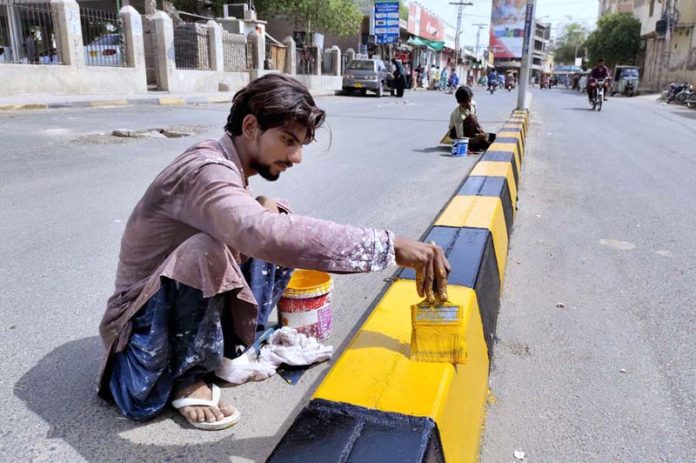
    The situation of sanitation workers is equally dismal. They are out there on the streets, in Islamabad’s biting cold or under the scorching summer sun. They don’t even have a place to escape a downpour. Ideally there should be some shaded places for the workers to sit and rest for a while during their tiring workday. Most of these workers are non-Muslims and are discriminated and easily threatened. Their communities are located across Islamabad but they lack basic facilities such as education, health, electricity, water and sanitation, and even security.

    Many settlements of sanitation workers have been removed for ‘new developments’ without giving any compensation. One latest example is the construction of 10th Avenue in Islamabad that will pass through the land where hundreds of non-Muslim sanitation workers live in slums. Now the ICT authorities have served them notices to move. These families are extremely poor and they have nowhere to go. This is a serious issue. Knowing that Islamabad will need sanitation workers forever, the CDA must build houses for these workers. Instead, they are being asked to leave their meagre dwellings.

    Right to collective bargain

    CDA Labour Union leader Qaiser Abbas said at the hearing that most of the CDA sanitation workers are extremely poor and they do not get any protective gear from the authorities. Since most of them are on daily wages, the contractors do not give them any benefits at all. They do not get medicines and other medical facilities if and when they fall ill. Moreover, they do not get their payments on time. The CDA says it pays the contractor regularly, but says it is helpless if the contractor defaults on payments.

    Even the Federal Directorate of Education does not treat its teachers and other workers well. While at the HRCP dialogue, representatives of contractual teachers gave a detailed account of the raw det they are meted by the FDE, which has hired hundreds of teachers and workers in the past decade. The directorate does not regularize them and keeps renewing the contracts and in that process, a lot of favouritism and nepotism is exercised. Some teachers complained that they were working for as low as just Rs. 25,000 a month and without any other benefits.

    Labour representatives disclosed that there were over 15,000 CDA employees. But, they said, the authorities do not recognise their right to collective bargaining. The government must consider resolving these issues that the workers face. It must provide relief to workers in ICT. Indeed, ICT must be a model for other parts of the country.


    The writer holds a PhD from the University of Birmingham, UK. He tweets @NaazirMahmood and can be reached at: [email protected]


    Indians Could Live Another Five Years If The Air Was Cleaner, Say Chicago Researchers

    ….. and residents of the state of Delhi could live another 10 years, according to the researchers who have worked out the Air Quality Life Index report. The picture is as hazy elsewhere in SouthAsia.

    As this piece is being written, the AQI in the East Delhi locality OneWorld SouthAsia works from is in excess of 200 – way above a minimal quality. Needless to say, this is a normal day in this part of India’s National Capital Region.

    Now, say researchers, such air reduces the life – in other words, people can live longer if the air they breathe is cleaner. The researchers at the University of Chicago’s Energy Policy Institute say that most of the world breathes unsafe air, taking more than two years off global life expectancy. The researchers emphasise that [articulate pollution remained high even while COVID-19 slowed the global economy. At the same time, mounting evidence on the health impacts of pollution at low levels led to new guidelines that brought most of the world into the unsafe zone.

    The researchers, who have got together the Air Quality Life Index report have put the blame on microscopic air pollution and the burning of fossil fuels.

    For instance, pollution due to the most minute of particulate matter, also called PM2.5 can settle in the human lung’s deepest alveoli or even travel through the bloodstream till it finds a place to settle in – even the brain.

    PM2.5 measuring 2.5 microns, often less, is about the diameter of human hair and has been dubbed as a cancer-causing agent.

    Air pollution fossil fuel killing people in India and South Asia

    Strong policies and political will

    The AQLI finds that particulate air pollution takes 2.2 years off global average life expectancy, or a combined 17 billion life-years, relative to a world that met the WHO guideline (5 µg/m3). This impact on life expectancy is comparable to that of smoking, more than three times that of alcohol use and unsafe water, six times that of HIV/AIDS, and 89 times that of conflict and terrorism, the University of Chicago team says.

    “It would be a global emergency if Martians came to Earth and sprayed a substance that caused the average person on the planet to lose more than two years of life expectancy. This is similar to the situation that prevails in many parts of the world, except we are spraying the substance, not some invaders from outer space,” says Michael Greenstone, the Milton Friedman Distinguished Service Professor in Economics and creator of the AQLI along with colleagues at the Energy Policy Institute at the University of Chicago (EPIC).

    “Fortunately, history teaches us that it does not need to be this way. In many places around the planet, like the United States, strong policies, supported by an equally strong willingness for change, have succeeded in reducing air pollution.”

    SouthAsia’s air is the worst

    And SouthAsia, the researchers say, has the worst air on planet earth.

    “In no region of the world is the deadly impact of pollution more visible than in South Asia, where more than half of the life burden of pollution occurs,” they say.

    “Residents there [meaning SouthAsia] are expected to lose about five years off their lives on average if the current high levels of pollution persist, and more in the most polluted regions,” the researchers say, adding that about 44 per cent of the world’s increase in pollution since 2013 has come from India.

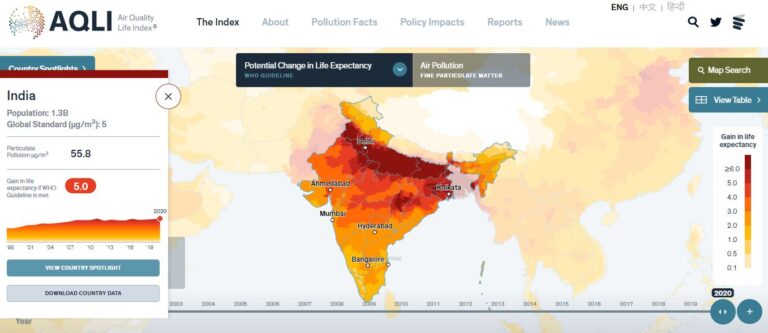
    In India, the average citizen would stand to gain another five years of life expectancy if the WHO’s guidelines for clean air are met.

    But in the state of Delhi, which is also home to the country’s capital, the same gain in life expectancy would be 10.1 years.

    Like India, the rest of SouthAsia too has bad air. It is 15-fold worse than acceptable in Bangladesh and nine-times worse in Nepal and Pakistan.

    Air pollution PM2.5 killing people in India and South Asia

    COVID-19 and air pollution

    Indeed, all talk of clean air during the COVID-19 pandemic could well be a placebo, at least with respect to PM2.5.

    As the researchers say, “During the first year of the COVID-19 pandemic, the world’s economy slowed. Yet, the global annual average particulate pollution (PM2.5) was largely unchanged from 2019 levels,” say the scientists. “At the same time, growing evidence shows air pollution — even when experienced at very low levels — hurts human health.”

    “This recently led the World Health Organization (WHO) to revise its guideline (from 10 µg/m³ to 5 µg/m³) for what it considers a safe level of exposure of particulate pollution, bringing most of the world — 97.3 per cent of the global population—into the unsafe zone.”

    Paying More for Less Food

    FAO report flags risks to food security from high food and agricultural input prices. It says that real prices for farmers are low and are falling, despite the higher prices faced by consumers.

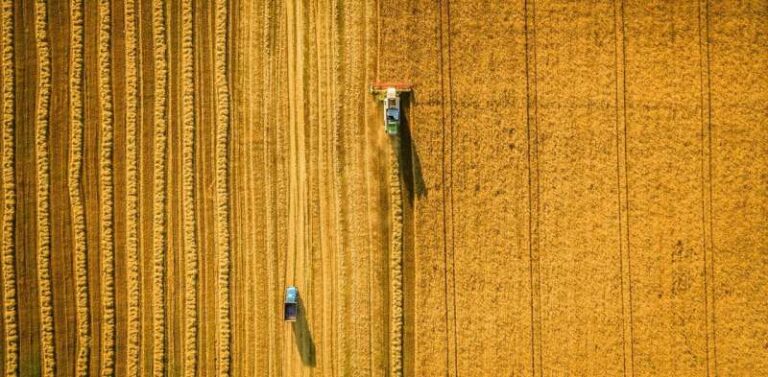
    The global food import bill is on course to hit a new record of US$1.8 trillion this year, but higher prices and transport costs rather than volumes account for the bulk of the expected increase, according to a new report released today by the Food and Agriculture Organization of the United Nations (FAO).

    “Worryingly, many vulnerable countries are paying more but receiving less food,” FAO says in its latest Food Outlook.

    The global food import bill is projected to rise by $51 billion from 2021, of which $49 billion reflects higher prices. Least Developed Countries (LDCs) are anticipated to undergo a five per cent contraction in their food import bill this year, while sub-Saharan Africa and the group of Net Food-Importing Developing Countries are both expected to register an increase in total costs, despite a reduction in imported volumes.

    “These are alarming signs from a food security perspective, indicating that importers will find it difficult to finance rising international costs, potentially heralding an end of their resilience to higher prices,” the report notes.

    “In view of the soaring input prices, concerns about the weather, and increased market uncertainties stemming from the war in Ukraine, FAO’s latest forecasts point to a likely tightening of food markets and food import bills reaching a new record high,” said FAO economist Upali Galketi Aratchilage, lead editor of the Food Outlook.

    Animal fats and vegetable oils are the single biggest contributor to the higher import bills expected to be reached in 2022, although cereals are not far behind for developed countries. Developing countries, as a whole, are reducing imports of cereals, oilseeds and meat, which reflects their incapacity to cover the increase in prices.

    Report’s takeaways

    FAO has proposed a Food Import Financing Facility to provide balance-of-payment support to the low-income countries most reliant on food imports as a strategy to safeguard their food security.

    World production of major cereals is expected to decline in 2022 for the first time in four years, while global utilization is also seen down, for the first time in 20 years. However, the use of cereals for direct food consumption by humans is not anticipated to be impacted, as the decline in total use is expected to result from lower feed use of wheat, coarse grains and rice.

    World wheat stocks are set to increase marginally in the year, mostly due to anticipated build-ups of inventories in China, the Russian Federation and Ukraine.

    Word maize output and utilization are forecast to hit new records, associated with greater ethanol production in Brazil and the United States of America as well as industrial starch production in China.

    Global consumption of vegetable oils is predicted to outpace production, despite expected demand rationing.

    While meat production is expected to decline in Argentina, the European Union and the United States of America, global output is forecast to expand by 1.4 per cent, led by an 8-per cent foreseen increase in pig meat production in China, reaching and even exceeding the level before the dramatic spread of the African swine fever virus in 2018.

    World milk production is forecast to expand more slowly than in previous years, constrained by falling dairy herd numbers and lower profit margins in several major producing regions, while trade may contract from the elevated level of 2021.

    World sugar production is expected to increase after three years of decline, led by gains in India, Thailand and the European Union.

    Rising inputs costs

    Along with rising food prices – with the FAO Food Price Index (FFPI) near its all-time high and prices of several staples having registered large runups in the past year – the agricultural sectors are exposed to supply limitations due to rising input costs , in particular for fertilizers and fuels, that could spur further food price rises.

    High food prices are typically a boon for producers, as farm profits rise. However, rapidly rising input costs – associated with rising energy costs and export restrictions on key fertilizers imposed by major players in the sector  –  are more than offsetting that, and if protracted, this would raise concerns about whether supply responses can be both quick and sufficient. “The spike in the price of inputs raises questions about whether the world’s farmers can afford to buy them,” Josef Schmidhuber and Bing Qiao of FAO’s Markets and Trade Division note in their special chapter on the dynamics of high input prices.

    Falling prices for farmers

    Farmers may reduce input applications or switch to crops that are less input-intensive, which would not only lower productivity but also have negative effects on exports of key foodstuffs to the international markets, adding to the burden faced by countries highly reliant on imports to meet their staple food needs. This also applies to major exporting countries, the report adds, noting that, for instance, some North American farmers are shifting from maize to soy, which requires less nitrogen fertilizer.

    The Global Input Price Index (GIPI), a new tool introduced by FAO in 2021, is now at an all-time high and has risen even faster than the FAO Food Price Index over the past 12 months.

    This points to low (and falling) real prices for farmers, despite the higher prices faced by consumers. That, in turn, stymies incentives for them to step up production in the future. For that to happen, however, either the GIPI has to fall or the FFPI has to rise even further – or a combination of the two.

    For now, and based on current conditions, the situation does “not augur well for a market-led supply response that could conceivably rein in further increases in food prices for the 2022/23 season and possibly the next,” the report says.