More

    Will Apex Court Ruling Remove Stigma for Sex Workers in India?

    According to the Supreme Court ruling, sex workers cannot be discriminated against by police officials when they lodge a criminal complaint, especially if the offence committed against them is of a sexual nature. However, questions are asked about whether the ruling is enough to guarantee that those in the profession no longer face harassment.

    By Mehru Jaffer

    Social activists, have welcomed the Indian Supreme Court’s recent ruling recognising sex work as a profession.

    The top court ruled that sex workers should be treated with dignity and that workshops be held to make them aware of their rights.

    “This is a welcome step taken by the country’s top court. It is only fair to reiterate that sex work is a profession like any other. It is the duty of society to ensure that sex workers can earn a living without harassment,” Lucknow-based social activist Tahira Hasan, told the IPS.

    In the absence of a law, the Court invoked its special power under Article 142 of the Constitution to issue guidelines that define sex work as a profession.

    A three-judge bench headed by Justice L Nageswara Rao said that sex workers are entitled to protection and dignity in the eyes of the law.

    “Notwithstanding the profession, every individual in this country has a right to a dignified life under Article 21 of the Constitution of India,” said the Supreme Court order, as published on LiveLaw.

    “Whenever there is a raid on any brothel, since voluntary sex work is not illegal and only running the brothel is unlawful, the sex workers concerned should not be arrested or penalised or harassed or victimised.

    “When it is clear that the sex worker is an adult and is participating with consent, the police must refrain from interfering or taking any criminal action,” reads the judgment.

    Non-discrimination and dignity

    According to the ruling, sex workers cannot be discriminated against by police officials when they lodge a criminal complaint, especially if the offence committed against them is of a sexual nature.

    It said that the police could not intervene unnecessarily in the business of sex workers, and the police should be sensitised towards them. The latest guidelines rule that sex workers be provided medical and legal care.

    (The) “basic protection of human decency and dignity extends to sex workers and their children, who, bearing the brunt of social stigma attached to their work, are removed to the fringes of the society, deprived of their right to live with dignity and opportunities to provide the same to their children.”

    The Court made particular reference to the children of sex workers, noting that “if a minor is found living in a brothel or with sex workers, it should not be presumed that he/she has been trafficked. In case the sex worker claims that he/she is her son/daughter, tests can be done to determine if the claim is correct and if so, the minor should not be forcibly separated.”

    The apex Court has also ordered the police not to reveal the identity of sex workers to the media and has asked the Press Council of India to issue appropriate guidelines in this regard.

    According to the Court, what the sex workers do for their health and safety cannot be construed as an offence. It reminded the country that Article 21 of the Constitution gives every citizen the right to live a dignified life and practice their profession without fear.

    Stigma and disrespect

    The Court has asked the government for its opinion on the guidelines for sex workers. It asked the government to clarify its stand on recommendations made by a panel in 2011 for exempting adult sex workers who engaged in consensual sex from being criminalised.

    The central government needs to develop a law for sex workers. Until that happens, the Court would like to see the rehabilitation of sex workers. Police, it said, should undergo sensitisation training because they are often accused of abusing and subjecting them to violence.

    However, Shahira Naim, journalist and social activist, wonders if the recent Court ruling will improve the plight of sex workers. While sex work has always been legal in India, but society treats those involved with contempt.

    Despite the concern expressed by the Court, sex workers, especially women, continue to be denied dignity.  When hotels are raided, it is often the sex worker who is arrested while the male client and the pimp are allowed to escape. Training the police is necessary where it is not easy to wash away the stigma connected to the profession.

    It is the enforcement of laws that will restore dignity.

    “Till the stigma attached to the profession is dealt with, sex workers will continue to be disrespected in society. A good law alone cannot make life easy for them, but practising the spirit of the law will help,” Naim said.

    A profession like any other

    Sex workers remain vulnerable to this day. There is the example of the 42-year-old woman killed in the southern Indian city of Bangalore by a security guard for refusing to have unprotected sex with him. In January 2020, the security guard was kicked by a sex worker when he tried to force himself upon her without a condom. He asked her to return the money he had already paid her for sex. Angry and afraid because she made a noise, the security guard allegedly slit the throat of the prostitute and escaped.

    According to newspaper reports, the police eventually traced the murderer and took him into custody.

    A sex worker who did not want to reveal her name said the existing laws are not bad, but they are not implemented in the way they should be. The court’s recent ruling is yet another appeal to society to practice the law of the land in spirit.

    The ruling puts the plight of sex workers at the centre of a public debate at a time when people continue to be embarrassed to talk about it. The topic is taboo. Even mentioning sex workers is considered sinful in a society that once celebrated prostitutes. In Indian mythology, prostitutes are described as celestial beings. They are mentioned as a perfect incarnation of beauty and whose musical talent and masterful dance steps were appreciated by ancient society.

    But it has been a long haul for contemporary sex workers who continue to struggle for a little more dignity in life. While voluntary sex work is legal, running a brothel is illegal in India. If brothels, hotels, pimping and propositioning are all illegal, then how and where the sex worker is supposed to carry out her business, questions Naim.

    This kind of harassment ought to end as the Court reiterates that sex work is a profession like any other and that the police should neither interfere nor take criminal action against adults and consenting sex.

    But if and when the harassment will end is the question.


    This piece has been sourced from the Inter Press Service.

    Image: UNAIDS
    As The Earth Warms and Glaciers Melt, The Risk of Glacial Lake Outburst Floods Grows

    The risk is most acute for residents of the Khumbu region, which hosts a majority of the country’s glaciers and has settlement areas close to retreating glaciers. Among a total of 1,541 glacial lakes in the country, 234 lie in the Dudh Koshi sub-river basin, around the Everest region.

    By Marissa Taylor

    When Dig Tsho, a glacial lake located in the Langmoche valley in the Khumbu region, burst in 1985, alarm bells sounded across the world. It wasn’t because Dig Tsho was the first glacial lake that burst in Nepal — a number of glacial lake outburst flood (GLOF) events had occurred in the country and across the Himalaya before. The event caused such an uproar because of the severe socio-economic impacts it wrought on communities downstream.

    When the glacial lake dam collapsed, the water drained into the valley below for over four hours, wreaking havoc as it went. The outburst destroyed the nearly completed Namche Small Hydroelectric Project, some 11 km downstream, causing losses of $1.5 million and killing five people. The discharge was an estimated 6-10 million cubic meters of water.

    “The flood itself wasn’t a big one but it showed that even small meltwater lakes can cause much destruction, especially if there are populated areas and infrastructure located nearby,” said Sharad P. Joshi, cryosphere analyst at the International Centre for Integrated Mountain Development (ICIMOD), a regional government body based in Kathmandu.

    Everest’s glacial lakes

    Today, almost 33 years after the event, the lake no longer poses a threat. But since then, a number of other GLOF events have taken place in the region. According to ICIMOD’s 2011 inventory on glacial lakes, Nepal has experienced 24 GLOF events in the recent past, several of which have caused considerable damage and loss of life. The most recent ones occurred in 2015 and 2016, both of which originated in the Lhotse glacier.

    With the temperature rising with each passing year and glaciers retreating and forming glacial lakes at a formidable pace, the possibility of another GLOF disaster is never too far away. Because such lakes are inherently unstable, they can be catastrophic to people and property in the valleys below them when they burst.

    The threat of destruction is scarier for Khumbu, a region that hosts a majority of the country’s glacial lakes and has settlement areas close to retreating glaciers.

    “Glacial thinning and retreat in the Himalaya has resulted in the formation of many new glacial lakes since the 1950s, and the number of lakes is increasing every year,” said Sudeep Thakuri, a glaciologist and dean of Mid-West University, who has conducted extensive research on glaciers and glacial lakes in the Everest region.

    According to a 2016 paper co-written by Thakuri that analyzed data from 1962 to 2011, glaciers in the Everest region have been shrinking significantly, supporting the estimate that glacial lakes in the area have undergone the greatest expansion in Nepal and are thus at greater risk of bursting.

    Amplified by a warming climate

    A 2017 inventory of glacial lakes across the Nepal Himalaya, also co-authored by Thakuri, cataloged a total of 1,541 glacial lakes in the country, among which 234 lie in the Dudh Koshi sub-river basin, a majority of which falls in Khumbu. Seven of these glacial lakes were assessed to be very susceptible to outbursts. Among them, Lumding is one lake that is very likely to burst. From 1987-2016, it has been expanding at a rate of 0.018 square kilometer every year. No mitigation measures have been adopted yet.

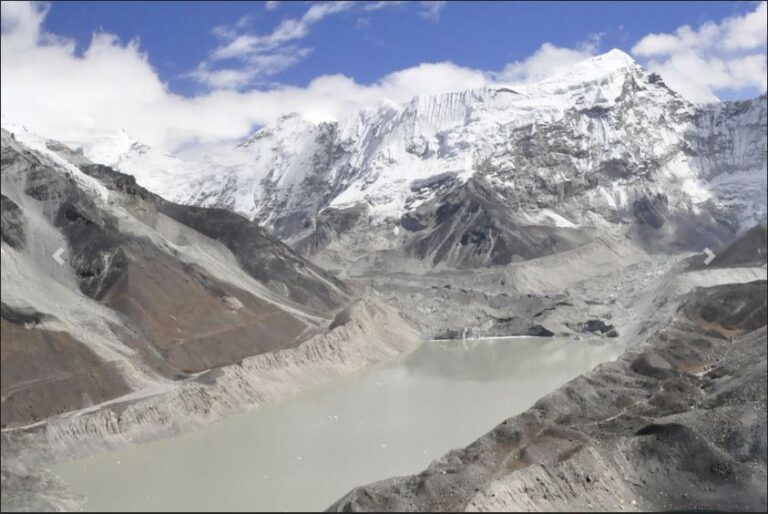
    Another lake in the region that has alarmed scientists is the Imja Tsho, a glacial lake that began forming in the 1960s. Ground photographs taken in the1950s demonstrate that except for small melt ponds on the Imja glacier surface, no lake existed at that time. But by 1984, a lake of approximately 0.4 sq km had formed, according to the 2016 paper. Today, the debris-covered Imja Tsho is 2 km long and 1 km wide, with numerous supraglacial ponds dotting it.

    “Imja Tsho is perhaps the best example of what the warming climate is doing to the earth’s glaciers,” said Joshi. Understanding the damage the lake could wreak on downstream communities, the government of Nepal in 2016 established an early warning system in the lake and lowered the water level by 3.4 meters by constructing a drainage channel.

    Alarming exposure to GLOF

    But the estimated exposure to potential GLOF risk to the villages of Dingboche and Phakding (8 km and 33.6 km downstream of the lake’s outlet, respectively) is still very alarming. According to ICIMOD’s assessment, the number of people likely to be affected by this potential GLOF event varies between 5,000-7,000 people. The number of people who could be directly affected through infrastructural damage and loss of goods and services is around five million.

    Alongside the socio-economic damage and loss GLOFs bring about, they also cause irreversible ecological damage.

    “Glacial lake outburst floods leave behind a trail of destruction: making the areas they pass through prone to landslides, triggering further destruction. They also alter the landscape of a place,” said Joshi.

    Owing to the warming earth, besides the threat of glacial lakes bursting, retreating glaciers is also a lingering risk in the region. The Everest region is characterized by large debris-covered glaciers, like the 12-km-long Khumbu glacier, which is also receding at an alarming pace.

    The Khumbu glacier is the highest glacier in the world and it has receded at an average of 30 meters per year in the past 20 years. Not only that, the glacier has also shrunk vertically, losing up to 50m in thickness, according to a report by Nepali Times.

    “I started climbing in 1979 and over the years I have seen first-hand the changing facade of the Khumbu glacier,” said Tenzing Tashi Sherpa, 67, a retired mountain climbing leader.

    Retreating glaciers

    The warming climate is also forming meltwater ponds as glaciers retreat.

    “When I was younger, Chola Pass was covered by snow all year. But over the years, the snow cover has drastically reduced. At one point, a meltwater pond had also formed on the pass. But it eventually drained out,” said Pemba Tsering Sherpa, a resident of Khumjung. The Ngozumpa glacier, the longest debris-covered glacier in the Himalaya, is right on the trail of the pass.

    And it is not just the Khumbu in the Everest region that is witnessing such changes. The risk is spread across the Himalaya. Tsho Rolpa is another large, potentially dangerous glacial lake in Nepal that has been the subject of extensive research and monitoring for decades, with the government of Nepal placing it on its priority list in 1997 and putting in place mitigation measures by 2000.

    Yet, the threat of an outburst looms. The lake has been consistently expanding over the last 60 years and has now swelled to an area of 1.6 sq km. The lake is directly fed by Tarkading glacier, which has been continually retreating at a rate of 60m annually from 2009 to 2019. The flooding of this lake would be disastrous, as around 6,000 households are at risk.

    Scaring, but no solutions

    And things are only looking grimmer. A report by ICIMOD, titled Hindu Kush Himalaya Assessment: Climate Change, Sustainability and People, states that by the end of this century, the Himalaya will lose more than one-third of its ice. Adding that even that will happen only if the global average temperatures can be capped at a 1.5 degrees Celsius — a target that will most likely not be met. In addition, the Himalaya are warming between 0.3 to 0.7 degrees Celsius faster than the global average, and the loss of Himalayan ice would have devastating consequences for the communities living downstream and eventually, the entire world.

    But for now, the fear of immediate threat is felt by the people living high up in these high mountains — people who have themselves contributed little to the melting of the glaciers.

    “Every year, many researchers come, scientists come and do their research and leave. They tell us the Imja is about to explode and the Khumbu is melting. They scare us about our future, but give us no solutions. What can we do with that information? What can we do except continue to live here?” said Tenzing Tashi.


    This story has been sourced from Record Nepal and was written as a part of the 2022 edition of the Himalayan Climate Boot Camp, funded by the Spark Grant Initiative of the World Federation of Science Journalists. 

    Monkeypox Risk Is ‘Real’, Says WHO. Reiterates COVID-19 Pandemic ‘Not Over’

    Over 1,000 cases of monkeypox infections have been reported from 29 countries so far, even as COVID-19 claimed over 7,000 lives last week, the WHO chief said. Some countries have reported cases of apparent community transmission.

    The risk of monkeypox becoming established in non-endemic countries is “real”, the World Health Organization (WHI) warned on Wednesday, while simultaneously reiterating that the COVID-19 pandemic “is not over.”

    “More than 1,000 confirmed cases of monkeypox have now been reported to WHO from 29 countries that are not endemic for the disease,” said WHO chief Tedros Ghebreyesus.

    He said the spread of the disease to several non-endemic countries “suggests that there might have been undetected transmission for some time.”

    “The risk of monkeypox becoming established in non-endemic countries is real,” he emphasized.

    He also added that no deaths have been reported in the outbreaks, adding that the UN health agency “does not recommend mass vaccination against monkeypox.”

    “Cases have been reported mainly, but not only, among men who have sex with men. Some countries are now beginning to report cases of apparent community transmission, including some cases in women,” said Tedros.

    He pointed out that the “virus has been circulating and killing [people] in Africa for decades,” with more than 1,400 suspected cases and 66 deaths across the continent so far this year.

    “It’s an unfortunate reflection of the world we live in that the international community is only now paying attention to monkeypox because it has appeared in high-income countries,” Tedros added.

    Look out for dangerous COVID-19 variant

    Tedros cautioned against letting down the guard on COVID-19. Reminding that the virus claimed more than 7,000 lives in the last week itself, he said the perception that the COVID-19 pandemic is over is “misguided”.

    “The pandemic is not over, and we will keep saying it’s not over until it is,” he asserted.

    While cases and deaths decline globally, the WHO continues to urge caution as there is “not enough testing and not enough vaccination” worldwide, he said, arguing for the need for more government and more international action to contain the spread of COVID-19.

    The WHO chief said that about 75 per cent of health workers and people over 60 years of age have been vaccinated globally. Further, the rates, however, are “much lower in low-income countries,” said the WHO chief, adding that “68 countries have still not achieved 40 per cent coverage.”

    “Vaccine supply is now sufficient, but demand in many countries with the lowest vaccination rates is lacking.”

    He warned that a “new and even more dangerous variant could emerge at any time.”

    Environment Ministry Rebuts Environmental Performance Index 2022. Says Yale, Columbia Methods Are Unscientific

    A statement released by the government rebutted the Environmental Performance index 2022 that placed India at the very bottom of the index, arguing that the index has many indicators based on unfounded assumptions and that some of the indicators used for assessing performance are extrapolated and based on surmises and unscientific methods.

    The Union Ministry of Environment, Forests and Climate Change said on Wednesday that the Environmental Performance index put up by researchers at Yale University and the Columbia University is based on unfounded assumptions. Further, it said that some of the indicators used for assessing performance are extrapolated and based on surmises and unscientific methods.

    Using the trajectory of the past 10 years as a basis for projecting 2050 emissions, the biennial index had forecast that the vast majority of countries will not achieve the goal, and a number of nations are projected to fall far short.

    The Indian government’s rebuttal says that the Ministry of Environment does not accept its analysis and conclusions. For one, it says, that a new indicator in the climate policy objective is the projected GHG emissions levels in 2050, that has been computed on the basis of average rate of change in emission of the last 10 years. Instead, the ministry feels that it would be more acceptable if it were based on a modelling that takes into account a longer time period, extent of renewable energy capacity and use, additional carbon sinks, energy efficiency etc. of respective countries.

    The government also argues that the country’s forests and wetlands have not been factored in while computing the projected GHG emissions trajectory up to 2050 given by EPI 2022. This ignores these crucial carbon sinks.

    It further says that researchers have ignored historical data on the lowest emission trajectory.

    Do also read: India Falls to Bottom of Biennial Environmental Performance Index

    Devil sits in the detail

    The weight of indictors in which the country was performing well has been reduced and reasons for change in assignment of weights has not been explained in the report, according to the press release put out by the government.

    The principle of equity is given very low weightage in the form of the indicators like GHG emission per capita and GHG Emission intensity trend. The CBDR-RC principle is also barely reflected in the composition of the index.

    India has already achieved the target of 40 per cent of installed electricity capacity from non- fossil fuel based sources, the government says.

    “The Copernicus air pollutant concentration data based on which DALYs are derived have higher uncertainty in regions with less extensive monitoring networks and emissions inventories,” the press release says. “This limitation reduces the chance of accurate assessment of air quality.”

    The indicators on water quality, water use efficiency and waste generation per capita, both of which are closely linked to sustainable consumption and production have been not included in the Index.

    The Index emphasizes the extent of protected areas rather than the quality of protection that they afford, the ministry of environment says. “Management effectiveness evaluation of protected areas and eco-sensitive regions is not factored into the computation of biodiversity Indices.”

    Indicators like agro biodiversity, soil health, food loss and waste   are not included even though they are important for developing countries with large agrarian populations, the ministry of environment and forests argues.

    “The index computes extent of ecosystems but not their condition or productivity. Efforts must be made to include metrics that truly capture ecosystem productivity such that regulatory, provisioning as well as cultural services provided by various ecosystems like forests, wetlands, croplands are assessed and reflected in performance.”

    War & Peace 2.0: Ukraine Showing the World How to Fight Back

    Allegations of sexual violence by Russian troops in Ukraine are mounting. A national hotline on domestic violence, human trafficking and gender-based discrimination has been set up, and has received multiple shocking reports ranging from gang rape, to coercion.

    By Sania Farooqui

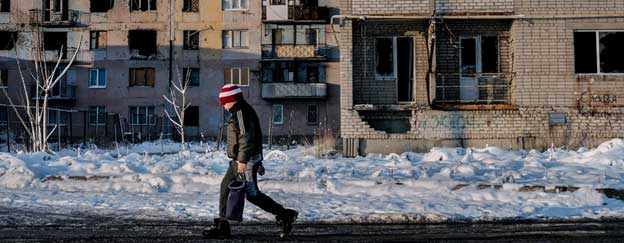
    It has been over 100 days since Russia first invaded Ukraine on 24 February 2022, turning the country into a slaughterhouse. The United Nations (UN) in this report says that, as of 1 June, 2022, more than 6.9 million refugees have left Ukraine and 2.1 million have returned, while eight million people are displaced inside Ukraine itself. War in Ukraine has caused the fastest growing refugee crisis since World War II.

    In a statement, UN Secretary-General Antonio Guterres said that the conflict which began in February has since then taken thousands of lives, caused untold destruction, displaced millions of people, resulted in unacceptable violation of human rights and is inflaming a three-dimensional global – food, energy and finance – that is pummeling the most vulnerable people, countries and economies.

    Hundreds of thousands of Ukrainians who are choosing to stay and fight back are demonstrating unity and resilience and say they are ready for the resistance. Maria Dmytriyeva, a long-time women’s rights activist and national gender expert with Democracy Development Centre, an NGO based out of Ukraine is one amongst them who chose to stay back, has been working on the ground aiding civilians since the beginning of the war in Ukraine.

    Gender-based violence

    In an interview given to IPS News Dmytriyeva says that areas that were affected directly by the hostilities that have been liberated by the Ukrainian army are now rapidly rebuilding. “Local people and visiting builders are cleaning up the street, debris, mines and restoring infrastructure, where there are no Russians, life goes on.”

    “We do have major problems with fuel as Russians deliberately destroyed our petroleum hosting areas, so transportation is a problem. We don’t have food scarcity; the problem is how to deliver it into areas controlled by Russians or heavily bombarded by Russians,” Dmytriyeva said.

    Human rights organizations have been watching the impact of the war in Ukraine on women and children. The Rapid Gender Analysis, put together by UN Women and CARE International says that 90% of those fleeing Ukraine and 60% of those displaced are women – both which comes with increased safety risks, gender-based violence, poor hygiene, lack of basic supplies and safety concerns in shelters or across borders.

    “I have visited three border checkpoints, in Romania, Moldova and Slovakia, we don’t enough information about what to do once anyone crosses the borders – how to manage your passport, how to find the right people, which shelter to go to and how to stay safe,” says Ella Lamakh, a social policy expert and Head of Democracy Development Center in Ukraine who too stayed back in Ukraine to help women and children impacted by the war.

    “There are a lot of women and children crossing these borders, and when I asked them where they are going, their reply is – ‘oh we are just going across the border, we will ask some volunteer, or we will figure it out’. While I am thankful for all the help these women are getting, there are a lot of posters on the walls across the border or at these checkpoints, but nobody has the time or mind to stop and read any of them. What would be useful for these women is if they are given information, handed over to them in the form of posters or booklets,” Lamakh says.

    As of 3 June, the Human Rights Monitoring Team of the UN High Commissioner for Human Rights had received reports of 124 alleged acts of conflict-related sexual violence across Ukraine.

    “Allegations of sexual violence by Russian troops in Ukraine are mounting. A national hotline on domestic violence, human trafficking and gender-based discrimination has been set up, and has received multiple shocking reports ranging from gang rape, to coercion, where loved ones are forced to watch an act of sexual violence committed against a partner or a child” stated this report.

    Global food crisis

    The United Nations has warned that the war in Ukraine has also helped stoke a global food crisis, and “what could follow would be malnutrition, mass hunger and famine, in a crisis that could last for years, urging Russia to release Ukrainian grain exports.”

    Before the war began in February, Ukraine exported 4.5m tonnes of agricultural produce per month through its ports – 12% of the planet’s wheat, 15% of its corn and half of its sunflower oil. As Russian warships cut off the ports of Odesa, Chornomorsk and others, the supply has been gravely impacted.

    More than a month into Russia’s invasion, the Ukrainian military fared better than expected, where Russia has numerical superiority with 900,000 active personnel in its armed forces, and 2 million in reserve, Ukraine has 196,000 and 900,000 reservists, stated this report. Ukraine managed to bring the asymmetric power of pervasive inexpensive commercial technology, especially citizen-empowering social networks and crowdsourcing. President Volodymyr Zelenskyy through his various appeals managed to tap into its western allies demanding weapons and sanctions to fight back.

    Several countries have reached out to help Ukraine by sending military aid to Kyiv. The United States will be sending Ukraine advanced rocket systems and munitions as part of a new $700 million package of military equipment, “promised only after direct assurance by Ukraine’s leader that they would not use it against targets within Russian territory.”

    Britain is to supply long-range rocket artillery to Ukraine, UK will be sending a handful of tracked M270 multiple launch rocket systems. Spain is to supply Ukraine with anti-aircraft missiles and Leopard battle tanks in a step up of its military support.

    Only time will tell

    In its latest attempt to punish Russia, the European Union, along with countries such as the UK and the US have introduced a series of measures to weaken key areas of the Russian economy, such as its energy and financial sectors. The EU has imposed a ban on all imports of oil from Russia that are brought in by sea. The US is banning all Russian oil and gas imports, and the UK will phase out Russian oil imports by the end of 2022. Germany has put on hold the final approval of Nord Stream 2 gas pipeline from Russia. These western sanctions on Russia are like none the world has seen.

    Only time will tell what Russia’s overestimation of its own capabilities and underestimation of the capacity of Ukraine to fight back will result in, but history is a proof that ‘wars of aggression’ have not always ended well for aggressor states, and as seen in Ukraine, it’s already united western allies, rallied Ukrainians against common enemy and united them with a sense of purpose and collective sacrifice, keeping them going stronger for the last 100 days. Ukraine is showing the world how to fight back.


    This piece has been sourced from Inter Press Service.

    Respiratory Disease Hits Babies

    Researchers say immunisation campaigns targeting the first six months are vital to stem the respiratory syncytial virus, a common cause of infections like pneumonia among children under five years of age. The virus kills over 100,000 children every year.

    By Sanjeet Bagcchi

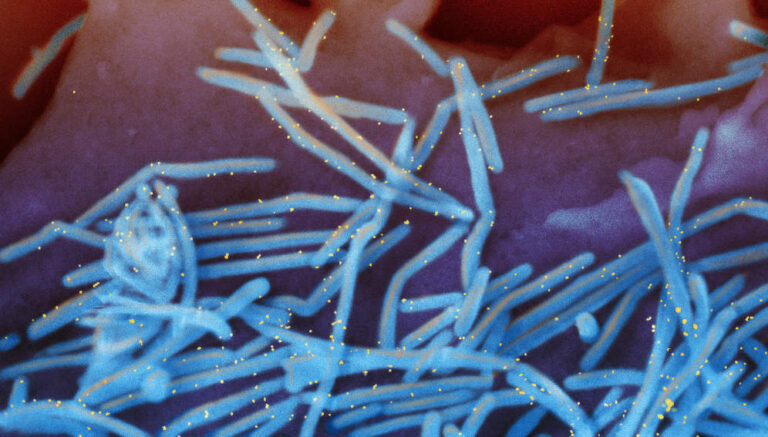
    As COVID-19 and monkeypox hog the limelight, new research sheds light on the devastating potential of another viral disease — the respiratory syncytial virus (RSV) — that  kills more than 100,000 children a year worldwide.

    RSV is the most common cause of acute lower respiratory tract infections in infants and young children around the globe, but the burden of disease is disproportionately high in developing countries, according to the Respiratory Syncytial Virus Consortium in Europe.

    Lower respiratory infections affect the airways below the larynx or voice box, including the windpipe, or trachea, and tiny air sacs in the lungs. They include acute bronchitis, bronchiolitis and pneumonia.

    Figures published in The Lancet reveal that more than 95 per cent of incidents of acute lower respiratory infection associated with RSV and more than 97 per cent of deaths attributable to RSV, among children under five, occur in low- and middle-income countries (LMICs).

    “RSV is an important cause of death due to lower respiratory tract infections in children, especially infants,” says Anand Krishnan, an author of the study and professor at the Centre for Community Medicine at the New Delhi-based All India Institute of Medical Sciences.

    “Despite this, there is very little routine testing for RSV in clinical settings even in tertiary [specialised health care] facilities, primarily as no specific treatment is available.”

    Limited access to healthcare

    The researchers from countries including India, South Africa, UK and USA point out that RSV plays a significant part in the suffering and death of young children across the world—particularly in the initial six months of life and in the LMICs.

    Internationally, RSV disease leads to one in every 50 deaths among children under five and one in every 28 deaths among those aged between 28 days and six months, they found.

    The researchers analysed 481 studies and estimated that in 2019, among under-fives, there were 33 million RSV-associated acute lower respiratory infection episodes, and 101,400 deaths attributable to RSV. For infants aged 0 to six months, the estimated figures were 6.6 million and 45,700, respectively.

    “The disproportionately high RSV burden in the younger age groups in LMICs warrants more extensive community case management and effective and affordable immunisation programmes,” the study suggests.

    There is no specific RSV vaccine but the researchers urge the implementation of passive immunisation programmes to combat the disease. Instead of a vaccine, which provides active immunity, in passive immunisation, a person receives antibodies—proteins produced in the body in response to a foreign invader or antigen.

    The researchers recommend that passive immunisation programmes to provide protection against RSV in the initial six months of life could significantly reduce the burden of RSV. However, they say more data around this approach is needed.

    Researchers were also surprised to find that hospital admissions in babies aged up to six months was “consistently lower” in LMICs than in high-income countries, “reflecting the fact that access and availability to hospital care is still limited in LMICs”, they said.

    Startling mortality risks

    Experts say RSV cases are likely to be on the rise as masks and lockdowns have led to a reduction in natural immunity against this and other common viruses.

    Development of a vaccine had been slow after an unsuccessful one in the 1960s resulted in lung inflammation during the first natural RSV infection after vaccination, proving fatal in two cases, according to the WHO.

    However, new understanding of the virus in recent years has led to multiple vaccine candidates undergoing development, some of which may receive regulatory approval in the near future, the UN health body says.

    “RSV-targeted interventions are likely to be an important component of infant mortality rate reduction strategies globally, especially for LMICs,” says Krishnan. “It is important that the manufacturers as well as global health agencies keep that in mind as they make decisions on access and price of upcoming products.”

    He adds that, as newer biomedical interventions are in the pipeline, it is important for governments to be ready to make appropriate evidence-based decisions for their deployment in these countries.

    Sushmita Roy Chowdhury, director of pulmonology at the Fortis Hospital in Kolkata, India, says the study highlights “startling mortality risk from RSV”.

    “In LMICs, the burden is likely to be even more due to overcrowding and poverty, hence mandatory passive immunisation plays a major role in the prevention of severe RSV disease,” she told SciDev.Net.


    This piece has been sourced from SciDev.Net

    Inflation Will Be SouthAsia’s Sore Point in FY 2022, says World Bank Global Economic Prospects Report

    In the face of global stagflation, growth in SouthAsia is forecast to slow down to 6.8 and 5.8 per cent in 2022 and 2023, respectively following a robust 7.6 per cent rebound in 2021, the World Bank’s latest Global Economic Prospects report released on Tuesday said.

    The World Bank’s Global Economic Prospects Report released Tuesday says that while the direct impacts from trade and financial exposure to the war in Ukraine are minimal in SouthAsia, the region faces the consequences of spillovers from rising commodity prices, higher borrowing costs, and weaker external demand are significant.

    Inflation is a particularly sore point, especially in India, according to the World Bank’s flagship report. “In India, the recovery is facing some headwinds from accelerating inflation. Rising inflationary pressures led to an unscheduled policy interest rate hike in May,” the report says.

    “In the rest of the region, activity has been mixed, with stronger-than-expected rebounds from the pandemic helping to boost growth through early 2022 in Bangladesh and Pakistan.”

    Today, the Reserve Bank of India announced a decision to increase the policy repo rate under the liquidity adjustment facility (LAF) by 50 basis points to 4.90 per cent with immediate effect.

    As a result, the standing deposit facility (SDF) rate has been reduced to 4.65 per cent, while the marginal standing facility (MSF) rate and bank rate are reduced to 5.15 per cent.

    RBI Governor Shaktikanta Das said that the war in Europe is lingering, posing newer challenges daily, disrupting supply chains and leading to high inflation and demand-supply imbalances.

    He said that the steps were taken to decrease high inflation and minimize the impacts of geopolitical tensions.

    Optimism on Bangladesh

    Bangladesh’s GDP is estimated to grow at 6.4 per cent in the fiscal year 2022, according to the World Bank’s latest Global Economic Prospects report released on Tuesday.

    The growth rate will go up to 6.7 per cent for the Fiscal 2023, the report said. This growth will be boosted by an increase in investment and remittance income for the country.

    “In Bangladesh, growth is forecast to ease to 6.4 per cent in FY2021/22, as pent-up demand subsides, before picking up to 6.7 per cent in 2022/23 as investment recovers and remittance inflows accelerate,” the report says.

    Stronger than expected rebounds from the pandemic in Bangladesh have helped the country maintain a robust growth in the fiscal years 2021 and 2022. Till April, the export of goods from Bangladesh registered an impressive 25 per cent growth and the manufacturing production registered the fastest pace in at least four years.

    Grim for Lankans, Afghans

    It paints a particularly dire picture for Sri Lanka and Afghanistan.

    The report says that the outlook for Sri Lanka is highly uncertain and subject to significant downside risks.

    “The government of Sri Lanka announced a cessation of external debt repayments, and the country faces dual balance of payments and sovereign debt crises,” the report said. “With international reserves down to one-fourth of their pre-pandemic levels, the government abandoned its exchange rate peg in early March, leading to a rapid depreciation of the rupee.”

    According to the World Bank, Sri Lanka’s unsustainable external debt will require debt restructuring to start the process of fiscal rehabilitation.

    Likewise, the report said, “Despite increased international humanitarian support in Afghanistan, the economy has collapsed, and most households do not have sufficient incomes to meet basic needs.”

    In terms of regional projections, growth in SouthAsia is forecast to slow down to 6.8 and 5.8 per cent in 2022 and 2023, respectively following a robust 7.6 per cent rebound in 2021, the report said.

    The report points out that the level of per capita income in developing economies this year will be nearly 5 per cent below its pre-pandemic trend due to the impact of the Ukraine war and the COVID-19 pandemic.

    Among emerging market and developing economies too, growth is also projected to fall from 6.6 per cent in 2021 to 3.4 per cent in 2022—well below the annual average of 4.8 per cent over 2011-2019.

    The World Bank projects a slump in the global growth from 5.7 per cent in 2021 to 2.9 per cent in 2022, significantly lower than 4.1 per cent anticipated in January this year.

    Global Stagflation

    The report points out that the current juncture in the world economy resembles the stagflation of the 1970 in some aspects as persistent supply-side disturbances fuel inflation. The current phase was preceded by a long period of highly accommodative monetary policy in major advanced economies which is likely to be tightened to rein in inflation. This will cause weakening of growth prospects and vulnerabilities in the developing economies.

    Compounding the damage from the COVID-19 pandemic, the Russian invasion of Ukraine has magnified the slowdown in the global economy, which is entering what could become a protracted period of feeble growth and elevated inflation, the report says. “This raises the risk of stagflation, with potentially harmful consequences for middle- and low-income economies alike.”

    “Global growth is expected to slump from 5.7 per cent in 2021 to 2.9 per cent in 2022— significantly lower than 4.1 per cent that was anticipated in January,” according to the World Bank. “It is expected to hover around that pace over 2023-24, as the war in Ukraine disrupts activity, investment, and trade in the near term, pent-up demand fades, and fiscal and monetary policy accommodation is withdrawn.”

    “As a result of the damage from the pandemic and the war, the level of per capita income in developing economies this year will be nearly 5 per cent below its pre-pandemic trend.”

    Why Profit-Making Has No Place in Care

    Care is a human right first and foremost. Providing good quality care is challenging even in the best conditions. However, when care providers look primarily towards investors and see care as a business rather than a social vocation, the consequences can be devastating.

    By Jan Willem Goudriaan

    The issues that workers in the health and social services sector have protested for the past two years are not new. Lack of protective equipment, staff shortages, long hours, demanding physical and mental working conditions … –  these are not new problems. The pandemic did, however, bring these problems to the surface and revealed underlying long-term problems in the care sector.

    High death tolls and daily images of struggling care workers in long-term care facilities and hospitals across the world shocked the public in the early days of the COVID-19 pandemic. In some countries, military staff even had to be called in to help feed the elderly.

    Where to put the blame? It was governments of the OECD countries that allowed the care sector to develop as a lucrative business. Rather than strengthening care as a public good, they chose to pave the way for one of the biggest – and shameful – market failures in recent history. Western societies are growing older and three decades of neoliberalism have depleted public health systems of the capacity to support elderly people. Letting that gap be filled by a plethora of profit-oriented companies that offer services for the elderly and dependent persons was a disaster waiting to happen. The OVID-19 crisis exposed all of this.

    Common-sense demand

    Care is a human right first and foremost. Providing good quality care is challenging even in the best conditions. However, when care providers look primarily towards investors and see care as a business rather than a social vocation, the consequences can be devastating. A recent exposé of France’s for-profit care sector is a classic example. In Les fossoyeurs (‘The gravediggers’), investigative journalist Victor Castanet told shocking stories of workers forced to ration food and hygiene products, while the companies that employed them – notably Orpea, the largest multinational in the care sector – were paying massive dividends to their shareholders.

    Also, the above-mentioned French multinational Orpea has been reported to have stashed away assets in Luxembourg, while the French government has uncovered serious abuse of public funding by the company.

    For years, many trade unions and citizens have had to witness the growth of these groups and the huge profits they have been making from the steady stream of public money. For years, many voices have reiterated their long-standing demand that care should be organised on a not-for-profit basis. It is good for society, good for taxpayers, good for people who need care and support, and good for care workers. During the recent Conference on the Future of Europe, citizens wholeheartedly agreed that companies should not be able to siphon off much-needed resources for universal care. It is time for this common-sense demand to become a reality.

    Building workers’ power

    Most of these for-profit care companies have shown that they are not friends of workers. For instance, the Orpea group repeatedly resisted negotiating a European Works Council (EWC) with its unions and the European Federation of Public Service Unions (EPSU). After three years, legislation forced the company to grant workers information and consultation rights at the European level. The chair of the EWC – a Ver.di worker from Germany – recently won a harassment case against the Orpea group. The court case was only the most recent example of the company’s prolonged union-busting history and opposition to the EWC chair and came on top of previous dismissal attempts and attacks against the Works Council. In France, the company has strongly favoured the in-house yellow union during trade union elections, a highly dubious practice that French unions are fighting in court.

    Dozens of CGT shop stewards were sacked by Orpea when it found out they were members of the French trade union confederation. The care sector is primarily female dominated with many migrant, minority and vulnerable workers. This multinational has taken advantage of this situation and pushed workers to the limit. This has not deterred strikes and resistance, but it has made both more difficult and this is unacceptable.

    How can we improve a situation that was created by 20 years of neoliberalism? It will require coordinated work at the global, European, national and local levels to bring care services back under democratic control and to restrict – if not do away with – the for-profit logic.

    Care manifesto

    A month ago, we celebrated the work of millions of nurses in the public, not for profit and for-profit sector on International Nursing Day. EPSU and Public Services International, the global union federation of public sector workers, are proud to organise these workers across the board and in whatever workplace they are.

    The care sector finds itself in the eye of a perfect storm. With the structural failure of for-profit care exposed by the pandemic and the Les fossoyeurs exposé, there is now momentum that should be maintained and exploited. The French government has conducted investigations that have found serious flaws in both the finances and conduct of the Orpea group, while other countries continue to investigate. The European Union is preparing a European Care Strategy, with the first proposal due in the autumn. The stage is set for policymakers to bring about true societal change.

    EPSU and many others have reached the same conclusion again and again – providing health and social care on a for-profit basis is at odds with the goal of a more equal society. We are now looking forward to the work of the European Parliament’s Special Committee on Covid-19 to explore this across the EU.

    Changing the care sector means changing society. Public Services International recently launched its Care Manifesto, in which it called for the social organisation of care. The goal of an equal and caring society is being derailed without it. To be cared for is a human right and it is linked to the quality of work of carers. Change will only come with a human approach that values both the objectives of quality care and quality work equally. That must be the compass of the international labour movement.


    Jan Willem Goudriaan is general secretary of the European Federation of Public Services Trade Unions.

    Image: Wikimedia  /  Javed Anees

    The Great Fish Robbery

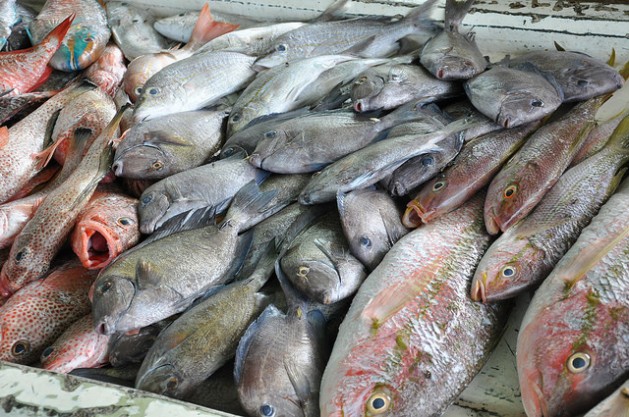
    Illegal, unreported and unregulated fishing takes advantage of corrupt administrations and exploits weak management regimes, in particular those of developing countries lacking the capacity and resources for effective monitoring, control, and surveillance.

    By Baher Kamal

    With the World Ocean Day today, 8 June, comes another ‘crime’ being stealthy committed as a consequence of the unrelenting business obsession for making more and more money – the illegal, unreported and unregulated (IUU) fishing, a practice threatening marine biodiversity, livelihoods, exacerbates poverty, and augments food insecurity.

    Besides, products derived from IUU fishing can find their way into overseas trade markets thus throttling local food supply.

    Illegal, unreported and unregulated

    The International Day for the Fight against Illegal, Unreported and Unregulated Fishing (IUU) coincides on 5 June with the World Environment Day and three days ahead of the World Oceans Day on 8 June.

    These three Days further reveal the dire impacts of the ongoing human suicidal war on the Planet Earth’s natural resources, precisely those that are vital to life and livelihood.

    But before going into these consequences, see what IUU fishing is all about as defined by the Food and Agriculture Organisation (FAO).

    IUU fishing is found in all types and dimensions of fisheries; it occurs both on the high seas and in areas within national jurisdiction. It concerns all aspects and stages of the capture and utilisation of fish, and it may sometimes be associated with organised crime.

    Illegal fishing is conducted by national or foreign vessels in waters under the jurisdiction of a State, without the permission of that State, or in contravention of its laws and regulations.

    Otherwise, it is conducted by vessels flying the flag of States that are parties to a relevant regional fisheries management organisation but operate in contravention of the conservation and management measures by which the States are bound,

    Unreported fishing is about captures that have not been reported, or have been misreported, to the relevant national authority, in contravention of national laws and regulations. And unregulated fishing is conducted by vessels without nationality, or by those flying the flag of a State not party to that organisation or by a fishing entity, in a manner that is not consistent with or contravenes the conservation and management measures of that organisation.

    Crime, corruption, debris and litter

    Such illegal activities take advantage of corruption and exploit weak management regimes, in particular those of countries lacking the capacity and resources for effective monitoring, control, and surveillance.

    In all these cases, IUU fishing takes advantage of corrupt administrations and exploits weak management regimes, in particular those of developing countries lacking the capacity and resources for effective monitoring, control, and surveillance.

    “Such illegal activities are responsible for the loss of 11–26 million tons of fish each year, which is estimated to have an economic value of 10–23 billion US dollars.”

    Moreover, there are issues of marine debris and marine litter involved in IUU fishing, which are not only related to marine environment but also the safe navigation of ships, explains the International Maritime Organisation (IMO).

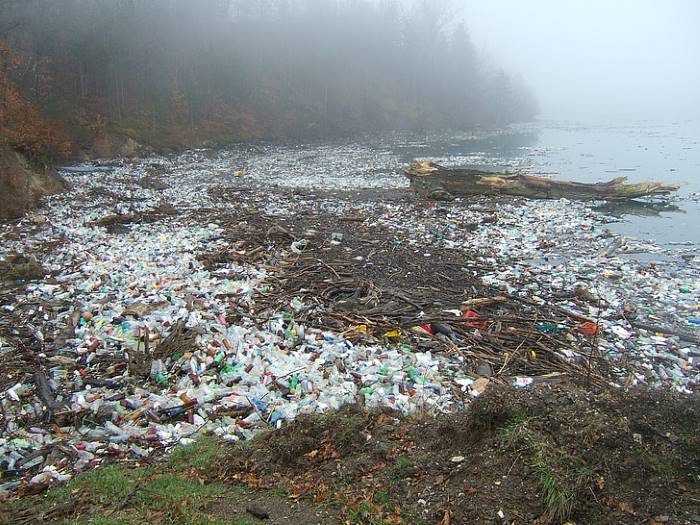
    In addition, types of fishing gear and fishing methods are employed by IUU fishers in areas where their use is prohibited, to the detriment of those areas’ resources (fish extracted) and the marine environment (destruction of corals, habitats, etc), where often these gears may get caught in bottom structures and thus be abandoned.

    Overfishing

    In parallel, such ‘crime’ of depleting the oceans just adds to another major devastating human activity: overfishing.

    The number of overfished stocks globally has tripled in half a century and today fully one-third of the world’s assessed fisheries are currently pushed beyond their biological limits, according to the Food and Agriculture Organisation of the United Nations.

    Overfishing is closely tied to bycatch—the capture of unwanted sea life while fishing for a different species, reports the World Wildlife Fund (WWF).

    This, too, is a serious marine threat that causes the needless loss of billions of fish, along with hundreds of thousands of sea turtles and cetaceans, adds this Fund, which for over six decades has been working to help local communities conserve the natural resources they depend upon; transform markets and policies toward sustainability; and protect and restore species and their habitats.

    “The damage done by overfishing goes beyond the marine environment, it warns. Billions of people rely on fish for protein, and fishing is the principal livelihood for millions of people around the world.”

    It also reports that more than one-third of all sharks, rays, and chimaeras are now at risk of extinction because of overfishing, according to the International Union for Conservation of Nature and Natural Resources (IUCN) Red List of Threatened Species extinction risk status.

    Harmful subsidies

    The World Wildlife Fund additionally warns that subsidies, or support provided to the fishing industry to offset the costs of doing business, are another key driver of overfishing.

    Subsidies can lead to overcapacity of fishing vessels and skewing of production costs so that fishing operations continue when they would otherwise not make economic sense.

    “Today’s worldwide fishing fleet is estimated to be up to two-and-a-half times the capacity needed to catch what we actually need. The United Nations 2030 Agenda for Sustainable Development has called for an end to harmful subsidies.”

    More demand, more business

    Meanwhile, the demand for fish continues to increase around the world, and that means more businesses and jobs are dependent on dwindling stocks, reports WWF, while adding the following:

    Fish ranks as one of the most highly traded food commodities and fuels a US$ 362 billion global industry. Millions of people in largely developing, coastal communities depend on the fishing industry for their livelihood and half the world’s population relies on fish as a major source of protein.

    “When fish disappear, so do jobs and coastal economies. High demand for seafood continues to drive over-exploitation and environmental degradation, exacerbating this circular problem.”


    This piece has been sourced from Inter Press Service.

    Reports of Sexual Violence in Ukraine Rising Fast, UN Security Council Told

    Protection challenges facing the nearly 6.8 million people who have fled the country are unprecedented. As of 3 June, the Human Rights Monitoring Team of the UN High Commissioner for Human Rights had received reports of 124 acts of conflict-related sexual crimes.

    Allegations of sexual violence by Russian troops in Ukraine are mounting, a senior UN official told the Security Council on Monday, expressing regret over a stark discrepancy between that painful reality, and the global community’s ambition to end the use of rape as a weapon of war.

    Pramila Patten, the Secretary-General’s Special Representative for Sexual Violence in Armed Conflict, recalled her recent visit to Ukraine and outlined the elements of a recently signed Framework of Cooperation on the Prevention and Response to Conflict-Related Sexual Violence, which seeks to strengthen accountability and combat those abhorrent crimes.

    “Too often have the needs of women and girls in conflict settings been side-lined and treated as an afterthought,” she said, welcoming that fact that the newly signed Framework makes them an explicit priority.

    Forced to watch ‘Painful’ reality

    Recalling the Council’s many resolutions – backed up by international law – prohibiting the use of sexual violence as a tactic of war, the Special Representative highlighted the gaping chasm between those commitments and the situation of many women around the world.

    “Painfully, my visit cast into stark relief the gap that still exists between the aspiration of prevention expressed by this Council through the robust normative framework that has been established over the past decade, and the reality on the ground for the most vulnerable,” she said.

    As of 3 June, the Human Rights Monitoring Team of the UN High Commissioner for Human Rights had received reports of 124 alleged acts of conflict-related sexual crimes from across Ukraine.

    Women and girls constituted most of the alleged victims, while some reporting instances of sexual violence were also men and boys.

    A national hotline on domestic violence, human trafficking and gender-based discrimination has been set up, and has received multiple shocking reports ranging from gang rape, to coercion, where loved ones are forced to watch an act of sexual violence committed against a partner or a child.

    Trafficking risks ‘alarmingly evident’

    Against that backdrop, Ms. Patten urged humanitarian actors to prioritize support for survivors of sexual and gender-based violence as a life-saving component of their work.

    She also warned against waiting too long to act.

    “An active battle-ground is never conducive to accurate ‘book-keeping’ […] if we wait for hard data and statistics, it will always be too late,” she said, calling on the international community to mobilize immediately.

    “We do not need hard data for a scaled-up humanitarian response, nor for all parties to put in place preventive measures,” she added.

    Detailing the provisions of the recently signed Framework of Cooperation, she said it will help strengthen cooperation between those working to combat and deter sexual violence in Ukraine.

    It also aims to reduce the risk posed by human traffickers to those fleeing Ukraine, and to provide services to victims.

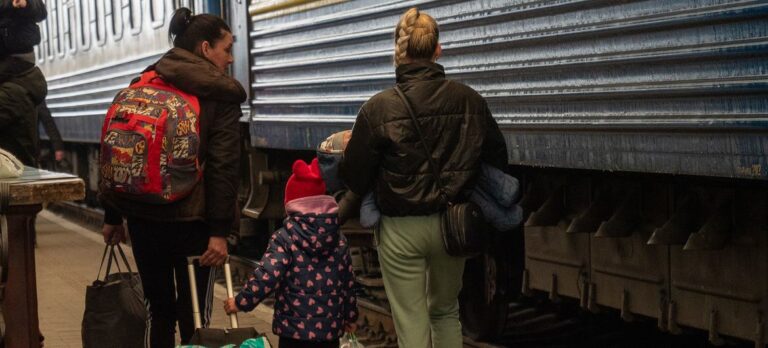
    However, she cautioned that the protection challenges facing the nearly 6.8 million people who have fled the country are unprecedented, and the heightened risks of trafficking in persons – including for purposes of sexual exploitation and prostitution – have been “alarmingly evident” since the start of the conflict.

    Against that backdrop, she urged the Council and the global donor community to stand in solidarity with Ukrainian authorities and UN entities to support the Framework’s implementation.

    “It is crucial to ensure that the level of political focus, as well as the allocation of resources for a comprehensive response, is commensurate with the scale and complexity of the problem,” she said.

    Image: UNICEF  /  Nikita Mekenzin