More

    Has the UN Transformed itself into a Vast Humanitarian Relief Organization?

    The UN’s declining role in geo-politics, however, has been compensated for by its increasingly significant performance as a massive humanitarian relief organization. These efforts are led by multiple UN agencies which have saved millions of lives. The UN’s increasing role in humanitarian relief work could perhaps earn the world body a new designation: United Nations Without Borders.

    By Thalif Deen

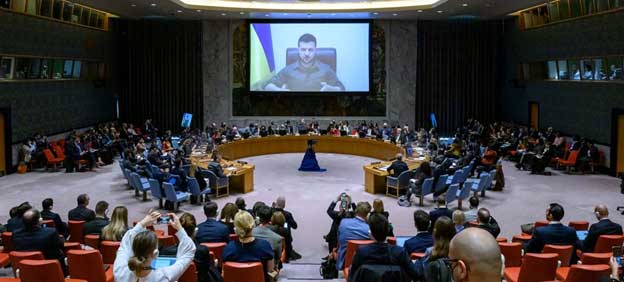
    The United Nations, which has failed to help resolve some of the world’s ongoing and longstanding civil wars and military conflicts — including Palestine, Afghanistan, Yemen, Western Sahara, Myanmar, Syria, and most recently, Ukraine — was rightfully challenged by Ukrainian President Volodymyr Zelenskyy during his riveting address to the Security Council last April.

    “Where is the peace that the United Nations was created to guarantee? And “where is the security that the Security Council was supposed to guarantee?” he asked, via tele-conferencing.

    The UN has also remained helpless — with a divided Security Council in virtual paralysis — in another long-running political issue: the nuclear threat from North Korea, where a Security Council resolution for additional sanctions against DPRK was vetoed last month by Russia and China (even though it garnered 13 out of 15 votes).

    The UN’s declining role in geo-politics, however, has been compensated for by its increasingly significant performance as a massive humanitarian relief organization.

    These efforts are led by multiple UN agencies such as the World Food Program, the World Health Organization (WHO), the UN children’s fund UNICEF, the Office of the UN High Commissioner for Refugees (UNHCR), the UN Population Fund (UNFPA), the Food and Agriculture Organization (FAO), the International Organization for Migration (IOM) and the UN Office for the Coordination of Humanitarian Affairs (OCHA), among others.

    These agencies, which have saved millions of lives, continue to provide food, medical care and shelter, to those trapped in war-ravaged countries, mostly in Asia, Africa and the Middle East, while following closely in the footsteps of international relief organizations, including Doctors Without Borders, Save the Children, international Committee of the Red Cross (ICRC), CARE International, Action Against Hunger, World Vision and Relief Without Borders, among others.

    To prevent the scourge of war

    The UN’s increasing role in humanitarian relief work could perhaps earn the world body a new designation: United Nations Without Borders.

    Besides humanitarian assistance, the UN also oversees nearly 90,000 peacekeepers in more than 12 UN peacekeeping operations and several observer missions, mostly in post-conflict situations., “helping countries navigate the difficult path from conflict to peace.”

    In an interview with US Ambassador Linda Thomas-Greenfield last month, Anne McElvoy of “The Economist Asks” Podcast said “the UN is becoming a giant humanitarian relief organization, …and it’s sort of really retreating from big-time geopolitics simply because this formula of the UN, the format of it and the way its checks and balances work, aren’t sharp or effective enough in the world as it is. Your thoughts?”.

    Justifying the existence of the UN as a political body, Thomas-Greenfield said: “The UN is what we have, and we’re all members and we have to work every single day to ensure that this organization functions and that it provides the platform for ending conflict. It is the one place where we can all sit at the table together”.

    She also said: “The UN is the one place where we can have discussions on peace and security. And it is the responsibility of the UN to work to prevent the scourge of war. That’s what it was created for. And so, we have not given up on the organization. We’ve not given up on the goals of the organization.”

    Aid services

    Last month, the Executive Director of WFP David Beasley said the World Food Programme has fed about 130 million people, mostly in conflict zones, last year. This year, that number is expected to rise to be about 150 million.

    At the daily news briefings, UN spokesperson Stephane Dujarric provides a list of the humanitarian relief provided by UN agencies worldwide, particularly in conflict zones.

    As of May 26, Dujarric said the UN and more than 260 of its humanitarian partners in Ukraine have reached 7.6 million people with assistance. Cash support also continues to increase with an additional 1.1 million people reached in May.

    From March to May, a total of 1.5 million people have received cash assistance and health care support while around 352,000 people have been provided with clean water and hygiene products.

    “We have also reached nearly 430,000 people with protection services, psychosocial support and critical legal services, including support to internally displaced persons,” he added.

    In the Horn of Africa, the UN and its partners have provided about 4.9 million people with food while more than two million livestock have been treated or vaccinated, and over 3.3 million people have received water assistance.

    In the Democratic Republic of the Congo, the UN and its NGO partners, have started distributing aid to thousands of people in Nyiragongo territory, including food to some 35,000 people, water, and medicine to at least 10,000 people.

    Since January last year, the UN has also reached out to about 1.1 million drought-impacted people in the Grand Sud, Madagascar, with critical assistance, which has played a vital role in averting the risk of famine.

    Massive relief organization

    This has been possible due to the generosity of donors, who contributed $196 million out of the $231 million required for the Grand Sud drought response, between January of last year and May of this year.

    In an op-ed piece for IPS, Dr Alon Ben-Meir, a retired professor of international relations at the Centre for Global Affairs at New York University (NYU), said although the UN has lagged greatly in its intended purpose to maintain international peace and security, it has over the years established many agencies that provide significant humanitarian assistance in many fields.

    Among the most important agencies are the Office of the High Commissioner for Human Rights, World Food Program, International Monetary Fund, UN Educational, Scientific and Cultural Organization (UNESCO), World Health Organization, High Commissioner for Refugees, and UN Women, he wrote.

    “In this respect, the UN has become a massive relief organization,” he declared.

    Kul Gautam, a former UN Assistant Secretary-General and ex-Deputy Executive Director at UNICEF, told IPS the UN system has not been as effective as its founders had hoped in preventing wars and maintaining peace and security.

    It has also been less effective than what many developing countries had hoped for in helping them tackle the challenges of economic development and social progress.

    Its saving grace has, therefore, been largely in the area of humanitarian relief and rehabilitation – an area which is now heavily populated by UN agencies, non-governmental organizations (NGOs) and faith-based charities.

    “This is not to underestimate the value of the UN’s humanitarian response, as the world today confronts historically unprecedented numbers of refugees, displaced persons, victims of natural and man-made disasters and new forms of violence against women, children and other vulnerable groups”.

    Veto being misused

    But as modern wars, violent conflicts, pandemics and increasingly perilous environmental crises can no longer be contained within national boundaries, but require concerted multilateral action, the need for a stronger and more effective UN is more urgent today than ever before, said Gautam, author of “My Journey from the Hills of Nepal to the Halls of the United Nations”.

    Andreas Bummel, Executive Director, Democracy Without Borders, told IPS the UN’s humanitarian activities are essential. This is where the UN has the most immediate impact.

    In the field of peace and security it should not be forgotten that the UN was created as a tool of its member states, he pointed out.

    “State sovereignty is the UN’s most glorified principle. The UN has no independent authority and no means of enforcement. Even if it had, it is difficult to imagine how it could interfere in a conflict that involves one of the big powers”.

    The UN was not intended to wage war against any of them, he argued, “That’s why the veto right was created. The veto is being misused though for political purposes. This is not in line with the purpose of the UN and the spirit of its Charter,” he declared.


    This piece has been sourced from the Inter Press Service.
    PM Modi Lists Eight Years of India’s Agricultural Transformation

    e-NAM has created a unified market through online trading platform ensured free flow of agricultural commodities from one market area to another and consequently controlled the price of agricultural commodities and also increased farmers’ incomes, Prime Minister Narendra Modi said.

    Coinciding with the Fresh India Show on 3 June that brought together agri-business leaders from across the country, Prime Minister Narendra Modi, at a separate function, listed government initiatives to prompt agricultural growth since he assumed office in May 2014, according to a release on All India Radio.

    The Prime Minister said that the value of Indian agricultural exports, including the exports of marine and plantation products hit a record high of US$50 billion in 2021-22. The value increased by 20 per cent in FY22. At the same time, exports of wheat almost quadrupled from US$568 million in 2020-21 to US$2.12 billion in 2021-22.

    The government also focused on boosting organic farming in the country, as a result of which the market for organic products has reached Rs. 11,000 crores, with exports rising to more than Rs. 7,000 crores from Rs. 2,000 crores six years ago.

    From easy availability of fertilizers to improving irrigation facilities, from crop insurance schemes to easy access to credit, the government launched a slew of initiatives to double farmer’s income, he said.

    The Prime Minister was listing these initiatives while dwelling in detail on the trajectory of the country’s agri-growth from 2014. He praised the resilience of farmers for maintaining a stable agricultural production and consequently, a stable supply and inflation even in the face of consecutive droughts from 2014-16.

    He said that the Ministry of Agriculture was renamed to the Ministry of Agriculture and Farmer Welfare to reflect a paradigm shift in the vision that puts farmers first. Allocation for Agriculture and Farmers’ welfare has been increased substantially to Rs 35,984 crore, he said.

    e-NAM has created a unified market through online trading platform ensured free flow of agricultural commodities from one market area to another and consequently controlled the price of agricultural commodities and increased income of farmers, Prime Minister Narendra Modi said.

    On the farm front

    Agriculture loans for farmers have also increased by two-and-a-half times over the last seven years and over three crore farmers were given Kisan Credit Cards (KCC) as part of the special drive, with the KCC facility extended to cover farmers engaged in animal husbandry and fisheries as well.

    All areas of agriculture from pre-sowing practices to marketing have been given focus in the government’s efforts to double farmers’ income, the Prime Minister said.

    Pradhan Mantri Fasal Bima Yojna, the crop insurance scheme launched in February 2016 to provide financial support to farmers suffering crop loss/damage arising out of natural calamities and was made voluntary from 2020. Farmers need to pay a maximum 2 per cent of premium amount for Kharif, a 1.5 per cent premium amount for for Rabi food and oilseed crops.

    For horticultural crops and commercial crops, the farmers need to pay a 5 per cent premium amount. The balance of actuarial/bidded premium is shared by the union and state governments, he said.

    Over 36 crore farmer applications have been insured under PMFBY, with over Rs. 1,07,059 crores of claims already paid under the scheme as of 4 February 2022.

    On the pathway to farmers balancing their use of fertilisers, the Prime Minister said that new technology introduced has meant that the power of a sack of Urea has been condensed into a bottle, saving the farmers from the transportation cost. With the inauguration of the Kalol plant, 1.5 lakh such bottles will be produced a day, and eight more such plants are in the pipeline.

    Government also supported agriculture allied activities like fisheries, animal husbandry and dairy products. Dairying projects like ‘Pashudhan Sanjivani’, ‘Nakul Swasthya Patra’, ‘E-Pashudhan Haat’ and National Genomic Centre for indigenous breeds are good examples. A Rashtriya Gokul Mission has also been launched to conserve and develop indigenous cow breeds and the implementation of the Pradhan Mantri Matsya SampadaYojana that commenced during 2020-21 has led to an increase in fish production from 141.64 lakh tonne during 2019-20 to 147.25 lakh tonne during 2020-21.


    Image: Hippopx, licensed to use under Creative Commons Zero – CC0

    Extreme Weather Events Killing More People Than Ever Before, Says CSE Report

    Maharashtra suffered the most deaths due to extreme weather events in 2021 – says a state-wise analysis by the Centre for Science and Environment in its State of India’s Environment 2022 report.

    Of the over 1,700 people who lost their lives to extreme weather events (lightning and thunderstorms, cyclones, floods, heavy rains and landslides) in India in 2021, 350 were from Maharashtra. Odisha followed with 223 casualties; and in Madhya Pradesh, 191 lives were lost.

    This is among the stark findings arising from extreme weather events during 2021, according to a state-wise analysis by the Centre for Science and Environment (CSE) contained in its State of India’s Environment 2022: In Figures report.

    These figures are part of the statistical compendium published every year by CSE. The report gives statistical evidence of events that point to a dark future that is most evident from the rising mercury levels, increasing heatwaves, devastating extreme weather events and melting glaciers.

    The year had many more warning signs of the calamity that is confronting the nation, the report says.  Primarily, the rising mercury levels recorded point to the past decade (2011-2020/2012-2021) being India’s warmest decade on record. Eleven out of the 15 warmest years were in the last 15 years (2007-21).

    Rising temperatures

    India recorded its fifth warmest year in 2021 when the average temperature remained 0.44°C above normal (1981-2010 average). The country was 0.71°C warmer than normal in 2016, India’s warmest ever year. In 2021, the country also had its third hottest March ever, and in 2022, March temperatures beat all previous records.

    India heatwave extreme weather summerAccording to the report, ust five states – Rajasthan, Madhya Pradesh, Himachal Pradesh, Gujarat, Haryana – accounted for 54 per cent of the heatwave days in the country.
    Similarly, melting glaciers have contributed to 25 glacial lake and waterbodies across India, China and Nepal that have recorded more than 40 per cent increase in their water spread areas since 2009. These pose a grave threat to seven Indian states and Union Territories and need to be monitored closely, says the report.

    But most worrisome has been the dipping expenditures on natural calamities. The report speaks of an almost 30 per cent reduction in India’s expenditure on natural calamities in 2021-22, compared to 2020-21. In six states and UTs, the cut-down has been over 50 per cent, while it has been over 70 per cent in another five.

    Data for decisions

    Commenting on what the report is trying to do, Richard Mahapatra, managing editor, Down To Earth, said, “Data re-generates debates and discussions. The State of India’s Environment 2022: In Figures reiterates this every year. It brings to you the state of India’s environment, quantified.”

    “This year marks a milestone both for India and the planet. India is celebrating its 75th year of Independence and we have a promise of a ‘New India’ with quantified development goals to meet. This year also marks the 50th anniversary of the Stockholm conference, the UN’s first meeting on human environment,” Mahapatra says.

    “This report tries to do justice to both: by making an assessment of whether the promised ‘New India’ will come to pass (in the case of the former). And by documenting and analysing (in the case of the latter) how the planet’s environment has been in the last 50 years.”


    Image: Oxfam India

    India Falls to Bottom of Biennial Environmental Performance Index

    The lowest scores went to countries struggling with civil unrest or other crises, or to nations that have prioritized economic growth over environmental sustainability, including countries like India, Vietnam, Bangladesh and Pakistan. India comes in at the very bottom for the first time.

    Global progress to reduce greenhouse gas emissions remains insufficient to meet a net-zero mid-century target, according to the 2022 Environmental Performance Index (EPI). Using the trajectory of the past 10 years as a basis for projecting 2050 emissions, researchers at Yale University and the Columbia University forecast that the vast majority of countries will not achieve the goal, and a number of nations are projected to fall far short. Moreover, more than 50 percent of emissions in 2050 are slated to come from just four countries: China, India, the United States and Russia.

    The 2022 Environmental Performance Index (EPI) provides a data-driven summary of the state of sustainability around the world. Using 40 performance indicators across 11 issue categories, the EPI ranks 180 countries on climate change performance, environmental health, and ecosystem vitality. These indicators provide a gauge at a national scale of how close countries are to established environmental policy targets. The EPI offers a scorecard that highlights leaders and laggards in environmental performance and provides practical guidance for countries that aspire to move toward a sustainable future.

    Only a handful of countries—notably Denmark and the United Kingdom—are currently projected to reach net neutrality by 2050. For example, Denmark has set a national target of reducing 2030 emissions by 70 percent compared to the 1990 level, and has adopted a comprehensive policy agenda to deliver on this commitment, including recently expanded emissions taxes.

    Denmark – notable leadership

    Twenty-four countries — referred to in the report as the “dirty two-dozen”— will account for nearly 80 percent of 2050 residual greenhouse emissions unless they shift their trajectories, say the authors. While U.S. emissions are declining rapidly, they are not falling fast enough to get to net zero by 2050, given their very high starting point, says the report. And emissions continue to rise in China, India, Russia and a number of major developing countries.

    Produced every other year, the EPI ranks 180 countries on 40 indicators covering climate change, environmental public health and ecosystem vitality. It constitutes the world’s leading analysis of country-level sustainability trends. In addition to climate-related issues, it covers air and water pollution, waste management, and biodiversity and habitat protection. Country rankings are grounded in data from international organizations and research centers around the world.

    Alex de Sherbinin of Columbia University’s Columbia Climate School and one of the report’s lead authors, said, “Good governance, policy commitment and targeted environmental investments separate the nations that are moving toward a sustainable future from those which are not. High-scoring countries have well-thought-through programs to protect public health, conserve natural resources, and mitigate greenhouse gas emissions.”

    Denmark emerges as the most sustainable country in the world. Retaining its No. 1 ranking from 2020, its score reflects strong performance across many of the issues tracked by the EPI, with notable leadership in climate and sustainable agriculture. Other high-scoring nations include the United Kingdom and Finland, both of which had strong climate change performance driven by policies that have substantially cut greenhouse gas emissions in recent years. Other top-scoring countries, including Sweden and Switzerland, rise above their peers in terms of air and water quality.

    United States – deeply divided

    Report co-author Dan Esty, who directs the Yale Center for Environmental Law & Policy, said, “Major countries have much more work to do than they may have realized if the world is to avoid the potentially devastating impacts of climate change.”

    Lagging its peers, the United States placed 43rd out of the 180 countries. The ranking reflects a nation that has become deeply divided over how to respond to environmental challenges, and the rollback of environmental protections during the Trump administration. Between 2016 and 2020, the administration repealed or weakened nearly 100 environmental regulations, reversing progress the nation had made in climate mitigation, air quality and habitat conservation. In particular, the U.S. withdrawal from the Paris Climate Agreement, the relaxation of methane emissions regulations, and weakened fuel-efficiency standards meant the nation lost time while its peers in the developed world enacted significant policies to reduce emissions. While the data indicate the United States has made strides toward improving air quality and marine protected areas, the aggregate ranking puts it far behind other wealthy western democracies, including France (12th), Germany (13th), Australia (17th), Italy (23rd), and Japan (25th).

    The lowest scores went to countries struggling with civil unrest or other crises, including Myanmar and Haiti, or to nations that have prioritized economic growth over environmental sustainability. The latter include India, Vietnam, Bangladesh and Pakistan. India, with markedly poor air quality and quickly rising greenhouse gas emissions, comes in at the very bottom for the first time. Poor air quality and rising emissions continue to impact China’s EPI ranking, with the nation placing 160th.

    Worldwide trends suggest that many countries have made significant progress over the past decade on environmental health issues like sanitation, drinking water and indoor air pollution.

    Persistent information gaps

    These gains demonstrate that investments in infrastructure like wastewater treatment facilities, and better household energy technologies such as cleaner cook stoves, can translate into rapid improvements in public health. The EPI’s air quality metrics indicate, however, that residents in most countries still breathe unsafe air. More than 8 million people are thought to die prematurely each year from exposure to indoor and ambient air pollutants. Southern Asian countries, such as India, Nepal and Pakistan, are particularly lagging in air quality.

    Ecosystem trends capture both remarkable improvements and persistent challenges when it comes to preserving habitat and biodiversity. Belgium, the United Arab Emirates, Croatia and Niger have substantially expanded protected habitat within their borders, earning top scores for biodiversity metrics. The world has also met its marine protected areas target, successfully preserving 10 percent of coastlines—but ocean ecosystems are still threatened in much of the world. On other issues, global performance continues to move away from sustainability. Fisheries are especially in decline, with nearly all countries earning scores below 50 percent on this vital issue.

    Analysis of the rankings makes clear that the factors explaining environmental success include good governance, country wealth, quality of life, independent media, and well-crafted regulations. The researchers found strong correlations between EPI scores and government effectiveness, rule of law, regulatory quality, happiness and GDP per capita.

    A push toward more rigorous policies has gained momentum in recent years, particularly after the adoption of the UN Sustainable Development Goals and the Paris Climate Agreement in 2015. Nonetheless, persistent information gaps hold the world back, say the authors. Good data are particularly lacking in agriculture, freshwater quality, chemical exposure, and ecosystem protection, the report says.


    Image: Wikimedia

    No Fear When Vets Are Near

    As a young child growing up in a farming family, Dr Manoj Kumar Shahi knew he wanted to be a veterinarian and dedicate his life to caring for livestock in Nepal. His work in the remote geographies of Nepal shows how epidemiology and emergency response safeguard farmers and their animals from diseases.

    When Doctor Manoj Kumar Shahi became a veterinarian 10 years ago, he took an oath: “to use my skills for the benefit of farmers and society.” It wasn’t a difficult promise to keep until he was appointed as a veterinary officer in Darchula, a district 950 kilometers north of Kathmandu, Nepal’s capital. Located in a cold Himalayan region at an altitude ranging from 1 200 to 5 000 metres above sea level, the Darchula district is among the country’s highest human settlements.

    Even though the district has verdant lands that make it an ideal spot to graze livestock, it remains challenging to reach due to poor road conditions.

    “The district’s village can only be reached by walking for two days. There are no vehicles or public transportation. To reach the nearest animal health service is a tough trek away,” he described. “But I was deeply committed to caring for animals, regardless of the distance.”

    A threat to much more than livestock

    In 2013, the Darchula farmers became worried after a few goats died abruptly. At that time, Dr Manoj was responsible for the diagnosis, treatment and monitoring of disease outbreaks and notifying the regional veterinary authority when needed. He took immediate action, getting samples from the goats and sending them to the regional veterinary laboratory in Dhangadhi. The diagnosis came back as Peste des petits ruminants (PPR). PPR, also known as sheep and goat plague, is a highly contagious animal disease affecting domestic and wild small ruminants, with a mortality rate as high as 80 per cent.

    “At that time, I felt extremely guilty and disappointed because I couldn’t do much to control the outbreaks. The impact was massive – more than 500 goats died, and farmers became depressed as they rely on goat farming for a living.”

    Nepal reported its first-ever PPR outbreak in 1994, and it has been reported regularly ever since. A government-led vaccination programme is ongoing in the country. However, PPR continues to pose a threat to 18.76 million poor people who keep livestock as their source of food and regular income.

    “That was my turning point,” he reflected. “From that experience, I realized that veterinarians should have the capacity to prevent and control animal diseases, not only respond to outbreaks. We are responsible for protecting these farmers’ incomes, their livelihoods.”

    Veterinary, Manoj Kumar Shahi, community work, interview, FAO, Nepal

    A veterinarian’s role

    Since 2019, Dr Manoj has been enrolled in a Regional Field Epidemiology Training Program for Veterinarians (R-FETPV) in Asia and the Pacific, a two-year training programme implemented by the FAO Emergency Centre for Transboundary Animal Diseases (ECTAD) in collaboration with the Department of Livestock Development (DLD) of Thailand and with support from the United States Agency for International Development (USAID) and other partners.

    “Before enrolling in the programme, I thought a veterinarian’s role was only to respond to outbreaks or treatment of animal diseases, such as by performing vaccinations and medication. It turns out that our role is more than that,” Dr Manoj said.

    “From this FAO-DLD programme, I learned that, by understanding how the disease occurs and spreads, we, as the frontline veterinarians, are playing a significant role to prevent disease spread and outbreaks. We are able to investigate the source of infection, identify the risk factors and communicate properly to farmers and leaders in the village, as well as develop recommendations to guide policymakers in formulating a better animal health policy and strategy for the country.”

    “This programme really helped me to find ways to prevent future outbreaks and prepare for the next pandemic,” he said.

    Through the R-FETPV programme, established in 2008, FAO aims to produce a network of qualified and skilled field veterinary epidemiologist to protect people and animals from disease threats.

    FAO, Veterinary, avian influenza, Livestock, Nepal

    To a better future

    Today Dr Manoj works as a Veterinary Officer at the Department of Livestock Services in Nepal and is pursuing a master’s degree under the R-FETPV programme at Chulalongkorn University in Thailand. He contributed to major disease outbreak investigations and situation analysis of diseases in the country, including avian influenza, Newcastle disease, foot and mouth disease and rabies. Additionally, he has also assisted veterinarians at provincial and local levels to conduct proper disease outbreak investigations.

    “Epidemiology is a fundamental skill for veterinarians who work closely with farmers in the field. They are the ones who should understand the disease situation.”

    Dr Manoj hopes that all governments will consider the importance of having veterinary epidemiologists in their countries. “I believe by having adequate resources, we can prevent diseases and improve animal health, food production and safety for human beings in Nepal,” he concluded.

    Why Has Pakistan President Refused to Sign Accountability Law?

    The Pakistan President refused to put his signature on the Accountability (Amendment) bill, saying that he was not informed about the bill before placing it before Parliament.

    Pakistan President Arif Alvi Saturday returned the National Accountability (Amendment) Bill, saying that the law needed to be reconsidered because it went against the spirit of Islamic jurisprudence.

    He also argued that his office should have been informed about this legislative proposal before placing the bill before Parliament – which, he said was his reason for refusing to sign the law.

    (Article 46 of the Pakistan Constitution provides that the Prime Minister shall keep the President informed on all legislative proposals the government intends to bring before Parliament.)

    The law was among the first laws introduced by the present government after it assumed office on 11 April.

    Further, the Pakistan President observed that the amendments had been passed by Parliament in haste and without due diligence, arguing for the need to involve civil society in the making of the important legislation.

    The new law seeks to shift the burden of proof to the persecution, President Alvi said, arguing that it would make it impossible for the prosecution to prove cases of corruption and misuse of official authority by the state persons and would bury the process of accountability in Pakistan.

    President Arif Alvi has been among the founding members of former Prime Minister Imran Khan’s party, Pakistan Tehreek-e-Insaf or PTI. Over the years, and during the past few tumultuous months in particular, he has been seen as Khan’s closest ally.

    As If On Cue from India’s Railway Police, Pak PM Attempts to Make Travel Safer for Women

    As the Pakistan Prime Minister announced measures to ensure safety of women passengers on trains, the coincidences with the women safety intents of the Indian railway police force are too obvious to be missed.

    On the very day a press release by India’s Press Information Bureau spoke of how the railway police force (RPF) had rescued 150 women and girls, Pakistan’s Prime Minister, Shehbaz Sharif too proposed a slew of measures for making the country’s railways safe for women travellers.

    The coincidence was prompted by a sad turn of events when a woman passenger was gang-raped by three railway employees on the Bahauddin Zakariya Express that plies between Multan and Karachi.

    Prime Minister Sharif’s strategic reforms unit proposed that Lady Railway Police Force (LRPF) be deployed at railway stations to give women passengers a sense of safety on the trains. LRPF teams comprising a lady sub-inspector and two lady constables will be deployed on long-distance trains in Pakistan.

    Besides, Pakistan’s trains will also be fitted with an emergency SOS button and a mobile app to be called ‘Safar Saheli’ will also be developed. CCTV cameras too will be as part of a video surveillance system and will be complemented by facial recognition technologies.

    In India, the PIB press release had said, the RPF rescued the women and girls and also undertook an awareness campaign to educate rail users regarding safety of women and essential travel-related behaviour and practices.

    On similar lines, Pakistan Railways will launch an awareness campaign through IEC material and also radio and television broadcasts.


    Elections: A Global Ranking Rates US Weakest Among Liberal Democracies

    Our new research report provides a global assessment of the quality of national elections around the world from 2012-21, based on nearly 500 elections across 170 countries. The US is the lowest ranked liberal democracy in the list.

    Toby James and Holly Ann

    Defending democracy has suddenly become one of the central challenges of our age. The land war in Ukraine is widely considered a front line between autocratic rule and democratic freedom. The United States continues to absorb the meaning of the riot that took place on January 6 2021 in an attempt to overthrow the result of the previous year’s election. Elsewhere, concerns have been raised that the pandemic could have provided cover for governments to postpone elections.

    Elections are an essential part of democracy. They enable citizens to hold their governments to account for their actions and bring peaceful transitions in power. Unfortunately, elections often fall short of these ideals. They can be marred by problems such as voter intimidation, low turnout, fake news and the under-representation of women and minority candidates.

    Our new research report provides a global assessment of the quality of national elections around the world from 2012-21, based on nearly 500 elections across 170 countries. The US is the lowest ranked liberal democracy in the list. It comes just 15th in the 29 states in the Americas, behind Costa Rica, Brazil, Trinidad & Tobago and others, and 75th overall.

    Why is the United States so low?

    There were claims made by former president Donald Trump of widespread voter fraud in the 2020 presidential election. Theses claims were baseless, but they still caused the US elections ranking to fall.

    Elections with disputed results score lower on our rankings because a key part of democracy is the peaceful transition of power through accepted results, rather than force and violence. Trump’s comments led to post-election violence as his supporters stormed the Capitol building and sowed doubt about the legitimacy of the outcome amongst much of America.

    This illustrates that electoral integrity is not just about designing laws – it is also dependent on candidates and supporters acting responsibly throughout the electoral process.

    Problems with US elections run much deeper than this one event, however. Our report shows that the way electoral boundaries are drawn up in the US are a main area of concern. There has been a long history of gerrymandering, where political districts are craftily drawn by legislators so that populations that are more likely to vote for them are included in a given constituency – as was recently seen in North Carolina.

    Voter registration and the polls is another problem. Some US states have recently implemented laws that make it harder to vote, such as requiring ID, which is raising concern about what effect that will have on turnout. We already know that the costs, time and complexity of completing the ID process, alongside the added difficulties for those with high residential mobility or insecure housing situations, makes it even less likely that under-represented groups will take part in elections.

    Nordics on top, concern about Russia

    The Nordic countries of Finland, Sweden and Denmark came out on top in our rankings. Finland is commonly described as having a pluralistic media landscape, which helps. It also provides public funding to help political parties and candidates contest elections. A recent report from the Office for Democratic Institutions and Human Rights found a “high level of confidence in all of the aspects of the electoral process”.

    Cape Verde has the greatest quality of electoral integrity in Africa. Taiwan, Canada and New Zealand are ranked first for their respective continents.

    Electoral integrity in Russia has seen a further decline following the 2021 parliamentary elections. A pre-election report warned of intimidation and violence against journalists, and the media “largely promote policies of the current government”. Only Belarus ranks lower in Europe.

    Globally, electoral integrity is lowest in Comoros, the Central African Republic and Syria.

    Money matters

    How politicians and political parties receive and spend money was found to be the weakest part of the electoral process in general. There are all kinds of threats to the integrity of elections that revolve around campaign money. Where campaign money comes from, for example, could affect a candidate’s ideology or policies on important issues. It is also often the case that the candidate who spends the most money wins – which means unequal opportunities are often part and parcel of an election.

    It helps when parties and candidates are required to publish transparent financial accounts. But in an era where “dark money” can be more easily transferred across borders, it can be very hard to trace where donations really come from.

    There are also solutions for many of the other problems, such as automatic voter registration, independence for electoral authorities, funding for electoral officials and electoral observation.

    Democracy may need to be defended in battle, as we are currently seeing in Ukraine. But it also needs to be defended before it comes to all-out conflict, through discussion, protest, clicktivism and calls for electoral reforms.


    Toby James is Professor of Politics and Public Policy, University of East Anglia

    Holly Ann Garnett is Assistant Professor of Political Science, Royal Military College of Canada


    This article is republished from The Conversation under a Creative Commons license. Read the original article.


    Image: Hippopx, licensed to use under Creative Commons Zero – CC0

    UN System, Too Complex and Fragmented, is in Urgent Need of Reform

    Short of a complete overhaul that would revolutionize its governance and shut down many of its operations around the world, including the merging of many of its agencies and programs, there is an ongoing attempt of reforming the system from the inside.

    By Simone Galimberti

    Few deny the huge role the United Nation plays in global multilateral system especially in the area of poverty eradication, sustainability and climate change.

    As enabler of the Agenda 2030, the UN system has the ability, stemming from its extraordinary convening powers, to bring around the table global leaders and key stakeholders for the most consequential decisions humanity must take.

    Its agencies and programs do make a difference, uplifting millions of people out of poverty.

    Yet, at the same time there is no doubt that the system is too complex and fragmented with too many overlaps and duplications that often make its work, using a development jargon, not of much “value for money”.

    Short of a complete overhaul that would revolutionize its governance and shut down many of its operations around the world, including the merging of many of its agencies and programs, there is an ongoing attempt of reforming the system from the inside.

    Recognizing the urgency for improvements but unable to undertake this needed drastic shift, Secretary General Antonio Guterres is doing what he can.

    The focus is on better cooperation and coordination among the agencies and programs around the world and, while not as ambitious as the situation would require, it is still a mammoth operation that has been tasked to UN Deputy Secretary-General Amina J. Mohammed.

    From ‘assistance’ to “cooperation”

    Based on Resolution 75/233, adapted on 21 December 2020, the Quadrennial Comprehensive Policy Review of operational activities for development of the United Nations system, this is the formal name of the ongoing efforts, is attempting to create a new working culture within the UN.

    Such change is desperately needed. The focus is going to be on ensuring a “new generation of United Nations country teams working more collaboratively and according to a clearer division of labour, driving greater alignment with country needs and priorities”.

    Some key updates on the progress being made, the so-called Report of the Chair of the UNSDG on the Development Coordination Office and the Report of the Secretary-General on Implementation of General Assembly resolution 75/233 on the quadrennial comprehensive policy review of operational activities for development of the United Nations system, are offering some perspectives on what being achieved and what is still missing.

    At the center of this broad reform is the revitalization of the role of the UN Resident Coordinators, now full-time positions on their own and no more tied to job of the UNDP Representatives.

    The idea is to enable and empower a “primus inter pares” figure, someone who has the authority to also look after and monitor the work being done by each single agencies and programs whose work, so far, has been infamously uncoordinated.

    As a consequence, planning mechanisms like the United Nations Development Assistance Framework, UNDAF, the planning matrix listing all the contributions of each single UN entity in a given country, has been turned into a stronger tool, the Country Cooperation Framework.

    The name shift from ‘assistance’ to “cooperation” is symbolically indicative of the different role the UN system aims playing: an enabler and facilitator rather than a static, top down “bossy” partner.

    New accountability framework

    There is also a new common assessment, the UN Common Country Analysis (CCA), “an integrated, forward-looking, and evidence-based analysis of the country context for sustainable development”.

    Now, the Resident Coordinators have a stand-alone structure supporting their tasks, including different advisors, economists, data specialists and very importantly, partnerships and communication experts.

    Technically, their job now also foresees “supporting governments mobilize financing for the SDGs”, as they are going to be “focused on innovative SDG financing approaches with Governments and key partners”.

    The ambitious goal is to turn the Resident Coordinators in connectors and to some extent, “fund raisers” for the local governments they are supporting.

    With also a new accountability framework in place, the common vision is as self- evident as much required but as daunting to achieve as it can be: create a “path forward for the system to work collaboratively under robust and impartial leadership, building on the strengths of each entity but moving away from the ‘lowest common denominator’ that prevailed in the previous architecture”.

    The new approach is based on the much needed “dual reporting model in which, at least on the paper, the Resident Coordinators have a role in monitoring and assessing the work of each head of agencies/programs and the latter, on their end, would also asses the work of the Resident Coordinators.

    That such system, far from being revolutionary, was never put in place earlier, clearly tells of the substantial ineffectiveness and lack of coordination that stymied the UN System for decades.

    Leaner agencies

    Having stronger coordination system makes total sense especially if the empowered Resident Coordinators, of whom, positively, now fifty-three per cent are women, can truly scale up joint pooled funding, bringing together different agencies and programs.

    It is already happening but it would be really a game changer if most of the programs supported by the UN would be implemented through this modality.

    In this regard the Joint SDG Fund, “an inter-agency, pooled mechanism for integrated policy support and strategic financing that acts as a bridge”, can be promising and if wholly embraced, truly transformative.

    Mechanisms like the Joint SDG Fund should become the standard working modality at country levels with more and more power centred on the Office of Resident Coordinators.

    Such development would mean much leaner agencies and programmes in the country offices because otherwise the risk is to create another coordinating structure without simplifying and “slimming down” the system on the ground.

    The scale of work to accomplish in this reform is still significant.

    An internal survey, part of official report of the SG General, is emblematic.

    Answering to “what extent have the following measures improved the UN Country Team’s offer to the country in the last year”, among the respondents, there was still a considerable percentage indicating that only “moderate change” had occurred so far.

    Working with civil society

    Therefore, there is not only the risk that the well-intentioned reforms being pursued are simply not up to the gigantic needs of change that the UN must achieve but that it will take lots of time and energies to even bring around minimum change at country level.

    Moreover, a stronger and better UN system on the ground means also a UN able to do a much better job at engaging and working with the people and civil society.

    Being mandated with working with and supporting national governments does not imply as it happened so far, that the UN keeps insulate itself from the society.

    You will always read about tokenistic measures that make appear like the UN is always open for collaborations and always striving to reach out the commoners but the reality is very different.

    All this means one thing: the revamped offices of the Resident Coordinators have a huge role in enabling a transformation in mindsets and working culture inside the UN.

    The report of the Secretary General could not have been clearer on this aspect.

    “We must continue our efforts to ensure the reform of the United Nations development system brings about the changes in behaviour, culture and mindsets that can maximize the collective offer of the United Nations”.


    Simone Galimberti is the Co-Founder of ENGAGE, a not for profit in Nepal. He writes on volunteerism, social inclusion, youth development and regional integration as an engine to improve people’s lives.

    This piece has been sourced from Inter Press Service.

    Boost Incentives to Grow Agro-Industrial Parks, Says Report

    Regional agriculture industrial parks could boost food production and distribution, but, access to land is a major hurdle and relationship building remains critical to success

    By Ranjit Devraj

    Agro-industrial parks could offer a solution to severe global food supply chain challenges, such as the disruptions caused by COVID-19 lockdowns, a new analysis suggests.

    Agro-industrial parks or dedicated business areas focussing on processing farm produce, and on farming inputs such as fertilisers. Now, a new study released by the Commercial Agriculture for Smallholders and Agribusiness (CASA) programme says that the feasibility of agro-industrial parks projects is questionable due to insurmountable national business environment challenges or market dynamics, for instance due to insufficient raw materials supply or access to markets.

    The World Bank says that COVID-19 led to “severe and widespread increases in global food insecurity, affecting vulnerable households in almost every country, with impacts expected to continue into 2022 and possibly beyond”.

    The Food and Agriculture Organization estimates that up to 811 million people were affected by hunger in 2020, around 120 million more than in 2019, with the increase largely attributed to the COVID-19 crisis.

    Promising pathway

    Mathias Hague, research lead at CASA, says that agro-industrial parks can be highly effective in bringing together, within a single area, smaller individual food processing and farm-related enterprises and offering them access to common facilities and services, such as refrigeration and storage.

    One example of this is India’s One District One Product scheme, under which regions concentrate on a single food product, pooling resources and infrastructure for the efficient development of value chains.

    The analysis, produced by CASA with Uganda’s Centre for Development Alternatives and the development consultancy Tandem, examined agro-industrial parks created in Africa and Asia and the lessons that the experiences could offer.

    Alvaro Valverde, private sector engagement manager at the Centre for Agriculture and Bioscience International (CABI) says that because lower-income countries are hit the hardest by global risks such as pandemics, they stand to gain the most from agro-industrial parks. “Agro-industrialisation is among the most promising pathways for economic transformation in most developing countries,” Valverde says.

    Identifying the right incentives when setting up an agro-industrial project is key, analysts say.

    India’s mixed results

    India’s Mega Food Park scheme, a 2009 policy to incentivise food processing and reduce food wastage through agro-industrial parks, has led to the creation of 22 new parks.

    Siraj Hussain, a visiting senior fellow with the Indian Council for Research on International Economic Relations and a former secretary at the ministry of agriculture, said: “The food parks have not quite taken off mainly because the land offered was too expensive and there were no real extra incentives for investors to take to the parks.

    “In most cases the land in the food parks were available only on lease rather than on freehold basis.”

    While food processing in India was badly hit during the initial phase of the COVID-19 lockdowns in 2020, the sector is improving with increased demand for safe and hygienic food by domestic consumers as well as exporters, according to the report of a parliamentary committee tabled in March.

    Submissions made by the government to the parliamentary committee said that while agricultural exports increased by 9.8 per cent from April to December 2020, processed food exports increased by 17.4 per cent during the same period.

    Farmers resentment

    According to data from the analysis group AgFunder, India saw funding for agri-food technology rise from US$619 million during the first half of 2020 to US$2 billion in the first half of 2021, underlining the growing potential of the sector. India is among the world’s top producers of fruits and vegetables, as well as cereals.

    Following a year of farmer strikes, last month the Indian government abandoned three new agriculture acts aimed at reforming the production and sale of farm goods and encouraging private investment into the sector.

    Opposition parties and farmers were concerned the changes could affect the laws that regulate food prices, and the sale of agricultural land, which they feared would allow smallholders’ lands to be acquired by large agricultural corporations.

    The CASA analysis notes that a major hurdle facing India’s Mega Food Park scheme is land acquisition. “Many approved mega park proposals have never taken off at the local level specifically because of this,” it said.

    Hague tells SciDev.Net: “There have been cases where the establishment of agro-industrial parks have led to protests about both resource exploitation and the unfair usage or expropriation of land.

    “Agricultural production or processing will have, in almost all cases, negative impacts on local resources, but the parks operate under a management authority that can mitigate negative effects.”

    Ethiopia’s experience

    Ethiopia’s Integrated Agro Industrial Parks scheme failed to take advantage of existing market systems to build value chain integration, the analysis found. “The one-size-fits-all and top-down approach of the feasibility plans have delayed the construction of the four parks and six pilot Regional Transformation Centres,” the authors said.

    The paper pointed to a lack of coordination among government departments and rivalry among concerned agencies for the poor performance of Ethiopia’s parks. A change in government in 2018 resulted in delays and uncertainty about continued support for agro-industrial parks, the paper noted.

    Nevertheless, the African Development Bank has pledged support for the Integrated Agro-Industrial Parks to “contribute to poverty reduction, economic growth, greater resilience and social cohesion in Ethiopia through enhanced productivity and commercialisation of agriculture”.

    The project, which includes assistance for young farmers and small-medium enterprises, will help reduce the medium-term effects of COVID-19 by providing jobs in rural economies, the bank says.

    A focus on technology will improve agricultural productivity and production and eventually provide raw materials for processing in the parks, the bank says. It expects that the project will deliver about 25,000 direct jobs and 75,000 indirect jobs, including in the ago-industrial parks, with women securing half of the new job opportunities.

    Building relationships

    Agro-park developers have highlighted delays in bureaucracy, high costs of borrowing, and unrealistic deadlines imposed by funders as obstacles to success. CASA says that agro-industrial parks are “complex, long-term projects that require strategic and policy continuity and alignment between – and contributions from – numerous stakeholders, including government bodies, financiers, private sector actors, civil society organisations and external supporters”.

    Since agro-industrial parks are capital-intensive projects that typically take ten years to be fully established and generate significant public and private revenues, large-scale public funds may need to be mobilised to finance the project as well as co-financing via public-private partnerships, the paper says.

    However, agro-industrial parks have a distinct advantage in being able to “concentrate various parts of the value chain in a single location, crowding in different economic actors and enabling the delivery of a wider range of both manufacturing and services”, says Hague.

    Yet Hussain, who specialises in food management and agriculture, said many of the food industries located in India’s mega food parks did not provide good connectivity to consumer markets, as they were mandated to do. “This is one more reason for their poor performance,” Hussain says.

    Fostering strong relationships between agro-processing firms and nearby farmers, and identifying project champions who can generate widespread support, will be critical to the parks’ success, CASA says.


    This piece has been sourced from SciDev.Net.

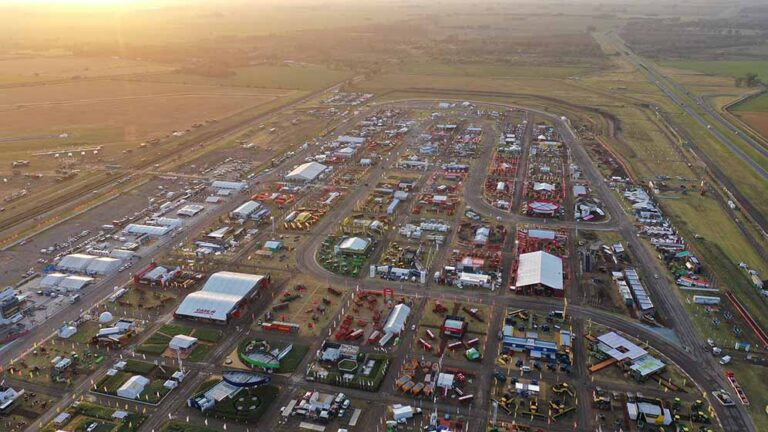
    Image:  Elitacomunica