More

    Russia Agrees ‘In Principle’ to UN and Red Cross Involvement in Evacuations From Mariupol

    Guterres proposed that the UN, the International Committee of the Red Cross, and Ukrainian and Russian forces, coordinate work to both enable the safe evacuation of civilians who want to leave Mariupol.

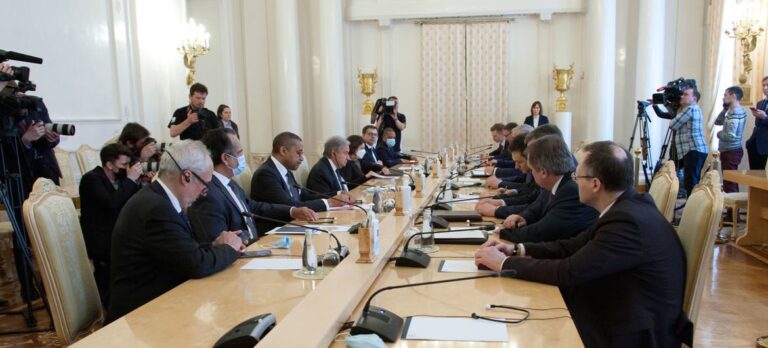
    Russia has agreed “in principle” to United Nations involvement in the evacuation of citizens from the last remaining holdout in the Ukrainian city of Mariupol, following a meeting between Secretary-General António Guterres and President Vladimir Putin in Moscow on Tuesday.

    The UN chief, who was in the Russian capital for talks on the war in Ukraine, also met with the country’s Foreign Minister, Sergey Lavrov.

    During his “tête-a-tête meeting” with President Putin, Guterres reiterated the UN’s position on Ukraine, according to a readout issued by his Spokesperson, Stephane Dujarric.

    They also discussed proposals for humanitarian assistance and evacuation of civilians from conflict zones, namely in relation to the situation in the besieged port city of Mariupol, where thousands of civilians and Ukrainian troops remain holed up in the Azovstal steel mill.

    “The President agreed, in principle, to the involvement of the United Nations and the International Committee for the Red Cross in the evacuation of civilians from the Azovstal plant in Mariupol”, said Dujarric.

    He added that follow-on discussions will be held with the UN humanitarian affairs office, OCHA, and the Russian Defence Ministry.

    ‘Frank discussion’

    Guterres told reporters that he had held “a very frank discussion” with Lavrov “and it is clear that there are two different positions on what is happening in Ukraine.”

    Russia has said it is conducting a “special military operation” in Ukraine, while for the UN, the 24 February invasion is a violation of the country’s territorial integrity and goes against the UN Charter.

    “But it is my deep conviction that the sooner we end this war, the better – for the people of Ukraine, for the people of the Russian Federation, and those far beyond,” he said.

    Underlining his role as a “messenger of peace”, the Secretary-General recalled that the UN has repeatedly appealed for ceasefires to protect civilians, as well as political dialogue towards a solution, which so far has not happened.

    Referring to the “violent battle” underway across the Donbas in eastern Ukraine, he noted that many civilians are being killed, and hundreds of thousands are trapped by the conflict, adding that repeated reports of violations, as well as possible war crimes, will require independent investigation for effective accountability.

    Humanitarian corridors

    “We urgently need humanitarian corridors that are truly safe and effective and that are respected by all to evacuate civilians and deliver much-needed assistance.”

    The Secretary-General has proposed establishment of a Humanitarian Contact Group – comprising Russia, Ukraine and the UN – “to look for opportunities for the opening of safe corridors, with local cessations of hostilities, and to guarantee that they are actually effective. “

    Addressing the “crisis within a crisis” in Mariupol, where thousands are in dire need of life-saving assistance, and for many, evacuation, he underlined the UN’s readiness to fully mobilize its human and logistical resources to help save lives.

    Guterres proposed that the UN, the International Committee of the Red Cross, and Ukrainian and Russian forces, coordinate work to both enable the safe evacuation of civilians who want to leave Mariupol – both inside the last redoubt of the Azovstal steel plant, and in the city itself, and in any direction they choose – and to deliver humanitarian aid.

    Global shock waves

    Turning to the wider impacts of the war, the Secretary-General spoke of some of the “shock waves” being felt across the globe, such as the “dramatic acceleration” in food and energy costs, which particularly are affecting millions of the world’s most vulnerable people.

    “This comes on top of the shock of the continued COVID-19 pandemic and uneven access to resources for recovery, that particularly penalize developing countries around the world.  So, the sooner peace is established, the better – for the sake of Ukraine, Russia, and for the world,” he said.

    “And it’s very important, even in this moment of difficulty, to keep alive the values of multilateralism,” he added.

    The Secretary-General underlined the need for a world that is “multipolar”, that abides by the UN Charter and international law, and which recognizes full equality among States, in hopes that humanity will again unite to address common challenges such as climate change “and in which the only war we should have would be a war of those that put the planet at risk.

    The Secretary-General will be in Ukraine on Thursday where he will have a working meeting with Foreign Minister Dmytro Kuleba, and he will be received by President Volodymyr Zelenskyy.

    Afghan Moms Receive a Fresh Start in the United States

    Despite the quality care she received, she still prefers the Afghan medical system. “Our doctors in Afghanistan were more knowledgeable,” said Freshta, who spent considerable time working in a hospital setting as a medical student and could only look on while U.S. medical staff struggled

    By Lori Silberman Brauner  /  Inter Press Service

    It was a long, harrowing road for Freshta and Shabaneh, two mothers (their names are pseudonyms) who fled Kabul, Afghanistan, late last summer before eventually settling in the southern New Jersey township of Hamilton.

    Shabaneh, 30, the mother of three boys who was then between four and five months pregnant, recalls her flight out of Kabul’s Hamid Karzai International Airport on a U.S. army plane under less-than-optimal conditions.

    Whatever seats had been in place had been removed from the plane to accommodate all the passengers, and she had no choice but to sit with her kids on plastic bags on the floor. “They were crying and I was nauseous,” she said through a translator. “I was feeling terrible.”

    Freshta, 27, a medical student who fled the country with her husband and three kids, was then between two and three months pregnant. Before leaving, she had to pass through checkpoints manned by the Taliban, who questioned her paperwork, hassling her before she bravely told them: “Put your guns away, there are children here.”

    The two families were among the more than 84,600 Afghan nationals, American citizens, and Lawful Permanent Residents who (as of Feb. 19) have arrived in the United States as part of Operation Allies Welcome, the coordinated federal government effort to support and resettle Afghan refugees — including those who worked on behalf of the United States — with more than 76,000 Afghan nationals having been resettled across the country, according to the Department of Homeland Security.

    Had a good life in Afghanistan

    Both women’s husbands worked for American organizations, which enabled them to come to the United States on Special Immigrant Visas (SIVs): Shabaneh’s at a U.S. NGO, and Freshta’s at an American security company. Both women have parents and extended family left behind in Afghanistan, and requested pseudonyms to protect their well-being.

    Through a translator, Sara Abasi, a volunteer ESL teacher who has been tutoring her, Shabaneh said that due to the Taliban takeover “our life was in danger,” so they decided to come to the United States.

    The scariest moment before her departure was the morning, Aug. 15, when the Taliban took over Kabul; her husband was at work. “We couldn’t contact my husband,” as the Taliban had shut down the phone system. “I didn’t know if he was dead or alive.” He eventually returned home at 9 p.m. after walking for hours from his office.

    Freshta’s family, it turns out, could have come to the U.S. in 2018 through the SIV program, but changed their minds because, as Abasi said, “they had a good life over there.”

    But after last summer’s Taliban takeover, because of their connection to the U.S. government (her brother-in-law was also working for them), “their data was in the Taliban’s hands, so their lives were in danger.” Freshta, who had been training as a medical student in Kabul, then had two girls and a boy.

    Good food. Bad beds

    After Shabaneh’s family’s six-hour flight, they wound up at the Al Udeid Air Base in Doha, Qatar, where they spent 13 days before coming to the U.S. While “the food was great,” the living conditions were terrible, with no real beds or privacy, Shabaneh said. “We couldn’t sleep.”

    It may have been even worse before her arrival — an Aug. 24 report in Axios detailed an email sent by supervisory special agent Colin Sullivan, an official at U.S. Central Command, to his colleagues titled “Dire conditions at Doha,” stating that the base, which had no air conditioning, was awash in loose feces and urine and infested with rats.

    Following the revelation, the Pentagon told Axios it had taken concrete steps to improve conditions on the ground, including installing more than 100 toilets and offering 7,000 traditional Afghan meals three times a day.

    The next stop for Shabaneh’s family was in the United States, at the Fort Bliss military installation outside of El Paso, Texas. There she had four or five prenatal check-ups and they had pillows and beds to sleep in, but conditions were still far from pleasant. The location had “very big bugs” — cockroaches — according to Lindsey Stephenson, another translator for the women. They grabbed the first resettlement opportunity they were offered, in New Jersey.

    Freshta spent eight days in Qatar before coming to the U.S., and three months at the Fort Pickett military base in Virginia. As she tells it, “we didn’t have enough doctors,” only for emergencies, and it was difficult to eat the food while pregnant and nauseous — although she did have two ultrasounds to check on the baby’s health.

    Kind to me

    By the time conditions had improved, her family had left the base to be resettled in Hamilton, a large Trenton, NJ, suburb.

    While the women were finally able to live in real housing, challenges remained for them in terms of accessing health care. Stephenson explained the women’s situation while having their initial post-base check-ups in New Jersey.

    Noting that their resettlement agency had a contract with Eric B. Chandler Health Center, a community health center in New Brunswick affiliated with Robert Wood Johnson (RWJ) Medical School, she said that it was a good 45 minutes away. While pregnant women receive priority, it is still a hassle; and on top of that, “they don’t drive. They have to be driven… and guess what, their kids weren’t in school either.”

    Shabaneh, who discretely nursed her two-month-old son while speaking in her apartment — as her kids, Freshta’s kids, and Stephenson’s kids noisily played around them — eventually gave birth at RWJ University Hospital. “They were really kind to me,” she said. From the beginning she chose to breastfeed, although she was offered formula as a feeding option.

    Freshta also praised the care she received as a pregnant woman, noting that when she experienced a change in the baby’s movements, she instantly was told to come to the hospital — Capital Health in Hopewell, NJ — where she remained for 25 hours for evaluation.

    Prefers Afghan medical system

    Yet despite the quality care she received, she still prefers the Afghan medical system. “Our doctors in Afghanistan were more knowledgeable,” said Freshta, who spent considerable time working in a hospital setting as a medical student and could only look on while U.S. medical staff struggled to insert a needle in her arm for routine blood work. As Stephenson noted, “because of the lack of technology, then people actually have to be more skillful with their hands.”

    Virtua Health Systems, which has five hospitals in southern NJ, and whose Mt. Holly location is just down the street from Joint Base McGuire-Dix-Lakehurst — the military base where many of the Afghan refugees were housed after coming to the United States — saw some 123 births from this population and over 1,000 encounters “in triage,” said Pamela Gallus, RN, assistant vice president of patient care services, Virtua Mt. Holly Hospital. “And we really early on saw them for a lot of other things other than deliveries. We did a lot of their prenatal care when they first arrived.”

    What kind of medical care had these women previously had in Afghanistan? “It was somewhat variable,” said Dr. Michelle Salvatore, medical director, OB/GYN Hospitalists at Virtua Mt. Holly. “Some of the patients had what we would consider regular physician prenatal care prior to coming.

    I would say that was not the majority of patients. Many of the patients lived in remote places in Afghanistan and villages and…and hadn’t really had a lot of interface with health care…. So, this was a little bit of a different scenario as we were trying to provide more of a preventative care-type model for them.”

    Knew formula was an option

    Asked about their physical conditions when they landed in the hospitals, Dr. Nicole Lamborne, Virtua’s vice president of clinical operations-women’s health, said that despite the “incredible amount of stress they were under… physically, I don’t think we saw too many issues of really malnourished [patients], just different nourished.”

    While in general, they were thinner patients, “it actually reduces some of our obstetrical complications — they were much more used to walking places. So, I think physically, in a lot of ways, they’re healthier than some of the patients that we have in the United States.”

    Afghan women demonstrated interesting cultural patterns for breastfeeding after giving birth. “Every one of them was seen by a lactation consultant,” said Gallus. While only about 40 out of some 120 patients breastfed exclusively, “there were only two or three who [exclusively] formula fed,” Gallus said.

    “The rest of them all ‘combo fed,’ where they gave a little bit of formula and primarily breastfed, because that is their culture. But they often felt that until their milk was established…they wanted to be able to give the baby some form of nutrient.”

    Does it really matter if a newborn gets just a few bottles of formula? While the milk of women who exclusively formula feed will eventually come in — “it’s just a better supply” if one exclusively breastfeeds, said Virtua Mt. Holly Lactation Consultant Shirley Donato, RN, acknowledging that “it’s helping the baby to learn how to breastfeed and things like that.”

    The new moms “came in knowing about formula…I don’t know if they educated them on the base about their choices and to make sure they had formula if they were formula feeding, but they came in knowing that formula was an option,” Lamborne said. “They had formula on the base,” Gallus concurred.

    Infant formula in infant settings

    There are recommended practices for the introduction of infant formula into humanitarian settings, said Hannah Tappis, DrPH, MPH, a senior technical adviser at Jhpiego, an affiliate of John Hopkins University, whose expertise focuses on maternal health in crisis situations.

    “The best thing you can do for a lot of places is give cash — not to send your old things or to, you know, go to Costco and stock up on formula,” Tappis said. “The best thing to do is to donate to organizations that if that’s what they need they’ll purchase [it].”

    But donating formula “in a more global context” is not recommended, she said. “And you know, that doesn’t mean small charities or church charities aren’t doing it. But certainly the big organizations wouldn’t accept it, and it would be generally discouraged.”

    At least before the women left the army base, Virtua medical personnel tried to create an atmosphere most conducive to breastfeeding. “One of the things that we always do here is we do ‘skin to skin’ as soon as the baby is born, so we put the baby actually on the chest and the breast,” Gallus said. Virtua also facilitates full-time rooming in with the babies to facilitate bonding; there is no nursery per se where the babies are lined up by bassinets.

    In the meantime, Freshta, who was nearing the end of her pregnancy during a reporter’s visit, gave birth to a healthy baby boy on April 6. Although she had had a C-section, according to Stephenson, she was ready to return home after just two nights in the hospital. She chose to breastfeed him.


    Lori Silberman Brauner is an award-winning journalist, editor and freelance writer who most recently served as deputy managing editor at the New Jersey Jewish News.

    This story has been sourced from Inter Press Service.

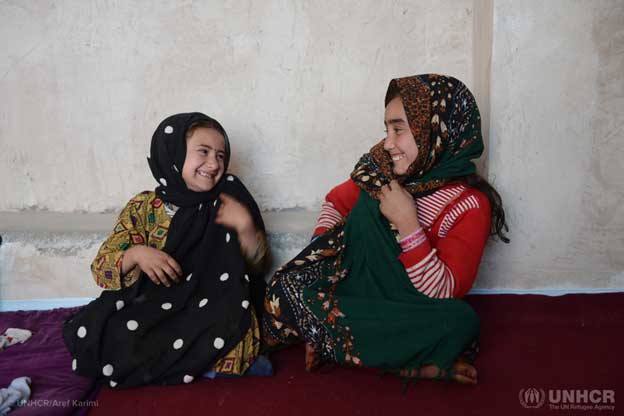
    Image: UNHCR

    Greenpeace India Uses RTI to Debunk Government Claims On Fortified Rice

    The government replies blow in the face of claims of fortified rice being a silver bullet to solve the high prevalence of undernutrition and anaemia in India. The government has given a go-ahead to the provisioning of fortified rice as part of the Public Distribution Scheme.

    Two queries by Greenpeace India addressed to different bodies of the government under the Right to Information Act have thrown up discrepancies that blow the lid off the government’s claims on fortified rice, the international NGO claims.

    In a RTI response, the Ministry of Consumer Affairs, Food and Public Distribution could not provide any specific survey or data on the scientific basis for the pilot project of rice fortification, Greenpeace India claimed.

    The reply mentioned that the ministry had taken into consideration the National Family Health Survey- 4 (NFHS-4) to approve the Centrally Sponsored Pilot Scheme on ‘Fortification of Rice and its Distribution under Public Distribution System’ for a period of three years beginning in 2019-20.

    In the reply received by Greenpeace, the ministry has said that, “Third-party evaluation of the ongoing pilot scheme is due in the third year i.e. in 2021-2022,” which hasn’t been done yet.

    ICMR-NIN Study

    Another RTI question from Greenpeace India aimed at the Indian Council of Medical Research, National Institute of Nutrition (ICMR-NIN). The organisation enquired if the twosome had conducted any study to estimate the wholesome impact of the chemically fortified food on the health of people with special focus on pregnant women, nursing mothers, under five year children, undernourished and malnourished children.

    In response, ICMR-NIN mentioned that they have not conducted any study to ascertain the impact of chemically fortified food.

    ICMR has also said that it did conduct a double blind randomized controlled study in government primary school children (in the 5 to 11 years age group) on fortified rice served as part of their mid-day meal. But their findings showed, “iron fortified rice has a similar effect as mid-day meal on improvement in anaemia.”

    This reply to the query is certain to lead to further questions by advocacy groups doubting government’s assumptions and claims that fortified rice could be helpful in eradicating anaemia.

    A clear inference of this reply, says Greenpeace India, is that mid-day meal schemes can be a boost in the fight against malnutrition and anaemia, if improvised with attention to food diversity and effectively implemented.

    Diverse diets work better

    These replies blow in the face of government claims of fortified rice being a silver bullet to solve the high prevalence of undernutrition and anaemia in the country. The government has given a go-ahead to the provisioning of fortified rice as part of the Public Distribution Scheme.

    According to Dr Veena Shatrugna, Former Deputy Director of the National Institute of Nutrition, “The fortification project is not formulated from a sound medical science point of view. Any one food item cannot provide all nutrients in adequate amounts.”

    “Solutions to anaemia, hunger and malnutrition can only be resolved by introducing diverse foods like several cereals, pulses, fruits, vegetables and even animal foods into the diet rather than looking for a one bullet solution like fortification,” she says.

    “Enough research is available to suggest that only dietary diversity can ensure eradication of malnutrition and anaemia,” said Ishteyaque Ahmed, Senior Campaigner at Greenpeace India. “The government must focus on making mid-day meals and PDS more effective by making it regular and also adding adequate nutritional value.”

    The Central government believes that fortified food will help fight the crisis of undernutrition and anaemia. The public distribution system (PDS), mid-day meal and Integrated Child Development Services (ICDS) have been harnessed to distribute fortified rice in all states.

    The Food Safety and Standards Authority of India (FSSAI) claims that, “Food fortification is a scientifically proven, cost-effective, scalable and sustainable global intervention that addresses the issue of micronutrient deficiencies.”

    But campaigners advocating for food diversification instead of fortification point to conflict of interests on the part of FSSAI. “Entities that will benefit from the rice fortification push are even housed in regulatory bodies like FSSAI,” says the Right to Food Campaign, pointing to the enormous influence these entities have on policy decision-making.

    Population and Development Commission: ‘Perfect Storm’ of Crises Take Shape

    Opening its fifty-fifth session under the theme ‘Population and sustainable development, in particular sustained and inclusive economic growth,’ marks success for a body that has historically been plagued by gridlock and disagreement.

    Against the backdrop of shifting population demographics, conflicts, post-pandemic shocks and climate change, the developing world is on the brink of a “perfect storm” of debt, food and energy crises, experts warned the Commission on Population and Development on Monday.

    While sounding the alarm over the planet’s unequal COVID-19 recovery and notable reductions in public spending for youth, older people and other vulnerable populations, officials from across the UN system stressed that this multipronged crisis has a “decidedly female face.”

    Opening its fifty-fifth session under the theme “Population and sustainable development, in particular sustained and inclusive economic growth,” marks success for a body that has historically been plagued by gridlock and disagreement.

    Population, poverty, economic growth

    Commission Chair Enrique A. Manalo said that efforts to slow population growth, decrease poverty, realize economic progress, protect the environment and reduce unsustainable consumption and production are all mutually reinforcing.

    With poverty and inequality gaining renewed attention amid the COVID-19 pandemic, the insights outlined in the Programme of Action agreed upon at the 1994 International Conference on Population and Development in Cairo, Egypt are as relevant today as ever, he stressed.

    Although the world’s challenges are not caused by population growth, they are compounded by it, making it more difficult to tackle, he said.

    Rising inequality

    Rebecca Grynspan, head of the UN Conference on Trade and Development (UNCTAD), warned that a systemic debt crisis is unfolding for billions in the developing world – with inflation at a multi-decade high and civil unrest brewing in all corners of the world.

    Meanwhile, progress towards realizing the 2030 Agenda for Sustainable Development and its 17 Sustainable Development Goals (SDGs) has been severely hampered as inequalities are rising.

    She drew attention to the world’s large generation of young people, as well as women, voicing hope that their innovative ideas will help reverse these negative trends.

    Critical care work

    In her keynote address, Jayati Ghosh, Professor in the Department of Economics, at the University of Massachusetts at Amherst, emphasized that the “perfect storm” of challenges described by Ms. Grynspan cannot be tackled without inclusion.

    That means reducing inequalities, which will always engender backlash and pushback.

    She also voiced concern over the continuing disinvestment in care work, a burden which will only increase amid future demographic challenges and climate change impacts.

    “If we do not empower women … we will be unable to deal with the major challenges facing society,” she cautioned.

    ‘Gathering storm of adversity’

    Deputy Secretary-General Amina Mohammed agreed that the pandemic lent a fresh urgency to the challenges being discussed by the Commission.  COVID-19 kept boys and girls out of school, increased the burden of care work — especially for women — and exacerbated gender-based violence.

    At the same time, the world remains far off track on the goal of eliminating hunger and malnutrition by 2030, and the numbers of people affected by hunger are projected to increase by tens of millions as the war in Ukraine causes food and energy prices to skyrocket.

    “In the face of this gathering storm of adversity, we must come together as an international community,” she said, adding, “we urgently need to renew the social contract to rebuild trust and social cohesion.”

    High stakes for women, girls

    Meanwhile, UN Population Fund chief Natalia Kanem said that COVID-19 has made painfully clear the need for massive investments in family planning services and national health systems that are universal, resilient, data-driven and adequately staffed.

    “Lack of bodily autonomy and reproductive choices continue to block women’s path to equality and full participation in economic life,” she said, expressing concern over declining funding for population-related matters – especially sexual and reproductive health and reproductive rights – as countries shift their priorities amid the pandemic.

    “We cannot afford further reversals – the stakes for women, girls and young people, and for their societies, are far too high,” she said.

    “We still see the immense wisdom of putting women and girls at the centre of economic and social development.”


    Image: Hippopx, licensed to use under Creative Commons Zero – CC0

    Building Resilience and Preventative Responses to Withstand Global Crises

    Resilience to shocks is no longer just about bouncing back — it’s also about building preparedness for even bigger disruptions. The climate crisis, COVID-19, and geopolitical conflicts epitomise the biggest risks of our time and illustrate how mainstream economic analysis has undervalued long-term prevention. But the escalating dangers call for a higher priority to be given to preparedness as part of resilience building.

    By Danny Quah and Vinod Thomas

    In the 1981 film Quest for Fire, a prehistoric tribe in Palaeolithic Europe finds that its most precious possession, a fire, got put out. This presented an existential crisis because, while the tribe knew how to use fire, it did not know how to make it. It is vital to be aware of tipping points and irreversible losses because if the flame gets extinguished, there’s no coming back. Whether it is a conflict with a country or with nature, sustainability calls for managing conflicts for the common good.

    Greater resilience is not about simply reinforcing robustness to withstand bigger shocks. Large skyscrapers that can sway do better than rigid ones. Financial strength was no defence against COVID-19, whose dangers include constant mutation. The East Asian experience suggests that adaptive government responses and civic cooperation are what count. Uncertainty calls for stress-tests of system functionality, be it national defence or health care, just as central banks test financial systems.

    Influencing shocks through policies

    One lesson learnt from COVID-19 is that risk management for the future must be attended to during the exigencies of crisis management. The resilience of health systems is essential in determining society’s ability to bounce back from pandemics. The damage to socioeconomic systems from shocks depends on their built-in readiness. Just as East Asia learnt from the 1997 Asian financial crisis and was able to withstand the 2008 global financial crisis relatively well, resilience against the next pandemic after COVID-19 will also be determined in part by the risk management measures added during the current outbreak.

    The common understanding of risk is as the probability of a shock multiplied by its impact, be it the climate crisis, geopolitical conflict or a pandemic (top dangers as assessed by the 2021 World Economic Forum). Resilience building can modify the probability of a seemingly exogenous shock and make the risk at least in part endogenous, underscoring the possibility of influencing shocks through policies.

    The disturbance caused by an initial shock can evolve differently depending on preparedness. The emergence of COVID-19 was an exogenous shock but its effects varied depending on a country’s readiness. Geopolitical conflicts can also seem exogenous but are influenced by investments and actions. For example, a small accident in the South China Sea could lead to differing degrees of aggression and confrontation. The future development of Russia’s invasion of Ukraine may take multiple paths, including unthinkable conflict scenarios at a global scale, but Ukraine’s efforts in resilience building can also shape outcomes.

    Mitigation must complement adaptation

    Natural disasters like floods and storms, a perennial threat to lives and livelihoods in East Asia, have long been considered exogenous shockwaves. But evidence on the anthropogenic nature of climate disasters suggests that mitigation, prevention and adaptation are possible. Climate adaptation, like building sea defences or better drainage systems, is essential given the inevitability of changes underway. Mitigation efforts, like cutting carbon emissions, alter the severity of changes.

    Adaptation is politically more palatable as its benefits are felt directly within a country. In contrast, mitigation by one country invokes the risk of free ridership and a moral hazard of avoidance of action by another. That said, mitigation, complementing adaptation, is the key to the survival of the planet.

    The confluence of risks — from geopolitical dangers to the climate crisis — calls for a paradigm shift in emphasising resilience building. When threats combine exogenous and endogenous dimensions, as they often do, the emphasis needs to be not only on adaptation to the inevitable but also mitigation. The world has underinvested in mitigating risks, as seen in the case of climate change by the continued rise of carbon emissions. It is time to fundamentally change the way policymakers around the world think about crisis management and resilience and invest far more into mitigation efforts.


    Danny Quah is Dean and Li Ka Shing Professor in Economics at the Lee Kuan Yew School of Public Policy, National University of Singapore.

    Vinod Thomas is a Visiting Professor at the Lee Kuan Yew School of Public Policy, National University of Singapore.


    This piece has been sourced from the East Asia Forum of the Australian National University

    Humanity’s Broken Risk Perception is Reversing Global Progress, says UNDRR Report

    A ‘spiral of self-destruction’ is on, says the UN’s flagship Global Assessment Report, adding that this could undo social and economic advances and face 1.5 disasters a day by 2030.

    Human activity and behaviour is contributing to an increasing number of disasters across the world, putting millions of lives and every social and economic gain in danger, warns a new UN report.

    The Global Assessment Report (GAR2022), released by the UN Office for Disaster Risk Reduction (UNDRR) ahead of the Global Platform for Disaster Risk Reduction in May, reveals that between 350 and 500 medium- to large-scale disasters took place every year over the past two decades. The number of disaster events is projected to reach 560 a year – or 1.5 disasters a day – by 2030.

    The GAR2022 blames these disasters on a broken perception of risk based on “optimism, underestimation and invincibility,” which leads to policy, finance and development decisions that exacerbate existing vulnerabilities and put people in danger.

    “The world needs to do more to incorporate disaster risk in how we live, build and invest, which is setting humanity on a spiral of self-destruction,” said Amina J. Mohammed, Deputy Secretary-General of the United Nations, who presented the report at the UN headquarters in New York.

    “We must turn our collective complacency to action. Together we can slow the rate of preventable disasters as we work to deliver the Sustainable Development Goals for everyone, everywhere.”

    Asia-Pacific loss 1.6 per cent of GDP

    The report entitled “Our World at Risk: Transforming Governance for a Resilient Future,” found that the implementation of disaster risk reduction strategies, as called for in the Sendai Framework for Disaster Risk Reduction 2015-2030, had reduced both the number of people impacted and killed by disasters in the last decade.

    However, the scale and intensity of disasters are increasing, with more people killed or affected by disasters in the last five years than in the previous five.

    Disasters disproportionately impact developing countries, which lose an average of one per cent of GDP a year to disasters, compared to 0.1-0.3 per cent in developed countries. The highest cost is borne by the Asia-Pacific region, which loses an average 1.6 per cent of GDP to disasters every year, while the poorest also suffer the most within developing countries.

    Adding to the long term impacts of disasters is the lack of insurance to aid in recovery efforts to build back better. Since 1980, just 40 per cent of disaster-related losses were insured while insurance coverage rates in developing countries were often below 10 per cent, and sometimes close to zero, the report said.

    “Disasters can be prevented, but only if countries invest the time and resources to understand and reduce their risks,” said Mami Mizutori, Special Representative of the Secretary-General for Disaster Risk Reduction and Head of UNDRR.

    “By deliberately ignoring risk and failing to integrate it in decision making, the world is effectively bankrolling its own destruction. Critical sectors, from government to development and financial services, must urgently rethink how they perceive and address disaster risk.”

    Complex risks

    A growing area of risk is around more extreme weather events as a result of climate change.  GAR2022 builds on the calls to accelerate adaptation efforts made at COP26 by showcasing how policymakers can climate-proof development and investments. This includes reforming national budget planning to consider risk and uncertainty, while also reconfiguring legal and financial systems to incentivize risk reduction. It also offers examples that countries can learn from, such as Costa Rica’s innovative carbon tax on fuel launched in 1997, which helped to reverse deforestation, a major driver of disaster risks, while benefiting the economy.  In 2018, 98 per cent of the electricity in Costa Rica came from renewable energy sources.

    GAR2022 was drafted by a group of experts from around the world as a reflection of the various areas of expertise required to understand and reduce complex risks. The findings of the report will feed into the Midterm Review of the implementation of the Sendai Framework, which includes national consultations and reviews of how countries are performing against the goal, targets and priorities for action of the Sendai Framework.

    “As the Midterm Review of the Sendai Framework is underway, this report should be a wake-up call that countries need to accelerate action across the Framework’s four priorities to stop the spiral of increasing disasters,” said Mizutori

    “The good news is that human decisions are the largest contributors to disaster risk, so we have the power to substantially reduce the threats posed to humanity, and especially the most vulnerable among us.”

    Nepal: Ensuring that Local Polls are Truly Free and Fair

    Ensuring the code of conduct is followed, that candidacies are inclusive, and the expense ceiling is adhered to are as important as ensuring that elections are peaceful.

    By Alok Pokharel

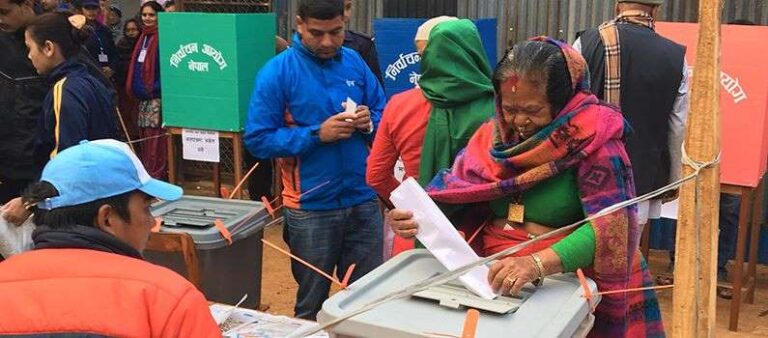
    On May 13, eligible Nepali citizens will vote to elect their local representatives, and later this year, also vote to elect their representatives at the provincial and federal levels. The Election Commission wanted at least 120 days to prepare for the local elections but the Sher Bahadur Deuba-led federal government announced elections for mid-May on February 7, providing only 90 days. Nevertheless, the Election Commission has been busy preparing for polls in this short span of time.

    In 2017, local elections were held in three phases. Even then, the government had provided a similar time frame. While the commission has publicly said that it can conduct elections within the given timeframe, there are concerns about its administrative and logistical preparations that could likely impact the quality of the polls.

    In Nepal, over the years, the electoral management body, election observers, the media, and political analysts have focused more on voter turnout, registered voters, and voting centers. However, the issue of invalid votes, voter education, enforcement of the code of conduct, and other governing aspects do not receive enough attention. This is where the Election Commission should focus for the upcoming local polls.

    Excessive invalid votes 

    In 2017’s local elections, many local units had a higher percentage of invalid votes than accepted by international standards. Invalid votes higher than four percent are considered abnormal, according to databases from the ACE Electoral Knowledge Network and International IDEA, requiring systemic interventions.

    High percentages of invalid votes were found both in urban and rural local units during the last local elections. For example, Tumbewa Rural Municipality in Panchthar had 13.41 percent invalid votes, Kaike Rural Municipality in Dolpa had 14 percent, Bideha Municipality in Dhanusa had 19.87 percent, and Biratnagar Metropolitan City in Morang had 24.07 percent, according to the Election Commission’s district-wise local level election report. It was also reported that Lalitpur had 17.1 percent and Kathmandu 16.2 percent of invalid votes.

    In the local election’s first-past-the-post system, a 10 percent margin can be large enough to swing the election in favor of one candidate, so we can assume that the results could have been different had there been a lower percentage of invalid votes, assuming the invalid votes were skewed against one candidate.

    Many observer groups, such as the Democracy Resource Center Nepal and the Election Observation Committee Nepal, reported that the lack of adequate voter education was a major factor behind the high number of invalid votes.

    Voter’s education is an important aspect of any election and, if conducted well, can inform how and where to register as a voter, how to vote, and the role of voters. It can also help avoid potential vote-buying, thereby increasing the quality of elections and voting.

    The Election Commission has developed programs and directives in and around voter education, but many of these are only implemented just before elections, not between elections. The Election Education and Voter Education Directives, 2022, a key instrument for voter education, was only implemented on March 29, a month and a half before the planned election. Providing voter education only after elections have been announced limits the efficacy of such education drives. Internationally, voter education is conducted throughout the year, such as in Australia and Canada, and many nations have adopted voter education into their civic education programs – an initiative that the government and the Election Commission should consider for future elections.

    Governing local polls  

    The enforcement of the election code of conduct is another important aspect integral to the quality of elections. Political parties contesting the upcoming local elections have already questioned certain provisions of the election code of conduct, with one of the major parties, the CPN-UML, even refusing to sign the commitment letter. Political parties were particularly concerned with Section 36 of the Election Code of Conduct, 2022, which requires incumbent local representatives to resign from their posts before being able to contest the upcoming polls again. This provision was even challenged at the Supreme Court through a petition, which the court dismissed. Given their reservations, the political parties are less likely to adhere to the election code of conduct.

    Furthermore, incidents that violate the election code of conduct are simply flagged by the Election Commission without any substantial penalties. There is a wide belief amongst political parties, candidates, and even election officials themselves that the code of conduct is just a moral standard and not enforceable. Such an understanding is detrimental to effectively governing elections.

    Studies by the Democracy Resource Center Nepal and the Election Observation Committee Nepal, along with media reports, show that campaign expenses during the 2017 local elections were significantly higher than the ceiling set by the Election Commission. A study conducted by the Election Observation Committee Nepal showed that an average of Rs 1.73 million was spent by mayoral candidates, against the expense limit of Rs 0.75 million (for mayoral candidates of a metropolitan city) allowed by the Directives on Local Level Election 2017.

    Access to funds

    In 2017, election campaigns were not only expensive but also largely unregulated and unpunished by the Election Commission. The commission’s ignorance or failure to take action against parties and candidates violating laws on campaign expenses meant that elections were not fair, especially for candidates who could not afford to spend large sums. Such instances are also discouraging to women and candidates from marginalized communities, who are less likely to have access to funding. In a truly free and fair election, access to funds should not deprive candidates from standing nor should it determine the outcome of an election.

    Concerns have been already made about the campaign expense ceiling. Many have held that the ceiling – for instance Rs 700,000 in case of a mayor of a metropolitan city – is not practical and will not reflect actual expenses. Ex-election commissioners and politicians have publicly stated that candidates spend millions in major metropolitan cities. Shashank Koirala, a senior politician from the Nepali Congress, recently made a public statement that he had spent Rs 60 million during the 2017 parliamentary elections. The Election Commission duly sought a clarification from him.

    In Nepal, elections are still held to be ‘free and fair’ if voting goes relatively peacefully and there is a high voter turnout. But these are minimum standards. A successful election needs to be judged from a broader set of parameters, including issues of voter education and the extent of invalid votes, enforcement of the election code of conduct, and the role of moneyed interests in politics.

    These aspects should all be considered while judging the quality of the upcoming election.

    Inclusive practices

    Additionally, there are other aspects important in governing the upcoming local polls. The Election Commission should ensure that inclusive practices are followed while appointing election officials and during candidacy and nomination processes; election officials and volunteers are adequately trained; any electoral disputes at any levels are settled promptly; election centers are easily accessible to people, especially to persons with disabilities; all political parties and candidates are treated equally throughout the electoral cycle; fairness and transparency in electoral processes; and that election results are declared soon. Many of these were lacking during the 2017 local elections.

    With less than a month left until local elections, it is important that the Election Commission adopts measures to fulfil its larger responsibilities. That would not just improve the upcoming local elections, but also set up foundations for the provincial and federal elections later in the year.


    Alok Pokharel  is an advocate, currently teaching law and researching on constitutional and legal issues.

    This piece has been sourced from Record Nepal.

    Years of Policy Failure and COVID Throw Sri Lanka Into Deep Crisis

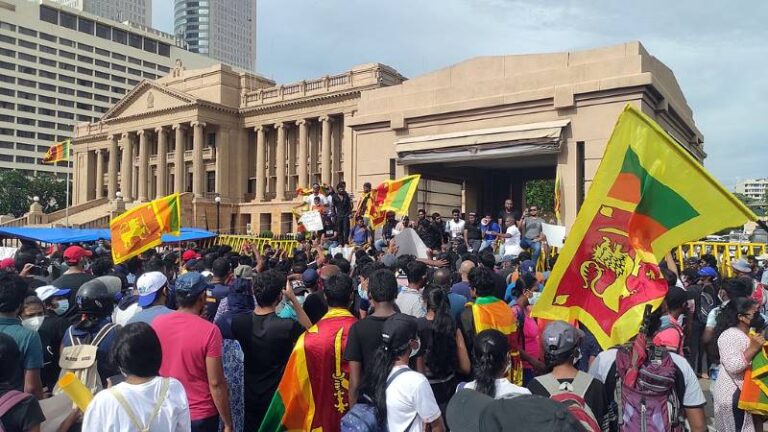
    Sri Lanka is collapsing and its economy is at a tipping point. The country is witnessing one of the worst economic and political crises in its history, with massive protests demanding President Gotabaya Rajapaksa’s resignation. The protests were sparked by a marked decline in living standards as Sri Lankans have been battling long and frequent power cuts and a 25 per cent increase in food prices.

    By Chulanee Attanayake

    In the weeks preceding the protests, many had to queue for hours to obtain fuel and gas, which caused four elderly people to die of heat exhaustion. Frustrated and disappointed Sri Lankans, who have been experiencing this situation for too long, began protesting in March 2022.

    The situation is a culmination of multiple economic and political factors which have accumulated over time. Sri Lanka has experienced macroeconomic instability, economic stagnation and a volatile business environment for decades . It has also been suffering from a twin deficit problem — a balance of payments, foreign exchange and fiscal deficit — due to years of economic mismanagement and corruption.

    The ratio of government revenue to gross domestic product (GDP) has been unbalanced for years. Economic policy since the 1990s has seen a combination of tax exemptions and reductions for the wealthy and multinational corporations. These policy decisions have resulted in a steady decline in government revenue collection. In 2021, Sri Lanka’s tax revenue amounted to only 9.6 per cent of GDP against government expenditure at close to 20 per cent of GDP.

    Lankan Arab spring moment?

    Adding to this is the external deficit problem, created by high imports, low exports and increasing debt. The debt-to-GDP ratio, which declined in 2009, has been steadily increasing since 2014. After graduating to middle income country status in 1997, concessional loans from multilateral agencies and bilateral donors became inaccessible, and Sri Lanka turned to international capital markets for commercial borrowings. Sri Lanka’s foreign debt composition is now heavily tilted toward commercial loans, with a growing reliance on international sovereign bonds.

    Despite being one of the earliest economies in South Asia to open up, Sri Lanka still has limited sources of foreign exchange. The COVID-19 pandemic disrupted two primary sources of foreign exchange earnings— remittances from unskilled migrant workers and tourism. With limited foreign exchange earnings, coupled with a high import dependency and commercial debt burden, Sri Lanka’s foreign exchange began to decline rapidly.

    Government policies have aggravated these problems. The sudden decision in April 2021 to ban chemical fertiliser imports, in an effort to limit foreign exchange outflows, led to a shortage in essential commodities and affected food security. The government also ignored repeated calls from experts to seek bailout from the International Monetary Fund.

    In late March, street protests culminated in a massive demonstration demanding President Rajapaksa’s resignation. The protests, which quickly spread across the country, are unprecedented in Sri Lanka’s history. While a number of cabinet ministers resigned in response, Rajapaksa and his brother Mahinda, the Prime Minister, continue to hold onto power.

    In what some have described as Sri Lanka’s Arab Spring, protesters have occupied Galle Face, a park in front of the Presidential Secretariat, and established a tent city named ‘Gotagogama,’ meaning ‘Gota Go Village’. The protest slogans of #GoGotaHome and #GoRajapaksasHome are calls for the government to renounce power.

    Basic rights

    Historical allegations of corruption and nepotism against the Rajapaksa family have resurfaced. With Rajapaksa showing no intention of stepping down, Sri Lanka’s political stability and national security are at risk. Rajapaksa seems determined to prove that he can turn things around.

    Even if the government is making an effort to achieve economic stability by tightening monetary policies, restructuring debt and seeking an IMF bailout, the economy needs time to recover. The country needs to regain international credibility, which can only be achieved through economic reform. Reforms should include adjusting fuel and electricity prices, tax reforms, restructuring of state-owned enterprises and privatisation of services.

    Reforms will place financial burden on Sri Lankans, and result in likely layoffs in the public sector. So even if Rajapaksa and his government manage to resolve the economic problems, this is unlikely to resolve the civil unrest.

    If Rajapaksa and his brother decide to resign, the protests will temporarily subside. But their successors will need time to restore economic order and stability. They will have to implement a painful reform and restructuring process, putting the general public through more economic hardship. Sri Lankans’ tolerance of political incompetence has run out and their thirst for basic rights now seems unquenchable.


    Chulanee Attanayake is a Research Fellow at the Institute of South Asian Studies, National University of Singapore.

    This piece has been sourced from the East Asia Forum of the Australian National University.

    Image: Wikimedia / AntanO

    What One Radio Show And One Strong Woman Can Do

    Ramkali Mahato, a young woman leader from Nepal’s Terrai plains, uses her position of leadership to speak out against domestic violence in a community where women’s voices have traditionally been suppressed by men.

    A voice comes through the radio. It is Ramkali Mahato’s favourite show. She turns up the volume to hear local women talking with elected officials about empowerment issues and traditional social norms. Inspired by the show, Ramkali now strives to do the same in her daily life, speaking up against discrimination in her community and ensuring a better future for her own children.

    36-year-old Ramkali had only completed the seventh grade when, at 12 years old, she was married. In her area of southeastern Nepal, child marriage is still practiced despite being illegal. At just 14 years old, she gave birth to her son, swiftly followed by another son and a daughter. As part of the Madheshi community, a socially and economically marginalised community in Nepal, many women from her area face structural barriers including discriminatory policies, legislation and social norms, like child marriage, which hinder their access to education, jobs and opportunities. They carry the disproportionate share of unpaid domestic work and are often excluded from participation and leadership in public life.

    Challenging social norms

    During the COVID-19 pandemic, Ramkali began listening to “Sambal”, a radio show broadcast by the Joint Programme on Rural Women’s Economic Empowerment (JP RWEE). The programme was implemented by FAO, the International Fund for Agricultural Development, UN Women and the World Food Programme and supported by the governments of Norway and Sweden. It aims to tackle the deep-rooted causes of gender inequality and boost rural women’s economic empowerment, which includes facilitating access to opportunities, resources and services, including land, credit and technologies. JP RWEE works with national and local governments, communities and households to tackle unequal power dynamics and discriminatory social norms in order to achieve lasting change.

    On the live radio programme, locally elected leaders address the women’s queries and concerns on topics like gender equality, financial knowledge and harmful social norms that underpin violence against women and girls. The show also highlights individual and community actions that can be taken to combat the issue.

    “I loved the radio programme so much that I used to go around to my neighbours’ houses every week and turn on the radio myself if they had forgotten to listen to it,” Ramkali says, laughing.

    By listening to Sambal, Ramkali realized how difficult it was for women in her traditional rural community to create a life outside the home, and she set out to challenge these norms. In her area, farming groups and local councils are predominantly led by men with women given little space to participate in decision-making. But with help from the JP RWEE, Ramkali took leadership of the Laxmi Rural Women Farmers Group and encouraged other women in her area to do more outside their homes.

    “Our voices are often suppressed by the men in my village. But Sambal has given us the strength, courage and a platform to have our voices heard,” she says.

    Put to the test

    Her newfound leadership was immediately put to the test by the COVID-19 lockdown, during which, Ramkali says, there were many cases of domestic violence in her community. She used her position of leadership to speak out against these practices, something that in Nepal’s traditional society is already a big step forward.

    “Our access to local authorities was limited due to the restrictions caused by the lockdown. Taking inspiration from the radio show, I along with other women from my group raised our voices against violence. I even got a chance to speak about these issues directly with the leaders in my community and to encourage them to take serious steps to tackle the issues.”

    A leader in the community

    The JP RWEE has helped Ramkali not just to find her voice but earn an income too. Before joining the programme, Ramkali’s family practiced traditional farming and managed to grow just enough to feed themselves. However, after training and inputs from the JP RWEE, she has become skilled enough at vegetable farming to rent a larger piece of land and start commercial farming. In the five years since the programme began, her annual income has risen by over 2000 per cent.

    FAO Nepal radio programme empowers Terrai woman leader
    Ramkali with her daughter

    This allowed Ramkali the financial freedom to maintain her house and even pushed her to make sure her daughter had the same access to education as her sons during COVID-19. In the lockdown, sons were given preference to attend online classes whereas daughters were supporting their mothers in the household chores. This seemed wrong to Ramkali, and after she spoke out, girls were encouraged to attend online classes too.

    “I struggled a lot in my life as I was married when I was a child and did not have an opportunity to continue my education,” Ramkali says. “I do not want my daughter, or others in our community, to face the same challenge.”

    For Ramkali, the JP RWEE programme empowered her to make her own choices. “It changed my life by giving me an opportunity. It has changed my relationship both at home and in my community, as my voice is heard these days. I am now confident that I can live my life without being dependent on my husband or any other family members.”

    Though challenged by her community and even her husband at the beginning, gradually, they saw how hard she worked and the difference she was making. Her husband began appreciating her ability to help support their family, and her community saw how Ramkali was creating a fairer society for women and building the confidence of other women to join her. Sometimes, it takes just one strong woman to make big changes to society.


    This piece has been sourced from the Food and Agricultural Organisation.


    Image: Nishant Gurung  /  UN Women

    Chronicle of a Tragedy Unfolded

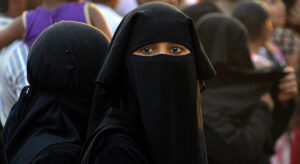
    While officially, the burqa ban is justified on grounds of need for uniformity and wearing of hijab is not seen as necessary to religious practice, such top-down rationale needs to be understood within the context of everyday local, cultural perceptions.

    By Vani S. Kulkarni

    The Karnataka court’s verdict to uphold the hijab ban has intensified the protest in the state. The row has been typically perceived by many as manufactured by the politicians pointing to the culture of politics in the state. While the jury is still out there on this, evidence on how state’s local culture constructs and deconstructs religious identity allows drawing conclusions with some definitiveness. The culture of state’s politics is one side of the coin. Considering its flip side – politics of culture, particularly of the religious cultural identity, is just as relevant.

    Few years ago (between 2014-early 2020), as I travelled for many months across various villages and towns of Karnataka observing and interviewing rural and semi-urban community dwellers about their experiences with RSBY health insurance scheme, two stories, both related to value of health insurance, surfaced repeatedly.

    One was a story of public valuing health insurance for reasons beyond the visible economic and infrastructural ones. The other was a story of fairly uneven degree of value and use of health insurance provision among the public.

    It is the latter story that provides evidence of the politics of religious culture, and thus provides some context to better understand the Hijab row in the state. A striking pattern of the unevenness, among other forms, was the difference among households in the value and eventual use of health insurance along religious lines, especially between Hindus and Muslims. Both Hindus and Muslim households agreed that the latter, more than the former households, fervently sought the possession of and use the health insurance provision.

    Antipathy

    Such proclivity by Muslim households, however, was not perceived kindly. While the resentment often was not articulated candidly for the fear of backlash in the community, there was certainly an underlying tension. As one Hindu household indicated: “we all know that Muslim households are overusers of any government provisions, including health services, but we rather not talk about it because they are all neighbours and it will cause chaos in the neighborhood.”

    However, not everyone exercised restraint in expressing their resentment. In fact, the antipathy toward Muslims was very loud in some quarters that simultaneously expressed disapproval for the Hindus’ lukewarm interest as well as sympathy for their fellow Hindu households for not getting a fair share of the government provisions. The remark of one Hindu household summed up such a sentiment: “Hindus means hinda (Kannada word for behind). Muslims means munda (Kannada word for ahead). Muslims are always ahead in the queue to avail the free resources and Hindus have to wait their turn. We get fed-up waiting, and eventually do not use the resources.”

    Interestingly, Muslims used the same description of munda and hinda except from a different perspective: “we Muslims are munda to make use of government provided resources”, a Muslim household member remarked, “but we are forced to be ahead because Hindus have pushed us hinda (behind) in accessing the higher quality resources.”

    While such dissonance with sharing of valued-resources with a group that was religiously distinct was telling, it was around the dress code – wearing of the hijab, burqa and niqab wearing that the binary distinction – hinda and munda, sharpened.

    Top-down rationale

    The remark of a Hindu woman summed up such an ethos: “how can we access health insurance when large number of Muslim women in their long hijabs and long burqas are always in the queue ahead of us? The burqas certainly help them to hide their faces but the dress also makes them hypervisible to the hospital staff and that is how they end up being ahead of us using up all the time and space at the hospital. The burqas may hide their faces but they also make us invisible to the doctors and nurses because we get hidden behind their large burqas, and thus get left behind.”

    Burqa ban isn’t unique to Karnataka. Many countries in the west have banned these articles of clothing and the justification for the ban globally ranges from concern about national security, integration into the mainstream society and feminist arguments such as, promoting women’s liberation.

    However, the cultural contexts in which bans operate are certainly unique and need to be explored. In Karnataka, the ban has surfaced in the colleges and in the education sphere at large but, as the evidence on reaction to the availing of health services indicates, the dissonance is much more deep-seated and widespread.

    While officially the ban is justified on grounds of need for uniformity and wearing of hijab is not seen as necessary to religious practice, such top-down rationale needs to be understood within the context of everyday local, cultural perception that Muslims are a threat to fair share of valued resources, including education and health of the country. Burqa and hijab are identity markers serving as reminders of presence of minorities, and even as the presence of the “other” who are being out of their place if they are spotted accessing valued resources.

    Deepening the schism

    There exists a cognitive dissonance with the idea, practice and sight of burqa population in spaces where valued resources are available. It is politics of cultural identity of Muslims – the scepticism and sometimes intolerance for them as beneficiaries.

    The need for uniformity, social integration and women’s liberation as the top-down narrative (culture of politics) while serving as some explanation for the hijab ban, is at best a partial one. It is an intricate interaction on the ground between development and cultural perception of inclusion (or exclusion) of certain populations in the development process (politics of culture) that provides important clues to Karnataka’s hijab row. The latter narrative is made significant by its absence. I fear an unintended consequence of the hijab ban maybe deepening the schism between Hindus and Muslims.


    Vani S. Kulkarni is attached to the Department of Sociology at the University of Pennsylvania, Philadelphia, USA

    This piece has been sourced from Inter Press Service.