More

    A Move to Undermine the Anachronistic Veto Powers in the Security Council Gains Traction

    A proposal to reform the UN Security Council has dragged on for more than two decades, with four strong contenders for permanent seats, namely Germany, India, Japan and Brazil. But if they do eventually succeed in their attempts, they have to put up with what is best described as “second-class citizenship”, because the P5 have given no indications that any new comers to their ranks will be offered veto powers.

    By Thalif Deen

    The five permanent members (P5) of the UN Security Council (UNSC) – UK, US, France, China and Russia – have exercised their veto powers primarily to protect their own national interests or the interests of their close political and military allies.

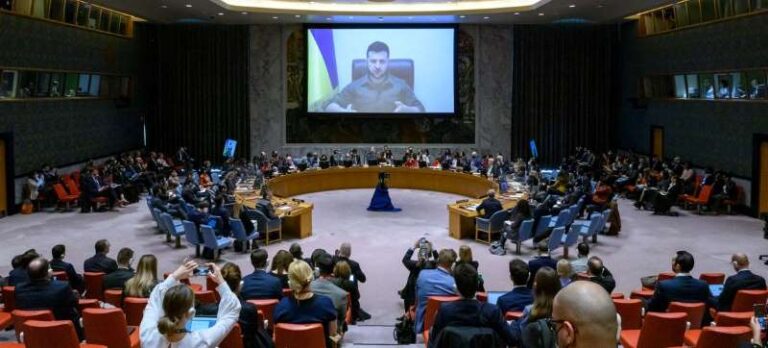
    But a proposed new resolution before the General Assembly (GA)– entitled “Standing mandate for a General Assembly debate when a veto is cast in the Security Council”—is an attempt to undermine the veto in a move likely to be supported by a majority of the 193 member states.

    As of last week, the resolution had 57 co-sponsors—and counting.

    US view on veto

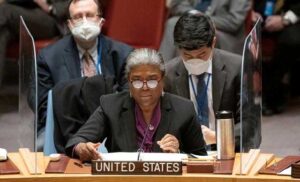
    US Ambassador Linda Thomas-Greenfield told reporters the United States was one of the co-sponsors of the resolution, spearheaded by a core group of Member States led by Liechtenstein.

    “This innovative measure would automatically convene a meeting of the General Assembly after a veto has been cast in the Security Council,” she said.

    As negotiated in 1945, she pointed out, the UN Charter entrusts in the five Permanent Members of the Security Council the ability to prevent the adoption of a resolution through a veto – a mechanism long the subject of institutional debate.

    “The United States takes seriously its privilege of veto power; it is a sober and solemn responsibility that must be respected by those Permanent Members to whom it has been entrusted,” she declared.

    When a Permanent Member casts a veto, that member should be prepared to explain why the resolution at issue would not have furthered the maintenance of international peace and security, said Ambassador Thomas-Greenfield.
    US Russia P5 Veto calls UN Reforms
    US Ambassador Linda Thomas-Greenfield

    “Unfortunately, not all members of the Security Council share this sentiment. We are particularly concerned by Russia’s shameful pattern of abusing its veto privilege over the past two decades, including its vetoes to kill a UN observer mission in Georgia, block accountability measures and chemical weapons investigations in Syria, prevent the establishment of a criminal tribunal on the downing of flight MH-17 over Ukraine, and protect President Putin from condemnation over his unprovoked and unjust war of choice against Ukraine.”

    The General Assembly resolution on the veto, she declared, will be a significant step toward the accountability, transparency, and responsibility of all of the Permanent Members of the Security Council members who wield its power.

    Ironical

    Stephen Zunes, Professor of Politics and International Studies at the University of San Francisco, who has written extensively on the politics of the Security Council, told IPS the General Assembly Resolution 377, adopted back in 1950, gives the GA the authority to make recommendations for collective action in the event that the Security Council fails to act as required to maintain international security and peace.

    He pointed out that the General Assembly has invoked this resolution on four occasions when a widely supported resolution was blocked by a veto: in 1950, in regard to the Korean War; in 1981, regarding Namibia; and in 1980 and 1997, involving resolutions concerning Palestine.

    “There is some irony in the United States pushing for a more active role for the General Assembly, given that three of those four cases were in response to a U.S. veto. Indeed, over the past fifty years, Washington has been responsible for far more vetoes than any other Security Council member”.

    Of the 72 U.S. vetoes of Security Council resolutions, the United States was the sole negative vote in 63 of them, he said.

    Preserving peace

    Asked about a proposal from an Asian country, back in the late 1970s, calling for a double-veto as more effective, instead of a single veto, Zunes said it “certainly has merit”. “But since it would require amending the UN Charter, it is not only likely that Russia would block it, but probably the United States as well”.

    The proposed resolution “decides,” among other things, “that the President of the General Assembly shall convene a formal meeting of the Assembly within ten working days of the casting of a veto by one or more permanent members of the Security Council, to hold a debate on the situation as to which the veto was cast, provided that the General Assembly does not meet in an Emergency Special Session on the same situation.”

    James Paul, who authored “Of Foxes and Chickens: Oligarchy and Global Power in the UN Security Council,” told IPS that ever since the founding of the UN in 1945, the great majority of UN member states have insisted that vetoes in the Security Council hobble action to preserve the peace.

    Experts have often pointed out that the veto keeps many important matters outside of Council action entirely.

    “Though the five veto-wielding Permanent Members have never agreed to an alteration of their veto powers, smaller countries in the UN General Assembly have sought to weaken the veto, through procedures and actions that delegitimize veto-use and protest against veto-protected aggression and other breaches of the peace by the most powerful governments,” he argued.

    Review UN set-up

    A group of like-minded countries, keen on strengthening international peace and legality (and protecting themselves from larger aggressors), has launched the current initiative, building on opposition to the Russian veto of a Council resolution condemning its invasion of Ukraine.

    This initiative, Paul said, would automatically trigger a General Assembly debate anytime the veto is used in the Security Council. In theory, an Assembly debate (even though non-binding) might be a disincentive to veto-use by a Permanent Member. Even if the embarrassment of a debate would not always act as a brake on the arrogance of powerful states, it would be worth implementing

    Andreas Bummel, executive director of the Berlin-based Democracy Without Borders, told IPS: “We strongly support Liechtenstein’s initiative that the General Assembly is to meet automatically each time a veto is cast in the Security Council.

    This, he said, will force the permanent members of the council to justify their vote to the world community. The political cost of misusing the veto will be raised.

    Further the General Assembly routinely will be able to consider its own measures. It’s an important step in the right direction, said Bummel.

    “It is highly welcome and noteworthy that the United States is one of the co-sponsors of the proposed resolution. Obviously, they are prepared to explain any future use of the veto in front of the General Assembly and accept its subsidiary responsibility”.

    In a next step, he argued, there should be an understanding that permanent members can cast no votes that are not treated as vetoes against resolutions that otherwise have a majority to pass.

    “The UN’s whole setup needs to be reviewed though. Everybody knows that it’s anachronistic. Eventually, the permanent members need to be prepared to let go of their veto privilege altogether”.

    US influence

    In an interview with IPS, Paul warned: “We have to remember that Permanent Members have many cards to play. The United States, by far the most powerful actor on the world stage, has tremendous influence over a majority of Council members. It often can block or greatly alter Council action without having to cast a veto”.

    That is why its invasion and occupation of Iraq in 2003, though initially rejected by the Council, was eventually tolerated by the same Council for many years. In the case of repeated US vetoes of Council resolutions on Israel, the US has never paid a heavy political price.

    He said many observers point out that great powers like Russia and the United States constantly act in contempt of multilateralism and with scant regard for the UN and international law.

    “So. we can well ask how the United Nations can succeed in a world exposed to such cynical use of violence and raw national aggrandizement. There is certainly no easy answer, but it is clear that those who seek to undermine the veto and expand the potential of international law are on the right course”.

    “One day, we can hope, we will prevail,” he said..

    Meanwhile, a proposal to reform the Security Council has dragged on for more than two decades, with four strong contenders for permanent seats, namely Germany, India, Japan and Brazil.

    But if they do eventually succeed in their attempts, they have to put up with what is best described as “second-class citizenship”, because the P5 have given no indications that any new comers to their ranks will be offered veto powers.

    Still, African leaders have long insisted they will not accept any permanent memberships in the UNSC, without veto powers.


    The story has been sourced from Inter Press Service.
    Stonewalling Occupational Health Concerns of Agate Stone Workers

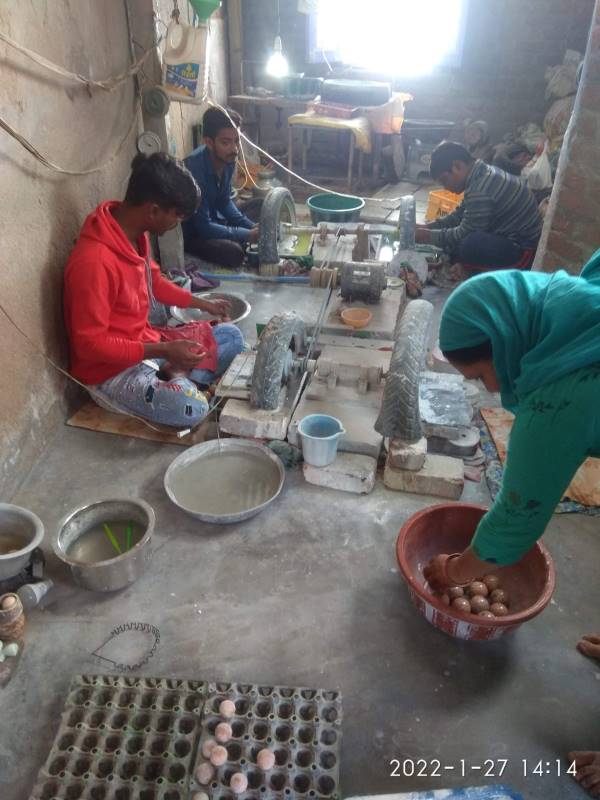
    Workers of Gujarat’s agate industry continue to inhale silica dust – and dying painful deaths. But there has been little action from the government to assess their health or working environments.

    Crafted agate stonework is often Prime Minister Narendra Modi’s first choice for gifts to visiting dignitaries. The craft has received geographical indication tag. But there is little attention to the workers who make these. More precisely, their working conditions and occupational health risks.

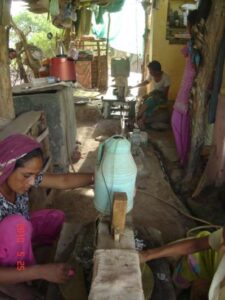
    Workers say that chipping, grinding and polishing agate and other stones to carve out ornaments and craft-work leaves their bodies scathed. There are several studies referring to deaths due to Silicosis, SilicoTB and tuberculosis among people engaged in the craft.

    For instance, a study by the Lucknow-based Industrial Toxicology Research Centre in the eighties points to the high prevalence of chronic lung diseases among agate workers. The study pointed out that health problems start with the workers are still young. But nothing was done. The study even documented that young people and children working near the agate units were suffering from silicosis and Silico-TB.

    A series of epidemiological and environmental studies done by the National Institute of Occupational Health (NIOH) in the following years too pointed to the high prevalence of lung diseases.

    Stonehearted

    But there is little action on the ground and the bureaucratic ways of the government only consider agate good to gift – never looking at the lives of the people behind an artwork.

    A 2007 analysis by the Peoples Training and Research Centre (PRTC), a Gujarat-based NGO working among workers in the agate industry showed that every extra year of exposure the odds of getting silicosis increased by about 12 per cent.

    The government’s own studies over a decade ago, nor the studies on-ground organisations like PRTC have moved planners to act. Business and industry claim that the lung diseases are a thing of the past because, they say, the process of wet grinding introduced a decade ago has ensured that silica is not available to inhale.

    This argument proffered by business has found buyers among those framing policies – not bothering to enquire why silicosis, tuberculosis and silico-tuberculosis remain rampant, with even young children who have interacted with the environment in recent years.

    Officials in Gujarat have sided with business, insisting that the problem has been resolved, without even studying to document the status of the problem after the introduction of the wet grinding process.

    “Little is done to study and address the high prevalence of tuberculosis and silicosis among agate polishers in Khambhat, Gujarat. Silicosis, particularly, is a matter of concern say experts, because the particles of silica dust that causes it, slowly and painfully suffocates its host to death,” says Jagdish Patel, who founded of PRTC to work among silicosis-afflicted craftspersons in the agate industry, pointing to the stonehearted apathy in corridors of power.

    “It is double-whammy when silicosis combines with tuberculosis, because the individual’s health is too weak to resist an infection,” Patel says on the apathy towards the health needs of the workers.

    Agate workers occupational health hazards Silocosis Tuberculosis Death

    Unanswered letters

    Efforts by NIOH and NGOs to reduce silica levels at work in last decade has reached the National Human Rights Commission (NHRC) that even published recommendations on preventive, remedial, rehabilitative and compensation aspect of Silicosis over a decade ago. In 2017, the NHRC had recommended the government of Gujarat to frame a policy for rehabilitation of silicosis patients. It is five years now, but no action has yet to be taken.

    But little has come to fruition – except for the revised National TB Control Programme (RNTCP) recognising silicosis as risk factor for TB and the health and labour ministries developing a framework to address TB and related co-morbidities in the world of work in India in April 2019.

    These too has not been followed up.

    Patel’s own letters on the matter, written to authorities in the Indian Council of Medical Research (ICMR) remain unanswered. “There is clear link between TB and silica exposure. Universal screening for TB in this community on a regular basis has not been done by anyone,” Patel wrote in his letter in February 2021, impressing on the need for systematic surveillance study.

    “it will be prudent to take up a silicosis and TB prevalence study in Khambhat through NIOH in collaboration with the RNTCP to assess the current situation and help plan for further improvement,” he wrote.

    Eighteen years since the last NIOH study, the organisation has not followed up on the situation of occupational health in the agate industry. Experts and activists say a study will help make an informed decision and guide strategies not only to end TB but also to achieve UN SDG 8.8.

    US–China Rivalry Complicates Development Aid in Nepal

    On 1 March 2022, Nepal’s coalition government, led by the Nepali Congress party, finally ratified the Millennium Challenge Corporation (MCC)’s Nepal compact, a US$500 million infrastructure and economic development grant from the US government. This marks the end of a chaotic five-year-long saga over the compact’s parliamentary ratification, which saw leaders turn the agreement into a political football.

    By Anil Sigdel and Mani Dahal

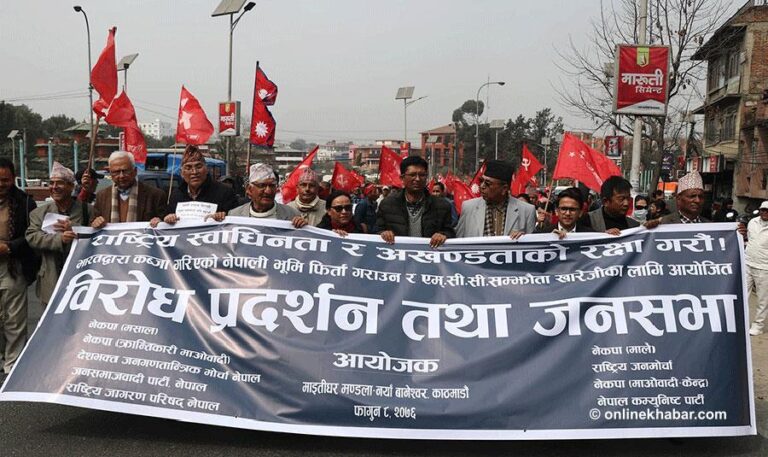
    Anti-US forces — including communists, royalists and pro-Chinese commentators — have united to wage a rhetorical war against the MCC grant. Their deliberate social media disinformation campaigns are disrupting the developmental function of the state and eroding Nepal’s democracy.

    For years, Nepal has relied on US developmental aid — for instance, US assistance was critical to rebuilding Nepal after the devastating 2015 earthquake. The Nepal–US bilateral relationship played a role in Nepal’s decision to guide the MCC grant to a definitive conclusion. But with countless visits by US officials since 2012 failing to strike any breakthrough, the ‘take it or break it’ deadline set by the United States for 28 February ultimately made the difference.

    Why did it take this long to mobilise parliamentary action in Nepal?

    Geopolitically, Chinese Communist Party (CCP) leaders have exhibited ‘deep interests’ in the MCC grant. US diplomat Donald Lu warned that Nepal’s failure to ratify the grant would be seen as ‘Chinese interference’, stating that the United States would ‘review’ Nepal–US ties.

    Prachanda’s doublespeak

    China has engaged in a war of words with the United States, accusing the United States of pursuing ‘coercive diplomacy’ in Nepal and asserting that the MCC has become a ‘Pandora’s box’, not a ‘gift’. China made significant efforts to convince leaders not to accept the grant. In the hours leading up to parliamentary ratification, CCP Foreign Department figures were busy holding virtual meetings with senior Nepal Communist Party leaders, expressing their ‘security concerns’.

    Chinese interests and pressure from different interests groups aside, the MCC grant was also victim to inter-party and intra-party feuds. Until the final moment, Nepal’s political parties were fractured in their stance, juggling their options with the upcoming elections in mind. While Nepali Congress leader and Prime Minister Sher Bahadur Deuba was determined to ratify the grant, his coalition partners were still opposed.

    Nepal’s communist parties feared that siding with Deuba would compromise their chances in the elections. While leaders hoped that the MCC grant would fail, they weighed up the consequences — if ratified before the coming election, the grant’s legacy and blame would be shared. Communist Party of Nepal (Maoist Centre) spokesperson Pushpa Kamal Dahal has relied on doublespeak to balance the opposing pressures from his party cadres to reject the grant and the external constraints to accept it.

    Prime Minister Deuba feared that any break-up of the coalition would hamper his party in the elections. But with help from former prime minister and opposition party leader KP Sharma Oli — who registered the MCC bill in parliament during his term — Deuba’s fears were alleviated and Oli’s Communist Party of Nepal (Unified Marxist–Leninist) did not block the grant’s ratification.

    India’s silence

    The MCC grant was ratified along with an interpretative declaration outlining the government’s understanding of its obligations under the MCC to allay fears and suspicions. The United States has indicated that Nepal’s interpretative declaration is not a problem and agreed to move the implementation process forward. Given the sheer amount of misinformation on social media, these provisions eased domestic fears, while saving face for the political parties and increasing their political gains.

    During a visit to Kathmandu on 25–27 March, Chinese Foreign Minister Wang Yi proposed greater cooperation through on projects related to China’s Belt and Road Initiative while avoiding mention of the MCC. Nepal also engages in projects funded by the China-led Asian Infrastructure Investment Bank and China’s International Development Cooperation Agency. India has chosen to remain silent — as an important US partner and a hostile neighbour of China, it is unable to express any of its reservations publicly.

    The MCC grant now amounts to US$630 million as the Nepali government has agreed to invest US$130 million on top of the US grant of US$500 million. The development plans are in line with Nepal’s policy of modernising electricity and transport infrastructure in the mountainous nation. But it remains to be seen if the project will move forward as expected and yield anticipated results.


    Anil Sigdel is the founding director of Nepal Matters for America in Washington DC and an Associate Professor of International Relations at the National University of Political Studies and Public Administration in Bucharest, Romania.

    Mani Dahal is a journalist based in Nepal.

    This piece has been sourced from the East Asia Forum of the Australian National University.

    Polio Reappears In Pakistan After 15 Month Gap

    The type 1 wild polio virus (WPVI) was confirmed in a toddler from the North Waziristan district of Pakistan’s Khyber Pakhtunkhwa province. The same strain of the virus was also detected in Malawi, over two years after the entire African continent was declared polio free.

    By Ghulam Akbar Marwat

    Pakistan reported its first polio case after a gap of 15 months on Friday. The reappearance of the virus has dashed the country’s hopes of eradicating the crippling virus.

    The positive test was confirmed by the Islamabad based National Institute of Health. The type 1 wild virus (WPVI) had infected one-year-old child from the North Waziristan district of Pakistan’s Khyber Pakhtunkhwa province.

    There were 22 polio cases reported from Khyber Pakhtunkhwa in 2020; however, there was no case in 2021.

    Earlier in April, Pakistan Polio Laboratory (PPL) had also confirmed the polio virus presence in the environmental samples collected from the Bannu district. PPL, charged with collecting environmental samples from different areas of the country said that the viruses found in Bannu samples as well as North Waziristan’s toddler were largely identical.

    Pakistan had reported its last polio case from Qilla Abdullah area of Balochistan in January 2021.

    The country’s health secretary, Aamir Ashraf said that the positive case discovered Friday had dented Pakistan’s polio eradication efforts and elsewhere across the globe. However, he said that health authorities have taken emergency steps in Khyber Pakhtunkhwa following the detection of the positive environmental samples. He referred to the health authorities deploying teams at federal and provincial levels for the probing of this case.

    Polio in Pakistan World immunization week

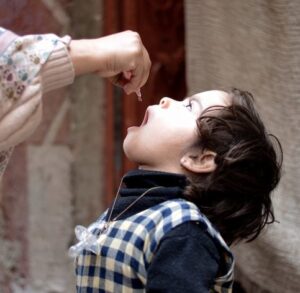
    In addition to this, emergency polio campaigns were also being launched to contain the spread of the virus.

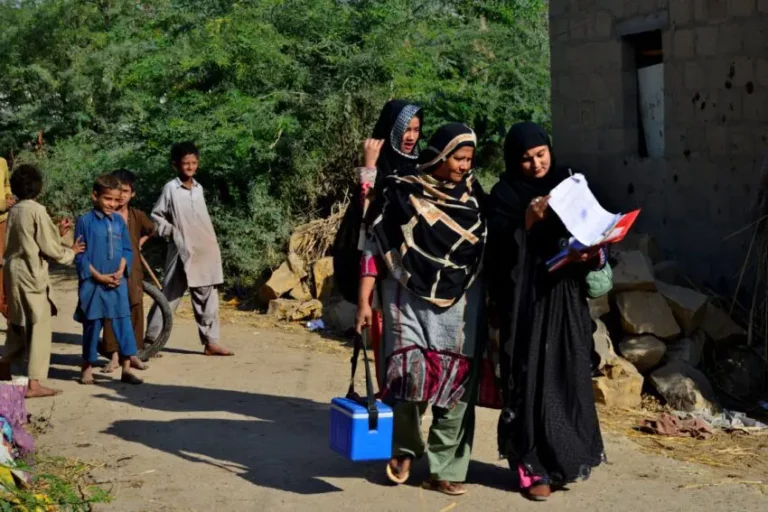
    Confirming the presence of the polio virus in southern Khyber Pakhtunkhwa, Dr Shahzad Baig, the coordinator of the National Emergency Operations Center (set up specifically for polio in the country), said that the finding has pointed to the necessity of vaccinating every child.

    WHO has called for observing the world immunisation week starting 24 April.

    Spreading to Africa

    Besides, Pakistan and Afghanistan, Malawi is the third country in the world where polio virus exists.

    On 17 February 2022, a WHO update announced the detection of wild poliovirus type 1 (WPV1) in Malawi. Sequencing and an analysis of the virus from an infected child was conducted by the National Institute of Communicable Disease (NICD) in South Africa, and later by the US CDC confirmed that the current isolate in Malawi was genetically linked to a Pakistan sequence detected in the Sindh province.

    This was a huge setback for the African nation, over two years after the continent was declared free of indigenous wild polio in August 2020. Africa had not reported a single instance of the virus for five years, leading to the continent being declared free of polio. Indeed, the last clinically confirmed WPV case in Malawi was reported in 1992.

    The Malawi government has announced a polio epidemic in the country following the detection of the virus on February 17.


    Ghulam Akbar Marwat works for the Tribal News Network in Khyber Pakhtunkhwa, Pakistan.

    Yesterday’s Cronies Turn Against Rajpaksas – Top Sri Lankan Businesses Stand By Protestors, Call for Solutions, Stability

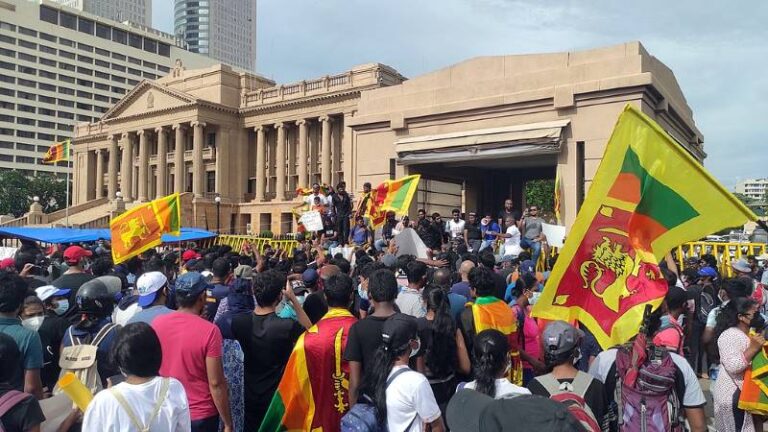
    How times change! Sri Lanka’s big business houses, that hitherto took a moral high apolitical ground, are now speaking for change. Even those alleged to be cronies of the current regime are now joining the Go-Home-Gota chorus along with ordinary citizens protesting against the government on the streets.

    Having read the writing on the wall, Sri Lankan corporate and business houses are now issuing statements expressing concern over the ongoing economic crisis. Some are even airing a point-of-view on the state of the country’s economy while few others have even expressed solidarity with mass protests across the island nation.

    A few have ventured as far as calling for social, political, economic stability as a financial meltdown precipitates a political crisis and social unrest.

    John Keells Holdings (JKH), one of the largest and most visible conglomerates with a finger in almost every businesses pie – from hospitality to logistics to real estate to foods was the first to come out with a statement of concern, calling for immediate measures to be arrest the downslide.

    JKH’s statement alluded to good governance and change to avoid unrest, advising all parties to come together.

    “We urge all key parties to reach consensus, within the construct of the constitution of the country and due process being followed, in respecting the will of the people,” a statement from JKH read.

    Over the past two decades, the company has acquired interests across the country – even in the southernmost port city of Hambantota, the Rajapaksa’s backyard.

    Corruption

    Corruption figured in the statement of another big business entity, the Hemas Holdings. In a statement shared over social media, Kasturi Chellaraja Wilson, the group’s CEO, said her company supported staff to non-violently express themselves and even called on the government to set the country on a “path free of corruption and ethnic divisions.”

    “Hemas continues to support the public in its demand for systemic change. We call upon our nation’s leaders to hear the cry of our people and come together to immediately undertake the necessary political and economic reforms and set our country on the right path, based on the principles of good governance, free of corruption and ethnic divisions,” Sri Lanka’s top woman business executive said in a statement appearing on her Twitter handle.

    The statement ended by saying, “We will play our part in advocating for this change while supporting the rights of our staff to freely express themselves in a nonviolent manner.”

    Hemas does business in surgical equipment, health care, personal care, transports and also strategic investments.

    Playing safe

    Some, like Softlogic Holdings, have decided to play it safe. The company, dealing in financial services, information technology, healthcare and commodities, is going soft on the Rajapaksas, saying that the crisis is a result of policy irregularities spanning over 70 years.

    “The problem in the country today is the product of successive policy irregularities spanning a period of 70 years. In an ideal society, all sections of society should benefit from a benign policy regime which are essentially long term and hard to find. But we are optimistic that the right people have been put in the right positions to discuss these processing matters with the international funding agencies and bi-lateral partners, which is the need of the hour,” the conglomerate said in a statement on Friday.

    Finding solutions to the crisis is going to be hard no matter what government is in charge, the statement said.

    “It is the need of the hour, to put the country first rather than to find political self-interest interfering with the emergence of a tractable solution,”

    Transparency

    Not to be left behind, hospitality giant Jetwing too released a statement on the effect the crisis has had on the economy.

    “We stand with everyone who wishes to engage in peaceful protest and support the right to freedom of expression,” the company said.

    Telecom biggie Dialog Axiata too supported calls for change and for good governance and transparency.

    “We believe that with bold and responsible action today, our resilient nation will emerge stronger than ever before.

    “We call on those who have the power and opportunity to solve the prevailing crisis, to act selflessly towards the achievement of this greater good – a progressive and stable future for Sri Lanka and its people,” it said.


    Image: Wikimedia commons, AntanO

    Pakistan’s Historic Court Ruling: ‘Rome Has Spoken, the Case Is Finished!’

    After three days of mulling over the issues involved, the five-member bench gave its “short order” ruling, upholding the supremacy of the Constitution at all costs. It also underscored the paramount role of the judiciary in protecting the nation’s basic law.

    By Iftekhar Ahmed Chowdhury

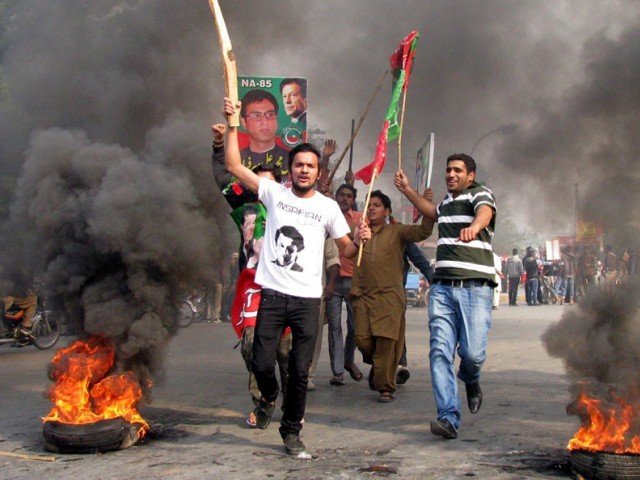
    Pakistan’s impossibly debonair and incredibly urbane cricketing star turned politician, Imran Khan, is a man of a myriad parts. Where English is spoken and cricket is played, he remains a hero. Time was when leading his team in many a Test match he caused blood to rapidly pulsate through Pakistani veins. In a nation buffeted by the vicissitudes of misfortune and thirsting for pride, he had fulfilled his people’s dream by winning them the ultimate prize in cricket, the World Cup. But then he switched games and went into politics. The fates, with him for a while, eventually withdrew their favour. He gambled with a tactic that was no more than a political stunt. Alas it failed, and the Courts in his country refused him relief. But this essay is not so much about him. It about the Courts that finally caused his fall. It is also about the role the judicial organ of the State has played along the inscrutable path of Pakistan’s constitutional and political destiny.

    Since Pakistan’s inception, the higher courts, manned by senior Civil Servants and lawyers schooled in the best of the English legal tradition, have often been politically interventionist, with both liberal and illiberal consequences. An example of the first kind was a judgment (later overturned) of the Sindh High Court in 1954 that at the first instance initially favoured Speaker Tamizuddin Ahmed when he challenged the annulment of the legislature by the Governor General Ghulam Mohammed; of the latter was the rulings of Chief Justice Munir Ahmed, the main propounder of the “doctrine of necessity” a principle that ruled the roost in Pakistan’s constitutional annals for a long time to come.

    The doctrine draws upon the writings of a maxim attributed to the medieval jurist Henry de Bracton. It is that, “that which is otherwise not lawful is made lawful by necessity”, rooted in the Latin legal dictum Salus Populi Suprema Lex, meaning “the wellbeing of the people is the supreme law”. This is also embodied in the ‘Second Treatise of Government’ of the philosopher John Locke, often viewed as a great champion of democratic pluralism. Incidentally the doctrine has been cited thereafter in several Courts in the British Commonwealth.

    Death blow

    Using this liberal interpretation as a justification, Pakistani military rulers starting from Field Marshal Ayub Khan in 1958, continued to use the concept as a most useful legal tool (Justice Munir strengthened it to justify Ayub’s martial law in his judgment in the case of Dosso versus State where he ruled that a military take-over assumed sanction if there was public, even tacit). To the Supreme Court’s credit, it has attempted to live it down, initially modifying it circumspectly and thereafter boldly striking it down. In a major challenge to it though belatedly, Chief Justice Iftikhar Muhammad Chaudhry, on General Ziaul Huq’s take-over in the 1970s, ruled that no judge can offer any support to the acquisition of power by any unconstitutional functionary through modes other than envisaged in the Constitution. That was a great moral blow to any future unconstitutional change.

    The death blow came recently. It happened last week when the Court headed by the newly appointed Chief Justice Umar Ata Bandial took suo moto cognizance of a controversial dismissal of a “no trust” motion by Deputy speaker Qasim Suri in the Pakistan National Assembly. It had been moved by the combined opposition against Imran Khan and required 272 in an Assembly of 372 members to pass. Because the ruling Coalition had broken down, the opposition had the numbers, but just about. But Suri, then acting for the Speaker, who belonged to Imran’s Tehreek-e-Insaaf party disallowed the motion just prior to voting on 3 April, on alleged grounds that some dissenting parliamentarians had been illegally influenced by a “foreign power”, that is, the United States. Thereafter President Arif Alvie dissolved the Assembly upon the Prime Minister’s advice and called for elections within 90 days. In public, Imran continued to insist on the allegations on US interference and trenchantly criticized what he termed as “treasonable actions” on part of his opponents, even though it placed him at odds with the seemingly all-powerful military and the Army Chief, General Qamar Bajwa.

    Voice of the people

    After three days of mulling over the issues involved, the five-member bench headed by Bandial gave its “short order” ruling, upholding the supremacy of the Constitution at all costs. It also underscored the paramount role of the judiciary in protecting the nation’s basic law. The judges declared the Deputy Speakers dismissal of the motion as “unconstitutional”, as also the consequent dissolution of the Assembly by the President on the Prime Minister’s advice. It reinstated the assembly to status quo ante as on 3 April and ordered that nothing – no action of the President, the Prime Minister or the Speaker- could impede the process of voting and the election of the next Prime Minister which would have to happen by 9 April. When the Speaker, apparently influenced by Imran, appeared to demur, Bandial physically went to the Court at dead of night presumably to prepare for an eventuality in which he might have had to take anti “contempt of court measures” against government supporters! Consequently, the voting was held as per court order, Imran and the Speaker resigned, and despite the turmoil Pakistan went through a democratic political change, albeit after some hiccups.

    The “short order” of the judges drove what was possibly the last nail in the coffin of the doctrine of necessity in Pakistan. It was based on the theoretical perception that nothing should necessitate any action contrary to the tenets of the Constitution, in which the “well- being” of the people resided, and which reflected the people’s choice and will. The Court was reaching out to the highest source of law enshrined in the Latin adage Vox Populi Vox Dei, meaning “the voice of the people is the voice of God”. It was supposedly enunciated as an effective political maxim in English common law as early as in1327 AD by Walter Reynolds, Archbishop of Canterbury, who used it in a sermon bringing charges against King Edward 11.

    Sigh of relief

    While the judges ruling will help correct a practice that had strayed from the original principles of liberal constitutional law, it will not end the woes of Pakistan. Those had resulted from concatenation of circumstances, political, economic, strategic, and historical. Pakistan has a new Prime Minister in Shahbaz Sharif, an experienced hand in governance. As a mark of protest, Imran took his party out of the Assembly and boycotted the election of his successor. The new government in place will face daunting challenges with the elections due in around a year’s time, a broken economy to fix, and a stubborn opponent to resist in the streets. Imran had lingered on the wicket, a tad too long after he was obviously out, which was not quite cricket. But he has the tenacity of a Robert Bruce and could well return to play another innings. But for now, the people of this nuclear weapon state and their neighbours, are heaving a sigh of relief as the immediate political imbroglio somewhat eases. Also, because from the chaos has emerged a strong institution, a guardian of democracy in a turbulent polity, the judiciary, which has established its authority sufficiently to be able to demonstrate Roma locuta, Causa finita, Rome has spoken, the case is finished!


    Dr Iftekhar Ahmed Chowdhury is the Honorary Fellow at the Institute of South Asia Studies, NUS. He is a former Foreign Advisor (Foreign Minister) of Bangladesh and President

    Sri Lanka’s Economic Crisis Cripples Health Services

    Until 2021 the country had a strong healthcare sector, but today, Sri Lanka has run out of hard currency to buy basic medicines. Medical practitioners in the country are now appealing for donations to support the healthcare system, which has been heavily affected by the current economic crisis.

    By Sanjeet Bagcchi

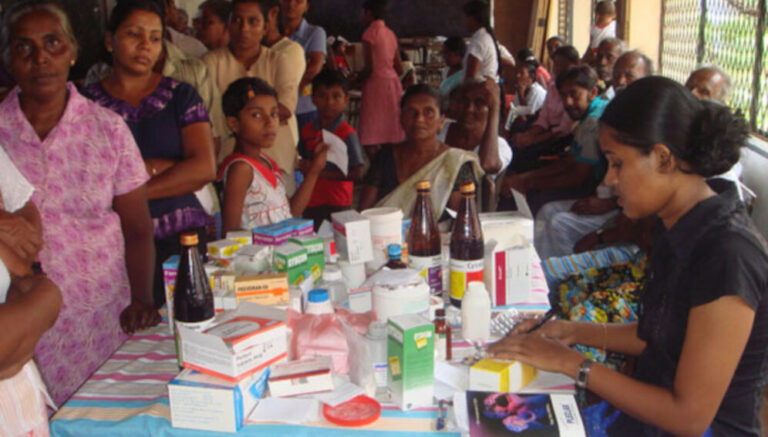
    Sri Lanka’s acute economic crisis has begun to tell on its health care system with critical medicines running out for want of hard currency to import supplies, experts say.

    “The limited access to US dollars, import regulations and fuel shortages have stalled supply chains and distribution systems so that the health ministry may not be able to order regular medicines and items needed to supply all the hospitals and service providers as during normal times,” says Kumari Vinodhani Navaratne, a Colombo-based public health specialist formerly affiliated with the World Bank and currently with the Asian Development Bank.

    Navaratne tells SciDev.Net that serious shortages of critical items needed to maintain health services are worrying health care providers and those who need health services. She said that owing to Sri Lanka’s current economic crisis, routine non-emergency surgeries, medical procedures and some laboratory tests have been placed on hold to conserve stocks.

    The Ministry of Health procures, stores and distributes all required medicines, vaccines, consumables, reagents and commodities to all hospitals managed by the government, Navaratne explains.

    Appealing for aid

    An international appeal by the Government Medical Officers’ Association (GMOA) asks for “generous support at this crucial time to continue the patient care services in Sri Lanka”. The GMOA says it has undertaken to ensure “transparent coordination and direction of your donations of medicines and equipment to hospitals for the patient care within the quality assurance mechanism for drugs and equipment of the Ministry of Health”.

    The GMOA has published a list of items such as antibiotics and consumables that are running out and can be replenished by donations.

    A UK government travel advice warns that “basic necessities” such as medicines, food and fuel are in short supply due to lack of hard currency required to pay for imports. “There may be long queues at grocery stores, gas stations, and pharmacies. Local authorities may impose the rationing of electricity, resulting in power outages,” the advice says.

    The travel advice also warns about dengue fever, possible terrorist activities and monsoon rains. Dengue fever has long been endemic in Sri Lanka.

    Sad turn of events

    According to the World Bank, Sri Lanka faces unsustainable debt and challenges with balance of payments (the difference in value between payments into and out of a country). “Urgent policy measures are needed to address the high levels of debt and debt service, reduce the fiscal deficit, restore external stability, and mitigate the adverse impacts on the poor and vulnerable.”

    Until last year, Sri Lanka’s health care system was considered “strong” by the WHO-hosted Asia Pacific Observatory on Health Systems and Policies. A country with a population of 21.8 million people, Sri Lanka has eliminated important infectious diseases such as neonatal tetanus, malaria, and filariasis while also substantially increasing life expectancy.

    In July 2021, the WHO Regional Office for South-East Asia said that the public sector in Sri Lanka provided most of the health care services including inpatient care (95 per cent) and outpatient care (50 per cent) at public health facilities. Government expenditure in Sri Lankan health care as a share of gross domestic product (GDP) was 1.7 per cent during 2013—2016.

    According to the WHO, the “[household] contribution to current health expenditure is significant, but catastrophic health expenditure remains low as the government remains a key provider of inpatient care. Medication and investigations are provided free of charge”.

    To improve Sri Lanka’s healthcare situation, Navaratne recommends that the supply chain be restored through the award of tenders for essential items. “This requires urgent and immediate access to US dollar resources, as most required items [related to health care] are imported.”


    Image: A pharmacy in Sri Lanka from Direct Relief (CC BY-NC-ND 2.0)

    Will 2022 Mark A Turning Point In The Regulation Or Banning of Bottom Trawling?

    Whilst it is known that bottom trawling harms the seabed, that it does not target the species it catches and is a major consumer of fuel, scientists are also now warning about its impact on the climate.

    By Annick Berger

    A growing number of voices are calling for an end to what has been described as ‘the worst fishing technique in the world’, bottom trawling. They are also calling for a profound transformation of this sector, even though around a quarter of the fish consumed in the world are caught using this method, which causes serious damage to the seabed.

    To provide a solid foundation for regulating the practice, some 40 scientists, NGOs, academics and environmental consultants joined forces to produce a report, New perspectives on an old fishing practice: Scale, context and impacts of bottom trawling, published in December 2021.

    The study comes at a time when the European Union is developing its Action Plan to Conserve Fisheries Resources and Protect Marine Ecosystems and the United Nations has declared 2022 as the International Year of Artisanal Fisheries and Aquaculture.

    “Unlike other fishing practices, it’s very diverse in terms of what we use it for,” Daniel Steadman, one of the report authors and former fisheries and biodiversity technical specialist at the environmental NGO Fauna & Flora International, tells Equal Times. “We use it for high value species, such as cod or plaice, and for relatively low value species that we still eat, such as shrimp. We also use it for very low value species that are processed to feed farm animals.”

    Whilst it is known that trawling harms the seabed, that it does not target the species it catches and is a major consumer of fuel, scientists are also now warning about its impact on the climate. “Recent studies show that bottom trawling releases carbon into the atmosphere and the oceans,” Steve Trent, CEO of the Environmental Justice Foundation (EJF), tells Equal Times.

    ‘Triple bottom line’ 

    Several reports published by NGOs such as Oceana have already shown the effects of this practice on the populations of the countries where it is most widespread. Accordingly, the document published in December reaffirms that the environmental and social issues are closely linked and must be addressed in tandem to find a sustainable solution.

    “When scientists think about the damage, they think about it in three ways, the so-called triple bottom line: the environmental damage and the social damage offset by the economic benefit,” Dr. Steve Rocliffe, senior technical advisor at Blue Ventures, tells Equal Times.

    And the social impact is worrying, especially when long-distance fleets operate, legally or illegally, in waters other than their own, as bottom trawling is often carried out less than 12 miles from the shore, where boats make 20 per cent of their catches, putting the industry’s heavyweights in direct competition with small-scale fishers whose survival often depends on the resources caught at sea. This is particularly evident off the coast of Africa, which is the number one victim of bottom trawling: over 90 per cent of legal catches are made in the Exclusive Economic Zones (EEZs) of 34 countries by foreign vessels, particularly those from China or Vietnam, but also from countries such as Morocco, the United States or Argentina.

    These fishing giants wreak havoc on the areas where they operate. The taxes paid to the countries that own the waters where they fish are often negligible.

    “Bottom trawling has a huge social cost,” Daniel Pauly, the specialist behind the Sea Around Us programme at the University of British Columbia, in Canada, tells Equal Times. “Only the Senegalese should be allowed to fish in Senegalese waters, not Spaniards, Russians or Chinese.”

    This unequivocal stance is not shared by everyone. Although the cost to small-scale fishers is incontestable – 100 million people rely on inshore subsistence and small-scale artisanal fishing for their daily food and livelihood – an abrupt halt to bottom trawling without careful analysis could, in the short term, generate a degree of global food insecurity by depriving farmers of very affordable fishmeal to feed their livestock and depriving the poor of a cheap and widely available source of nutrition. “It’s an ongoing debate,” says Rocliffe. “But clearly, in the long run, if you destroy fisheries you make food insecurity worse.”

    Inshore exclusion zones

    The economic stakes are partly to blame for the lack of progress in regulating the practice. In a bid to find solutions, the Transform Bottom Trawling Coalition, which brings together small-scale fishers, seafood companies, environmentalists and scientists, has launched a four point call to action to try to limit the environmental and social impacts of bottom trawling.

    The coalition is calling on all coastal states to establish, expand and strengthen inshore exclusion zones (IEZs), where all bottom trawling is banned and only small-scale fishers have exclusive access. “Conflicts emerge when bottom trawlers and small-scale fishers operate in the same area,” says Tom Collinson of the Transform Bottom Trawling Coalition.

    Testimonies collected in Liberia and Senegal illustrate the problems that can arise between small-scale fishers and large trawlers, such as collisions.

    Solutions are already being explored in various countries to strengthen IEZs, such as in Guinea Bissau, where the exclusion zone has been extended to 12 miles from the coast, and in Liberia, which already banned trawlers from operating within three miles of its coast in 2010.

    The Transform Bottom Trawling Coalition is also calling on international bodies to ban all bottom trawling in marine protected areas (which are not protected against bottom trawling) and to expand their size.

    Its third demand is for an end to subsidies for bottom trawling and the redeployment of this money to support the transition to low impact fishing methods. The industry’s survival is largely dependent on state subsidies in the form of fuel tax exemptions and motorization subsidies. The United Nations has been officially calling for a ban on these subsidies since 2015, as the practice encourages overfishing, IUU (illegal, unreported and unregulated) fishing and associated abuses such as forced labour. “If you take away the money, you take away the problem,” says Rocliffe, as it would prevent, for example, a French boat from fishing off Liberia, given that the practice would no longer be profitable. Finally, the coalition is also calling for a freeze on permits for all new, untrawled areas.

    The Transform Bottom Trawling Coalition is urging “all coastal states to tackle bottom trawling by 2030 and to implement these four demands,” says Collinson. “We recognise that ending bottom trawling is extremely complex and nuanced. We are not therefore calling for an immediate ban on bottom trawling, but for a fair transition to low impact methods.”

    Time for action

    “If we want a real transformation and transition of this sector, in the long term, we have to make sure it is fair,” says Steadman. “We need to consider not only the rights of the people who are affected by the practice, but also the rights of the people who work in the industry. That’s why we’re comparing this transition with the fossil fuel transition, the economic shift is the same.”

    These suggested solutions and lines of thought could be taken up by world leaders this year, at the UN Ocean Conference, for example, to be held in Portugal in June 2022. But for now, beyond the lofty statements, no concrete measures have yet been taken. “We need to see action taken at government level,” says Collinson.

    Not everyone is convinced by this approach, and many NGOs and scientists are still campaigning for a total ban on bottom trawling. “It is impossible to improve this practice,” says Daniel Pauly from the University of British Columbia. Trent of the EFJ agrees. “Low-cost fish are actually the most expensive, because they lead to the destruction of fishing grounds,” he argues. “If we continue like this, we will not be able to feed the growing number of people on our planet, we will not be able to maintain the integrity of our ocean ecosystems.” Pauly concludes: “If bottom trawling were introduced today, it would never be allowed. The only reason it is tolerated is because it was introduced 200 years ago.”


    This piece has been sourced from Equal Times

    An Angel’s Kiss in Spring: Imran Khan, wife paid 38 million to retain foreign gifts worth crores

    A new set of documents obtained by OWSA reveal that former Pakistan Prime Minister, Imran Khan, and his spouse, Bushra Bibi, have retained gifts the former received as head of government against a paltry sum.

    Former Prime Minister Imran Khan and his wife Bushra Bibi have retained all the 112 valuables worth Rs 142.02 million gifted by other countries, either for free or purchasing at throwaway prices of Rs 38 million, a set of documents obtained by OWSA reveal.

    According to the documents, Imran Khan and Bushra Bibi retained 52 of the gifts worth Rs 800,200 without paying a penny.

    Toshakhana, a department reporting to the government’s cabinet division maintains the record of the gifts given to rulers, parliamentarians, and officials by heads of other governments, states, and foreign dignitaries as a goodwill gesture.

    The list of Toshakhana gifts received by Khan during the time he occupied office of Pakistan’s Prime Minister remained a secret throughout his tenure. Even the country’s tax authorities did not have a clue of the gifts he received from foreign dignitaries or visiting business persons.

    Khan’s government had adopted the stance that the disclosure of any information related to Toshakhana would jeopardise international ties.

    The list of gifts shows that the other valuables were kept by the couple after paying throwaway amounts. In a number of instances, the assessed values of these gifts were many times higher.

    Watches. Perfumes.

    The gifts include luxurious Rolex and other expensive watches, gold and diamond jewellery, expensive pens, cufflinks, dinner sets, perfumes, and Oud fragrance.

    Among the jewellery were a multiple number of necklaces, bracelets, rings and diamond chains that Bushra Bibi retained.

    Among the watches was a Graff wristwatch worth about Pakistani Rs 85 million that was presented to Khan by Saudi Crown Prince Muhammad Bin Salman during Khan’s very first visit to the Kingdom. Khan paid a mere Rs 20 million for this.

    There were also gifts of lesser worth that the former Prime Minister chose to retain. These include an IPhone, suits, wallets, pens and perfumes.

    A Rolex watch that Khan retained has been estimated by the Toshakhana to be worth Pakistani Rs. 900,000. Another Rolex watch was worth Rs 400,000. An IPhone was estimated to cost Rs. 210,000. A Dolce & Gabba perfume was said to be worth Rs. 35000 and two Bvlgari perfumes cost around Rs. 30,000 and Rs. 26,000. A Rubi perfume is estimated to cost Rs. 40,000. A Samsonite wallet cost has been put at Rs. 6,000 and another Aigner ladies wallet is said to cost Rs. 18,000. Similarly, a Mont Blanc pen was worth Rs. 28,000.

    The Khans retained all of these against a payment of Pakistani Rs. 3,38,600.

    Similarly a Graff watch valued at Rs. 85,000,000 and a pair of cuff links valued at Rs. 5.67 million and a ring worth Rs. 8.75 million was retained against a payment of a mere Rs 20 lakhs.

    Perfumes have been of interest: Two kilos of oud worth Rs 200,000 and two bottles of Attar Rs 180,000 along with a Tasbeeh (Mouward) worth Rs. 130,000 now belong to Khan who pain a mere Rs. 240,000 for these.

    Spoils of office?

    Jewellery too has been Bushra Bibi’s obsession – the impression the couple have given of her is one who has devoted her lift to spiritual quests and serving the needy.

    But being the spouse of the country’s prime minister seems to have given her a taste for things lavish – a diamond locket with a gold chain worth Rs. 269,350; a pair of gold ear tops studded with diamonds worth Rs. 111,800, two gold and diamond rings worth Rs. 149,400 and Rs. 272,350 each; two gold bracelets worth Rs. 235,500 were all acquired for her for just Pakistani Rs. 544,000 on 11 October 2019.

    Another document shows that Bushra Bibi also received a necklace worth Rs. 1,359,000 and earrings worth Rs. 275,000 besides a ring worth Rs. 225,000 and a bracelet worth Rs. 4,000,000. She retained all of these against a payment of Rs. 29 lakhs.

    The long list also includes expensive dinner sets, an Onyx bowl, luxurious chessboards, wall hangings, decorations, carpets, flower vases, Lankan gemstones, expensive rosaries or Tasbeeh and a model door of the holy Khana Kaaba, besides robes and clothes.

    Nepal Unveils Its First Electric Vehicle

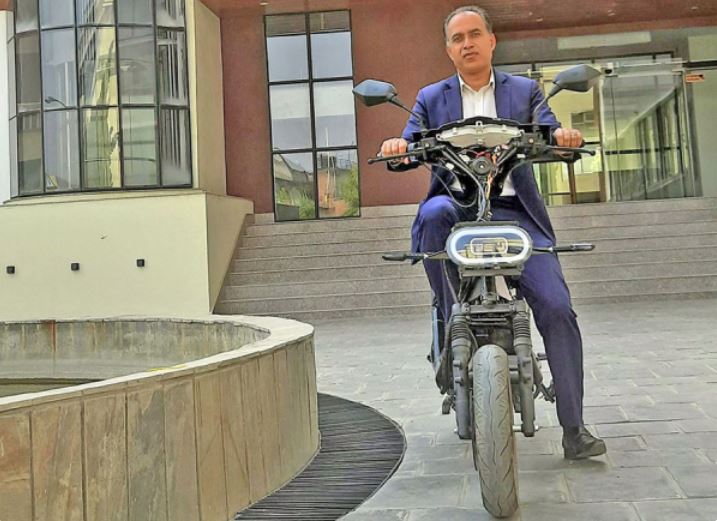
    The preliminary version of the eco-friendly two-wheeler was launched on Thursday. The scooter’s electric battery can sustain its run for 50 kilometres upon a complete charging.

    The Nepal Academy of Science and Technology (NAST) today unveiled the country’s first ever indigenously developed vehicle.

    The vehicle, an electric scooter, has been developed in collaboration with the provincial government of the Lumbini Province.

    The preliminary version of the eco-friendly two-wheeler was launched on Thursday by Nepal’s Minister for Energy, Water Resources and Irrigation, Pampha Bhusal.

    The scooter’s electric battery can sustain its run for 50 kilometres upon a complete charging. This also means that there will have to be enough charging stations to promote the use of electric vehicles in the country. The Nepal Electricity Authority has undertaken the construction of 50 charging stations across the country.

    Named ‘Sarathi’, the design of the prototype cost NAST a mere Nepali Rs 300,000.

    The development is viewed as significant for the country that has been dependent on importing vehicles from its two rather industrialised neighbours – India and China – and from elsewhere in the world.

    Besides, the electric scooter is also welcome in a hydro-electricity rich country that would like to save its foreign expenditures on fossil fuels.

    The development is also appropriate, given Nepal’s road system and its geography.

    Another EV launch

    Nepal’s quest for electric vehicles got another push today with the country’s biggest business house, the Chaudhary Group, announcing its foray into electric vehicles.

    In a tweet posted today, the group’s managing director, Nirvana Chaudhary announced the establishment of CG Motors with the tagline ‘Join The Revolution’, announcing the “world’s most anticipated EV – coming to Nepal”.

    The tweet does not reveal any information about the upcoming EV brand. But it is believed that CG Motors will introduce Neta (Nezha), the EV brand owned by the Chinese all-electric car company, Hozon Auto owned by the Zhejiang Hezhong New Energy Automobile Company.

    Homegrown technology

    At the announcement of the NAST electric scooter, Minister Bhusal asked NAST to advise the government on whether the country needs to introduce internationally available technology or to develop a homegrown technology for the automotive industry. She also urged NAST to explore whether or not power storage was possible, given the country predicament in winters when hydroelectric production drops.

    NAST Vice-Chancellor Sunil Babu Shrestha said, with some pride, that the innovation would silence doubters who felt that the country’s academics failed to deliver research-based results.

    According to Shrestha, the achievement paves the way for commercial production of electric scooters in Nepal.

    The Nepali innovation is a nascent one – electric vehicle covering 1,000 kilometres on a single full charge are now a norm and Nepal’s immediate neighbours, India and China are miles ahead in the manufacturing of electric vehicles. Besides, Nepal has been a market for automobiles from these two neighbours.