More

    WHO Recommends Successful COVID-19 Therapy; Calls For Wide Geographical Distribution and Transparency from Originator

    In a news release to the media, the WHO has strongly recommended antiviral drugs for patients with non-severe COVID-19. It says that the combination of drugs nirmatrelvir and ritonavir works for patients at highest risk of hospital admission.

    Today, the World Health Organisation (WHO) made a strong recommendation for nirmatrelvir and ritonavir, sold under the name Paxlovid, for mild and moderate COVID-19 patients at highest risk of hospital admissions, calling it the best therapeutic choice for high-risk patients to date.

    However, availability, lack of price transparency in bilateral deals made by the producer, and the need for prompt and accurate testing before administering it, are turning this life-saving medicine into a major challenge for low- and middle-income countries.

    Pfizer’s oral antiviral drug (a combination of nirmatrelvir and ritonavir tablets) is “strongly recommended for patients with non-severe COVID-19 who are at highest risk of developing severe disease and hospitalization, such as unvaccinated, older, or immunosuppressed patients,” the WHO release said.

    This recommendation is based on new data from two randomized controlled trials involving 3078 patients. The data show that the risk of hospitalization is reduced by 85 per cent following this treatment. In a high-risk group (over 10 per cent risk of hospitalization), that means 84 fewer hospitalizations per 1000 patients.

    WHO suggests against its use in patients at lower risk, as the benefits were found to be negligible.

    Low testing capacities

    One obstacle for low- and middle-income countries is that the medicine can only be administered while the disease is at its early stages; prompt and accurate testing is therefore essential for a successful outcome with this therapy. Data collected by FIND show that the average daily testing rate in low-income countries is as low as one-eightieth the rate in high-income countries. Improving access to early testing and diagnosis in primary health care settings will be key for the global rollout of this treatment.

    WHO is extremely concerned that — as occurred with COVID-19 vaccines — low- and middle-income countries will again be pushed to the end of the queue when it comes to accessing this treatment.

    Lack of transparency on the part of the originator company is making it difficult for public health organizations to obtain an accurate picture of the availability of the medicine, which countries are involved in bilateral deals and what they are paying. In addition, a licensing agreement made by Pfizer with the Medicines Patent Pool limits the number of countries that can benefit from generic production of the medicine.

    The originator product, sold under the name Paxlovid, will be included in the WHO pre-qualification list  today, but generic products are not yet available from quality-assured sources. Several generic companies (many of which are covered by the licensing agreement between the Medicines Pool and Pfizer) are in discussion with WHO. But they also say that pre-qualification may take some time to comply with international standards so that they can supply the medicine internationally.

    Transparent pricing

    For these reasons, WHO has strongly recommended that Pfizer make its pricing and deals more transparent and that it enlarge the geographical scope of its licence with the Medicines Patent Pool so that more generic manufacturers may start to produce the medicine and make it available faster at affordable prices.

    Along with the strong recommendation for the use of nirmatrelvir and ritonavir, WHO has also updated its recommendation on remdesivir, another antiviral medicine.

    Previously, WHO had suggested against its use in all COVID-19 patients regardless of disease severity, due to the totality of the evidence at that time showing little or no effect on mortality. Following publication of new data from a clinical trial looking at the outcome of admission to hospital, WHO has updated its recommendation. WHO now suggests the use of remdesivir in mild or moderate COVID-19 patients who are at high risk of hospitalization.

    The recommendation for use of remdesivir in patients with severe or critical COVID-19 is currently under review, the WHO news release said.
    MIT Empowering People To Adapt On The Frontlines Of Climate Change

    A new platform will unite climate models, impact predictions, random control trial evaluations, and humanitarian services to bring cutting-edge tools to Bangladeshi communities.

    Kylie Foy   |   MIT Lincoln Laboratory

    On April 11, MIT announced five multiyear flagship projects in the first-ever Climate Grand Challenges, a new initiative to tackle complex climate problems and deliver breakthrough solutions to the world as quickly as possible. This article is the fifth in a five-part series highlighting the most promising concepts to emerge from the competition and the interdisciplinary research teams behind them.

    In the coastal south of Bangladesh, rice paddies that farmers could once harvest three times a year lie barren. Sea-level rise brings saltwater to the soil, ruining the staple crop. It’s one of many impacts, and inequities, of climate change. Despite producing less than 1 per cent of global carbon emissions, Bangladesh is suffering more than most countries. Rising seas, heat waves, flooding, and cyclones threaten 90 million people.

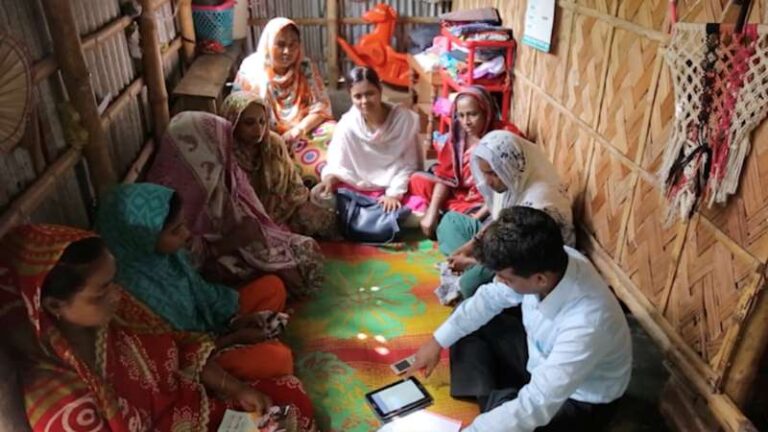
    A platform being developed in a collaboration between MIT and BRAC, a Bangladesh-based global development organization, aims to inform and empower climate-threatened communities to proactively adapt to a changing future. Selected as one of five MIT Climate Grand Challenges flagship projects, the Climate Resilience Early Warning System (CREWSnet) will forecast the local impacts of climate change on people’s lives, homes, and livelihoods. These forecasts will guide BRAC’s development of climate-resiliency programs to help residents prepare for and adapt to life-altering conditions.

    “The communities that CREWSnet will focus on have done little to contribute to the problem of climate change in the first place. However, because of socioeconomic situations, they may be among the most vulnerable. We hope that by providing state-of-the-art projections and sharing them broadly with communities, and working through partners like BRAC, we can help improve the capacity of local communities to adapt to climate change, significantly,” says Elfatih Eltahir, the H.M. King Bhumibol Professor in the Department of Civil and Environmental Engineering.

    Eltahir leads the project with John Aldridge and Deborah Campbell in the Humanitarian Assistance and Disaster Relief Systems Group at Lincoln Laboratory. Additional partners across MIT include the Center for Global Change Science; the Department of Earth, Atmospheric and Planetary Sciences; the Joint Program on the Science and Policy of Global Change; and the Abdul Latif Jameel Poverty Action Lab.

    Predicting local risks

    CREWSnet’s forecasts rely upon a sophisticated model, developed in Eltahir’s research group over the past 25 years, called the MIT Regional Climate Model. This model zooms in on climate processes at local scales, at a resolution as granular as 6 miles. In Bangladesh’s population-dense cities, a 6-mile area could encompass tens, or even hundreds, of thousands of people. The model takes into account the details of a region’s topography, land use, and coastline to predict changes in local conditions.

    When applying this model over Bangladesh, researchers found that heat waves will get more severe and more frequent over the next 30 years. In particular, wet-bulb temperatures, which indicate the ability for humans to cool down by sweating, will rise to dangerous levels rarely observed today, particularly in western, inland cities.

    Such hot spots exacerbate other challenges predicted to worsen near Bangladesh’s coast. Rising sea levels and powerful cyclones are eroding and flooding coastal communities, causing saltwater to surge into land and freshwater. This salinity intrusion is detrimental to human health, ruins drinking water supplies, and harms crops, livestock, and aquatic life that farmers and fishermen depend on for food and income.

    CREWSnet will fuse climate science with forecasting tools that predict the social and economic impacts to villages and cities. These forecasts — such as how often a crop season may fail, or how far floodwaters will reach — can steer decision-making.

    “What people need to know, whether they’re a governor or head of a household, is ‘What is going to happen in my area, and what decisions should I make for the people I’m responsible for?’ Our role is to integrate this science and technology together into a decision support system,” says Aldridge, whose group at Lincoln Laboratory specializes in this area. Most recently, they transitioned a hurricane-evacuation planning system to the U.S. government. “We know that making decisions based on climate change requires a deep level of trust. That’s why having a powerful partner like BRAC is so important,” he says.

    Testing interventions

    Established 50 years ago, just after Bangladesh’s independence, BRAC works in every district of the nation to provide social services that help people rise from extreme poverty. Today, it is one of the world’s largest nongovernmental organizations, serving 110 million people across 11 countries in Asia and Africa, but its success is cultivated locally.

    “BRAC is thrilled to partner with leading researchers at MIT to increase climate resilience in Bangladesh and provide a model that can be scaled around the globe,” says Donella Rapier, president and CEO of BRAC USA. “Locally led climate adaptation solutions that are developed in partnership with communities are urgently needed, particularly in the most vulnerable regions that are on the frontlines of climate change.”

    CREWSnet will help BRAC identify communities most vulnerable to forecasted impacts. In these areas, they will share knowledge and innovate or bolster programs to improve households’ capacity to adapt.

    Many climate initiatives are already underway. One program equips homes to filter and store rainwater, as salinity intrusion makes safe drinking water hard to access. Another program is building resilient housing, able to withstand 120-mile-per-hour winds, that can double as local shelters during cyclones and flooding. Other services are helping farmers switch to different livestock or crops better suited for wetter or saltier conditions (e.g., ducks instead of chickens, or salt-tolerant rice), providing interest-free loans to enable this change.

    But adapting in place will not always be possible, for example in areas predicted to be submerged or unbearably hot by midcentury. “Bangladesh is working on identifying and developing climate-resilient cities and towns across the country, as closer-by alternative destinations as compared to moving to Dhaka, the overcrowded capital of Bangladesh,” says Campbell. “CREWSnet can help identify regions better suited for migration, and climate-resilient adaptation strategies for those regions.” At the same time, BRAC’s Climate Bridge Fund is helping to prepare cities for climate-induced migration, building up infrastructure and financial services for people who have been displaced.

    Evaluating impact

    While CREWSnet’s goal is to enable action, it can’t quite measure the impact of those actions. The Abdul Latif Jameel Poverty Action Lab (J-PAL), a development economics program in the MIT School of Humanities, Arts, and Social Sciences, will help evaluate the effectiveness of the climate-adaptation programs.

    “We conduct randomized controlled trials, similar to medical trials, that help us understand if a program improved people’s lives,” says Claire Walsh, the project director of the King Climate Action Initiative at J-PAL. “Once CREWSnet helps BRAC implement adaptation programs, we will generate scientific evidence on their impacts, so that BRAC and CREWSnet can make a case to funders and governments to expand effective programs.”

    The team aspires to bring CREWSnet to other nations disproportionately impacted by climate change. “Our vision is to have this be a globally extensible capability,” says Campbell. CREWSnet’s name evokes another early-warning decision-support system, FEWSnet, that helped organizations address famine in eastern Africa in the 1980s. Today it is a pillar of food-security planning around the world.

    CREWSnet hopes for a similar impact in climate change planning. Its selection as an MIT Climate Grand Challenges flagship project will inject the project with more funding and resources, momentum that will also help BRAC’s fundraising. The team plans to deploy CREWSnet to southwestern Bangladesh within five years.

    “The communities that we are aspiring to reach with CREWSnet are deeply aware that their lives are changing — they have been looking climate change in the eye for many years. They are incredibly resilient, creative, and talented,” says Ashley Toombs, the external affairs director for BRAC USA. “As a team, we are excited to bring this system to Bangladesh. And what we learn together, we will apply at potentially even larger scales.”


    Reprinted with permission of MIT News (http://news.mit.edu/)

    Image: CREWSNET, MIT


    India’s Female Representation Bill Is Still Seated

    It has been 25 years since the Women’s Reservation Bill — a constitutional amendment proposing that 33 per cent of seats in India’s central and state assemblies be reserved for women — was first introduced to the Indian Parliament in 1996. The representation of women in different legislative bodies remains low across India.

    By Niharika Rustagi

    India ranks 148 out of 193 countries in the number of elected female representatives in parliament, with Afghanistan ranking 71st, Bangladesh 111th, Bhutan 145th, Nepal 47th and Pakistan 116th. While the global average for female representation in lower chambers or unicamerals is 25.8 per cent, India stands at 14.4 per cent. The 78 (out of 543 members) women elected to the lower chamber elected in 2019 is India’s highest proportion to date.

    Women make up 11.2 per cent, or 27 out of 241 members, of the upper chamber. But despite those dismal figures, the debate over the Bill has not featured prominently in national political discourse barring occasions like International Women’s Day.

    First introduced in 1996, the Bill aimed to reserve 33 per cent of state assembly and parliamentary seats for women. It also proposed allocating one third of the seats reserved for Scheduled Castes and Scheduled Tribes in the lower chamber, Lok Sabha, and state assemblies, to women. The reserved seats would be allocated to different constituencies in Lok Sabha by rotation.

    The Bill was inspired by the 73rd and 74th constitutional amendments in 1993. These amendments mandated that no less than one third of the total seats in local bodies be reserved for women. The Bill faced widespread opposition, with critics claiming it diverted attention from more pressing electoral reforms. Others argued it would reduce the incentive for MPs deemed ineligible for re-election to do constituency work. Some even questioned the merit of women merit entering through the seat reservation system.

    Under-utilised tool

    The Indian Constitution guarantees men and women equal ability to participate in elections. Gender-balanced cabinets are a crucial indicator of the commitment to achieving gender equality. There are also instrumental gains to be achieved through greater representation of women in decision making positions.

    The positive effect of female representation in local bodies can be seen across different domains.

    First, the gender gap in villages with leadership positions reserved for women was found to be smaller than in villages without seat reservations. Second, female political representation correlates positively with female reporting of crime. Third, villages with female leaders tend to receive greater investment in drinking water. Fourth, female presidents of village councils enable other women to secure greater property rights progress that is key to reducing gender inequality in Indian land ownership.

    But the positive impact of female political participation is not limited to villages. A United Nations University study found that female legislators raised the annual economic performance of their constituencies by 1.8 percentage points more than their male counterparts. The same study suggested that women legislators are less likely to exploit office for personal gain than their male counterparts.

    Female representation in state legislatures has also been associated with a reduction in neonatal mortality, suggesting that female political representation is an underutilised tool for addressing health problems.

    Gender Equality

    Despite the positive effects of female political representation, a lack of political will has made it difficult to pass the Bill after first being introduced in 1996. It was reintroduced in 1998, 1999 and 2008, but despite passing the upper house in 2010, it was never voted on in the lower house .The Bill finally lapsed following the dissolution of the lower house in 2014.

    During the rule of the United Progressive Alliance, the Bharatiya Janata Party (BJP) opposition frequently accused the ruling Indian National Congress of getting cold feet over passing the Bill. But the tables have turned under the rule of the BJP, as they have fared no better in sponsoring gender equality.

    Current female representation in state assemblies is similarly poor, with the proportion of female candidates increasing by five to ten per cent in the last three decades. At this rate, there is still a long road ahead for equal representation in India’s legislative bodies

    The continued under representation of women, arising from severe discrimination against women in politics, is a reprehensible state of affairs for the world’s largest democracy. The lack of consensus among political parties regarding the contents of the Bill has hindered its passing, while the inadequate representation and participation of women casts doubt on the legitimacy of the policymaking process.

    Reserving enough parliamentary seats for women is necessary for India to achieve proper political representation and live up to the full spirit of democracy. While a seat reservation system is no panacea for the deeply rooted gender discrimination in Indian society, passing the Women’s Reservation Bill is still a step towards achieving gender equality.


    Niharika Rustagi is a Doctoral Candidate at the Lee Kuan Yew School Of Public Policy, National University of Singapore.

    This piece has been sourced from the East Asia Forum of the Australian National University.

    Image: Hippopx, licensed to use under Creative Commons Zero – CC0

    UN Recognizes Broadcaster Attenborough With Lifetime Achievement Award

    Attenborough, 95, is arguably the world’s best-known natural history broadcaster. During a career that began with the dawn of television, he has penned and presented some of the most influential documentaries on the state of the planet, including his decade-spanning, nine-part Life series.

    When Sir David Attenborough was a boy, he spent much of his free time bounding through abandoned quarries in the English countryside, hammer in hand. His prey: fossilized ammonites, spiral-shaped mollusks that lived in the time of the dinosaurs.

    To a young Attenborough, the fossils were like buried treasures and he was amazed to be the first to set eyes on them in tens of millions of years.

    The natural world would keep him enthralled for the rest of his life.

    Today, Attenborough, 95, is arguably the world’s best-known natural history broadcaster. During a career that began with the dawn of television, he has penned and presented some of the most influential documentaries on the state of the planet, including his decade-spanning, nine-part Life series.

    With what the New York Times called his “voice-of-God-narration” and an insatiable curiosity, he has spent 70 years revealing the beauty of the natural world – and laying bare the threats it faces. Along the way, he has offered hundreds of millions of viewers a vision for a more sustainable future.

    “If the world is, indeed, to be saved, then Attenborough will have had more to do with its salvation than anyone else who ever lived,” wrote environmentalist and author Simon Barnes.

    The United Nations has recognized Attenborough’s outsized impact on the global environmental movement, presenting him with the UN Champions of the Earth Lifetime Achievement Award. The award is the UN’s highest environmental honour and celebrates those who have dedicated their lives to tackling crises like climate change, species loss and pollution.

    Planet’s spokesperson

    “You have been an extraordinary inspiration for so many people,” said Inger Andersen, the Executive Director of the UN Environment Programme (UNEP), as she presented Attenborough with the award.

    “You spoke for the planet long before anyone else did and you continue to hold our feet to the fire.”

    Along with his work in the media, Attenborough is one of the leading voices of the global environmental movement. He has appeared at landmark summits, like the 2015 Paris Climate Change Conference, where he has called for a unified global effort to combat the threats to the Earth.

    He has also collaborated with UNEP for at least four decades, lending his voice to a series of campaigns and short films that have cast a spotlight on the organization’s efforts to counter the climate crisis, biodiversity loss and pollution. That work is driven by a belief that no one country alone can solve the planet’s environmental ills.

    “We are living in an era when nationalism simply isn’t enough,” Attenborough said in accepting the UNEP Champion of the Earth Lifetime Achievement Award. “We must feel like we are all citizens of this one planet. If we work together, we can solve these problems.”

    Attenborough graduated from Cambridge University in 1947 with a degree in natural sciences, but soon found he didn’t have the disposition for a life of research. And so, he made his way to the British Broadcasting Corporation (BBC) just as television was creeping into homes.

    His first TV appearance came on 21 December 1954, in Zoo Quest, a globe-trotting series that introduced rapt Britons to exotic creatures, like orangutans and Komodo dragons.

    Life on Earth

    As talented an administrator as he was a presenter, Attenborough would rise through the ranks of Britain’s national broadcaster, eventually coming to helm BBC Two. There, he commissioned Monty Python’s Flying Circus, among other series.

    But administration wasn’t really for him, and in 1973 Attenborough left the executive suite to return to making films.

    The result would be his landmark 1979 series Life on Earth, an epic that charted the history of the living world, from the first microbes to humankind.

    The series took three years to make and Attenborough travelled 1.5 million miles during filming. With its scope and ambition, Life on Earth would redefine the natural history documentary and be viewed by some 500 million people.

    Over the next three decades, Attenborough would write and present eight more grand documentaries, focusing the world’s attention on what he called the “spectacular marvel” of nature.

    But as his career progressed, Attenborough came to bear witness to the cratering of the natural world. As humanity’s presence grew, nature’s receded. Human activity has altered three-quarters of the Earth’s surface and placed 1 million species at risk of extinction.

    “Immensely powerful though we are today, it’s equally clear that we’re going to be even more powerful tomorrow,” he said at the conclusion of 1984’s The Living Planet. “Clearly we could devastate the world. [The Earth’s] continued survival now rests in our hands.”

    Attenborough’s films showed the world that the wild is not infinite, that it was delicate and needed protecting – and that humanity was growing dangerously apart from nature.

    Optimist

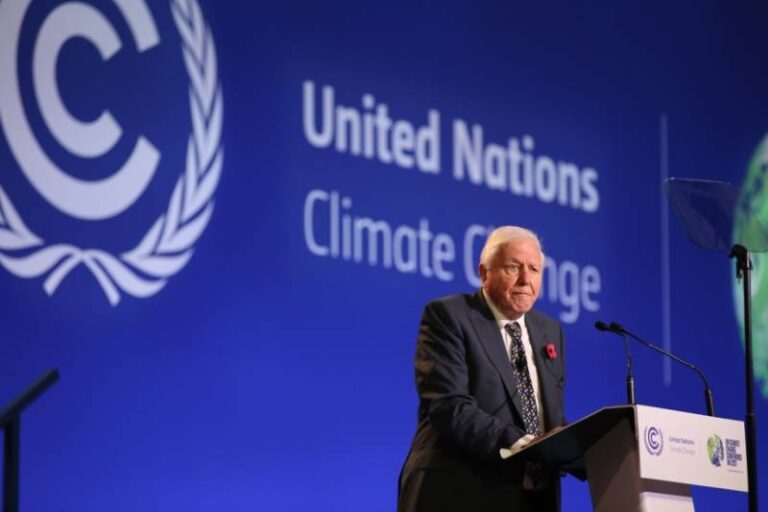
    Last year, halfway through his 90s, he addressed world leaders at the UN Climate Change Conference in Glasgow, Scotland.

    “We are already in trouble,” he said. “Is this how our story is to end? A tale of the smartest species doomed by that all-too-human characteristic of failing to see the bigger picture in pursuit of short-term goals.”

    But then, as almost always, Attenborough’s words were tinged with optimism. A recurring theme of his films has been that despite the dire state of the planet, humanity can still repair the damage it has done.

    “It’s not all doom and gloom,” he said in 2020’s A Life on Our Planet, a look back at his career. “There’s a chance for us to make amends, to complete our journey of development and once again become a species in balance with nature. All we need is the will to do so.”

    In the same film, he offered a prescription for making peace with nature. It centered on raising living standards in poorer countries to curb population growth, embracing clean energy, like solar and wind power, eating more plant-based foods, which are easier on the planet, and abandoning fossil fuels.

    “If we take care of nature, nature will take care of us,” he said. “It’s now time for our species to stop simply growing, to establish a life on our planet in balance with nature, to start to thrive.”

    Rare recognitions

    Attenborough’s work and activism would see him knighted (twice) and become the namesake of dozens of species, from attenborosaurus (a prehistoric swimming reptile) to nepenthes attenboroughii (a carnivorous plant).

    In recent years, Attenborough has continued to lend his voice to natural history documentaries, earning a pair of Emmy nominations in 2021 for narration. (In his career, he has won three Emmys and eight BAFTAs.)

    For decades, Attenborough has been sought by world leaders looking for solutions to the crises facing the natural world – and perhaps a jolt of his enthusiasm.

    In 2015 he visited the White House for a conversation with United States President Barack Obama. Obama asked Attenborough what sparked his “deep fascination” with the natural world.

    “I’ve never met a child who’s not interested in natural history,” he replied, perhaps recalling his fossil-hunting days in the English countryside. “So, the question is, how does anyone lose it?”

    In Nepal’s Madhes Province, Voters Turning Away From Madhes-Based Parties

    Locals appear disappointed with the performance of the Madhes-based parties and seem to be turning back towards traditional parties like the Nepali Congress and CPN-UML.

    Mukesh Pokhrel

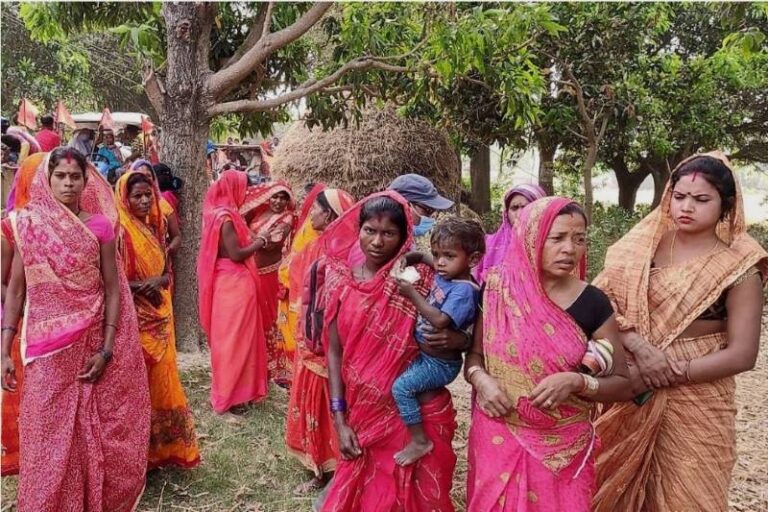
    Taiyab Mansuri, a resident of Parsa village in Mahottari Rural Municipality-1, drives an auto-rickshaw from Janakpur to Jaleswar every day. In his rickshaw, he listens to the news daily, keenly following the upcoming local elections.

    “I’m not affiliated with any political party. I am just a voter,” said Mansuri, who has been driving his rickshaw and working in Nepal for the past six years. Before that, he used to work in Saudi Arabia, where he worked for 15 years doing labor work. He returned home in 2015, the year Nepal adopted its new federal political setup as envisioned in the new constitution. He was enthusiastic about the changes the country was going through and decided to stay back in the hope that development would finally make its way to his village. In the last local elections, he voted for Madhes-based political parties.

    But in the last five years, his mind has changed. He is no longer optimistic and has no faith in the parties.

    “This time, I have decided I will not vote for a party but for a given candidate’s capacity,” said Mansuri.

    Disappointed and resentful

    When the Madhes Movements erupted in 2007-2008 and in 2015, people expected the parties that led the movements would bring change to the Madhes in terms of development, education, health, agriculture, and employment. The movements instilled faith in the people regarding the political parties, which showed in the 2017 local elections.

    After the 2017 local elections, the Rastriya Janata Party Nepal, a Madhes-based party, had 25 rural municipalities chiefs in Madhes Province. Another Madhesh-based party, the Sanghiya Samajbadi Forum (Federal Socialist Forum) Nepal, had 26 mayors. Likewise, Mohammad Lalbabu Raut, the chief minister of Madhes Province, is from the Sanghiya Samajbadi Forum.

    In the years since, the Rastriya Janata Party, Saghiya Samajbadi Forum, and Naya Shakti merged to form the Janata Samajbadi Party. That party split in 2021 with senior politician Mahanta Thakur going on to form the Loktantrik Samajbadi Party-Nepal.

    Five years since the last elections, these political parties have little to show in terms of uplifting the living standard of the people in the province.

    Mahadev Saha, a political analyst and head of the Softech College in Lahan, said that voters are disappointed and resentful.

    “The people are not satisfied with the outcomes of the Madhes movements. They are now looking for a party that can lead the government in upcoming days,” Saha said.

    According to Saha, locals don’t believe that Madhes-based parties like the Janata Samajbadi Party and the Loktantrik Samajbadi Party, can deliver on their promises.

    Feel cheated

    Nagendra Paswan, a resident of Jaleswar in Mahottari, is also making plans to cast his vote for a different party this time around.

    “We voted for them, but they did not support the people,” Paswan told The Record.

    Paswan’s demands, like many others, are not great. A farmer by profession, all he wants is irrigation facilities in his field and fertilizers on time. “It is always a struggle to get fertilizers on time. The party that promises fertilizers on time to farmers will get the farmer’s vote,” he said.

    Tired of ineffective governance, young people too are stepping up. Twenty-four-year-old Dhiraj Singh, a resident of Dhanusha in Janakpur, is preparing for his independent candidacy for ward chairman.

    “We had faith in the political parties and we thought they would change Madhes. But they did nothing for the people. We feel cheated,” said Singh. “So now I’m preparing for my own candidacy. And the response I have received is positive. It’s time for young people to take leadership.”

    Back to tradition 

    Before the Madhes Movements of 2007 and 2008, the Tarai-Madhes was long the stronghold of the Nepali Congress. But since then, that comfortable voter base had slowly been whittled away by the Madhes-based parties and even the CPN-UML, which has a strong organizational base at the local level.

    But, according to political analyst Saha, the Congress is back on the cards in a big way and the upcoming local election will be contested between the Nepali Congress, CPN-UML, and Janata Samjabadi Party.

    “Nepali Congress and CPN-UML are not going to lose and that may weaken the Madhes-based parties,” said Saha. In his opinion, Mahanta Thakur’s Loktantrik Samajbadi Party and the Maoist Center have the most to lose in this election.

    Recent splits in the Janata Samajbadi Party and the CPN-UML have weakened both parties, providing the Nepali Congress with an opportunity. As the party that leads the federal coalition government, the Nepali Congress has been quite confident in its ability to win more elections than in 2017. The Congress was even considering not allying with any other party in an electoral alliance and going at it alone. However, the party has now decided to tie up with coalition members wherever possible.

    Congress-UML clash

    Bajrang Nepali, a Nepali Congress leader based in Mahottari, believes that the party does not need an alliance in Madhes Province.

    “We alone are strong enough to fight this election. There’s no need for an alliance,” said Nepali.

    According to Nepali, despite the party’s decision, local-level party members are asking that the Congress not ally with any other party. The Nepali Congress district committees of Bara and Saptari have both decided not to form an alliance with other parties, said Nepali.

    The UML, which was in a relatively weaker position in Madhes Pradesh in the previous local-level elections, is also aggressively campaigning. UML party chair KP Sharma Oli had alienated Madhesi voters with his nationalist stance that often came at the expense of Madhesis. But those slights have long been forgotten, said Saha.

    “The Madhes-based parties criticized Oil and the UML, but in the end, they joined the Oli government,” said Saha. “Voters learned the reality and it increased their attraction towards Oli.”

    Nepali Congress leader Bajrang Nepali agrees with Saha and said that his party’s primary competition was with the UML. Many Madhes-based party leaders and cadres have also joined the UML and that is certain to swing voters.

    The CK Raut factor

    CK Raut and his Janamat Party have long been wildcards in Madhesi politics. An advocate for an ‘independent Madhes’ and constantly under duress from the state authorities, Raut recently joined mainstream politics. Kathmandu believes that Raut is a major factor in the Madhes but conversations with locals show that his influence is limited and his party is not likely to win many, if any, seats in government.

    However, Raut does have significant support among the young and educated, who admire his political stance and dedication. This could impact the elections, especially the chances of Madhes-based parties.

    “Raut’s party may cut off votes from Madhes-based parties,” said Kamlesh Mandal, a Mahottari-based journalist. “Many of those who had supported Madhes-based parties in the past now say they are with Raut.”


    Mukesh Pokhrel is a Kathmandu-based journalist who writes issues on climate change, environment, social, and political.

    Image: Mukesh Pokhrel

    This piece has been sourced from The Record 

    UN Secretary-General António Guterres Requests Meetings with Putin, Zelenskyy

    The immediate impact of the war is the gravest in Ukraine. But it could have global ramifications, putting 1.7 billion people worldwide at risk of poverty, hunger and destitution.

    In efforts to end the war in Ukraine, Secretary-General António Guterres has written separate letters to the leaders of Russia and Ukraine to request meetings with them in their respective capitals, the United Nations said on Wednesday.

    UN Spokesperson Stéphane Dujarric said Guterres has asked President Vladimir Putin to receive him in Moscow and President Volodymyr Zelenskyy to receive him in Kyiv.

    The letters were handed over to the countries’ UN Missions in New York on Tuesday.

    Urgent steps towards peace 

    “The Secretary-General said, at this time of great peril and consequence, he would like to discuss urgent steps to bring about peace in Ukraine and the future of multilateralism based on the Charter of the United Nations and international law,” said Dujarric.

    “He noted that both Ukraine and the Russian Federation are founding members of the United Nations and have always been strong supporters of this Organization.”

    The announcement came a day after the UN chief called for a humanitarian pause in Ukraine ahead of Orthodox Christian Easter this weekend.

    Support for humanitarian pause 

    The UN Crisis Coordinator for Ukraine, Amin Awad, has underlined the Secretary-General’s appeal amid the mounting humanitarian crisis in the country and the intensifying Russian offensive in the east.

    The four-day pause would allow for safe passage of civilians willing to leave conflict areas, he said, and the safe delivery of urgent humanitarian aid to people in the hardest hit areas of Mariupol, Kherson, Donetsk and Luhansk.

    “During this week – which marks a rare calendar alignment of the three of the most sacred religious holidays of Christian Orthodox Easter, Jewish Passover and the Muslim holy month of Ramadan – it is the time to focus on converging interests and set aside our differences,” said Awad.

    Casualties continue to mount in the war in Ukraine, which began on 24 February. There were 5,121 civilian casualties in the country as of Tuesday,  including 2,224 deaths, according to the latest update from the UN human rights office, OHCR.

    As Awad stated: “The loss of life and severe trauma caused by attacks on hospitals, schools and places of refuge is utterly shocking, as is the devastation of critical civilian infrastructure in the country.”

    Millions without water and electricity 

    The Ukraine conflict has generated the largest and fastest displacement in recent years.

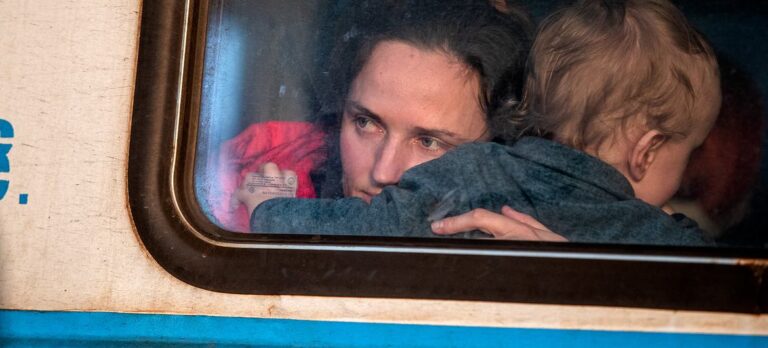
    Some 12 million people have been forced to flee their homes, with more than five million crossing the border into neighbouring countries and beyond.

    Many of those left behind do not have access to water or electricity, while another 12 million are affected by economic hardship and a decline in services.

    In eastern Ukraine, some 1.4 million people are without access to running water, including in the besieged port city of Mariupol.  Millions more have only limited access to water and electricity.

    Amplified ramifications

    Additionally, some 136 attacks on health care facilities have been recorded since the start of the war, representing nearly 70 per cent of worldwide attacks on health so far this year.

    Growing insecurity, including due to contamination with explosive devices, is a significant obstacle to accessing hard to reach areas in the east.

    “This terrible toll on civilians must come to an end,” said Awad, warning that the war’s devastating impact could affect Ukraine for generations.

    “The immediate impact of this senseless war is the gravest here in Ukraine but it could have global ramifications, putting 1.7 billion people worldwide at risk of poverty, hunger and destitution”.


    Image: UNICEF / Giovanni Diffidenti  /  UNICEF

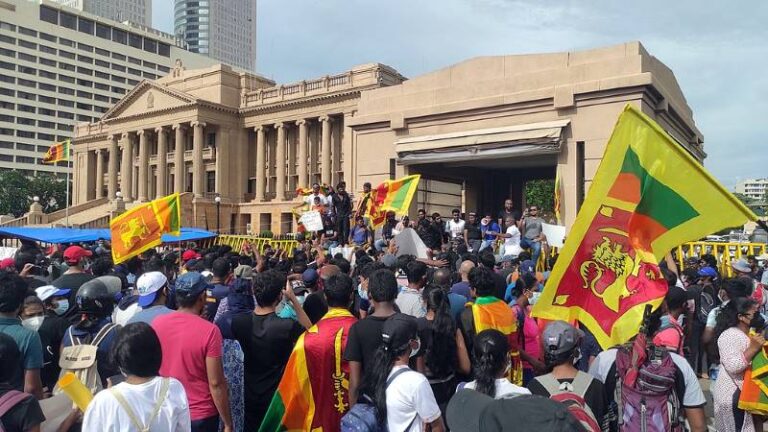
    Sri Lanka Police Face Questions After Tuesday’s Firing on Protestors

    An on-spot magisterial enquiry into Tuesday’s firing on protestors has been accompanied with voices of condemnation from the US Embassy in Sri Lanka, the delegation of the European Union and Amnesty International’s SouthAsia office in Colombo.

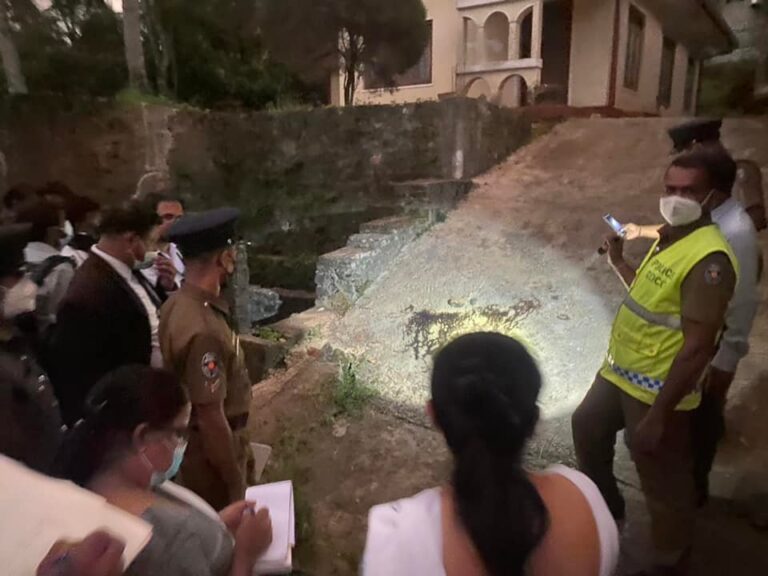
    A judicial enquiry into the incident has begun after a magistrate rejected a police report and undertook an on-site probe into the police firing on Sri Lankan protestors on Tuesday. Residents showed the magistrate blood stains on road about half a kilometre away from the place in which the terror had occurred. People said that there were more places with blood stains that had been washed away.

    The police statement before the court had many loopholes and observers pointed to discrepancies in the account the police offered in the court. There were also divergences from the account the police media spokesperson and the inspector general of police had provided to the media.

    The government was also stunned as the government attorney made a remark on social media and published photographic evidence matching the residents’ version of the story.

    According to media reports and videos circulating online, people were participating in a largely peaceful protest before the police began using tear gas and water cannons to disperse protestors, and it escalated quickly with a bus being set on fire.

    Police had clashed with protesters on Tuesday and fired into the crowd, shooting dead one, in what police officials described as “minimum force” to disperse the angry unarmed crowd. 24 people, including eight police personnel, were injured.  The police said that they had only used tear gas.

    Other sources said that over 5o people, including journalists covering the incident, have been arrested and dozens more injured – many assaulted and subjected to torture or other ill treatment in police custody. A curfew was also imposed in an attempt to control the situation.

    Minister justifies police action

    In the face of protests from the opposition benches in Parliament on Wednesday, Sri Lanka’s Minister of Public Defense, Prasanna Ranatunga said that the police firing on the protestors in Rambukkana was in accordance with the police ordinance that includes rules of engagement and standard operating procedures.

    He said that the police have the necessary powers to do so, adding that the police action was in response to protesters attempting to set fire to a bowser containing 33,000 liters of fuel, endangering all of Rambukkana.

    Calls for impartial inquiry

    The United States ambassador in Colombo has called for impartial investigations into the violent State action against protestors that killed at least one.

    US Ambassador to Colombo, Julie Chung said she had a discussion with the Human Rights Council of Sri Lanka and urged for a fair, impartial investigation.

    “Discussed with Human Rights Council of Sri Lanka the injustice of violence against unarmed protesters and need for a full, transparent investigation of the Rambukkana violence,” Chung said in her official Twitter feed.

    Simultaneously, human rights watchdog Amnesty International too raised concerns over the violence at the protest.

    “There must be a prompt, impartial and effective inquiry with a view of holding perpetrators to account,” Amnesty International said in a Twitter message.

    “The Sri Lankan authorities must not use unnecessary or excessive force to disperse protesters who are suffering the consequences of an economic crisis that is spiralling out of control,” read a statement from Yamini Mishra, Amnesty International’s South Asia Director.  “Even in instances where protests turn violent, law enforcement officers must only use force where absolutely necessary and it must be strictly proportionate to the situation,” she said.

    European Union Delegation too came out with a statement saying it deplores the loss of life and injuries after the Rambukkana events.

    “Any violence has to be condemned and the EU reiterates the need for restraint from both authorities and demonstrators. EU encourages all parties to find political solutions to the current crisis,” it said.

    First Person: A Month In A Mariupol Basement 

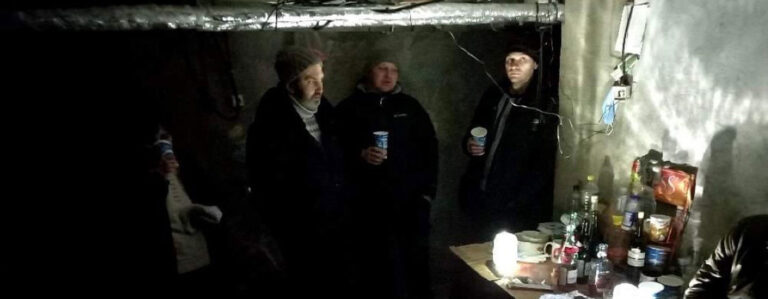
    Invading Russian forces have almost completely destroyed Mariupol, a port city in southern Ukraine. Former resident Alina Beskrovna recalled a month-long ordeal sheltering in a basement there as she witnessed fierce fighting and obliteration, before her eventual escape.

    “On the morning of the invasion I left my apartment and spent almost a month in a basement on the outskirts of Mariupol, until I escaped on 23 March.

    The first few days felt like a weird slumber party, just getting together with friends. We had everything we needed…until we didn’t.

    First the electricity went, when Russia bombed the city’s electrical system. Laptops and cell phones began to run out of battery.

    Then the Russians targeted the water system. We filled up all the buckets we possibly could while the taps were still running, but we quickly realized that a lack of drinking water would be a huge problem.

    And then we heard a large blast, and the gas went out, which meant gathering and chopping wood, and cooking on open fires outside the basement entrance.

    ‘People jumped to their deaths’

    By the end of the second week, we heard continuous shelling approaching from the northern part of the city, targeting residential districts near us. Two missiles hit a nine-storey building on the other side of the road, right across from our basement. We saw the fourth floor engulfed in flames and people jumping to their deaths.

    Whenever a missile landed close by, it felt like it was going straight through us. We would feel the shockwaves; the cracks in the basement wall and floor would widen with every single hit, and we would wonder if the foundations of the building could take it.

    ‘I don’t know if my father is alive’

    Early in the invasion, a communication station behind one of the residential high-rises was targeted by the Russians.

    I knew why it was being done: To leave us completely helpless and hopeless, demoralized, and cut off from the outside world.

    I lost contact with my father.  He was on the other side of the city and I was not sure if I would ever see him again. I only hoped that he would walk over to us, since he knew the address, but he never did. I still don’t know if he’s alive. I don’t know if he was taken to Russia by force.

    Rumours began spreading about how the city had fallen, how it was now Russian territory. We heard horrific stories of Chechens roaming the streets, raping women, killing civilians at point blank range, and how dangerous it was to even try to leave because of active fighting on all three sides of the city.

    So, no one dared to escape. Because of the lack of communication with the outside world, it felt as if there was a huge mass murder taking place right around me, and that the world had no idea, and would never find out the true scale of what was happening.

    Fear of rape

    I had two main fears. One was rape – which is used as a weapon of war by the Russian military, and we all knew this – and the second one was being either taken to Russia by force or to the so-called Donetsk People’s Republic.

    I also worried about Mariupol being proclaimed as part of the Donetsk People’s Republic – barring any hope of my leaving.

    I just kept thinking, will they let us out? Is there a way out?

    An opportunity to escape

    Anyone who didn’t get out in the first three or four days, was unable to leave afterwards, because of active fighting and Russian forces approaching the city from all three sides.

    Those who tried to flee found themselves in a battlefield.

    All we could do was wait for a possible corridor to open up. Around the second week of the war, a rumour spread on a Russian Telegram [social media platform] channel, that an organized column was gathering at the theatre, heading west towards Manhush.

    Everyone who had a vehicle and enough fuel, put some white pieces of cloth on their side mirrors to signify that they were civilians trying to flee, and went to the collection point.

    But there was nothing. It turned out to be a false rumour.

    By 20 March, the Russians has completely taken over the strip of land by the Azov Sea, from Berdyansk and Manhush, all the way to the outskirts of Mariupol.

    Three days later we decided to leave despite reports of civilians being targeted, as the city was being under siege by carpet and precision bombings.

    I saw with my own eyes how they aimed at apartment buildings, as if they were playing a computer game.

    We were running out of food and water. I hadn’t had a shower for a month.

    ‘Horrific’ journey

    At 7:00 AM on the morning of 23 March, we started out for Zaporizhzhia. After 16 Russian checkpoints, a trip that usually took three hours cost us more than 14.

    The drive itself was horrific. The Russian military strip-searched us, checking documents and detaining every male. But once we reached the Ukrainian checkpoint near the entry to Zaporizhzhia, we heard the Ukrainian language.

    It felt like we had made it, like we were relatively safe.

    Despite feeling as though I was getting out of this black hole of destruction and death, Zaporizhzhia itself wasn’t safe; there were constant air raids.

    But we had made it out of Mariupol and couldn’t believe we were alive.


    Image:  Alina Beskrovna via UN

    Sri Lankan Economic Crisis Inflicted by Self-Serving Elite

    Once deemed a basic human needs success story, Sri Lanka is now in its worst economic crisis since independence in 1948. Nonetheless, Sri Lanka’s ‘moment of truth’ now offers lessons for other developing countries.

    By Anis Chowdhury and Jomo Kwame Sundaram

    Sri Lanka has just defaulted on its foreign debt for the very first time. Attributing its current predicament to a Chinese ‘debt-trap’ is a new Cold War propaganda distraction – which we will undoubtedly hear much more of.

    In this fable, Sri Lanka is a country caught in a debt trap due to white elephant projects mooted and financed by borrowings from China. Blaming Sri Lanka’s debt crisis on Chinese loans is not only factually wrong, but also prevents understanding the origins and nature of its current crisis.

    Outstanding Sri Lankan government foreign debt in April 2021 was US$35.1bn. Policy errors have reduced foreign direct investment (FDI), exports and government revenue, changing the composition of its foreign debt for the worst.

    Debt to the Asian Development Bank (ADB), World Bank, China, Japan and other bilateral lenders, including India, came to about a tenth each. Borrowing from capital markets – 47 per cent, or almost half – is mainly responsible for its debt unsustainability.

    After all, borrowing from multilateral development banks – mainly the World Bank and ADB – and bilateral lenders are mostly on concessional terms, while debt from commercial sources incurs higher interest rates.

    Commercial loans tend to be more short term, and subject to stricter conditions. As sovereign bonds or commercial loans become due, their full value must be repaid. External debt servicing costs surge accordingly.

    Deep-rooted problems

    As of April 2021, about 60 per cent of Sri Lanka’s debt was for durations of less than ten years. The US dollar denominated debt share rose sharply – from 36 per cent in 2012 to 65 per cent in 2019, as Chinese renminbi denominated loans remained around two per cent.

    Adding government guaranteed debt to state-owned enterprises, total borrowings from China were 17.2 per cent of Sri Lanka’s total public foreign debt liabilities in 2019. Meanwhile, commercial borrowings grew rapidly from merely 2.5 per cent of foreign debt in 2004 to 56.8 per cent in 2019.

    The effective interest rate on commercial loans in January 2022 was 6.6 per cent – more than double that for Chinese debt. Unsurprisingly, Sri Lanka’s interest payments alone came to 95.4 per cent of its declining government revenue in 2021!

    Following its 2001 recession, Sri Lanka recovered, before growth declined again after 2012 and the pandemic contraction in 2020. Sri Lanka also experienced premature deindustrialization, with manufacturing’s GDP share falling from 22 per cent in 1977 to 15 per cent in 2017.

    Government tax revenue declined from 18.4 per cent of GDP (1990-92 average) to 12.7 per cent (2017-19), and a 8.4 per cent pandemic nadir in 2020. Non-tax revenue – mainly dividends and profits from public investments – fell from 2.3 per cent of GDP in 2000 to 0.9 per cent in 2015.

    Sri Lanka’s exports-GDP ratio almost halved from 39 per cent in 2000 to 20 per cent in 2010. This took a big hit during the pandemic, dropping to 17 per cent in 2020. From 2000, FDI inflows into Sri Lanka were between 1.1 per cent and 1.8 per cent of GDP, before falling to 0.5 per cent in 2020.

    During 2012-19, the share of International Monetary Fund (IMF) Special Drawing Rights (SDRs) in Sri Lanka’s debt stock fell from 28 per cent to 14 per cent, as borrowings ballooned! Sri Lanka’s debt crisis is clearly due to the policy choices of successive governments since the 1990s.

    Crisis-prone

    In February 2022, Sri Lanka had only US$2.31 billion in foreign exchange reserves – too little to cover its import bill and debt repayment obligations of US$4 billion.

    Its 22 million people face 12-hour power cuts, and extreme scarcities of food, fuel and other essential items such as medicines. Inflation reached an all-time high of 17.5 per cent in February 2022, with food prices rising 24 per cent in January-February 2022. But economic crisis is not new to Sri Lanka.

    As a commodity producer – mainly exporting tea, coffee, rubber and spices – export earnings have long been volatile, vulnerable to external shocks. Foreign exchange earnings have also come from ready-made garments, tourism and remittances, but their shares have grown little over decades.

    Since 1965, Sri Lanka has obtained 16 IMF loans, typically with onerous conditionalities. The last was in 2016, providing US$1.5 billion over 2016-19. Required austerity measures have squeezed public investment, hurting growth and welfare.

    Two recent shocks made things worse. First, bomb blasts in Colombo churches and luxury hotels in April 2019 drastically cut tourist arrivals by 80 per cent, squeezing foreign exchange earnings.

    Second, the pandemic has damaged not only economic activity, but also foreign exchange reserves, as it often paid monopoly prices to get COVID-19 tests, treatments, equipment, vaccines and other needs.

    Tax cuts galore

    The ethno-populist policies of the Gotabaya Rajapaksa government – which came to power in 2019 – have added fuel to fire. Successfully mobilizing majority Buddhist Singhala sentiment – against Tamils, Muslims and Christians – he sought political support by cutting taxes on the ‘middle class’.

    His government cut taxes across the board, collecting only 12.7 per cent of GDP in revenue in 2017-19 – one of the lowest shares among middle-income countries. Losing about 2 per cent of GDP in revenue, its tax-GDP ratio fell to 8.4 per cent in 2020.

    Sri Lanka’s value-added tax rate was cut from 15per cent to 8per cent, while the VAT registration threshold was raised from one to 25 million Sri Lankan rupees monthly. Other indirect taxes and the ‘pay-as-you-earn’ system were abolished.

    The minimum income tax threshold was raised from 500,000 Sri Lankan rupees annually to three million, with few earning that much! Personal income tax rates were not only reduced, but also became even less progressive.

    The corporate income tax rate was cut from 28 per cent to 24 per cent. With a 33.5 per cent drop in registered taxpayers (corporate and individual) between 2019 and 2020, Sri Lanka’s tax base shrank.

    Thus, even more of the population became exempt from direct taxes, increasing government popularity, especially among the middle class. But tax cuts failed to spur investment and growth – despite old claims by Ronald Reagan, Donald Trump and their ‘guru’, Arthur Laffer.

    Populist choices

    Successive Sri Lanka governments thus failed to increase tax collection, squeezing government revenue. To finance budget deficits, they increasingly borrowed from international capital markets – at higher commercial rates, with shorter maturities.

    As the government cut tax rates and exempted most from paying income tax, government revenue fell. Due to its falling revenue and deteriorating credit rating, the government had to borrow more, at higher interest rates.

    Facing fiscal and foreign exchange constraints, the government declared Sri Lanka a 100 per cent organic farming nation in April 2021. Banning all fertilizer imports – ostensibly to promote ‘agro-ecological’ farming as part of a larger ‘green’ transformation – compounded the looming ‘perfect storm’.

    Dropped in November 2021, the policy drastically cut agricultural output, with more food imports becoming necessary. Falling tea and rubber output also reduced export earnings, exacerbating foreign exchange shortfalls.

    Evidently, the Sri Lanka government addressed the economic challenges it faced with ‘populist’ policy choices. Instead of addressing longstanding problems faced, this effectively ‘kicked the can’ down the road, worsening the inevitable meltdown.


    Image: Wikimedia  /  AntanO – CC BY-SA 4.0

    Pakistan: Police Handling of Whistleblower’s Death Sparks Public Outrage

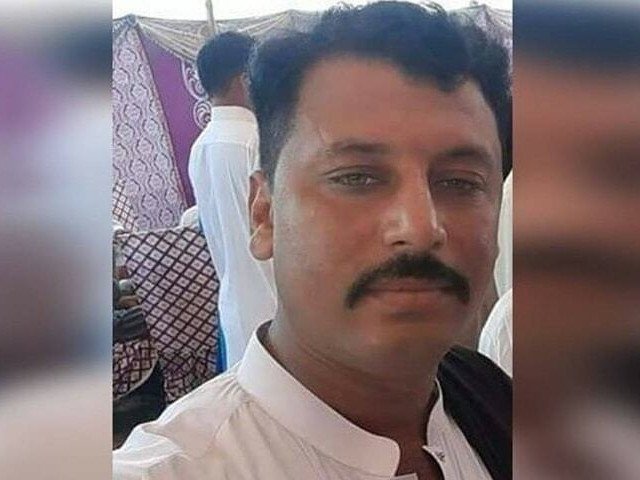
    Nazim Jokhio was killed for circulating on social media his posts on the illegal hunting of the endangered houbara bustard in his village by the Arab guests of a powerful tribal chieftain. The accused include members of the provincial and national assemblies.

    Public anger is brewing in Pakistan over the police letting off influential suspects in its investigations into the murder of a whistleblower at the farmhouse of a tribal chieftain and a ruling party lawmaker. This presents a challenge before the country’s newly formed government and its allies in Sindh province.

    Nazim Jokhio, 27, had objected to and stopped hunters looking for the houbara bustard in his village of Achar Salar Jokhio, about 50 km from Karachi. He made and circulated a video of his interaction.

    He was employed with Karachi city’s local government and has left behind four young children. He was popular among his social media followers.

    In the days that followed, Jokhio was summoned by Jam Awais Gohram, the tribe’s chieftain, along with his brother and detained overnight at the farmhouse where he was beaten to death, according to reports. The cold blooded murder brought an agitated people on the streets, blocking the main highway connecting Karachi, and in turn, inviting media scrutiny.

    The police initially claimed that Nazim Jokhio died in a violent clash. But hours later, seeing the number of people on the streets swelling by the hour, the police made a turnaround saying that a body was found lying outside Jam’s house with marks of injuries, possibly due to torture.

    A hashtag ‘Justice for Nazim Jokhio’ too trended on microblogging social media, Twitter.

    Human life

    Nazim’s brother, Afzal Jokhio, told journalists that Arab hunters looking for the houbara bustard in the Karo Mountains arrived at their village, a forbidden area for hunting. Nazim tried to stop them and an altercation followed. In the following hours, Nazim uploaded a video of the hunters.

    “I got calls from Jam’s men demanding that my brother delete the video. I asked him to obey the Jam’s orders, but he refused,” Afzal was quoted as saying to by the local media.

    The brothers were summoned to Jam’s farmhouse where Nazim was thrashed by the chieftain’s henchmen.

    Afzal says he had pleaded for mercy for his brother – even saying that a human life was worth more than a houbara bustard.

    “I pleaded with folded hands before Jam and apologized. But Jam Sahib said no apology [would be accepted as] you people have insulted my guest,” Afzal told journalists.

    Nazim died in the wee hours next day.

    “When we got there in the morning, we were told that my brother was dead and we were not given his body.”

    Pressure to compromise

    The public pressure and the blocking of roads got an assurance of a fair police investigation by Sindh Chief Minister Syed Murad Ali Shah.

    The tribal chieftain, Jam Awais Gohram was arrested, but was later let off on bail. In the days to come, the family came under pressure to settle the matter outside courts.

    But as days passed, Jam Awais’ name was struck off from the documents presented to the local court.

    Nazim’s widow, Shirin Jokhio told a local TV reporter, “People of Sardar [Jam Awais Gohram] are threatening my brother in law Afazal Jokhio for settling through jirga and he was afraid of them, but I am not afraid of anyone.”

    However, Jokhio’s wife appeared in a video saying that she pardoned the accused. Critics, the media and larger civil society groups were quick to point out telling signs of pressure the young widow had come under.

    In a video message, Shireen Jokhio said she wanted to fight but had been left “all alone by her own people” adding that she had taken the decision to pardon out of compulsion and for the safety of her children.

    The family had accused Gohram, a member of the Sindh Assembly from former President Asif Zardari’s Pakistan People’s Party. Fingers are now point to Zardari who is widely believed to have brought together the various political actors to form the present government in Pakistan.


    Banner Image: Screengrab