More

    Post Pandemic Asia Pacific Lags on Climate SDGs – UN ESCAP Report

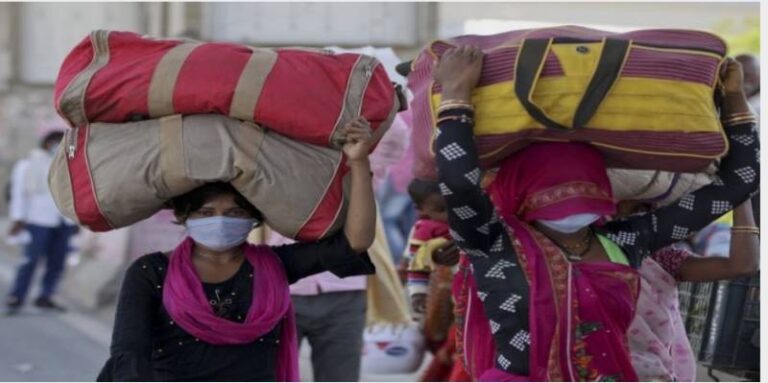
    At the present rate of progress, the Asia Pacific region may meet 2030 SDGs only in 2065, the report says, calling for stepping up measures to tackle inequity and social protection for the vulnerable. Notably, the report points out, the region is now producing 35 per cent more greenhouses gases than in 2000.

    By Neena Bhandari

    The Asia Pacific region has significantly regressed on Sustainable Development Goal (SDG) targets related to climate action and responsible consumption and production, the 2022 Asia-Pacific SDG Progress Report launched by the UN Economic and Social Commission for Asia and the Pacific’s (ESCAP) says.

    The report notes that inequality in the region has widened due to impacts of COVID-19, climate change and human-made crises.

    It says vulnerable groups, including women, rural populations, poorer households and people with severe disabilities, have been disadvantaged the most as a result.

    “The sole focus on economic recovery post-pandemic is likely to hinder progress towards the Sustainable Development Goals, which was already lagging to begin with,” Armida Salsiah Alisjahbana, UN Under-Secretary-General and ESCAP’s executive secretary, tells SciDev.Net. “As the region strives to build back better and recover, the 2030 Agenda can serve as a guiding mechanism for both economic and social development.”

    At the current pace of progress, the Asia Pacific region is not on track to achieve any of the 17 SDGs, says the report. It is only expected to achieve the goals by 2065 — more than three and a half decades behind the original goalpost.

    The data shows a significant regression against the 2015 baseline on climate action — Goal 13, which comprises indicators related to the causes and consequences of climate change. The region is producing at least 35 per cent more greenhouse gas emissions than it did in 2000.

    Unsustainable practices

    “The regression is driven by increasing greenhouse gas emissions and rising numbers of death and missing people due to disasters. At the same time, our analysis has shown progress in adopting and implementing disaster risk reduction strategies at national levels. However, these strategies still need to be fully implemented at the local level,” Rachael Beaven, director of ESCAP’s statistics division, tells SciDev.Net.

    The data reveals a mixed picture on responsible production and consumption (Goal 12). “There is a reduction in hazardous waste generation (based on pre-pandemic data) and a slight increase in renewable energy capacity in the region,” says Beaven.

    “Nevertheless, these positive trends are countered by expanding fossil fuel subsidies and relentless growing material consumption and use in production processes,” she adds. “These unsustainable practices have increased in the region, leading to over-extraction, waste and pollution.”

    The analysis in the report shows that to redress widening inequality in the region more must be done to expand social protection for vulnerable populations, including persons with severe disabilities, and to improve the labour market prospects of people with disabilities.

    “[However], the groups left furthest behind are not the same across different development areas or countries, so the policies needed to address these inequalities will vary,” says Beaven.

    Equity and justice

    The number of indicators with sufficient data has almost doubled since 2017 for the region, but some gaps remain and 57 out of the 169 SDG targets still cannot be measured.

    “More than half of the indicators without data are under two goals (SDG 11 — sustainable cities and communities and SDG 16 — peace, justice and strong institutions)”, Beaven says, adding that UN agencies in the region are “working with governments to strengthen the national statistical systems so that high-quality and timely data becomes available for all indicators to support evidence-based policymaking”.

    To accelerate progress, the report notes, the region must invest in the most urgent needs — including enhancing quality and equity in education, closing all types of gender gaps, ending violence against women and girls, effectively managing scarce water resources and ensuring everyone has access to safely managed drinking water services.

    Among Asia Pacific’s five subregions, only East and North-East Asia is on track towards achieving Goal 1 — no poverty and Goal 9 — industry, innovation and infrastructure.

    “It’s very concerning that the impacts of climate change, COVID-19 and other challenges have hampered the advances in SDG targets that we must see in order to transform our societies into ones that are equitable and climate-resilient,” says Kathryn Bowen, professor of environment, climate and global health at the University of Melbourne, Australia.

    “There’s a clear and urgent need for rapid transformation to move towards responses that integrate climate adaptation and mitigation and sustainable development with equity and justice at its core. This will require close inclusive participation of all important actors — governments, civil society and industry,” Bowen told SciDev.Net.


    This piece has been sourced from SciDev.Net

    Image: Oxfam India
    COVID-19 Crisis: CSR Must Supplement Government’s Grassroots Transformation Efforts

    When the COVID-19 pandemic hit India, the fault lines in the social, economic and political spheres widened and deepened. The losses in terms of lives and livelihoods transformed the relationship between the state, market and the people. It was the time when the state deliberated on ways to increase public spending to improve the economic situation of the people. But how did the market respond to this unprecedented crisis?

    By Shubham Kumar

    Corporate Social Responsibility (CSR) is considered as a management concept that helps the market to integrate social and ecological outcomes, and address all stakeholders including the local communities. India is the first country that experimented with mandatory CSR for businesses registered under Companies Act, 2013. After 2015, with universal call for sustainable development goals, CSR projects and public-private partnerships received greater motivation.

    Since the rollout of the mandatory provision, total amount spent under CSR was on a steady increase. For perspective, total amount spent in 2014-15 was more than Rs 10,000 crore which rose to Rs 24,600 crore in 2019-20. During this time, total number of CSR projects rose from around 9,300 to over 34,800. The share of total spending by non-government companies increased from 72 per cent in 2014-15 to 79 per cent in 2019-20. The number of companies which spent more than Rs 100 crore in CSR also increased from 17 to 41 during the period.

    COVID-19 triggers economic crisis

    The pandemic-induced economic crisis saw a large number of job losses. However, the Reserve Bank of India’s annual report for 2020-21 showed some interesting divergence. Despite a significant contraction in India’s GDP, the profitability of Indian corporates rose by 7 per cent year-on-year. This increase in operational profits reflected on the stock market which recorded all-time high levels for the benchmark indices. The Sensex outperformed major world indices during the year.

    How did Indian corporates fare on CSR spending in 2020-21? The latest data available with the Ministry of Corporate Affairs indicate a major decline in the total CSR spending by Indian corporates. To begin with, there was a 64 per cent fall in the total spending of less than Rs 9,000 crore. In fact, it hit the bottom last fiscal at 12 per cent less than in 2014-15. Total number of CSR projects came down to just above 8,000 which is less than a quarter of projects in the preceding year. The number of companies that spent more than Rs 100 crore in CSR also come down to 19.

    An interesting change came in the share of spending by non-government companies that increased from 79 per cent to 94 per cent implying that government companies had a major pull back in the CSR spending. In 2020-21, CSR spending by non-government companies shrunk by 57 per cent while it shrunk by almost 90 per cent for government-run companies.

    CSR in the times of COVID-19

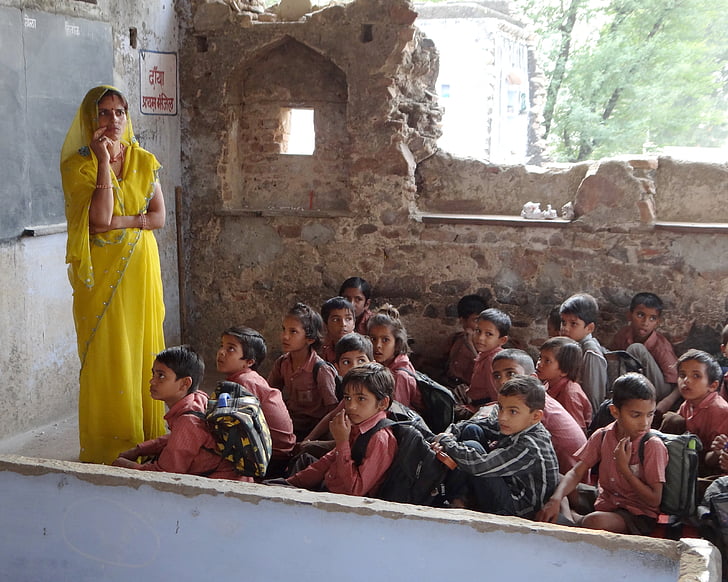
    Assessing CSR spending profile for the last two financial years could give us a sense of changing priorities in the 29 development sectors. In terms of proportion, healthcare received maximum upward change, with 29 per cent of total spending in 2020-21, compared with 20 per cent in the previous year. In absolute terms, the total spending in healthcare decreased from Rs 4,825 crore to Rs 2,559 crore during these years. On the other side, the sector which had the maximum downward change is education — from 29 per cent to 25 per cent during the period. Art and Culture, and rural development projects are the two other sectors that received relatively lesser share of spending in the pandemic year.

    In terms of spatial distribution, around 43 per cent of the total spending in 2019-20 was on pan-India projects that remained unchanged in the pandemic year. Maharashtra had maximum share of 13.8 per cent in 2019-20 which came down to 12.5 per cent in 2020-21. Karnataka and Tamil Nadu were the next two leading states in 2019-20 with 10.5 per cent share together, while Gujarat and Andhra Pradesh were two leading states for 2020-21 with 11.7 per cent together. Although, total CSR spending remained below 2 per cent for the eight north-eastern states.

    Reporting and rewards

    With the latest reports on income and unemployment estimating that at least seven million jobs and 12 per cent income were lost, and deficits in the nutrition indicators show some serious concern. The micro, small, and medium enterprises and the informal sector have been hit hard by the pandemic. The government spending on subsidies and income support schemes was raised to cushion the impact of the crisis, but these initiatives are short-term measures. There is an immediate need to place a more robust long-term view in the present development discourse.

    One of the important steps in that direction is a review on the nature of CSR spending in terms of compliance, quality and its alignment with the sustainable development goals. For example, if a company spends a certain amount in any rural development project, then how much improvement is recorded in the quality of life and incomes of rural people should be reported. This should be accompanied by evaluation studies of such major projects, so that real progress could be measured.

    CSR spending should also be integrated with other modes of grassroots transformation such as social enterprises and collectives. Moving ahead, with internationally benchmarked business responsibility and sustainability reporting that measures the ESG impact of investments, a network could be created that is result-oriented, accountable and efficient. The government’s CSR policy should be based on the understanding that market functions better when there is reporting and rewards for efforts.


    Shubham Kumar is Assistant Professor at School of Business at the University of Petroleum and Energy Studies (UPES), Dehradun.

    This piece has been sourced from Policy Circle – policycircle.org

    Image: Hippopx — licensed to use Creative Commons Zero – CC0

    Environmental Factors Behind Depression In Sri Lanka

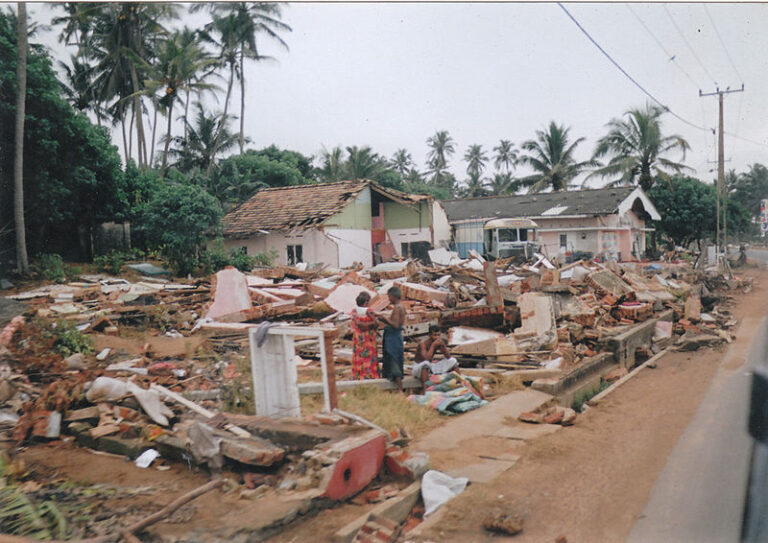
    Rather than genetic causes, environmental factors, including the 2004 Indian Ocean tsunami and the civil war until 2009, were identified as causes that affected the socio-economic and emotional well-being of people in Sri Lanka. 

    By Sanjeet Bagcchi

    Depression is influenced more by environmental factors than genetic ones, said a study conducted in Sri Lanka — a country devastated by a long-running civil war (1983–2009) and the 2004 Indian Ocean Tsunami, resulting in hundreds of thousands of deaths and massive economic losses.

    More than half of the differences in depression symptoms among 3,948 individuals studied could be explained by environmental influences rather than genetic ones, said Helena Zavos, an author of the study and lecturer at the department of psychology, King’s College London, UK.

    “These environmental influences were not shared amongst family members — for example, stressful life events,” Zavos said.

    Published 30 March in PLoS One, the study noted that parts of the Sri Lankan population were disproportionally affected either socioeconomically or emotionally by the civil war and the tsunami. Such pervasive experiences could lead to environmental variability and may explain why the heritability of health-related quality of life (HRQOL) traits were found insignificant, the study said.

    Shared environment

    The US Centres for Disease Control and Prevention defines HRQOL as the perceived physical and mental health over time of an individual or a group. An individual’s HRQOL is intimately connected to the number of depressive symptoms that a person reports and measuring it can help calculate the load of preventable diseases and disabilities.

    “We found that individuals who reported more depression symptoms reported a lower level of health-related quality of life,” said Zavos. “This highlights the importance of considering mental health and well-being in individuals who have chronic physical health conditions.”

    “Shared environment (e.g., tradition, extended family members, the elders) may be a protective factor against depression in Sri Lanka,” said Ramdas Ransing, faculty of psychiatry at BKL Walawalkar Rural Medical College in Maharashtra, India.

    Ransing also suggested that such shared environment “may be a protective factor against depression [among women] in Sri Lanka”.

    Depression is linked to adverse environmental factors such as onset of illness or the death of the significant other, said Soumitra Shankar Datta, senior consultant psychiatrist at the Tata Medical Centre, Kolkata.

    “The study shows that depression is associated with the quality of life in several domains such as general health, fatigue, social functioning, and others,” Datta explained.

    Poverty, opportunities, adversities

    More than 75 per cent of people in low- and middle-income countries do not receive any treatment for mental disorders although these disorders — which include depression — have recognised and beneficial treatments, said the World Health Organization (WHO). Depression affects nearly 280 million people across the world and may, in the worst cases, lead to suicide.

    Depressive symptoms listed by the WHO include poor concentration, feelings of guilt, low self-worth, hopelessness about the future, thoughts about dying, disrupted sleep, loss of pleasure or interest in activities lasting for at least two weeks.

    The study findings suggest modest associations between depressive symptoms’ severity and lower physical and psychological functioning, mainly due to overlapping gene-related and environment-related impacts.

    “Poverty, lack of opportunities, social adversities are common in people with depression and are very important for most low- and middle-income countries including Sri Lanka where the study was conducted,” said Datta. “The findings will support clinicians to individualise the treatment approach to each person’s reality.”

    The authors said that because mental health problems carry social stigma in Sri Lanka they cannot exclude the possibility of response bias to the questionnaires given to the subjects.


    Image: Wikimedia Commons – MediaJet (CC BY-SA 4.0)

    Humanitarian Catastrophe Awaits Ukraine’s People Living With HIV, Says UNAIDS

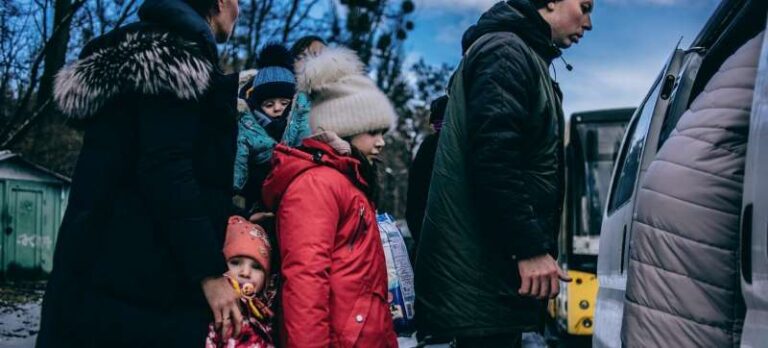
    NGOs have been working to provide emergency support during the conflict, using minibuses to meet pressing humanitarian needs, including evacuating vulnerable populations and delivering food and medicines, especially to vulnerable groups, like people living with HIV.

    Over a quarter of a million Ukrainians are living with HIV. 152,000 people have been on daily medication for HIV.

    In the middle of the ongoing war and displacement, there is growing concern about these people living with HIV/AIDS. One of the immediate concerns is about their need for accessing antiretroviral therapy and prevention services.

    The lack of access to therapy and prevention services would mean a wave of deaths and risks a resurgence of Ukraine’s AIDS pandemic, UNAIDS says.

    The war in Ukraine has resulted in the destruction and disruption of health services and logistical supply chains that hundreds of thousands of people living with and affected by HIV depend on for survival.

    “The community-led networks which are vital to maintaining life-saving services need an urgent upscaling of international support,” as statement released by UNAIDS says.

    More than 40 health facilities that offered HIV treatment, prevention and care services before the war are now closed and there are various levels of service disruption at other sites. By 11 April, the World Health Organization (WHO) had verified more than 100 attacks on health facilities in Ukraine, while supply routes within the country have been thrown into disarray.

    Besides, thousands of Ukrainians living with HIV who fled the country are in need of support in host countries.

    Therapy aid will last year

    An initial delivery of more than 18 million doses of life-saving antiretroviral medicine procured by the United States President’s Emergency Plan for AIDS Relief (PEPFAR) that arrived in Lviv last week is now being distributed in partnership with the Ukraine’s public health centre and a network of people living with HIV/AIDS, 100% Life. But, these medicines are just sufficient to cover a six-month supply for all people living with HIV on first-line treatment.

    A second tranche is expected for another six months.

    Simultaneously, the Global Fund to Fight AIDS, Tuberculosis and Malaria (Global Fund) is also providing emergency funding to ensure the continuity of life-saving HIV and tuberculosis services.

    Attention is now on ensuring that the life-saving HIV medicines reach all people in need in time. Civil society organizations working with people living with HIV are, however, challenged, as they need further support to continue their work.

    “The situation for people living with HIV in Ukraine is desperate. We are trying to deliver medicines, food and other emergency assistance to people in need, but the work is dangerous and volunteers are putting their lives at risk,” said Dmytro Sherembey, Head of the 100% Life Coordination Council.

    “If we don’t get more help, I am not sure how much longer we can continue, especially reaching people in the front-line zones.”

    NGOs at the frontlines

    UNAIDS has released an initial US$ 200,000 in emergency funds to address urgent humanitarian demands. It has also issued an urgent call for an additional US$ 2.42 million for civil society organizations providing HIV services in Ukraine and for those receiving refugees affected by HIV in other countries, as part of the wider upscaling needed.

    NGOs have been working to provide emergency support during the conflict, using minibuses to meet pressing humanitarian needs, including evacuating vulnerable populations and delivering food and medicines, especially to vulnerable groups, like people living with HIV.

    For example, mobile clinics have been deployed to take opioid substitution therapy to people who use drugs in areas where facilities have been forced to close. There is a need for additional supplies of opioid substitution therapy.

    “Civil society organizations and communities of people living with and affected by HIV are the bedrock of the HIV response in Ukraine,” said Winnie Byanyima, Executive Director of UNAIDS.

    “They urgently require additional financial and logistical support to ensure the continuity of HIV treatment, care and prevention programmes. We urge all donors to be part of enabling this vital service to save lives and prevent a resurgence of the AIDS pandemic in Ukraine.”


    Image: Courtesy of 100% LIFE, Ukraine

    From Exit to Return: 30,000 Ukrainians Returning Home Daily

    In the 50 days since the Russian army invaded Ukraine, 870,000 people had fled the country, most of them women and children, besides elderly people. Now, aid agencies are observing a reverse – people are coming back to where their homes were.

    More than 870,000 people who fled Ukraine following the Russian invasion of their country on 24 February have now returned to their country.

    The figures are embedded in the latest emergency update brought out by UN humanitarian agencies. The UN humanitarian aid coordination office, OCHA, said, citing the State Border Guard Service, that 30,000 people are crossing back into Ukraine every day, after about 50 days since the war began.

    The recent returnees reportedly include women with children and older persons, compared to mostly men at the beginning of the escalation.

    Latest data from the UN refugee agency, UNHCR, indicates that more than 4.7 million people have fled Ukraine since the war began. Another seven million are internally displaced.

    Russia too has reported that more than 783,000 people – including nearly 150,000 children – have crossed into Russia from Ukraine since the war began on 24 February.

    A different challenge

    Fighting is concentrated in the eastern and southern oblasts – or regions – of Ukraine, causing damage and civilian casualties and driving humanitarian needs. OCHA also reported rockets strikes in central and northern Ukraine, before citing Ukraine’s State Emergency Service (SESU), which said that 300,000 square kms – or almost half of Ukraine – requires demining.

    Humanitarians have reached 2.1 million of some 12 million people in need in the country, The UN’s US$1.1 billion flash appeal for Ukraine is now 64 per cent funded.

    Does this mean that the UN appeal needs to be revised or revisited? 30,000 people returning daily could mean many people returning to nothing after homes were obliterated by Russian bombing.

    “This significant figure suggests that migration back to Ukraine might continue increasing, potentially creating new challenges for the humanitarian response as people will need support to reintegrate into their communities or find suitable host communities if returning to their homes is no longer viable,” OCHA said in a statement.

    Relief workers killed

    In its latest emergency update, OCHA also reported that two humanitarian workers and five of their relatives have been killed in eastern Dontesk oblast.

    They were sheltering at the Caritas Mariupol office when the building was reportedly hit by rounds fired from a tank, probably on 15 March, although the information only became available recently, as the city had been cut off for weeks.

    Farming and rehabilitation

    Meanwhile, the Food and Agriculture Organization (FAO) warned that there are “immediate food insecurity issues” in nearly three in 10 oblasts – with a further 11 per cent of oblasts (that are partially exposed to fighting) expecting shortages within two months.

    This concerns about deteriorating food security inside the country are not new, though. Rural and isolated communities have been worst-hit by food insecurity, FAO said, as it announced support for farmers to plant their fields, save their livestock and produce food.

    Urgent cash support is also planned for the most vulnerable families, including those headed by women, the elderly and those with disabilities.


    Image: Julia Kochetova / UNICEF

    Young Story-Tellers Extend An Olive Branch Across India, Pakistan Borders

    Lighthouse, a non-profit media organisation, has launched a global campaign called ‘Beyond the Borders’ with an aim to amend the long-standing rift between India and Pakistan. 

    By Khushi Malhotra

    A meeting place is buzzing in cyberspace where strangers from India and Pakistan write letters and tell stories. They even share jokes (and who knows, recipes) and speak cricket and Bollywood.

    ‘Beyond the Border’ is a campaign to forge friendships, unite people and prod peace across regions embroiled in a history of conflicts. It is led by Lighthouse, a Bangalore-based organisation.

    With over 50 stories so far, it is turning into a destination for young Indians and Pakistanis to showcase their unique narratives of true love and tolerance.

    The tales come from the heart. As Ashitha Nayak, the founder of Lighthouse says, “By uniting strangers across the border though storytelling, we are proving that at the heart of it all, humans prefer peace to war.”

    “This project is our attempt at showcasing the innate human ability to form connections eve in environments rife with conflict and hate.”

    Diversity. Inclusion.

    This cross-border civil society led digital ‘Beyond the Border’ collaboration is jointly helmed by Shravani Vangur from Bangalore, India, and Sara Hassan who lives in Lahore, Pakistan. Shravani studied engineering; Sara, a literature major.

    India Pakistan Lighthouse Beyond borders peace friendship inclusion diversity
    Ashitha Nayak

    The project in SouthAsia hinges on exchanging stories written in letters (the pun!) and is fully operational in three major world regions — South Asia, South America (Chile and surrounding regions), and parts of the African sub-continent.

    “We’re trying to make diversity, equity, and inclusion a lived reality, one story at a time,” Ashitha says.

    As a new-age storytelling organization connecting people across boundaries and bridging intercultural gaps, Ashitha says, Lighthouse works to connect the dots across cultures through diverse, inclusive, and powerful narratives.

    “Humans have the integral capacity to transcend all of the negativity surrounding us. We aim to help be a stepping stone for at least a few souls on either side of a diverse border to only understand we are more similar than different,” shares Shravai Vangur, Campaign head of Beyond the Borders.

    “Beyond the Borders is our hope for a future; one built upon the foundation of opening discussions and forging genuine connections both old and new. As a cause close to my heart and home, I am gratified we get to explore Indo-Pak stories in such creative outlets. We bring together our audiences, collaborators, contributors and more to witness narratives based on friendships, love and understanding to prove storytelling and positive perspectives truly do have an impact on the journey to peace,” shares Sara Hassan, Campaign head of Beyond the Borders.

    For the sake of peace

    The effort is to form a global, intercultural community of authors, artists, and film-makers makes stories from distant cultures accessible to the world at large.

    Envisioning peace by forming friendships in environments rife with conflict Currently, in collaboration with Aaghaz-E-Dosti, South Asian Peace Project, and other organizations, Lighthouse has launched ‘Beyond the Borders’, a campaign that connects strangers across the India-Pak border to exchange letters, share stories, and bridge the conflicted cultural divide.

    As a non-profit media enterprise, Lighthouse aims to connect the dots across cultures through diverse, inclusive, and powerful narratives. Lighthouse, with funds and support from the Melton Foundation, an international non-profit promoting global citizenship, works in three major world regions – SouthAsia, South America (Chile and surrounding regions), and parts of the African sub-continent.

    Time will tell if there is a future in forming a global, intercultural community of authors, artists, and film-makers or peace.

    Till then, we leave it to a bunch of young women, giggling their way through a romantic experimentation in accessing and telling stories from distant cultures.

    Nepal’s Geopolitical Stakes Are As High As The Himalayas

    0

    Nepal occupies a crucial geostrategic location in SouthAsia – sandwiched between powerful and competing neighbours in India and China, outstripping the Himalayan nation in size, population, economy and military might. Yet it is one of the few countries that has remained independent throughout history. Maintaining that independence is now just that much more challenging.

    By Gaurab Shumsher Thapa

    Geopolitical realities necessitate maintaining a fine balance in Nepal’s relations with its immediate neighbours. Relations with India are deeply embedded in historical, cultural, socio-economic, religious and familial ties. The open border arrangement between the two countries eases the flow of people and goods. But politically, India and Nepal have seen ups and downs. Although Nepal and China also share historic relations, the bilateral relations are more focused on political and economic issues rather than people-to-people exchanges. Still, China has greatly increased its influence in Nepal over the past decade. The United States is also now one of Nepal’s most important development partners.

    In the 18th century, King Prithvi Narayan Shah labelled Nepal a ‘yam between two boulders’. With a third ‘boulder’ in the United States now showing keen interest in the country, Nepal needs to avoid entanglement in big power rivalry and ensure that its foreign policy remains oriented to its own national interests.

    Relations with the first ‘boulder’, India, appeared to rapidly accelerate — after a long and sometimes tumultuous history — in the 2010s. After coming to power in 2014, Indian Prime Minister Narendra Modi proclaimed his ‘neighbourhood-first’ policy. His visit to Nepal only three months after taking office was the first by an Indian prime minister in 17 years, raising hopes of better ties between the two countries. The optimism was reinforced by India’s immediate humanitarian relief within hours of a massive 7.8 magnitude earthquake that struck Nepal in April 2015.

    Belt and road initiative

    But Modi’s reputation in the Himalayas quickly crumbled as Delhi pressured Nepali leaders to delay the promulgation of a new Constitution in September 2015. When Kathmandu did not capitulate, India imposed an ‘undeclared’ economic blockade on Nepal. Then in 2020, Nepal’s then-prime minister KP Sharma Oli published a map encompassing the disputed territories of Kalapani, Lipulek, and Limpiyadhura — which are claimed by Nepal but controlled by India — in response to India’s construction of a road in the area.

    The second ‘boulder’ has also sought to increase engagements with Nepal in recent years. China’s top priority in Nepal is concern about anti-China activities, more particularly that the United States, in conjunction with India, might use Nepal’s geostrategic location to contain it.

    China directed US$188 million in foreign direct investment to Nepal in fiscal year 2020–21, more than any other country. Nepal and China also signed a transit transport agreement for third-country trade during Oli’s visit to Beijing in 2016. This was a historic move that ended Nepal’s exclusive reliance on India for transit trade. It was also a response to the Indian blockade of 2015. Nepal then became a signatory to China’s Belt and Road Initiative (BRI) in May 2017, although no tangible progress has been made on earmarked projects, including a railway link that would connect Kathmandu with Kerung in Tibet.

    In the first visit by a Chinese president in 23 years, Xi Jinping visited Kathmandu in October 2019. His declaration that China would help turn Nepal into a land-linked state instead of a landlocked one had geopolitical resonance. COVID-19 also presented an opportunity for China to leverage vaccine diplomacy in Nepal. But while China–Nepal ties have publicly gained traction, Beijing’s desire to maintain unity among the communist parties of Nepal has not gone unnoticed.

    MCC in Nepal

    The most recent ‘boulder’ to arrive on the scene — the United States — extended economic aid to Nepal first in 1951 and is now one of its most important development partners. Nepal signed a US$500 million grant agreement with the United States under the Millennium Challenge Corporation (MCC) in September 2017 to develop the country’s electrical transmission lines and road network. This deal has both domestic and geopolitical complexities attached to it, and there was heated debate over the compact until it was finally approved by parliament in late February 2022.

    Detractors of the MCC deal claim that certain provisions of the agreement infringed Nepal’s constitution. Critics saw it as a part of the US Indo-Pacific Strategy that aims to contain China and argued that it would make Nepal a pawn on the region’s geopolitical chessboard.

    The ruling coalition — the Nepali Congress, Communist Party of Nepal (Maoist Center), and Communist Party of Nepal (Unified Socialist) among others — did not have a unified position on the issue. While the Nepali Congress, led by Prime Minister Sher Bahadur Deuba, strongly advocated MCC’s parliamentary approval, his coalition partners were less enthusiastic and only approved a conditional agreement. Several fringe leftist and rightist parties launched public demonstrations against the deal.

    In the run-up to the February 2022 tabling of the MCC agreement in parliament, the United States and China engaged in a war of words accusing each other of using undiplomatic means to influence Nepal in the matter. The geopolitical wrangling saw Nepal’s Ministry of Foreign Affairs issue a statement that asserted the sovereign right of Nepal to decide on what development aid it needed in the best interests of the country. After a lot of political wrangling, the government came up with an ‘interpretative declaration’ for the MCC compact clarifying their position on the matter and it was finally ratified by the parliament on 27 February 2022.

    Panchsheel

    As the adage goes, ‘geography does not argue, it simply is’. Nepal’s location defines its situation. China does not want an increased US presence in Nepal. The United States thinks Chinese influence on Nepal’s democracy and development is malign. India does not want either to threaten or undermine its own leverage over Nepal’s affairs.

    As a landlocked country with a weak economy that is caught between these three powers, how can Nepal set a viable independent foreign policy?

    Despite geographical and cultural proximity, Nepal–India relations have been marked by a trust deficit in recent years. To reverse the trend, Nepal needs better economic engagement with India. Regarding China, Nepal has always supported the ‘One China’ policy. Nepal needs to carefully prioritise projects under the BRI that are in its national interests and avoid being led into excessive debt. Nepal’s engagement with the United States should focus on economic development, and carefully avoid being part of any strategy that threatens the security of its immediate neighbours.

    Nepal can use its geostrategic location to its advantage in maintaining good relations with its partners as none are willing to lose Nepal to the others. The geopolitical stakes are bound to increase in Nepal’s periphery in the coming years.

    It will always be difficult for Nepal to balance its foreign policy options. But the policy of non-alignment and adherence to Panchsheel (five principles of peaceful coexistence) are enshrined in Nepal’s constitution, and they are suited to safeguarding Nepal’s sovereignty while promoting its development. Staying out of others’ arguments will keep the ‘yam’ safe from the ‘boulders’.


    Gaurab Shumsher Thapa is President and Managing Director of the Nepal Forum of International Relations Studies – Nepal FIRST

    This article has been sourced from the East Asia Forum of the Australian National University

    Image: Hippopx – A fog dims the other end of a suspension bridge

    Afghanistan’s Salaried Citizens Allowed To Withdraw Their Salaries

    Afghanistan’s central bank, Da Afghanistan Bank, on Thursday lifted restrictions on salaried people withdrawing their salaries.

    The central bank had imposed restrictions in the face of stiff economic conditions in the country after the Taliban took over government in August 2021.

    Salary-earning individuals were allowed to only withdraw only 30,000 Afs per week from their savings in banks, according to the orders of the country’s central bank.

    A Central Bank spokesperson said that the decision to lift the restrictions on withdrawing funds from bank accounts was based on strategic considerations.

    “Da Afghanistan Bank, based on strategic planning for the banking and financial sector and considering resources, canceled the existing restrictions on the salaries of government and non-government employees, and therefore all banks must pay out the entire salaries of government and non-government employees based on their demands without any delay,” the spokesman said.

    The fall of the former government has come with severe challenges to the country’s banking system.

    The decision has led to a spurt in the withdrawals and communication late evening suggested that banks were not able to keep up with the demand.

    “People wish to withdraw money because there is uncertainty,” a staff of a humanitarian agency told OWSA. “Common people also need the money for day-to-day expenses, especially with Eid arriving in another couple of weeks.”

    Interestingly, Thursday’s move to allow people to withdraw their money from the banks also coincided with a publicity campaign the central bank undertook to convey to people about the safety of their money in their own bank accounts.

    Business unhappy

    The move was not unexpected. An aid package of US$ 570 million had arrived a week earlier from the World Bank. Afghan officials had then expressed their optimism that the aid would help circulation of money in the markets.

    The current Taliban-led Afghan government is not recognised by most governments across the world, with the UN system remaining the most important link for aid – humanitarian assistance and funding, alike.

    However, the central bank’s decision to allow only salaried people to withdraw their money has caused resentment among businessmen. There are still limits on businessmen withdrawing of money from their bank accounts, especially because business cannot invest money on exports and imports.


    Image: Grab from Da Afghanistan Bank promotion video 

    Omicron BA.4 and BA.5 Variants, Not More Severe or Transmissible, So Far: WHO

    Yet, the WHO has warned that lower numbers of COVID-19 cases or deaths reported is not reason to assume that the risks are lower, as the coronavirus continues to evolve.

    The latest Omicron sub-lineages, BA.4 and BA.5, have been reported in a number of countries, including South Africa and some European nations, according to Dr. Maria Van Kerkhove, lead epidemiologist with the World Health Organisation (WHO).

    “There are less than 200 sequences available so far and we expect this to change…We are tracking (the virus) very closely to see if there is any uptick in case detection, but (so far) we haven’t seen any change in epidemiology or severity”, she highlighted.

    In essence, as the coronavirus which causes COVID-19 continues to evolve, we cannot afford to ‘lose sight’ of the changes. The warning is that lower case numbers and deaths do not necessarily mean ‘lower risk’.

    Last week saw the lowest number of COVID-19 deaths since the early days of the pandemic. Yet, some countries continue to witness ‘serious spikes’ putting pressure on hospitals.

    “Our ability to monitor trends is compromised as testing has significantly reduced”, the UN World Health Organization’s (WHO) director general Tedros Adhanom Ghebreyesus told journalists in Geneva. He reiterated that higher testing and sequencing rates are vital for scientists to track existing variants and to identify new ones as they emerge.

    “At present there are a number of Omicron sub-lineages we’re following closely, including BA.2, BA.4 and BA.5 and another recombinant detected, made up of BA.1 and BA.2”, he said.

    Can’t lose sight of the virus

    WHO’s director of emergencies, Michael Ryan, warned that as the virus continues to evolve, the world “cannot simply afford to lose sight of it”.

    “It would be very short-sighted at this point to assume that lower numbers of cases mean absolute lower risks. We are pleased to see deaths dropping but this virus has surprised us before, it has caught us off guard before.

    “We need to do our jobs and track this virus the best we can, while people go back to live their lives as normally as possible”, Dr. Ryan explained.

    Meanwhile, WHO’s lead scientist Dr. Soumiya Swaminathan, warned that sub-lineages and recombinants will continue to appear, and the world must continue investing in improved tools such as new vaccines.

    “We have to be prepared for the possibility that this virus can change so much that it might be able to evade existing immunity”, she said.

    Still an emergency

    Tedros emphasised that currently, the virus remains deadly, especially for the unprotected and unvaccinated that don’t have access to health care and antivirals.

    “The best way to protect yourself is to get vaccinated and boosted when recommended. Continue wearing masks – especially in crowded indoor spaces. And for the indoors, keep the air fresh by opening windows and doors, and invest in good ventilation”, he urged.

    This week, the International Health Regulations Emergency Committee – which evaluates the global state of the situation with COVID-19– unanimously agreed that the pandemic remains a public health emergency of international concern.

    “Far from being the time to drop our guard, this is the moment to work even harder to save lives”, Tedros said, citing the Committee’s decision.

    The WHO chief said that this means making sure that COVID-19 tools are equitably distributed and simultaneously strengthening health systems.

    “Bridging the vaccine equity gap is the best way to boost population immunity and insulate against future waves”, he highlighted.

    He also emphasised the need for a new pandemic treaty.

    “A new pandemic accord is our best collective defence against known virus’s and of course the next disease X,” he said.


    Image: Wikimedia

    Climate Change a Major Threat to Global Health, says WHO

    Annually, 3.5 million people across the WHO Western Pacific Region die from avoidable environmental causes such as air pollution, extreme weather events or waterborne diseases. 

    By Neena Bhandari

    Climate change poses a serious threat to human health that calls for urgent action and global collaboration on scales seen in the COVID-19 response, says the World Health Organization (WHO).

    “If we don’t take action today on planet health, we are putting our future health at risk. And when health is at risk, everything is at risk. That’s what we have learned from COVID-19,” said Takeshi Kasai, WHO regional director for the Western Pacific Region .

    “Climate crisis is also a health crisis since climate change affects health in many different ways,” Kasai said, emphasising the need to build sustainable, climate-resilient health systems.

    Annually, 3.5 million people across the WHO Western Pacific Region die from avoidable environmental causes such as air pollution, extreme weather events or waterborne diseases; and every 14 seconds a person dies from air pollution in the region. High levels of air pollution are also leading to a rise in non-communicable diseases, including strokes and heart and lung diseases.

    The impact of climate change on human health is most vivid in the small Pacific Island developing countries, which have the smallest carbon footprint. Each year, these countries make up two-thirds of the countries globally that suffer the highest relative losses from environmental disasters, according to the WHO.

    Bend not break

    The third instalment of the UN Intergovernmental Panel on Climate Change’s (IPCC) Sixth Assessment Report released on 4 April shows that limiting warming to around 2 degrees Celsius still requires global greenhouse gas emissions to peak before 2025, and be reduced by a quarter by 2030. The IPCC report focuses on cutting emissions and sets out viable options in every sector that can keep the possibility of limiting warming to 1.5 degrees Celsius alive.

    “Currently the health sector makes up around five per cent of the global climate footprint and we can do better,” said Fiji’s Minister for Health and Medical Services, Ifereimi Waqainabete, at the event.

    Waqainabete said the health sector can play a leading role by reducing its own emissions and having effective mitigation and adaptation strategies to deal with the health impacts of the changing climate.

    Fiji was one of the first countries in the world to release its own national guidelines for climate-resilient, environmentally sustainable healthcare facilities. “This is guiding our interventions to strengthen and reduce our environmental footprint across key areas: water, sanitation, hygiene, air pollution, energy infrastructure, technology and the health workforce,” Waqainabete added.

    Speaking at the WHO event, Renzo Guinto, a physician and public health specialist from the Philippines said, “We need healthcare that is adaptive to the health impacts of climate change, that bends without breaking, with a ready workforce and stable supplies as we must be the last sector standing when climate disaster strikes.”

    250,000 more deaths

    While the Philippines faces increasingly serious health risks as the climate crisis worsens, the measures being undertaken do not address slow onset climatic impacts, said Renato Redentor Constantino, executive director of the Institute for Climate and Sustainable Cities.

    Constantino cited WHO projections that the mean annual temperature in the Philippines could rise by about 3.7 degrees Celsius during 1990—2100 in a high-emissions scenario. “The projected increase in heat indices means that there will be an increasingly severe and regular thermal impact on labour, particularly affecting those working in agriculture, contractual arrangements without health care coverage and informal urban services and enterprises.”

    “Higher temperatures will worsen land and water scarcity, flooding conditions, drought and displacement, all of which severely affect agricultural production, which in turn will cause more breakdowns in food systems,” Constantino said, adding that rising heat will also increase hypertensive levels among women.

    Despite the urgency, the progress in achieving the climate targets is being impeded. “The fundamental challenge is how to move beyond the rhetoric and take actual practical action. The key to that is understanding that action isn’t just needed, but action is also possible,” Mark Jacobs, Pacific technical support director and WHO representative for the South Pacific, told SciDev.Net.

    “We don’t need to optimistically wait for someone else to come up with a big solution to this. We can and should all be taking our own steps to reduce our own contribution to climate change as individuals, as families, as communities and as countries,” Jacobs added.

    Under a business-as-usual scenario, it is estimated that between 2030 and 2050, climate change will cause an additional 250,000 deaths annually.

    “By putting health and equity at the centre of climate policymaking, governments can deliver policies that garner widespread support and maximise returns on investment,” Jeni Miller, executive director of the Global Climate and Health Alliance, said in a media release.

    “Policies that reduce greenhouse gas emissions can also deliver cleaner air and water, healthier diets, more liveable cities, and transportation systems designed to benefit the health and wellbeing of people,” Miller added.


    This piece has been sourced from SciDev.Net


    Image: UNICEF