More

    Sri Lanka Needs a Finance Minister and IMF Assistance to Avoid Economy Fall Off Precipice: Chambers

    A joint letter from 23 Sri Lankan business chambers has warned of economic collapse, further jobs losses, social unrest a worsening hunger situation if steps are not taken urgently.

    In a letter written to Sri Lankan parliamentarians and the country’s President, 23 business chambers have urged for immediate action to obtain help from the International Monetary Fund and undertake debt restructuring.

    The chambers have said that political stability is necessary for this as is the urgent appointment of a full-time finance minister. In the same breath, they have welcomed the move to appoint a central bank Governor and a Treasury Secretary.

    The signatories to the letter apprehend that an economic collapse, further jobs losses and hunger further aggravating prevailing social unrest if steps are not taken urgently to get IMF assistance.

    “We have to act before the economy falls off a complete precipice,” Rohan Masakorale, from the island’s rubber exporters said.

    Yohan Lawrence from the Joint Apparel Association Forum asked for financial advisors to be appointed fast for debt restructuring and talks with the IMF.

    “We need to stop the payment of debt, it has to be done in an orderly manner,” Lawrence said.

    “We accept that there will be a period of difficulty. It will get worse before it gets better. We face a total economic collapse if something is not done.”

    Sandra de Soyza from the Sri Lanka Association of Software Exporters said there was business but power and connectivity problems are building up.

    “Our customers globally have many concerns,” she said. “Now we are meeting delivery deadlines with utmost difficulty but we cannot sustain.”

    Sabry speaks

    The European Union too has urged for an initiating in-depth discussions with the IMF on the reform preconditions put forth by the lending institution.

    Analysts in Colombo say that Sri Lanka is now suffering most of the post-default trade fallouts, even ahead of an actual default.

    The Sri Lanka Exporters Association fears a 20 to 30 per cent export drop in exports during this month and this can must be arrested without further delay.

    “Exporters are willing to export. Service sector is willing. The IMF program should have been done yesterday,” Masakorale said. “We have to move forward. We are calling for a stable political system for the world to have confidence.”

    In the meanwhile, Ali Sabry, who resigned from the post of the country’s finance minister barely 24 hours after accepting the position expressed his optimism that Sri Lanka could get US$ 3 billion from the IMF over three years, besides bilateral financial support.

    “I think we can get US$ 3 from IMF, over three years,” he said, adding, “From the World Bank we can get. From Japan we can get. From China. India has helped us greatly already.”

    Sabry continues to officiate as finance minister since nobody has come forward to take the job.

    The political instability and a dearth of leaders to steer the country’s economy is having far-reaching consequences.

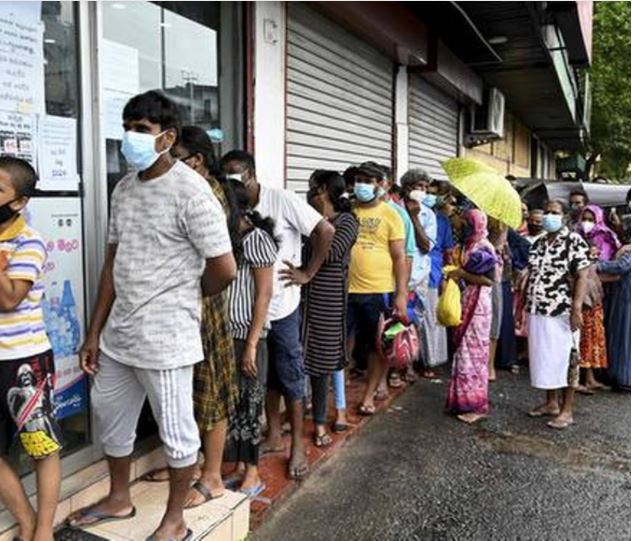
    The once most-developed country in all of SouthAsia is presently in the grips of an unprecedented food and fuel shortages along with record inflation and crippling power cuts.

    For days on end, trading at the country’s stock exchange is getting halted for a drop in share prices beyond the five per cent threshold.
    Pakistan Supreme Court Rules National Assembly dissolution “unconstitutional”, Restores Cabinet

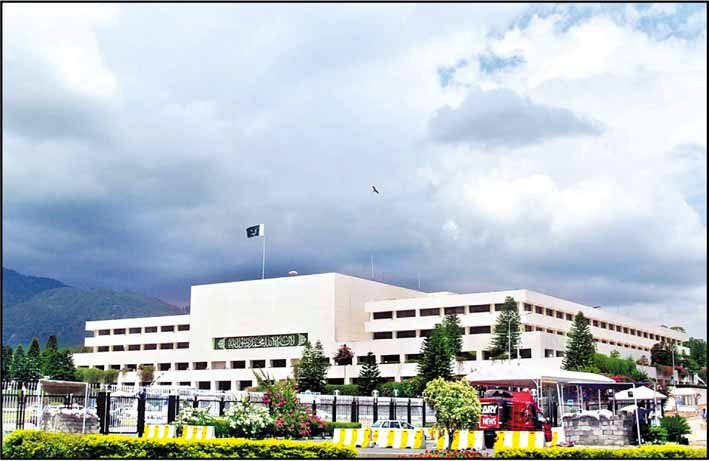
    Overturning the Deputy Speaker’s order dissolving Pakistan’s top legislative body, the country’s Supreme Court ruled that the National Assembly remained in existence.

    Through a short order signed late night, the Pakistan Supreme Court Thursday declared the ruling by the country’s National Assembly deputy speaker to dissolve the National Assembly as “unconstitutional”.

    The court ordered the restoration of the National Assembly and the cabinet, besides asking the House to proceed with the vote of no-confidence against the prime minister by Saturday.

    It comes as a jolt to Prime Minister Imran Khan who has said that he will play till the very last ball of the last over of the match.

    The announcement setting aside the Deputy Speakers 3 April ruling in the face of a no-confidence motion against the government comes from the court’s five-member bench headed by Pakistan’s chief justice.

    The Supreme Court ruled that the National Assembly was in existence at all times, and continued to remain and be so.

    “The prime minister and federal ministers, ministers of state, advisers, etc stand restored to their respective offices as on 3 April,” the order says.

    “Any prorogation of the assembly by the speaker prior to its dissolution in terms as stated above is declared to be of no legal effect and is set aside.

    “The speaker is under a duty to summon and hold a sitting of the assembly in the present session, and shall do so immediately and in any case not later than 10:30 a.m. on Saturday April 9, to conduct the business of the House as per the Orders of the Day that had been issued for 3 April,” the court’s order reads.


    Image: Wikimedia

    Russia Suspended from Human Rights Council

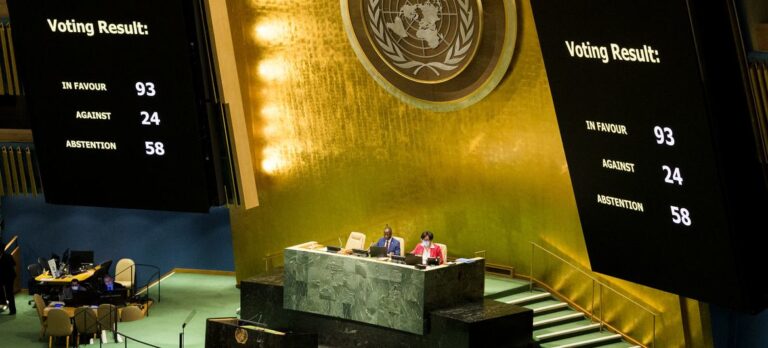
    The UN General Assembly adopted a resolution on Thursday with two-thirds of member countries calling for Russia to be suspended from the Human Rights Council. Significantly, the vote took place on the anniversary of Rwanda’s 1994 genocide.

    The UN General Assembly on Thursday adopted a resolution to suspend Russia from the Human Rights Council, citing reports of violations committed by Russian troops in Ukraine.

    The resolution received a two-thirds majority of those voting, minus abstentions, in the 193-member Assembly, with 93 nations voting in favour and 24 against. 58 abstained from the process.

    While Russia, China, Cuba, North Korea, Iran, Syria, Vietnam voted against the resolution, the abstainers included other members of the BRICS economic partnership – India, Brazil and South Africa – besides 55 others.

    The meeting marked the resumption of a special emergency session on the war in Ukraine and followed reports of violations committed by Russian forces.

    Rawanda to Bucha

    This past weekend, disturbing photos emerged from the city of Bucha, a suburb of the capital, Kyiv, where hundreds of civilian bodies were found in the streets and in mass graves following Russia’s withdrawal from the area.

    Prior to the vote, Ukrainian Ambassador Sergiy Kyslytsya urged countries to support the resolution.

    “Bucha and dozens of other Ukrainian cities and villages, where thousands of peaceful residents have been killed, tortured, raped, abducted and robbed by the Russian Army, serve as an example of how dramatically far the Russian Federation has gone from its initial declarations in the human rights domain. That is why this case is unique and today’s response is obvious and self-explanatory,” he said.

    This is not the first time that a Member State has had its membership of the Human Rights Council suspended. Libya lost its seat in 2011, following repression of protests by ruler Muammar Gaddafi, who was later overthrown.

    The vote took place on the anniversary of the 1994 genocide in Rwanda, and the Ukrainian ambassador drew parallels with this dark page in recent history.

    Kyslytsya drew parallels with Rawanda. “The genocide in Rwanda was largely due to the indifference of the world’s community, when the UN did not respond to warnings in the UN Security Council and in the General Assembly, a year before the tragedy that we commemorate exactly on this day,” he said.

    Russia quits Council

    Speaking after the adoption of the resolution, Deputy Permanent Representative Gennady Kuzmin, suddenly stated that Russia had already decided that day, to leave the Council before the end of its term.

    He claimed the Council was monopolized by a group of States who use it for their short-term aims.

    Kuzmin, had earlier called for countries to “vote against the attempt by Western countries and their allies to destroy the existing human rights architecture.”

    “These States for many years have directly been involved in blatant and massive violations of human rights, or abetted those violations,” he said, speaking through an interpreter.

    “In spite of their membership as members of the Council, they are not ready to sacrifice their short-term political and economic interests in favour of true cooperation and stabilizing the human rights situation in certain countries,” he said.

    China called the move a ‘dangerous precedent’. Ambassador ZHANG Jun feared any hasty move in the General Assembly would be like “adding fuel to the fire”, as it would aggravate divisions, intensify the conflict, and jeopardize peace efforts.

    “Dealing with the membership of the Human Rights Council in such a way will set new dangerous precedent, further intensify confrontation in the field of human rights, bringing a greater impact on the UN governance system, and produce serious consequences,” he said.

    But the European Union commended the decision as a ‘rare’ one and the US described it as a step in the right direction.

    “The rare decision this Assembly has taken today sends a strong signal of accountability and hopefully will help preventing and discouraging more violations of human rights,” said Ambassador Olaf Skoog, head of the EU delegation.

    Ambassador Linda Thomas-Greenfield described the adoption of the resolution as “an important and historic moment”.

    Air Pollution Dims India’s Solar Energy Potential

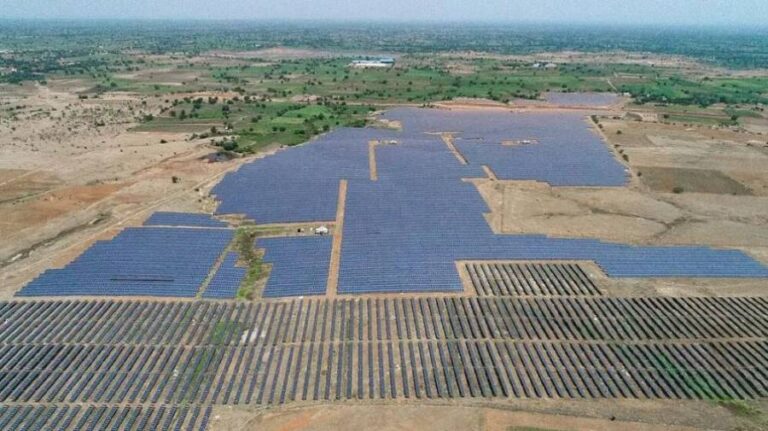
    India plans to produce 100 gigawatts of solar power in 2022, but the country suffers from high levels of atmospheric pollution. Now, a study by a team at IIT Delhi says that atmospheric pollutants block out sun’s rays and soil solar panels.

    By Ranjit Devraj

    Prospects for India achieving the target of generating 100 gigawatts of solar power in 2022 have waned because of high levels of atmospheric pollution.

    Atmospheric pollution reduces solar power generation in two main ways: by absorbing and scattering the sun’s rays and by soiling solar panels, says Sagnik Dey, chair professor at the Indian Institute of Technology (IIT) Delhi.

    A study carried out by IIT Delhi and published March in Environmental Research Letters, calculates that between 2001 and 2018 India lost 29 per cent of its solar energy potential as a result of atmospheric pollution — equivalent to an annual loss of US$835 million. As of March this year, India had only reached the halfway mark of 50 gigawatts of installed solar capacity, according to the research group, Mercom India.

    “Put simply, aerosols, which include fine particulate matter, dust, mist and fumes suspended in the air, significantly reduce incoming solar radiation in what we call the ‘atmospheric attenuation effect’,” Dey, an author of the study, tells SciDev.Net. “This needs to be factored in when undertaking large solar energy projects.”

    Such projects, says Dey, are also failing to account for the “soiling effect” of aerosols depositing on solar panels, blocking solar radiation from reaching the photovoltaic cells. “Since air pollution over South Asia has been on the rise, both effects need to be addressed and mitigation steps taken to maximise benefits from solar power installations,” he adds.

    Similar studies

    In heavily polluted regions particulate matter can cause a drop in photovoltaic solar power generation by more than 50 per cent, most of it caused the soiling of panels, according to a previous study. Aerosols in the atmosphere also work against solar power generation by increasing cloudiness and interfering with rainfall which could wash out particles.

    Bhupendra Das, environmental researcher at Nepal’s Tribhuvan University, Kathmandu, and chair of Nepal Energy and Environmental Development Services, says that acid rain can also corrode solar power equipment and support structures, adding to maintenance costs.

    Acid rain is caused by pollutants like sulphur dioxide and nitrogen oxides, released mainly through industrial and vehicular emissions, rising high into the atmosphere and mixing with water, oxygen and other chemicals to form corrosive acid droplets before falling back as rain.

    “Mitigating air pollution would certainly reduce smogginess which can in turn improve solar power generation, and modelling studies do suggest that polluted clouds have a longer life and that aerosols inhibit precipitation,” Das tells SciDev.Net. “However, it is well to remember that there are several other factors to cloudiness than air pollution.”

    The IIT Delhi study offers a set of measures that if implemented could help the Indian government achieve its solar energy production targets. One of these is fixed panels optimally tilted to take maximum advantage of solar radiation. Tilted panels do not accumulate aerosol deposits as easily as on panels set horizontally.

    Articulated panels fitted with tracking mechanisms to constantly follow the sun are more expensive than fixed panels but have greater resistance to the accumulation of aerosol deposits. All configurations are, however, affected by atmospheric attenuation, the study says.

    Clean air

    According to the study, the best way to enhance solar energy production is to rigorously implement government initiatives such as the National Clean Air Programme launched in 2019 with the aim of reducing fine particulate matter (PM2.5) concentration by 20 to 30 per cent by 2024 relative to 2017 levels.

    Mitigating air pollution would “accelerate India’s progress to achieve its solar energy target at a lesser installation capacity, avoiding additional expenditure for the expansion of solar energy infrastructure”, the study says.

    The Swiss IQAir world air quality report for 2021 shows the whole of northern India falling in a zone which exceeds the WHO standard of 10 microgrammes per cubic metre for particulate matter by seven to 10 times.

    The IQAir report placed New Delhi as the world’s most polluted capital city for the fourth year running and listed 34 other Indian cities among the world’s most polluted urban centres.

    IIT Delhi says the study is the first to quantify the impact of pollution on solar power generation in India, with earlier studies having focused on the harmful effects of poor air quality on public health and agricultural production.


    This piece has been sourced from SciDev.Net

    Image: Solar power plant Maharashtra / Thomas Lloyd Group CC BY-SA 4.0


    ‘Decisive Steps’ Needed to Keep Boys in School, says UNESCO report

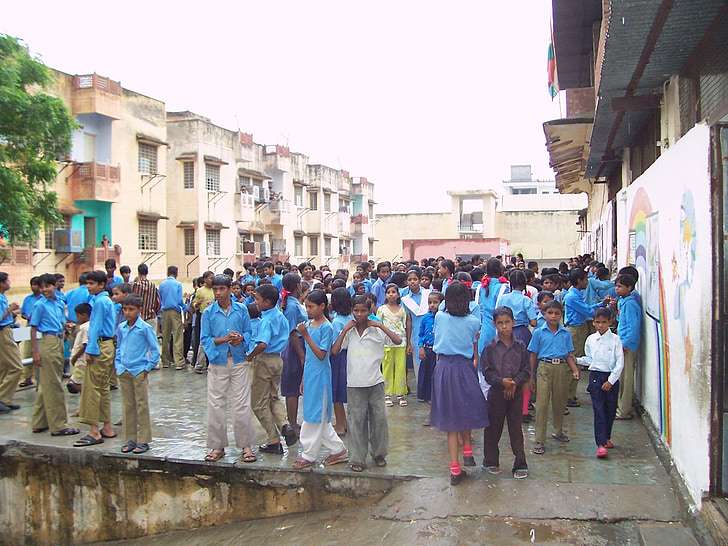
    The need to bring girls to school is as important as retaining boys in school. A UNESCO report attempts to answer why boys are falling behind in school and it divulges that poverty, child labour, gender norms and bullying are among the factors that put boys’ education at risk.

    Data from a UNESCO report reveals that for every 100 women globally, only 88 men are enrolled in tertiary education. Further, the reports says, fewer boys than girls are registered in upper-secondary schools in 73 countries. The opposite is the case in a further 48 countries.

    Moreover, in all regions except sub-Saharan Africa, teenagers are underrepresented in higher education – particularly in North America, Western Europe, Latin America and the Caribbean, where 81 young men for every 100 young women are in fulltime learning.

    In East Asia and the Pacific, the figure is 87, while in the Arab States and Central and Eastern Europe region, it is 91 per 100.

    UNESCO’s report, Leave no child behind: Global report on boys’ disengagement from education, sheds light on the factors driving boys’ disengagement from the classroom. The report was published on Wednesday

    The report highlights a global phenomenon: Harsh discipline, corporal punishment, and other forms of violence at school; gendered norms and expectations; and other factors, are preventing boys from achieving academically, while increasing absenteeism and dropouts.

    “To make education a universal right, we need to ensure that all youth have the educational opportunities to successfully shape their lives and futures,” UNESCO chief Audrey Azoulay said in the foreword.

    “As this report underlines, we need to take decisive steps to keep boys in school and support them throughout their education”.

    Global picture

    Although girls have more difficulty accessing education and make up most out-of-school children at the primary level, challenges facing boys are increasing at later stages, according to UNESCO.

    UNESCO data reveals that for every 100 women globally, only 88 men are enrolled in tertiary education; and in 73 countries, fewer boys than girls are registered in upper-secondary schools, while the opposite is the case in a further 48 countries.

    Moreover, in all regions except sub-Saharan Africa, teenagers are underrepresented in higher education – particularly in North America, Western Europe, Latin America and the Caribbean, where 81 young men for every 100 young women are in fulltime learning.

    In East Asia and the Pacific, the figure is 87, while in the Arab States and Central and Eastern Europe region, it is 91 per 100.

    Of the 160 million children engaged in labour activity in 2020, the report reveals that 97 million were boys and cites a lack of a “protective legal framework” as one of the main reasons for their exclusion.

    Of 146 countries with data, only 55 have a minimum age of employment aligned with the end of the countries’ stipulated years of compulsory education and above the age of 15, while 31 per cent have a minimum age for employment below the age of 15 or do not clearly define a minimum age.

    “Poverty and child labour can lead boys to drop out,” said Ms. Azoulay, adding that to prevent this, States must urgently “align the minimum age of employment with the end of the compulsory education.

    Warning signs

    In some countries, signs of boys already falling behind educationally appear at the end of the first level, according to Leave no child behind.

    In 57 countries which have produced data, 10-year-old boys performed worse than girls in reading – a trend that continued at the secondary level.

    This is seen across East Asia and the Pacific, Latin America and the Caribbean, and the Arab States, which show some of the highest risk of boys dropping out of school.

    “Fulfilling this promise of equality not only benefits boys and men; it is a step forward for all humankind,” said Ms. Azoulay adding that “inclusive and equitable education is everyone’s business”.

    The UNESCO report also reveals that only a few programmes and initiatives address the phenomenon of boys’ disengagement from education.

    To prevent them from dropping out and reverse the downward spiral, it provides a set of concrete recommendations that encompass making learning safe and inclusive; investing in better data and evidence; building and financing equitable education systems; and promoting integrated and coordinated approaches to improve education for all learners.

    “When everyone has equal rights and opportunities, we all stand to gain,” the UNESCO chief said.


    Work From Home To Work From Anywhere: How COVID-19 Revolutionised Workplace

    Most organisations will continue to offer work from home facility as they realise it also impacts productivity. In a hybrid model, work from anywhere would be a regular feature.

    Kingshuk Sarkar

    Since the Covid-19 pandemic broke out two years back, the world of work underwent significant changes. There were work stoppages, particularly in the manufacturing sector. The primary sector was the least affected. Service sector activities mostly shifted to work from home (WFH) mode, particularly activities that use information technology. As Covid-19 restrictions are eased, the physical workspace is still not fully utilised as a significant segment of the workforce are availing WFH. There are certain benefits of WFH that establishments are not ready to give up completely. It seems that hybrid work mode, a combination of physical and online, is here to stay.

    This leads to an important question. Do companies really need the entire workforce to be in offices to get work done? Can the workplace be anywhere? If this question was asked in pre-pandemic times, it would have seemed irrelevant. But this question is relevant in the present context. Working from home and remote work have become popular in the post-COVID-19 period. They offer significant cost savings as well as enormous flexibility. The concept of remote work is expanding its scope to include work from anywhere operations.

    The concept of anywhere operations encapsulates several tools and technologies together such as remote access, visual collaboration, organisation management, data sharing and virtual meeting. Some organisations took anywhere operations to the next level by integrating virtual reality and augmented reality into their remote workflow, enabling them to manage businesses even more efficiently. The scale of the anywhere operations model depends on several factors including the nature and size of the establishments and the intensity of information technology use.

    History of remote work

    The phenomenon of remote work existed even before the Covid-19 pandemic. During the oil shock in the 1970s, several companies adopted remote work. But large-scale implementation happened in 2012 when the US federal government across departments — including agriculture, NASA and the US Patent Office — allowed remote work for employees.

    Some organisations had already adopted this system when the pandemic struck. These included the US Patent and Trademark Office and some cutting-edge remote start-ups. All the pandemic did is hasten this phenomenon by about 10 years. The acceptance of remote work by several companies globally is one of the few good things in an otherwise hard time. Work from anywhere now applies across industries, from technology to banking, finance, and even industrial companies handling manufacturing and supply chains.

    Work from home increases productivity

    Remote work statistics in 2021 show that a large number of organisations are showing an inclination toward hiring employees remotely. Employees are also benefitting in the process as it broadens livelihood opportunities and provides flexibility. The work from anywhere trend is reshaping the way organisations think and make important decisions, and it allows for a major paradigm shift from offices spanning multiple floors to a single-story office with a handful of essential employees. There is now data proving that productivity increases with the increase in the volume of remote work.

    Benefits for employees, companies

    The greatest benefit for the employee is that it provides more freedom or temporal flexibility. Employees need not commute to offices, they can work at any time at their convenience. It provides spatial flexibility in the sense that it gives choice in relocating the place of residence. Many employees may not want to live in a big city. They might opt to live in small towns, and closer to their parents. People can save more if they move to a smaller town or they can choose to move to a better climate or a culturally preferred location.

    A company with remote work can hire talent globally. Recruitment options increase manifold. The work from anywhere arrangement allows organisations to hire remote employees. Since organisations are not limited by geographical or demographic barriers, they can hire employees from any part of the world. It also allows organisations to scout for talent in the entire global labour market space. Remote employees used to be hired on a contractual or part-time basis, but now they are hired full-time.

    Challenges to work from anywhere

    Although it looks like a win-win situation, there are still challenges in shifting the company’s operations from an office-based environment to a work from anywhere model.

    One possibility that remains distinct is that employees may end up working much longer than the standard working hours. Another challenge faced by both companies and employees is managing work across multiple time zones. This can make things difficult, especially if the time zones are scattered.

    There are cyber security issues too. Many employees who are working remotely for the first time do not know the same best practices experienced remote workers know well, such as using a VPN on public networks, or not saving confidential information on their personal devices. Negligent workers are the most common cause for cyber security breaches and the risk increases exponentially in work from anywhere mode.

    There are also questions about whether remote work leads to a blurring of work and leisure times. In other words, work-life imbalances may creep in as remote work has the potential of spilling over into personal space. Also, there are discussions about employees missing the socialisation opportunities physical work provides.

    Challenges to remote work

    There are many ways you can resolve the challenges arising from the work from anywhere model. The best way to manage organisational communication effectively is to integrate an efficient communication platform. It will help manage correspondence with employees as well as customers. Another easy-to-implement practice is to employ a data-sharing service allowing you to upload and access files in real-time and track changes as they are made.

    Choosing an all-in-one application that allows organisations to hold team meetings, manage projects, schedule and assign tasks, and share documents remotely is the best way to stay productive. Such applications are referred to as access control as a service (ACaaS). Organisations need a full-fledged user-friendly access control solution like the Freedom Cloud by Identiv. This cloud-based access control system provides complete control over the office’s operations, and also ensures that the system is fully updated and maintained.

    There are ways of managing the work-life balance issue. One is to reduce on-camera video calls. Zoom fatigue is real. It is possible to move a large part of communication to asynchronous modes like a team portal, shared documents, etc. Also, it is possible to constitute a dedicated team that will look after employee wellness. The team will keep a tab on the time an employee spends on camera and alert the employee as well as the organisation if it crosses a certain threshold.

    With regards to the office socialisation opportunities, it can be argued that remote work has the potential of facilitating broader socialisation by expanding interactions with a larger set of people. There could be planned sessions with people randomly invited. You can create vibrant, mixed groups. People can begin new friendships, which they would not have been able to make in the physical office. This is known as ‘virtual watercooler’.

    What started with work from home (WFH) has broadened into work from anywhere (WFA). WFH has its disadvantages and consequences. However, the advantages far outweigh the disadvantages. Even as Covid-19 restrictions are being withdrawn, it is unlikely that organisations will get back to full physical mode. They are more likely to continue with the hybrid model and within that ecosystem, work from anywhere would be a regular prominent feature.


    Dr Kingshuk Sarkar is an associate professor at the Goa Institute of Management. He has worked as a labour administrator with the government of West Bengal. He earlier served as a faculty member at VV Giri National Labour Institute, Noida and NIRD, Hyderabad.


    This piece has been sourced from Policy Circle — policycircle.org

    Image: Obtained via Flickr.com and produced by Microbizmag.co.uk and made available under Creative Commons.


    US$140 Billion Needed to Tackle Lifestyle Diseases, Says Report

    Progress is lacking on UN goals for heart disease, cancer, diabetes and others and an annual investment of US$18 million is needed to promote healthy habits alone. International aid is needed to help poorer countries meet targets for lifestyle diseases.

    By Sanjeet Bagcchi

    Reaching UN goals on diseases such as cancer, heart disease and diabetes by 2030 will need an average investment of US$18 million a year, targeting policies to cut smoking, alcohol abuse, and unhealthy diets, according to global analysis.

    These and other non-communicable diseases, including stroke and chronic respiratory diseases, kill 41 million people worldwide each year, with 77 per cent of deaths occurring in low- and middle-income countries, World Health Organization (WHO) data shows.

    The majority of countries have made little progress towards Sustainable Development Goal (SDG) 3.4, which aims to reduce premature deaths from these types of diseases by a third between 2015 and 2030, says a paper published on 26 March in The Lancet. But the target for most of these illnesses could still be achieved with the right combination of interventions – reaping huge financial rewards in the process – it suggests.

    The health policy paper sets out 21 recommended interventions to help 123 low- and middle-income countries achieve the SDG target, but warns that substantial technical and financial assistance may be needed from the global community.

    Cherian Varghese, an author of the paper from the WHO’s department of non-communicable diseases (NCDs) in Geneva, Switzerland, told SciDev.Net: “Countries with policy, legislative and regulatory measures, including fiscal measures, for the prevention and control of NCDs, as well as strong and inclusive health systems have had the best outcomes against [them].

    Substantial economic rewards

    “In those countries, people living with and affected by NCDs are more likely to have access to effective NCD services, including protection against risk factors, screening for hypertension and diabetes, treatment of NCDs and consistent, quality follow-up and care,” Varghese said.

    About 85 per cent of the 15 million premature deaths from non-communicable diseases among people aged between 30 and 69 take place in low- and middle-income countries, according to the WHO. The increase in these diseases is attributed mainly to physical inactivity, unhealthy diets, use of tobacco, and harmful use of alcohol.

    In 2015 the SDGs were taken up by the United Nations as a “universal call to action” for ending poverty and ensuring “peace and prosperity” for all by 2030. SDG 3 deals with healthy lives and wellbeing. Target 3.4 aims to reduce early death from NCDs by a third by 2030 through prevention and treatment, and to promote mental health and wellbeing.

    Katie Dain, one of the paper’s authors and chief executive officer of the NCD Alliance, a Switzerland-based non-governmental organisation, says all countries can achieve or nearly achieve the SDG target by 2030 “by introducing a cost-effective package of NCD prevention and treatment interventions”.

    “The bottom line is that governments can reap substantial economic rewards, in both the short- and long-run, by taking bold action on NCDs and thus ensuring the fiscal sustainability of their health systems,” she told SciDev.Net.

    To achieve the target globally an additional investment of US$140 billion is needed between 2023 and 2030, an average of $18 billion a year, the authors estimate. They say this would prevent 39 million deaths over the period – particularly from heart attacks and strokes – and reap economic rewards of US$2.7 trillion.

    Catalytic aid

    The experts say “catalytic aid” from international development agencies is necessary alongside domestic spending by governments to meet the goal. But budgetary constraints in low-income countries, exacerbated by the COVID-19 pandemic, have made national investment a challenge.

    Mayowa Owolabi, dean of the faculty of clinical sciences at the University of Ibadan, Nigeria, told SciDev.Net: “These costs would comprise a considerable share of [a country’s] health budget. Mobilisation of additional resources would be required in low-income and lower-middle-income countries.”

    Owolabi explained that challenges in meeting the SDG 3.4 target include lack of jawareness, low detection or diagnosis rates, low treatment rates, and poor control of diseases such as obesity and high blood pressure, or hypertension.

    “A population-based multi-stakeholder, multi-sectoral approach including policymakers, patients, and indeed the entire populace across the life course is required,” he added. “This will include lifestyle interventions, creating an enabling environment that supports physical activities, and a healthy food value chain towards prevention of multiple NCDs.”

    Specific interventions to speed up progress may vary nationally and regionally, according to the paper. But it says policies to cut behavioural risks including tobacco smoking, harmful alcohol use, and excess sodium intake are relevant for every country and can reduce the need for costly clinical services.

    According to Varghese, non-communicable diseases need to be part of national preparedness and response plans. “The economic effects of the [COVID-19] pandemic are likely to have a long-term impact on NCD prevention and control,” he said.

    Suvadip Chakrabarti, a consultant surgical oncologist at the Apollo Cancer Centre in Kolkata, India, believes that government initiatives alone are not enough to tackle the problem, especially in resource-limited countries.

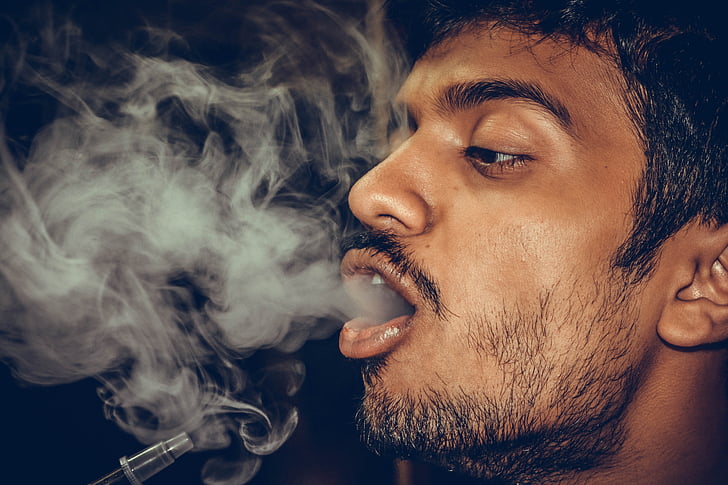
    He says behavioural change at the individual level is critical. “In India, tobacco-related cancers account for every third patient in [hospital outpatient departments]. The government can levy taxes, increase screening programmes, and increase the number of cancer centres, but [it is also important that the] population at large becomes aware and abstains from [tobacco] use.”


    This piece has been sourced from SciDev.Net

    Image: Hippopx, licensed to use under Creative Commons Zero – CC0


    First Person: Visions of Hell, in Haiti

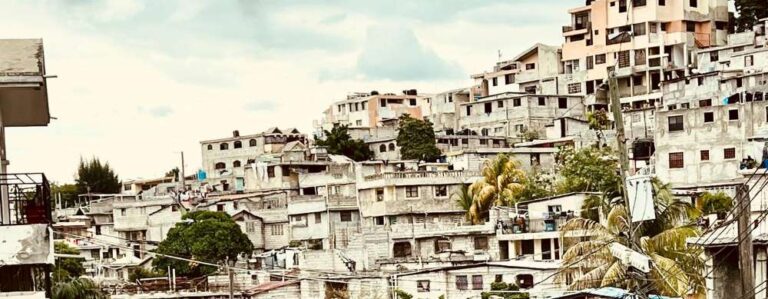
    Samuel (not his real name) grew up near the Haitian Capital of Port-au-Prince, and has seen his childhood home descend into lawlessness and gang violence. Now a staff member with the UN Development Programme (UNDP) in the country, he faces the daily risk of kidnapping, or worse. “The future of Haiti is very uncertain,” he says. “We live in a failed State.”

    “I spent much of my childhood in the south of the capital, in Cité Plus, from the age of 10, until I got married 16 years later. Back then, it was a peaceful neighbourhood, but it has been transformed into a lawless, hellish zone.

    We didn’t grow up wealthy, but we always had enough to eat, and my parents (my father was an electrical engineer and my mother a shopkeeper) made enough to send me and my three siblings to private schools. I went on to study philosophy at the University of Haiti, as well as law and economics.

    I later studied as a multimedia journalist, and joined UNDP in 2014, initially as a volunteer and, two years later, as a staff member.

    Haiti, UNDP, Rule of law, law and order, insecurity

    Constant insecurity

    The positive side of working at UNDP is that, on the ground, we get to meet principled, resilient people who believe in a better future with a strong community spirit, who work hard, in the absence of basic public services.

    And, at our offices, I work with extraordinary colleagues, who maintain their professionalism and work effectively, despite the many crises that have an effect on their personal and work lives.

    However, we all work under a persistent sense of insecurity, and the fear that people will find out where we work.

    Many people believe that all UN staff members are rich, and this gives rise to jealousy and even hatred, amongst those who don’t have the same opportunities as us, in a country with a very high rate of unemployment.

    With the alarming rise in the number of kidnappings we have seen recently, this sense of insecurity is increasing.

    A life-threatening commute

    I knew that, as a staff member for an international organization in Port-au-Prince, I would only be able to live in certain neighbourhoods, and would have to be careful who I told about my job.

    Over the last year, as the security situation has deteriorated, I have also had to be careful which roads I take to get to work. This is the case for me, and other colleagues who live in areas such as Carrefour, Mariani, Merger, Gressier, or Léogâne.

    My wife and I are obliged to stay with family in Port-au-Prince during the week, even though we have built a family home in Gressier. Our two children are at school there, and we can only hope to see them on the weekend, if we are able to make the journey.

    Otherwise, we can only communicate by telephone, as if we were living in another country.

    Commuting is too dangerous. The authorities have lost control of the Martissant-Fontamara road, and gangsters are pillaging the population, raping women and shooting at passengers on buses or in cars.

    Haiti, UNDP, Rule of law, law and order, insecurity

    Horrors on the road

    Travelling by road means accepting that you will be driving past human bodies, left on the roadside to be eaten by dogs. I doubt that those killed in Martissant even figure in the official death statistics.

    Things really were different before. During my childhood, Cité Plus was like many other neighbourhoods of Port-au-Prince. There were many poor families, single mothers, and children whose parents couldn’t afford to feed them or send them to school, but there was less crime.

    Today in Haiti, ideas such as free choice, free movement, and security are becoming more and more removed from reality.

    Haiti, UNDP, Rule of law, law and order, insecurity

    ‘I feel as if I’m in a country that is dying’

    The future of Haiti is very uncertain. We live in a failed State. I don’t feel that we have the leaders in a position of authority to restore order.

    It’s a situation of total terror. I feel as if I’m in a country that is dying.

    Whatever happens, I will fight to survive, no matter what. But to survive, you need to stay alive, and I’m worried that the insecurity is getting closer and closer to me.

    Many of my acquaintances have become victims of violence and kidnappings, either directly or indirectly. I fear that my wife and children are targets for criminals.

    Given the current situation, many people have left the country, and many more are planning to leave. Even the intellectual elite, those with a decent quality of life, are emigrating.

    I want to stay in a Haiti whose institutions work for its citizens, without any discrimination, where inequality is reduced, and all citizens have access to basic services.

    I don’t think that Haiti is necessarily doomed. We can find our way out of this mess, as long as there is a collective awakening, and a critical mass decides to get us back on track. But this will require a lot of sacrifices, and a willingness to act in the collective interest.


    This piece has been sourced from UN News.

    Image: UNDP Hiati

    Bangladesh: New Restrictions on Rohingya Camps

    Authorities in Bangladesh have arbitrarily destroyed thousands of shops while imposing new obstacles on travel within the camps in Cox’s Bazar, denying the Rohingya the ability to live freely and independently, says Human Rights Watch

    “Bangladesh is understandably burdened with hosting nearly one million Rohingya refugees, but cutting them off from opportunities to work and study is only compounding their vulnerability and dependence on aid,” said Meenakshi Ganguly, South Asia director at Human Rights Watch. “The Bangladesh government should formalize and expand employment opportunities to bolster the Rohingya’s self-reliance and enable them to support their families and communities.”

    Rohingya refugees have described to HRW how the new restrictions have prevented them from being able to provide for their families, give their children an education, or build communities. At the same time, Bangladesh officials have pressured the refugees to relocate to Bhasan Char island or return to Myanmar. The worsening conditions in the camps raises concerns that authorities are acting deliberately to coerce refugees to leave, Human Rights Watch said.

    Even prior to the shop demolitions, Rohingya reported that access to employment was their greatest concern in the camps, according to a 2021 survey by the United Nations High Commissioner for Refugees (UNHCR). Although refugees are not officially permitted to work, over half the Rohingya and 30 per cent of children ages 15 to17 reported doing informal work, putting them at risk of exploitation and arrest, the UHCR document says.

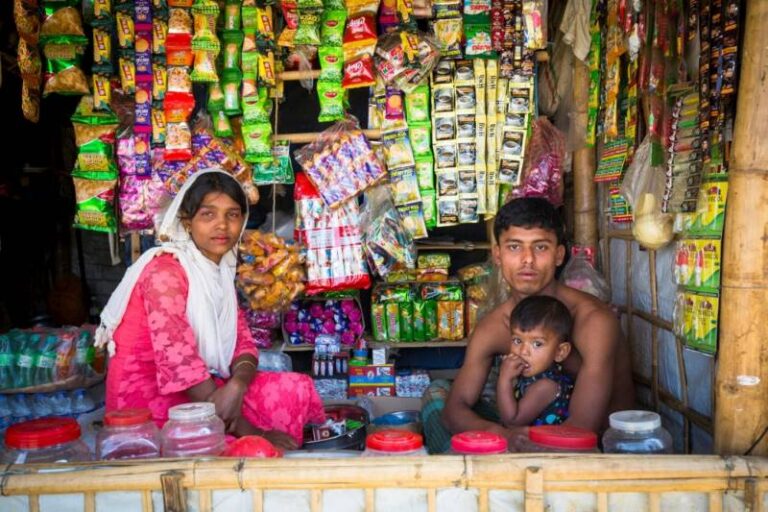
    The informal marketplaces set up by Rohingya became vital sources of income for covering basic needs and supplementing aid rations. But beginning in October 2021, officials began bulldozing shops in several camps, often without notice. More than 3,000 shops have been destroyed, affecting tens of thousands of refugees.

    Subsistence, say refugees

    Mohammed Ali, 37 (name changed), ran a clothing shop that was demolished without notice, destroying 300,000 BDT (US$3,500) worth of clothes and leaving him in debt. “I had to take loans to build up the products in my store,” he said. “Now it’s become impossible for me to pay them back.”

    Another shopkeeper, Abdul Amin, 28, said that shop owners had tried to negotiate with the Camp-in-Charge when they heard other markets were being demolished. “They didn’t hear our requests,” he said. “They didn’t even allow us to take the remaining products from our shops. They just came and demolished with bulldozers.”

    Abdul Amin said that 40 refugees depended on his business, including his 15 family members and the families of his four employees. “Now I cannot buy extra food needed for my family,” he said. “I cannot afford medicine needed for my mother. I cannot give my children education.… My workers have been continually telling me how tough it has become for them also to support their families.”

    Refugees said that the income from the shops helped them supplement the limited food rations of oil, rice, and lentils. “The ration we get as aid isn’t enough for a whole family,” said Mohammed Ali, who had earned about 30,000 BDT (US$ 350) a month at his clothing shop to support his family of 10.

    Amir, 37, ran a mobile phone repair shop earning about 500 BDT ($6) a day, which allowed him to buy vegetables, fish, and necessary supplies for his six-person family. “Now the authorities won’t even allow me to run my business from my shelter,” he said. “I really don’t understand how our simple initiative to live slightly better lives in the camps harms Bangladesh.”

    A grocery shop owner, 35, said his family of 11 and the families of his two employees were dependent on the store income. “The demolition of the marketplace destroyed my shop and so many like mine,” he said. “Now we’ve turned into beggars again.”

    Illegal, say officials

    Bangladesh’s deputy refugee commissioner, Shamsud Douza, told The Guardian that the shops were demolished because they were “illegal.” A senior government official told the UN special rapporteur on Myanmar, “Livelihood opportunity is not the responsibility of Bangladesh.”

    Many refugees said their attempts to continue operating their businesses from their shelters had also been shut down. “Since the demolition, authorities won’t allow us to run another business,” Mohammed Ali said. “They said it’s prohibited, and that we are not living in our own country, we are living in another country, and we cannot earn money in another territory.”

    The nearly one million Rohingya refugees in Bangladesh lack recognized legal status, which puts them on precarious footing under domestic law and makes them vulnerable to rights violations. However, as a party to core international human rights treaties, Bangladesh is obligated to ensure everyone in its jurisdiction, including refugees, has access to fundamental rights, including freedom of movement, livelihoods, education, and health care, Human Rights Watch said.

    Rohingya also described new arbitrary restrictions on movement within the camps in recent months, including threats, frequent curfews, and harassment at checkpoints. “Before, we used to move freely around the camps to visit friends and families,” Amir said. “But now we face a lot of questioning by the authorities whenever we’re outside our shelter.”

    One refugee, 43, said that in the past, he had been able to travel freely within the camps, but in December, officers of the armed police battalion (APBn) stopped him at a checkpoint on his way to visit family in another camp, claiming he did not have the camp official’s permission. “This time, they made me wait at their checkpoint until my family members bribed the APBn officials,” he said. “Since then, I stopped going outside of my shelter.”


    Image: Roger Arnold / UNHCR

    Ukraine’s President Calls on Security Council to Act for Peace, or ‘Dissolve’ Itself

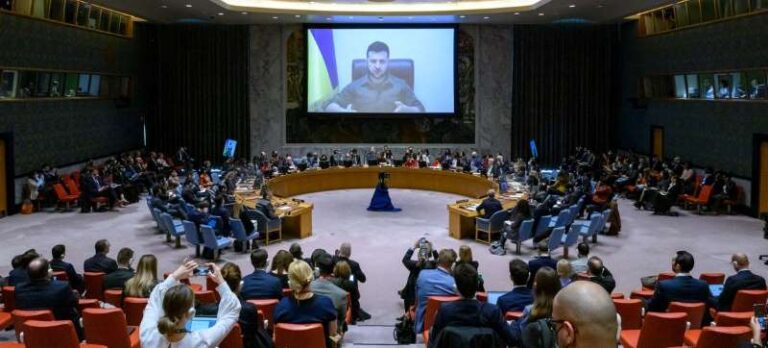
    In an impassioned address to the Security Council that evoked the ashen destruction wrought during the Second World War, Ukrainian President Volodymyr Zelensky on Tuesday described in stark detail what he said was the deliberate slaughter of civilians in Bucha by Russian forces, laying out an existential choice for its members, over the whole future of the world’s security architecture, founded in 1945.

    “We are dealing with a State that is turning the veto of the United Nations Security Council into the right to die”, President Zelynskyy warned.  If it continues, countries will rely not on international law or global institutions to ensure security, but rather, on the power of their own arms.

    Noting that he had just returned from Bucha, the newly liberated suburb of Kyiv that has become notorious since images of mass civilian deaths there emerged at the weekend, he recounted how Russian forces had sought and purposely killed anyone who served Ukraine.

    He was addressing the Council today, he said, in honour of the deceased:  those shot in the head after being tortured, thrown into wells, crushed by tanks while sitting in their cars, and those whose limbs were cut off and tongues pulled out because the aggressors “did not hear what they wanted to hear”.

    Tactics used by terrorists

    He accused Russia of wanting to “turn Ukrainians into silent slaves” and openly stealing everything, “starting with food and ending with gold earrings that are pulled out and covered with blood”.

    These tactics, he said, are no different than those used by terrorist group Da’esh – except that they are now being perpetrated by a permanent member of the Security Council.  “Where is the security that the Security Council must guarantee?” he implored.

    Recalling that Holocaust organizer Adolf Eichmann did not go unpunished, the Ukrainian president said it was time for reform.  “The power of peace must become dominant”.

    He challenged the Council to either remove the Russian Federation as a source of war so it can no longer block decisions made about its own aggression, or simply “dissolve yourselves altogether” if there is nothing to do other than engage in conversation.  “Are you ready to close the United Nations?  Do you think that the time for international law is gone?” he asked.

    “Ukraine needs peace.  Europe needs peace.  The world needs peace,” he insisted.

    Bolstering that plea in an earlier briefing to the Council, UN Secretary-General António Guterres, expressed deep regret over divisions that have prevented the Council from acting not only on Ukraine – but on other threats to peace around the world.  He urged the Organization’s flagship security body to do “everything in its power” to end the war.

    Doubling of civilian deaths

    Under-Secretary-General for Political and Peacebuilding Affairs Rosemary DiCarlo similarly noted that conditions had seriously deteriorated since her 17 March briefing.  The number of Ukrainian civilians killed has more than doubled; Ukrainian cities continue to be mercilessly pounded, often indiscriminately, by heavy artillery and aerial bombardments; and hundreds of thousands of people remain trapped in encircled areas under nightmarish conditions.

    “The devastation wrought on Mariupol and other Ukrainian cities is one of the shameful hallmarks of this senseless war,” she said.

    She called on Kyiv and Moscow to quickly translate any progress in their ongoing negotiations into action on the ground, emphasizing that indiscriminate attacks are prohibited under international humanitarian law and may amount to war crimes.

    “The massive destruction of civilian objects and the high number of civilian casualties, strongly indicate that the fundamental principles of distinction, proportionality and precaution have not been sufficiently adhered to,” she stressed.

    Lives stuffed into backpacks

    In the ensuing debate, United States Ambassador Linda Thomas-Greenfield said that behind the images of bombed out buildings, many people had “stuffed their lives into backpacks” and left the only home they had ever known.

    She gave her own account of the refugee crisis in parts of Europe, having returned on 4 April from the Republic of Moldova and Romania.

    Based on available information, she said the United States has assessed that Russian forces committed war crimes in Ukraine.  The United States is seeking suspension of the Russian Federation from the Human Rights Council, as Moscow uses its membership as a platform for its propaganda, she said.

    Russia counters accusations

    Russian Ambassador Vassily Nebenzia countered that in fact his country had saved 123,500 people in Mariupol, without any help from Ukraine.  Over 600,000 people have been evacuated to Russian territory since its “special operation” began.  “We’re not talking about coercion or abduction”, he clarified.  These voluntary decisions are supported by videos on social media, he said.

    To Ukraine’s President, he said: “We place on your conscience the ungrounded accusations against the Russian military,” which are uncorroborated by eye-witnesses.

    He said any hopes tied to the President’s election had failed to materialize following his launch of a linguistic inquisition against Russian speakers in the Donbas region. “We were on the verge of correcting injustices” sparked by the 2014 events at Maidan, he recalled.

    In reply to accusations against Russian forces criminality in Bucha, he blamed Kyiv and the Western media for promoting “flagrant inconsistencies” and said that there are, in fact, recordings of Ukrainian radicals shooting civilians.

    Moreover, he said, the corpses seen in a graphic video presented to the Council by President Zelenskyy “in no way” resemble those who reportedly had been on the ground for four days.  He implored Ukraine’s President to recognize that his country is only a pawn in the geopolitical game against the Russian Federation.